After almost risking Henry in the hands of someone who turned out to be less than reliable, we decided to play things safe from now on and enjoy Angola on our own terms.
We were heading out of the coastal town of Namibe into the Iona National Park – a remote and isolated place which is home to ´some of the most culturally intact people´ in the world. It is also part of the Namib desert and the same ecosystem as Namibia´s Skeleton Coast and Namib Nauklift Park.

As we drove out of town we came to a Police checkpoint. We stopped and wound our windows down with a big smile as usual. Police checkpoints are common everywhere in Southern Africa as you drive in and out of towns but so far the Angolan police had been charming and friendly.
The Police Officer came over looking Henry up and down and greeted us in perfect English. Where were we going he enquired. We told him we were off to Iona for a few days. He raised a concerned eyebrow and advised us it was very hot and were we sure it was wise alone. We assured him we were well prepared and had a satellite tracker for emergencies. He nodded, considering the information. Just as he was about to wave us on his face clouded over and he gestured for us to stop again. We weren´t sure what to expect but he simply said ´Water!´ The Police often ask for a bottle of water at checkpoints so we were about to try and find one for him when he carried on ´How much water are you carrying?´. We told him we had 60 litre containers full of fresh water. He smiled and nodded and said that should be enough. He wished us good luck, told us to wear our sun hats at all times and waved us through.
It´s exchanges like this that make travelling as special as it is. We had gone from frustrated and annoyed about our would-be guide to feeling that the world was full of wonderful people.
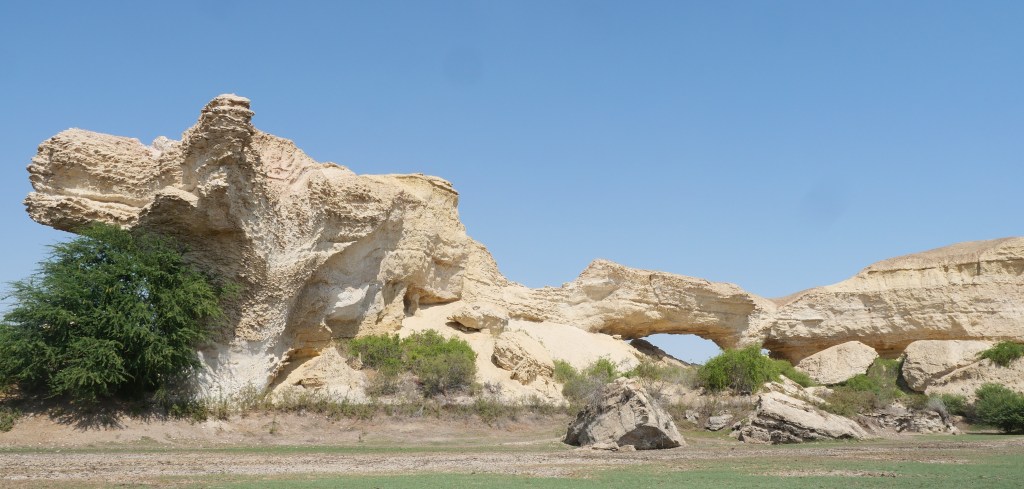
Our first stop was to be the Lagoa dos Arcos – the Arch Lagoon. It was about 45 minutes drive down a dirt track off the main tar road.
When we arrived it felt as though we had entered an entirely different world
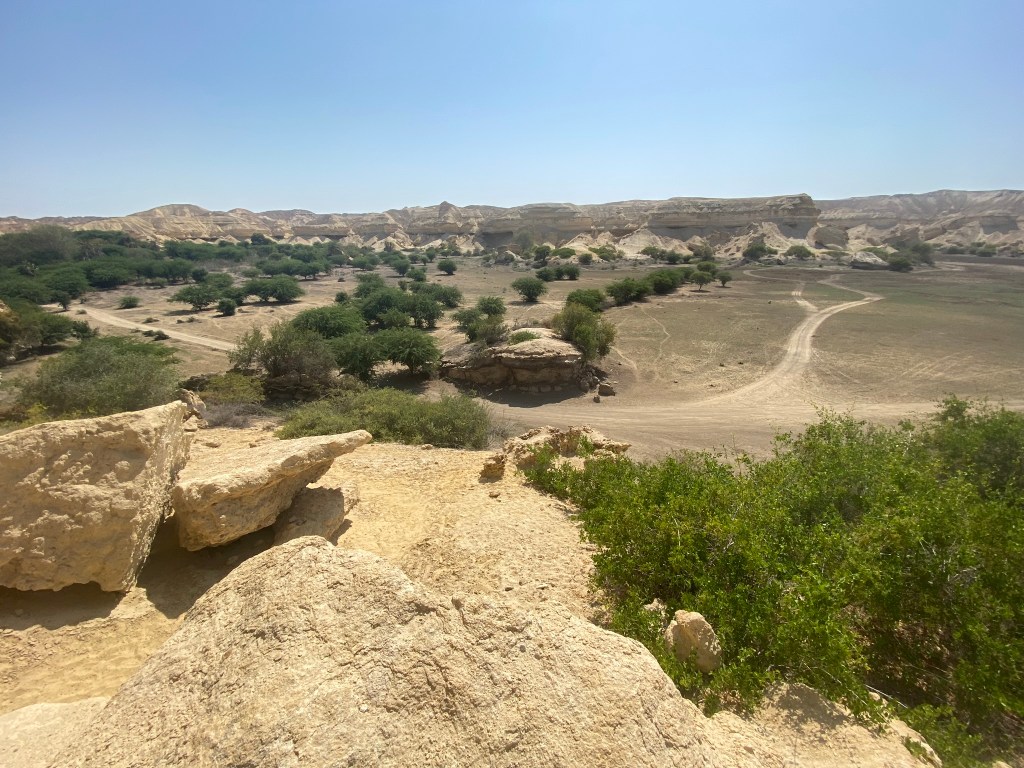
A small village was clustered around the foot of the hills and a few people watched us passing by
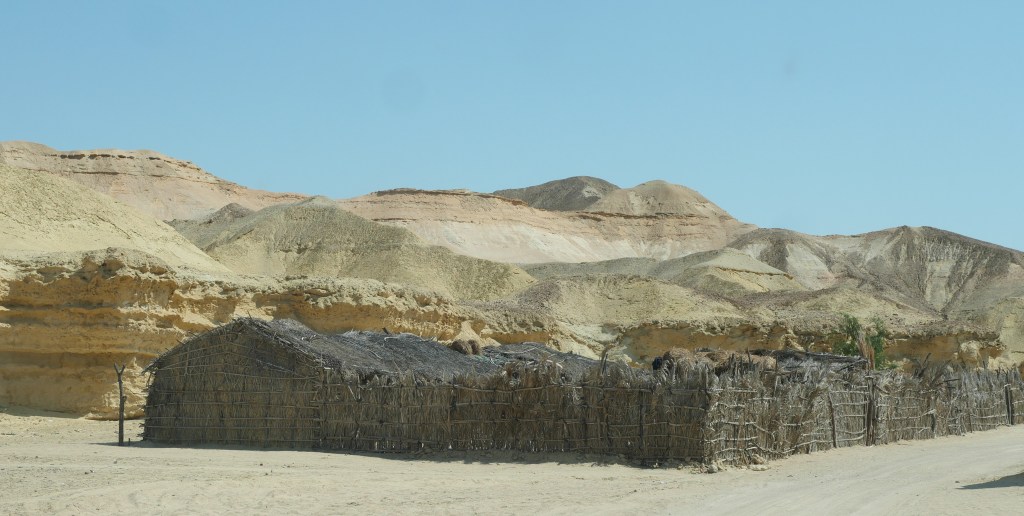
We drove through the village to find the Arch itself and almost missed it – there´s nothing touristy in Angola, no signs to tell you you´ve arrived, no curio shops or people selling cold drinks.
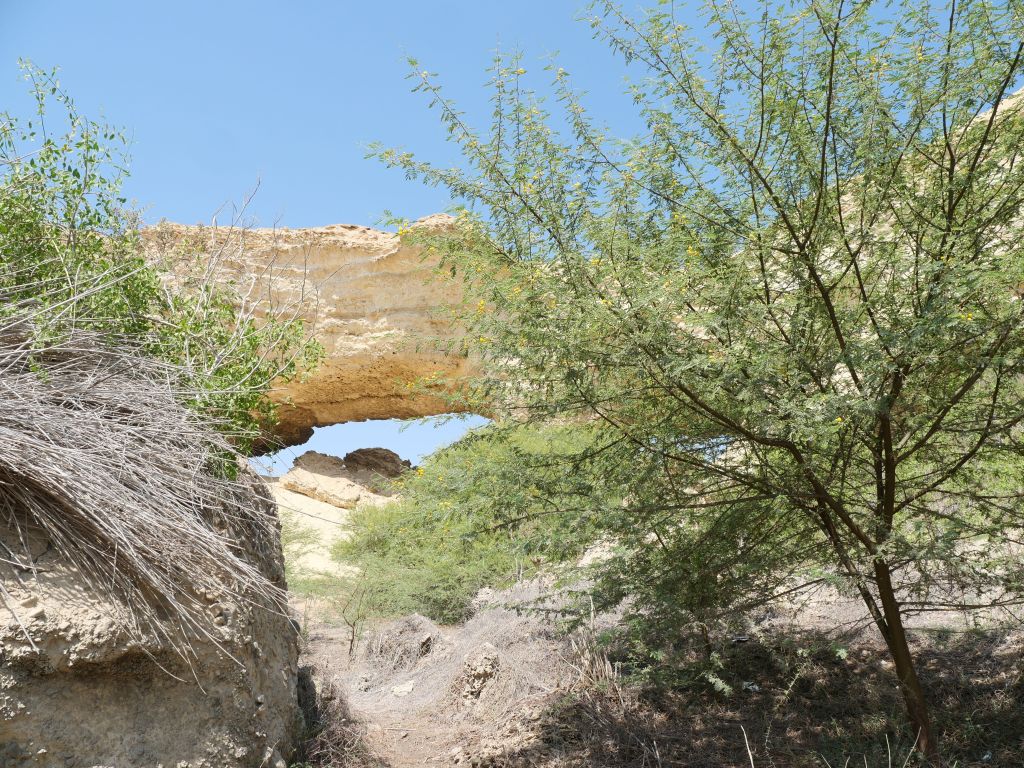
As we wandered around, a man from the village ran up and started telling us about the history of the Lagoon and how big it gets in the wet season. All in Portuguese of course but we got most of it eventually.
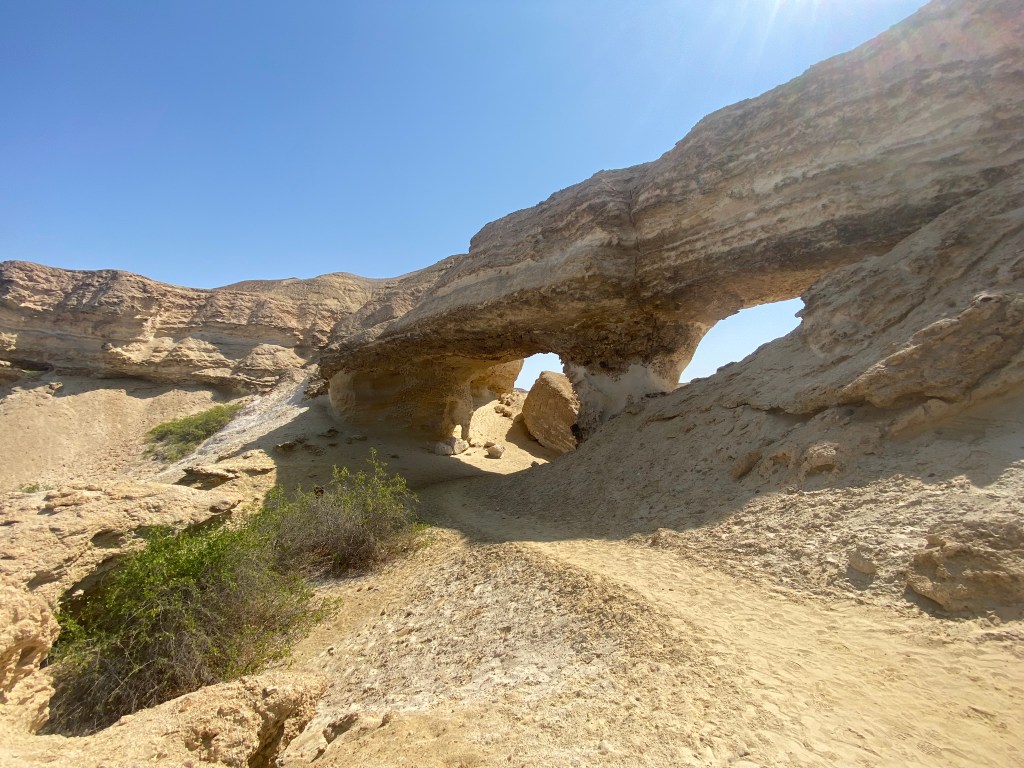
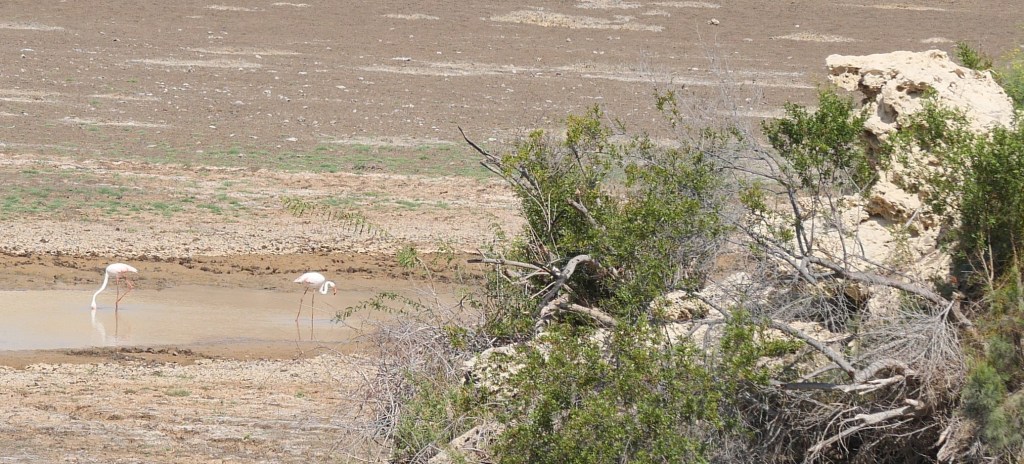
He pointed out flamingos in the distance
And picked up some fossils to show us.
When we were ready to leave we thanked him expecting to be asked for payment but he just nodded and wandered back to the village.
This was something entirely new!
We drove on deeper into the desert to find Welwitschias and, hopefully, some hot springs. It would take a couple of days to get there but we weren´t in any rush.
On the way I found an entry on IOverlander for a place called Colinas. I hadn´t seen any mention of it in any of my research but the entry said there were some interesting rock formations worth a small detour from the route to the hot springs.
So we decided to go and take a look. We put the GPS coordinates into the sat nav and followed the trails towards it. Eventually we found a small, hand written sign saying ´Welcome to Colinas´ and an arrow to the left. We followed it and what we found took our breath away.
In any other country this would be a top tourist destination, widely publicised, expensive to enter, surrounded by camp sites and lodges, shuttle buses to take you there, shops selling tourist tat. But not Angola, Angola has a jewel like this that is never mentioned and has only a small, battered sign directing you there.
As we drove towards the magnificent, towering rocks, we found two local buses parked up and a few Angolan visitors enjoying walking around the site. They had huge grins on their faces and looked so proud of their heritage and pleased to be there.
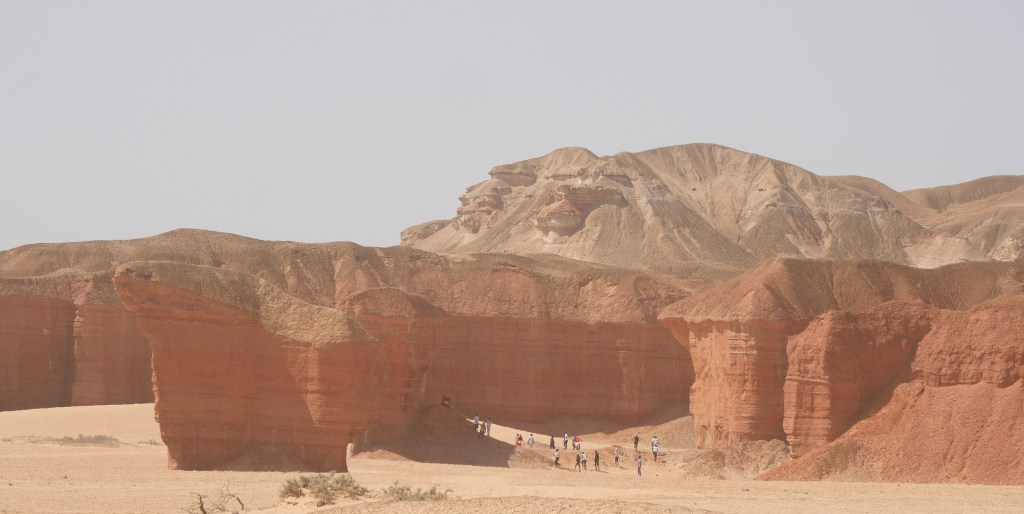
But after they left we were entirely alone, our voices echoing around the nooks and crannies, the whole place to ourselves.
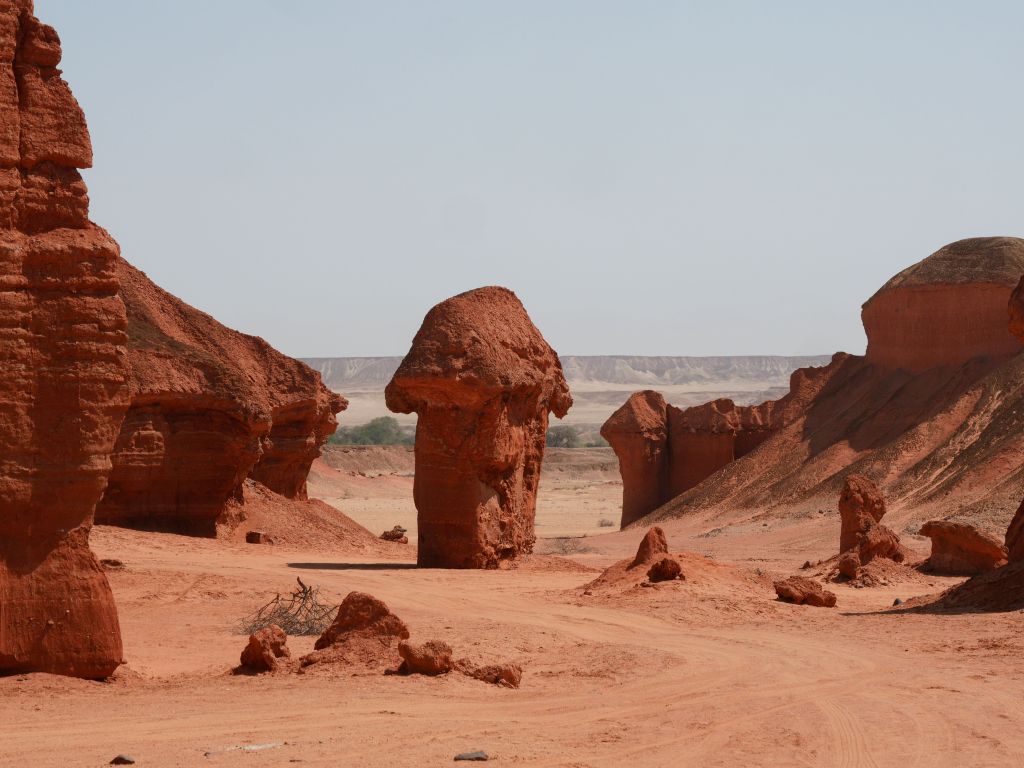
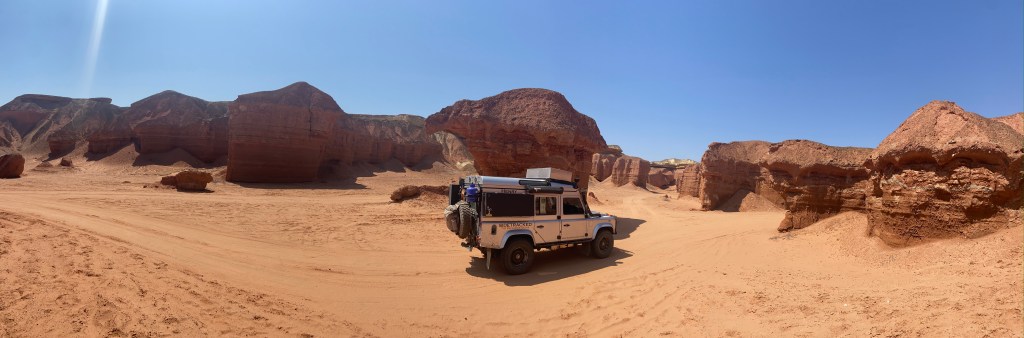
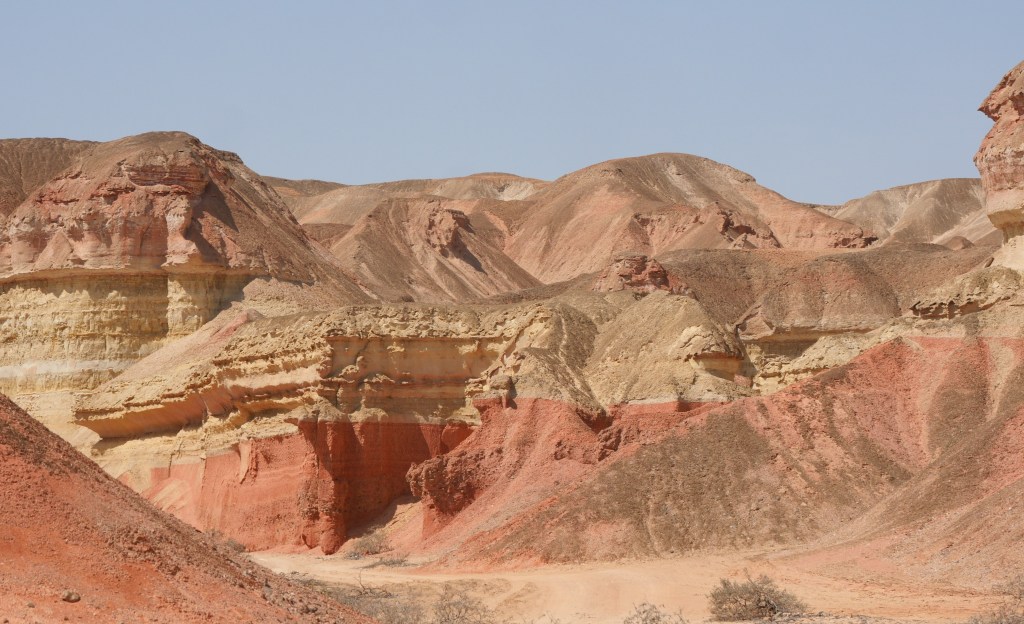
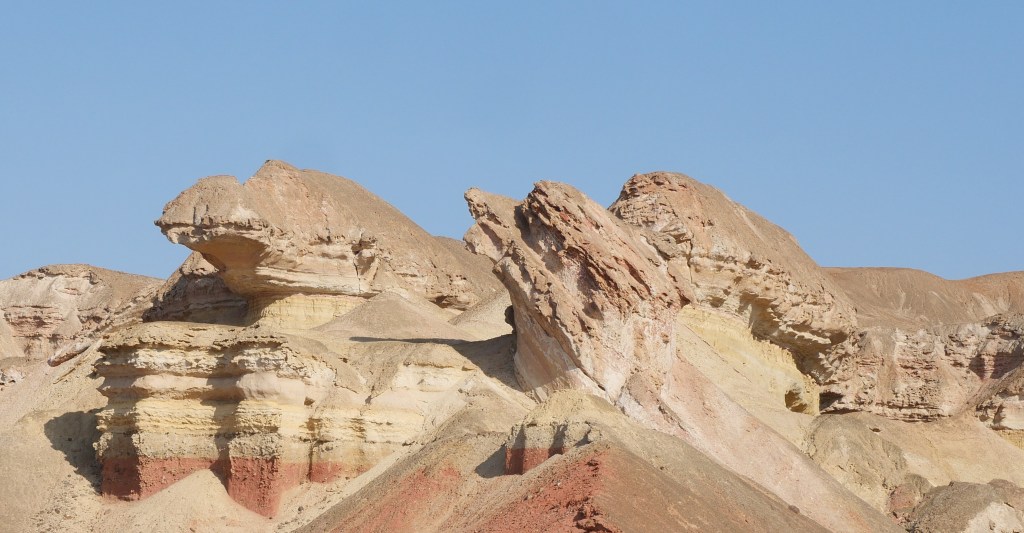
We drove around, following each leg between the rocks until we could go no further then doubling back and trying the next one.
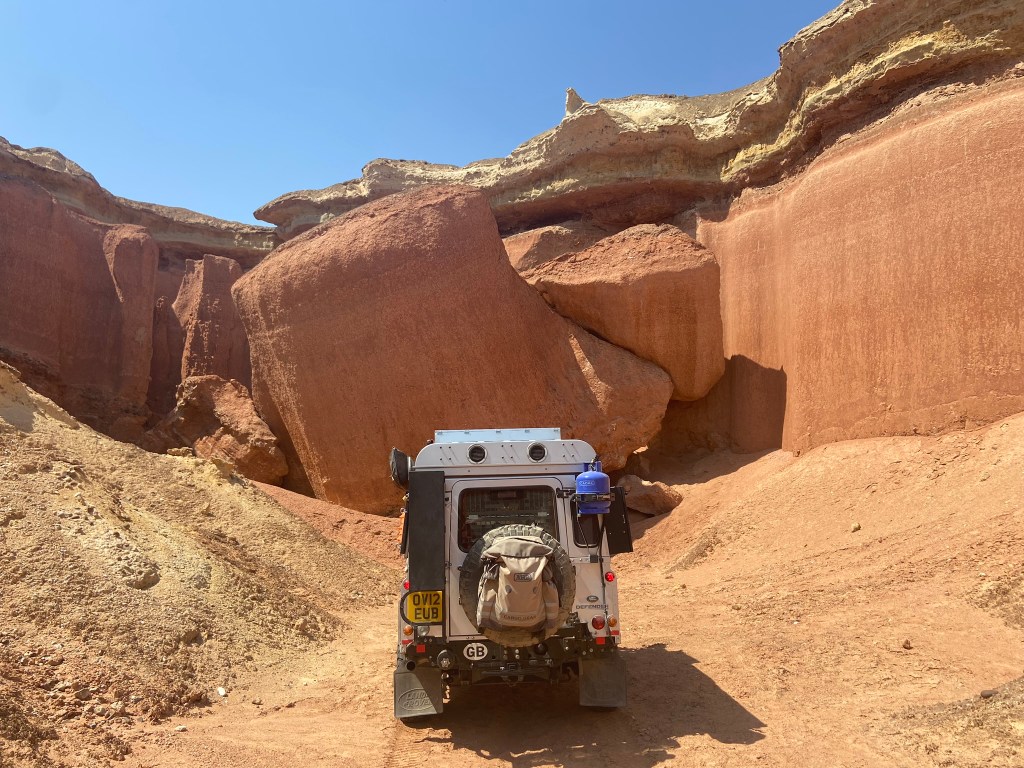
Each leg took us deeper in and around each corner was a view more stunning than the last.
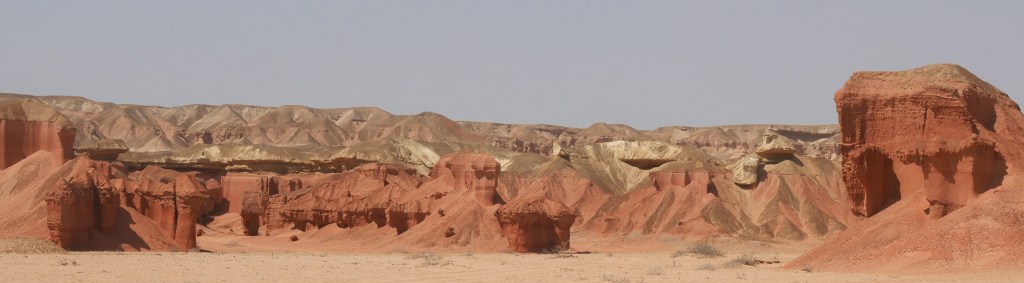
We put the Go Pro on the bonnet and drove round trying to capture the magic
It was so lovely we decided to stay for a while and have some lunch there
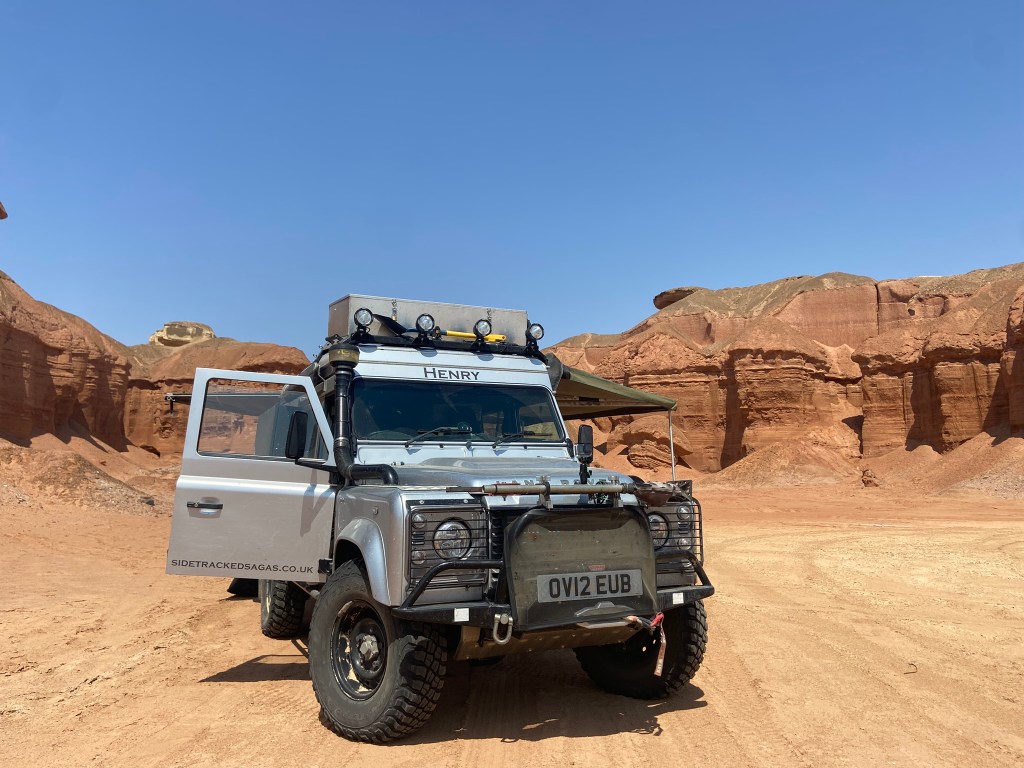
We both took so many photos that it has taken me longer to decide which ones to use than we spent taking them!
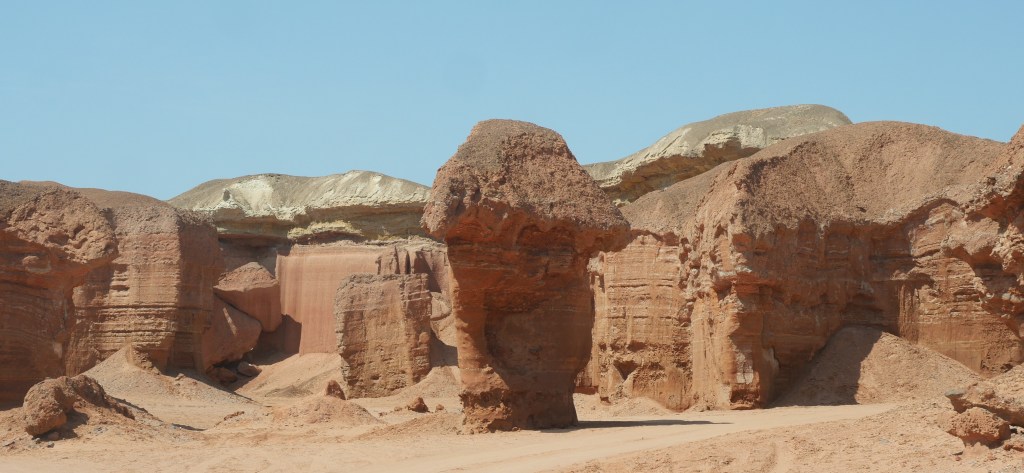
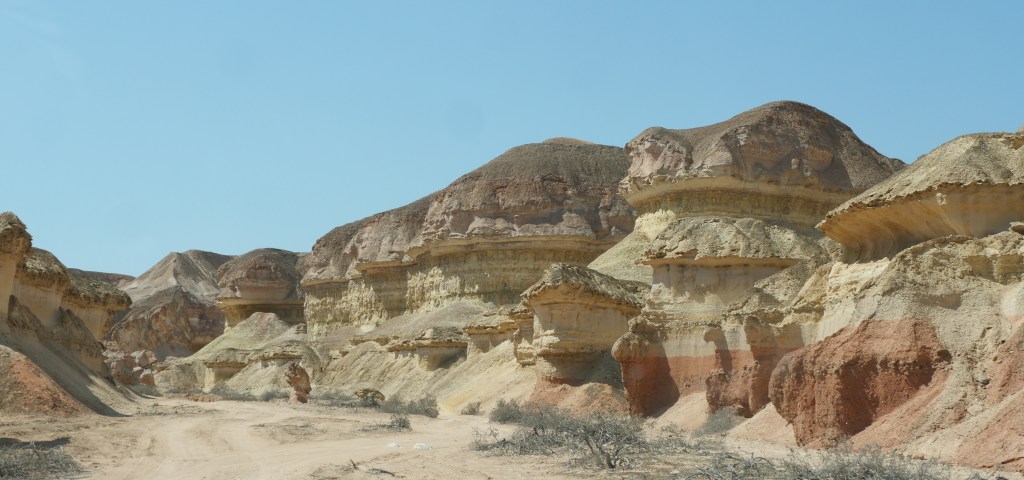
But eventually we had to leave and we set the sat nav for another point highlighted on IOverlander which someone had named ´Giant Welwitschia´ – how could we not go?!
This next spot was about 50km away and on the trails we were following this was going to take us around 2 hours. We settled in for the drive and admired the craggy landscapes

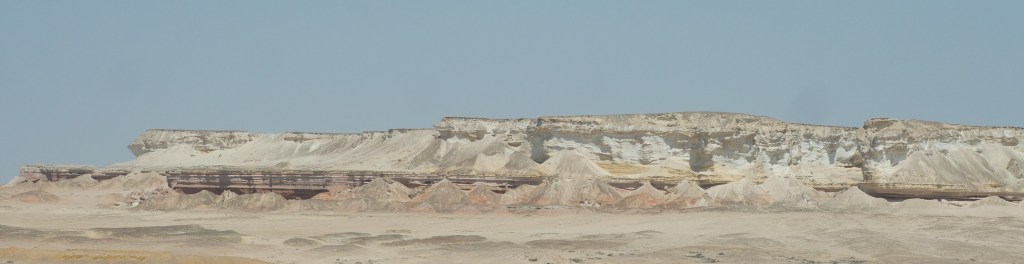
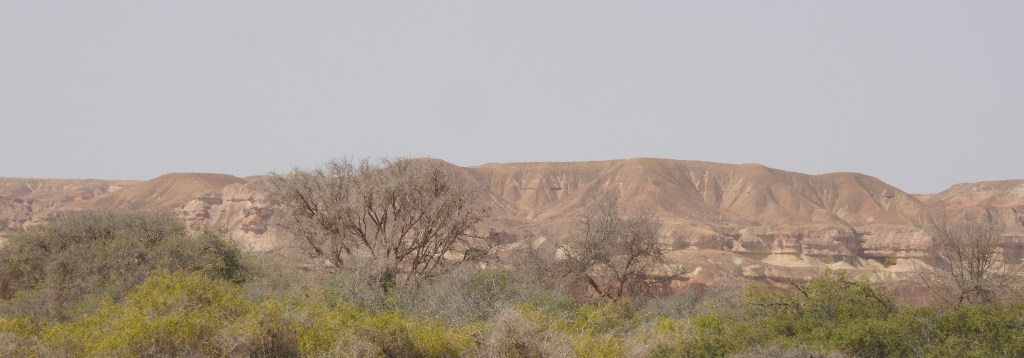
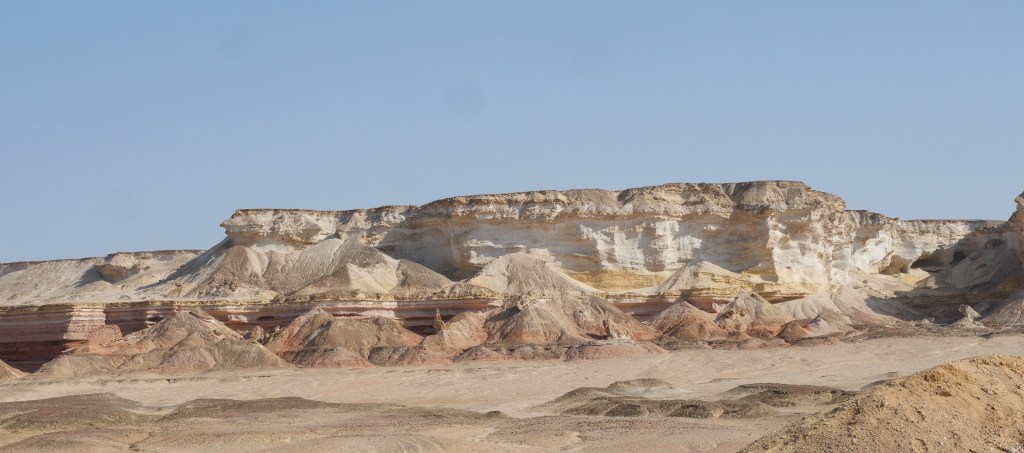
Were awestruck by the remoteness of the villages and how hard their lives must be
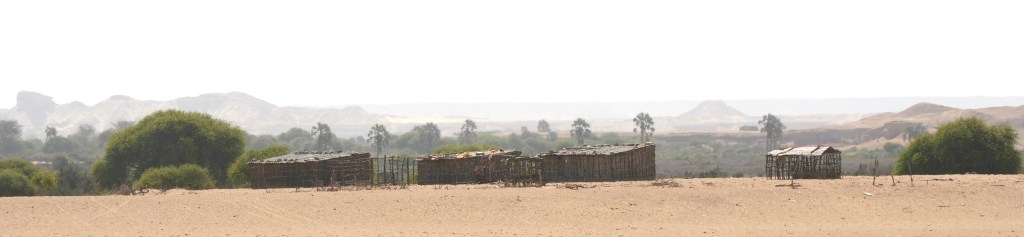
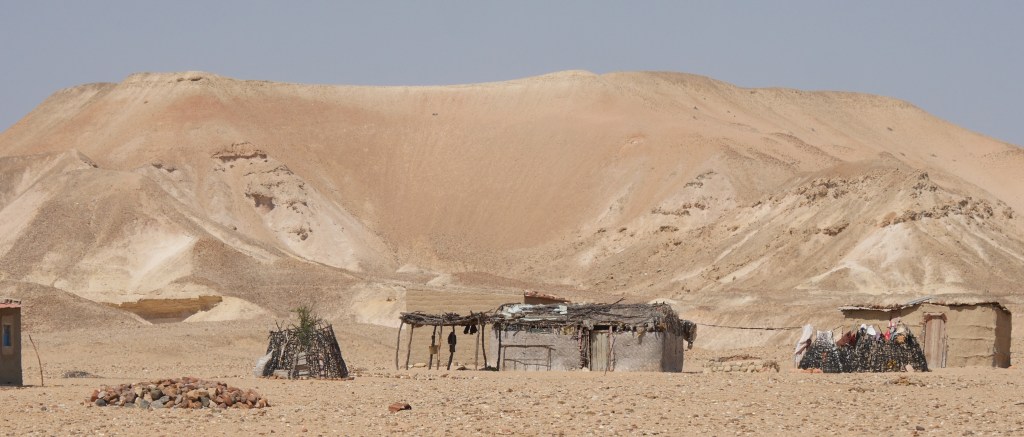

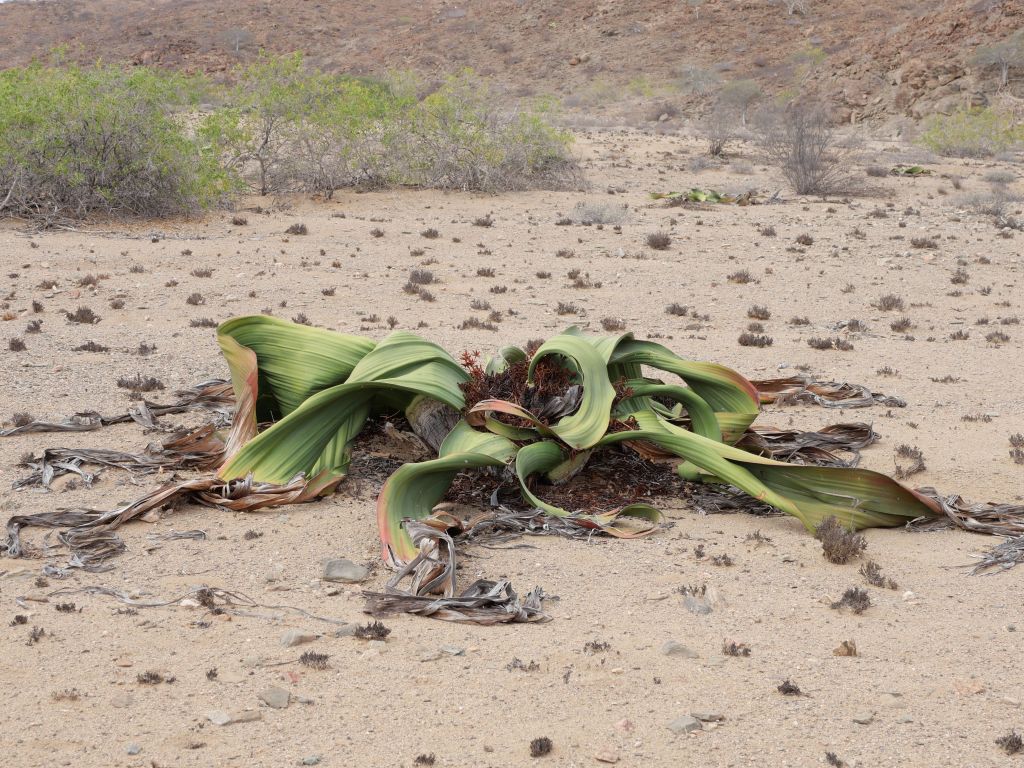
And were excited to see the first Welwitschia start to appear
But it wasn´t long before there were no more villages, not even the small, barren ones. In fact there was nothing out here at all.
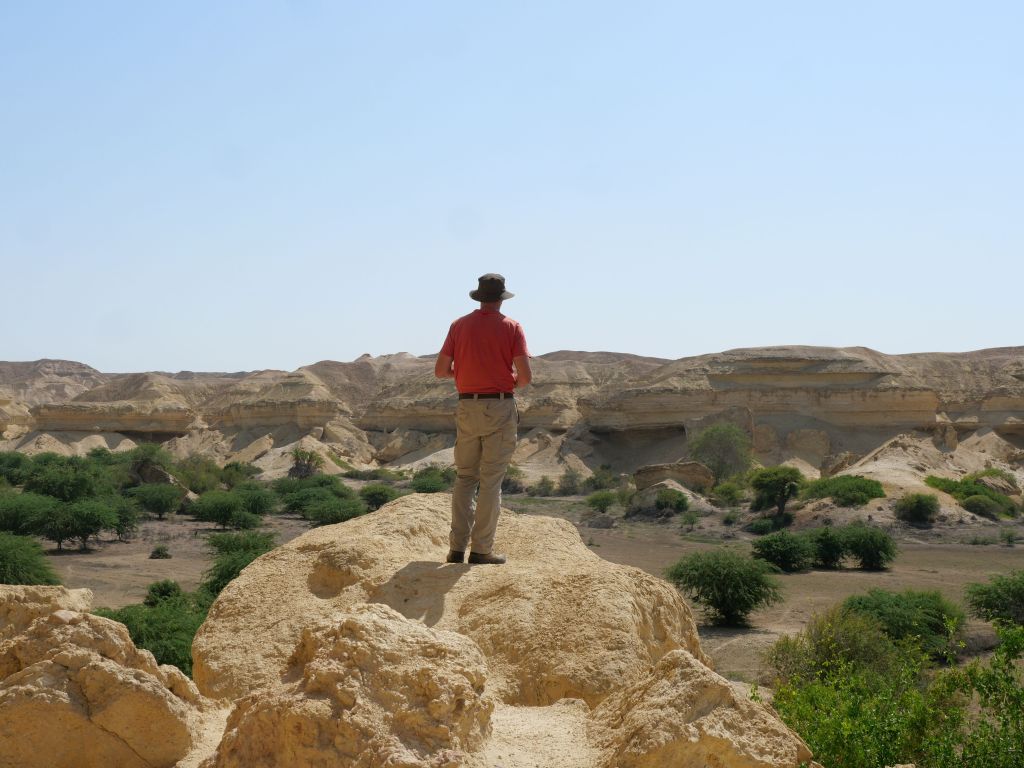
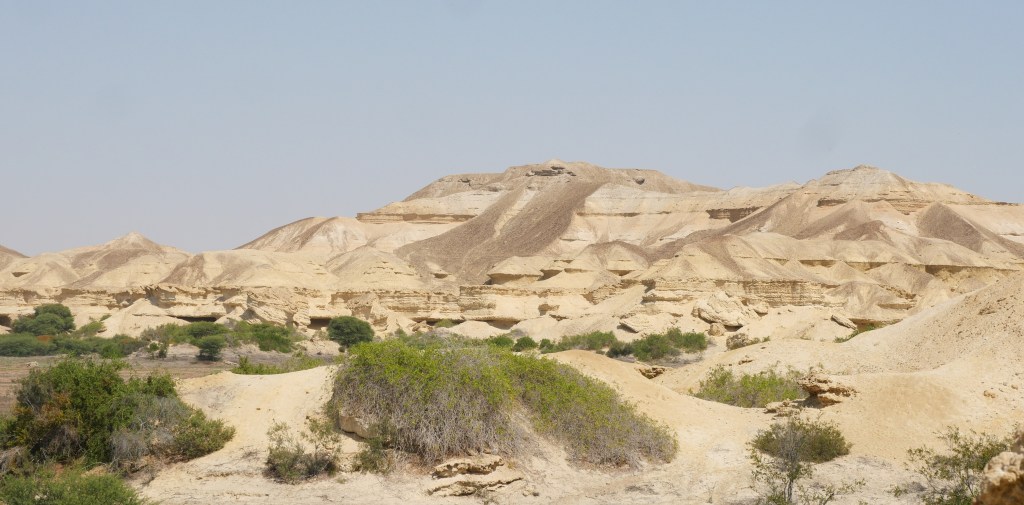
Absolutely nothing, apart from sharp rocks, winding trails and huge skies
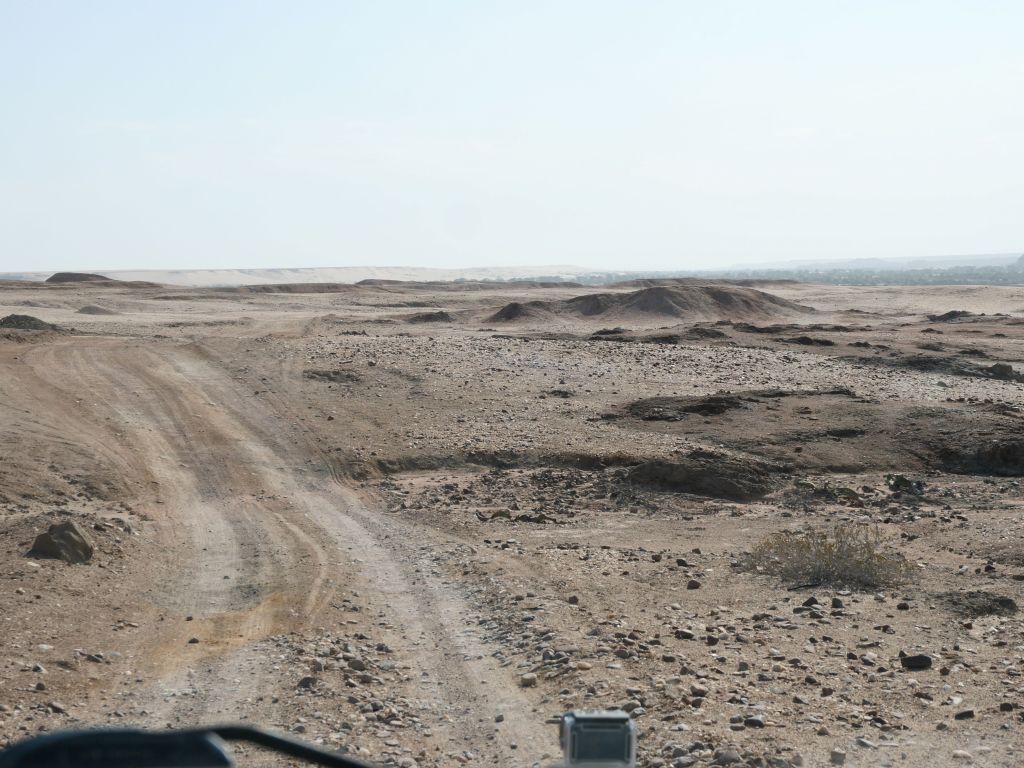
It was beautiful and incredibly peaceful.
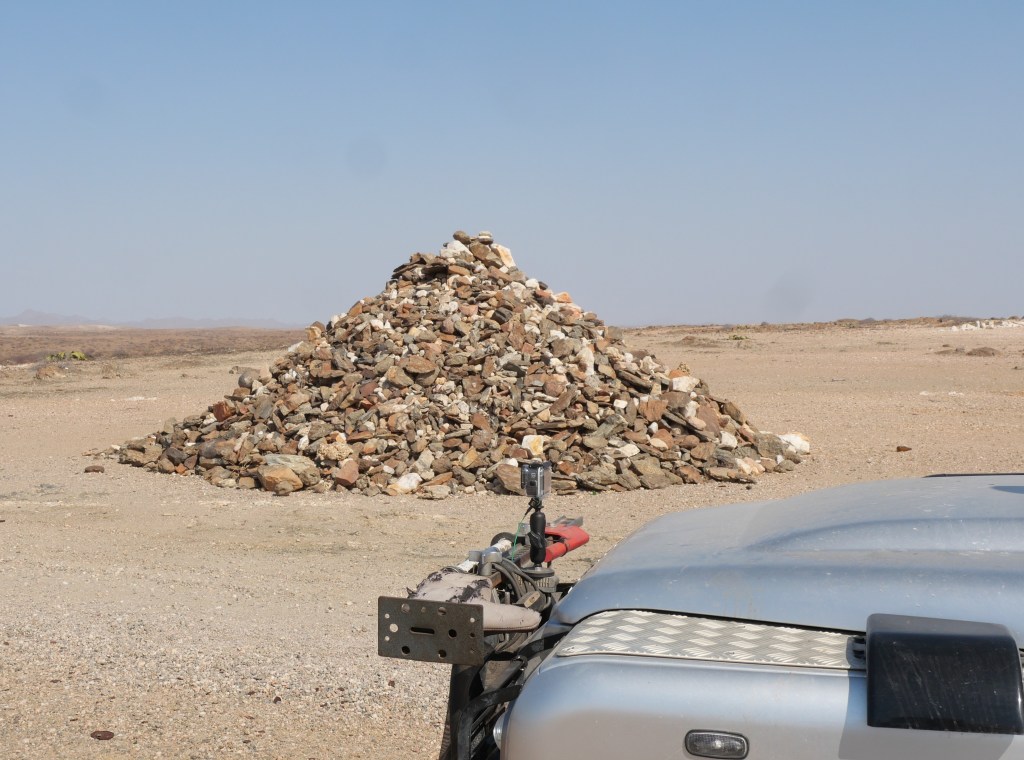
We came across a large pile of stones that someone had painstakingly gathered. We wandered around wondering what its significance was. If anyone knows we´d be very interested to hear, our thoughts were either a grave or simply a way-marker but it must have taken weeks to gather all this so it must have some importance
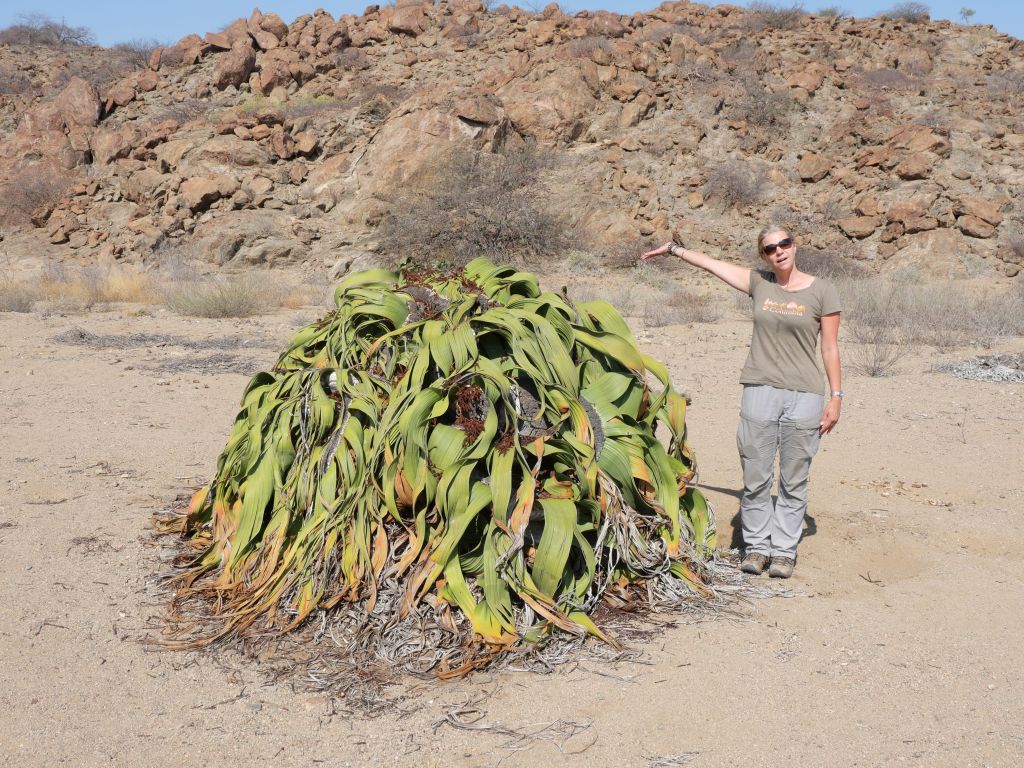
Eventually we found the Giant Welwitschia. And it really was giant!
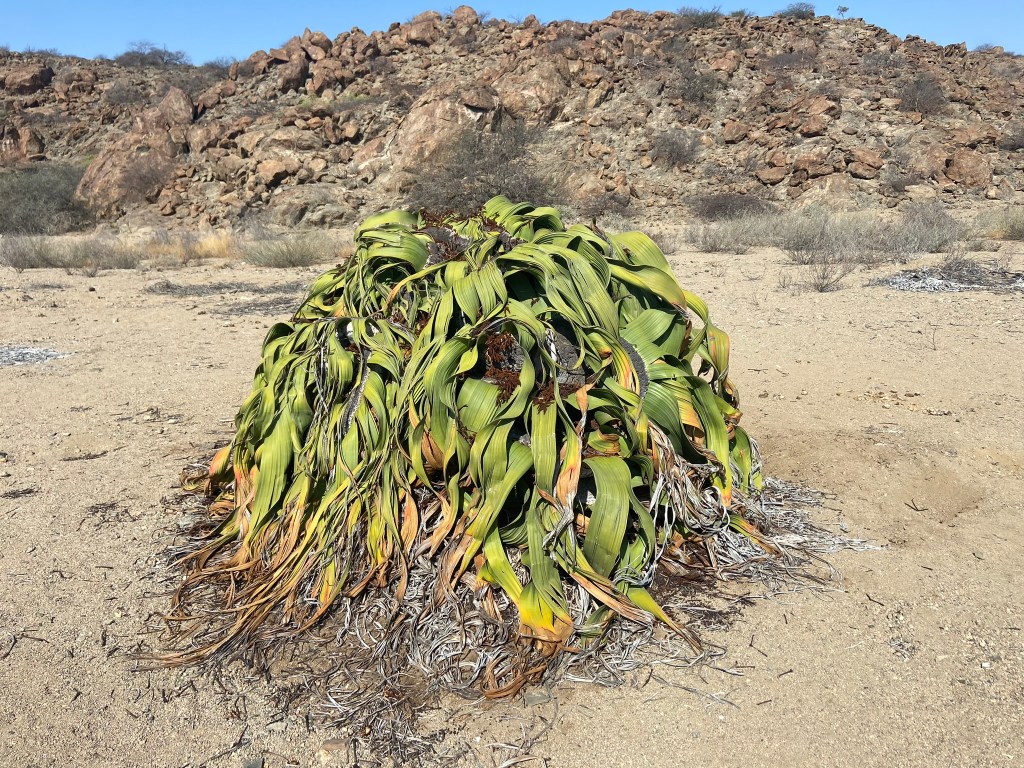
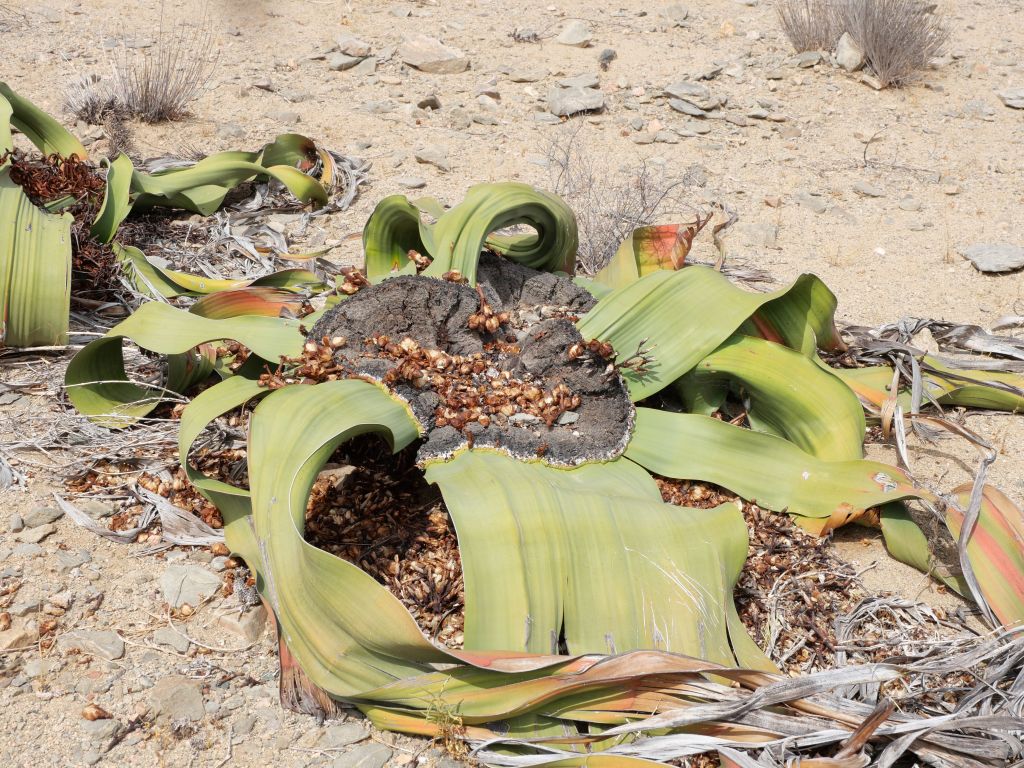
You may recall from one of our Namibia posts that Welwitschia are generally rather strange looking plants found only in the Namib desert and which slump along the ground in a large mess of thick, green leaves
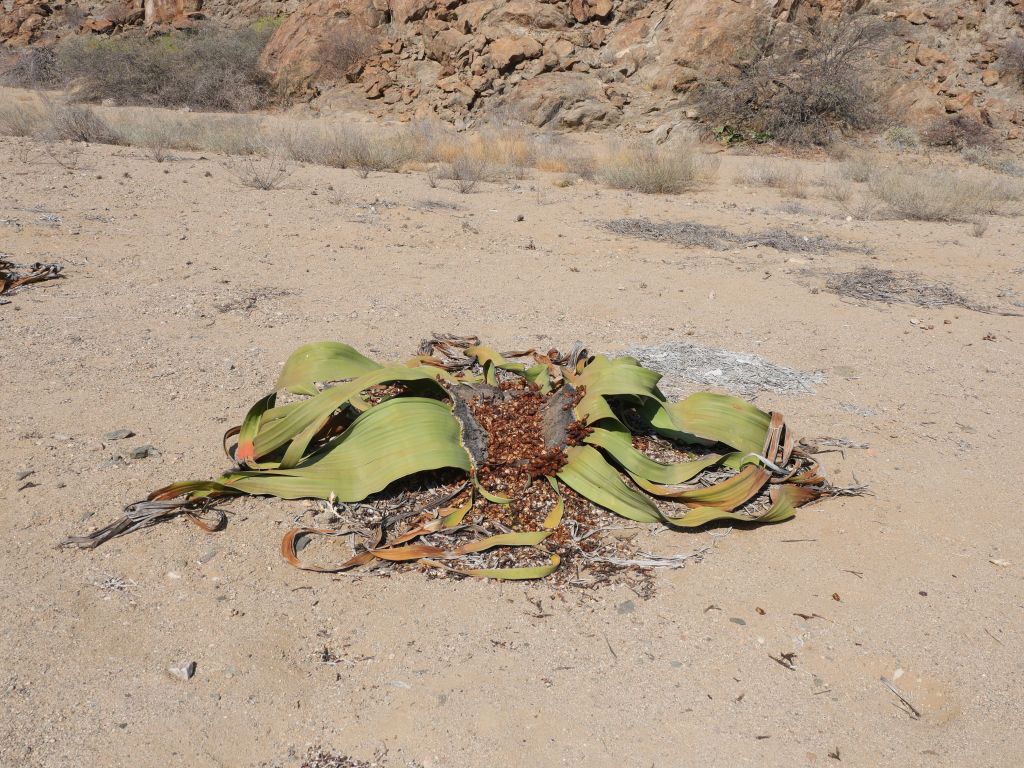
Whatever had caused this one to grow up instead of out is a mystery. I decided to stand next to it for scale just so you would all believe me!
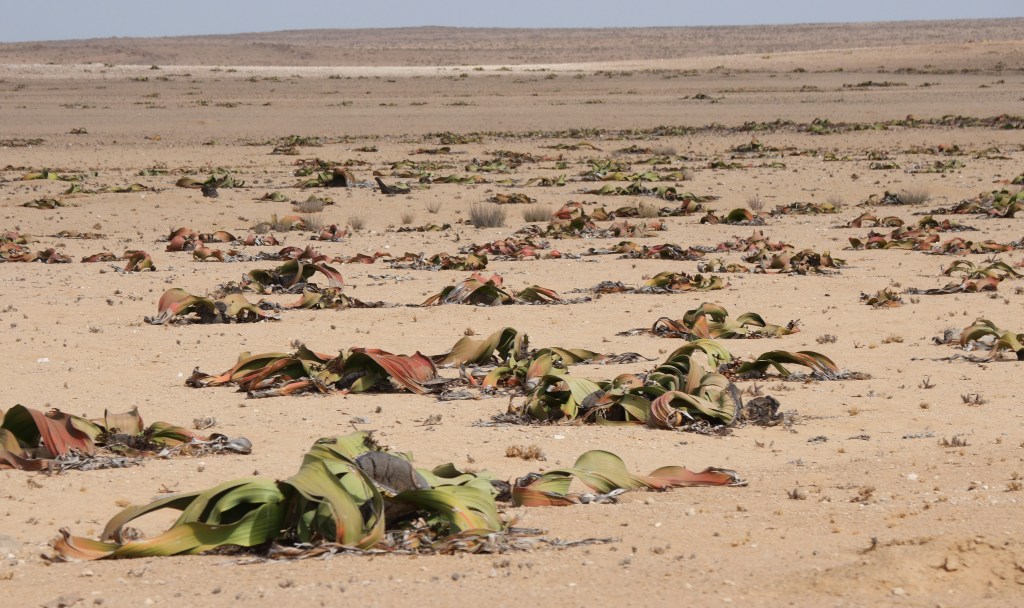
As we drove further into the National Park from Colinas we started to see great seas of them – more and bigger even than in Namibia where they are far more famous.
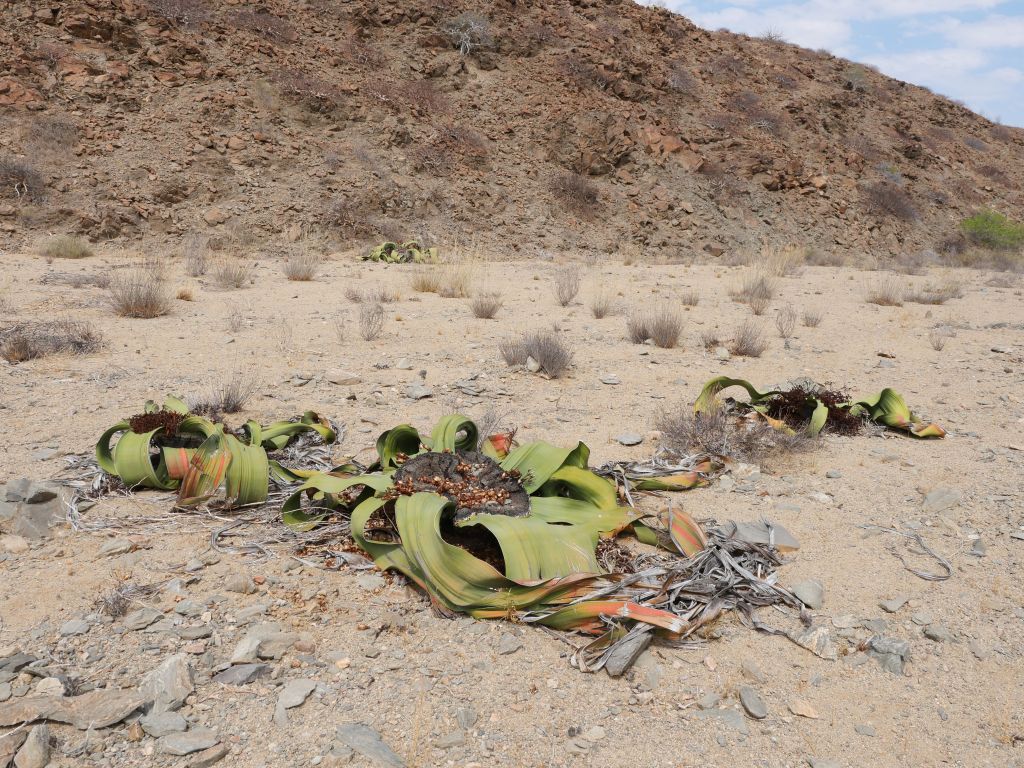
It was the middle of the afternoon by now and we were getting tired from the hard driving so we decided to find somewhere to camp up. There were one or two spots marked on IOverlander but to be honest we could have chosen anywhere around here and been completely undisturbed. We decided to hide behind a small hill just off the trail.
The view was spectacular with the desert and mountains surrounding us
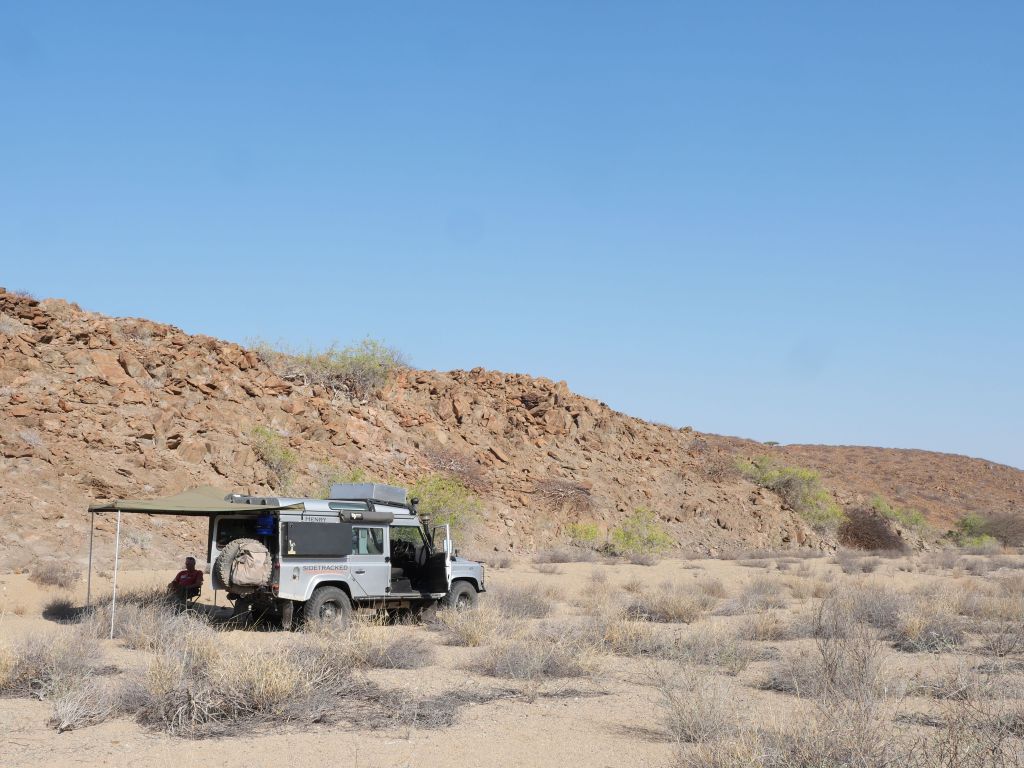
James lit a fire and we cooked dinner over it then sat star gazing over a glass of wine and beer. It was so tranquil.
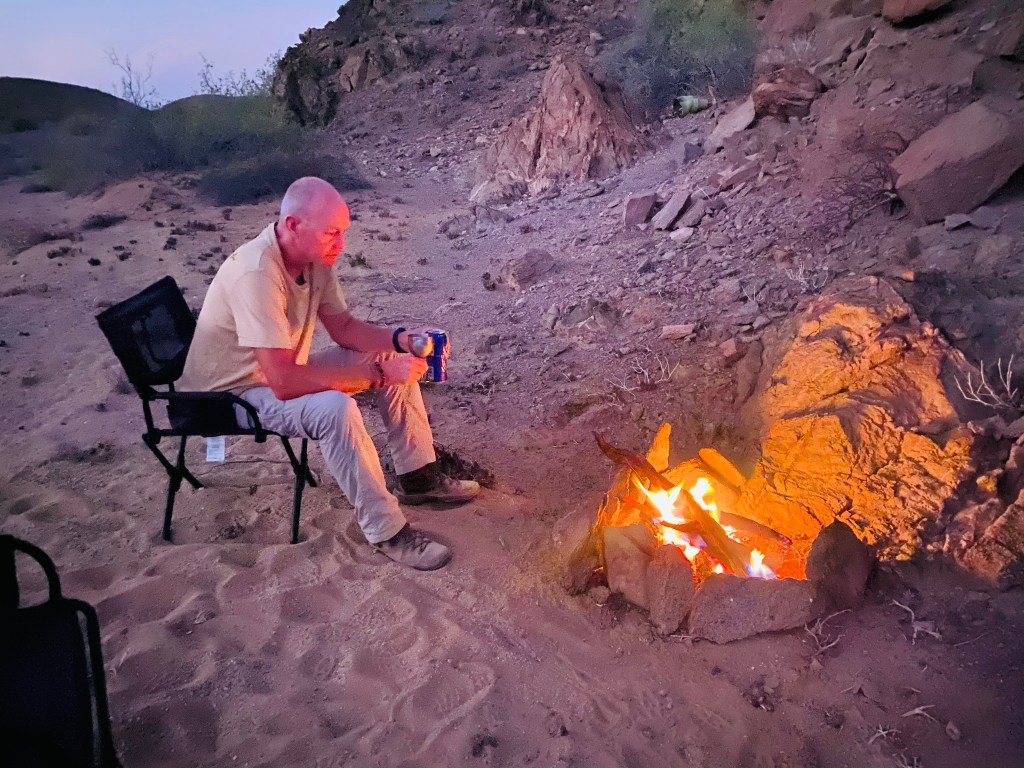
Later in the evening an almost full moon came up and was so bright it was like daytime. In fact I woke up a few times in the night with my brain thinking it was morning only to peer out of my window and realise it was just the moon.
You may recall a previous blog where I discussed the fact that even the most perfect camping spot always has one downside. Here it was bees! First thing in the morning, as soon as we started using our water, they swarmed on us, trying to drink from the tap, hovering over the puddles on the ground and landing on us everywhere.
James took the mat from the drivers footwell, filled it with water and placed it slightly away from us. It worked to an extent, many of the bees headed for it and sat drinking but there were still plenty that were more interested in us.
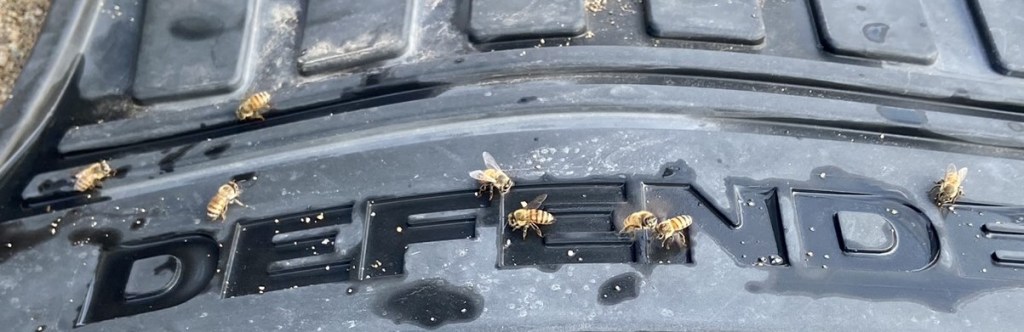
So we had a rather rushed morning trying to get away from them. Having a shower was impossible and they were even massed on the end of the tap inside Henry drinking the drips – I had to climb in, herd them all out and close the door before I could even brush my teeth.
It was with some relief that we were finally packed up and ready to leave.
The rest of the drive to the Pediva Hot Springs was even more beautiful than the day before. The hard, craggy rocks gave way to beautiful plains with green grasses waving in the breeze. The driving became much easier with smoother, sandier trails and there was only one way to go which made it far easier to navigate.
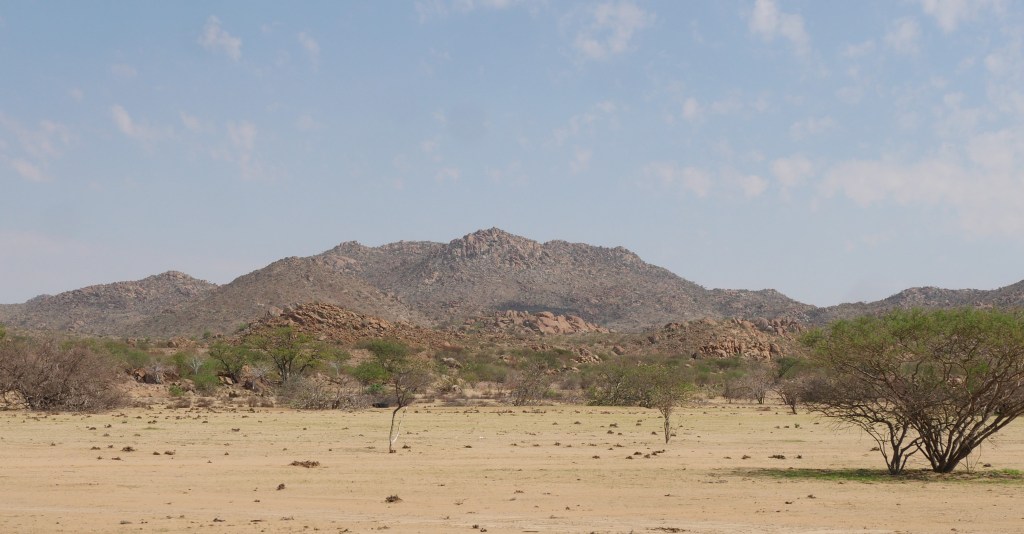
It took half a day to get there. We travelled with the expectation that it was the journey not the destination that mattered. When we arrived we found we had been right!
The hot springs were muddy pools of water with rather a lot of cow dung floating in them. We wandered around for a few minutes but you certainly wouldn´t want to have a dip in there.
The village itself was about as remote as it is possible to get and the people can´t have seen anyone outside their community for a very long time
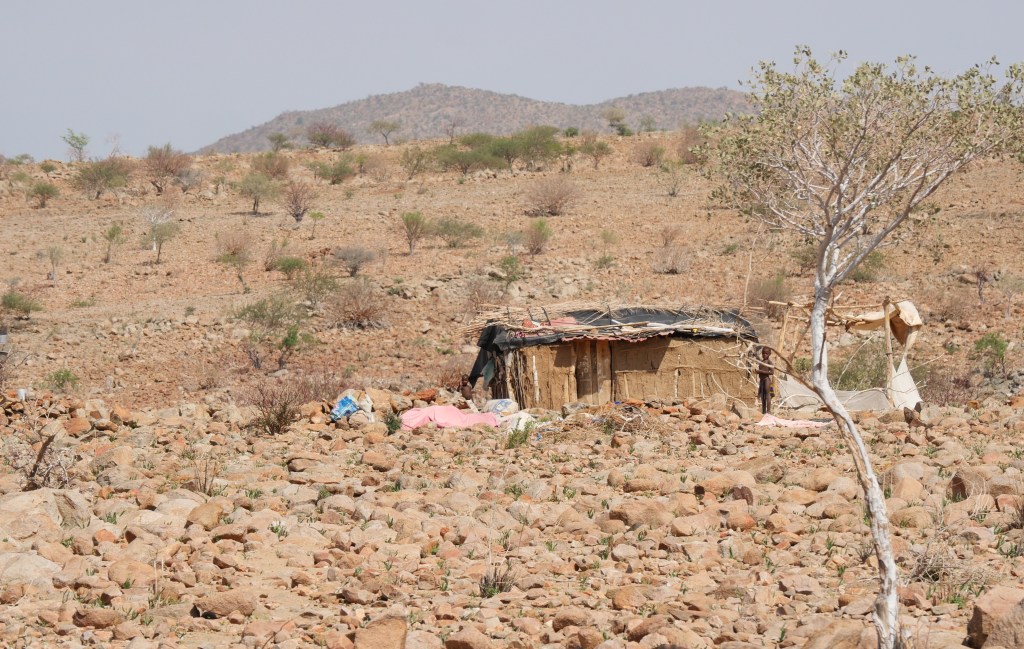
Children played under a tree kicking a ball around. As we got back into Henry to head back I waved out of the window but they just stared at us. We pulled over, thinking we might get out and go and talk to them, maybe give them some apples or crayons. But before we opened the doors a couple of the older children made gestures to shoo us away so we decided not to bother them.

And so, after a two day drive to get here, half an hour after we arrived we were heading back again. It didn´t matter at all, we were here to experience the National Park, the hot springs themselves had never been the point.
By the middle of the next afternoon we were close to Colinas again and we had loved it so much we decided to camp up there for the night. It took some time to decide where to set up, there were so many beautiful spots
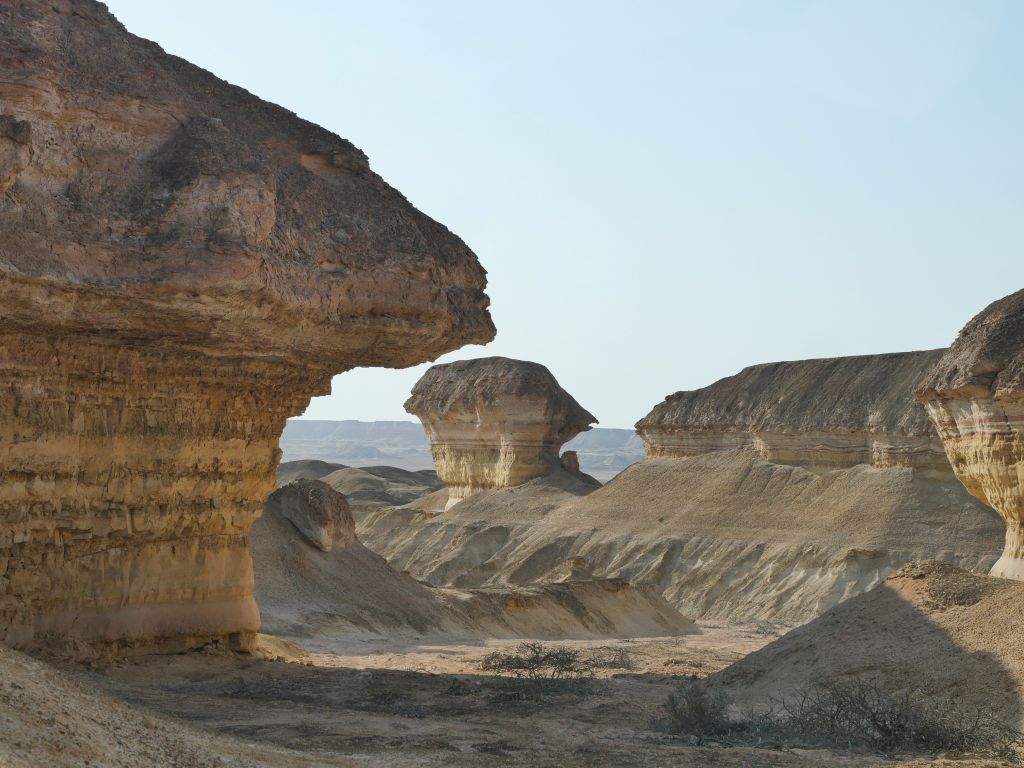
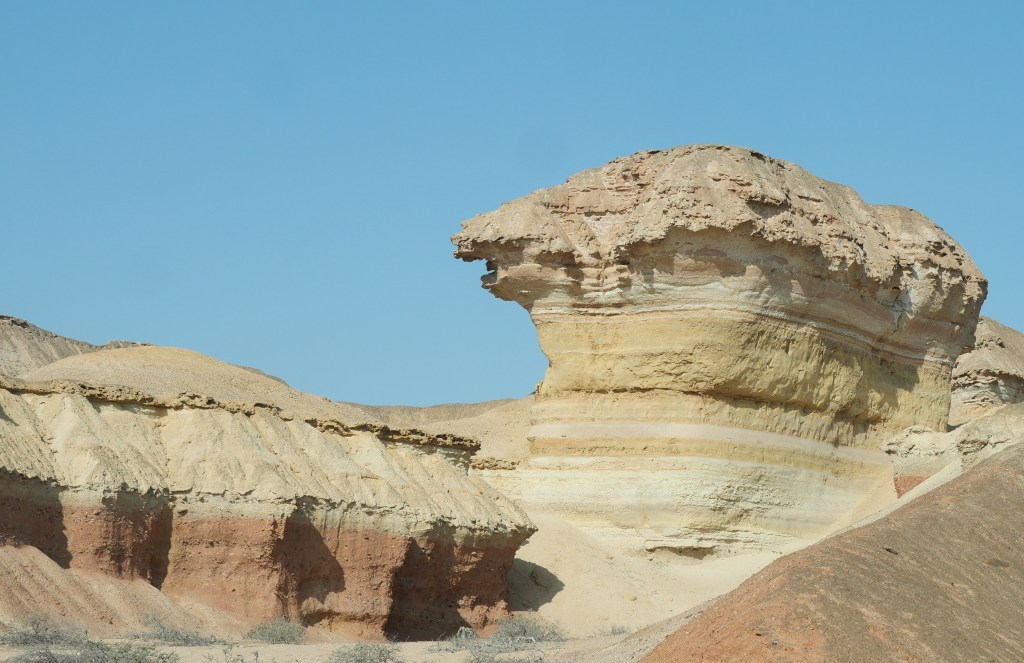
We had the whole place to ourselves again all night
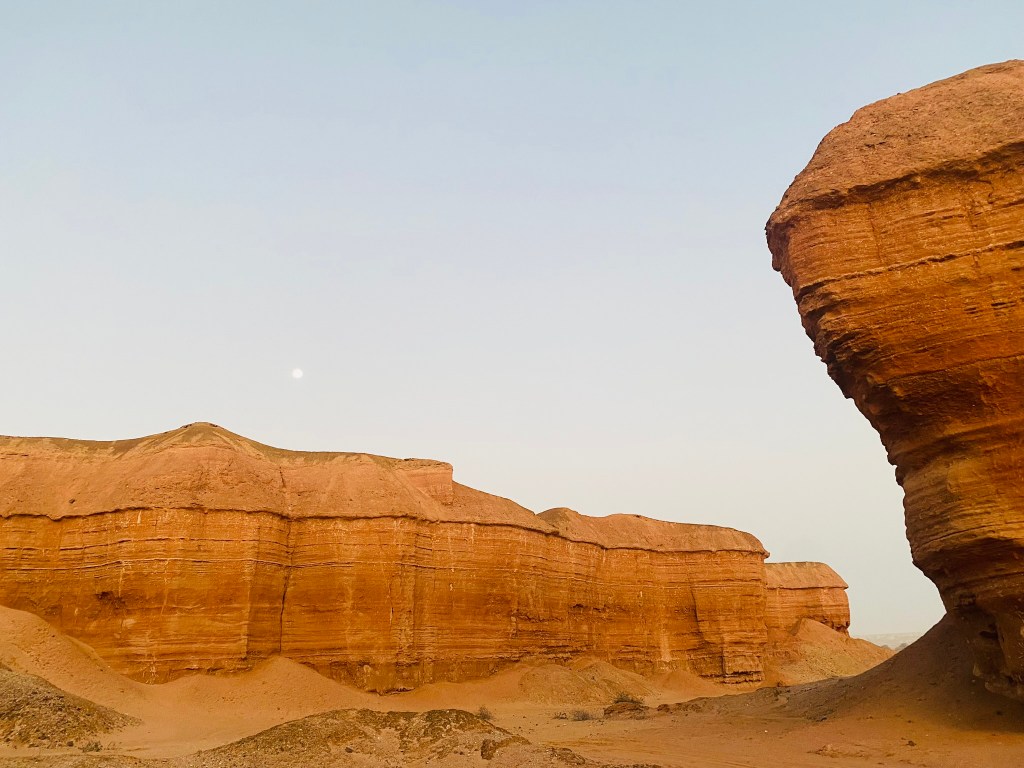
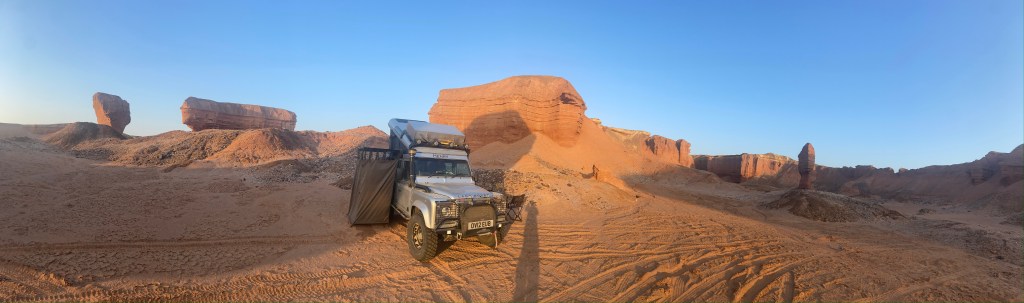
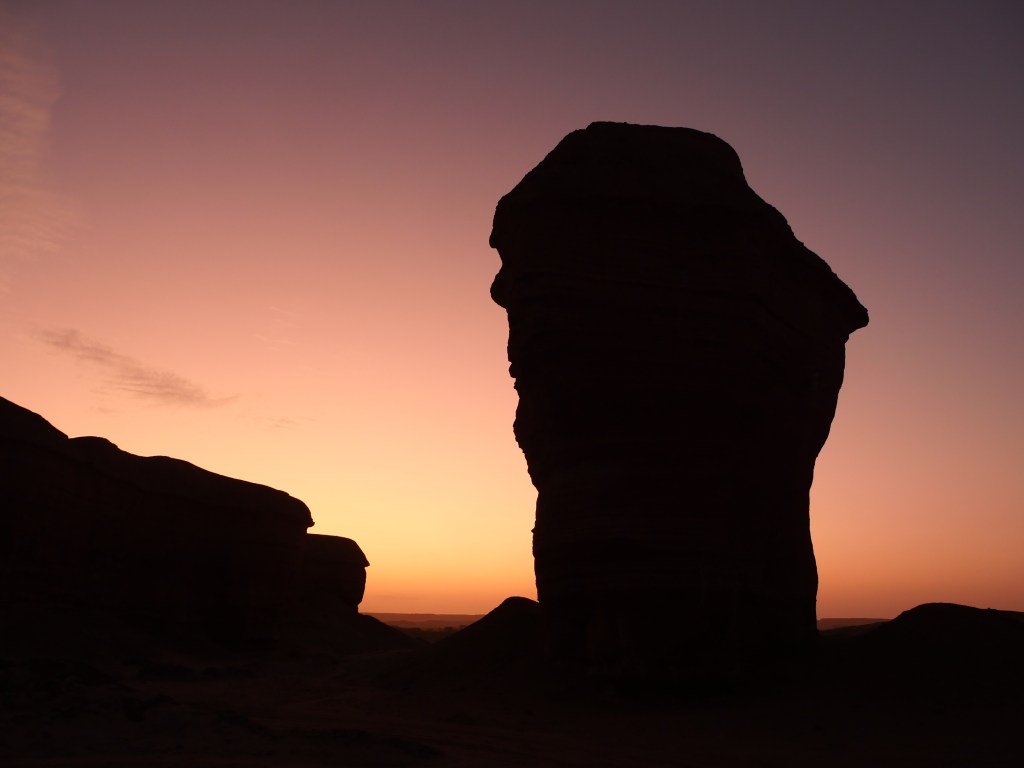
It was cool and breezy, there were no insects and the sunset and sunrise were breathtaking. A perfect wild camp.


On our drive back to Namibe the next day we passed through the same Police checkpoint and saw our friendly Police Officer again. He grinned at us with recognition and said ´I know you two!´. We told him we had had a fabulous time in Iona and I said we had kept our sun hats on and had plenty of water. With a smile and a salute he waved us on our way.
We were heading north up the coast road towards the town of Benguela. As always, the destination wasn´t the point, we were here to see the country and enjoy the views.
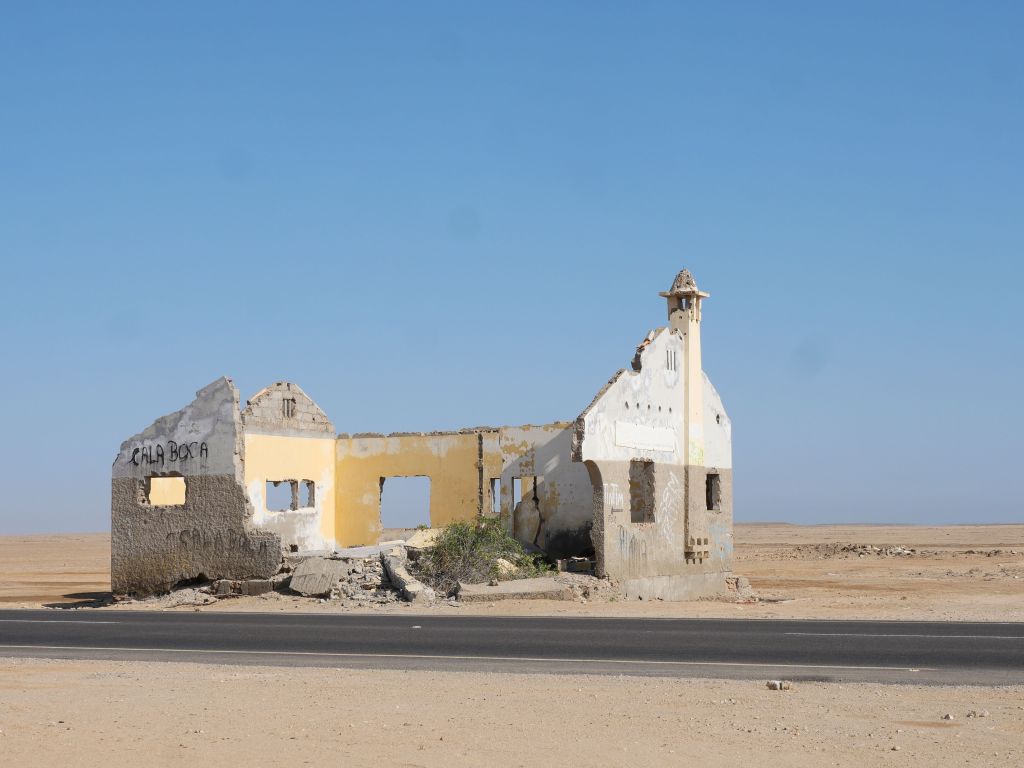
At first the landscape was arid desert with a few derelict buildings scattered along the roadside
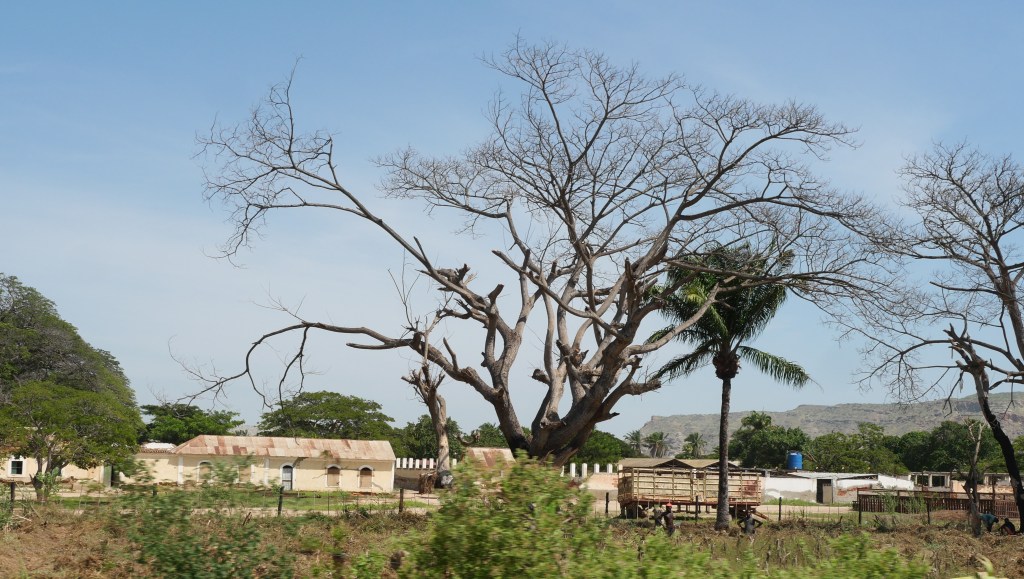
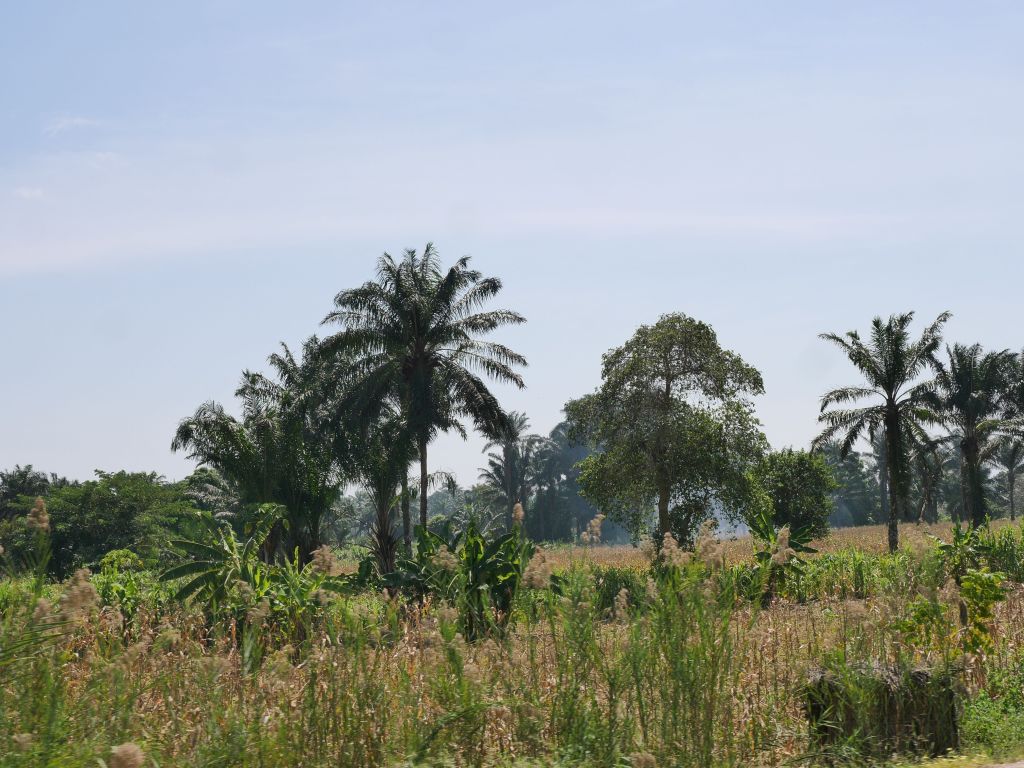
But as we headed further north the sand gave way to grasses and eventually we started seeing greenery and even some trees
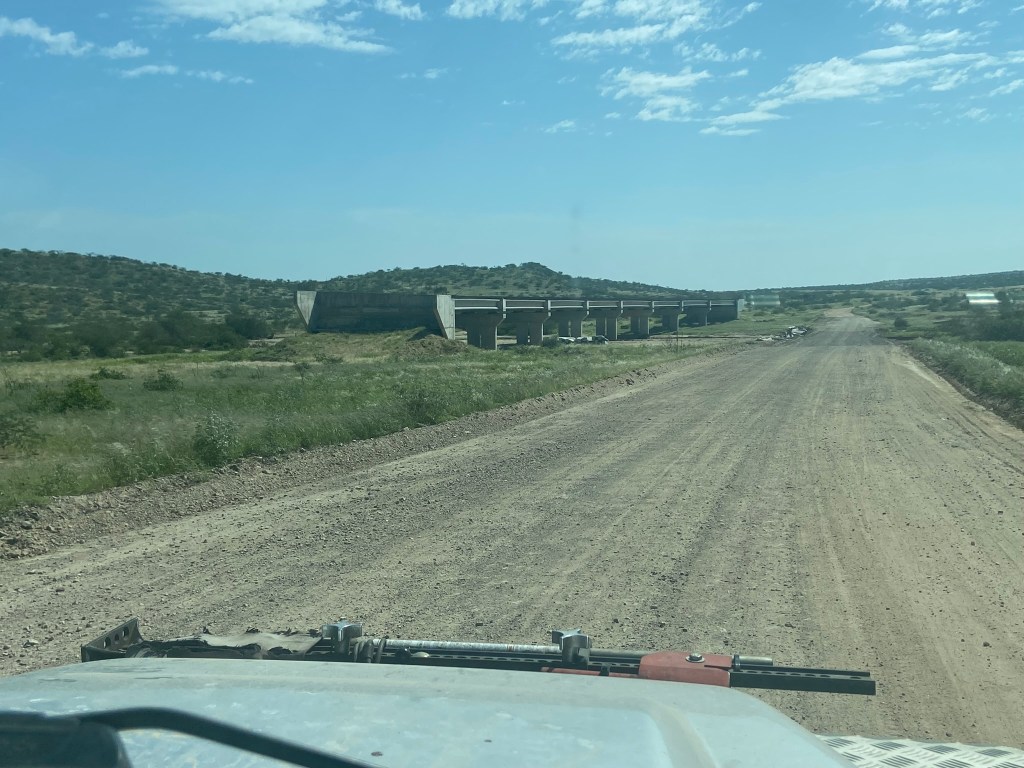
After an hour so of driving, the tar road became a wide, straight dirt track and we saw numerous signs of large-scale construction underway. It was fascinating to see that lots of bridges had been built and were waiting for the new road to be constructed to join them up
As we neared the small coastal village of Mela we found a lovely camping spot on IOverlander which was on top of a cliff with views across the ocean. We followed the trail towards it and the roads started to get more bumpy and difficult. But when we found the spot it was stunning

We quickly popped the roof and started to set up camp. But after only a few minutes it became clear that there was no way we could camp here. The wind was so strong it was practically a gale, Henry was bouncing up and down and now the roof was up the sides were being battered. At first I was confident, never one to give in to small adversities, but eventually even I had to concede that trying to sleep here would be impossible never mind cooking any sort of meal!
So we packed Henry up again and headed back down the track to find lower ground. We got down a short way to find a dry river bed but the wind was still quite strong. We carried on towards the bay and the village but found the road had been washed away completely and there was no way through. So we back-tracked a little and eventually nestled into a flat space between the bushes with the side of the mountain protecting us.
When we jumped out it was perfect, the gale up above was just a nice, cooling breeze down here so we set up again and settled in to make dinner.
As is customary, as I set up tables and chairs James disappeared underneath Henry to check everything over. The roads in Iona had been so bumpy that a small weep of oil had started leaking out of the rear differential. James had been keeping an eye on it over the last couple of days and the small weep had gradually got worse so he was keen to check it out more carefully. And we were so glad he did as he found that the whole housing had been rattled loose. He started trying to tighten the bolts only to find that one of the studs had actually snapped off.
This could be a major problem and we needed to get it sorted. Fortunately there were a couple of Landrover specialists in the capital city, Luanda, but we didn´t intend to be there for a few more days.
James tightened the remaining bolts enough to keep us going but it would need constant checking and topping up of oil.
The next morning the whole camp was full of flies, there were so many it was hard to do anything and between them and the stifling heat we were feeling a bit low. A few locals wandered past and greeted us, we gave some a bottle of Coke and smiled as another took photos of Henry.
We decided against visiting nearby Binga Bay as we found out there was a charge for entering the beach which seemed very strange round here. So instead we carried straight on towards the large town of Benguela. The dirt road started to get very difficult and we found ourselves bumping along tight, rocky trails. At one point we came to a river crossing where a local man ran ahead of us showing us the safe route through the mud and water. We wondered how on earth people manage round here – this was the main road between the north and the south and it would be impassable without a 4×4!
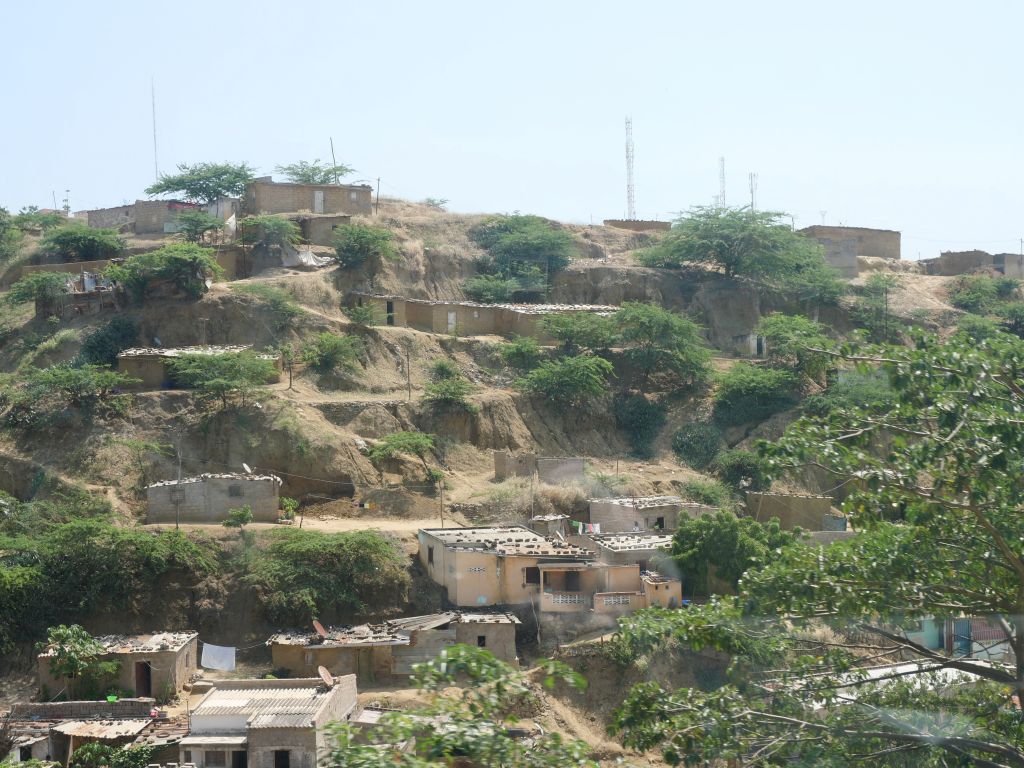
Generally speaking we found that Angola, like many other African countries, does rural and remote very well but the towns and cities are a bit grim. Benguela was no different. Supposedly full of beautiful colonial architecture and a great spot for Angolans to holiday on the beautiful beaches. But we just couldn’t see it.
Yes there were some lovely buildings
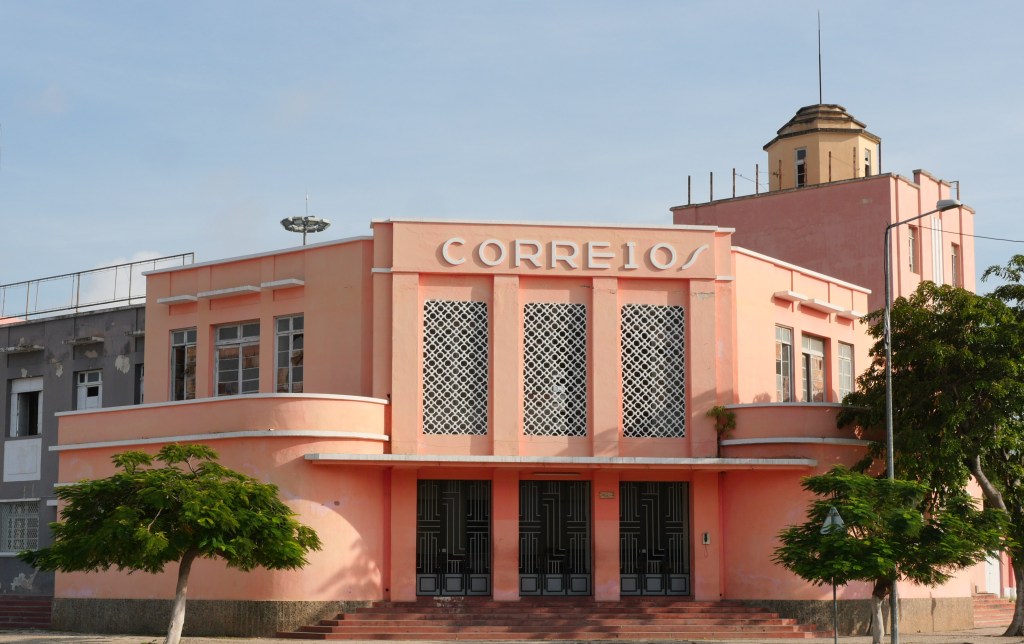
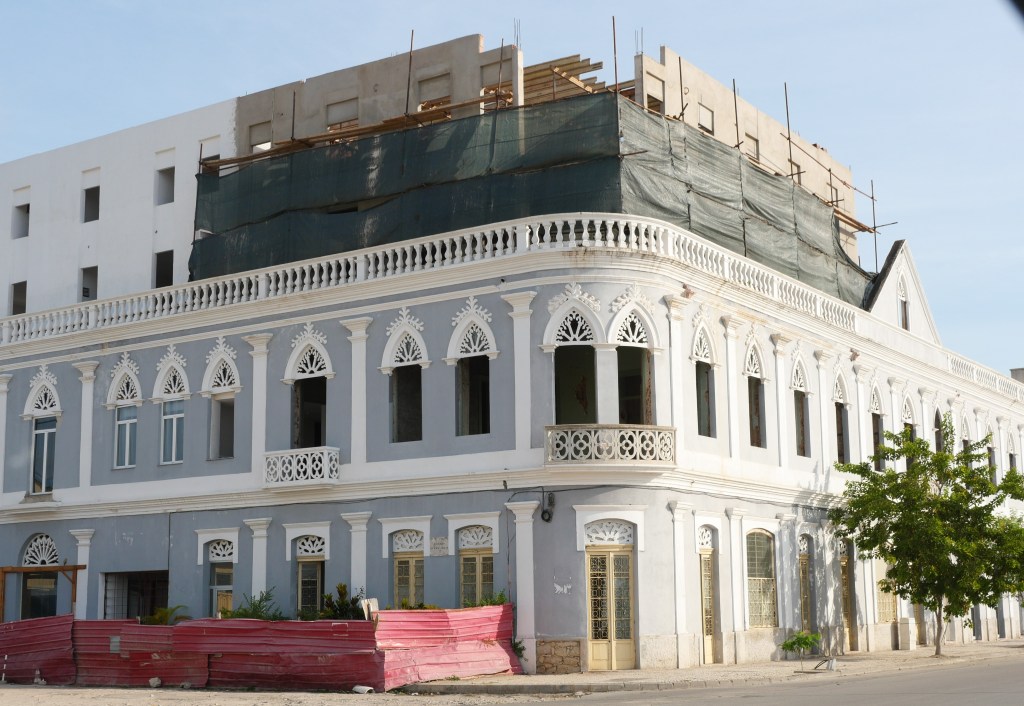
But much of the town was run down and neglected
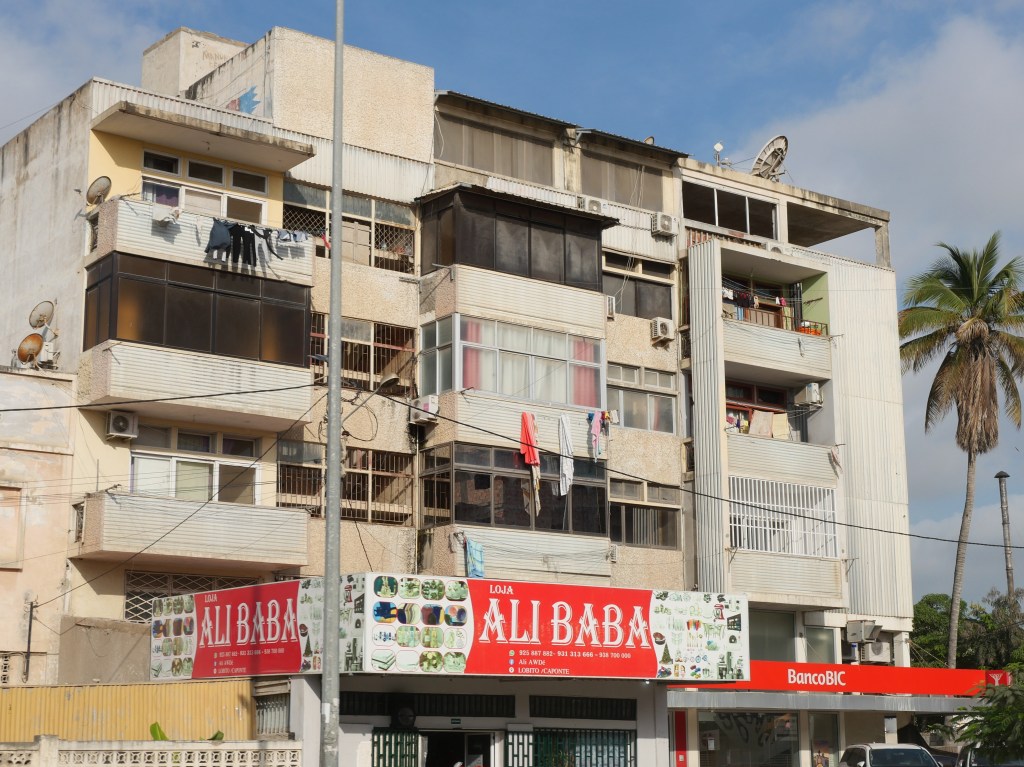
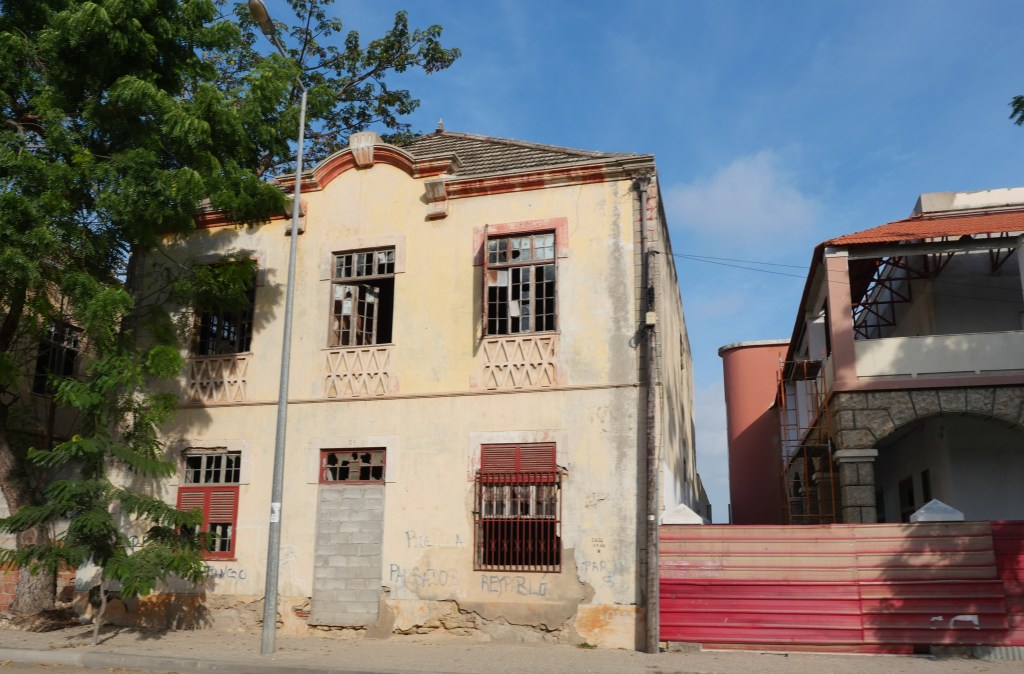
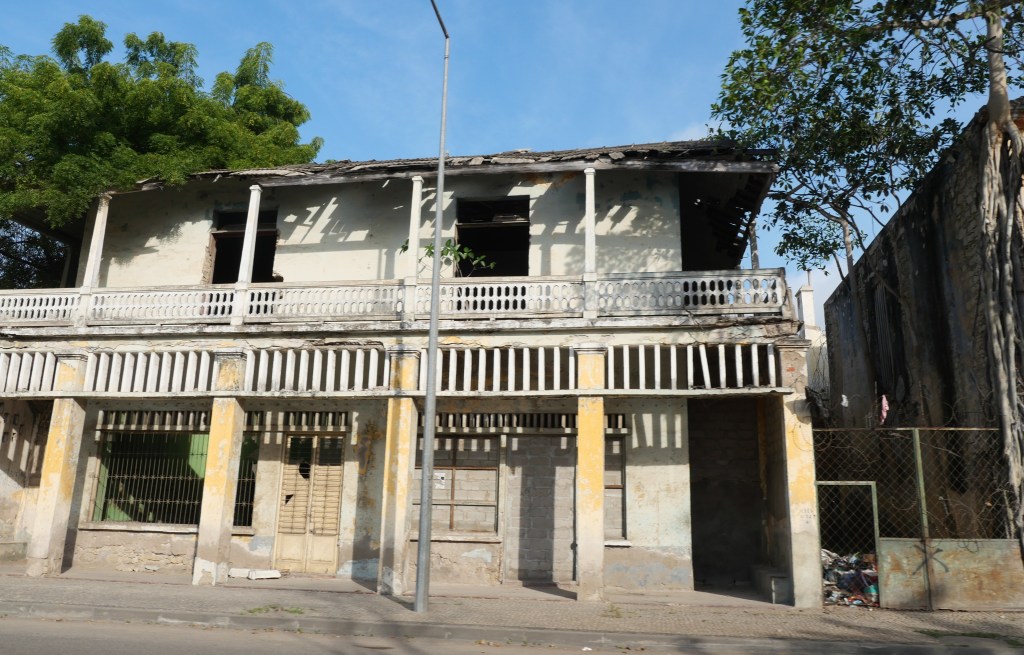
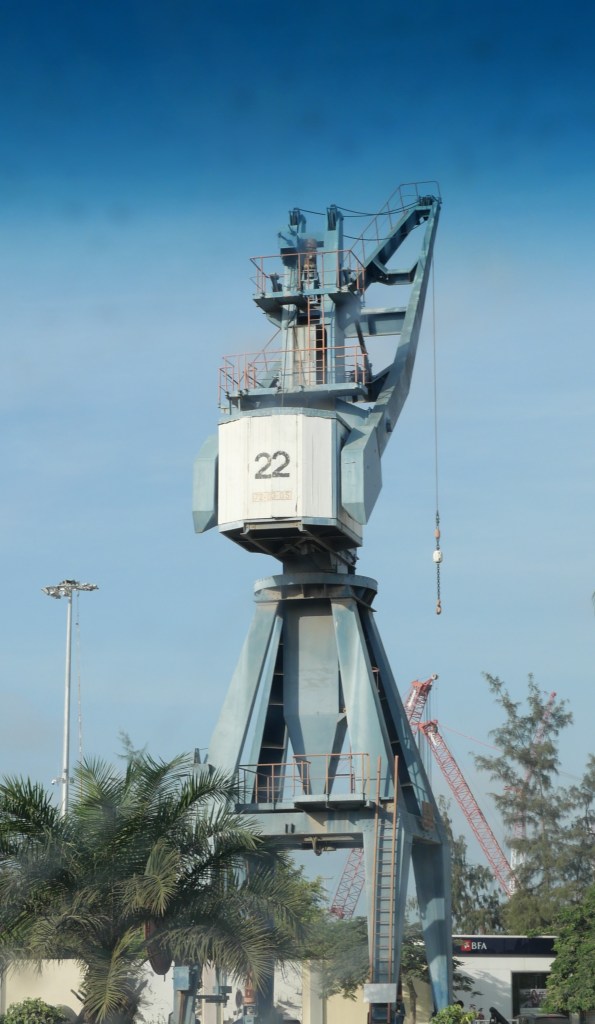
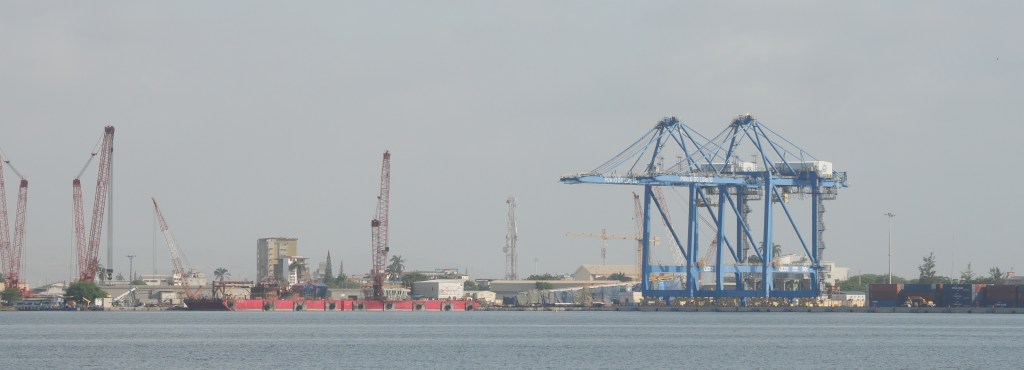
With a lot of industry around
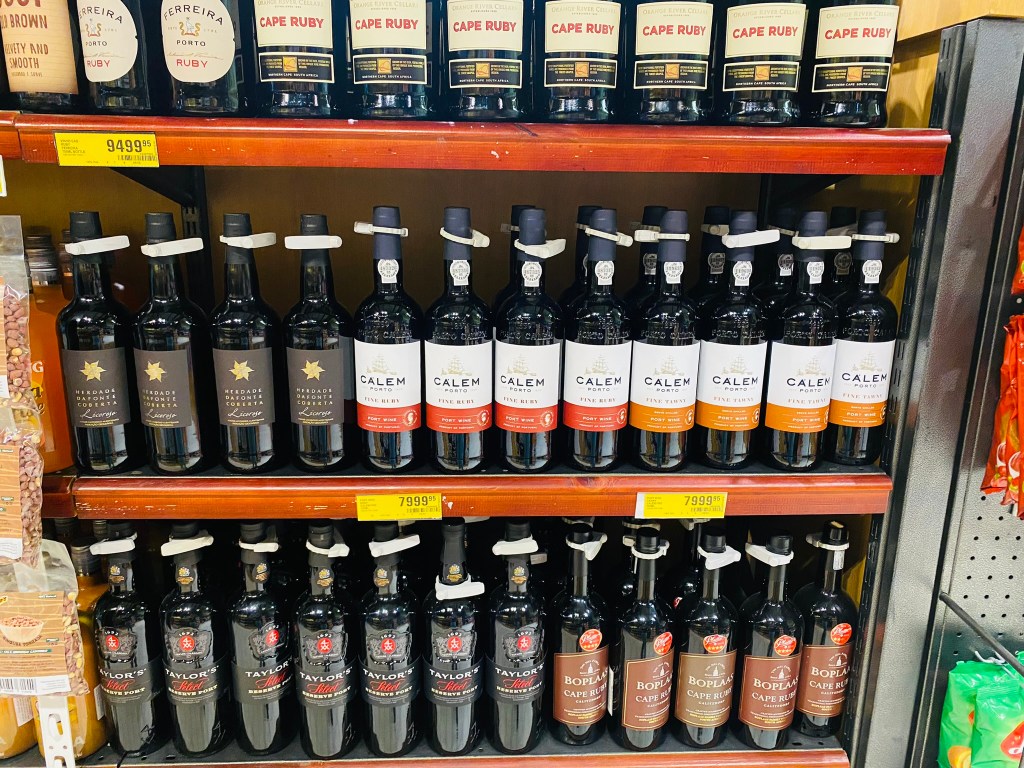
Although when we popped into a supermarket we realised there are always some benefits to being in a country with strong ties to Portugal!
We stopped long enough for lunch at the only place open in the whole town on a Monday. But then with the beach smelling strongly of fish and oil we decided to cut our loses and try the next town along – Lobito.
According to the travel guides, Lobito has a 5km long peninsula jutting out into the Atlantic with sandy beaches on both sides and plenty of restaurants and bars along the front. It is said to be an important spot for local tourists.
It was mid afternoon by the time we left Benguela so our plan was to head straight for the Lobito peninsula, camp up somewhere along it and visit the beaches the next day.
But again the reality of Lobito did not live up to its advertising. There was an interesting ship parked on a roundabout

And the beaches along the peninsula did look sandy and clean. But the whole area was noisy and a bit run down with loud music blaring out of bars and people everywhere. There was no way we were going to sleep there tonight.
So with more than a little frustration we turned round and and headed out of town towards a camping spot we found on IOverlander perched on a cliff north of the city.
As we tried to make our way out of the town we realised that it was actually a large and very busy city with traffic fumes engulfing us and people, cars and motorbikes everywhere
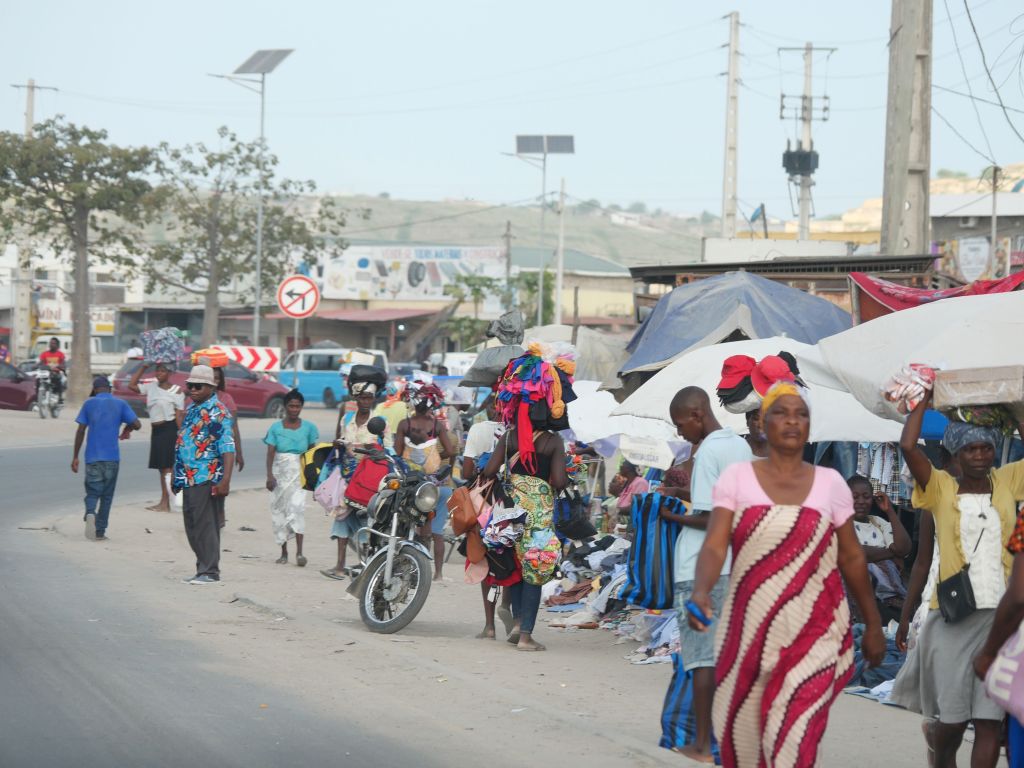
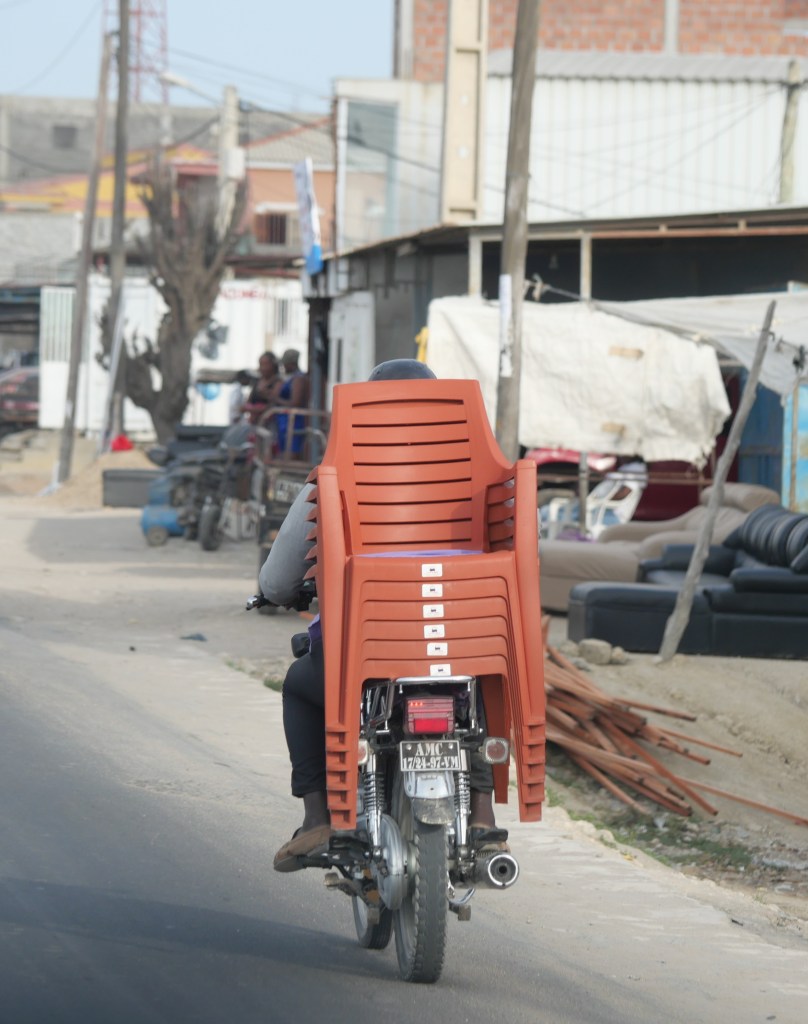

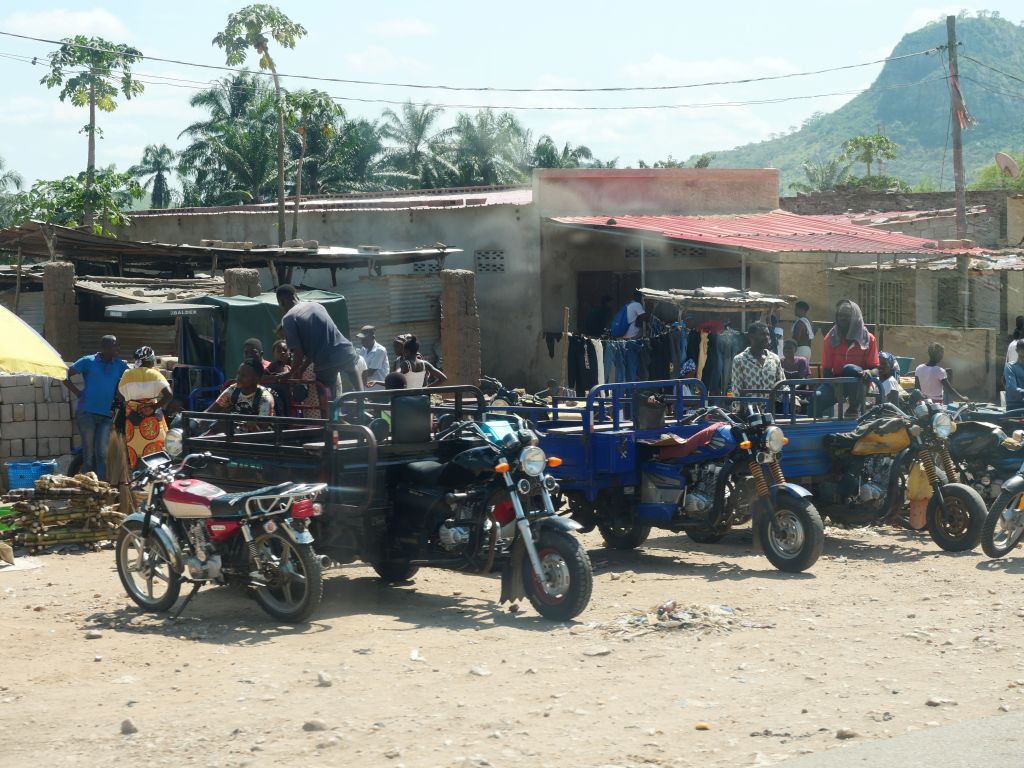
We drove for nearly an hour through choking streets with the city seemingly stretching on around us forever
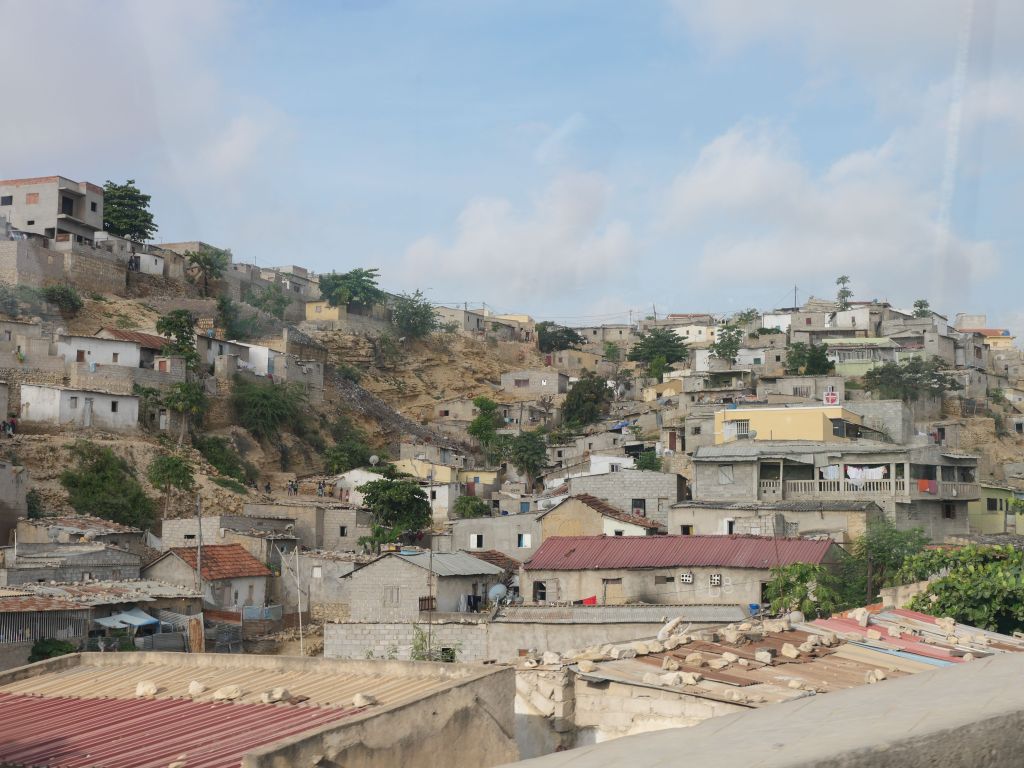
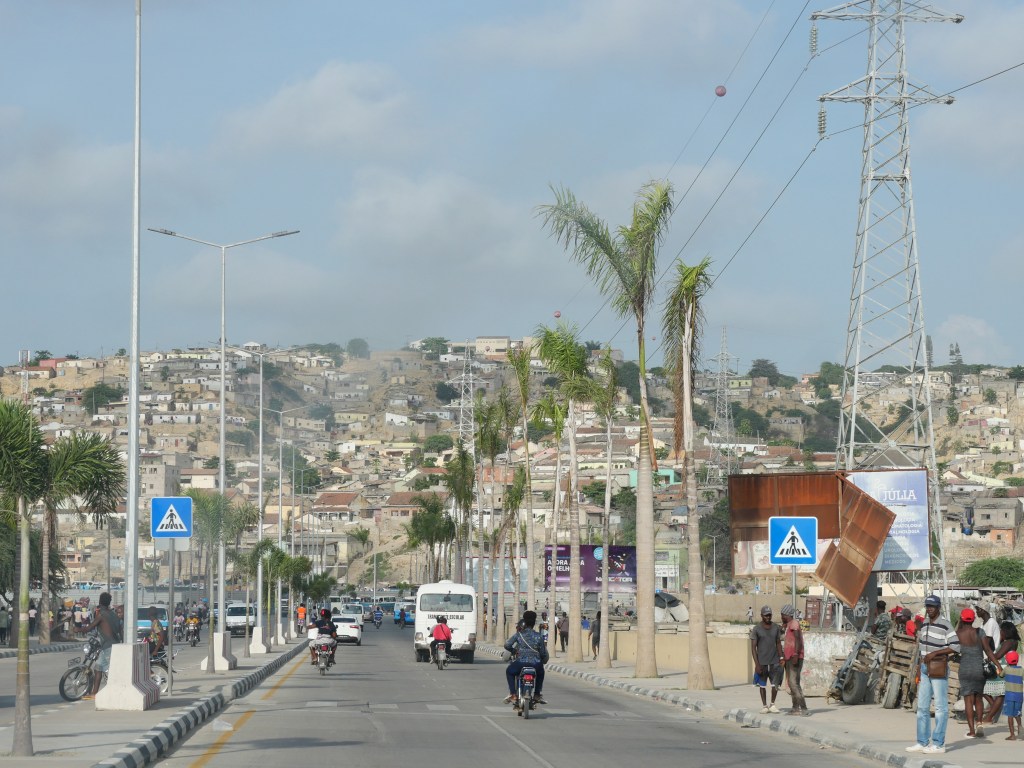
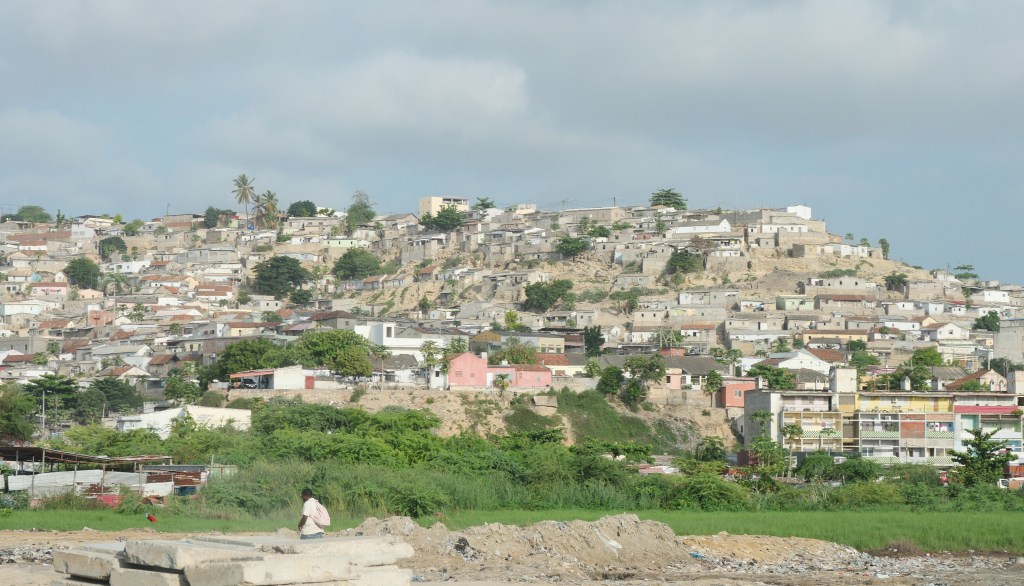
But finally we made it out onto the open road and before long the cliffs and our camping spot were in front of us.
And it was worth all the effort

No wind to spoil things this time, just endless views across the bay
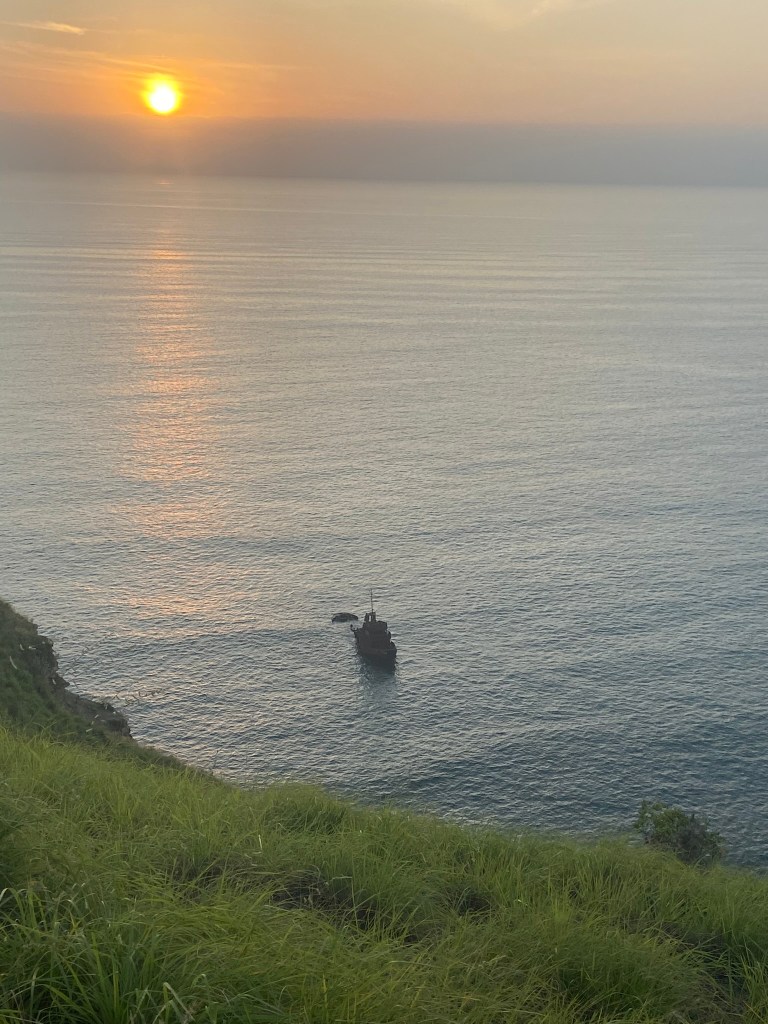
With some fascinating shipwrecks all round the peninsula
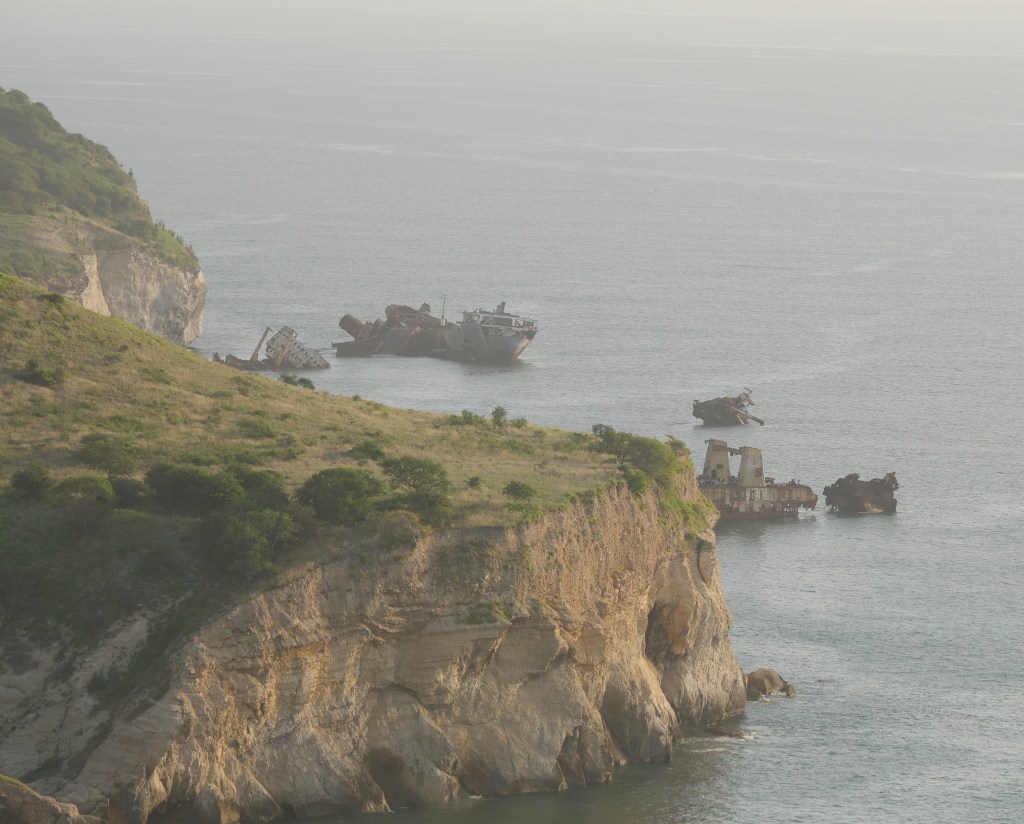
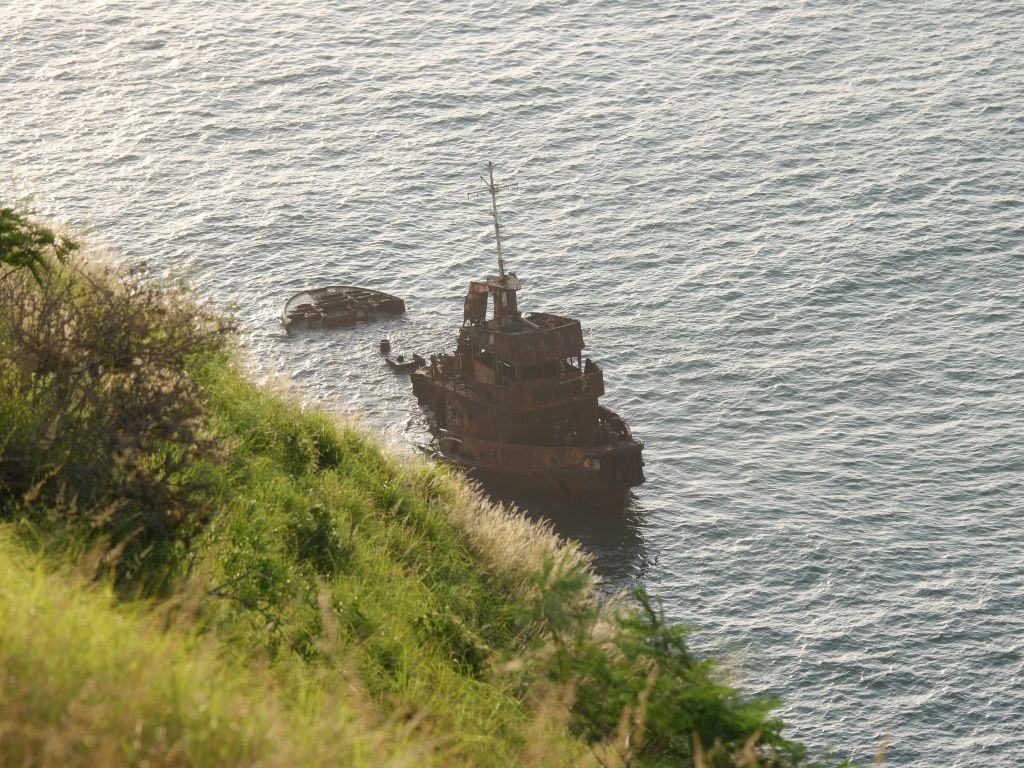
We had yet another peaceful, tranquil night with the waves crashing in our ears

Some cute visitors came to see us the following morning…
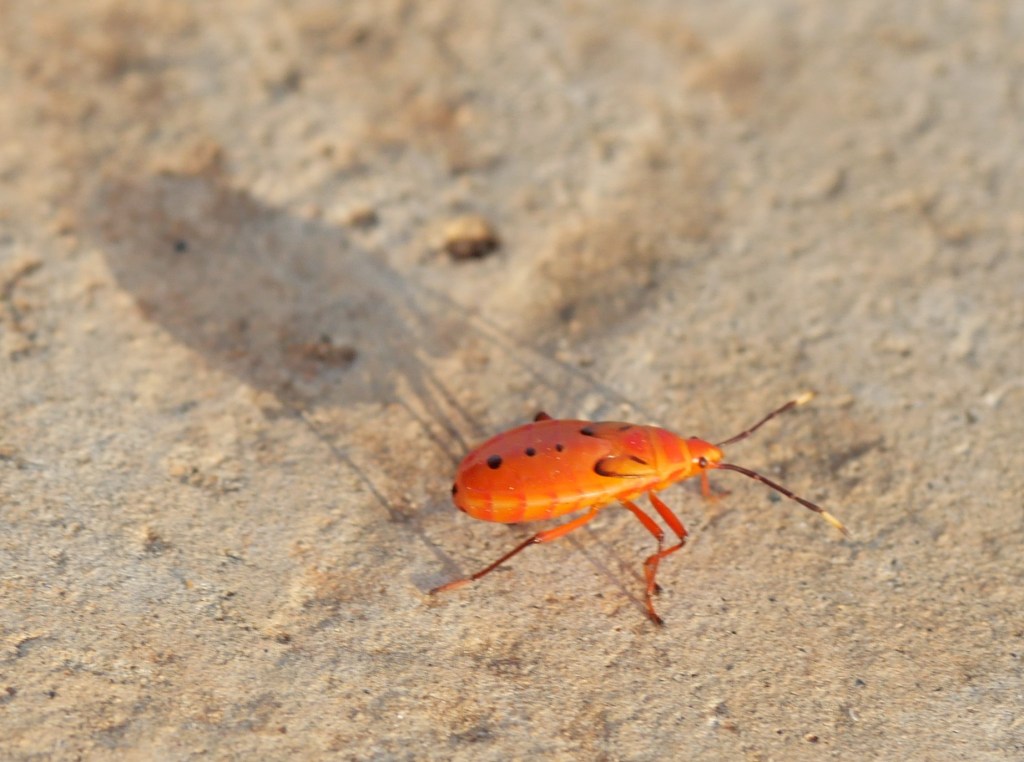
But by now we were a long way north, getting ever closer to the tropics, and as we tried to start our morning the heat and humidity hit us very suddenly with full intensity. It was hard to do anything at all, it was like moving through treacle – even eating breakfast was a challenge and after just a few minutes checking underneath Henry, James was starting to feel unwell.
To be so humid when we were so high up here did not bode well for the next few days as we progressed north towards the capital city nestled low down on the coast.
We headed inland towards the Binga Waterfalls. The landscape had become distinctly lush and green by now

With rivers criss-crossing
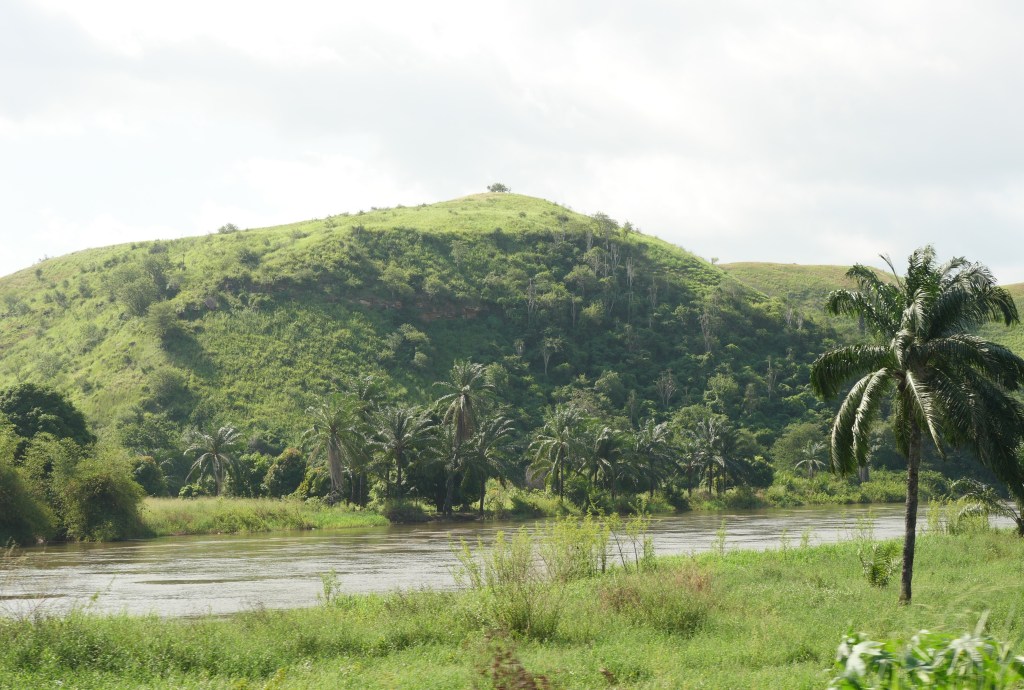
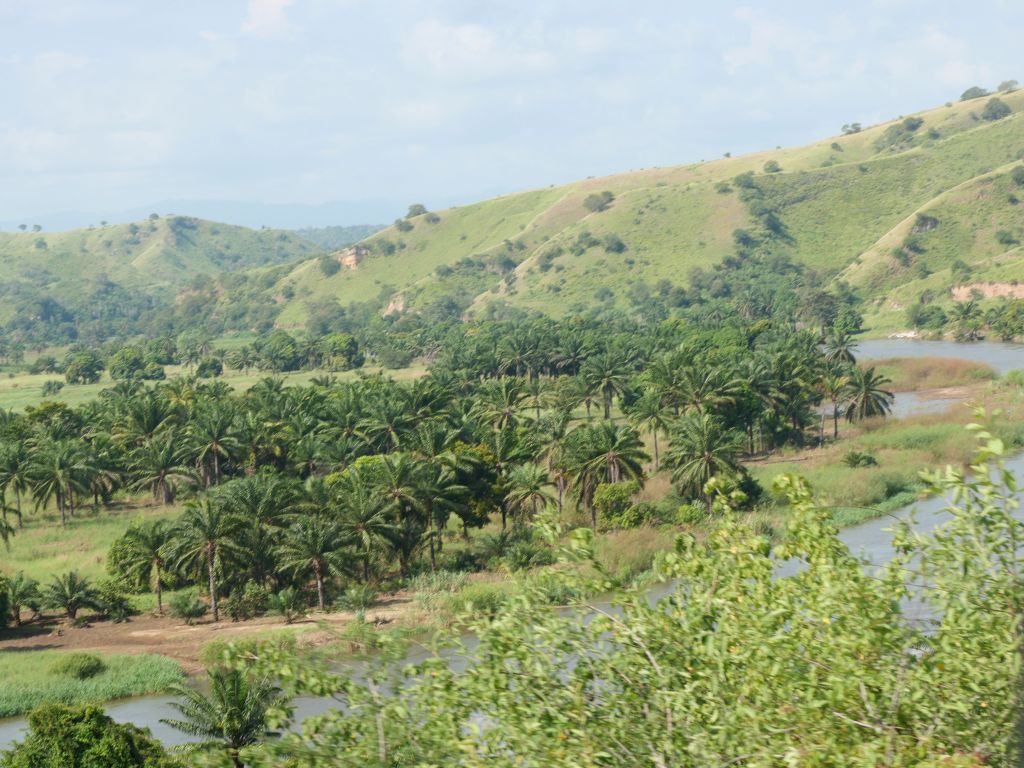
And palm trees everywhere
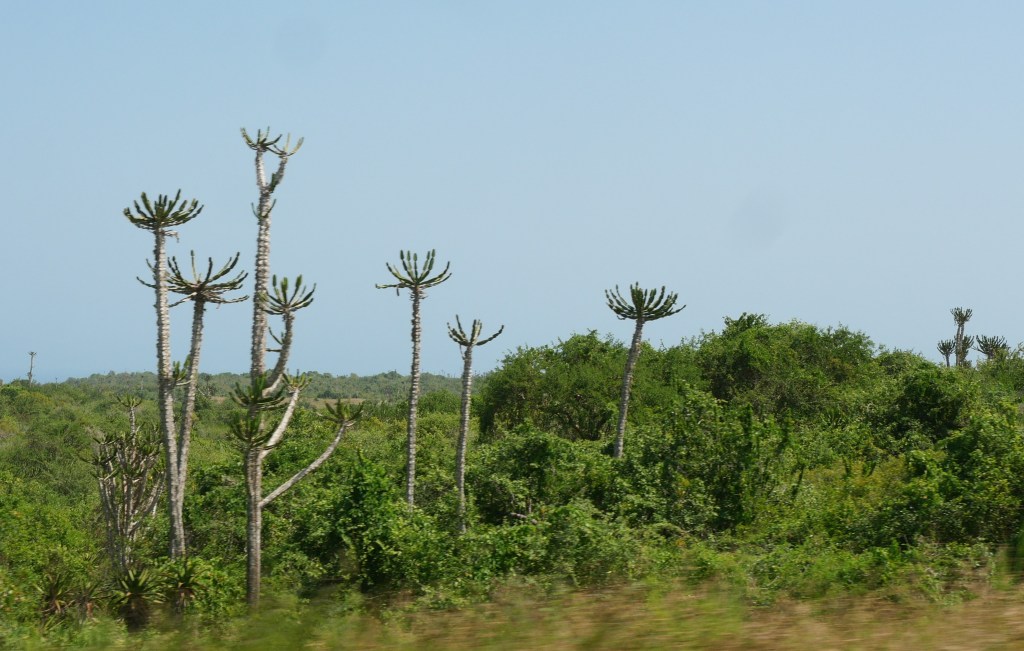
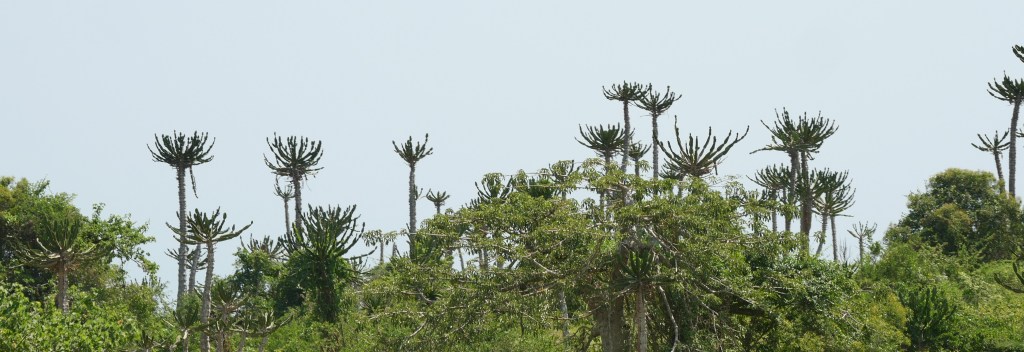
As we passed through the villages peple waved and children ran alongside shouting and grinning at us in excitement
Fortunately, finding the Binga Falls was far easier than our aborted attempt at the Hungueira Falls and before long we found ourselves looking over a magnificant view
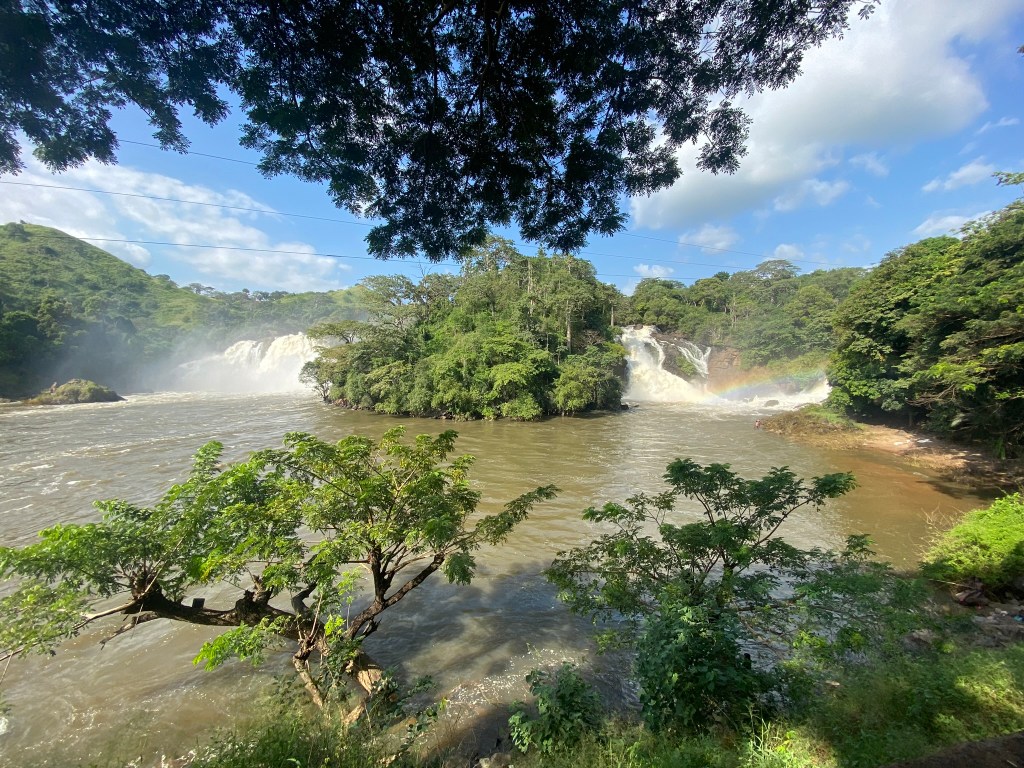
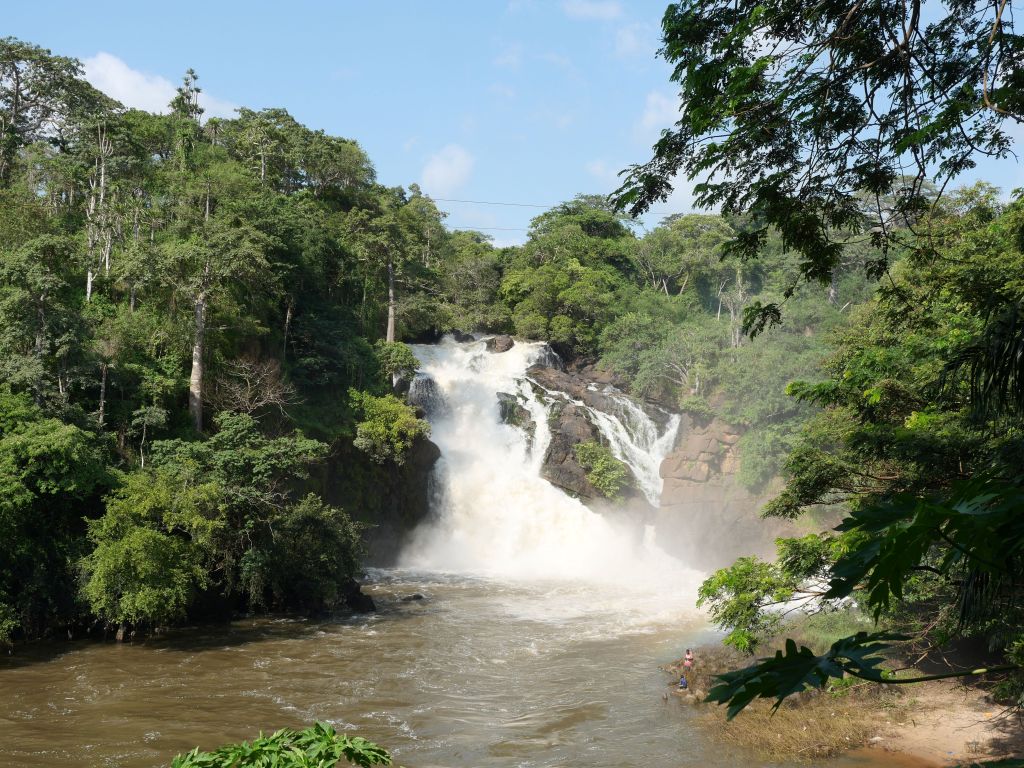
We had intended to have lunch at the restaurant but everything was a little run down and they weren´t serving food so we ended up having cheese and crackers in the car park.
As we ate, two women wandered past with a small child. They stopped and smiled and the little girl was eying my biscuit. With a wink I piled some cheese onto a new cracker and held it out to her. She shyly stretched her hand out and took it, glanced at her Mum for approval then stuffed it in her mouth in one go. Her Mum nodded a thank you and James leaned into Henry to pull out some crayons and a colouring book. We handed them to the Mum who beamed at us.
As we climbed back into Henry we were full of anticipation. The next leg of our journey would have us travelling through semi-tropical rainforest to a coffee plantation in the mountains. We hoped for some cooler temperatures up there and fewer mosquitoes. Little did we know that at this time of year the beauty of Angola was only to be matched by the intensity of its climate and there was trouble ahead…..
 The Sidetracked Sagas