Harare had been a city of two halves – the surburbs being full of wide avenues lined with the stunning Flame trees and colonial houses, the city centre being a chaotic scrum of dangerous driving and run down industrial streets. We were congratulating ourselves on escaping after only six days.
We were heading west for a short drive to the Kuimba Shiri Bird Sanctuary. I had spoken to the owner who told me he had been a falconer all his life and simply started gathering birds around him who needed sanctuary from injury or abuse. He flies his birds every afternoon and they are all free to leave any time they choose. Many birds had already left although some of them nested close by and regularly came to visit their friends who chose to stay.
All in all he seemed like someone we could warm to – we were keen to see the sanctuary and meet the birds.
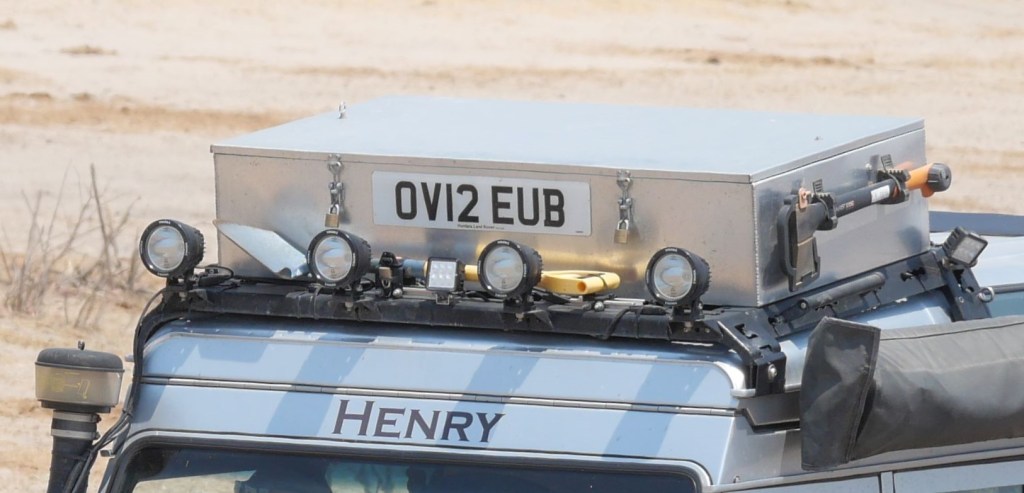
As we pulled up the security guard started to write down all our details. He looked for the number plate but, like most people, couldn´t spot it – a common problem since we moved it up to the roof box away from the air intake. James leaned out of the window and pointed ´number plate is up there´ he said. The security guard looked up, smiled and completed his paperwork.
When he handed me our copy to take to reception I had to laugh out loud….

We were guided to our campsite and were pleased to find a spacious, well kept place with a beautiful view over the lake
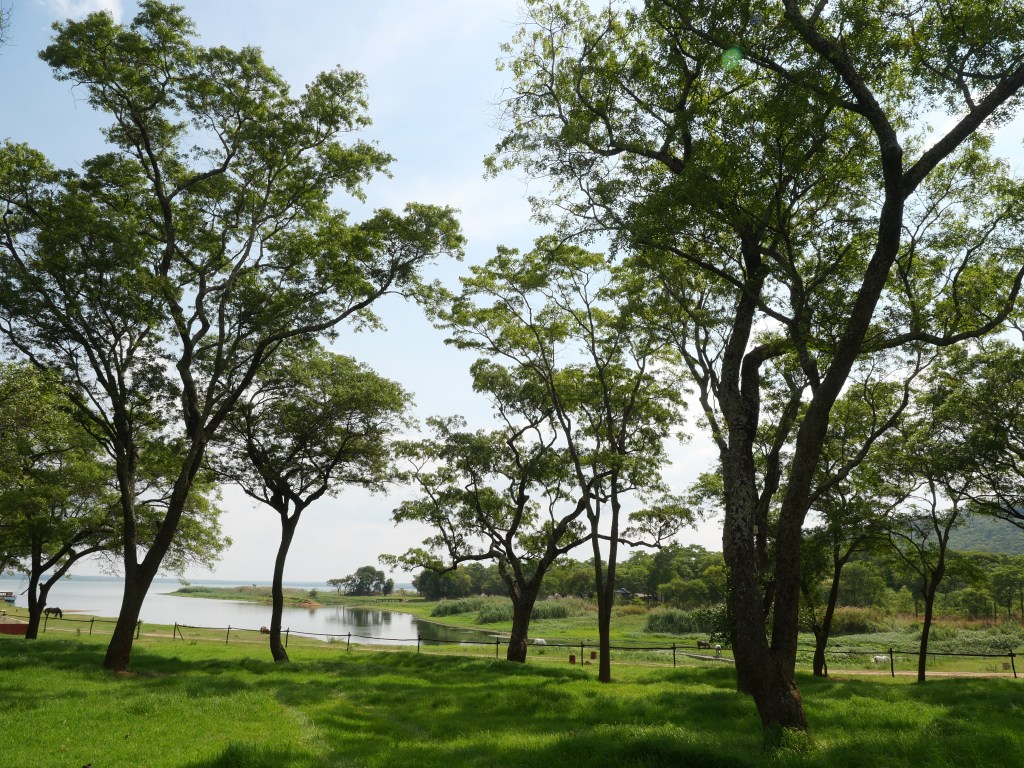
But sadly the ablutions were as bad as ever with dead insects everywhere, dirty showers and broken toilets. Our expectations were firmly set here in Zimbabwe, we took it in our stride.
After settling in we walked back to the bird sanctuary and spent a wonderful few hours meeting all the birds and watching the owner flying some of them.
There are so many photos of amazing birds I have put them into a separate post.
We wandered back to the campsite later on that evening and had just started cooking dinner when a group of ten vehicles suddenly appeared and parked up all around us.
About twenty loud, excited South African tourists jumped out and took over the whole place!
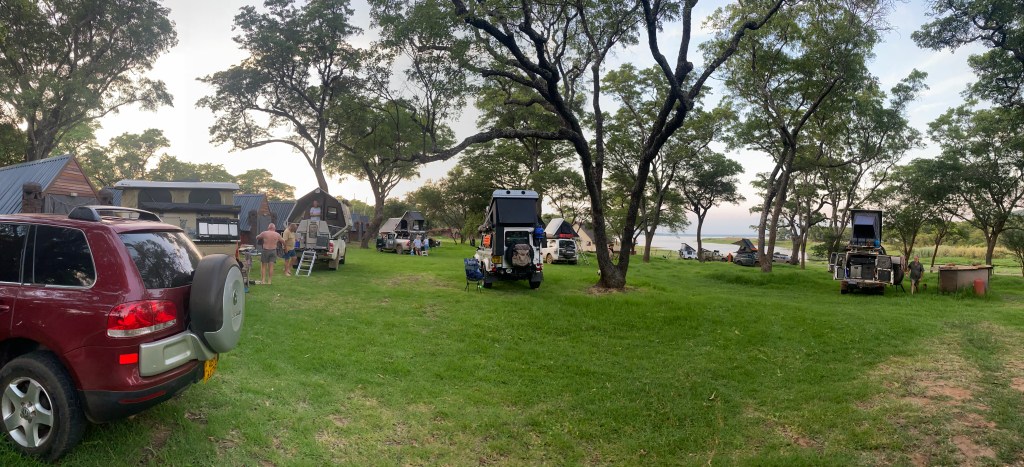
Our peace and tranquility was gone but many of the South Africans turned out to be lovely and very interested in our travels. And they were all in bed by 9pm.
Our next stop was the Chinhoyi Caves, reputed to have a remarkably blue lake in the centre. I had taken some soundings from various people along the way who assured me that the walk into the caves was fairly wide and that light came in once we reached the lake. But there was also something called the ´Dark Cave´ which was quite challenging and which I guessed I was unlikely to be trying any time soon!
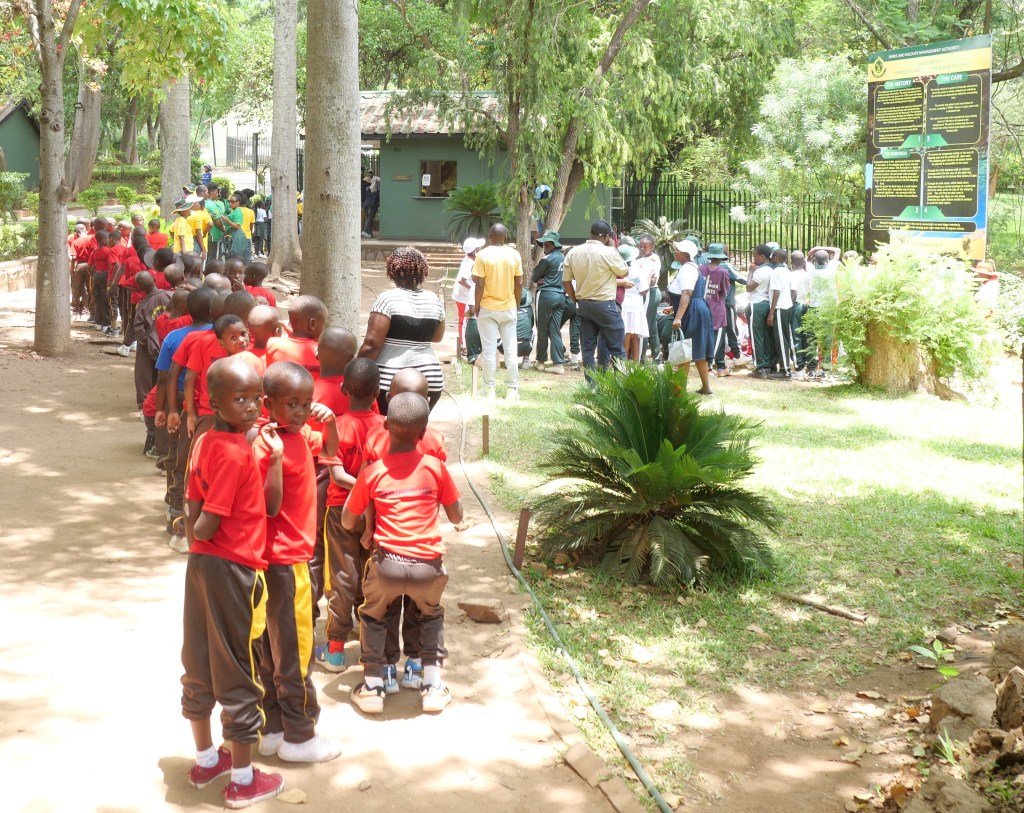
When we arrived we found it was very popular with school children of all ages

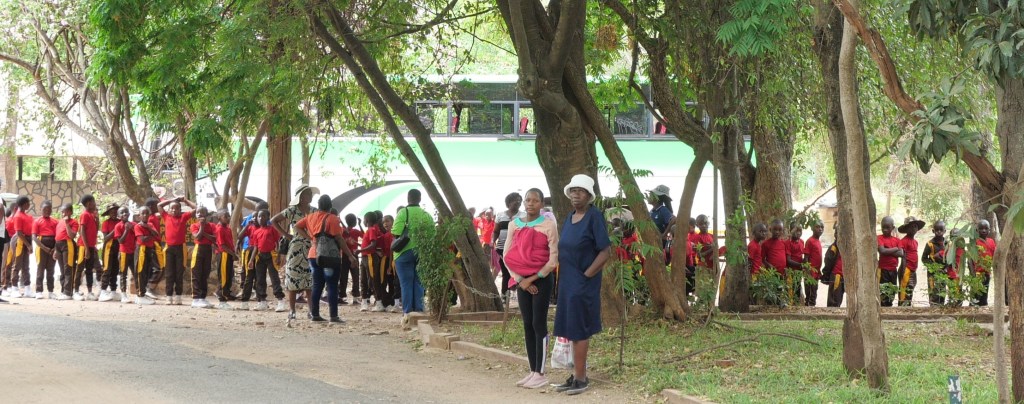
They were happily queueing for their tickets, looking excited. It was great to see so many local children taking advantage of the beauty this country has to offer
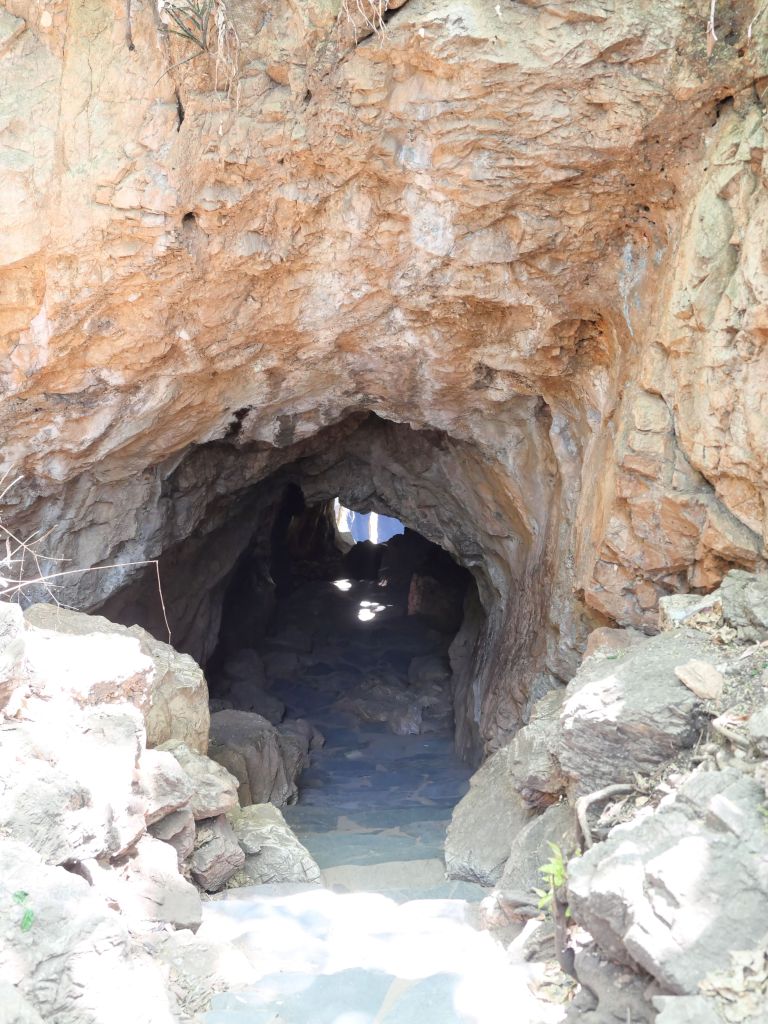
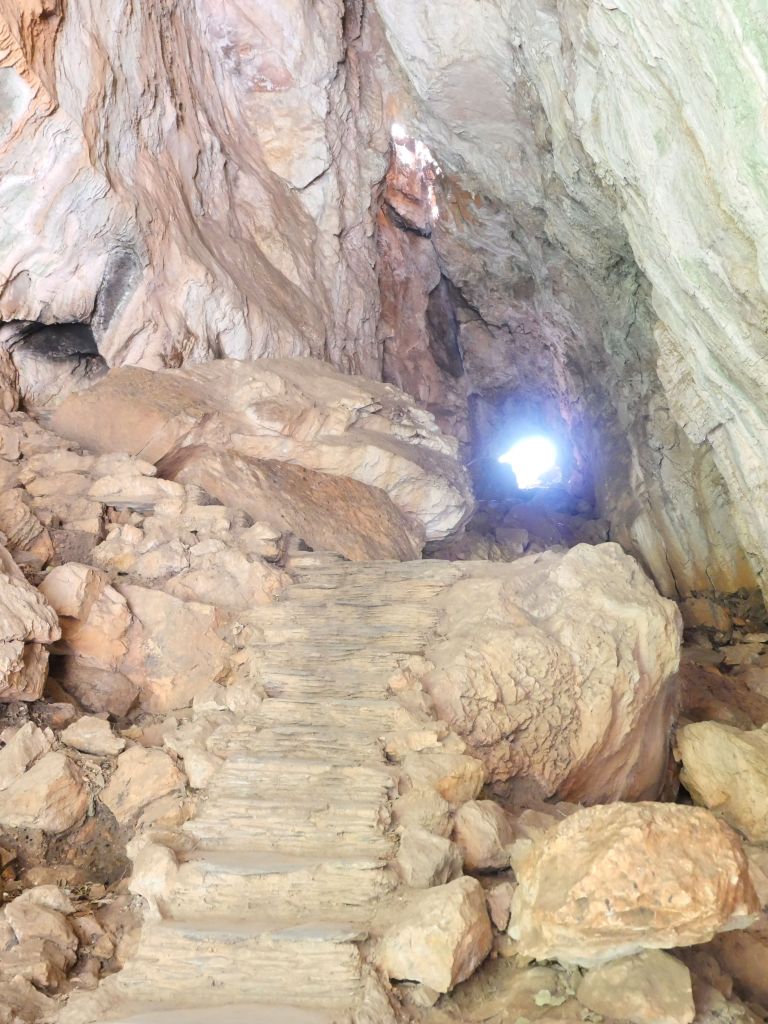
It was a steep walk down to the lake with wobbly steps but my claustrophobia stayed in check

When we reached the lake it was lovely
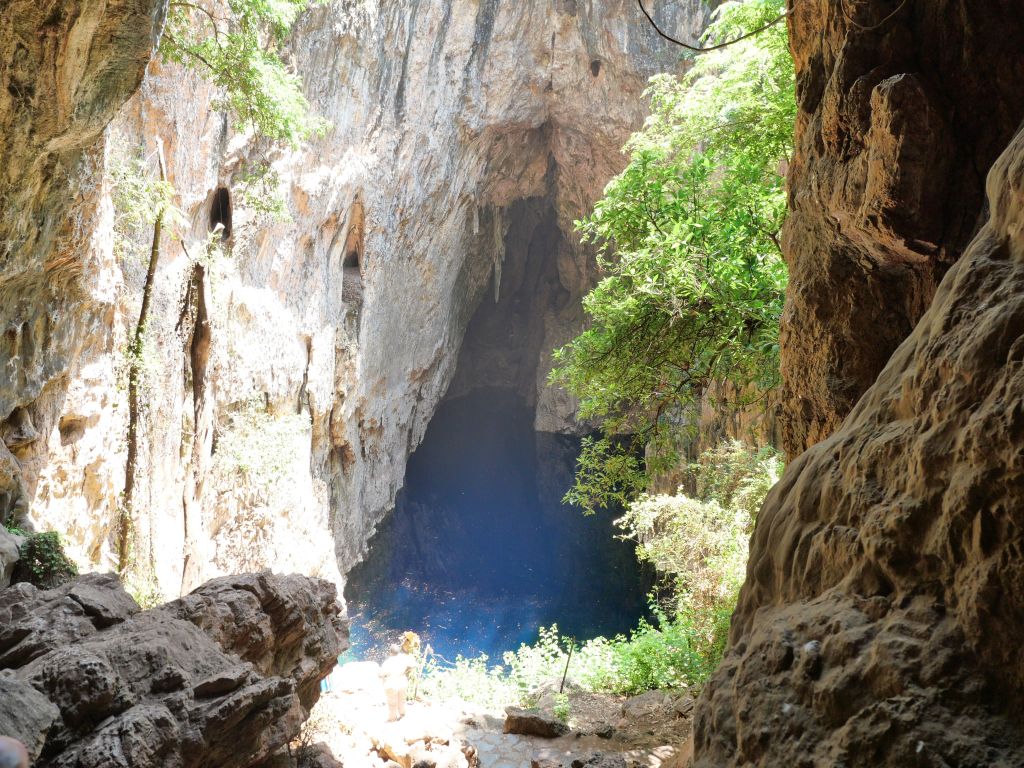

Although we couldn´t get right to the edge as there were a few people in the way!
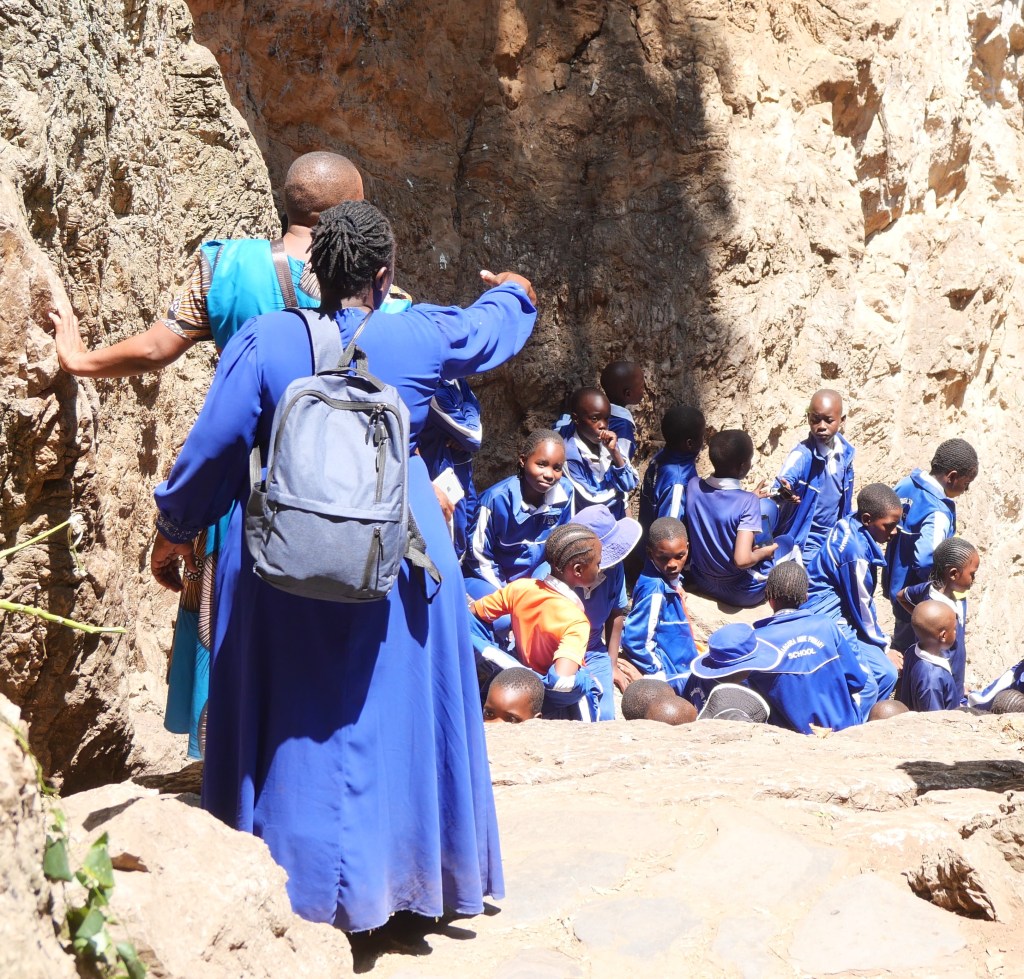
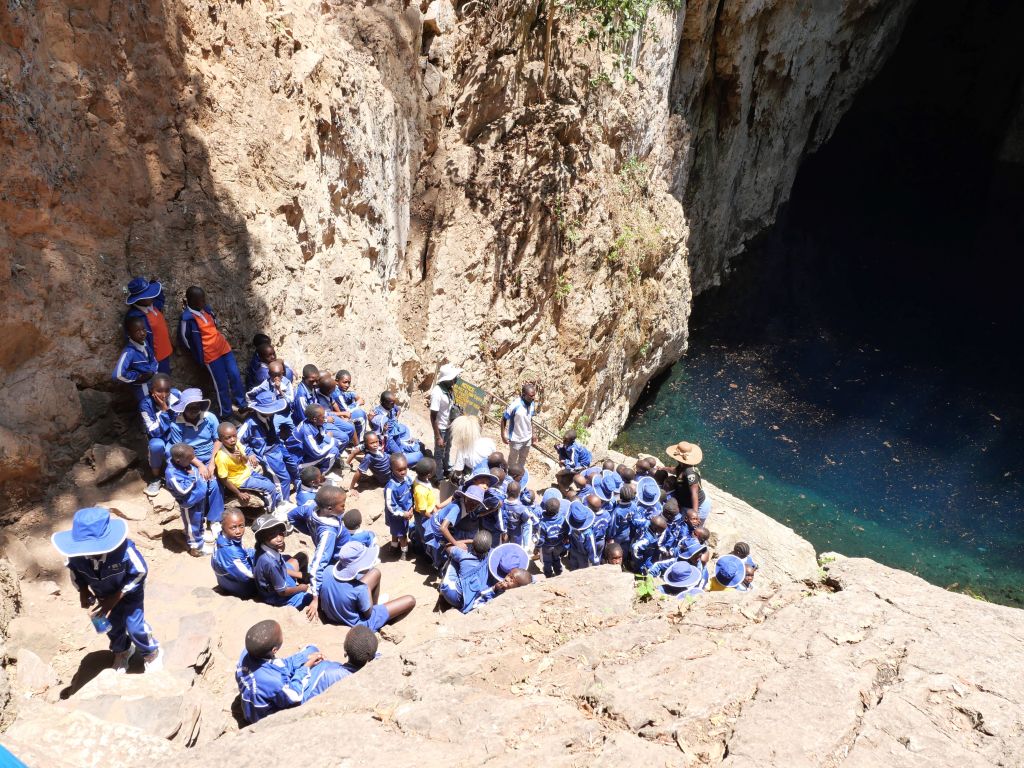
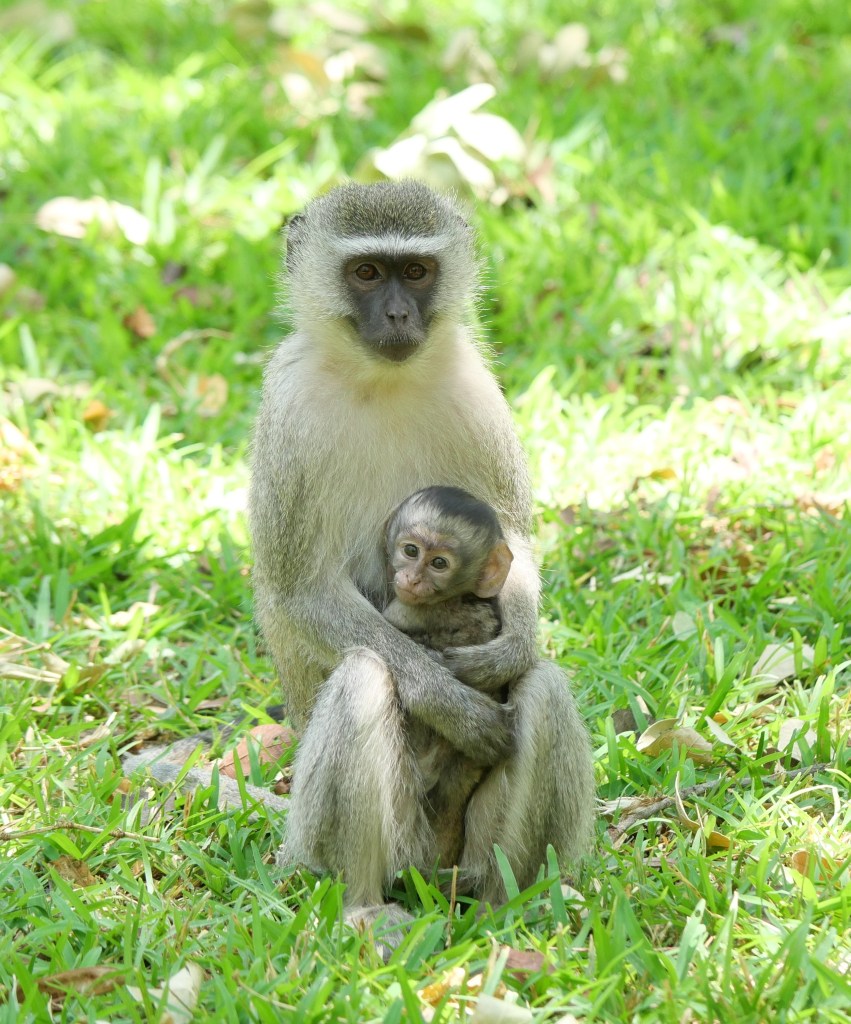
James was keen to check out the Dark Cave so we made our way back up to the top and around to the other side where the opening started. On the way we passed a very sweet little monkey with her baby
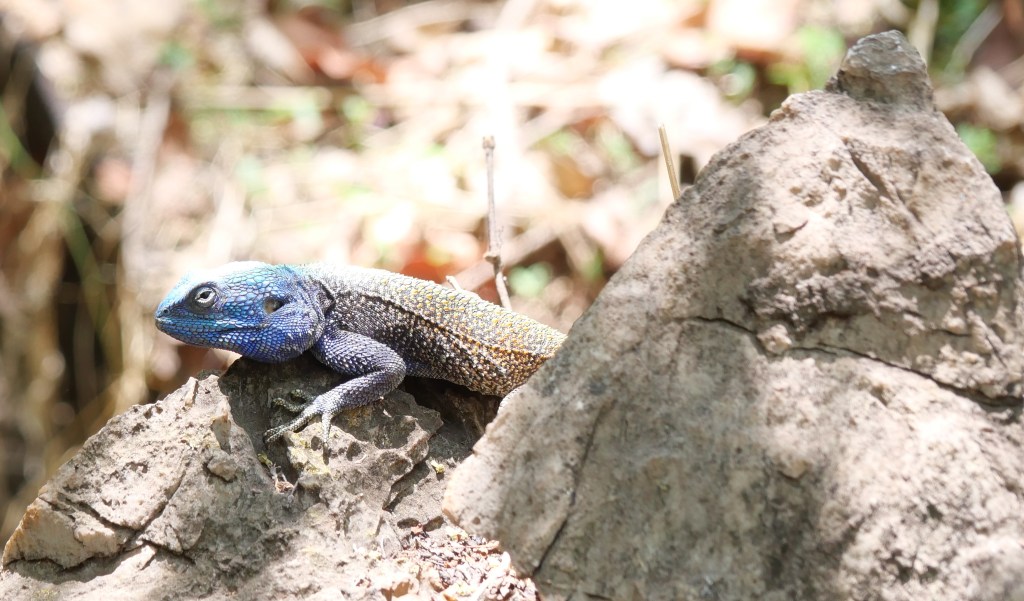
As well as a very brightly coloured geko trying to pretend he wasn´t there!
Once at the entrance to the Dark Cave I sat on a nearby bench and waited for James to explore
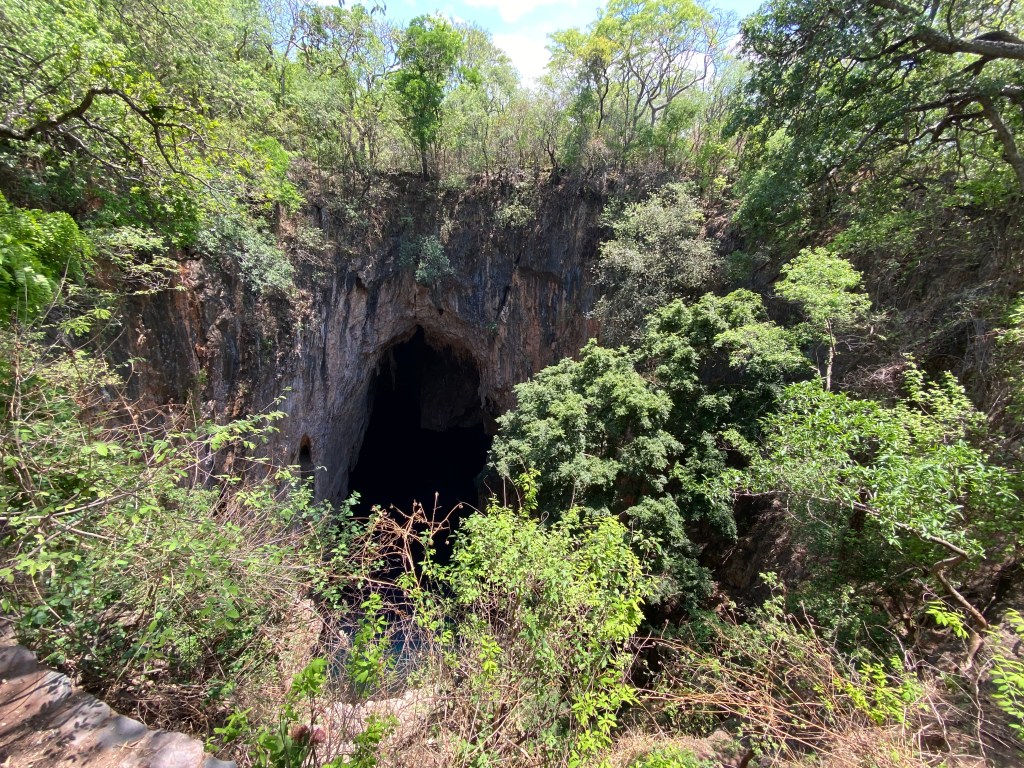
I had barely settled in when I heard him calling me. I peered down into the hole and his face appeared, grinning
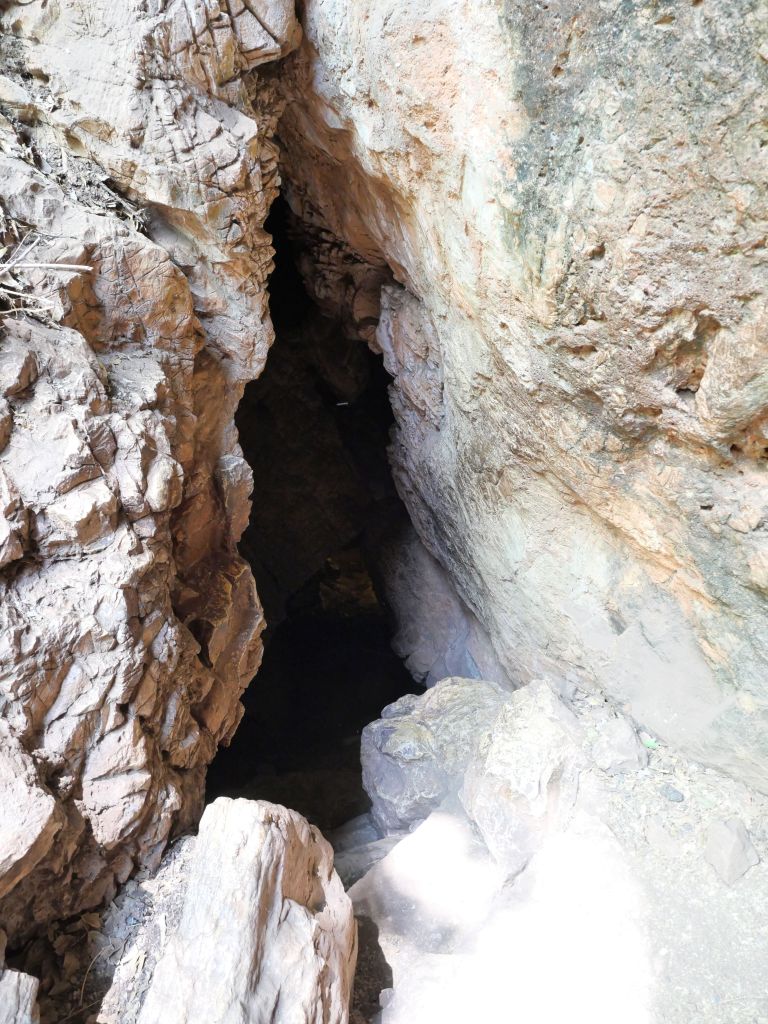
He assured me the route into the cave wasn´t too bad and he was convinced I could manage it. He said it would be worth the effort
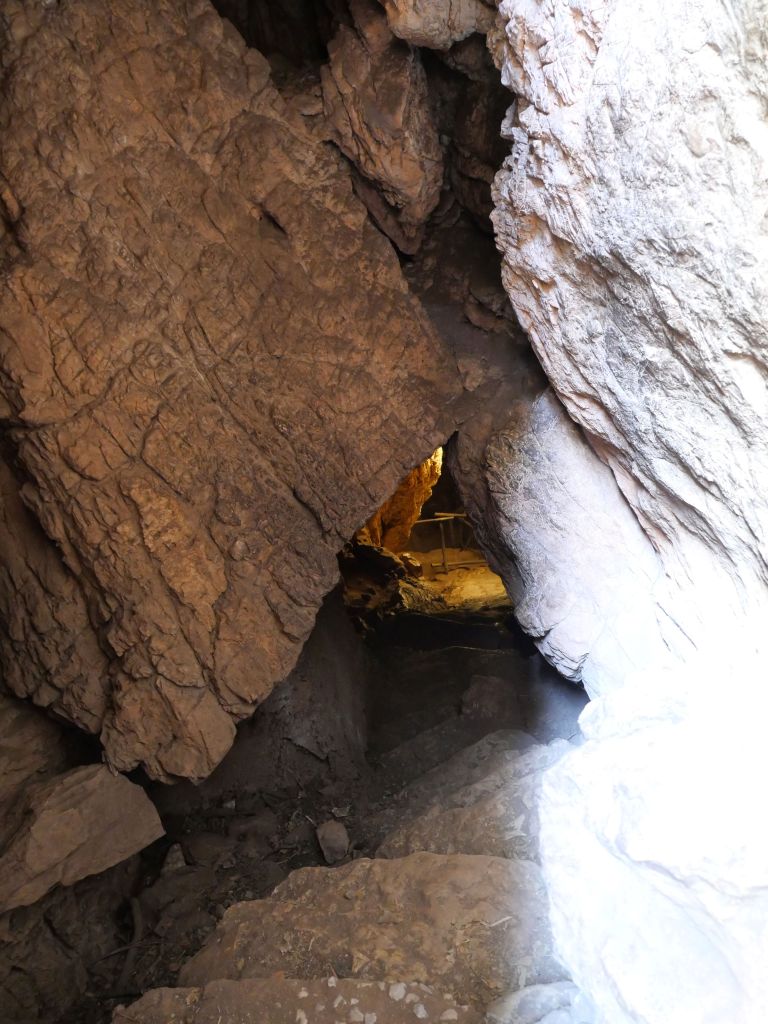
His enthusiasm was infectious so against my better judgement I crawled through the entrance and down the steep incline.
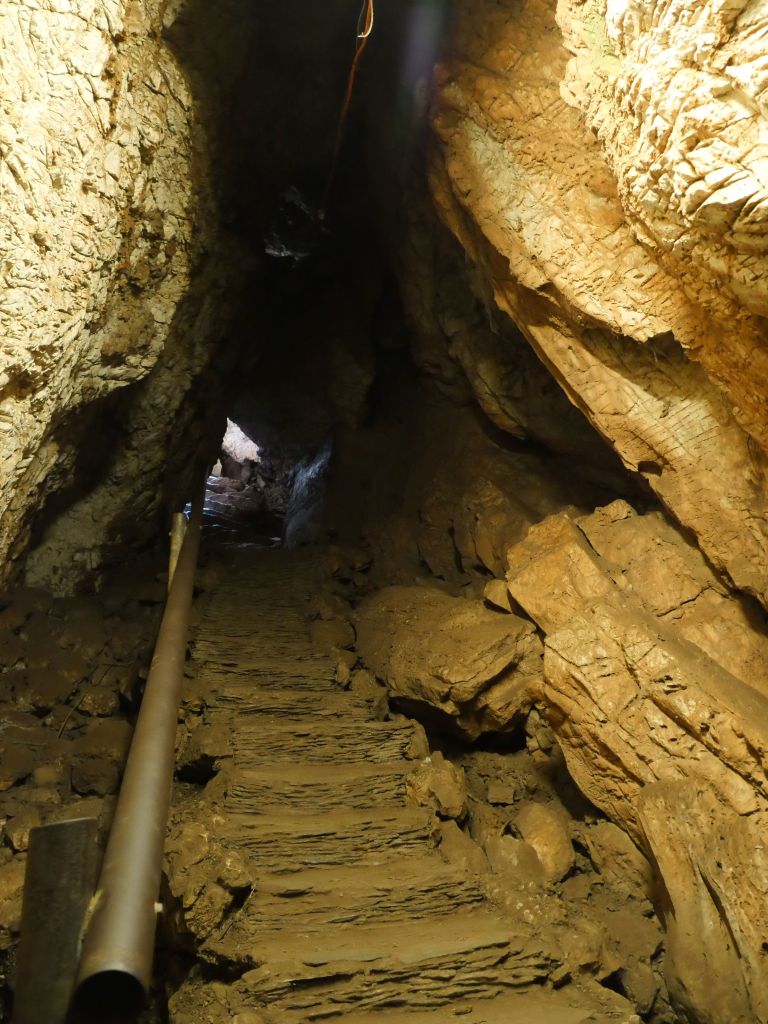
It was dark and tight but holding onto James´ hand I made it
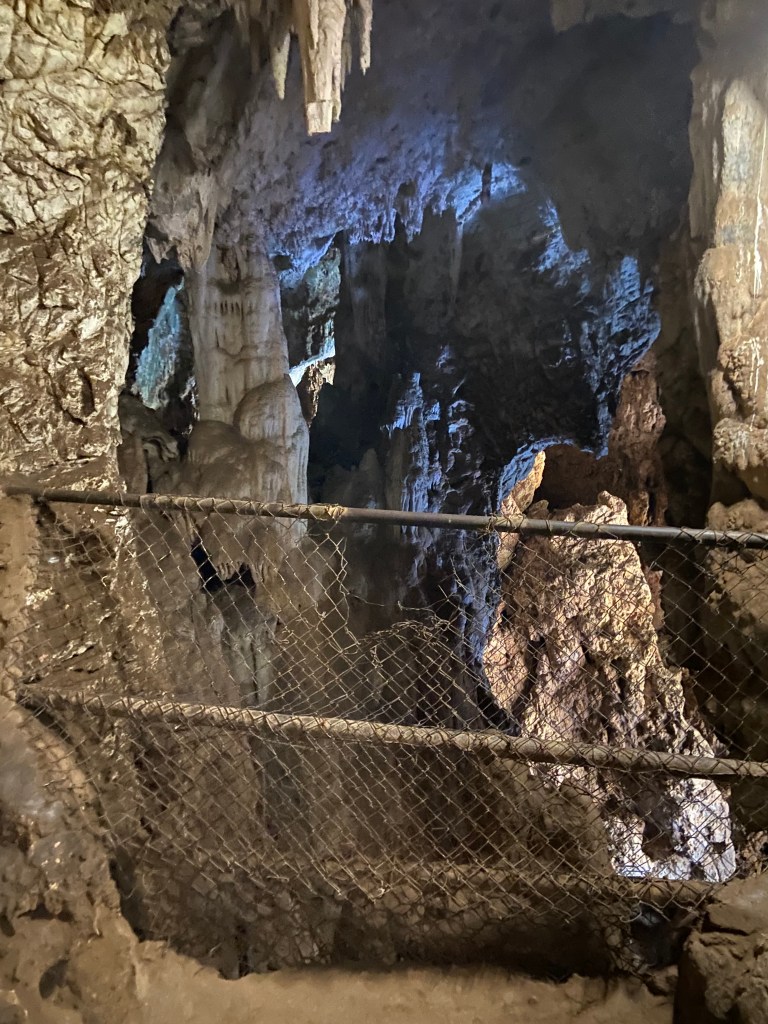
The view of the lake from this angle was just as lovely and it was much quieter
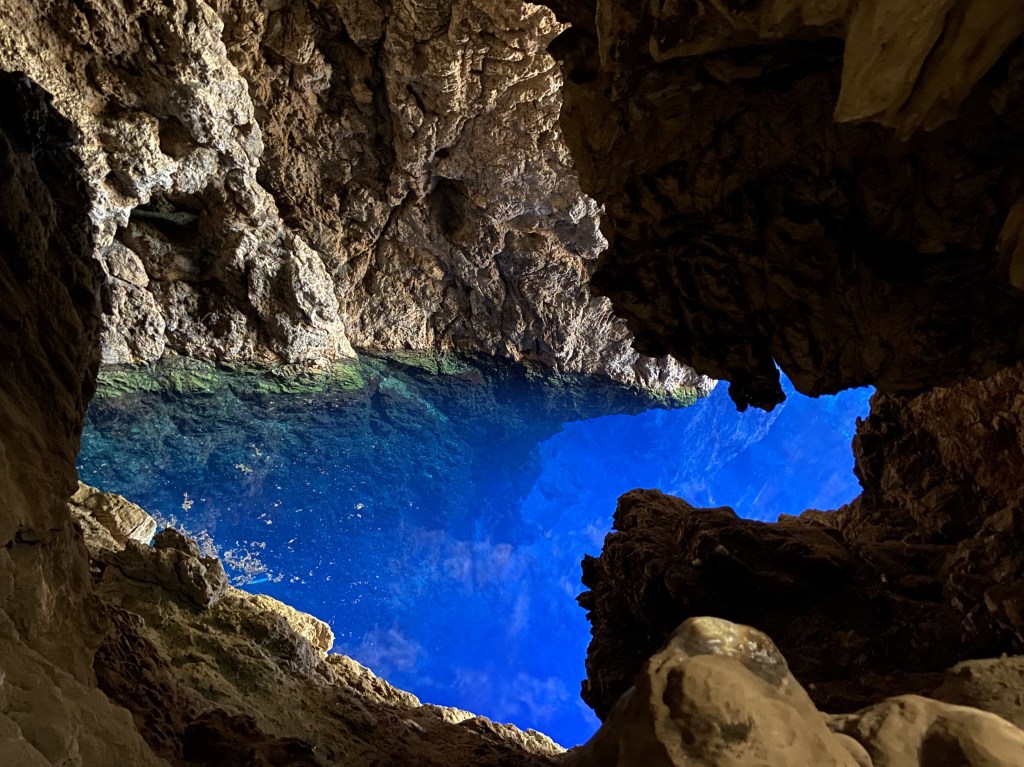
I felt a great sense of achievement.
Having conquered the caves we pressed on north to the Mana Pools National Park. Here you can walk with a guide and have the chance to see wild dog, hyaena, elephant and even lion on foot.
It was a long drive, the national park is on the border with Zambia and was one of the last things we were due to do in Zimbabwe.
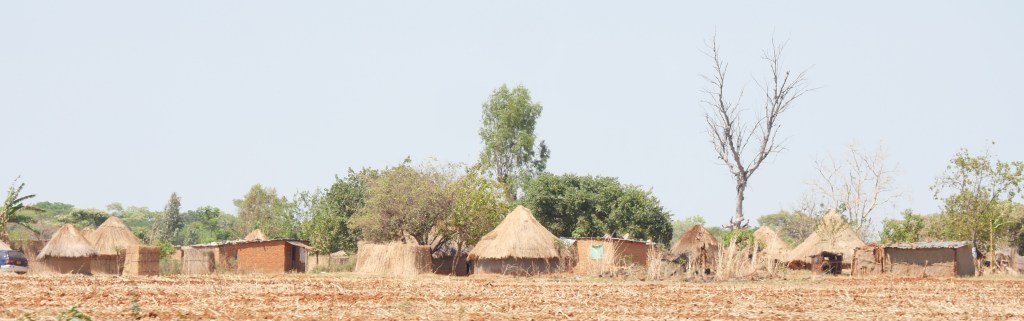
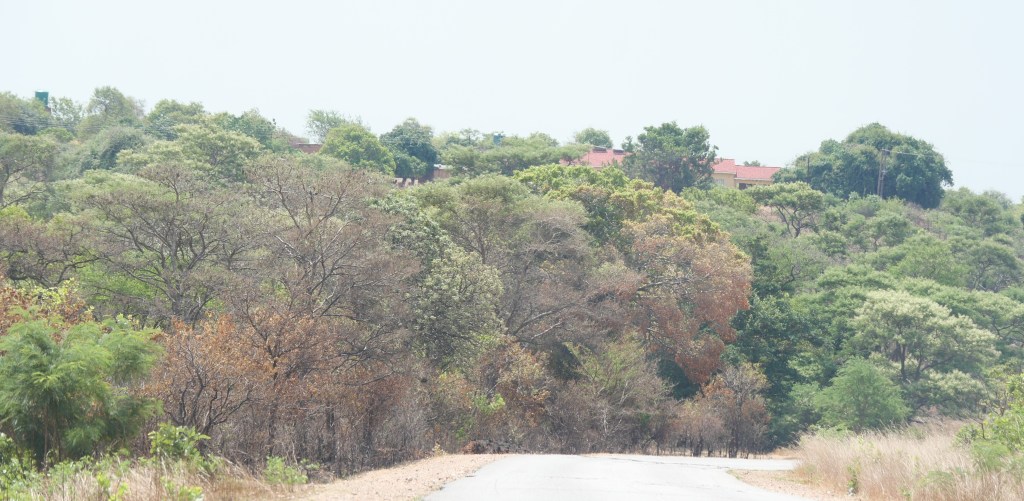
As we drive through countries we usually find that certain towns specialise in certain produce. Some areas have potatoes, others sell charcoal, still others tomatoes. There is endless variety as to what you can buy along the roadside but everywhere has its speciality. The road between the Chinhoyi Caves and Mana Pools specialised in a product we felt we had limited use for….
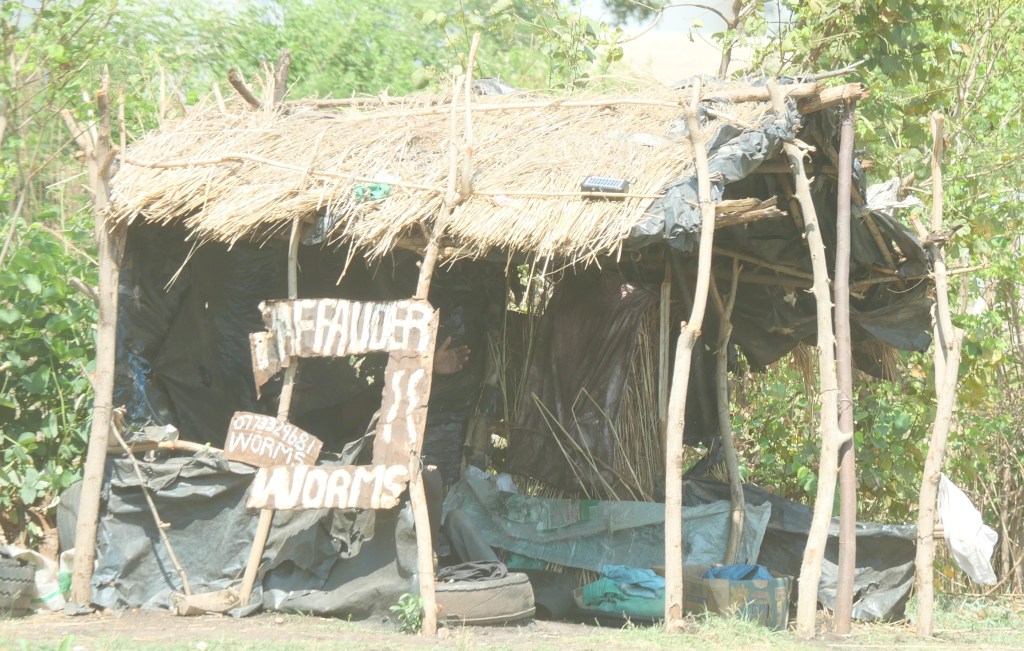
Worms!
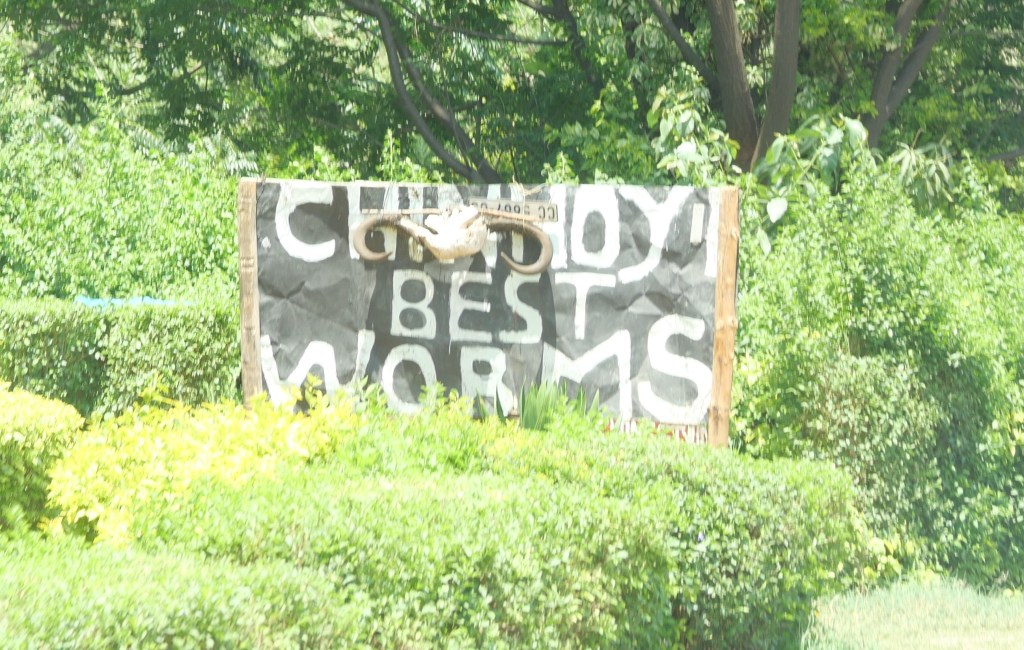
There were puff adder worms, anaconda worms, champion worms, marvellous worms and we were reliably informed by one sign that ´real men use worms´!!
Something else I had noticed in Zimbabwe was the number of schools. Every village, no matter how small, had signs for primary and secondary schools, often more than one

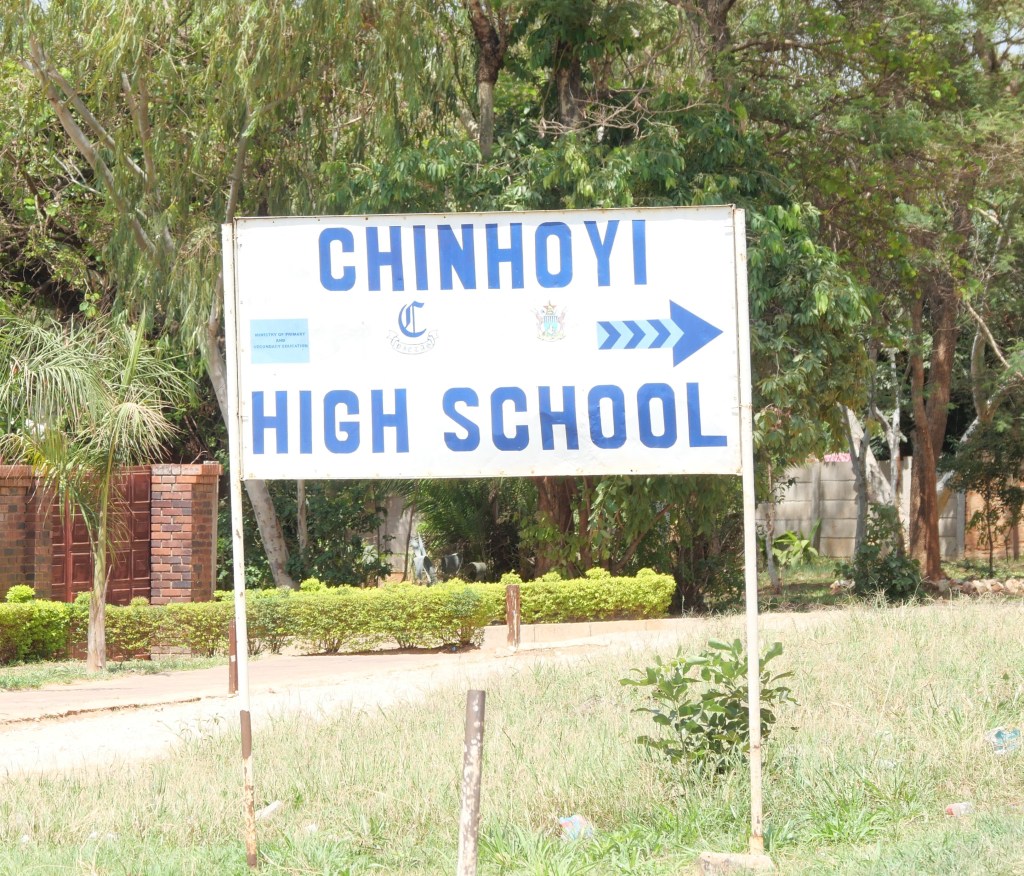
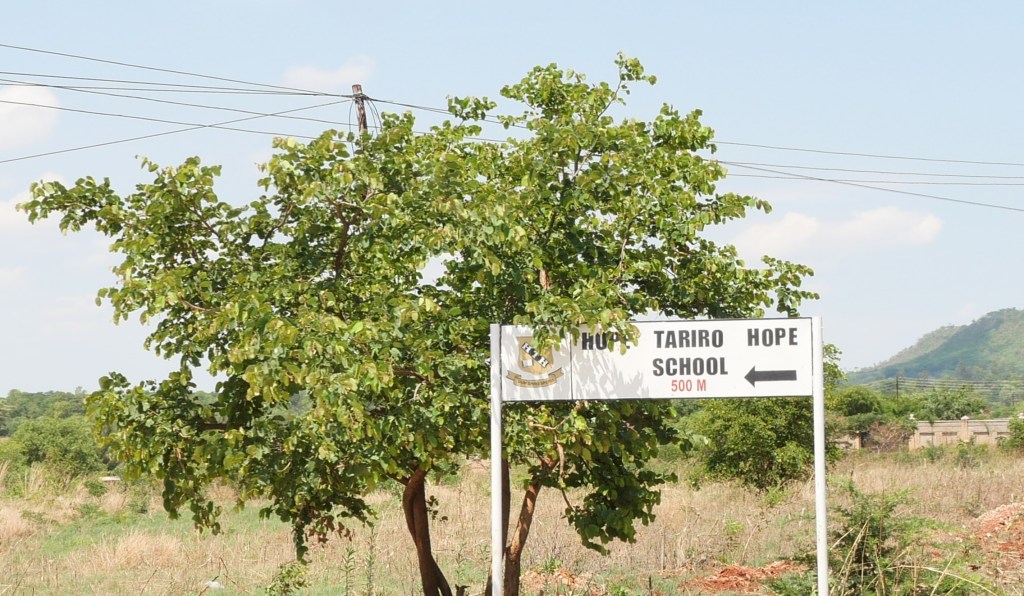
Education here is both paramount and excellent. It was clear both in the number of these signs across the whole country, and in the people themselves, that if they have got one thing right here it is the commitment to educating their children.
Eventually we arrived at the Mana Pools permit office and purchased our park entrance tickets. Outside we met a couple with their private guide who gave us lots of good advice including to make sure any walking guide we hired knew we were looking for lions so he could plan our route accordingly. They also told us it was another two hours drive to the campsite which made our hearts sink just a little after such a long day.
It was a long and very bumpy drive to the main gates of the park


And even harder to reach the campsite itself so we were very tired by the time we arrived late in the afternoon. The campsite staff informed us it would cost just over US$150 to camp per night, about twice what we were expecting. We changed our plans to stay for only one night, booked our walking guide for the following day, made sure he knew we were looking for lions and settled into our pitch slightly grumpy.
In the tree next to us were a family of vervet monkeys watching us set up with great interest
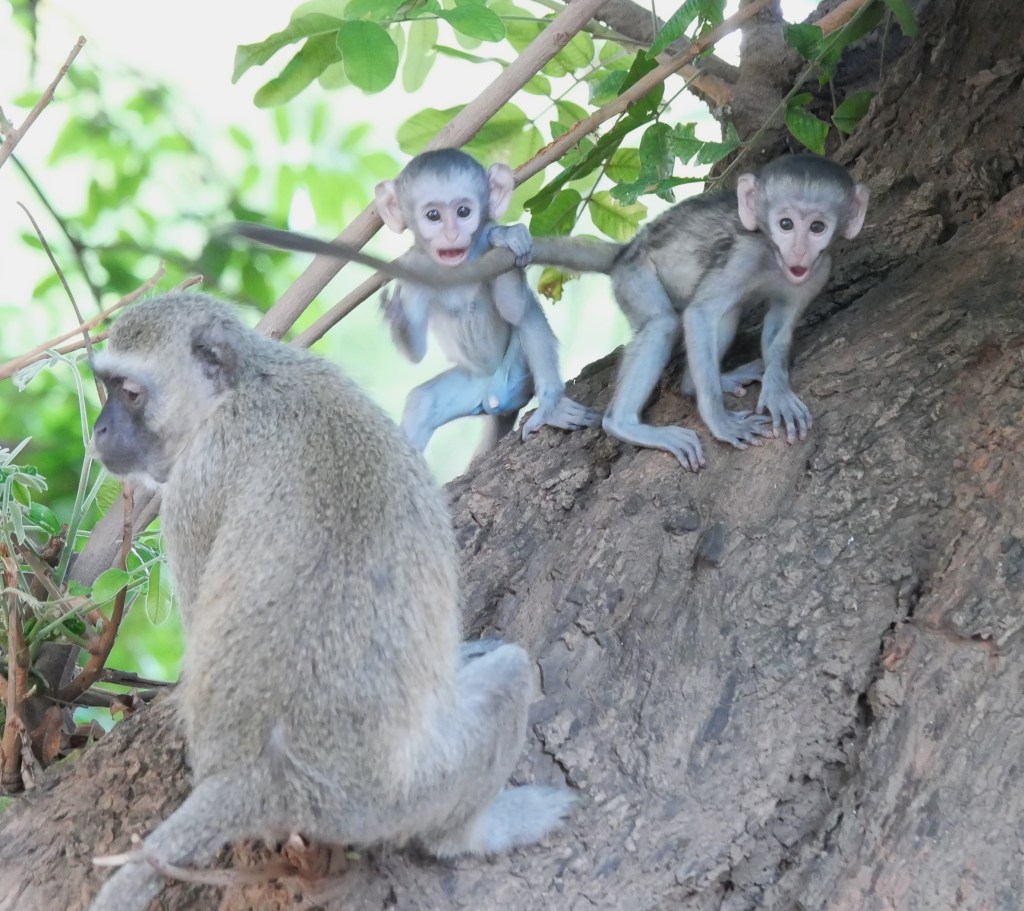
I took lots of photos, especially of the very curious babies and they made us both smile
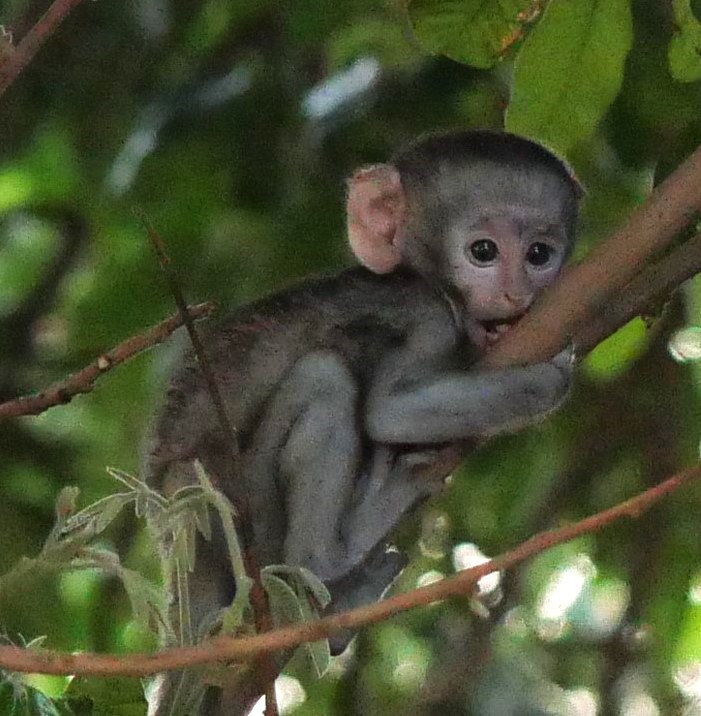
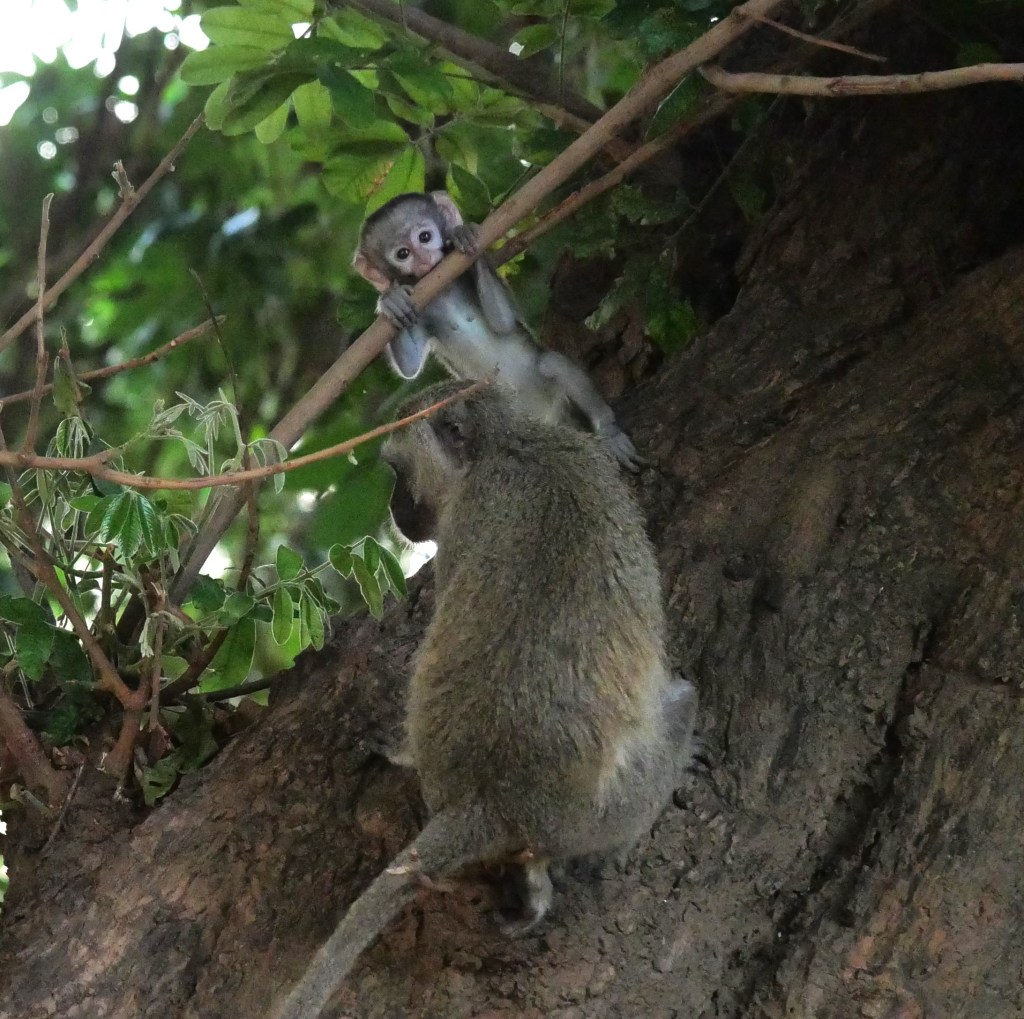
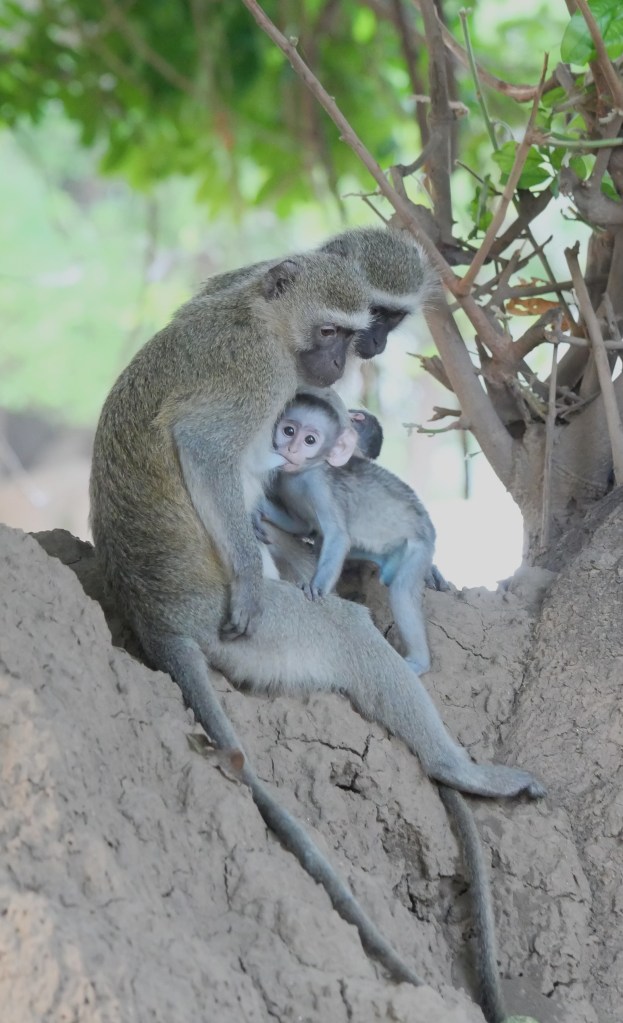
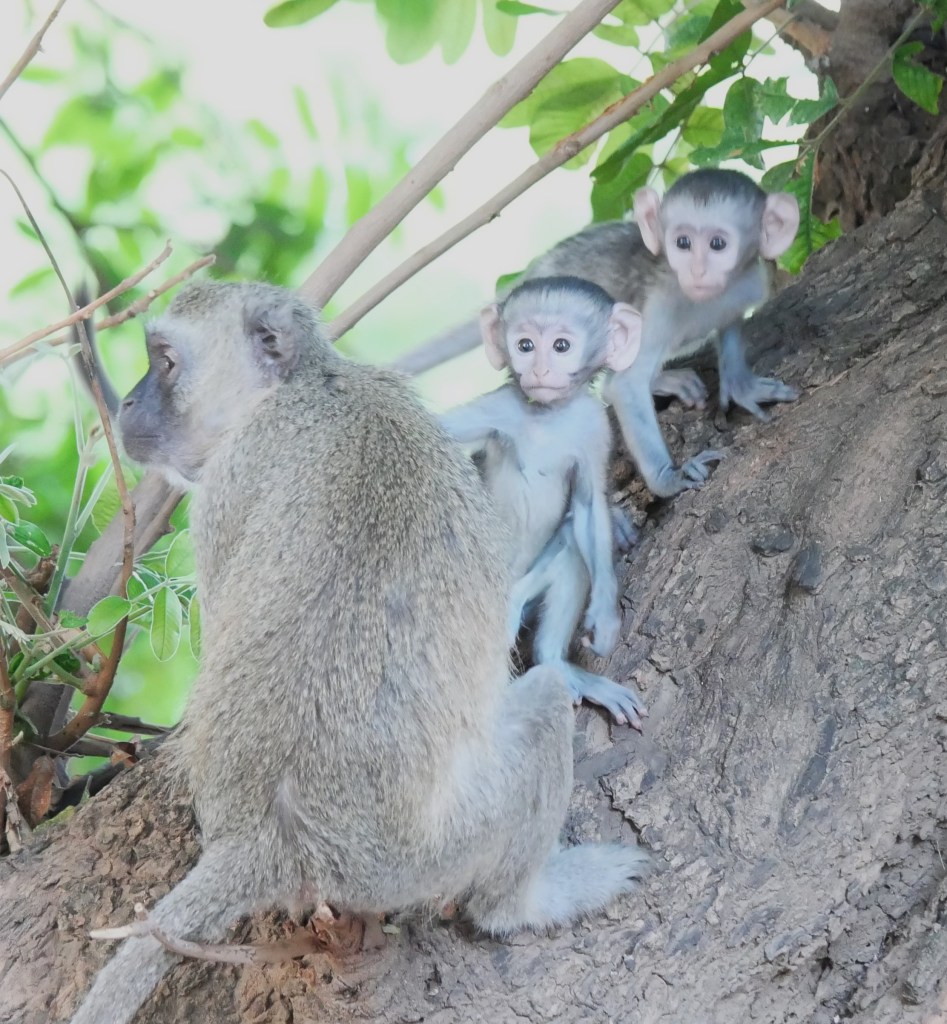
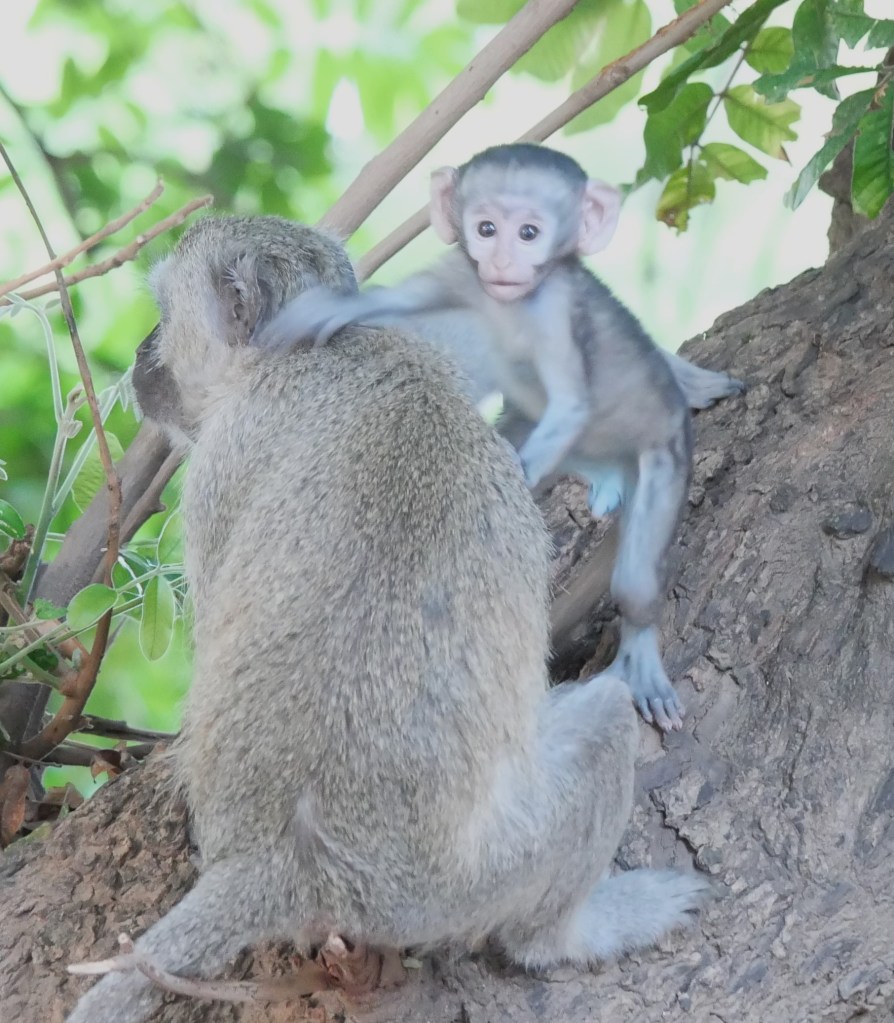
But half an hour later as we were trying to cook dinner they showed their criminal tendencies – first steeling our whole pepper right from under my nose, then the off cuts of our second pepper and finally the bin bag we had hung on the side of Henry, spreading rubbish all over the place!
And when I came back from the toilets I jumped out of my skin as a mother and her young baby peered at me from inside Henry where they were comfortably settled on the bench looking around. As soon as I appeared they shot out, leapt onto the top of the back door and bounded away up the tree.
The campsite may have been expensive but it was beautiful. As we settled in to our dinner we watched the sun slowly setting over the river
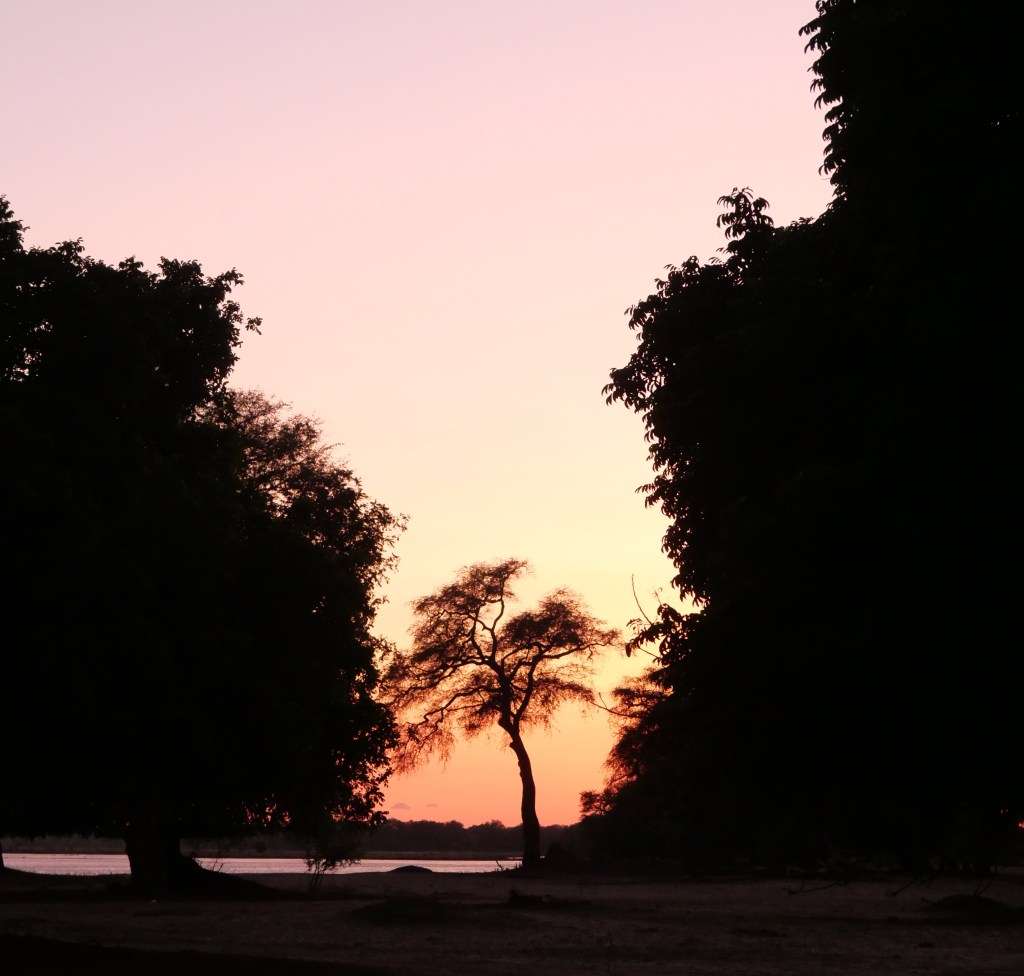
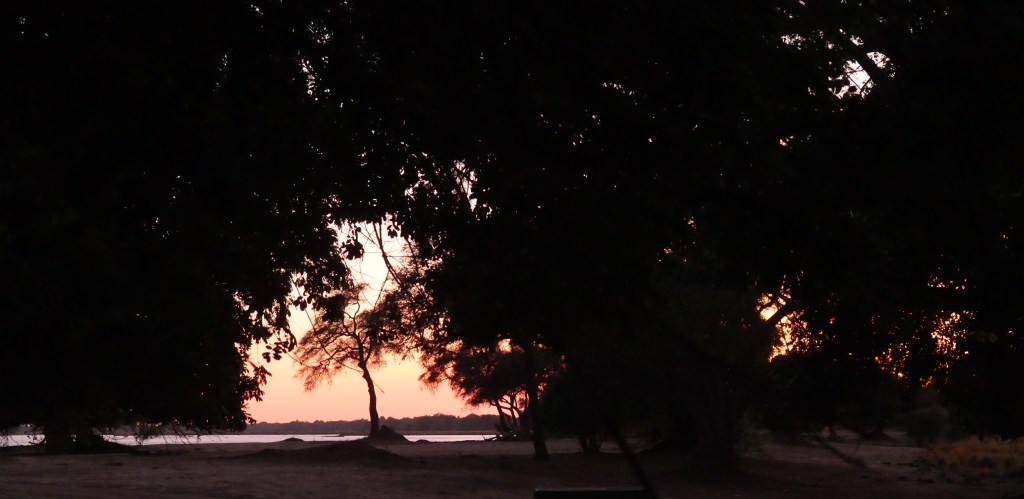
And I was up early the next day with my camera capturing it rise again on the other side
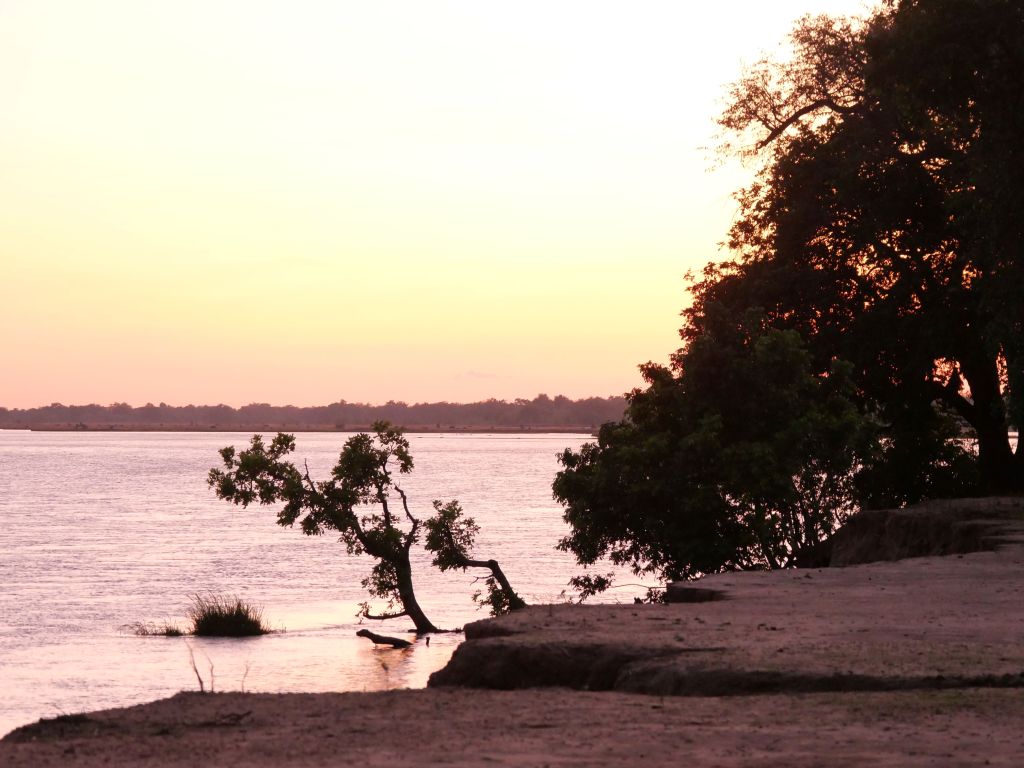
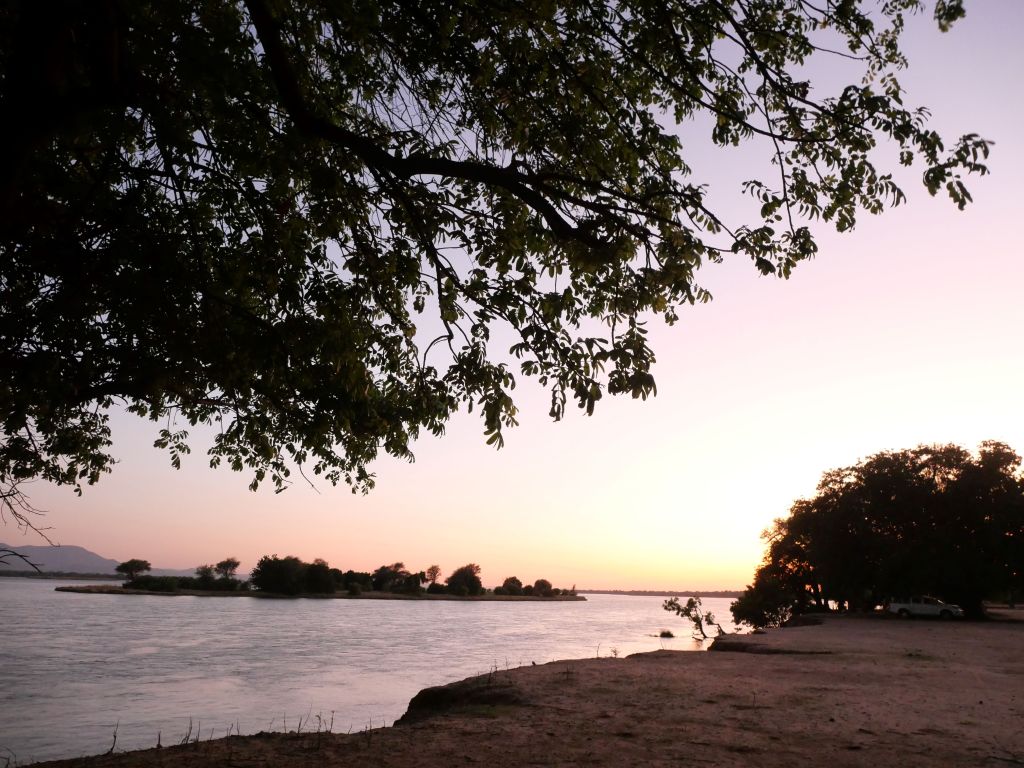
We were off the campsite by 5:30am and loading our walking guide into Henry before 6am, heading off to find lions. I drove with the guide in the passenger seat and James bundled in the back. No lion sightings had been reported yet that morning but it was still early.
We parked up at a spot about half an hour from the campsite and were immediately hit on by a number of tsetse flies. They like to follow vehicles so we walked away from Henry as quickly as we could to try and lose them, keeping an eye on each other´s backs and knocking off any that landed on one of us. Tsetse fly bites are not only very painful but also carry a whole host of interesting diseases including sleeping sickness. As I have said before in this blog, tsetse flies make mosquitoes look like amateurs!
Our guide took us across some beautiful landscapes

Until we reached an old, hollow baobab tree
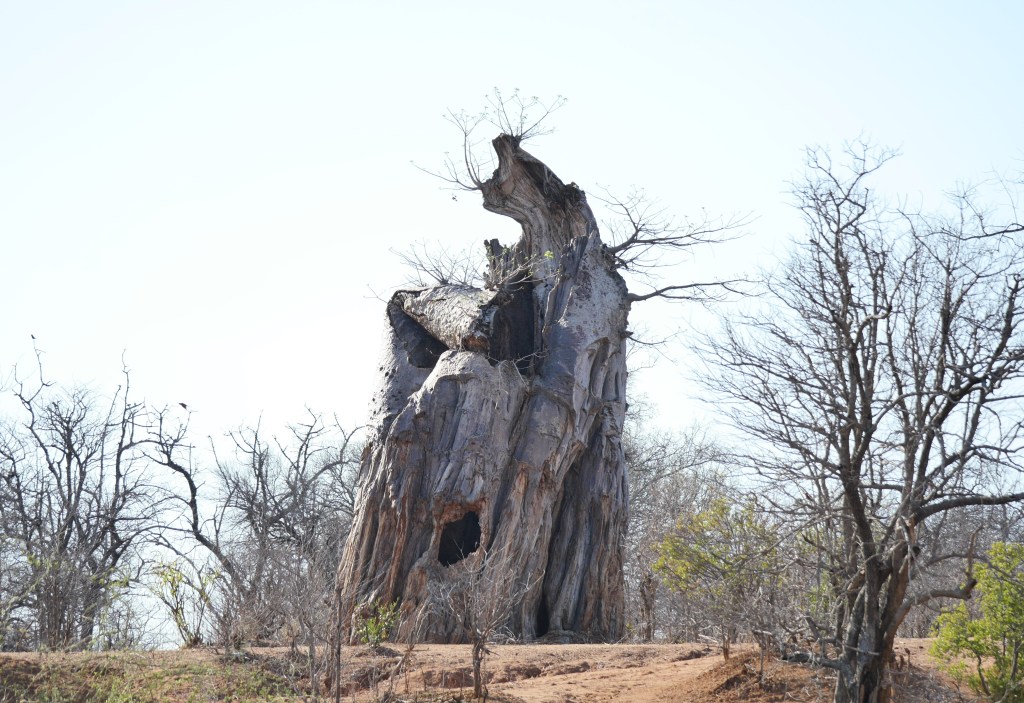
It has been like this for hundreds of years and in the past people used it for shelter.
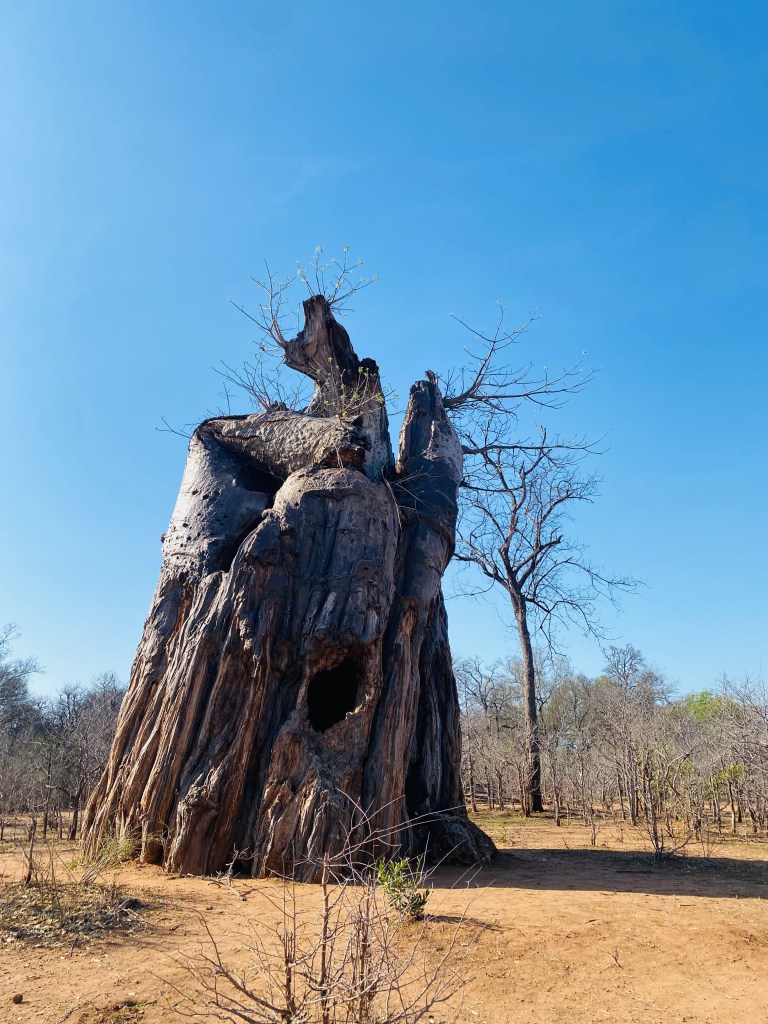
Getting in and out was tricky
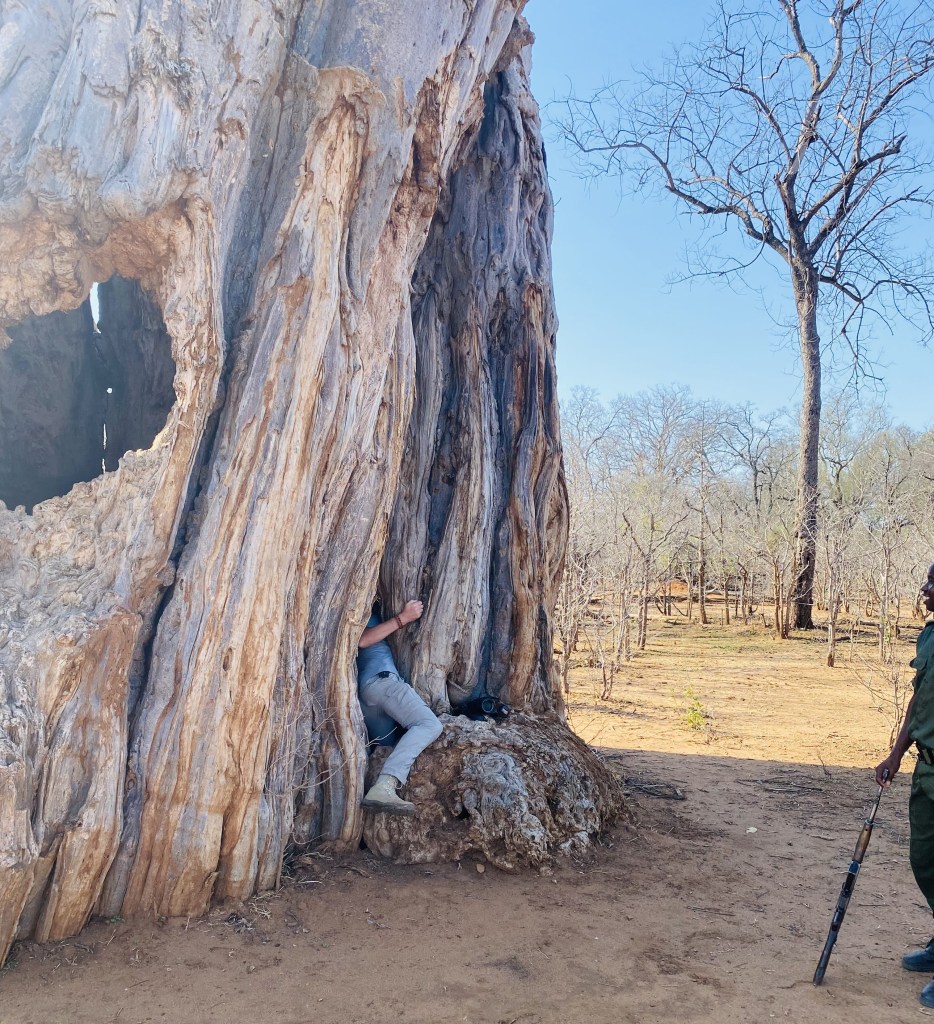
But once inside it was quite remarkable
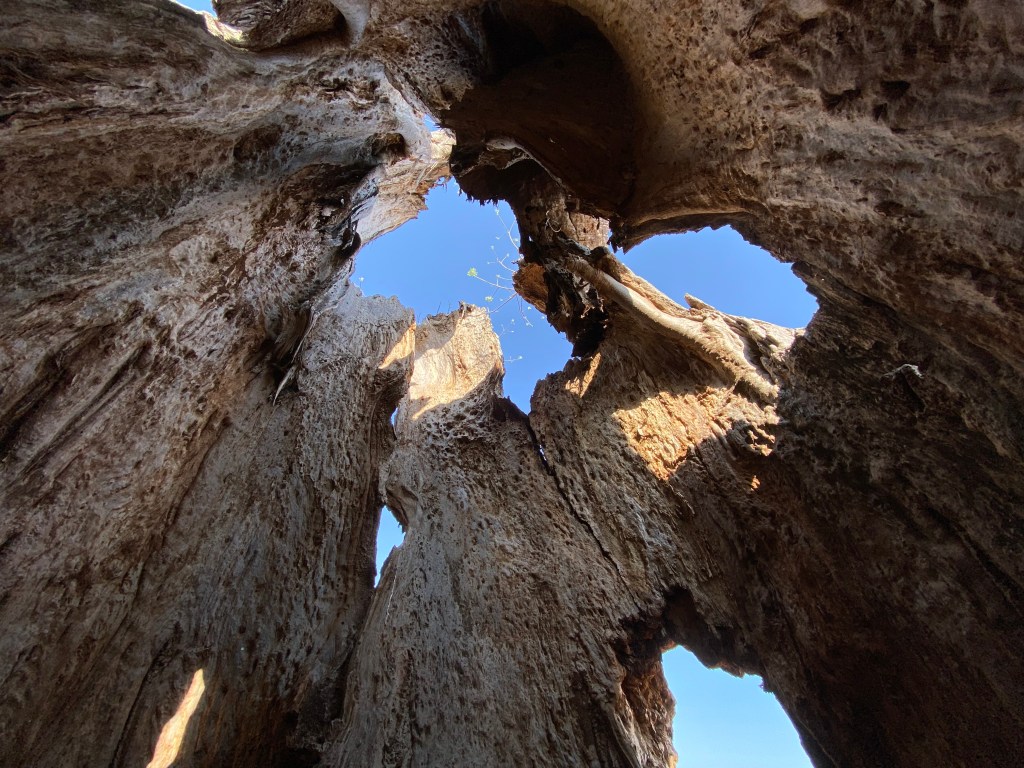
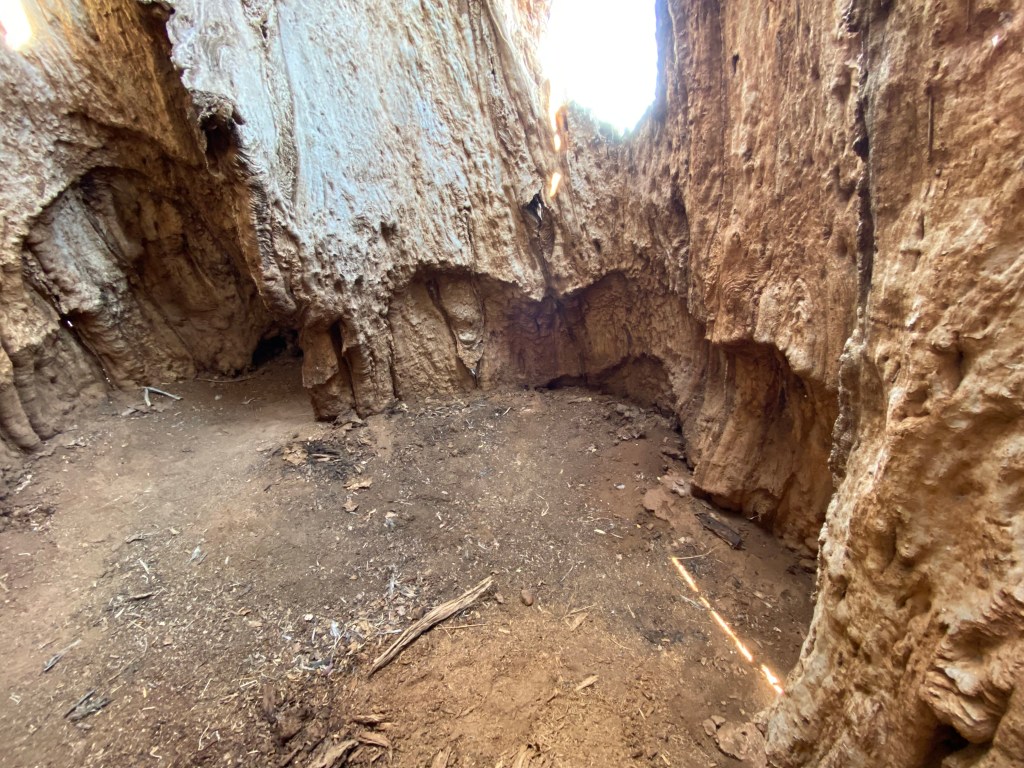
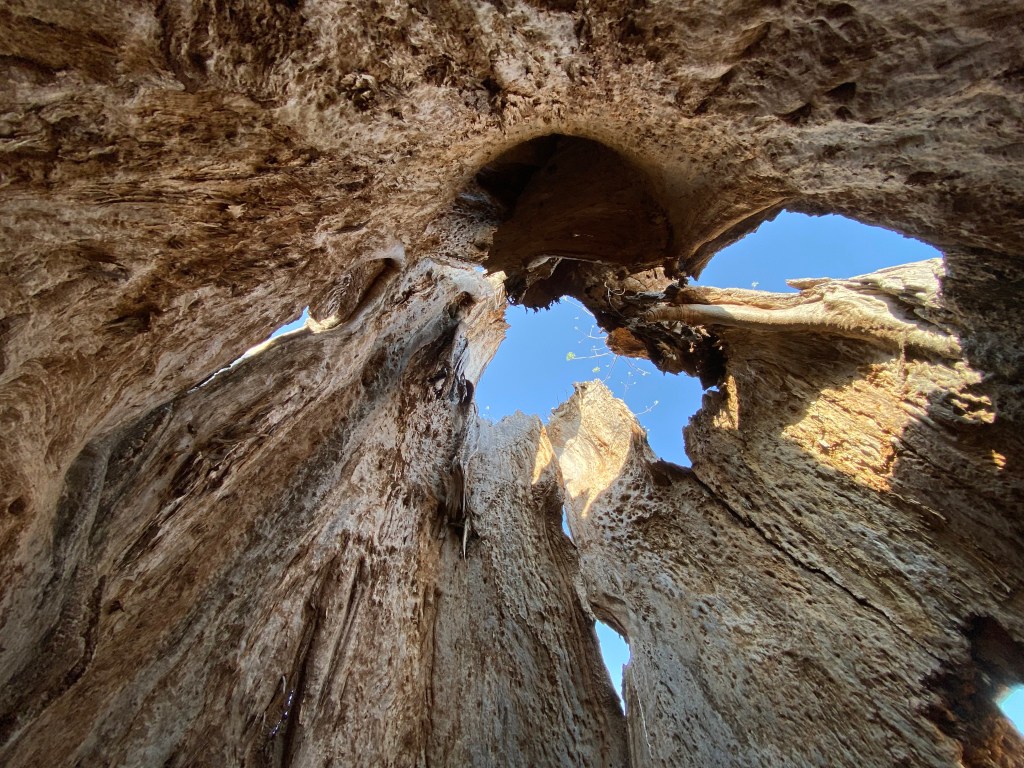
It was already very hot despite only being 7am. Mana Pools is on the Zimbabwe side of the Zambezi river and the whole Zambezi Valley is a furnace, especially in the early summer months before the rains.
But the animals didn´t seem to mind too much. We saw impala, monkeys, baboons and even an eland
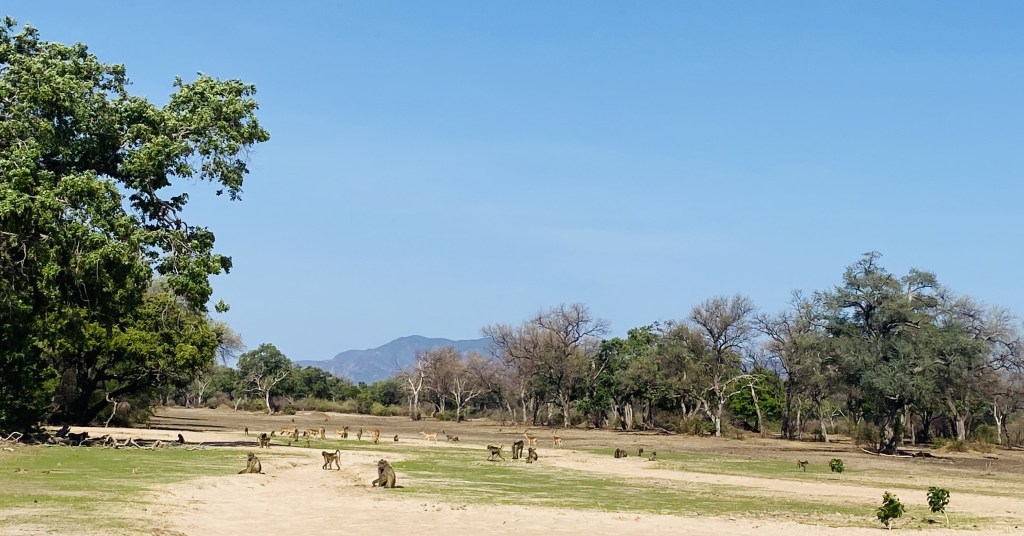
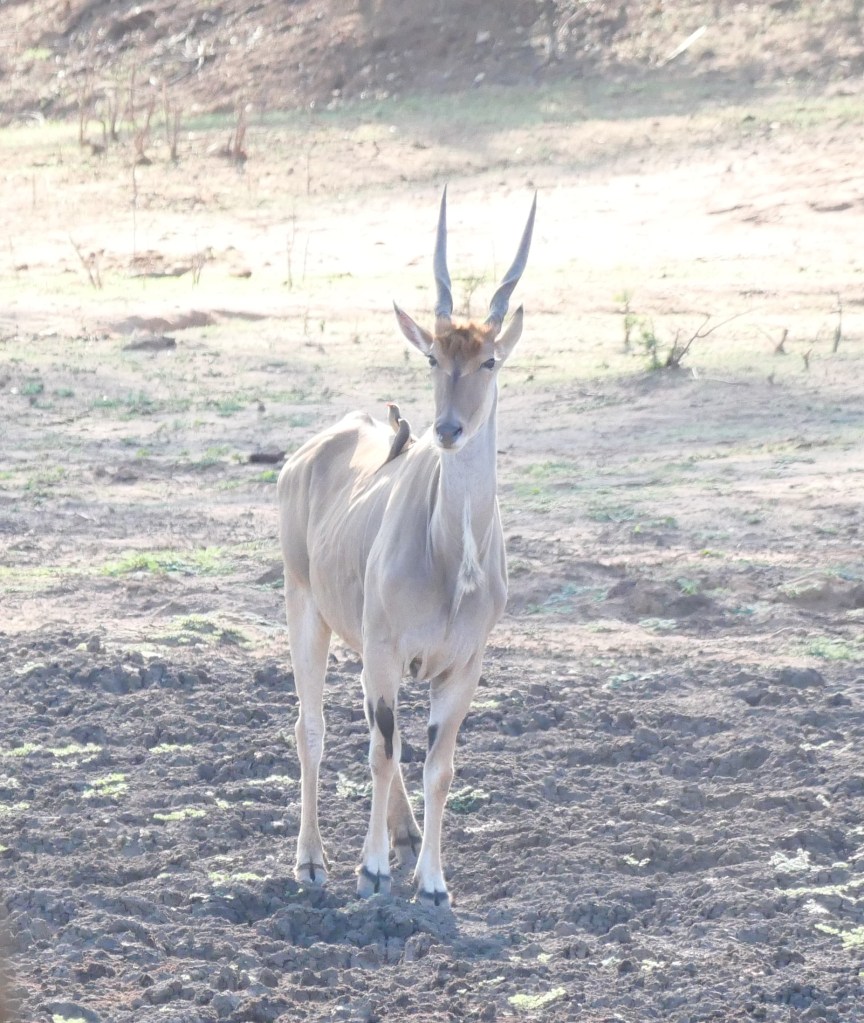
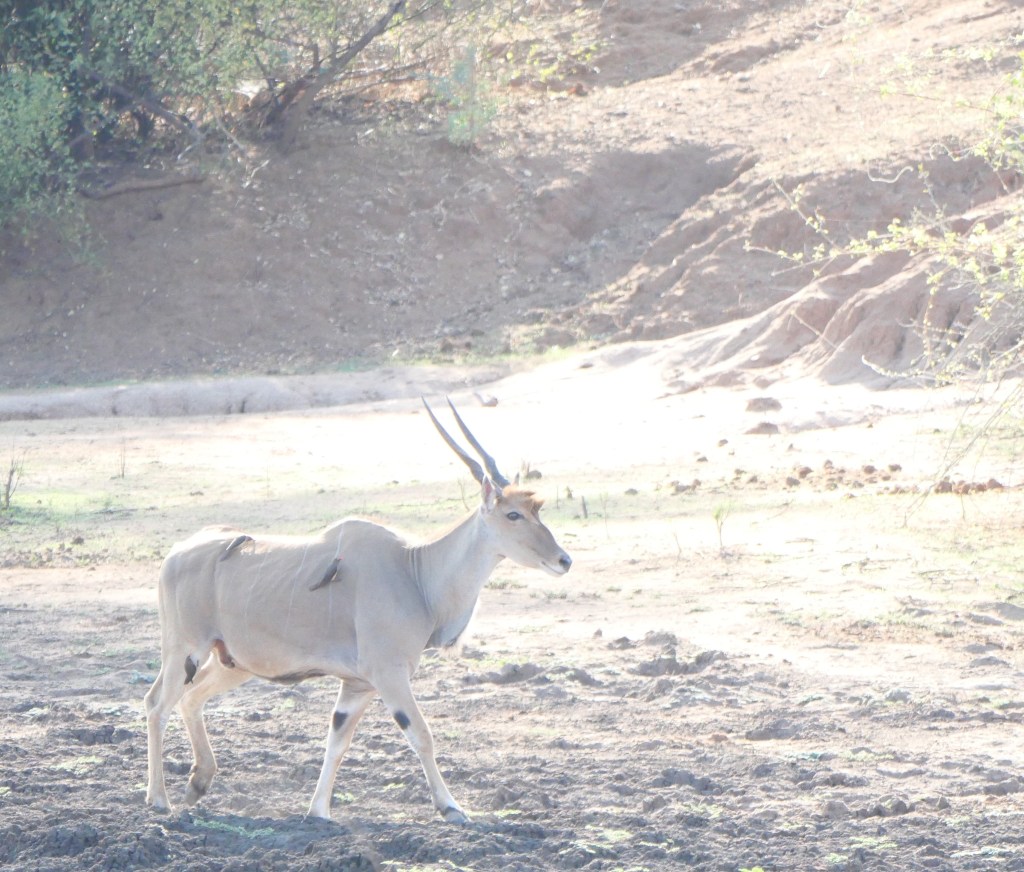
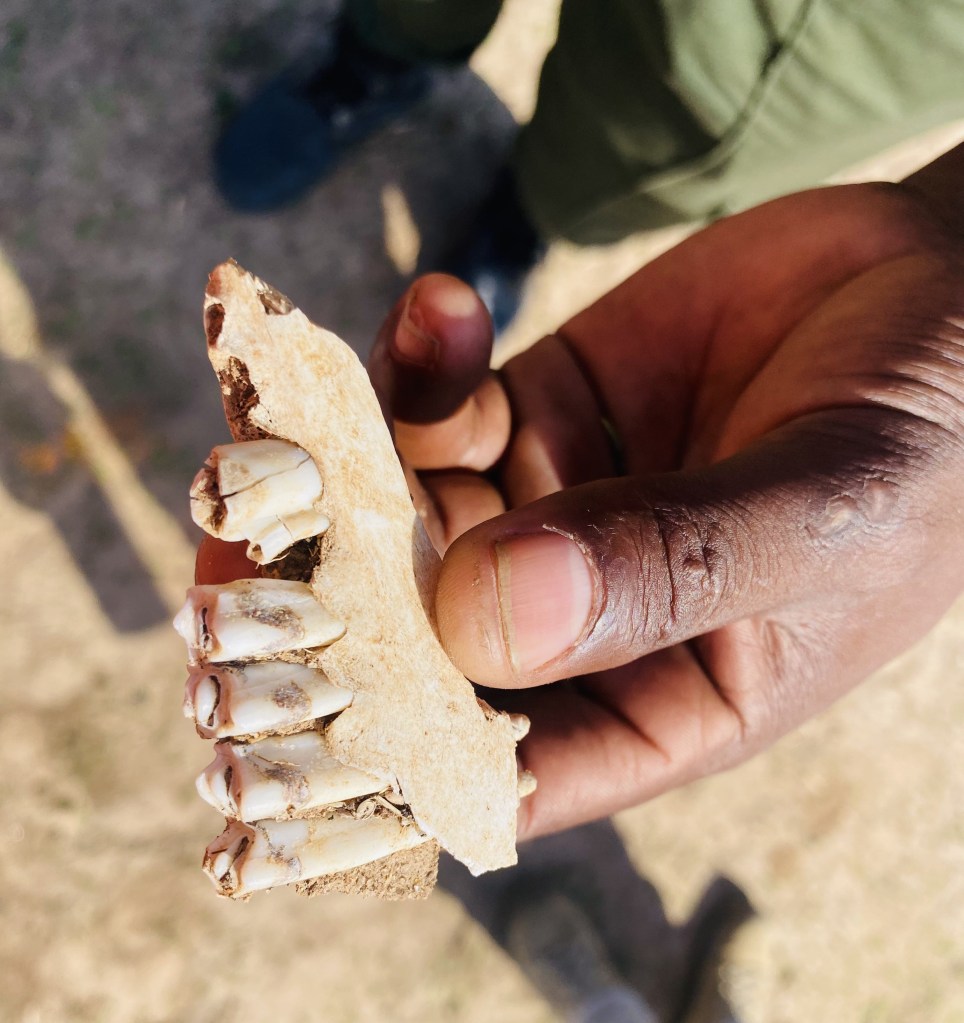
A little further on we came across an elephant quietly having his breakfast
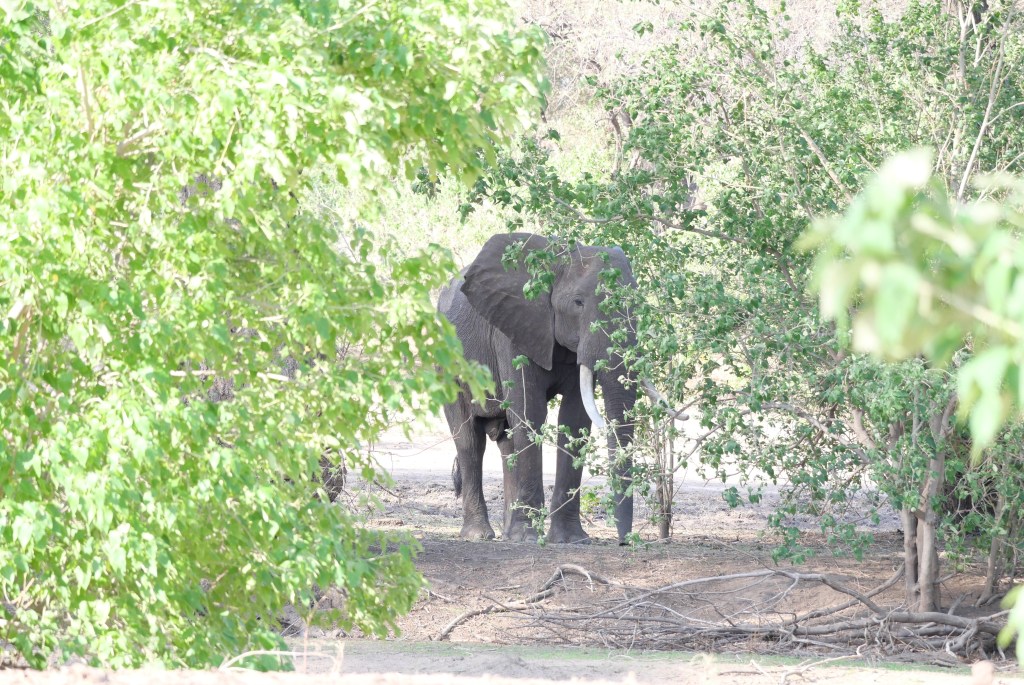
Being in close proximity to an elephant whilst on foot is an entirely different experience to being in a vehicle, it was spell binding.
There were a small number of other guides around but no-one had seen lions. One guide told us of Wild Dog in the area and we hurried up the hill to see whether we could find them.
After a bit of searching we came across two hyaena
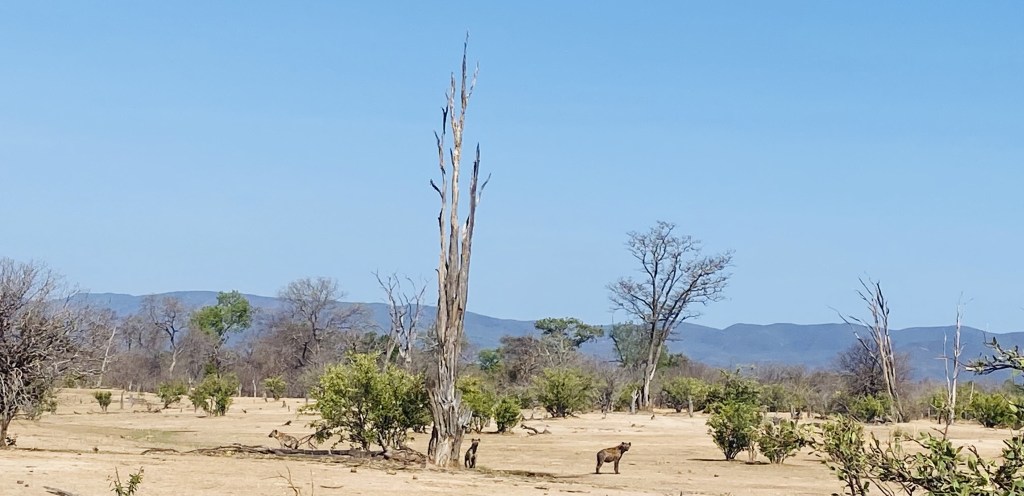
A wonderful sighting on foot in itself especially as they allowed us to get closer
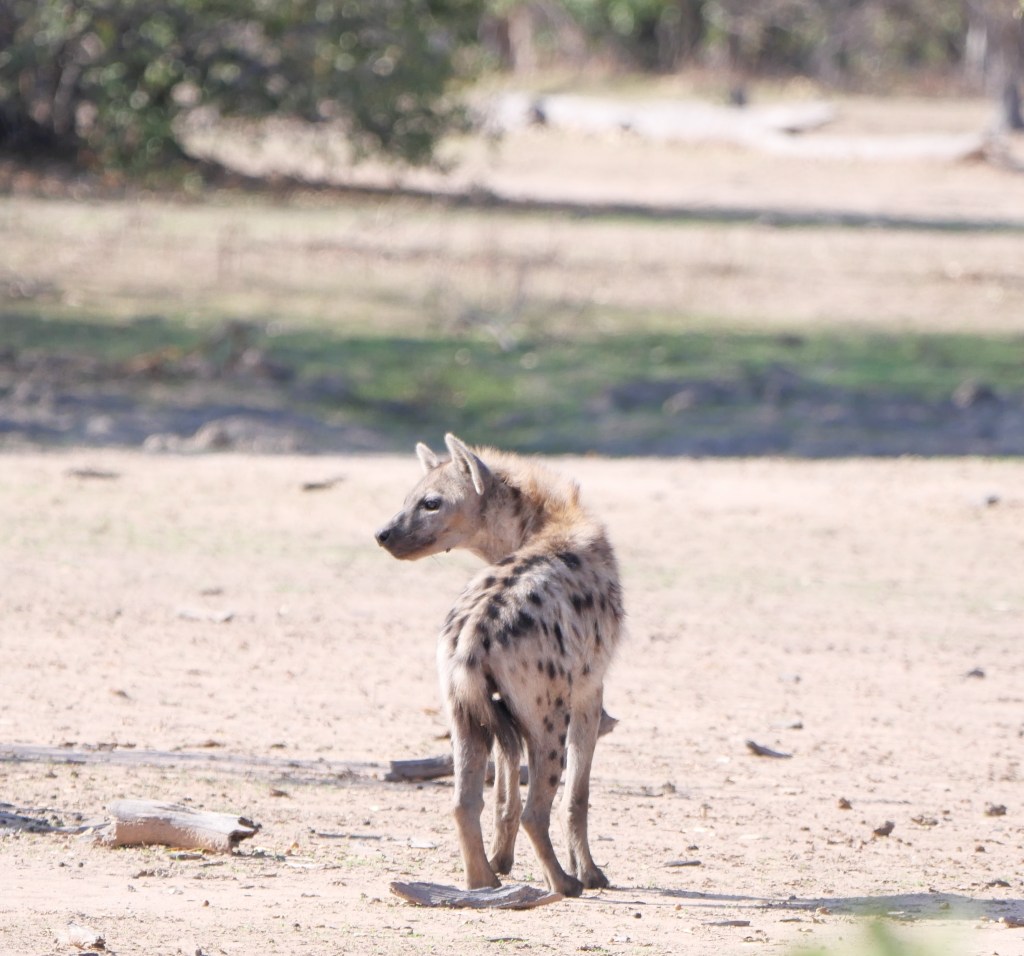
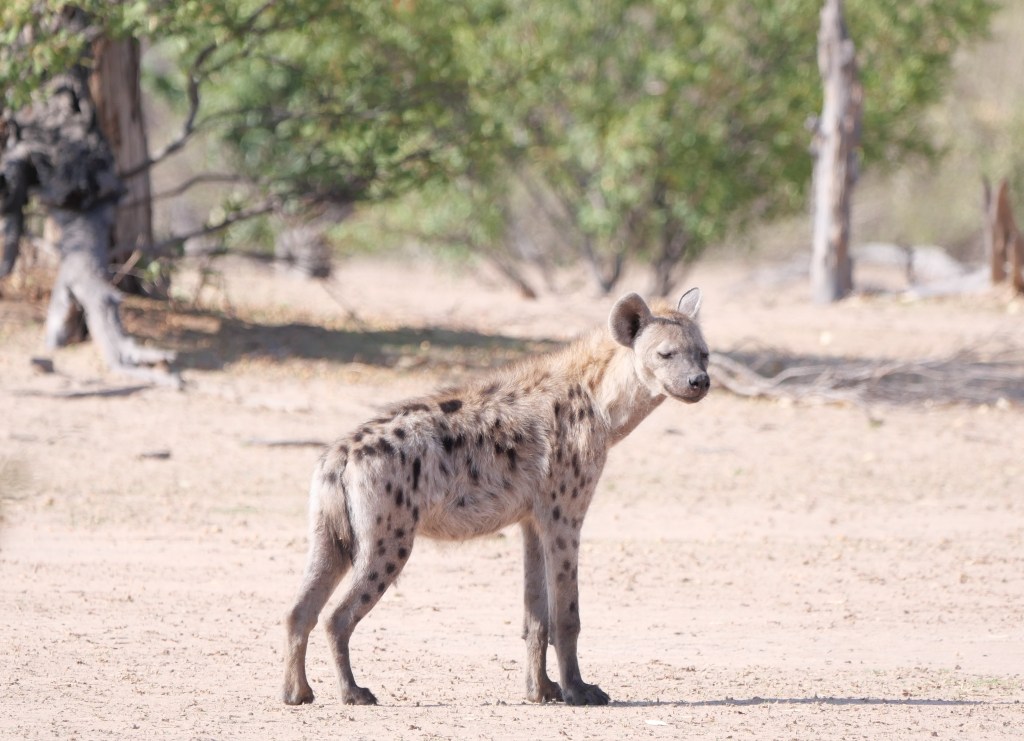
But it was also a sign that the Wild Dog were somewhere close – the hyaena were very likely tracking them in the hope of picking up some scraps from any kill.
Before long our efforts were rewarded as we found ourselves standing less than 20 metres from a pack of thirteen Wild Dog resting under the trees.
Our guide was thrilled and his excitement was palpable as he shook our hands and grinned from ear to ear. I took my first photo…

But then my camera decided to choose that very moment to run out of battery! At least I did get one picture as the IPhone had no chance…

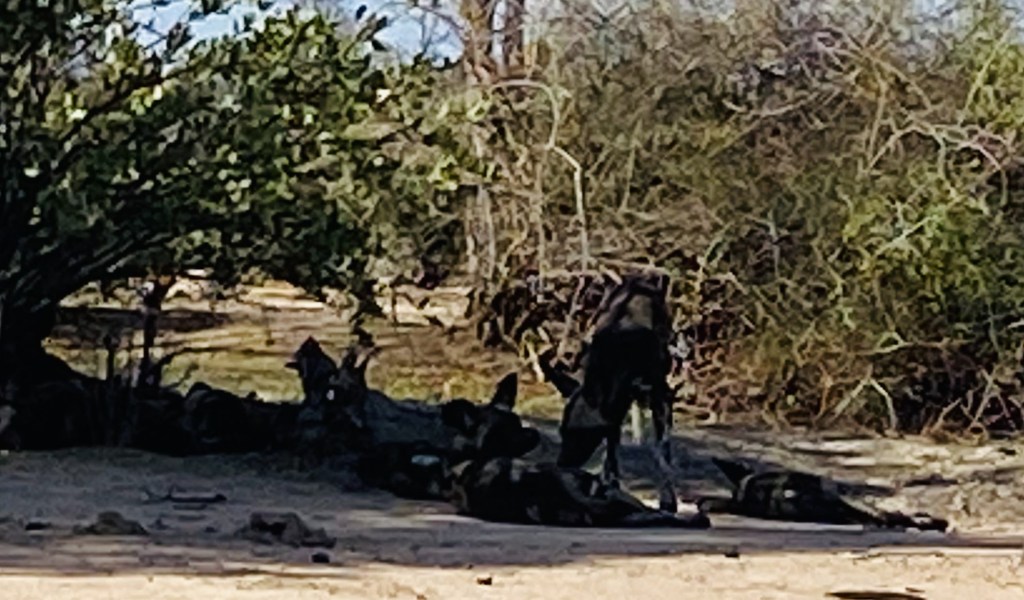
As we started to walk back to Henry with smiles on our faces we heard rumours of lions close by. But sadly despite driving around for some time we found nothing.
We headed back to the campsite for showers and breakfast

We watched elephants and chatted to another private guide for over an hour learning all about the history of the park and the general outcry at the escalating prices.
Lake Kariba was only a short drive from Mana Pools and we were due to cross into Zambia over the Kariba Dam. It seemed very sad that we were so close to the end of our Zimbabwe adventure, we had loved everything about this country and were really enjoying our time here
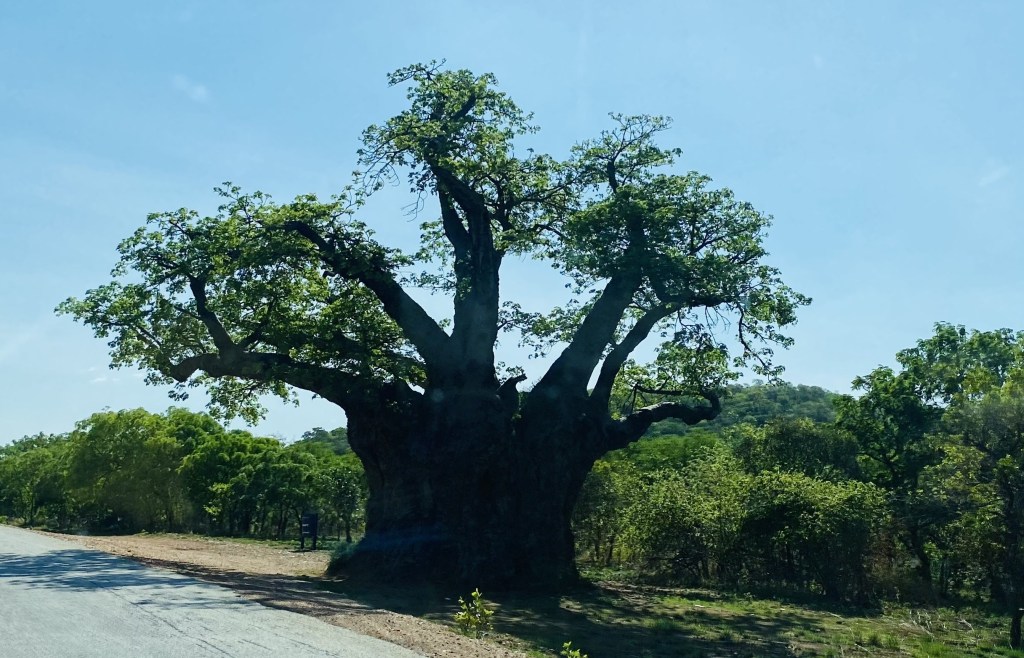
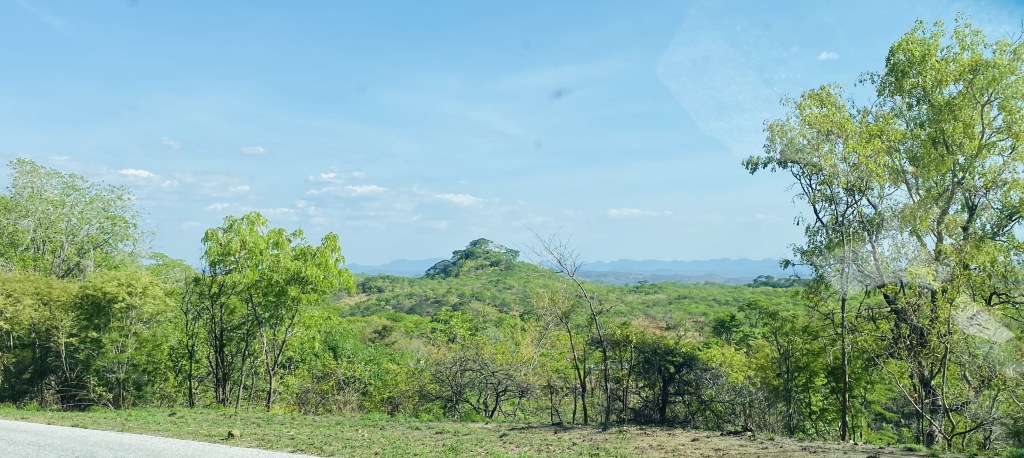
But we only had 30 days on our visas and were already right up against our limit. After spending so much time in Namibia it seemed strange but exhilarating to be moving forwards rather than going in and out of the same country all the time.
For some reason, for the first time since we left the UK over two years ago the reality of our lives was starting to sink in – we really were travelling the world, we really didn´t have a home and we really did live a tough outdoor existence with no safety belts and no escape route. Also for the first time I was beginning to lose track of where we were. I had strangely never had this problem before, even when we were in a different country almost every week travelling down the west coast. But now when I woke up each morning I had to remind myself not just what part of the country we were in but which country it was!
We weren´t sure what to expect from Zambia, some people say it is a beautiful, friendly country, quite remote with few tourists making for an authentic experience. Others talked of corruption out of control, tsetse flies everywhere and animals poached almost to extinction. I had considered simply transiting through from Zimbabwe to Malawi but in the end I figured ´if you don´t go you don´t know´ and had planned an itinerary that could be reduced to a couple of weeks or extended to the full 30 days of the visa depending on how much we liked it.
In any event Zambia is a well governed, stable and relatively wealthy country so we hoped the facilities and infrastructure would be a little better than we had got used to in Zimbabwe. But we had fallen in love with Zimbabwe and Zambia would have a lot to live up to.
We dragged ourselves back into Henry for the drive to Kariba and, ultimately, the border. Some unwelcome guests joined us inside as we set off – a handful of tsetse flies. We opened the windows to try and push them out but more came in. Eventually we had to stop and James jumped out to bat them all away but every time he got back in more followed him. It was a nightmare for a few minutes until eventually he managed to outrun the last of them and we were finally able to get going.
The campsite we had chosen at Lake Kariba had been recommended by almost everyone and when we arrived it lived up to its reputation and then some.
As we parked up and walked into reception we were faced with two elephants right in front of us
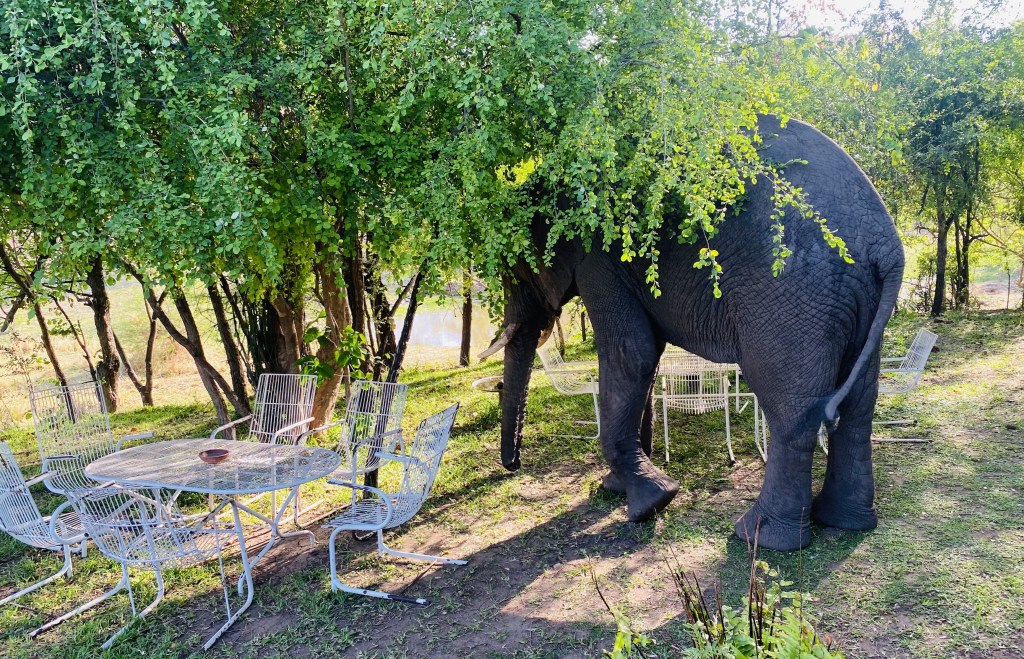
One of whom looked as though he was trying to get into the swimming pool!
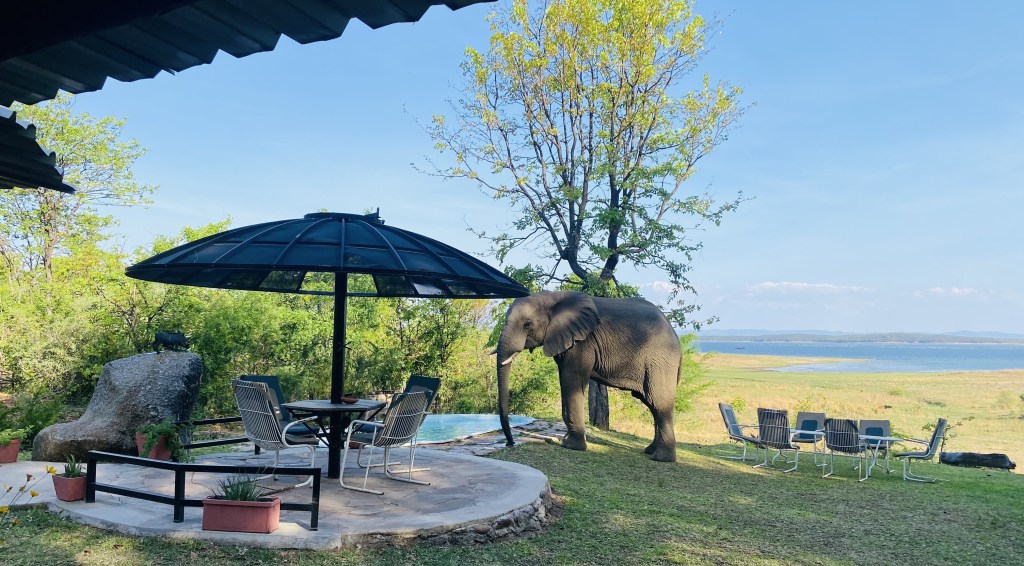
I realised I was so engrossed in the elephants I had been completely ignoring the owners. I turned to them with a smile and asked whether this was normal around here. ´Oh yes´ they replied, looking at the elephants with great affection, ´sometimes they actually go for a swim´!
They showed us around and we couldn´t believe what we were seeing, it was wonderful! Everything was clean, everything worked. There was hot and cold running water, toilets that flushed, power and strong wifi. We felt as though we had arrived in heaven.
The elephants finished their swim and wandered through the campsite pulling the hose pipe out of the tap as they went and depositing a large pile of steaming dung right by our pitch which stayed there for the rest of our stay – but even that didn´t cool our enthusiasm for this place
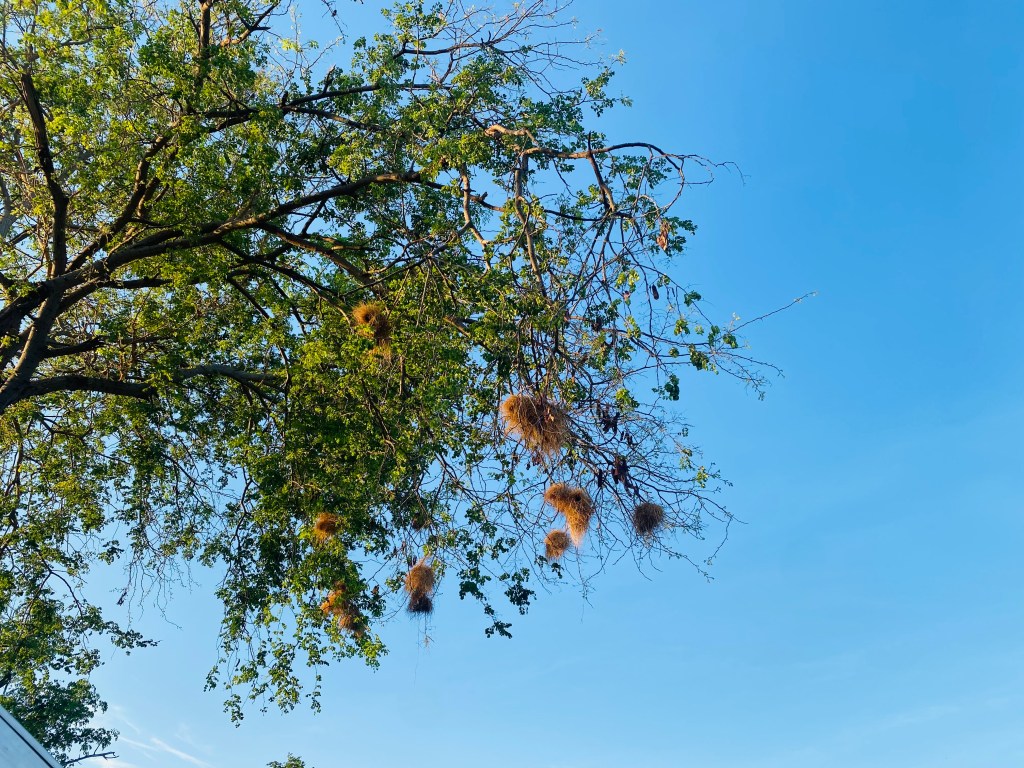

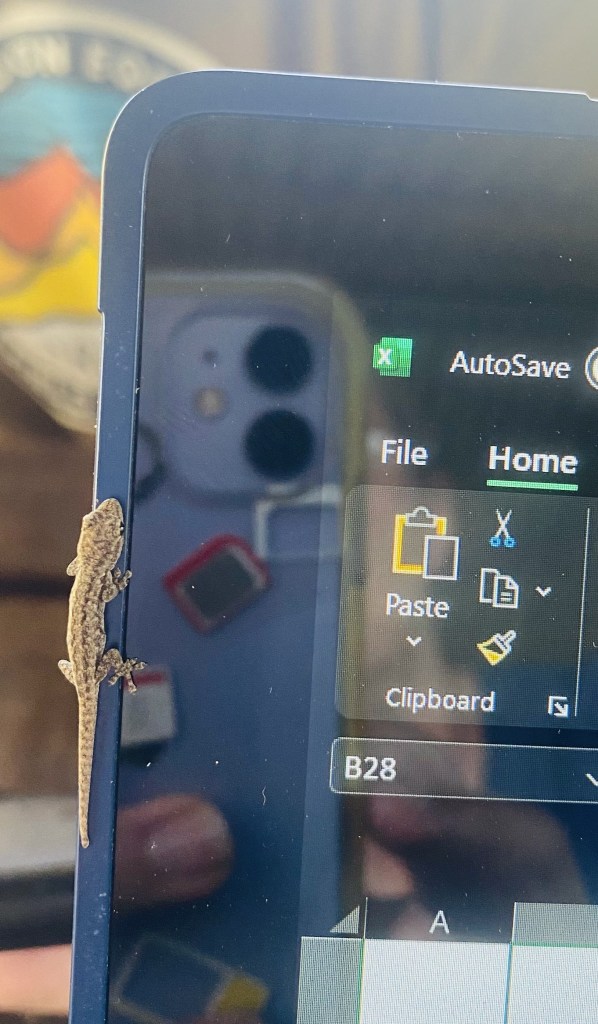
Especially when a tiny, baby gecko decided to come and help me do the accounts…
We were going to be crossing the Kariba Dam into Zambia in a couple of days time but were keen to get a look at it before we went and learn more about it. The dam was built in the 1920s and was a game changer for a lot of people. Those who now had a steady supply of fresh water were the winners, those that were relocated off their ancestral homes and whose entire culture and society was decimated were the losers. Those who had long term employment at the dam did well but the many who were killed in the construction process not so much – including a number whose bodies are apparently still in the dam wall. Dedicated to these unfortunate people is a catholic church built right on the highest point of the cliffs with a fabulous view over the lake


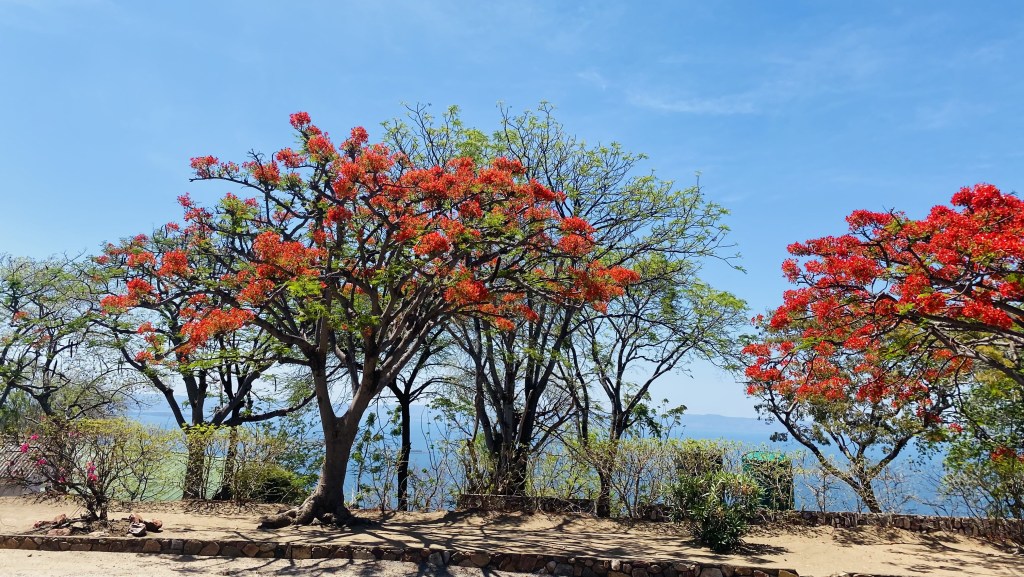
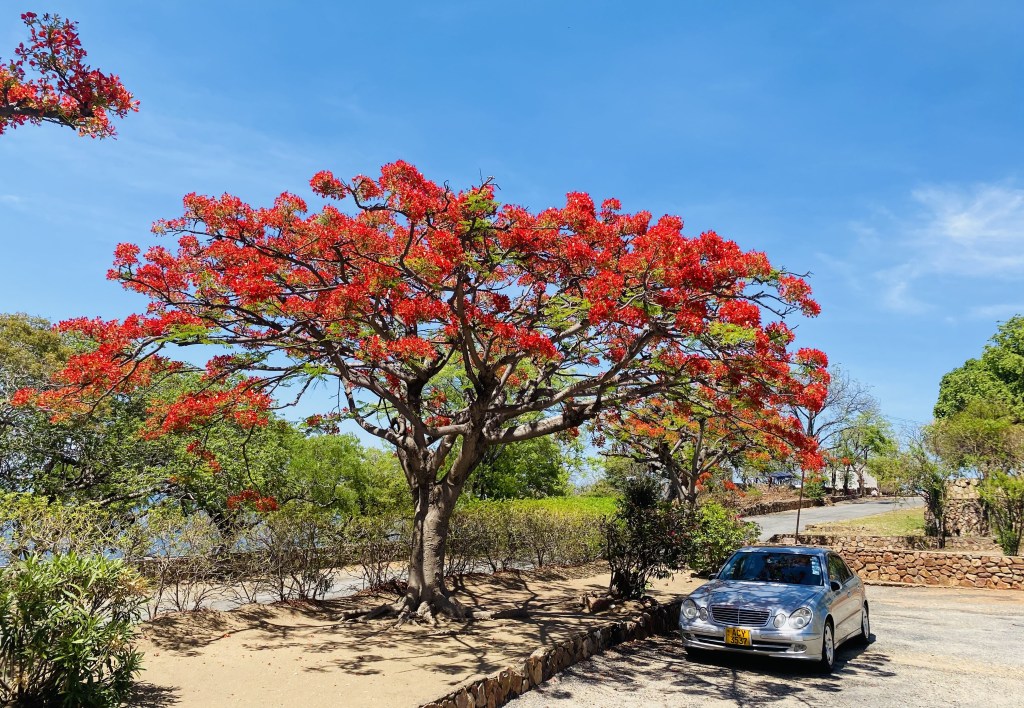
We went up to see it the day after we arrived but it was a Sunday so the people were having a service in the nearby local chapel and no-one could find the key to the main church. I poked my camera in through the gates but we couldn´t get inside to look around.
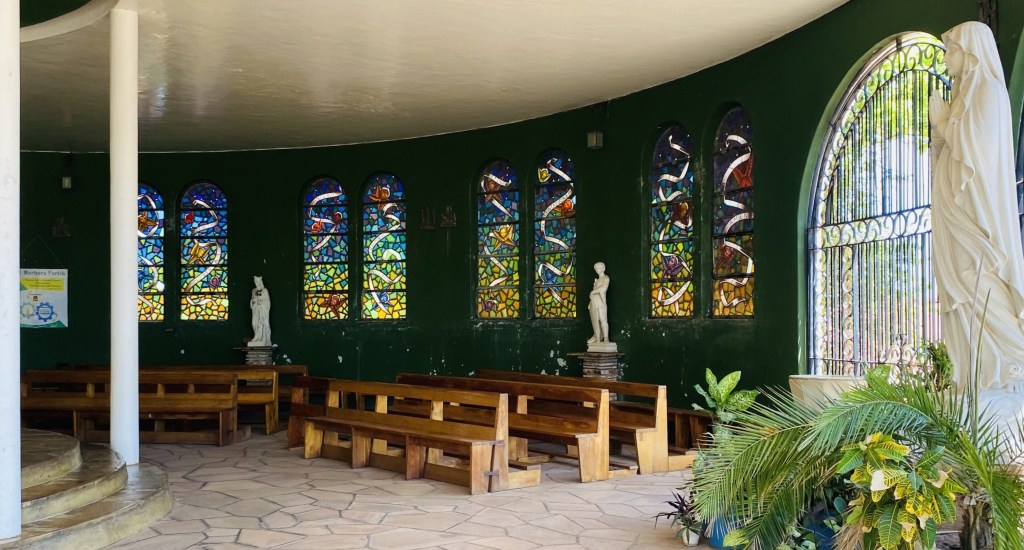
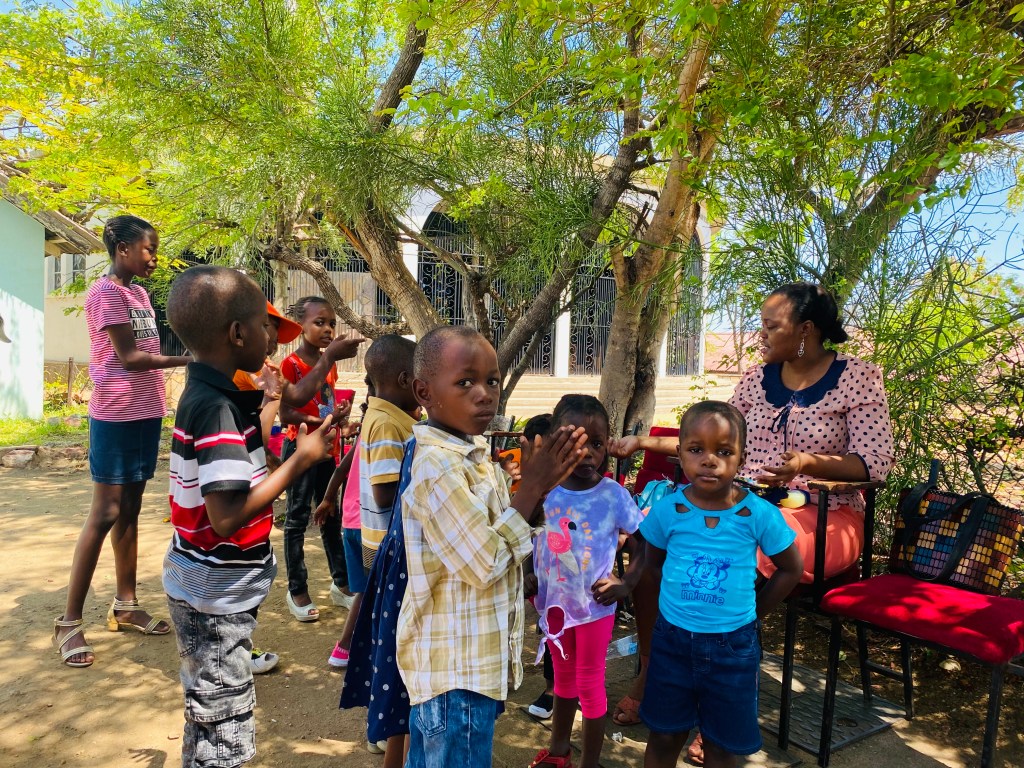
Whilst the grown ups were celebrating their faith the children were kept entertained outside singing memory songs, each taking it in turns to sing a line from the bible. They were having a great time singing with abandon until we showed up at which point nerves got the better of them.
We wandered back to the town at the bottom of the hill to get fuel and cash and James was thrilled to find an ice cream machine at the fuel station. We had to wait a few minutes for it to warm up but eventually he was rewarded by a very large swirly cornet that put a smile on his face for the rest of the day.
Back at the campsite we got chatting for hours to one of the owners who gave us advice on everything from the best cream to use to keep tsetse flies away to the fact that SADC might be finally about to force the Zimbabwean government into free and fair elections. On this score it seemed that things might be coming to a head in the next few days and we were quite pleased we were crossing the border the next day just in case it closed, as often happens during times of political upheaval.
The next morning we bought our anti-tsetse fly cream and headed for the dam. Enroute we stopped at the information centre where we learnt all about the building of the dam, the people who lost their lives and their homes in the process and also about the 6,000 or more animals who were rescued from the rising waters.
The views over the lake and the dam itself were amazing
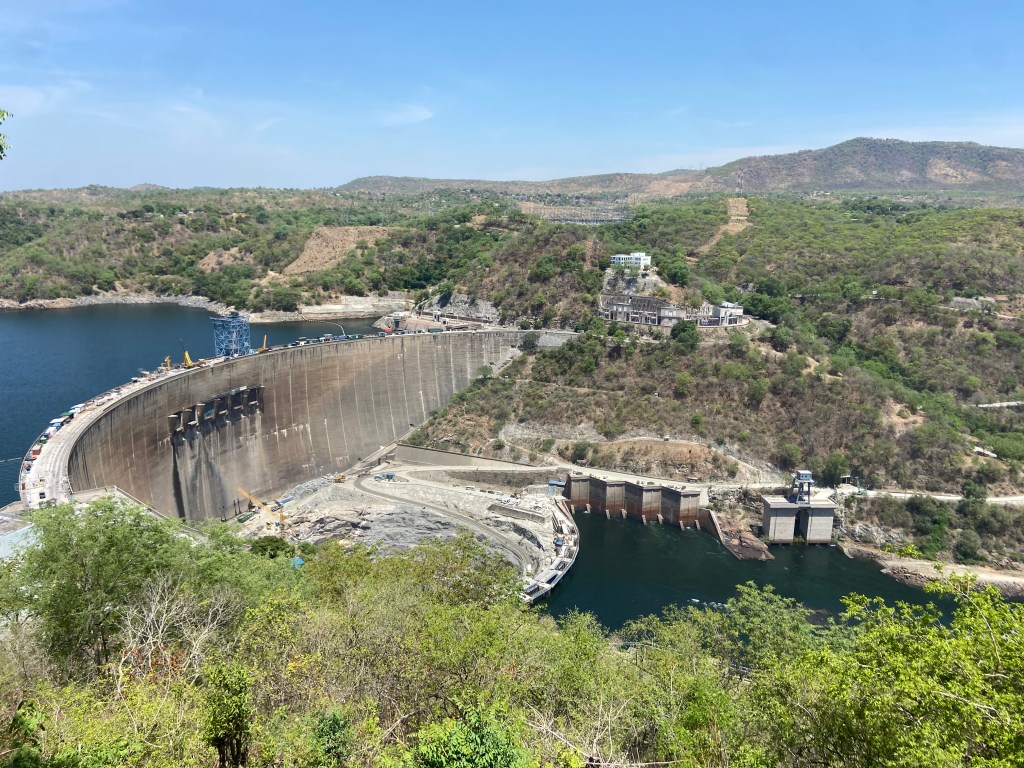
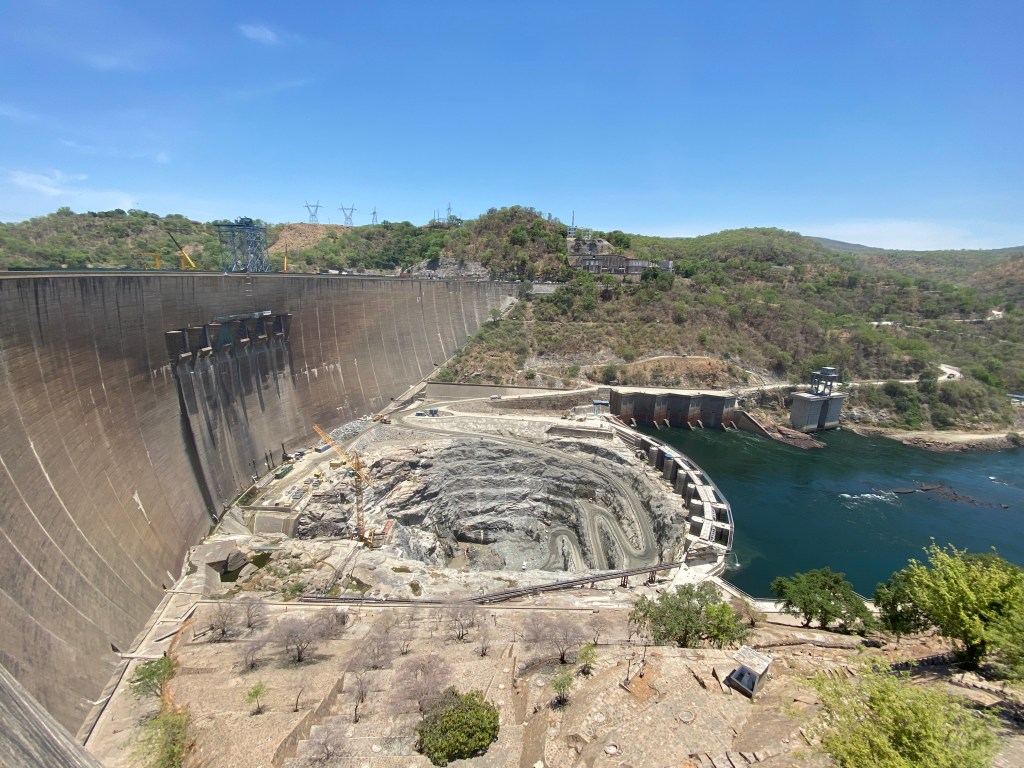
We checked out of Zimbabwe at the border and drove to a car park on the Zimbabwean side of the dam. From here we could walk along the dam and look down from the top.
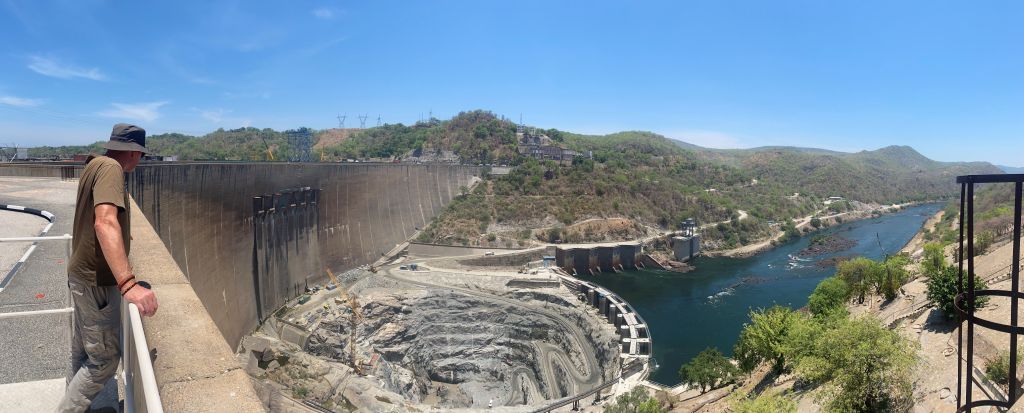

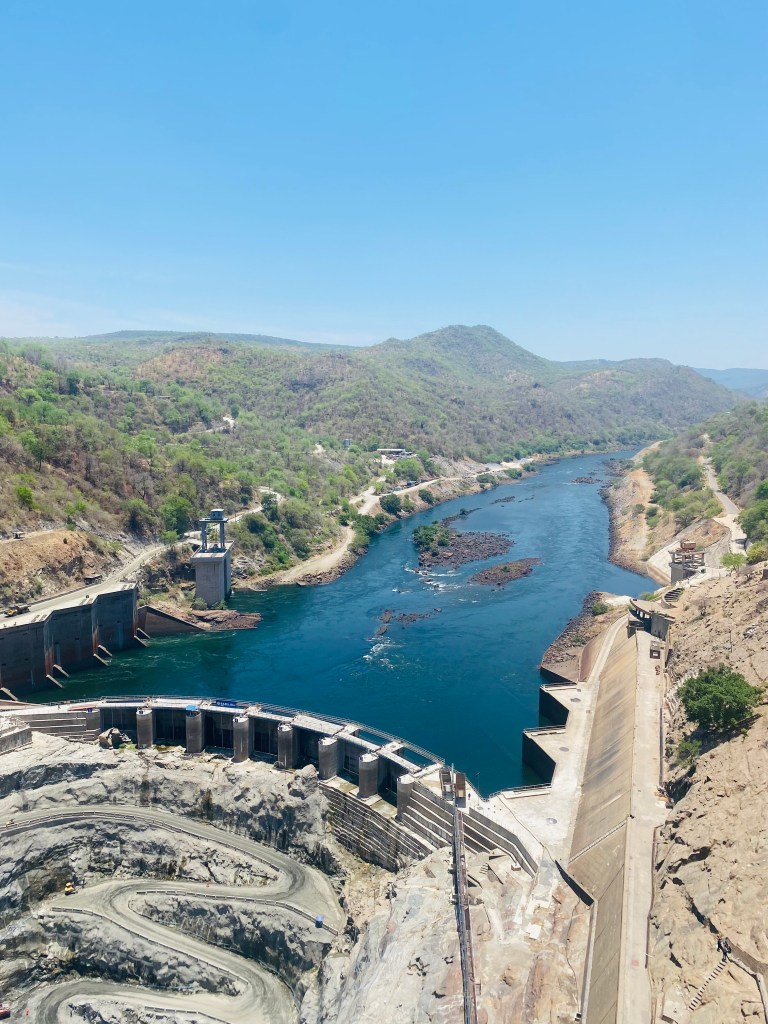
There is a huge three year project underway to rehabilitate the base of the dam which has been worn away over time and is undermining the whole structure. A huge barrier has been built to drain the water away and allow the massive construction project to take place
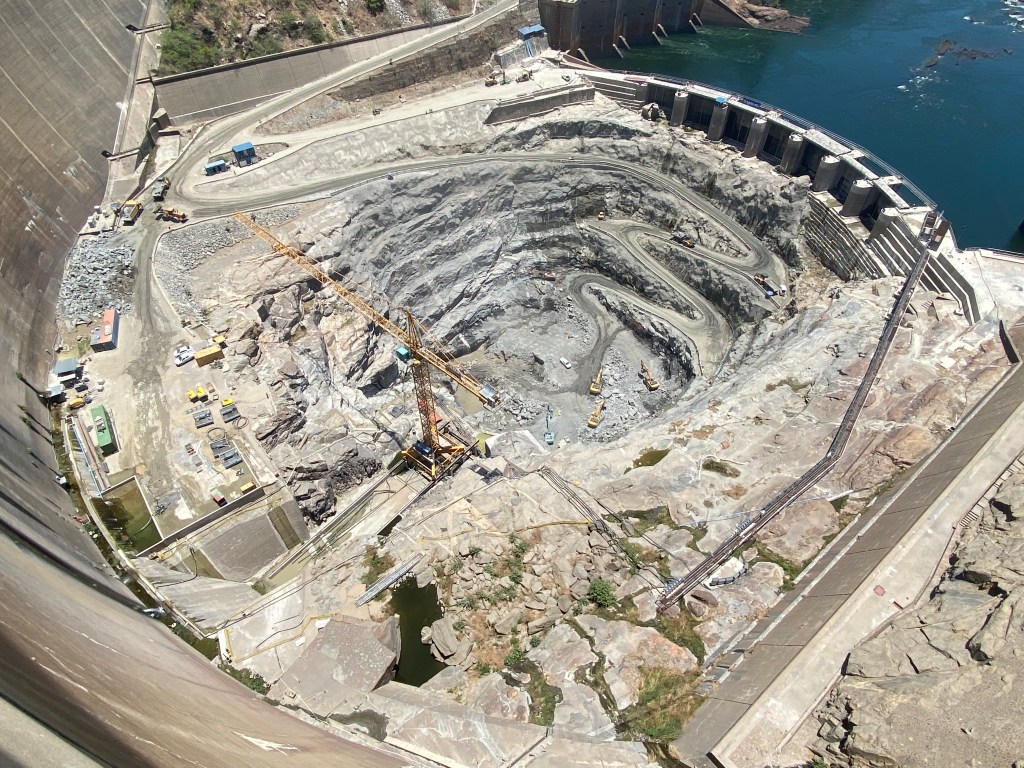
We watched, fascinated, as dozens of dumper trucks made their way up and down the twisting roads into the river bed taking away enormous boulders that had been dug out ready for the new foundation to be laid
As we looked over the lake to the banks of Zambia there was a definite sense of a new adventure beginning. Eventually we pulled ourselves away, jumped back into Henry and drove over the dam to the Zambian border. What would we find over the water? A beautiful, friendly country or corruption and challenges? We were about to find out…..
 The Sidetracked Sagas