Dar es Salaam is not the most interesting, or the prettiest, of cities

We had spent three nights there getting Henry sorted out, stocking up on food, fuel and cash and having a couple of very nice meals out. I had even splashed out and treated myself to a new iPhone 14 – bought purely for its amazingly good camera as I realised I increasingly use my phone rather than my camera to take photos.
But it was time to leave the busy and modern city and immerse ourselves in some history and culture down the coast.
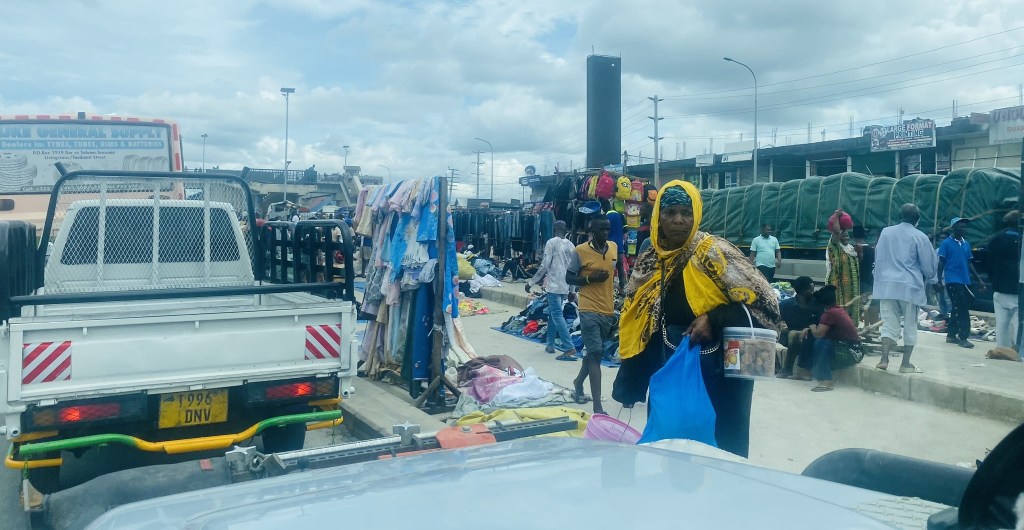
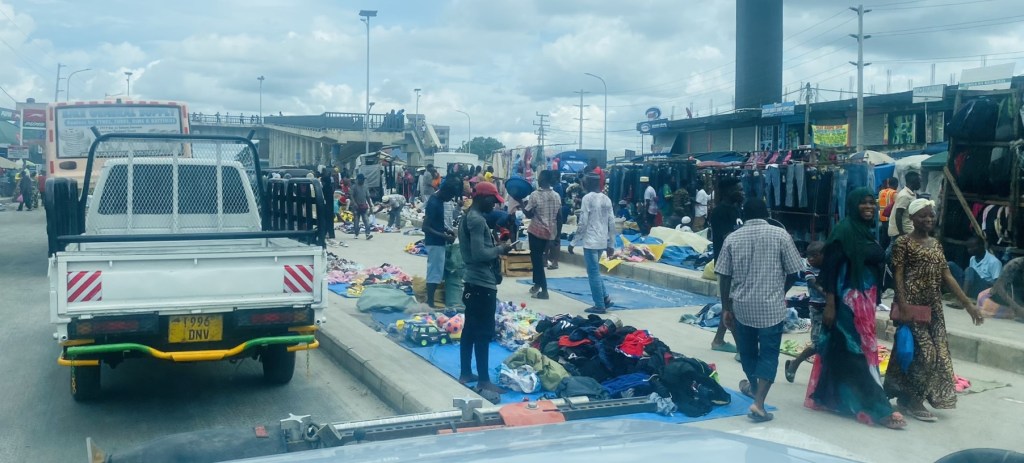
The sat nav said the ruins of Kilwa Kisiwani were about a three hour drive away, but the sat nav seems to have never experienced the traffic of Dar es Salaam! We had to drive right through the centre of the city from our guesthouse in the north out to the south. Two and a half hours after we set off we were still sitting in maddeningly slow and heavy traffic, at times waiting at a junction or a set of traffic lights for ten minutes at a time.
And the views out of the windows didn´t change much!
I spent much of the time trying to set my new iPhone up but succeeded only in eating through 3GB of our precious data and failing to get it working.
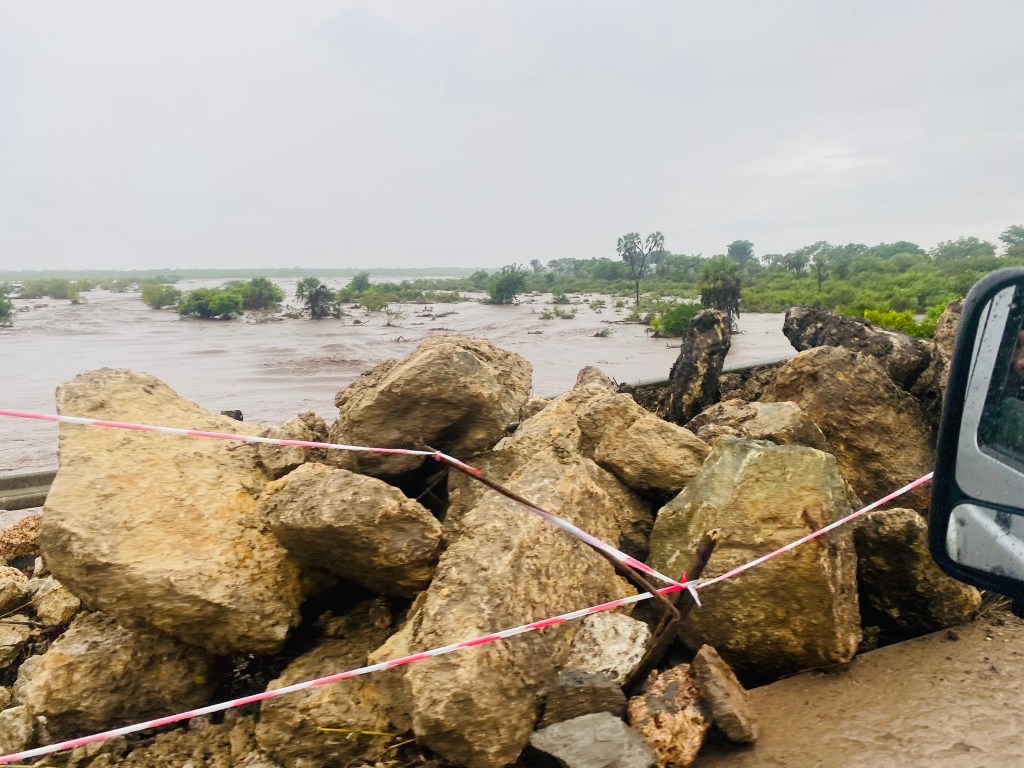
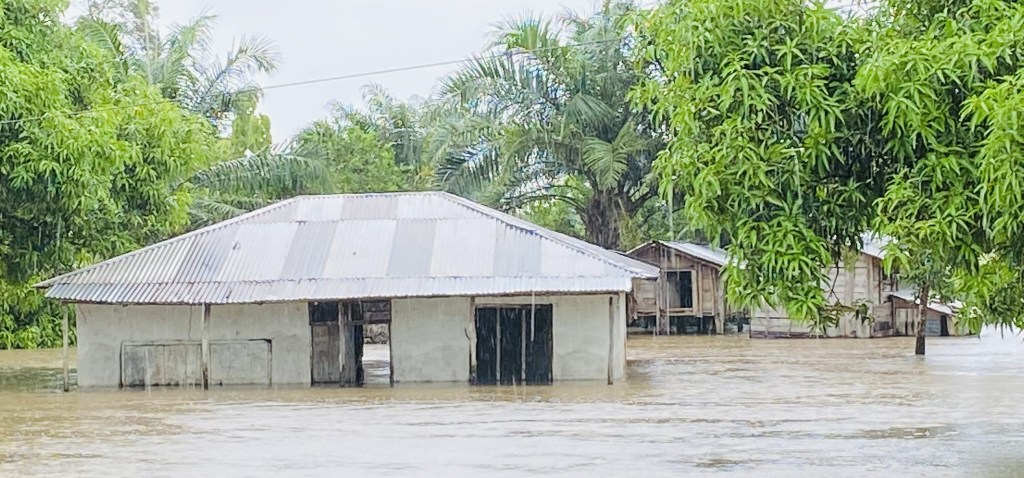
The outskirts of the city were drowning
By the time we finally got free of it all James was exhausted and somewhat at the end of his tether. We swapped drivers and sped towards the small town of Ikwiriri where there was a local hotel to stay for the night.
At first, once out on the open road, it was beautiful
But wherever we went, we faced scenes that looked like something out of a disaster movie
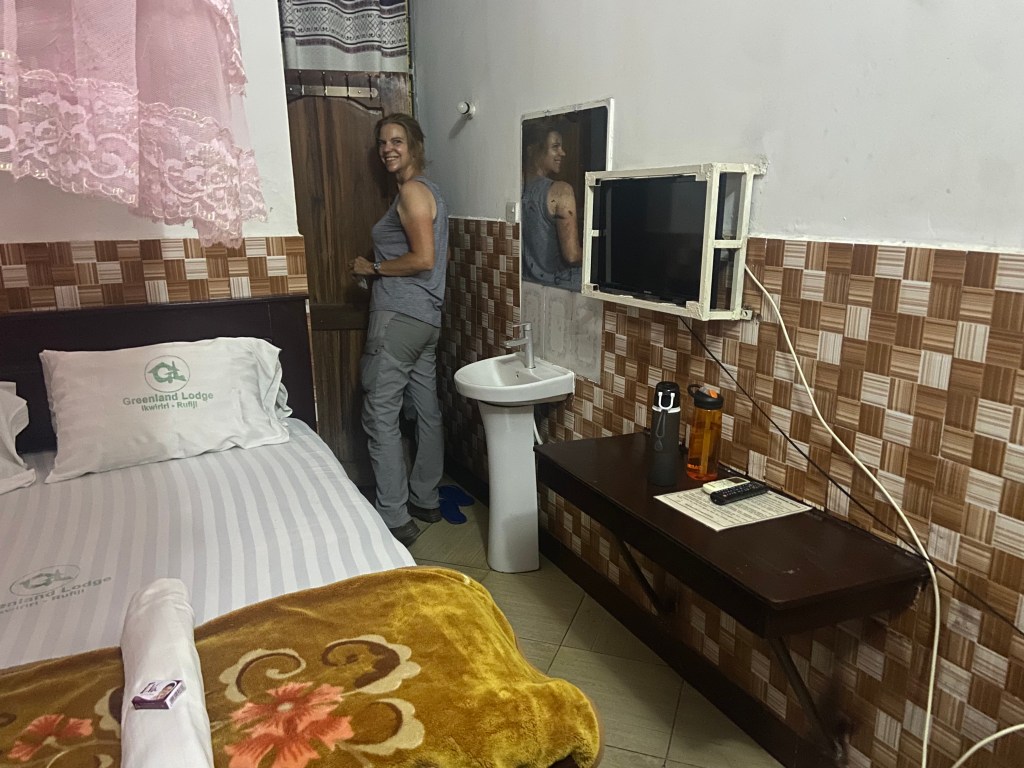
When we arrived at the hotel we found a basic but clean and comfortable place with friendly staff who welcomed us and gave us an executive room for less than we normally pay for a campsite – at least we think it was an executive room!

We had local chicken and chips which was delicious and ridiculously cheap and I even found they had a bottle of some rather good wine that was half the price we saw it in the supermarket.
The only downside was the amount of mosquitoes everywhere so we ate our dinner and watched a movie on our laptop tucked up in our room – very pleased with our find.
The next day we drove the rest of the way to Kilwa Masoko which is the closest town to the historic ruins of Kilwa Kisiwani. As we drove south hugging the coast we saw yet more horrifying evidence of the damage wreaked by this year´s devastating rains
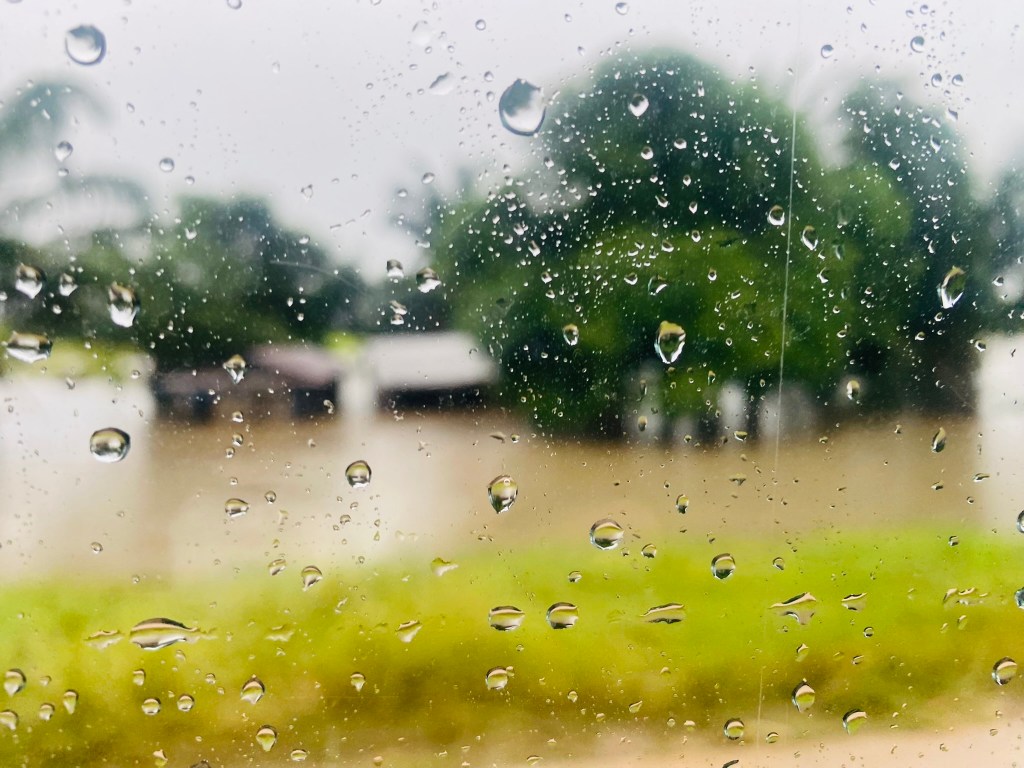
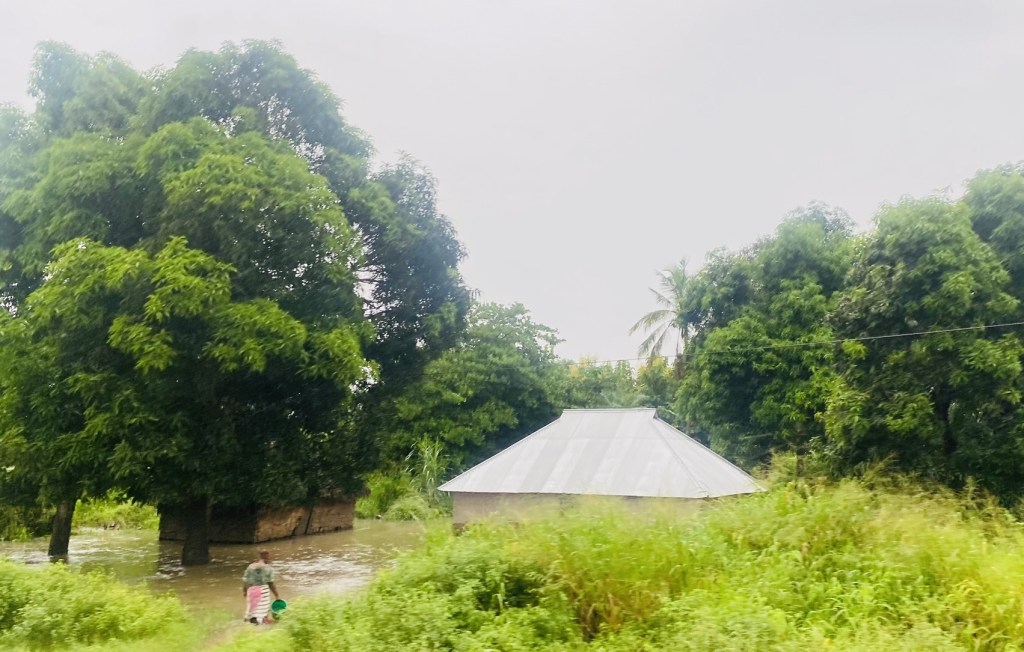
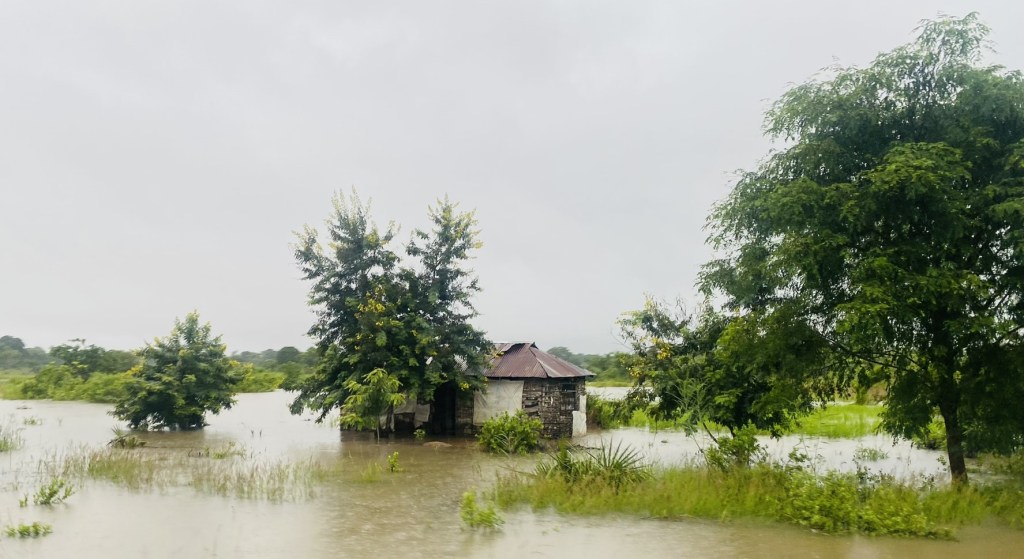
The whole landscape was flooded

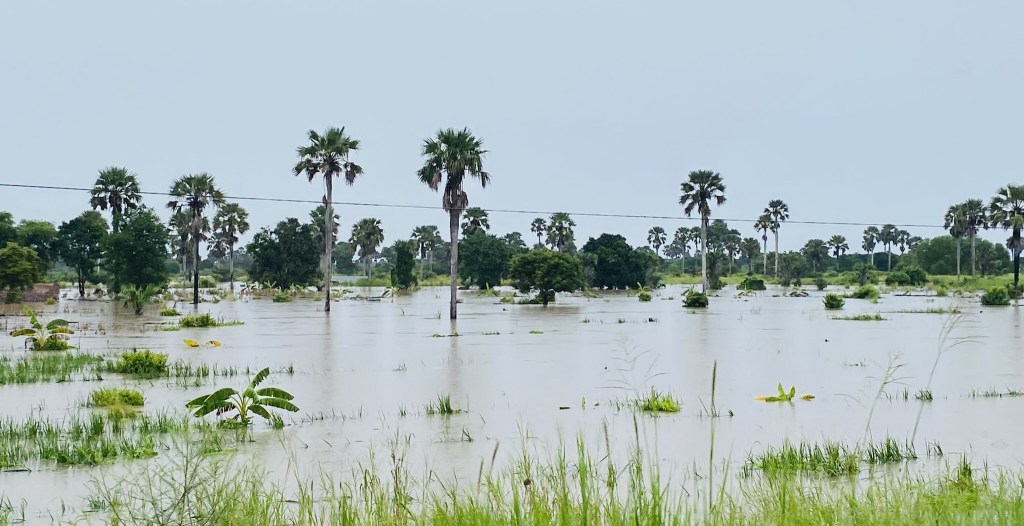
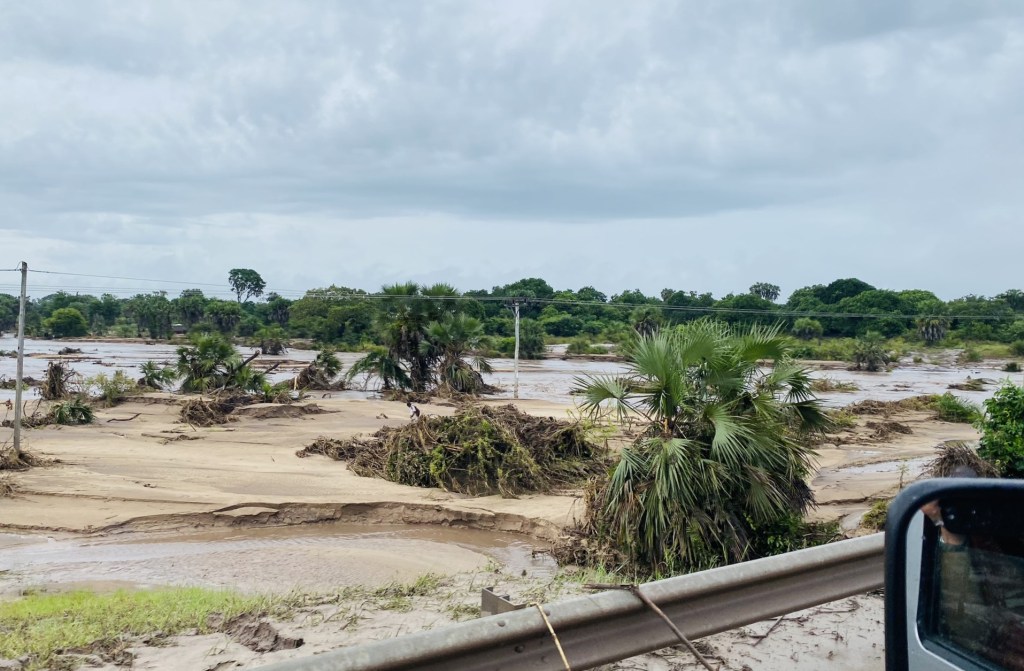
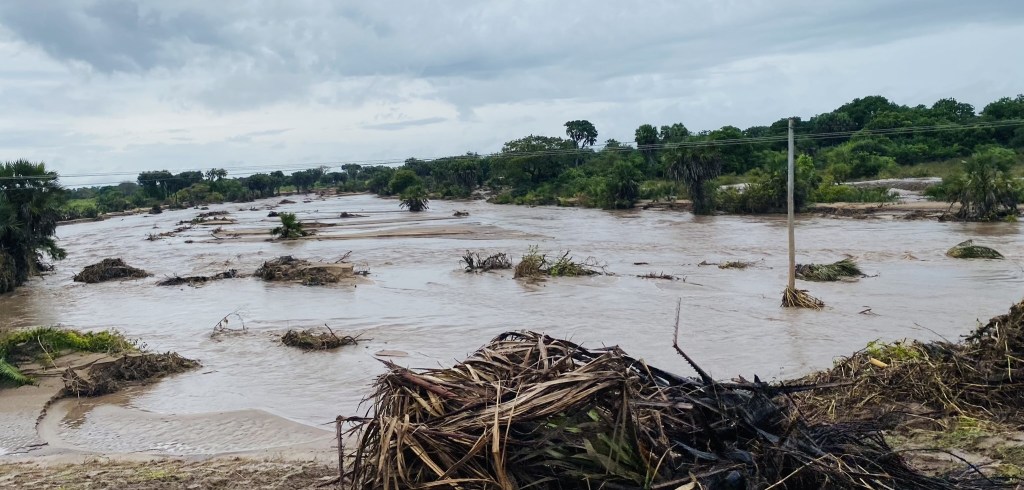
And hundreds of homes were under water
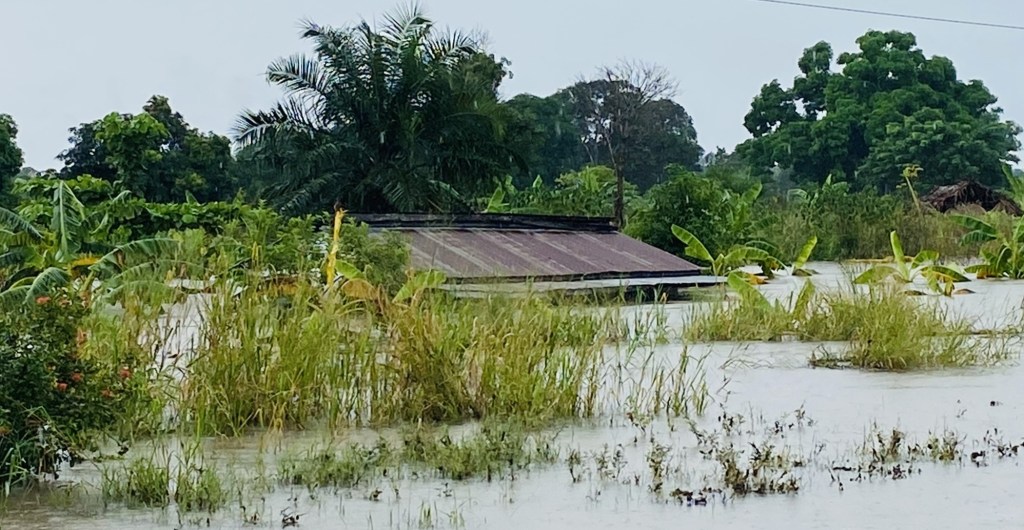
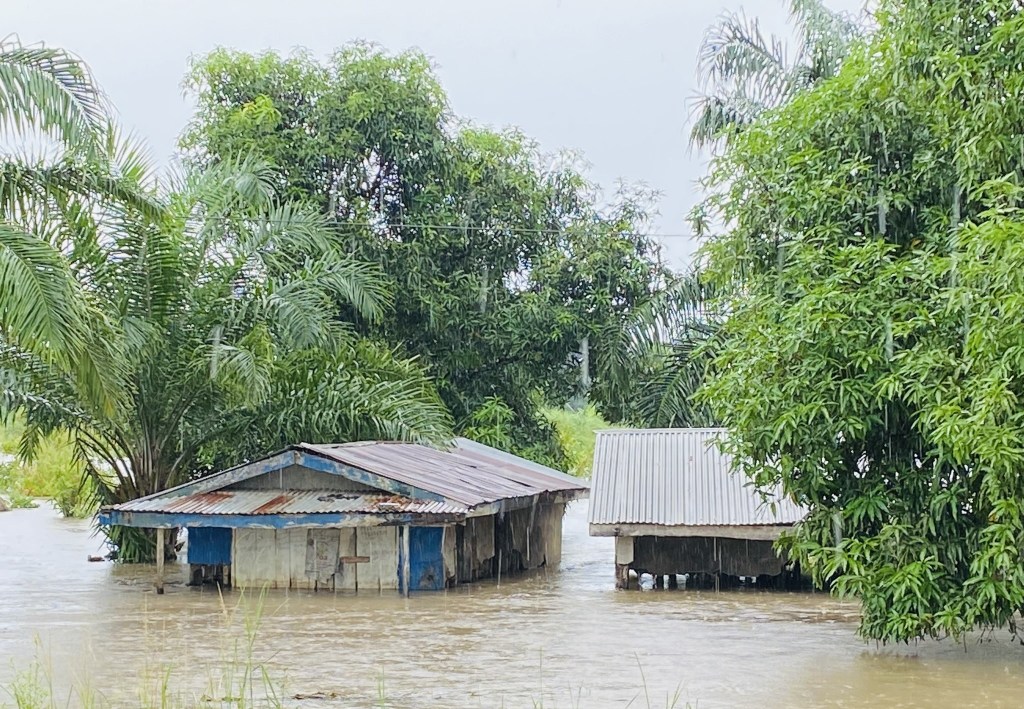
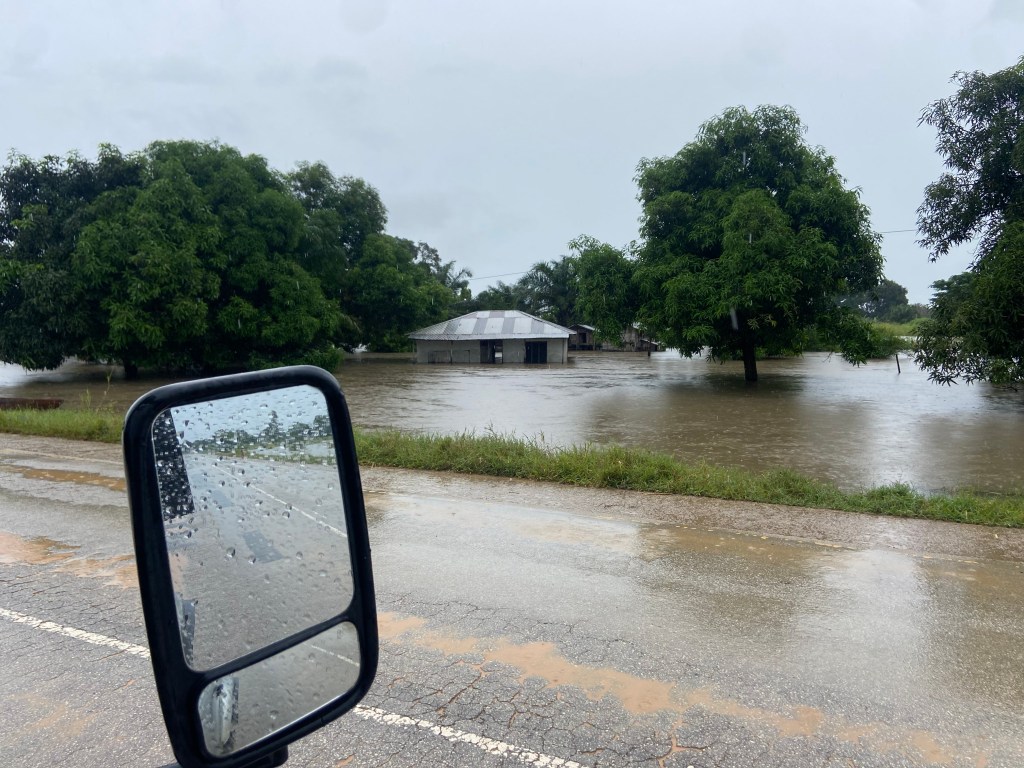
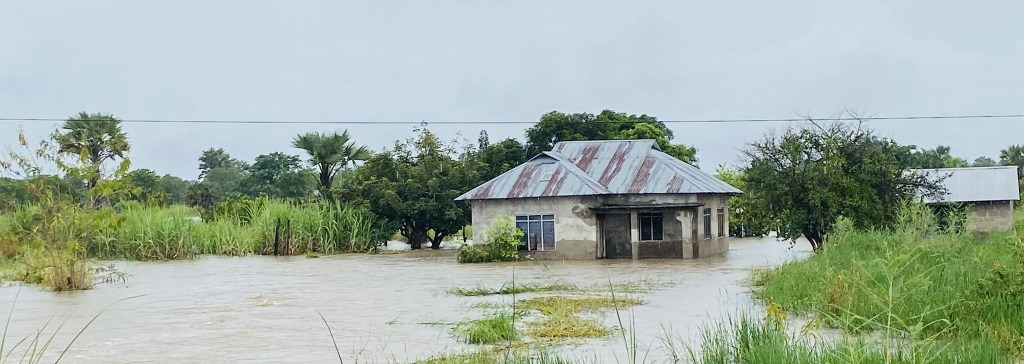
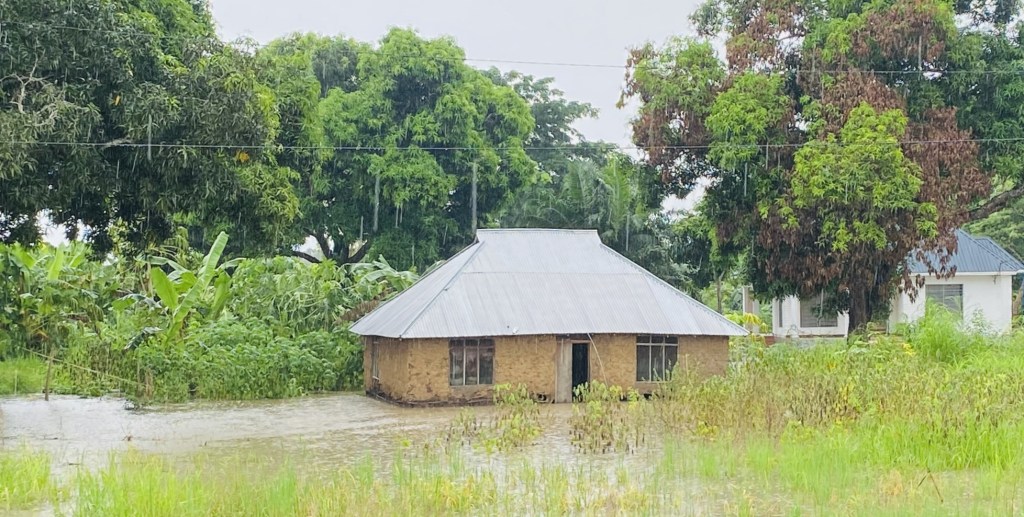
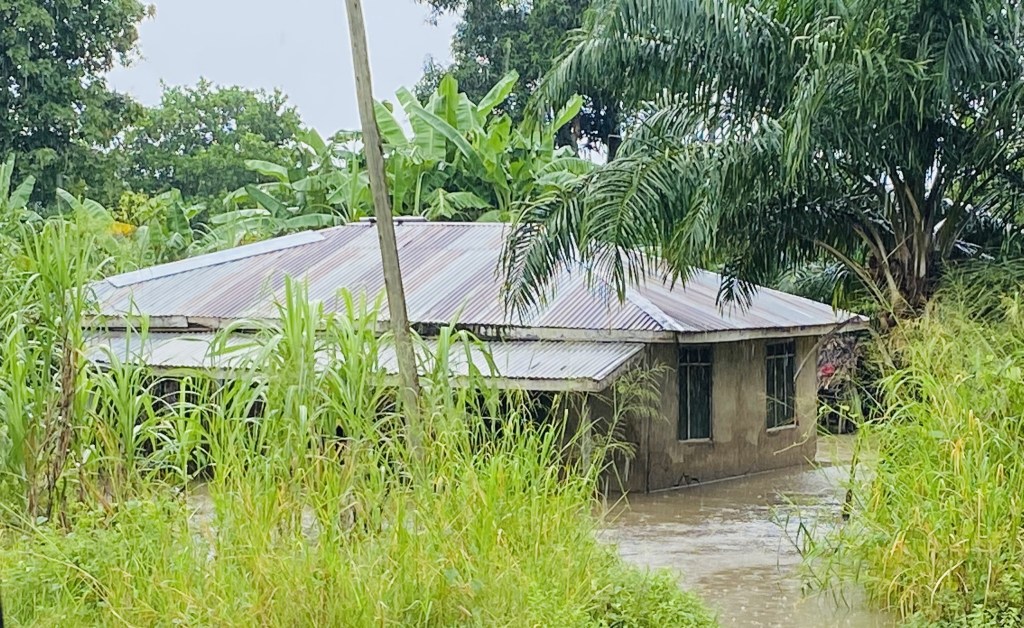
So far the journey had been fine but as we drove into the town the floods had washed away many of the roads

We ended up battling our way through single track paths and deep mud until eventually the path gave way entirely and we had to turn back.
We were trying to get to the Kilwa Beach Lodge which was, as you may expect, on the beach. We drove up and down the main road looking for a way through to the coast but every turn we made was blocked by water or had been washed away
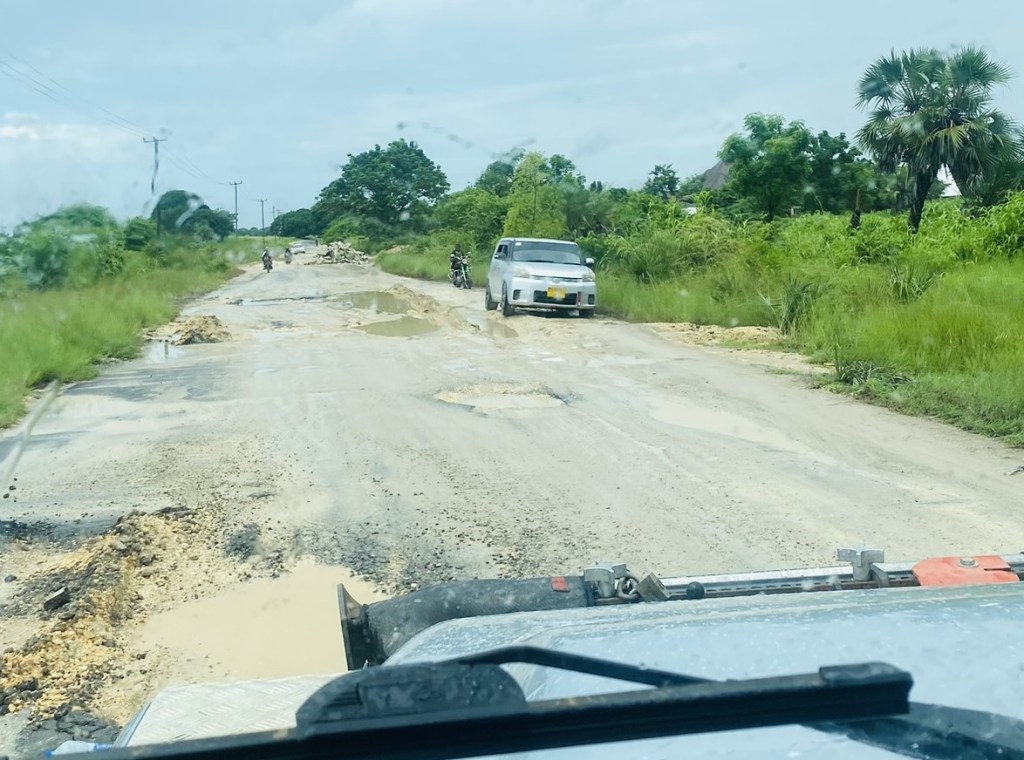
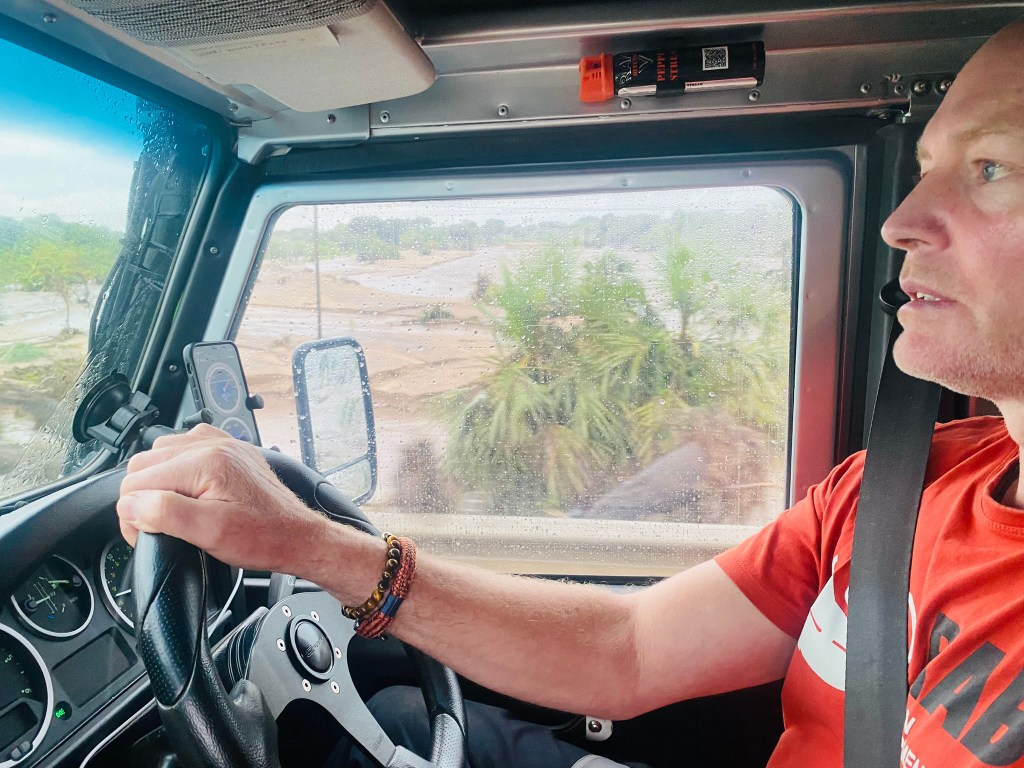
Eventually, surrounded by floods on all sides at a 4-way junction we pulled to a stop and asked the locals for help
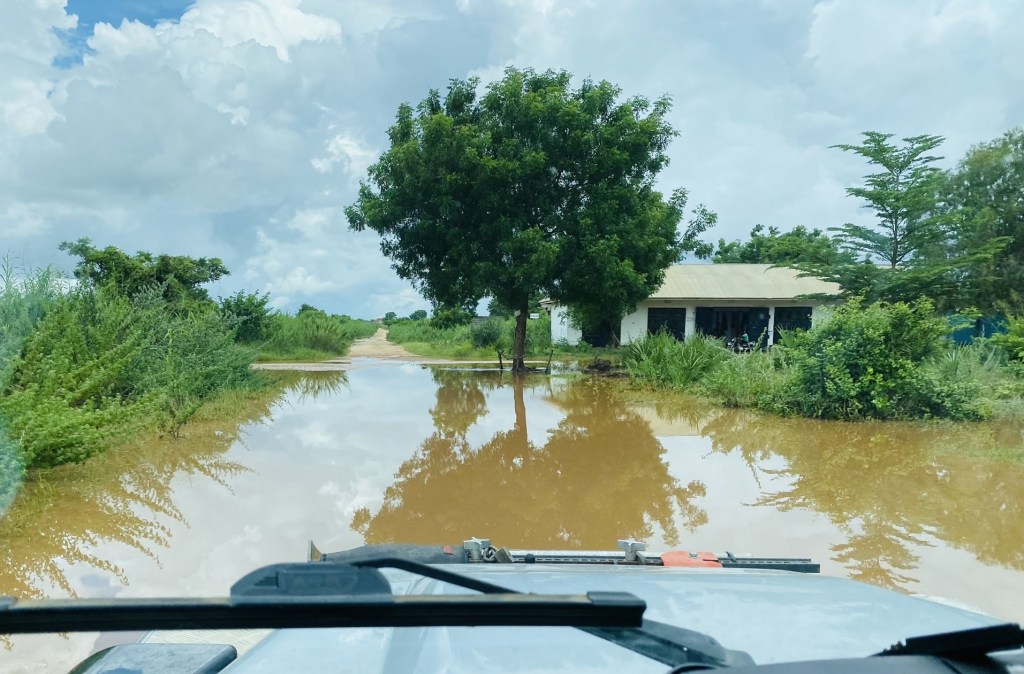
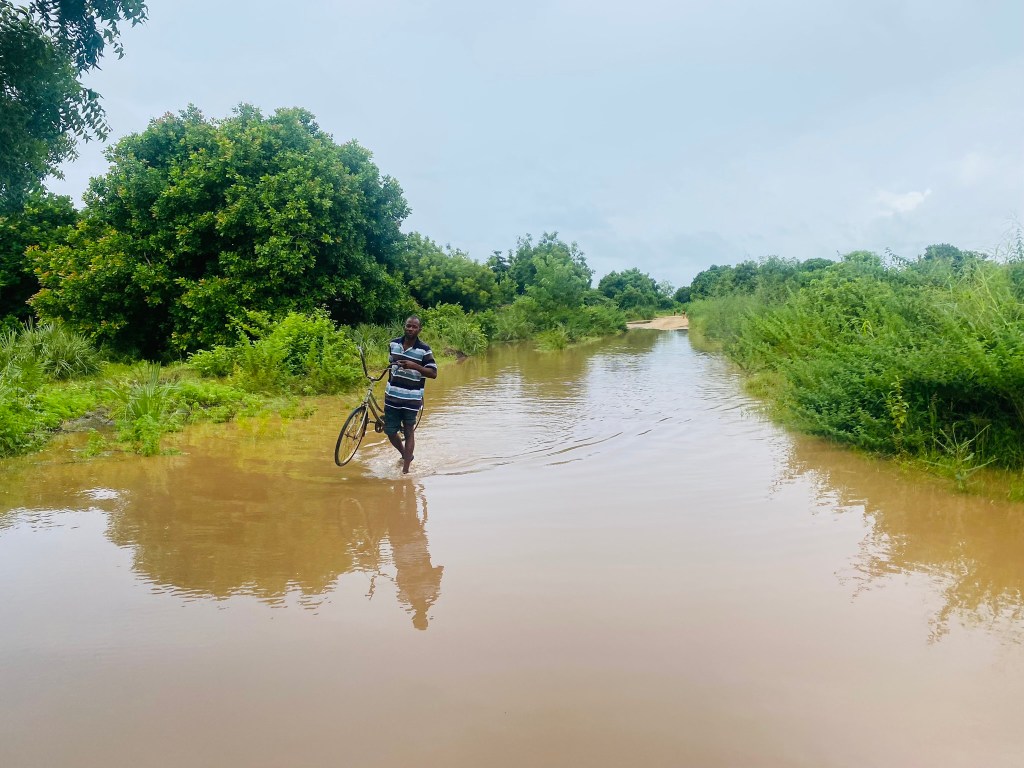
They knew the Kilwa Beach Lodge and they knew a safe way to get there. One very helpful person tried to explain how but it was getting too complicated so in the end he waved down a motorcyclist and asked him to take us there. The man readily agreed for a very small fee and off he went – right through the deep water
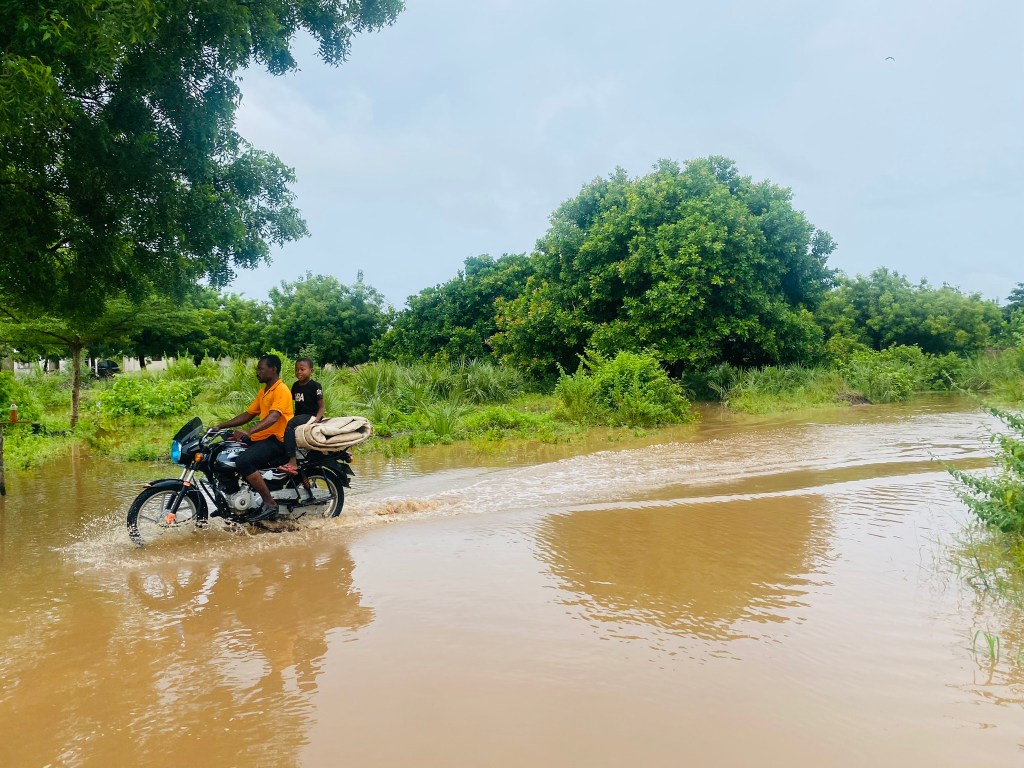
We followed on the basis that if a motorbike could make it a Landrover certainly could!
Eventually we were out of the floods and swamps and onto firmer roads which lead us directly to the campsite.
Once there we were thrilled, it was beautiful
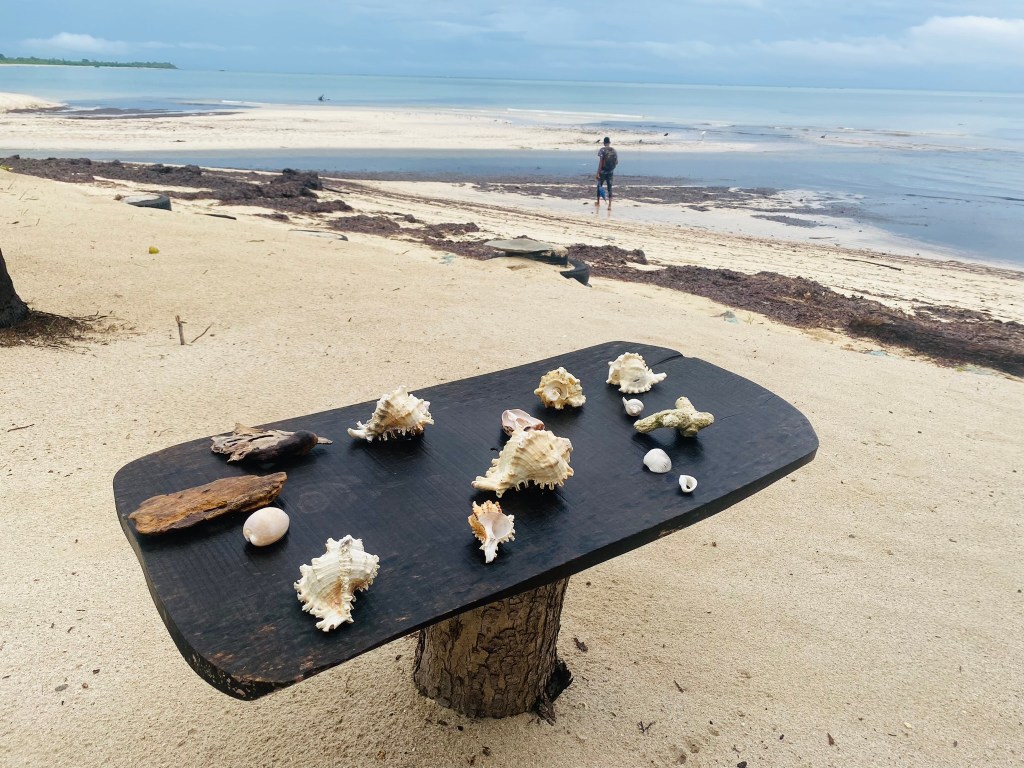

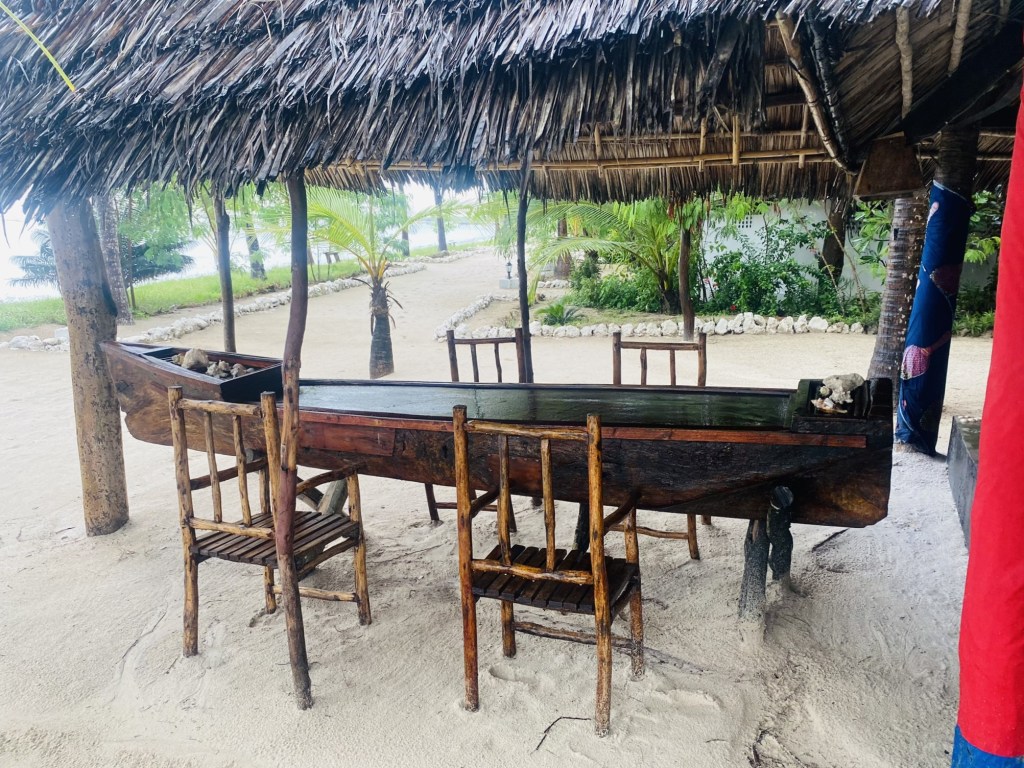
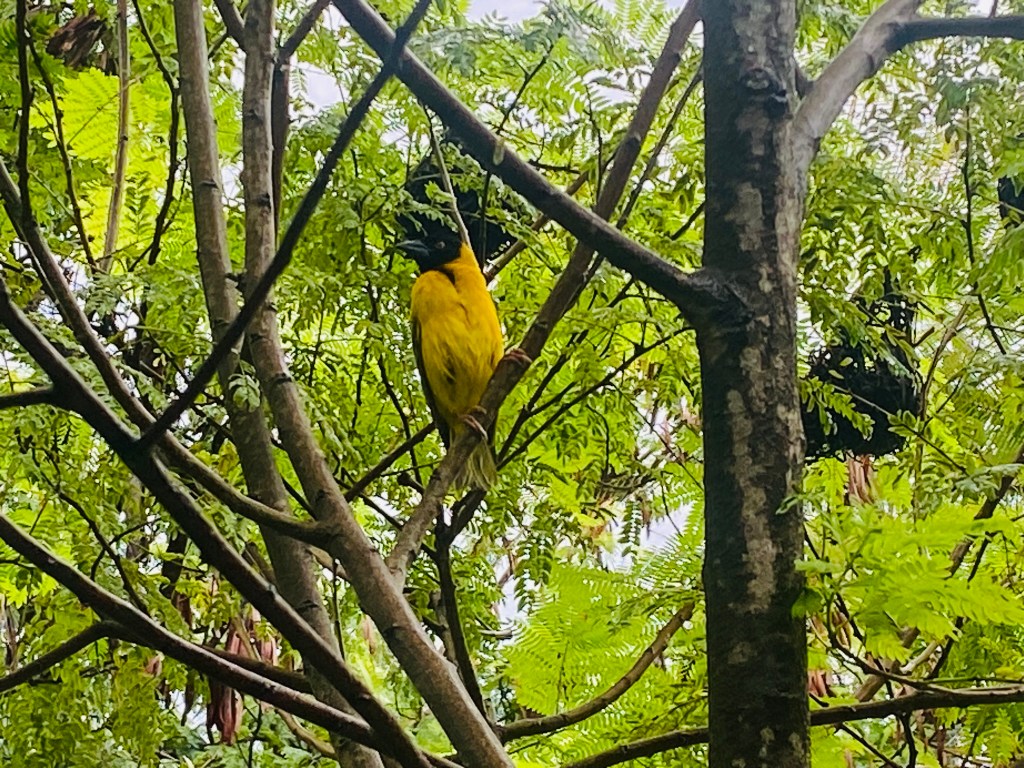
We met the owner, Lilly, a Tanzanian lady who spoke perfect English and was married to a Scotsman. She was incredibly helpful and immediately started organising our guide, tuk tuk and boat to the ruins.
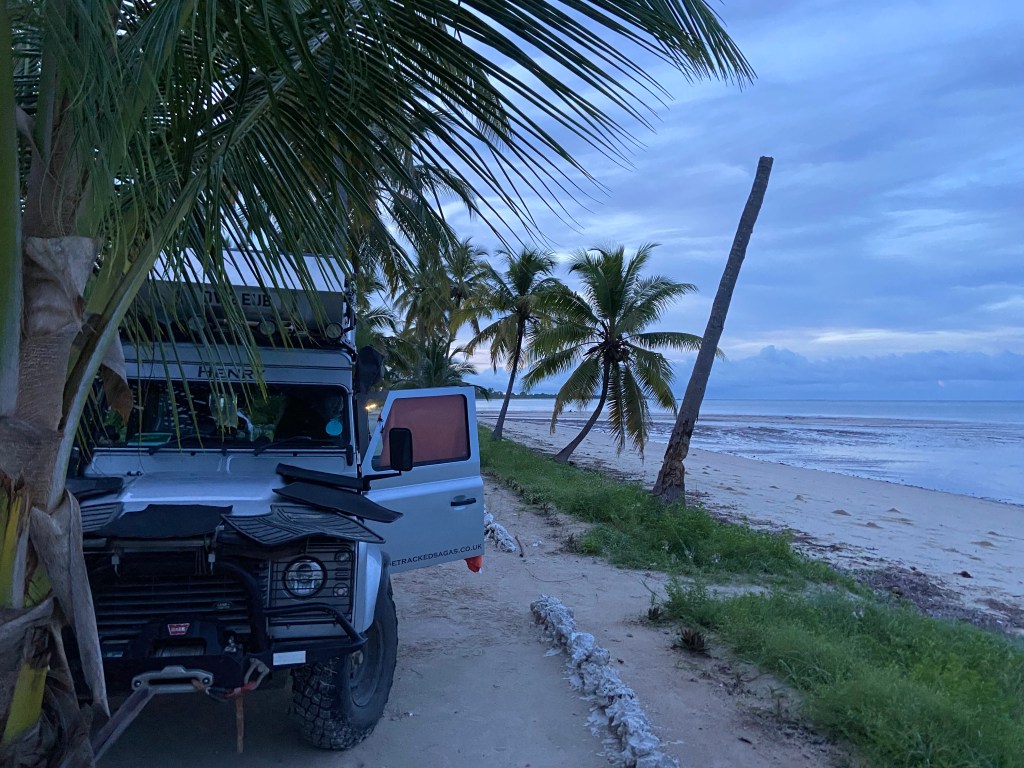
We set ourselves up on the campsite with a gorgeous view over the Indian Ocean
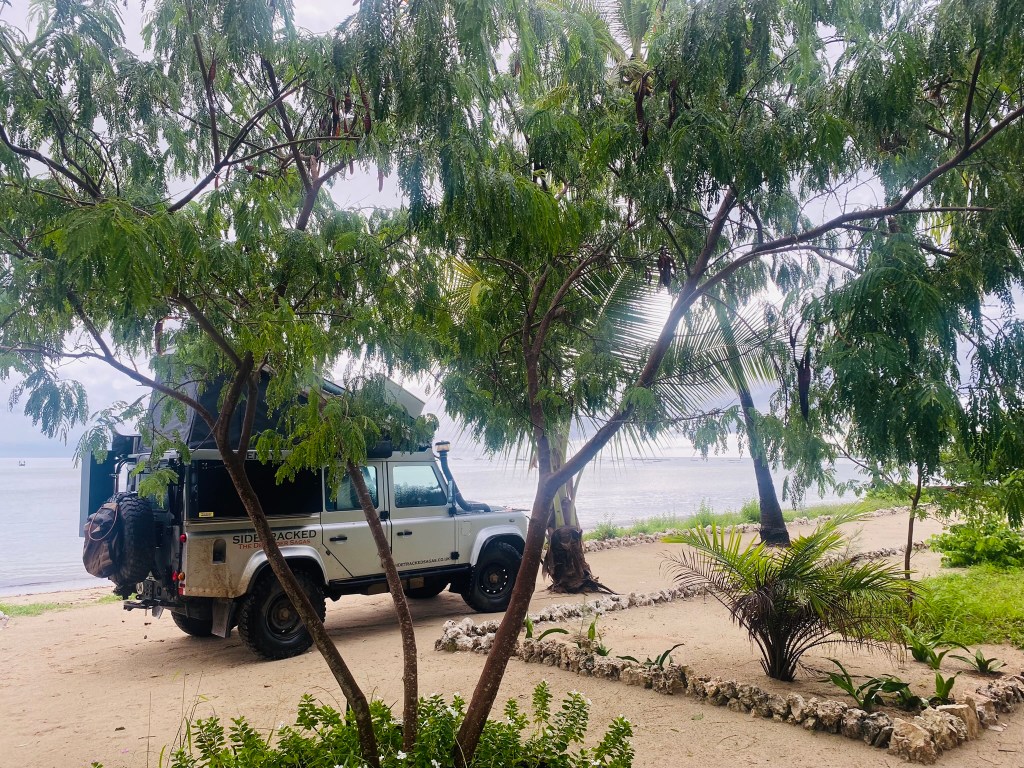



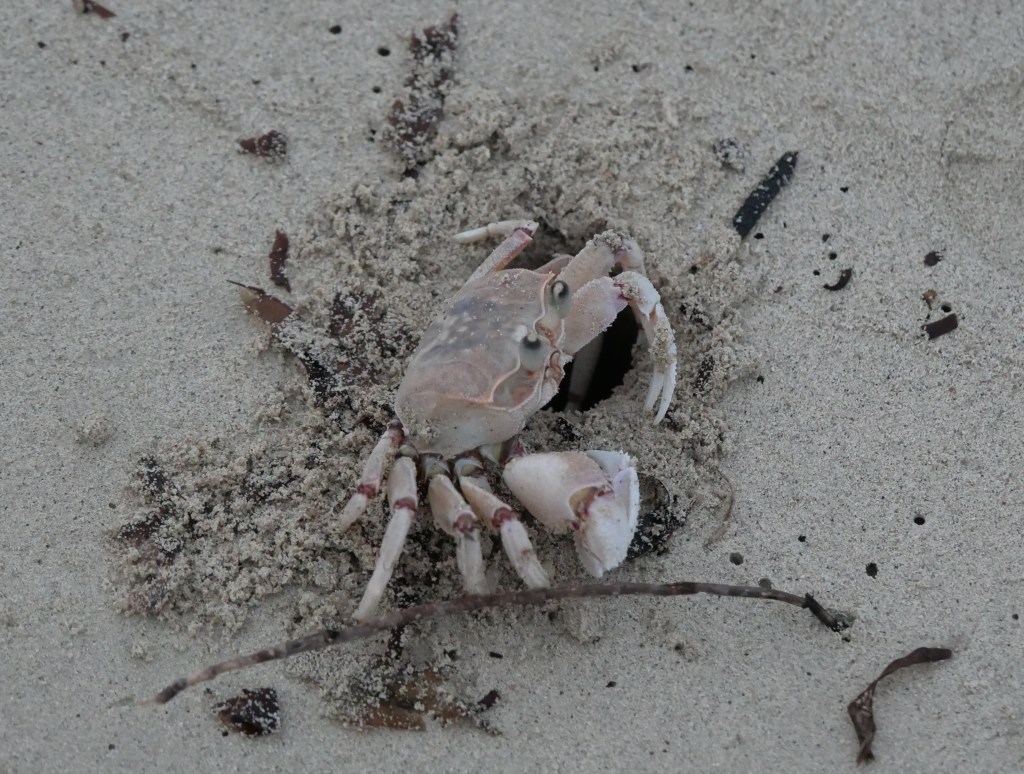
That evening the beach was full of crabs, running everywhere and ducking into their holes as soon as we tried to get close


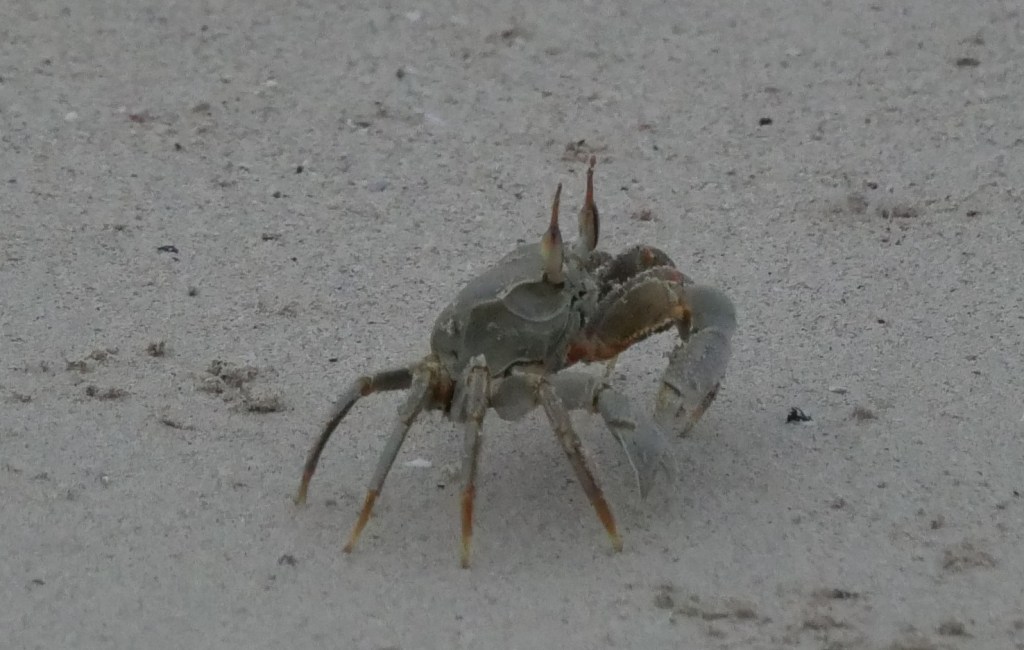
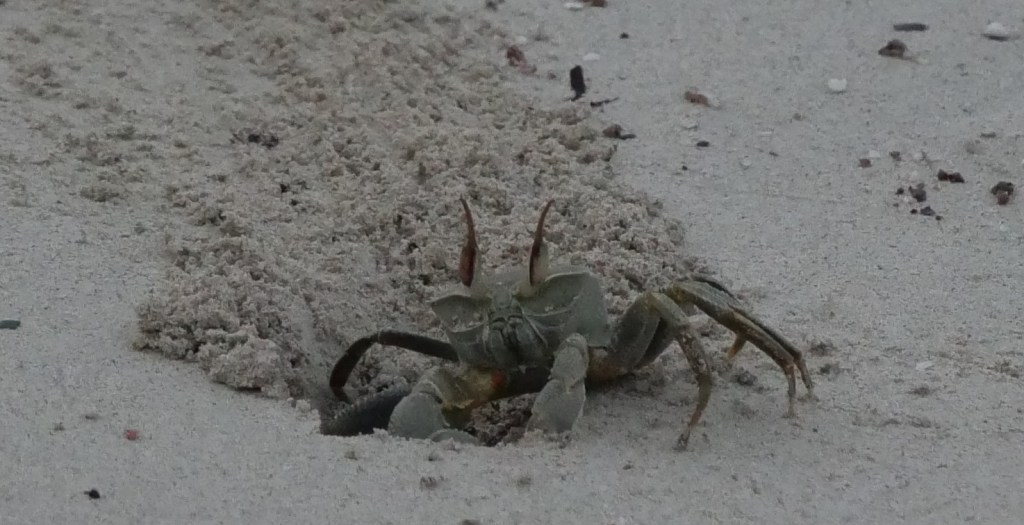
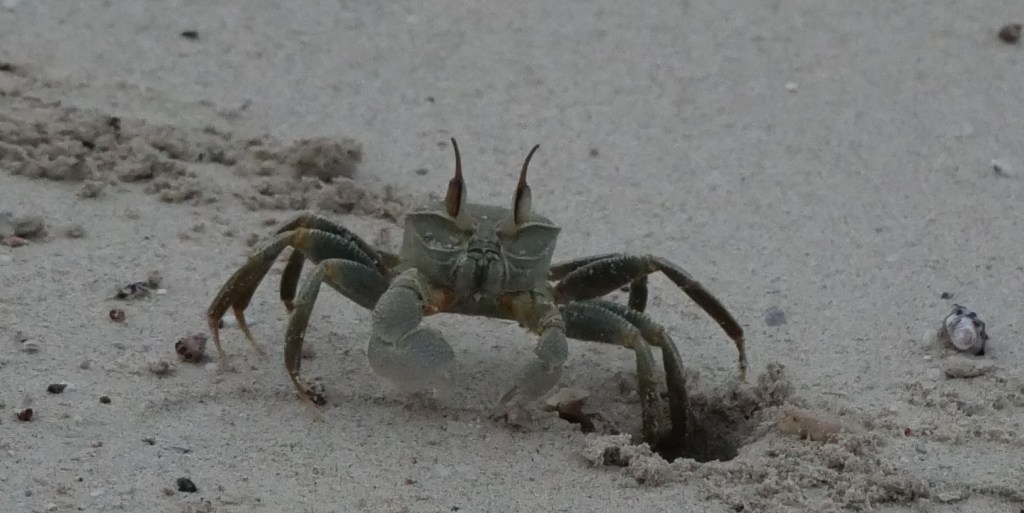
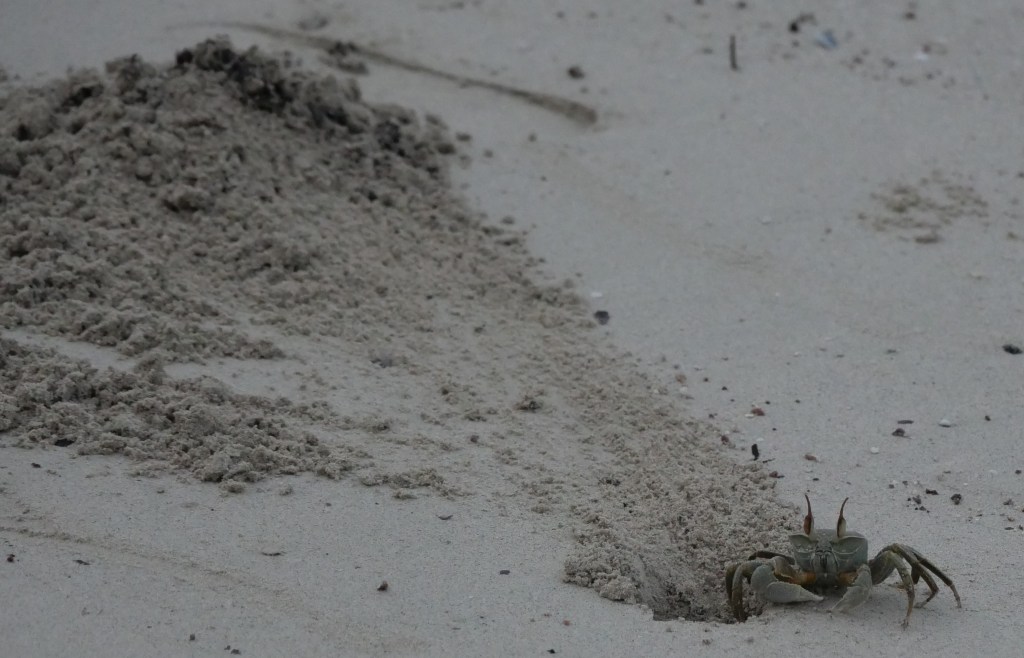
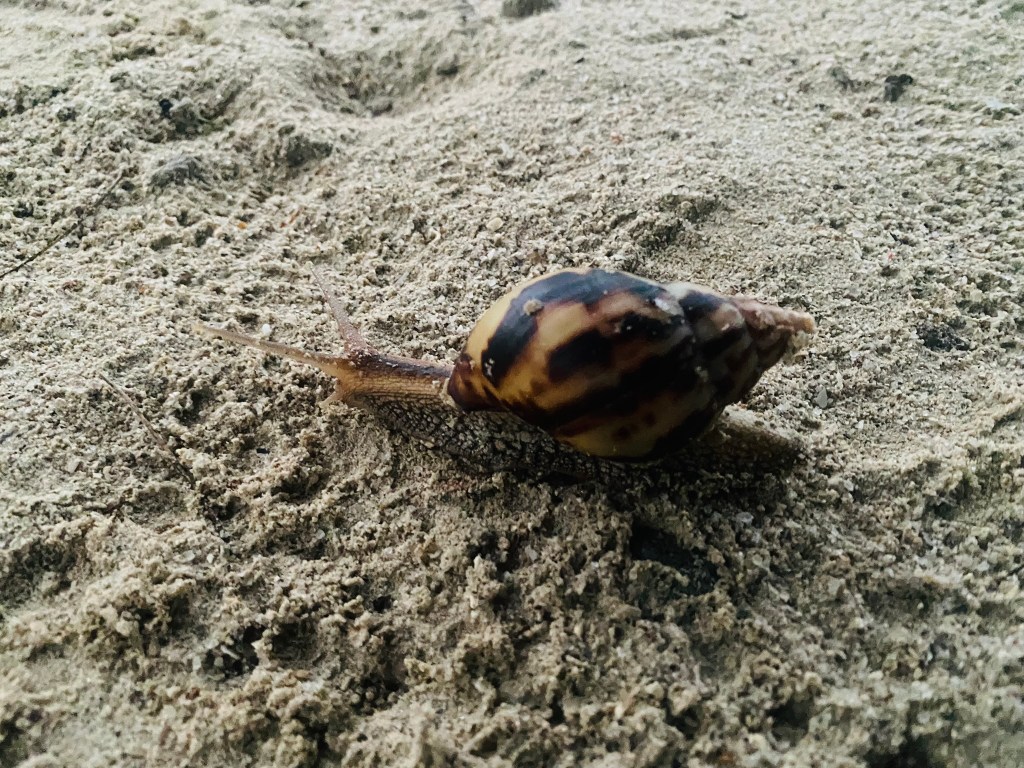
We also found huge snails everywhere, even bigger than the ´biggest one in the world´ that I photographed on Mount Mulanje in Malawi

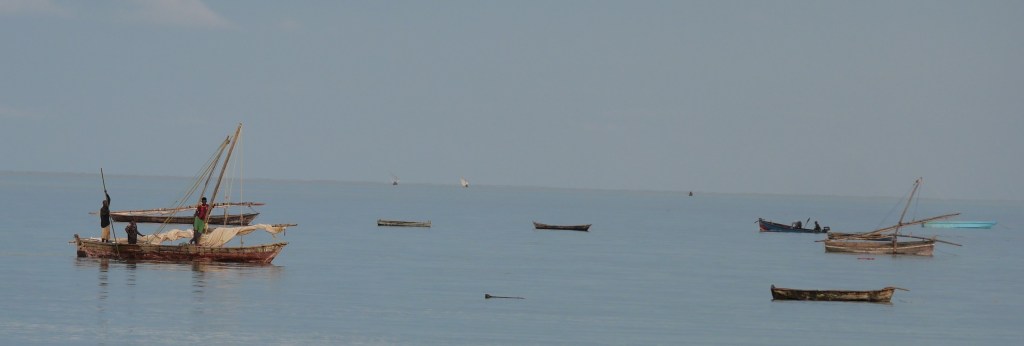
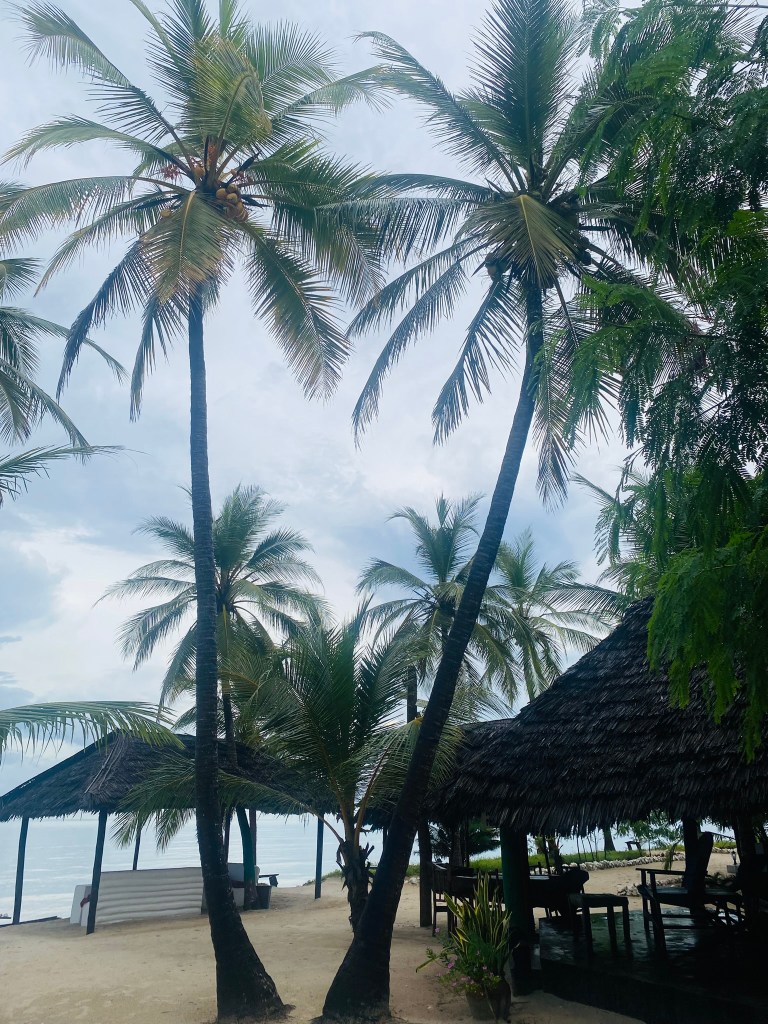
The whole place was serene and beautiful

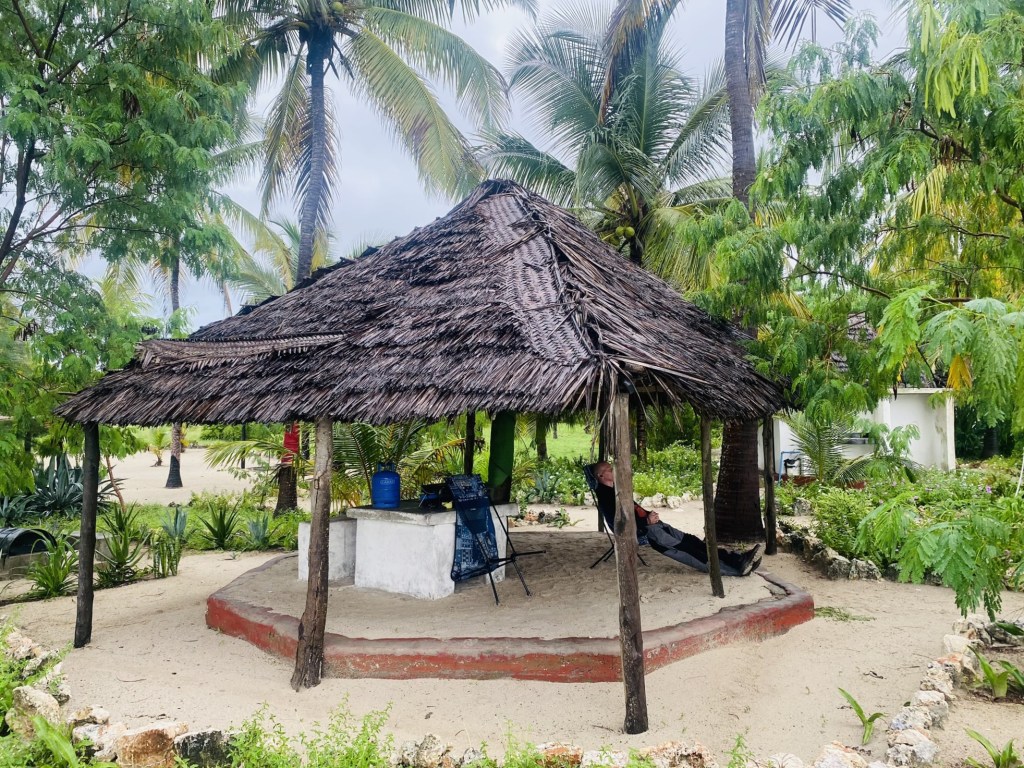
But after a very short time our paradise was spoilt when the heavens opened and the rain started again. And it didn´t stop. All evening and all night it poured down. We had a lovely undercover area where we could cook and sit but the roof was a bit leaky so eventually we took refuge inside Henry and had an early night.
According to the weather forecast, the following day was our best bet for avoiding heavy rain so we decided to do the tour of the ruins that morning. Our tuk tuk and guide arrived at 10am and we jumped on board heading off to the port
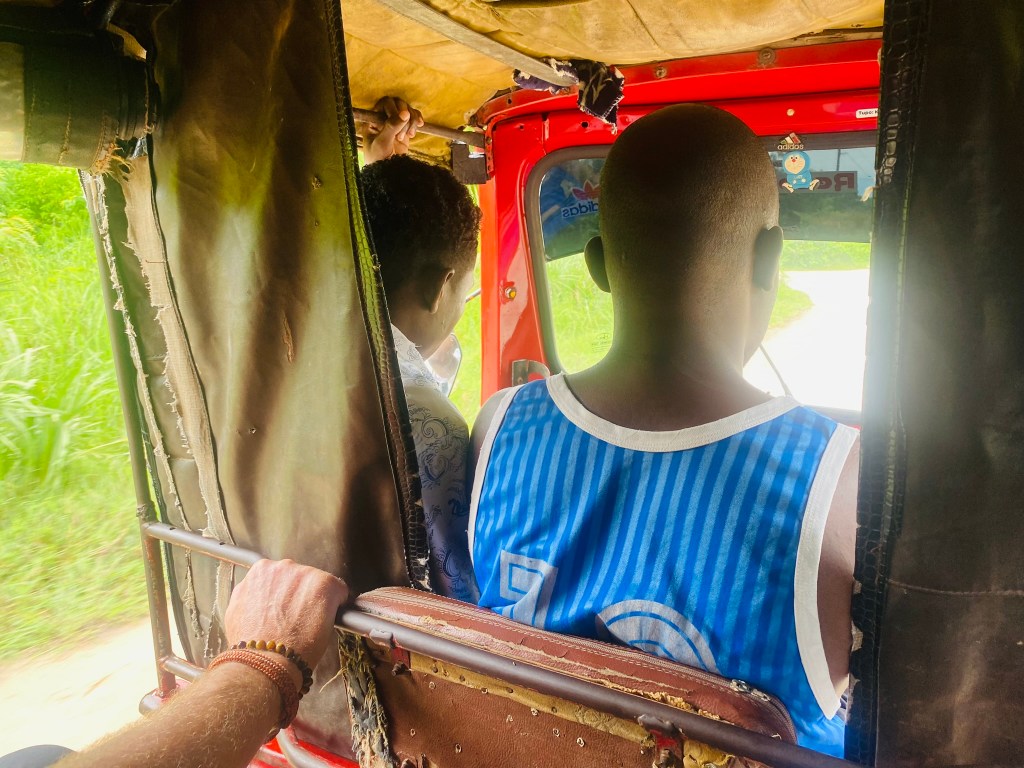
This was our first Tanzanian tuk tuk experience and it wasn´t as relaxing as you might think! These small, light and rather unstable vehicles were not designed with muddy, rutted roads and deep water in mind.
But we made it in one piece and before long we were boarding our local boat out to Songa Mnara island to see the first set of ruins
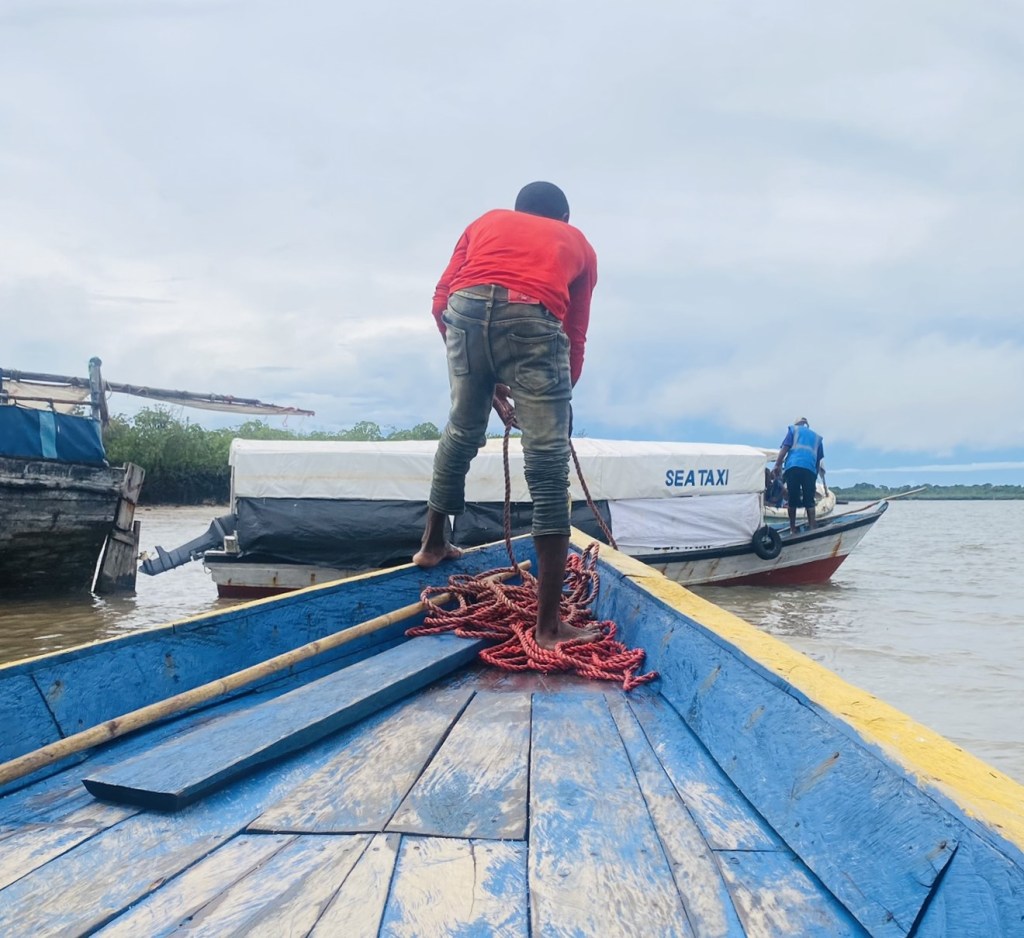

The clouds were low and heavy and we watched the skies nervously. We had expected the ride to take about 45 minutes but this boat was not in any hurry and by the time the captain had picked up and dropped off a few friends it was over an hour and a half before we arrived and the clouds were already looking very threatening.
We jumped off the boat and waded in our bare feet to the beach where we found a lovely, traditional fishing village
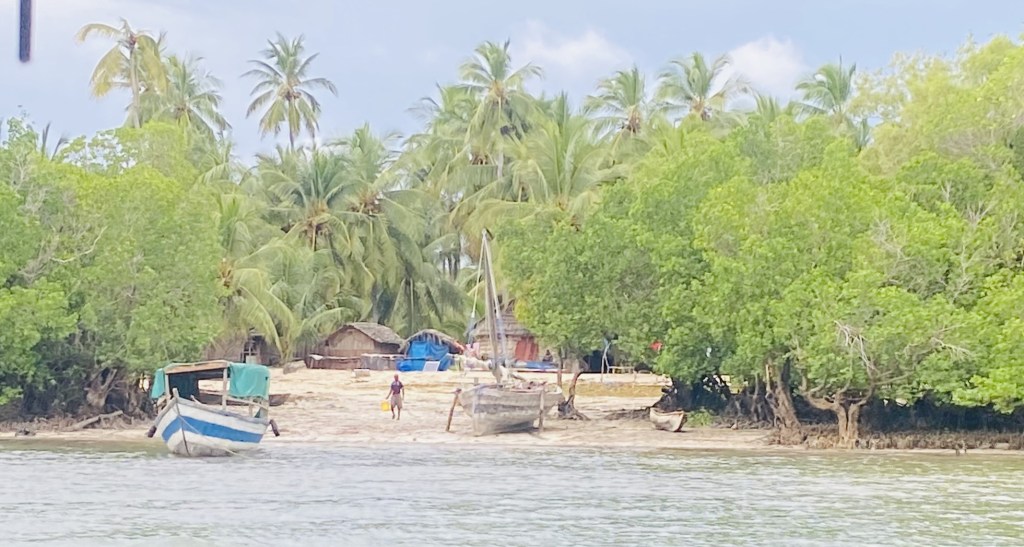

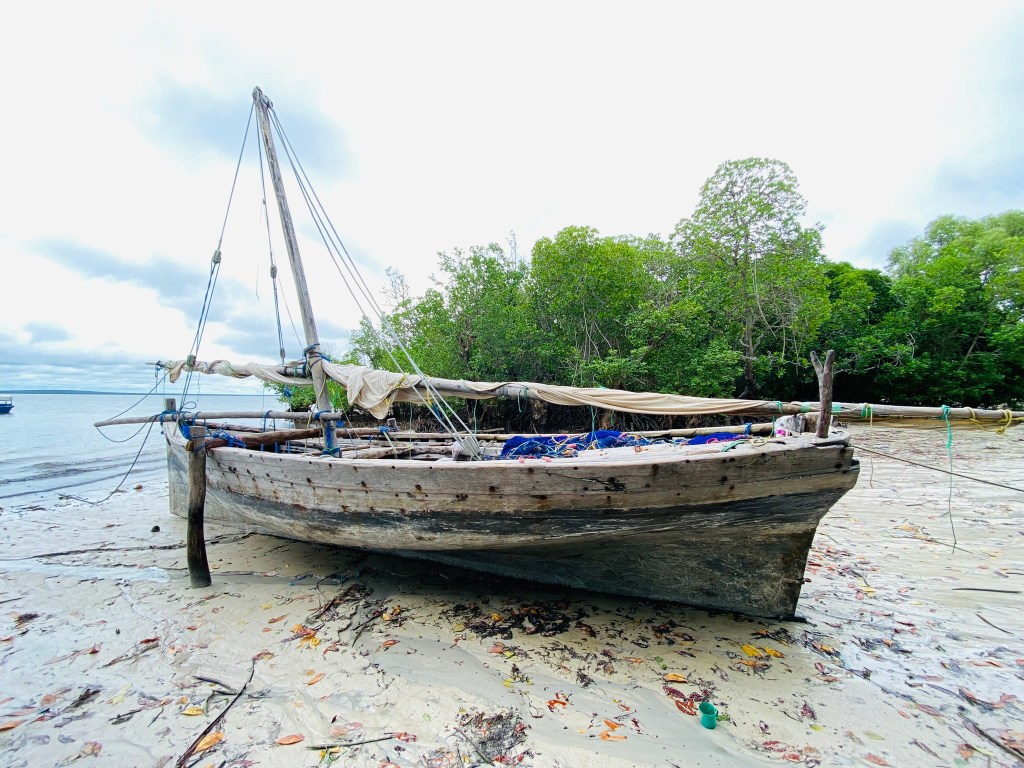
The people welcomed us to their home and their ruins with pride in their eyes


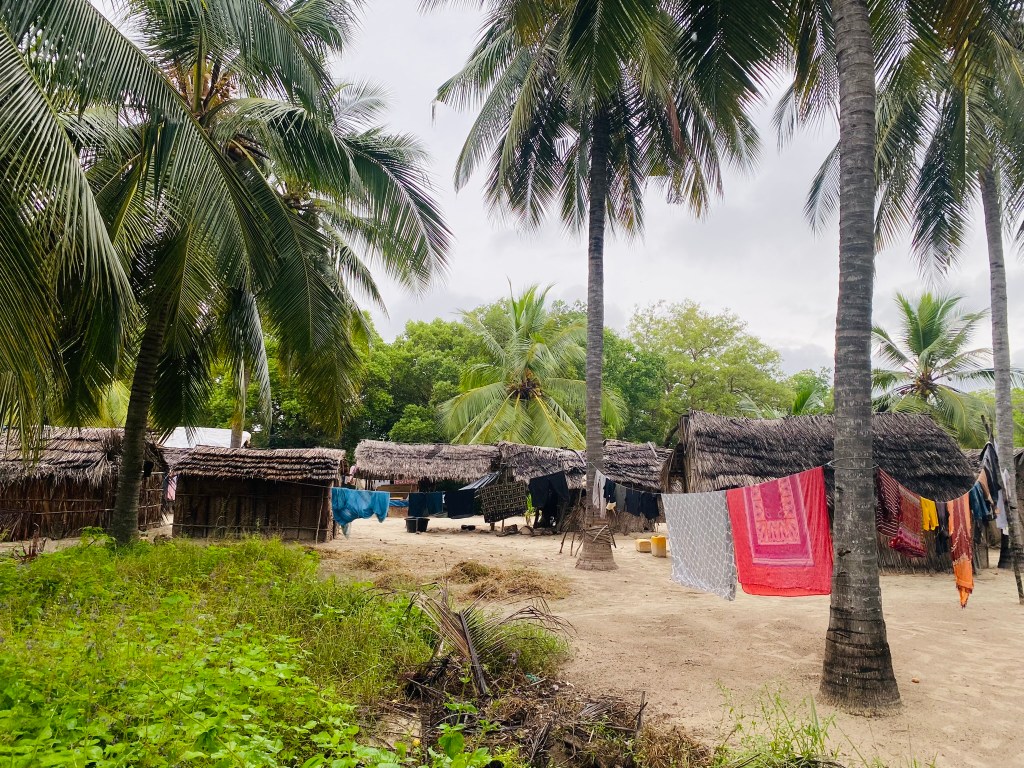
Our guide suggested we kept our boots off as we padded across the sand and we soon realised why – we found ourselves walking through beautiful mangrove swamps, making our way up the estuary
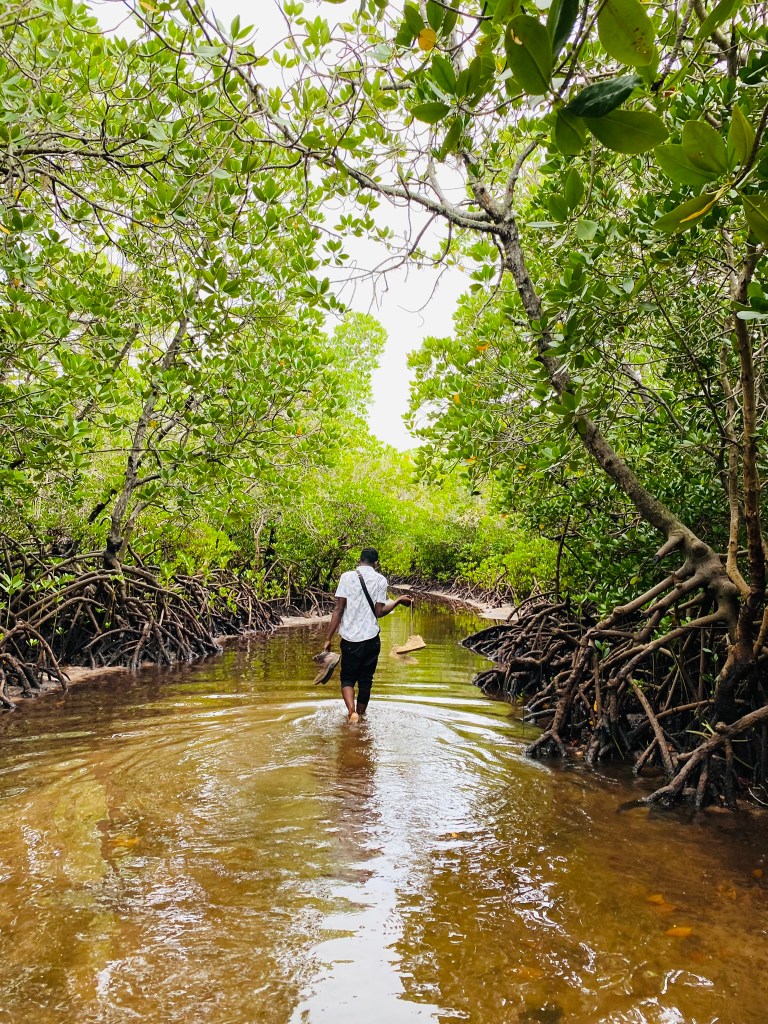
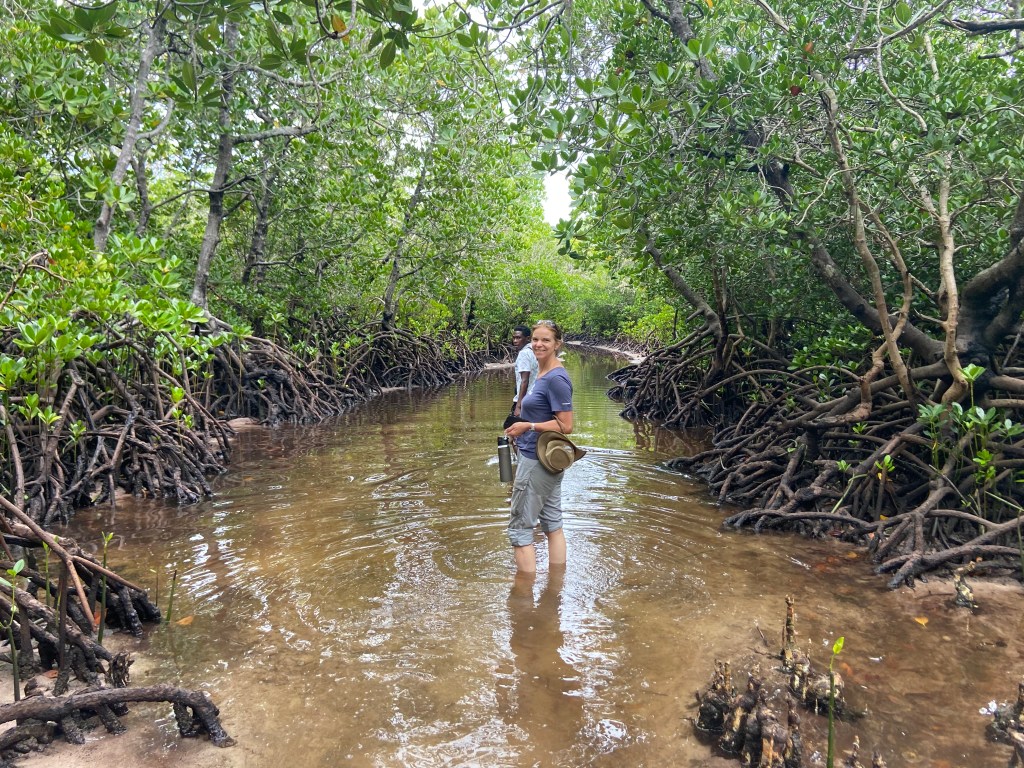
It was all very peaceful and relaxing
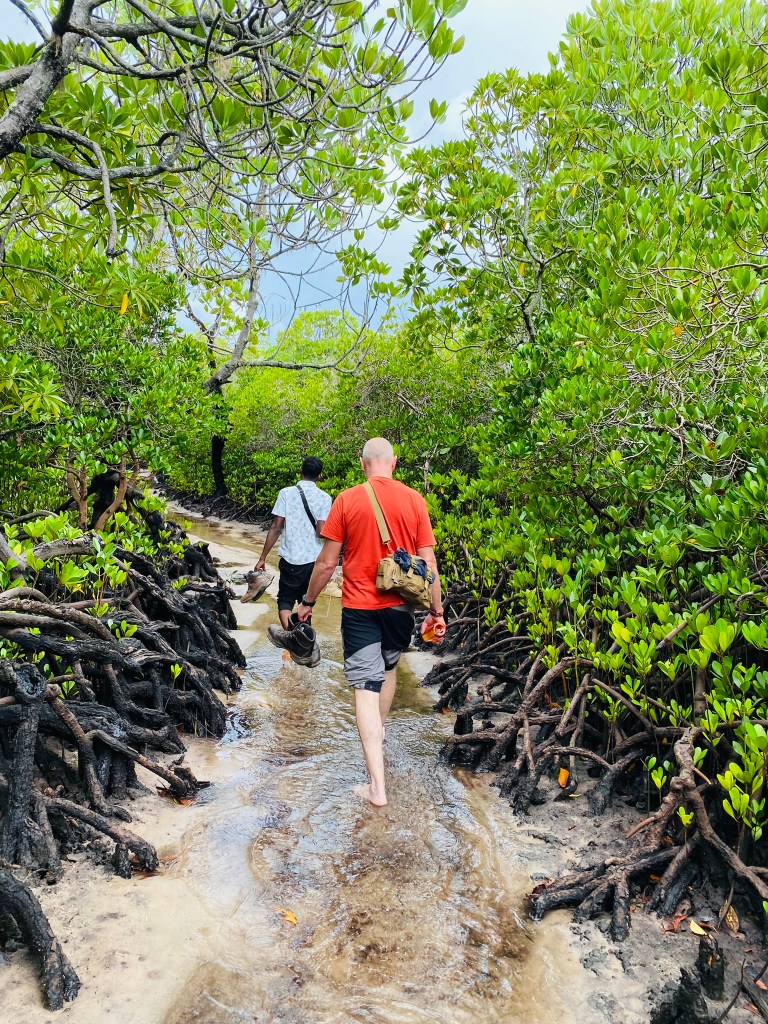

These ruins date back to the 13th century when the Arabs ruled the eastern coast of Africa
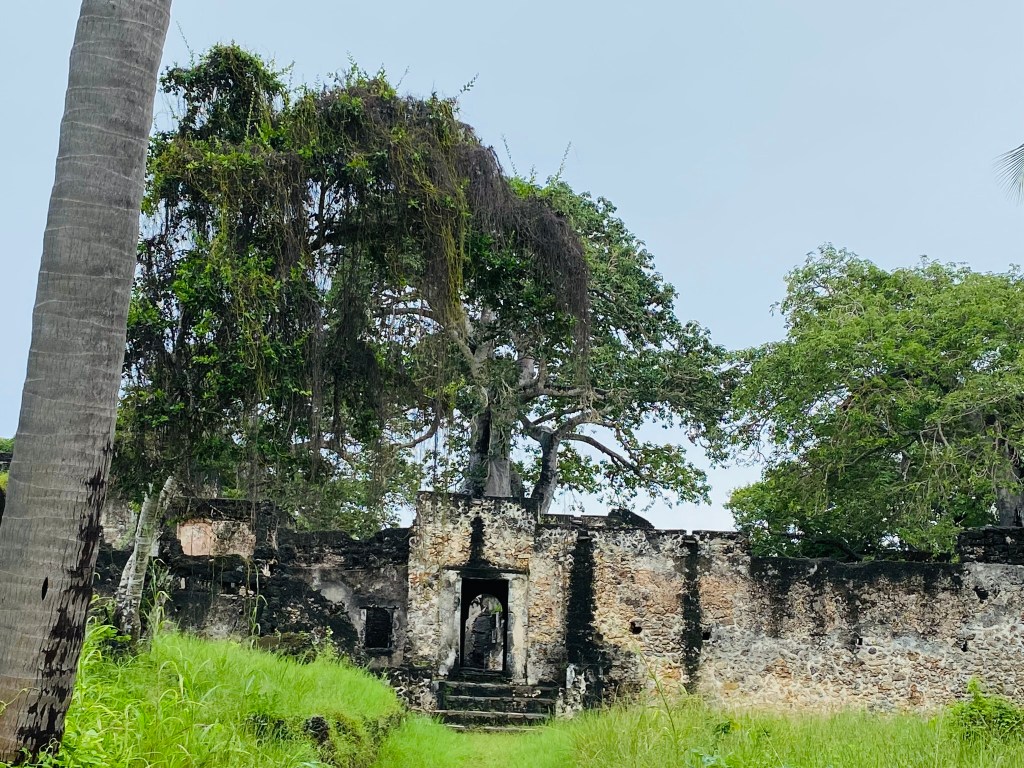
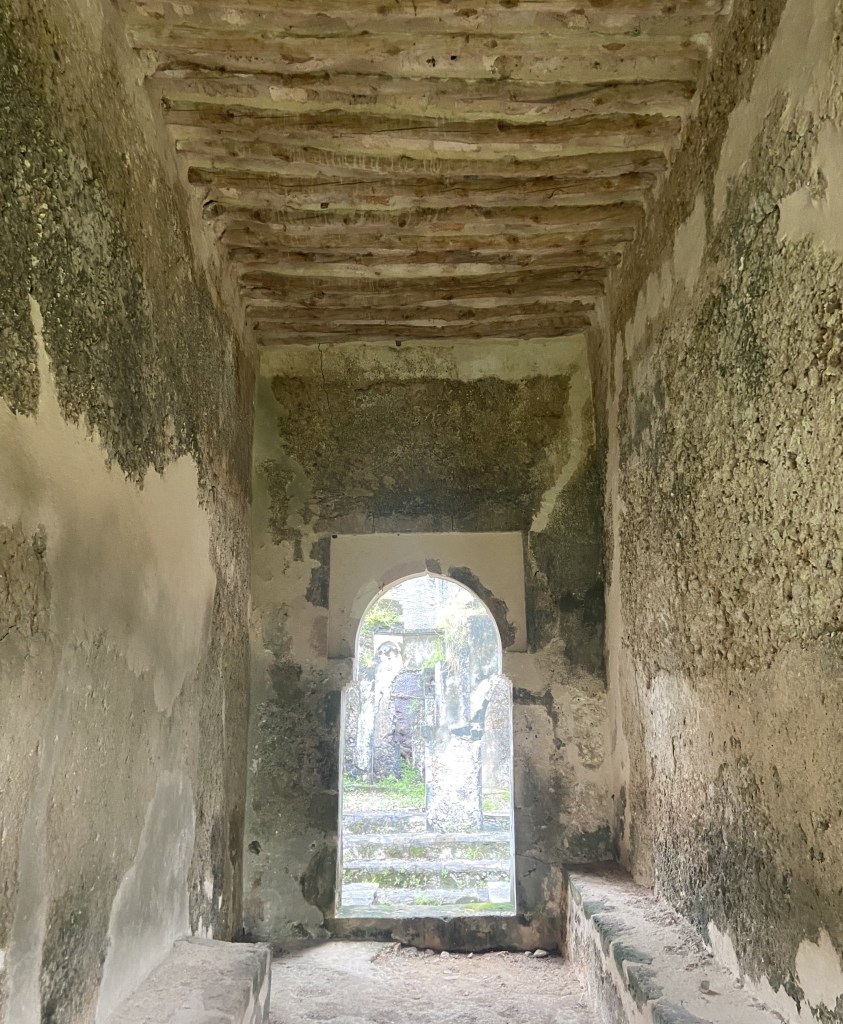


They are slightly younger than the bigger ruins at Kilwa Kisiwani itself but it was worth the long boat journey just for the walk through the mangroves!
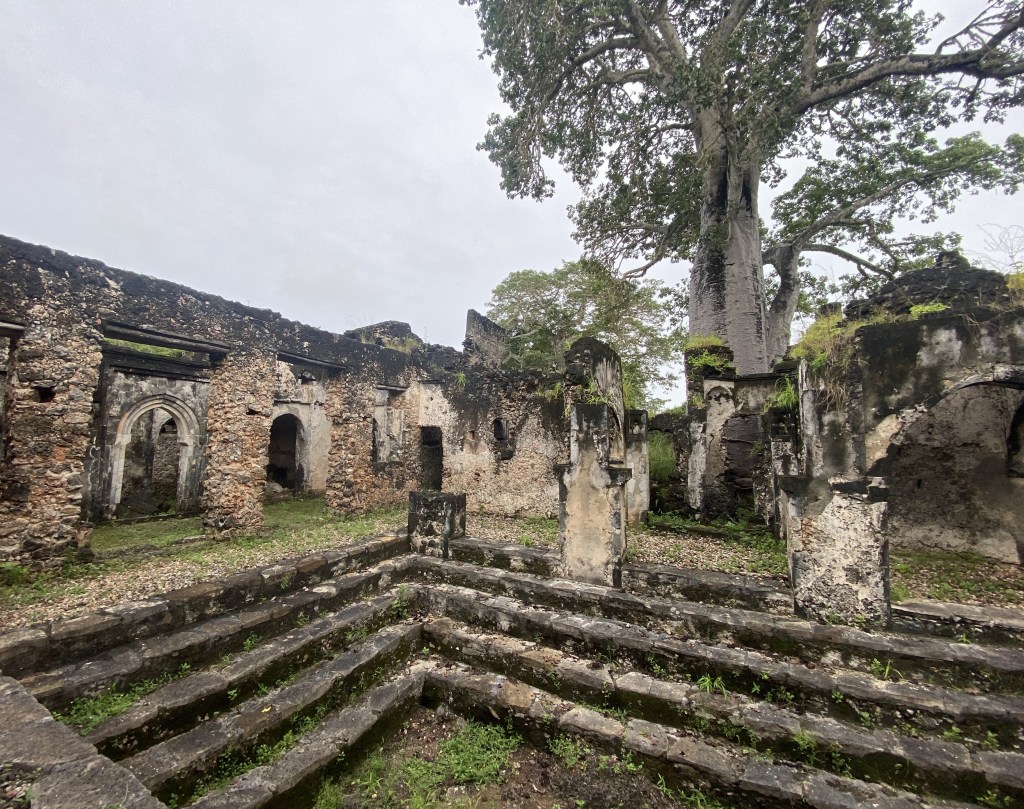
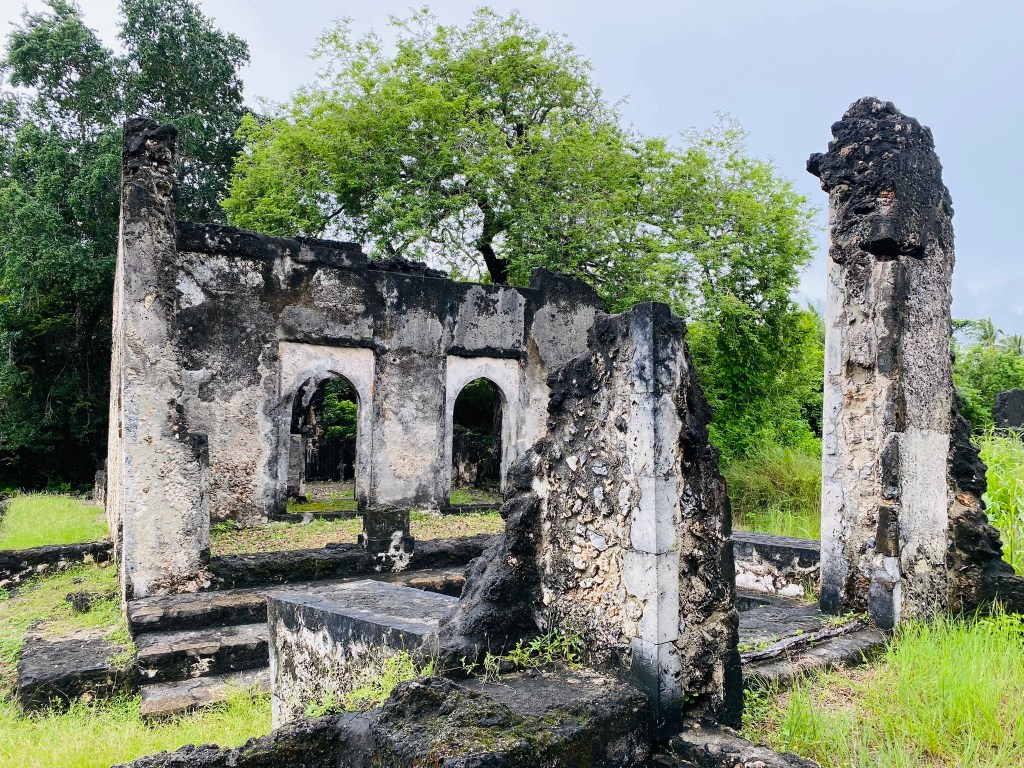
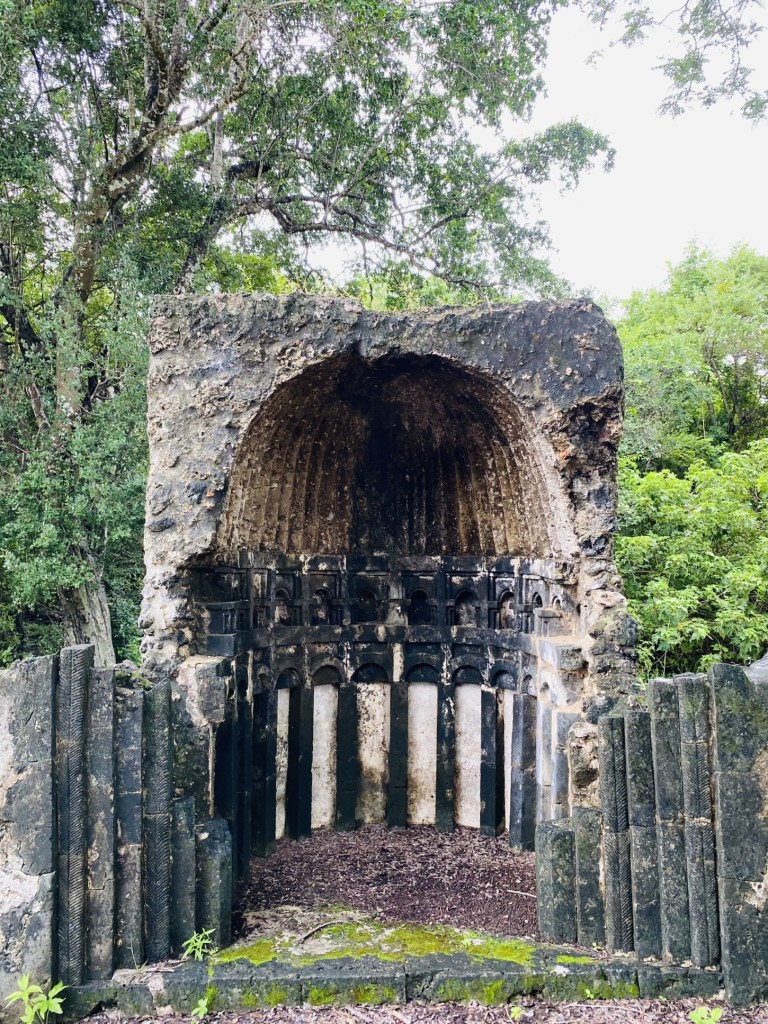
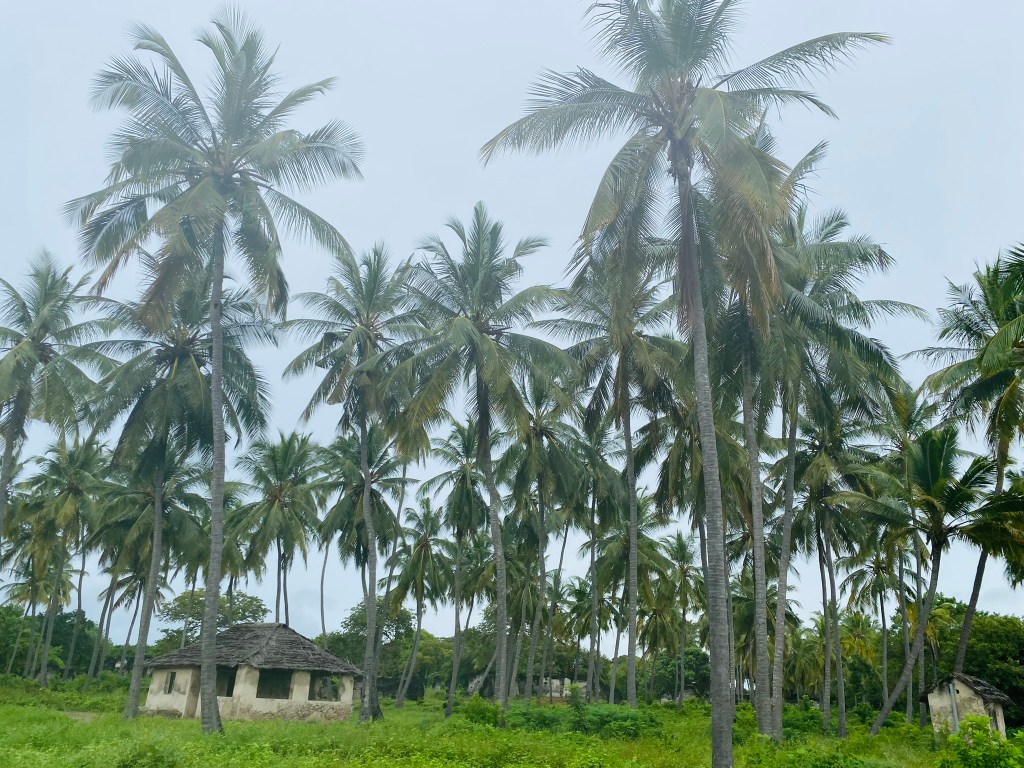
As we wandered around the site and climbed through the ruined buildings it started to rain, just a little, just enough to cool us down. This kind of rain we could live with.
Back on the boat we were speeding back the way we had come
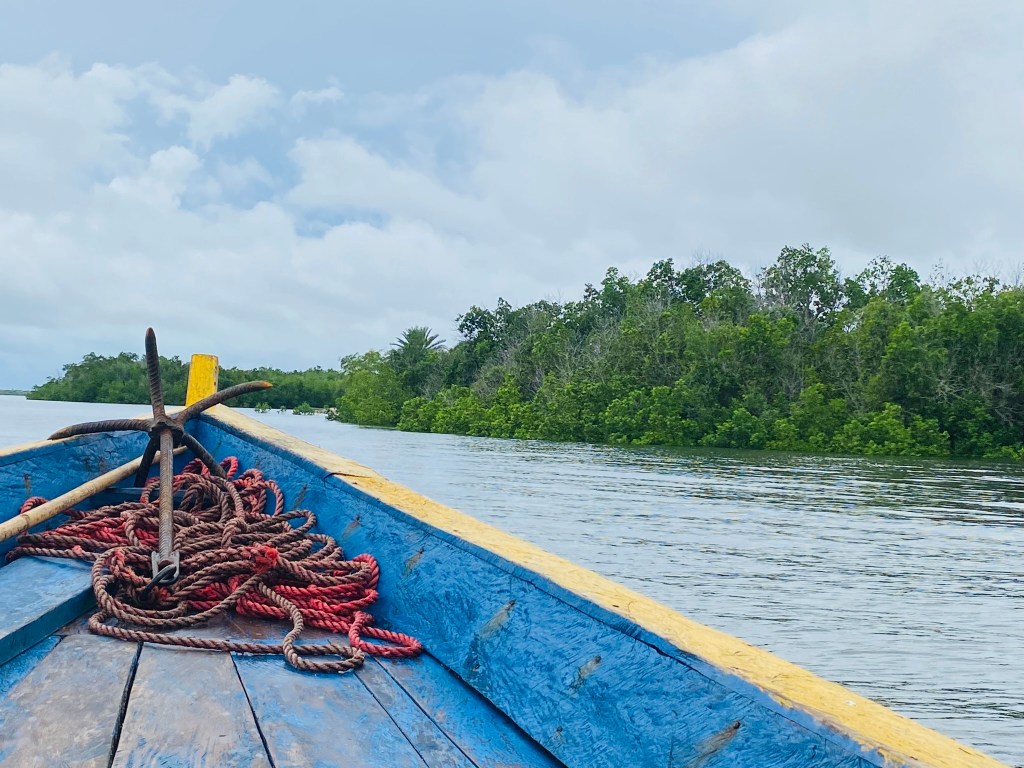
Past the mangroves, heading for Kilwa Kisiwani. The rain had stopped and it was now getting very hot and humid
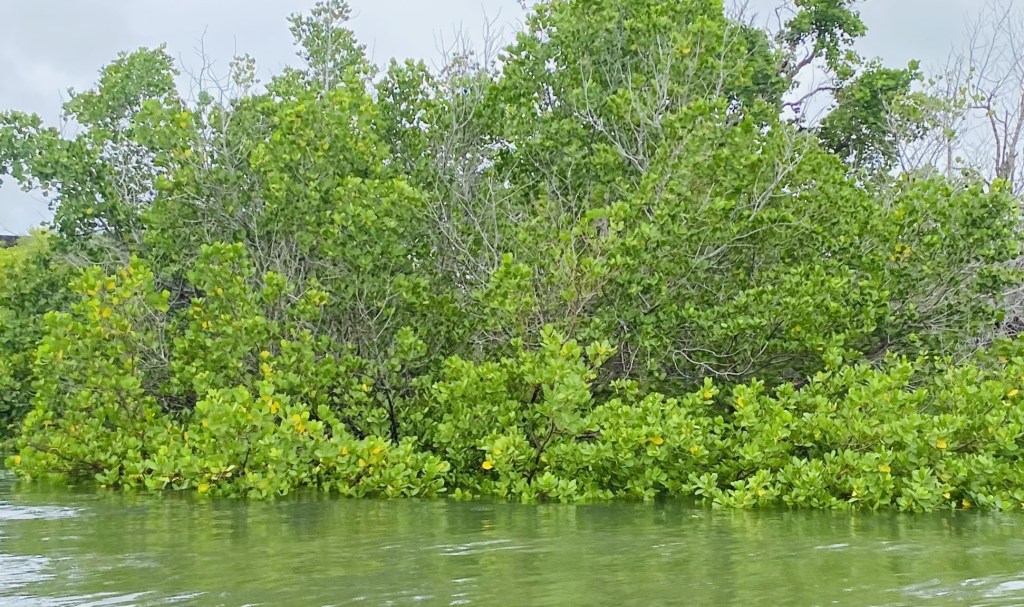
The ruins at Kilwa Kisiwani cover a huge area and are made up of palaces, towers and fortresses
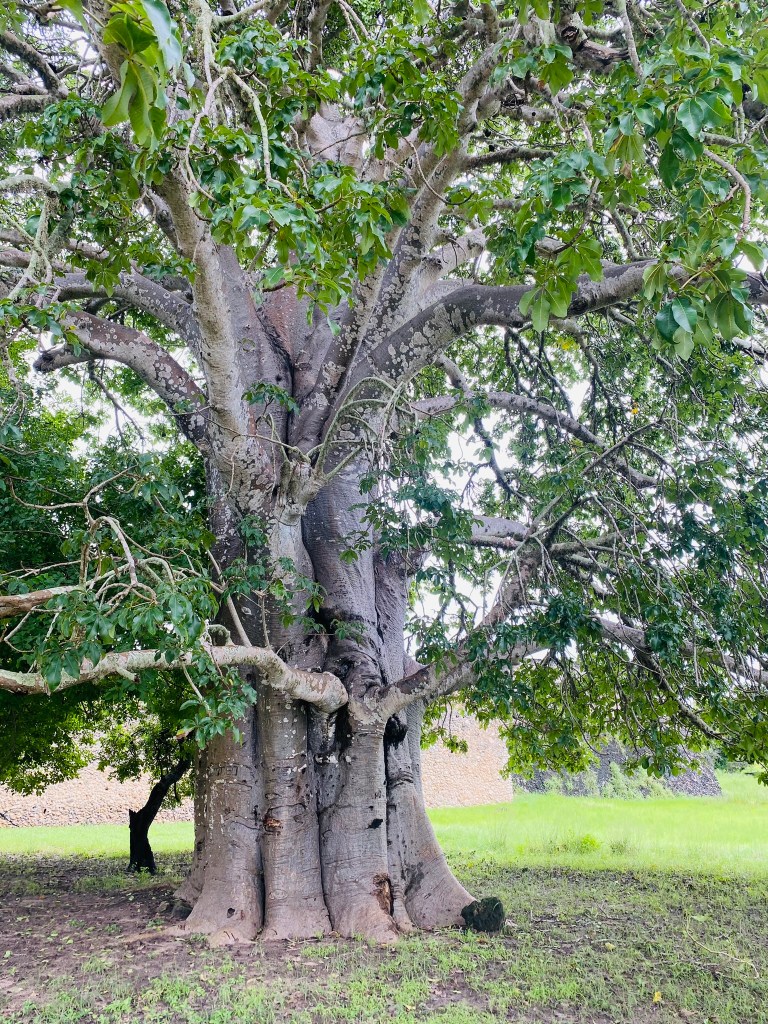
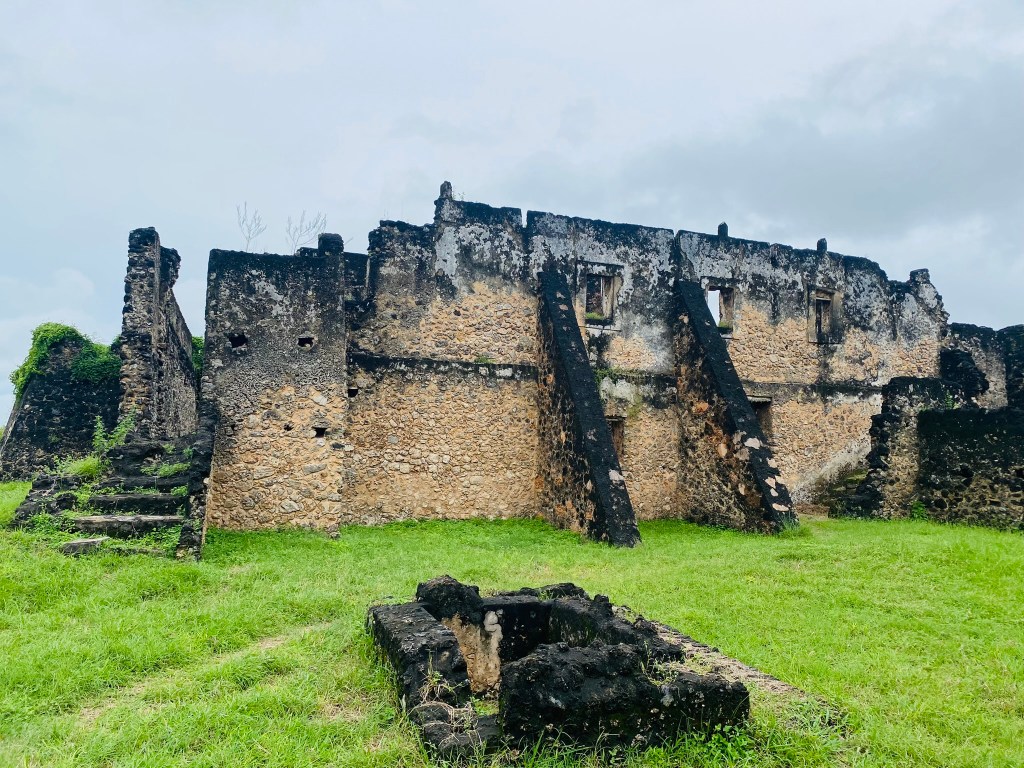
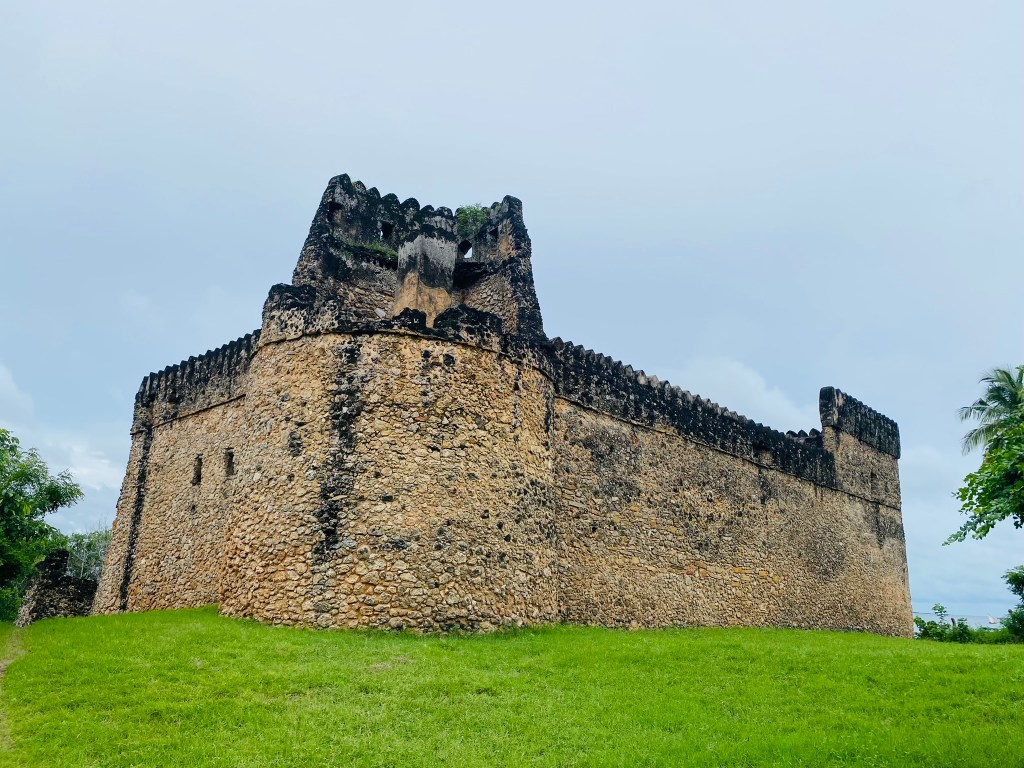

As well as some of the first mosques to be built in Tanzania
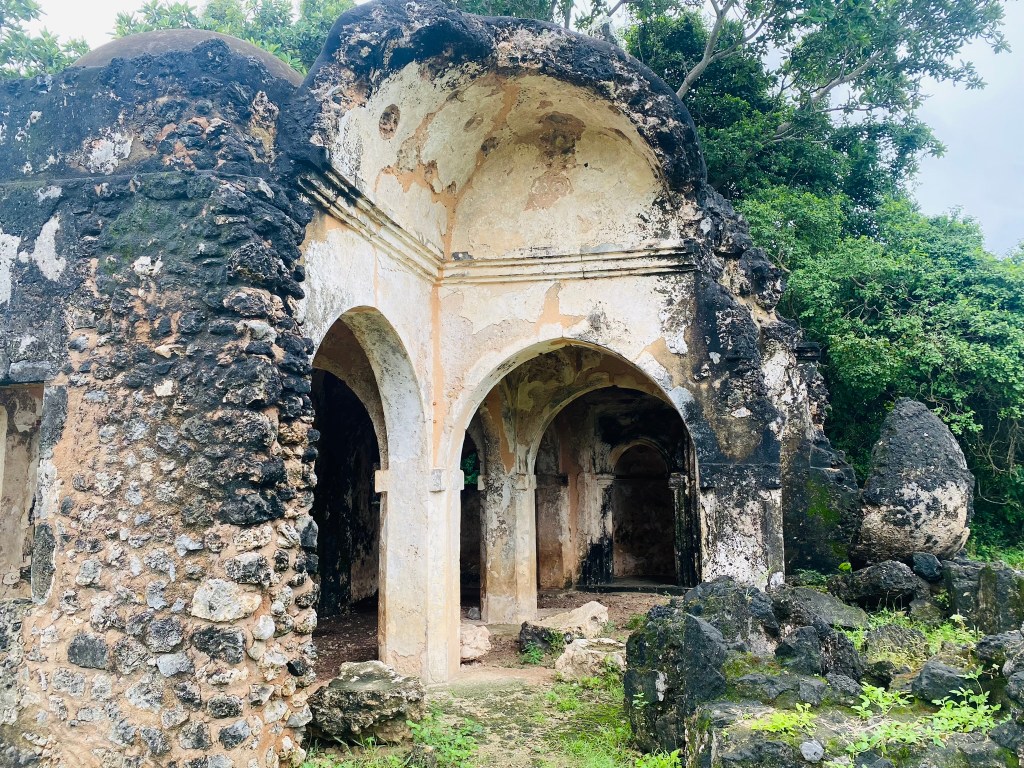

Including the largest in the country, built for the personal use of the Sultan of Oman

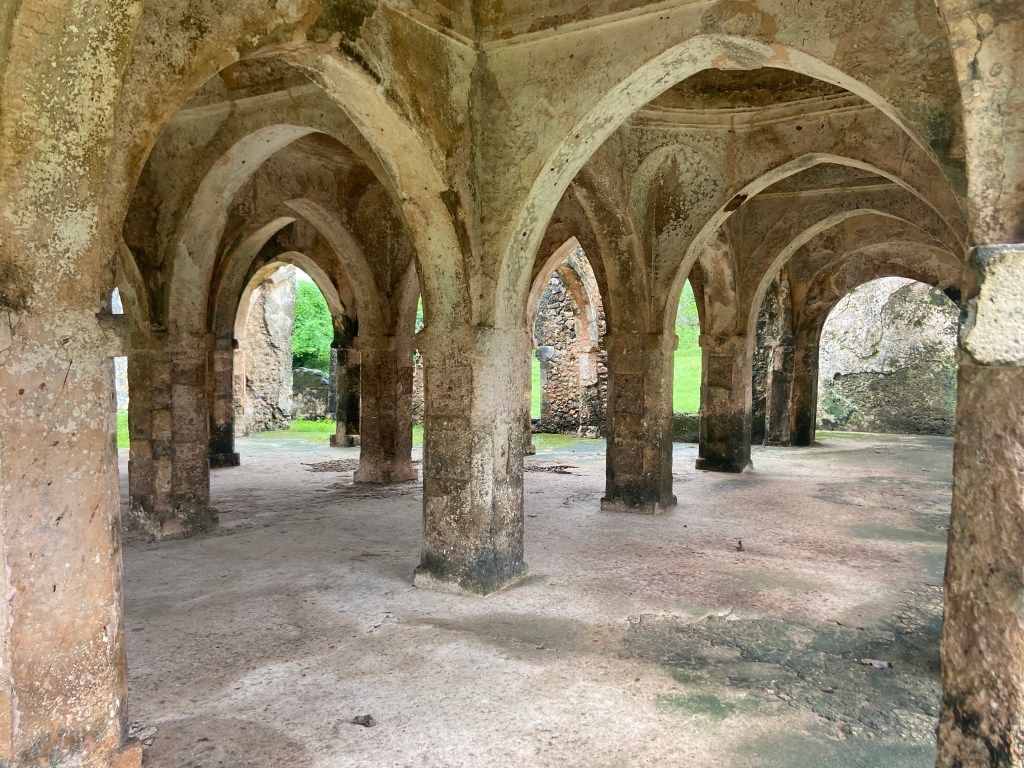
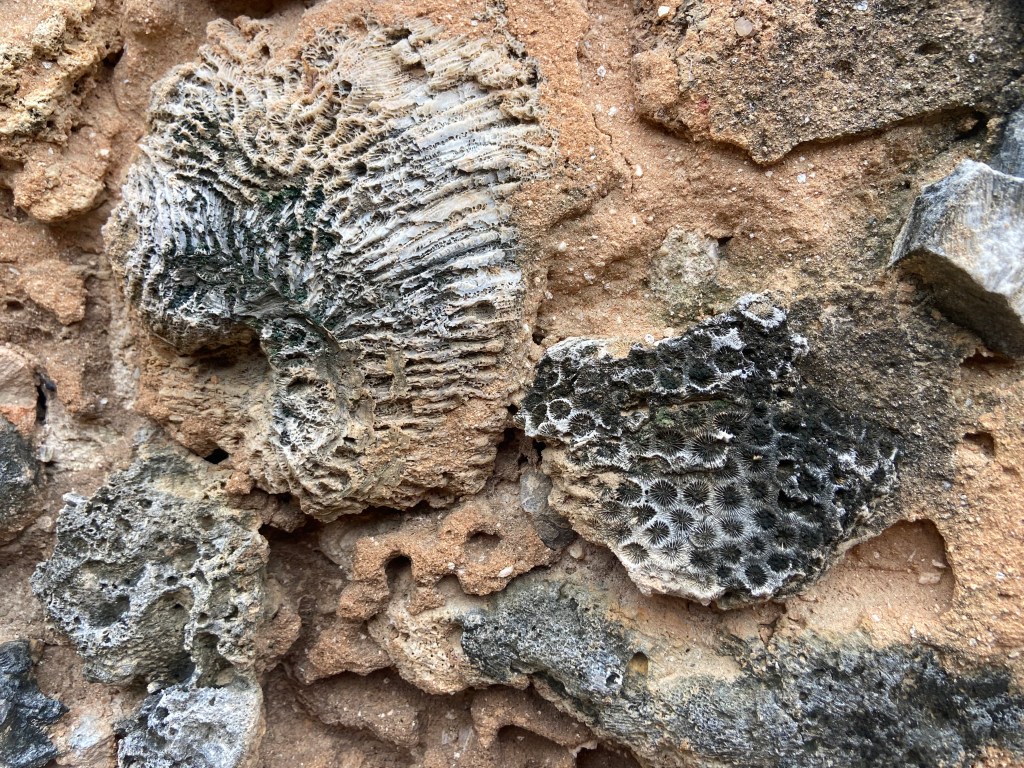
We were fascinated to find that all of these buildings were constructed out of coral rock
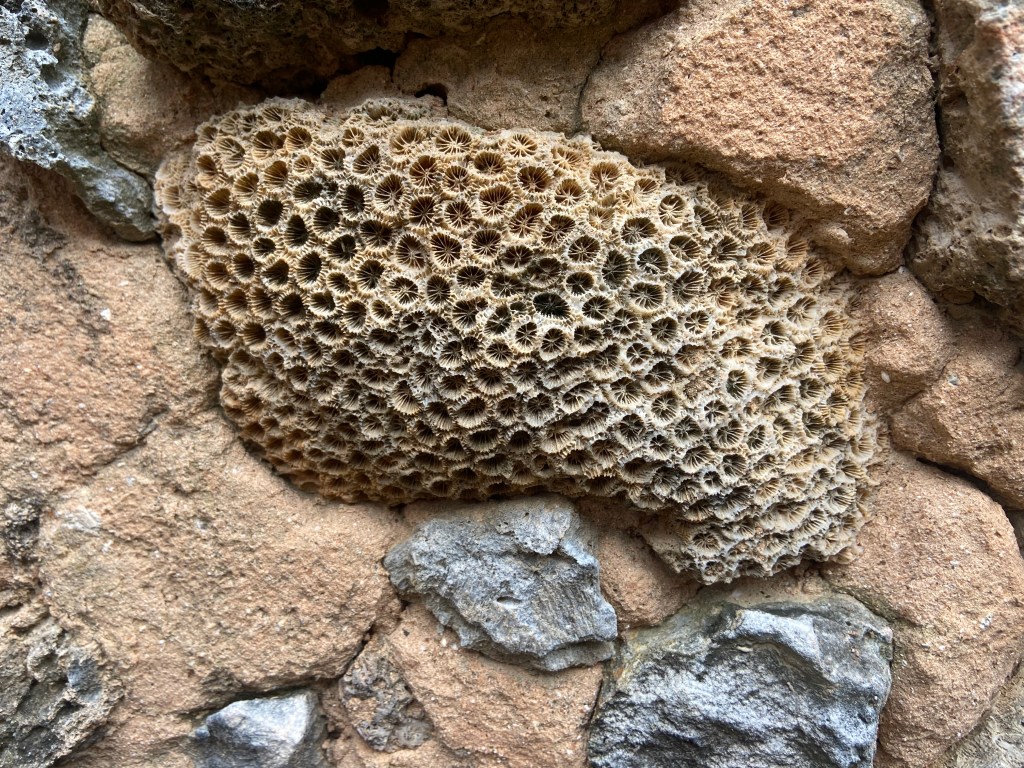
With fossils scattered everywhere in the walls
During the excavation of the site, the archaeologists had built a small track to wheel the material in large barrows up and down to the coast and one was left in the grounds. We found from the inscription that it had come from Liverpool!
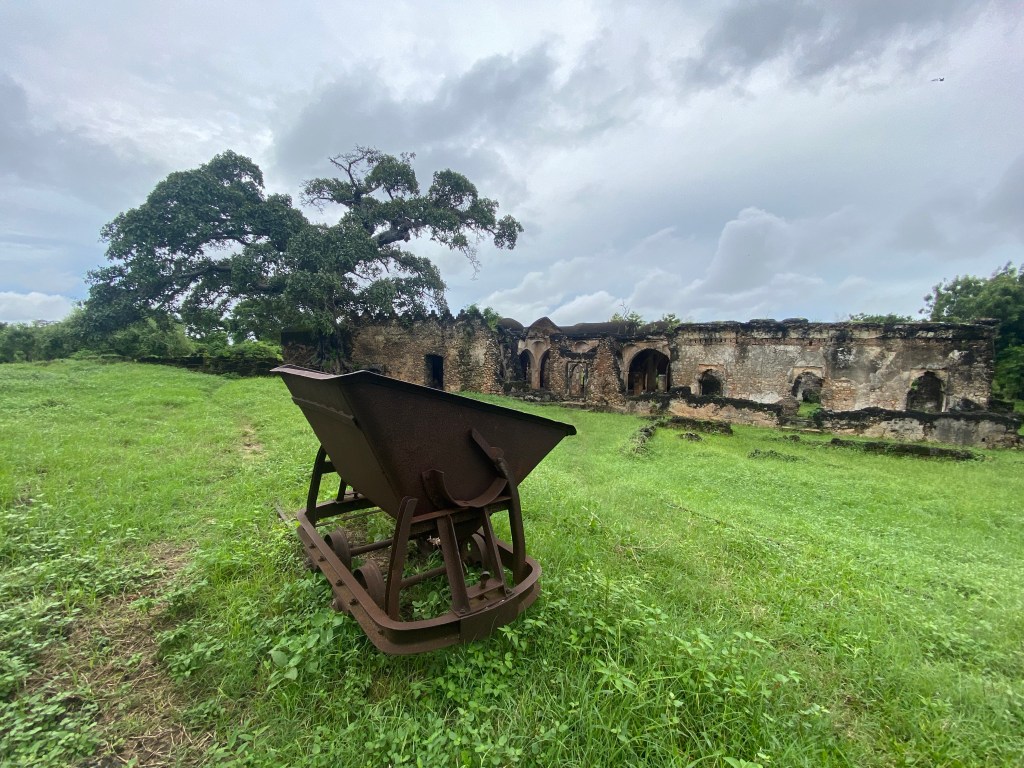
People still live nearby although many of the homes were very run down, unlike the magnificent buildings their ancestors had been living in
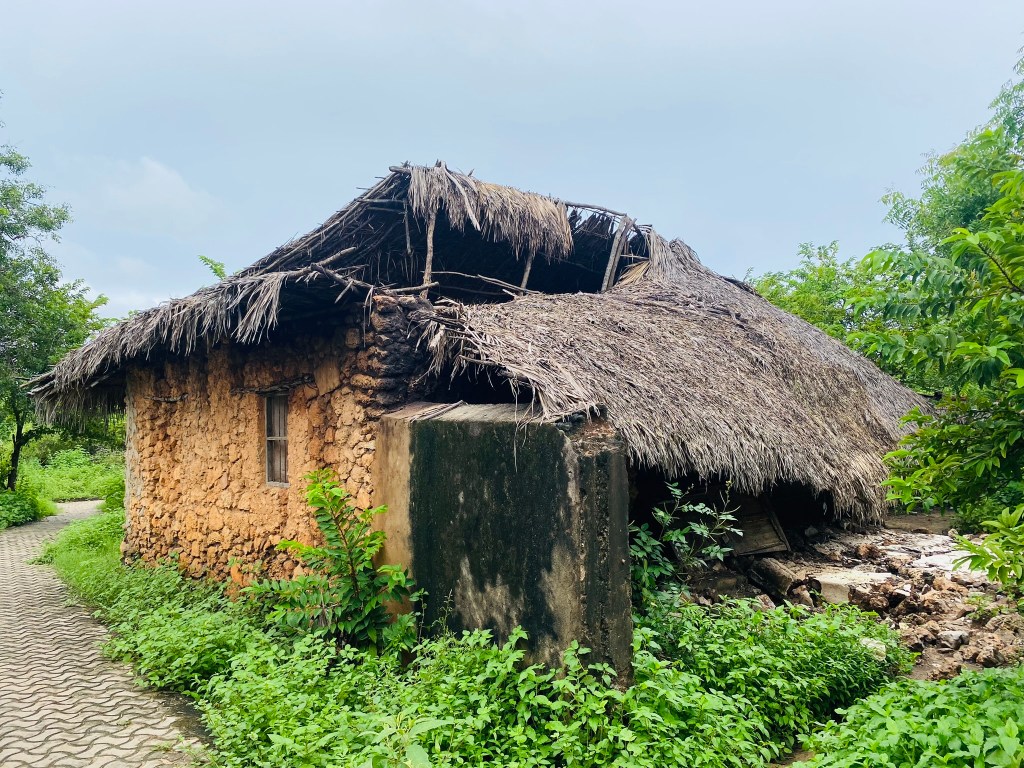
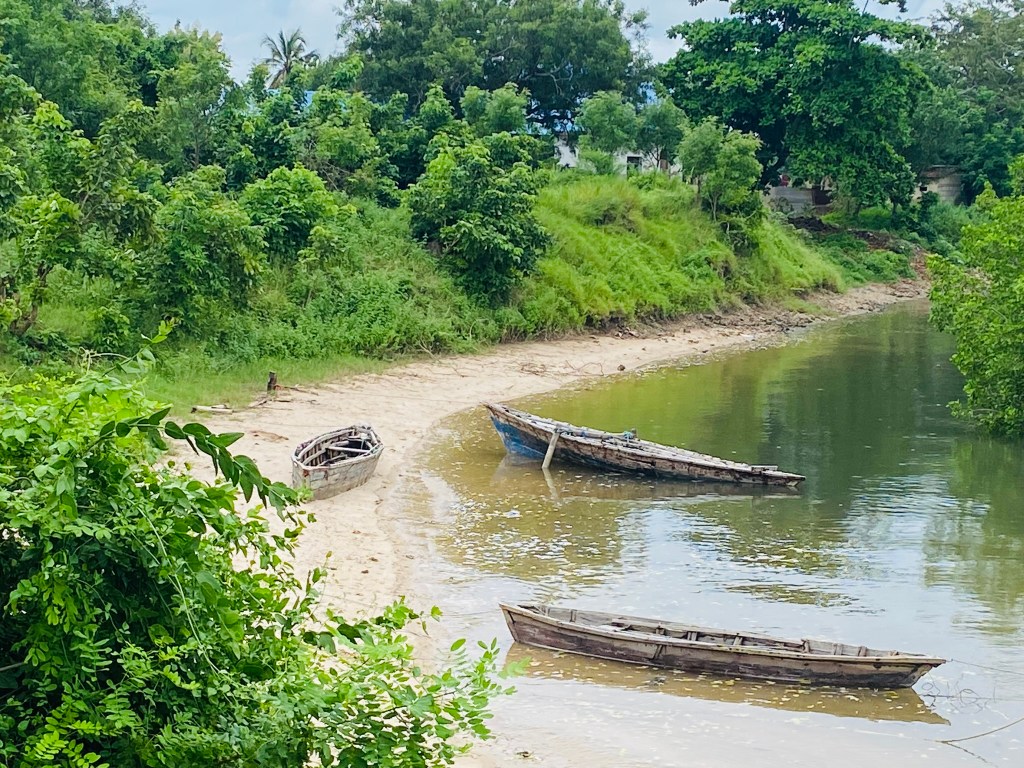
The place went on for miles with some of the best preserved historic ruins in the world
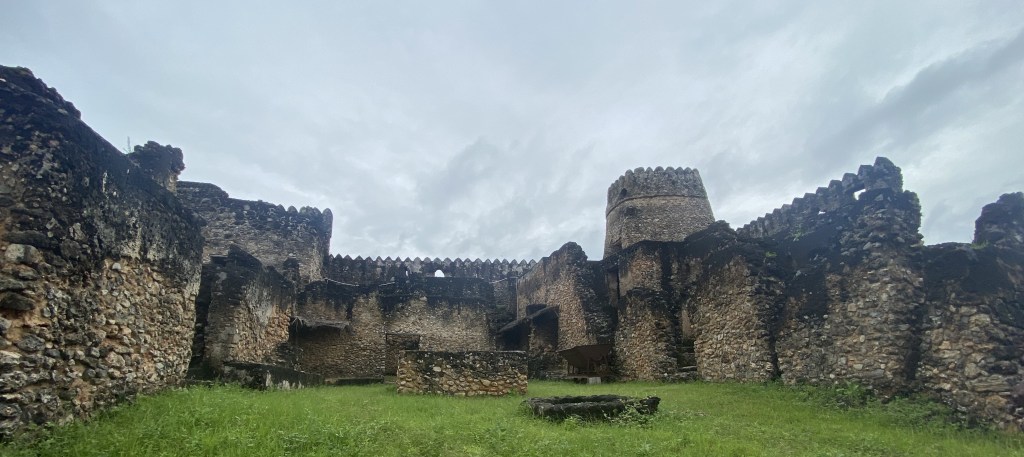
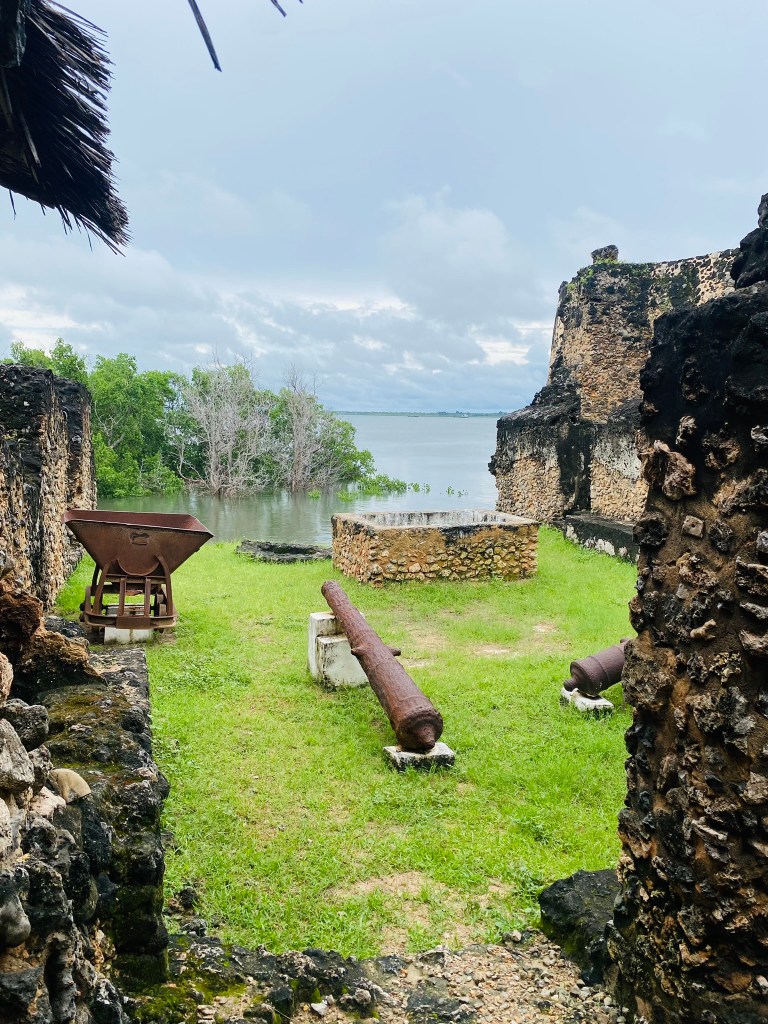
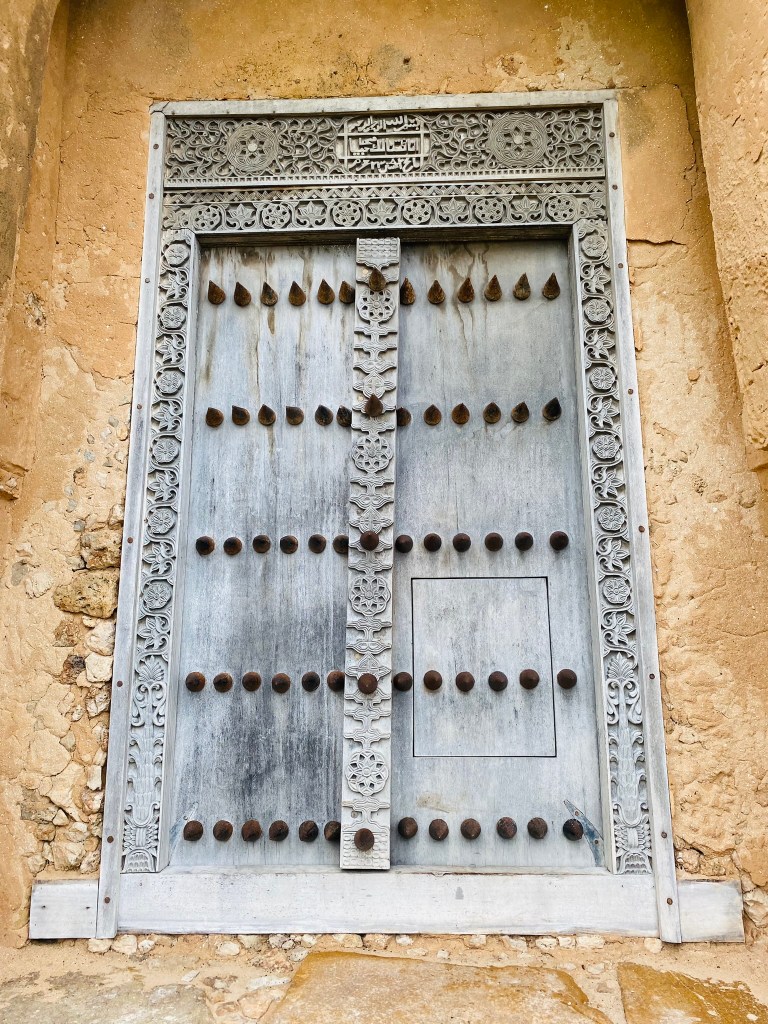

There are even graves, some for the ordinary people but most for the aristocracy
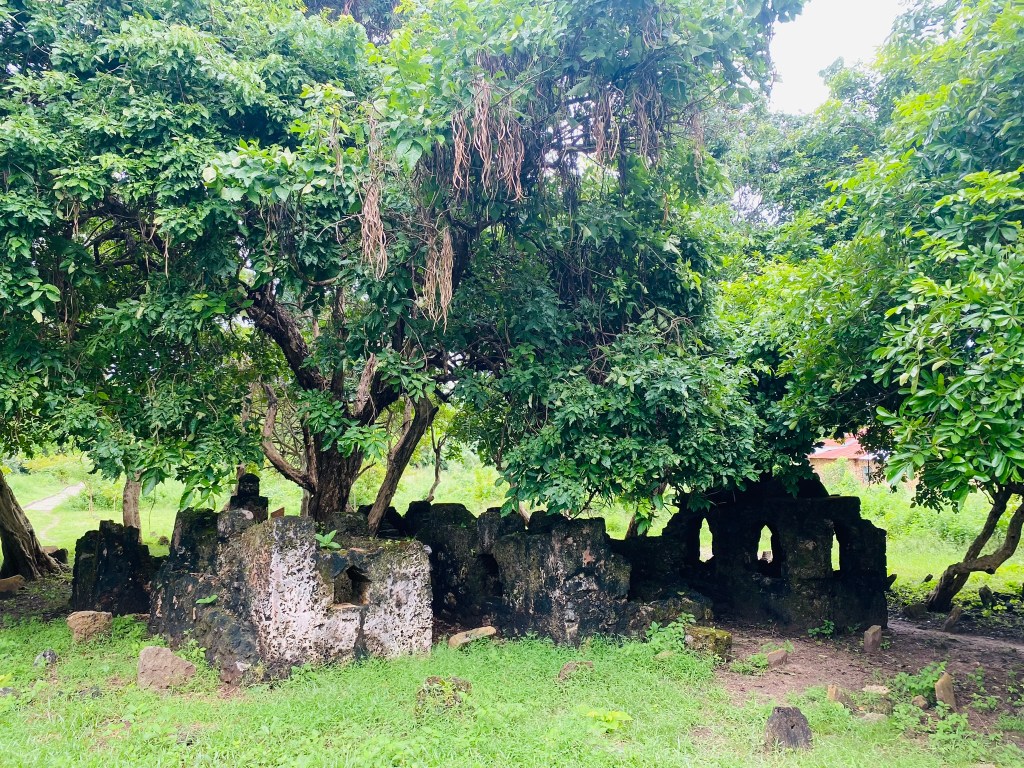
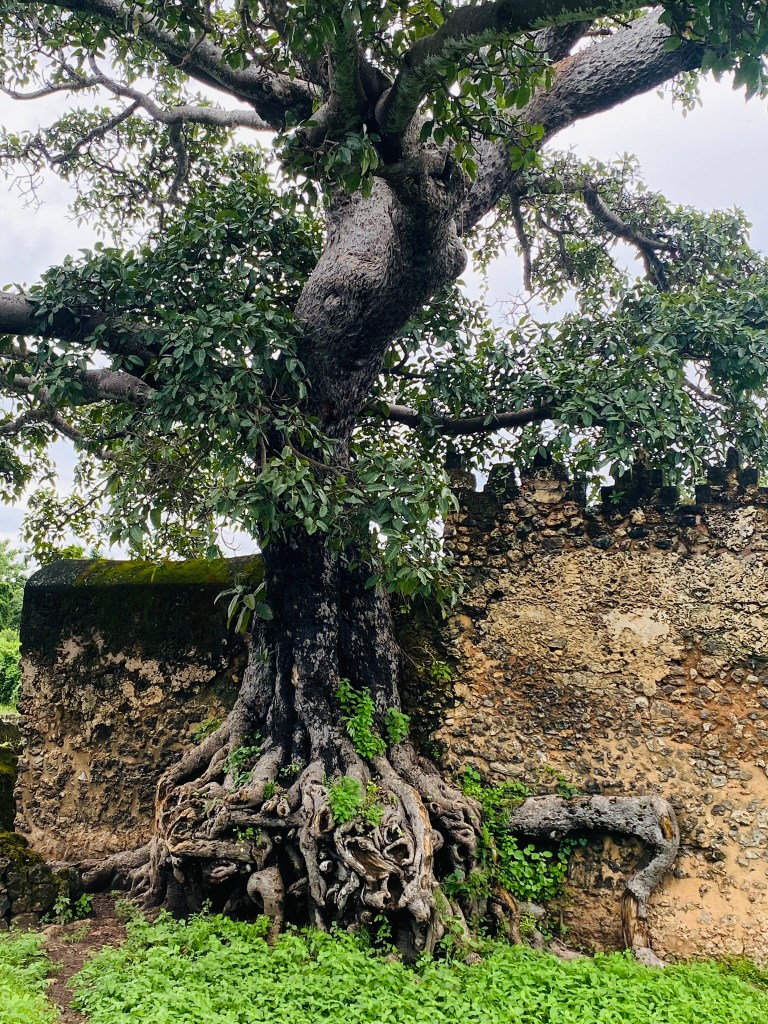
There were two or three museum rooms where we could see artifacts dug up from the site and read about the history. But we couldn´t stay in either very long as by now it was sweltering. The sweat was literally dripping off my nose.
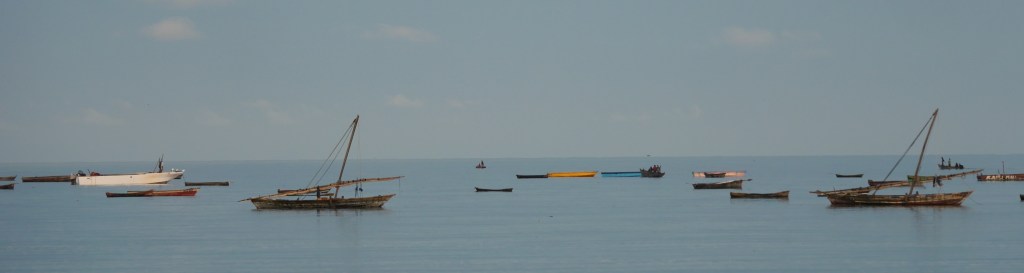
It was good to get back out into the fresh air and watch the fishing boats floating on the sea
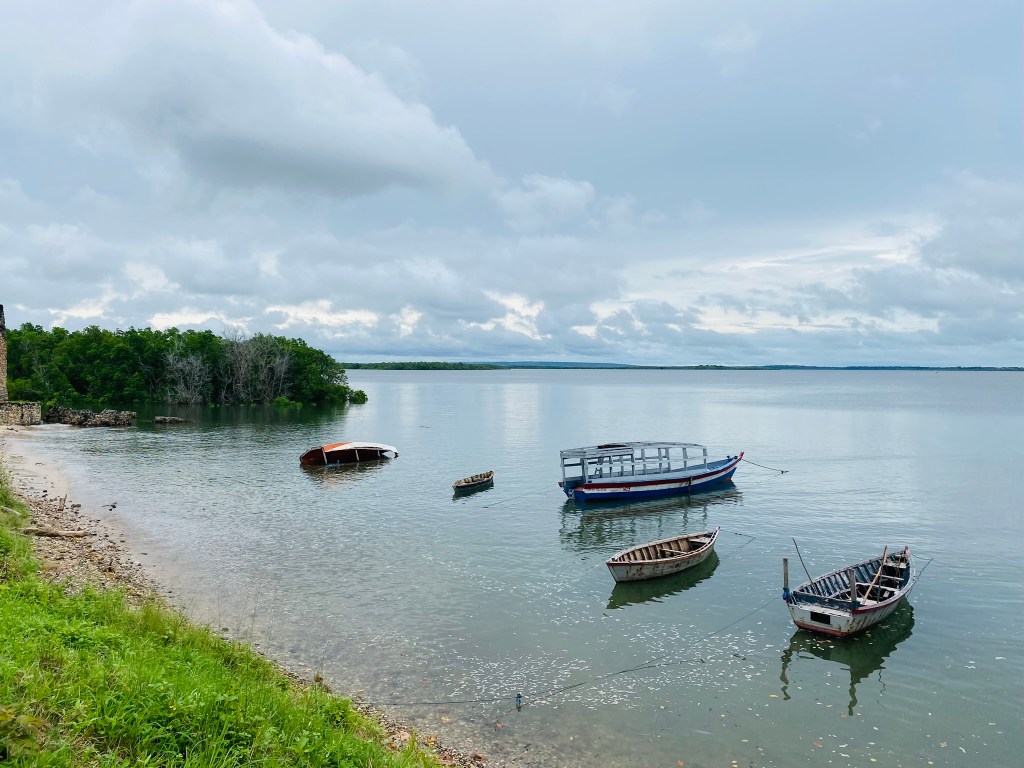


Sadly our guide seemed to have had enough half way through and claimed that we had seen everything even though we knew the largest palace was further down the road. We tried to encourage him to go but he kept insisting there was nothing else to see.
Back at the campsite Lilly was outraged that we had been cheated out of seeing the palace and contacted the authorities securing a free visit for us next time we´re in Tanzania. It was a lovely gesture.
The campsite was so beautiful and Lilly was so nice to spend time with that we decided to stay another day on the basis that the rain seemed to be easing off a little. Unfortunately our optimism was not rewarded by good fortune – it rained hard from morning to night and we spent the whole of our last day on this paradise beach cold, wet and miserable.
It was interesting to watch the beach change as the tide came in and out and the locals wandered along the soggy sands at low tide to do some repairs
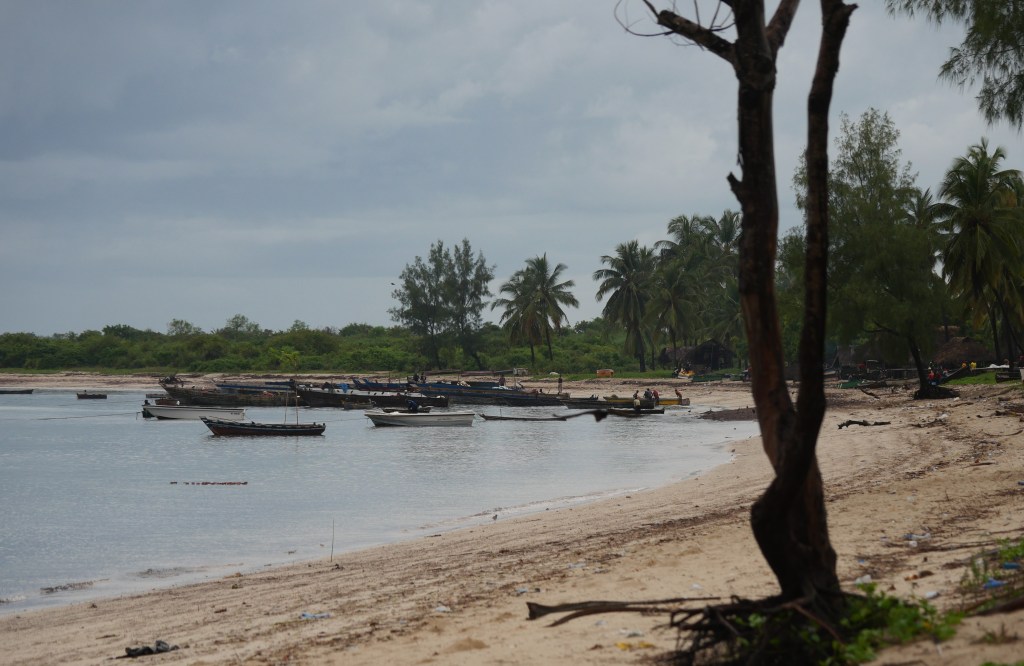
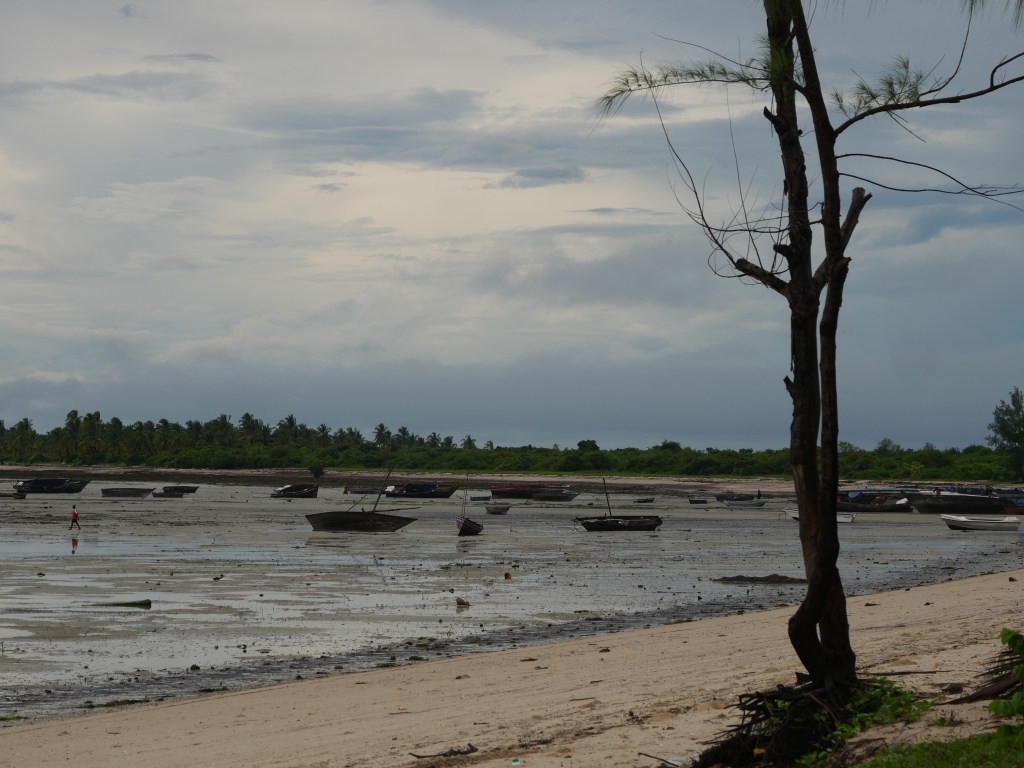

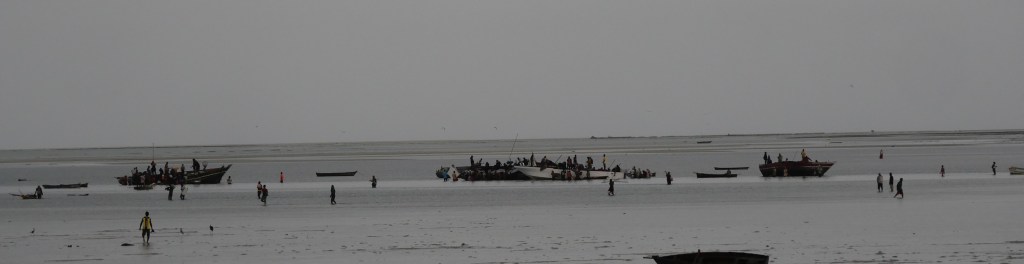
We found new patches of mould starting to appear on Henry´s bamboo and the inside of the canvas roof was permanently wet as the rain oozed through the seams and condensation added to the problem. We were, to be honest, more than a little fed up, despite our beautiful surroundings
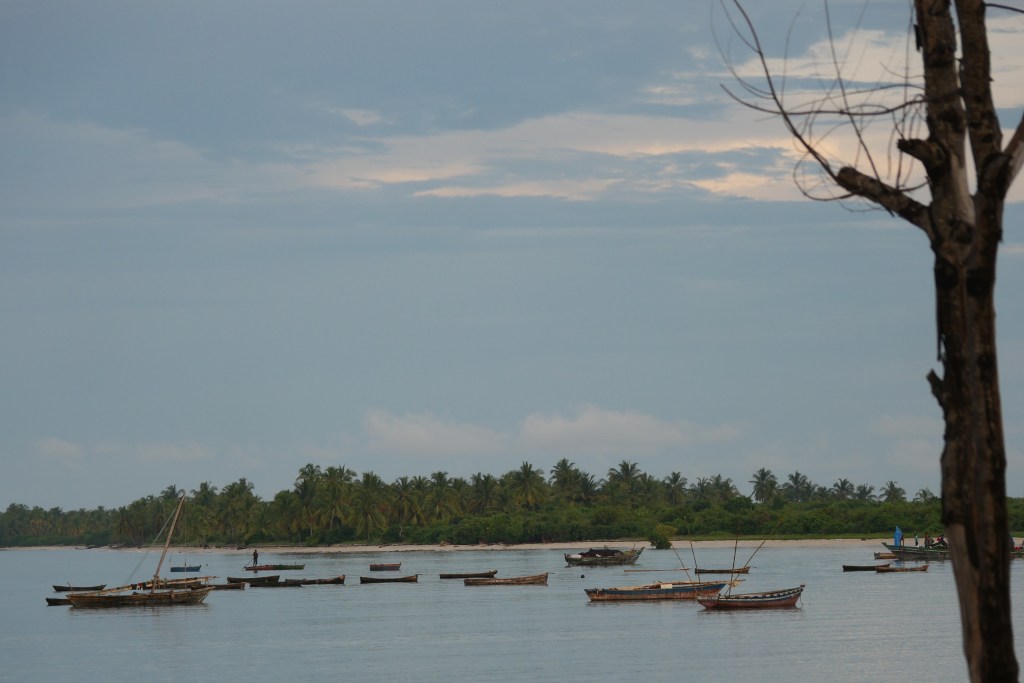
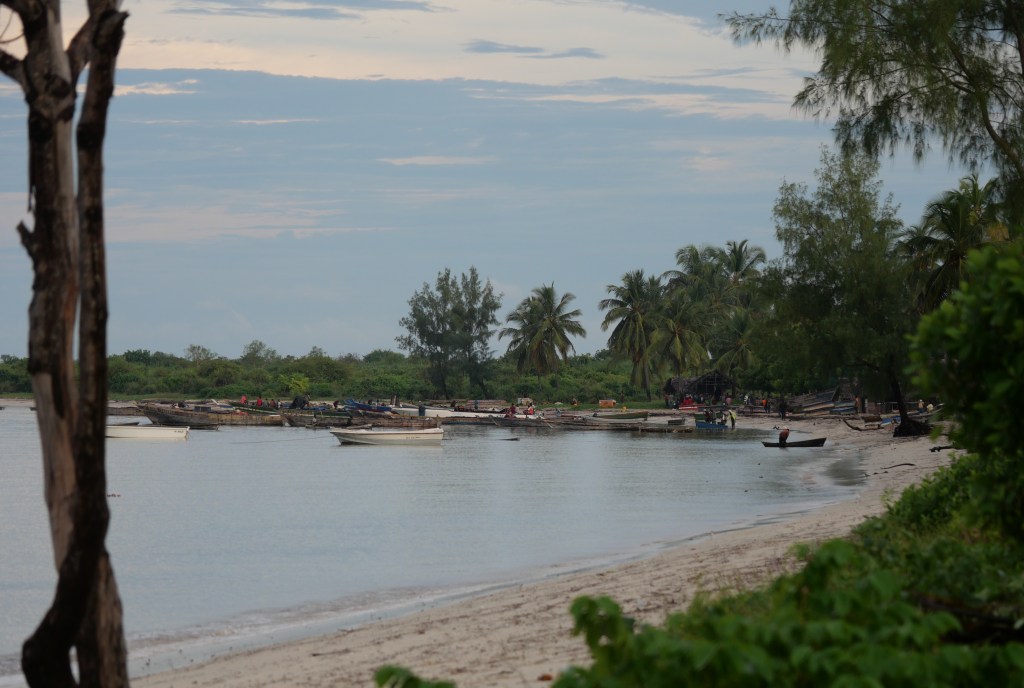
And to add insult to injury, by late afternoon the mosquitoes came out in force and despite liberal use of repellent we were both getting eaten alive.
Lilly came round to see us early in the evening with a book about the ruins for us to read. She said she felt so sorry for us in the rain that she wanted to let us use one of the lodge´s chalets so we could get dry. We gratefully accepted – not so much because of the rain but to get away from the pesky mosquitoes

We moved all our overnight stuff into the room and it felt like luxury being able to close the door on the wildlife, have a full sized double bed to sleep on and a clean, spacious, private bathroom all to ourselves. Although even in this lovely place the bed was damp and musty with the rain and humidity, but the mosquitoes were firmly shut outside so we didn´t care, we stretched out on the bed and watched movies all evening until we fell asleep.
When I woke up early the next morning the sky was a strange colour, a colour we hadn´t seen for a very long time….it was blue!
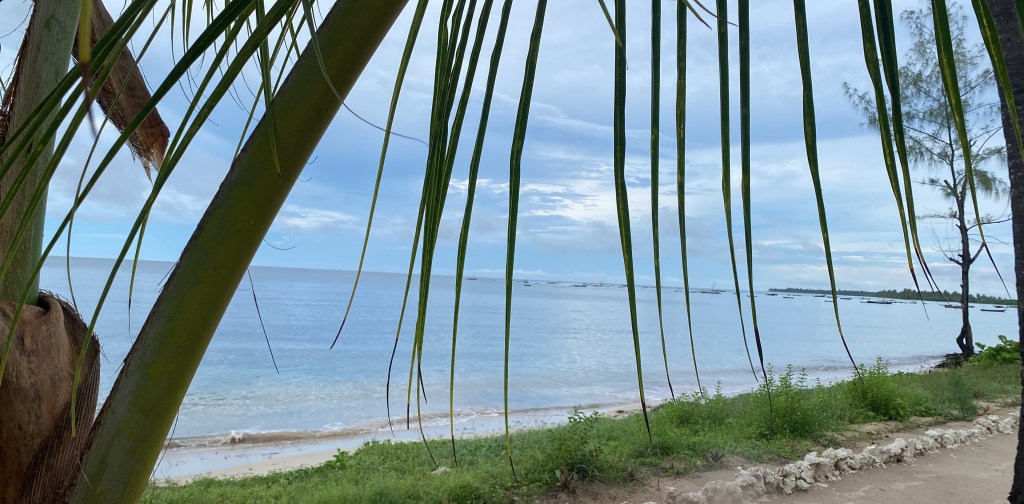
The sun came up over the horizon and warmed everything around us. I trained outside basking under the unfamiliar big yellow orb in the sky and we hung our clothes, towels, chairs and cushions out in the warmth to finally get dry.
And with the arrival of warm, dry air the mosquitoes vanished.
With all his doors left wide open even Henry started to dry out a little and with just a small amount of sunshine our moods lifted immensely.
Eventually we packed everything up and headed back to Ikwiriri and our friendly local hotel.
The flooding was as bad as ever, one morning of sun wasn´t going to make any impact on that. But the locals were making the most of it – in every village we saw the people standing in the water with fishing rods.
At one point I jumped out of Henry to take this picture of a whirlpool next to the road

And as I stood there one of the guys pulled a fish out of the water and held it up to me with a big grin on his face. In Africa there is no such thing as a bad day!
Back at the hotel there were no executive rooms available but the standard room was almost the same just a little smaller and pinker!
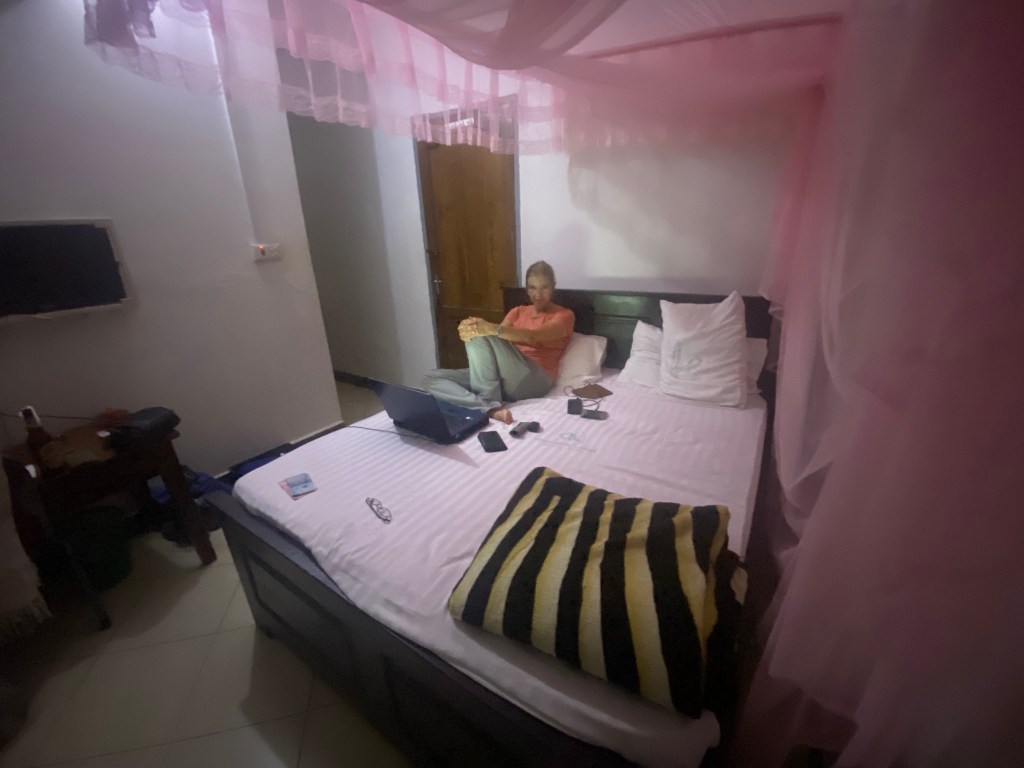
With a new friend bunking in with us

And the chicken and chips were still just as good.
As we left in the morning I realised that breakfast was included in the price but we were keen to get going so I stuffed fat balls and boiled eggs into my pockets!
We were aiming for a beach lodge on the southern outskirts of Dar es Salaam. The road there was slow going with heavy traffic and at one point a Landcruiser turned right just as a motorcyclist was overtaking – with the chaotic driving around here I´m surprised accidents like this don´t happen more often. The poor cyclist was knocked off with his motorbike crashing down on top of him. He lay in the road for a while until he was helped up and carefully assisted to sit away from the traffic. His leg was gashed so deeply that his bone was sticking out and his toes were pointing in the wrong direction. The driver of the Landcruiser was getting a severe talking to by the locals but it didn´t appear as though the authorities were going to get involved.
The beach lodge was at the end of a dirt road through an affluent looking town. There were rows and rows of little shops selling everything from beauty products to hardware. But despite our best efforts we couldn´t find a bath sponge for me (my old one got left in the apartment in Dar es Salaam) nor any vinegar to treat Henry´s new crop of mould.
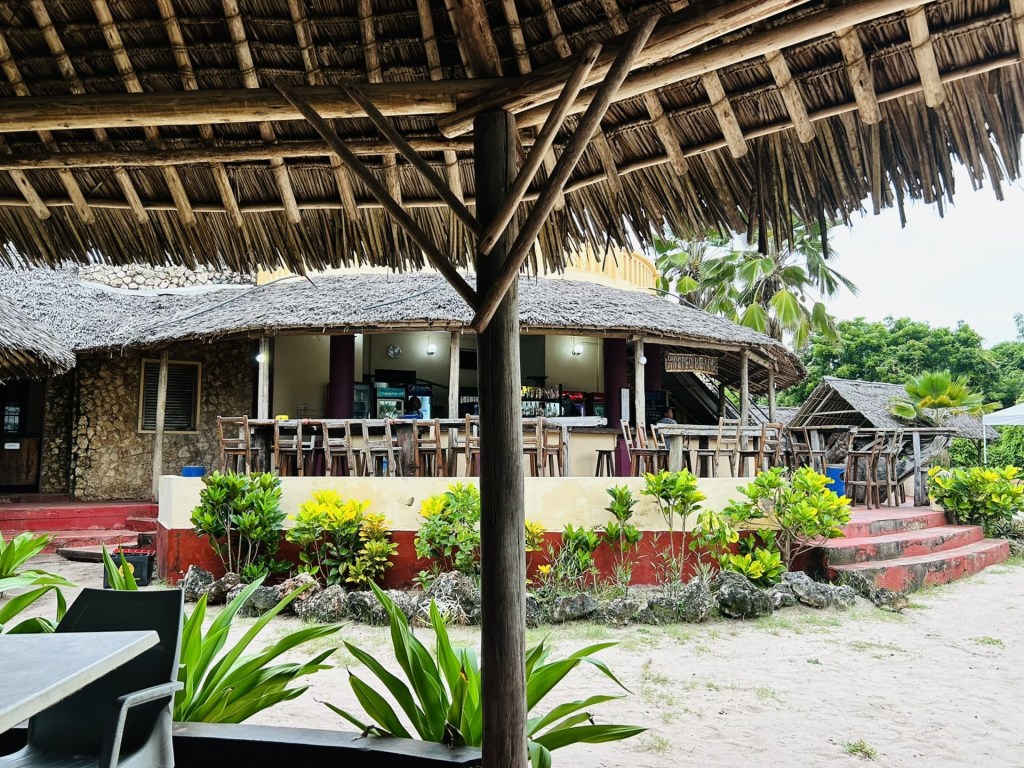
When we arrived at the lodge we were shown to a nice campsite with a lovely view

And settled ourselves in to the restaurant overlooking the beach where we ordered curry and made full use of their wifi to finally get my new iPhone up and running
It took hours to transfer all the data across but when it was finally done I was very impressed with it. The camera was even better than I had expected

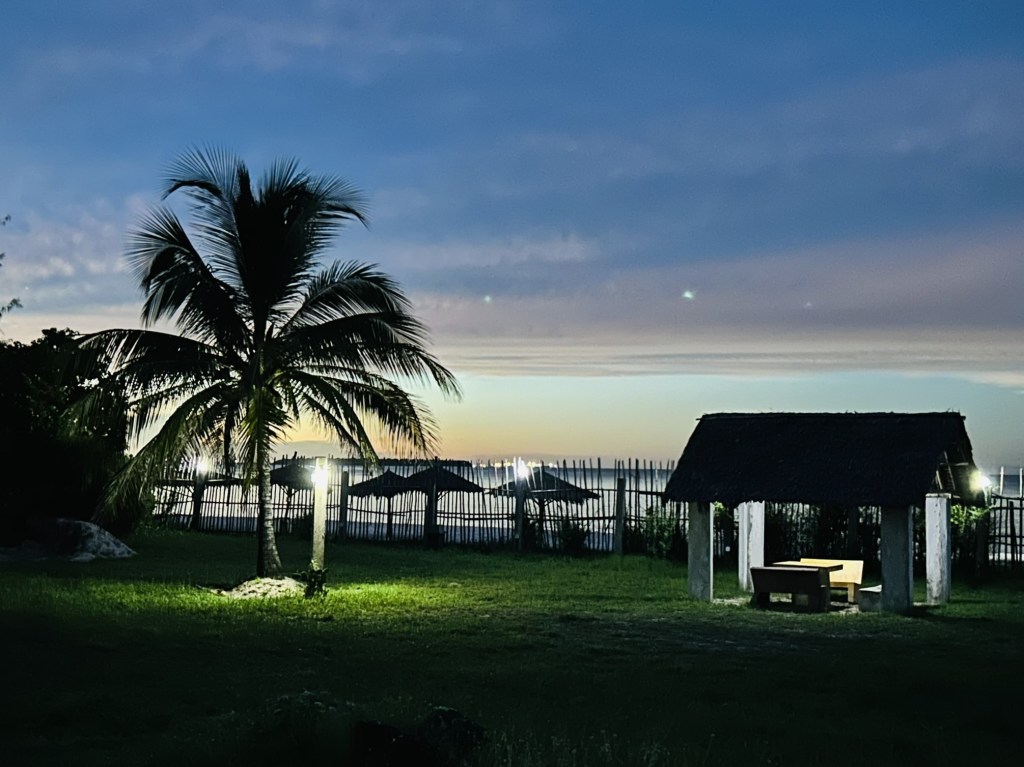
And just in time as well because this beach campsite was just a short pit-stop on our way to one of the most exciting parts of our Tanzanian adventure. We were on our way to the pristine sandy beaches of Zanzibar.
The ferry to the island goes from Dar es Salaam so we had two challenges in front of us. The first was running the gauntlet of the city traffic again but the bigger problem was where to leave Henry whilst we were away – he couldn´t fit into a seat on the passenger ferry and anyway Zanzibar is not a great place for driving a foreign car.
Fortunately this last problem had a potential solution. Lulu and Flo had pointed us in the direction of a hotel in Dar es Salaam listed on IOverlander as being cheap, safe and helpful. Apparently if you stay there on the night before you go to Zanzibar and again on the night you return then they are happy for you to leave your truck in their secure car park for free.
It was worth investigating.
So after one night at our beach lodge we steeled ourselves for the slow and difficult drive back into the city. Only this time the traffic was fairly good and we found ourselves on the twisty dirt roads leading to the hotel in no time at all
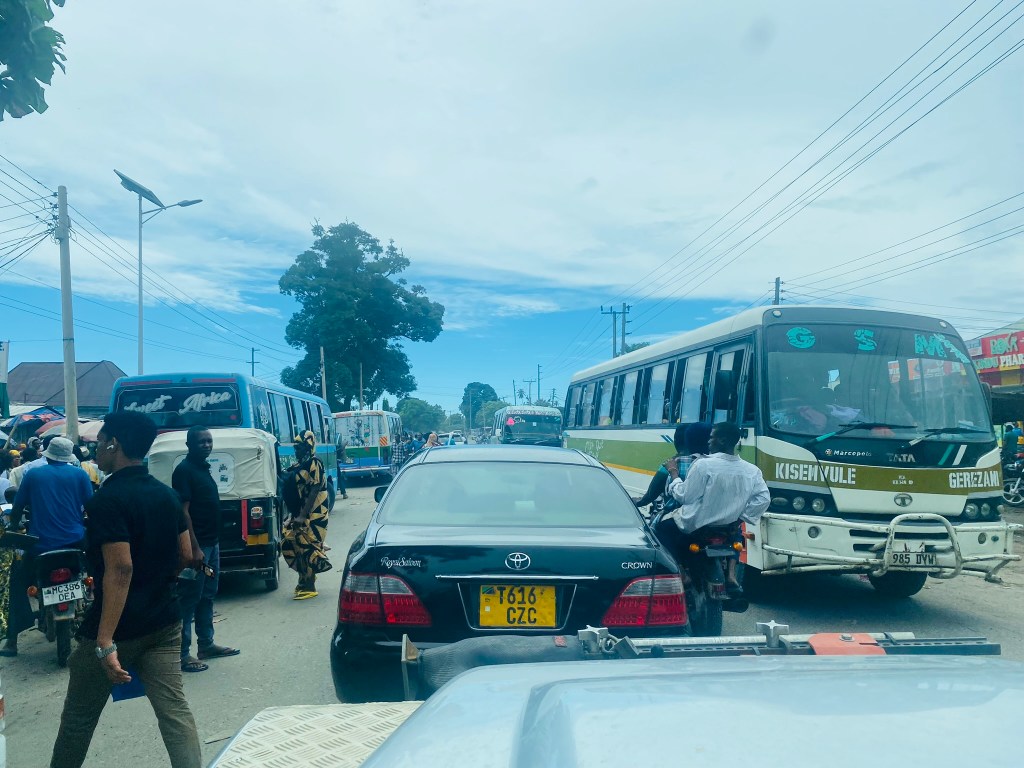
The area looked dubious but when we found the hotel itself it was nice. The manager was incredibly friendly and proudly showed me their secure car parking area. I was surprised at how large it was and with guards, high walls and huge gates there was no concern over Henry´s safety.
So we shook hands on the deal and Henry was parked up safe and sound in his new holiday home

We spent an hour or so packing the bag we use for our visits to the UK with everything we might need for a holiday on Zanzibar. We really had no idea how long we would stay but it would be at least a week, maybe as long as three. When we stay in a local hotel for the night we always forget to take something into the room with us and are regularly found walking back and forth to Henry to collect various important items. Once we were on Zanzibar there would be no ´popping back´ so we went through every drawer and cupboard at least once making sure nothing had been overlooked.
Eventually we were ready and settled ourselves into our room for the night. It was clean and comfortable but very basic – there would be nowhere for me to train in the morning and with a rusty shower head positioned directly over the toilet it seemed unlikely we would be sailing to Zanzibar very clean the next day!
But it was fine, it was friendly and safe and it was very convenient so we were happy.
At first!
Ramadan had just finished and we were therefore at the start of Eid. Everyone was celebrating and there was a good atmosphere around. But with the party atmosphere came the noise. Right next to the hotel was a bar that started playing live music at around 5pm. And in Africa music is not played quietly, ever! In fact you will generally find that whenever and wherever music is played – which is almost everywhere almost all the time – it is played at maximum volume no matter how many people are (willingly!) listening to it.
To say that the music was deafening really does not do it justice. It wasn´t bad music, in fact some of it was great, but it felt as though someone was smashing my head against a cymbal over and over again. There was no glass in the hotel windows, just badly fitting mosquito netting and the bar was right under our room. By 10pm I actually started to feel claustrophic and was having difficulty breathing as the noise was so intense and there was no way of getting away from it.
To make matters worse the bed was like a plank of wood and the pillows were like blocks of stone. I read until my eyes started to droop but as soon as I put my book down I found myself lying wide awake again staring at the ceiling with crossed eyes.
The music stopped at around 1am and the screaming and shouting stopped about half an hour later. But by then I was so wound up I ended up reading until half past two in the morning, about three hours before I normally get up!
We had both been asleep for about two hours when there was a knock on our door. It was 4:30am and at first we ignored it but it was persistent. Eventually James dragged himself out of bed to see what was going on. There was a member of the hotel staff standing there telling us our taxi had arrived. James told him we had booked a taxi to take us to the port at 10:30am not 4:30am. The man didn´t speak much English and didn´t seem to understand so James just shook his head, said no and shut the door. Just as he had got back into bed there was another loud knock. It was a different member of staff who spoke slightly better English. He repeated the message that our taxi had arrived but this time when James told him it was booked for 10:30am the man´s face lit up with understanding.
Some of you may know this, we didn´t until we arrived in Tanzania. The muslim day starts at sunset, which at this time of year in this part of the world is around 6pm. So 6pm is the equivalent of midnight and therefore 4:30am is 10:30am. Tanzania has a strong muslim influence but even so all the clocks around the country give the correct time accordingly to international convention, in fact we had only come across one other person who used the muslim time and that was the guide at the Mikumi national park who told us our half day game drive would finish at 7pm meaning 1pm.
Just our luck that the second time we came across the muslim time convention was at 4:30am when we had only managed to get to sleep two hours earlier!
Needless to say after all that neither of us got much sleep again until the sun came up and we gave up trying.
We were absolutely exhausted, bleary eyed and had ringing headaches. But none of that mattered. The frustrations of the night were put aside as we picked up our bags and headed downstairs to meet our new taxi. We were going to Zanzibar…..!!
 The Sidetracked Sagas
One response to “Beaches and History”
So interested to read about your visit to the ruins. I hadn’t realised they were there! Saw similar stuff in Zanzibar which I loved!
LikeLike