We had seen Shoebills and hot springs, Gorillas and crater lakes. We had gone from the bustling capital city of Kampala to the serene swamps of Entebbe via the equator. Uganda is a remarkable country and we were lapping it up. We could have stayed for months but time was ticking on and we had to admit to ourselves that if we really were going to travel the world we had to leave Africa at some point. That point was starting to loom on the horizon.
The realisation that the rest of my life was not actually going to be spent in Africa was both devastating and exciting in equal measure. When I thought about visiting the Balkans, the Stans, Far East Asia….my heart fluttered and my itchy feet pulled me forward. When I thought about leaving Africa my feet turned into lead and my heart was ripping in two.
We were nearly at the end of our Ugandan adventure, about to head into Kenya. Plan A had been to go from Kenya to Ethiopia to Sudan and then on a ferry to Saudi Arabia. But plans have a tendency to change rapidly when you´re a nomad.
A hardening of the Ethiopian importation laws meant that Henry could not enter without costing us five times his value in import duty. Many Overlanders had been stuck on the Kenya/Ethiopia border when the change happened 18 months ago. Since then ideas had been formulating amongst various agencies to circumvent the problem and let tourists through but, just as things started to move forwards, Sudan erupted in civil war and became a no-go area. So travellers like us lost heart and everyone started shipping directly out of Kenya, leaving the more northern countries alone.
This was our Plan B and as such Kenya was to be our last African country. Time seemed to be speeding up at a remarkable pace as the enormity of the change our lives were about to undergo started to sink in.
Was this the beginning of the end? Or just the end of the beginning? My brain was struggling to take it in.
But for now we were still in Uganda, still in Africa, and we were determined to make the most of every day.
Having spent the morning wandering around the Ssezibwa Falls we called our friendly security guard to come back and guide us out to the main road again – the way in had been down such overgrown, winding paths we would never have got out on our own!
From there it was a short drive to the town of Jinja – pronounced ´ginger´
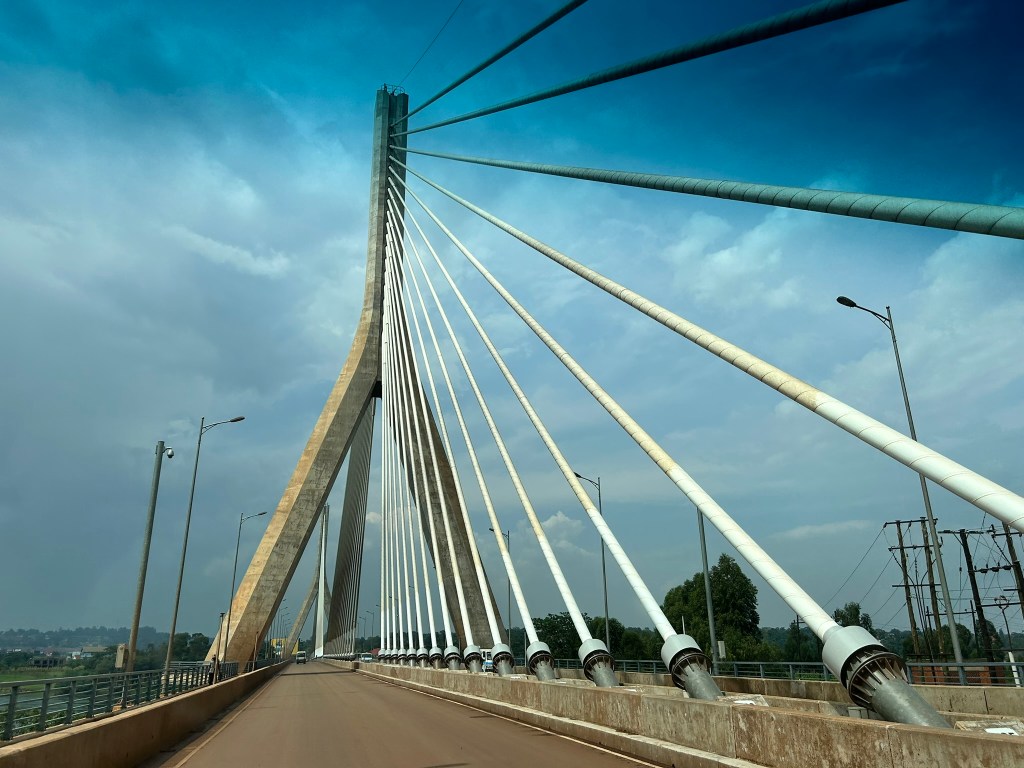
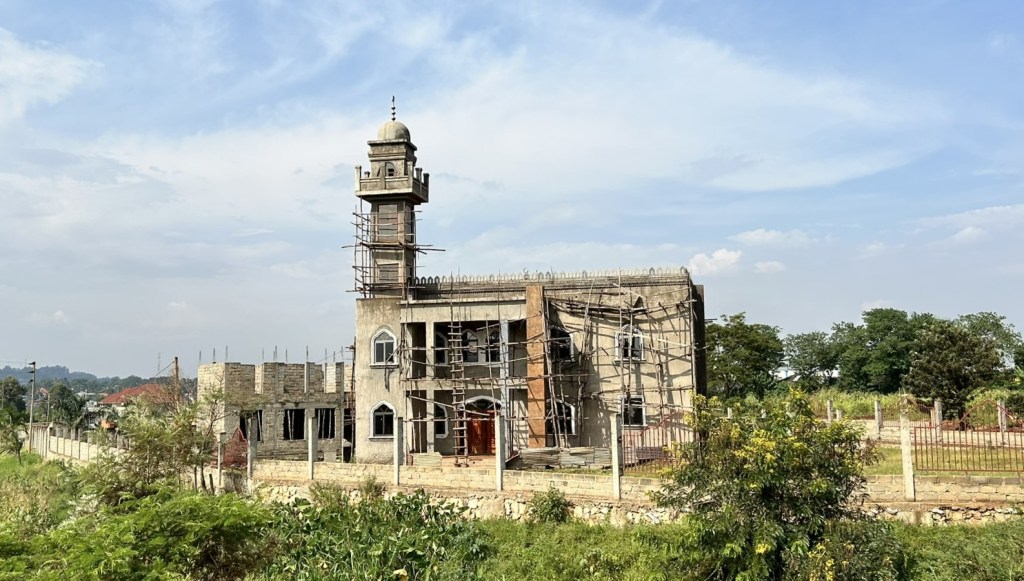
Jinja is a nice town on the banks of Lake Victoria with a small railway museum but that is not the reason why tourists like us visit. The claim to fame of this place is that it is officially located at the Source of the Nile. Water bubbles up from underneath Lake Victoria before starting its 4,000 mile journey north to Egypt and the Mediterranean creating the world´s longest river. It was a site that was too historic to miss.
We had chosen to stay at the Living Waters Resort which was right by the Speke Monument and the closest point to the boats heading for the source itself. When we arrived it was beautiful
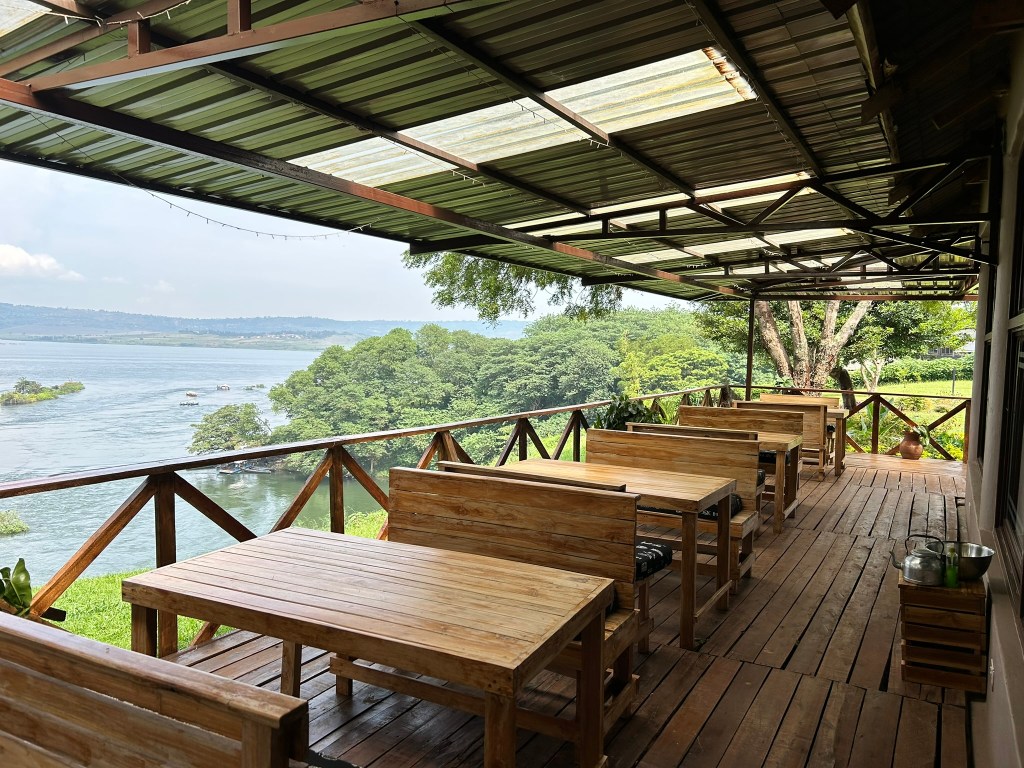
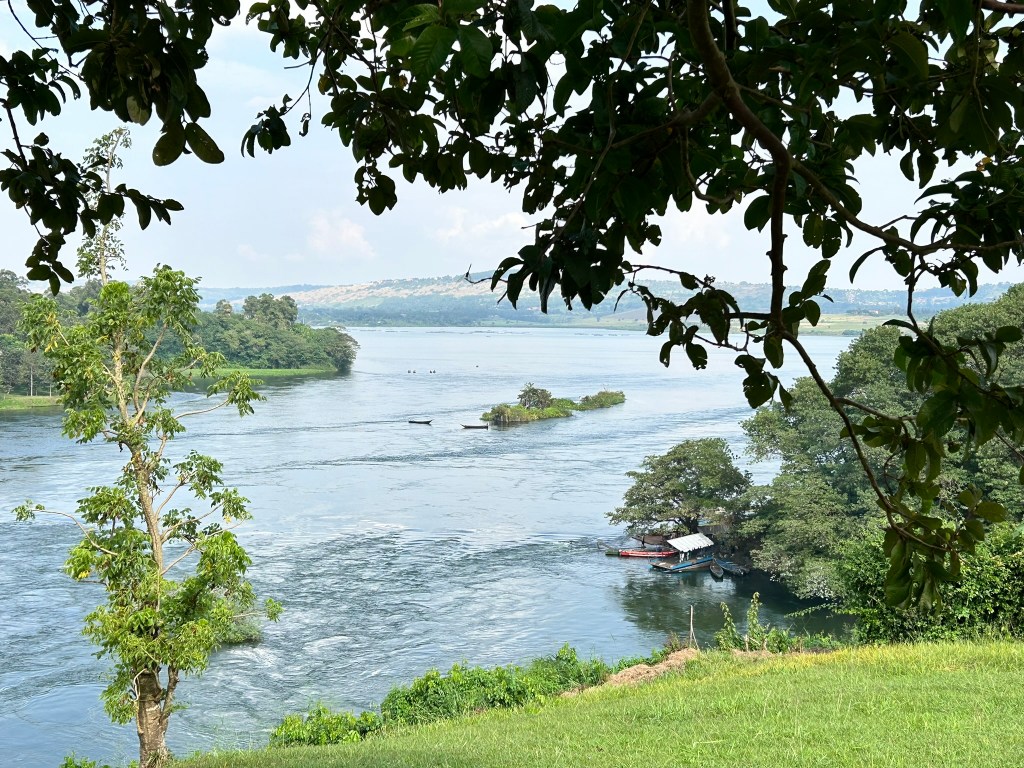
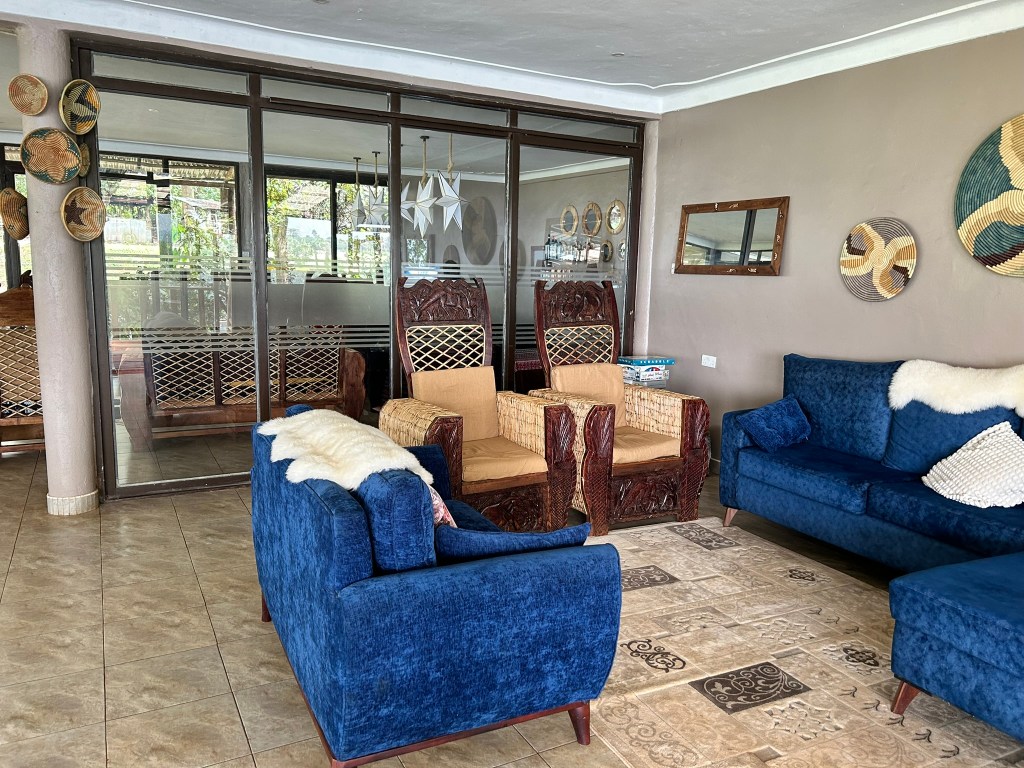
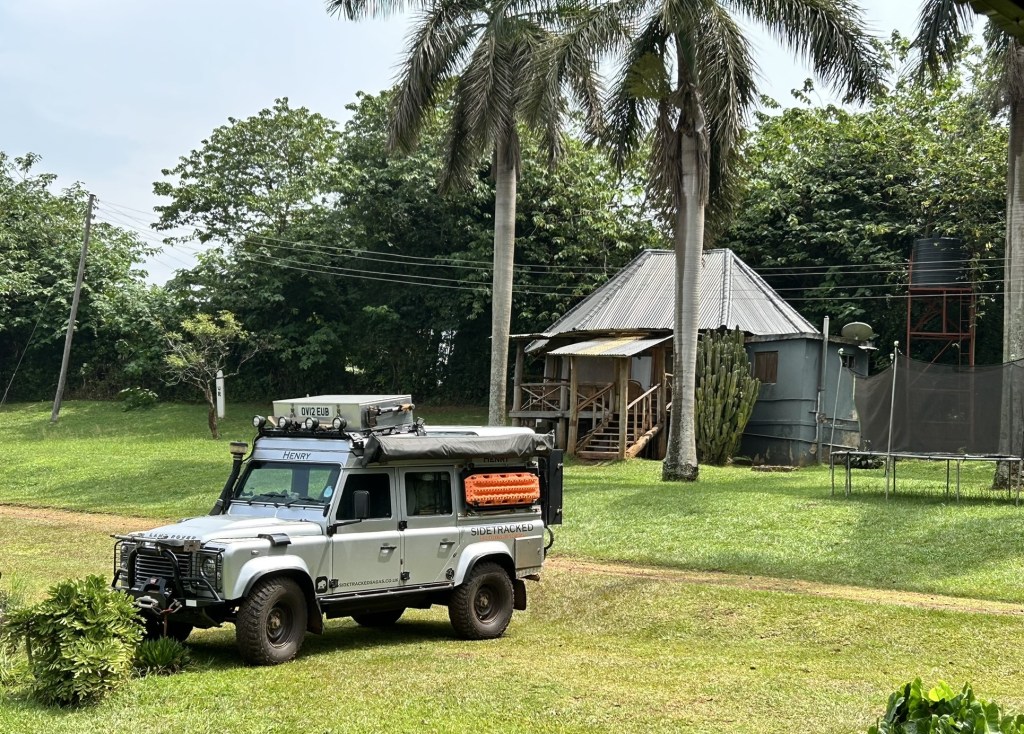
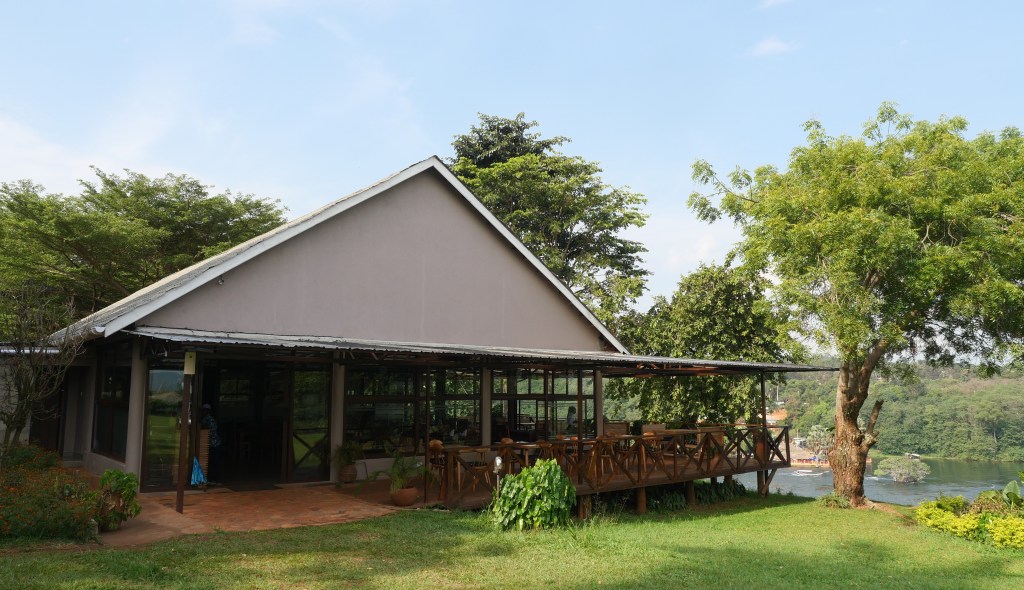
We parked up on the campsite but had a bit of a challenge getting access to a toilet and shower. Eventually the owner´s son was thrown out of a chalet and we were given the keys!
We had an amusing lunch at the restaurant. The staff brought me chicken curry and swore blind it was chicken pesto pasta. I asked where the pasta was never mind the pesto and they pointed to potatoes in curry sauce. Eventually the manager came over and sorted things out, bringing me a delicious pesto pasta and apologising for the ´new´ staff with a wry smile
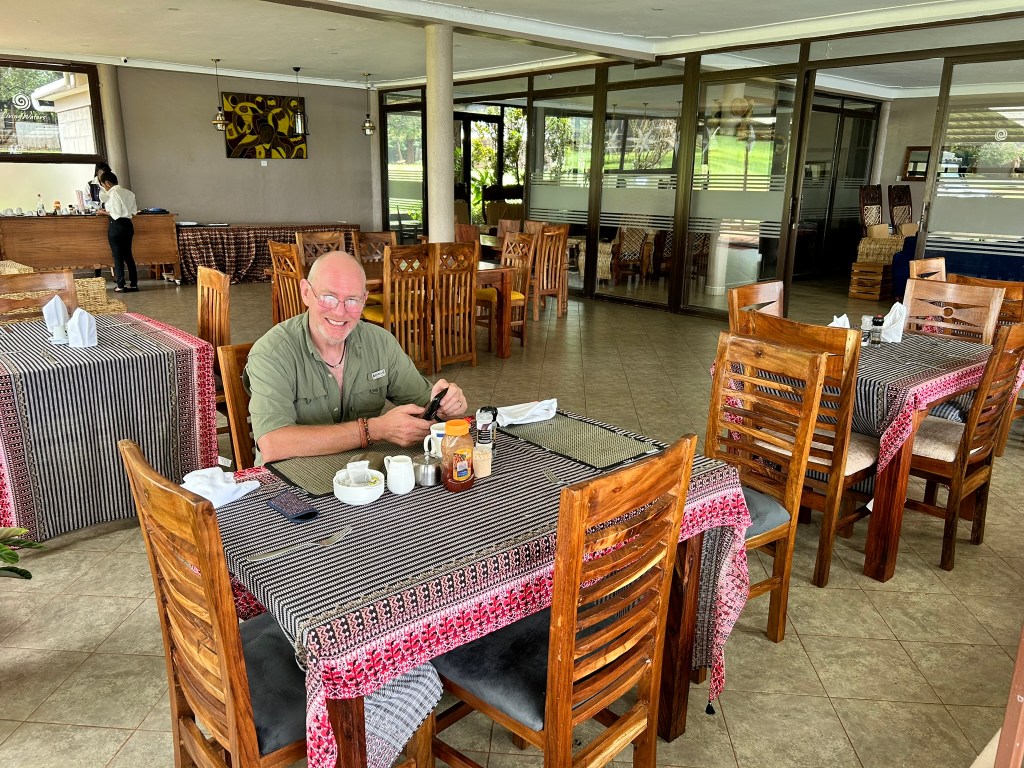
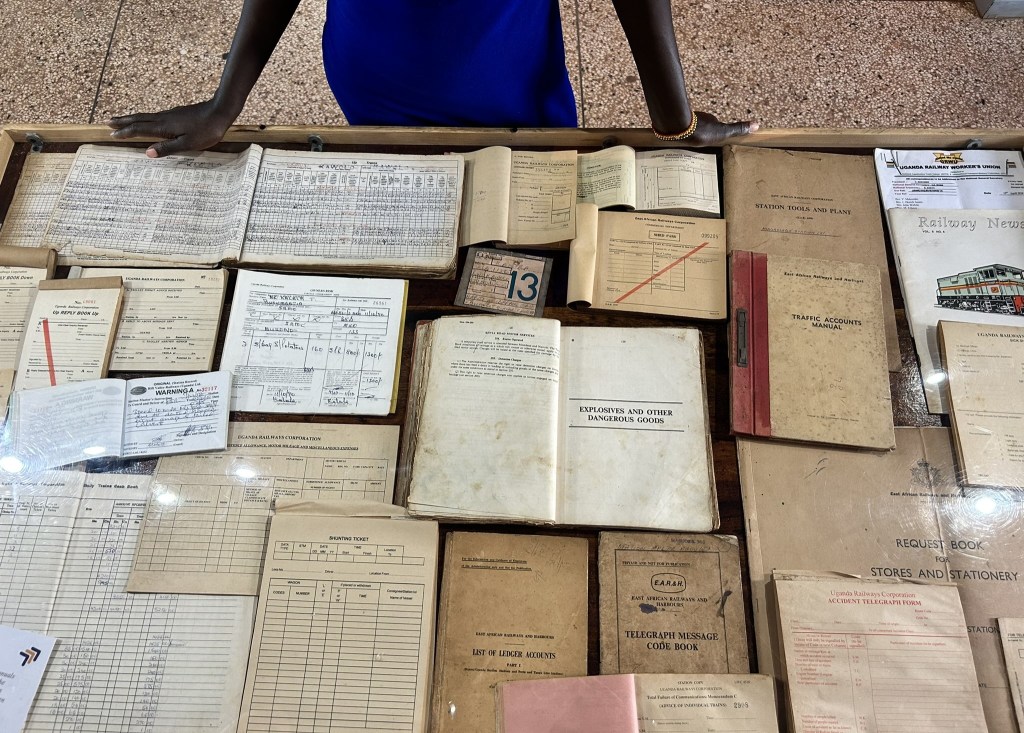
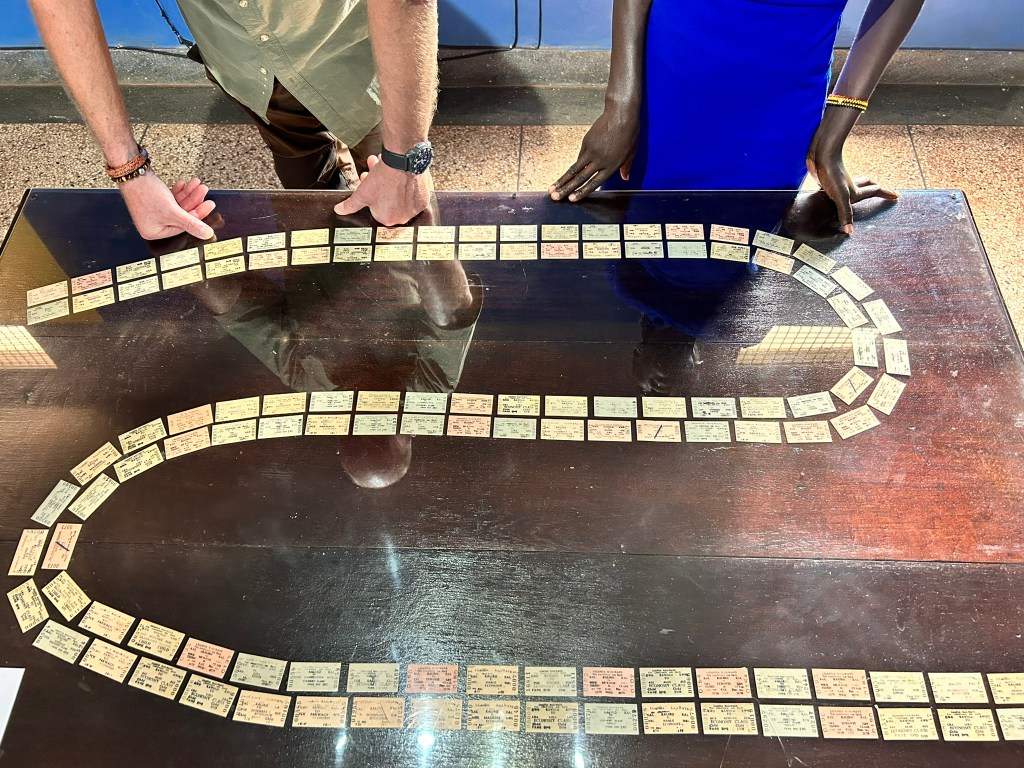
After eating so much that I felt rather sick, we headed off to the railway museum.
It was wonderful
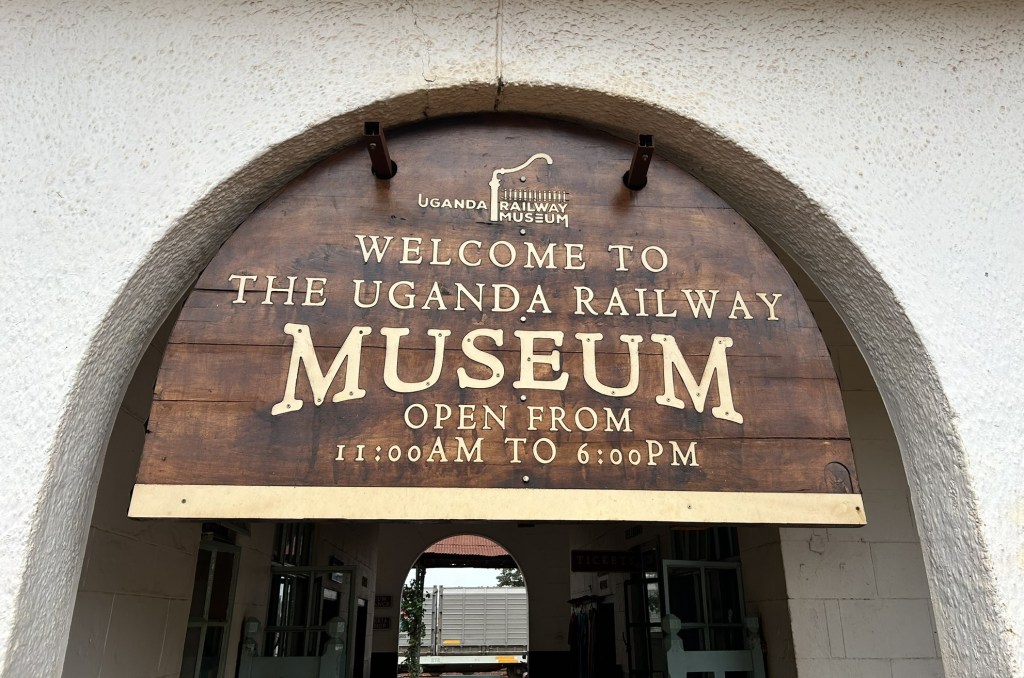
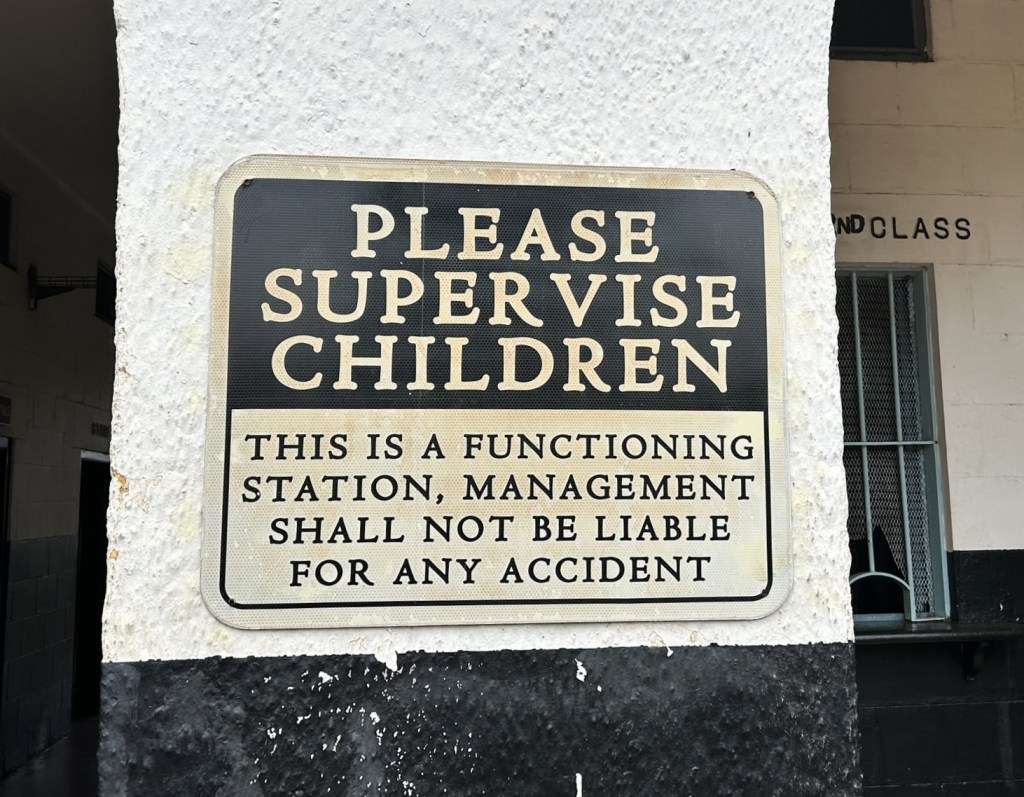
Packed full of railway memorabilia
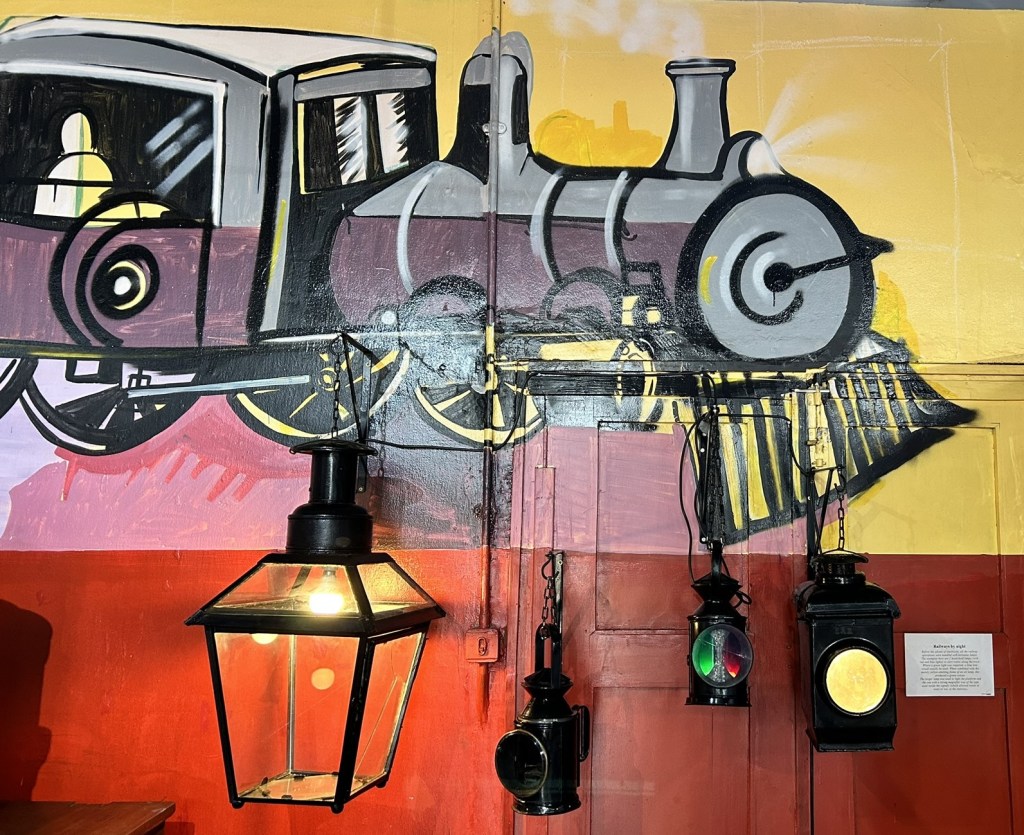
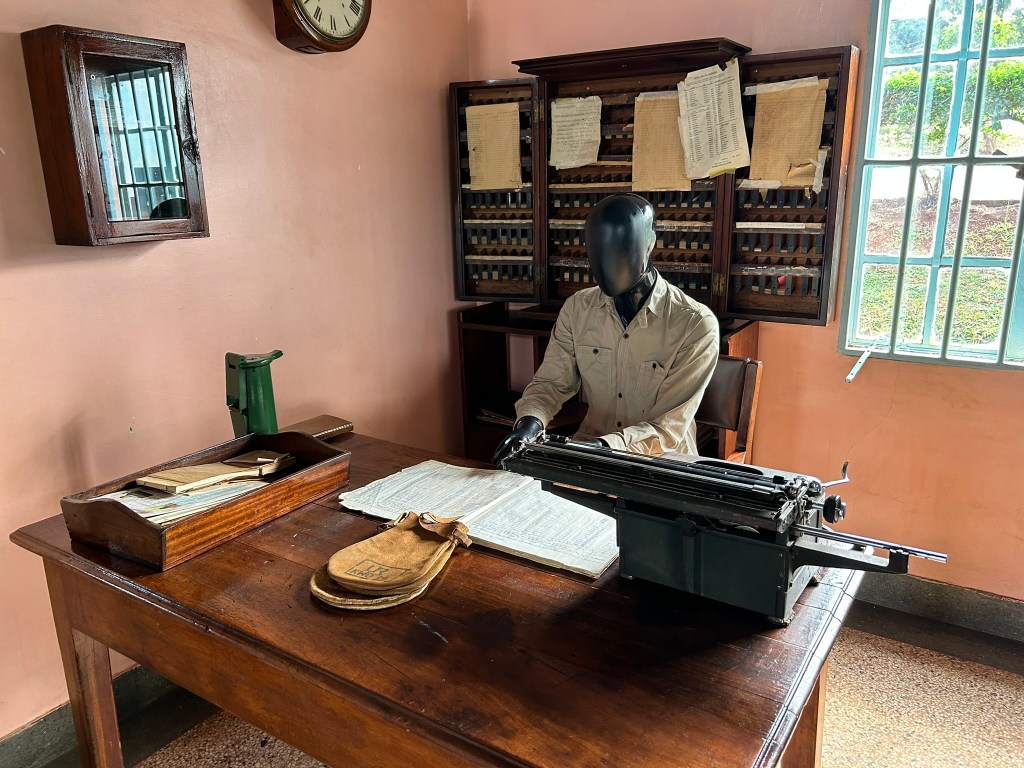

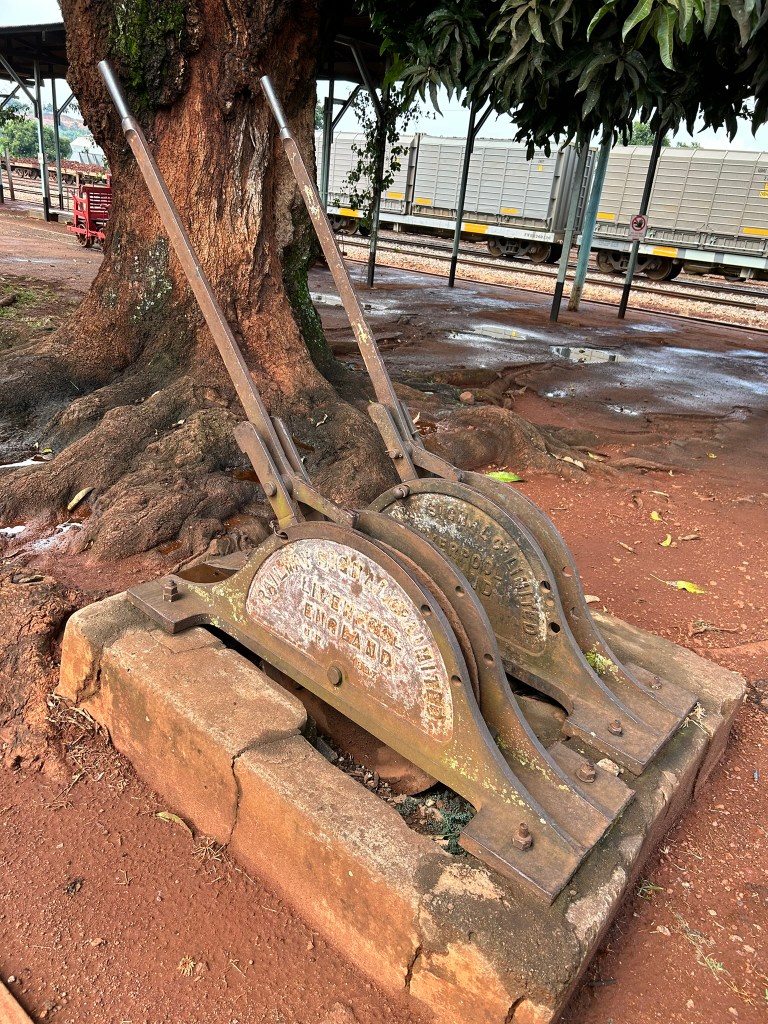
Including an old train where we sat and watched a short film about the history of the railways in Uganda

Our guide was brilliant and really made the most of our visit
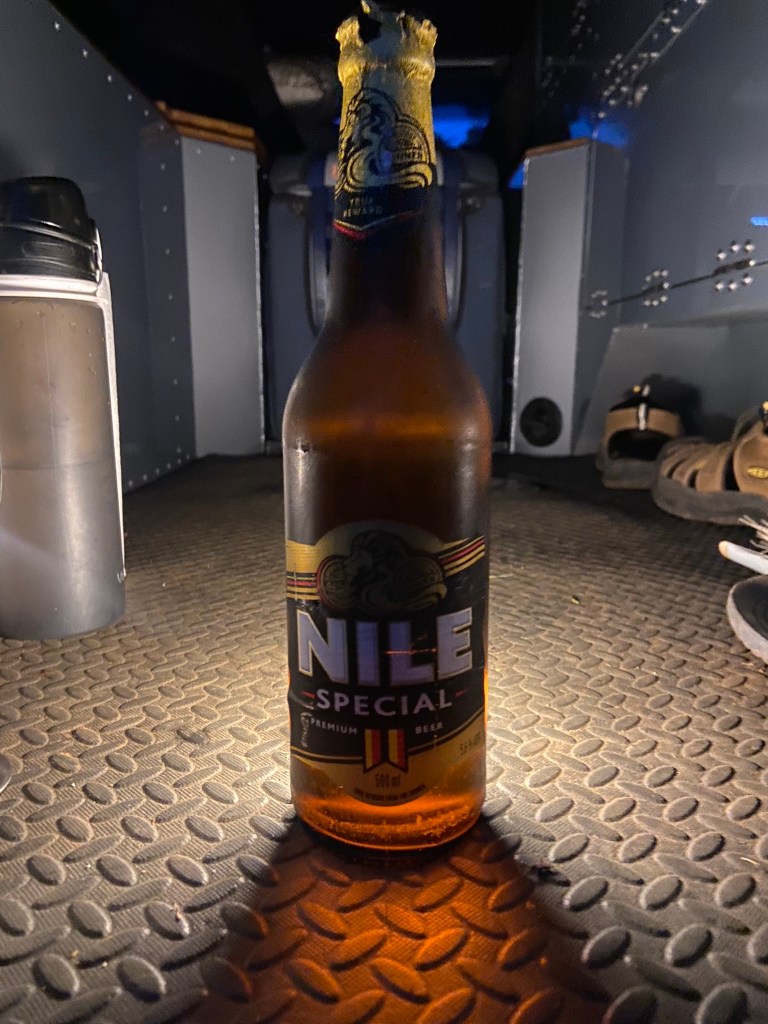
Back at the campsite we were still too full from lunch to want anything much for dinner so James prepared a cheese and wine party for two as the sun went down
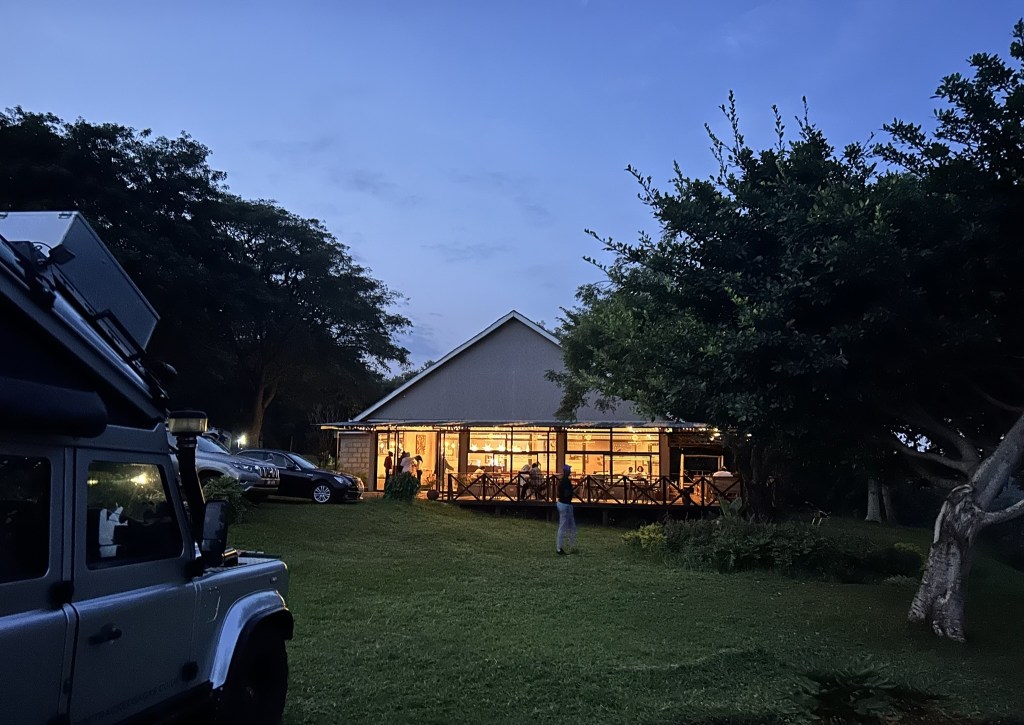
The next day we had organised a boat trip to the Source of the Nile for 10am but when we woke up it was pouring down with rain. The guide was happy to delay the start until the weather cleared so we spent the morning in the restaurant watching the rain splashing down around us
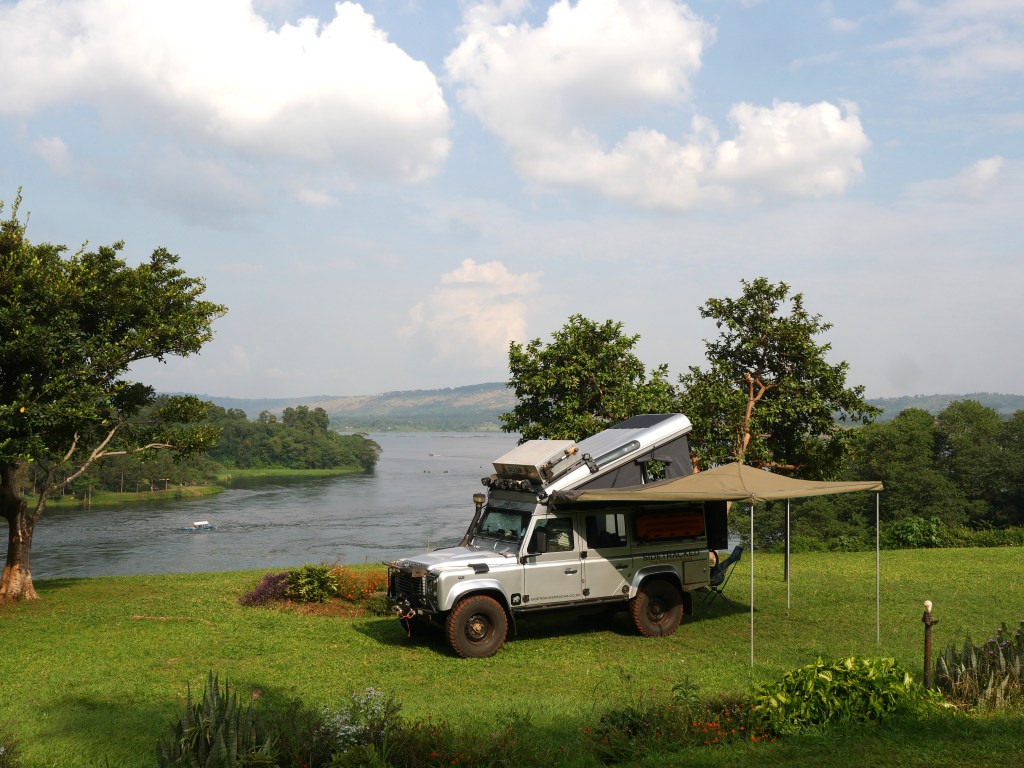

Eventually the sun came out and we boarded our boat, the waters of the lake sloshing around us after the rains
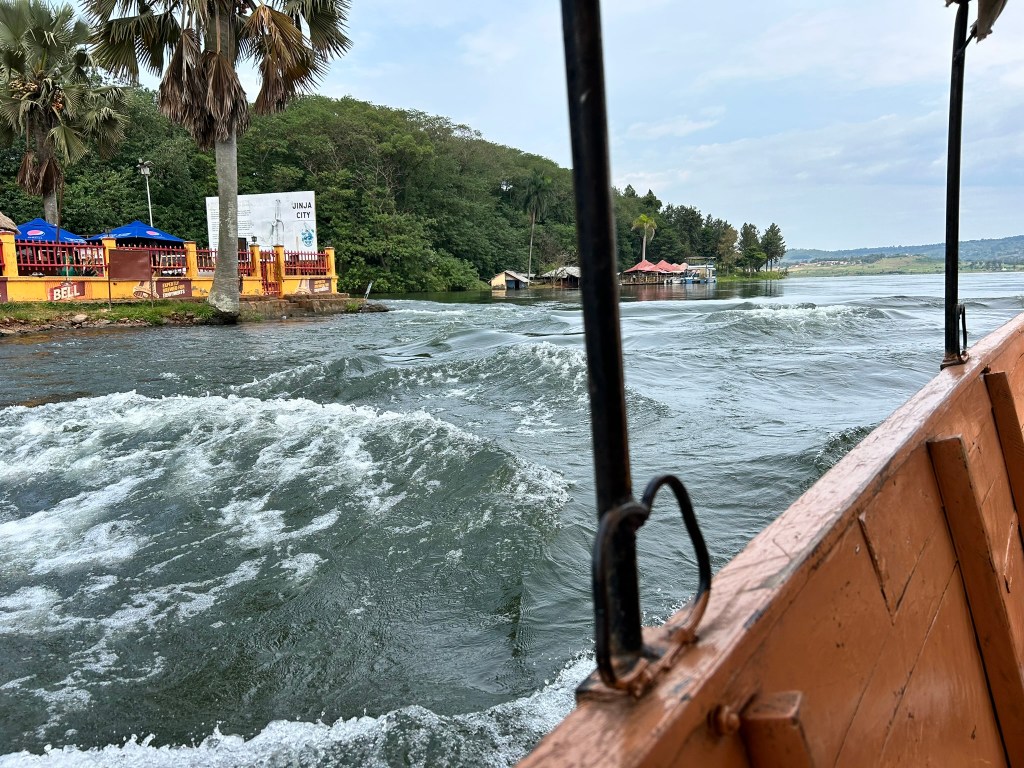

Once we reached the Source, seeing the water swirling around in a large circle as it bubbled up from 8 metres underneath was interesting
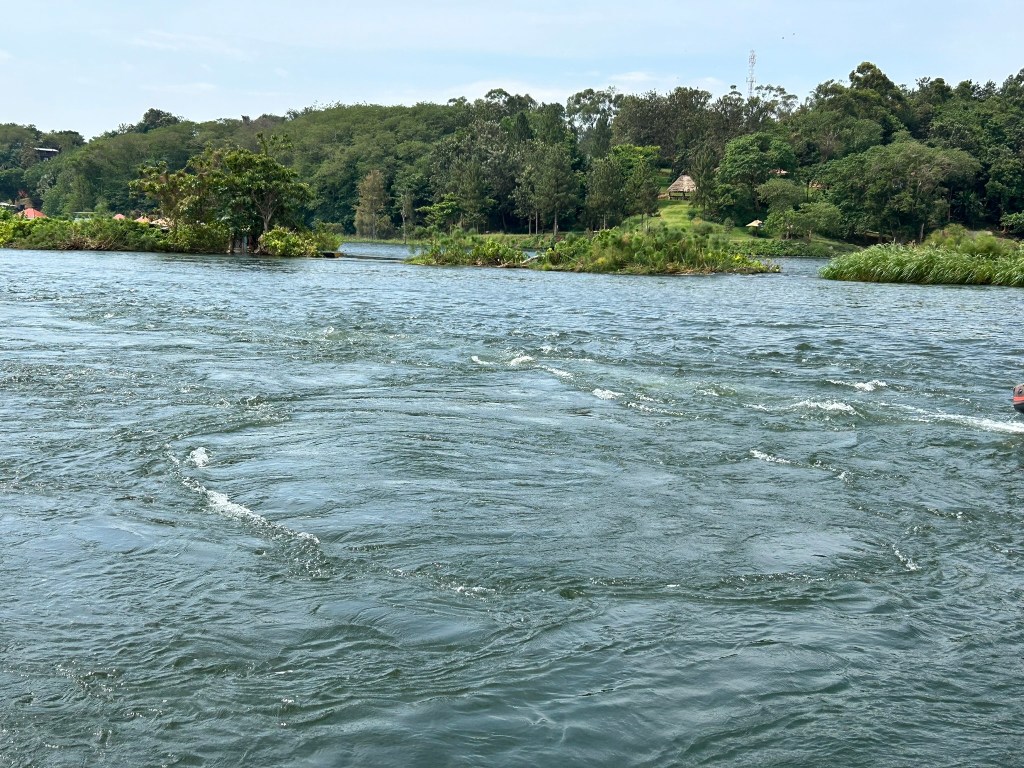
We were taken to a pontoon where locals tried unsuccessfully to sell us various bits of Nile memorabilia and there was a plaque confirming where we were

But overall it was not the most exciting or memorable event….
Back on dry land we wandered up to see the Speke Monument built to commemorate the explorer John Hanning Speke who was the first person to propose that this was the source of the Nile in 1856

It´s always difficult to get too excited about memorials to Europeans who ´discovered´ parts of Africa that the local people had known existed for millennia but in this instance there did seem something worthwhile about his efforts in pin-pointing where the Nile actually starts.
As we walked back to the campsite we saw that another overland vehicle had come in and parked right next to us. James has an amazing memory for vehicles and was sure we had seen this one before. My memory works better with faces and just at the point James remembered where we had come across them the two owners appeared and we both exclaimed in astonishment at the same time.
Nine months ago and over 4,000km away, I had been coming out of the shower block at Urban Camp in Namibia the day after my first operation for a blood clot. I had been in so much pain that I nearly collapsed and another camper had caught me and called James over to help. That same woman and her husband were now standing in front of us in Uganda trying desperately to place us. When we reminded them of the event their faces broke out in broad smiles and we hugged in pleasure to see old friends again.
We spent the rest of the evening with them chatting about our respective travels, where we had been, where we were going, how our vehicles were doing. It was wonderful
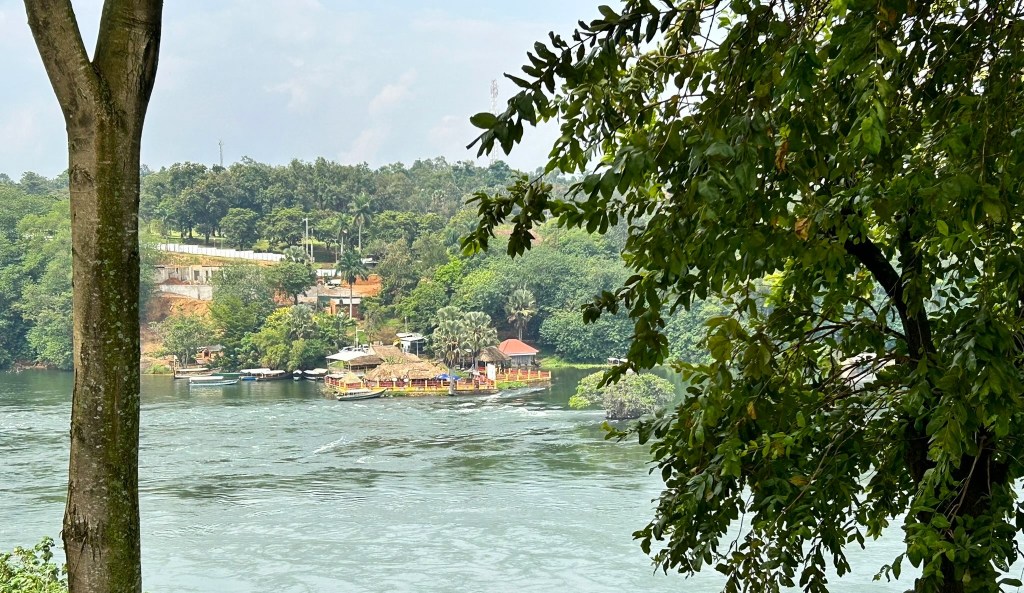
Jinja is just over two hours from the Kenyan border. There are a multitude of things to do between the two and a hundred things we could have gone back north or west to see. But we had booked our flights to the UK and were now on a schedule. We had to start being a little more focussed in our travels and it was both exciting to be cramming our days so full and depressing to be watching the clock and counting the days we had left.
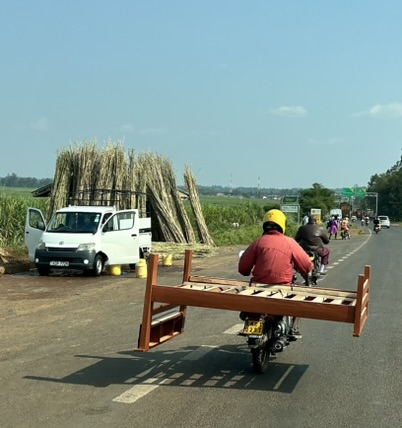
Our Kenyan authorisations to travel had come through relatively quickly and painlessly a few days earlier so after saying goodbye to our friends we set sail for the border, impressed as ever at what the locals decide to carry on their bicycles!
Kenya is a place which I doubt needs much introduction. The country that invented the safari, the location of the films Out of Africa and Born Free. The Masai Mara, the Great Rift Valley, Mount Kenya. Not to mention the sweeping, white sandy beaches. It is the dream destination for anyone who wants to see wildlife or just re-live the colonial past.
It is also renowned for aggressive police and corruption. Any traffic infringement can see you spending a night – or a week-end – in a cell with fines in the hundreds of dollars and I had been half expecting our authorisations to travel to be refused for some technical point just to make us pay a second time.
Whilst we had learnt our lesson in terms of believing the hype about problems and corruption in various countries from Guinea to Tanzania, we knew enough people who had recently been travelling in Kenya to know that we needed to be on our best behaviour.
The border was fine, rather confusing and we got adopted by a fixer who wouldn´t take no for an answer, but the lady at customs was very helpful and friendly. We had to walk nearly a kilometer in the scorching midday heat to get to a bank to pay Henry´s tax but it was straight forward enough – although I do think I accidentally jumped the queue in the bank, but no-one seemed to mind.
When we finally got everything sorted out and were ready to leave, the border security guard came over to do the final search of Henry. He looked severe and we were ready for problems. But when we opened the back door and showed him around he said it looked like a little house. We smiled and said yes, it had been our home for the last three years. He looked bemused, stared inside again for a few moments then waived us on our way without so much as opening a cupboard!
It was a two hour drive to the Kakamega Forest and a remarkably cheap campsite where we hoped we could organise a walk through the forest itself. I sent a text to the manager as we left the border to confirm we were safely in Kenya and on our way. To my horror he replied telling me that I had booked for the following month and when I checked back through my messages I realised he was right – time was clearly starting to elude me these days.
But he was lovely about it and welcomed us anyway, saying they wouldn´t be as well prepared for us as they had planned but that they had plenty of space to accommodate us.
When we arrived we met the manager, Smith, and Abraham who was one of the walking guides. We laughed about the confusion and chatted to them for a while about the history of the forest and current conservation efforts.
Abraham took us for a walk into the forest the following day
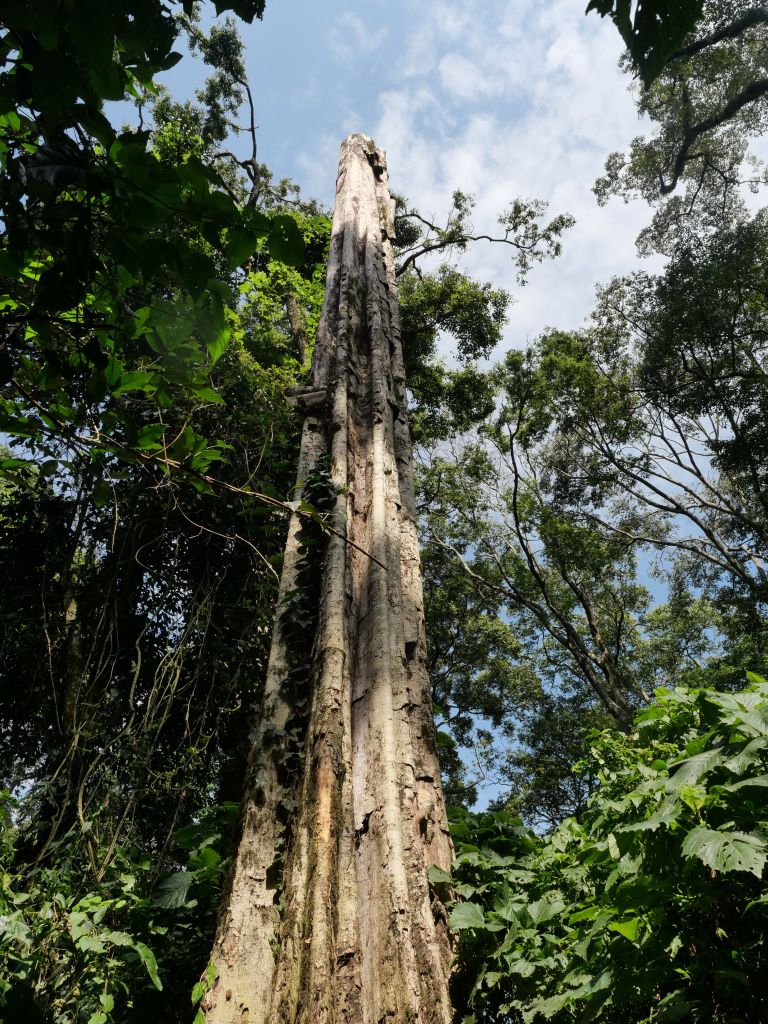
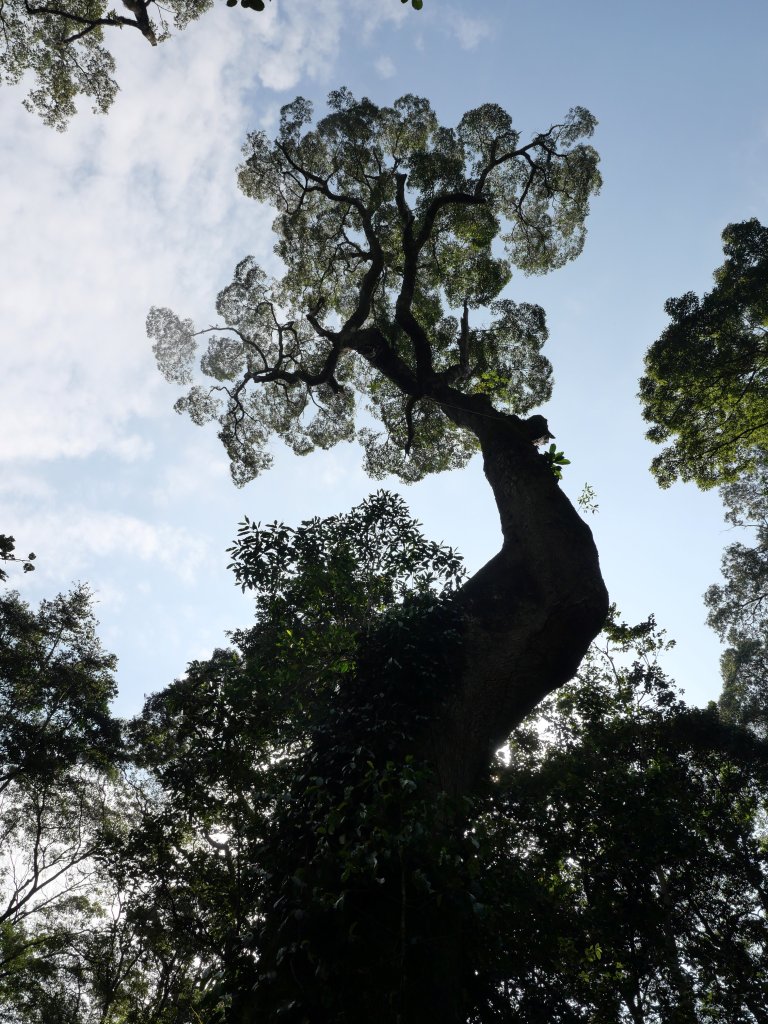
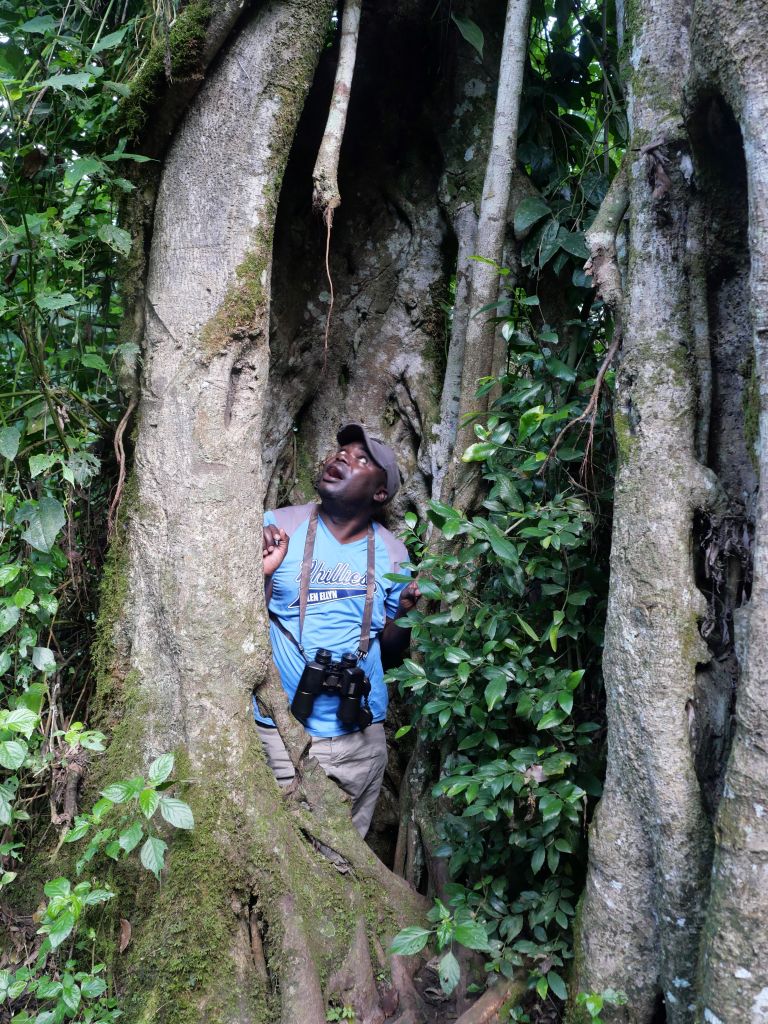
He was incredibly knowledgeable and well educated. We learnt a great deal from him about how difficult it is to manage conservation efforts – not only to keep enough money coming in but also to know how to spend it wisely. He told us about a variety of projects they had trialled, some of which succeeded but many of which had failed
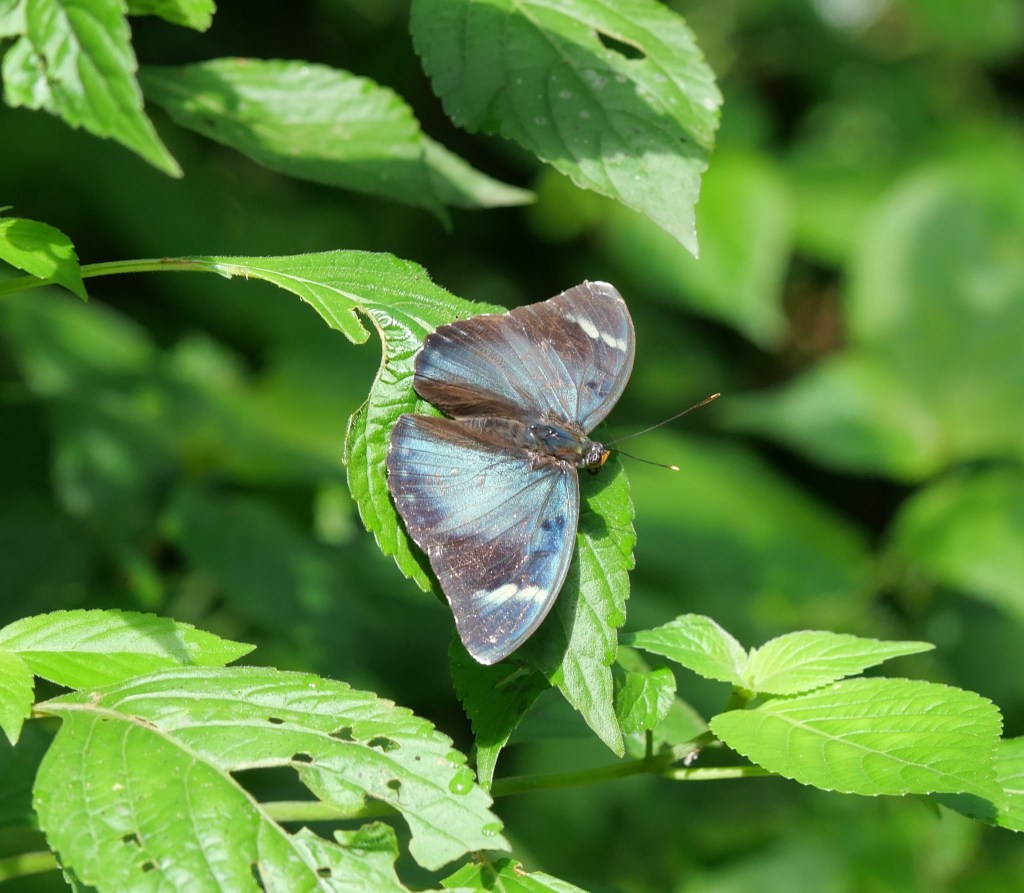
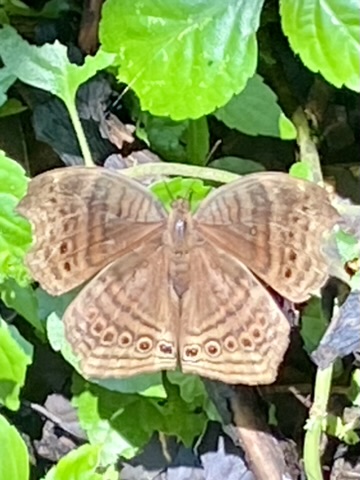
We saw a huge variety of butterflies

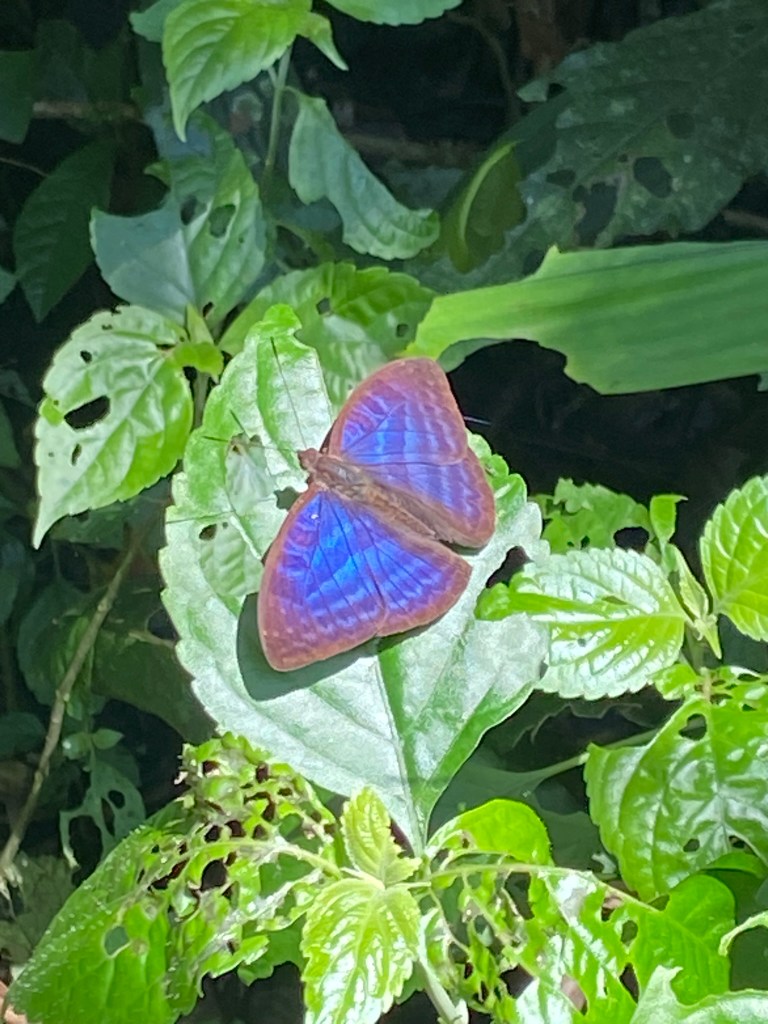
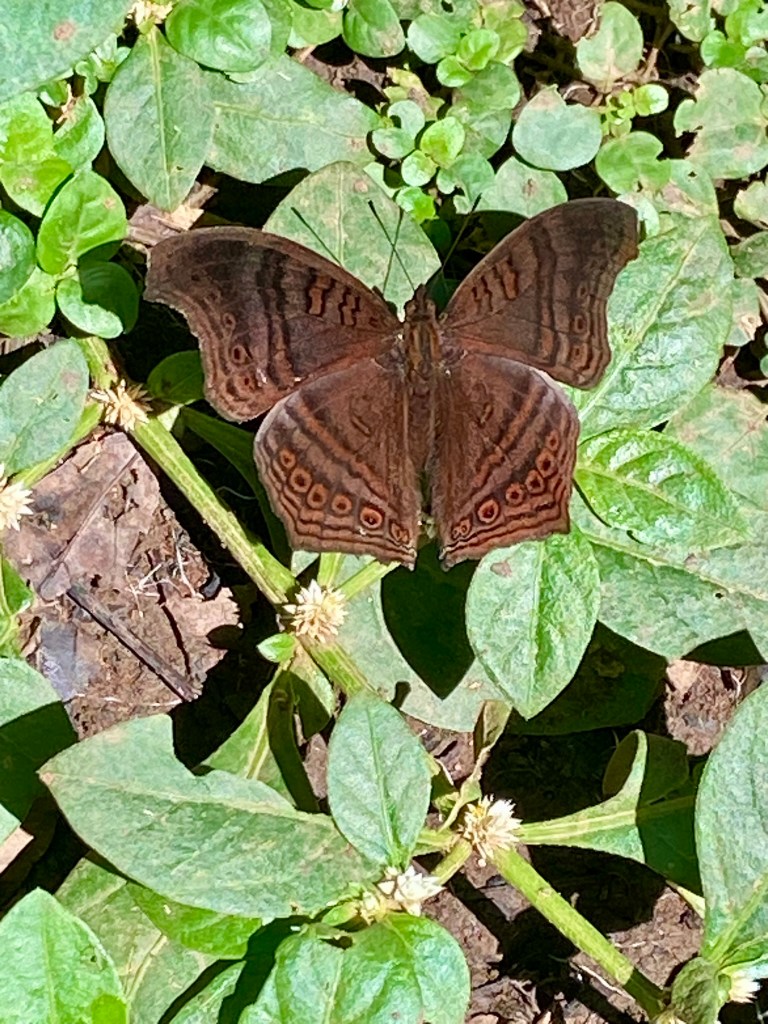
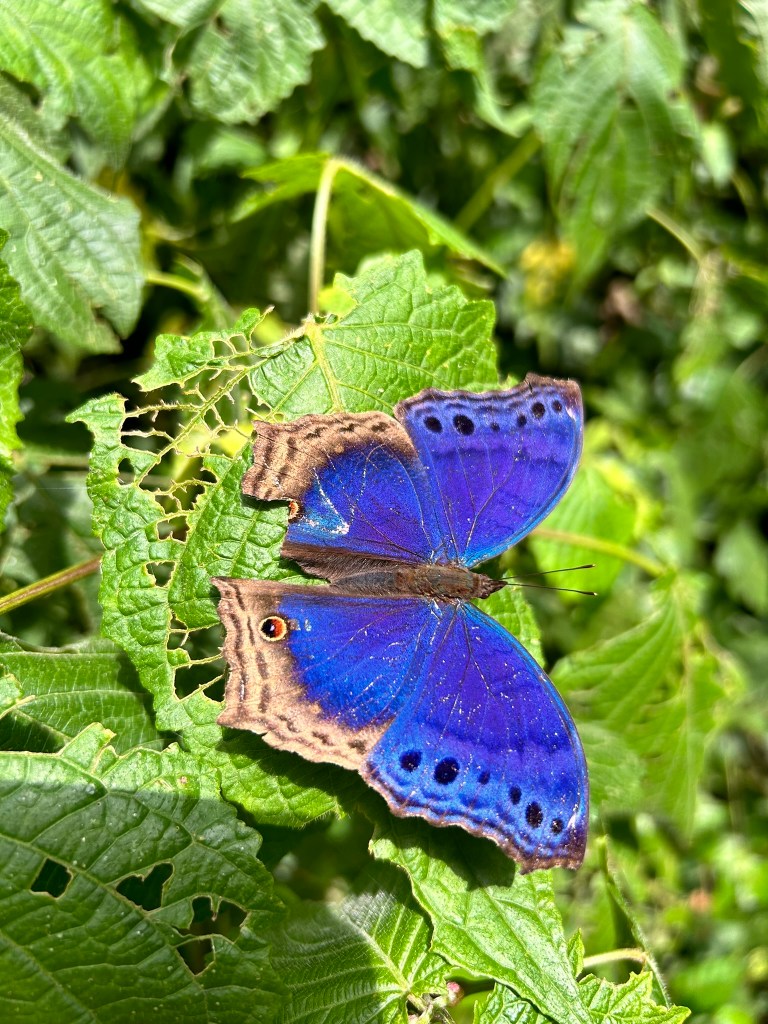
As well as birds

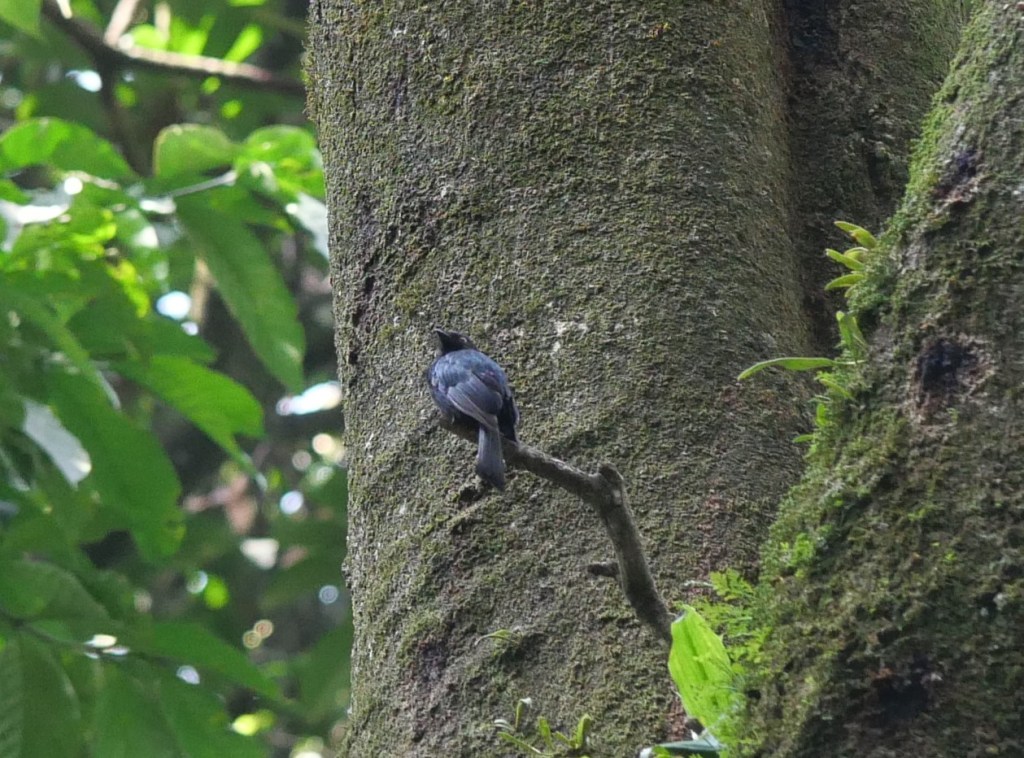
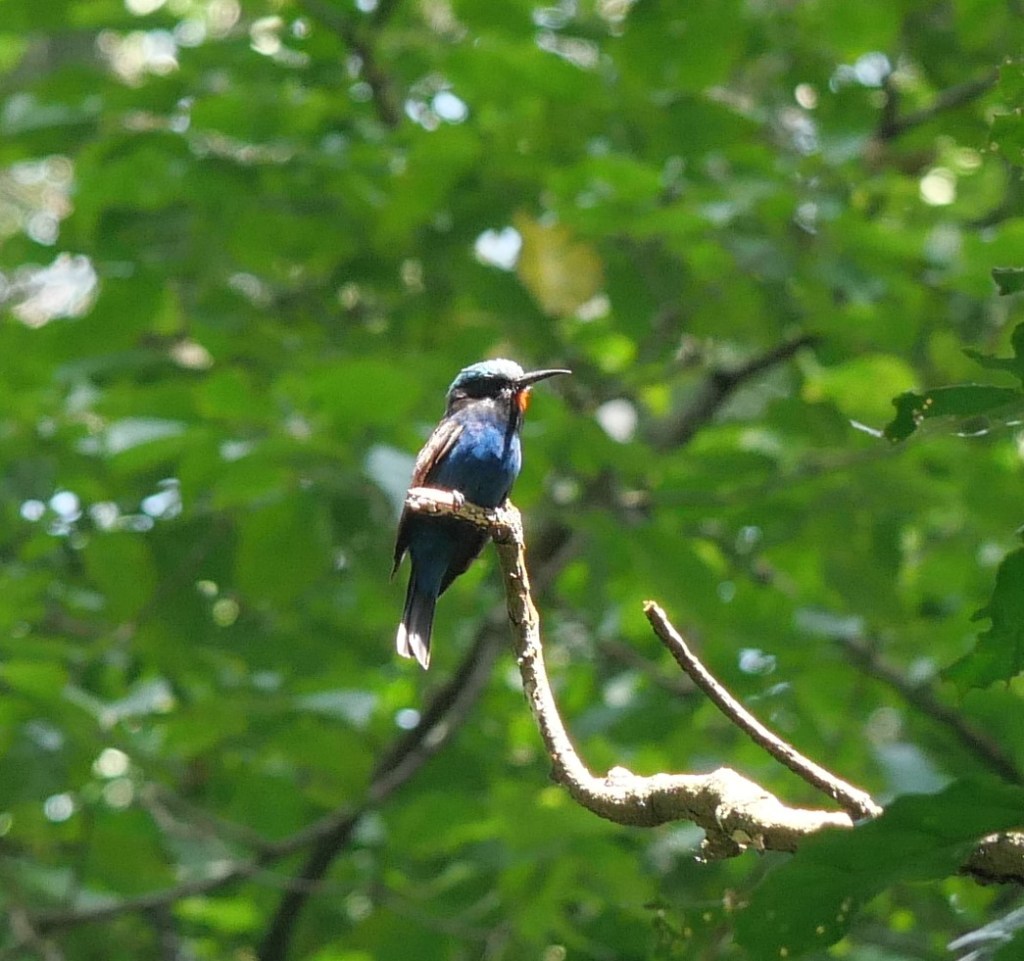
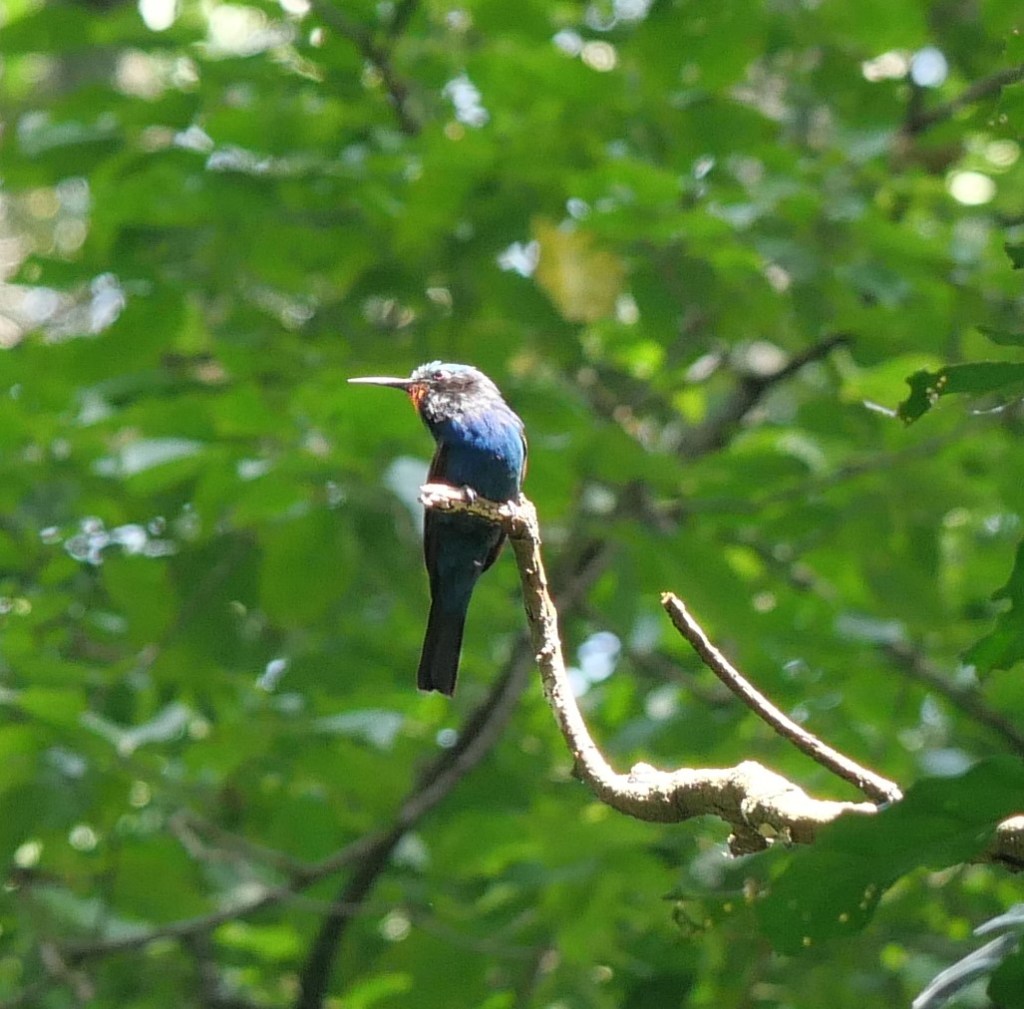
And the smaller creatures

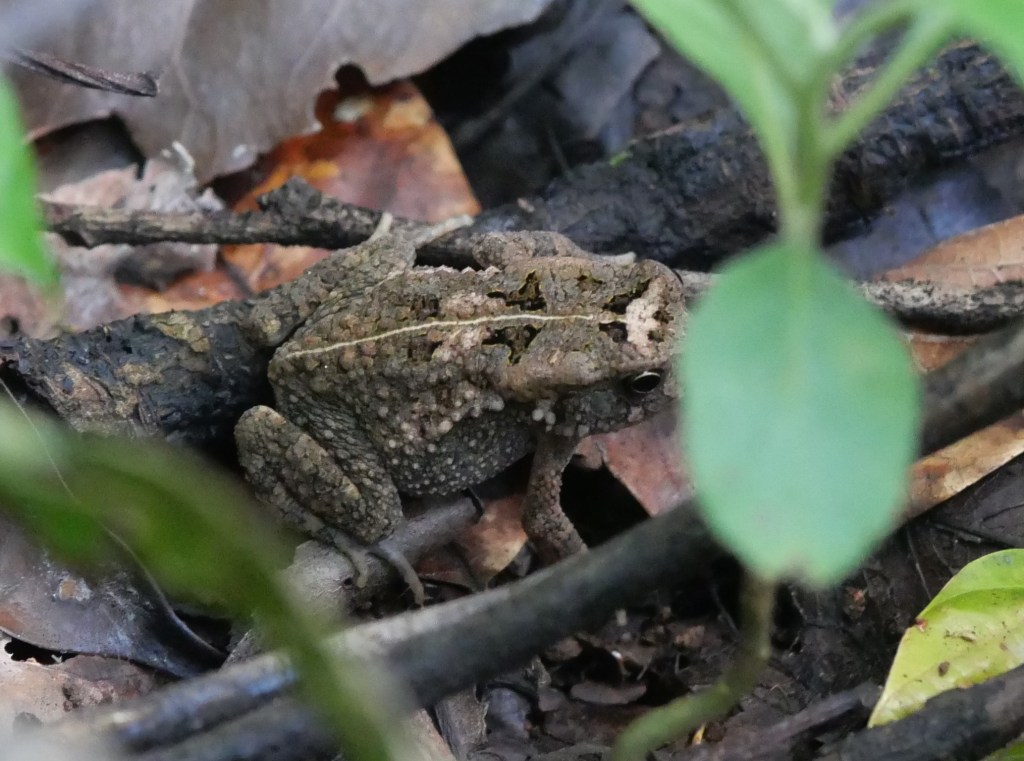
We were also lucky enough to see the striking black and white colobus monkeys
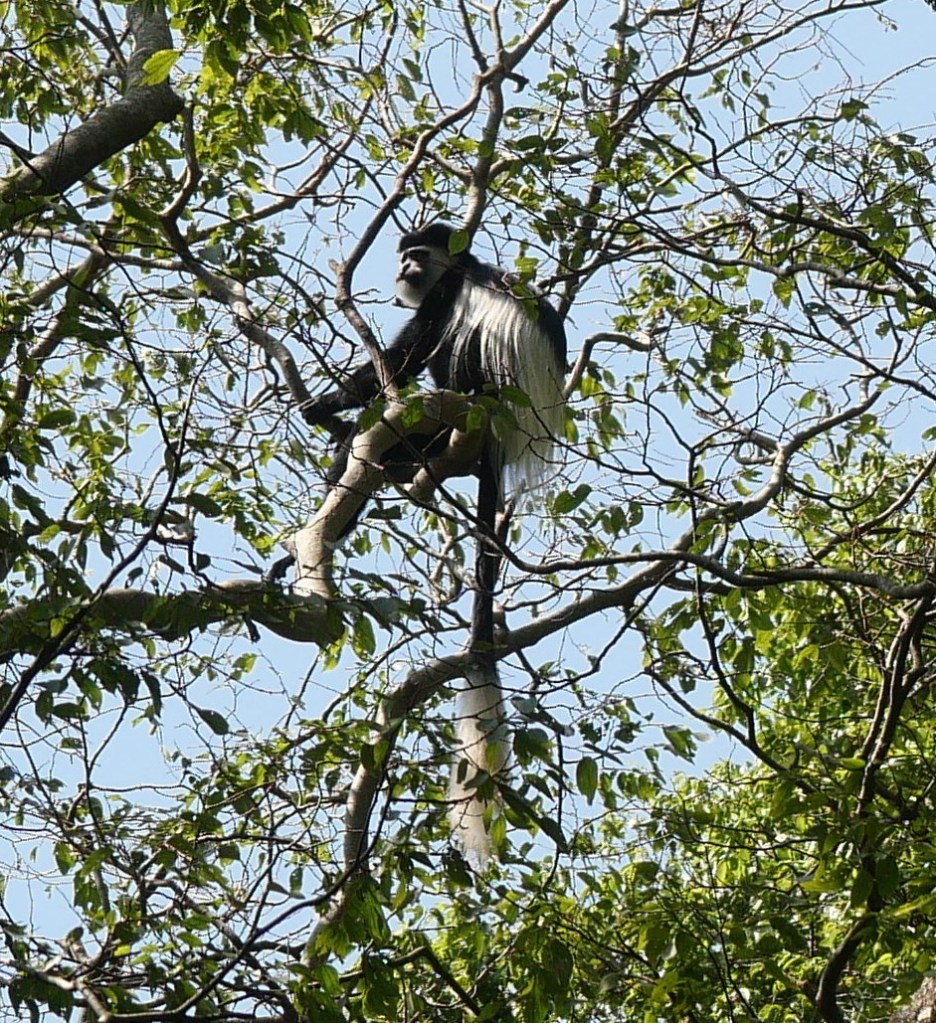
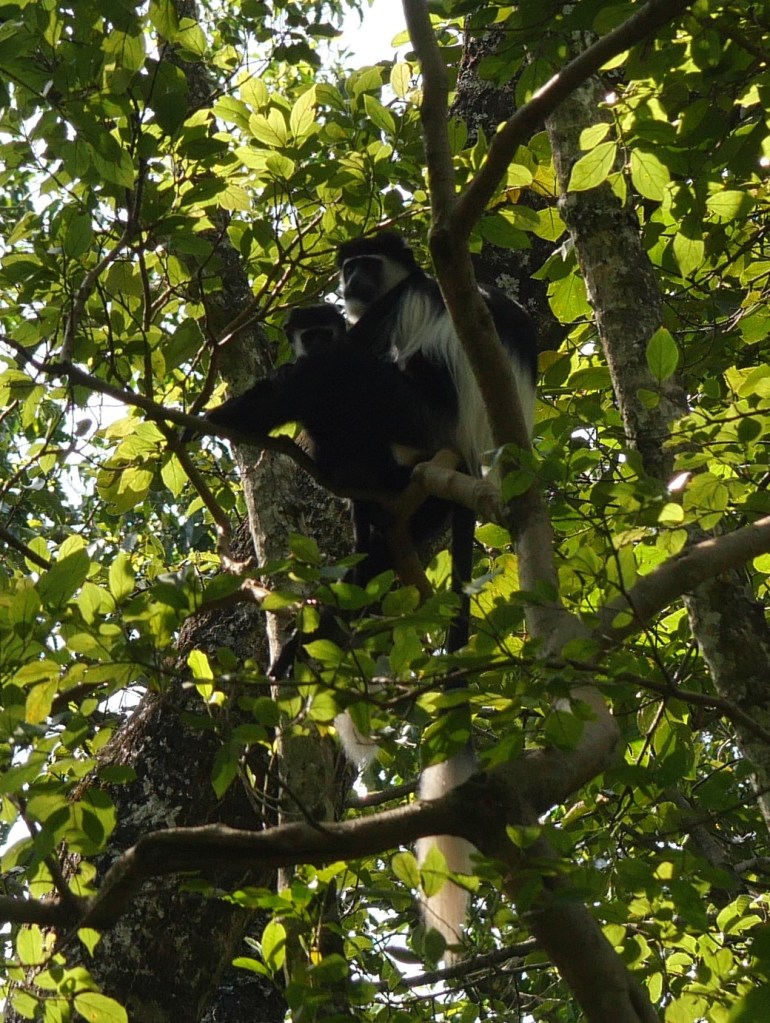

Who, more often than not, will turn the less attractive side of themselves to you!
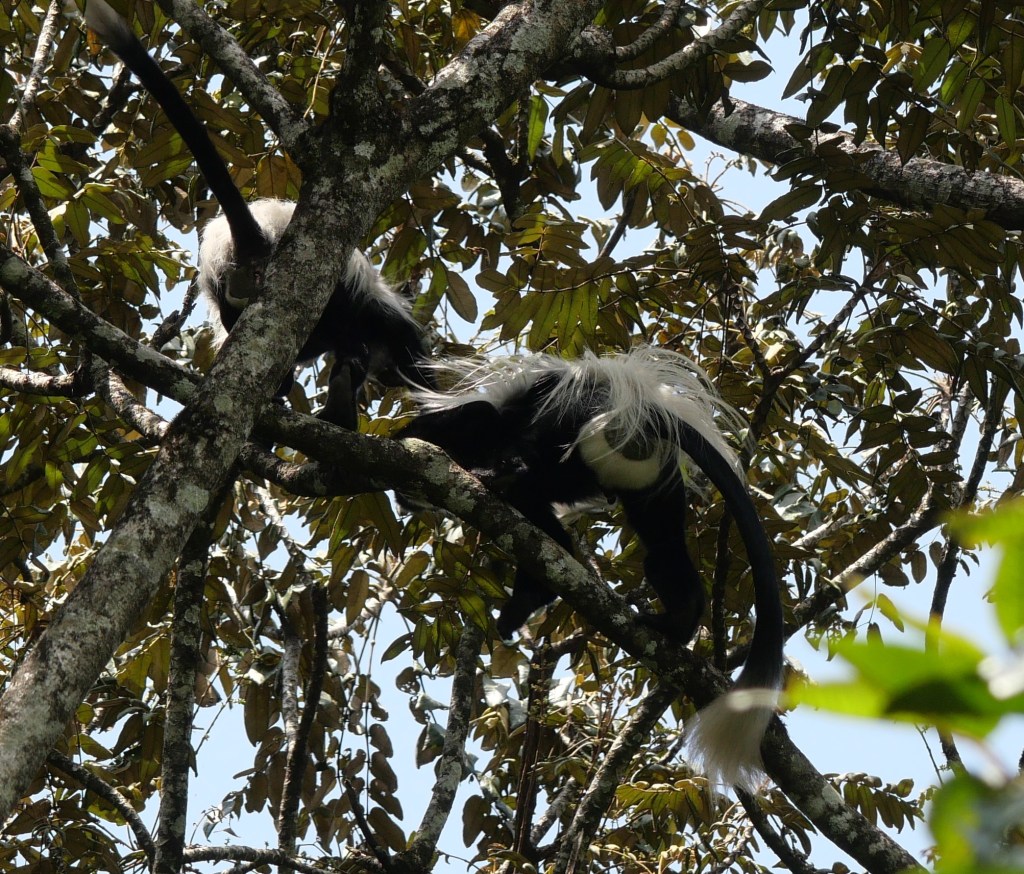
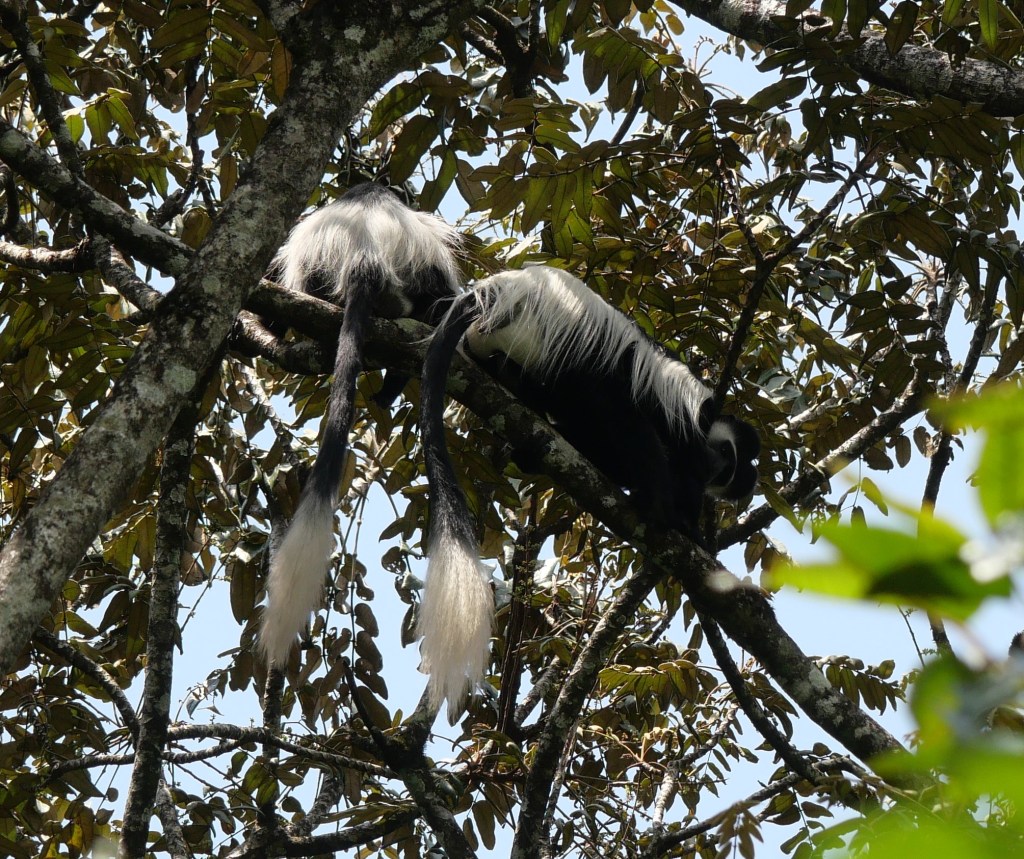

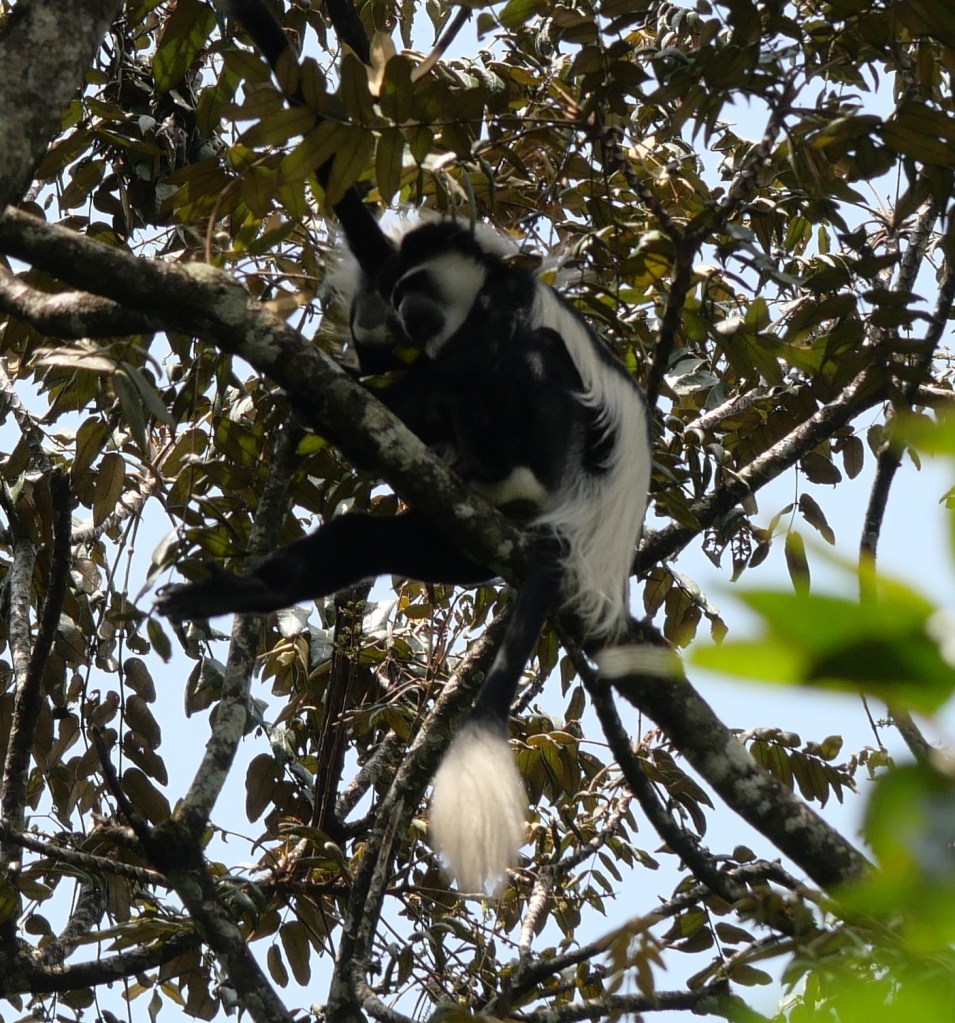
There were also other types of money around that were apparently very rare, although names now elude me. This little guy was incredibly cute sitting on his branch
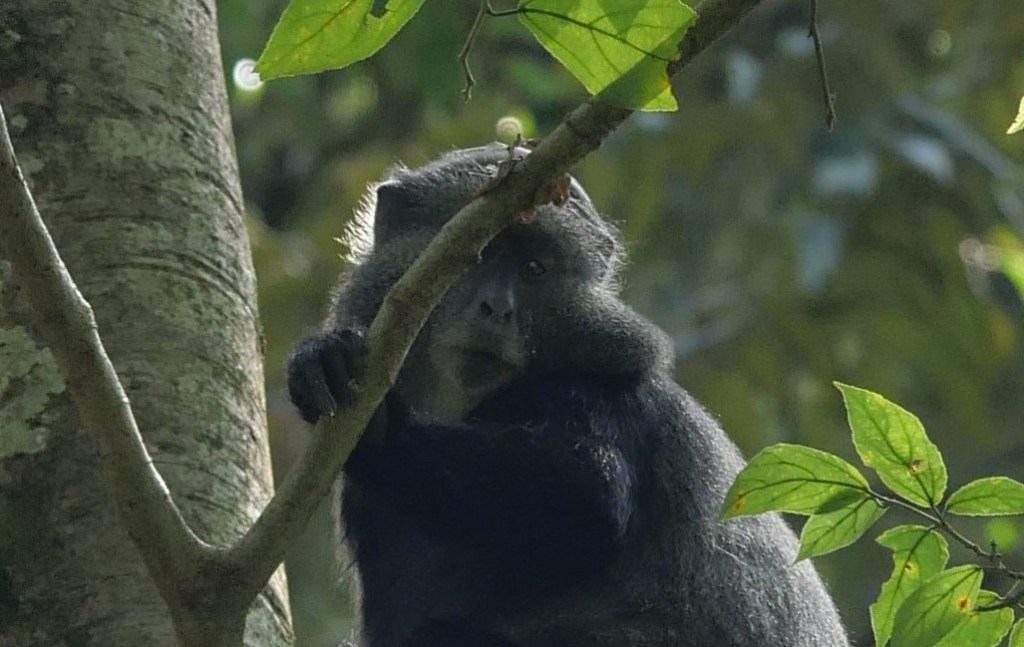
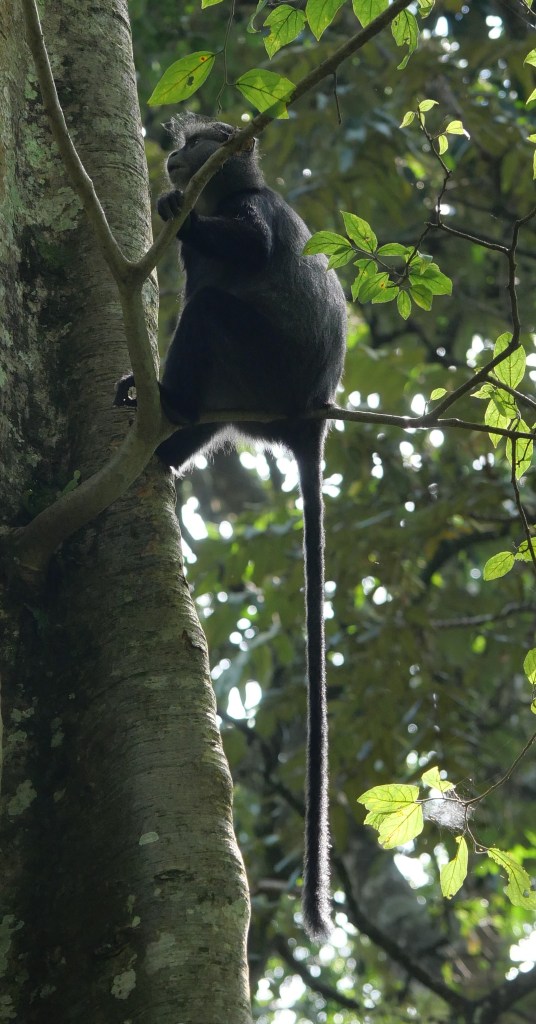
And I wanted to take this one with us!
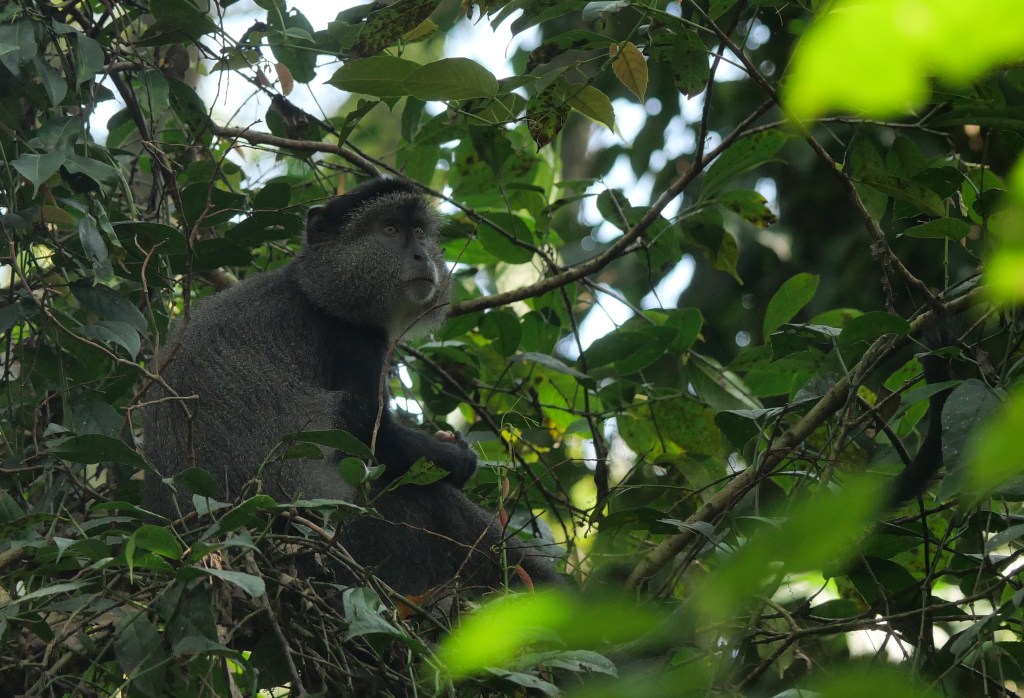
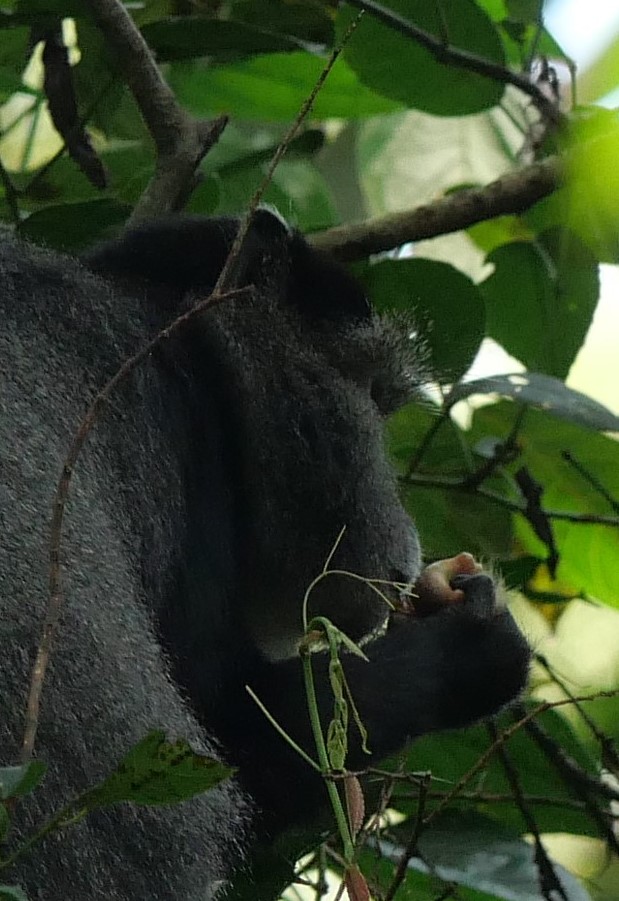
But he wasn´t so keen…
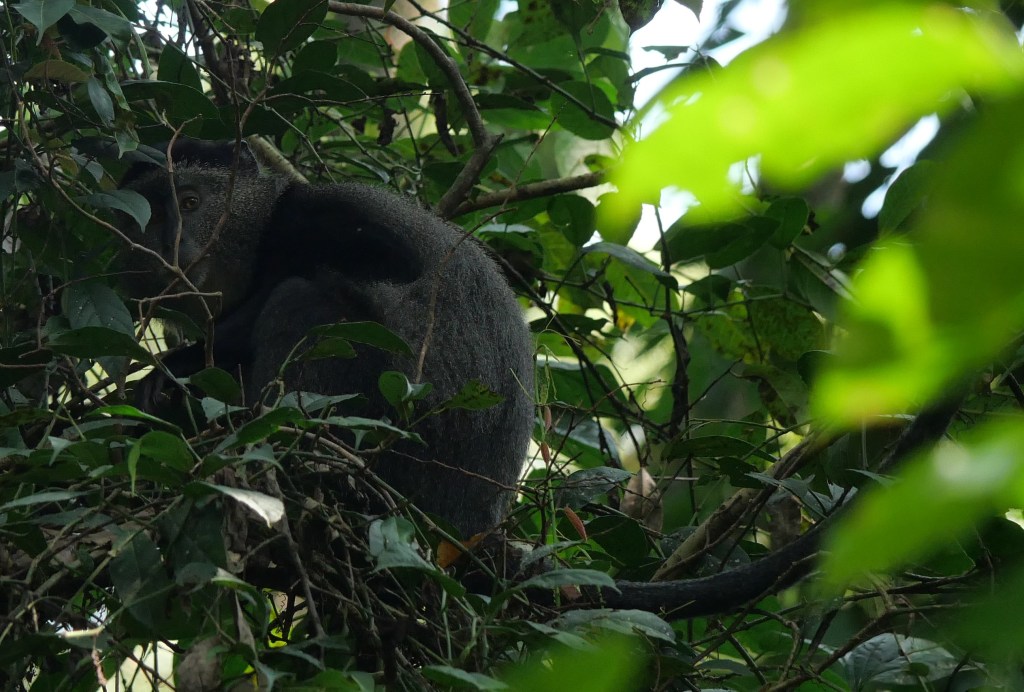
As we walked we started chatting about the uses for various plants and trees. It was amazing how seamlessly Abraham´s knowledge and beliefs flowed from herbal remedies to rain dances to seers, spirits and witchcraft. He drew no distinction between them and the way he spoke about it all made me realise just how random the line is that we draw between science and superstition
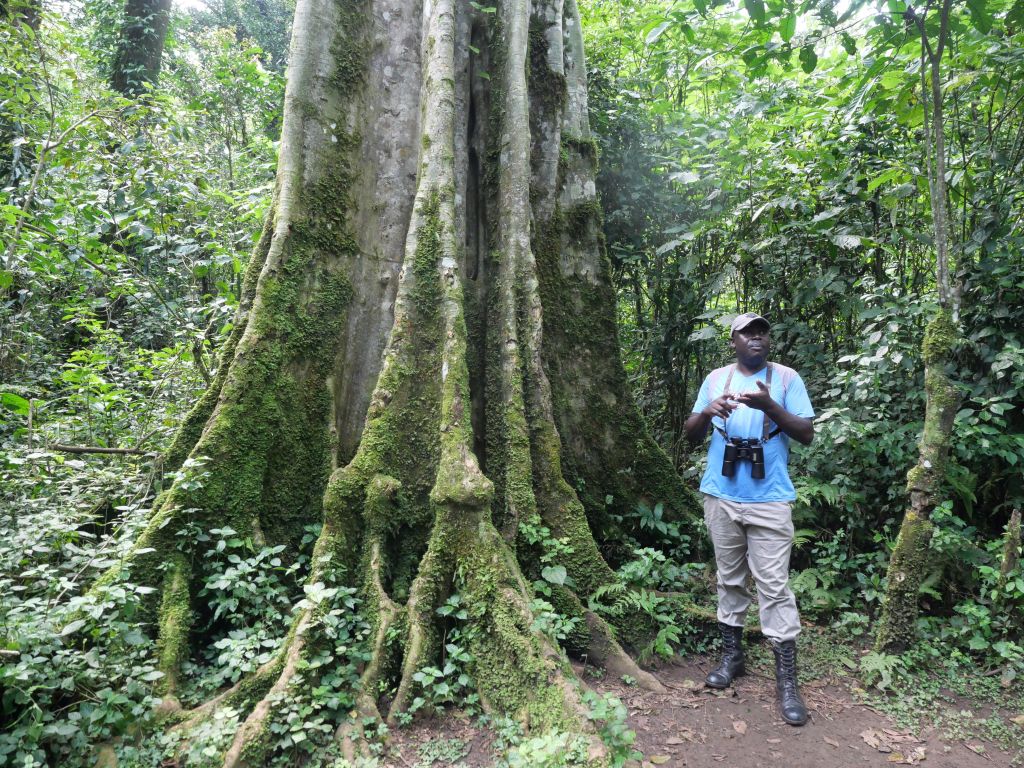
The long walk back took us past the tea plantations that are ubiquitous in this part of Africa
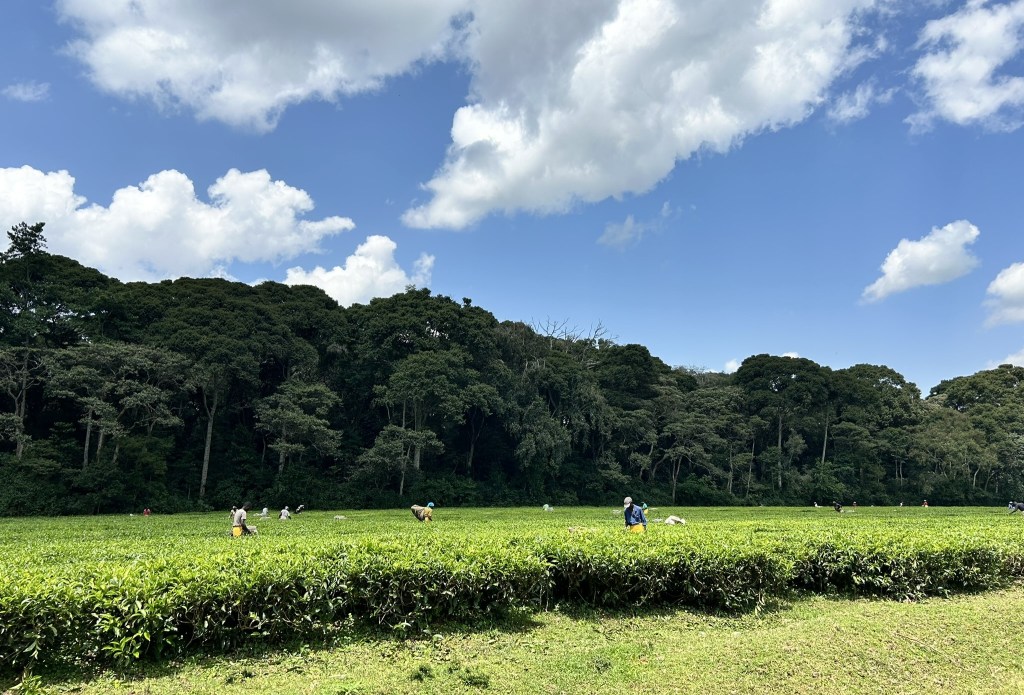
By the time we got to the campsite a hot shower was waiting for us and that evening we ate the best chicken, chips and coleslaw we had had in a long time.
The only other guest was an English biologist who lived in Maine. He was taking a break from his research to spend a few days bird watching. The three of us chatted for a while until Smith joined us and starting telling us about buying land in Uganda, the difficulties of installing solar power and how they were saving for improvements to the campsite and guest house. He went on to talk about inheritance in Kenya – apparently it is traditional for parents to leave land to their sons and houses to their daughters but more recently parents will buy separate land and give some to the girls and some to the boys – always careful to keep the two apart. Domestic bliss does not seem to reign in Kenyan families!
We were generally travelling east towards the coast and our next stop was to be Lake Bogoria. Enroute we stopped at a small town where Google told us we would find a few butchers. Buying meat was becoming increasingly difficult as few places sold what most people rear for themselves. We tried three butchers before finding any chicken and picked up some beef from the same place. The owner was so kind he tried to give us extra meat after we had paid.
As we were packing the meat into the fridge James spotted a man sitting at a sewing machine nearby. He grabbed our cutlery roll and took it over, showing the seamster where it had frayed and fallen into holes. Within a few minutes he had sewn it up perfectly and it was as good as new. He only wanted KSh50 but we gave him KSh100 – still less than 60p.
Flush with his success, James tried his luck again and asked the seamster where he could buy beer in town. The man looked a bit dubious and glanced at his watch – it was about 10am. James laughed and said no, he wasn´t going to drink it now, he wanted to buy some bottles for later. Another local man was called over and he and James disappeared on a hunt for beer. He was gone some time, apparently they had to visit a number of places before someone would sell him alcohol to take away. In the meantime, as I leaned against Henry waiting, Lady Jane came over to talk to me. She was an older lady who spoke perfect English. We chatted about god, life, children and ´porridge power´! She lived in Bogoria, the town by the lake we were heading for, and gave me her email address so that we could go and stay with her. Sadly we never did, being conscious of the short time we had to spend there.
The road to the lake was hard to find and we ended up lost on winding tracks through farms. In the end we doubled back to the main road and tried a different way. This road was under construction and rather bumpy but we finally made it, a little weary.
We had been unable to get hold of the owner of the only campsite around before we set off and when we arrived we found ourselves stuck behind locked gates. After a few minutes of frustration someone came walking very slowly towards us from inside. When he finally opened the gates he explained that he was a local teacher who just happened to be around and not actually connected to the campsite other than being a friendly neighbour. It took some time for him to contact any of the staff but eventually – as ever in Africa – it all got sorted out.
The campsite was pretty but the ablutions were rather run down. They had their own hot springs but we were too tired to take advantage of them that evening.
The entrance fees into the Lake Bogoria reserve were going to cost us $140 which seemed very expensive and we were not sure whether to go in or not. We were chatting about it to Vincent, the manager at the campsite, who said he knew the security guard at the gate and was sure the fee was negotiable. He made a call and reported back that they were willing to let us in for the price a local Kenyan would pay – $28 for all three of us (Henry needing to buy his own ticket as well as James and me).
The guard at the gate was a very nice man and drew us a map of the reserve, carefully marking where the best view points were.
The lake was very pretty
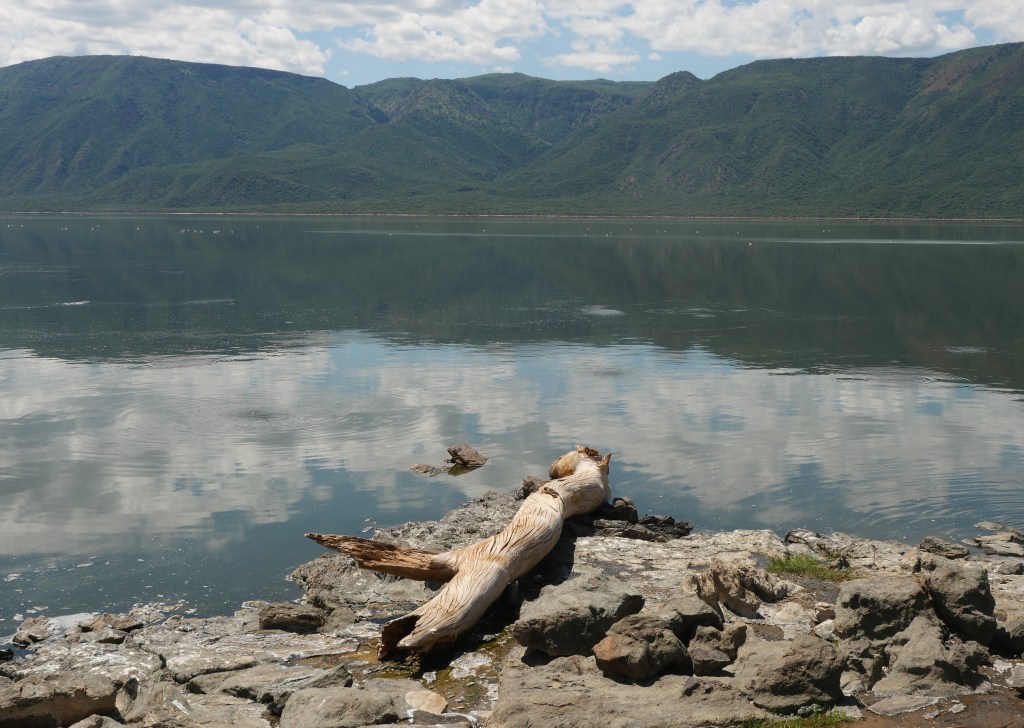
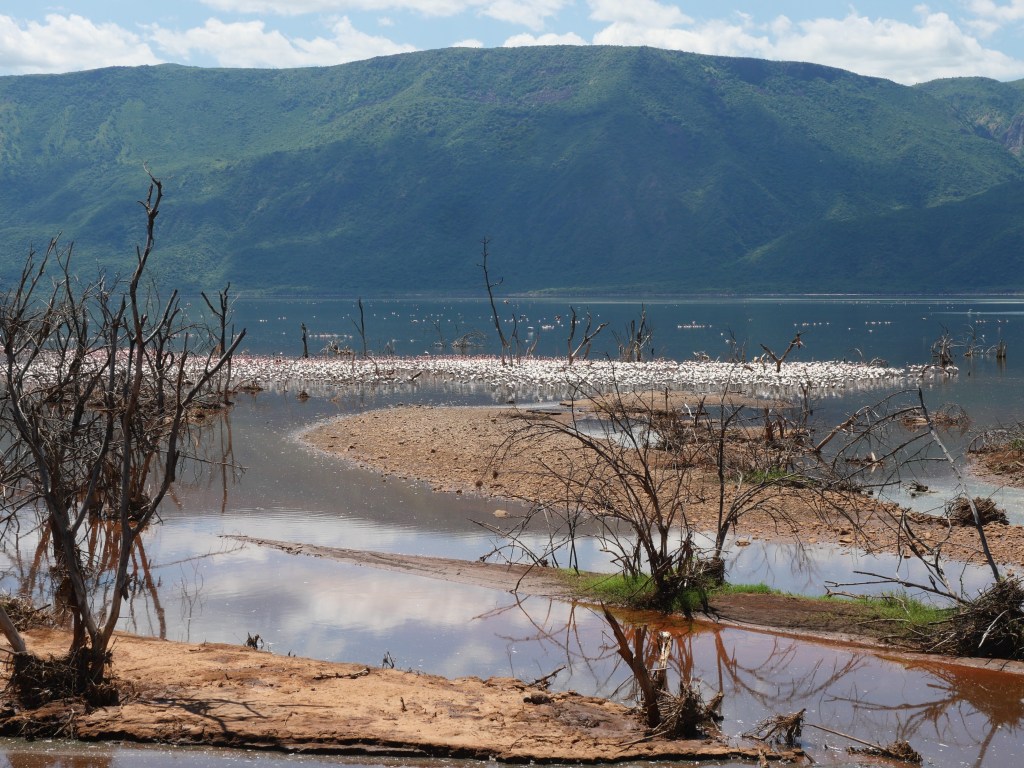
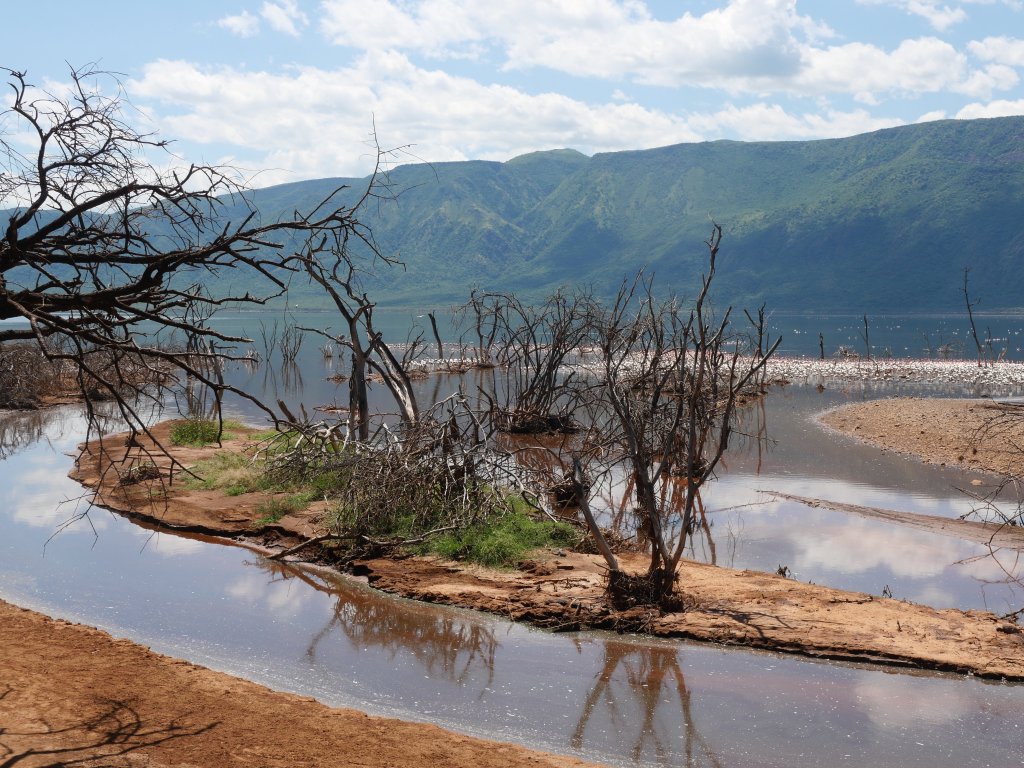
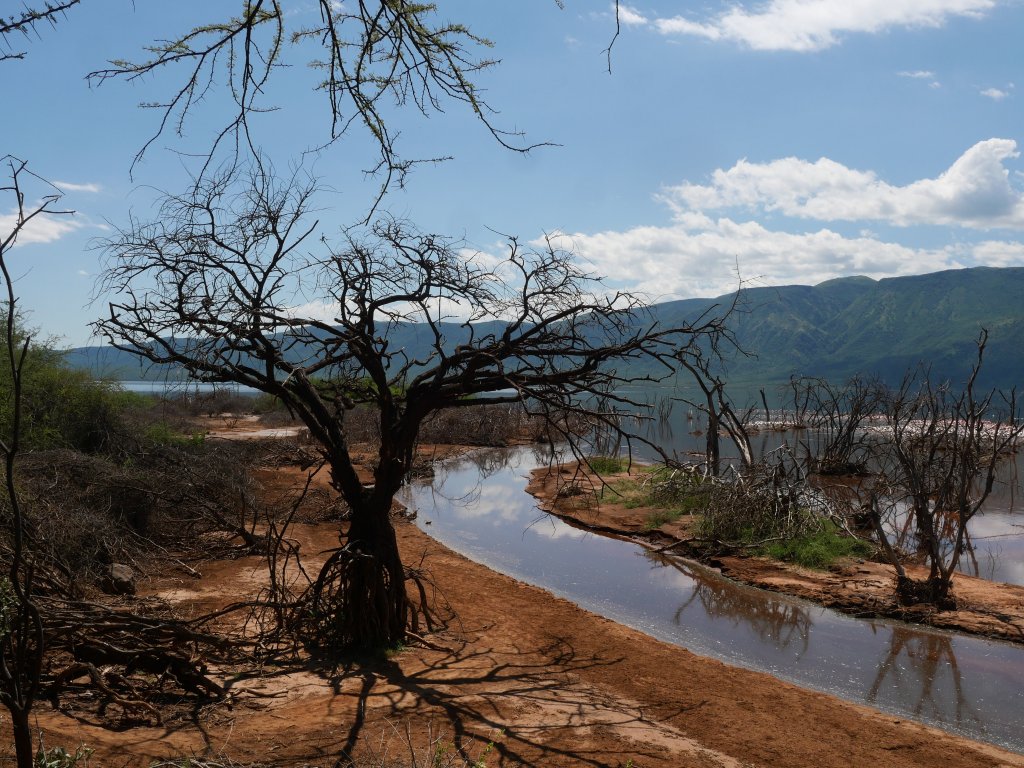


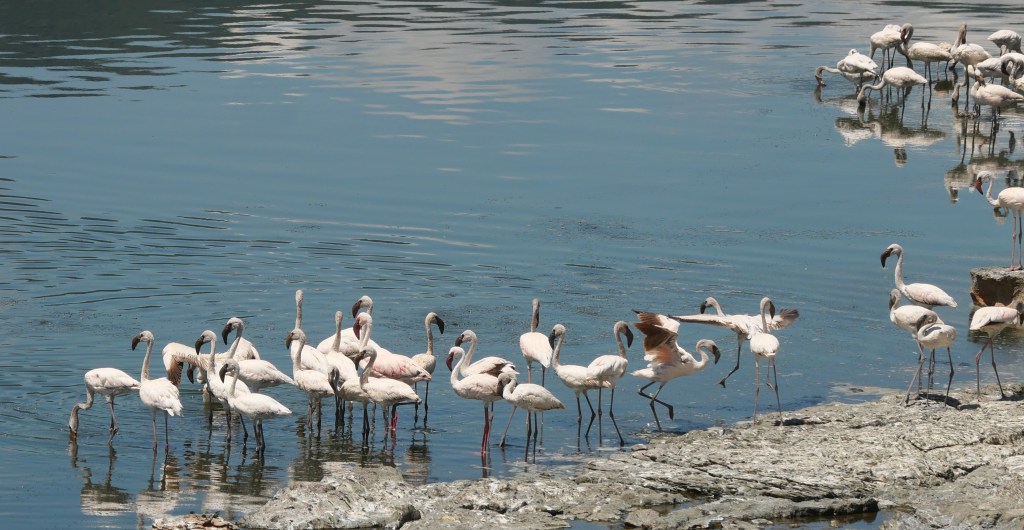
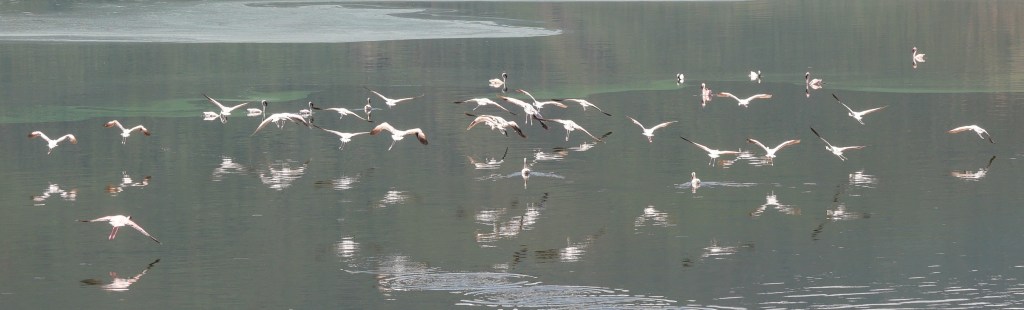
And it was lovely to see so many flamingos
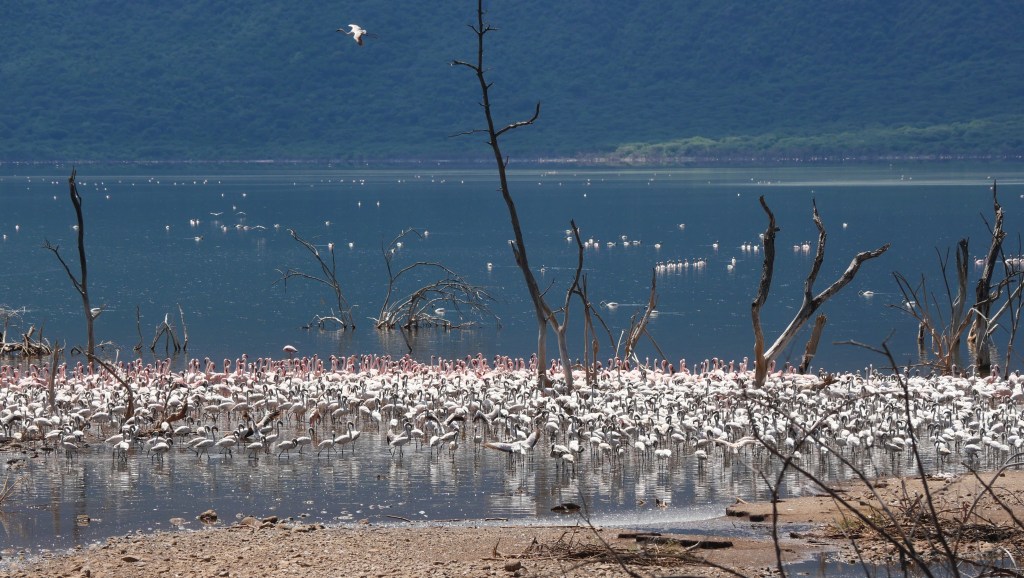
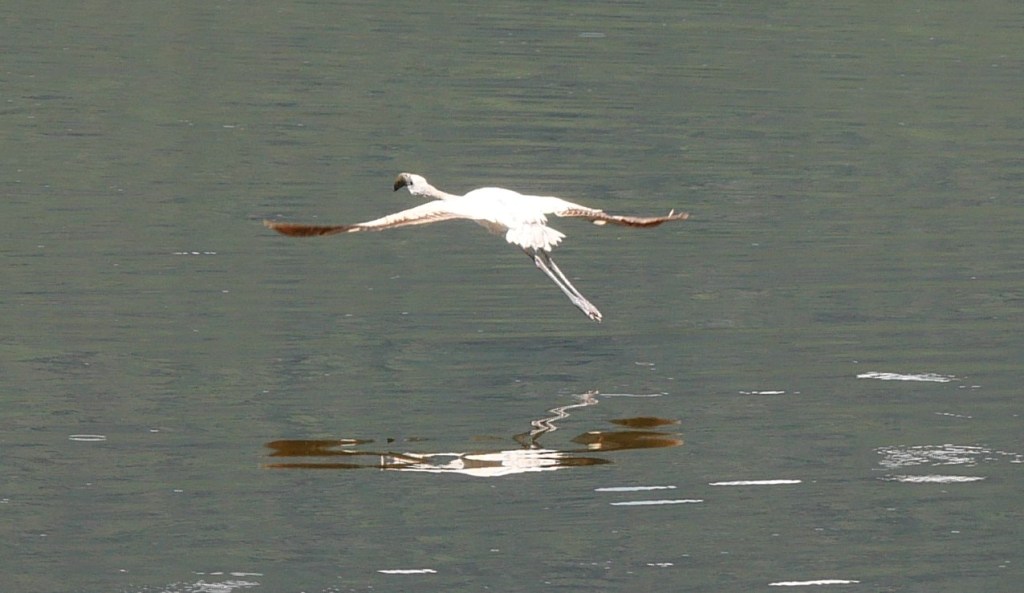
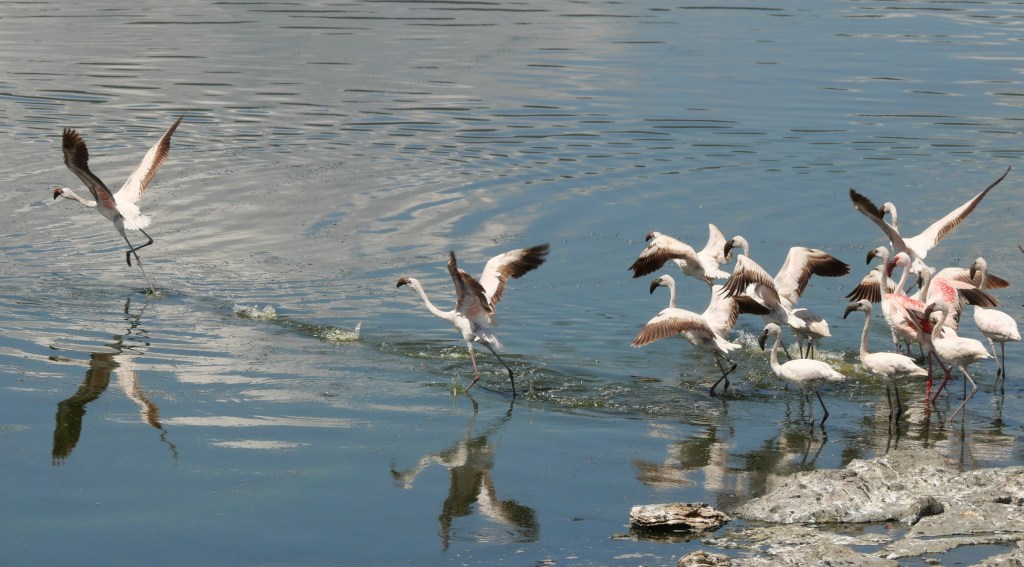
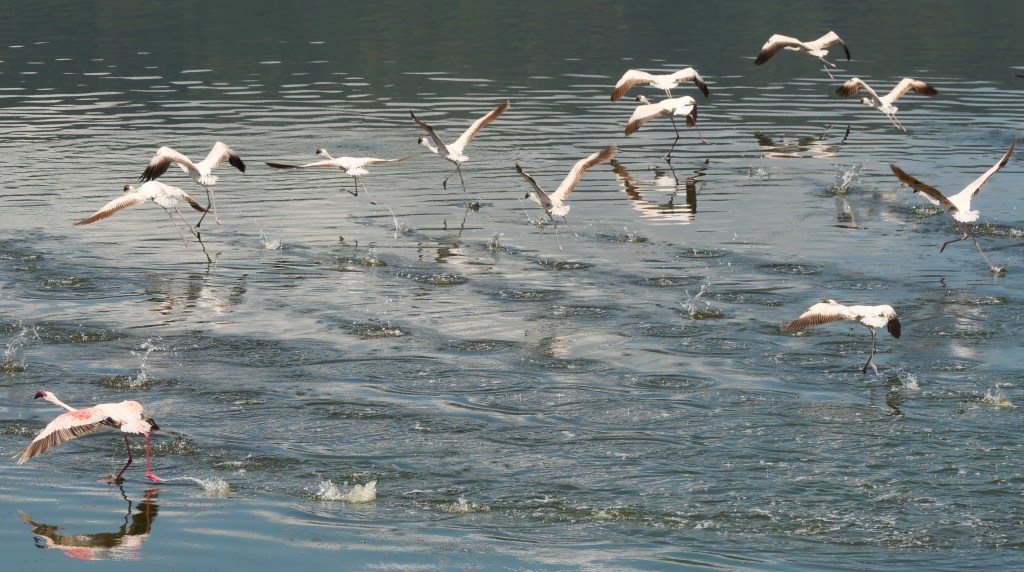
Although it was hard not to spook them when we tried to get close
The hot springs were over 100 degrees, but this time we had no eggs to boil!
It was scorchingly hot, exacerbated by the heat coming from the springs
As we wandered around the hot springs there was a large school party there. Unusually the children only smiled shyly at us and kept their distance. Their teachers, however, were a different story!
We were mobbed, just as though we were film stars

About a dozen people surrounded us excited and smiling, wanting to take photo after photo after photo – it went on for hours
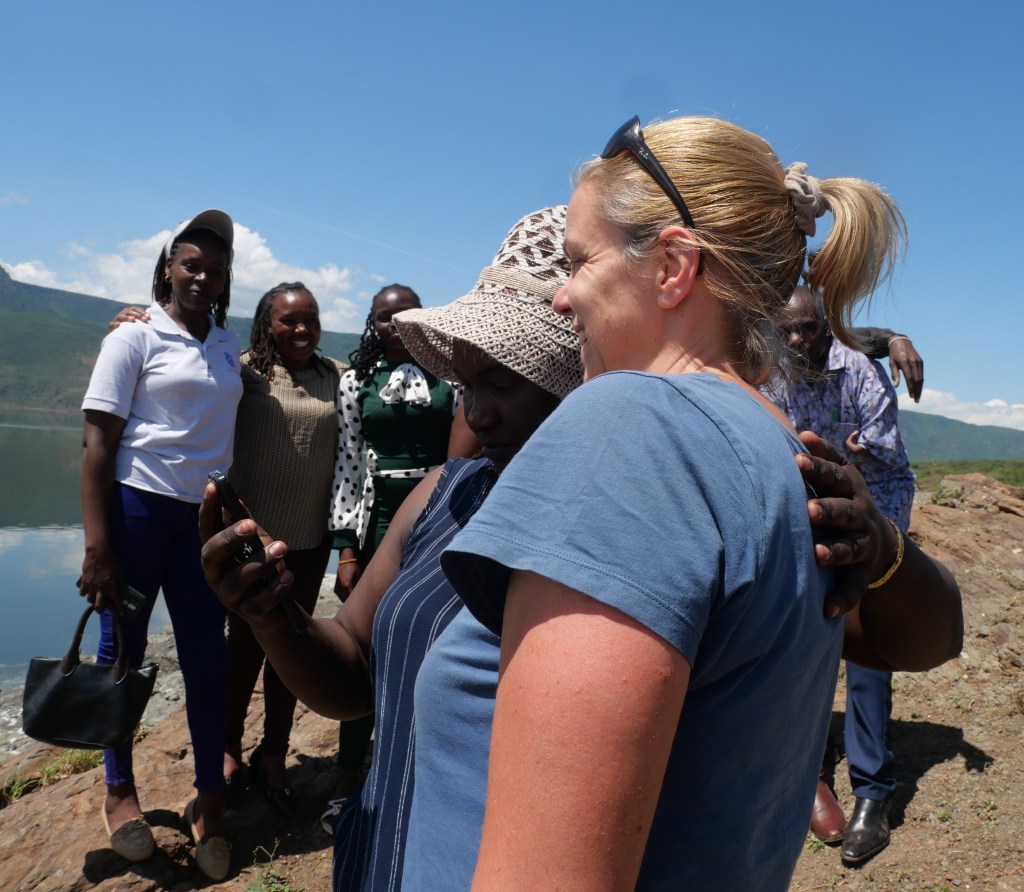
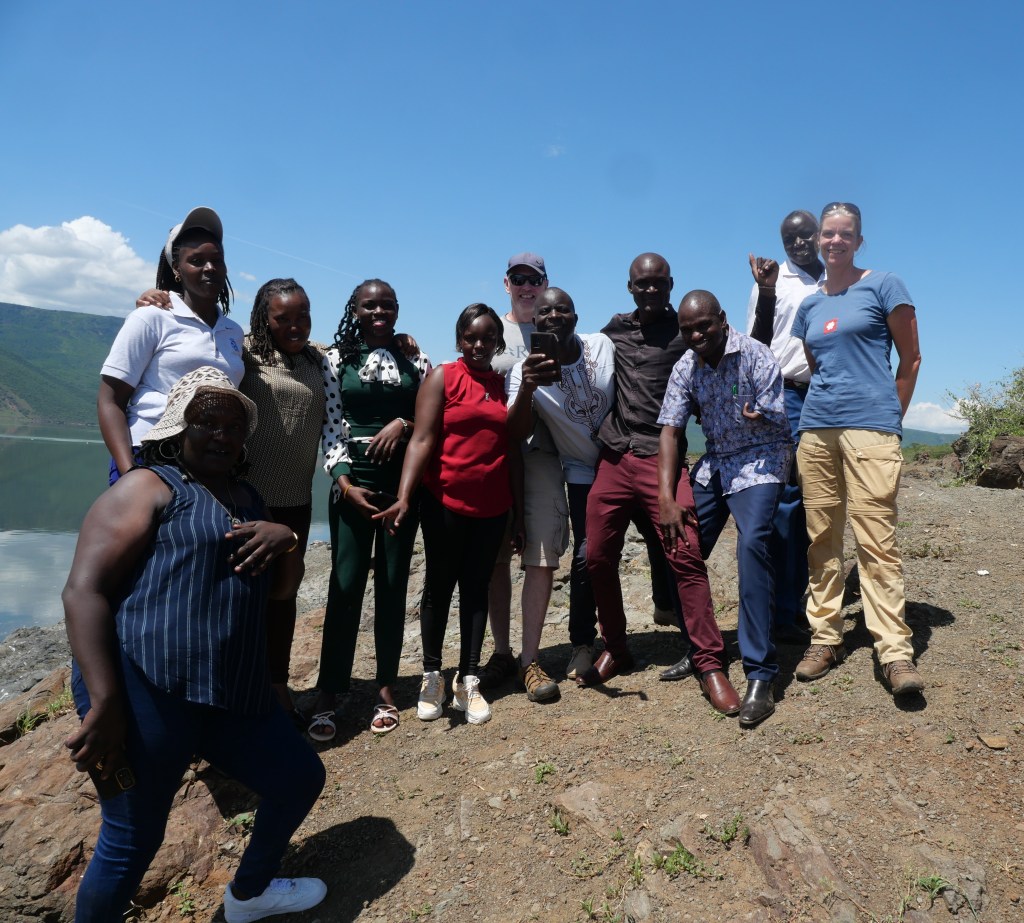
We were bemused by the attention but went along with it, putting on our best smiles for their cameras.
Back at the campsite we had a picnic lunch and dozed under the awning in the heat. That evening a cute little cat came over to help us dispose of the off cuts of chicken as we cooked dinner


We spent the evening surrounded by birds
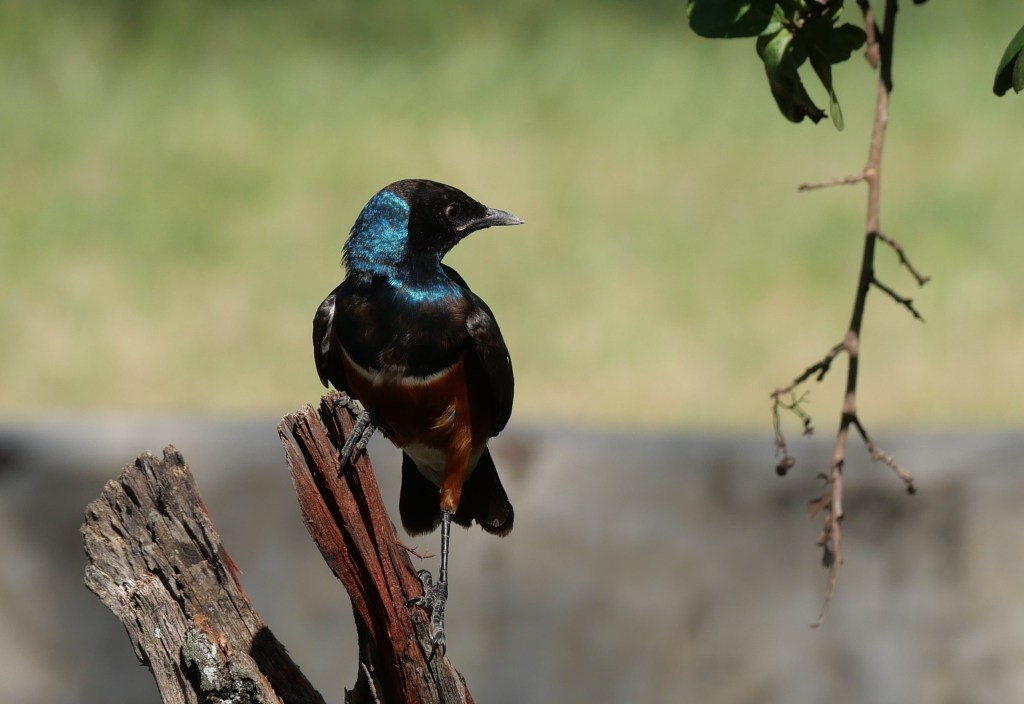
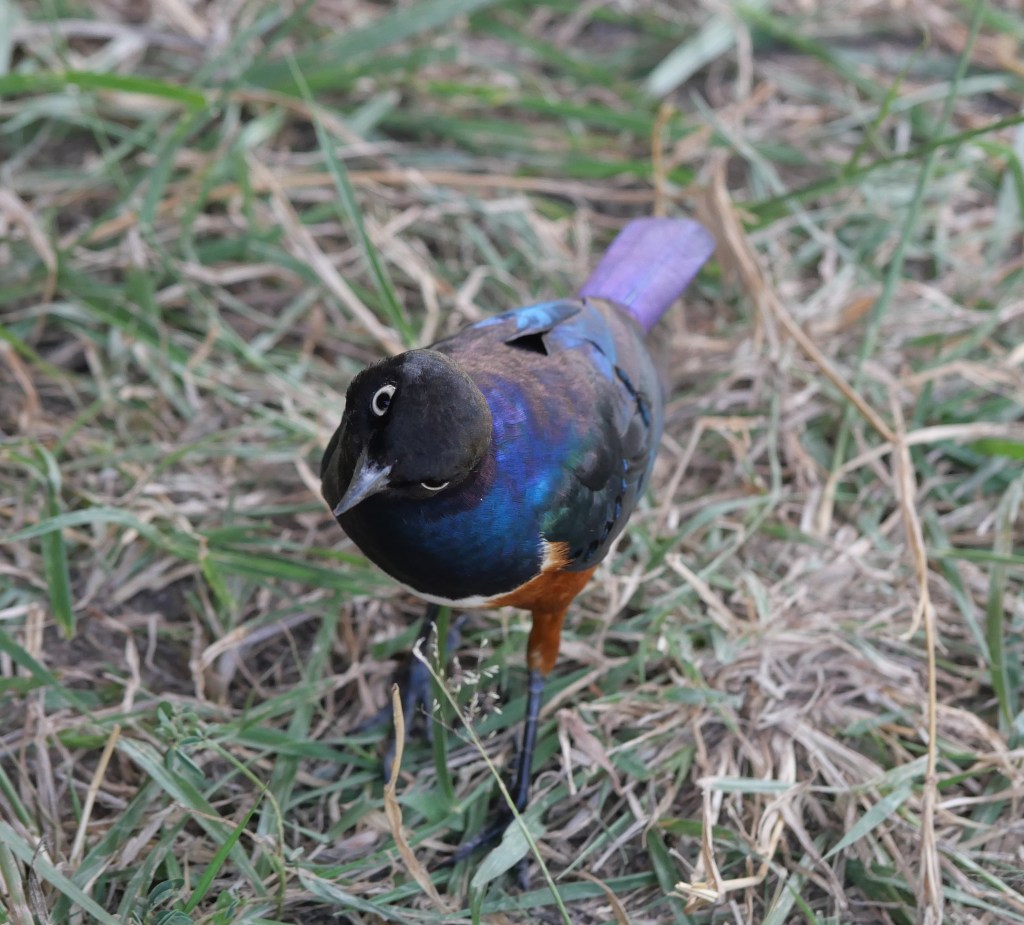

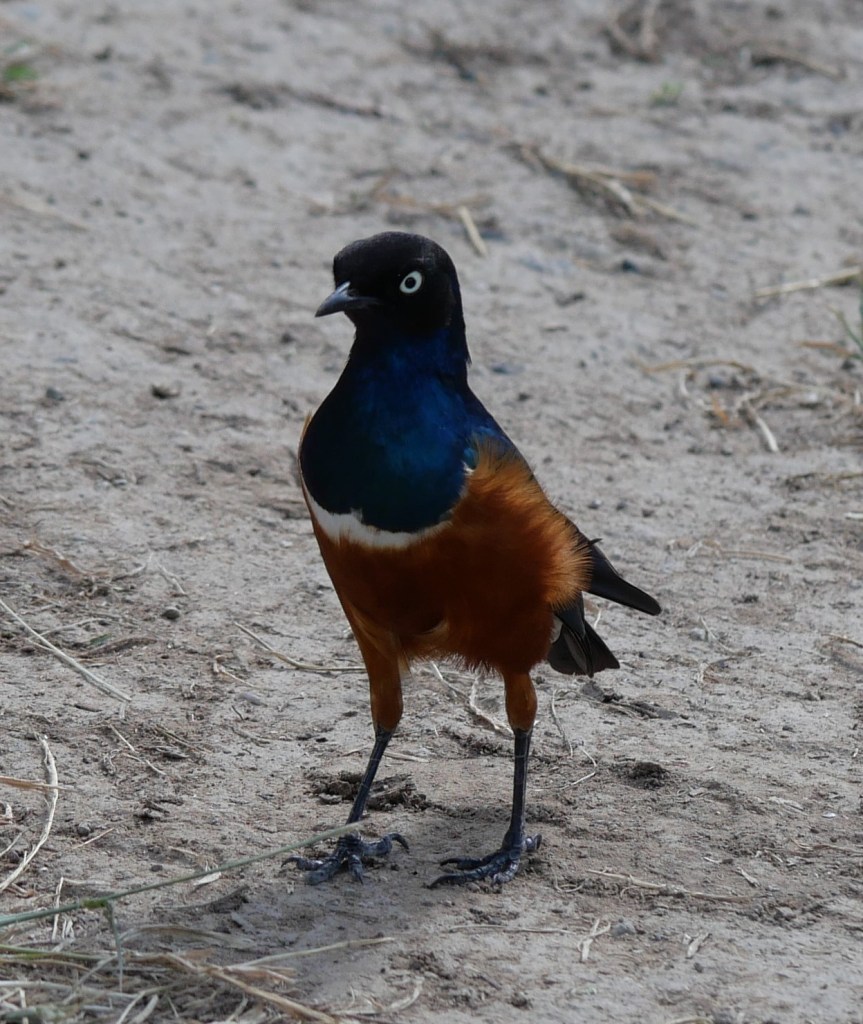
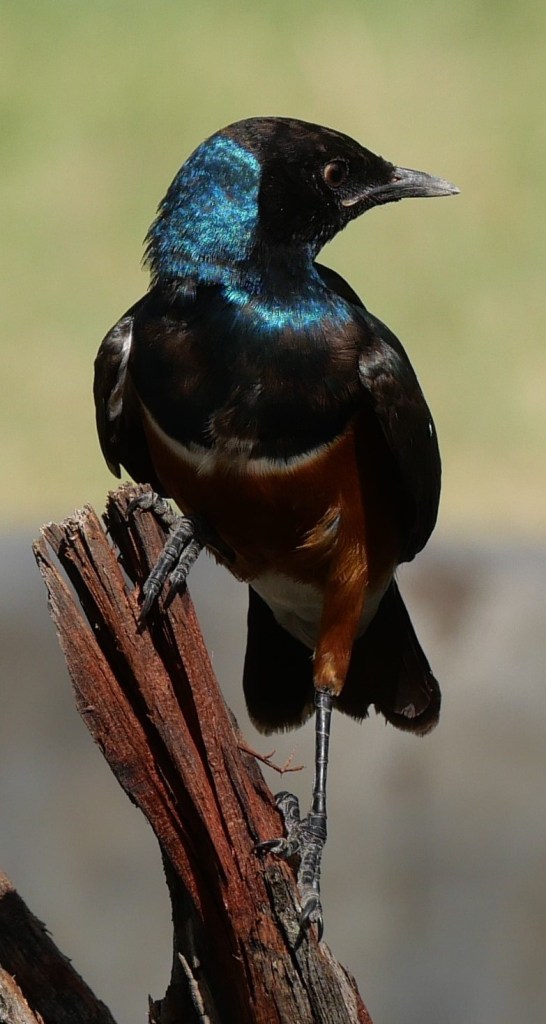
Including these two cheeky monkeys who decided Henry was their best friend!
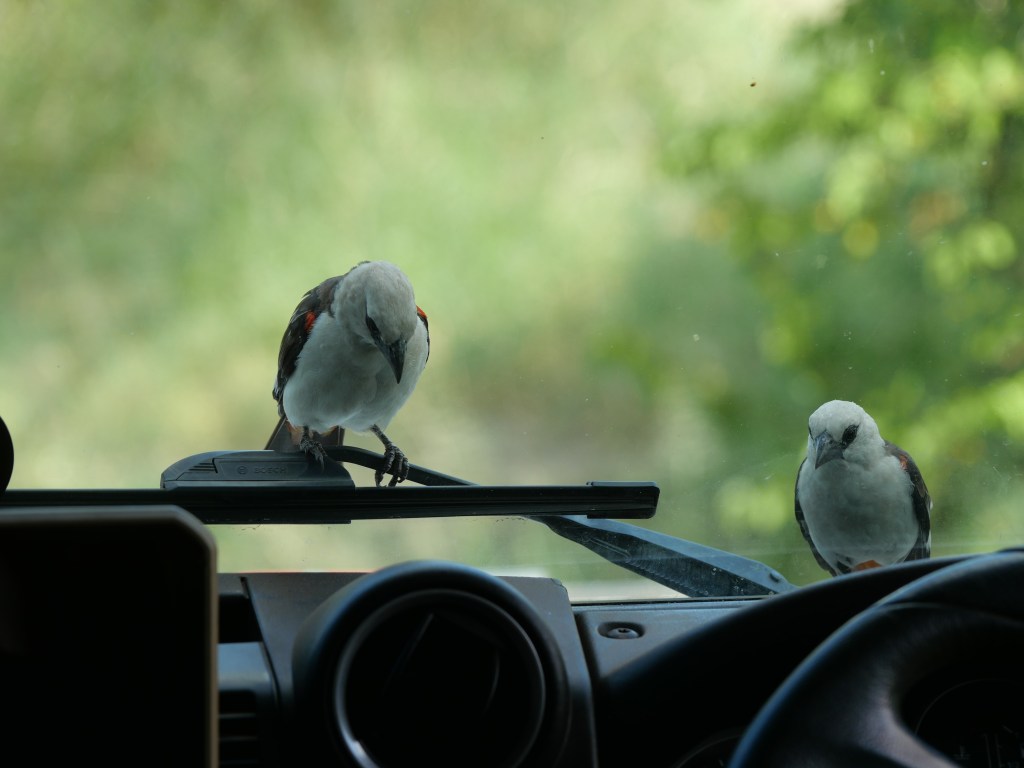
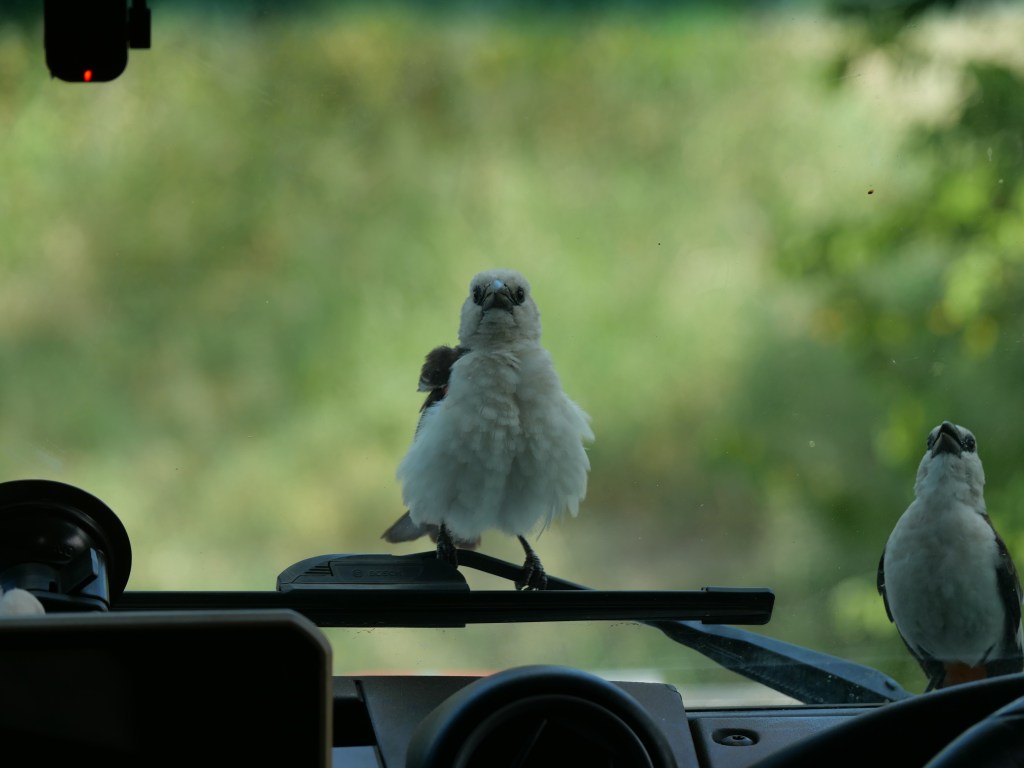
Even when we got out to see them off they carried on staring inside – maybe they wanted to come with us!
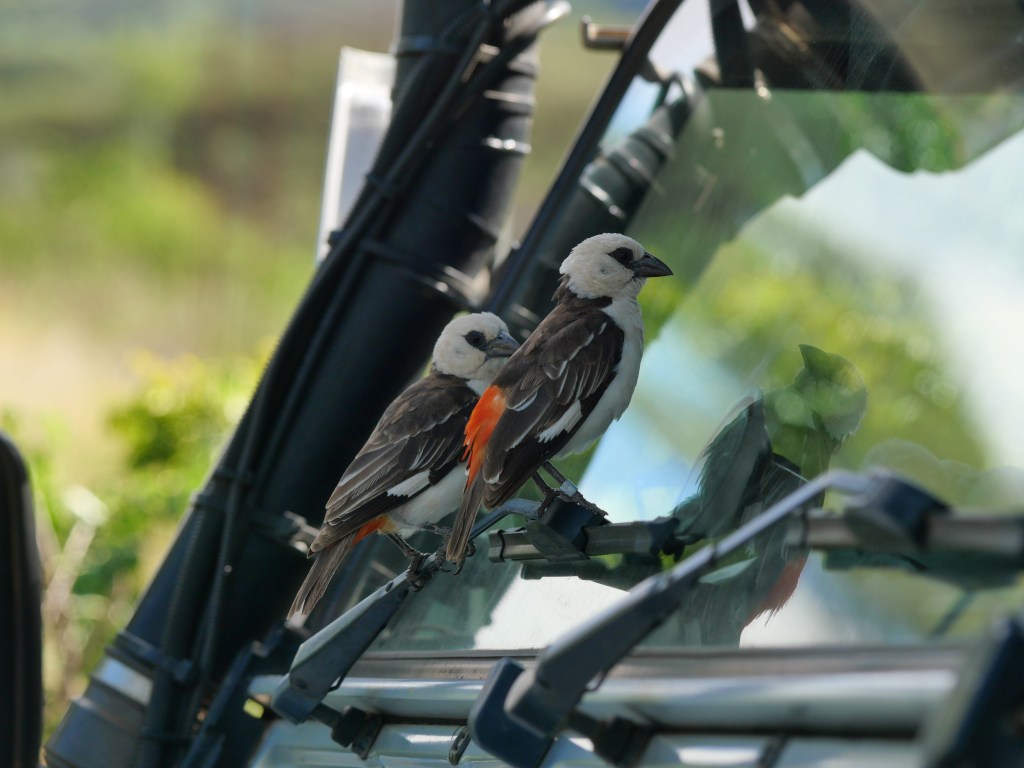
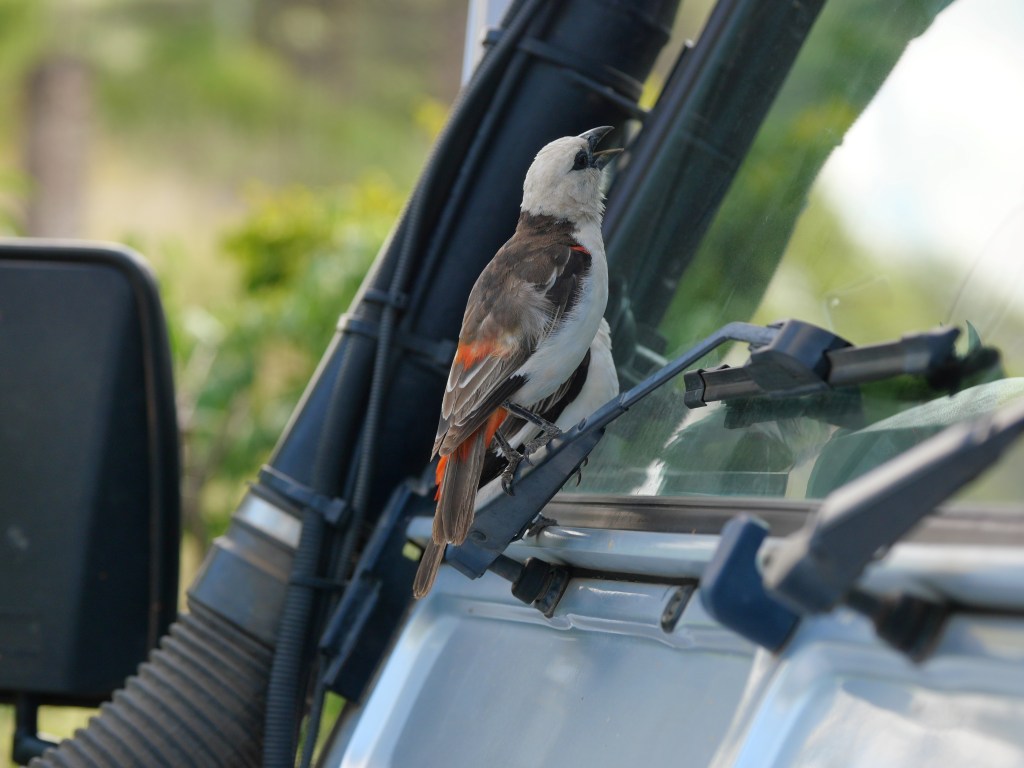
But birds weren´t the only visitor that evening, some of which weren´t quite so pretty…

From the moment we woke up the next morning and started moving around inside Henry, our new feline friend was mewing outside the door
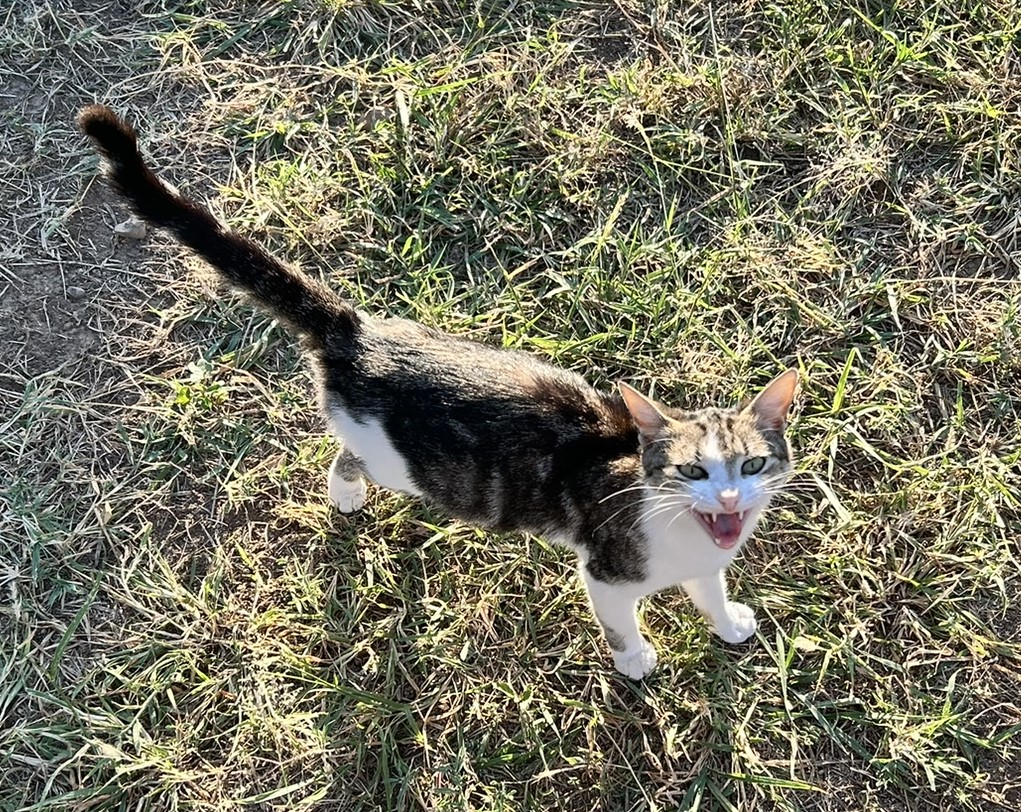
She was lovely and got lots of cuddles. But we had no time to hang around, we were heading for Hells Gate National Park and wanted to stop off at the Elsamere Conservation Centre on the way. We were up and off very early.
As we were travelling east, we found ourselves driving through fields and fields of pineapples
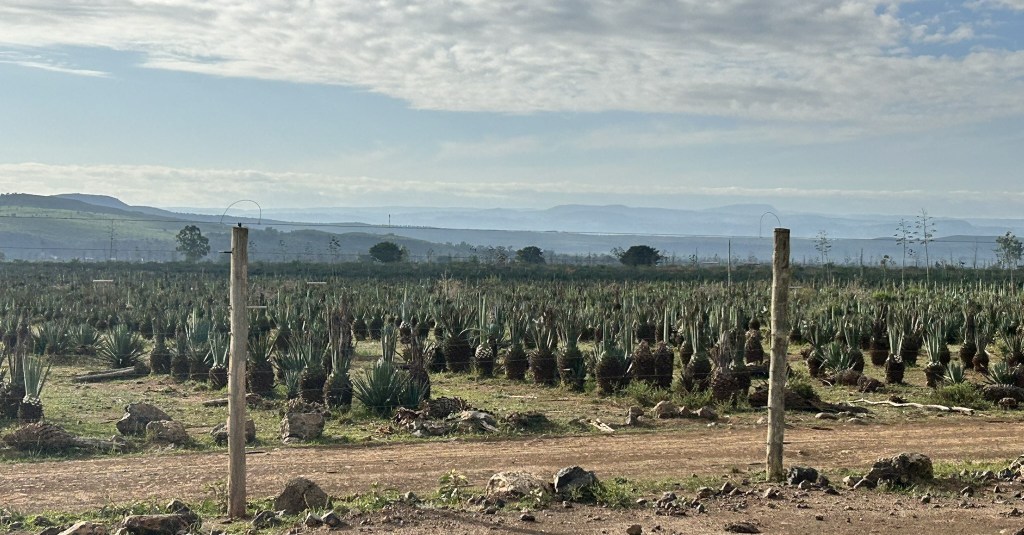
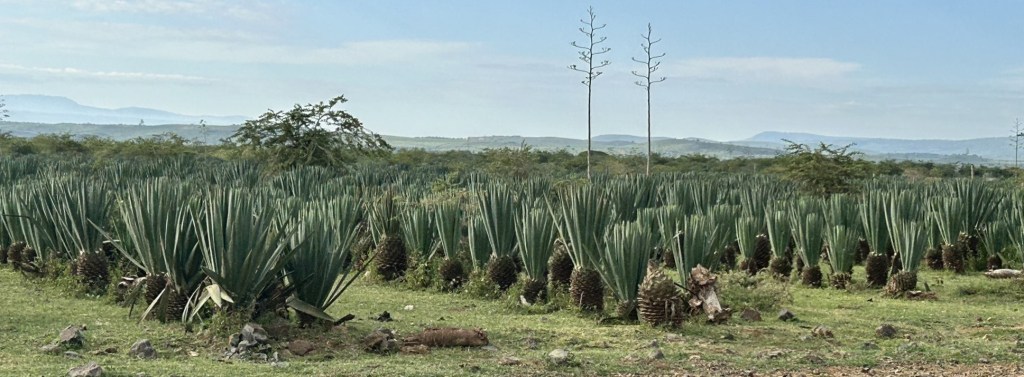
And the area generally started to become more developed and touristy. With that came something we had not seen in months – a proper supermarket!

It is hard to explain the excitement it caused, having not seen a supermarket like this for many, many months. It sold everything from fresh chicken to fruit and veg to chocolate and biscuits. I didn´t want to leave just in case we had forgotten something.
The rest of the drive to Elsamere was easy on good, tar roads – things were changing as we came into the heart of Kenya.
Elsamere is the home of the Elsa Conservation Trust, established by Joy Adamson and named after the lion, Elsa, that she famously raised and wrote about in her book and film Born Free.
The Trust does great work in conservation and education. Elsamere itself is a museum to Joy and her husband George as well as serving a nice lunch and afternoon tea
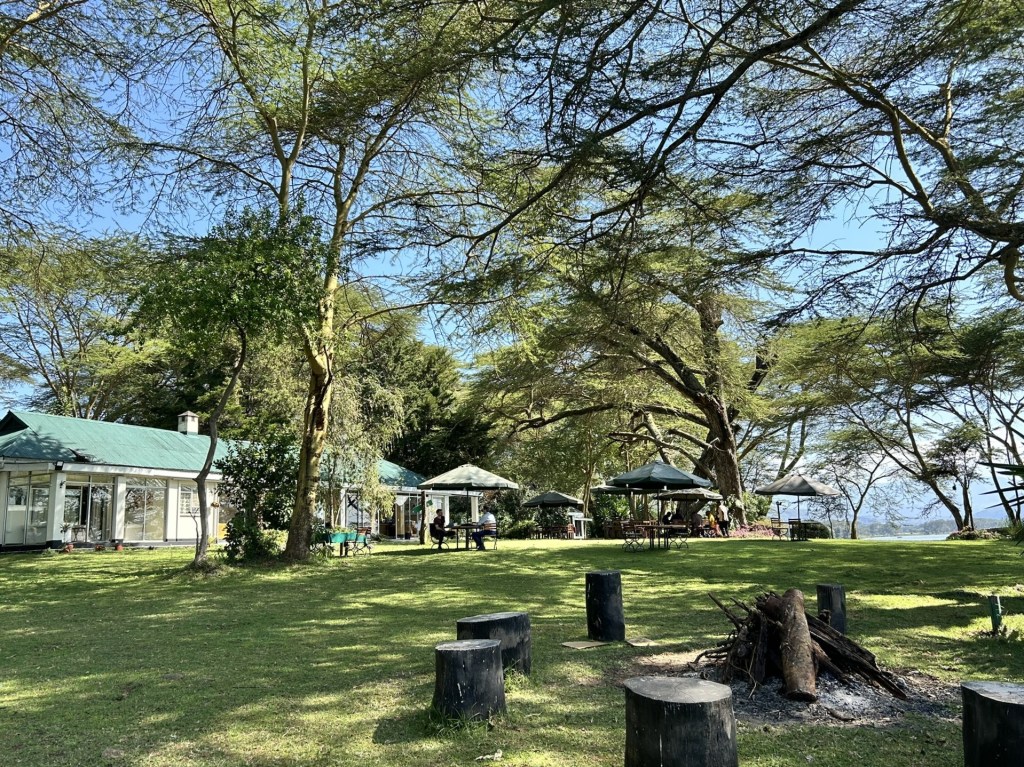
We spent an hour or so reading all the information about their lives, watching a very old documentary about her and wandering about the historic building
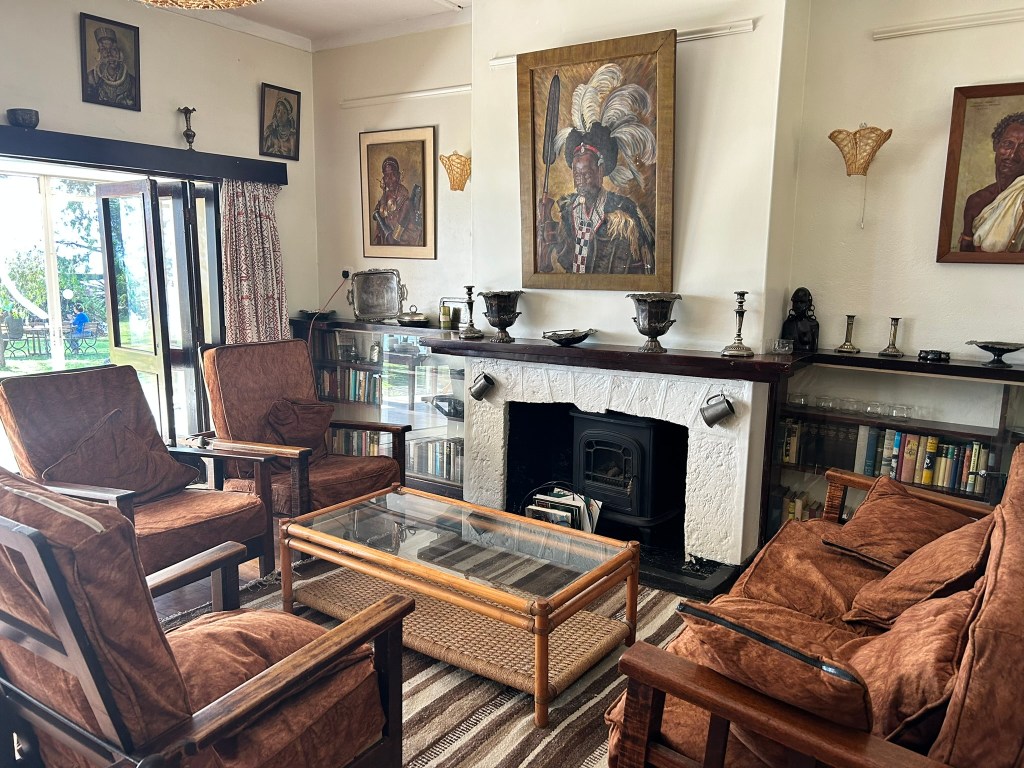
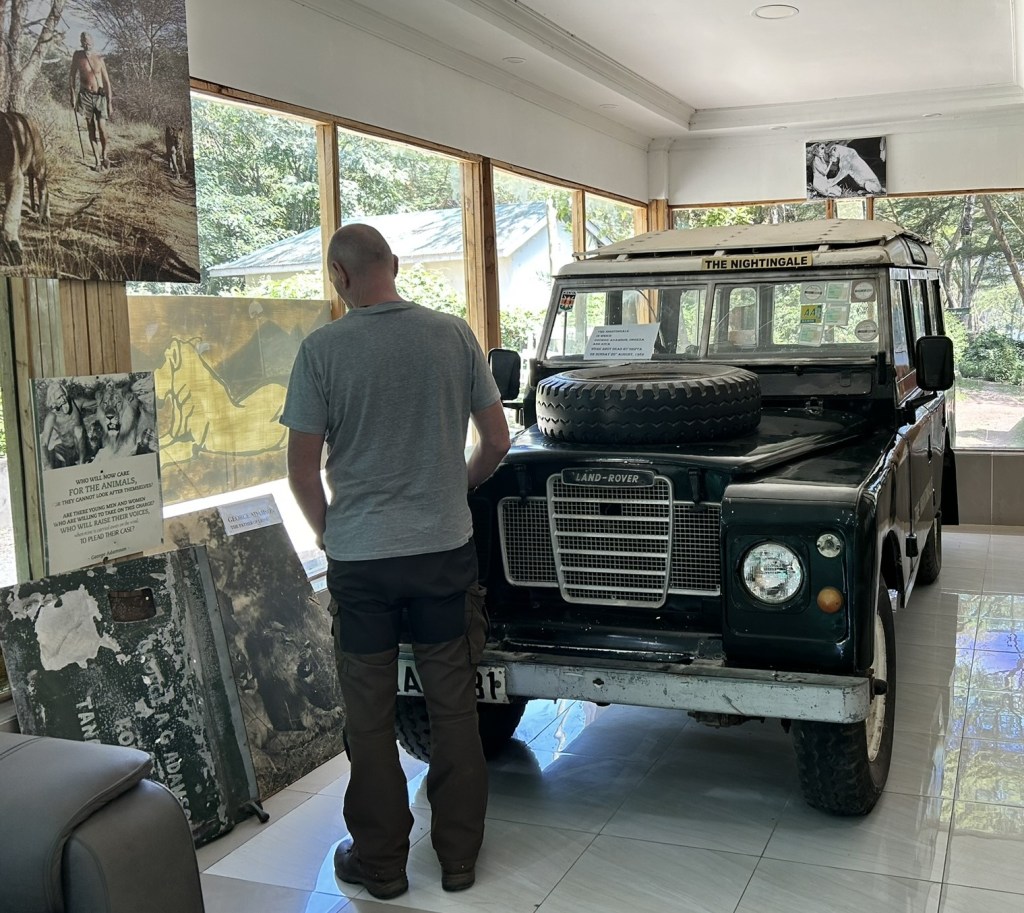
We saw the Landrover that George was driving when he was shot by poachers which was very sobering

The afternoon was finished off by afternoon tea in the beautiful gardens overlooking Lake Naivasha and imagining their life here so many years ago
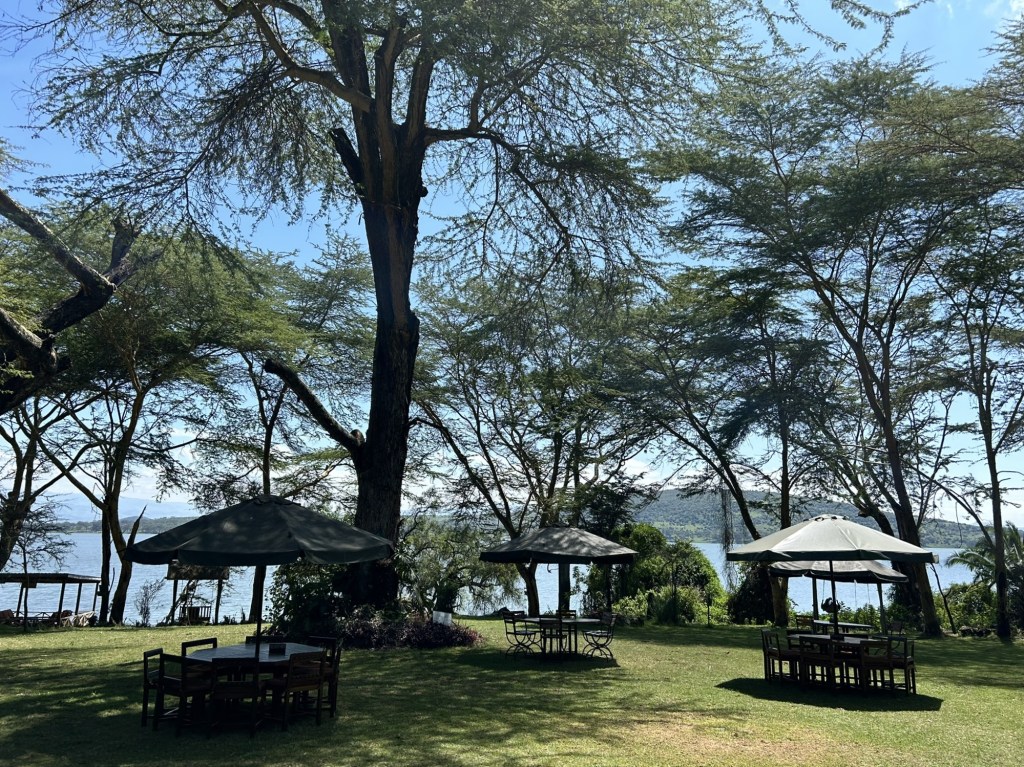

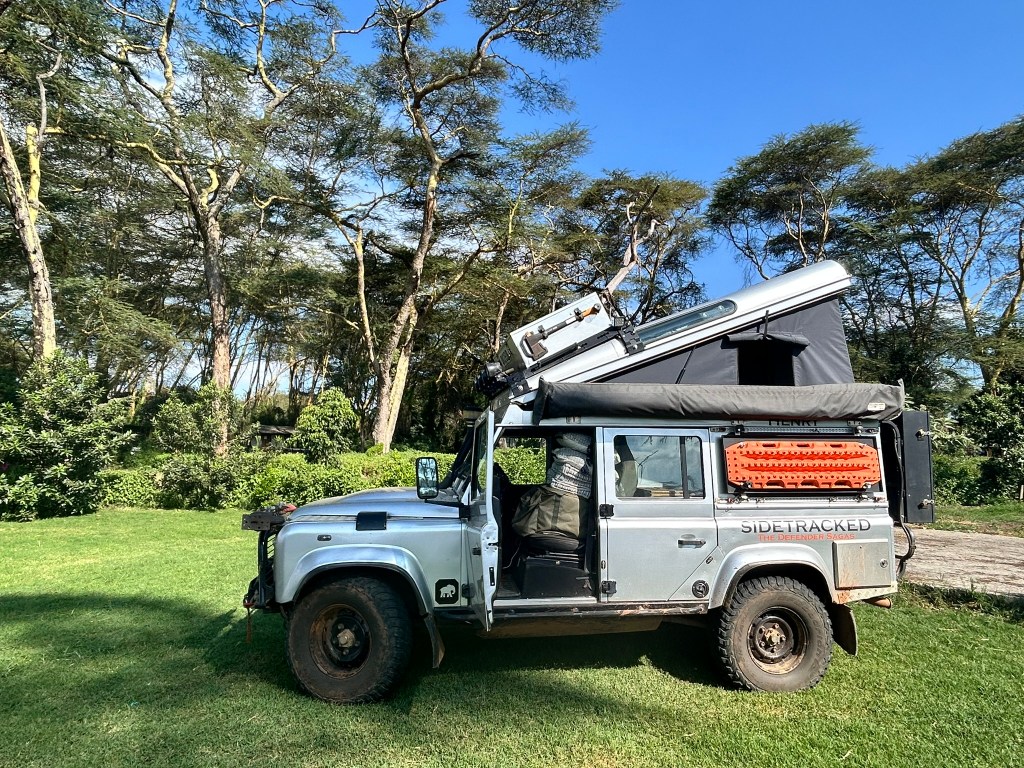
The campsite we had chosen was only a few minutes down the road and when we arrived we were thrilled
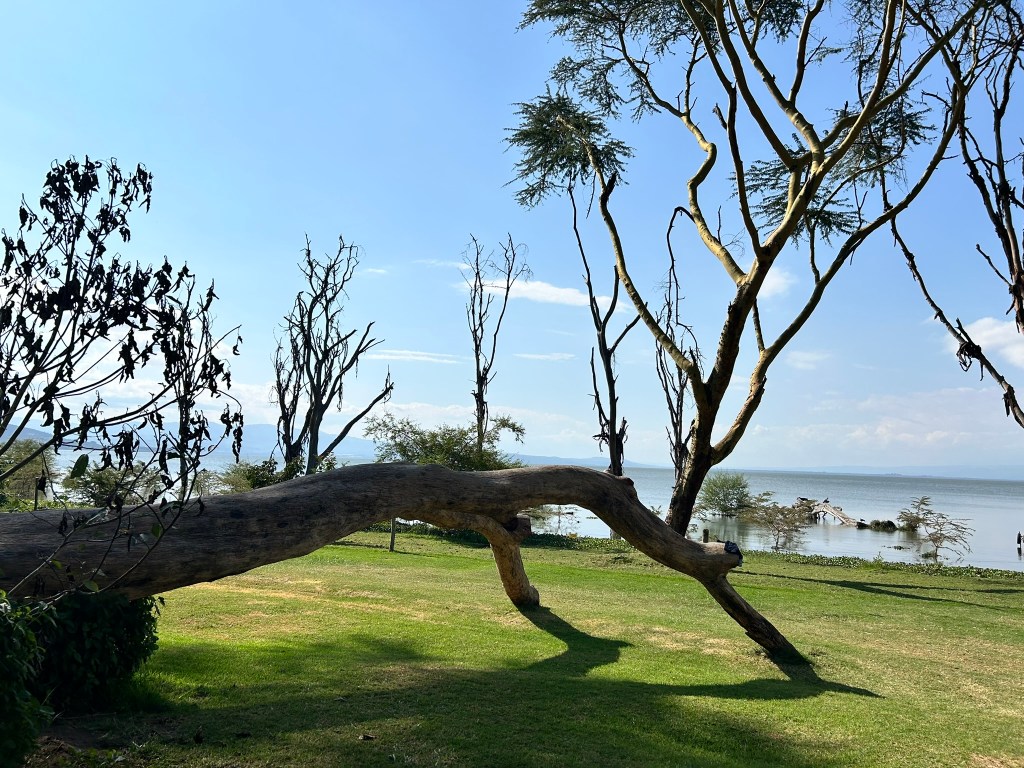
It was like being transported back to southern Africa – a proper campsite with idyllic views over Lake Naivasha, pristine grounds and proper, functioning ablutions
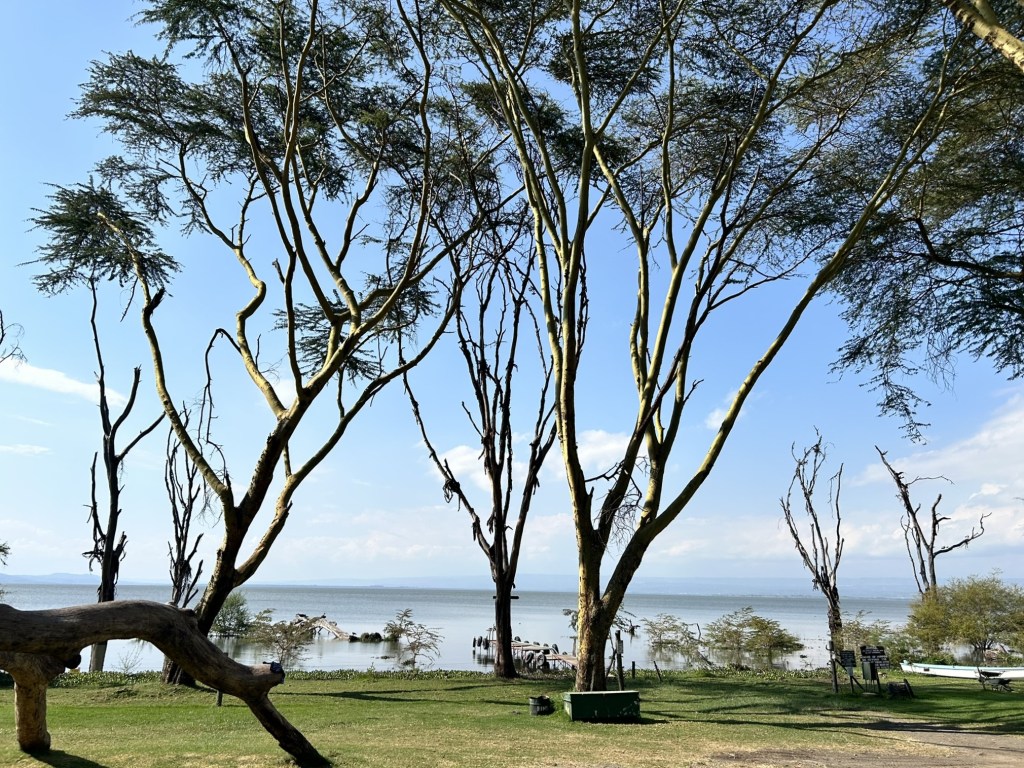
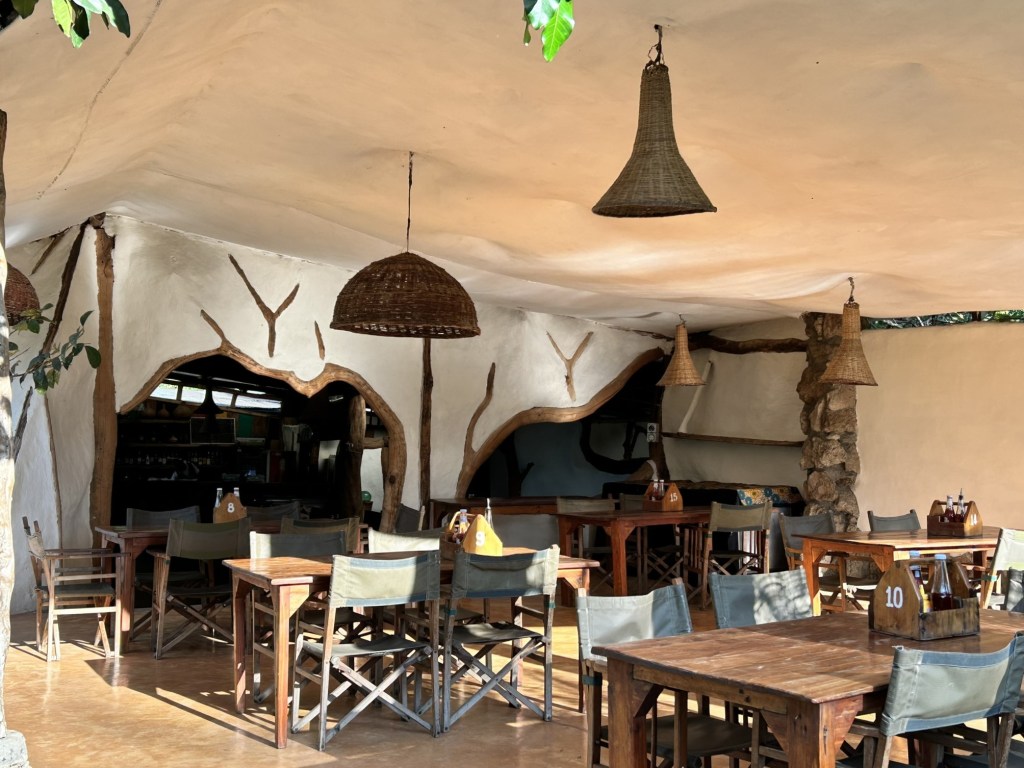
We wandered up to the restaurant for a very nice dinner
And on our return to Henry our evening was topped off by finding the German couple from Namibia who we had met up with again at the Source of Nile parked up next to us, the Overlanding world is a strangely small one!
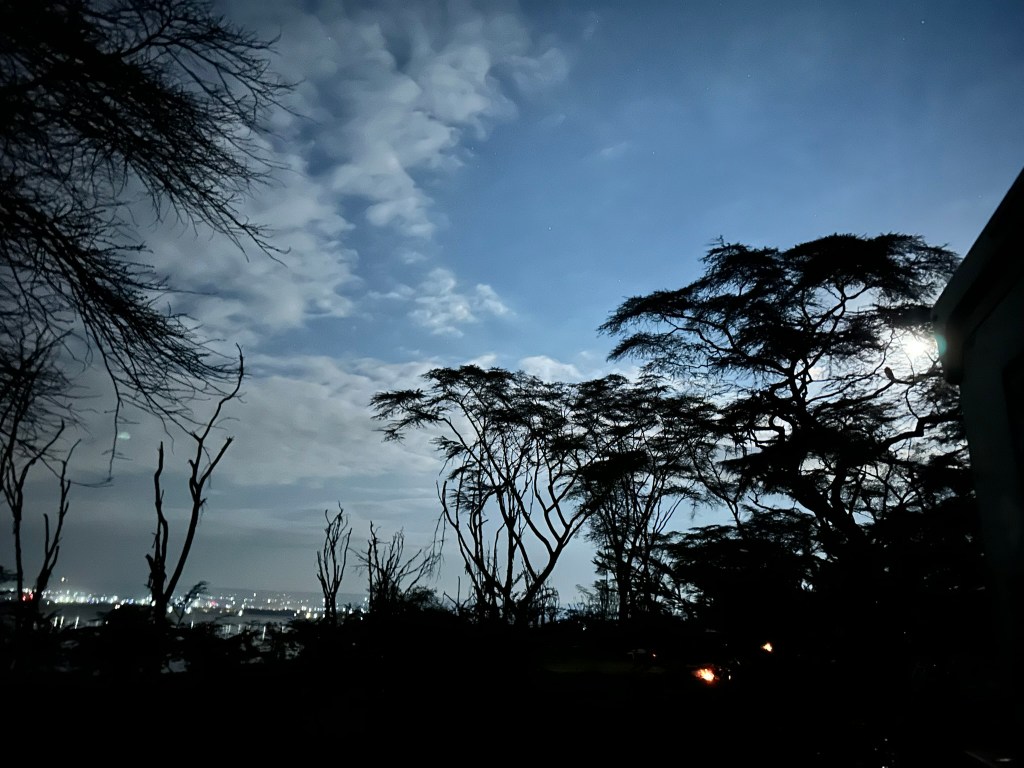
The next morning the temperature had dropped down to 13 degrees which made my training session much easier than it had been for a while. The fresh air and cool breeze from the lake were fabulous.
Today we were off to the Hell´s Gate national park which is more about mountains and scenery rather than animals. The area used to be a prehistoric lake and is now full of multi-coloured rock strata and gorges.
However our first challenge was buying our entrance tickets. Kenya has recently introduced the E-citizen platform which is the only way to purchase tickets to any national park and many other tourist attractions. I had already signed up for it but been unable to get it to work. We hoped that we would get some help at the gate into the park on the basis that they do actually want tourists to visit.
Unsurprisingly, there were dozens of touts and fixers hanging around the gate offering foreign visitors any help they needed – from understanding how the E-citizen app works to paying fees with the all-pervasive M-Pesa money service to offering guiding services.
We tried to sort it out ourselves but failed and I finally accepted help from a friendly fixer. He showed me how to ignore the error message the app always gave, stepped me through the tortuous process of first buying Henry´s tickets then ours, suggested using two different credit cards for each purchase as the app doesn´t like taking payment twice from the same card and finally called someone else over to pay the final amount with their mobile M-Pesa account. All in all it took nearly an hour but we were finally in possession of all our tickets and the various people who had helped were tipped or reimbursed for the costs they had incurred for us. Kenya definitely has its idiosyncrasies!
Our fixer then persuaded us to let him act as our guide to allow us to access the best parts of the national park which we could not enter alone. So we threw him in the back of Henry and set off. James was not happy with how things had gone so far and was sceptical about our need for a guide so kept himself quiet – our guide said James was a man who ´has few words´ but I somehow felt it was meant as a compliment.
The first hour of our trip was simply spent exploring beautiful scenery
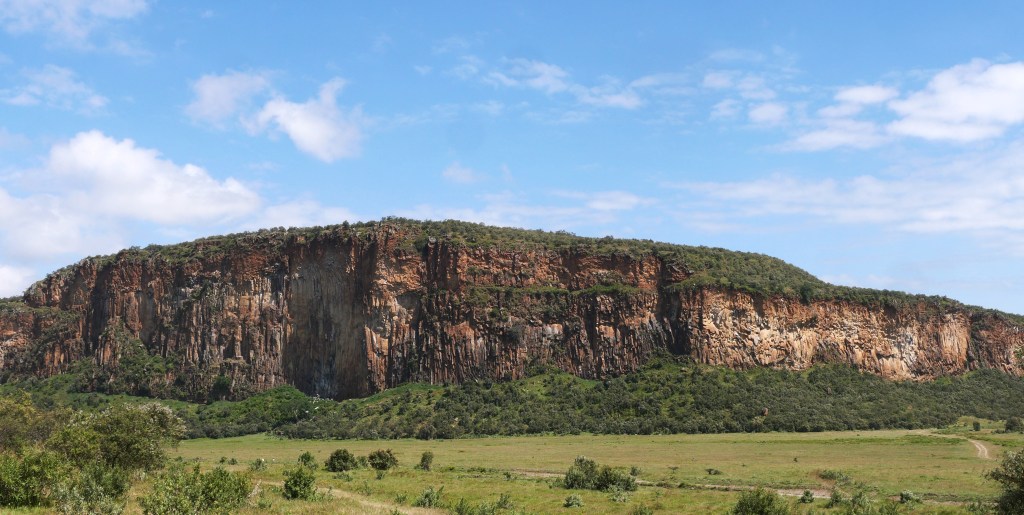
And we had fun calling out at the echo chamber
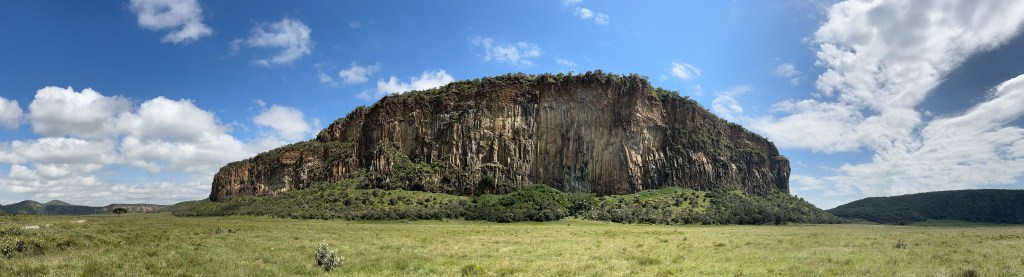
We decided against climbing Fischers Tower
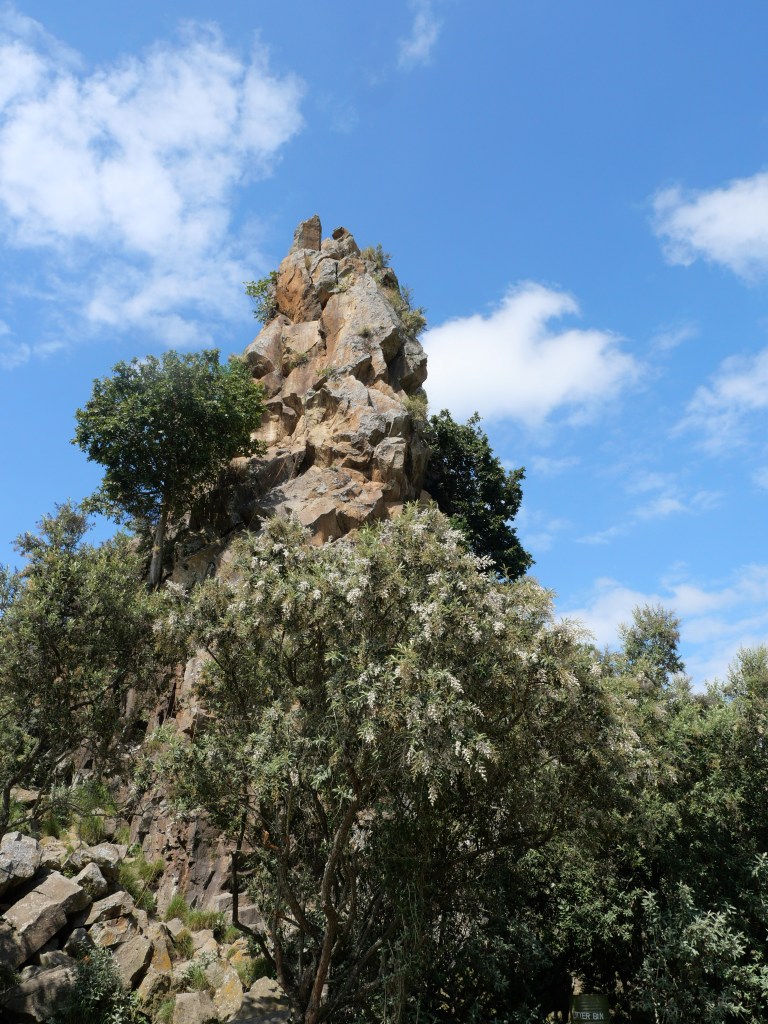
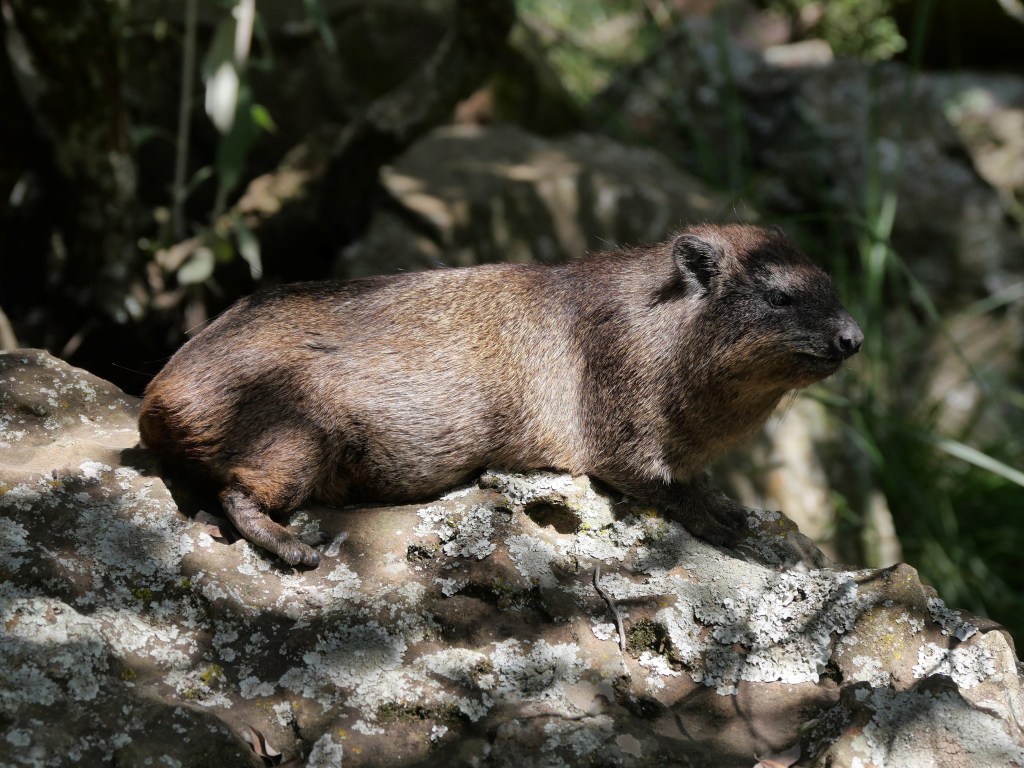
Settling instead for meeting its local inhabitants

When we arrived at the start of the walk to the gorge we found yet another fan club wanting to look round Henry
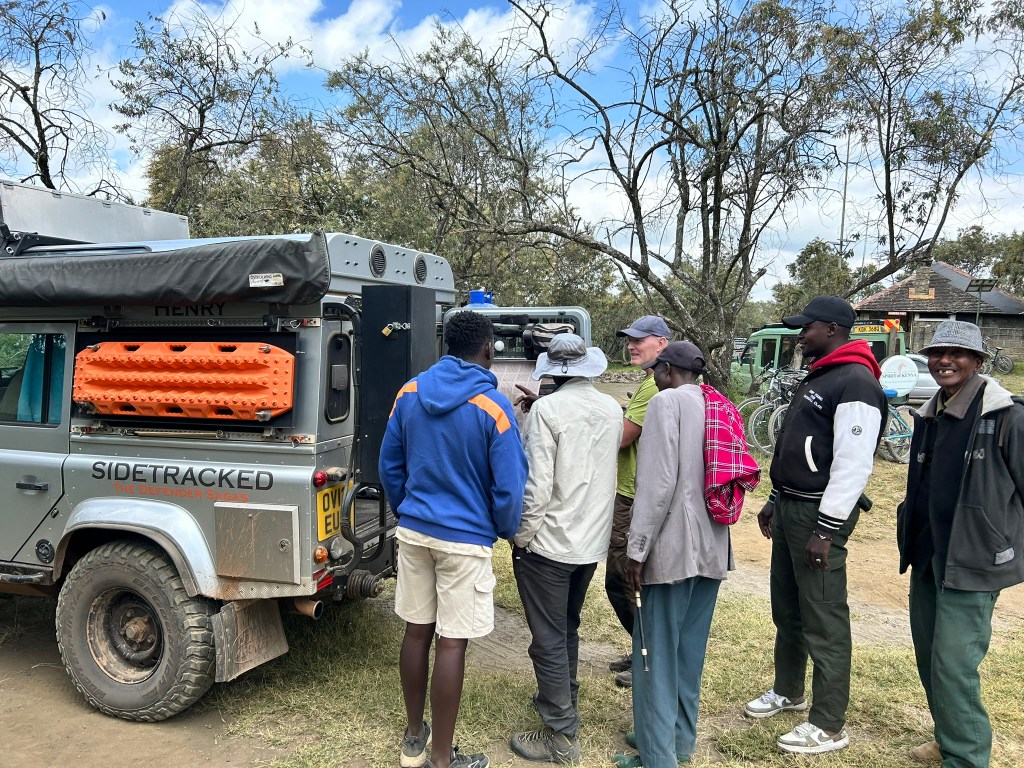
James tried to sell me for 24 cows to two old Masai men. I offered him for 100 cows instead saying he was much more valuable than me because he can fix Landrovers!

These guys were brilliant and kept us laughing for hours. At one point they told us that their ancestors were bemused by the white people who kept turning up and wandering into the bush searching for something. They decided that they were looking for problems as they didn´t have enough of them in their lives! There is definitely something in that to muse on…
The walk was lovely although at one point we found ourselves squeezing through some very tight rocks
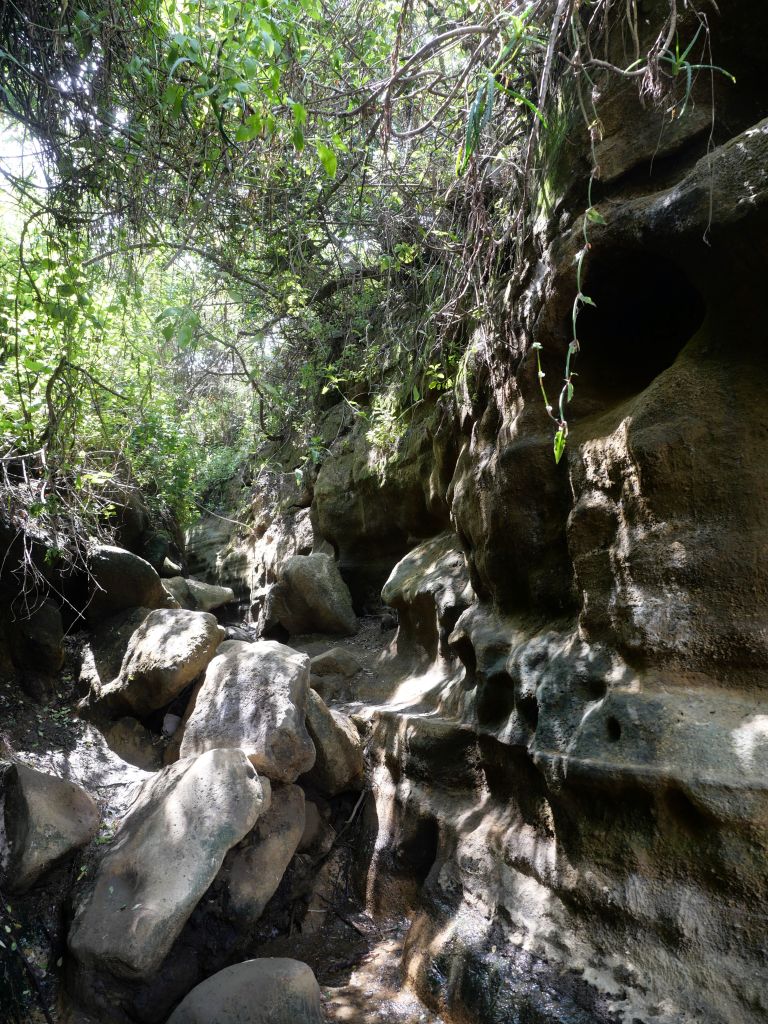
The gorge itself is famous for being part of the Tomb Raiders film set
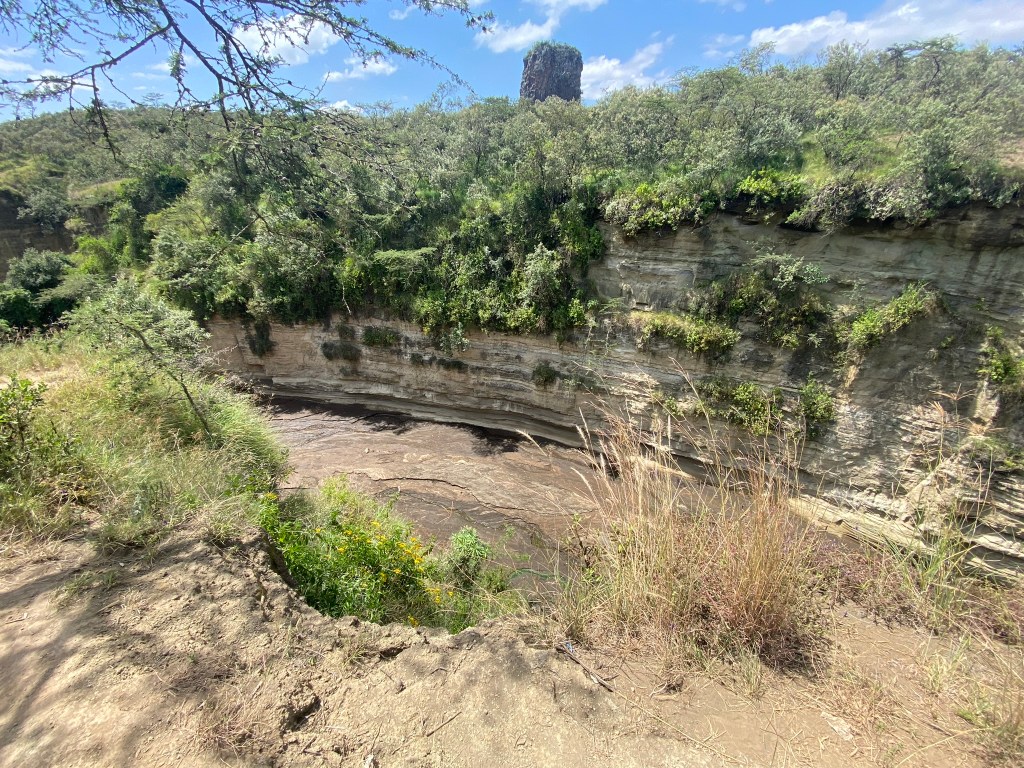
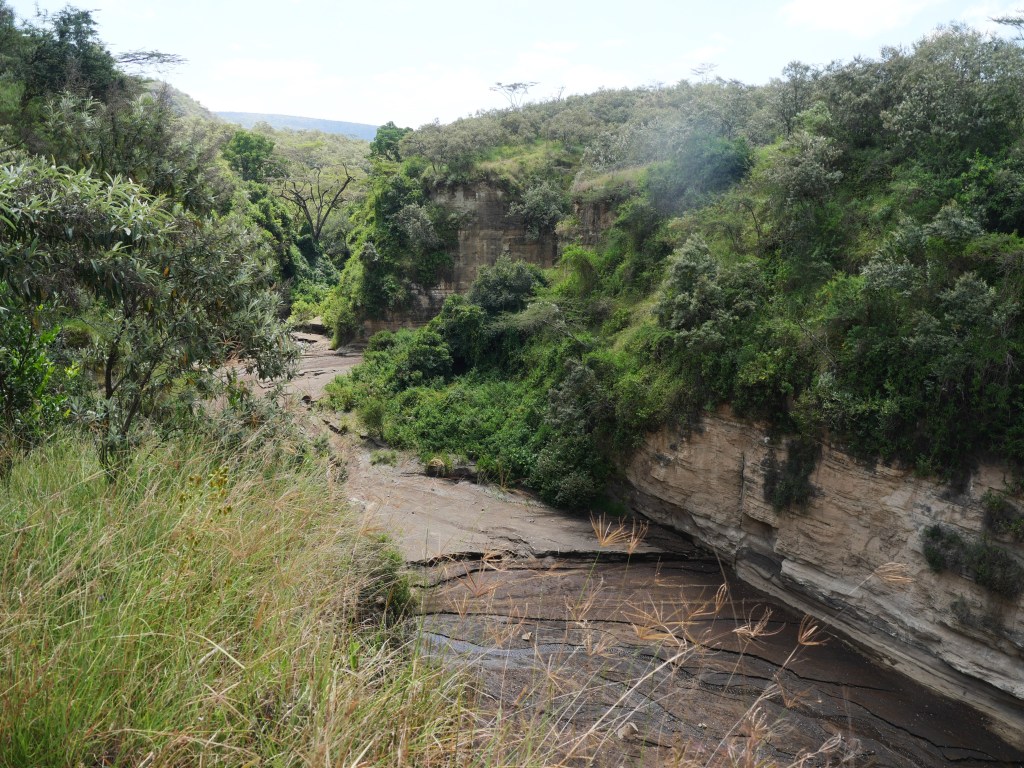
And this is the actual ledge where Simba´s father died in Lion King
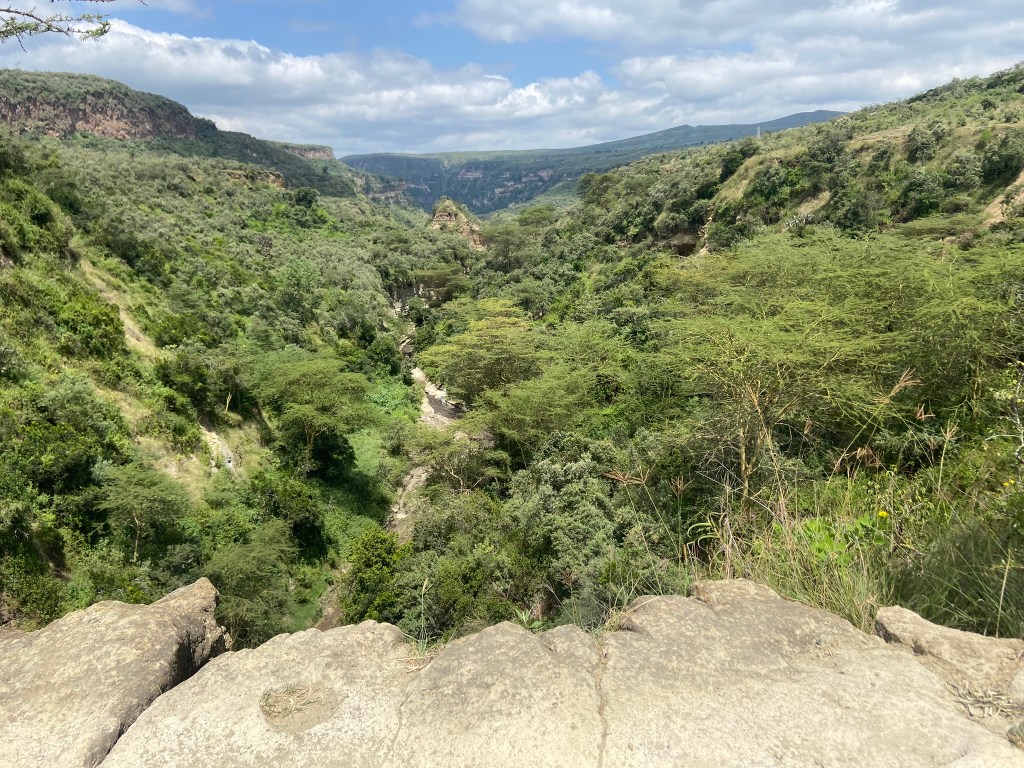
Peering over the edge it really did look familiar

The way back took us up to the top of the cliff
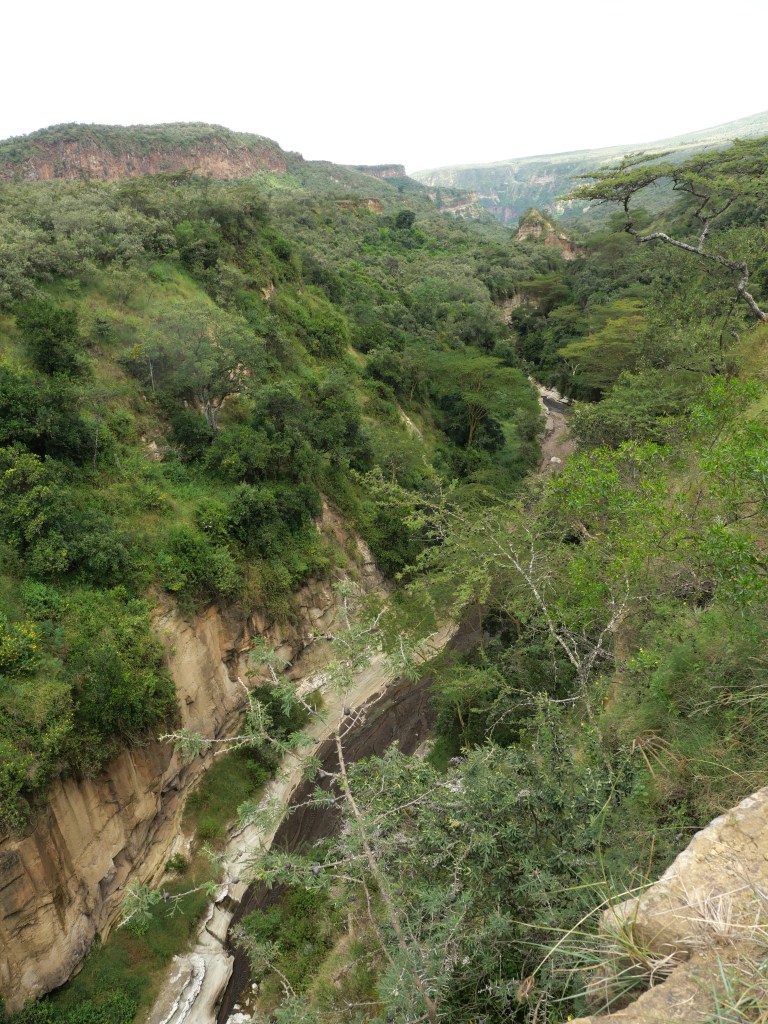
There were two routes up, the hard, steep one and the easier one. Our guide sent James up the hard route but took me the easy way – he told us only ´Mr 100 Cows´ could make it up the harder way!
Against my better judgment I bought a lovely Masai bracelet from a stall along the way. I now have far too many bracelets on my wrist but I also have a great memory of our day and the Masai lady who sold it to me had a much needed sale.
As we walked back our guide was telling us how much he would like to live in the UK. He had heard about how much people earn there doing easy, desk jobs. We warned him that with high wages came high costs of living and he started to ask us for details. We told him the average cost of rent, fuel, taxes, running a car. When we mentioned water rates he said he wouldn´t need to buy water so we explained that not only would he not be able to take water from the nearest river as he does today but that, in any event, the water rates were no more optional than council tax, road tax or income tax. He was adding it all up in his head and came up with about £300 a month average left over once all his bills had been paid. He looked at us in horror and declared that he would stay where he was – we could not disagree!
Back at the campsite the day had warmed up significantly and we spent a very relaxed afternoon cleaning Henry until he sparkled and eating left overs for dinner looking out over the beautiful views
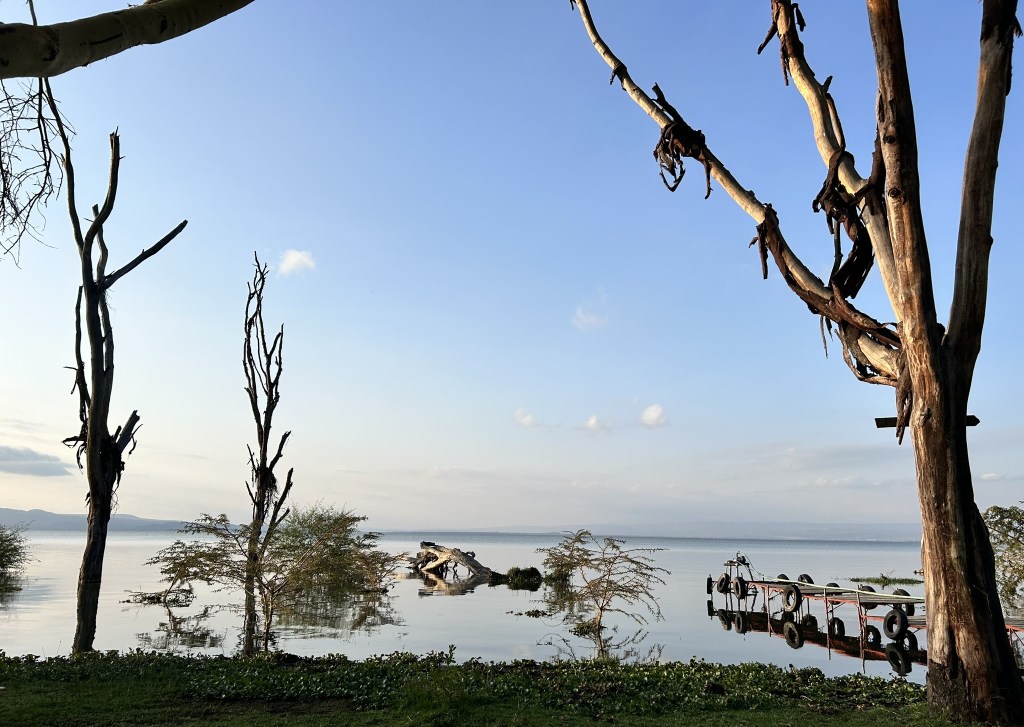
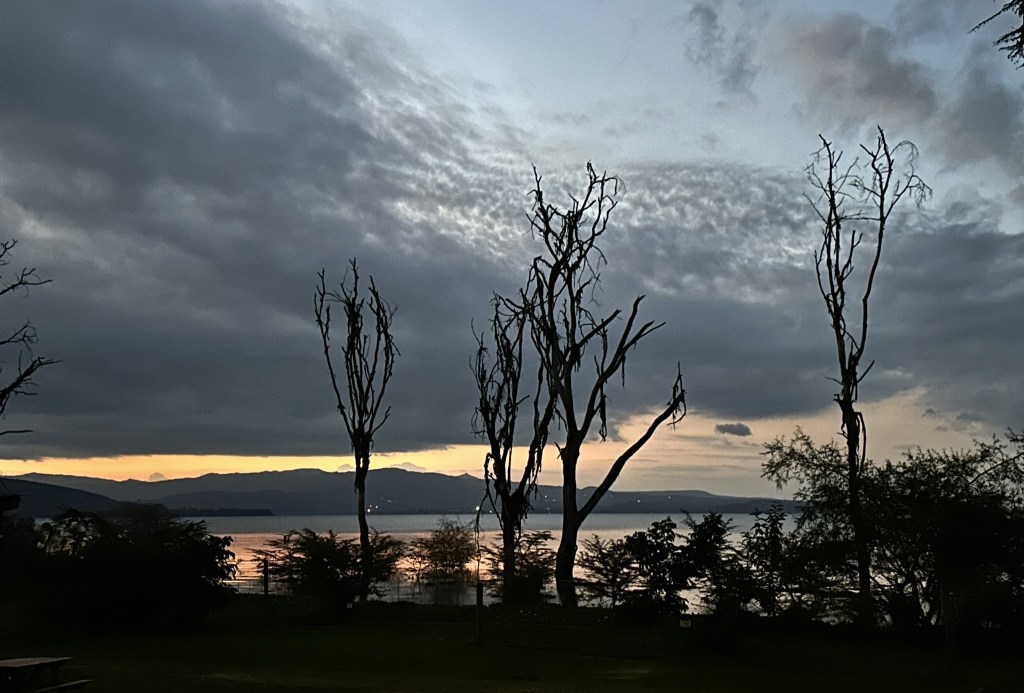
Our Kenyan adventure had started well. Everyone had been friendly, the road police had smiled and waved us by without any problems. The forest and the lakes were beautiful. Life was good.
But we were about to head off to the capital city of Nairobi. We had a feeling that our sense of calm and serenity was about to disappear. What would the city nicknamed Nai-robbery have in store for us?
 The Sidetracked Sagas