Nairobi is, apparently, one of the greenest cities in Africa. It has a lot of public forests as well as the Nairobi National Park. I am also told that it is great for shopping, arts and culture, restaurants and night life.
Kenya´s capital city is also nick-named Nai-robbery and is a hot-bed of violence and crime.
We had been in Kenya for about a week and were enjoying the forests, lakes and national parks. Having already visited a number of busy African cities on our travels we were not that excited about trying out another one – especially not one with the reputation of Nairobi.
But there were things we needed to do there. Henry needed a new throttle pedal – and whatever Henry wants, Henry gets – and we needed to extend his carnet. There were also more interesting things to do – the Karen Blixen museum is in Nairobi as is the giraffe centre.
So, after walking the gorges in the Hells Gate National Park and soaking up the beautiful views over Lake Naivasha at our campsite, we started off towards the city.
It was at around this time that things in Kenya started to get interesting. A few weeks before, the President had introduced a new finance bill that was making its way through parliament. This bill, in essence, was an attempt to tax a very poor and struggling population in order to plug the huge deficit in the country´s finances that had been caused by the corruption and greed of the wealthy and powerful. For once, the population was not having it

Lead by Generation Z and organised through social media, the people rose up and made their views known loud and clear. There were no leaders, in fact when opposition MPs jumped on the bandwagon and started trying to take control of the uprising the people shouted even louder for them to back off and stay out of it

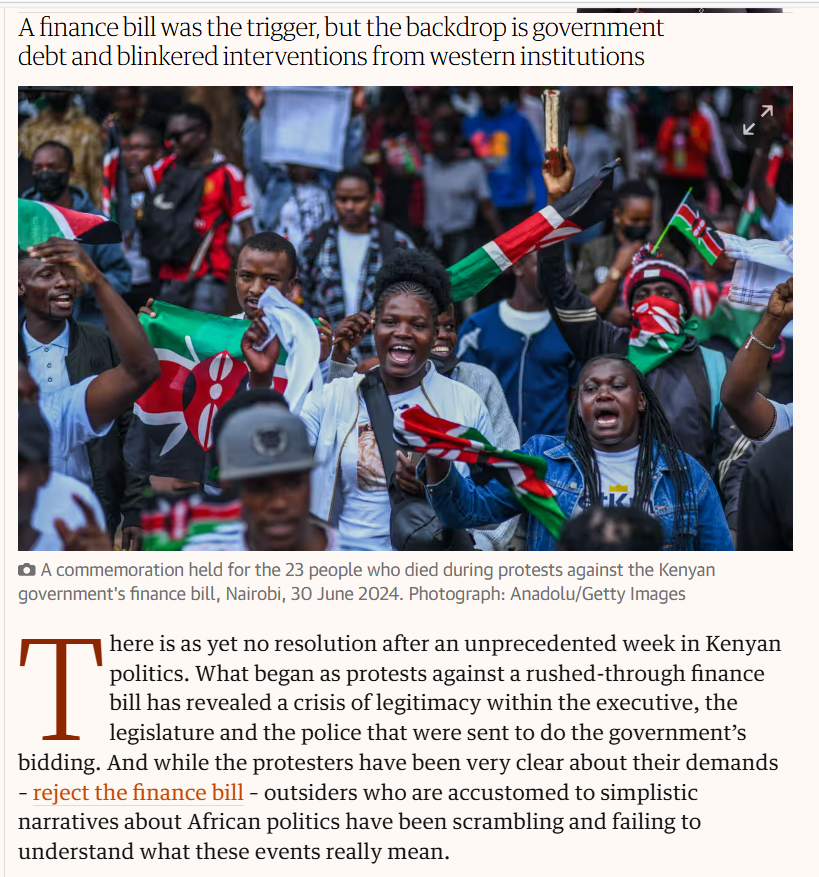
We were in Kenya at a truly remarkable time in its history.
Peaceful protests were being held all over the country in every town and city. Roads and bridges were blocked, whole areas of cities blockaded. Even the President´s home town was in uproar.
Inevitably, over time, these peaceful protests were infiltrated by thugs and became infused with violence but no-one was fooled – everyone knew that these people were not part of the movement and indeed most accused the government itself of orchestrating the violence, trying to discredit the protestors in order to turn public opinion against them

The protests had only just started as we entered Kenya – the border guards staring intently at news reports on the television screens and paying us little attention. As we drove towards Nairobi they were big news but, as yet, still peaceful.
We were very pleased to find that everything we wanted to do was clustered in or around the affluent suburb of Karen in the south of Nairobi. The customs office that was sorting out Henry´s carnet was right in the city centre but the lovely lady who we were dealing with had offered to collect the document from us at our campsite and bring it back once it had been extended. So we had no need to brave the challenges of the city itself.
Karen is a leafy, green, peaceful place with grand houses, tree line avenues and little traffic
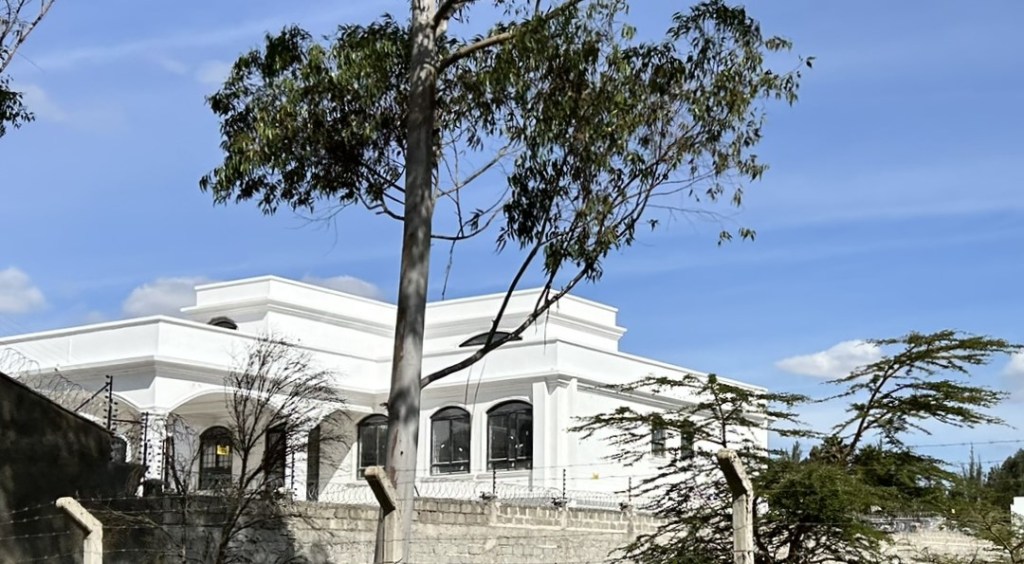
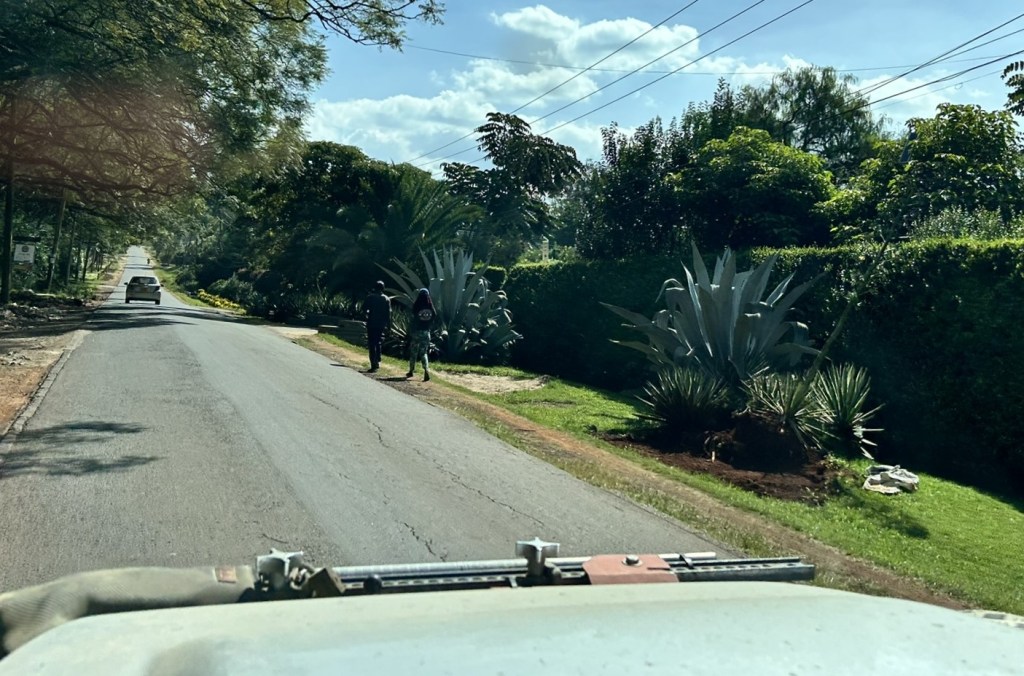
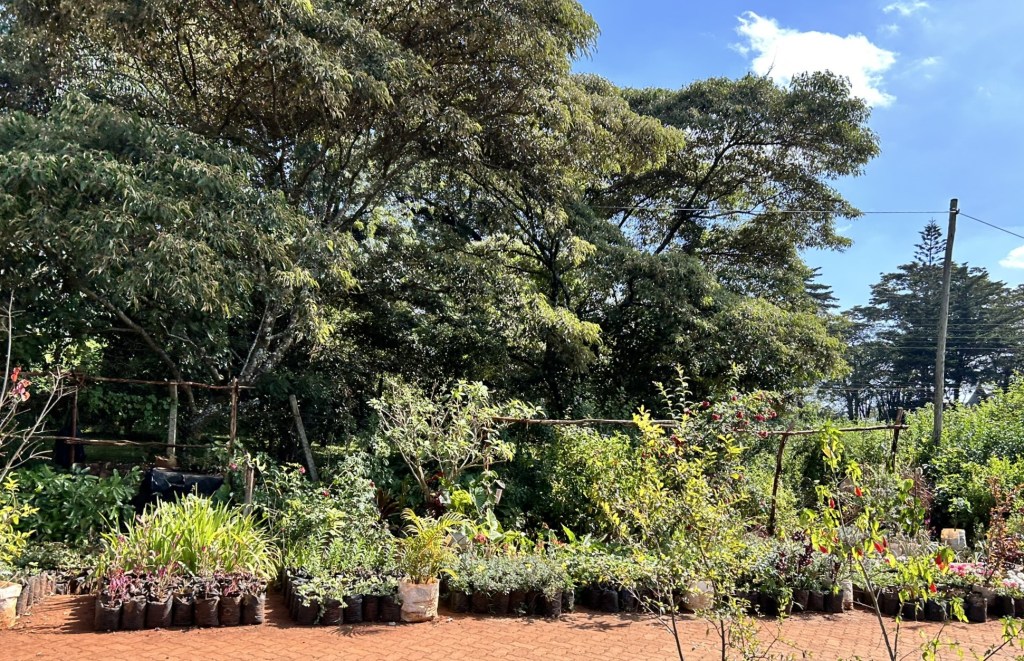
Named after Karen Blixen herself, it is built on the land that she farmed and is now where the wealthy people live. There are three campsites in this area and we chose Karen Camp.
It was rather run-down and a little dirty. The showers and toilets were inside what used to be a colonial hotel but was now a shabby bar and occasional guesthouse. And there were three rather abandoned overland trucks parked on the campsite with grass growing around them
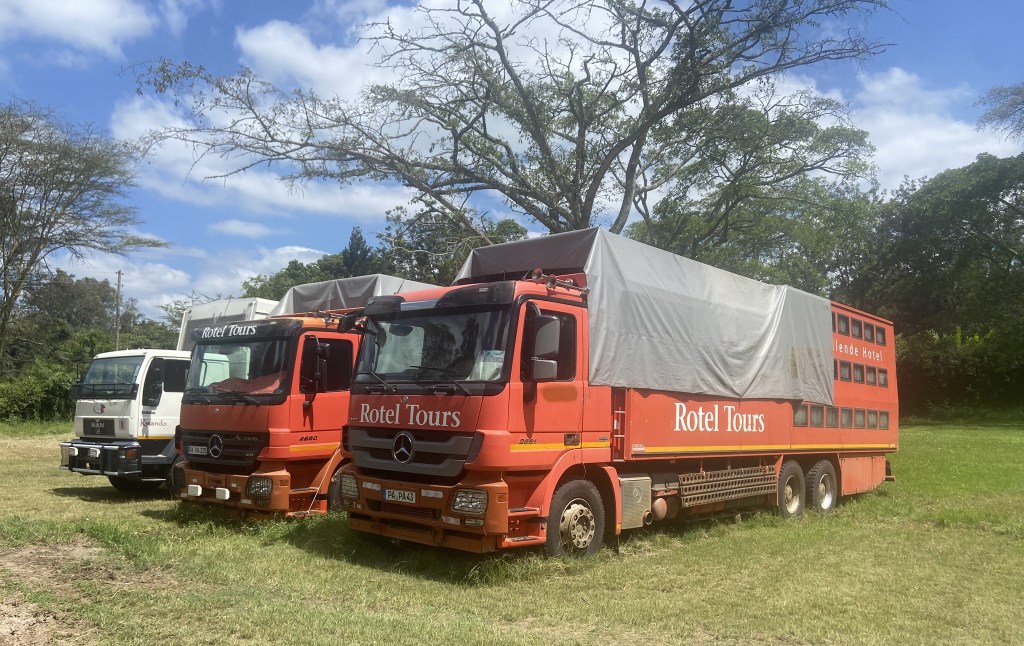
But it was safe, friendly and convenient so we booked in for three nights and headed out to the Sauerkraut Bistro down the road for lunch.
The bistro was owned by a German lady and her husband who had both been in Kenya for 18 years. I got chatting to her and discovered that they were planning a road trip to Namibia in the near future. She was very interested to hear our stories. We swapped numbers and I promised to give her any help and ideas they might need when the time came to start planning.
From there we went straight to the Karen Blixen museum
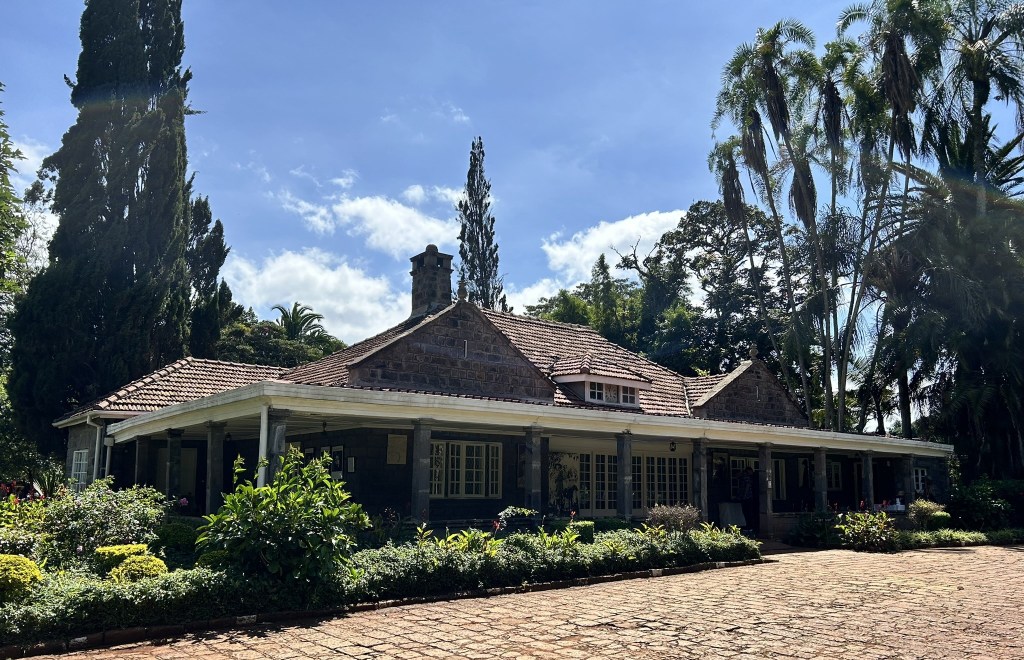
For those that are not familiar with the name, Karen Blixen was a wealthy Danish lady who wrote the book ´Out of Africa´ based on the 14 years she spent living on a 6,000 hectare coffee farm right here. Sadly the coffee farm was a failure and she returned to Denmark in 1931 but whilst she was in Kenya she worked so hard for the local community and spent so much of her time and money providing education, healthcare and work to everyone that she became greatly loved and respected – hence naming the whole area after her.
When we arrived we had to do battle with the E-citizen platform again but this time, having been trained by our guide at Hells Gate, we got through it far more easily and walked inside the gates leaving a crowd of other tourists staring hopelessly at their smart phones and scratching their heads!
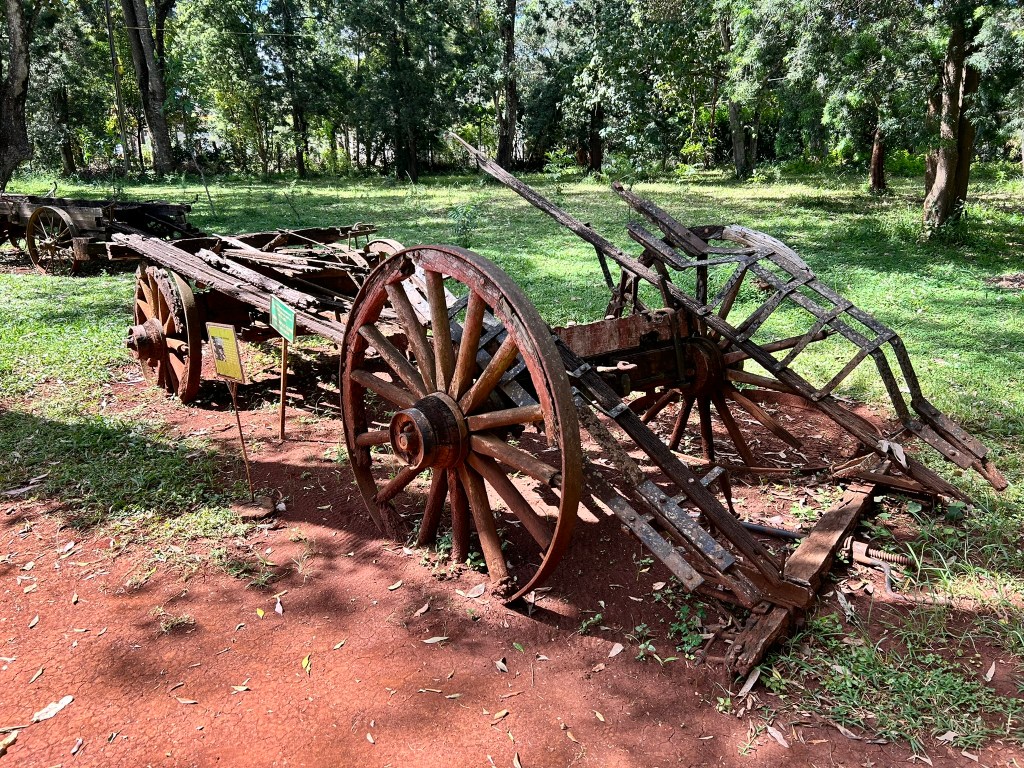
Our guide showed us around the house and gardens, including some of Karen´s original farm equipment – it was all lovely
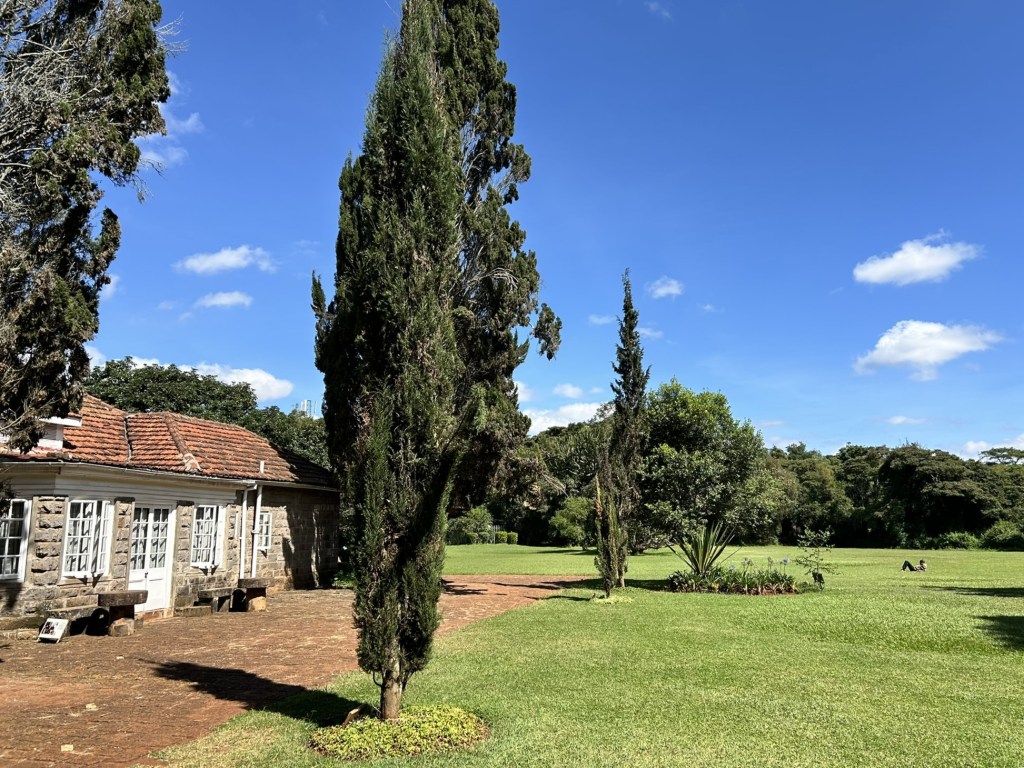
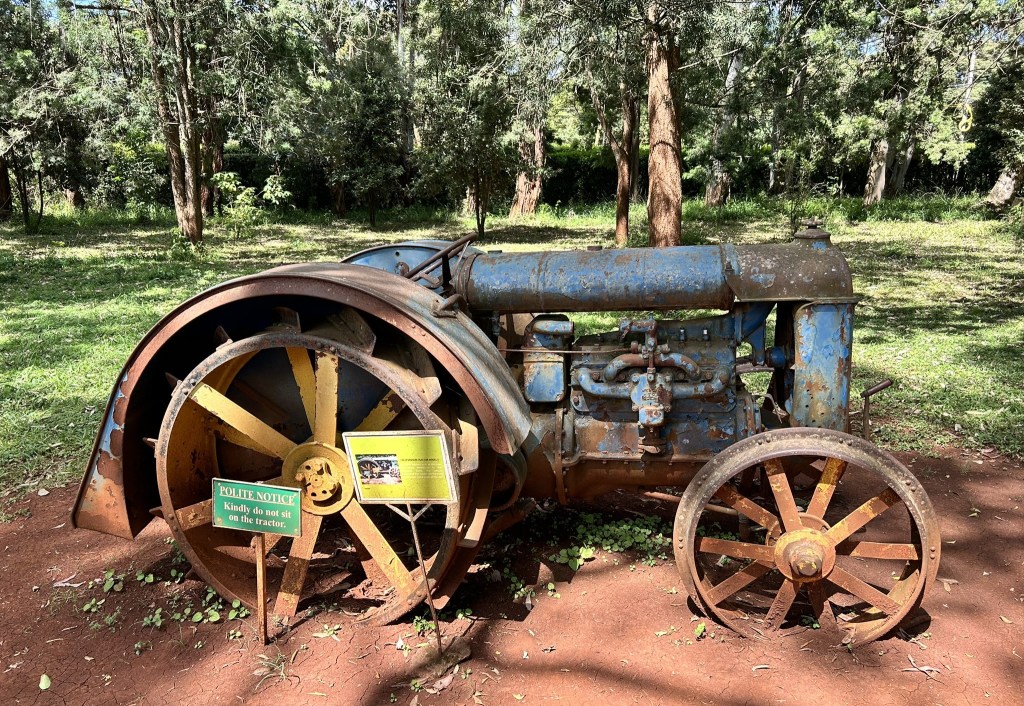
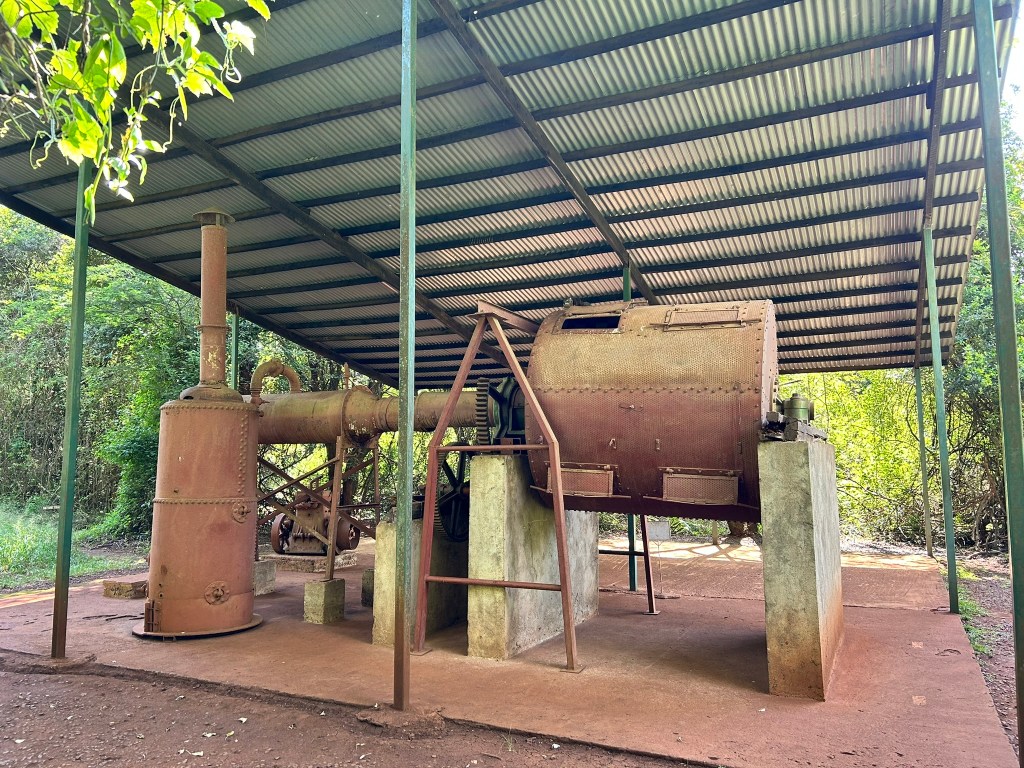
We even saw her coffee processing equipment
James was very impressed by the quality of workmanship in the house itself
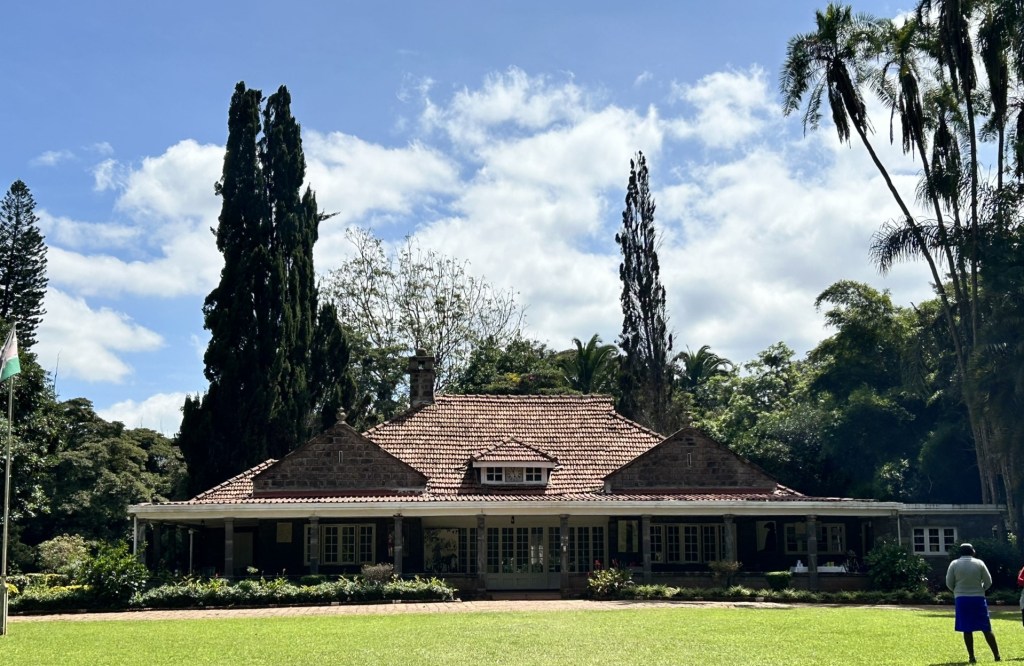
And it was fascinating to remember how isolated Karen´s farm had seemed in the film compared to how it is today – full of houses, roads and shops. But either way, her farm had always only ever been 12 km from the centre of Nairobi.
After the tour we were left to wander around the gardens on our own. We went to see the open air art gallery and got chatting to the artist
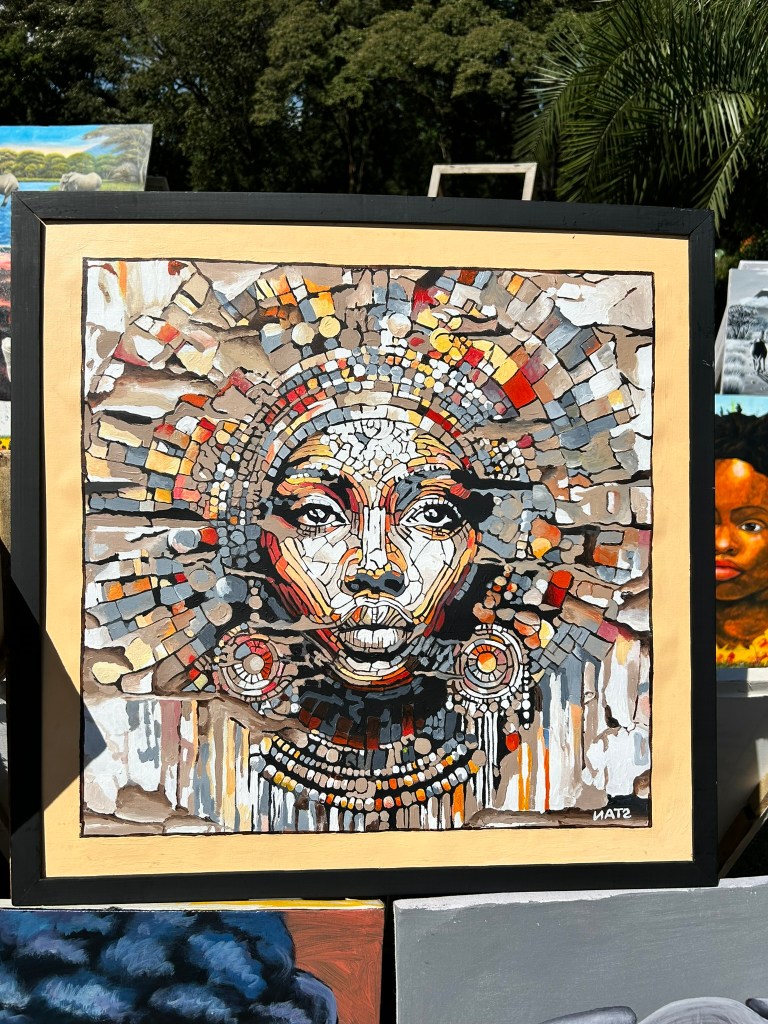
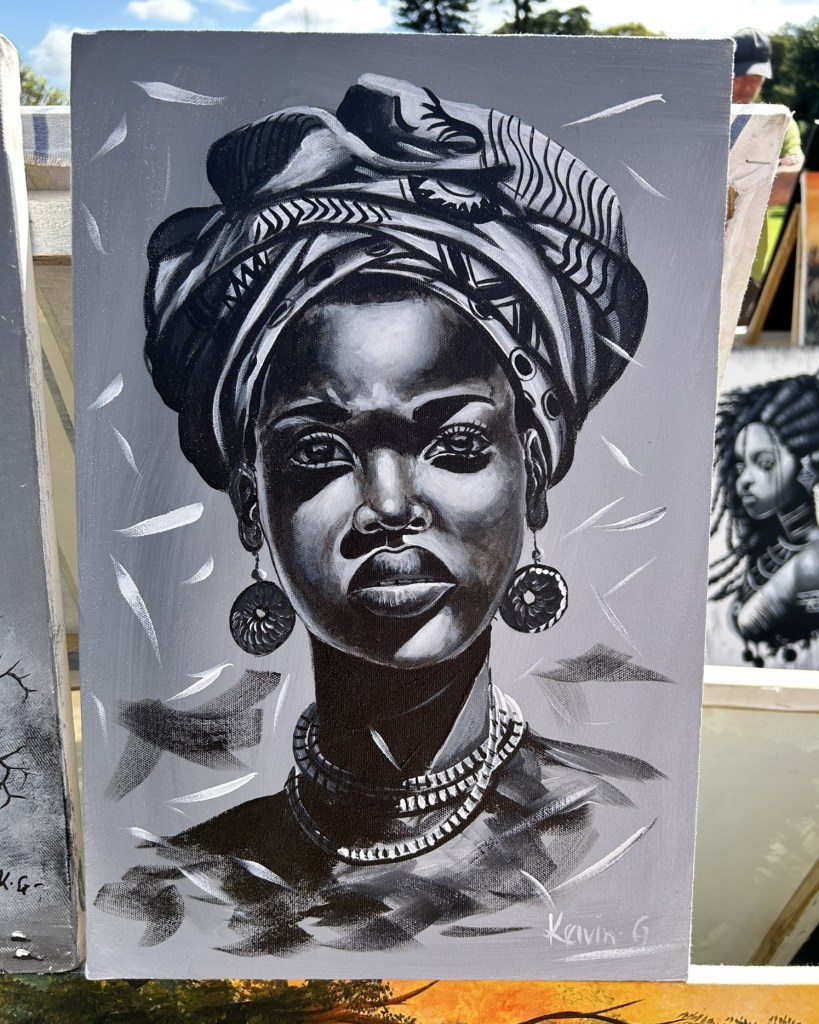
He was fascinating and as a Gen Z representative had been participating in the peaceful protests. Talking to him gave me genuine hope that the future of Kenya, and maybe other African countries, could be bright with corruption tackled once and for all.
He told us that the elite families had ruled Kenya since independence and only ever for their own gain – the rich get richer whilst everyone else suffers. The younger people believe that the rich and powerful have been deliberately stirring up tribal conflict to keep people fighting each other rather than joining together to fight corruption. He said no more, the people have had enough. The youth are crossing tribal boundaries and joining together – if you have something I don´t and I have something you don´t then by joining together we are stronger. He said that at the grass roots level everyone has always got on together regardless of tribe, it is only the politicians that tell everyone to hate each other. Now the people are refusing to let the wealthy take everything and give back only lies. The current President is apparently not one of the traditional ruling families and the youth helped to vote him in hoping things would change. He let them down and they will not let him get away with it – they are disappointed in him and they are angry.
If Gen Z can translate talk like this into real change then anything can be achieved. We listened to him with open mouths, my heart fluttering in my chest with hope for the future.
By the time we arrived back at our campsite we found that another overland truck had pulled in. It looked familiar and James stared at it thoughtfully. He then took his phone out and started flicking through some old photos. Eventually he exclaimed – it was the very same truck we had travelled through West Africa with but it had a different company name written on the side.
We smiled at each other and commented what a coincidence it was then walked over to Henry to start dinner. James kept looking back at the truck until he finally decided to go over and talk to the driver. A moment later he came running back laughing and shouting at me to come. Not only was this the same vehicle we had travelled with, the driver was none other than Steve himself

It was a very strange feeling to be standing talking to him. All the memories came flooding back of our time together travelling the toughest part of Africa – the highs and lows, the fun and the drama.
Steve was looking well and claimed not to remember ever having vowed never to do any more long term expeditions!
That evening we downloaded Out of Africa onto our laptop and watched Born Free whilst eating cheese and biscuits – we truly were living the Kenyan dream!
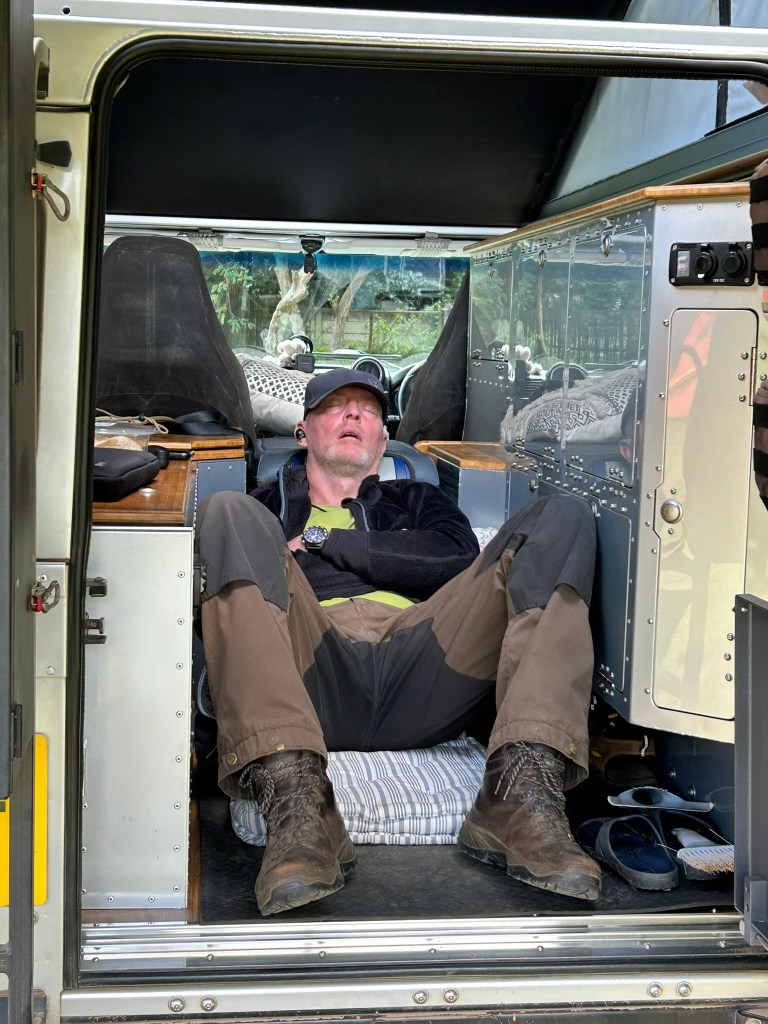
We were due to go to a Landrover garage the next day but had to cancel our plans as there were protests throughout the city. Instead we decided to stay closer to home and visit some giraffes nearby.
Before we left the campsite our carnet woman came over to collect our document and take it to her office in town for processing. That was the last we were to see of her – she ended that day running for her life with her colleagues as the Parliament building was burnt to the ground. She was fine but refused to leave her house again the next day as she was so shaken up. So a motorbike taxi was commissioned to bring our carnet back to us.
We only found out how bad things had got later that evening, at the time we were blissfully unaware, happily visiting with our giraffes at the famous Giraffe Conservation Centre.
The centre is a not-for-profit organisation set up to provide education for Kenyan school children. It also aims to give both Kenyan and international visitors the opportunity to come into close contact with giraffes in the hope that it will encourage a more positive feeling towards wildlife.
They breed the endangered Rothschild Giraffe and release them into the national parks in an attempt to stop them falling into extinction.
The main attraction here is feeding time…
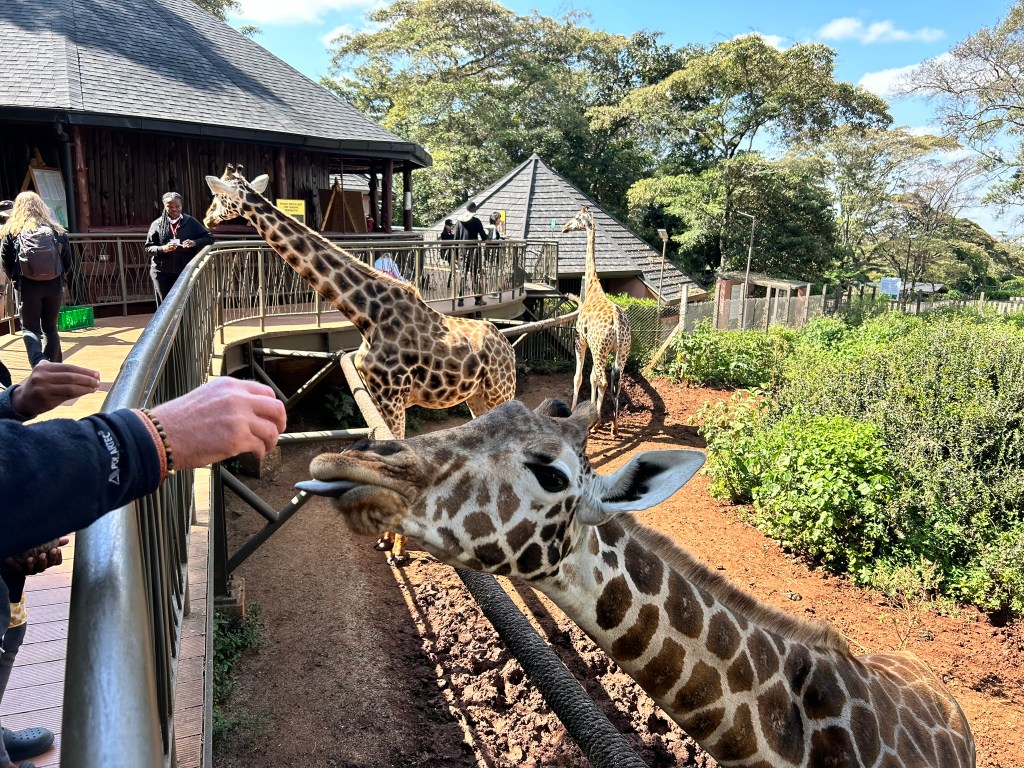
It was lovely
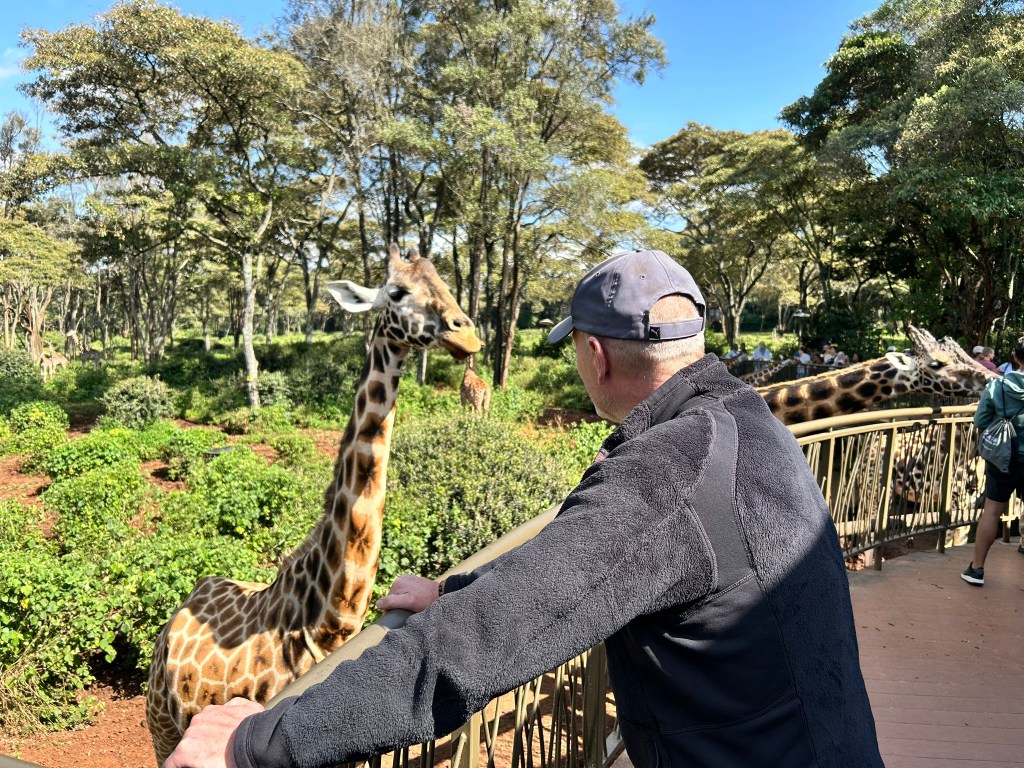
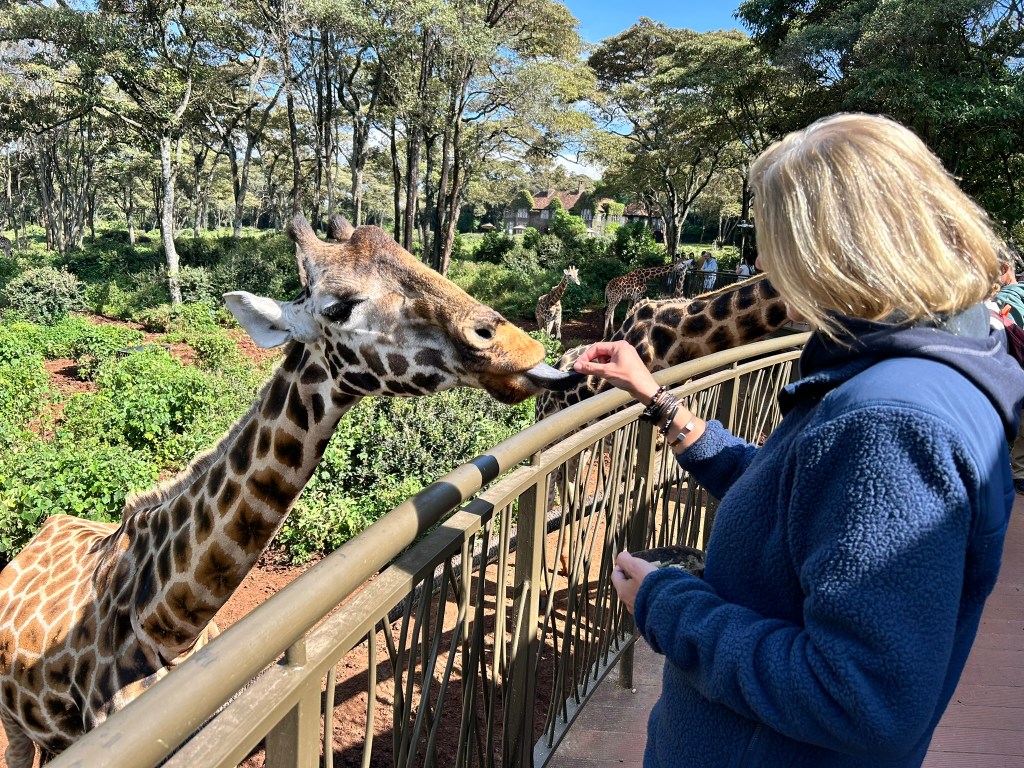
Giraffes have very long and slimy tongues
But we were warned about some of them as, apparently, they have a habit of head-butting visitors if they get too close – and they looked so innocent!
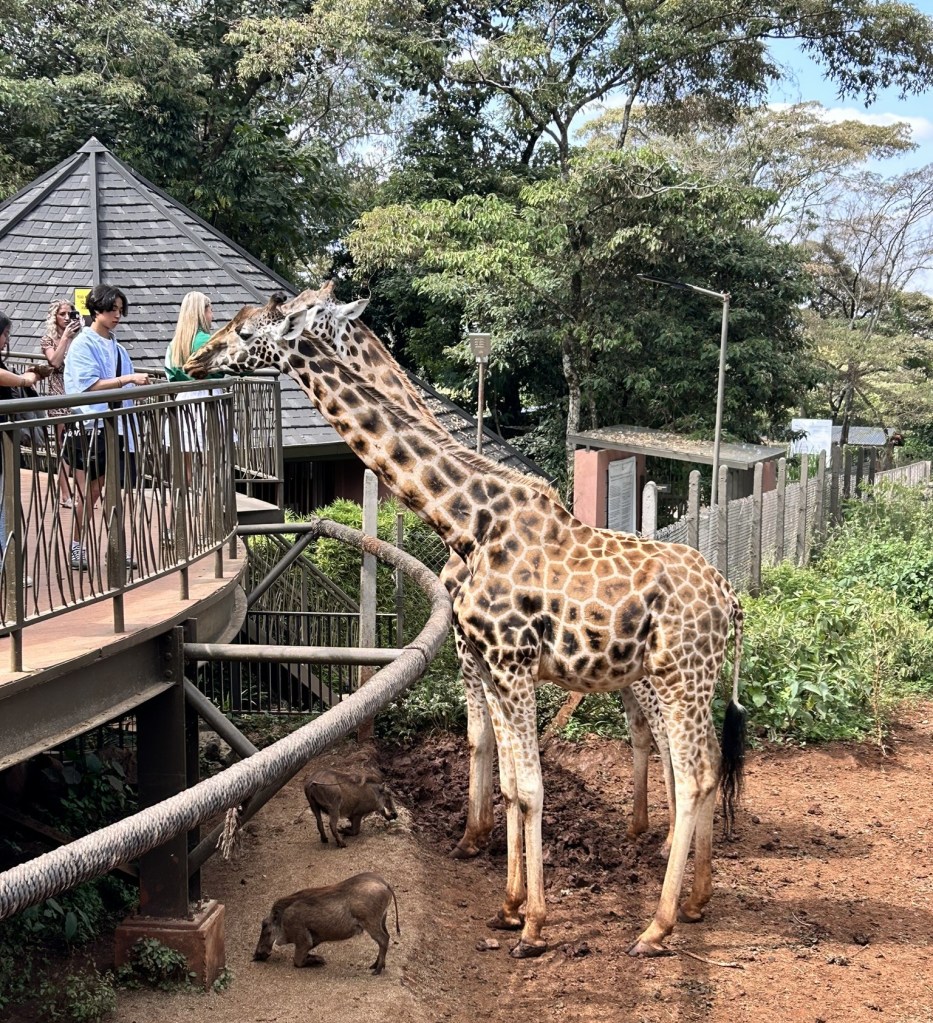
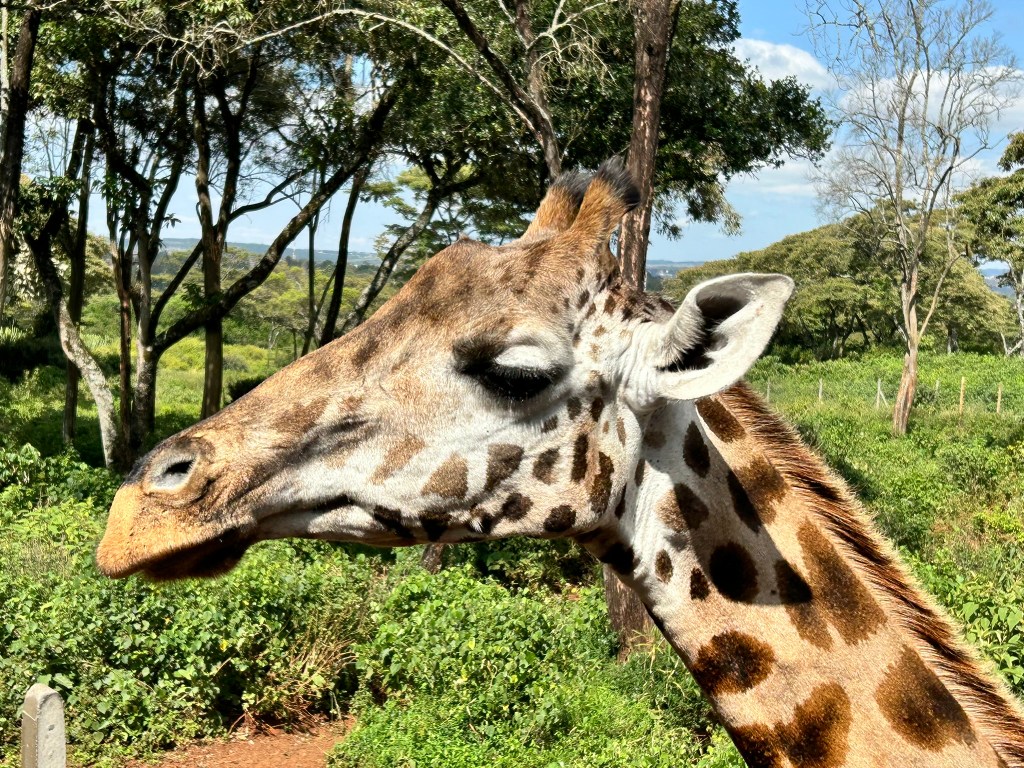
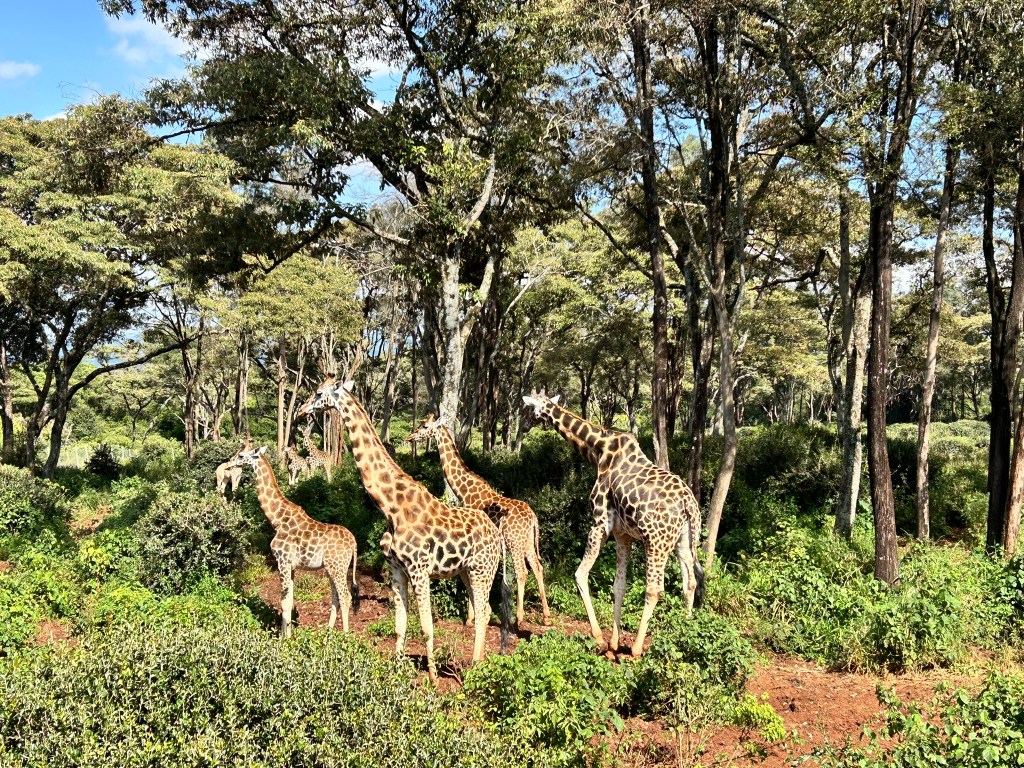
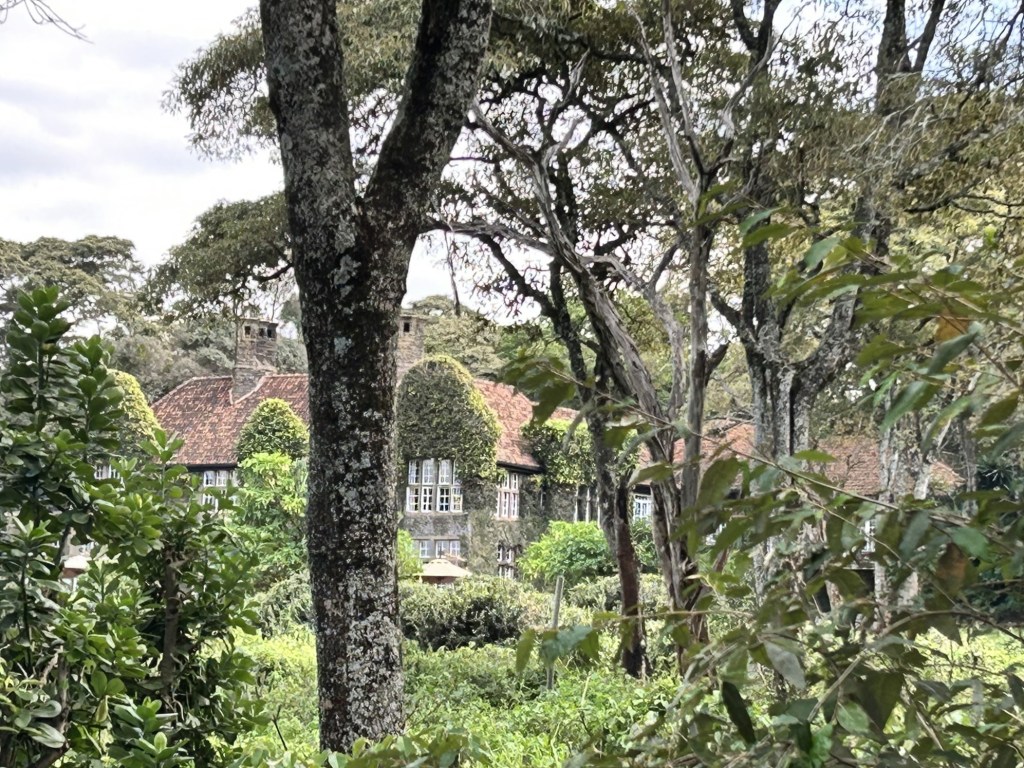
We even caught site of Giraffe Manor through the trees – a beautiful manor house, the original home of the founders of the Giraffe Centre in 1932 but now a very expensive hotel where you can have breakfast with giraffes peering over you
That evening, as we ate chicken pasta and watched a movie, Nairobi burned. We saw some of the events on the television in the bar and the locals were in heated discussion about the government and the future. We felt safe enough where we were – no-one was interested in giving tourists a hard time – but it was a remarkable thing to be witnessing.
Having been unable to go to our preferred Landrover garage the previous day we visited Foleys the next morning who were much closer to the campsite. They suggested we change Henry´s clutch switch rather than the throttle pedal but it made no difference. We chatted to the manager there about the protests and he said it was unheard of in Kenya, even in the 2007 protests against the rigged election. He recommended that we leave the city early the next day to ensure we didn´t get caught up in anything. The military had been called in to try and stop the protests and he was concerned that things would escalate still further.
His advice was well timed as we had planned to leave the next day anyway. And not only to leave the city but to go into the middle of nowhere for a few days. We were heading south into the Masai lands of Shompole right on the border between Kenya and Tanzania.
With Henry´s carnet returned and our cupboards stocked up, the timing of this trip could not have been better. Whilst we knew that we were not going to be targets and the people were trying to protest peacefully, things can get out of control quickly and we were starting to feel uneasy here in Kenya. It was therefore reassuring to know that if things got any worse we could drive across the border back into the safe hands of Tanzania without needing to pass through any large cities. We figured we might need our Masai guide to show us the way as there were no official roads between the two countries in this area – but this was Africa, there is always a way.
We were up very early the next morning and I even gave up my training so that we could be out of the city before any trouble started. We drove for three hours down a bumpy and pot-holed road deep into the heart of the Masai lands
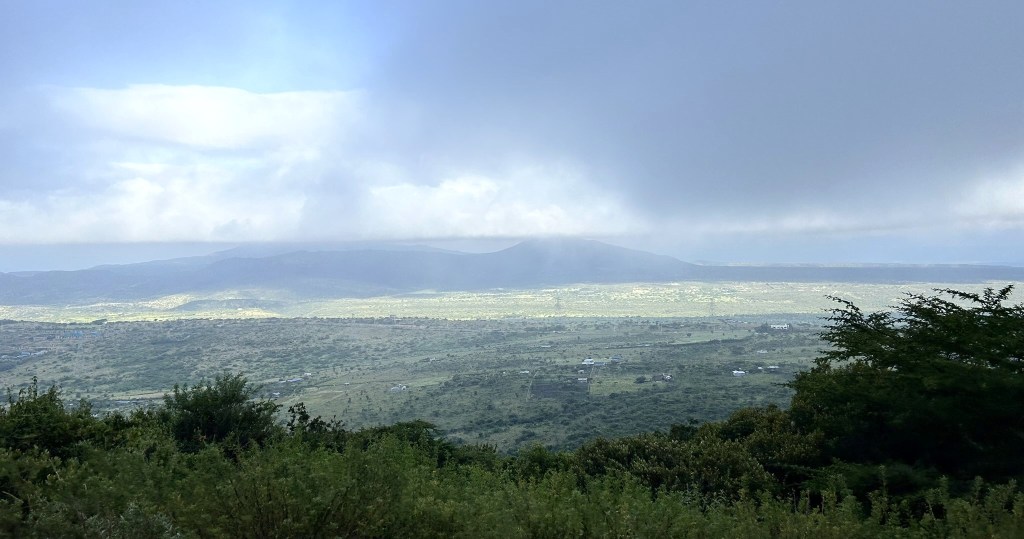
As we crossed the gates into the conservancy, we started the most wonderful three days of our entire time in Kenya.
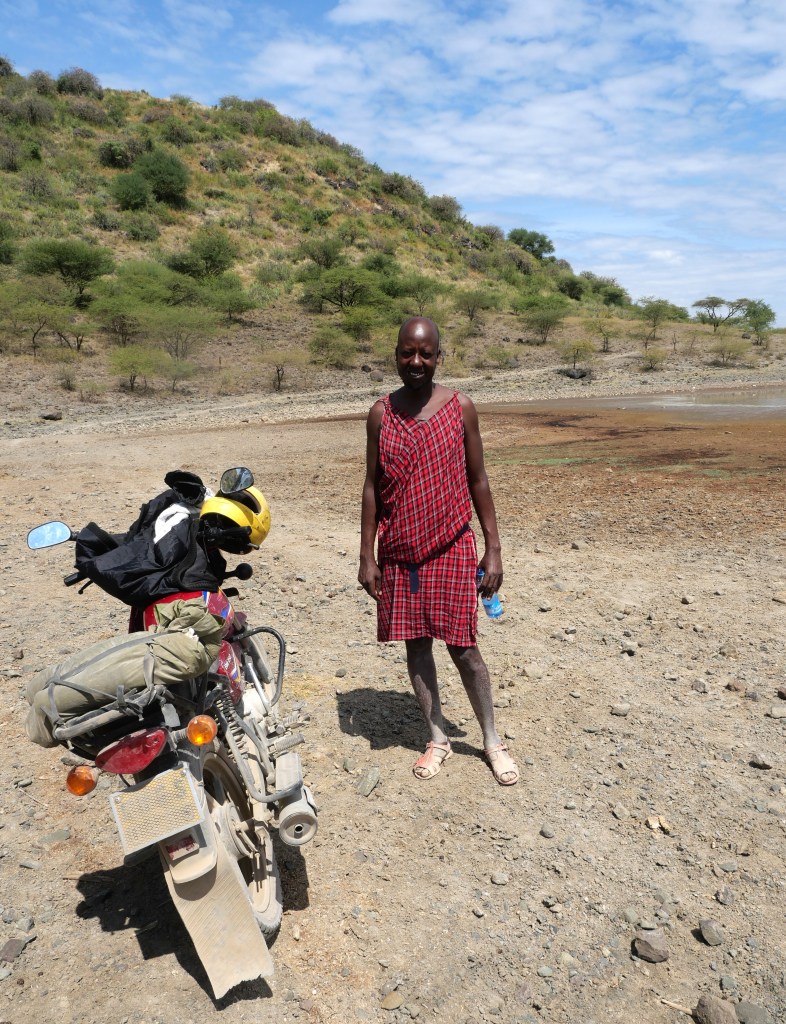
We met our Masai guide, Joseph, on his motorbike dressed in full Masai traditional costume. This was not some outfit he pulled on for the tourists, Joseph was a genuine Masai with a fascinating history which we found out over the course of our three days with him
Our first stop was the salt works which reminded me very much of our trip to Sandwich Harbour in Namibia

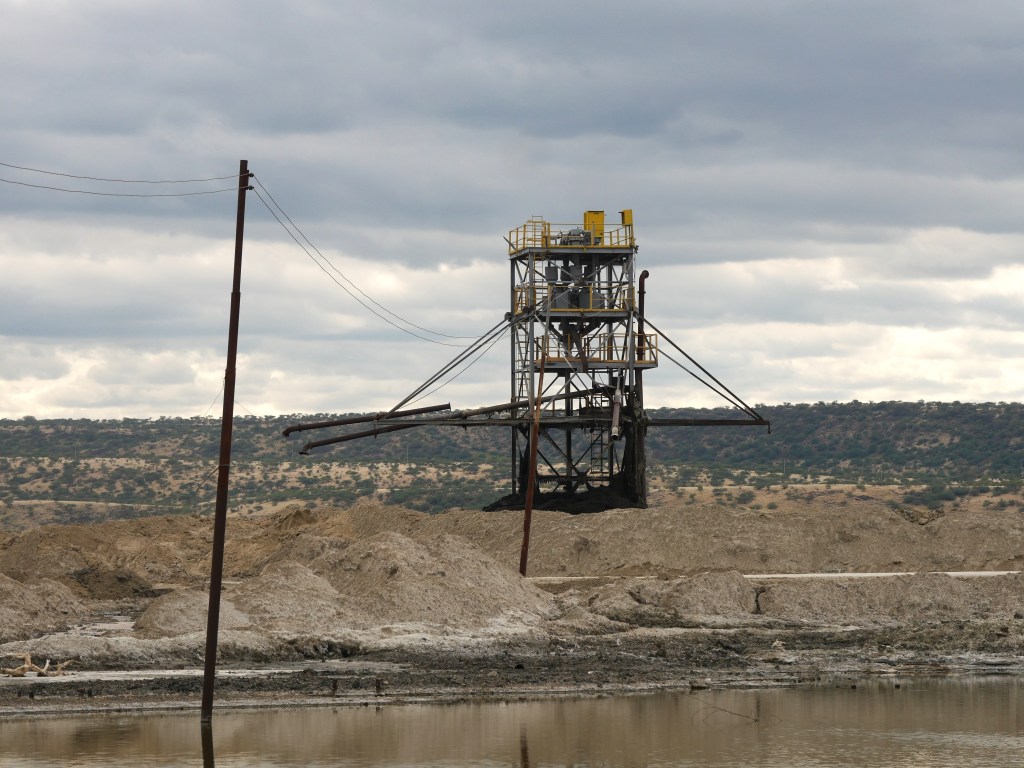
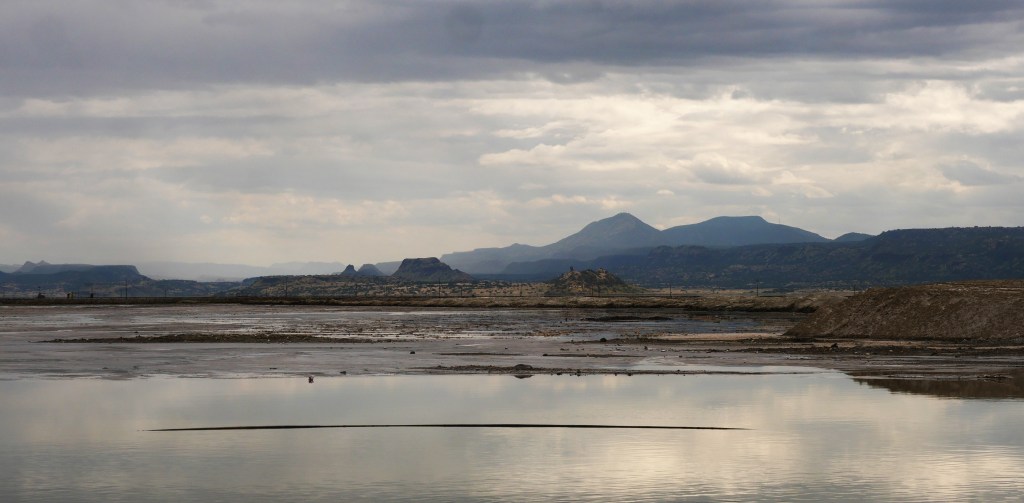
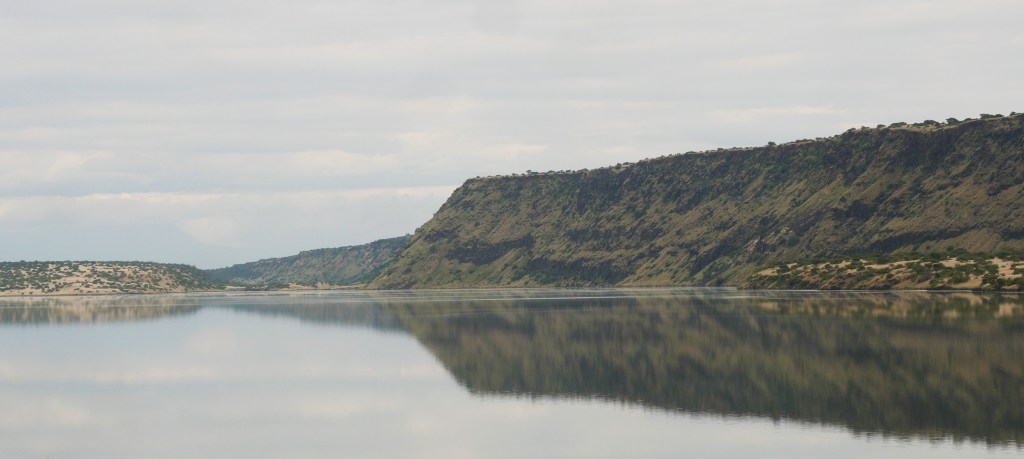
We then had to cross Lake Magadi

The weir across used to be above the water level and had been easy to pass but this whole area had been suffering with flooding for months and the water levels had risen.
We slowly made out way down the slippery rocks to the water and gingerly dipped a toe in
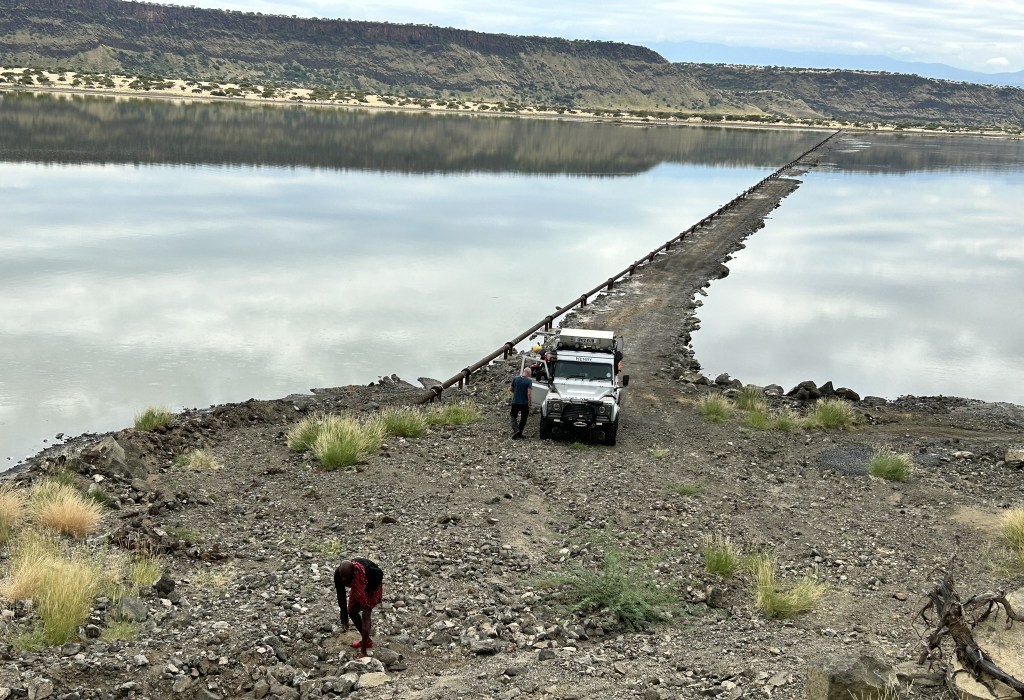
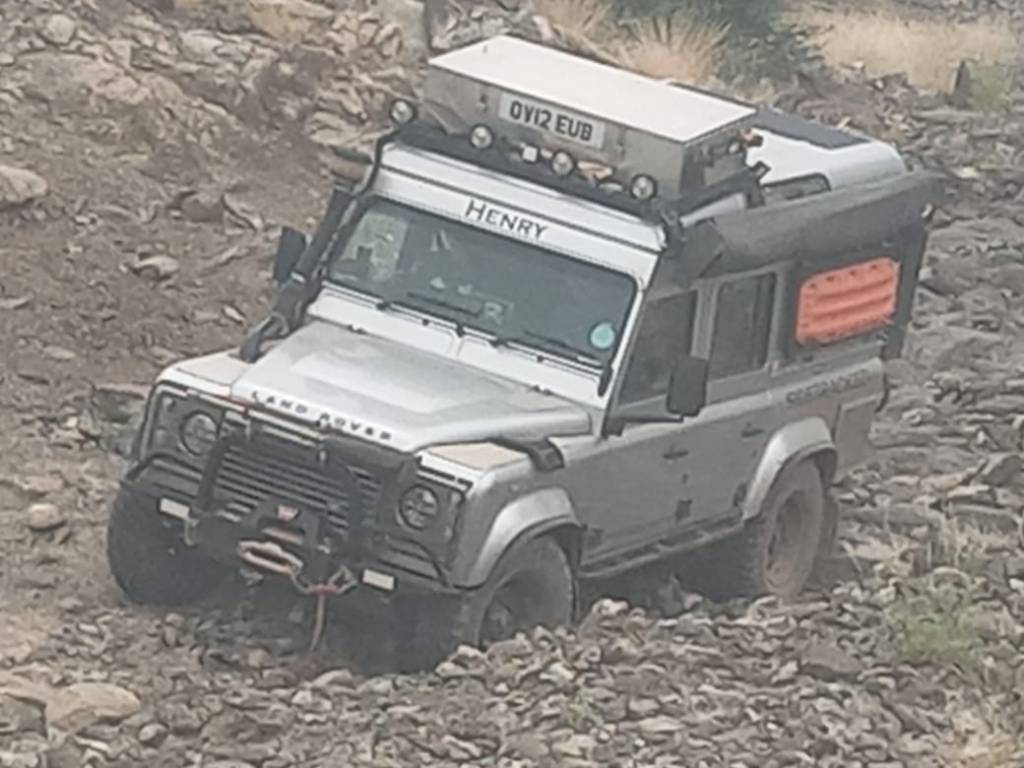
Joseph rode ahead on his motorbike, checking the levels whilst we followed behind. As the water lapped in on all sides our position felt increasingly precarious
Eventually we came up to a ledge and Joseph stopped altogether. He got off his bike to investigate, coming over to us a few minutes later shaking his head – there was no way through, the weir had collapsed.
At this point, surrounded by water and teetering on a narrow path, we had no choice but to slowly reverse back the way we came
My heart was in my mouth and I was very glad that the steady hands of James were driving!
After a few minutes we reached a wider part of the weir and were able to carefully turn around. Once we were facing forwards again we could enjoy the drive, with Henry seeming to walk on water!
Back on dry land again we still had a challenge to get back up the slippery rocks. It had been difficult enough coming down, going back up was going to be even harder.
Joseph set about piling rocks into some of the deeper crevices to give Henry´s wheels something to grip onto
Whilst we were preparing the ground another Masai and his two young sons came up to see us. The man chatted to Joseph whilst the boys looked shyly at us. We said hello to them and Joseph explained that the correct greeting for a child was to put your hand on their head. James did so and they smiled up at him. I went to do it and they jumped a mile looking frightened to death.
Joseph told us that the whole family were scared of our white skin and the children had never been formally greeted by a woman before. The whole experience seemed to have shaken them up a little so I gave them each a cookie which cheered them up immediately!
We then set off up the steep bank back onto the path, which was easier said than done!
With the weir being out of action we drove the long way around the lake and deeper into the Masai lands

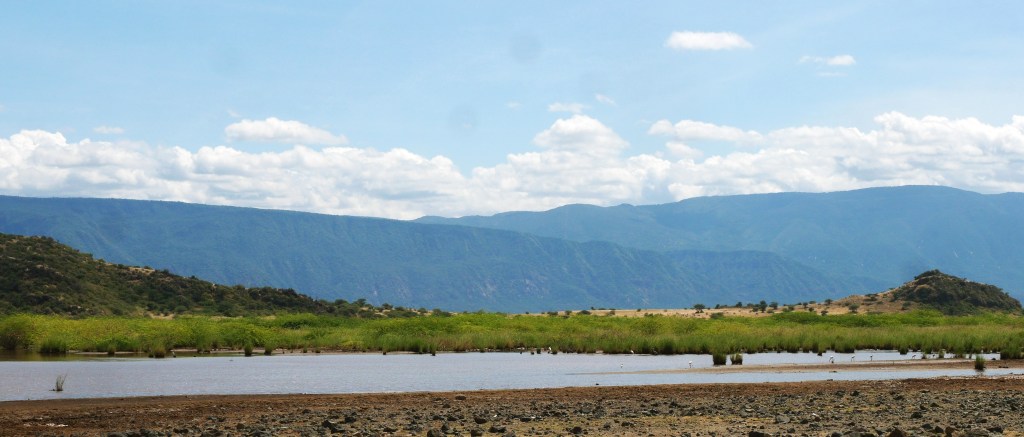
As we past a small village Joseph stopped at a local store to buy fuel for his bike – reappearing with a two litre plastic bottle full of petrol which he tipped straight into the tank. There were clearly no airs or graces around here!
As we drove, the landscape became increasingly beautiful – the yellow grasses that I love so much were all around us and it was so peaceful
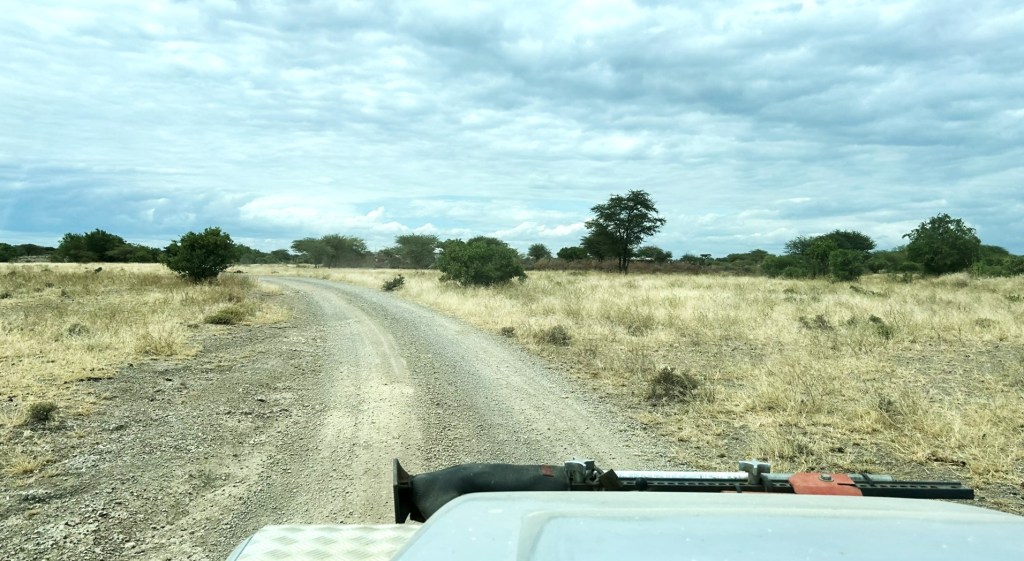
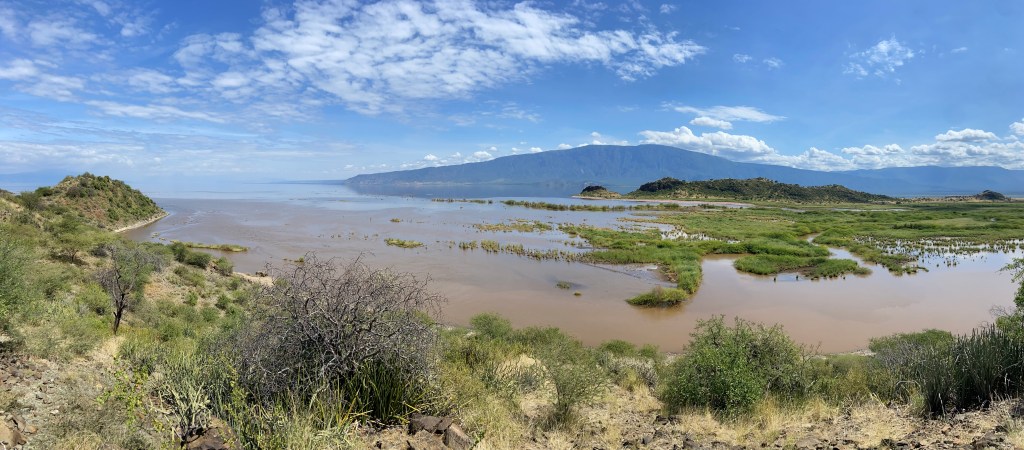
It took over three hours to reach the shores of Lake Natron, the alkaline lake we had wanted to visit from the Tanzanian side a few months ago

The waters are a pinky red due to the minerals and the whole place is full of flamingos
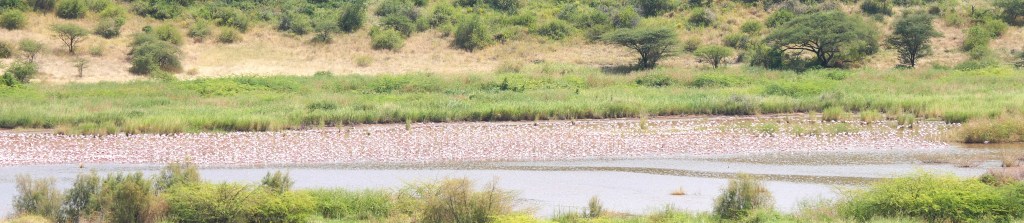
We weren´t expecting such a dramatic view of it from the Kenyan side but it was still beautiful

We climbed up to a viewpoint and looked out over the lake
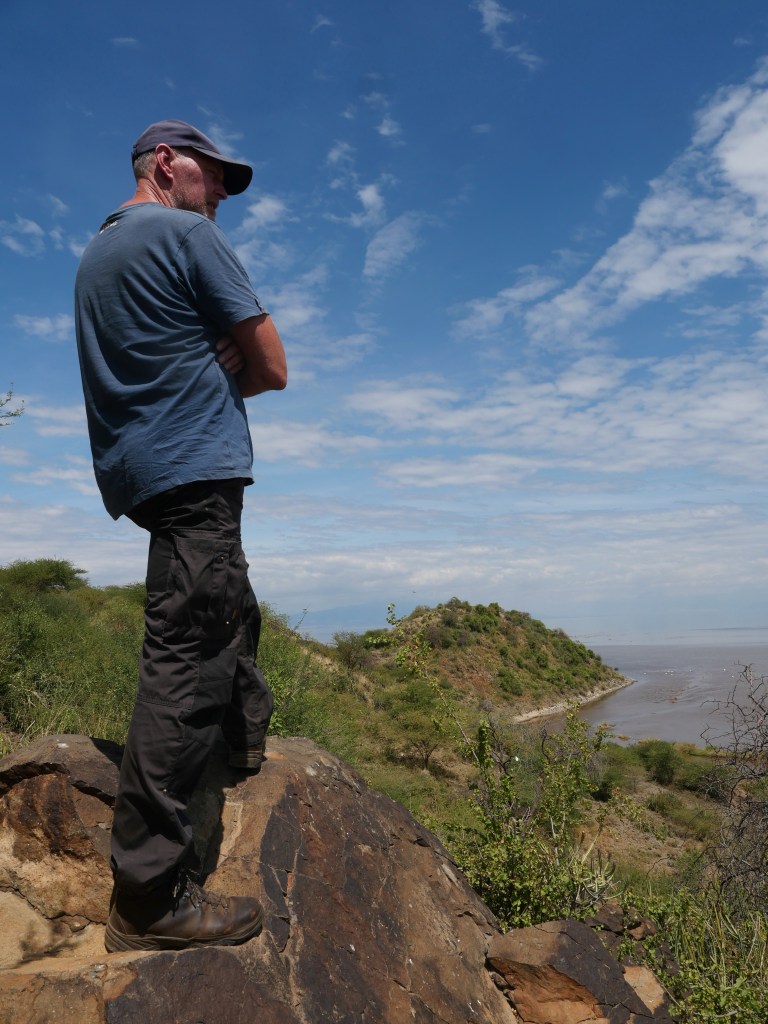
With Tanzania in the distance
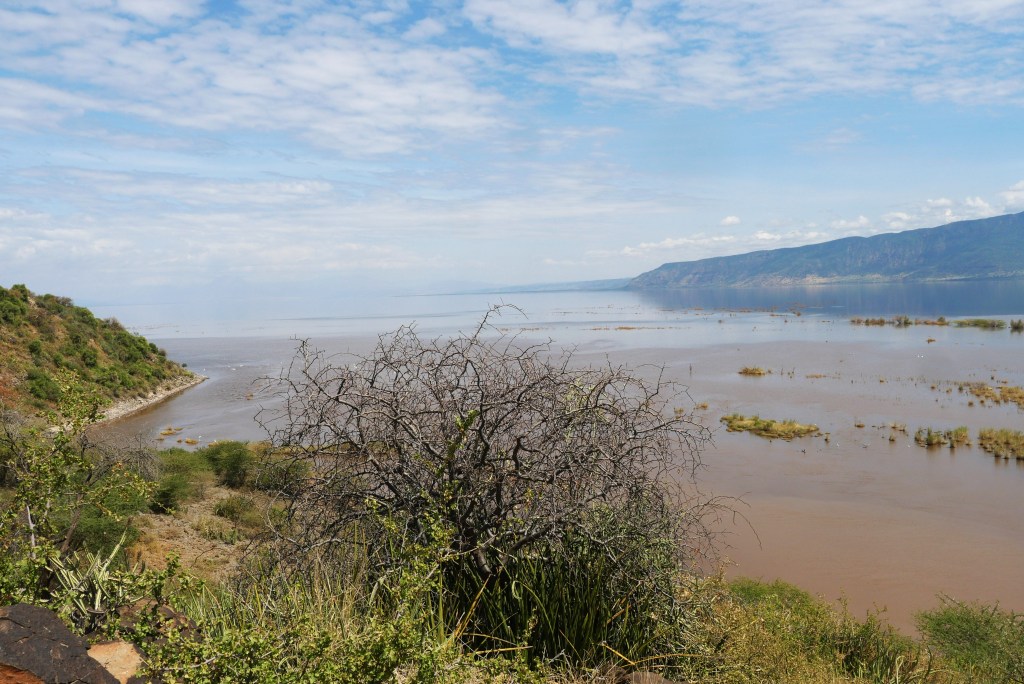
Or at least we thought it was in the distance. Joseph admitted to us later that we had actually walked across the border and had been in Tanzania the whole time!
We asked him about escaping into Tanzania from here should we need to get out of Kenya quickly and he promised that he would show us the back roads to a small border post should the need arise.
It was getting late by now so we found a good spot for camping near the river in amongst the trees
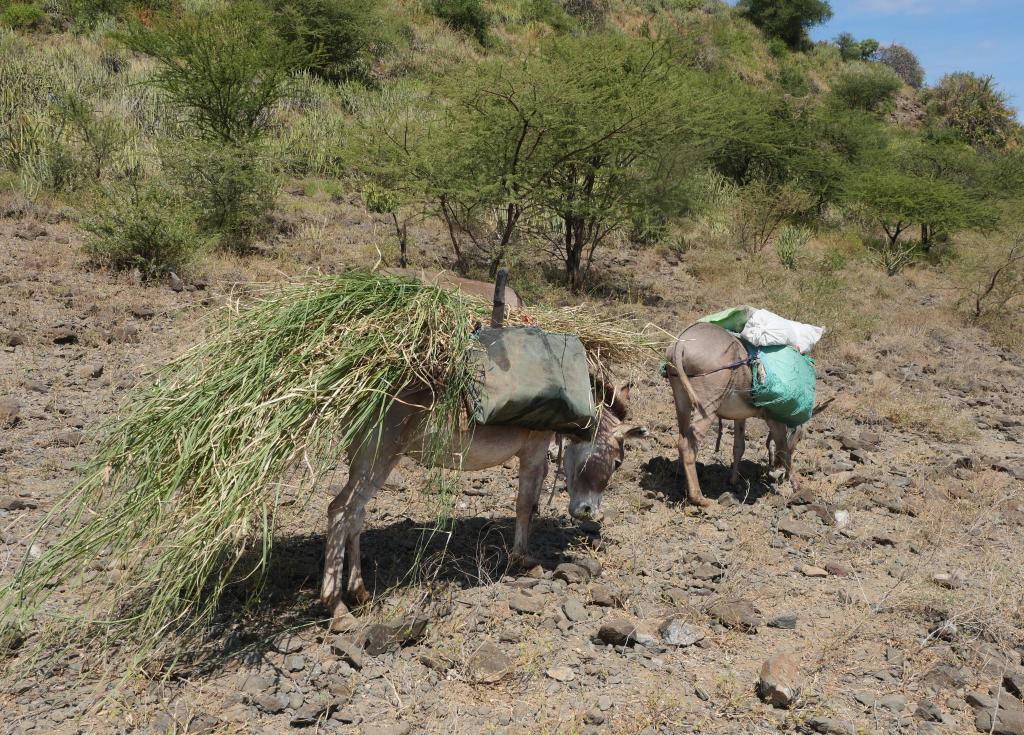
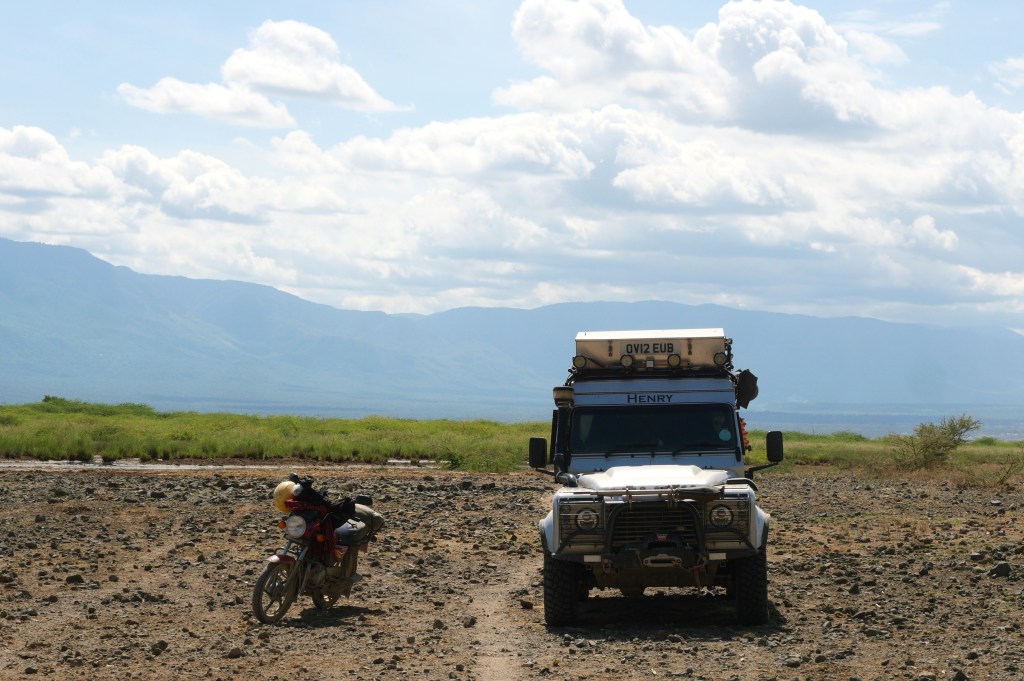
We had set up and were busy cooking when a young herdsman came over to see us – he was only about thirteen. Then another arrived and another

Before long we were surrounded by around ten or fifteen herdsmen ranging from eight years old to no more than sixteen. Their flocks were mingling together and milling around – Joseph told us that the children would be severely punished if the adults of the tribe found them all together like this.
But the fascination of European tourists and a big, shiny Landrover was too much and the boys did not want to leave. I showed them around Henry and when I demonstrated the water coming out of the hose one of the older boys grabbed it off me and filled up his water bottle with a grin before running off
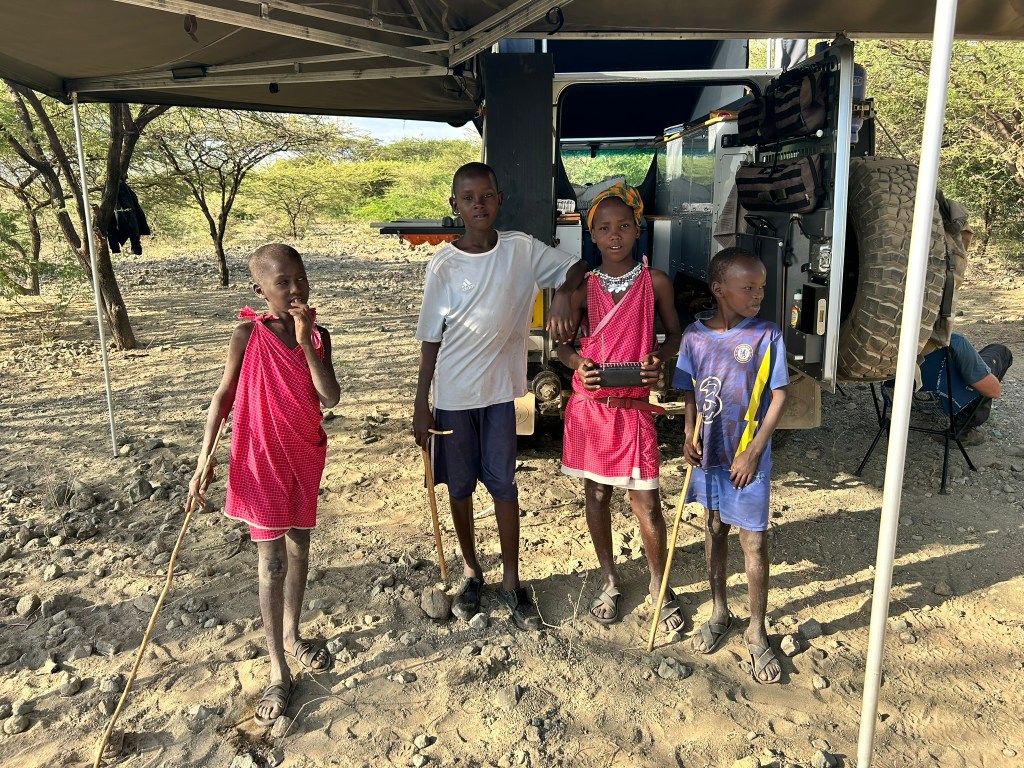
I was worried as the water from that hose is not filtered, being used only for washing up. But then I had to laugh at myself – these people drink the water from the river that our tanks had been filled up with, they didn´t need it to be filtered like we do!
Joseph told us all about the rights of passage that these boys go through and what the different colours of their dress meant about their stage of life. There is a strict code of what boys and men can and cannot do at each stage, the hardest appearing to be between the ages of about twelve and fifteen where they have to learn to be become self-sufficient.
Looking at these boys and understanding the lives they were leading, the skills they were learning and the hardships they were expected to endure gave me a great deal of respect for such young people.
But then I went to get our kitchen knife from the table on the other side of Henry only to find it gone. I asked James if he had washed it up but he hadn´t. I wasn´t sure what to do as the last thing I wanted was to offend anyone but the boys had all been milling around all over the place for a while and most had now gone.
So I asked Joseph whether it was possible that someone had taken the knife and he rolled his eyes and jumped up with a tut. He ran over to a group of boys and spoke to them. When he returned he pulled on his helmet, jumped on his bike and rode off muttering apologies under his breath.
Whilst he was gone, the two oldest herdsman – dressed in black signifying that they had been through the final right of passage and would become full men within 6 months – came over to us very shyly. In broken English they said they were hungry and asked whether they could have some bread. They were so polite that we had no hesitation in offering them each a large bread roll, which they tucked away in the folds of their clothes, thanked us whole-heartedly and walked away.
Twenty minutes later Joseph returned with our knife, looking very embarrassed. He told us that the boy who took it said he thought we had finished with it and didn´t want it to be thrown away. We were grateful for its return but were worried what would happen to the boy. Joseph said he would regret taking it and left it at that.
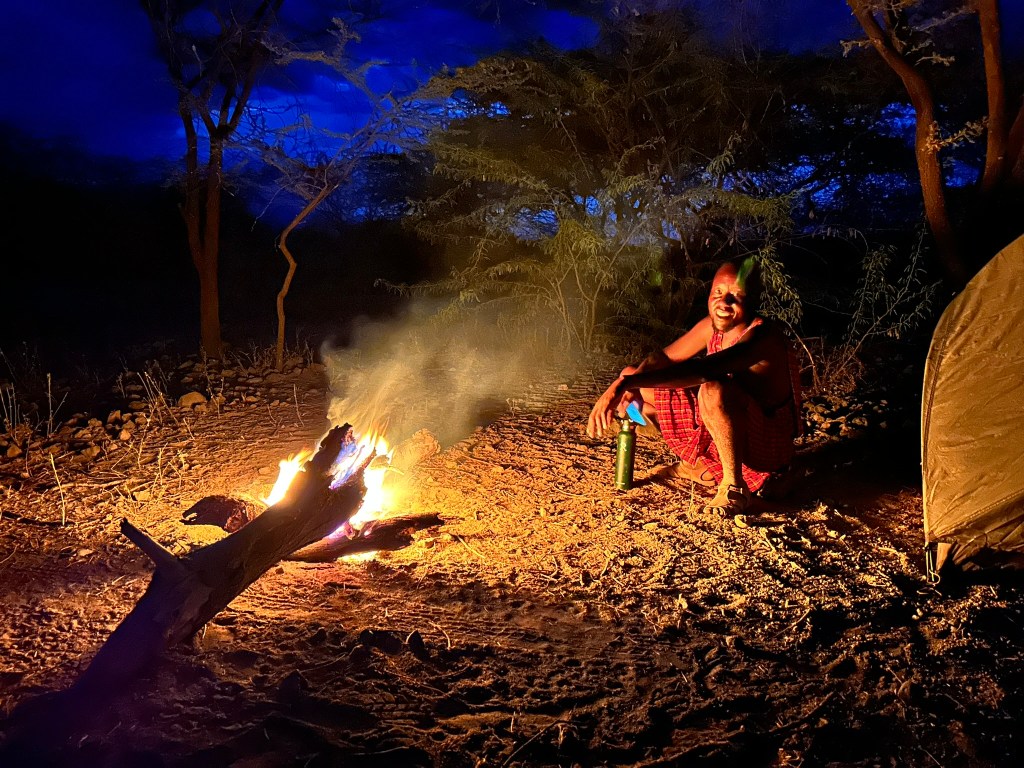
We spent the evening talking with Joseph under the stars with the sounds of the river and the night all around us.
We talked about the Masai traditions and culture, about marriage and the milestones of a Masai´s life. He had been born into a traditional Masai village and spent his life as a herdsman until he was in his mid-thirties – only ten years ago. At that point he randomly met a Westerner who had asked him for directions and been impressed with his composure – speaking no English at all but helping the stranger as best he could. A few days later the same man had come into the village looking for him and offered to pay for his education, teach him English and give him a job as a guide for his new tourism business.
And with something so simple that man changed Joseph´s life forever. He now speaks fluent English and makes a second income guiding for people like us who find him either through IOverlander, as we did, or through the small number of campsites and hotels on the edges of the conservancy.
He chose to marry a woman outside of the Masai community. She comes from a culture where monogamy rather than polygamy is the norm and it was clear from the way he spoke about her, and the way his face lit up when she rang him each evening, that his own culture of taking more than one wife held no appeal for him. He told us that yes, technically, he could marry again but his current wife would not stand for it so it will not happen – he would not lose her for anything or anyone.
Looking into his eyes as he talked to us about his Masai heritage, his wife and his two young daughters, I felt a strong connection to this thoughtful, intelligent and wonderful person
We spent the next day driving and walking around the conservancy
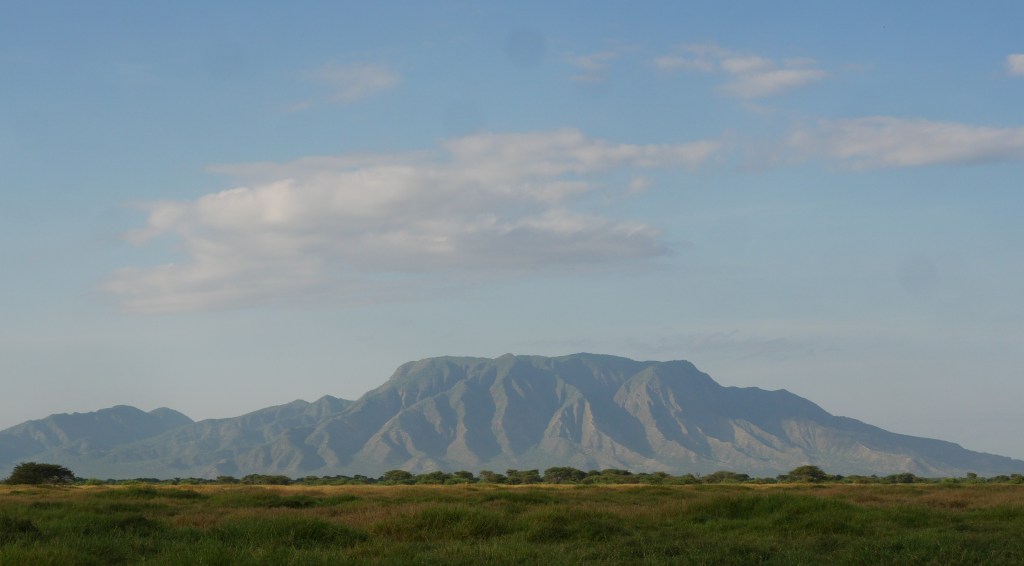
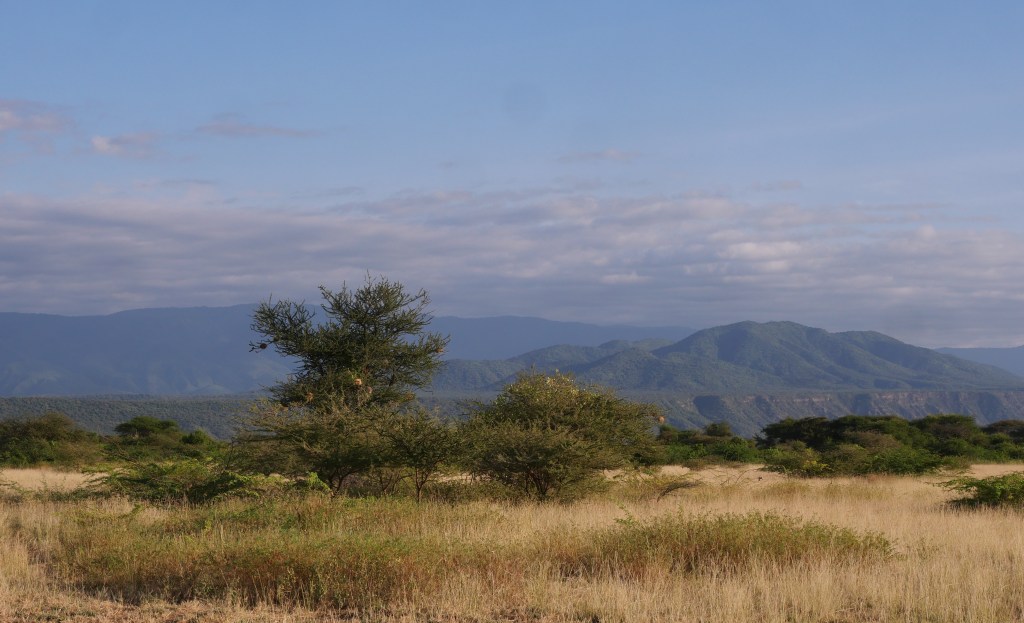
The whole area looked so much like Namibia that James and I started talking about buying our Namibian farm again
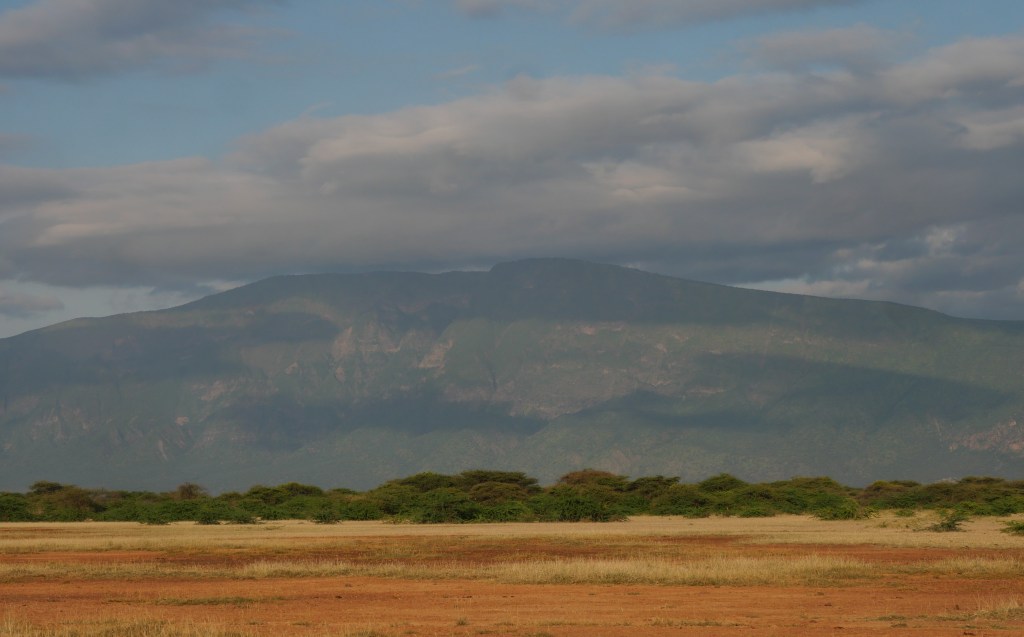
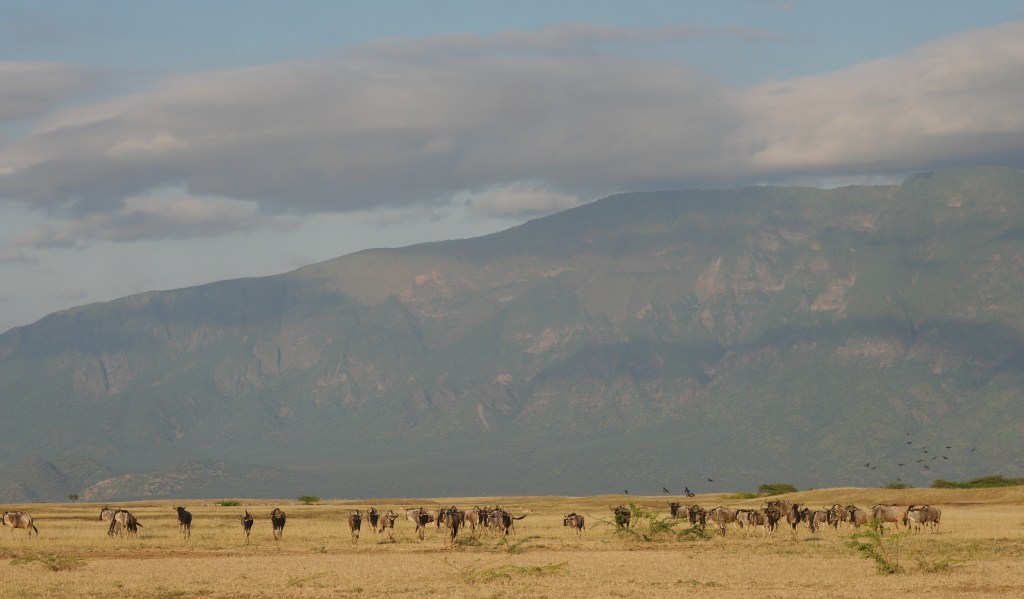
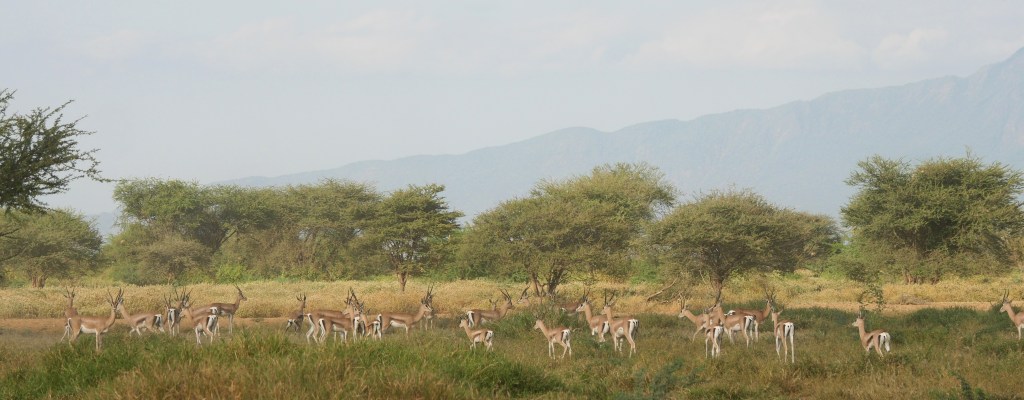
Herds of plains game surrounded us

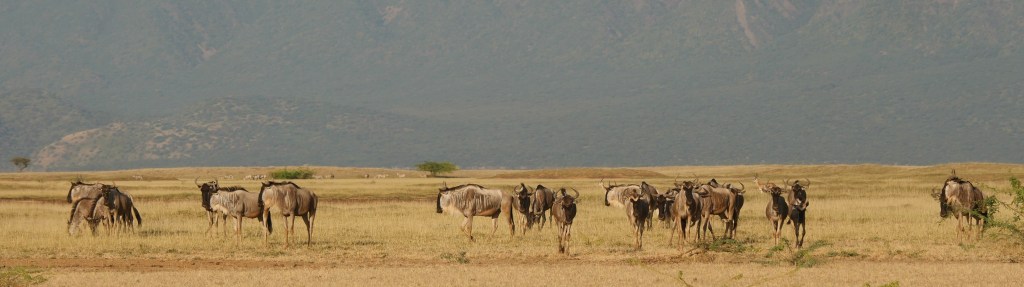

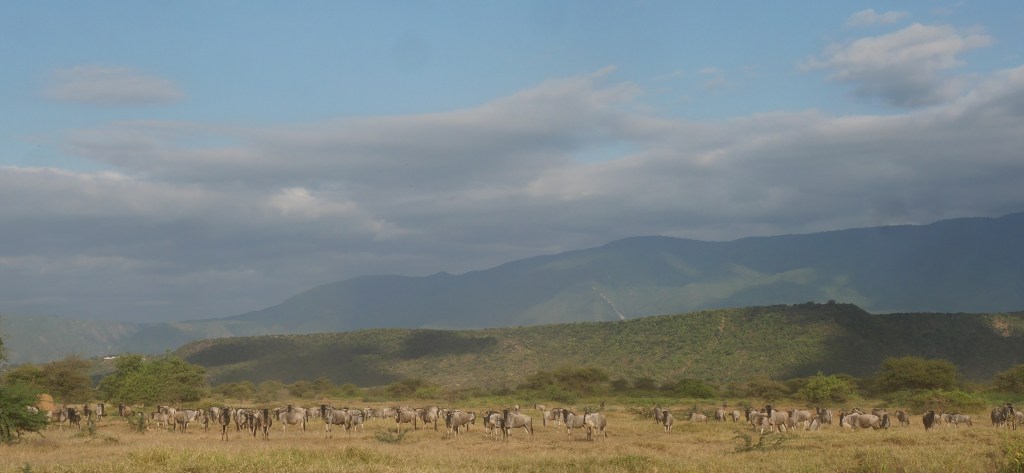

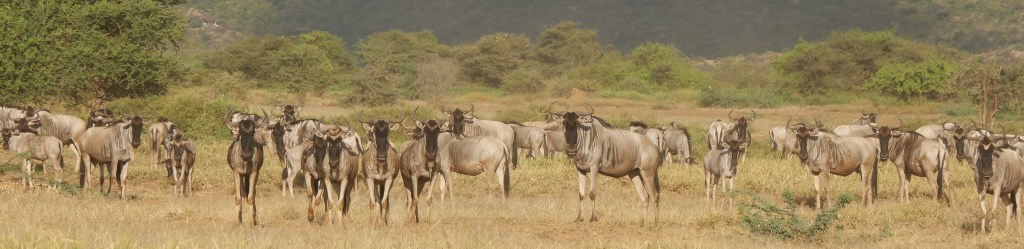
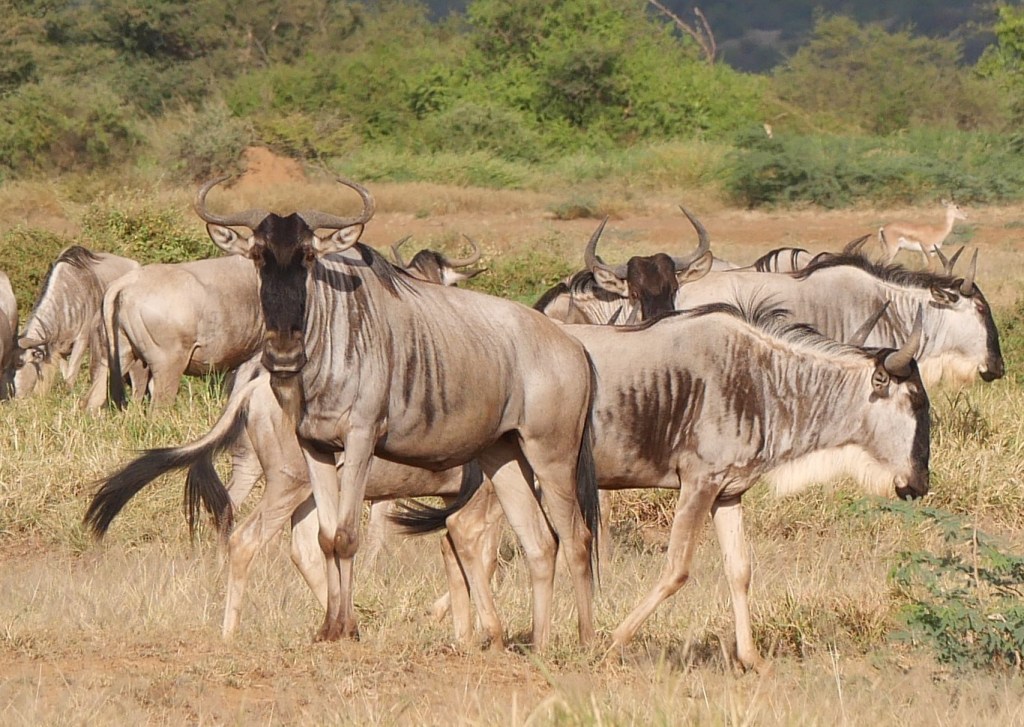
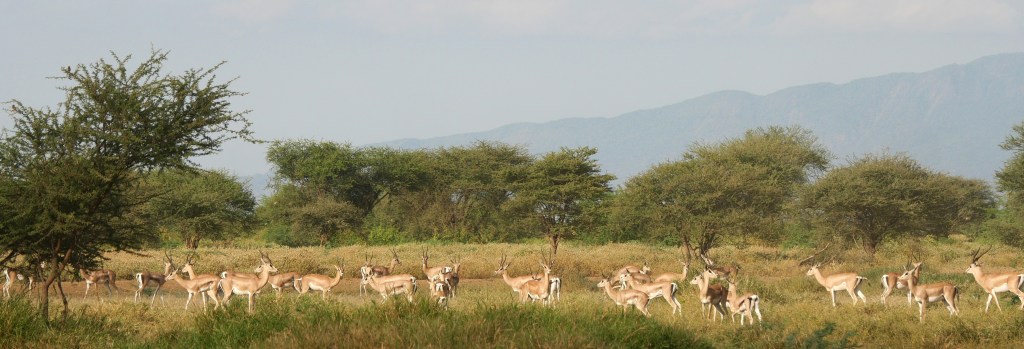
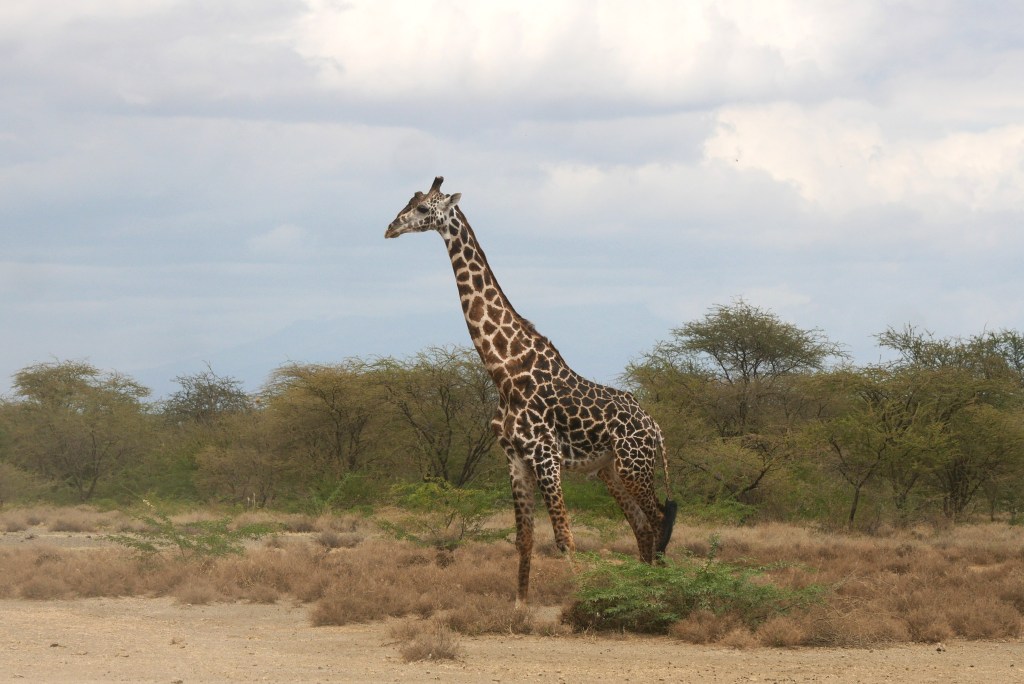
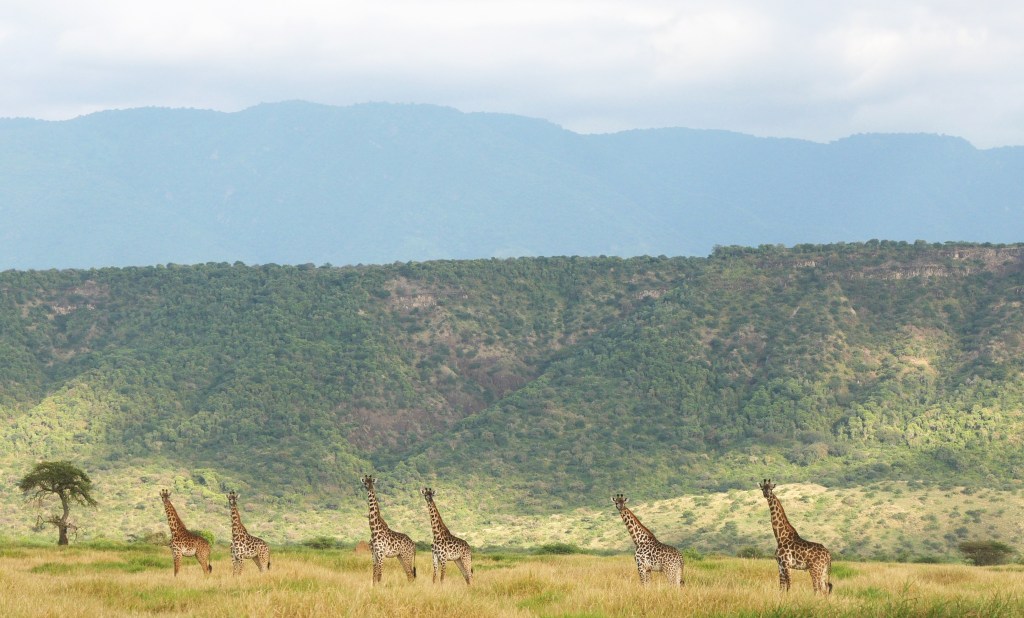
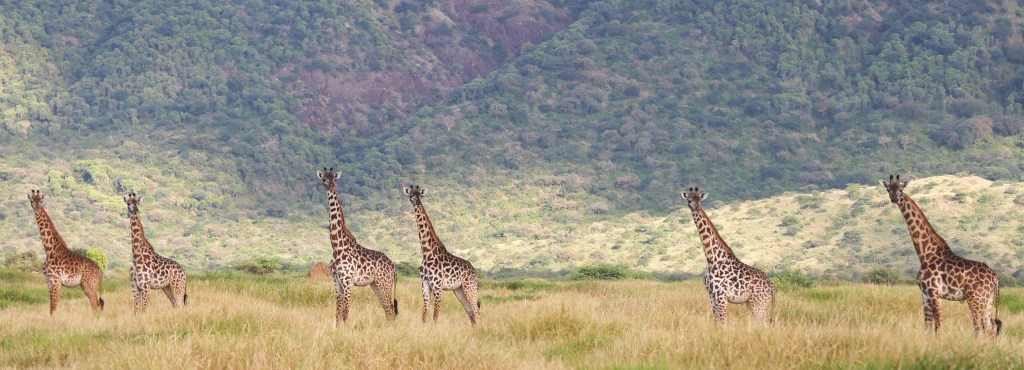
And as we watched a tower of giraffe grazing in the distance a sense of peace and calm settled over us
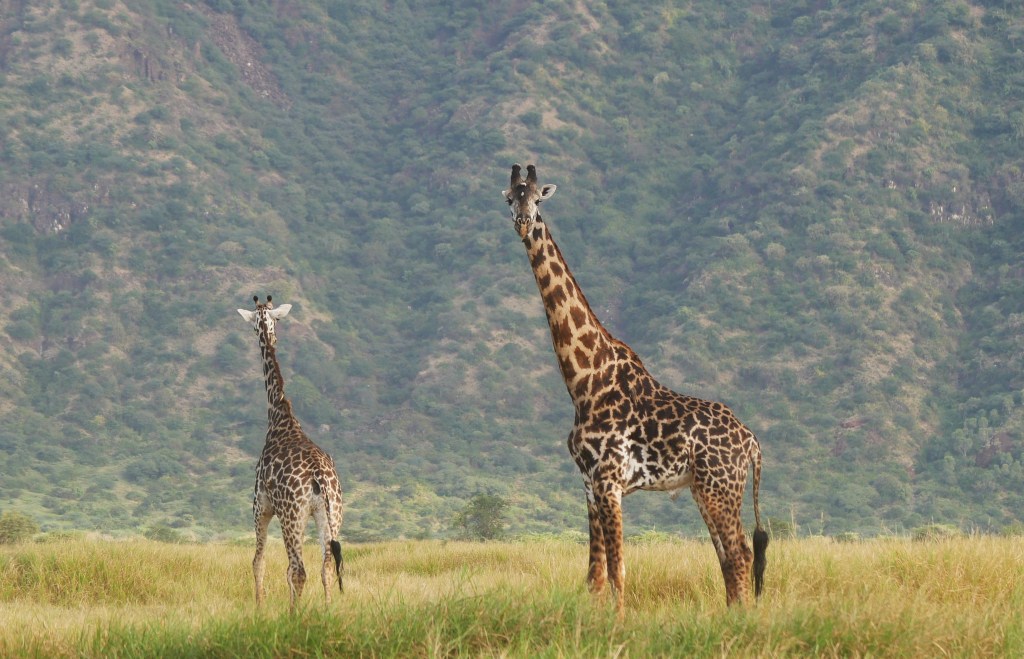
There wasn´t another human soul around for miles. It felt as though we had gone back in time to the Kenya of two hundred years ago – before the tourists came, before the internet shrank the world, before cars and roads and sky-scrapers dominated.
I doubt there are many parts of the world that are so untouched by modern living but we had found a slice of paradise here. The birds twittered above us, the grasses swayed under our feet, the animals grazed quietly. And Joseph stood watching us with a gentle smile on his face
 The Sidetracked Sagas