Whilst our first impressions of Inverness had been good, the noise, traffic and general run-down feel of the city soon took its toll and before long we were driving away keen to find somewhere more relaxed.
Our first stop fitted the bill nicely – the quiet town of Beauly with its lovely priory

Built in 1230 by the little known Valliscaulian monks from France, it has been a ruin since the Reformation but is kept beautifully by Historic Scotland
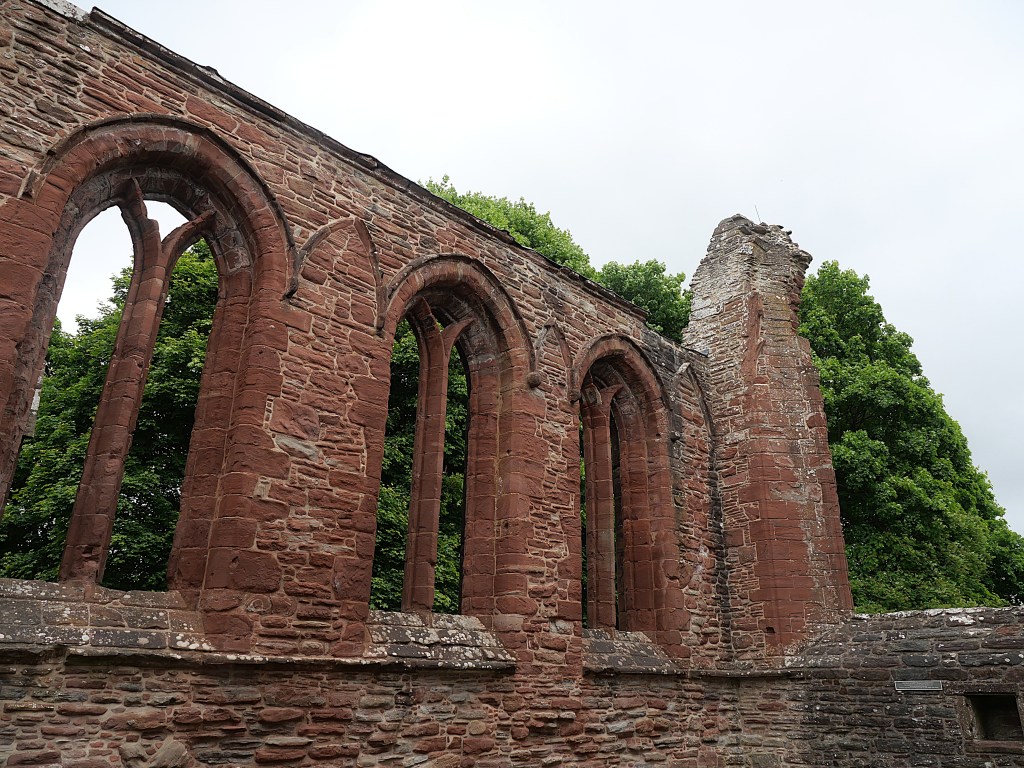
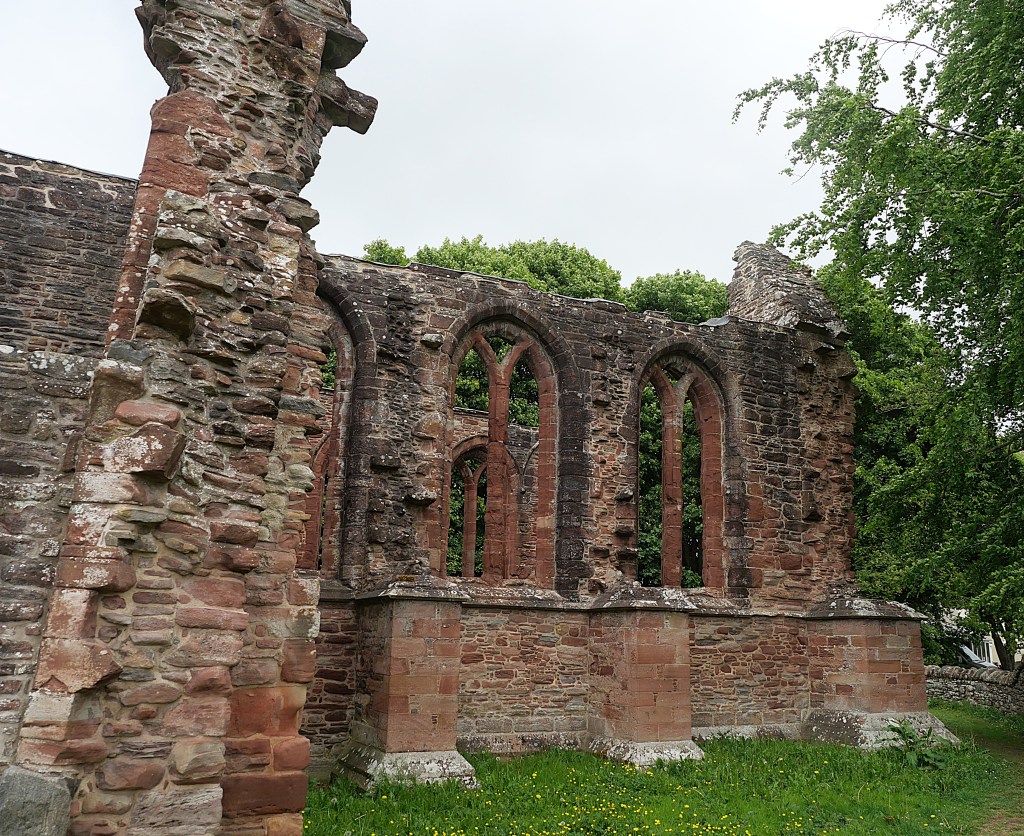
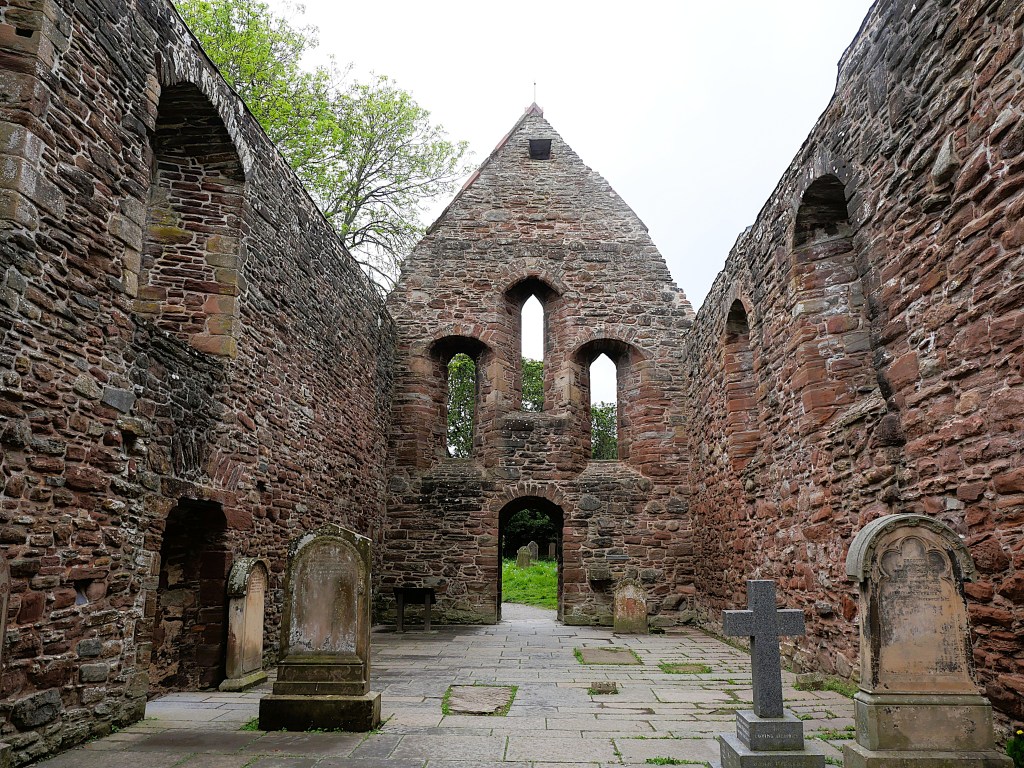
We had a quick lunch in the Mog and whilst we ate a couple came up to chat to us. Unlike the ‘stealth’ photographers, he asked if we minded him taking photos and of course we didn’t, as long as he didn’t mind me taking pictures of him!

From there we drove on to the Wardlaw Mausoleum
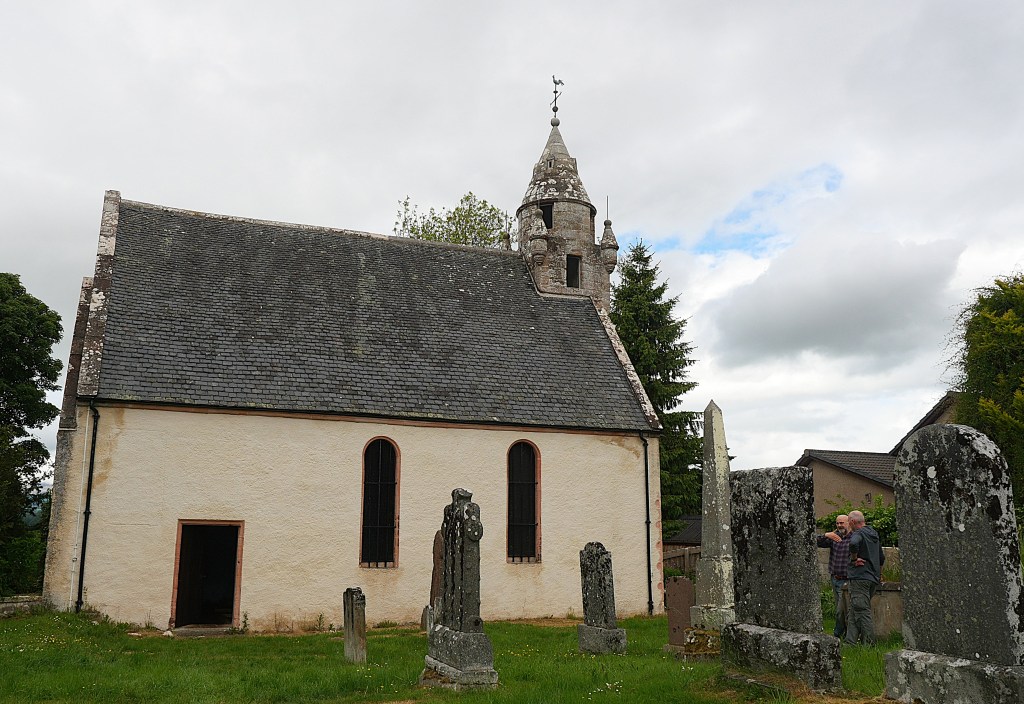
We met Erik, a local volunteer who is so enthusiastic about the place and the history behind it that he happily gives up his time every day to show visitors around.
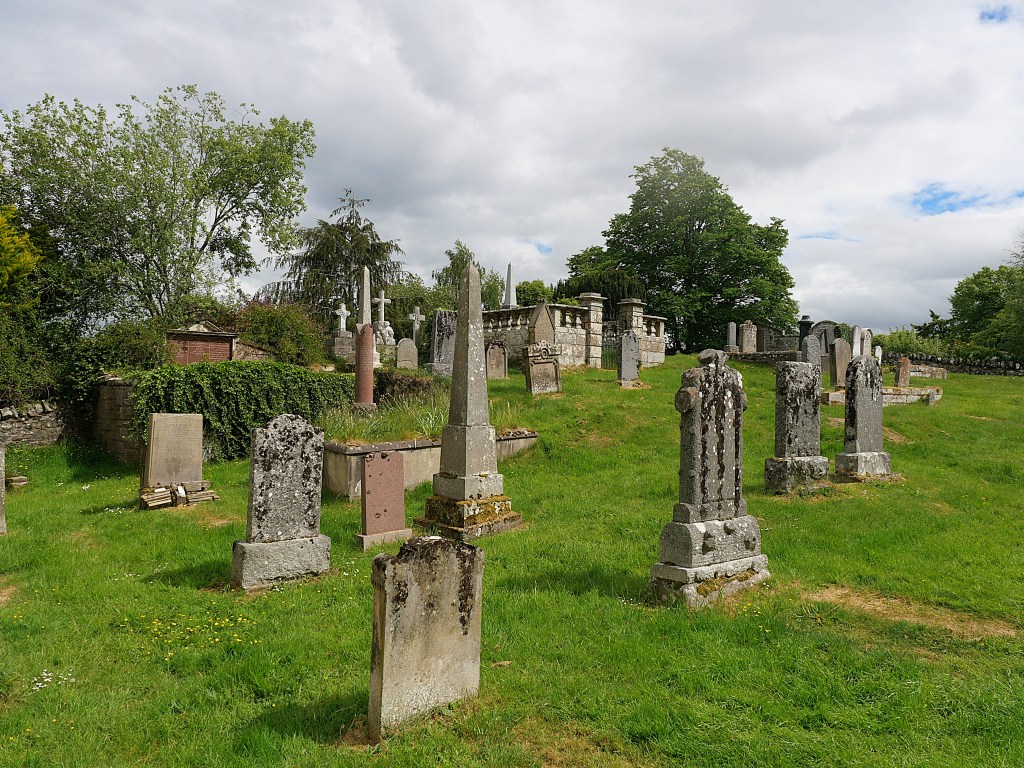
The graveyard is full of very old and fascinating tombs
But the real claim to fame is the crypt for the Frasers of Lovat
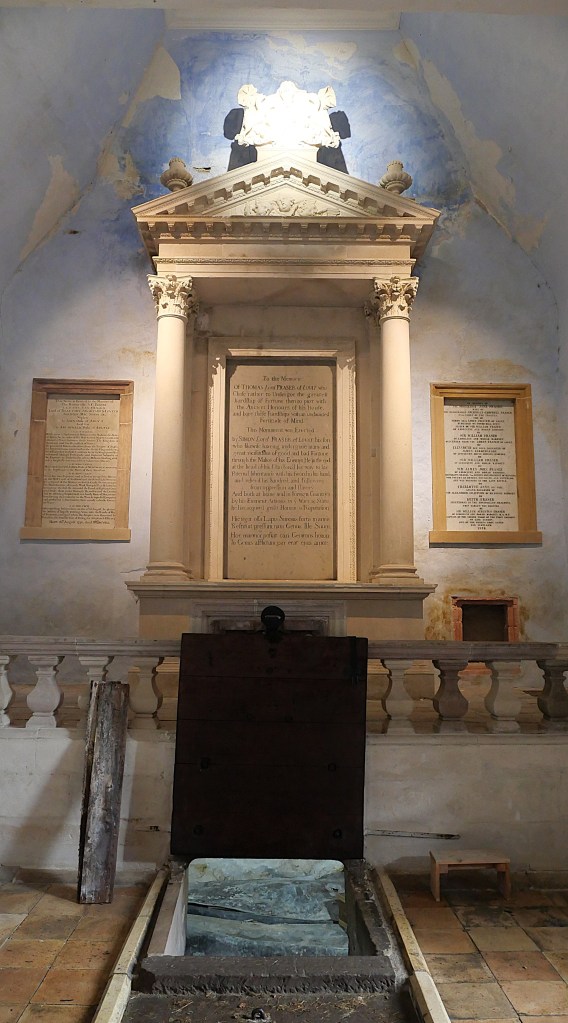
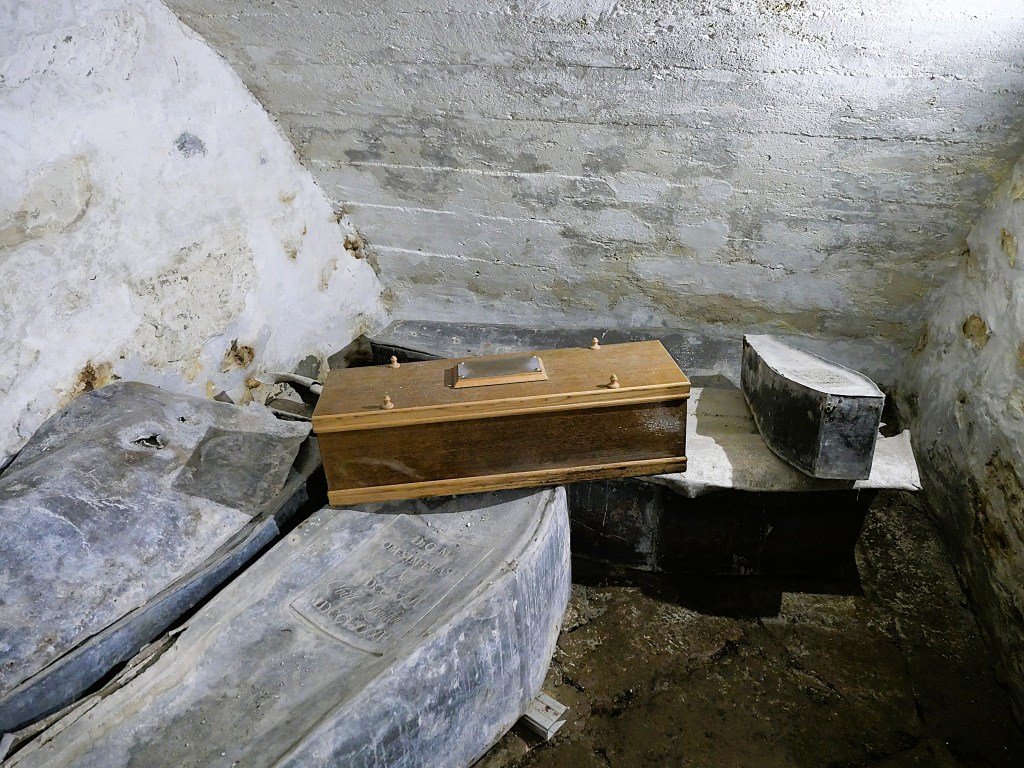
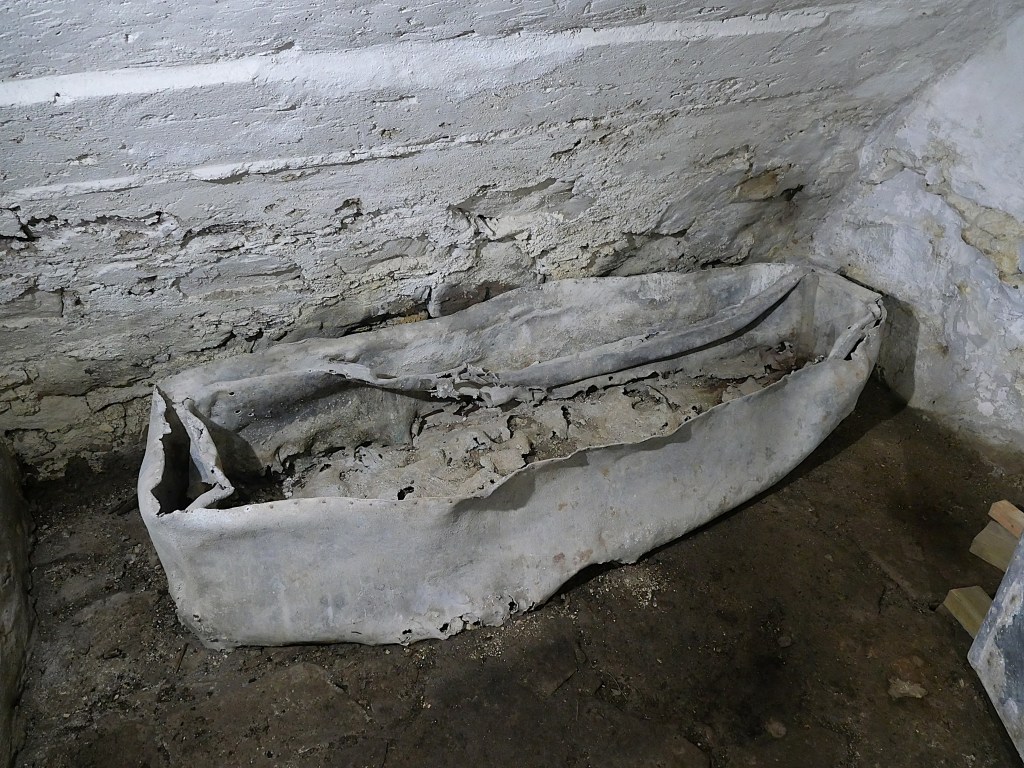
This empty coffin was supposed to contain the remains of Simon Lovat, known as the Red Fox. Apparently they get a lot of Outlander fans coming to visit these days which all helps with much-needed donations
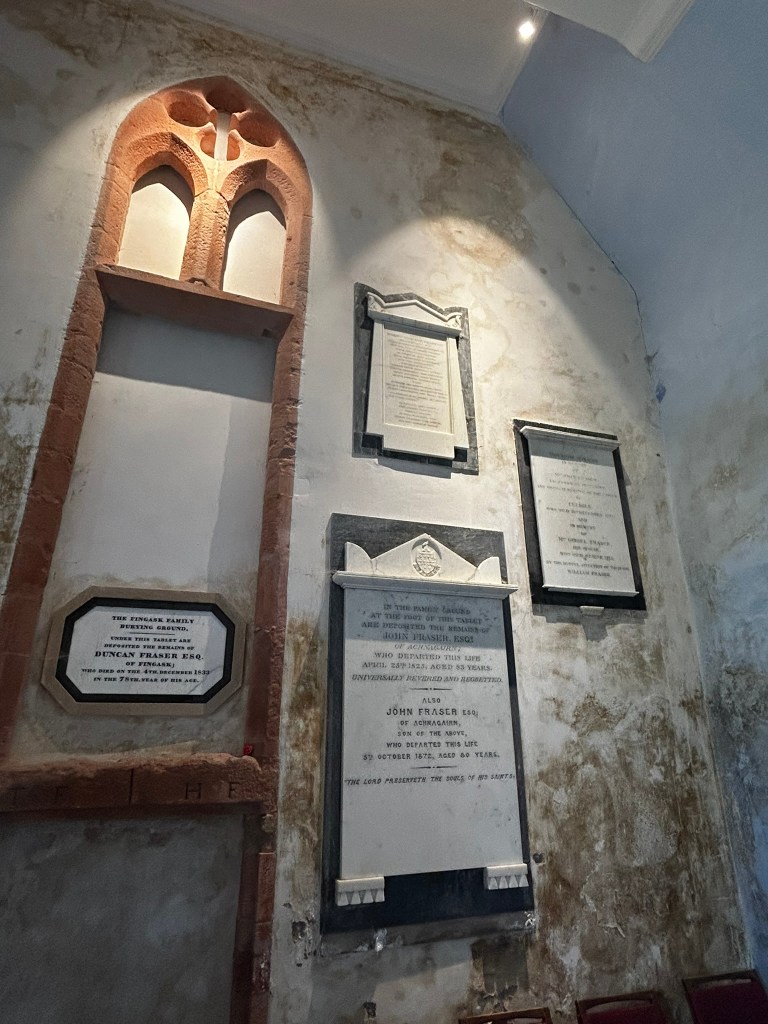
However, when recent DNA sampling was done on the body they found it was not Simon Lovat at all – he is actually interred in the Tower of London. No-one knows who was in here but she was definitely female…
Erik was a fascinating guide. He told us that the community had been looking after the mausoleum for years as the Fraser family don’t want it and are in fact in the process of selling it to them.
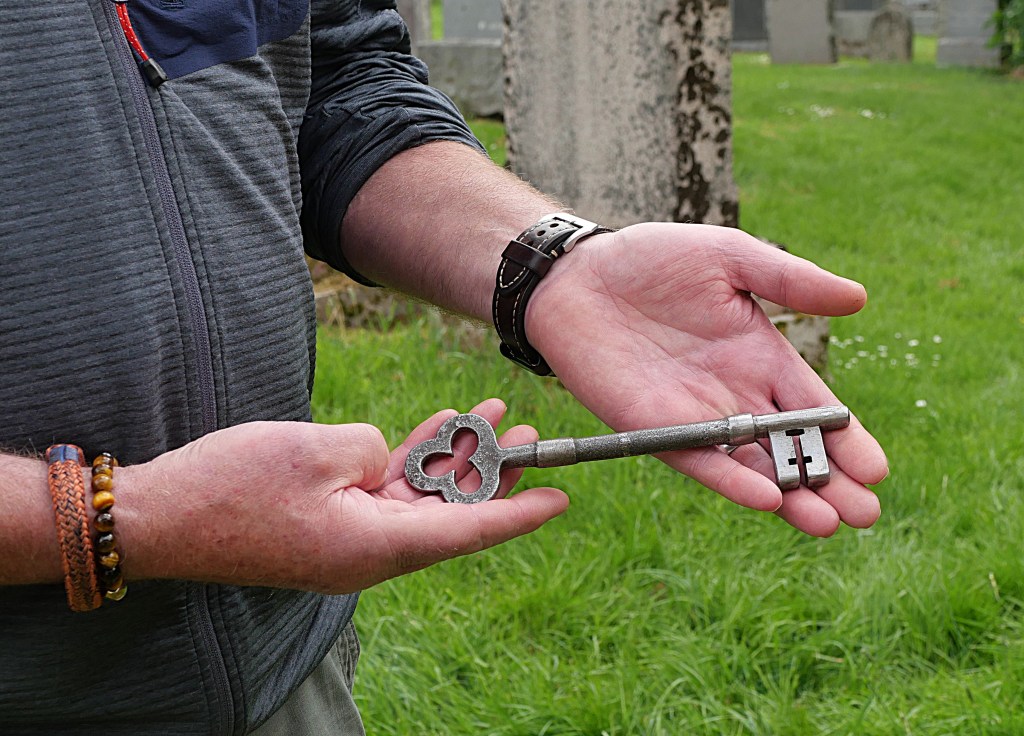
We got on so well with him that he invited us to his house to see the original key
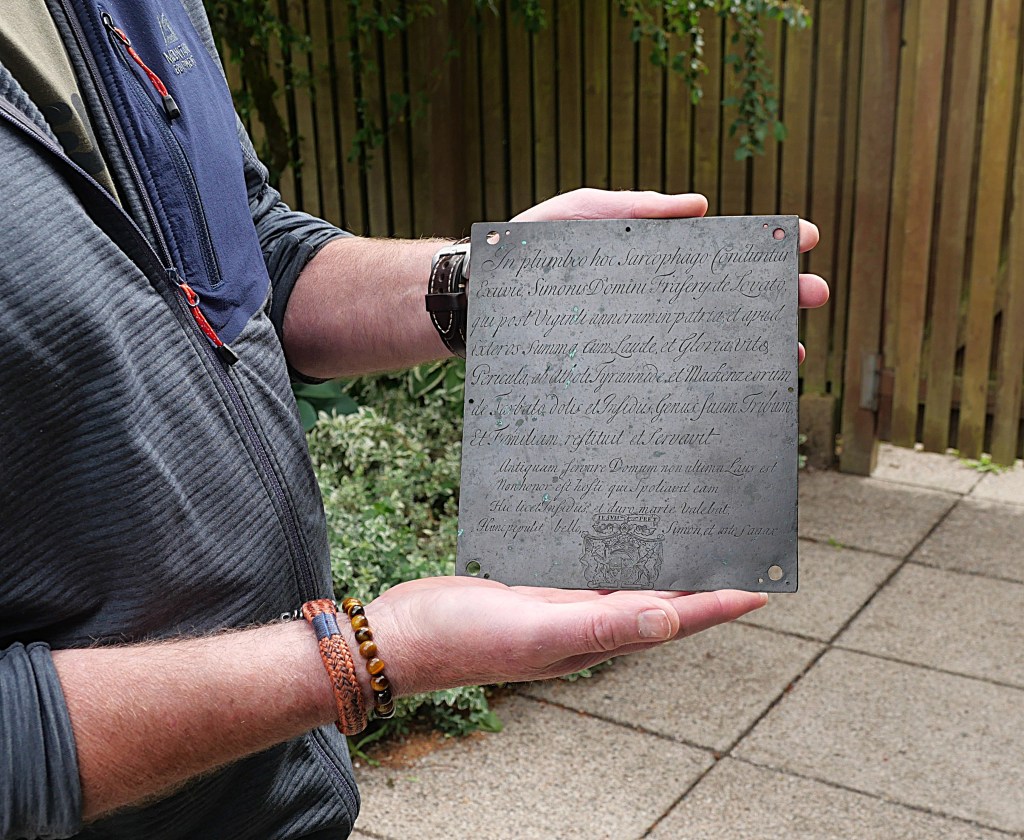
And a plaque with an inscription written by Simon Lovat himself for use on his own tombstone – it seems he had plenty of time to prepare such things whilst he was awaiting trial for treason at the Tower
Finally we dragged ourselves away and headed to the nearby Dave’s Rest aire for the night. The aire looked as though someone had had great plans for it many years ago with a big red bus housing a kitchenette, bar stools and various other conveniences, all sadly now dilapidated and long-since broken

But it was peaceful, welcoming and spacious. In fact it was so lovely and the weather was so good, that we excitedly got our camping table and chairs out and cooked outdoors for the first time since travelling in the Mog

Everything worked perfectly and dinner tasted so much better for being outside.
The next morning we took our time emptying and cleaning out our black and grey water tanks and filling up our fresh water tank – using the new fittings we bought in Inverness to great success.
We then headed to Urquhart Castle.
The whole of the eastern side of Scotland is covered in beautiful, historic castles – most of which we had plans to visit. Urquhart Castle is a large ruin which has no particular reason to be unduly popular and as such we did not expect it to be busy. We miscalculated badly, forgetting one important factor – the power of marketing!
Urquhart Castle sits proudly on the shores of Loch Ness, not the most beautiful or interesting loch in Scotland by a very long way but the only one with a mythical monster floating around in its waters. The whole area was one huge tourist trap.
The moment we arrived at the castle we were surrounded by crowds of tourists. We queued for half an hour just to get tickets and could hardly move once inside the visitor centre.
We were shuffled into a small theatre and shown a short film about the castle’s history whilst crammed in with about two hundred other people. We all then shuffled out again and were finally allowed to go outside to the ruins themselves
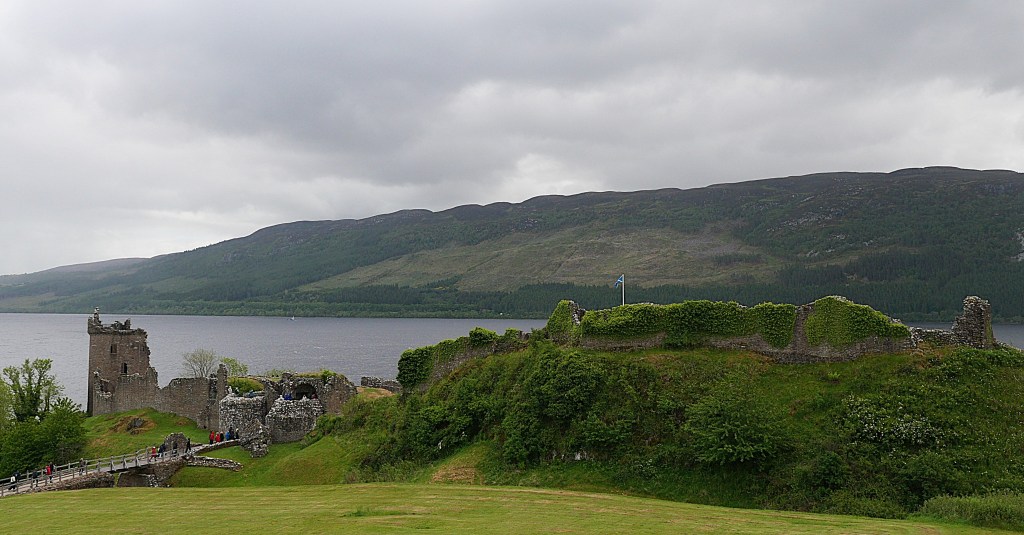

There were people everywhere, I had to wait for hours and stand in very strategic places to take my photos without crowds of brightly-coloured tourists in the way
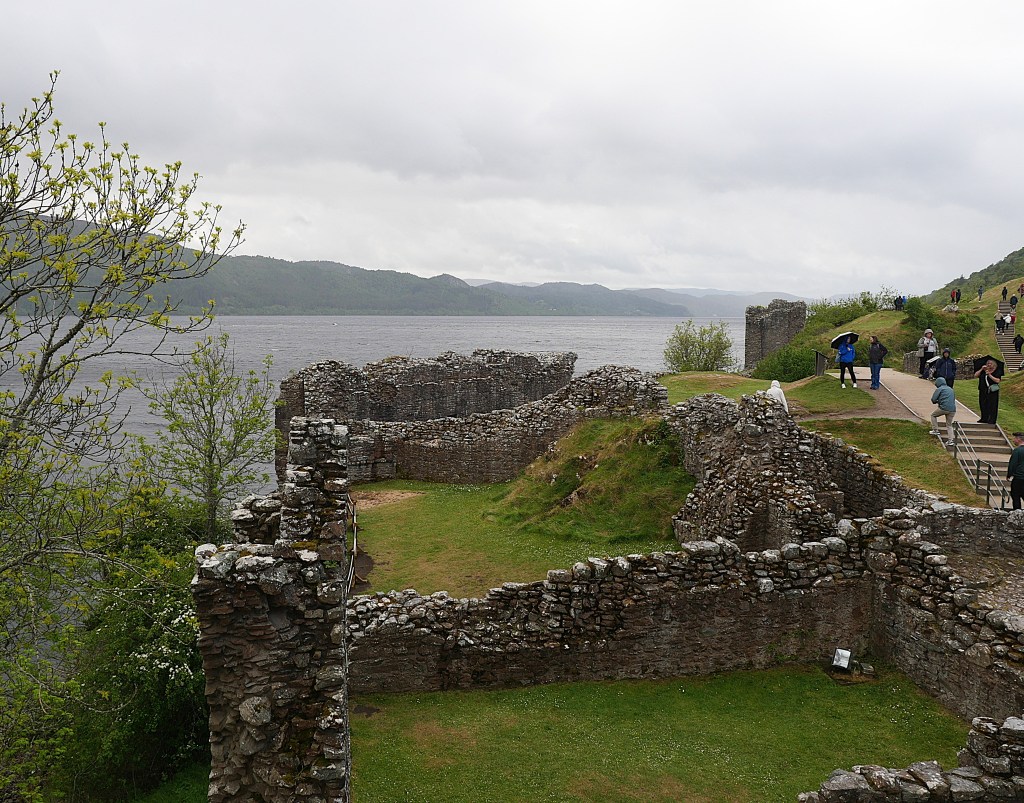
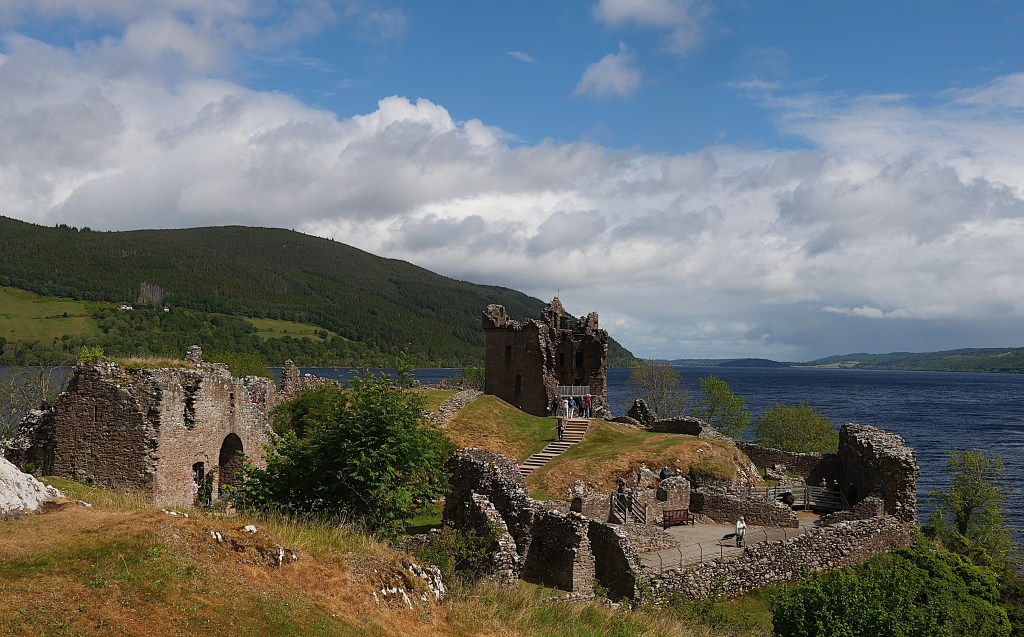
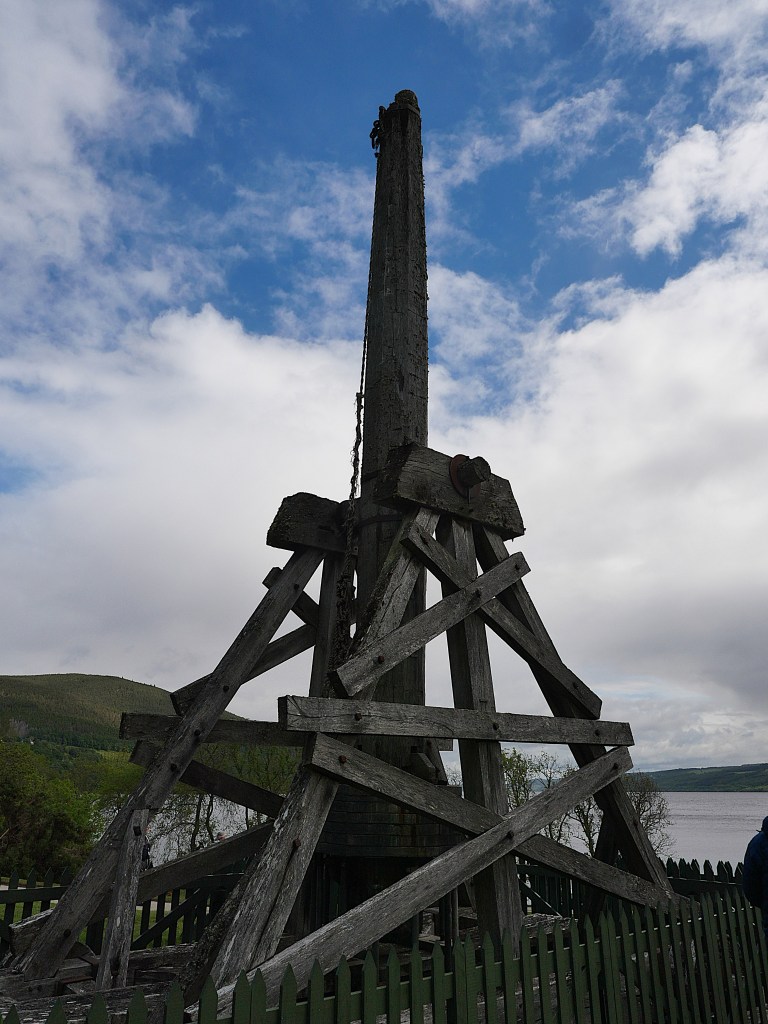
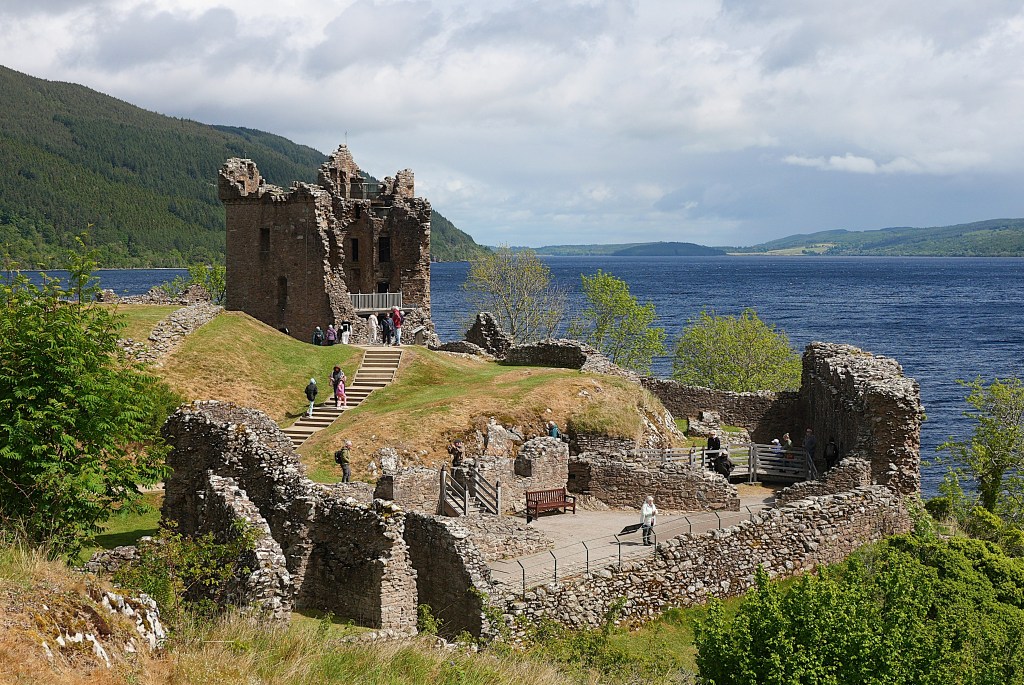
It was pouring down with rain, the view over the loch was dismal and the tickets had been expensive.
We didn’t stay very long before running back to the Mog and speeding away. But where could we go? We had planned to drive the 50 mile circuit around Loch Ness itself but everything around was so tacky and it was raining. As we drove, we looked gloomily out of the window at ‘Nessieland’, the ‘Nessie Childrens Play Area’, ‘Nessie Café’, ‘Nessie Museum’, ‘Nessie Hotel’, ‘Nessy’s Chippy’, ‘Nessie Gelato’ and of course the official ‘Loch Ness Centre’. Our hearts were in our toes.
We tried to go to the Drumbuie Farm tearoom for lunch where they had Highland Coos but when we arrived we found that they weren’t serving food that day.
Even more disheartened, we pressed on and quickly found a pretty café a mile or so further round where we were welcomed with a fabulous meal and great service.
Somewhat cheered up, we made the decision to cut Loch Ness lose and find somewhere more interesting. That meant driving back into Inverness – where we finally succeeded in buying a collapsible bucket but still no coco coir for the composting toilet – and driving out the other side heading for Culloden

Enroute we had our first height problem. We had been following Google Maps instead of the sat nav but only the sat nav knows how big we are. Just a few miles away from our destination we were faced with a low bridge, far too low for BigMog to duck under. We screeched the brakes on, did a twenty-three point turn in the road and went round in a very large circle, adding about fifteen miles to our journey but at least managing to get us all there in one piece.
We had been aiming for another aire, this time on farmland very close to the battlefield site. As we pulled up to the gates a car pulled up beside us and a man jumped out with a broad smile saying ‘Hi, I’m the farmer and that is the most beautiful truck I have ever seen!’
The aire was lovely, in the middle of nowhere with green fields spreading out in every direction. It was a welcome relief.
Before going to the Culloden Battlefield site the next day, we stopped off at the Clava Cairns
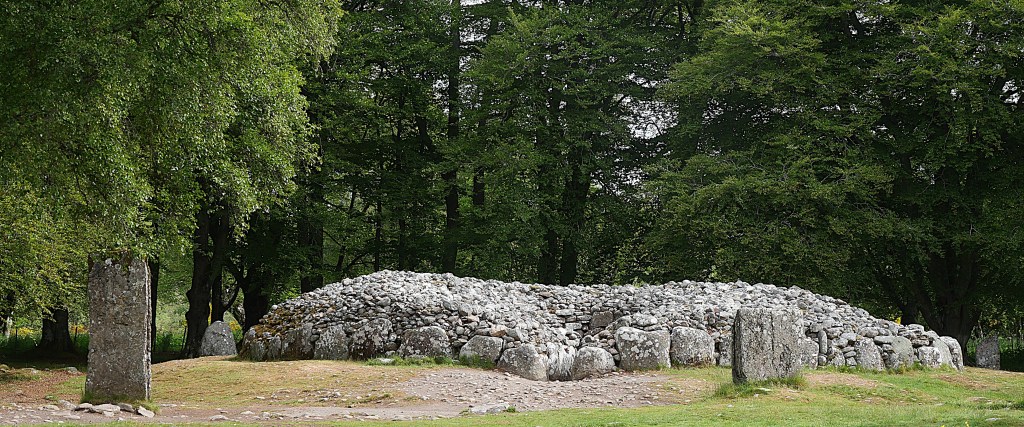
We had seen a number of cairns and standing stones here in Scotland but there was something about this one that really appealed to us
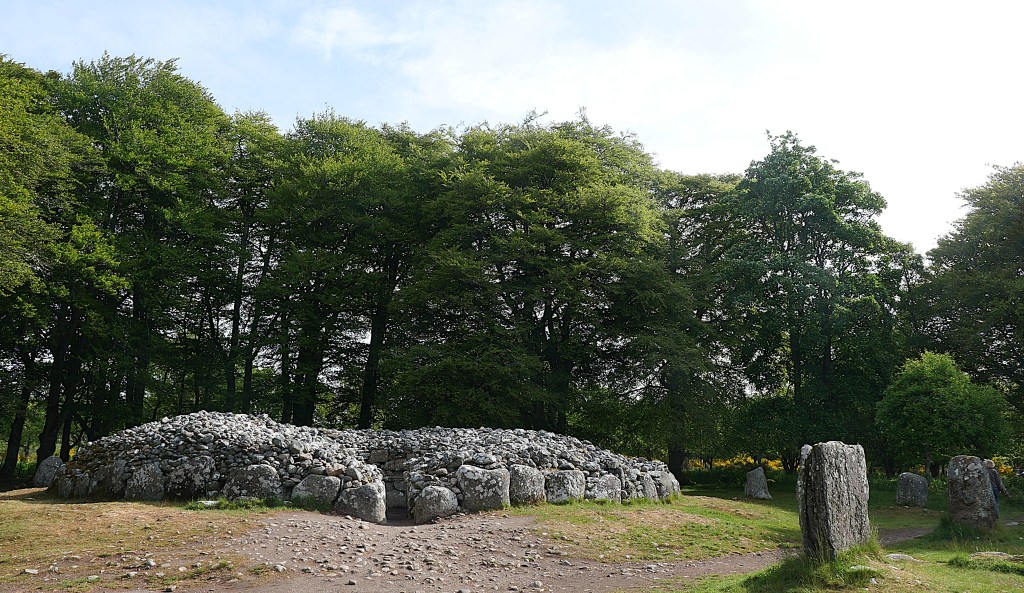
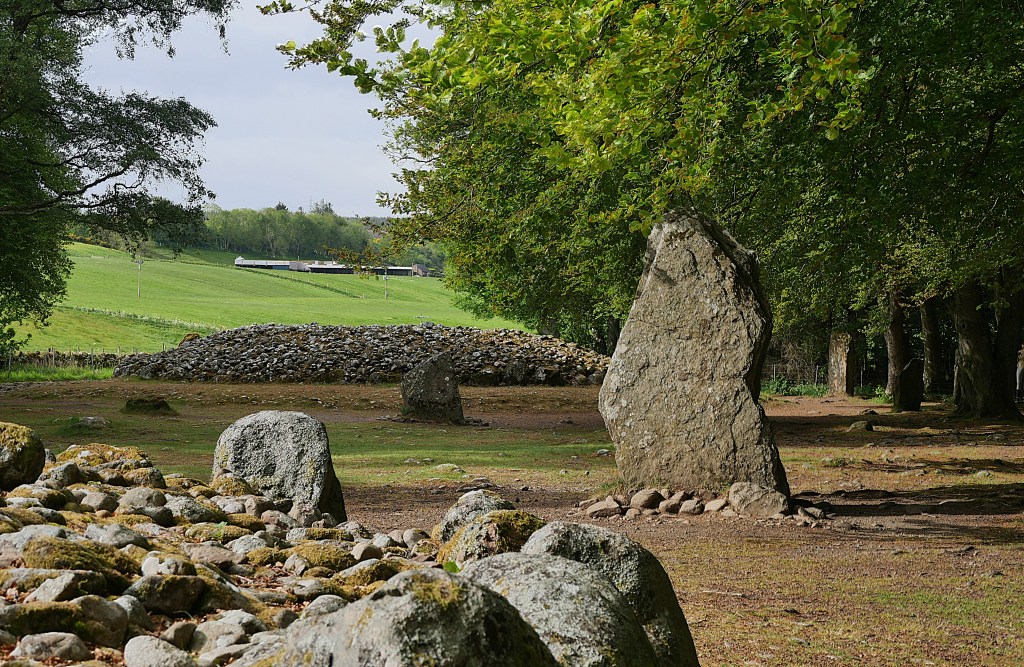
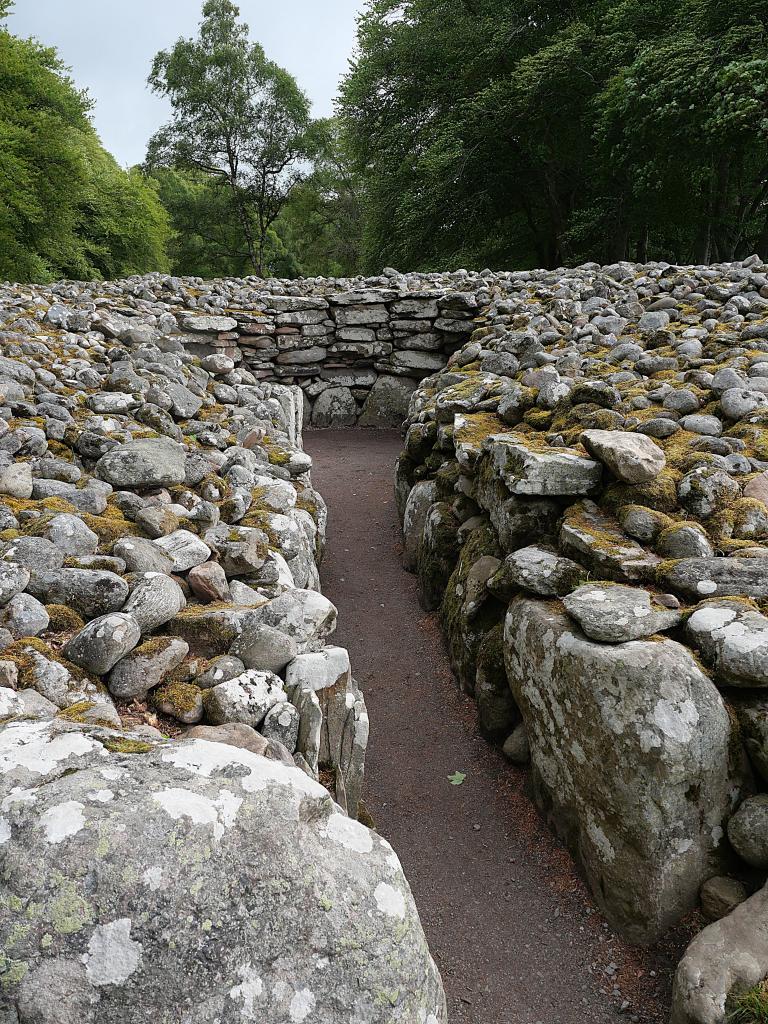
It was very atmospheric, you could almost feel the ancient pagans chanting and praying all around you.
Amusingly, however, there is a story that the scene in Outlander where the main character goes through the stones was filmed here. It wasn’t, the filmmakers say it was filmed on a set made specifically for the job. But that doesn’t stop hundreds of Outlander pilgrims from descending on this site daily and we saw some very strange behaviour whilst we were there – far too many people appeared to be rubbing or even hugging the stones and taking photos of themselves doing it whilst grinning into the camera. We looked on rather bemused.
Our next stop, and the main event of the day, was Culloden. The battlefield site is managed and protected by the National Trust for Scotland and they spend a lot of time, effort and money keeping it in a way befitting the terrible tragedy that occurred here nearly three hundred years ago
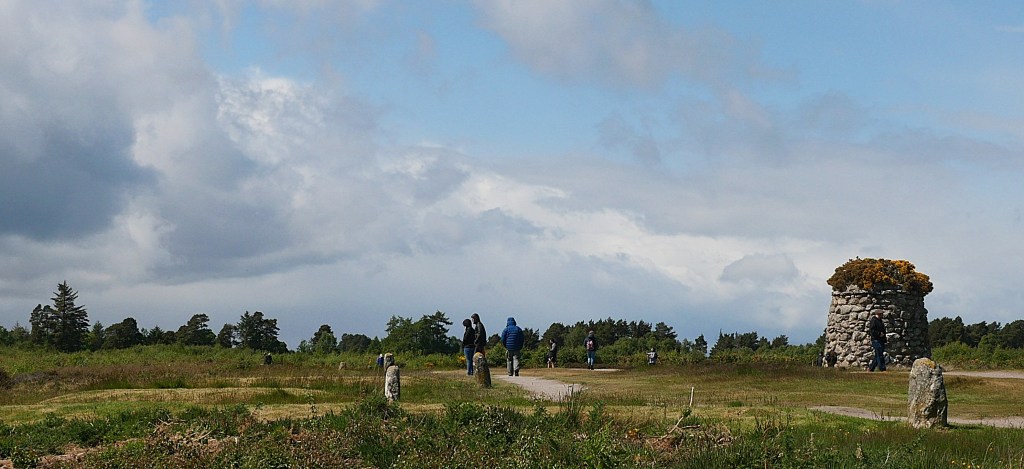
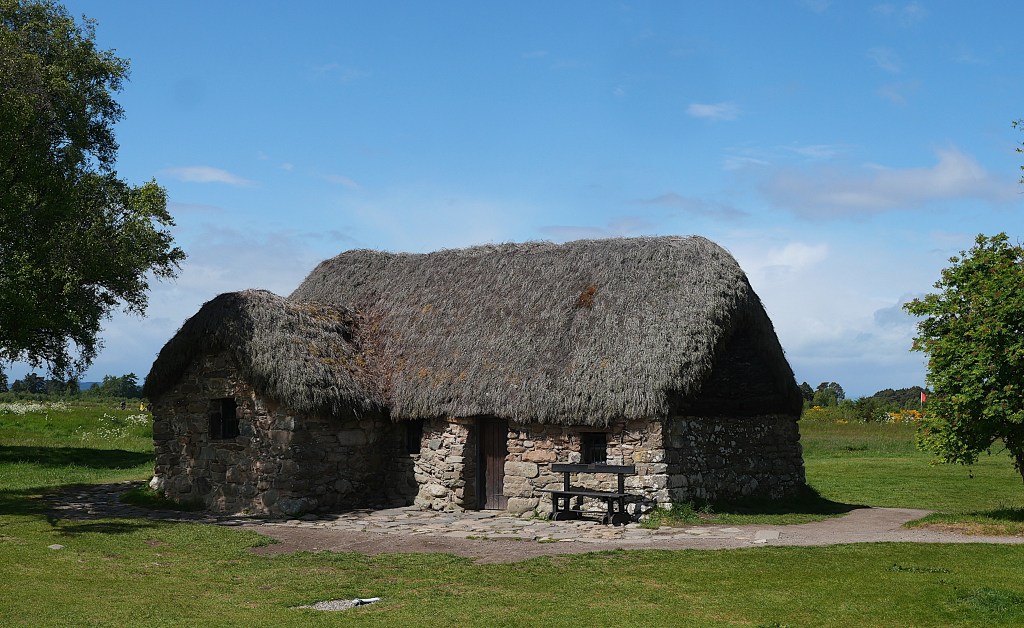
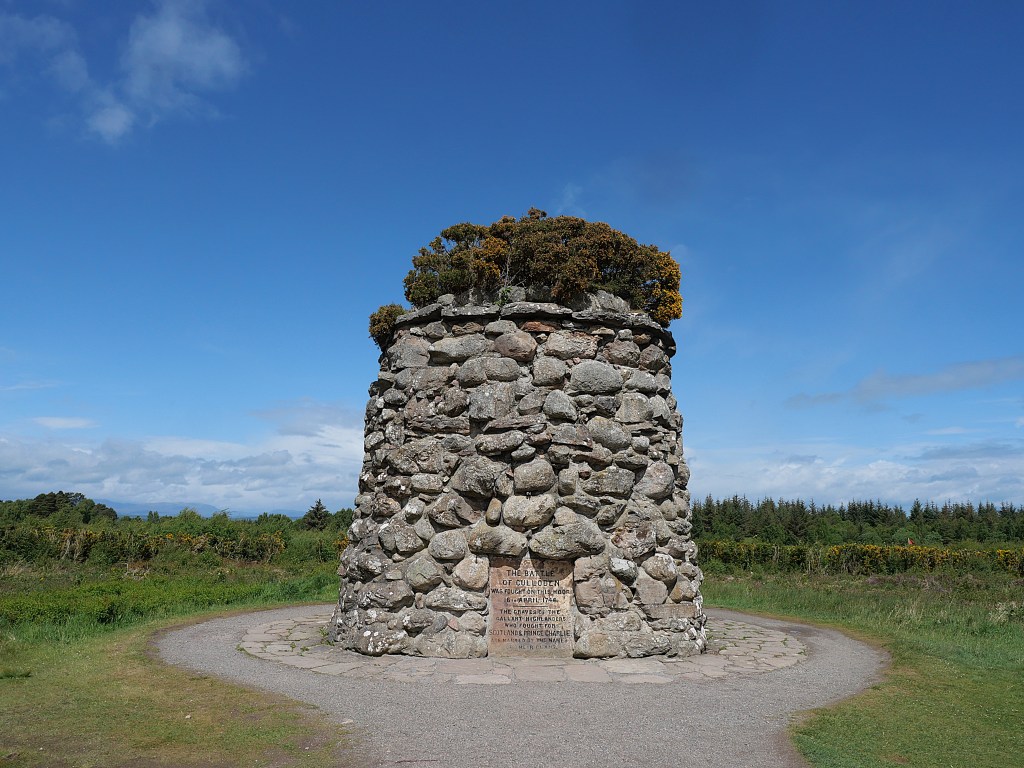
Our tour was due to start in about an hour so we invested the time in reading all about the events leading up to the battle itself in the museum. It is a fascinating period in Scotland’s history with various decisions being made by the two sides that, if taken differently, could have changed the course not only of the battle but of Scotland itself.
It’s not the sort of place that can really be expressed in photographs, it has an atmosphere all to itself and the windswept isolation brings a real sense of how the soldiers must have felt
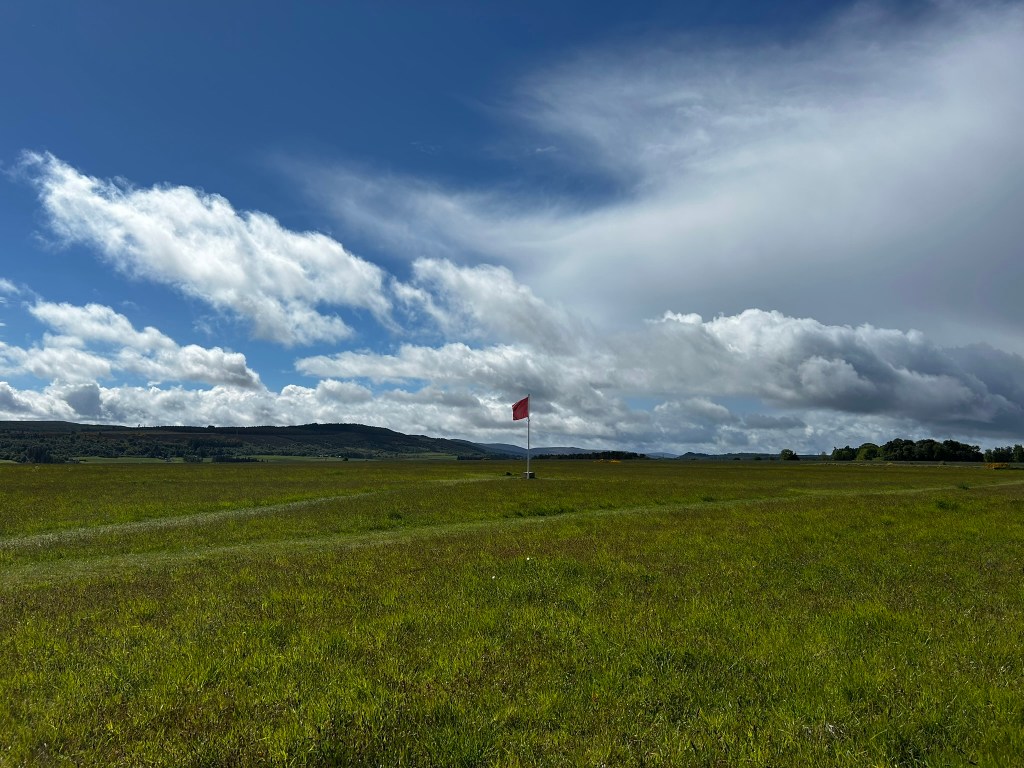
There are a number of mass graves where the bodies of the Jacobites were buried
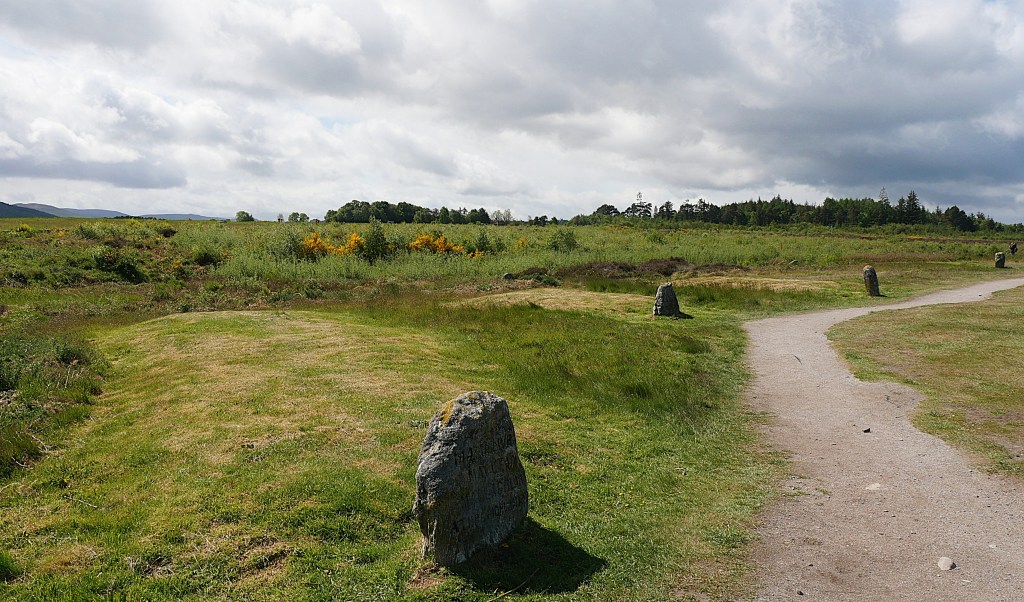
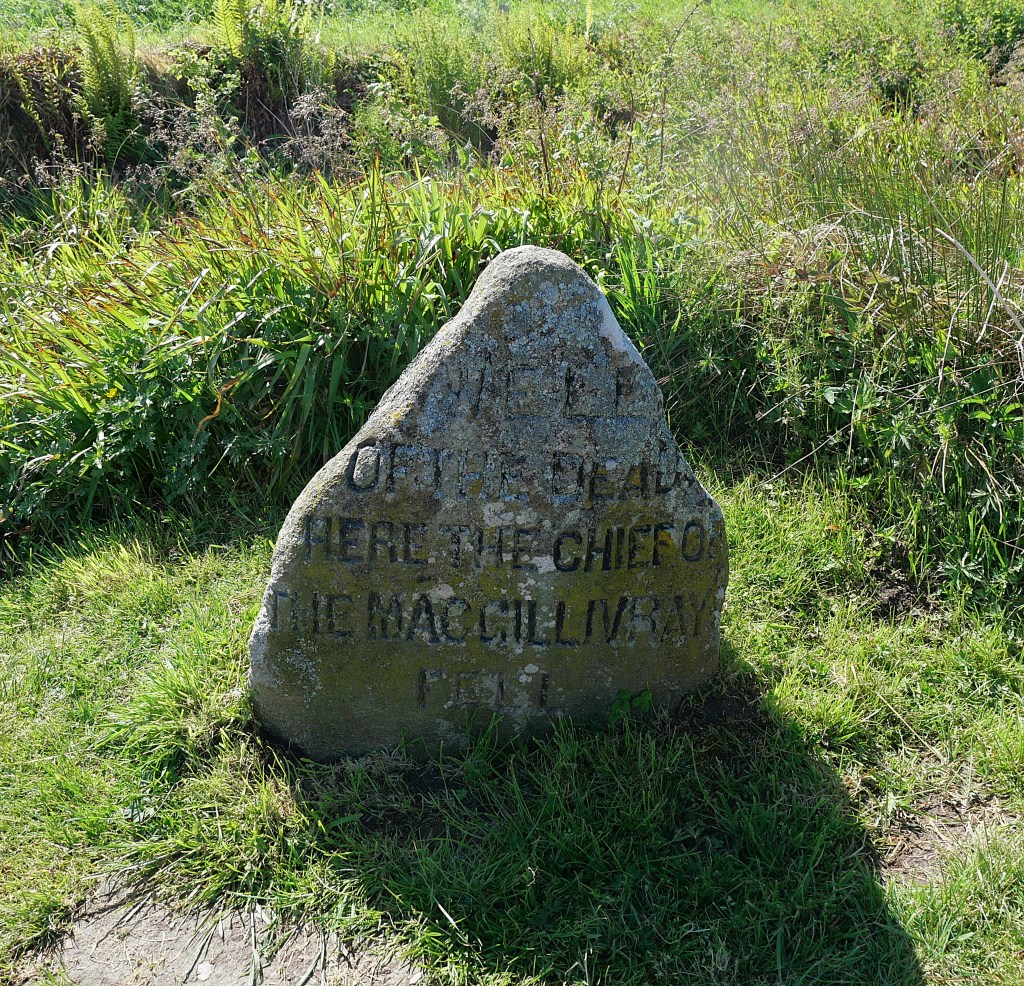
The marker stones, however, were put down in Victorian times and bear no relationship to who is actually buried there – the bodies were buried by the victors, the Hanoverians, and no attempt was made to identify the clans
This marker stone claiming to mark the position of the Hanoverian dead is inaccurate in two ways – firstly the grave is not here but rather a few hundred meters away and secondly the Hanoverian army included English, Scottish, Irish, French and many other nationalities
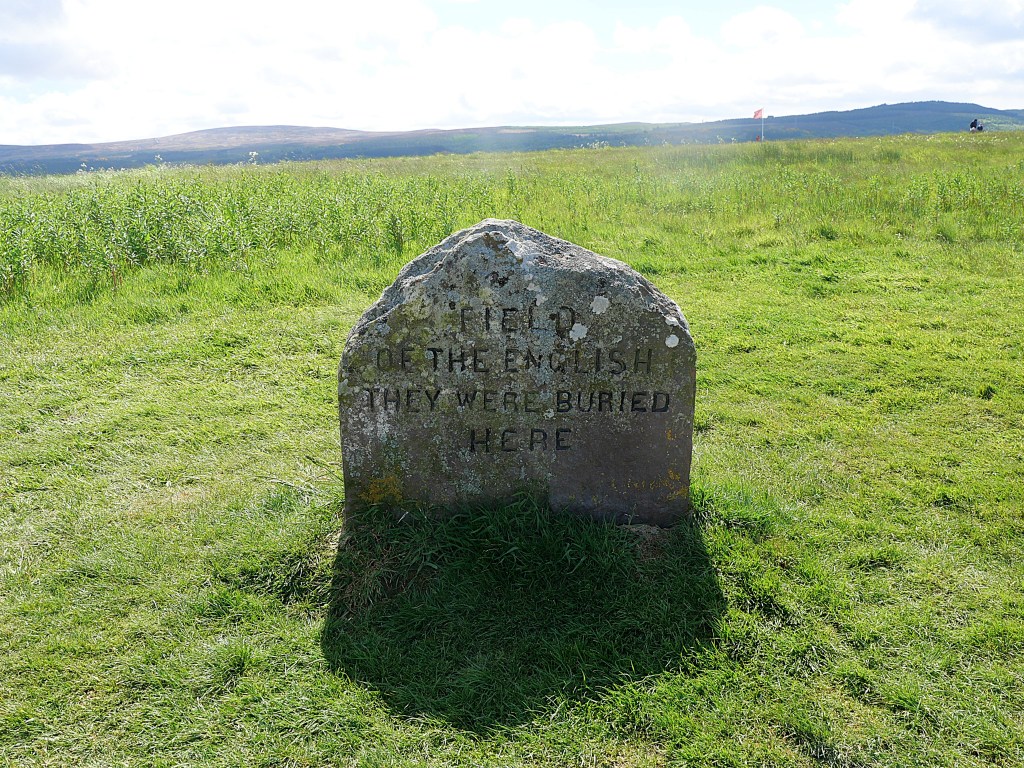
The idea that the battle was between the English on one side and the Scots on the other was a Victorian fiction. But their hearts were in the right place, we heard that all they really wanted to was to pay proper respect to the fallen.
After our tour we went into the ‘immersive’ theatre for a 360 degree film putting us at the centre of the battle before having a lovely National Trust lunch of soup and a sandwich. How middle-aged are we??
We were now ready to start our excursion into the eastern part of Scotland and we started with Bow Fiddle Rock
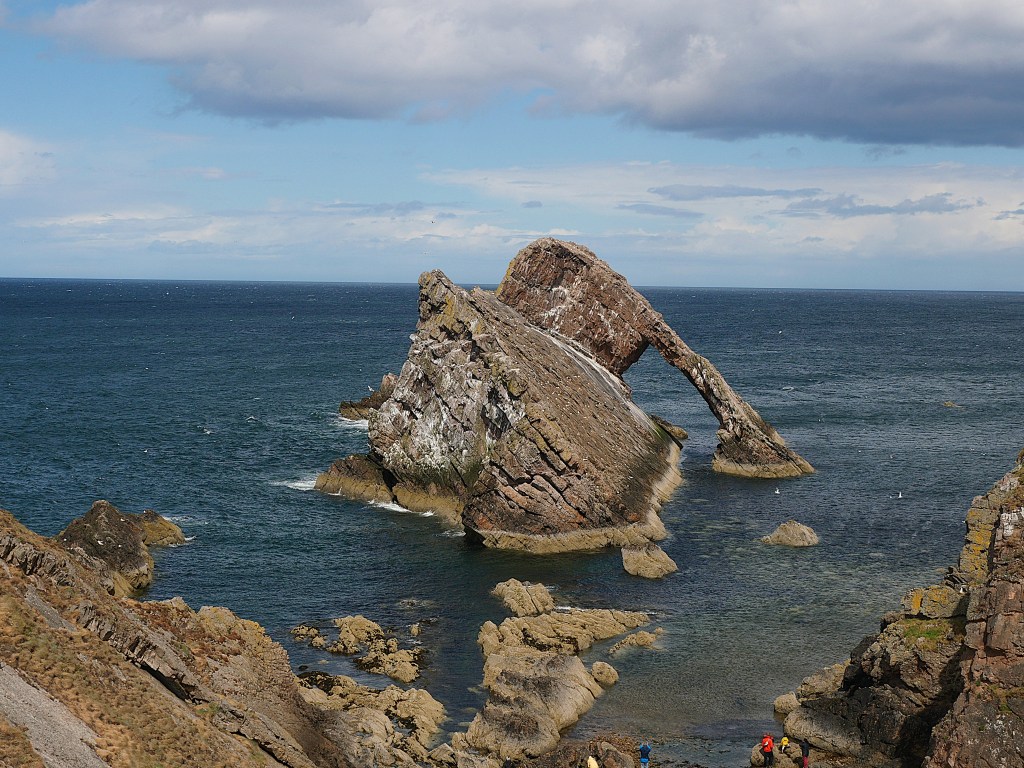
It was very impressive
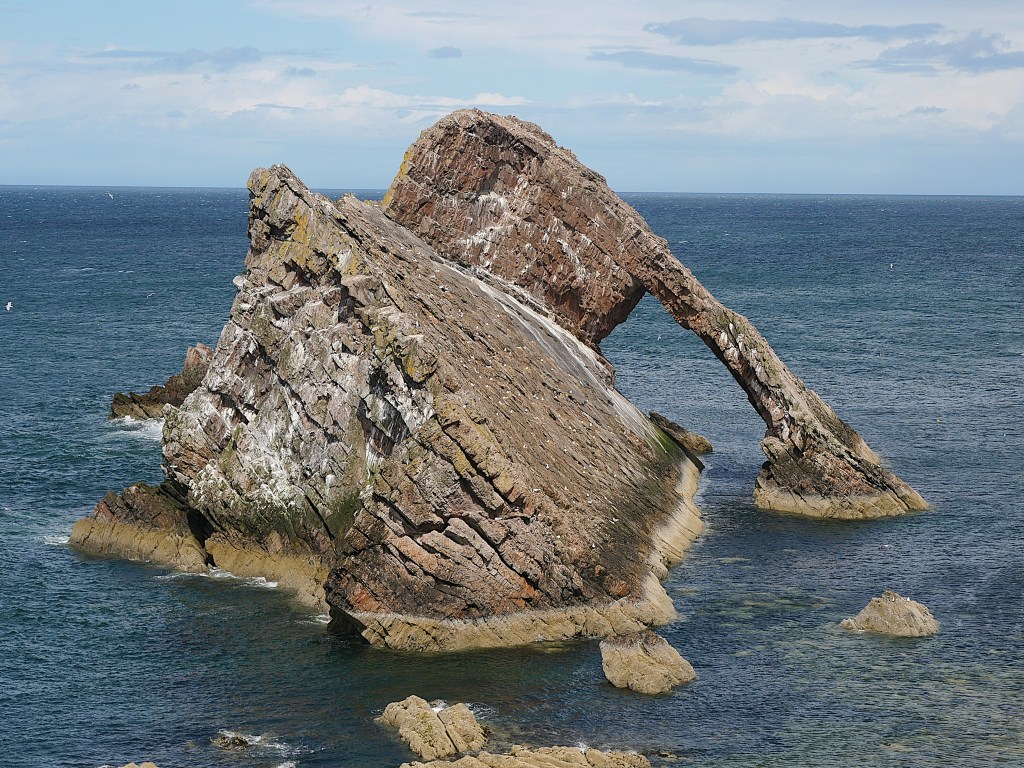
But it was also quite full of people so we didn’t stay long but rather made for the pretty town of Cullen where we had booked into a beach-front aire.
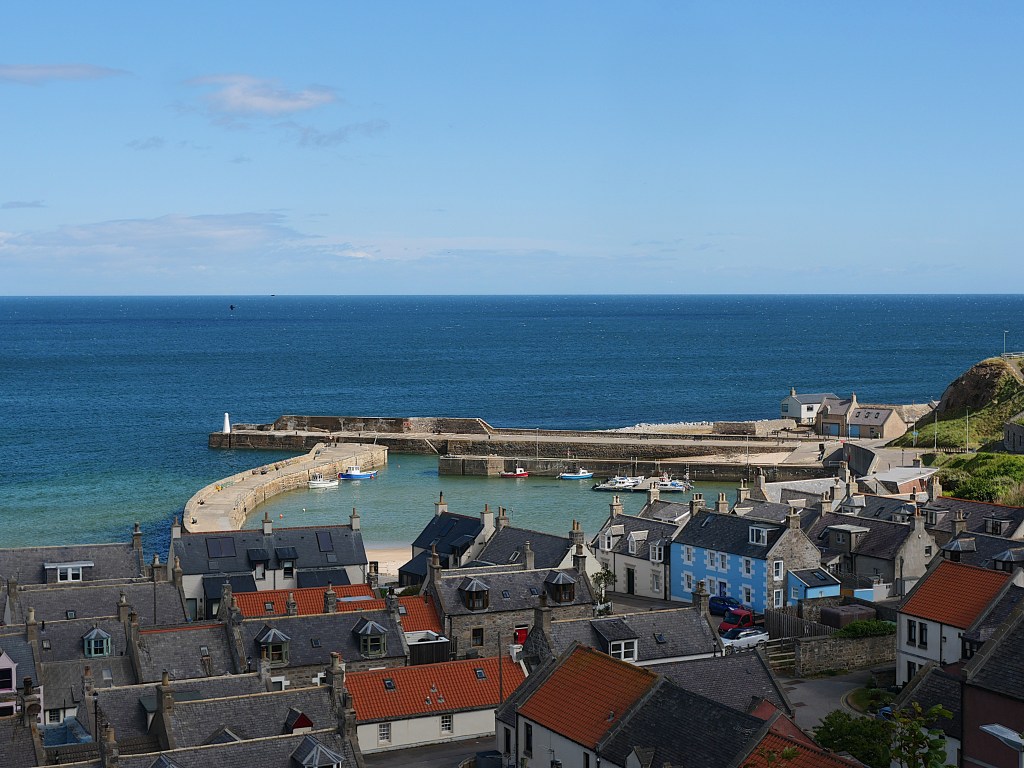
As we drove over the brow of a hill the town came into view and it was so pretty it quite took me by surprise
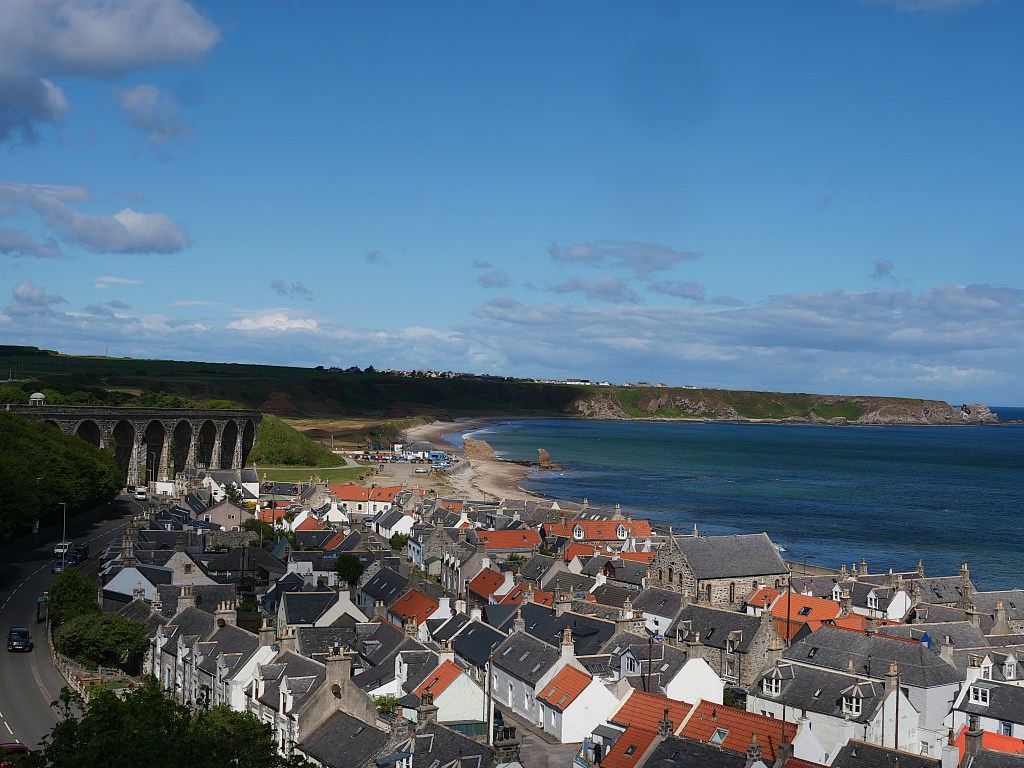
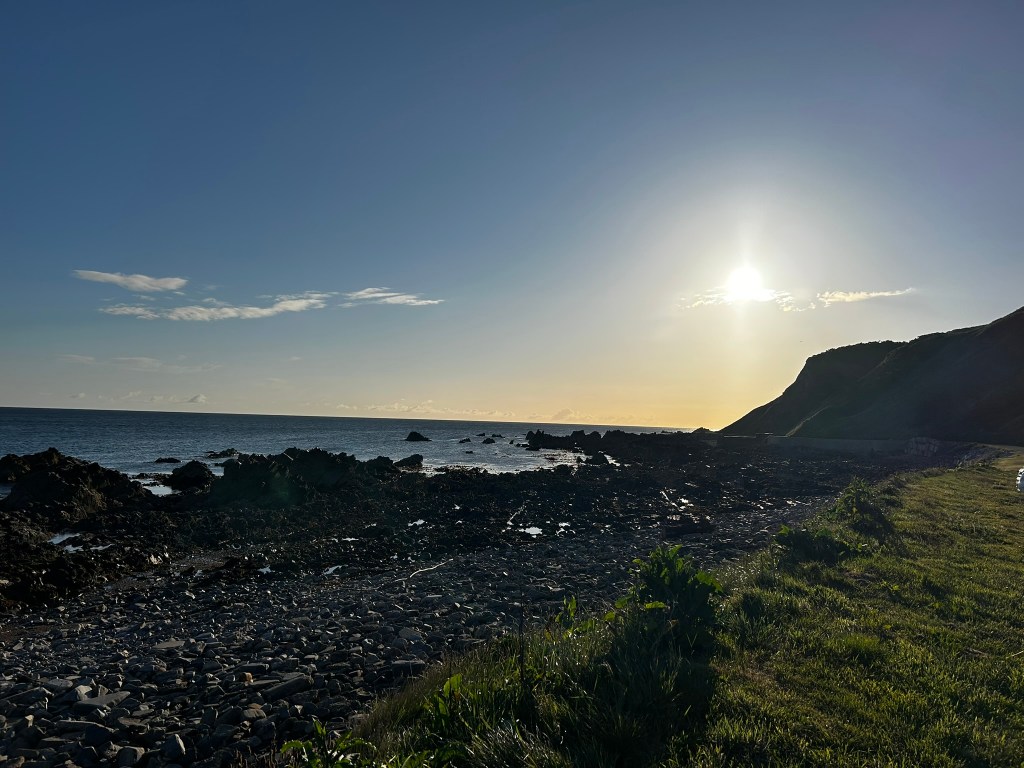
Our aire was lovely and we parked up for the evening with a fantastic view over the North Sea
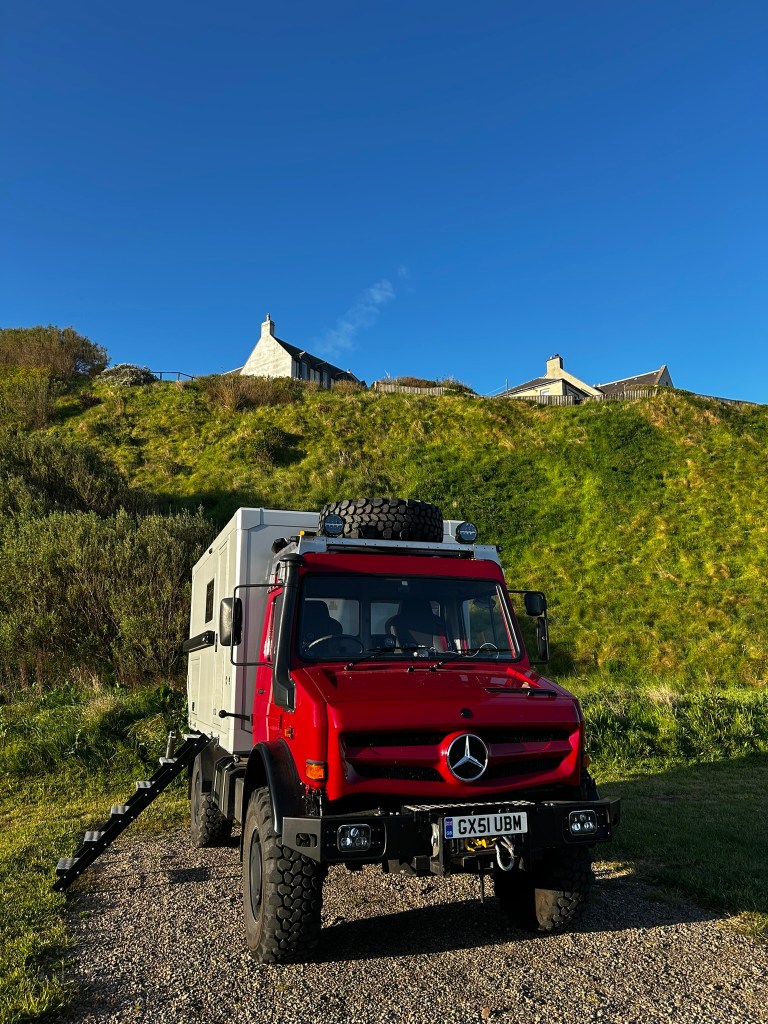
I liked the look of the town so much that the next morning I dragged James on a short walk back up the hill to a viewpoint from which we could look out over the roof tops

Towards the little harbour
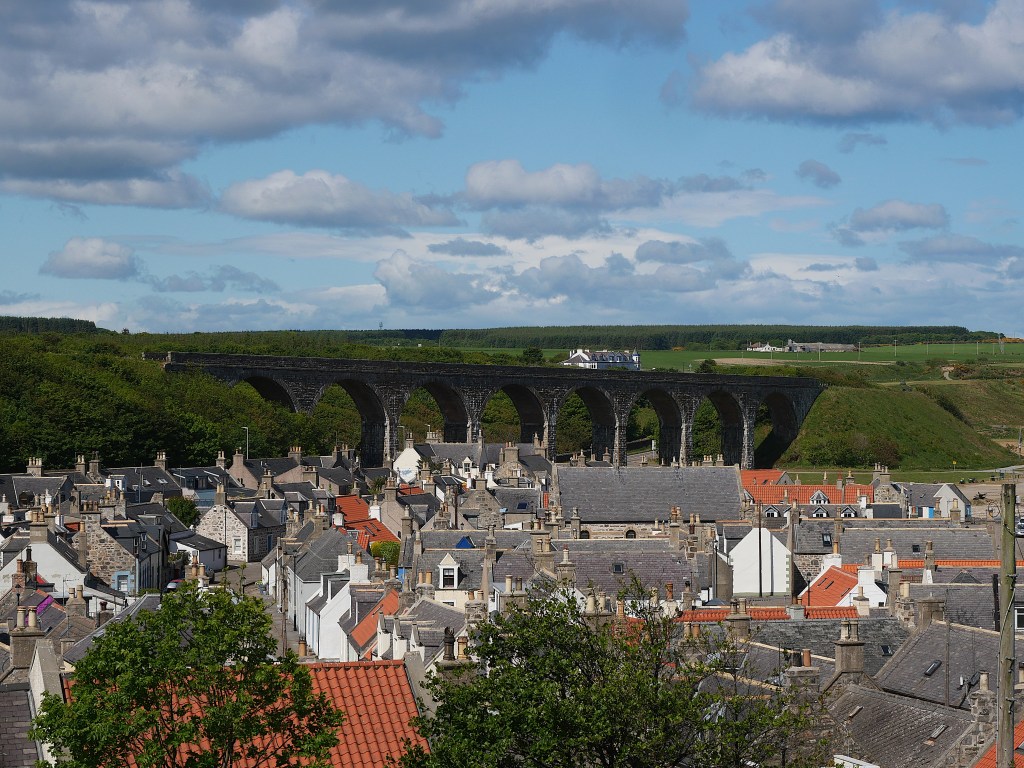
And across to the viaduct
We replenished our energy back at the Mog with bacon bagels and were about to set off for Fyvie Castle which I was quite excited about seeing. But disaster struck! I got as far as sitting in the passenger seat sorting out directions before I noticed that Google was telling me the castle was closed all day.
This threw us into complete disarray. The castle was too good to miss out on but everything else on our itinerary was the wrong way to come back to it. So we sat in the cab for half an hour searching out interesting things to do in the area to pass the time without going too far away.
We hit upon Pitsligo church and castle, not big attractions but the area looked nice and there were a couple of other things to see nearby.
We set off, happy to be ambling about and not at all concerned that we were going off plan – that’s what life is all about after all. The roads were steep with twists and turns through some beautiful countryside, it all seemed a very good addition to our trip.
First stop was the Mounthooly Doo’cot
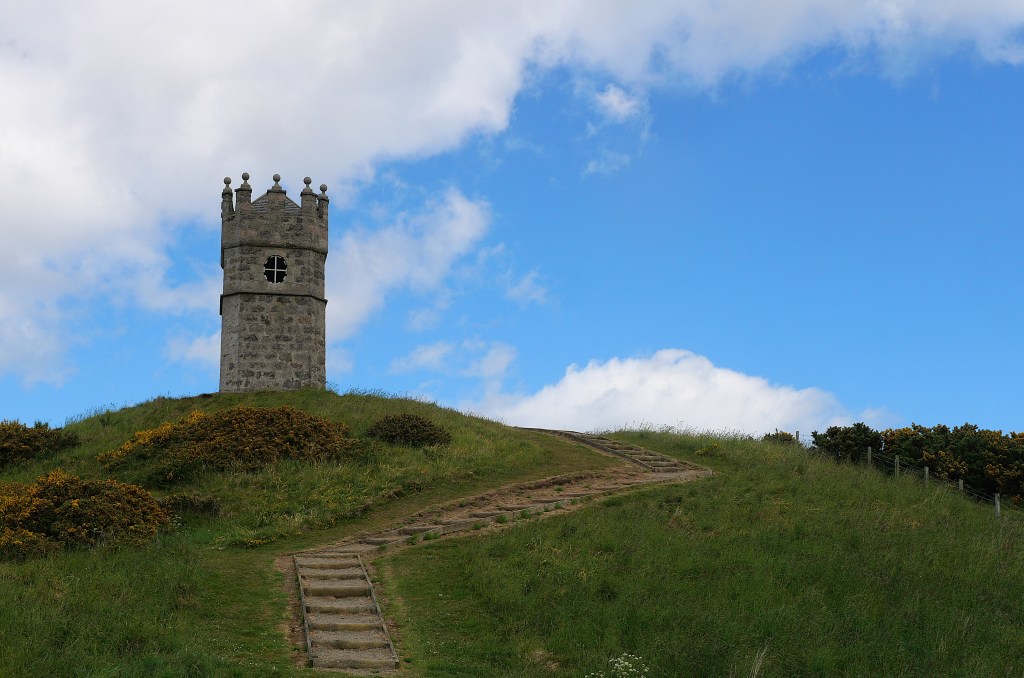
A pretty folly with nice views.
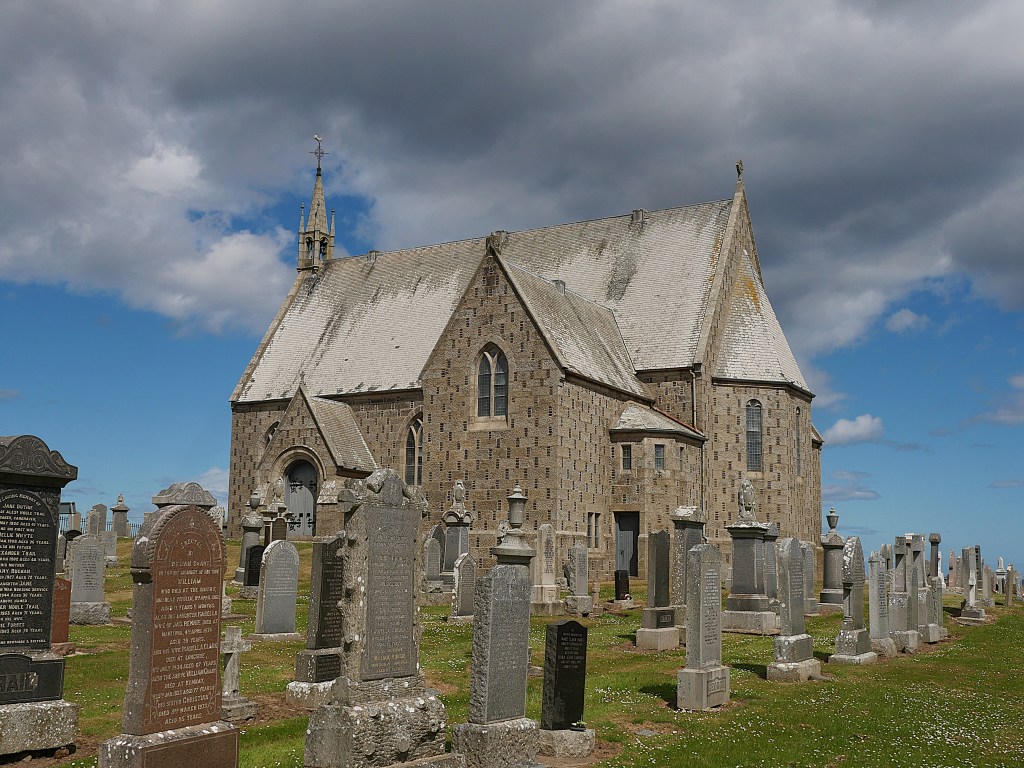
We then arrived at Pitsligo Church which was absolutely pristine
We found the ruins of the old church in the grounds and clambered around
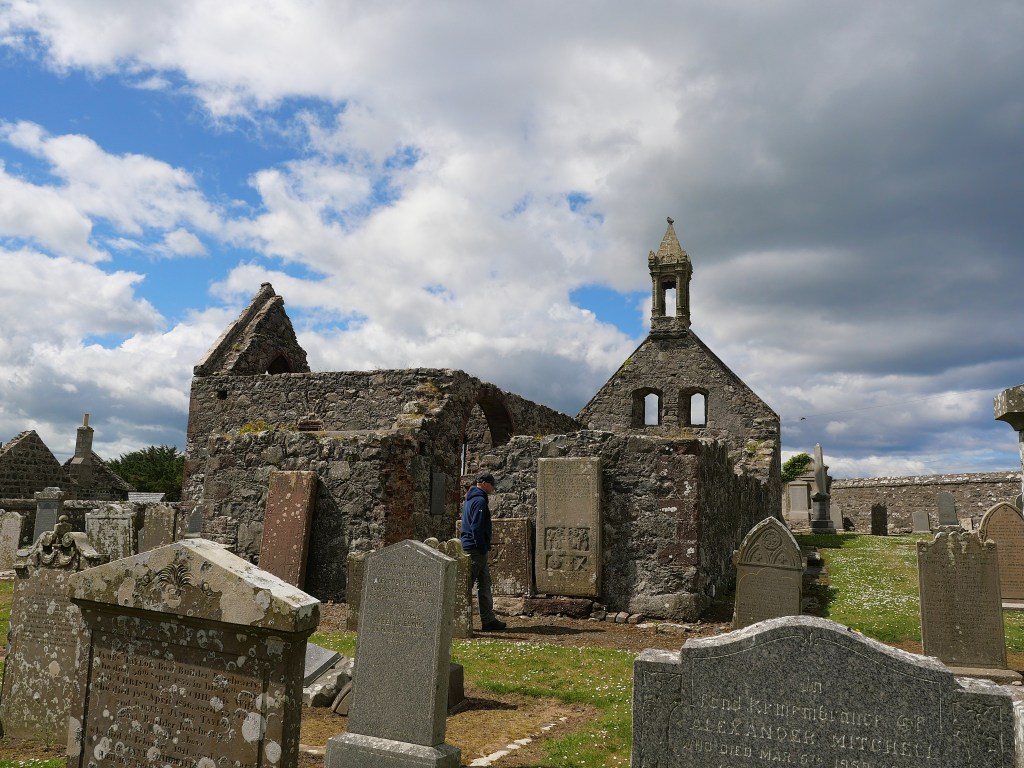
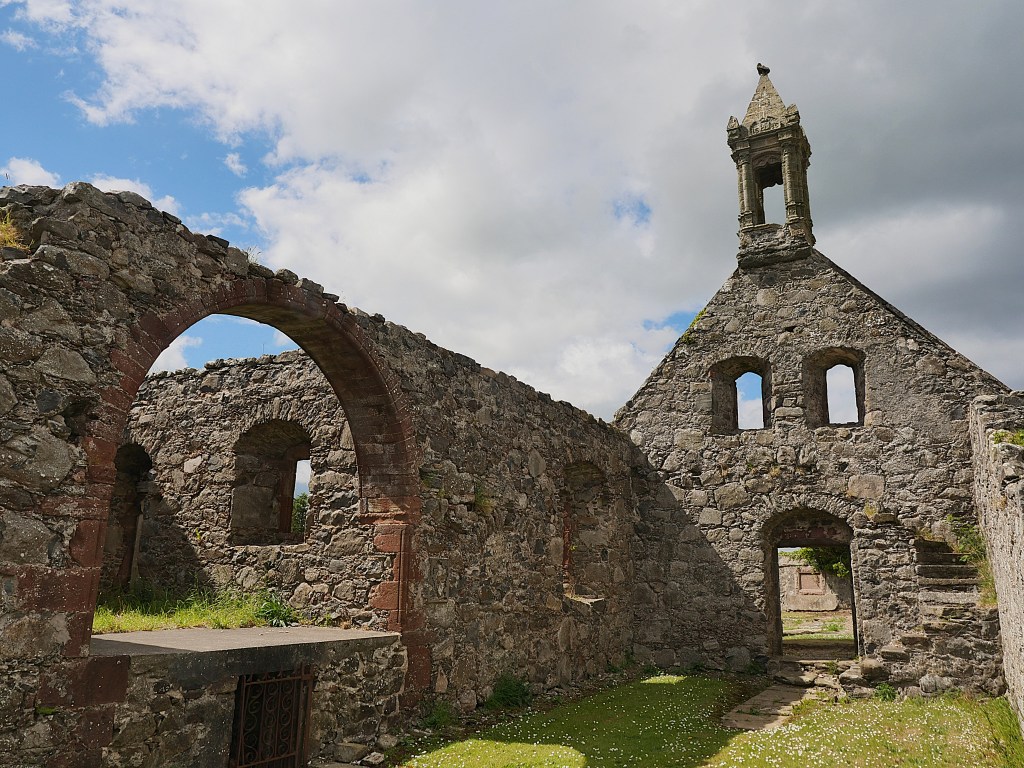
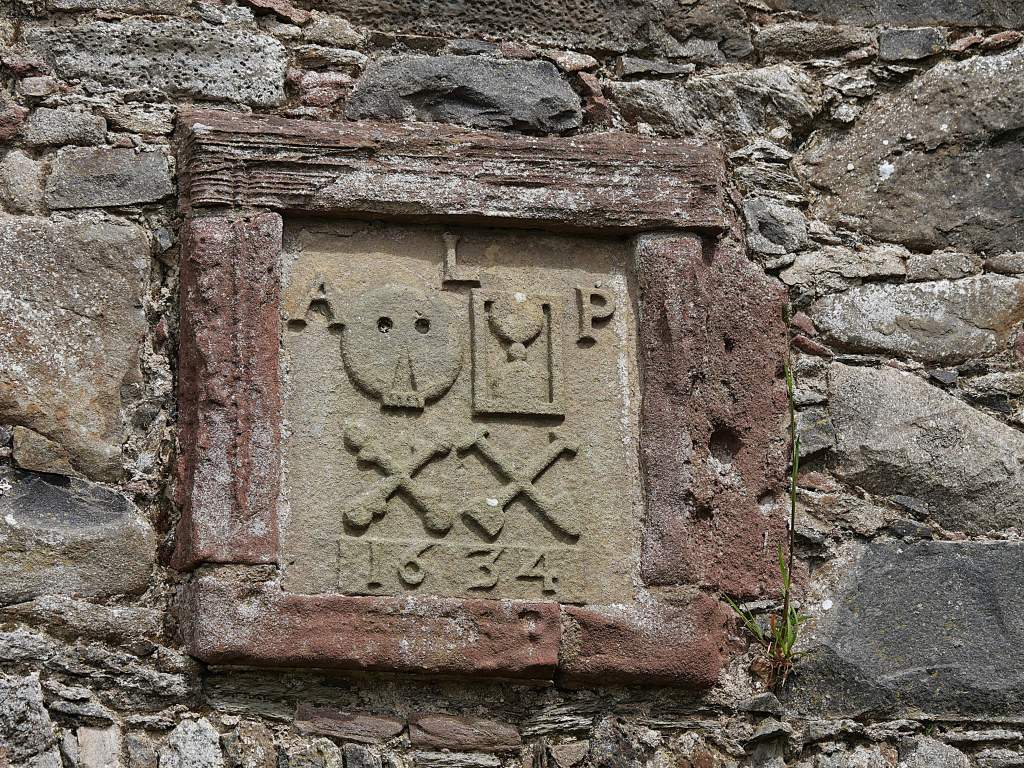
Finding some very old gravestones dating back to the 1600s which were fascinating
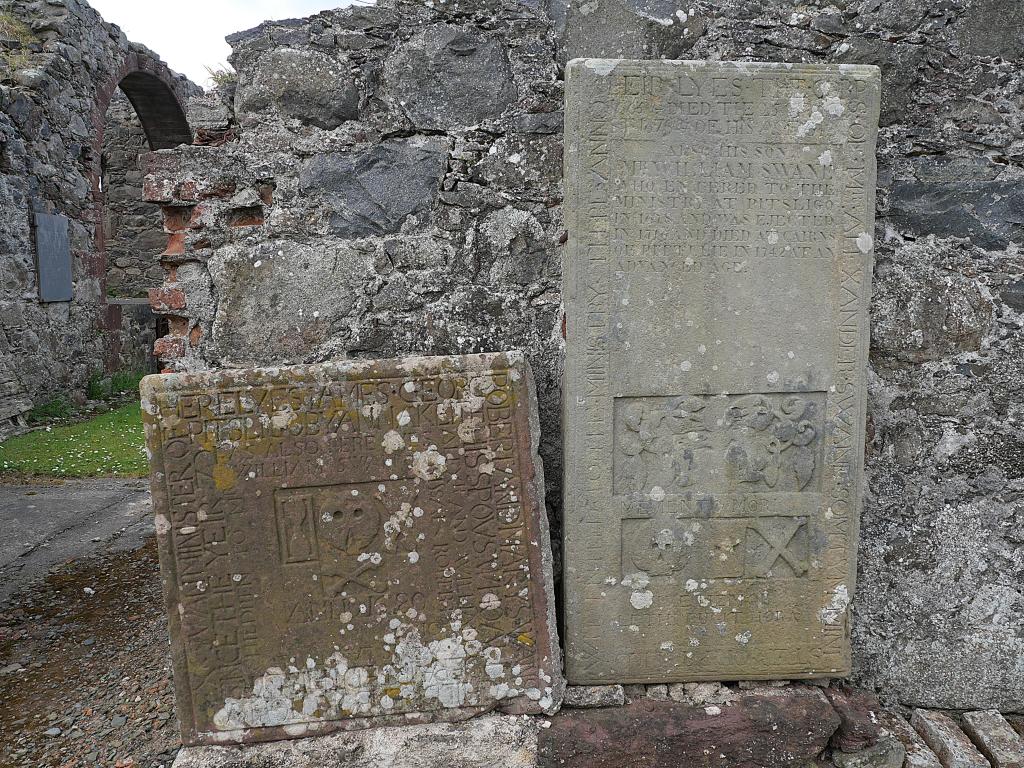

From there we tried to drive to Pitsligo Castle but there was nowhere to park anywhere close so we gave up and headed for Slains Castle instead. By the time we arrived it had started to rain so we cooked pizza for lunch whilst we waited and eventually ventured out an hour or so later.
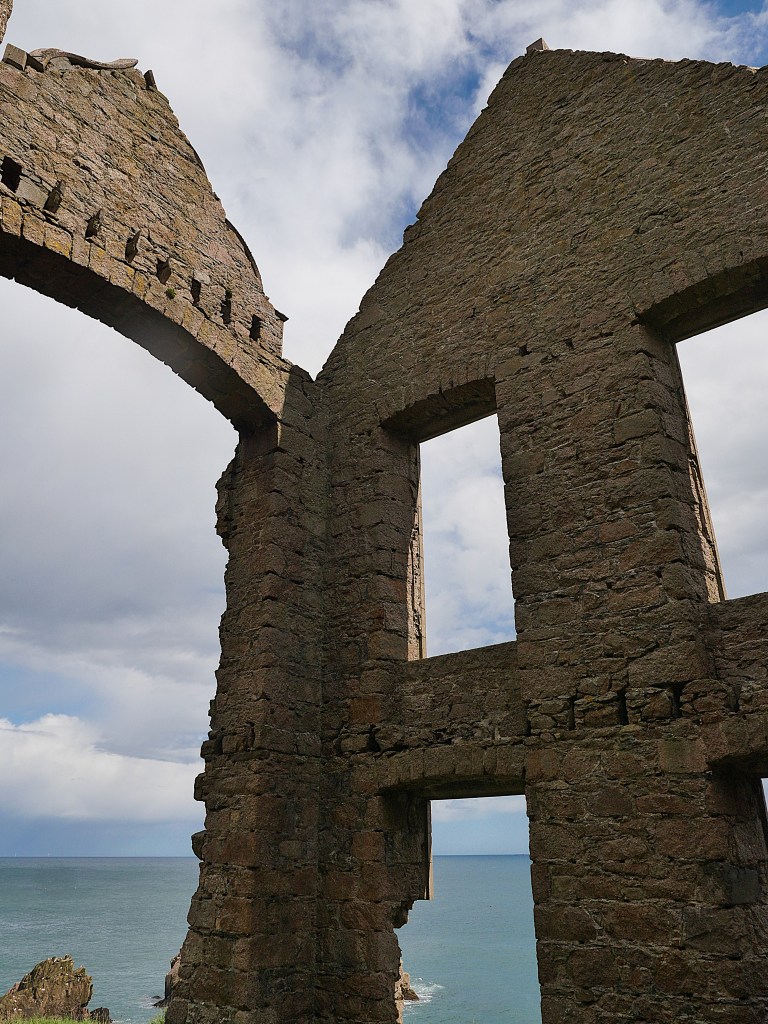
It was only a 20 minute walk but the views over the cliff tops were lovely
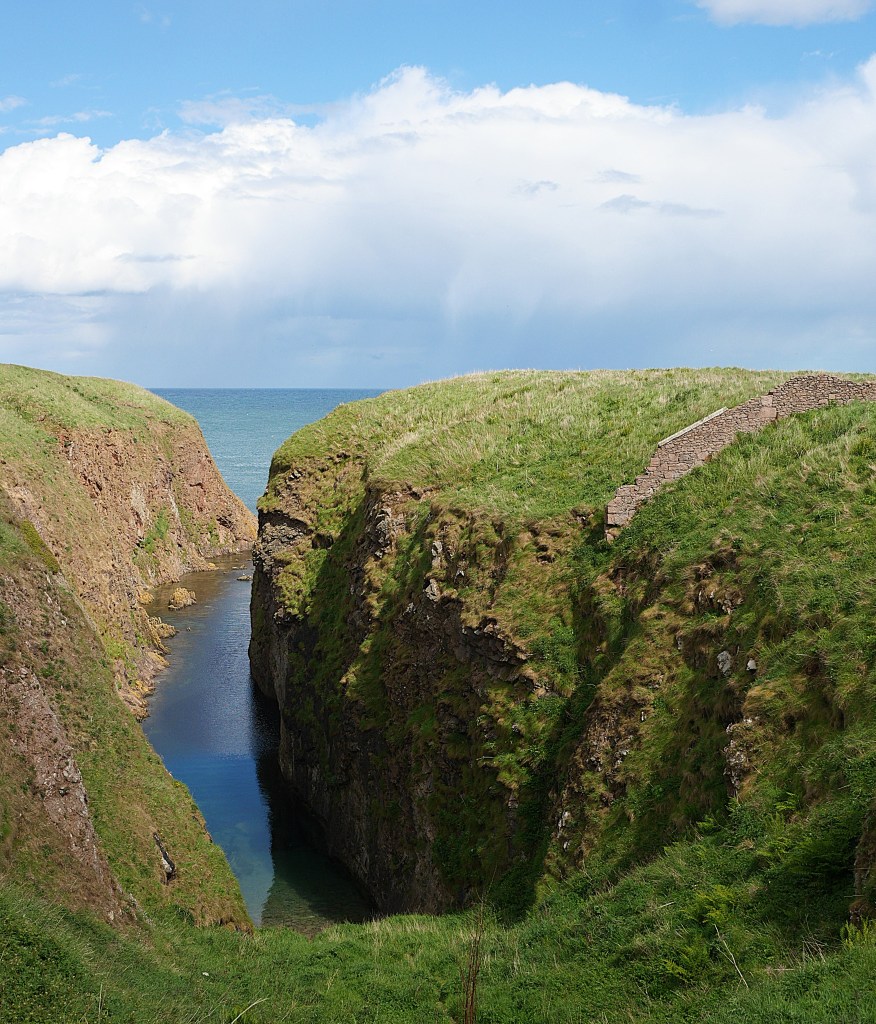
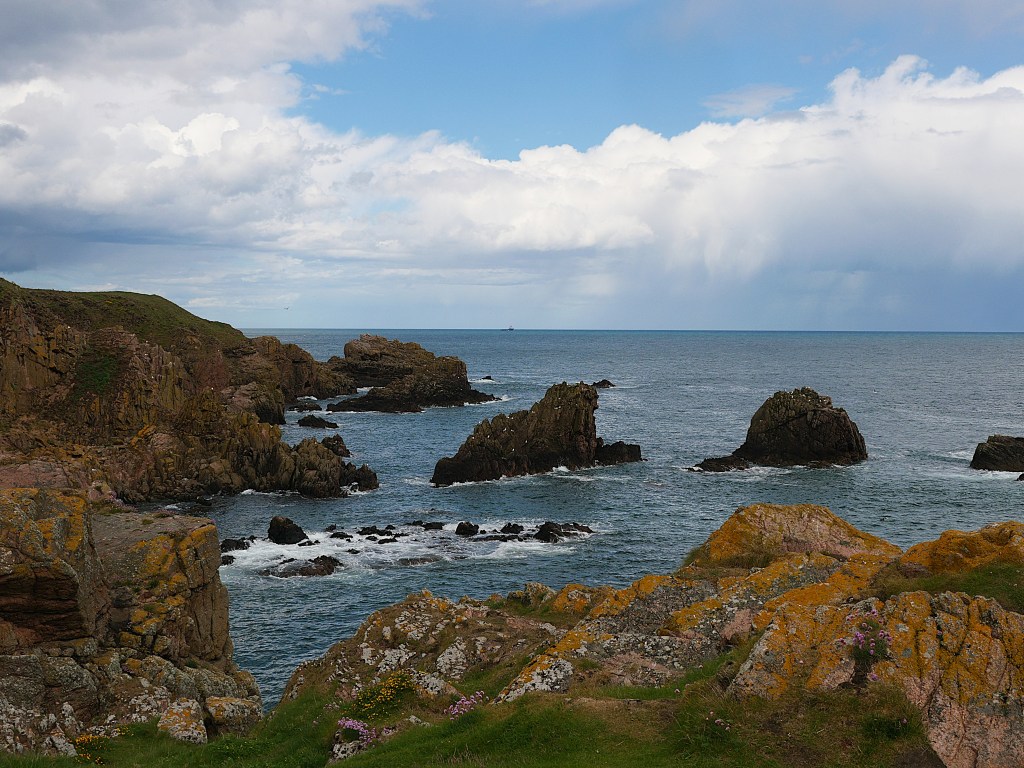
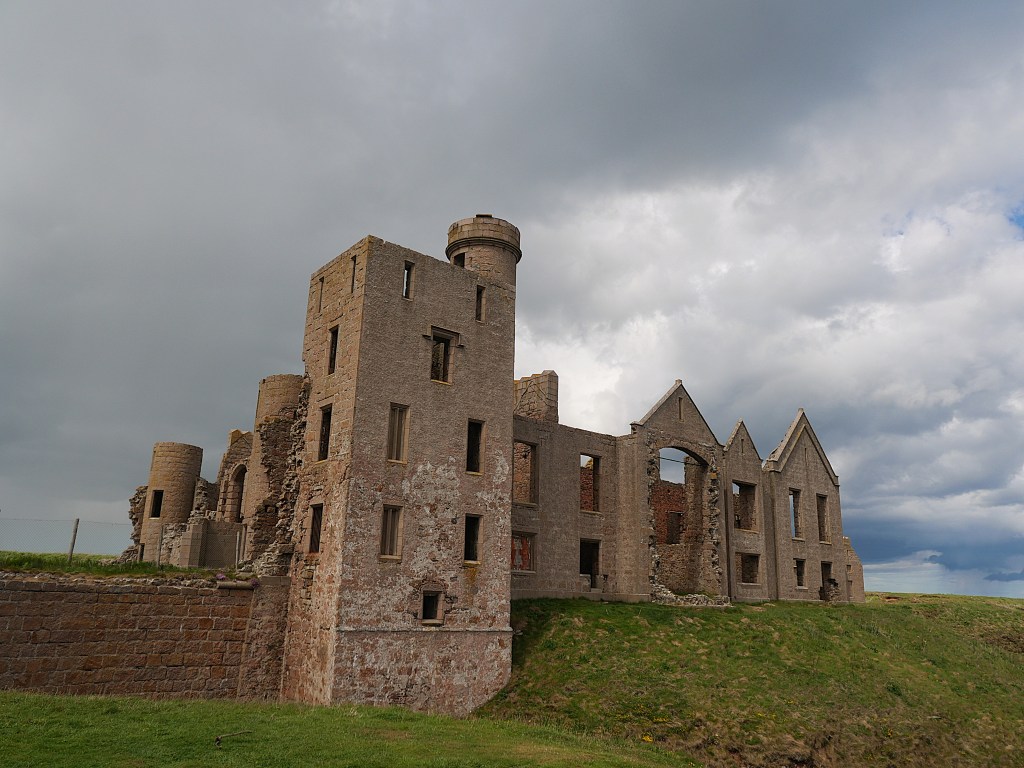
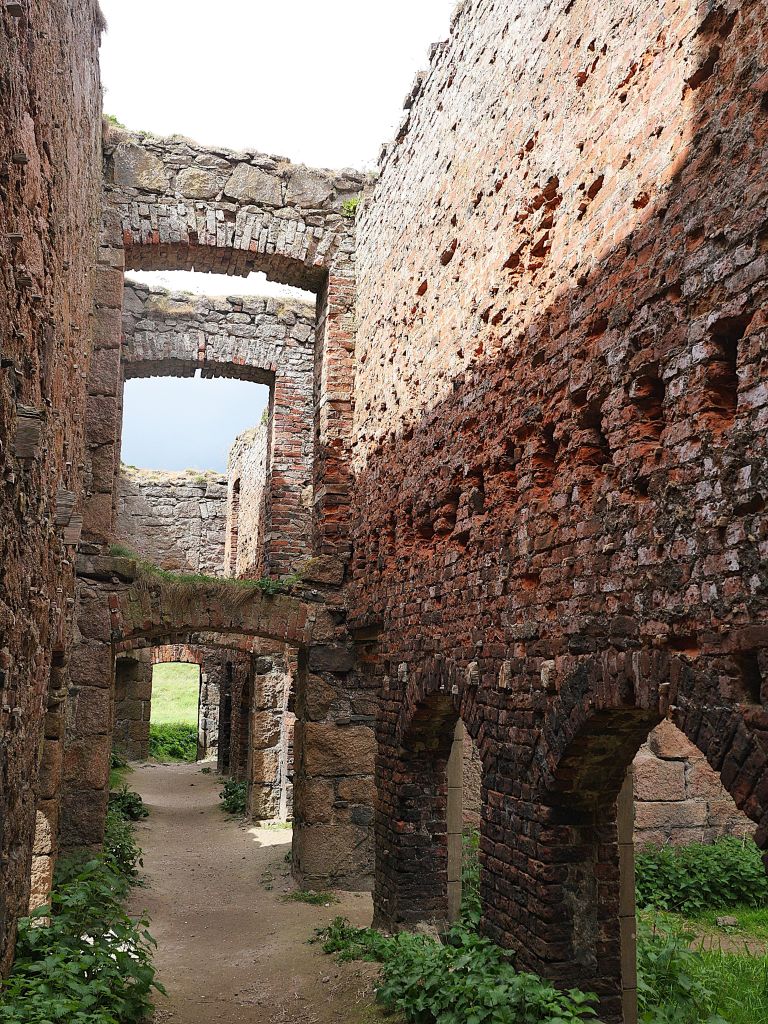
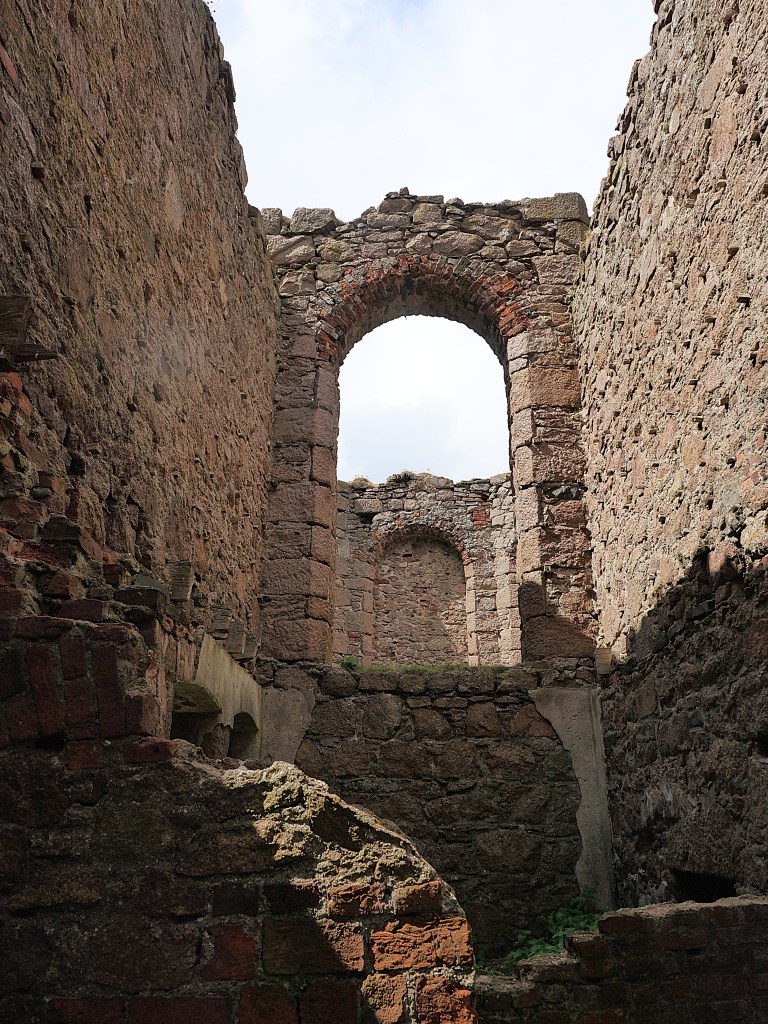
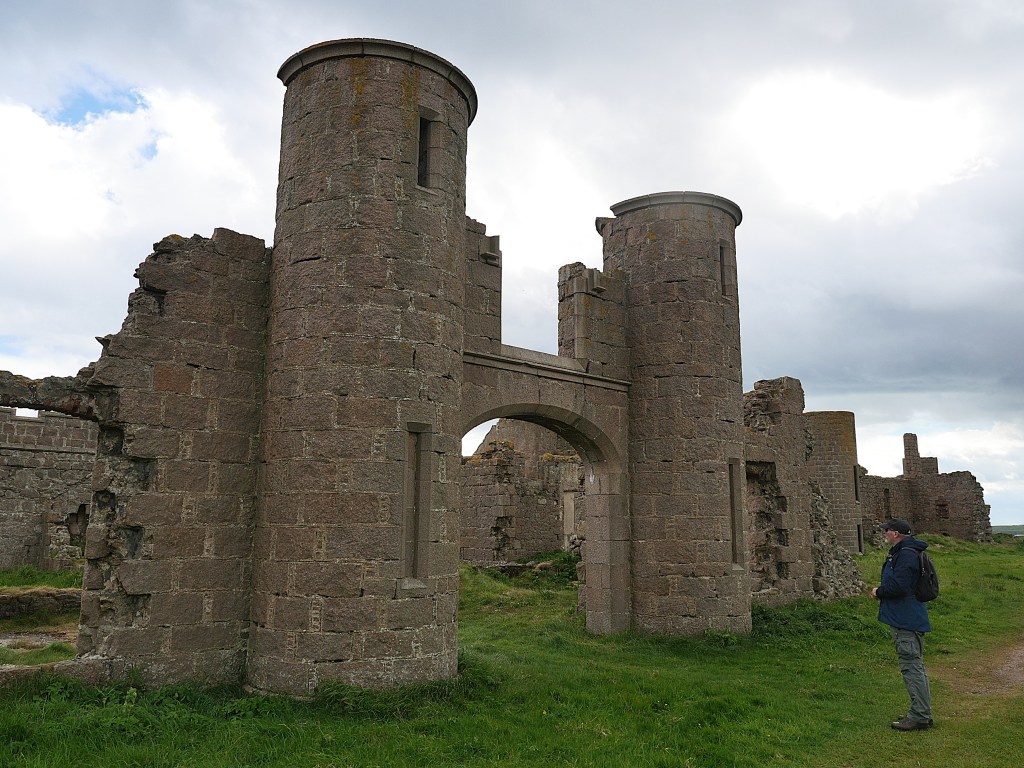
The castle itself is a ruin. The core was built around 1600, expanded and altered in 1664 then extended again in 1836. It was sold in 1916 due to death taxes but the new owner allowed it to fall into disrepair and by 1925 the roof had been removed and the dressed stone removed for re-use somewhere else
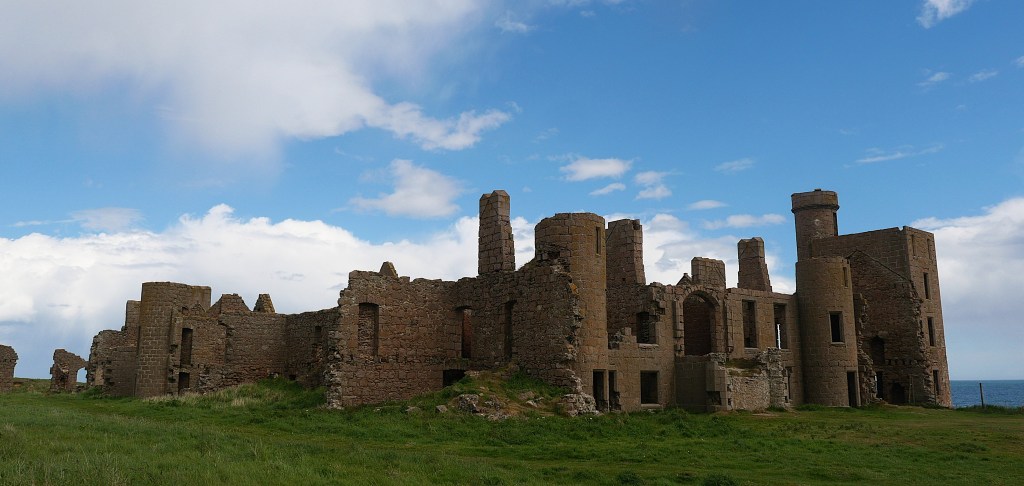
Bram Stoker said this castle was his inspiration for the story of Dracula and many people describe it as atmospheric and creepy.
However, despite the low clouds and drizzle, we were a little disappointed to find it seemed like a fairly modern building with little atmosphere at all

I was very excited, however, to be looking through my photos later in the day and find that I had taken an accidental shot of nothing in particular only to zoom in on a black spot in the sea and find I had caught a seal swimming!
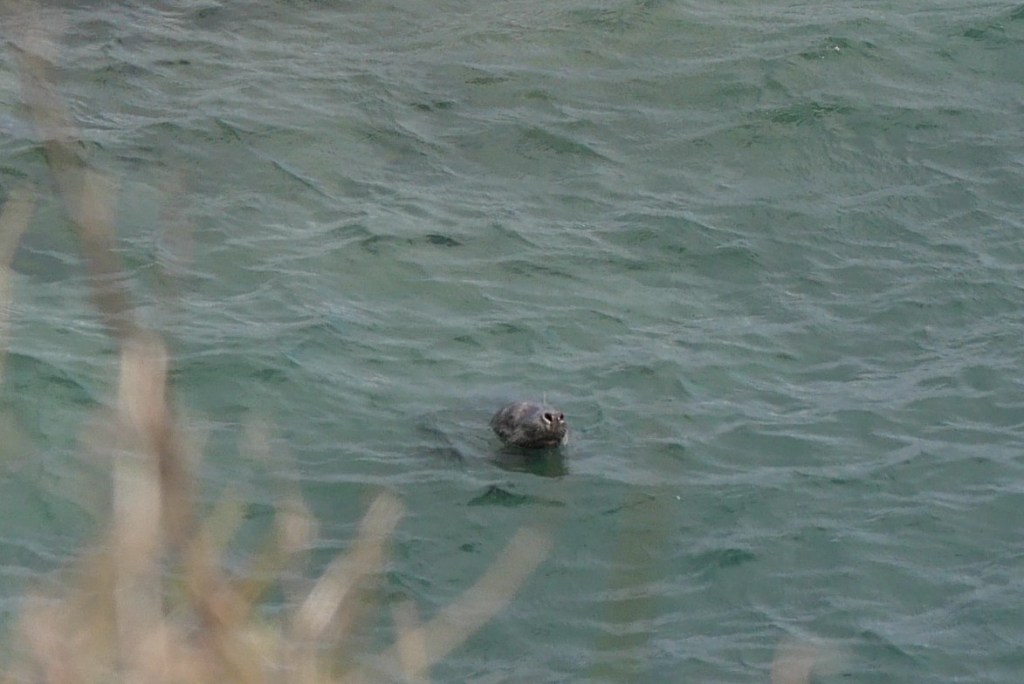
Or was it an otter? Who knows…
We spent the night in a car park in a nearby town overlooking a golf club. The dog walkers paid us no attention in the morning and we had the time and space to clean out our fridge and get a few other chores done.
We were then finally ready to head back inland and try our luck at Fyvie Castle.
The outside was nice enough but not particularly impressive to look at

The inside, however, was a different story altogether
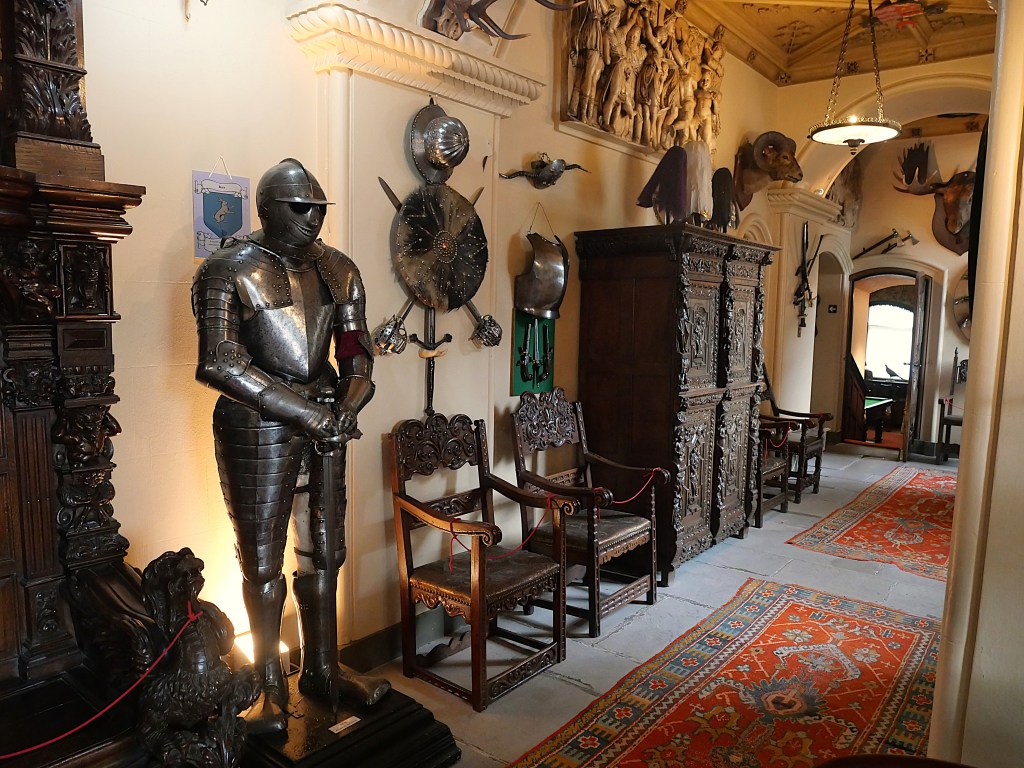
This was another National Trust property and as we had joined at Culloden we flashed our temporary membership cards and were ushered in ahead of a large group of people trying to pay for tickets. This was the best thing that could have happened as it turns out you’re not allowed to wander around this castle on your own, you have to join a tour. We had no idea and the staff had been so engrossed with the large group they neither told us nor worried about where we were going!
So we happily ambled up the stairs to the main rooms all on our own with no-one else around as everyone else was waiting in the library downstairs for the tour to start
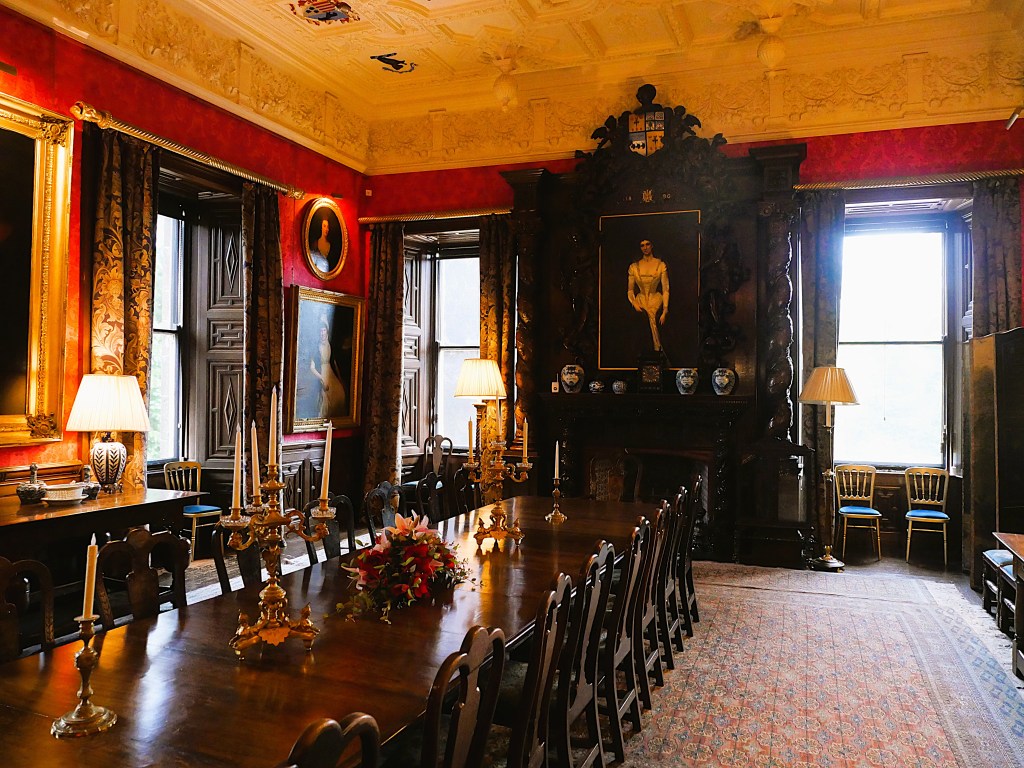
With the whole place to ourselves we soaked in the history and the atmosphere

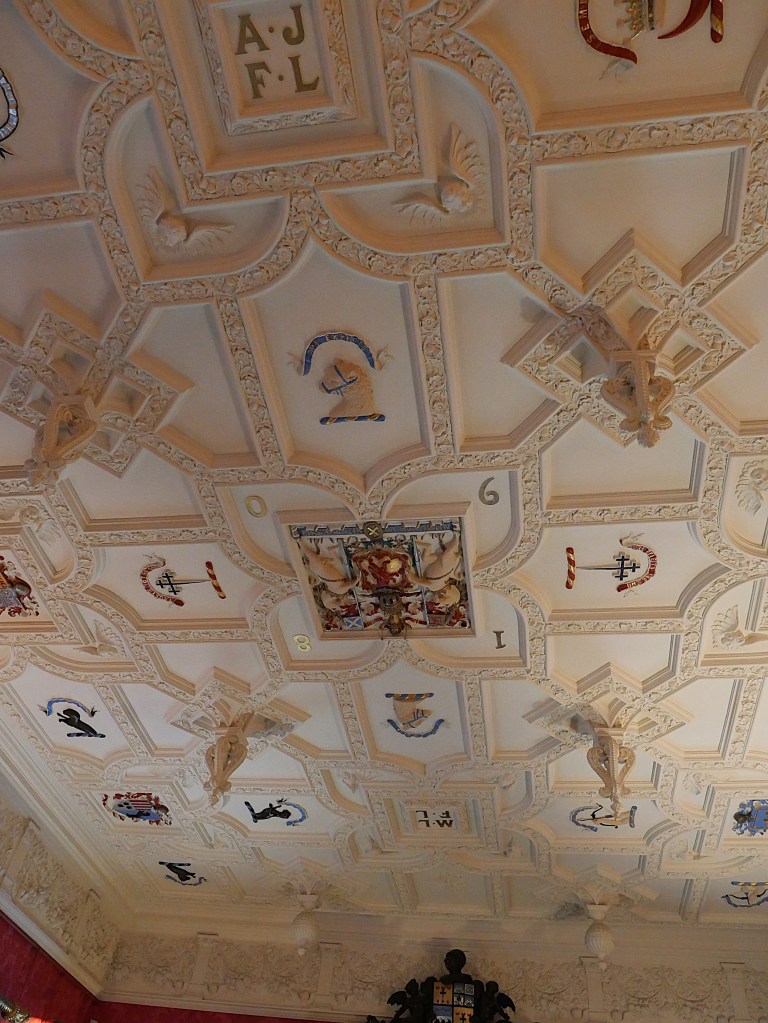

The silence was broken only by old clocks ticking on mantelpieces, the paintings of the long-since departed family members stared down at us as if challenging us and there was a strange, evocative and musty smell
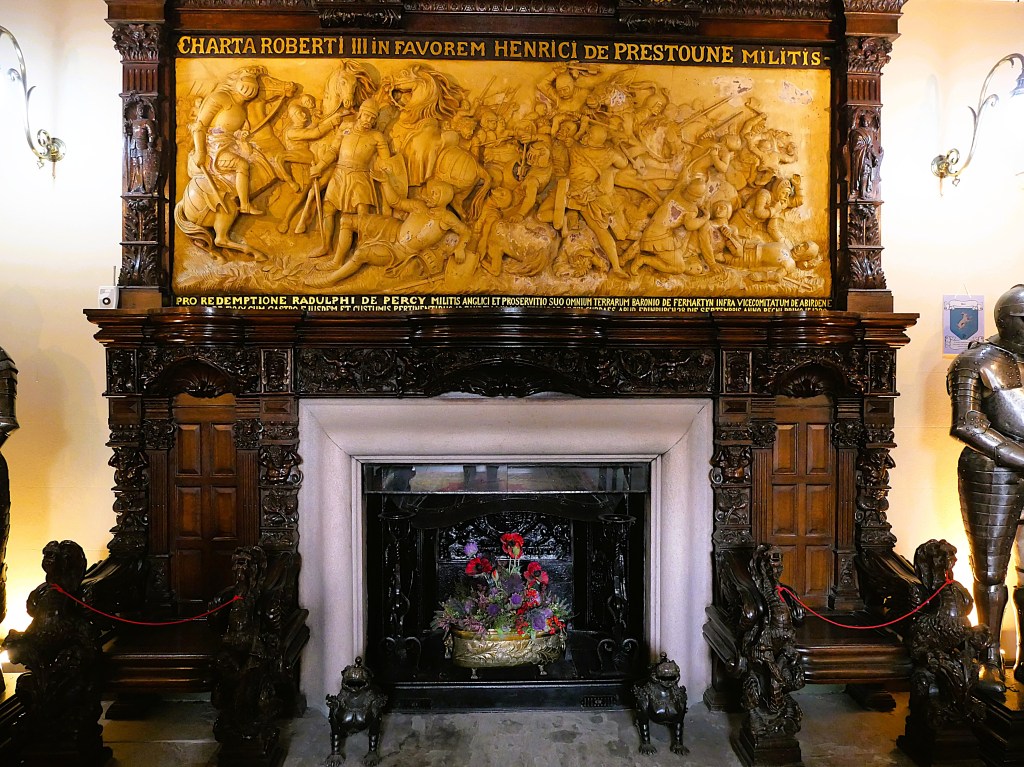
I am not at all spiritual or religious and have never felt that there is anything in this world that cannot be explained by science or logic. However, for the first time in my life I became certain that this house was haunted.
As we went from room to room the smells, the gentle whisperings, the air itself – all gave me goosebumps and made my hair stand on end. It was wonderful
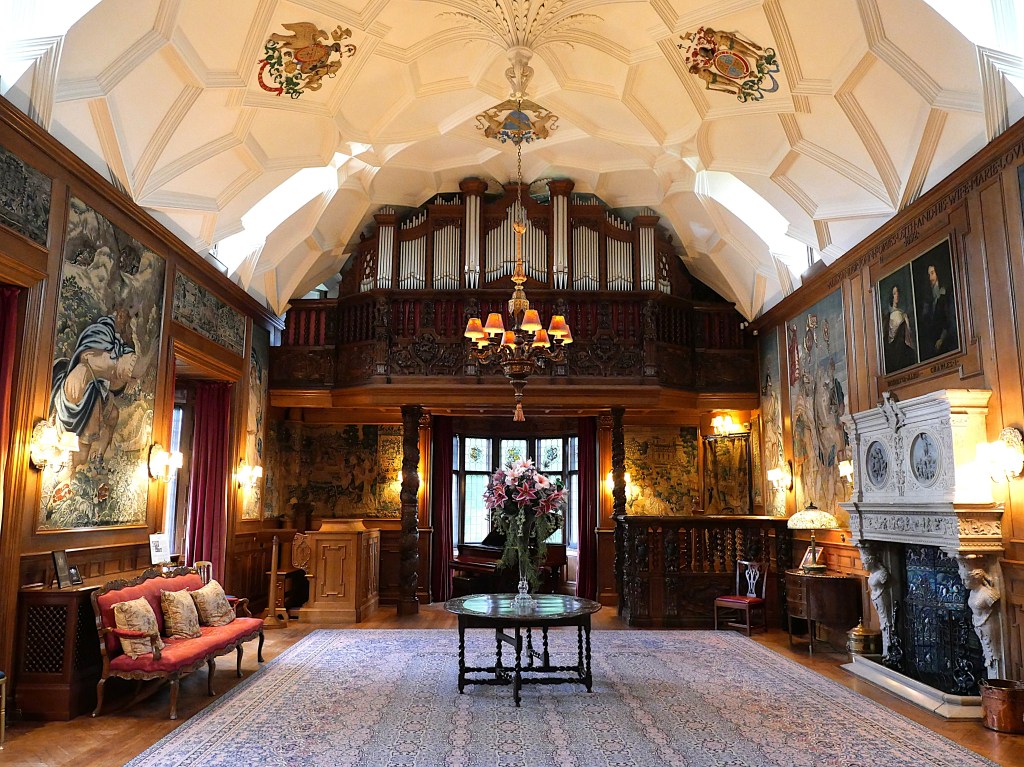
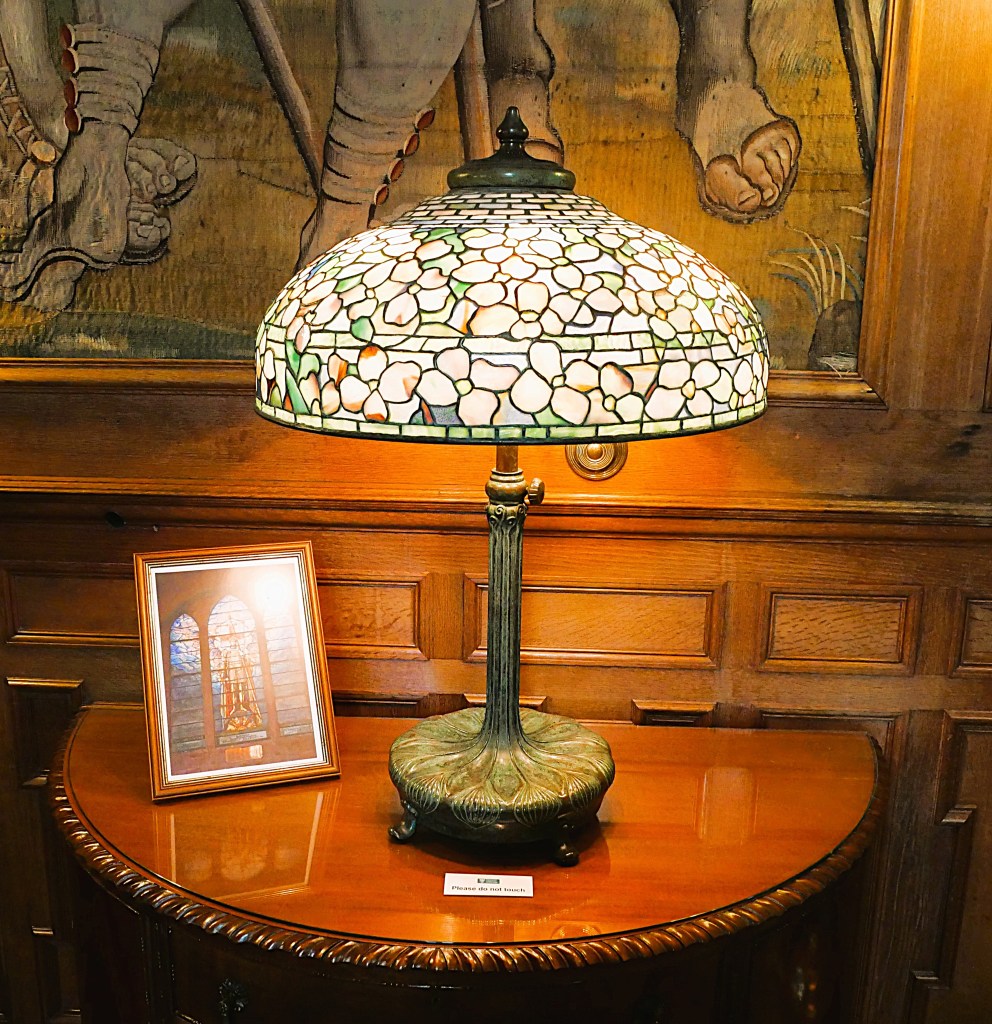
But all too soon the spell was broken as we walked into the guide taking the tour group around and she did a double take. When we told her we were just looking round she was very friendly and polite but walked us back down to reception, booked us onto the next tour and pointed us in the direction of the café whilst we waited.
Ah well, it was great whilst it lasted!
We had a hot chocolate in the café, mooched around outside and walked in the pretty walled gardens
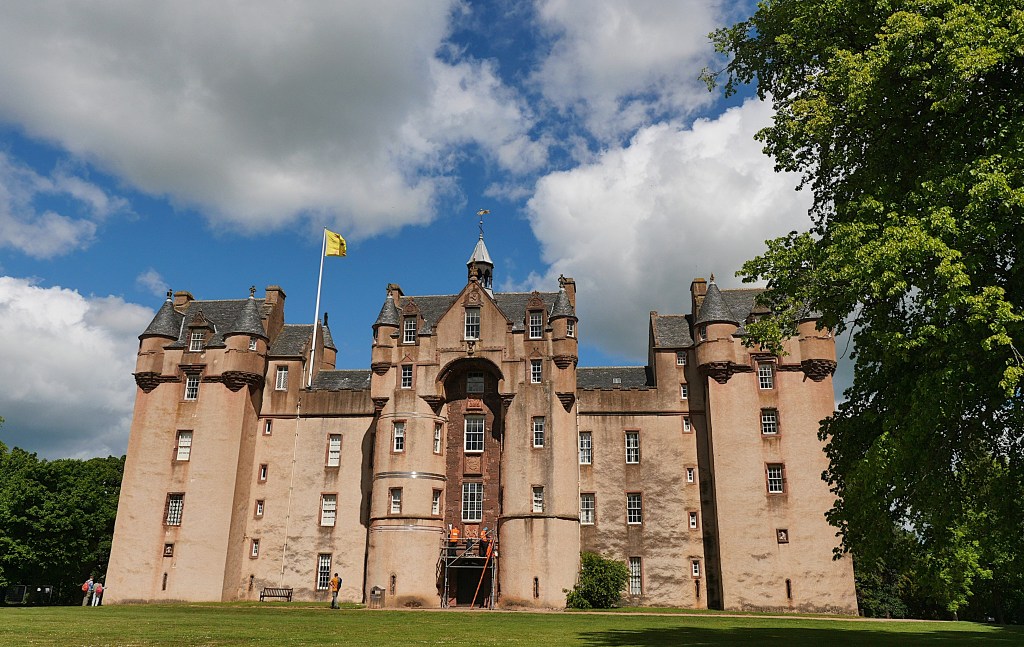
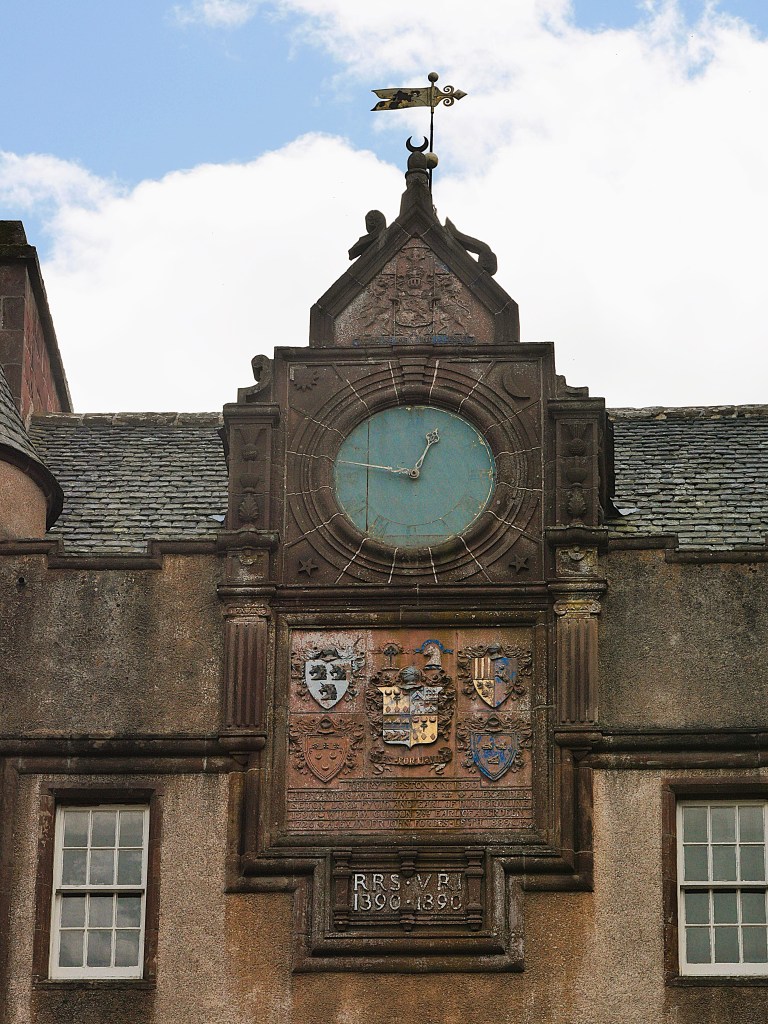
And finally we joined the tour to start our visit all over again. This time we learnt more about the house and its history but with twenty other people in each room with us the atmosphere of the place was gone and with it the ghosts of the old family…
By early afternoon we were back in BigMog heading for Aberdeen. We had been disappointed with Inverness but had no idea what to expect from this next city. I knew it had a university but beyond that we knew little about it. In hindsight that was the best way to be.
We had decided to base ourselves in the car park at Seaton Park, a quiet and spacious place, central to the old town but a 2 mile walk to the new town. With a low emission zone in place around the new town it was the best option – and it would ensure we kept our step count up for a few days.
Seaton Park was lovely. We arrived at about 4pm and spent the rest of the afternoon wandering around. We saw a fountain dedicated to the last Laird of Seaton
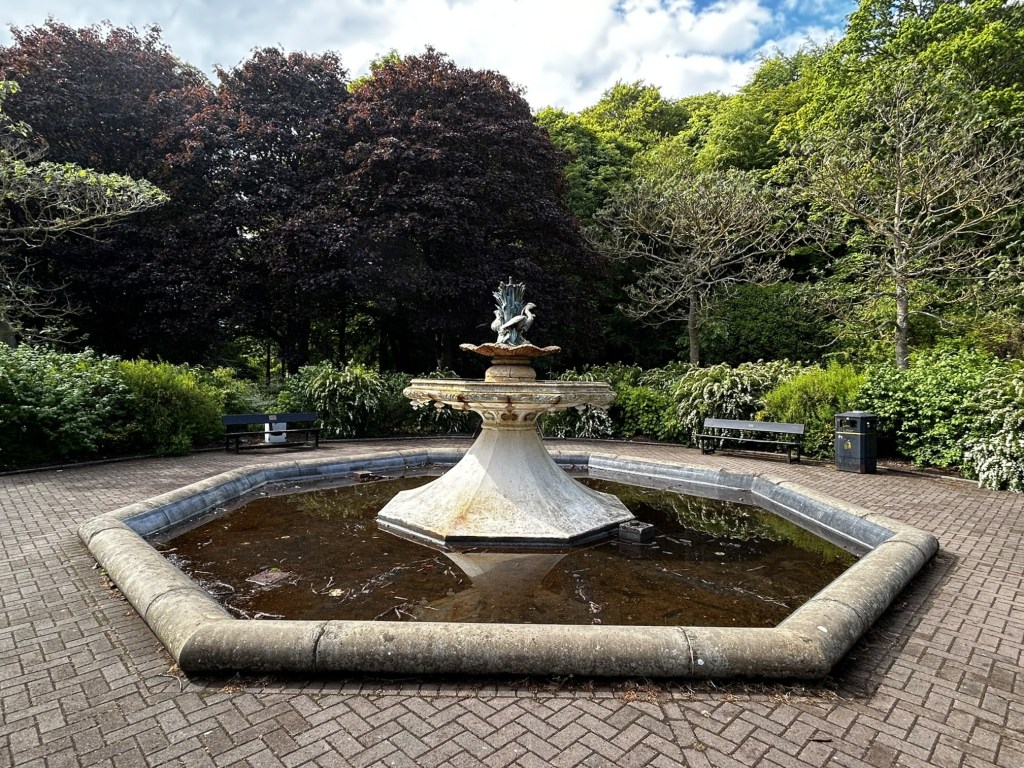
Found a secret garden
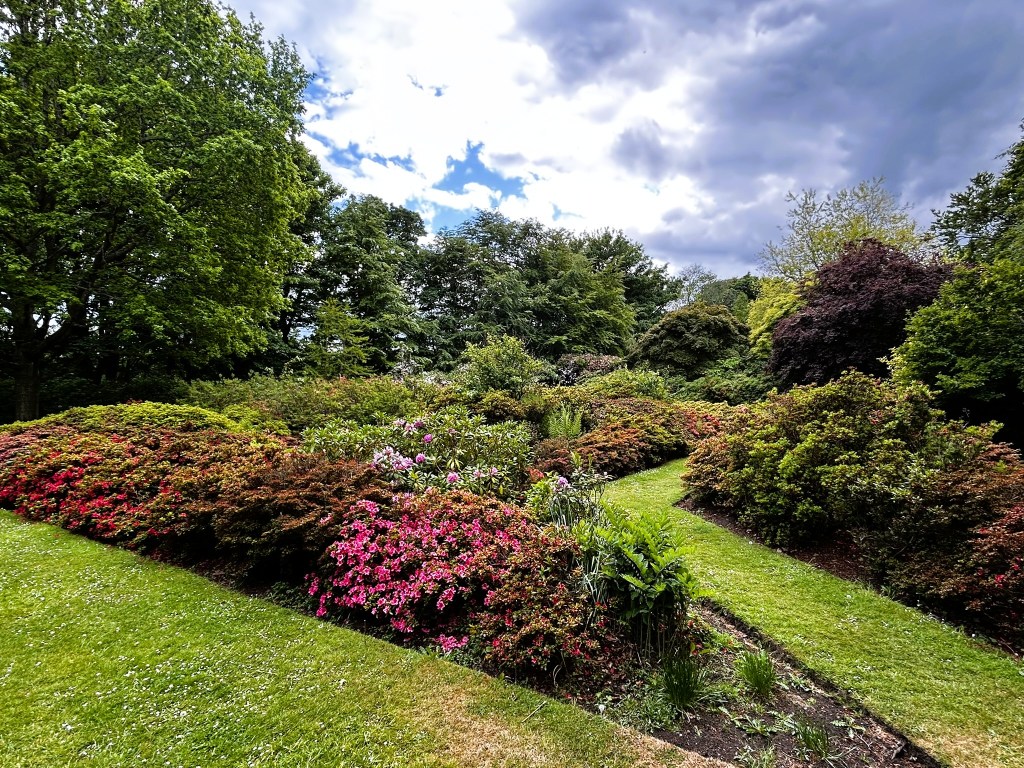
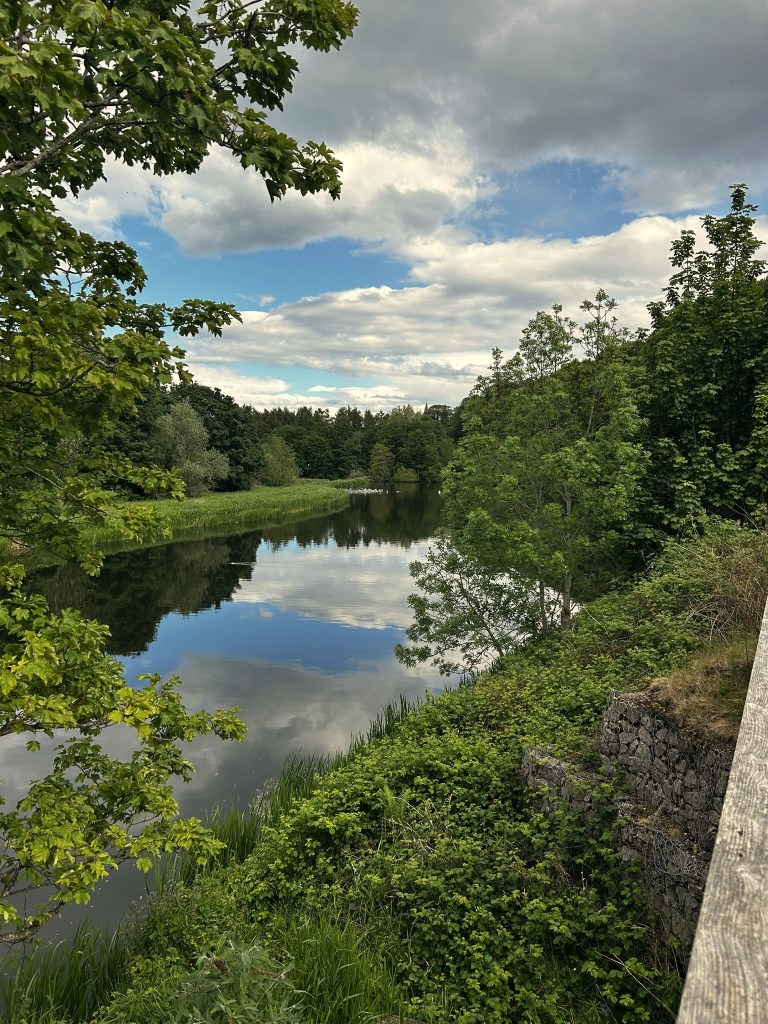
Walked along the banks of the River Don


And saw a house that had been picked up and moved from somewhere in the city centre to make way for a Marks and Spencer!

Just outside the park gates was St Machar’s Cathedral

It was very impressive from the outside

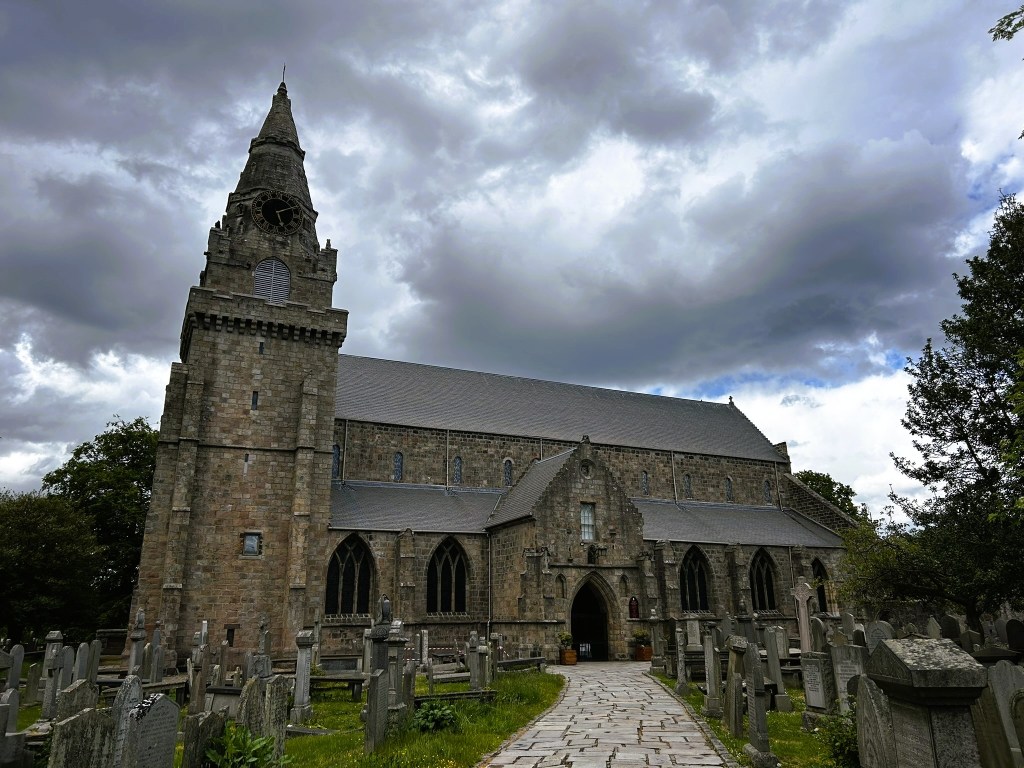
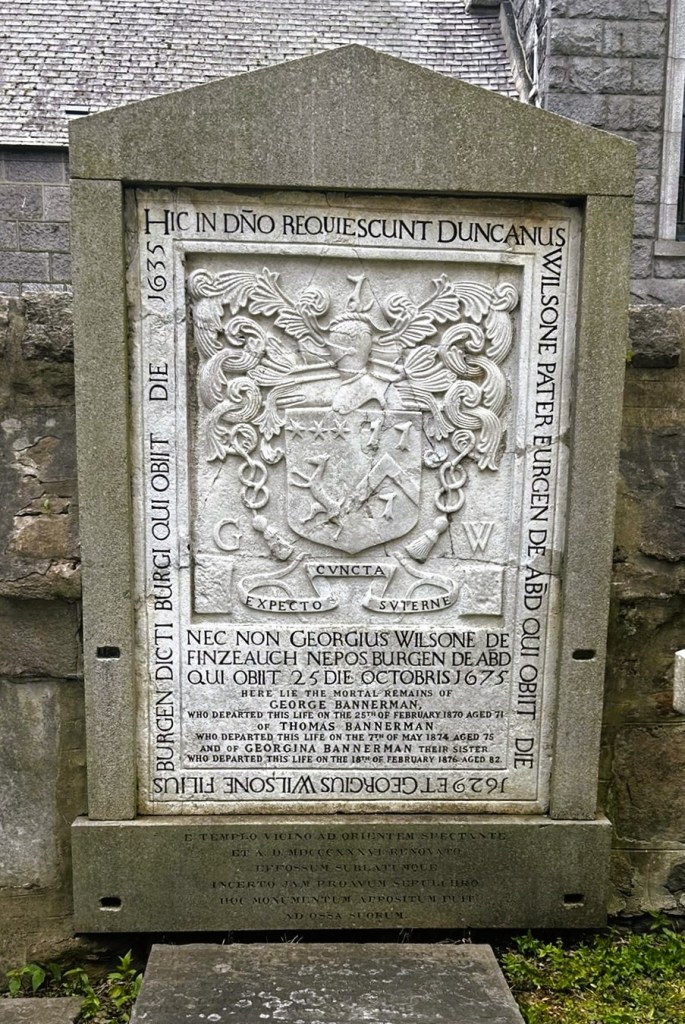
And the graveyard was one of the fullest and closely packed we had ever seen


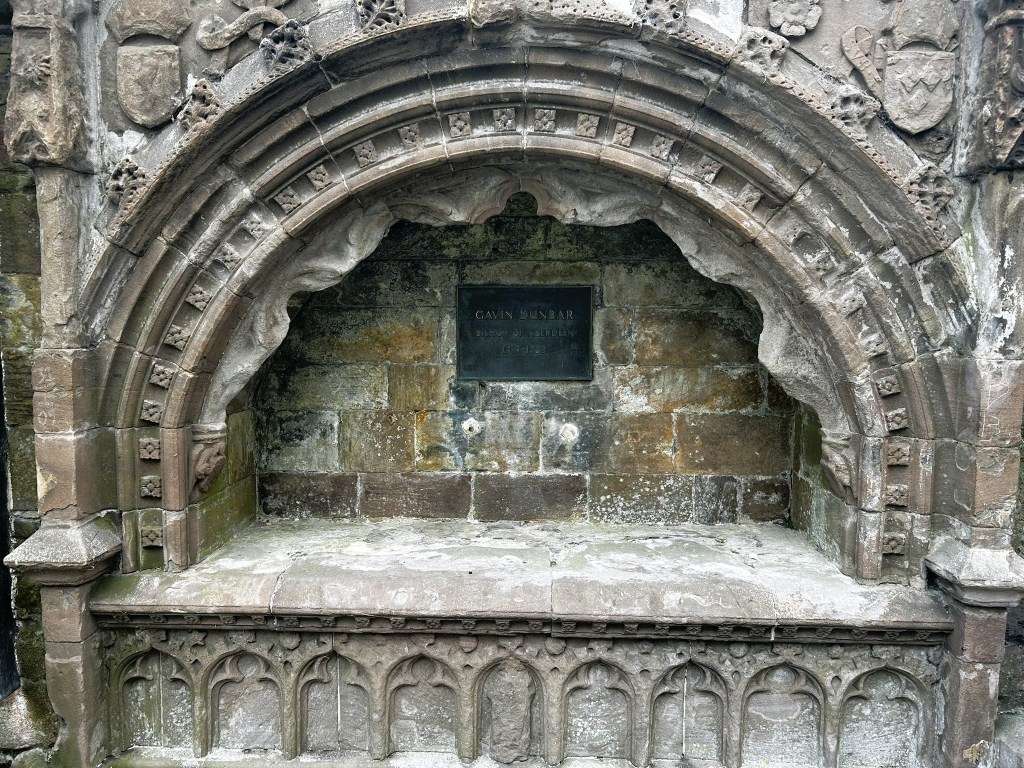
We found some of the oldest graves yet dating back to the 1400s and 1500s

Just as we were almost back at the Mog the heavens opened and it poured down

But we didn’t mind, we had had a lovely day and Aberdeen was already looking like one of my favourite cities so we curled up inside, warm and dry, and watched as the park disappeared behind a wall of water
The cathedral had looked so fascinating that we returned the next morning when the doors were open to see the inside
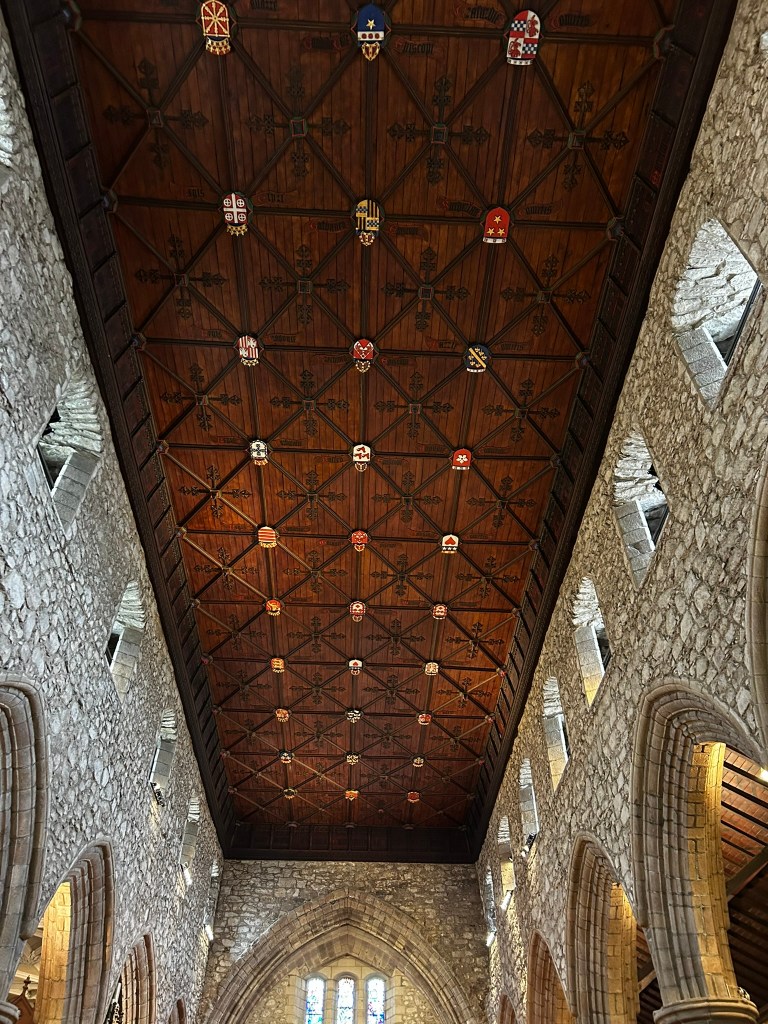
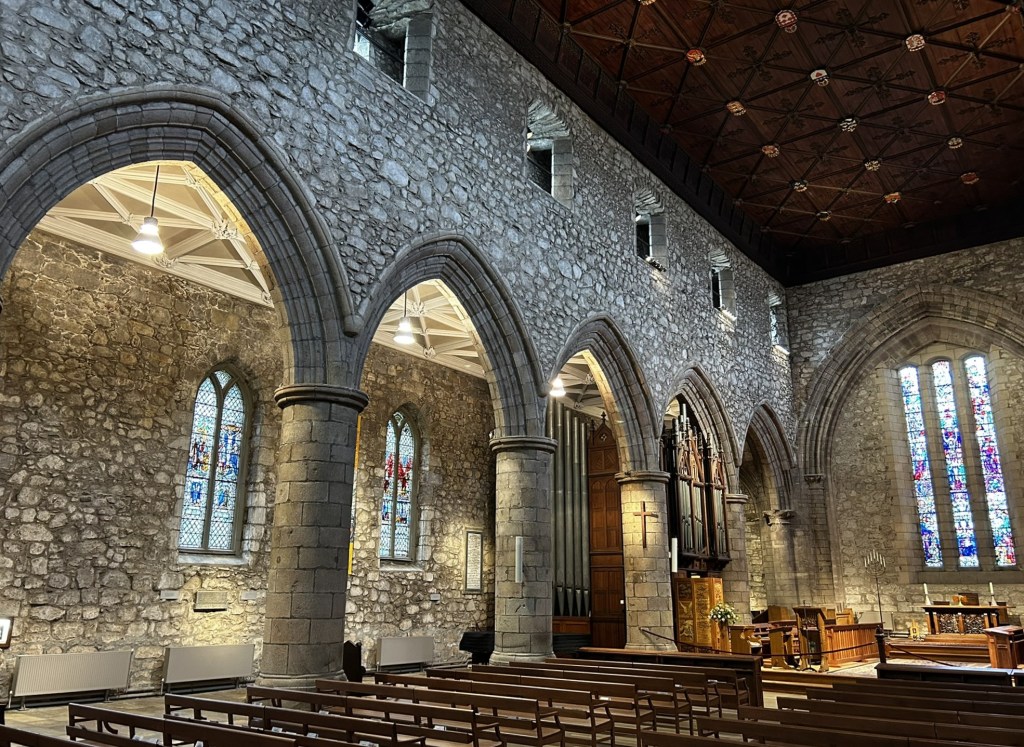
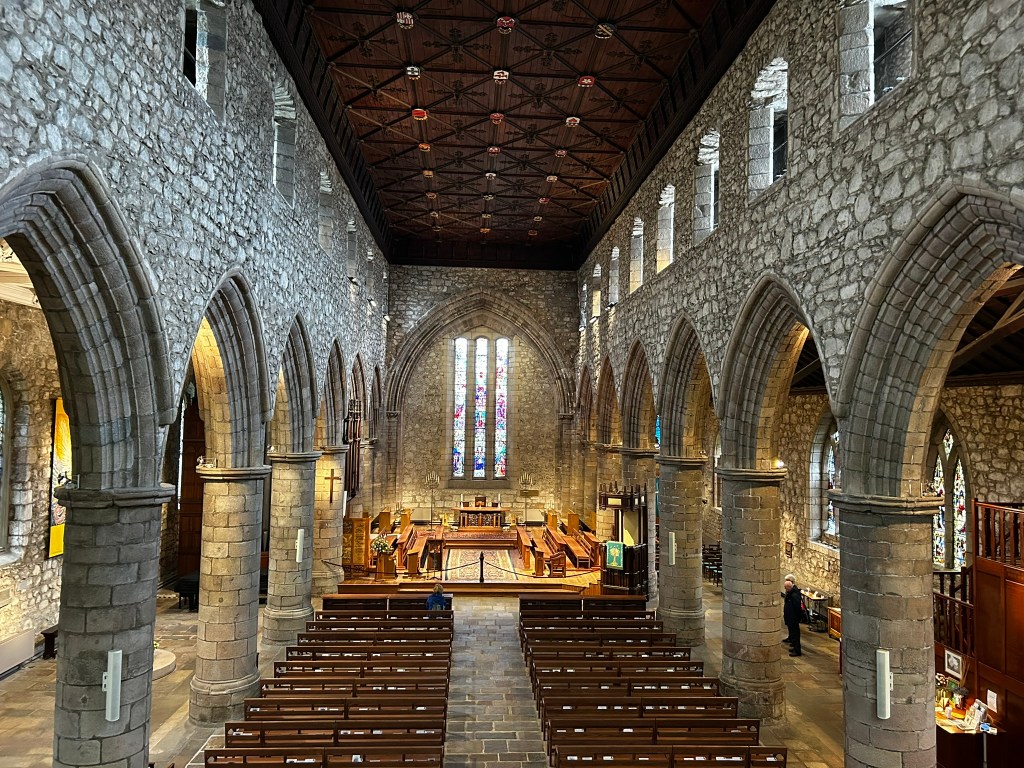
We were not disappointed.
From there we walked down Chanonry Street towards the university. Enroute we found the Sir Duncan Rice Library which reminded me of a cross between the Cube and the new Library in Birmingham
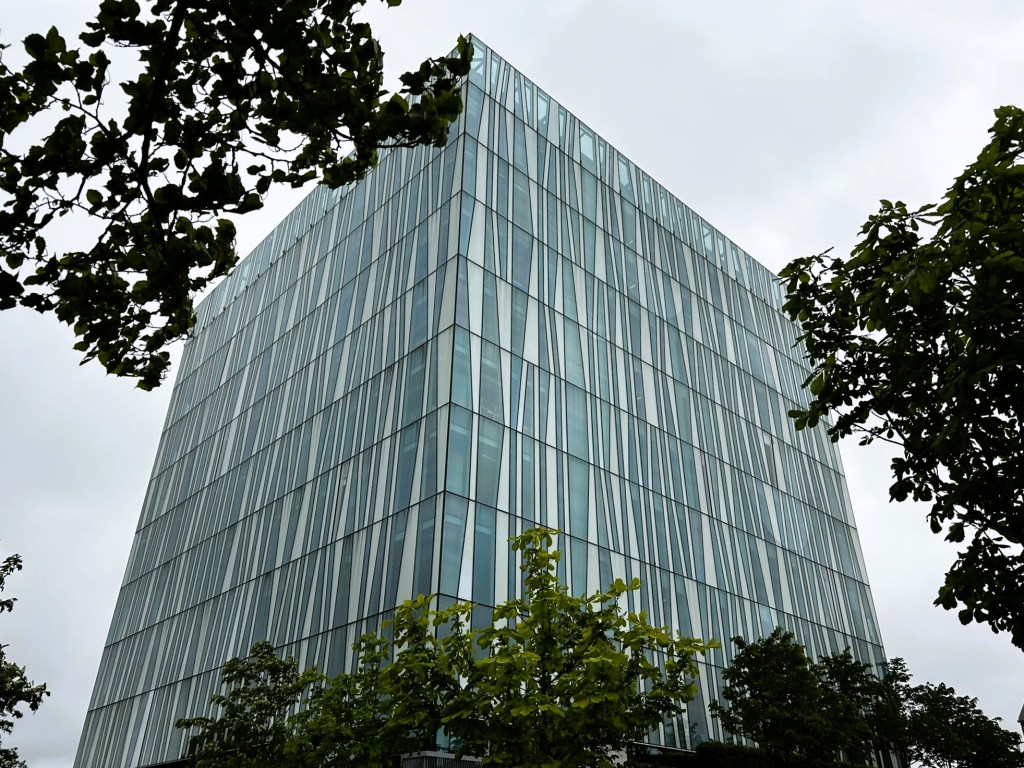
Next up was Kings College, a lovely old university building although maybe not quite as impressive as its name-sake in Cambridge


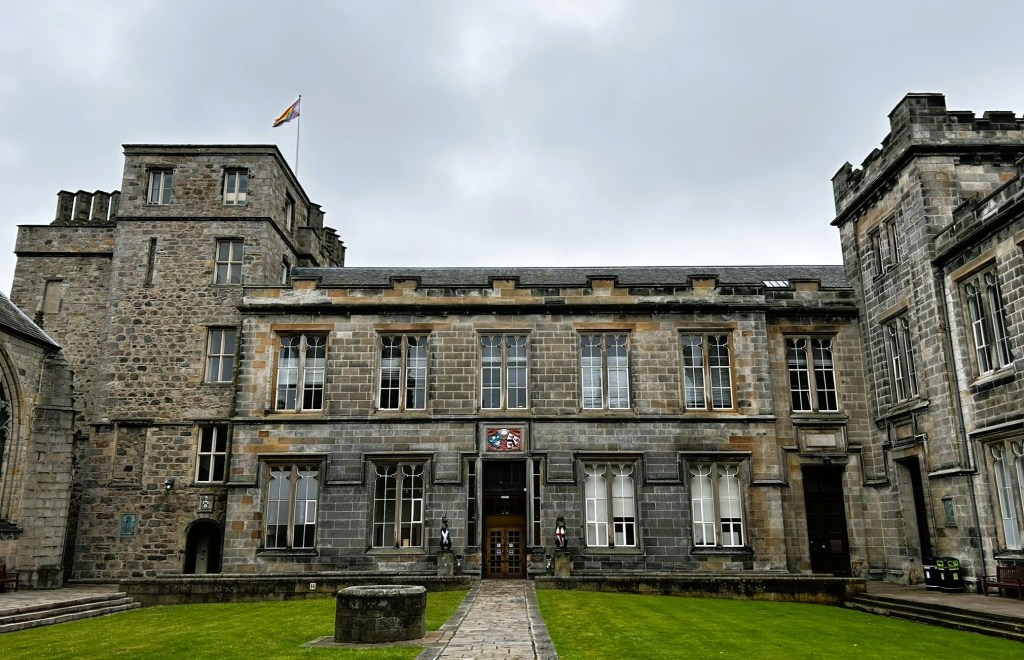
It also has a chapel though
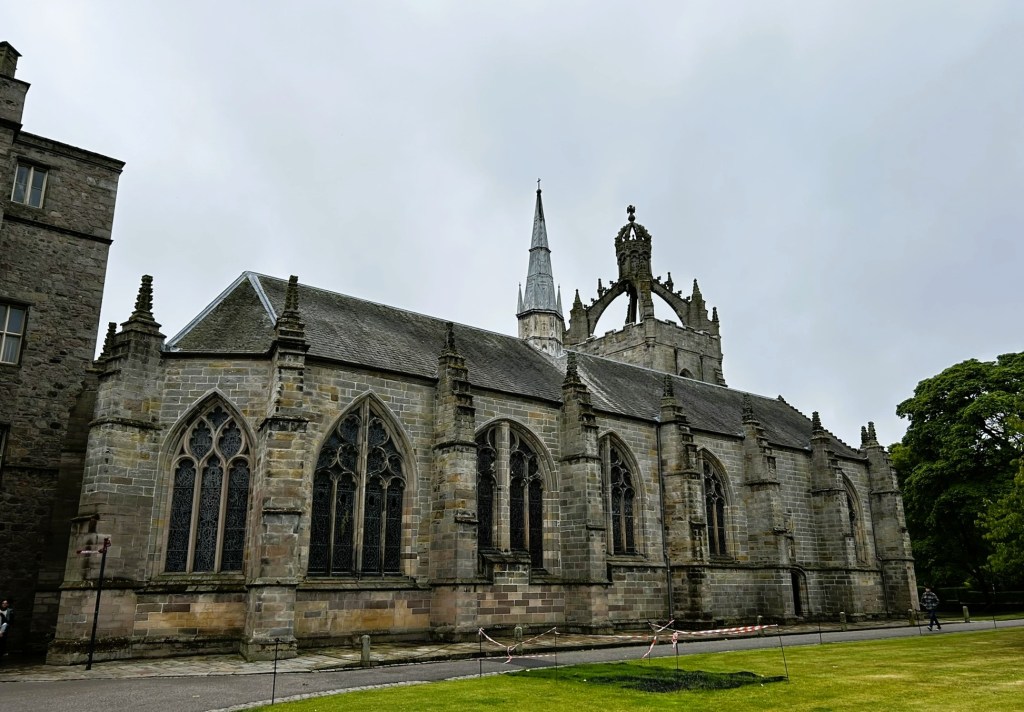
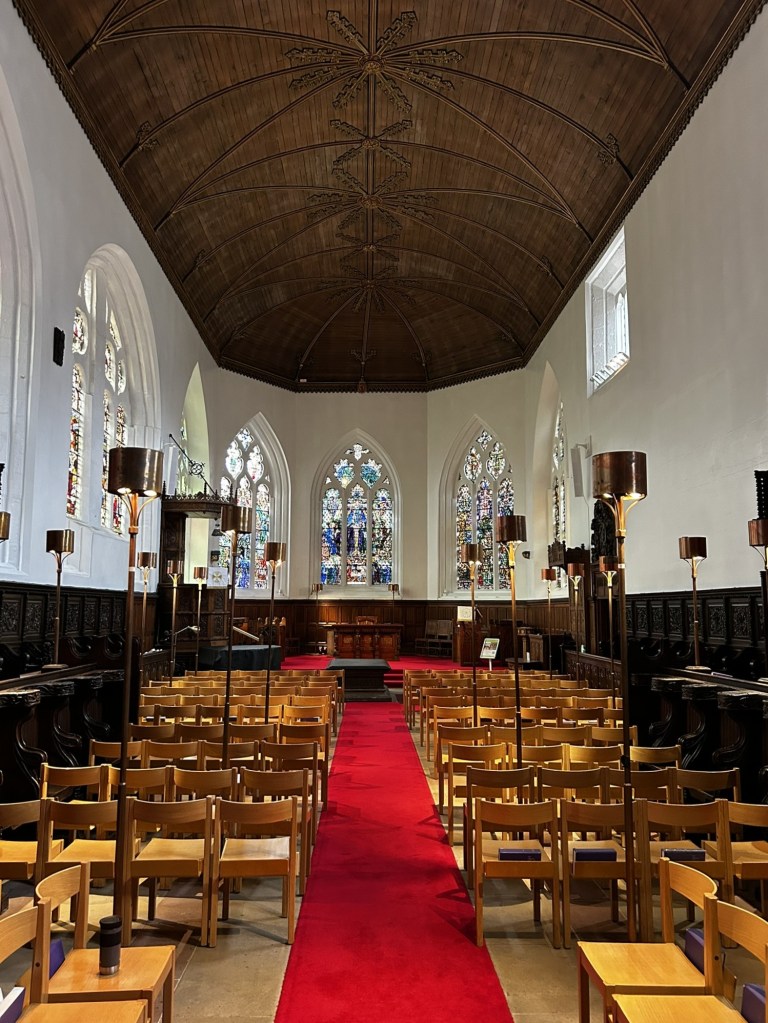
And for a college church it was quite impressive inside

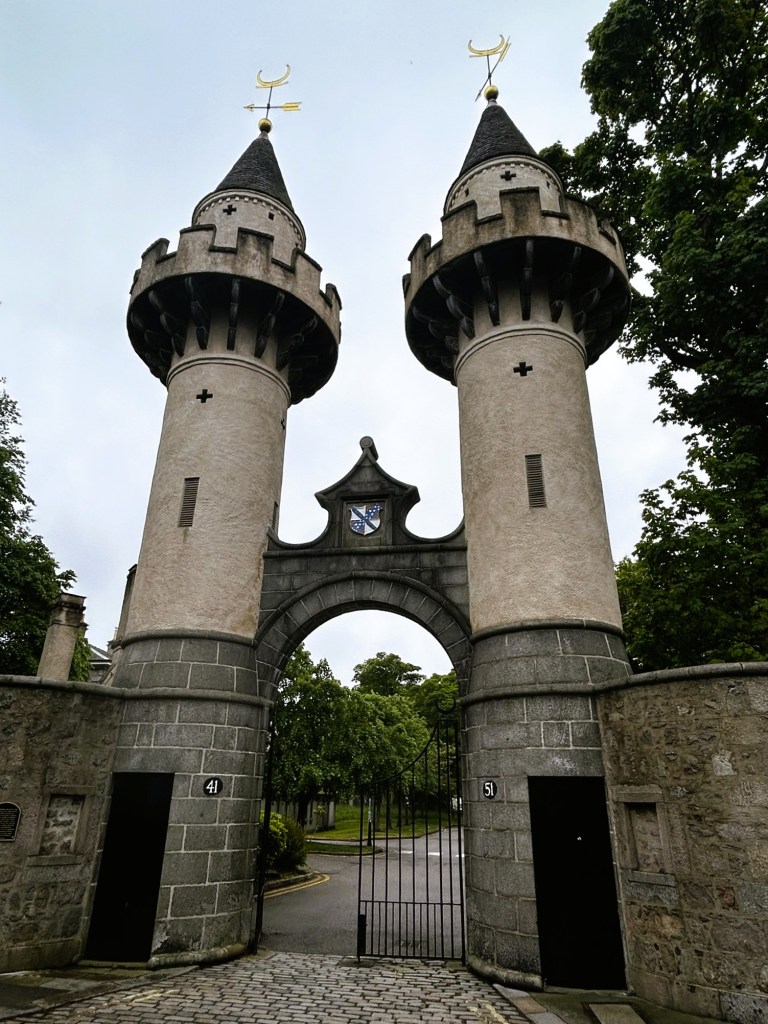
Opposite the college was the Powis Gate, historically the gates into the old city
And next door was the ‘New Kings College’ building which I thought looked even older than the original

We had then pretty much done most of the interesting parts of the old town so started on our long walk to the new town. In fact it only took us about 25 minutes and as we rounded the corner into the main square we saw our first glimpse of just how beautiful Aberdeen is


Full of old stone and granite buildings and fountains

It was clean with wide streets and more pedestrianised areas than roads. I was starting to really fall for this city.
Marischal College was originally the other half of the University – Marischal College and Kings College joined forces to create Aberdeen University – but is now the Town Hall
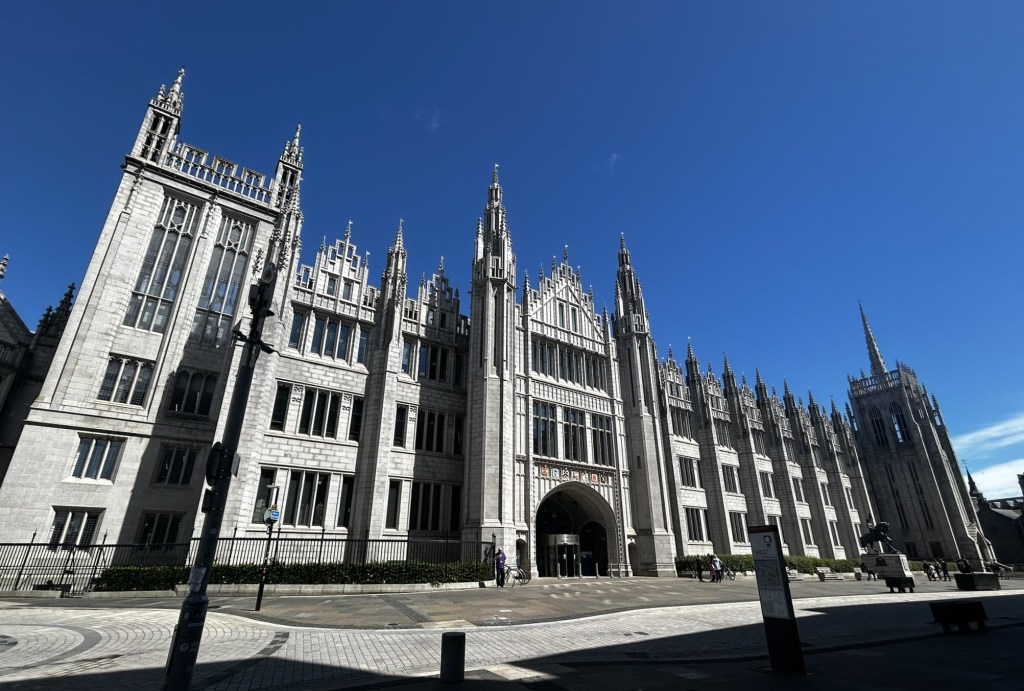
It is a spectacular building dominating the centre of the city.
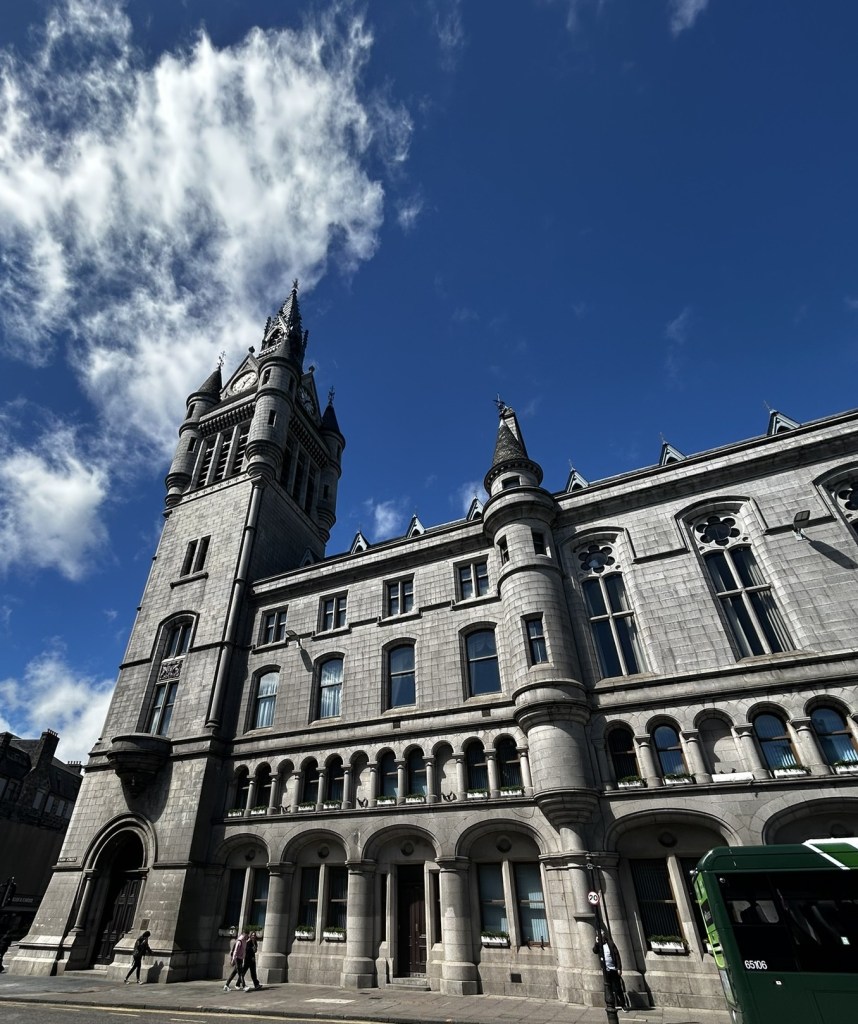
It had turned into a very hot day so James sat on a bench soaking in the sun whilst I had a quick walk around the nearby area. Just around the corner I found the law courts
We then both went to visit the Maritime Museum which was packed full of fascinating information about the history of maritime industry in Aberdeen
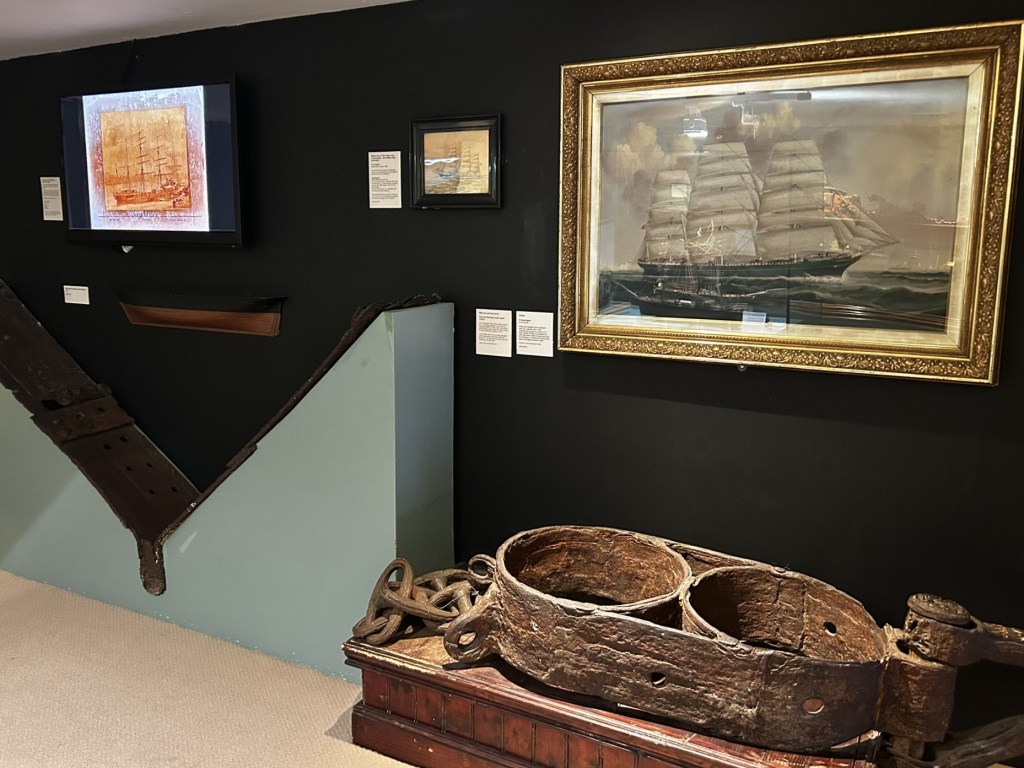
We were starting to understand a lot more about this city. It seems to have inspired a large number of industrious, ingenious and very talented people, becoming a hub of creativity and innovation
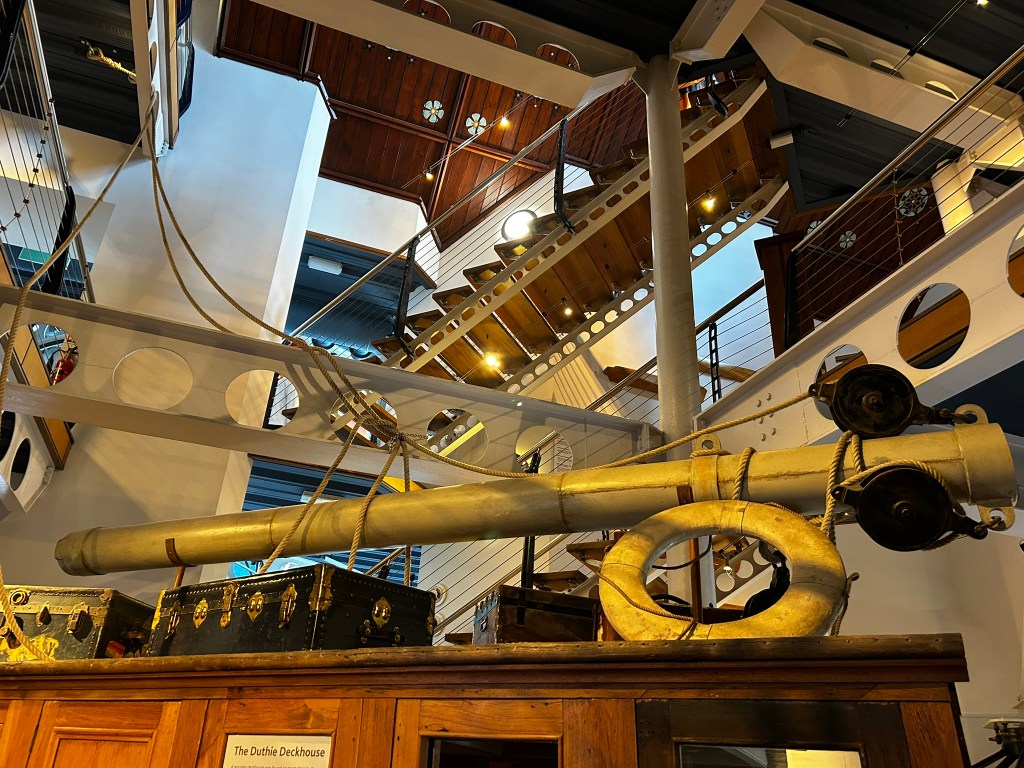
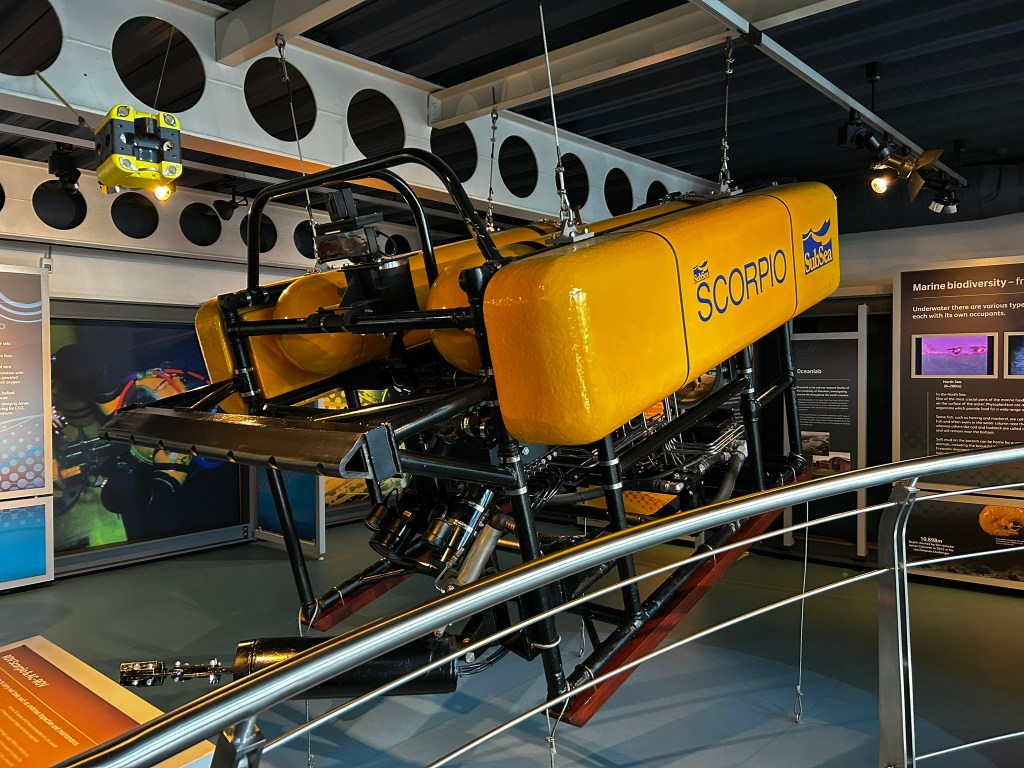
We learnt all about the off-shore oil industry that was based here
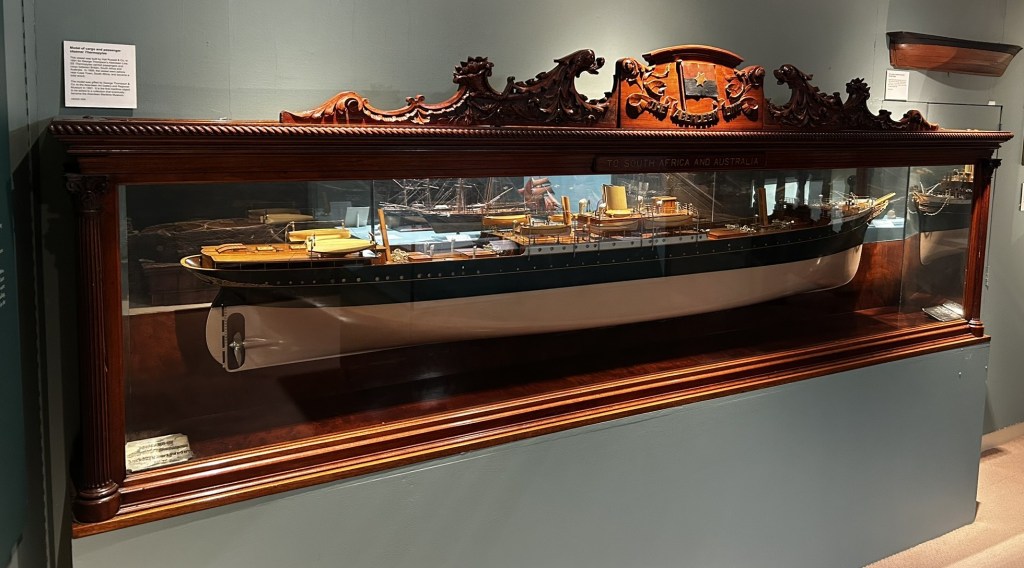
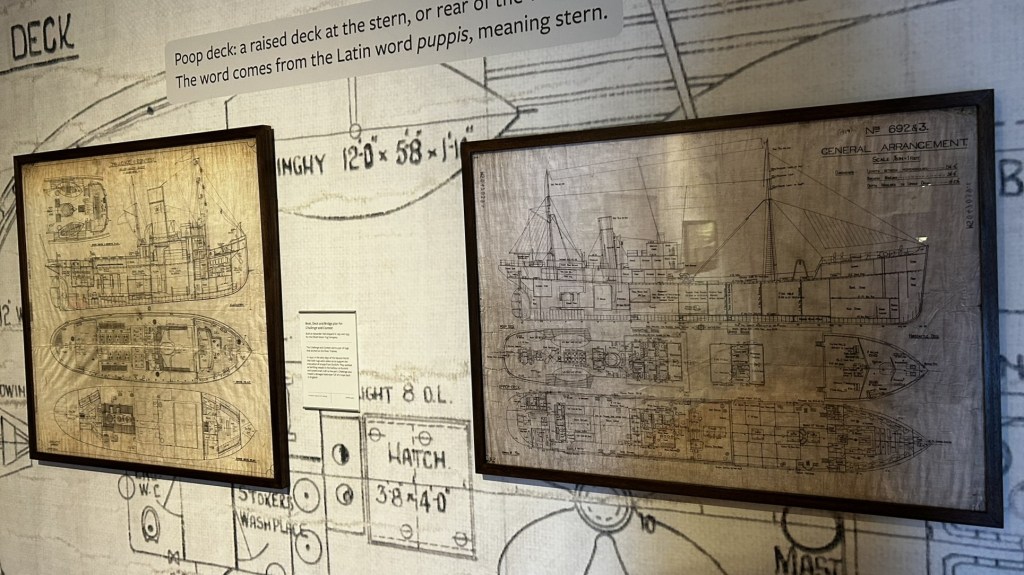
As well as ship-building
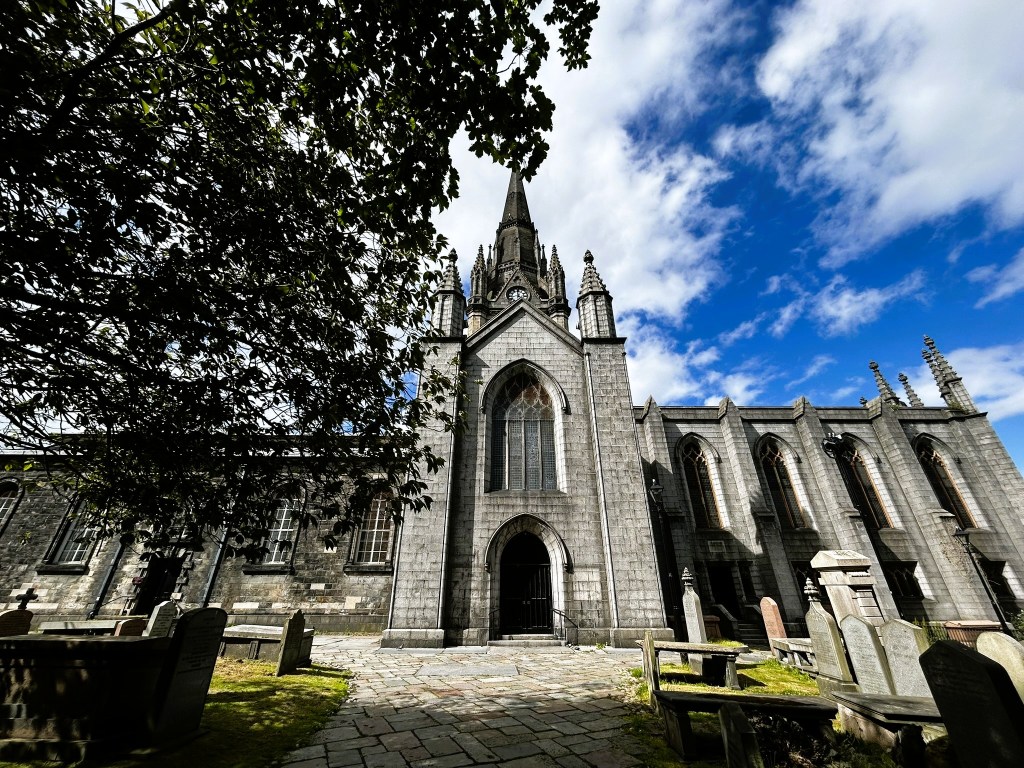
Around the corner from the museum we found St Nicholas’ Kirk, actually separated into two churches each with very different architectural styles. But sadly we got thrown out at 4pm before we could properly explore it
Instead we went to the Provost Skene’s house, itself a lovely 500-year-old building worth seeing
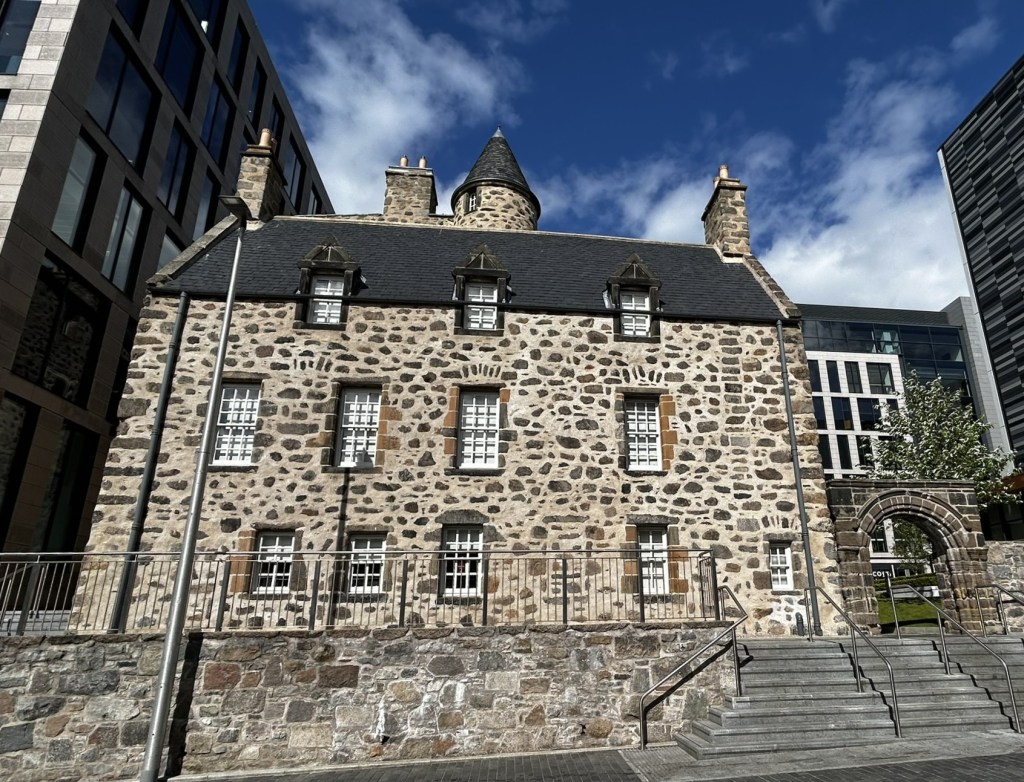
But also now a museum dedicated to the pioneering people of Aberdeen – of whom there seemed to be a very large number
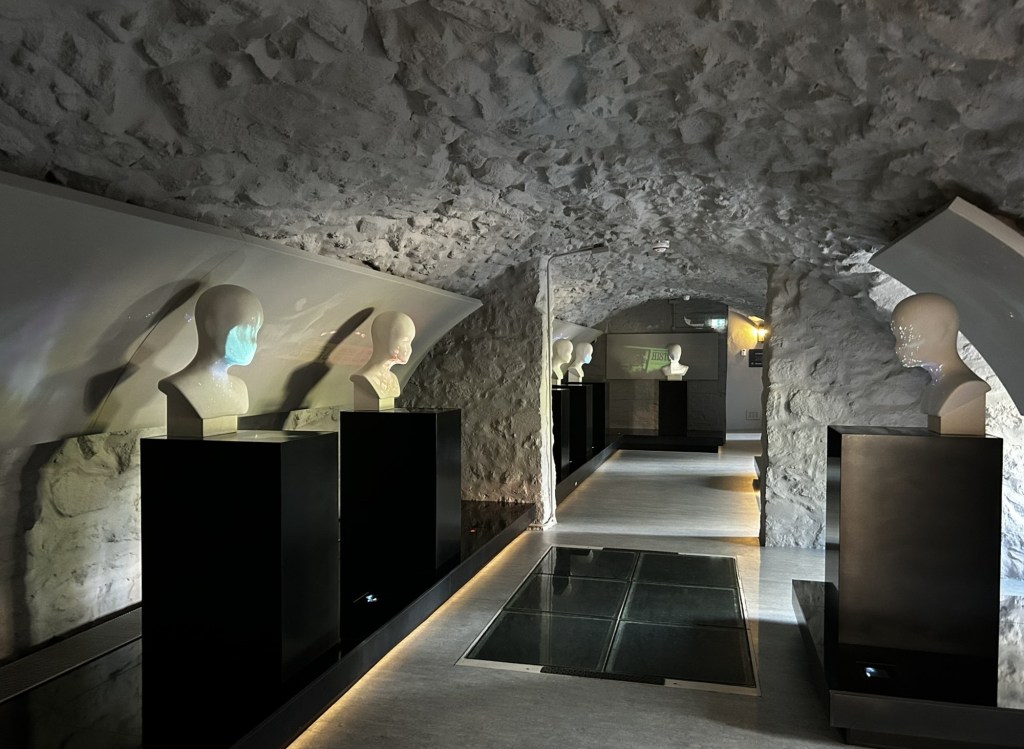
We were amazed to find how many famous and ground-breaking people have been born, educated or worked in Aberdeen.
We wiled away over an hour admiring the beautiful building and reading all about these people including inventors, scientists, writers, musicians, sports stars. The list was endless and we didn’t get close to the end before the museum closed.
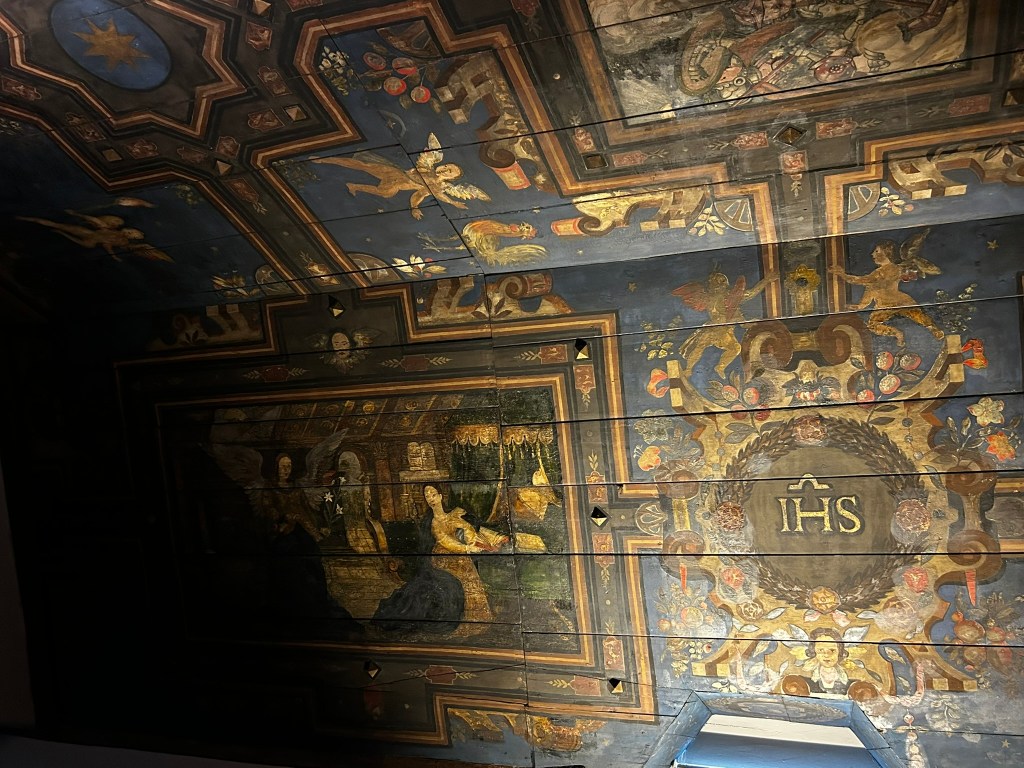
There was also an incredible painted ceiling in one room dating back to 1626 and only uncovered in the 1950s during renovations

Exhausted, we dragged our feet 2 miles back to Seaton Park and flopped onto the bed with aching legs.
We had had a brilliant couple of days and the difference between our perceptions of Aberdeen and Inverness was stark.
There were still a few things left to do before we moved on though so the next day, after sorting out some much-needed laundry, we drove to the Gordon Highlanders museum to find out all about this famous regiment of the British Army
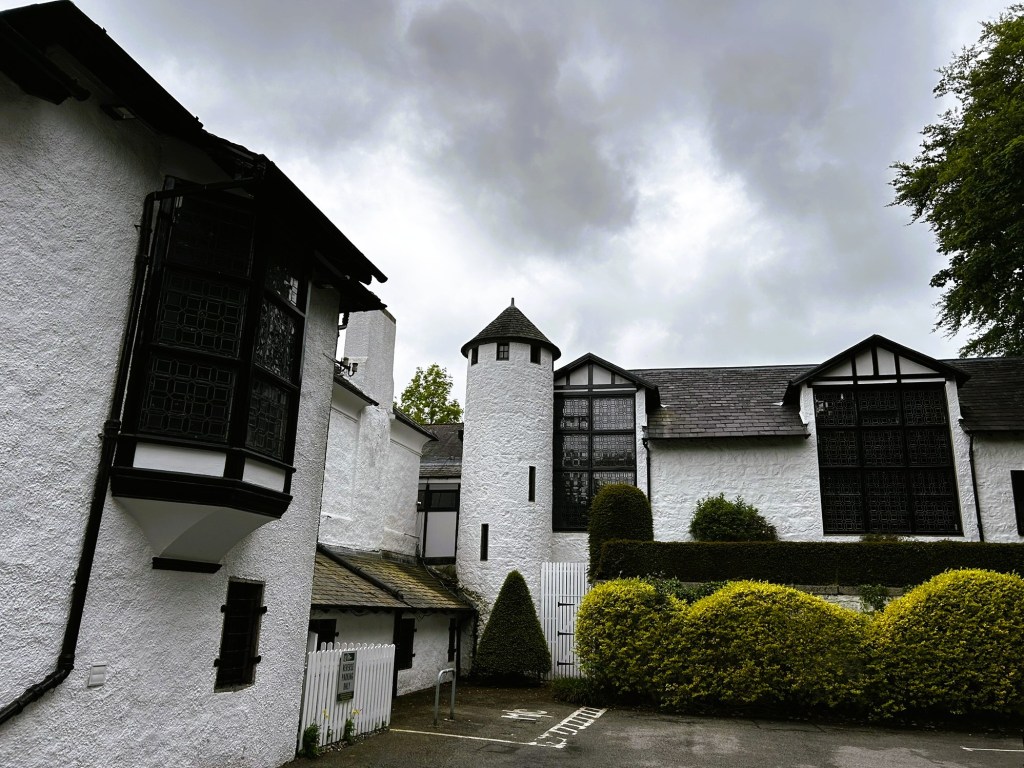

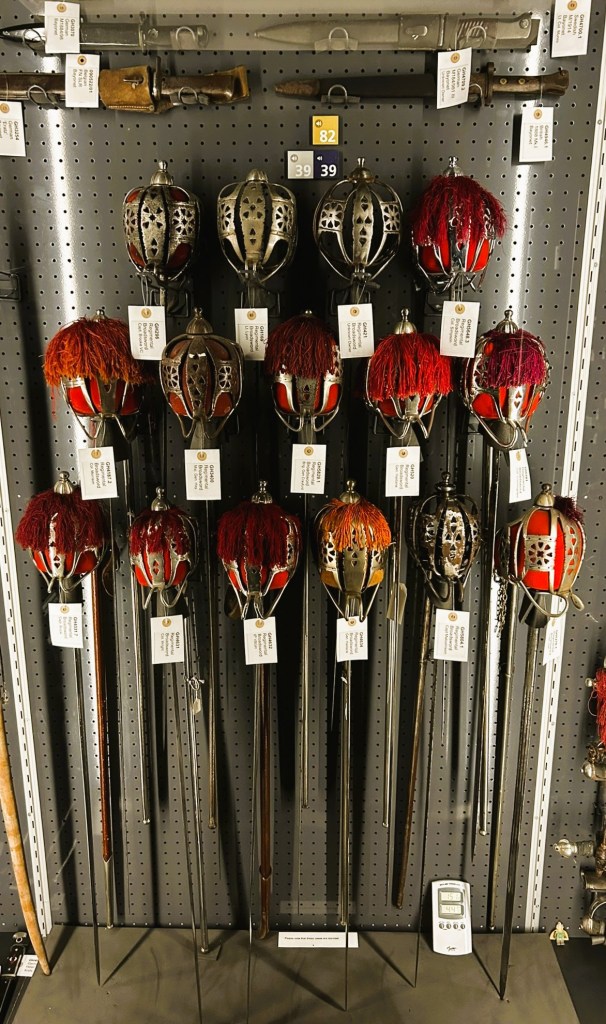

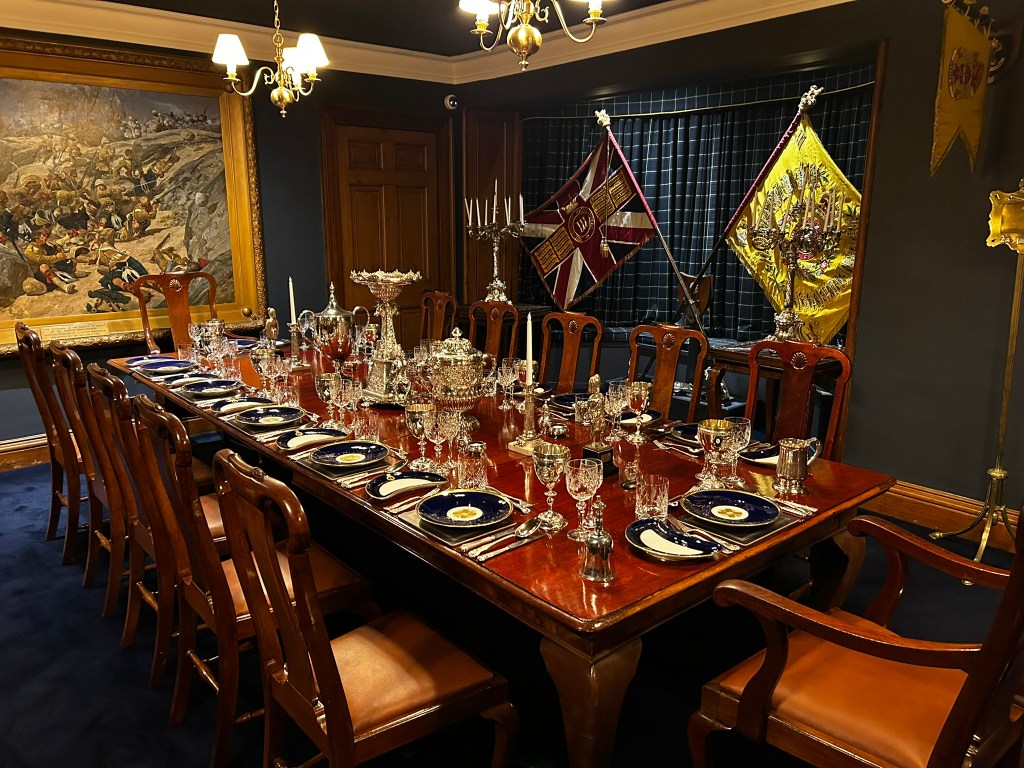
From there we went to Duthie Park where we met John Macleod, co-inventor of insulin

And visited the winter gardens

We had hoped to stay the night at Duthie Park but it wasn’t clear whether that was allowed or not so, rather than take the risk, we left the city and parked up in a quiet car park by some woods which was perfect.
We woke up to more rain pouring down and made the decision not to go to Stonehaven beach and Dunnotar castle as we figured it would be miserable in the wet. It was a shame as many people had recommended Stonehaven and we had been looking forward to it, but you can’t win every time.
Instead we went to Drum Castle
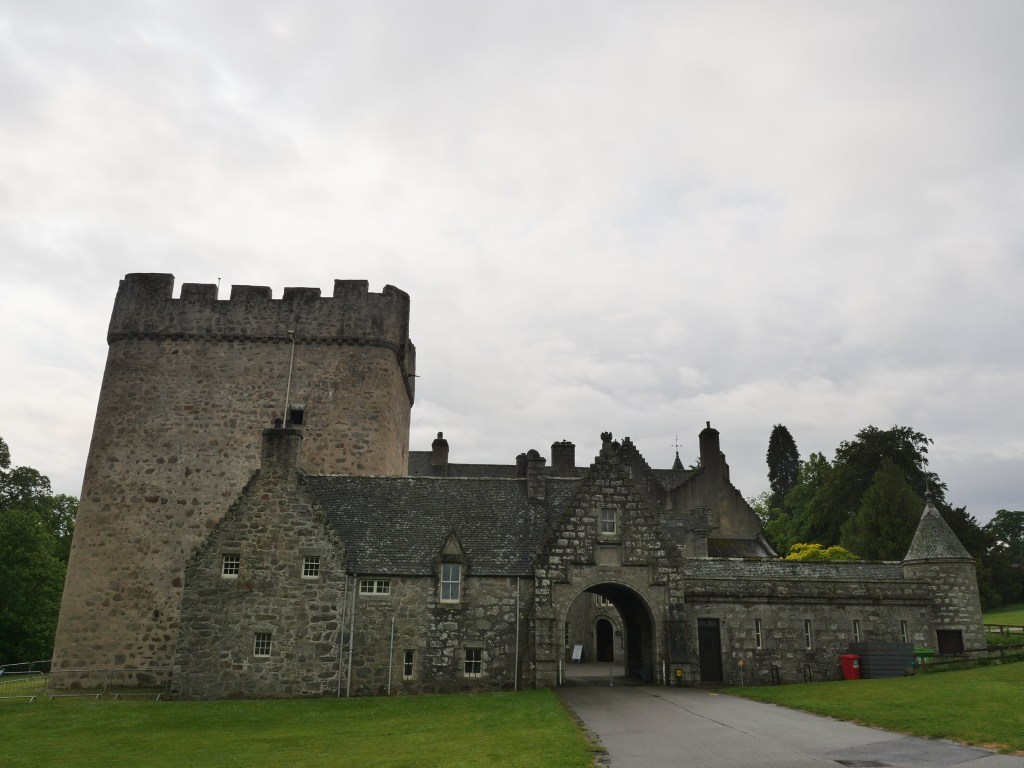
We had great difficulty finding the entrance and when we finally worked out how to get in we found this was another one where we had to take a guided tour
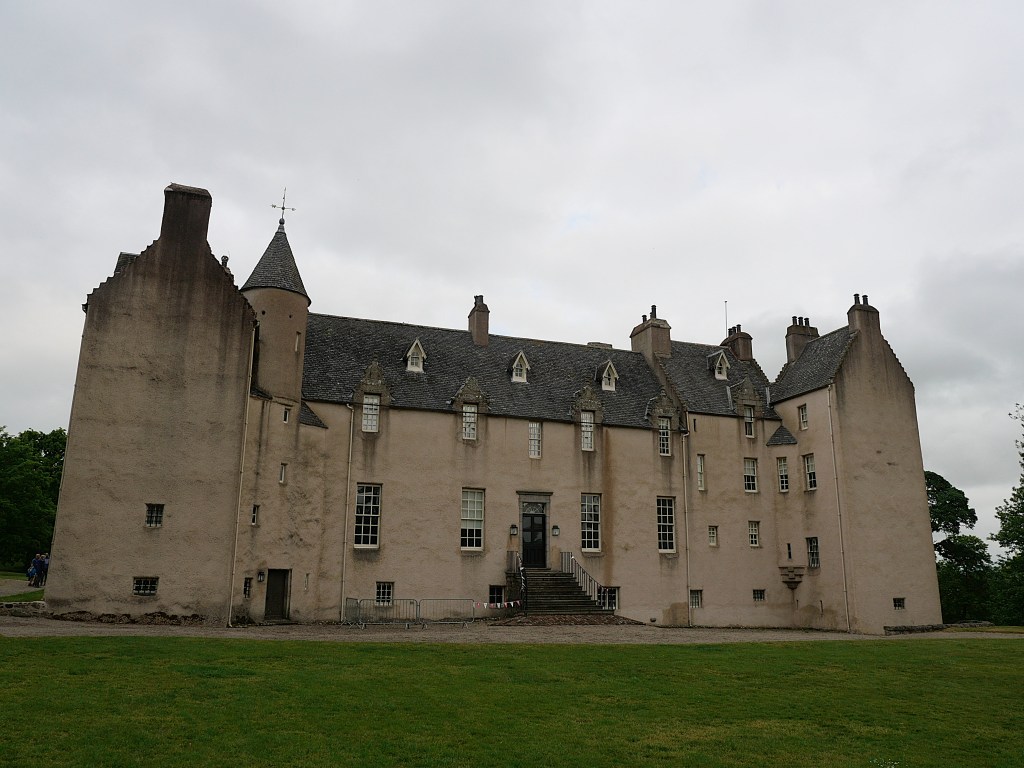
Drum Castle is very old and as such relatively small and understated – but that made it all the more interesting to see
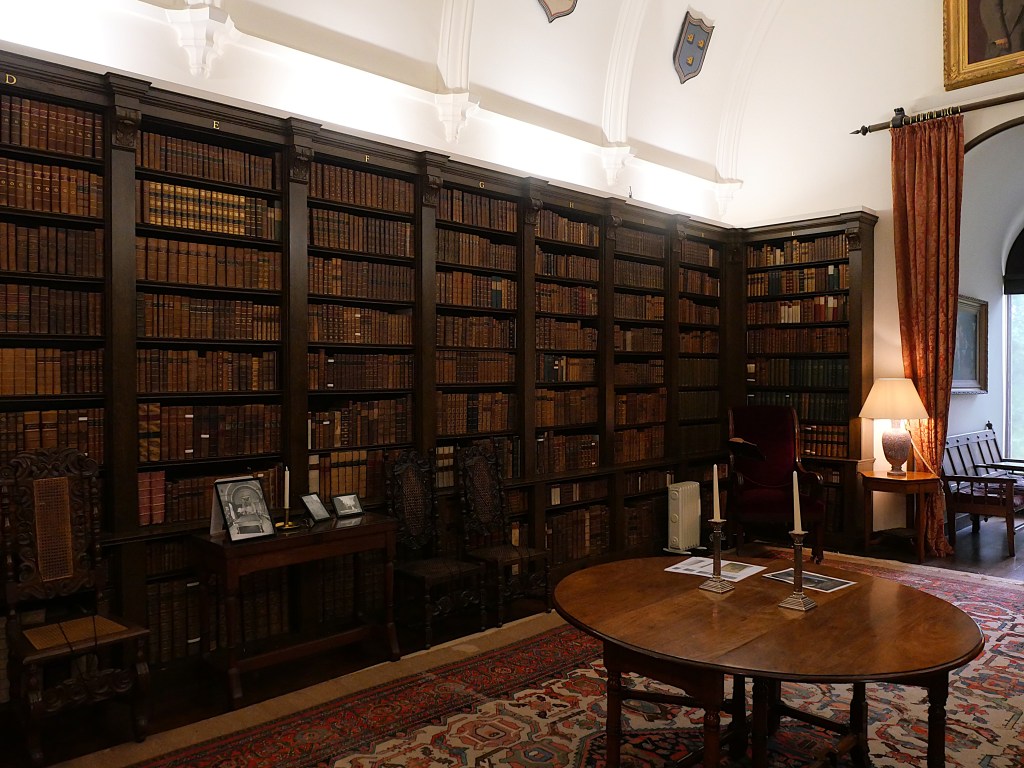
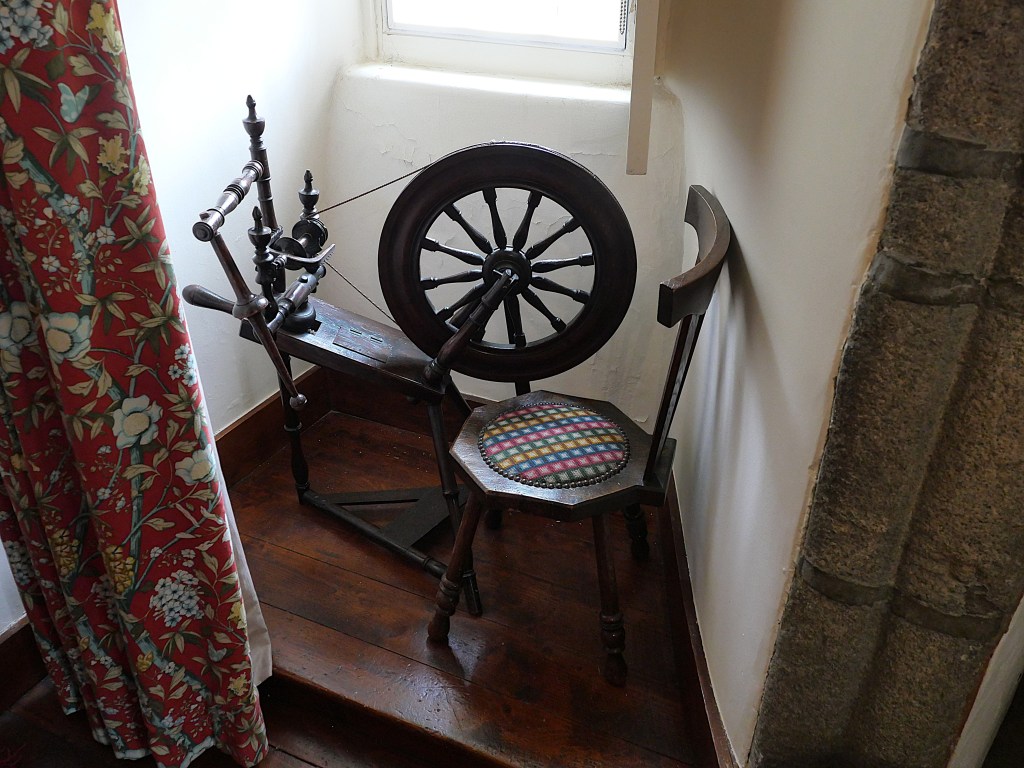

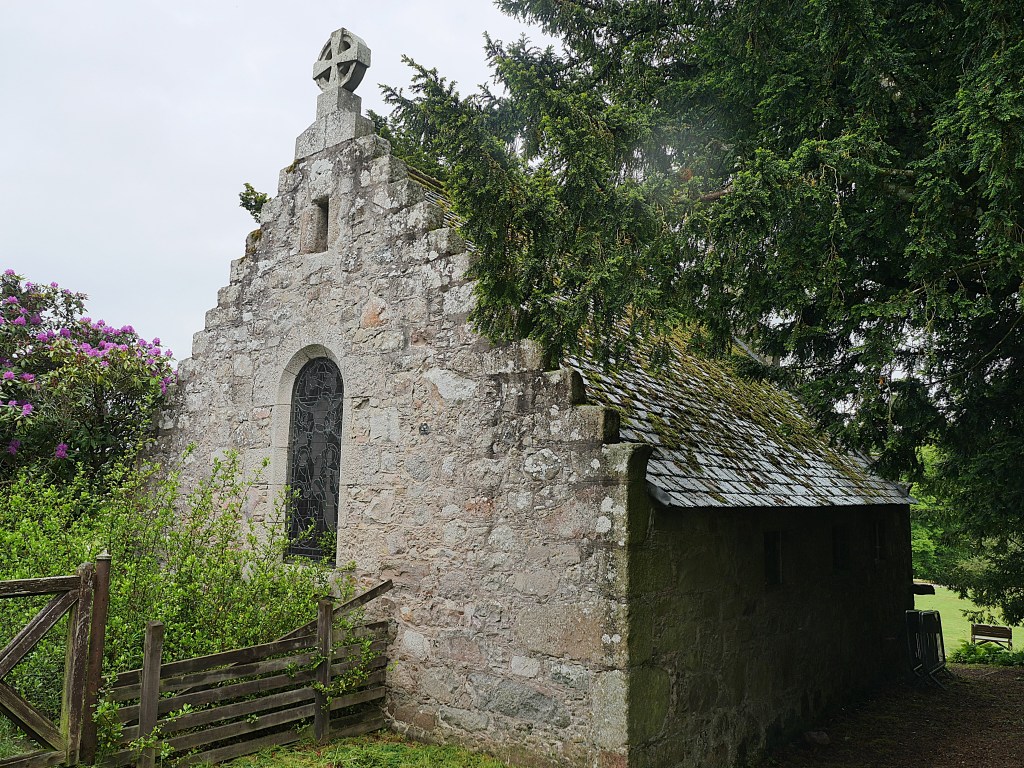
There was a chapel in the grounds
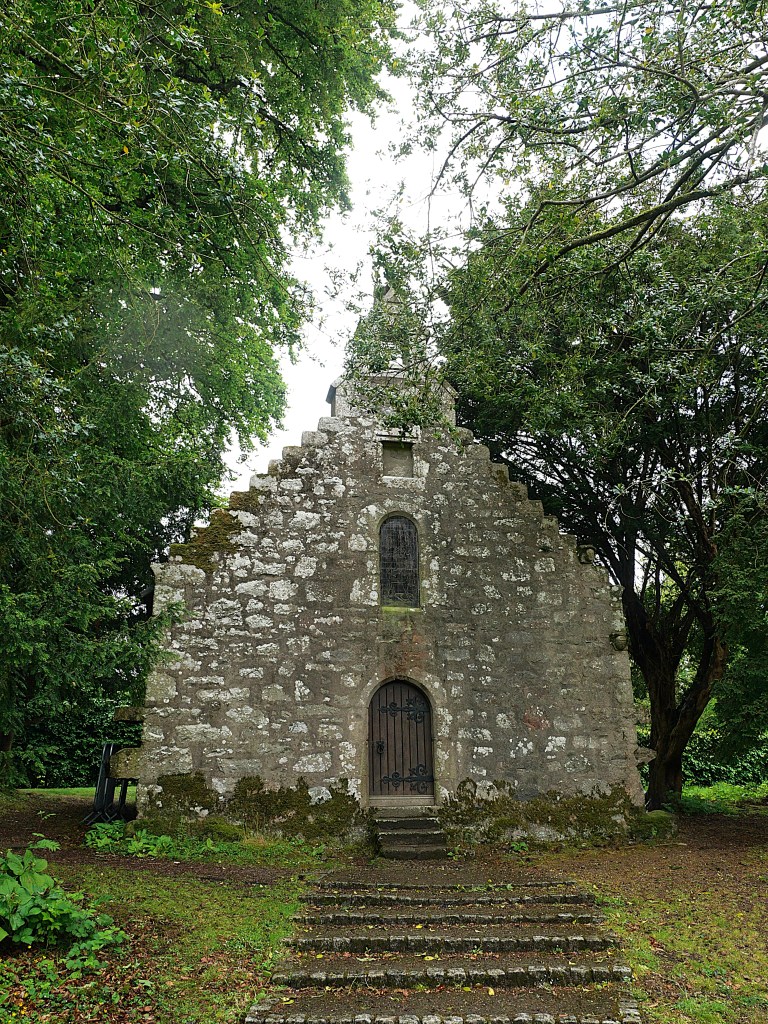

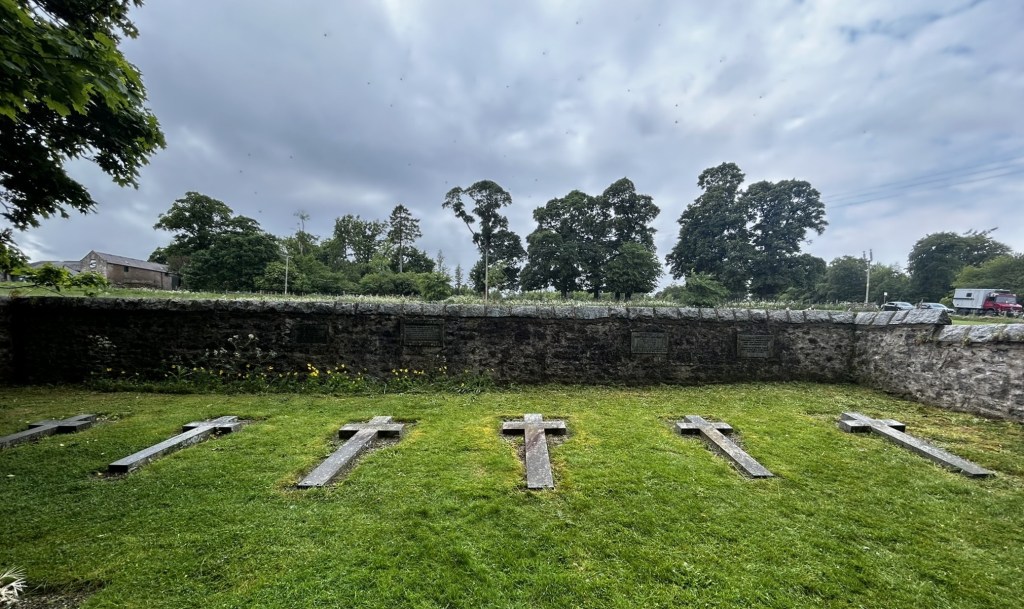
And an interesting family graveyard
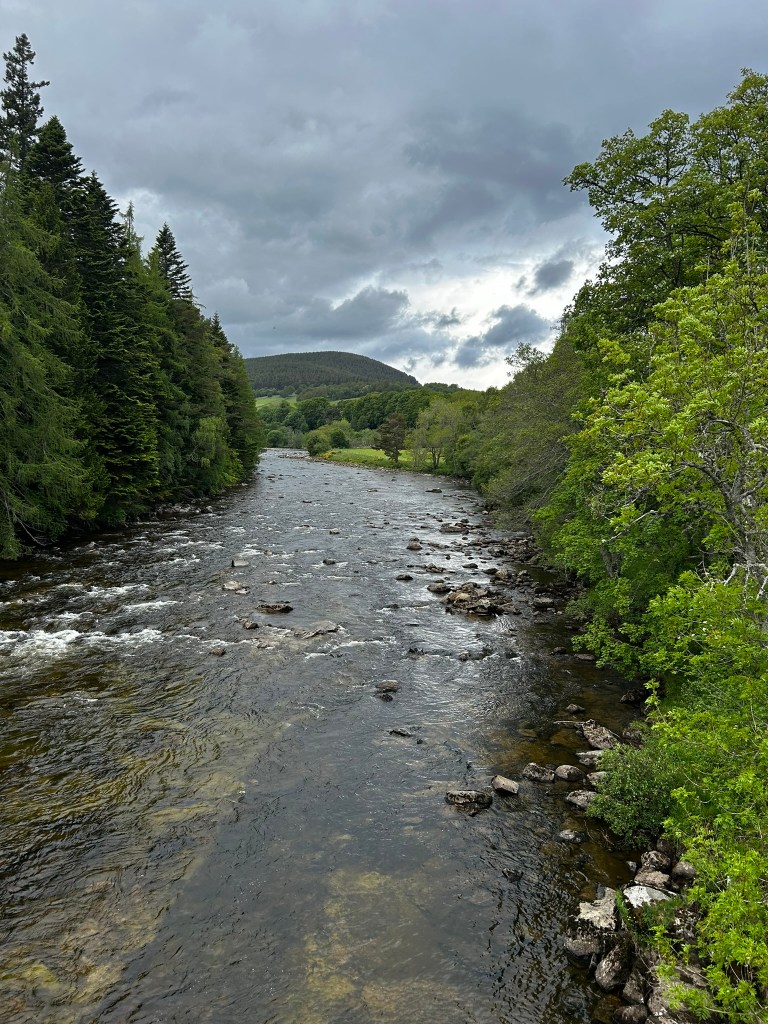
But we didn’t stay very long before moving on to the Bridge of Feugh which was impossible to photograph as all we could do was stand on it, there was no way to view it from anywhere else
I was absolutely starving by this point and felt quite faint so we hurried on to the Royal Lachnagar Distillery where we hoped to have lunch, but on arrival we found that they were short staffed so food was not available. They kindly pointed us in the direction of a local bakery only ten minutes walk from where we planned to stay the night so we drove straight there, abandoned BigMog and dashed to the bakery with 15 minutes to spare before it closed.
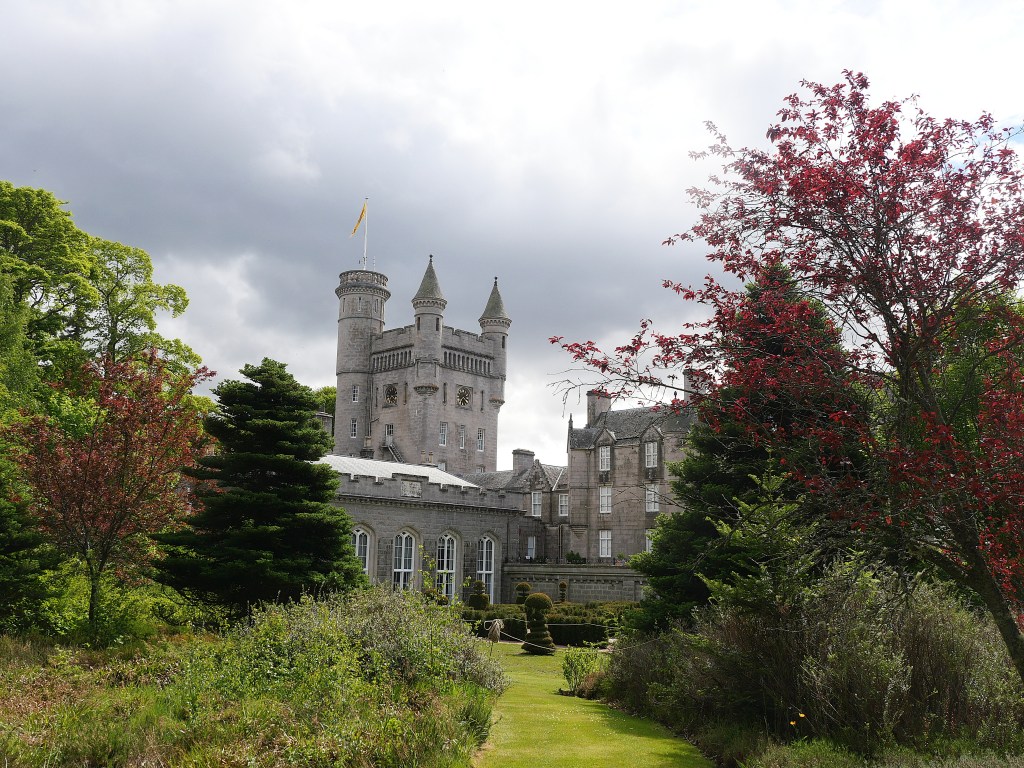
Our overnight spot was in a rather illustrious place. We had seen dozens of impressive castles and the odd palace here in Scotland but we were now poised ready to mix with royalty and see possibly one of the most famous Scottish castles of all.
Tomorrow we would be visiting the place where Queen Elizabeth II felt most at home and where she ultimately spent her last few hours. We were at gates of the beautiful estate of Balmoral….
 The Sidetracked Sagas
4 responses to “Ghosts, Crypts and Cairns”
We will certainly be visiting Aberdeen after your praise for the granite city!
LikeLike
You should definitely go, it is a beautiful city
LikeLike
Aberdeen is lovely, shame you missed Stonehaven, there’s a tearoom there looking out to sea.
LikeLike
Ah shame. We were disappointed but the weather was so miserable we just felt it would be grim. I also think there was an element of feeling that we couldn’t beat the beaches on the north coast..
LikeLike