We had crossed the border into Serbia and our excitement at being in a new country shook off the gloom that had descended on us from the merciless weather and endless mechanical problems.
We were not sure what we would find here. On the one hand, Serbia was the aggressor in the 1990s war and we had been told that their politicians still encourage bad feelings towards their neighbours. When we had come to this region back in 2018 the UK foreign office advice for Serbia had been dismal and as such we had only passed through without staying.
On the other hand, we had asked a lot of people in Sarajevo what Serbia was like and they all said it was as beautiful as BiH and the people were just the same. The UK foreign office no longer has anything negative to say about the country and, more to the point, my research had uncovered an extraordinary amount of very interesting things to see and do.
We had arrived at the small town of Mokra Gora, home to the start of Sargan 8 railway – a historic narrow-gauge line, built in 1925 between Belgrade and Sarajevo, twisting and turning through some of the most scenic landscapes in the country. It was closed down in 1974 but part of it reopened as a tourist attraction in 2003.
We found out very quickly that Serbia doesn’t do tourism the way most of the world does. In fact their tourism infrastructure is almost non existent. And this, on the whole, is a wonderful thing.
Yes, it can be frustrating to wander around a world-class cultural or historic site with no information provided as to what you are looking at, having to clamber over rocks or through rivers to get there. But this is far outweighed by such sites being completely authentic and almost entirely deserted.
Serbia is, as it turns out, a very under-rated and under-valued destination. It is incredible just how many beautiful, internationally significant and varied sites they have here. From Roman fortresses to Ottoman castles, from towns full of stunning architecture to ground breaking prehistoric archaeological sites. From waterfalls to rivers, lakes, mountains and rolling plains. They even have endless vineyards where they make some of the best wine we have tasted.
We are in awe of this country and to top it all off the people are amazing.
So let’s go back to the beginning, where it all started at Mokra Gora. Even on day one we started to get an inkling that we were in for something special in this country.
We were surrounded by pretty little wooden buildings that looked like something out of a fairy tale
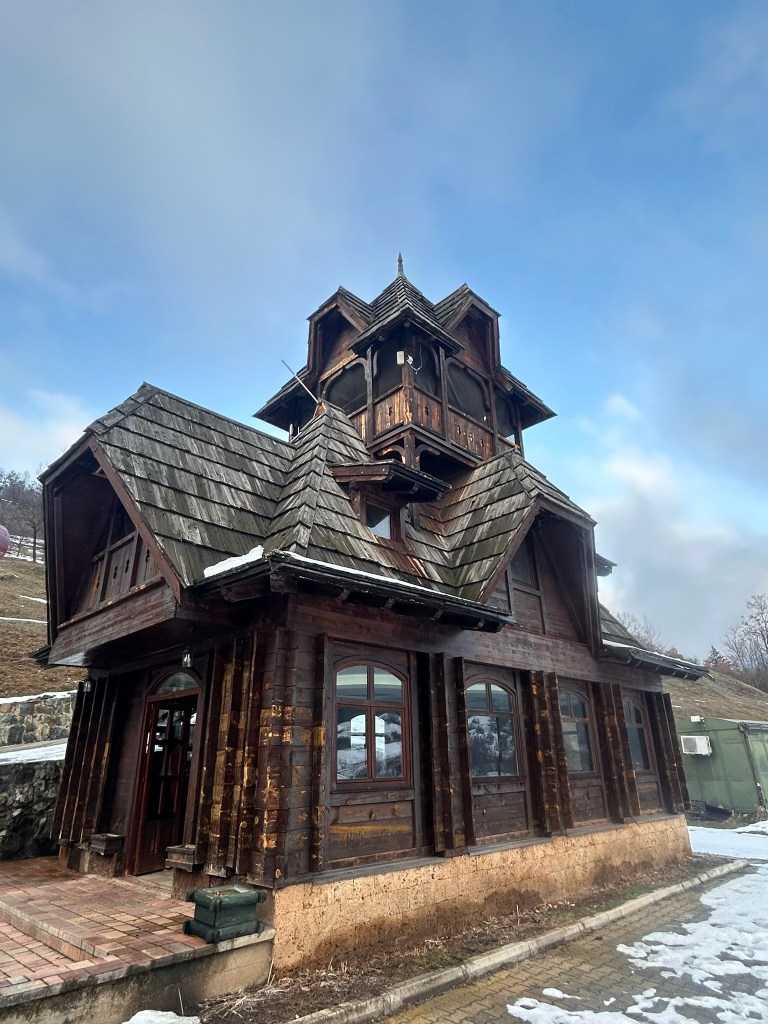
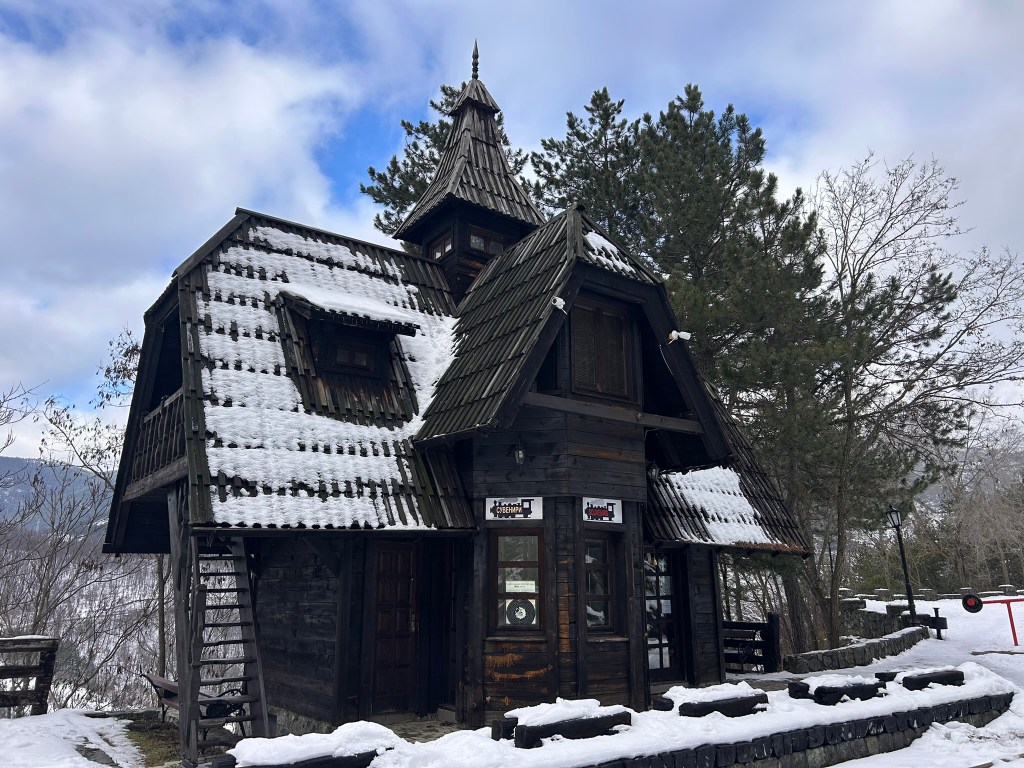
It was extremely cold with slippery ice everywhere but we wanted to go and explore anyway
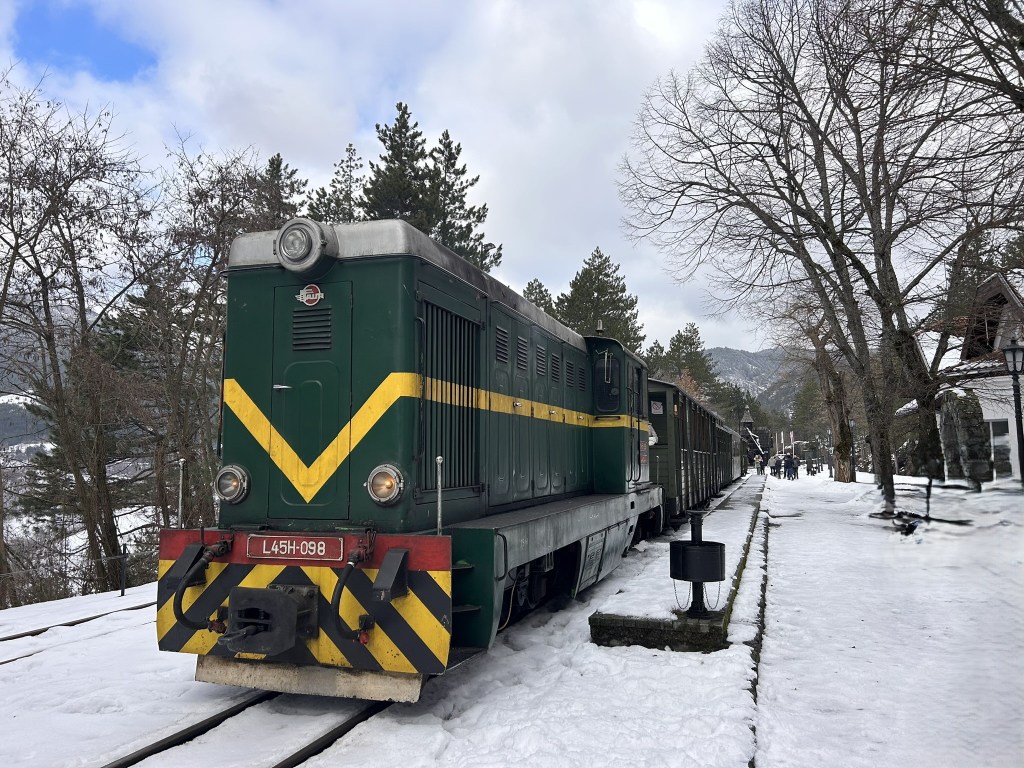
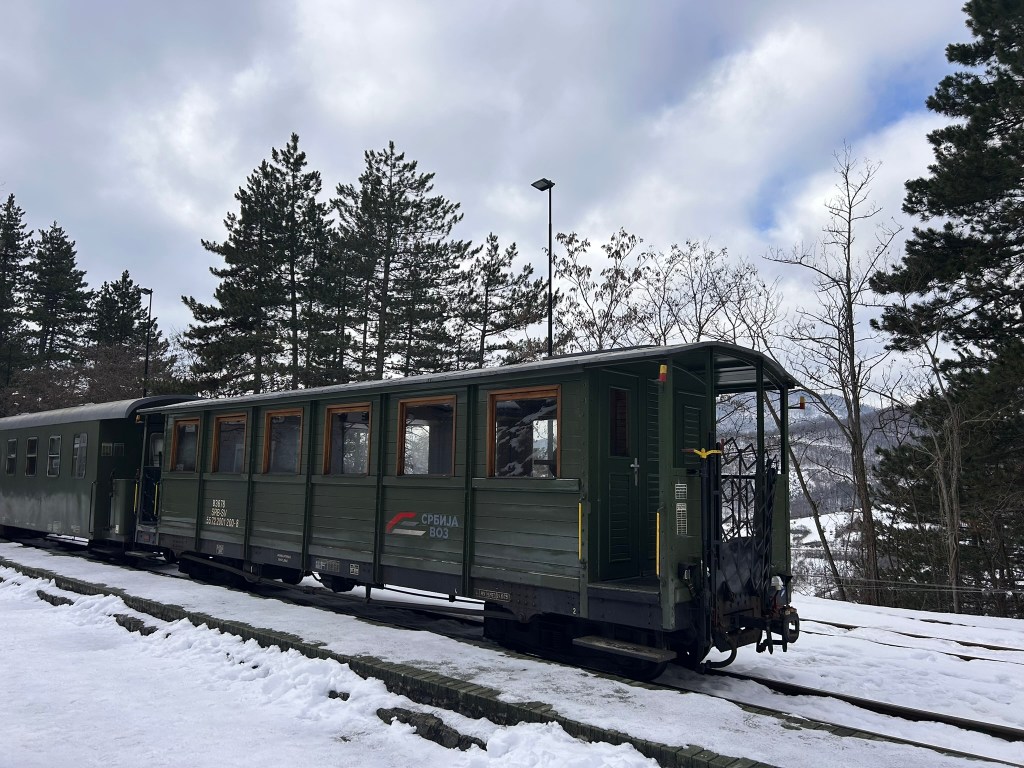
We saw the old train
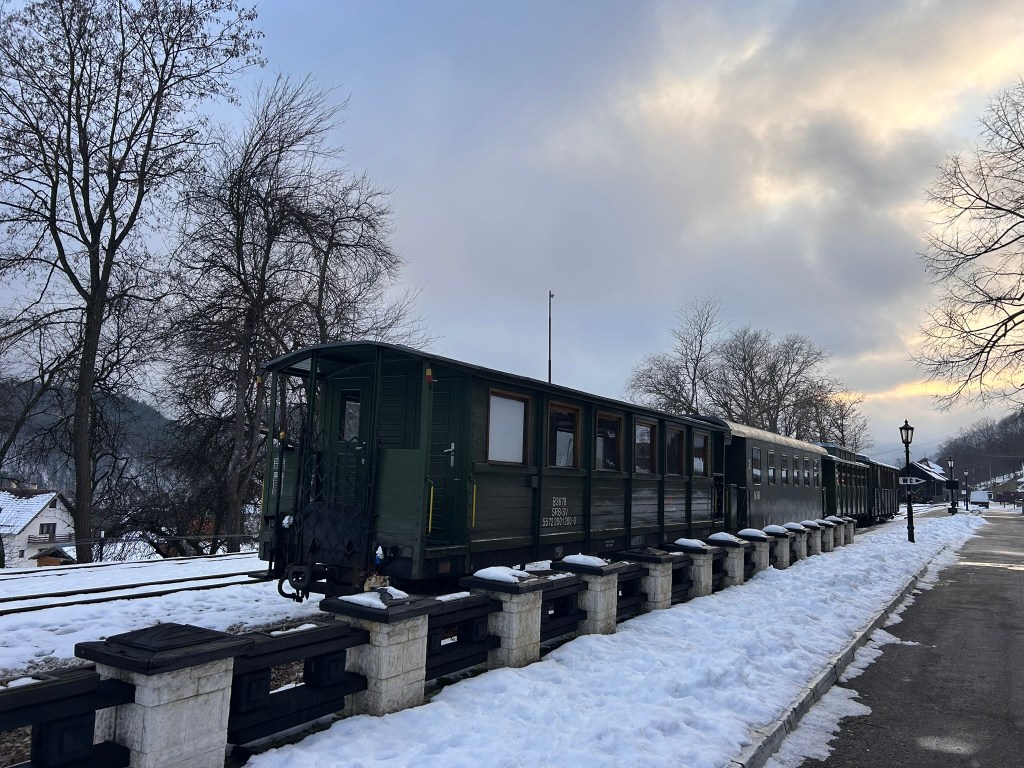
Built in 1923 according to the plaque on the side
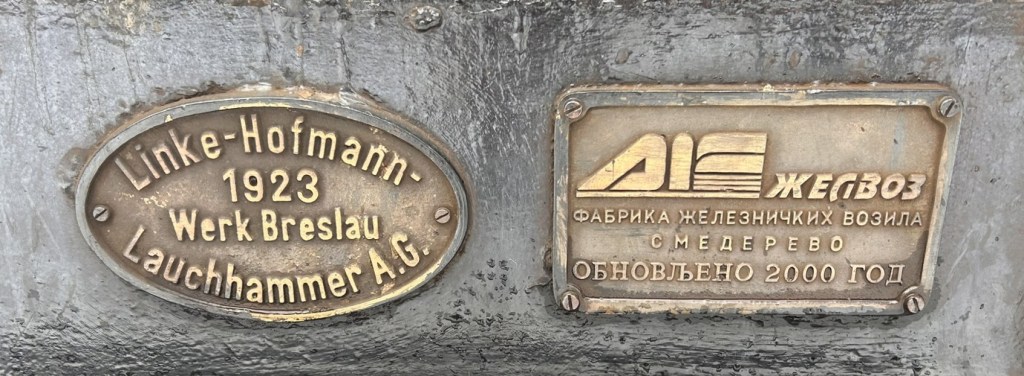
There is a steam train that runs in the summer months but this diesel engine is the only one that goes out in the winter.
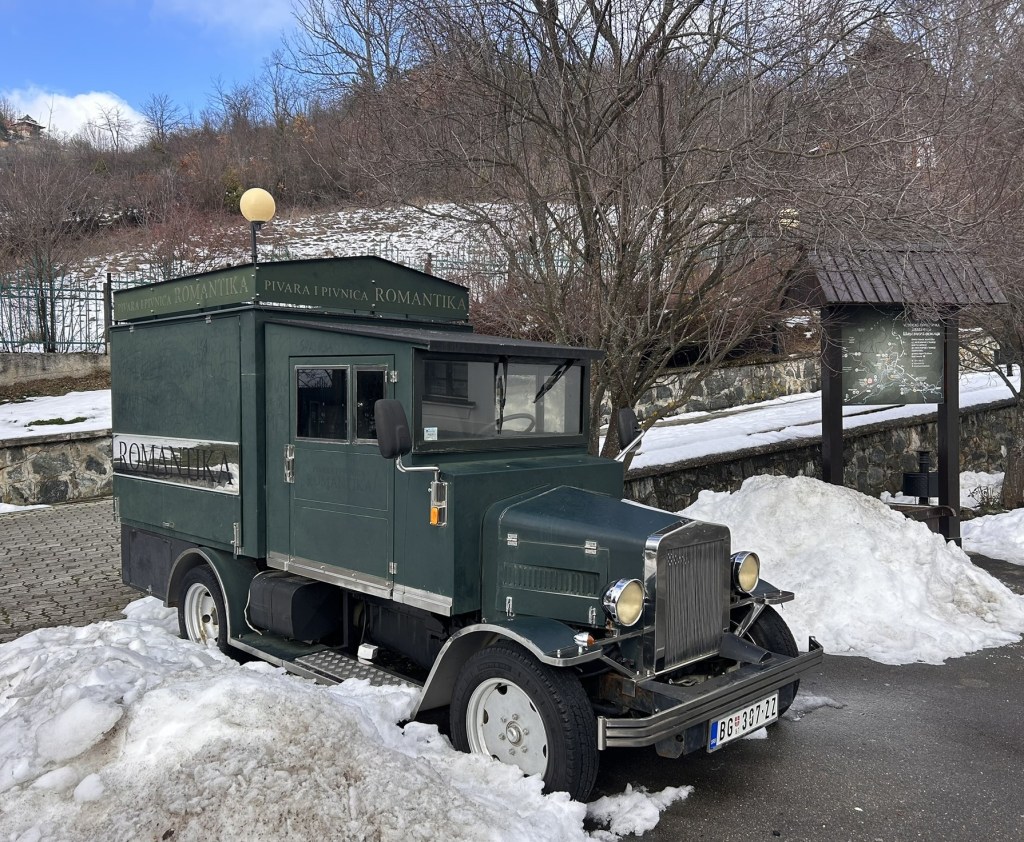
We found the railway museum along with a vintage car
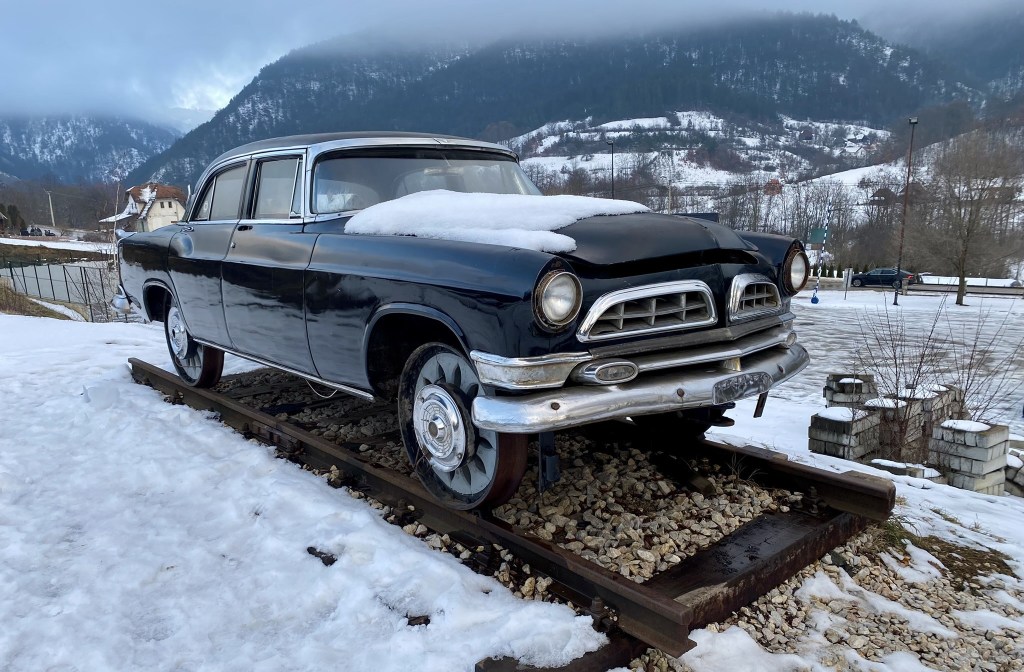
And were pleased to find that the restaurant was open and went in for a warm up and some local food.
The next morning it was snowing again and my morning training was getting no easier. Once finished, I bundled up in all my winter clothes and went to find out when the railway ticket office opened – as always in Serbia, finding information on opening times and prices had proven impossible. Rumour had it that the train left sometime around 11am with the ticket office opening an hour beforehand.
Actually, the train left at 11:45am and the ticket office finally opened at 10:30am. We spent the intervening couple of hours waiting with around five other people from various different countries, chatting about life and Serbia. We were all frozen to the core but when the lady finally arrived to sell us our tickets we cheered in good humour, excited that the train was actually running
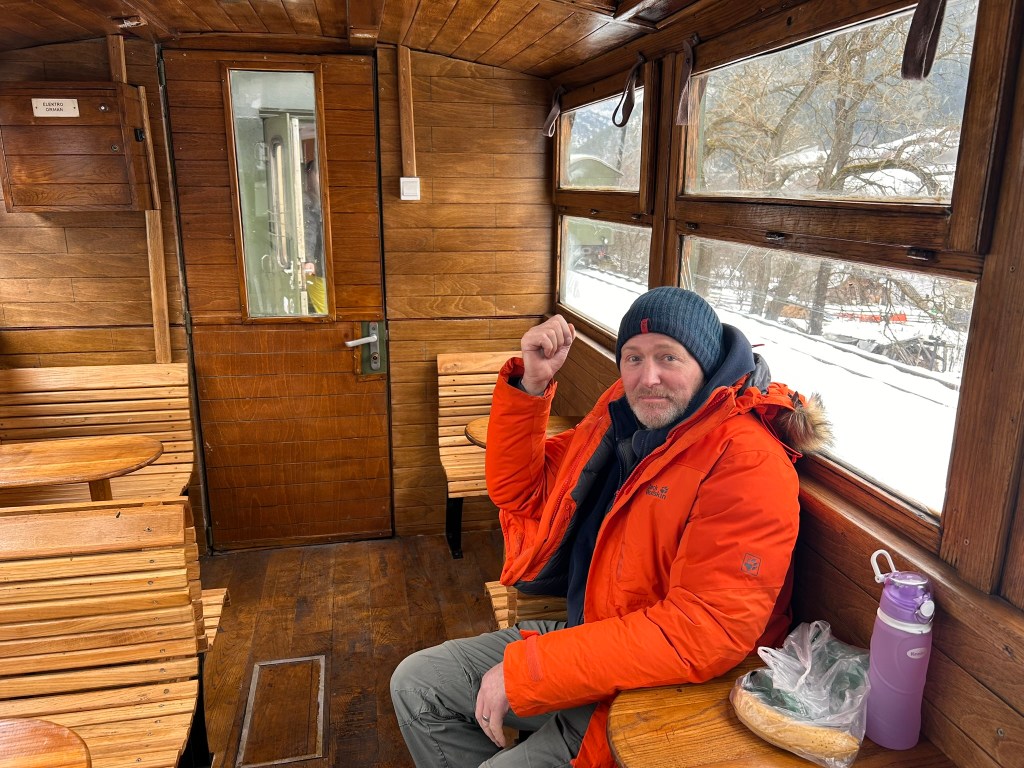
The train journey is shorter than usual in the winter, but it was as lovely as we could have hoped
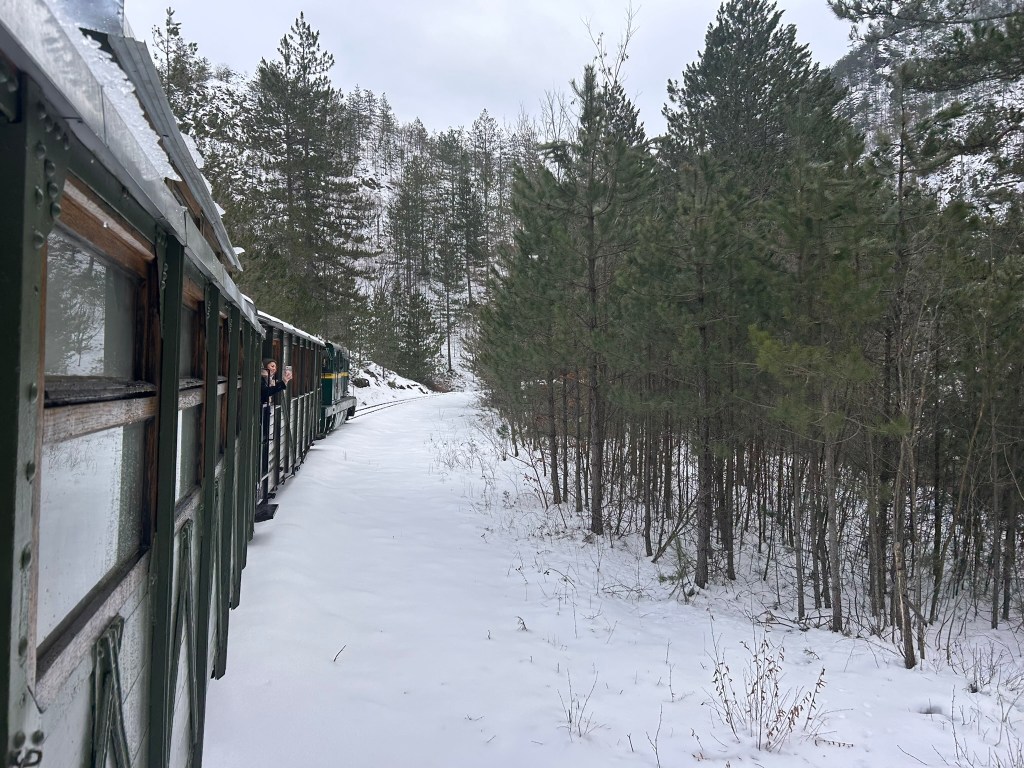
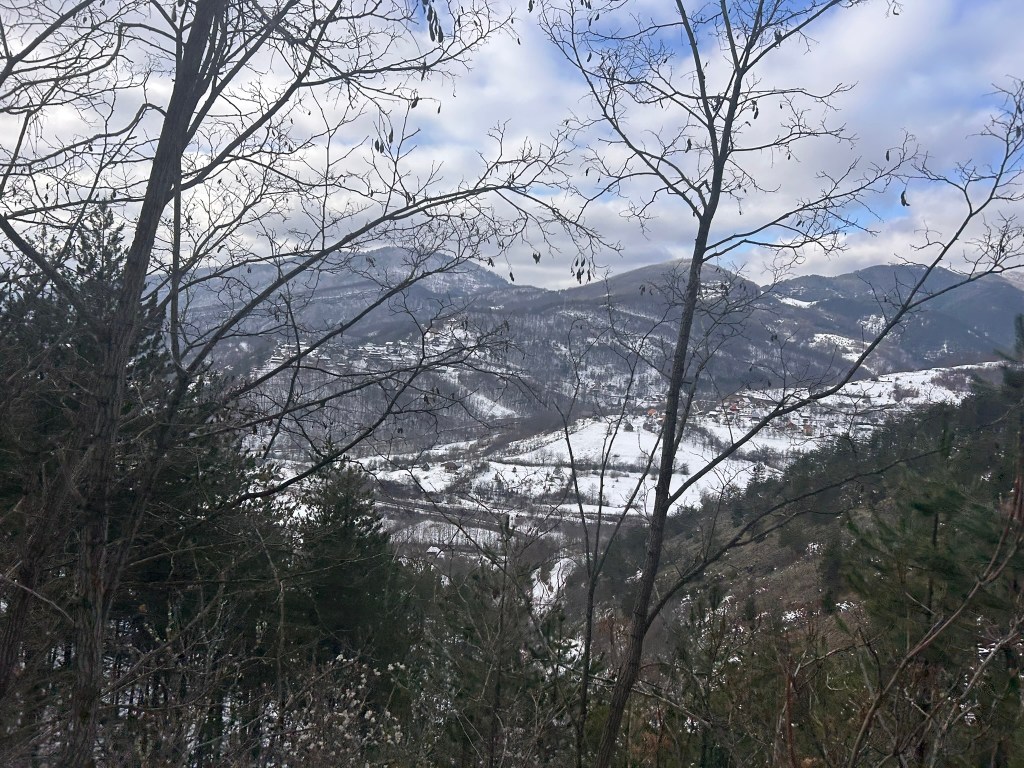
The landscape was endlessly beautiful as it slipped past
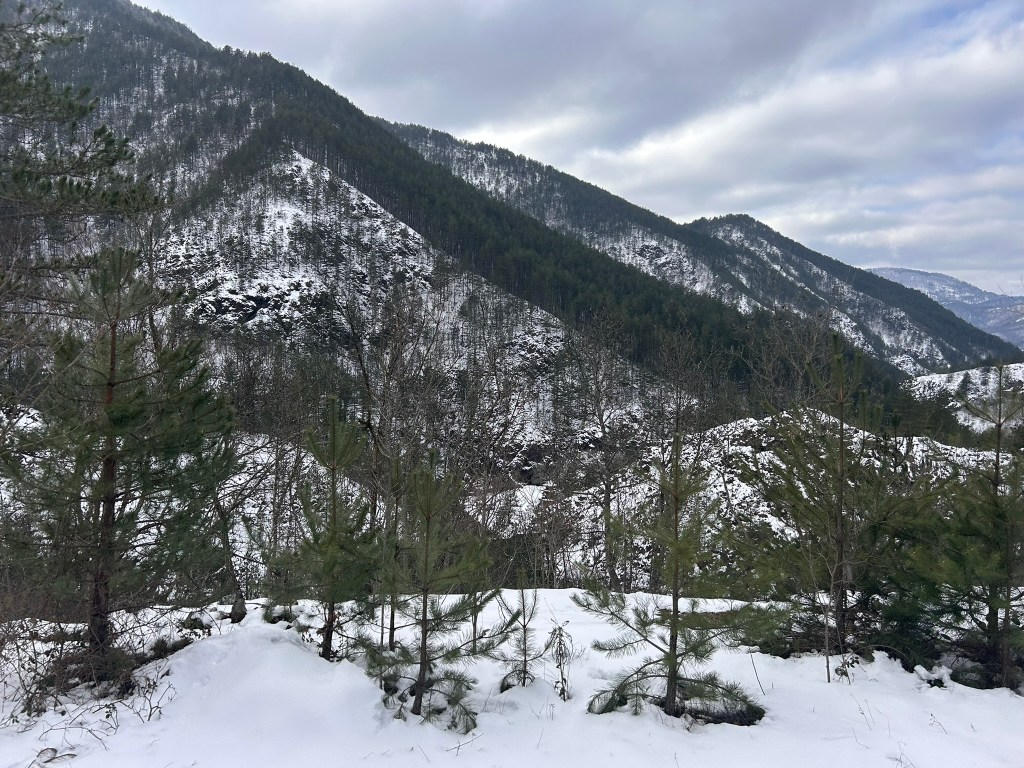
We went as far as Jatare station
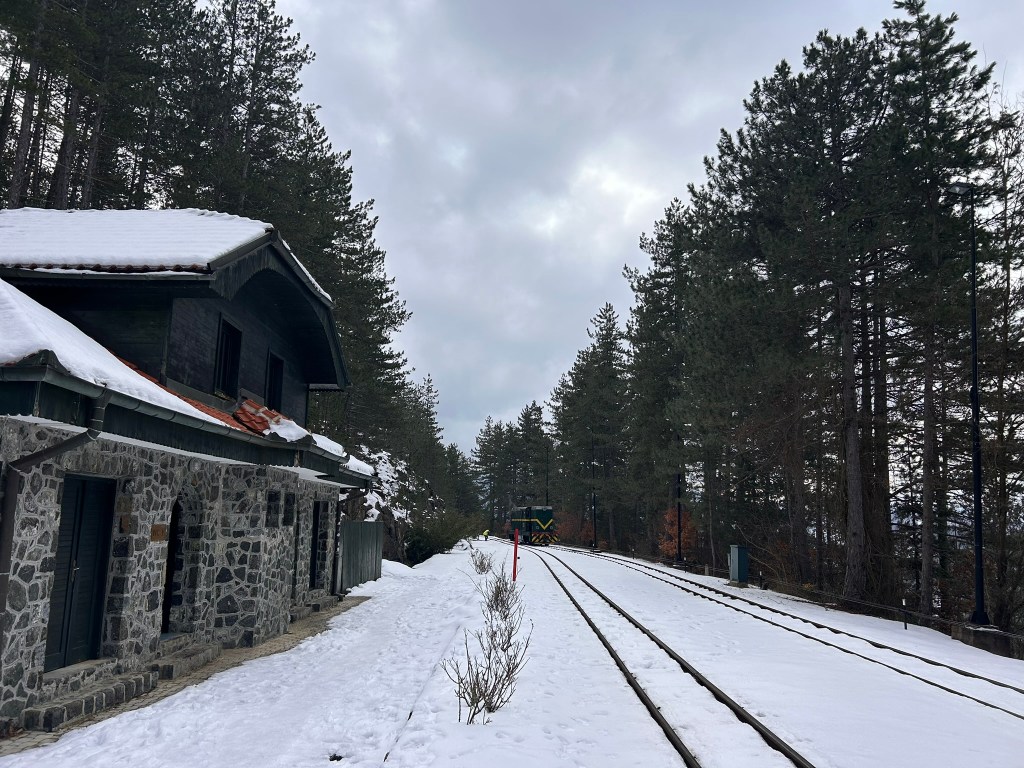
Then everyone got out and played in the snow
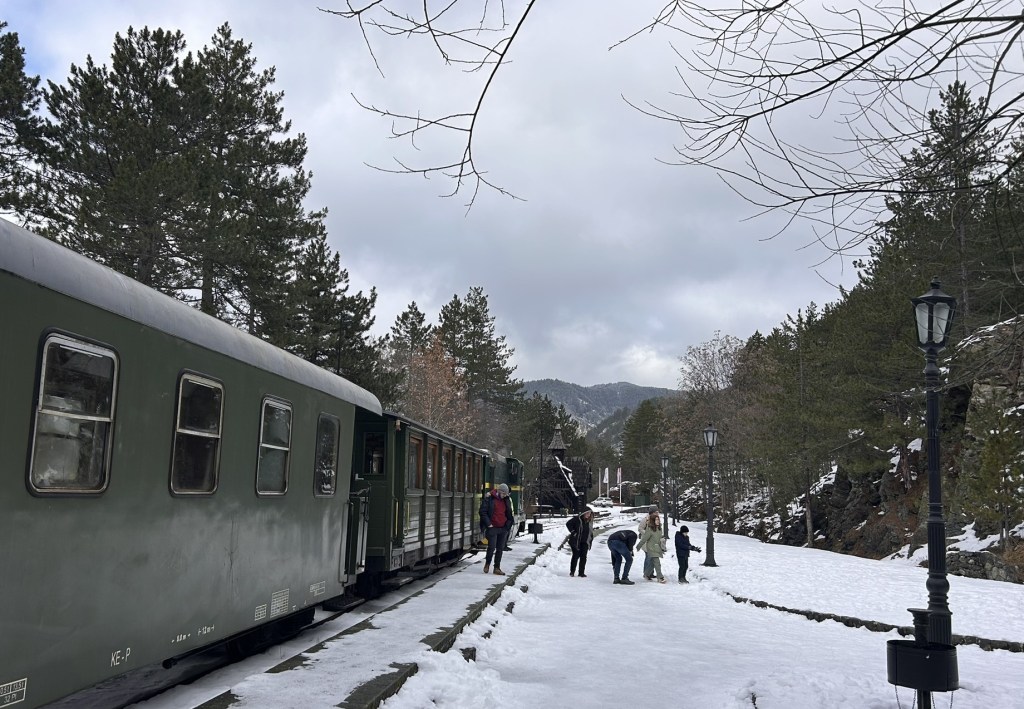
Whilst the engine was moved from one end to the other to take us back again
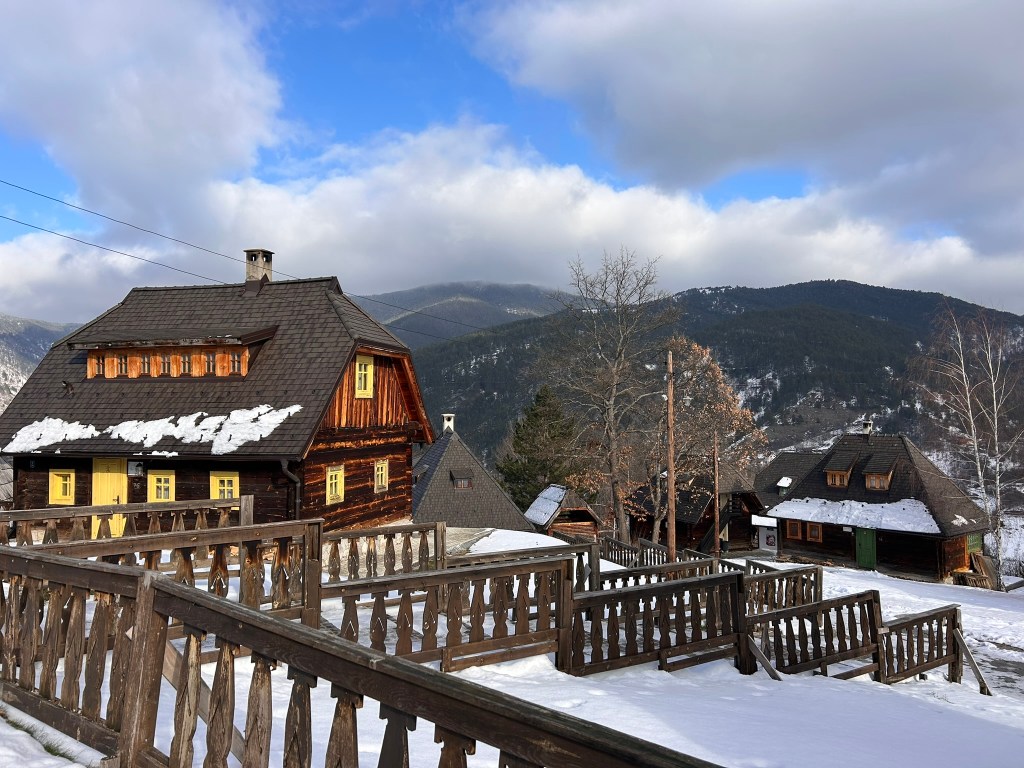
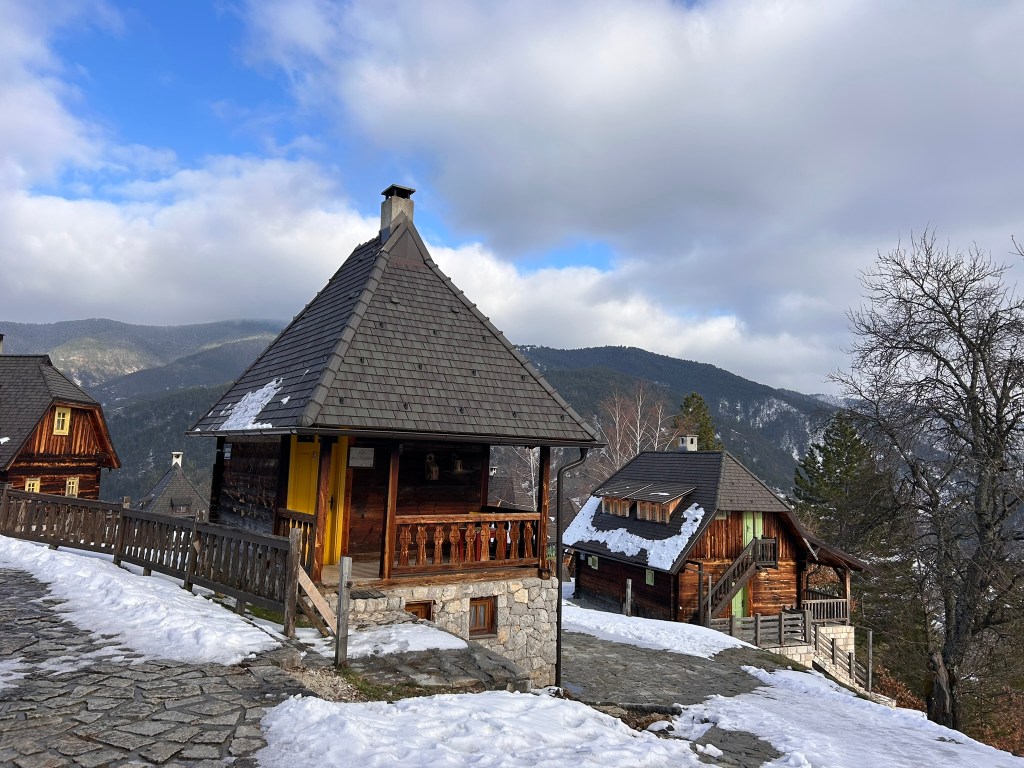
Close to Mokra Gora is the town of Drvengrad, an abandoned village that was rebuilt by director Emir Kusturica for his film ‘Life is a Miracle’. It is now mainly a tourist attraction but also hosts the annual Kustendorf film festival attended by some of the world’s top film stars
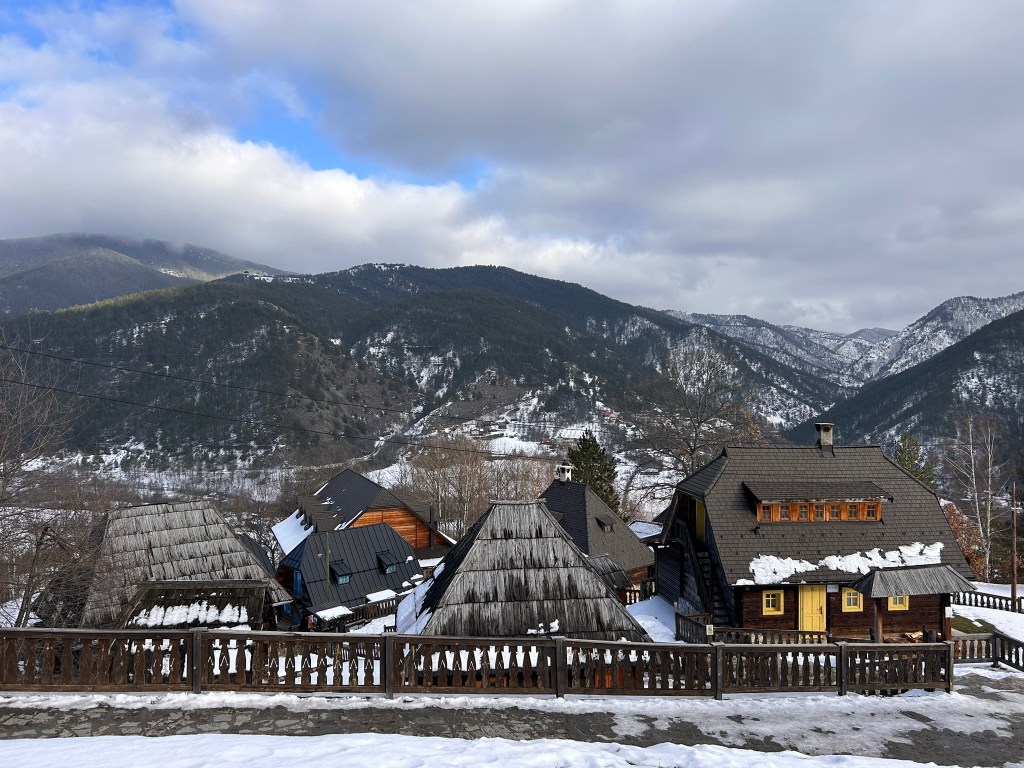
It was very pretty
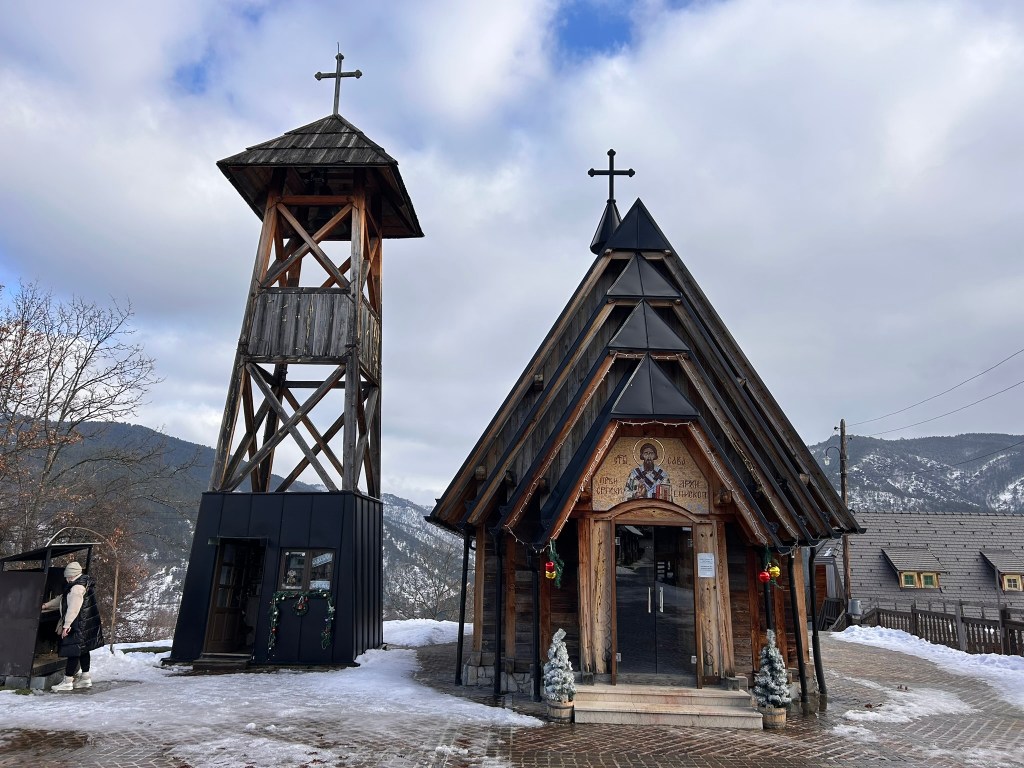
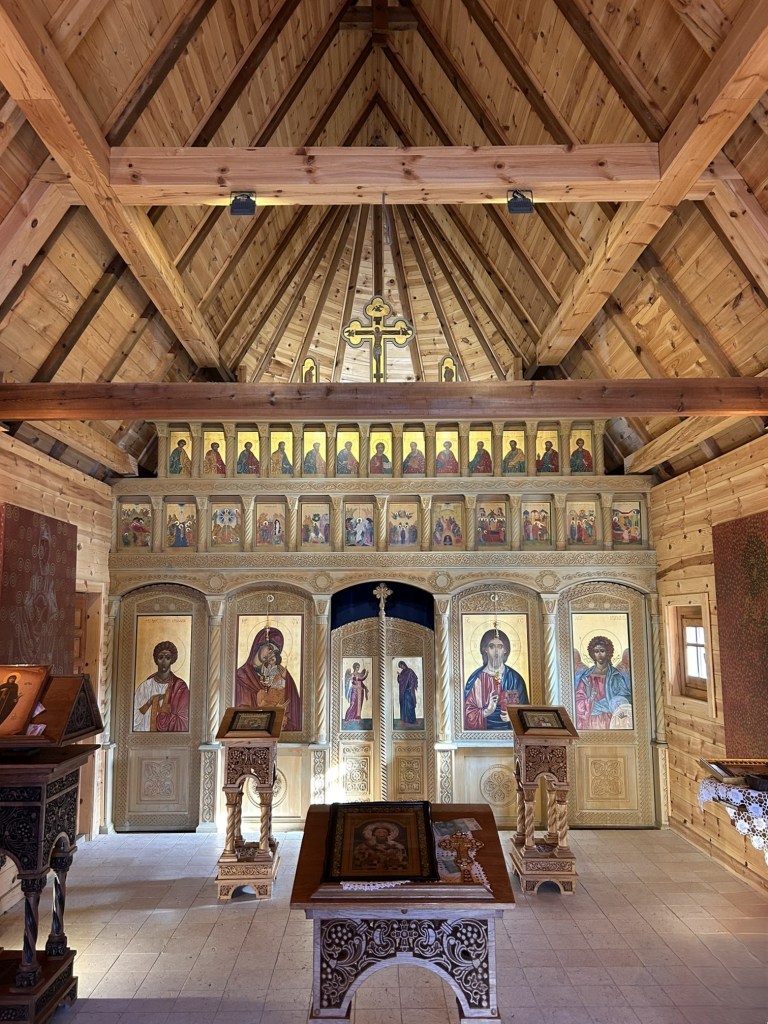
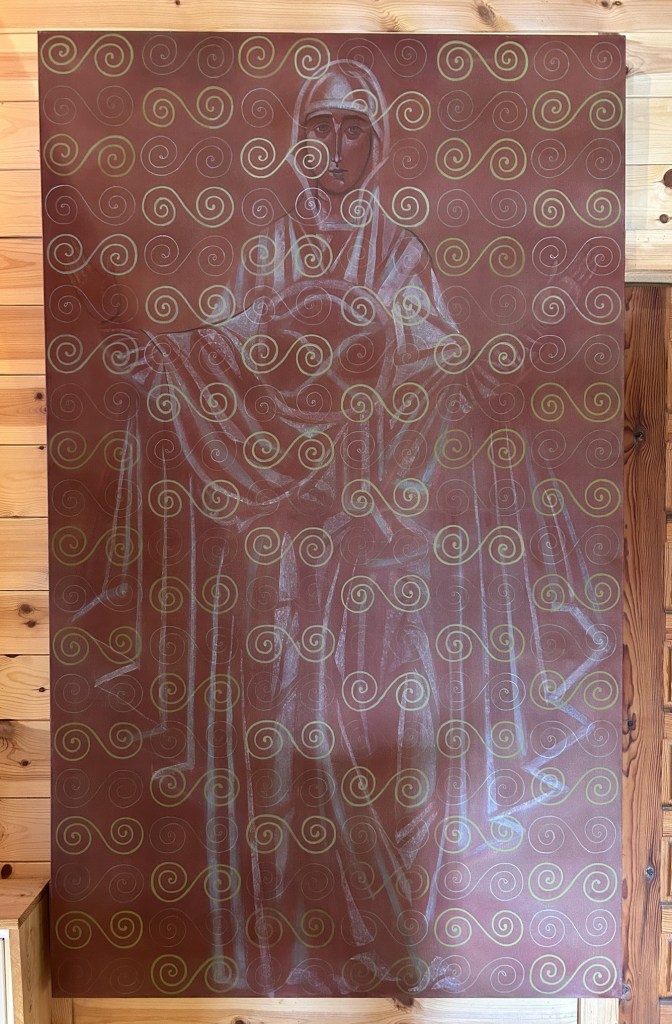
With a tiny church in the middle
And far reaching views over the Tara and Zlatibor mountains
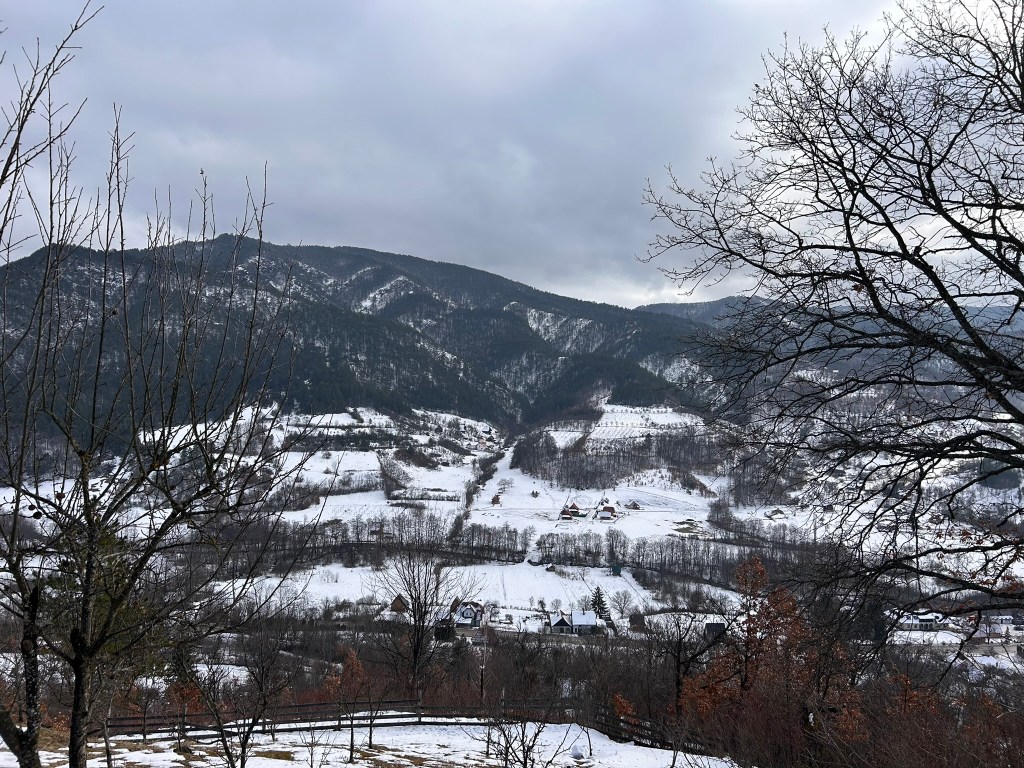
We wandered around for a while, along the streets all named after famous people
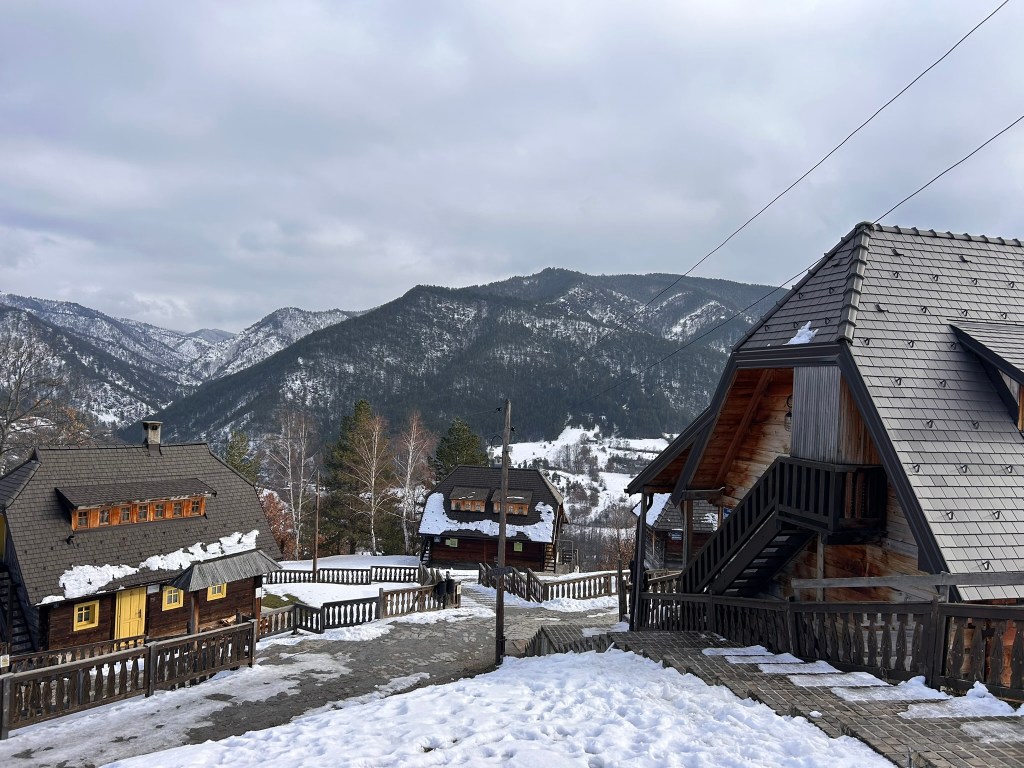
After a quick cake in the café we jumped back into BigMog and tried to get into the Tara National Park which our sat nav said was 10km away. It probably would be if you were on a donkey but in a 7.5 tonne truck that needed to follow an actual road it was nearer 50km.
We eventually found the entrance and started driving around, taking in the magnificent views
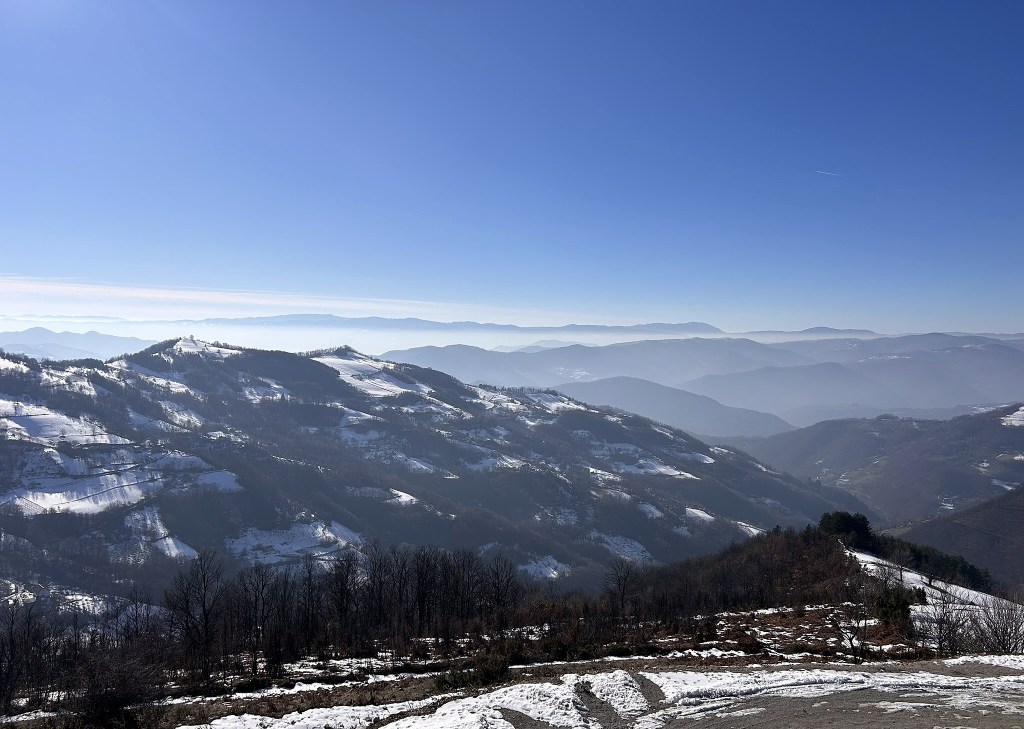
In the deep snow and frigid temperatures we didn’t plan to do any hiking, the best we hoped for was a few hours of driving scenic roads and a couple of stops to look at the Zaovine Lake and other viewpoints.
The main road through the park was fine – narrow but snow-ploughed and gritted – but turn off onto any secondary road and you took your life in your hands.
We tried to get to the Zaovine Lake but the road turned into a steep, narrow goat track and when we finally got near the park-up place we saw that it was completely inaccessible in the snow.
We turned back and started searching for somewhere to stay for the night, but every spot we tried was just as inaccessible. Dusk was falling and we were running out of options so in the end we headed for a village and pulled into a small car park by a row of souvenir stalls. It wasn’t ideal but it would do for one night.
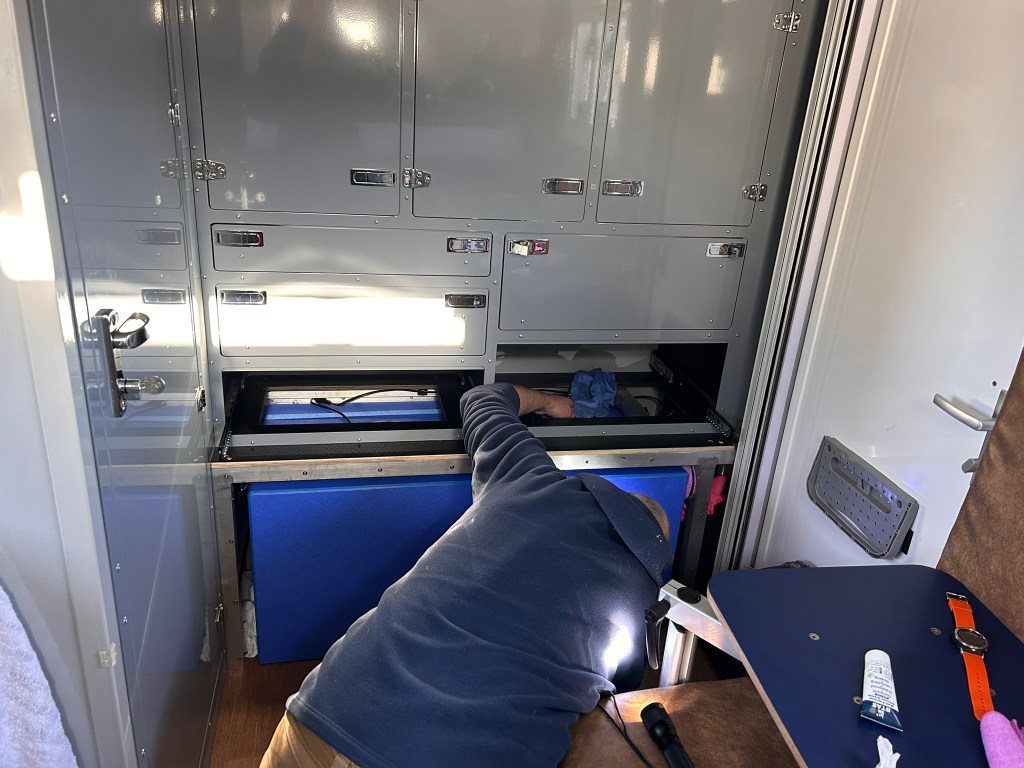
We were exhausted and a little unhappy with where we were parked up, so the last thing we needed was to open up our living quarters and find water all over the floor. When we removed the front panel covering our 215 litre water tank we found even more water pouring down the sides.
It was hard to tell where it was coming from but it seemed to be either a leak from one of the maintenance lids or the inlet pipe. Neither was a good option.
Seriously in need of a break from UniMog problems, we mopped up, cooked dinner and had an early night with a cloud hanging over our heads.
A cloud that didn’t lift the next morning when we woke to minus 10 degree temperatures and a frozen toilet again – cutting the bladder valve down last week had not been as successful as we’d hoped.
And poor Dot had accidentally spent the night sitting in a condensation puddle by a window and had to be dried off by the heater outlet
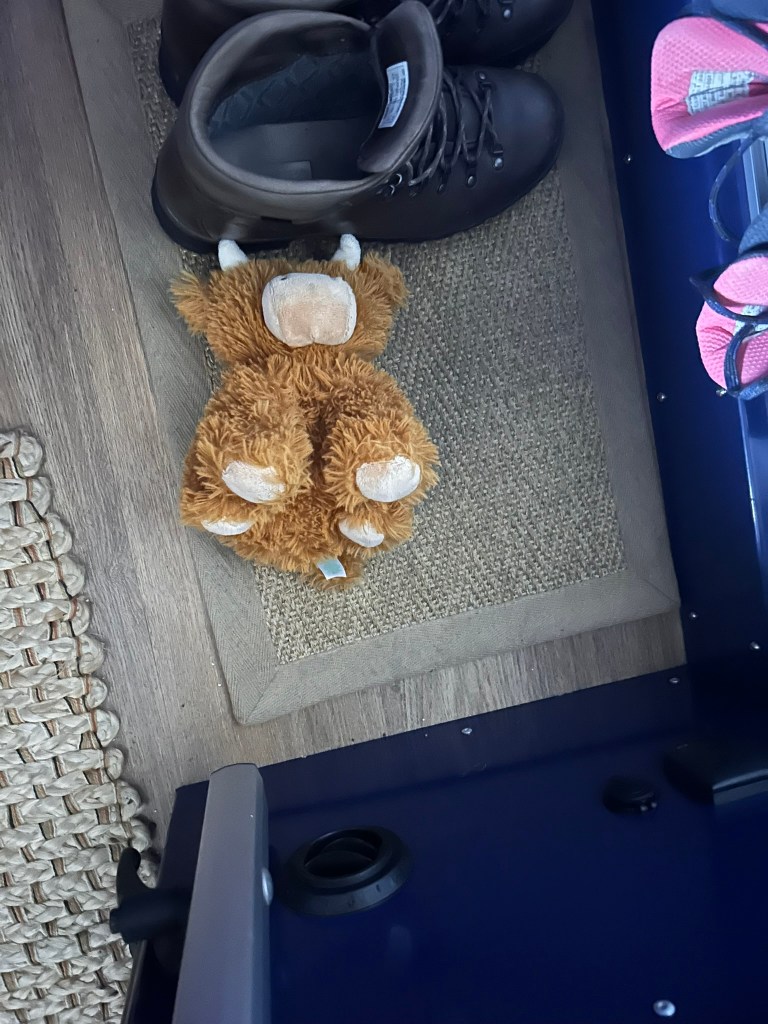
We waited until 11am before even thinking about going anywhere
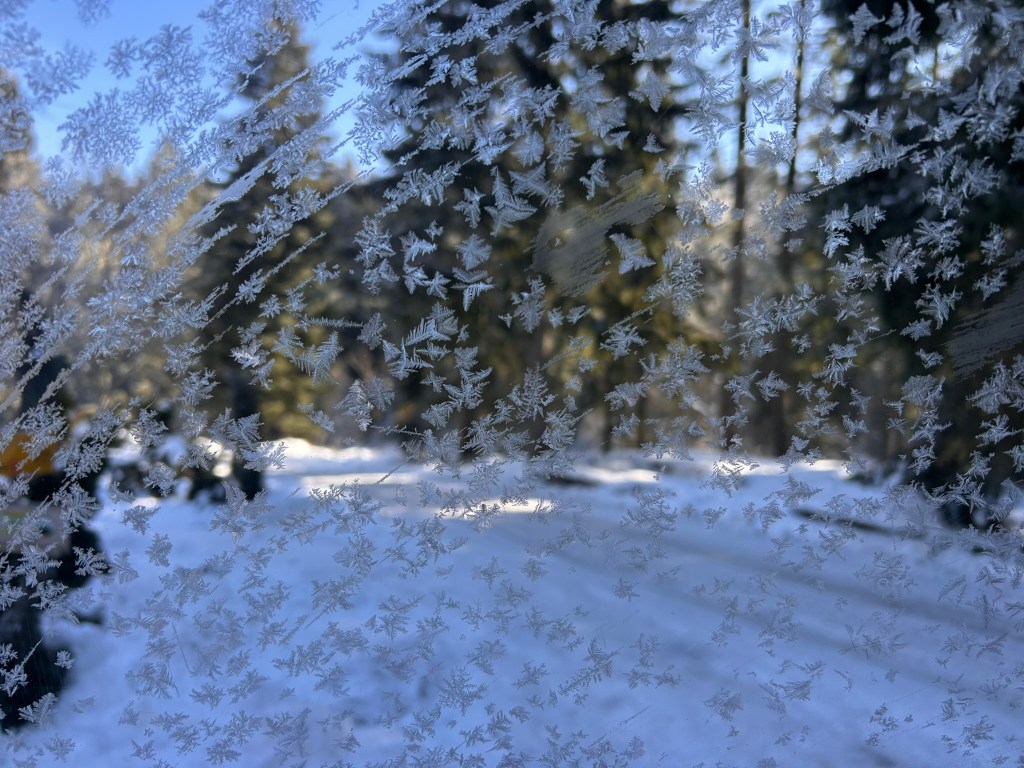
But eventually it warmed up to minus 6 and we hoped the engine would be able to start. It took a few attempts but finally it roared into life.
It was no good, we were sick to death of these freezing temperatures and all the problems they brought. We don’t travel to live like this, not only was the Mog struggling but so were we – we couldn’t get out and see anything because it was too cold, we couldn’t go anywhere because the roads weren’t passable. Everything was just miserable.
From my research into Serbia I had found that mountains broadly covered the south of the country whereas the north was low lying plains and farm land. We had originally planned to go south first but decided to throw our itinerary out of the window and head north to lower lying ground where we hoped it might be just a little warmer.
We drove an hour north to the Drina river and descended from over 1,200m down to 240m.
It was a different world. As we descended, our thermostat gradually rose from minus 6 to plus 2. The snow and ice melted away and the world as we used to know it came back to life.
We were in the small town of Bajina Basta where there is an iconic little house – the House on the Drina
Built by fishermen in 1969 it is now a surreal testament to human ingenuity and harmony with nature
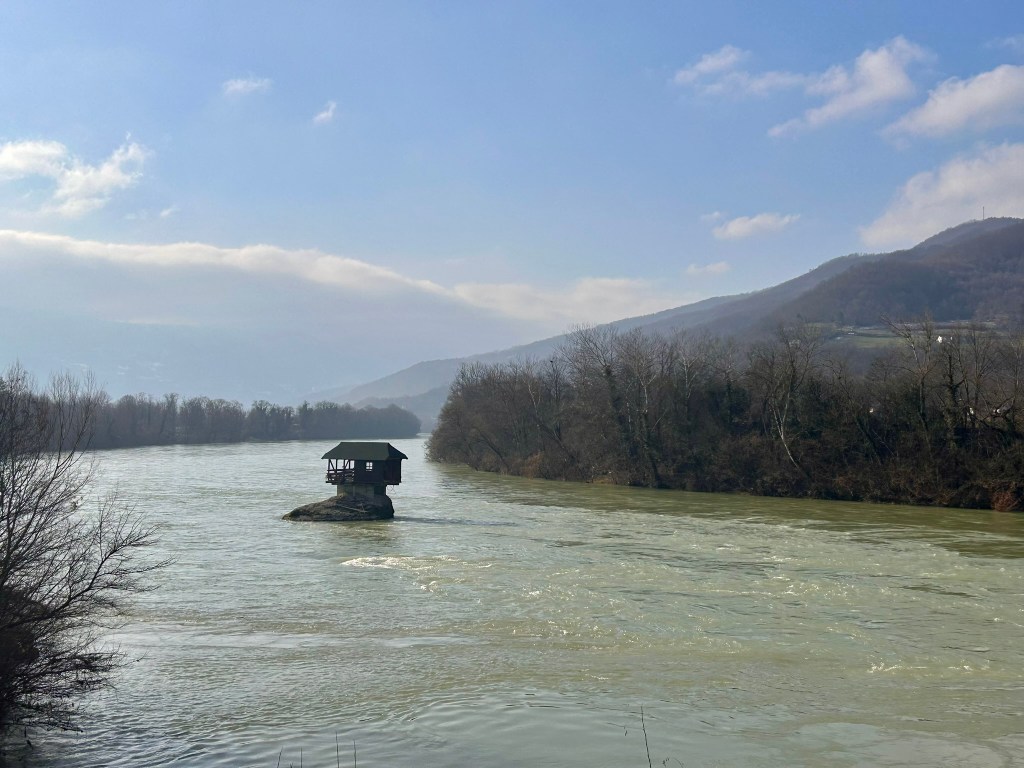
We found somewhere to park up by the river and walked into town for a great pizza, fresh bread from a local supermarket and some brake cleaner. The walk itself was wonderful, the sun was out and we basked in the heady temperatures, just slightly above freezing point
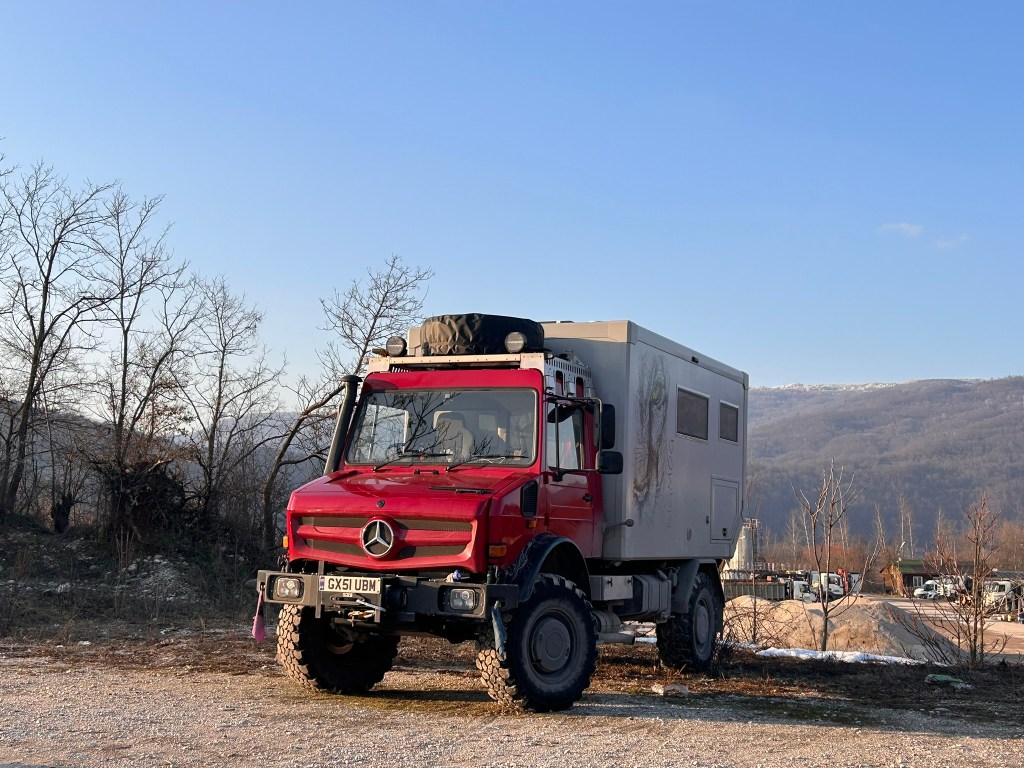
From there we drove to the Kadinjacha Memorial where we hoped to stay the night. Now obsessed with altitude, I had looked up how high it was and been told by Google that its elevation was 440m, which I thought would be fine.
I was wrong. It was actually nearly 800m up, on top of an exposed hill and the coldest we had been since Sarajevo
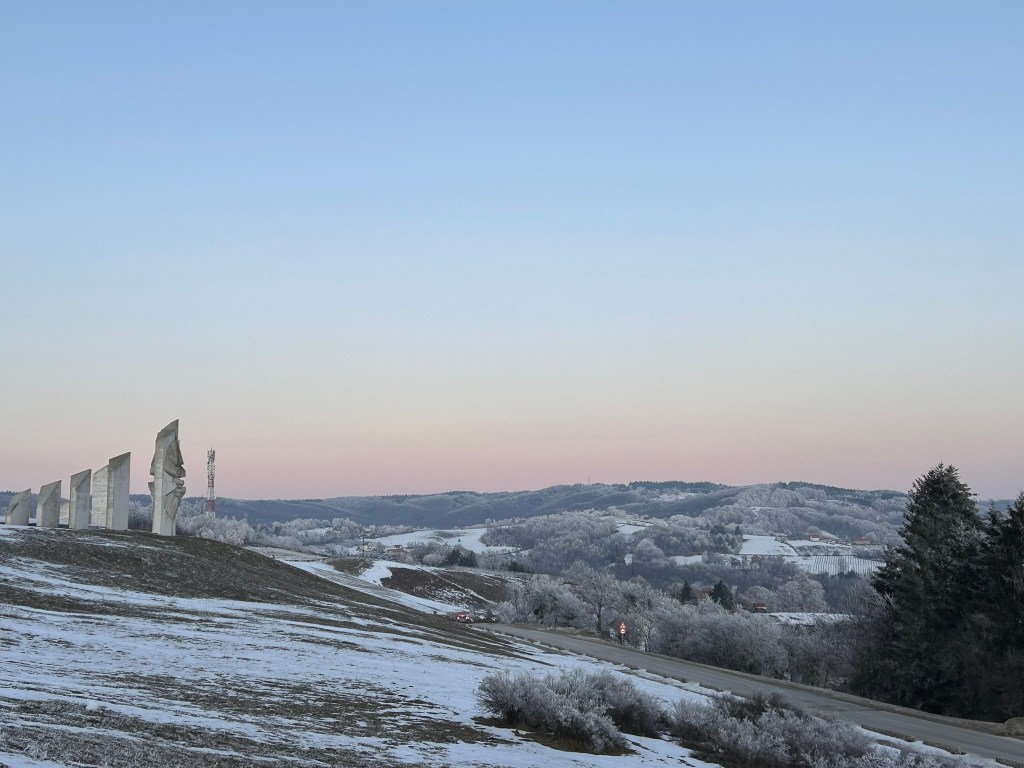
Even the snow on the ground was frozen solid
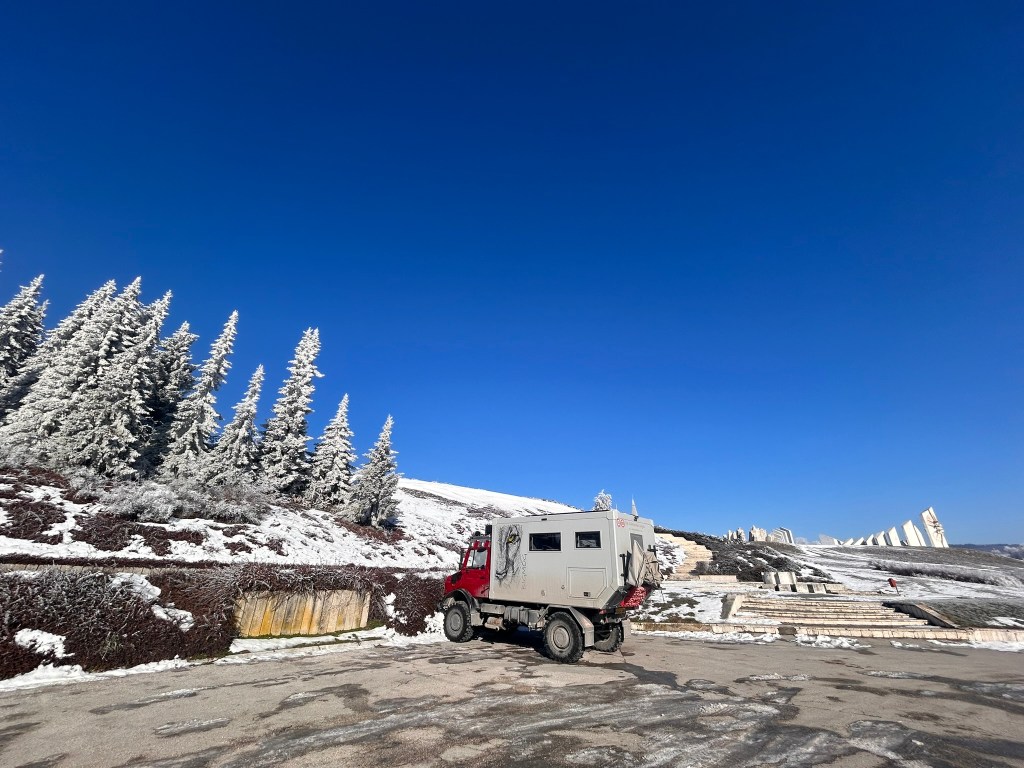
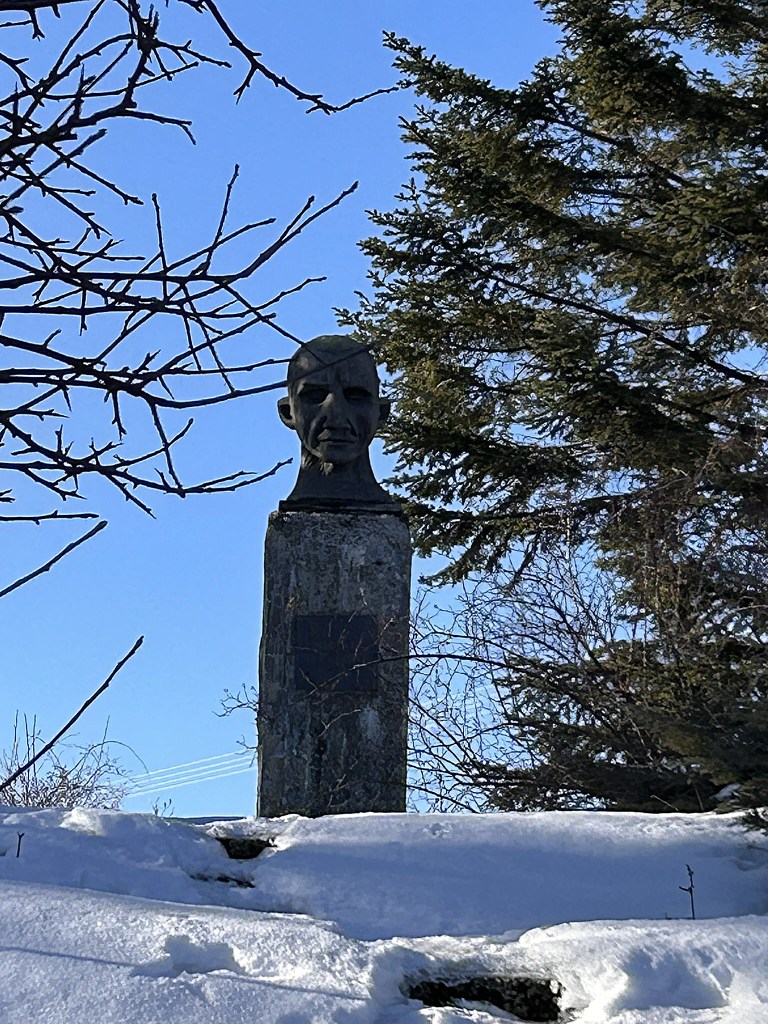
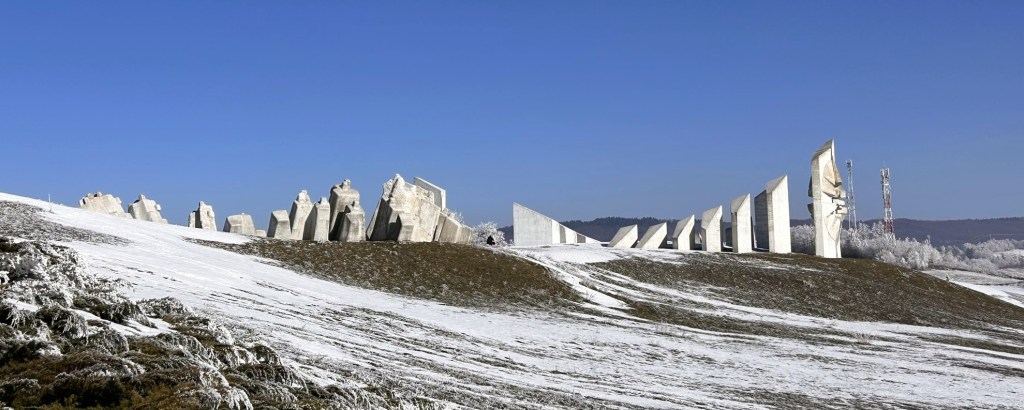
This brutalist memorial is dedicated to the Workers Battalion of Uzice who were killed in the second world war, the stone sculptures representing the advance and ultimate deaths of the soldiers
We pulled on as many of our winter clothes as we could
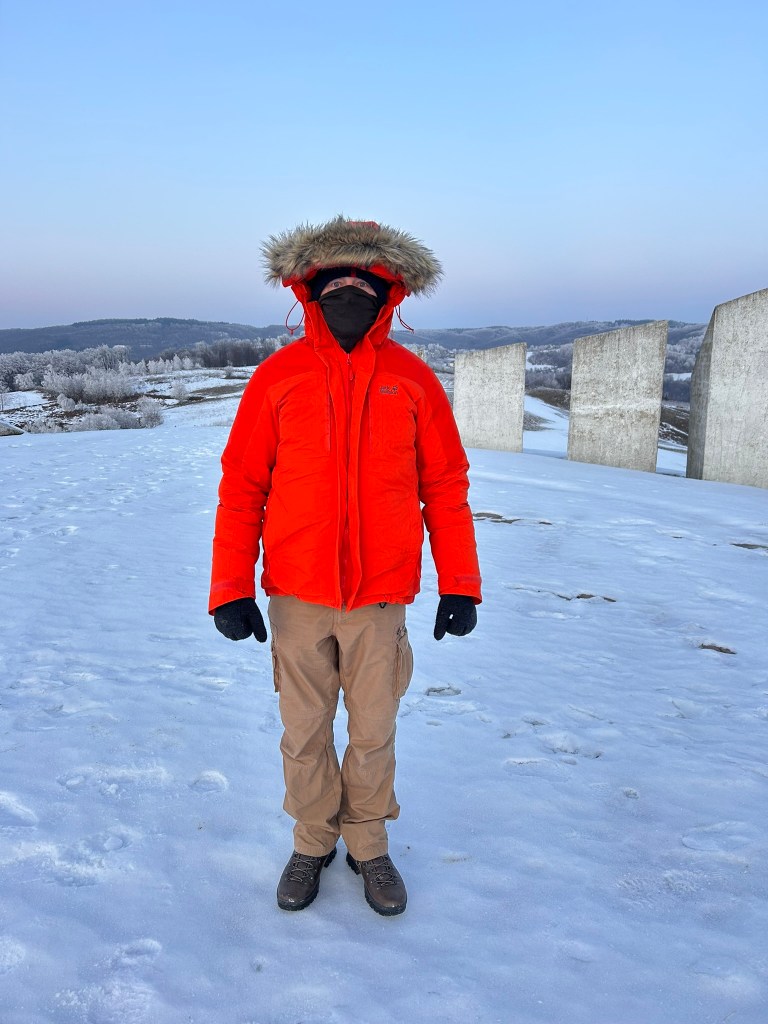
And went to explore
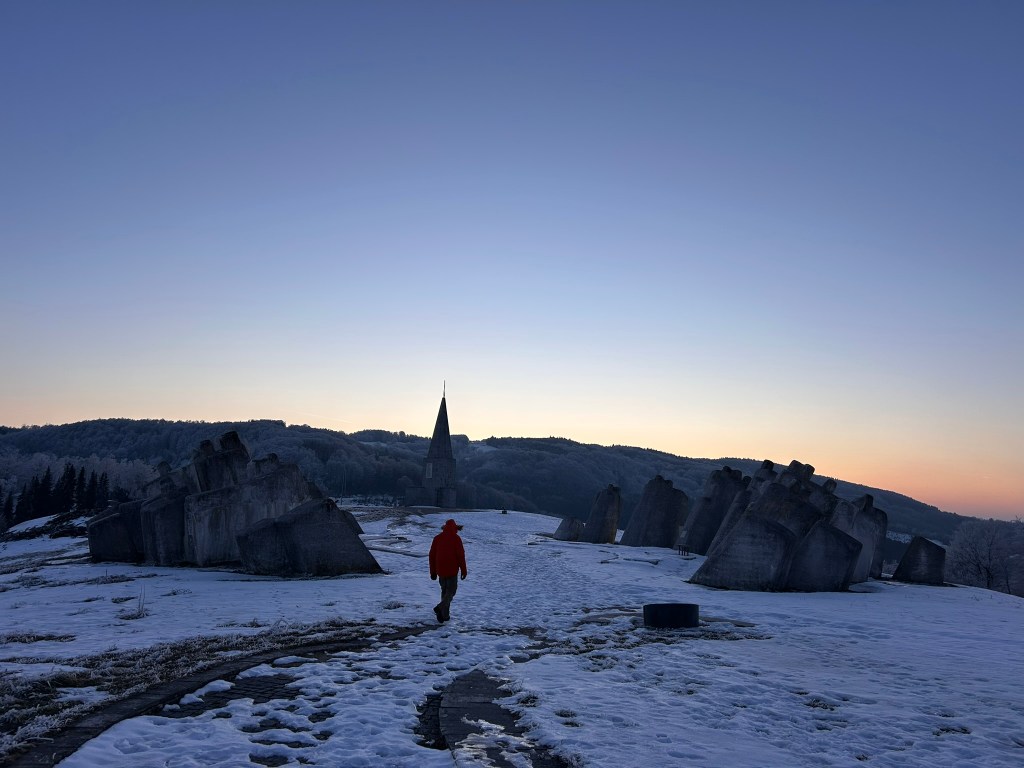
It was poignant and impressive
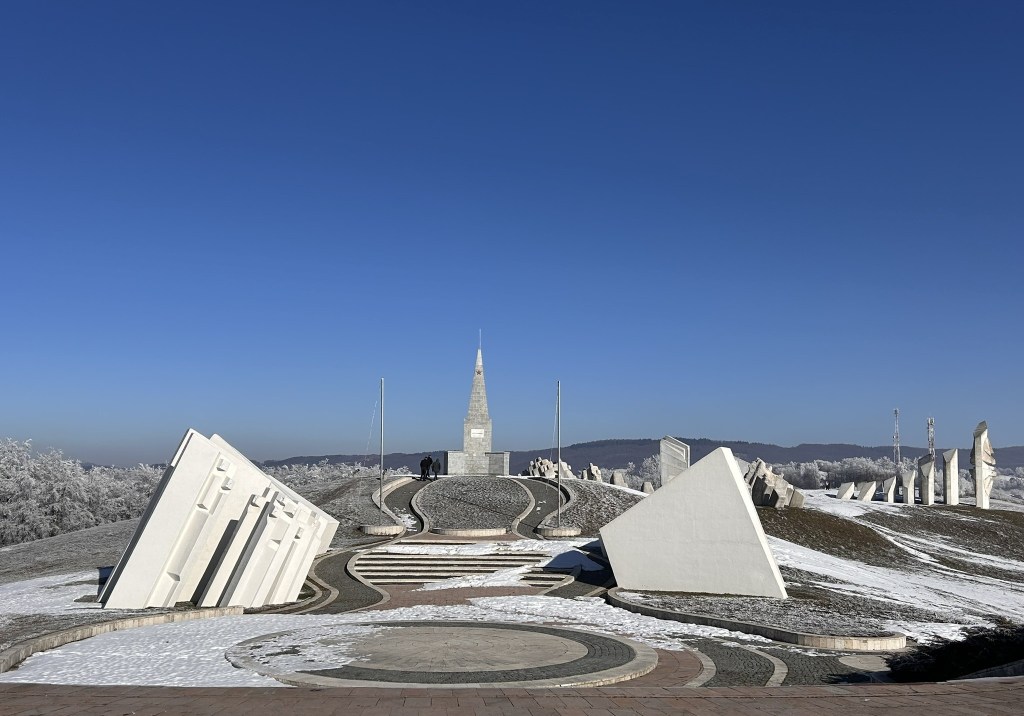
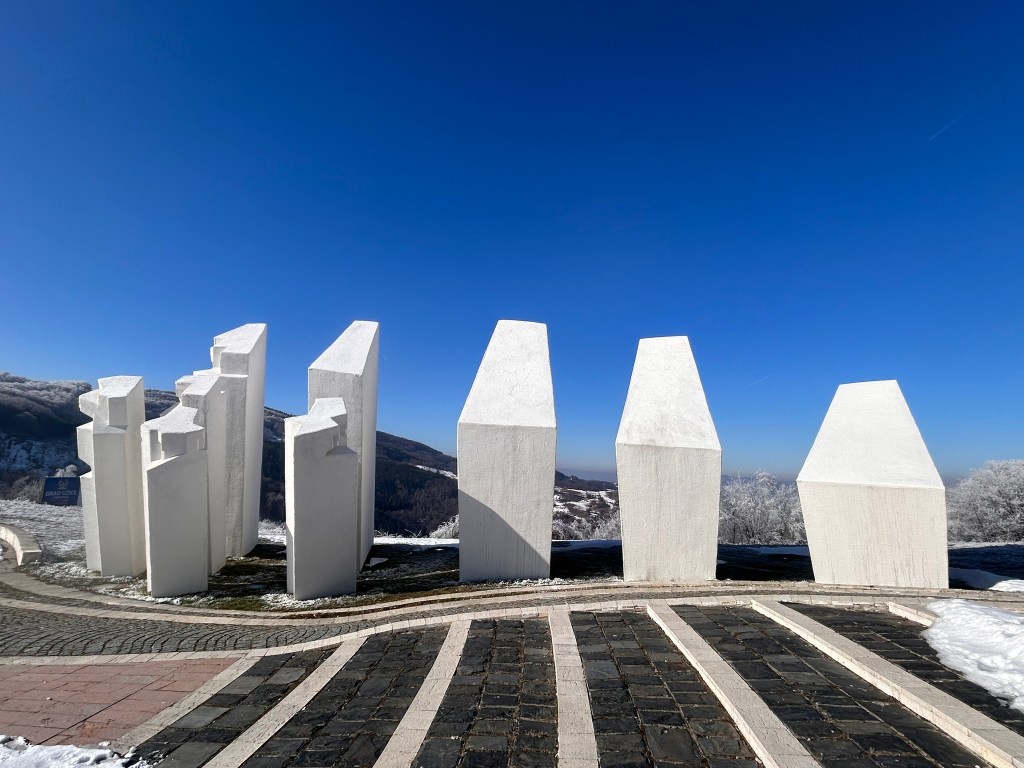
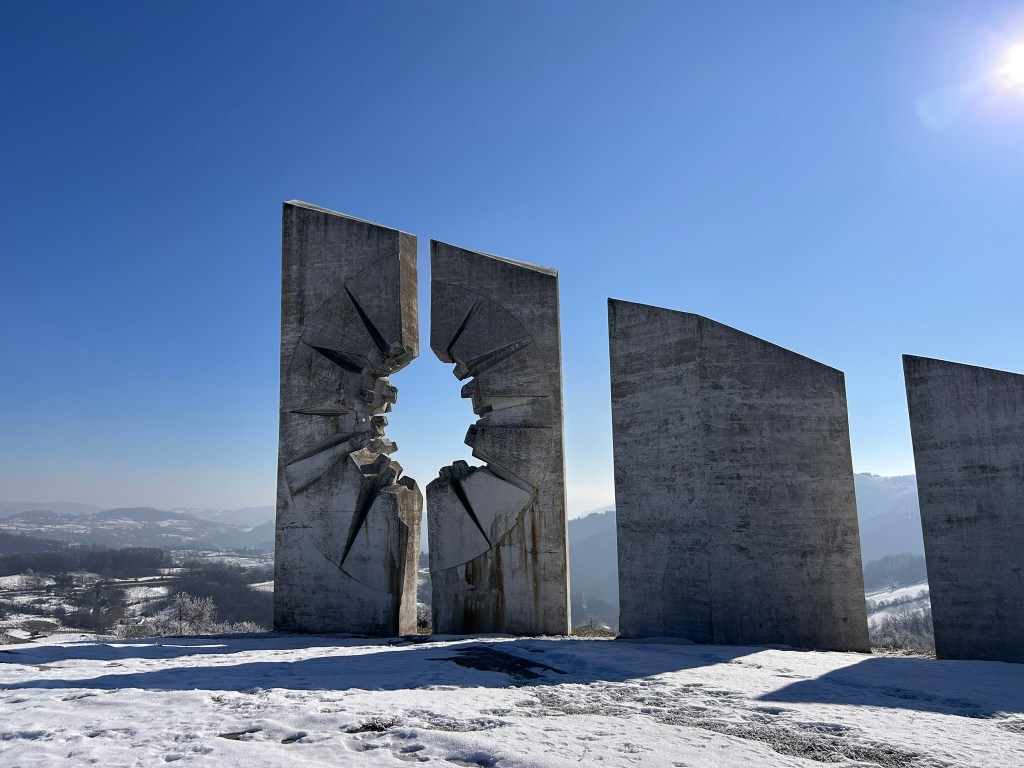
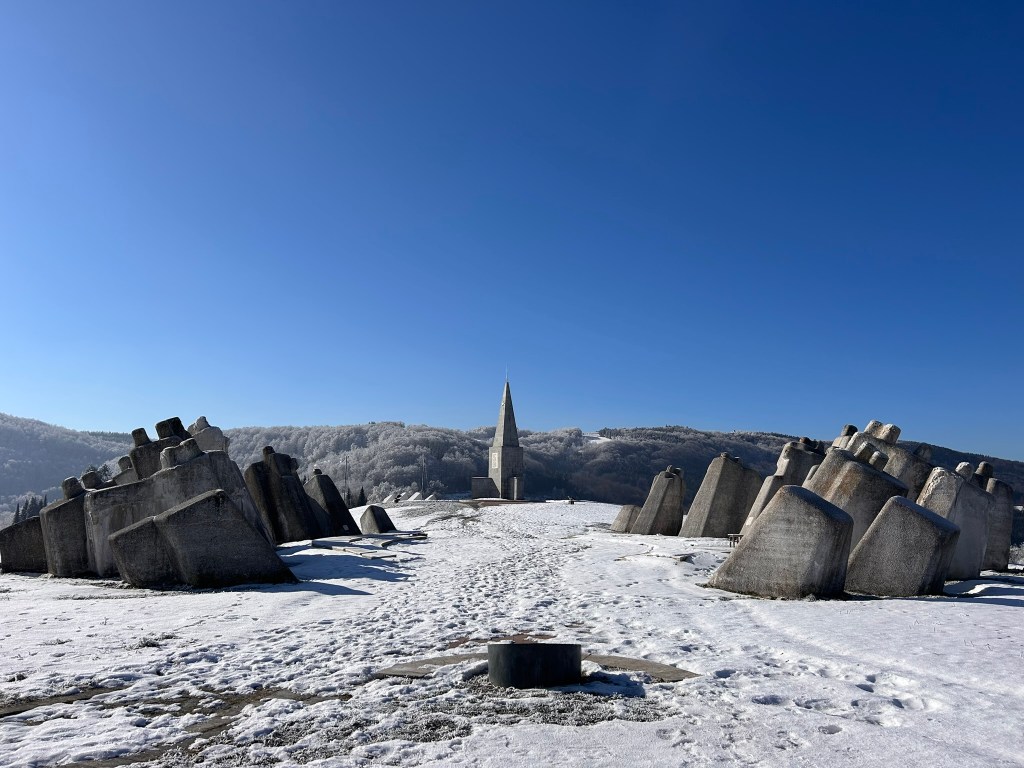
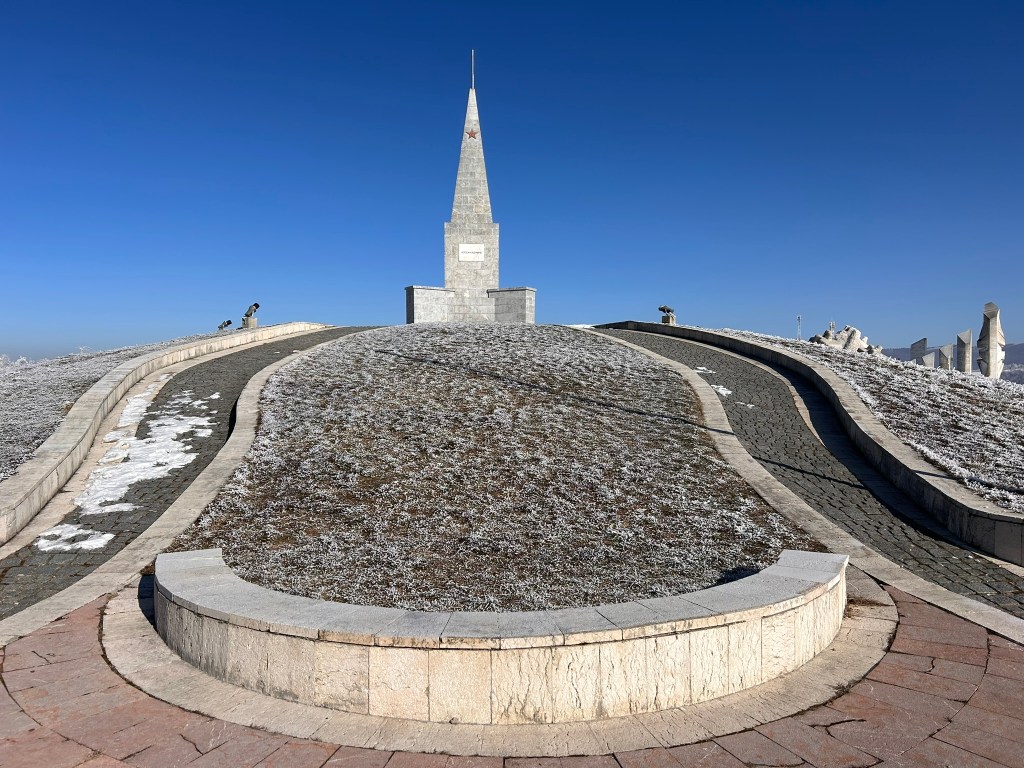
And the views from the top were lovely
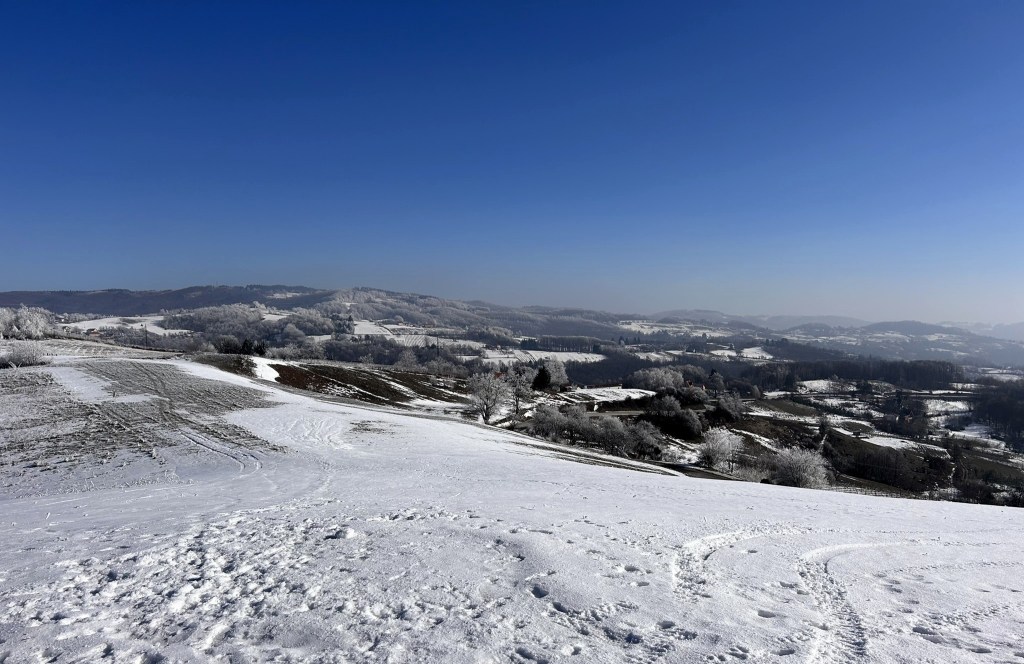
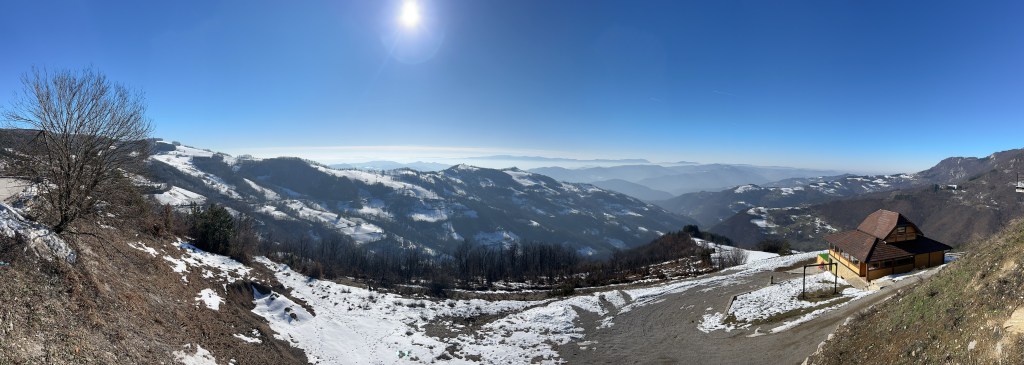
But it was just too cold so after half an hour we climbed inside BigMog’s warm and cosy inside and warmed up over a mug of hot chocolate.
The next morning we decided to do some investigations to try and find the water leak. I stayed in the living quarters watching the tank whilst James drove us in donuts around the small car park – lurching and braking as hard as he could to make the water slosh around
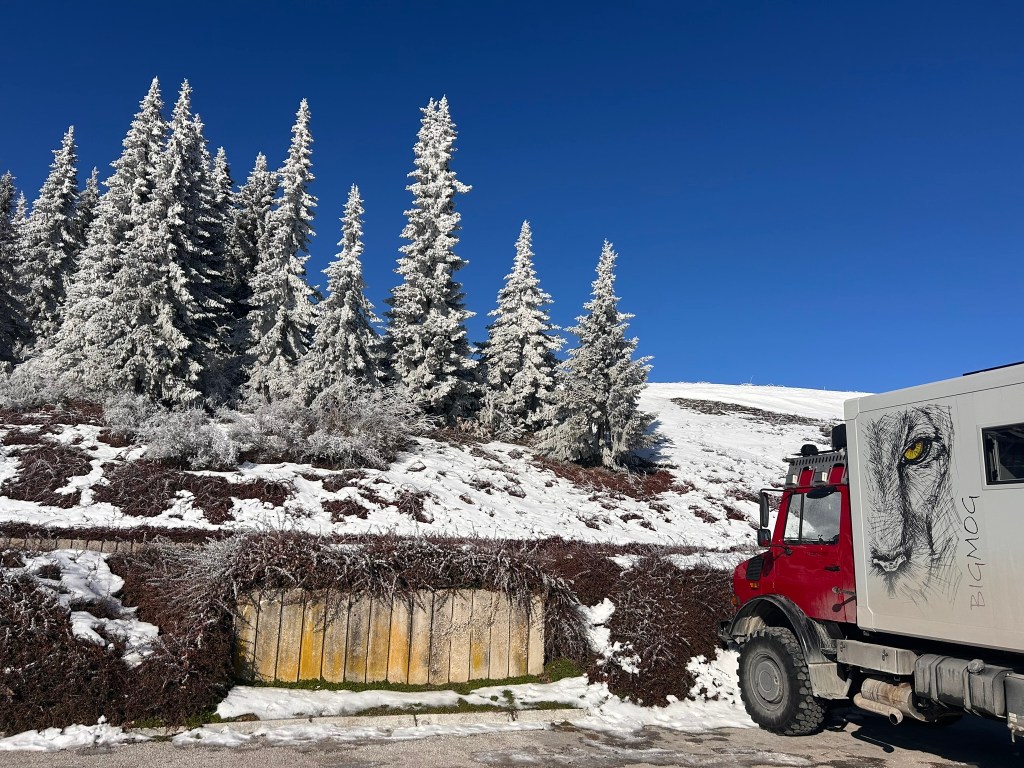
It was no use though, there didn’t seem to be any water coming out of anywhere. So we tied kitchen roll around the two lids and the inlet pipe to see whether there would be any tell-tale wetness after a long drive
By late morning we were heading for the town of Ruma over 200km north and much lower down on the flat plains where we desperately hoped to find some warmer temperatures.
The drive took all day and it was fascinating to see so much of Serbia as we went. The roads were beautiful to drive and the views across the farmland were gorgeous – rolling plains as far as the eye could see.
But as we were driving, I watched the towns and villages go by and noticed how different the layout was to most places around the world. There is no zoning at all – shops, farms and industrial units were built right up against houses. Even the smallest villages were full of acrid smoke from industrial plants spewing smoke out of large chimneys.
And all the buildings were arranged completely ad hoc, there were no discernible streets between them. The houses were built within inches of each other and at random angles. We wondered whether families were building additional houses on their plot for sons and daughters or whether it was just communities being happy to live on top of one another.
There was also litter and rubbish everywhere as there had been in BiH, with the addition of huge rubbish heaps along the roadside.
Between the rubbish and the industrial smoke, the country appeared generally dirty. What I couldn’t work out was whether it really was dirty or whether it was just because of the old snow on the ground that had become brown and muddy over time.
We stopped halfway for lunch and checked the water tank again. From the state of the kitchen roll, the water appeared to be coming out of the two lids so James took them off, covered the rubber seals with silicon grease and replaced them. And when we finally made it to Ruma and parked up on the edge of town, we found there was no more water leak – the silicon grease had done the trick.
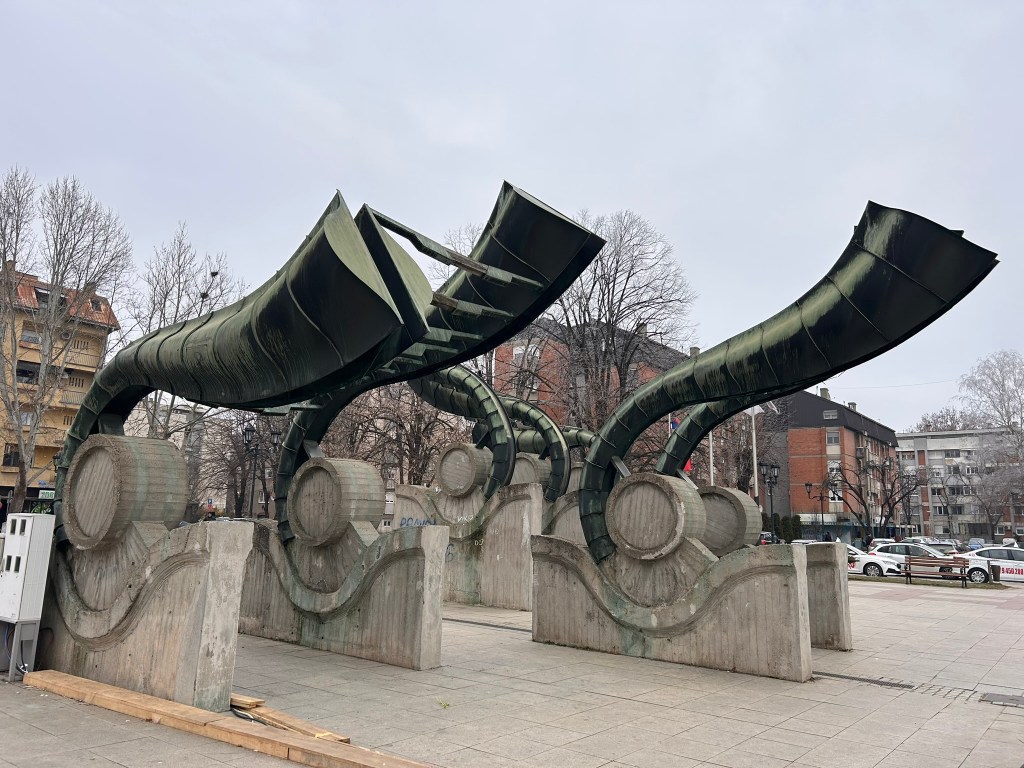
Ruma was just a stop along the way to the Fruska Gora National Park but there was a monument in the centre of town that we wanted to see – seven trumpets symbolising the seven Vojvodina People’s Liberation Brigades in their fight for freedom against Nazi Germany.
We walked into the town to find it the next day but I have to be honest and say it wasn’t the most impressive monument we have seen
There wasn’t much else to do in the town so we hopped back into the truck and carried on our journey towards the town of Irig.
Fruska Gora is famous for two things. Firstly, 35 monasteries were built in the Ottoman era, which played a key role in protecting Serbian identity and the Orthodox religion during the period of Turkish occupation between the 14th and 18th centuries. 16 of these remain and are tucked away amongst the hills.
The second thing is the vineyards and the lovely wine they produce. There are many wineries dotted around, most of which offer tastings, tours and lunches – not to mention being happy to sell you as many bottles as you want.
We intended to see as many of the wineries and the monasteries as we could. Not least because it is a beautiful part of Serbia and spending a few days here was not going to be any hardship.
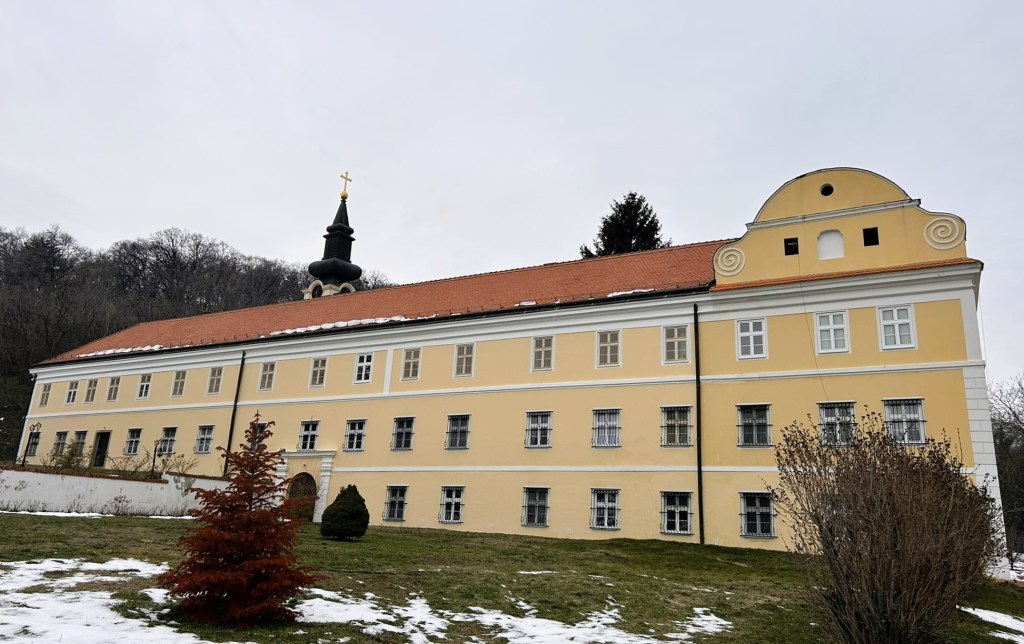
On arrival at Irig we visited our first two monasteries – Novo Hopovo
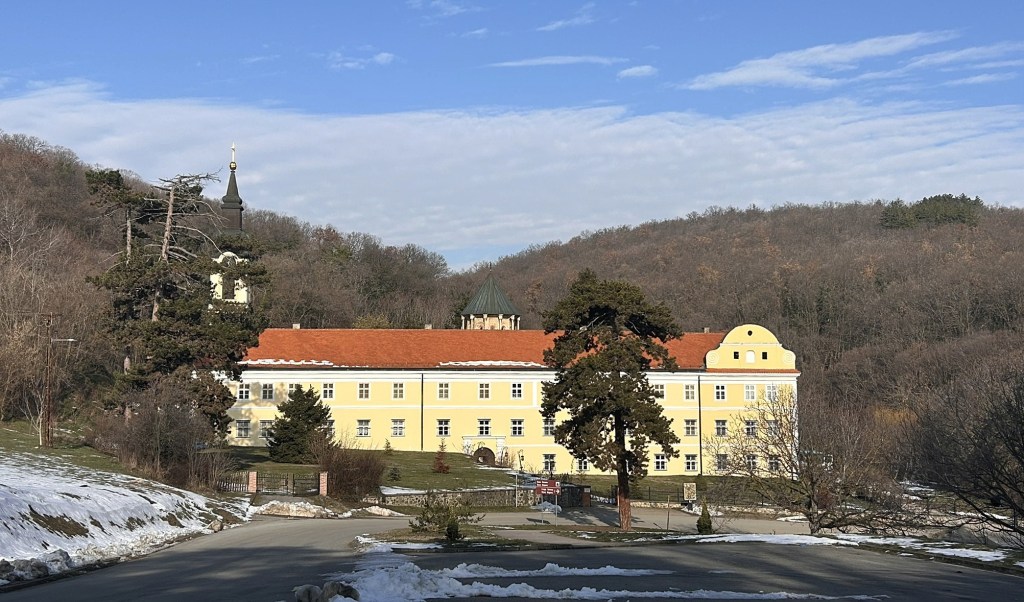
A lovely, well maintained and quite large place where we bought green walnut brandy
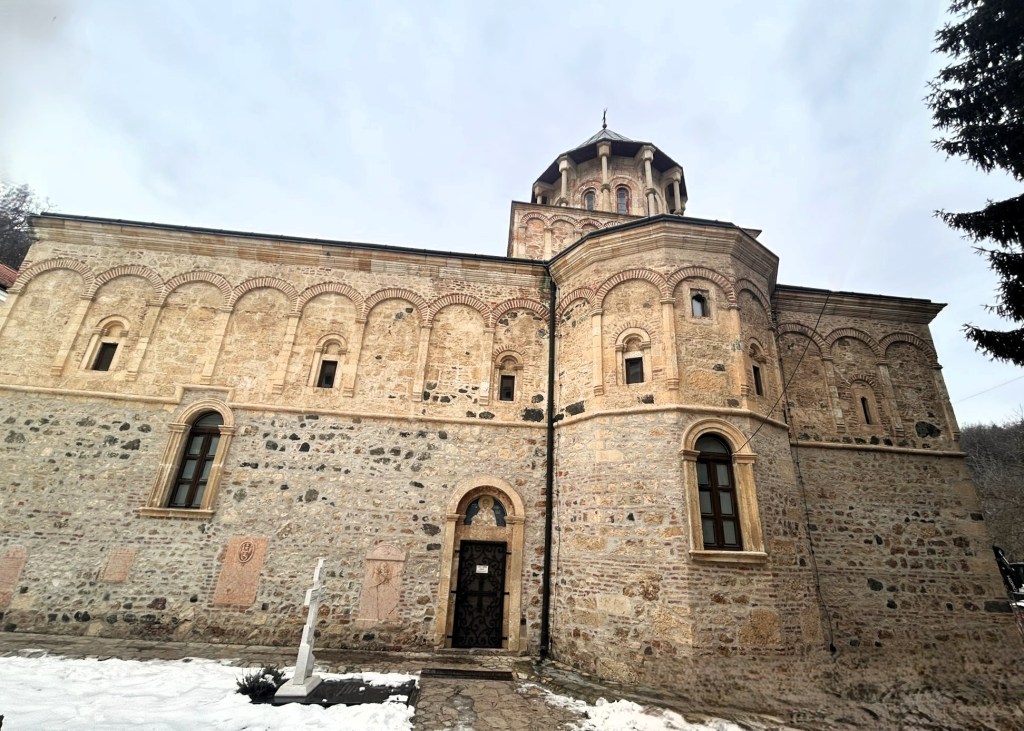
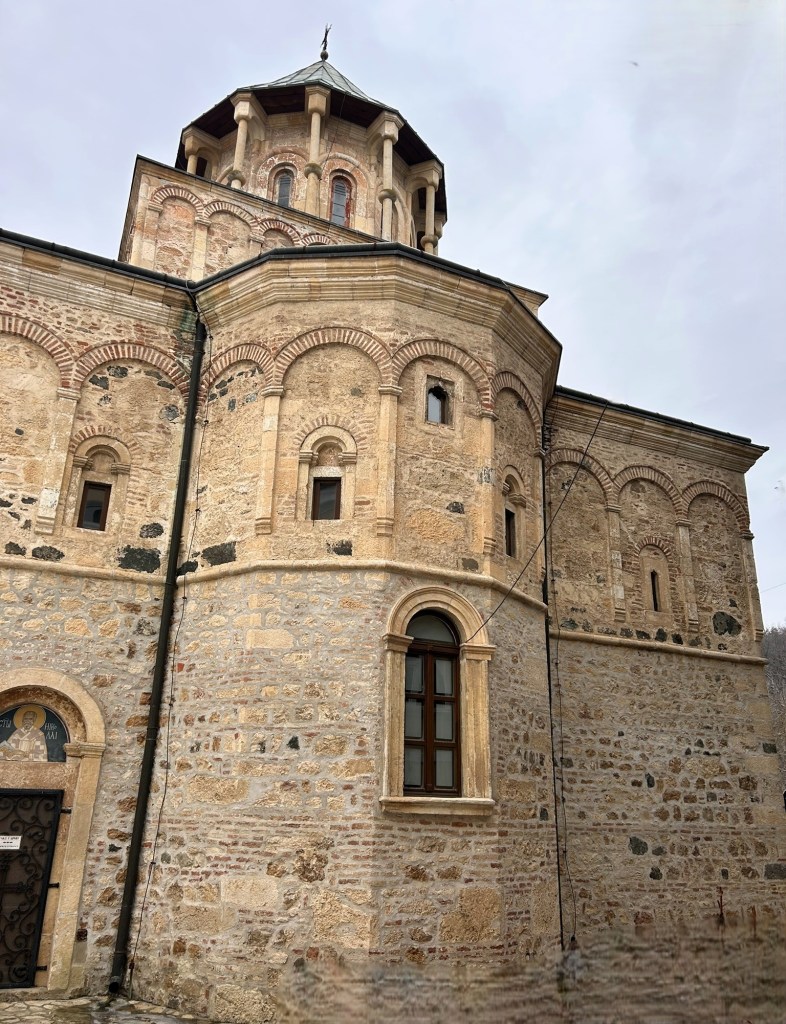
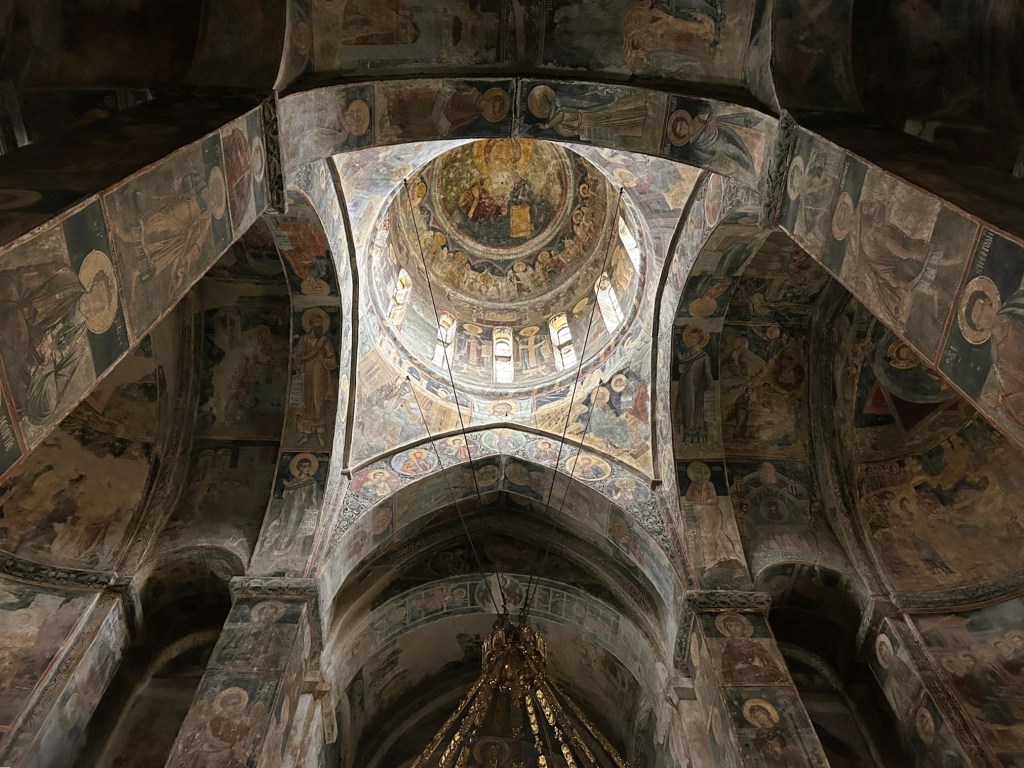
The walls of the church were covered in 16th century frescoes
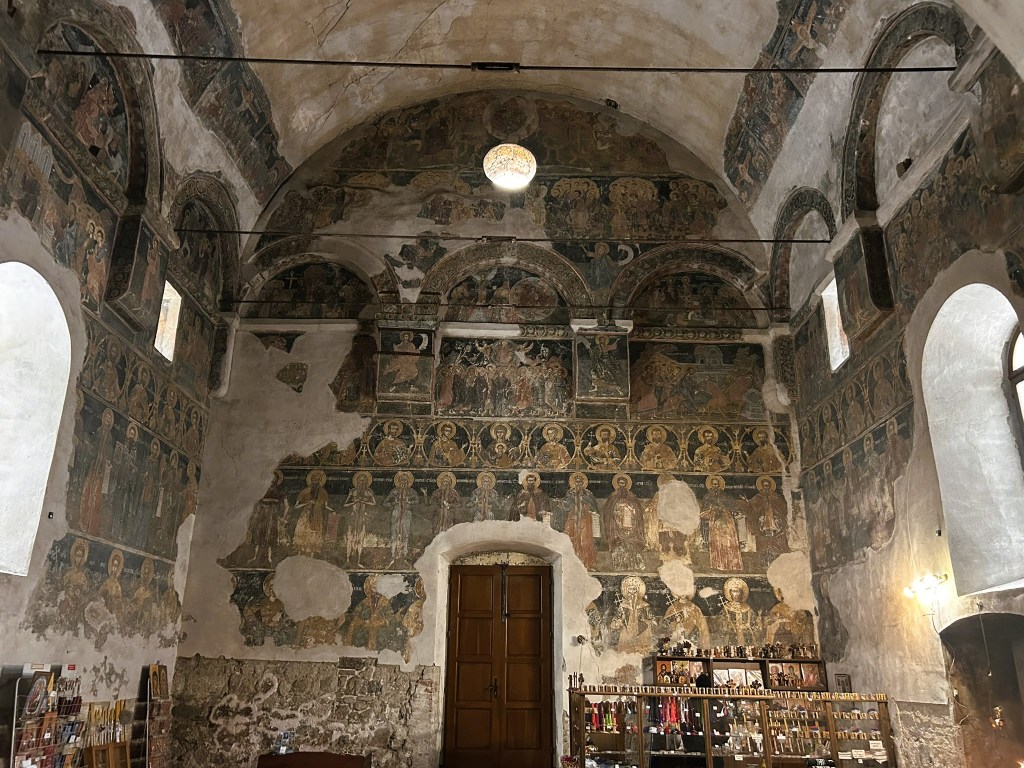
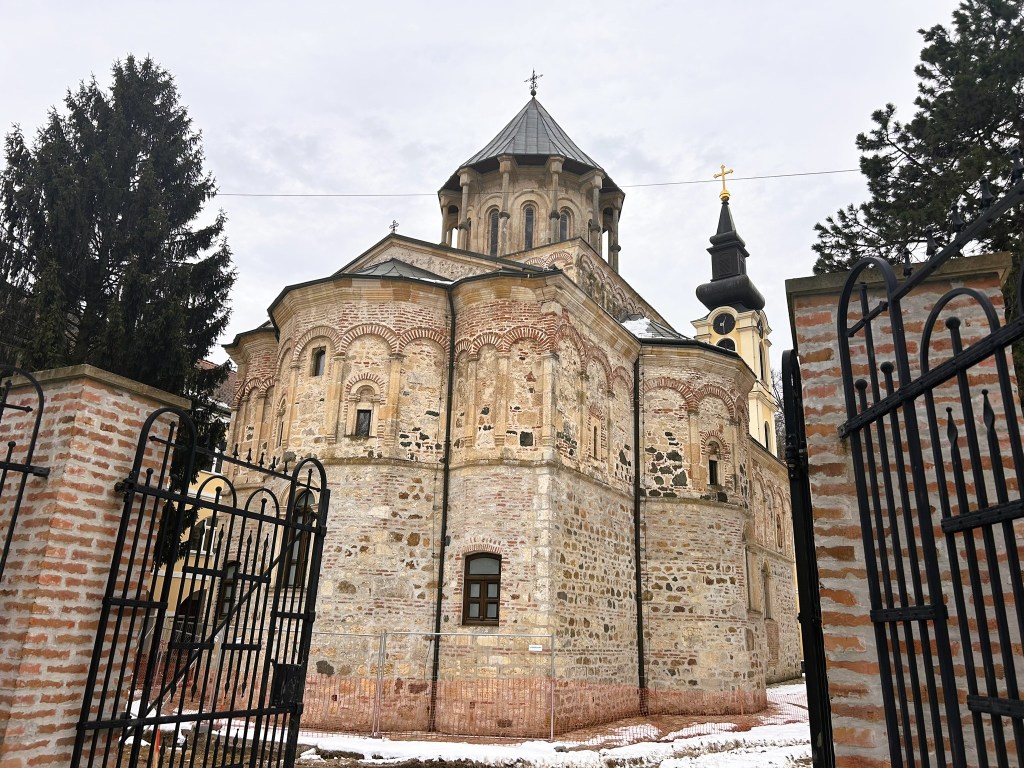
We then drove 2km down the road to Staro Hopovo
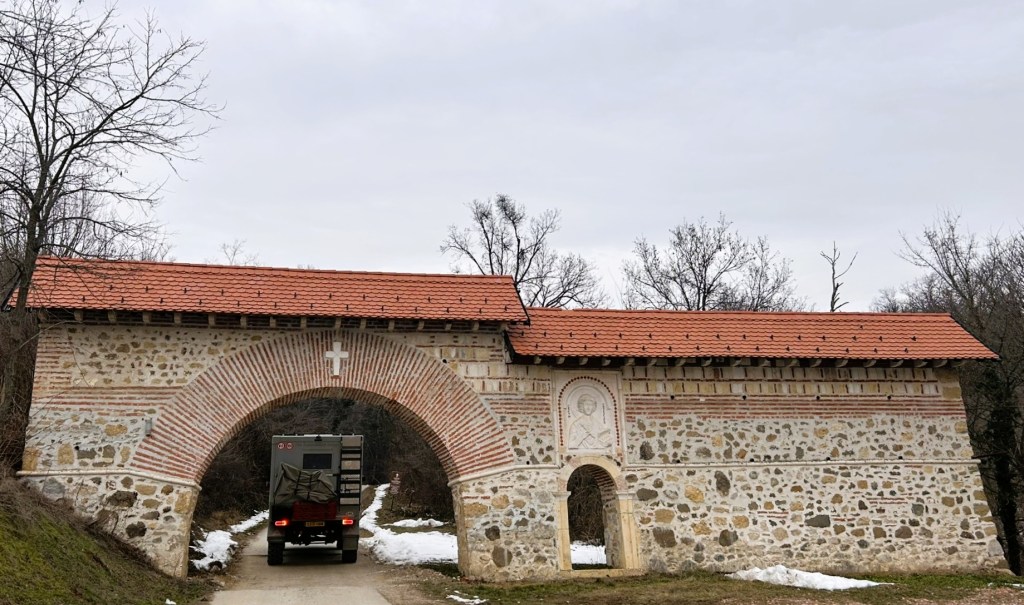
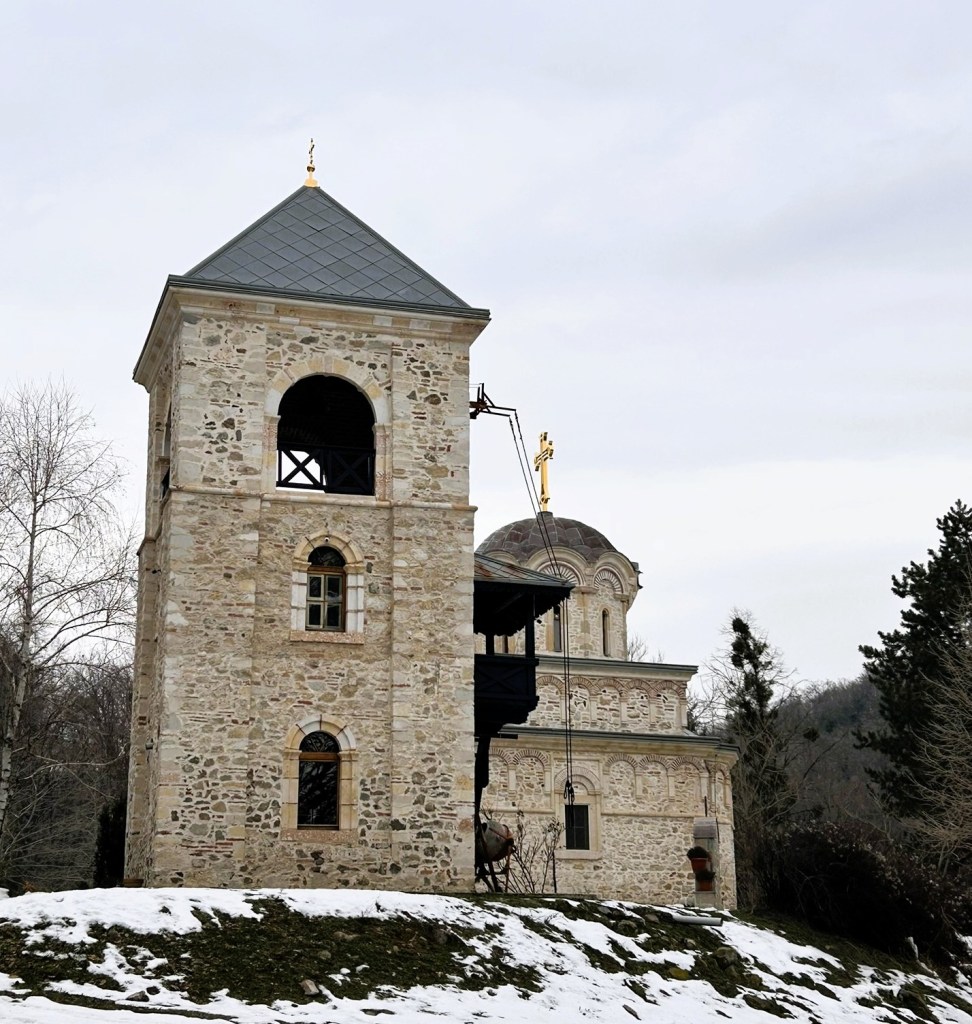
Which was very small and isolated
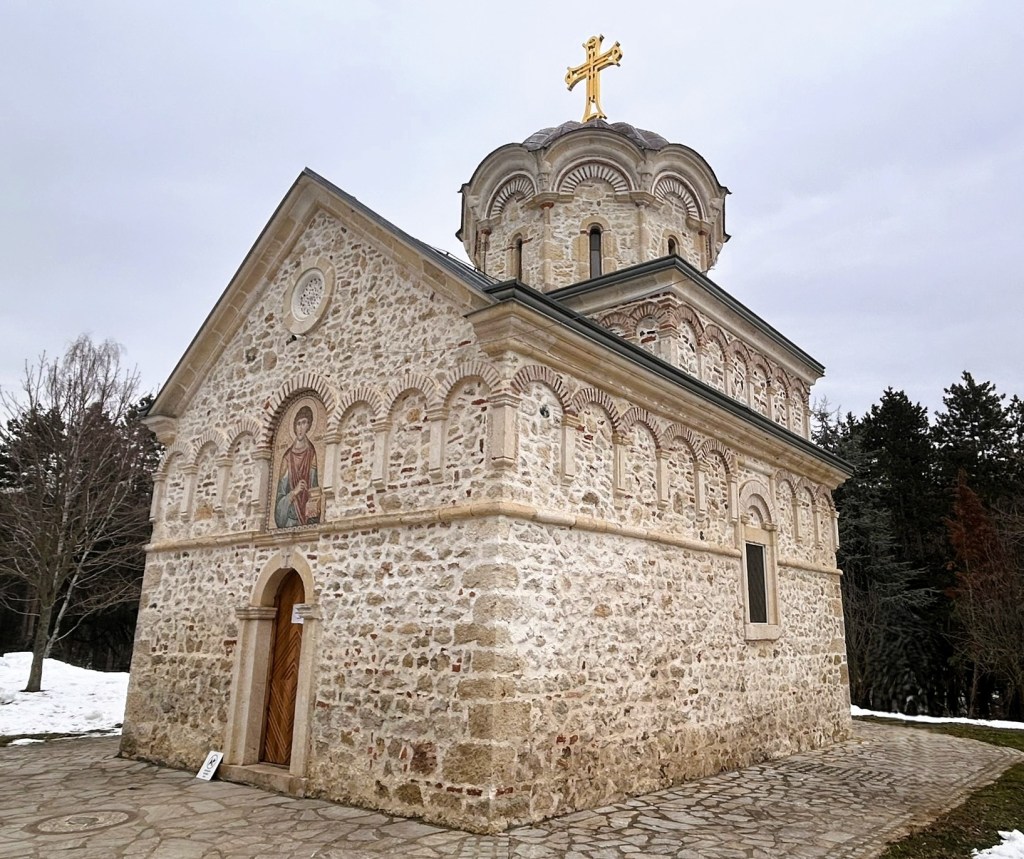
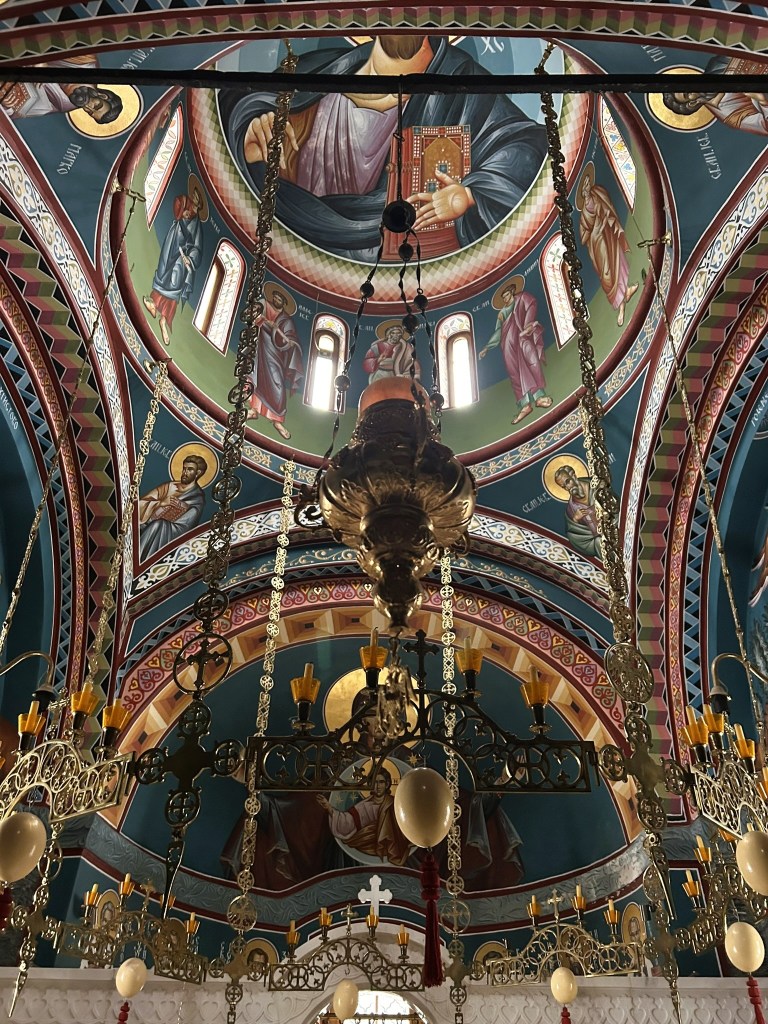
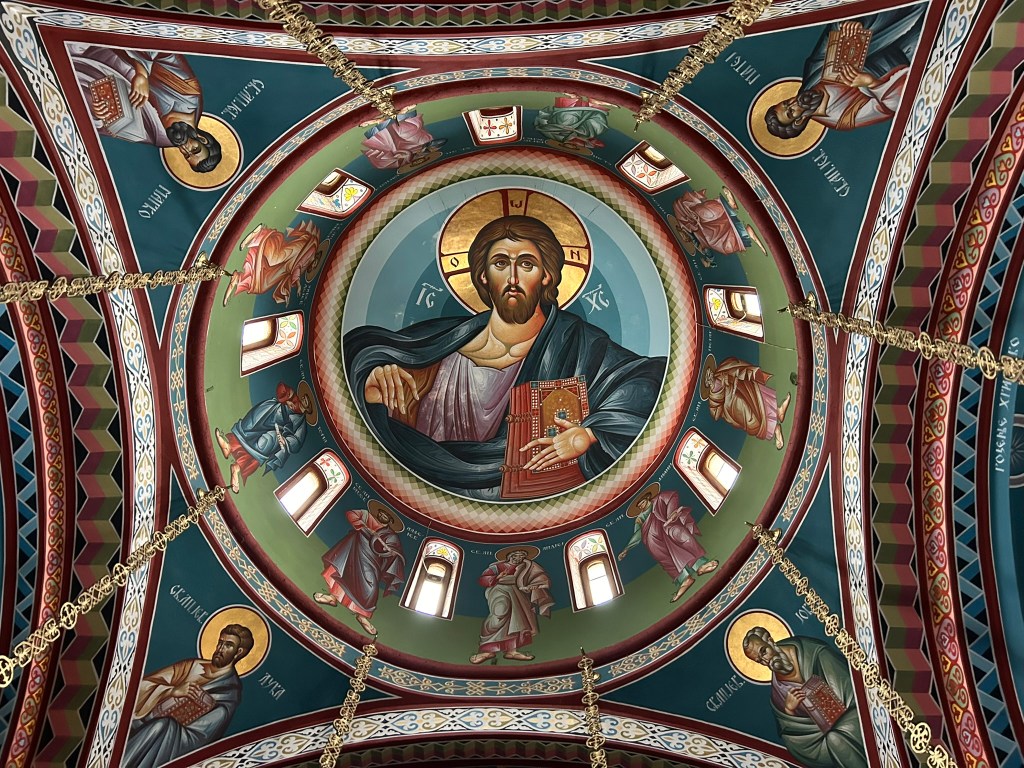
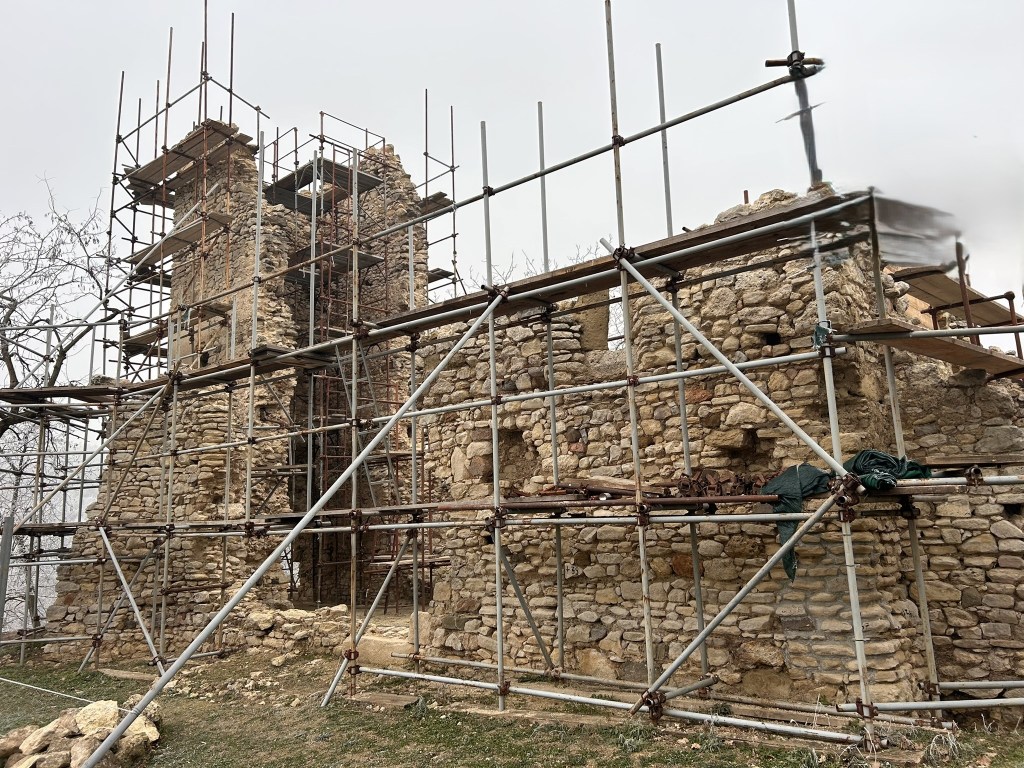
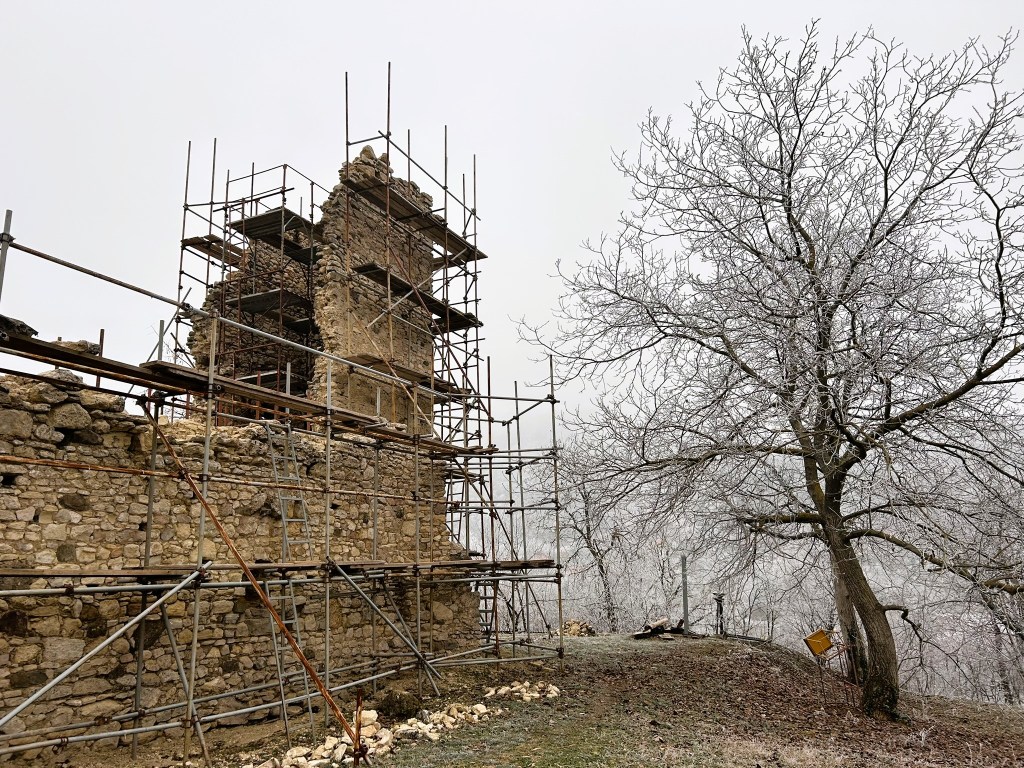
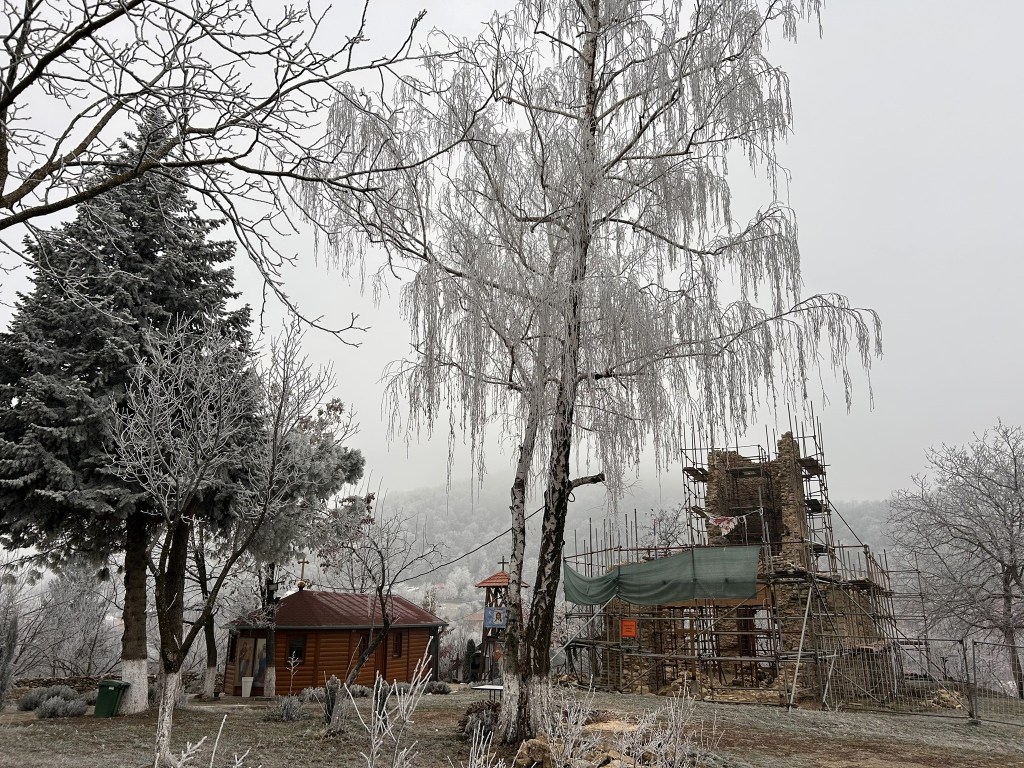
We detoured to the ruins of Savinac
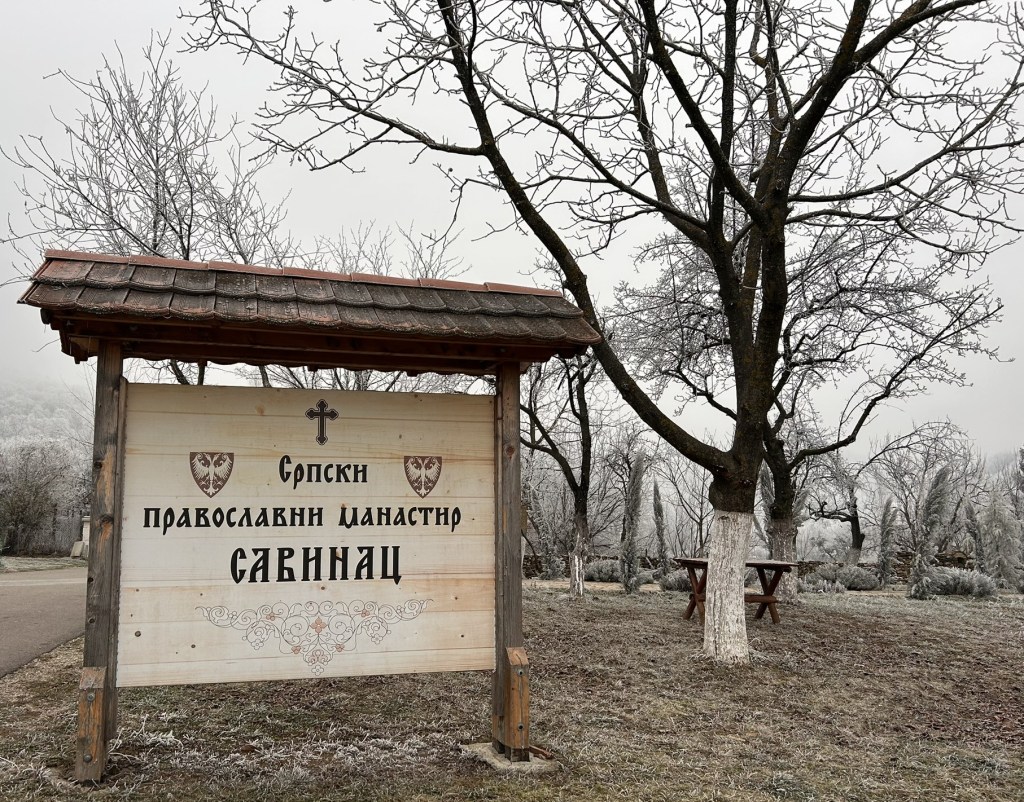
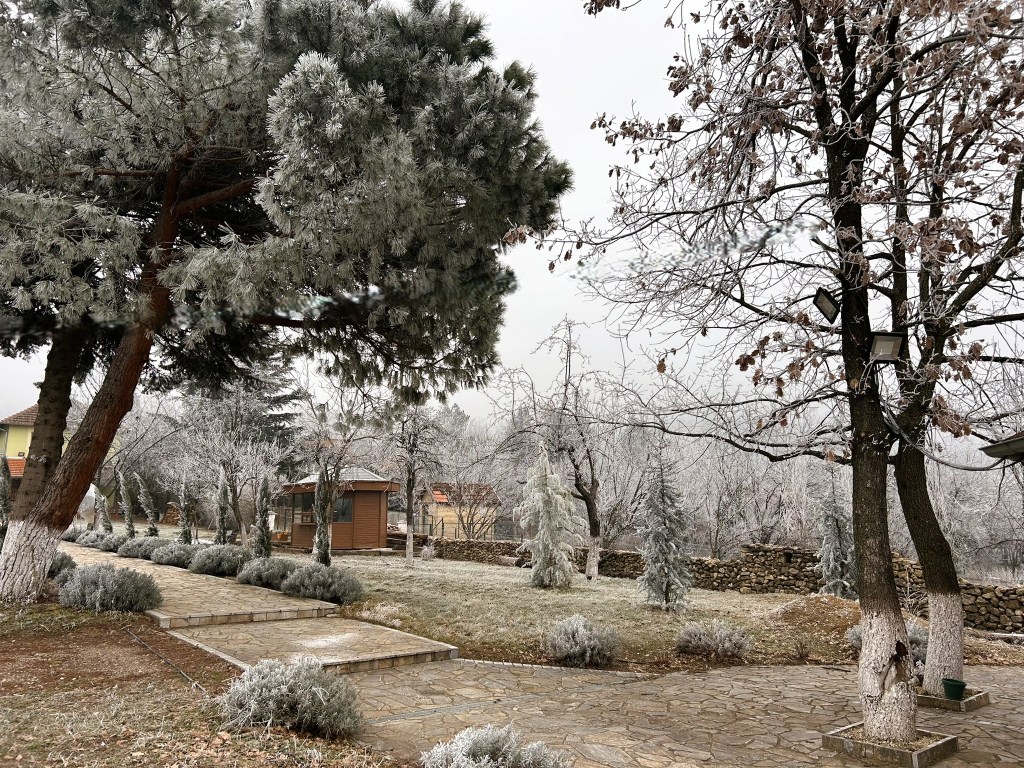
Which were in an idyllic location but the scaffolding made it hard to picture what the church would have been like in its heyday
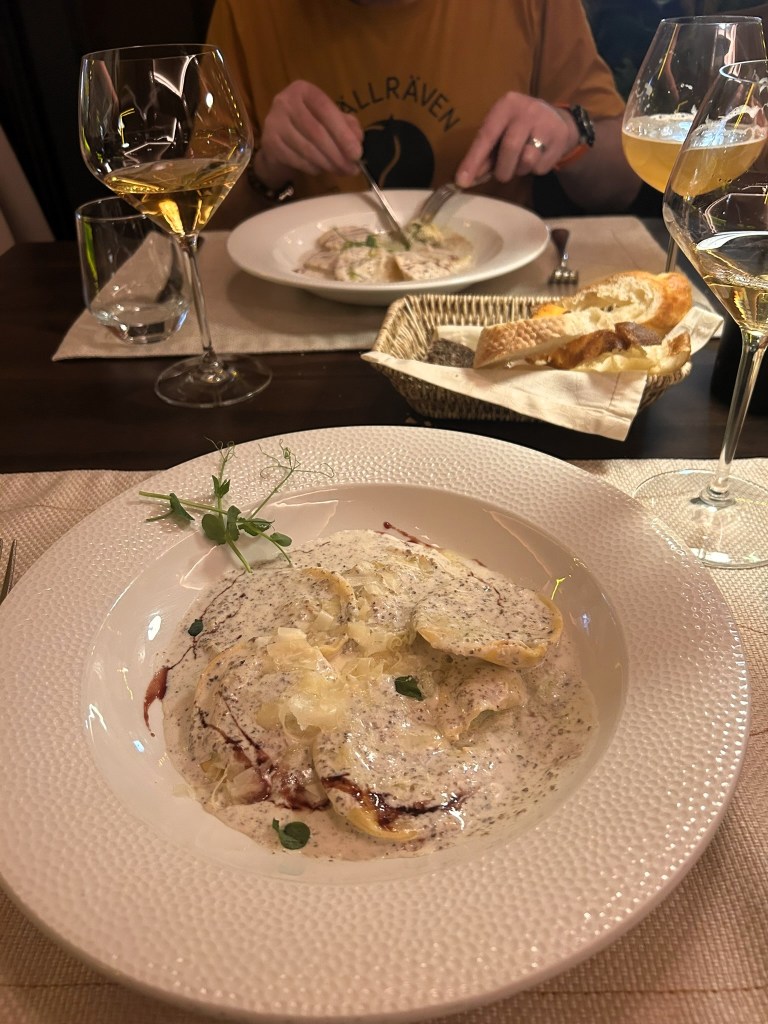
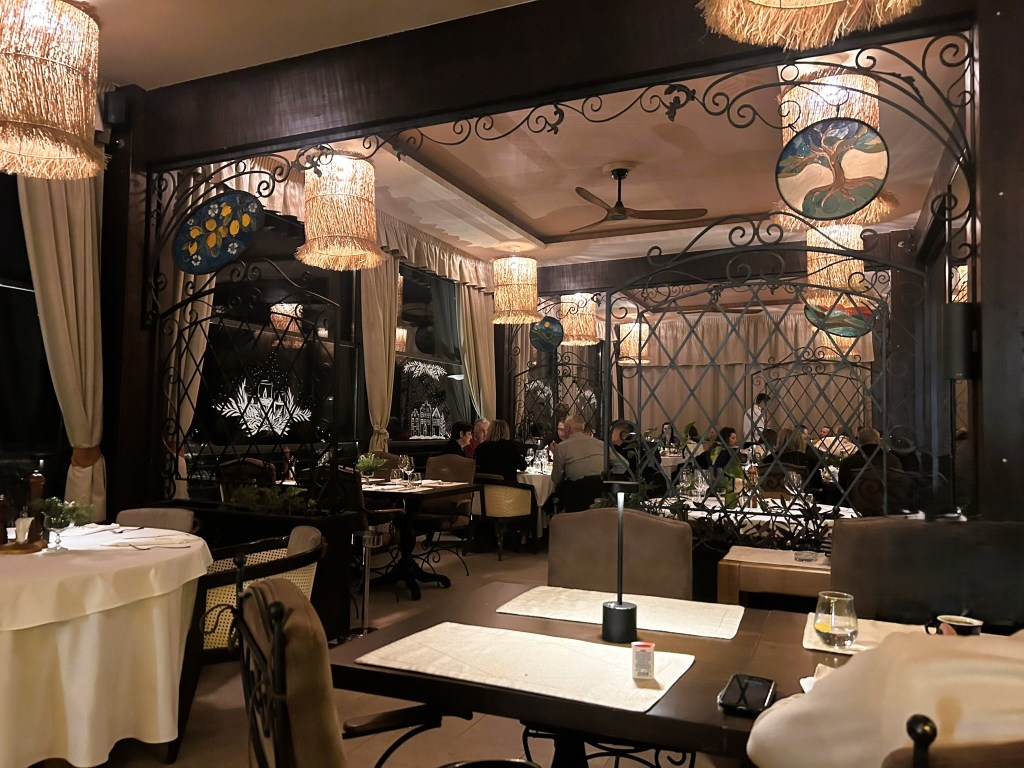
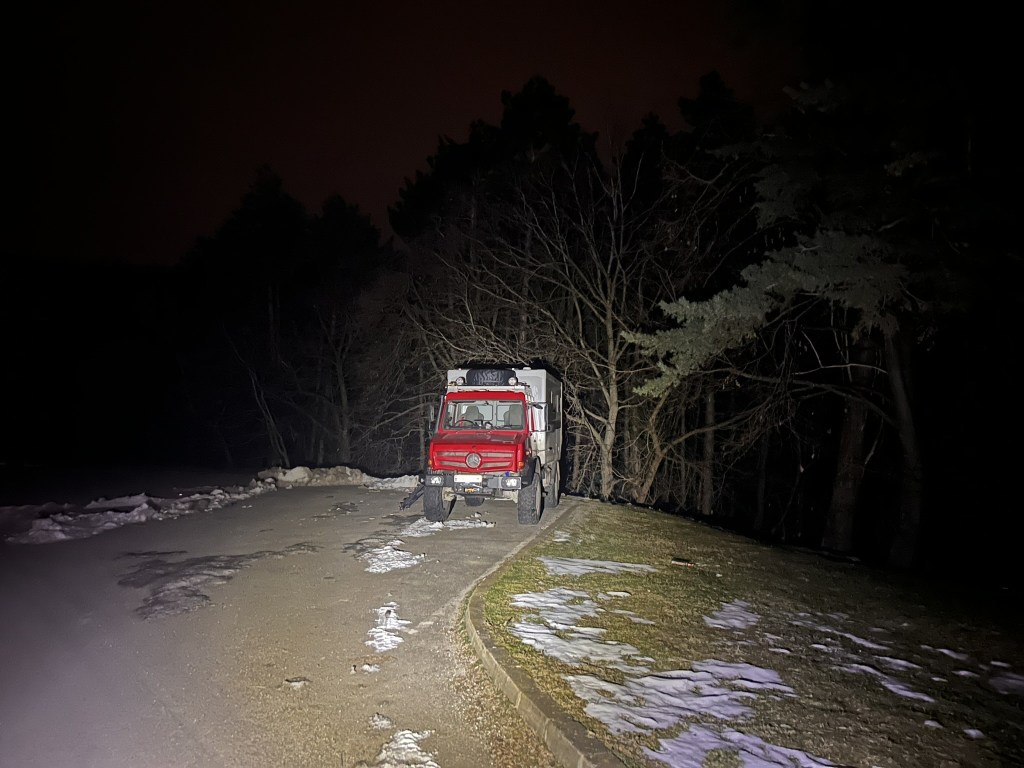
We returned to the car park at Novo Hopovo where we could stay overnight and walked up the hill into town for an absolutely spectacular – and very expensive! – dinner at Vinska Kuca Kovacevic winery
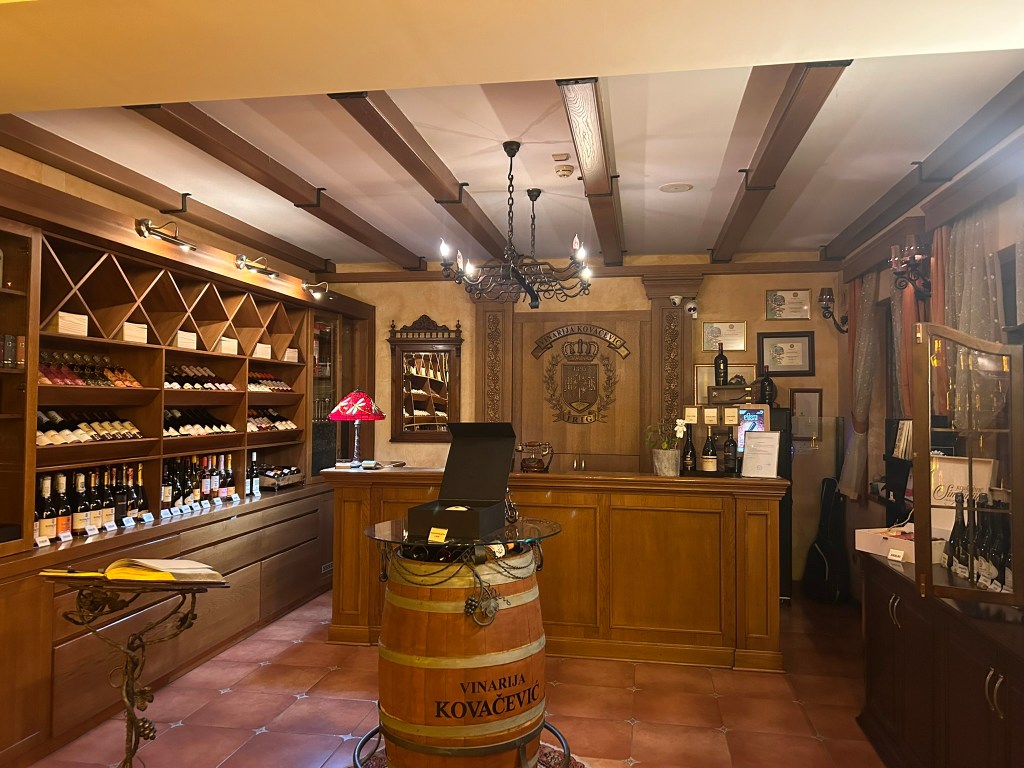
The food was amazing
And the whole place oozed atmosphere
We waddled out feeling a little ill with too much food but the 1.5km walk back to BigMog sorted that out
The next morning we drove up to the Fruska Gora viewpoint and did a quick walk in the snow through the trees
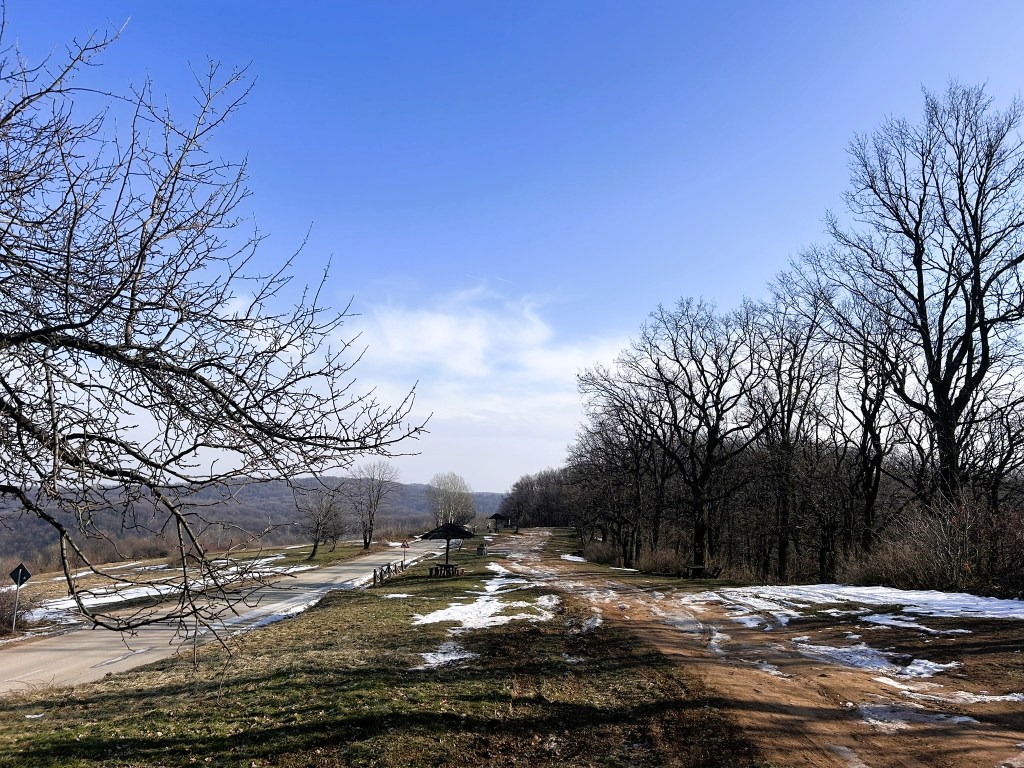
It was lovely with the cold, fresh air in our lungs
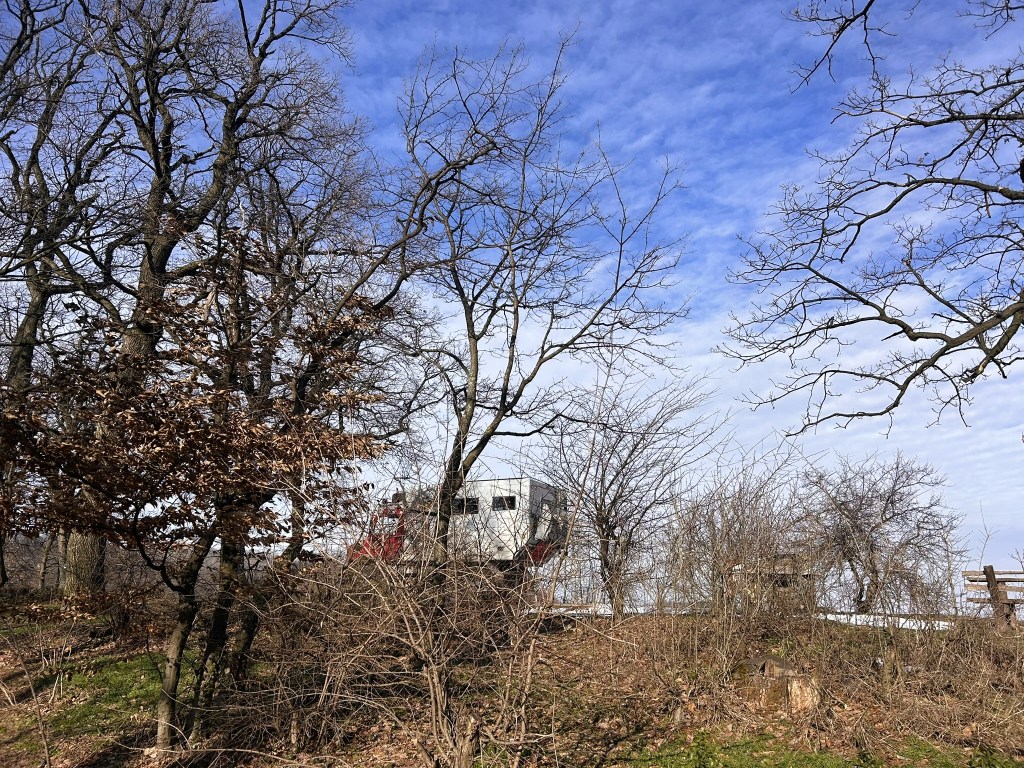
We came across an abandoned hotel which looked as though it must have been lovely in its day
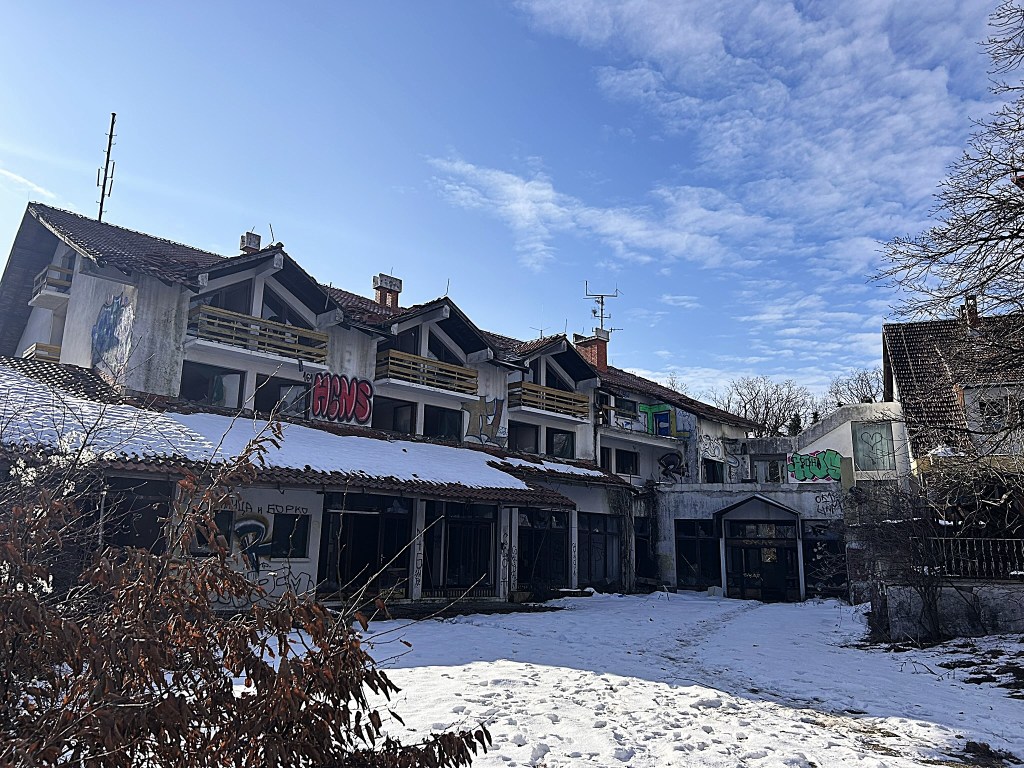
Not for the first time, and certainly not for the last, we wondered why Serbia doesn’t attract more tourists to keep places like this open.
It was then time to start working our way through as many of the Ottoman monasteries as we could. And, in fact, over the next few days we managed to see all 16 of them. There is a distressing condition in Serbia known as ‘monastery fatigue’, common amongst visitors to Fruska Gora, but we managed to catch only a small whiff.
In order not to infect you with too much of it, I will try to speed through them as succinctly as possible and dwell only on the major highlights.
The monasteries are open and very welcoming to visitors but you can only go inside the churches, everything else can only be seen from the outside.
So, after Novo and Staro Hopovo, our next one was Ravanica Vrdnik
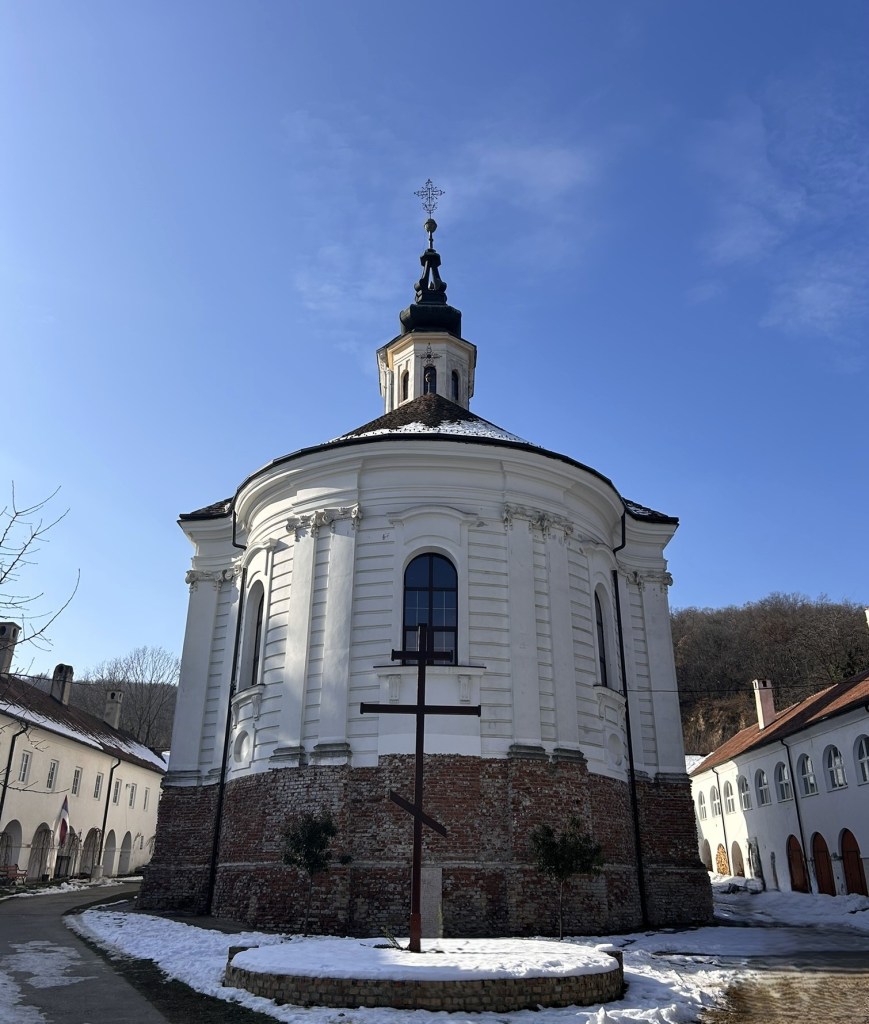
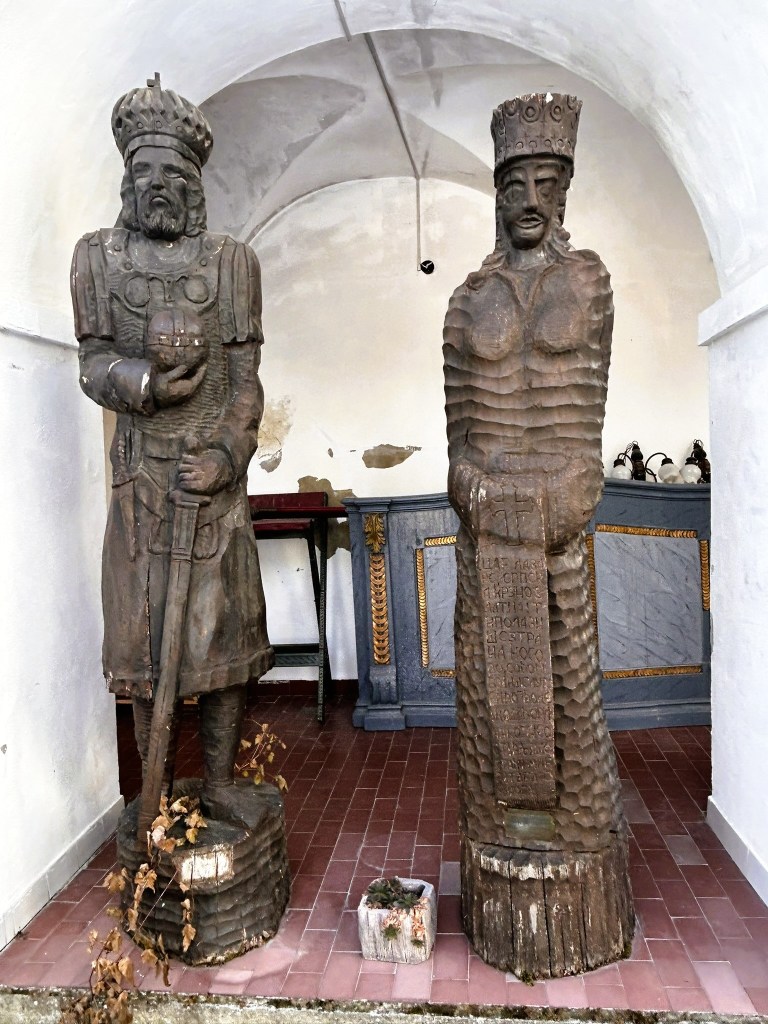
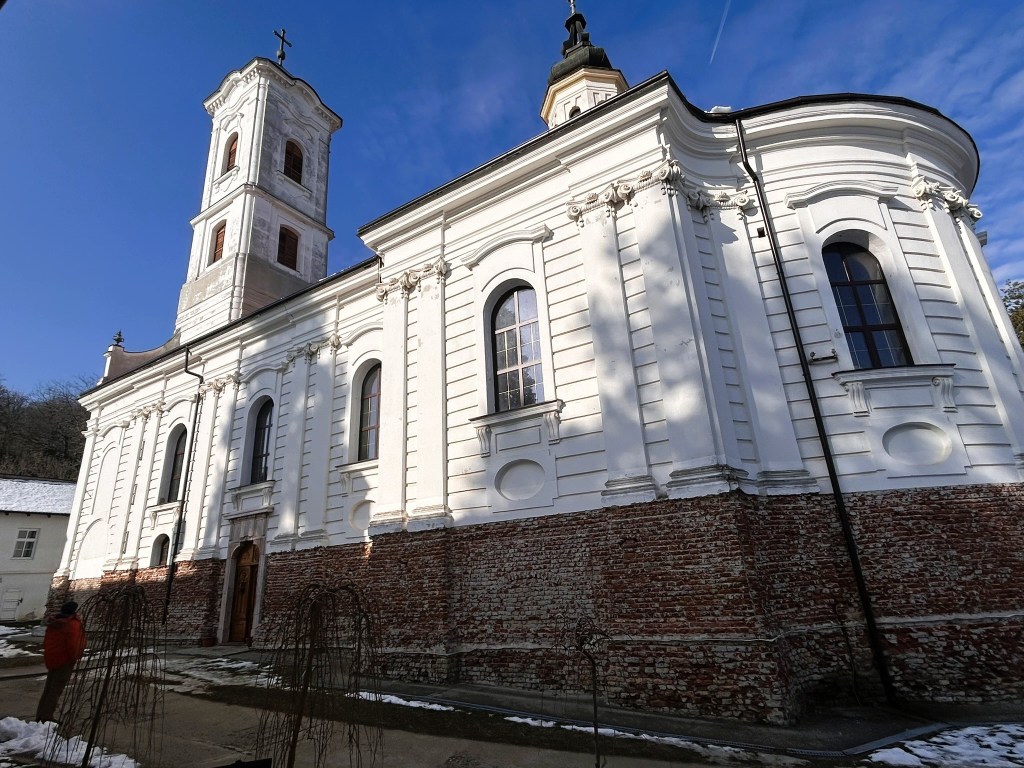
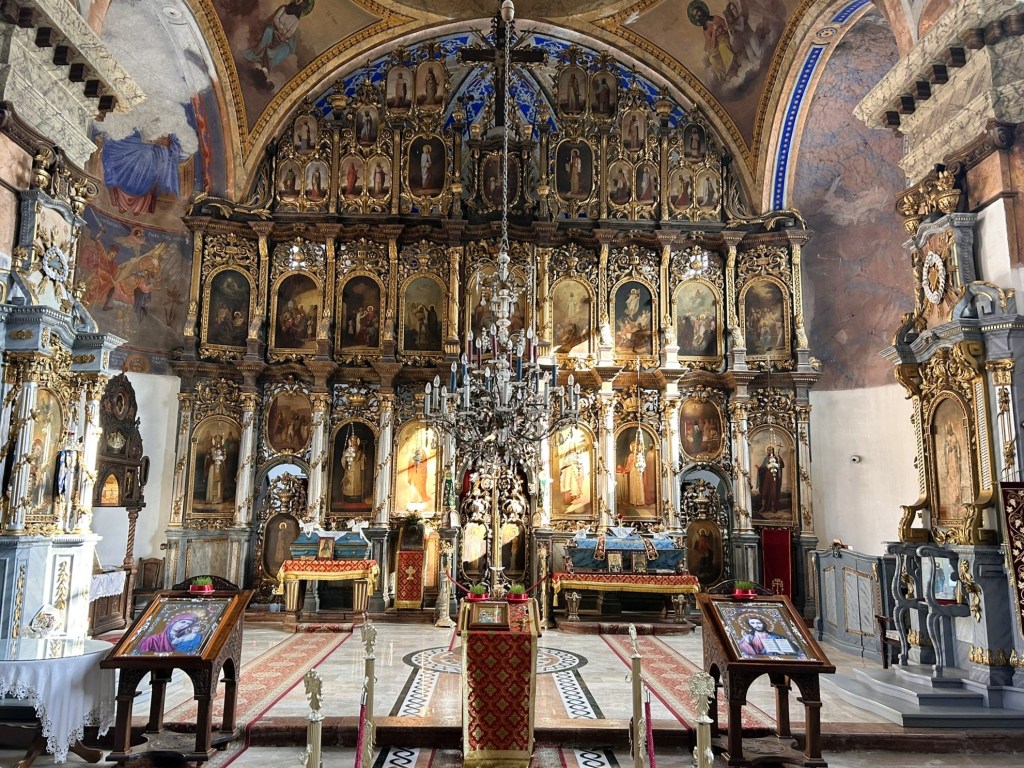
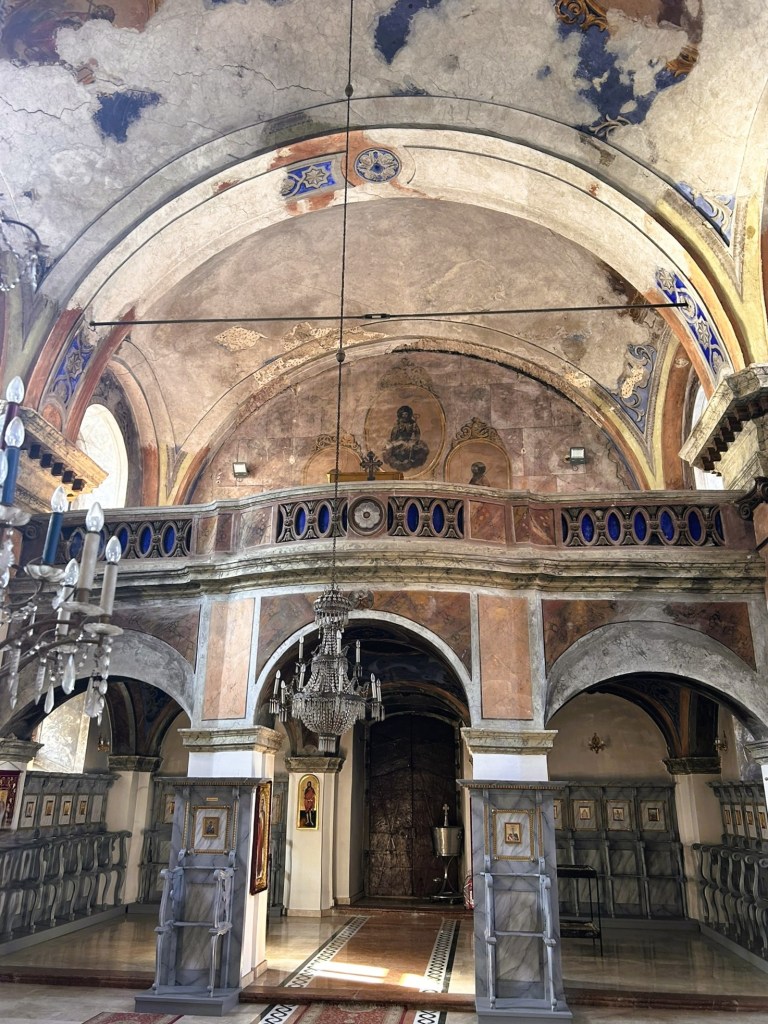
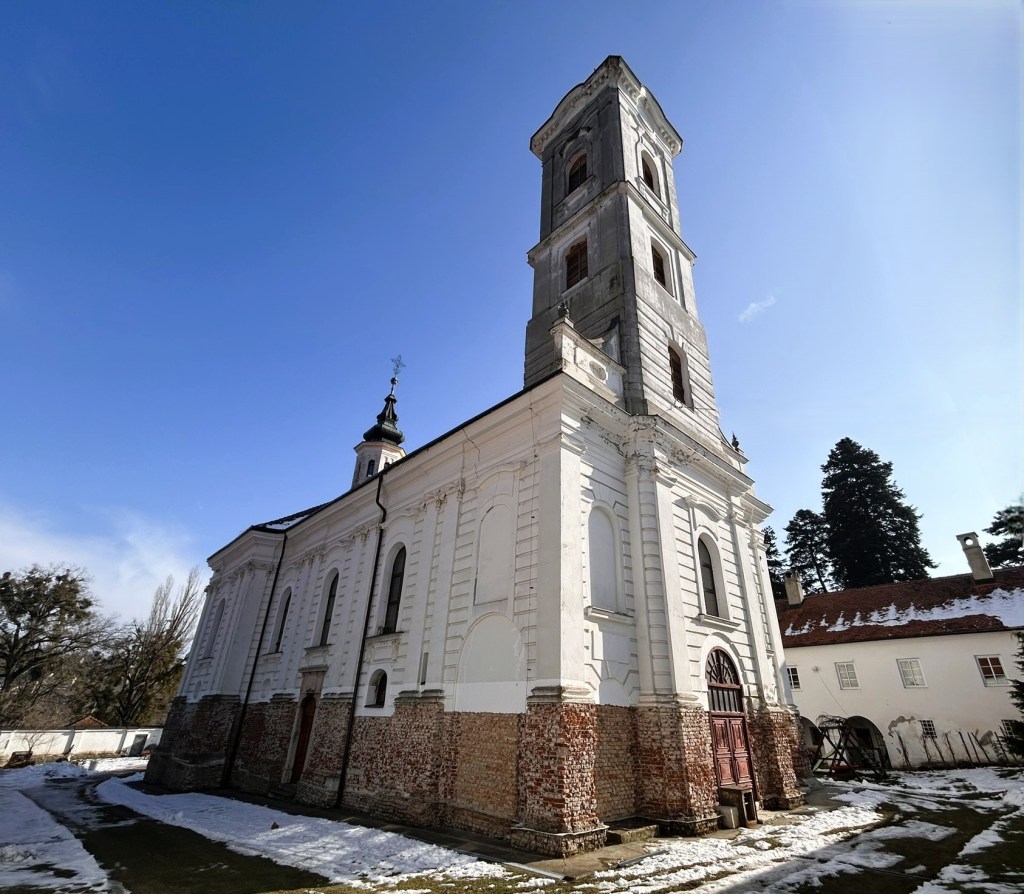
Then Jazak where we had to ring the bell for entry
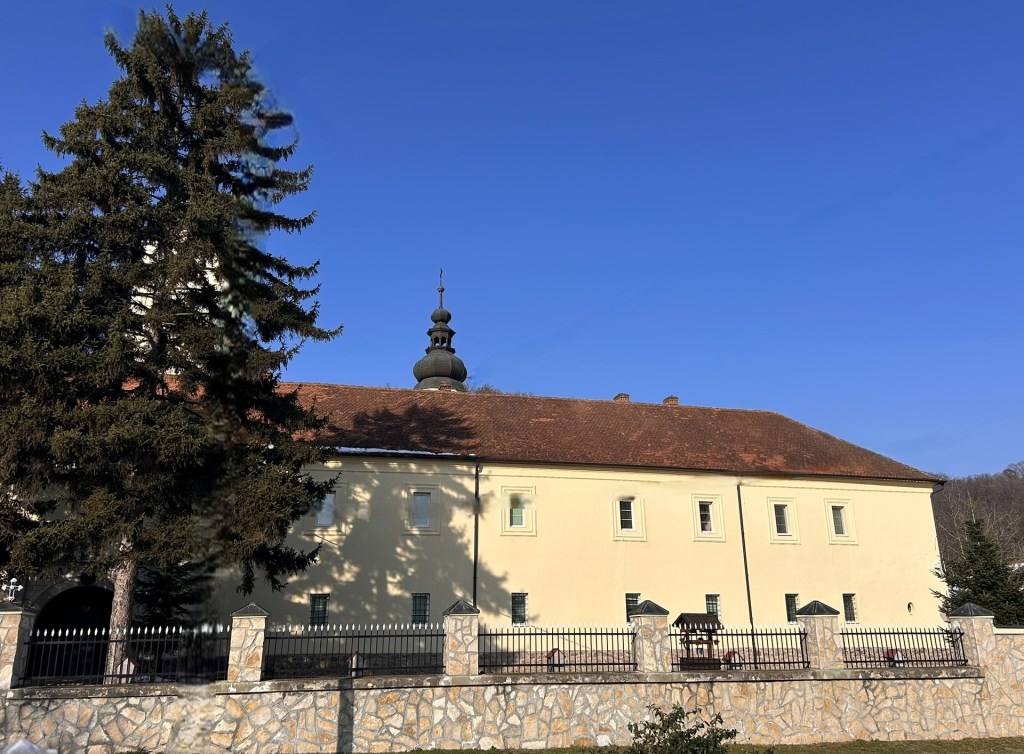
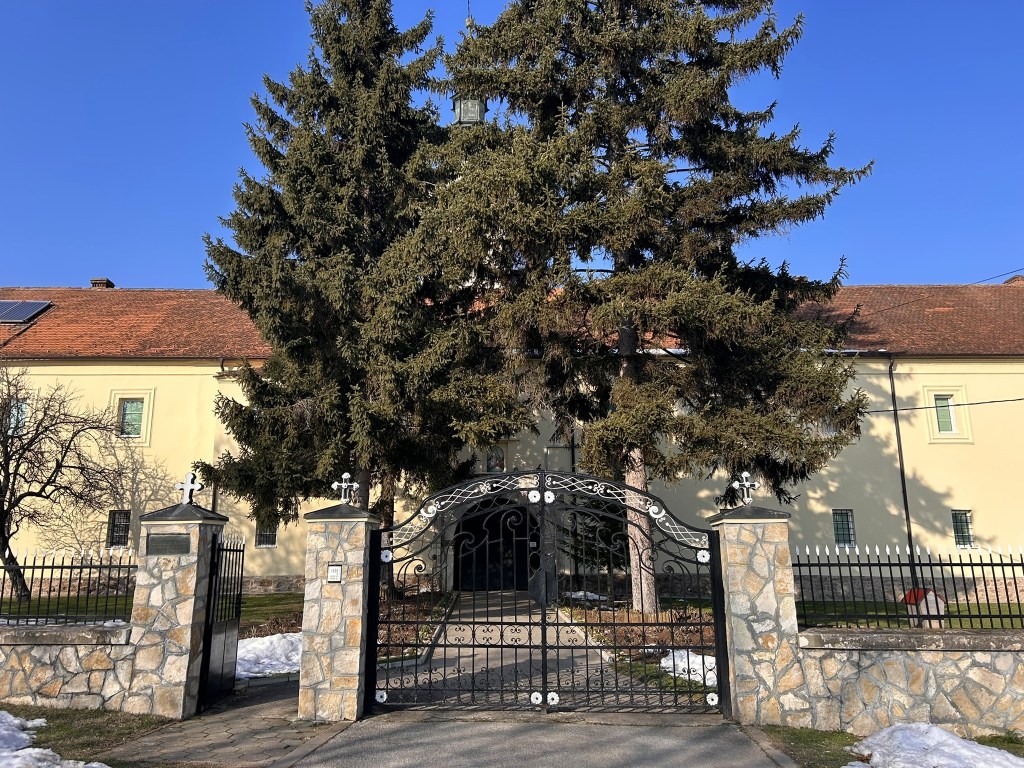
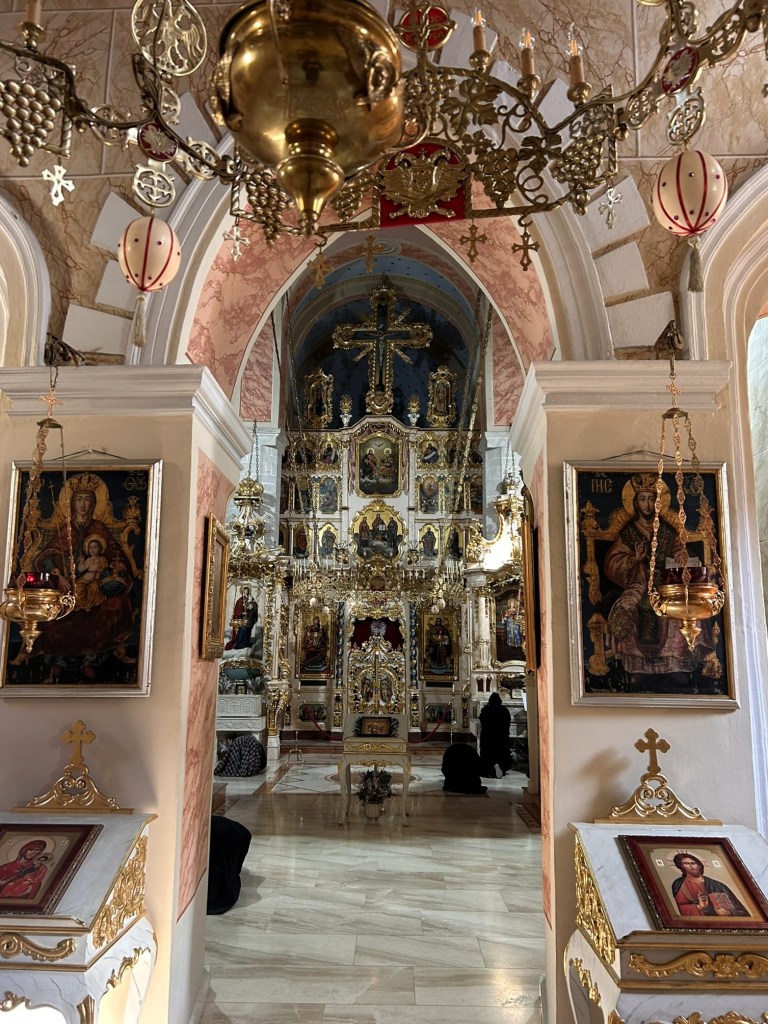
No-one answered and we nearly left but I went back to find that they had actually all been in prayer. When I returned, the door was opened and I was welcomed into the church to see the service in progress
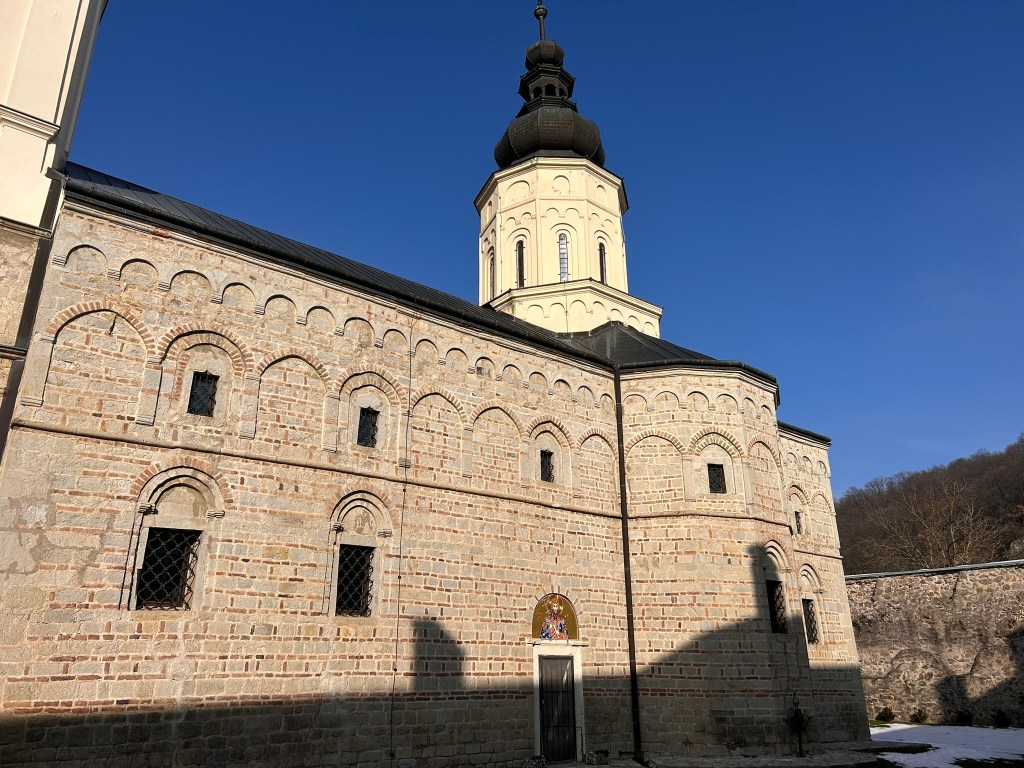
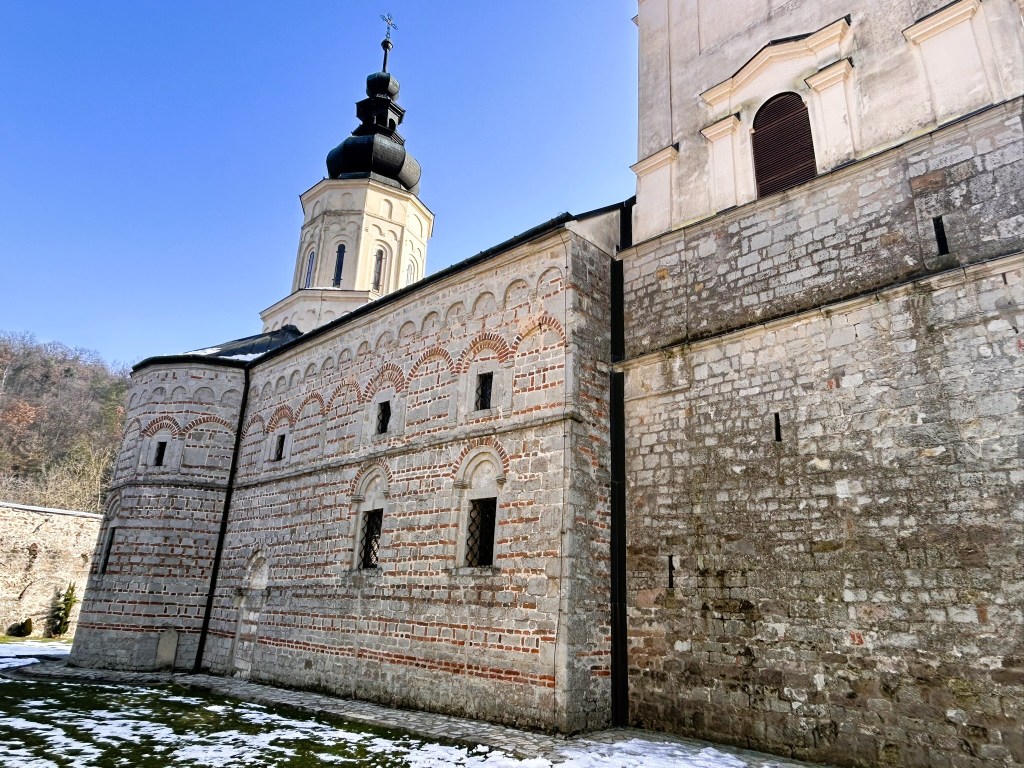
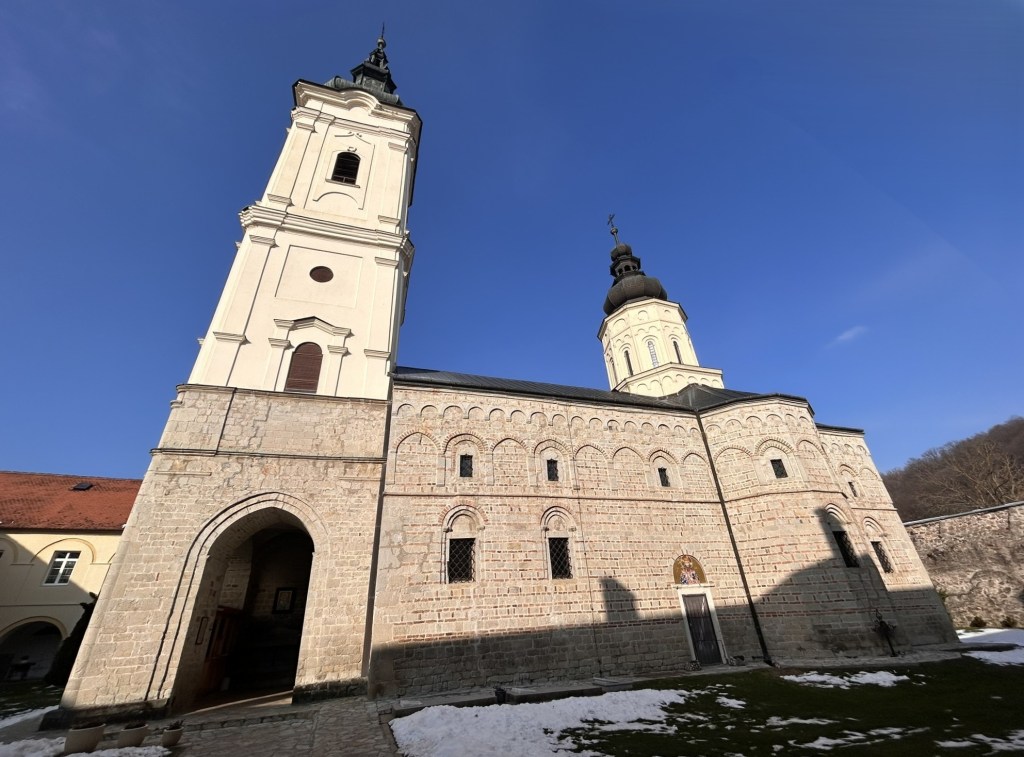
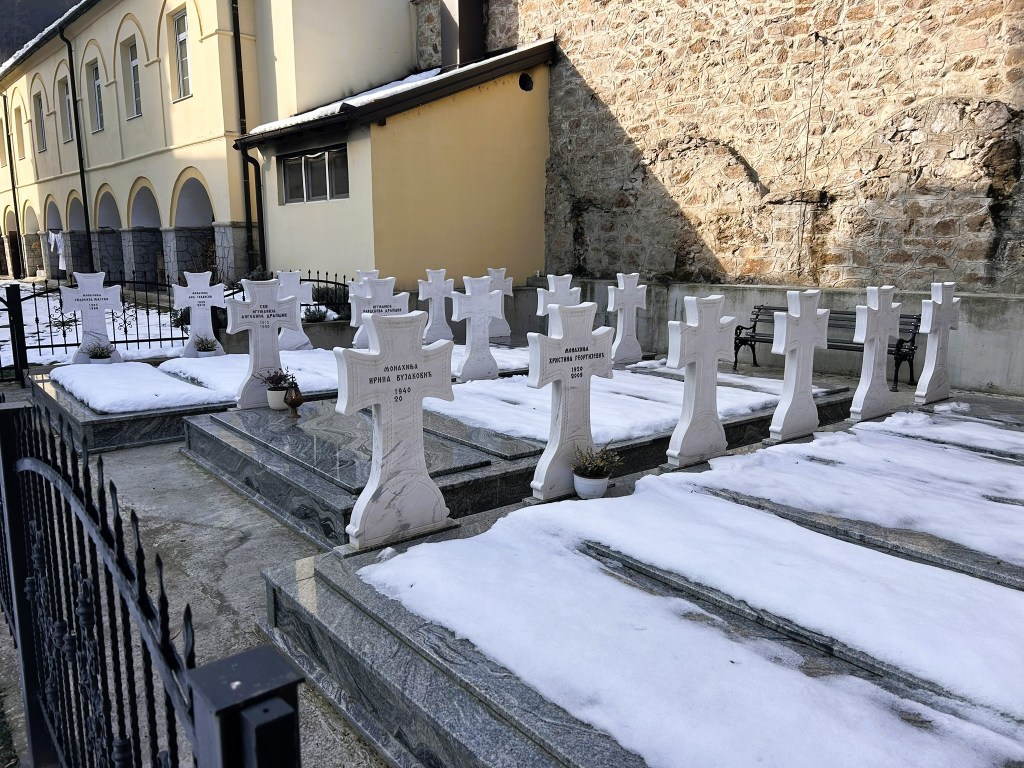
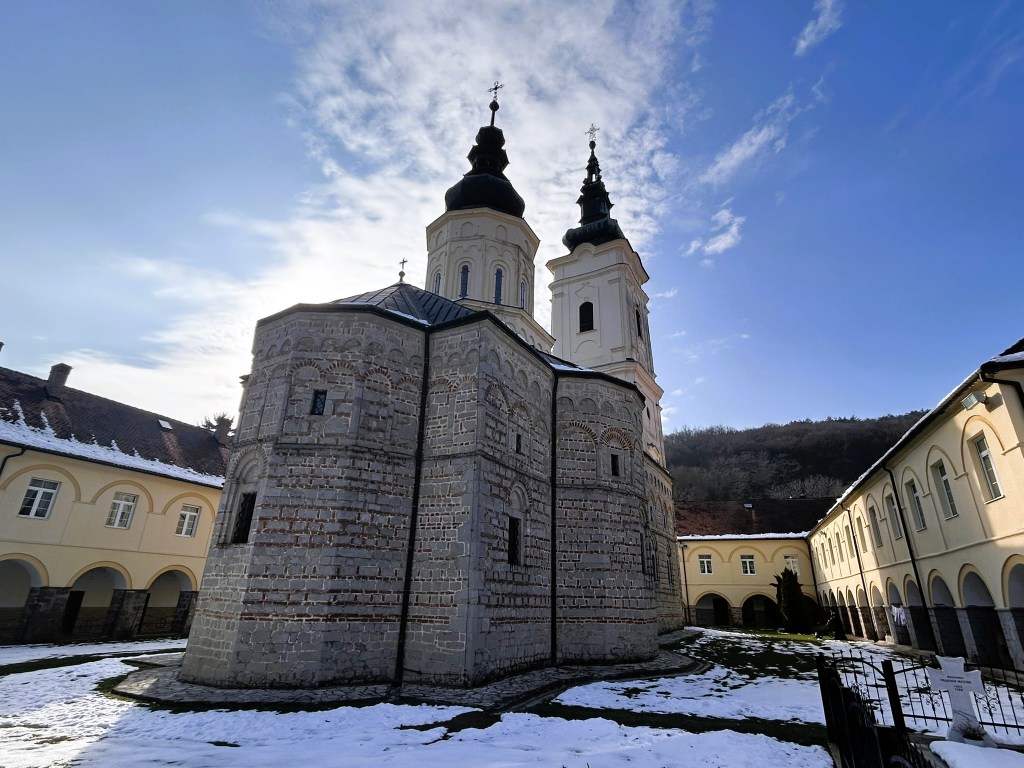
Next up was Marla Remeta
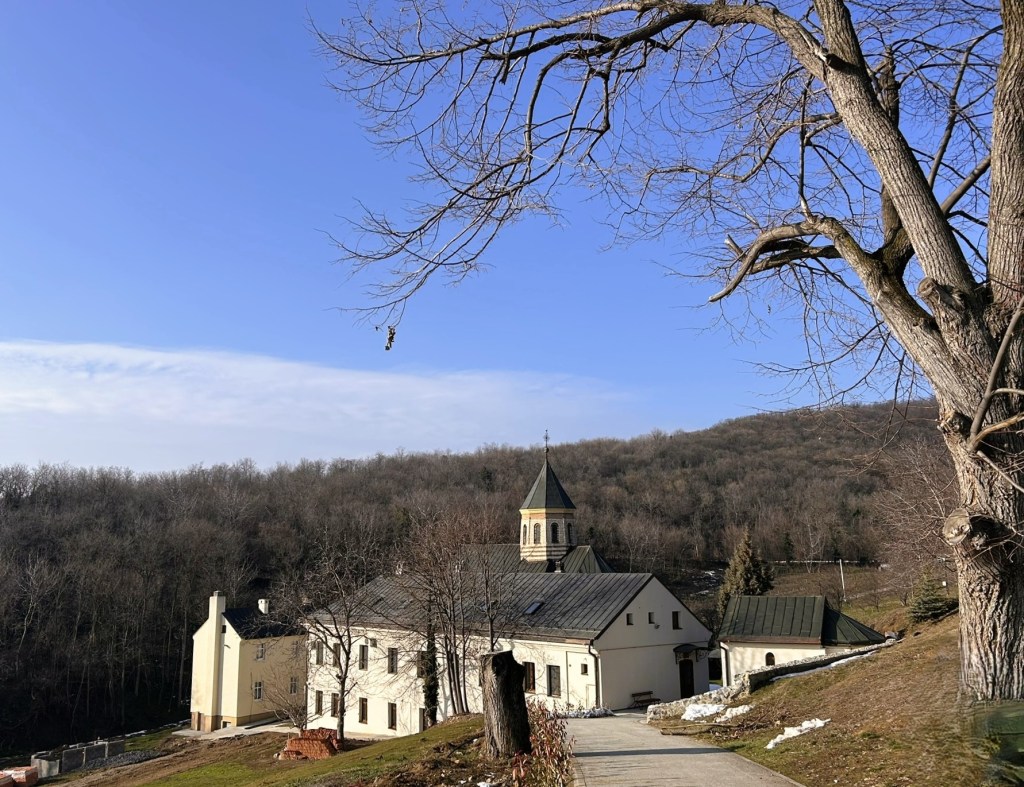
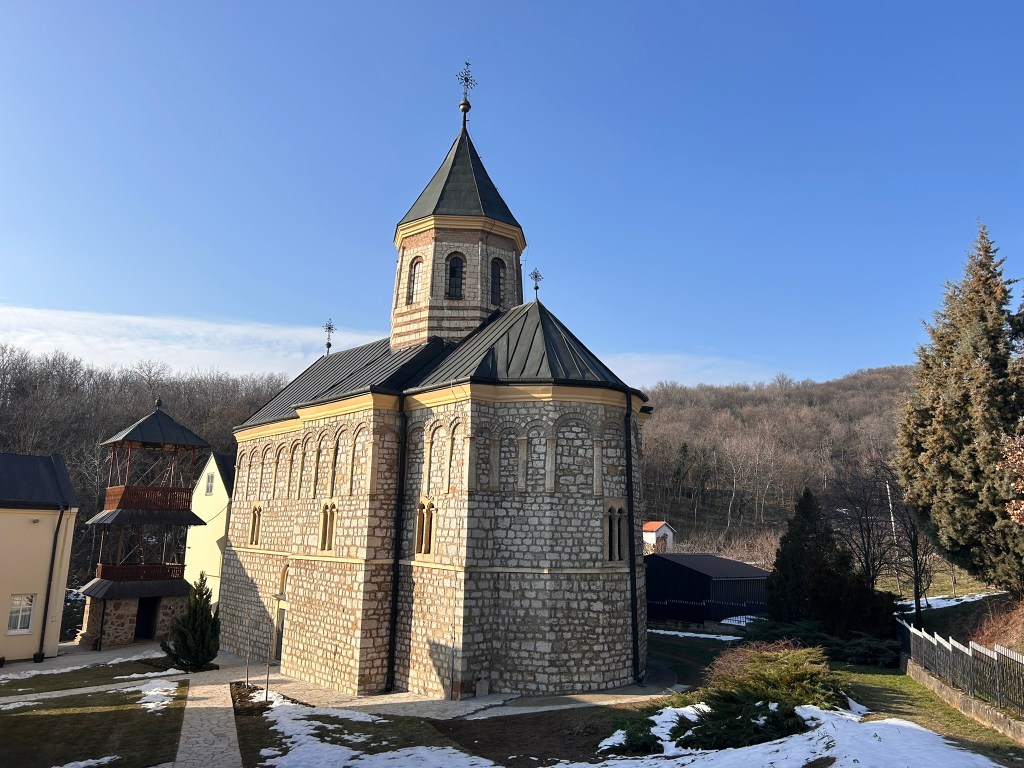
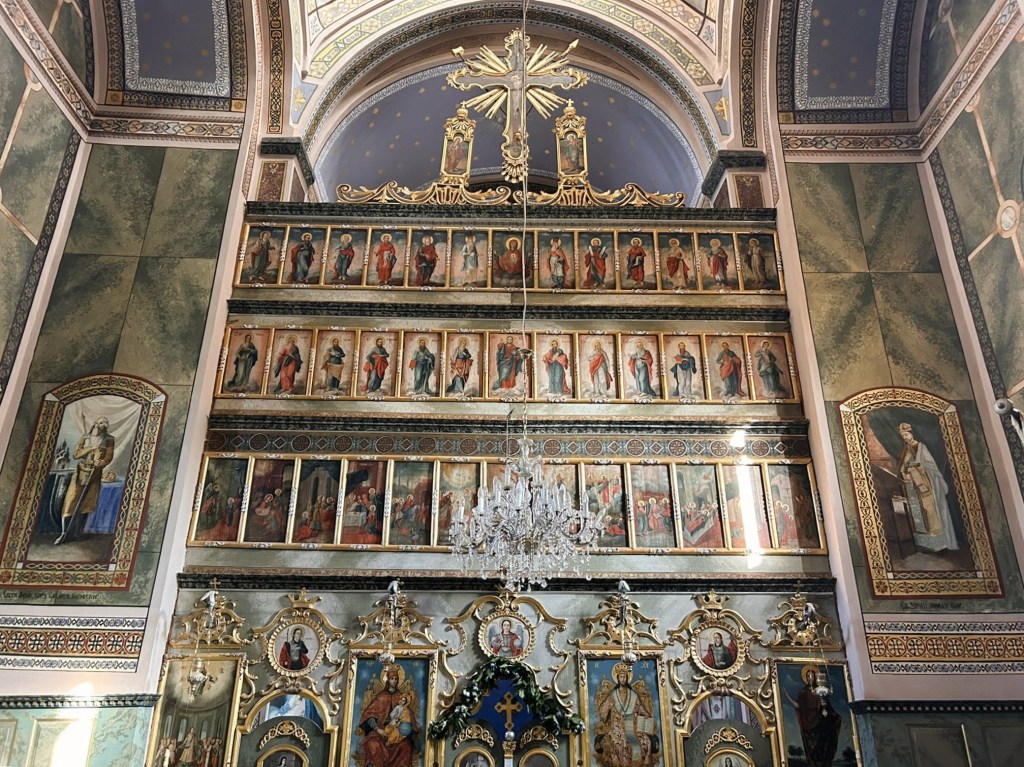
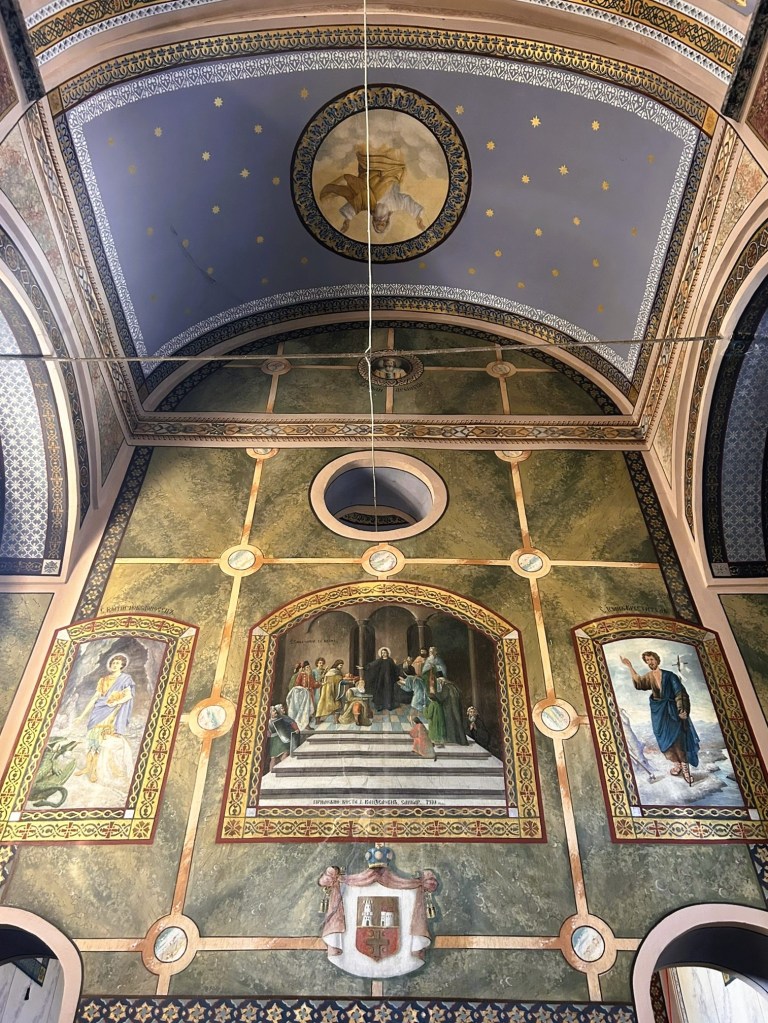
The drive there was beautiful with sweeping roads through the hills. It was also the first day since before Christmas when the sun came out and we had blue skies which lifted our spirits endlessly.
Our final stop of the day was Besenovo which was being rebuilt as it had been badly damaged in the second world war
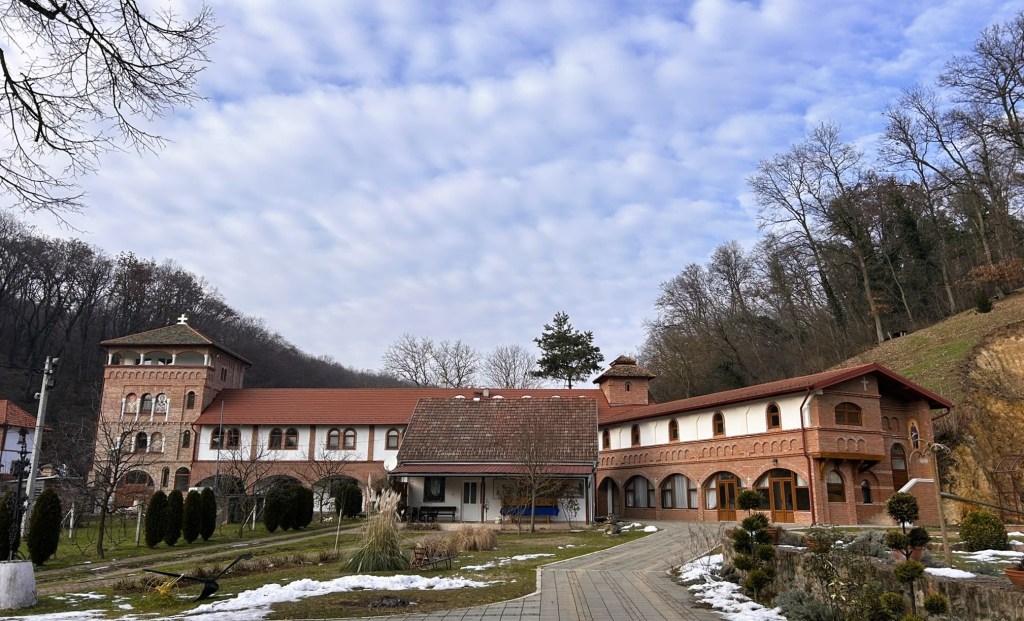
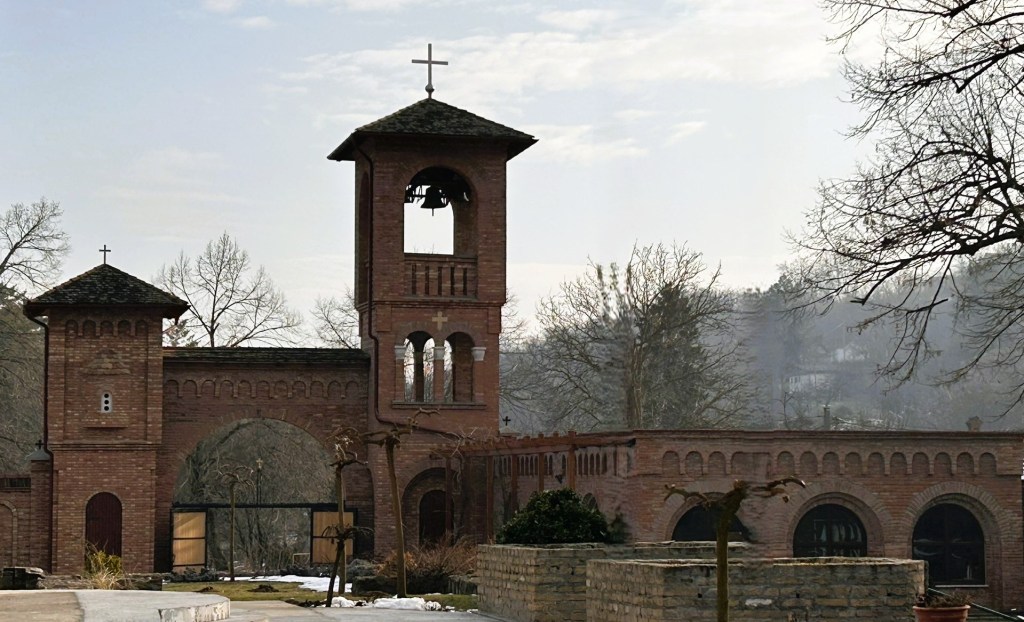
This one was a large complex dug down into the hillside
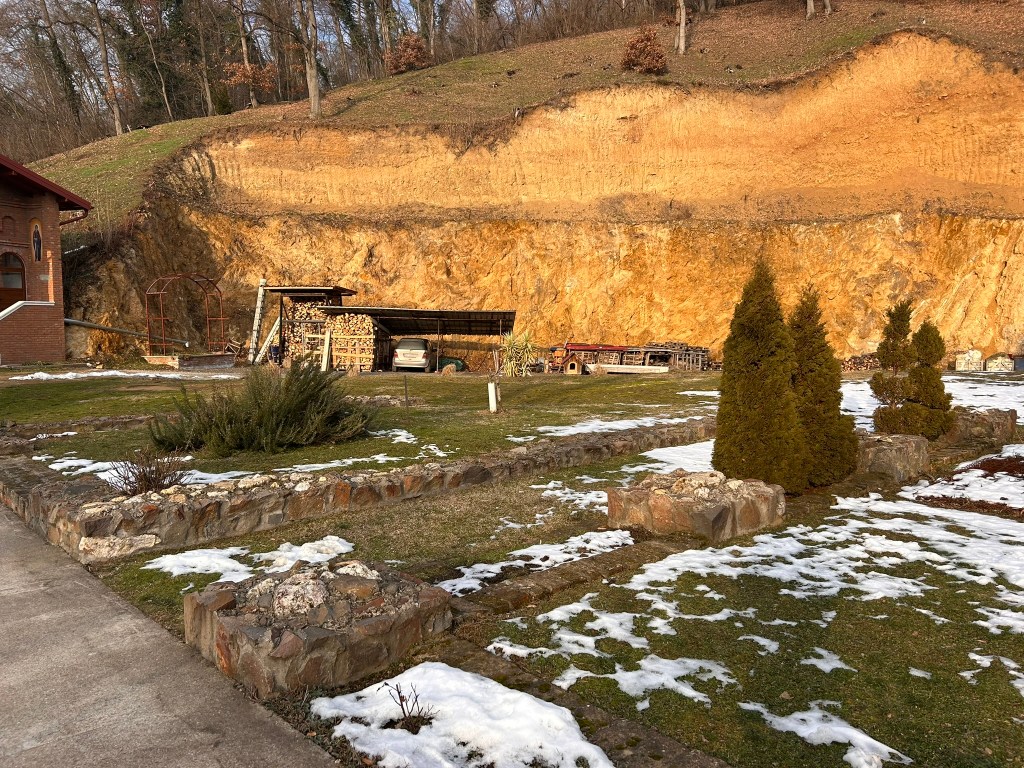
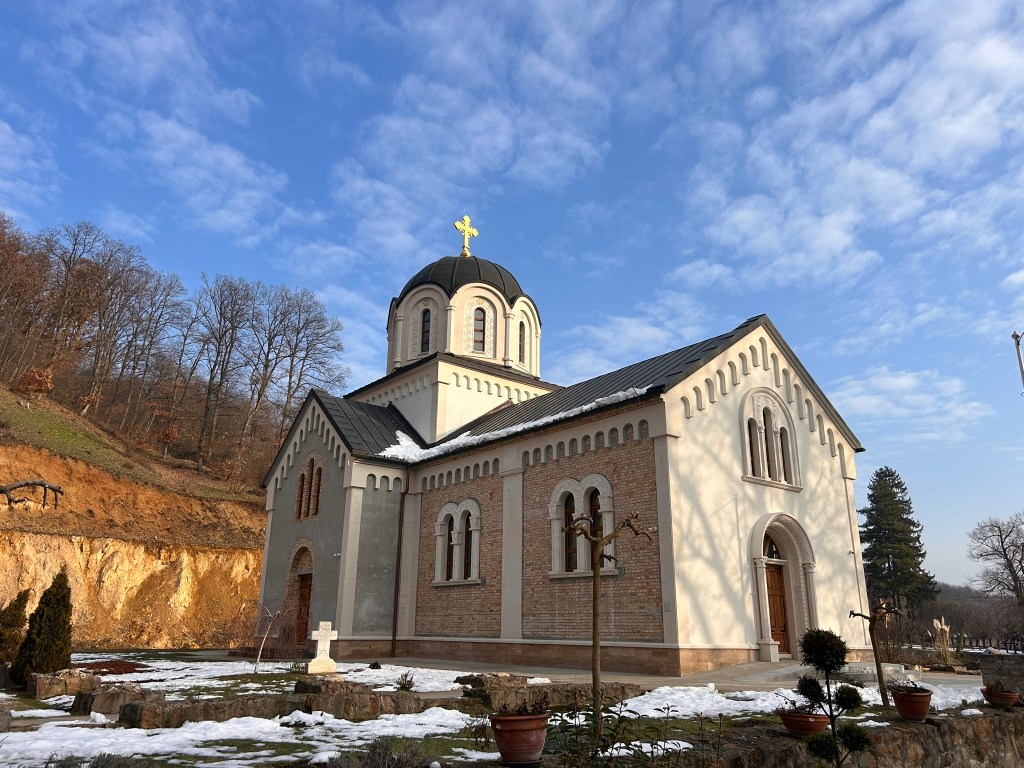
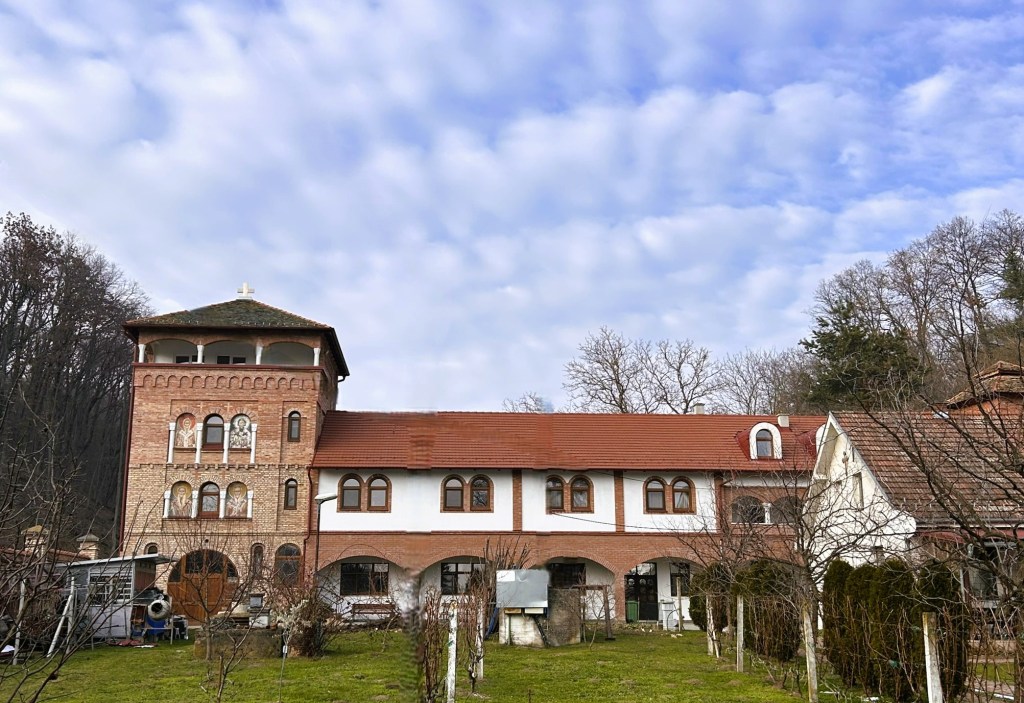
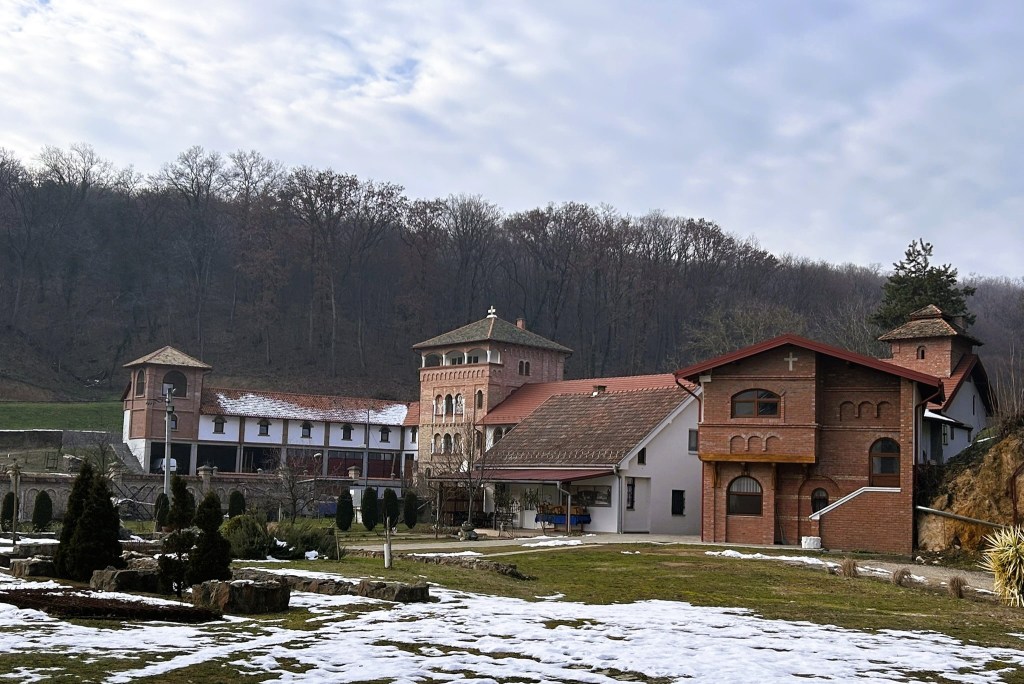
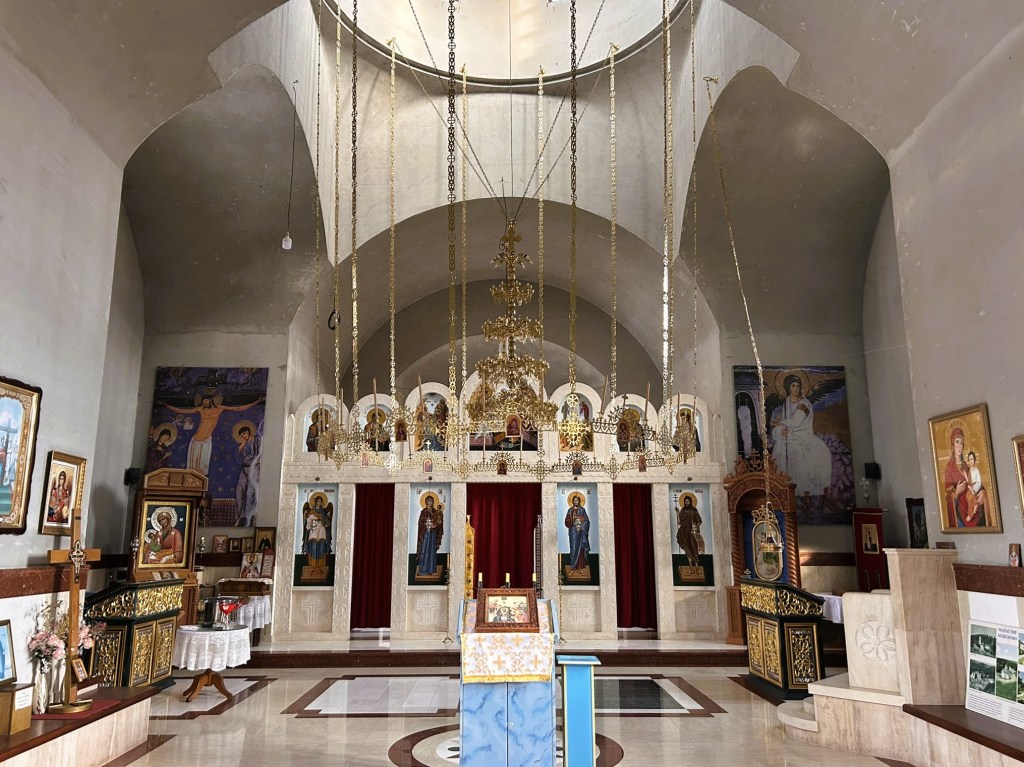
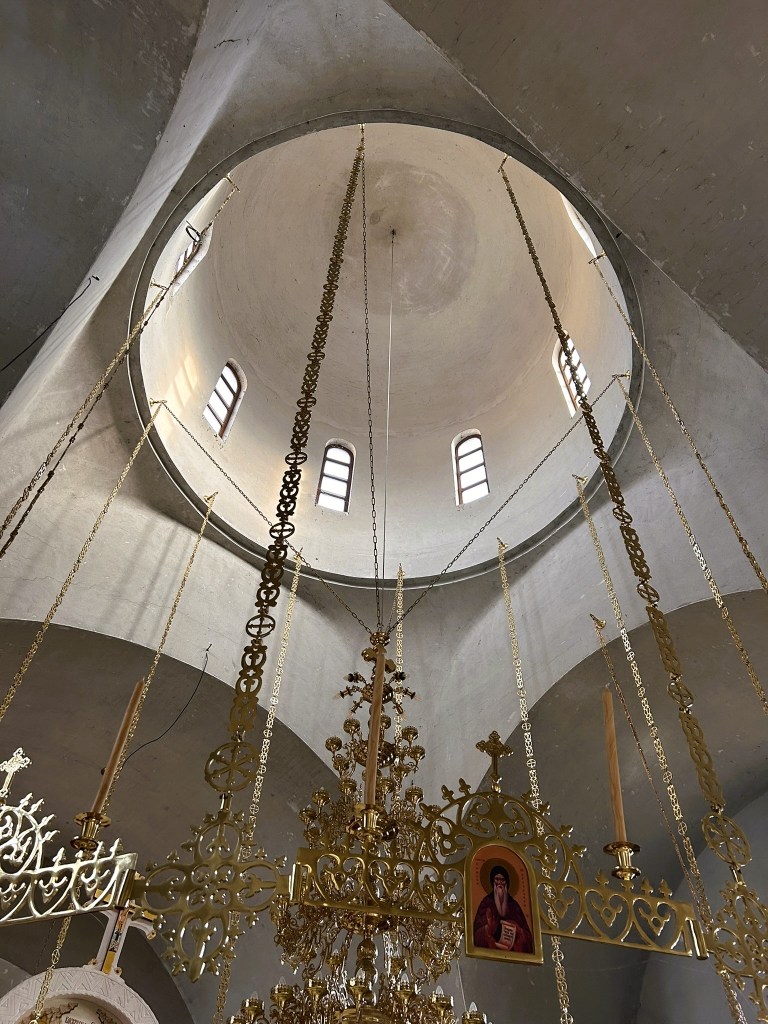
We returned to Jazak where the kind nuns allowed us to stay in the car park outside their gates overnight.
That night we had another first – our thermostat told us that the temperatures had stayed above freezing. Were we starting to turn a corner?
We had a long but wonderful drive through rolling fields to the Sisatovac monastery
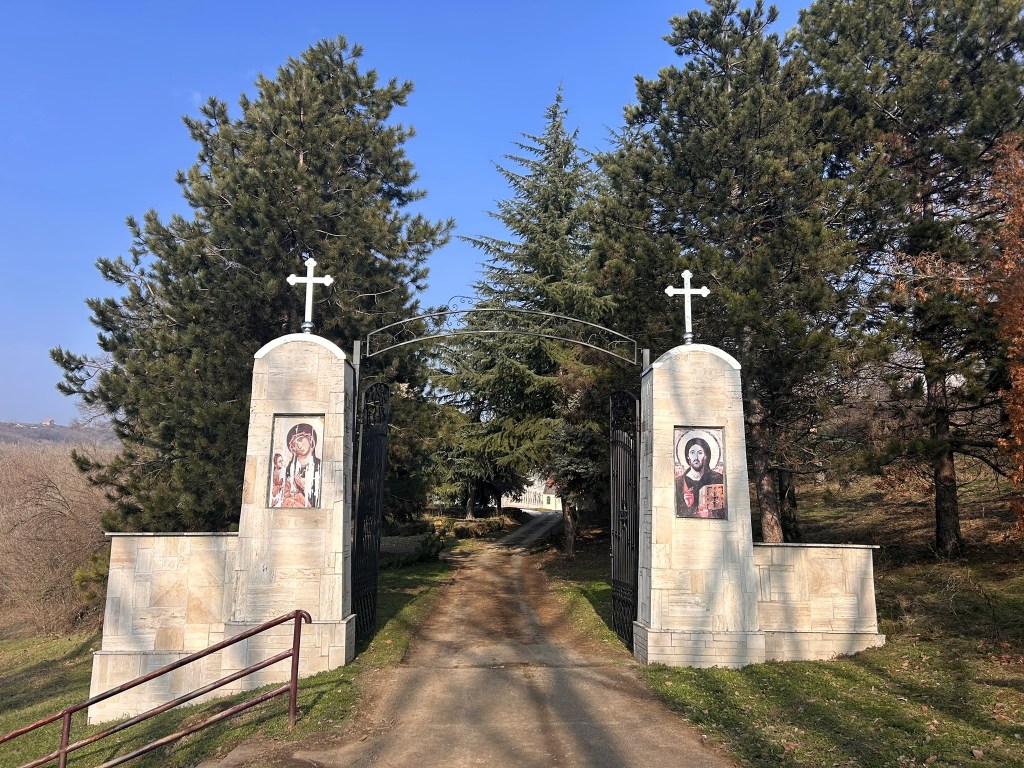
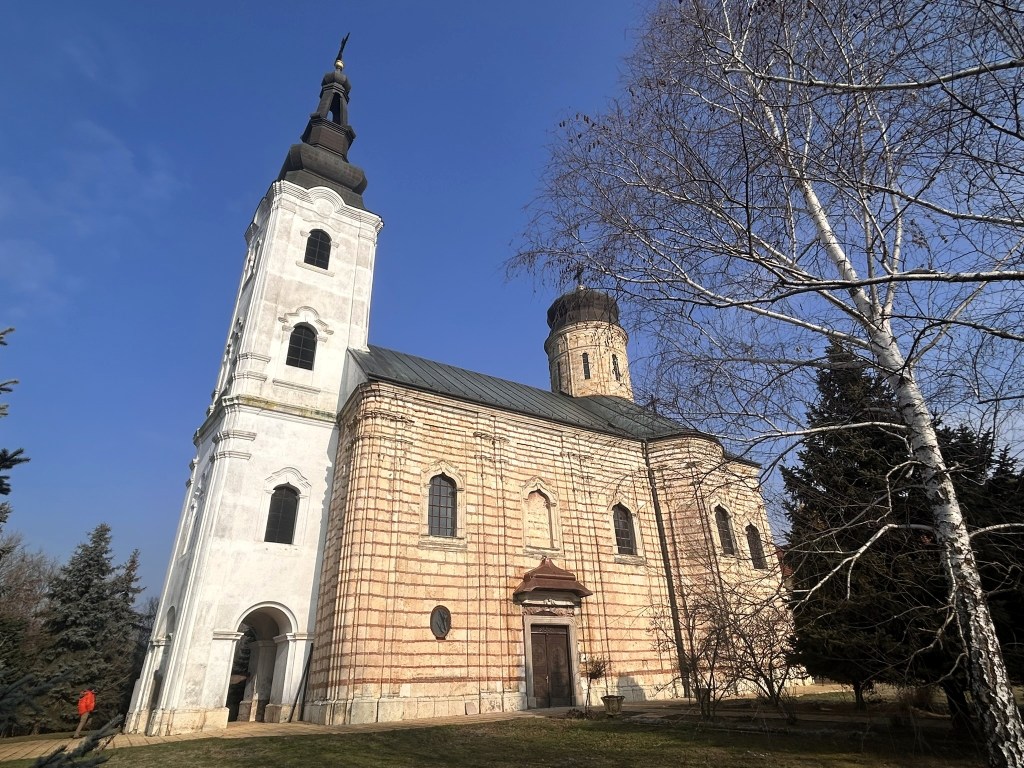
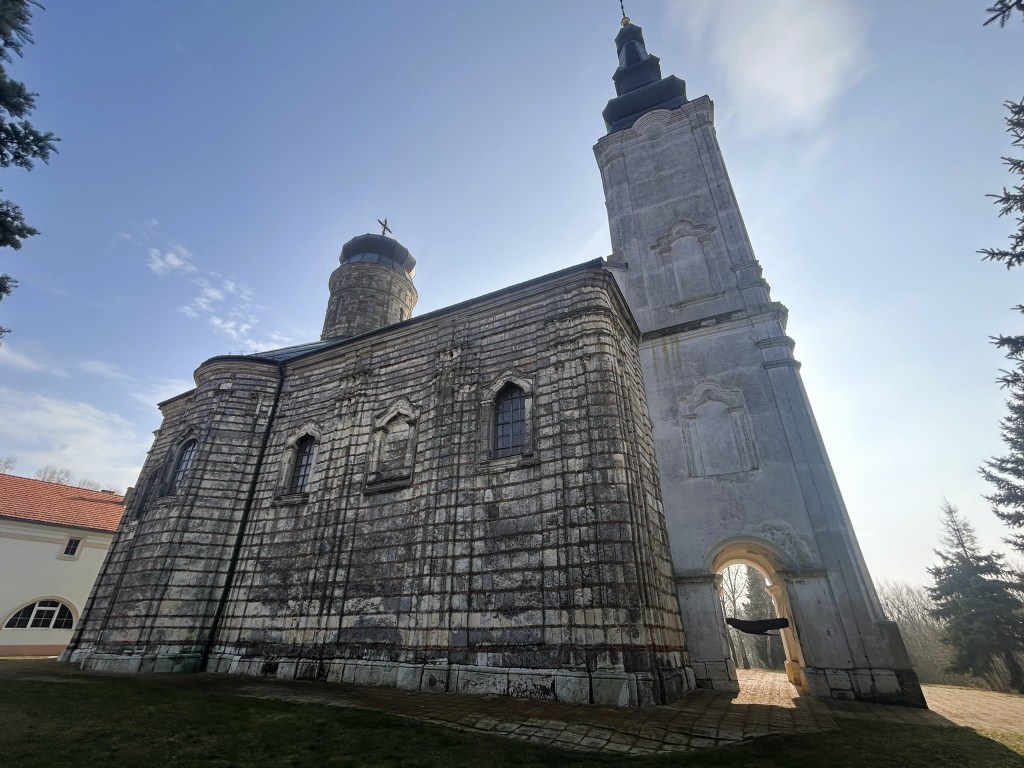
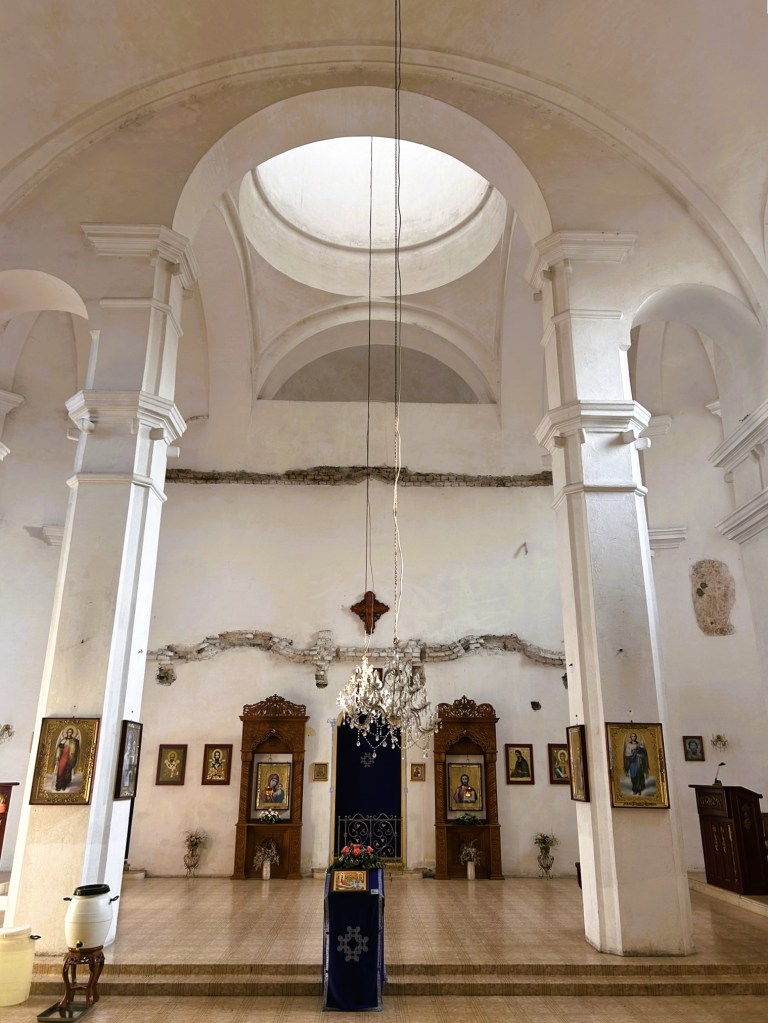
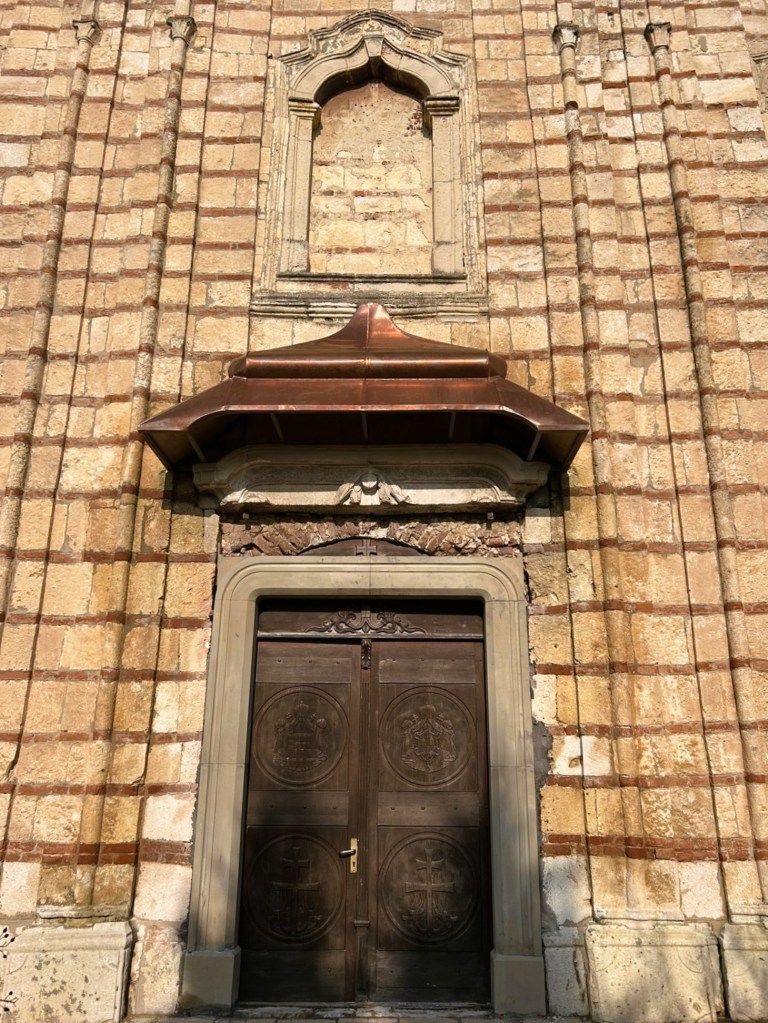
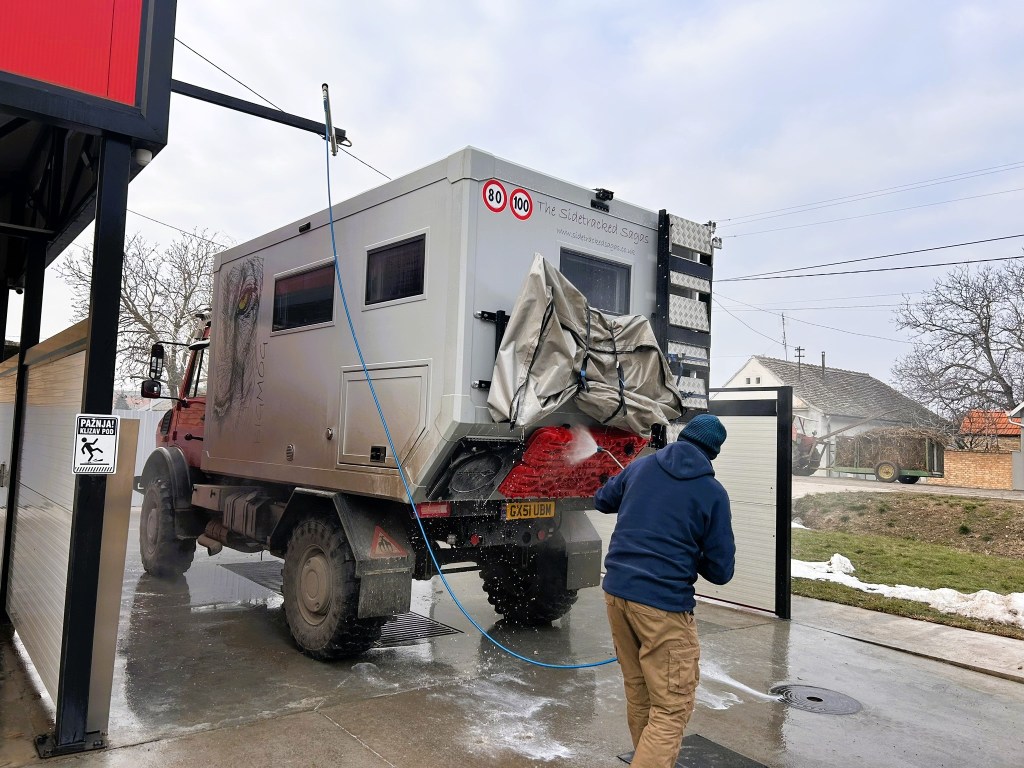
When we walked back to BigMog we realised he was badly in need of a wash – the winter roads were doing him no good at all
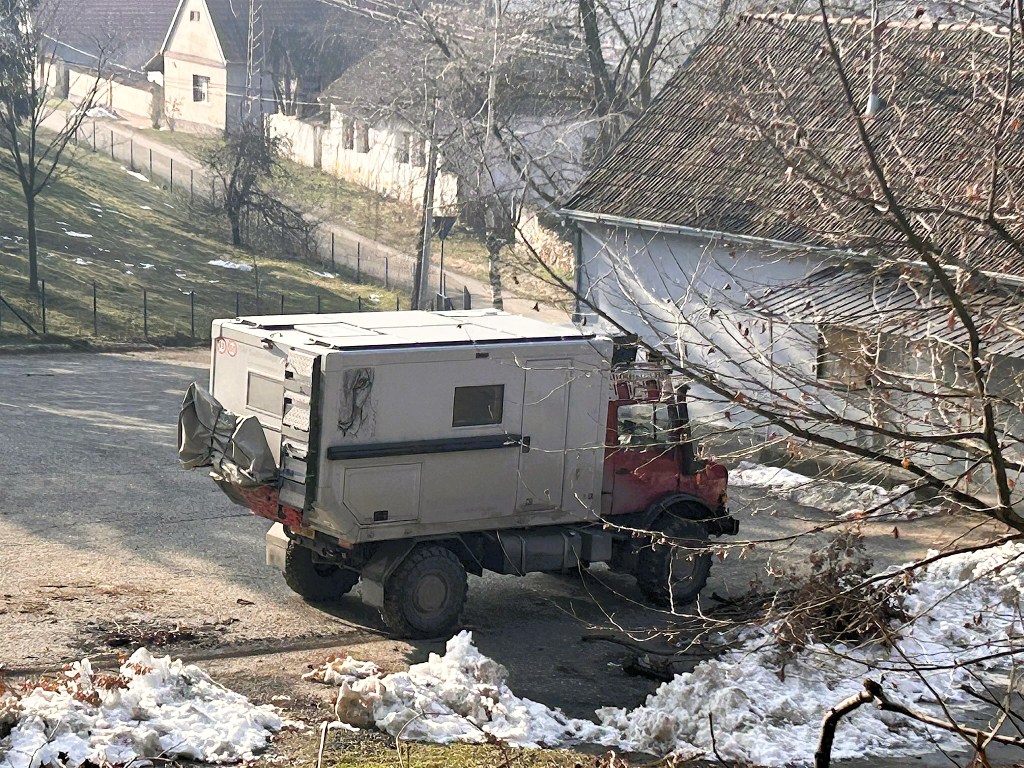
Next up was Perkovica only a few minutes down the road
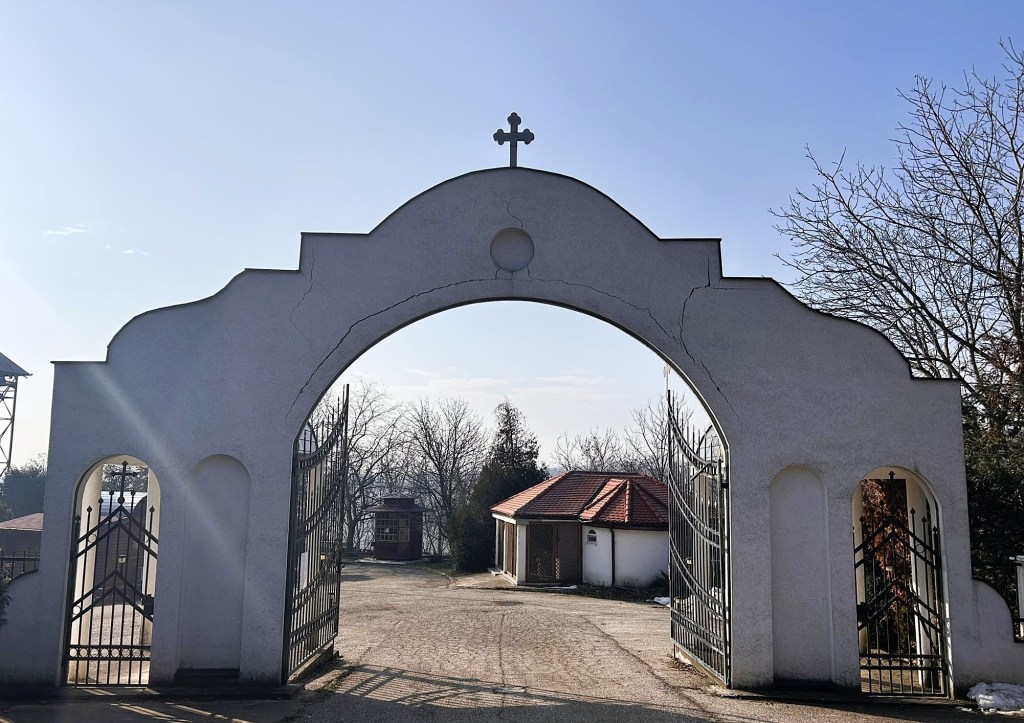
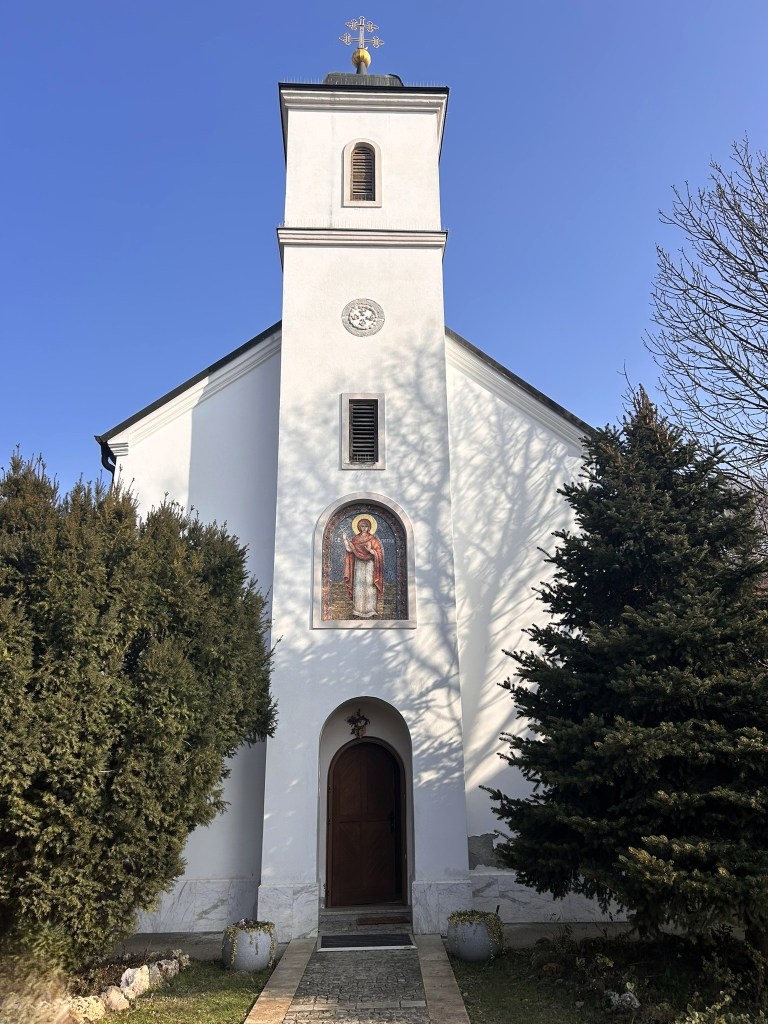
Here we found amazing 16th century frescoes on the walls of the church
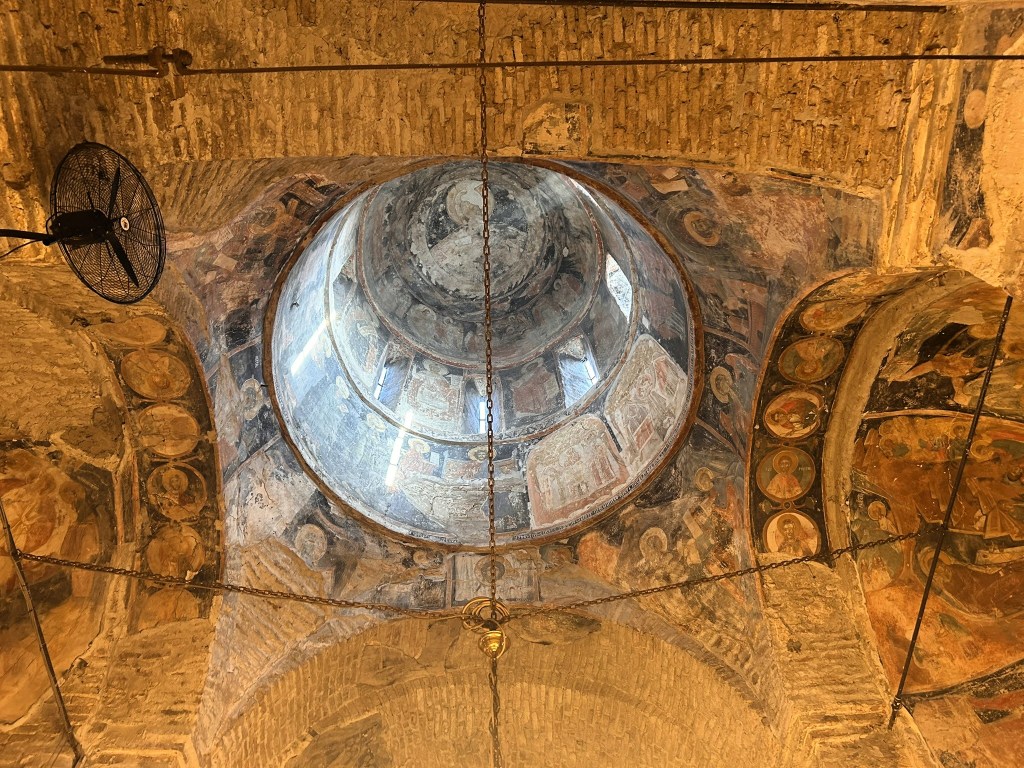
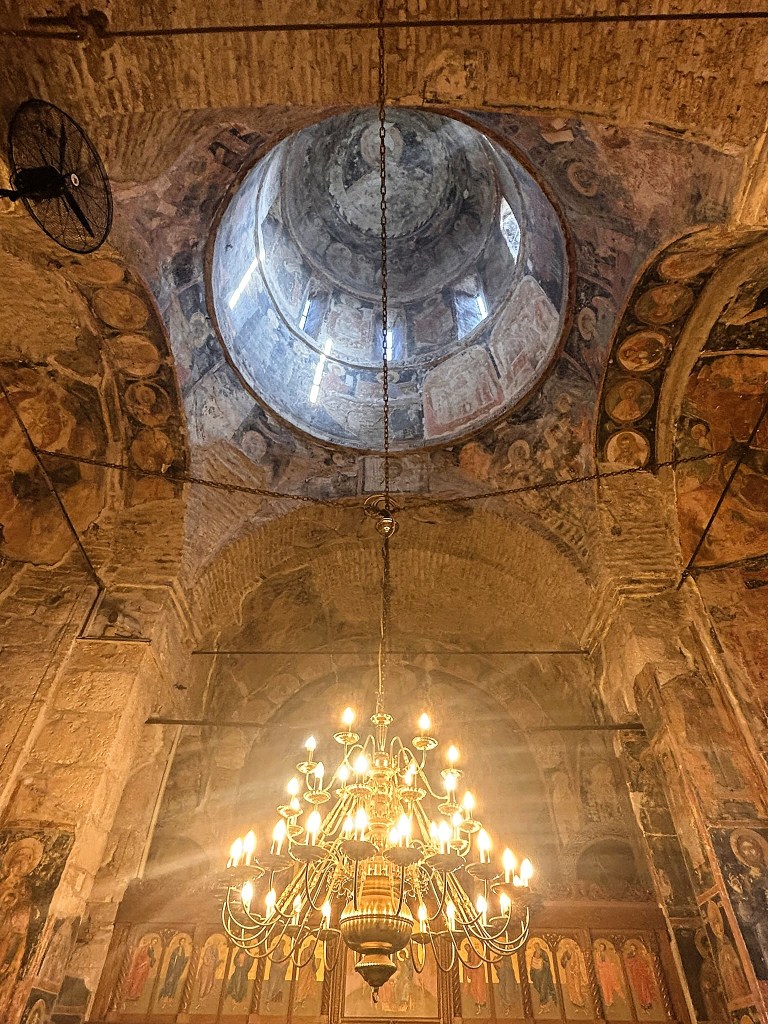
And chatted to one of the nuns about the history of the place
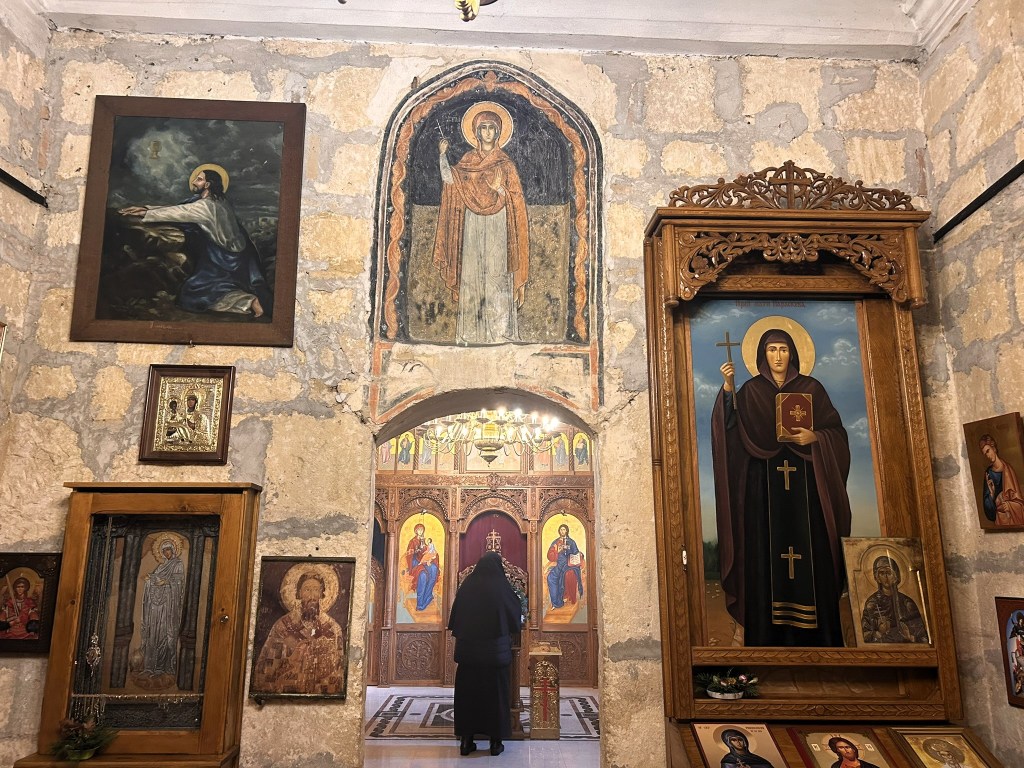
It was turning into another cold but beautiful day and all three of us were enjoying the blue skies
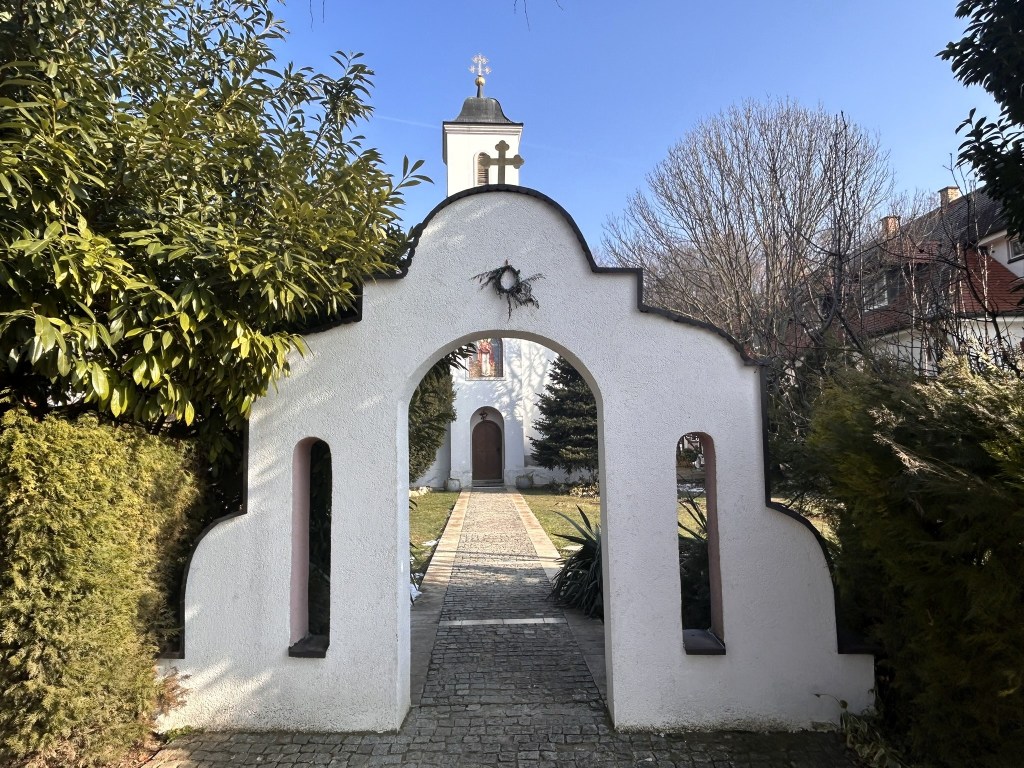
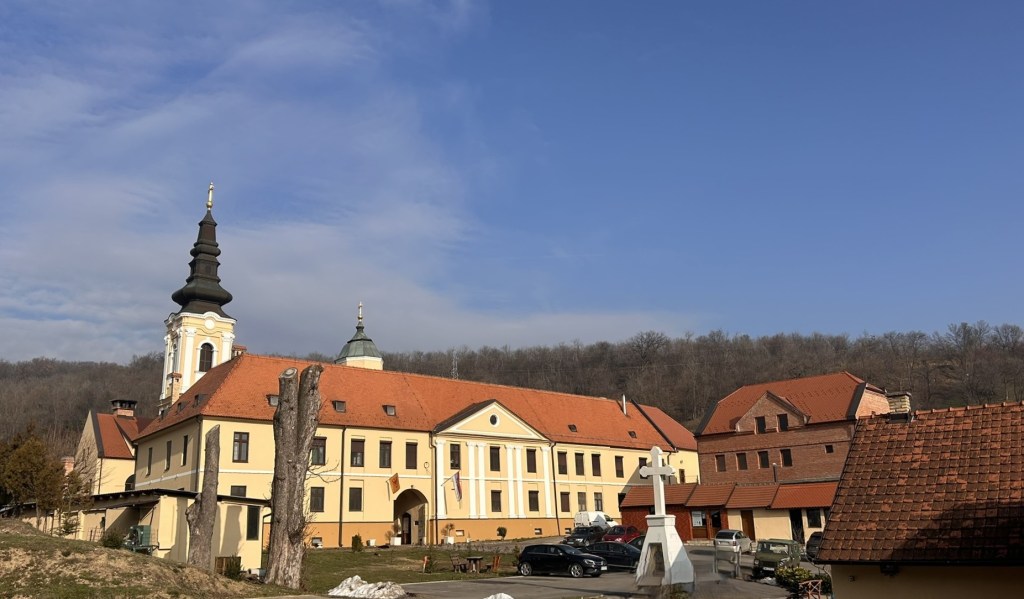
Kuvezdin monastery was another very large complex, very much set up to welcome visitors
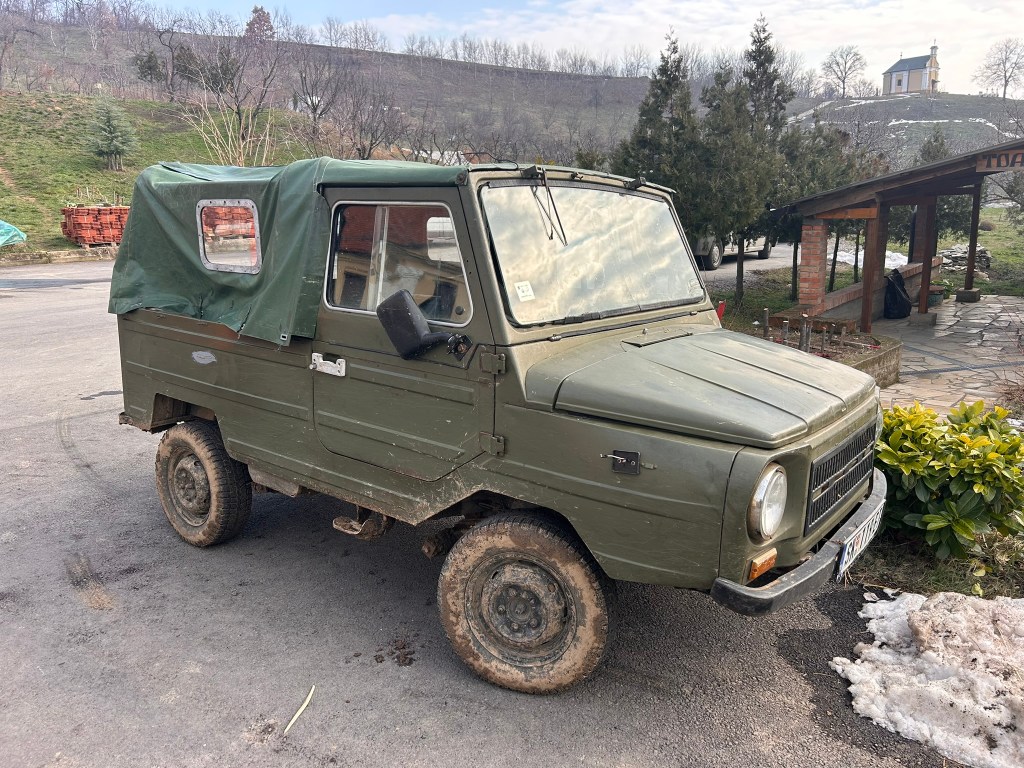
As we arrived a monk offered us any assistance we might need and later on we watched as he and another monk had fun bombing around in an old Russian vehicle
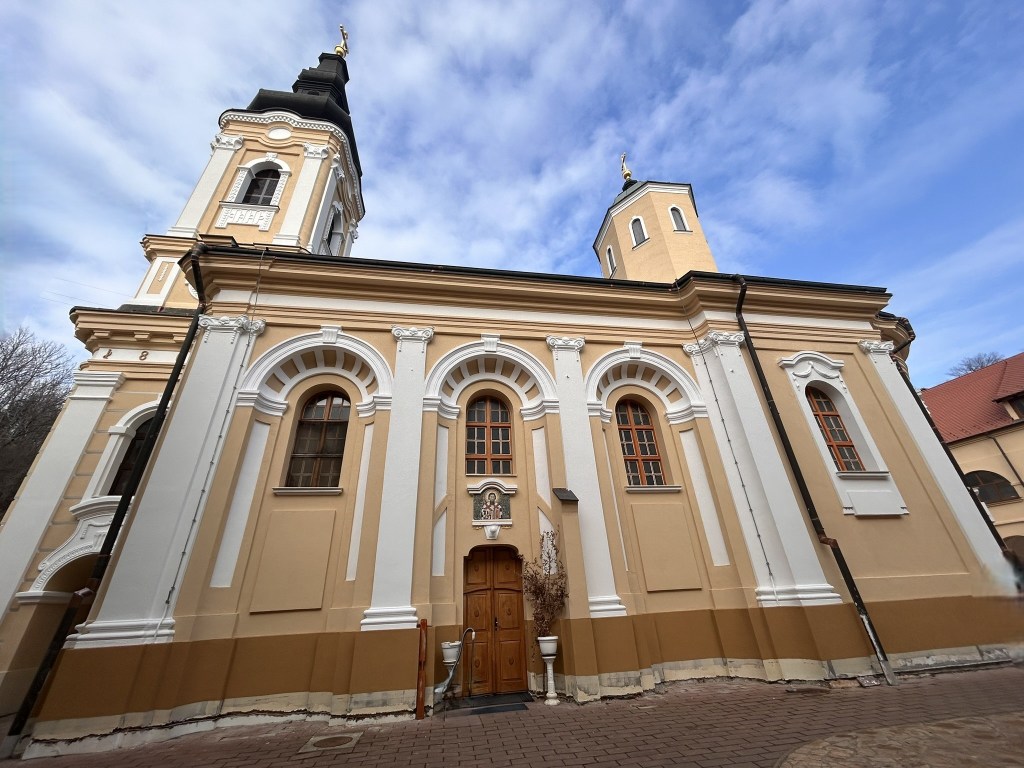
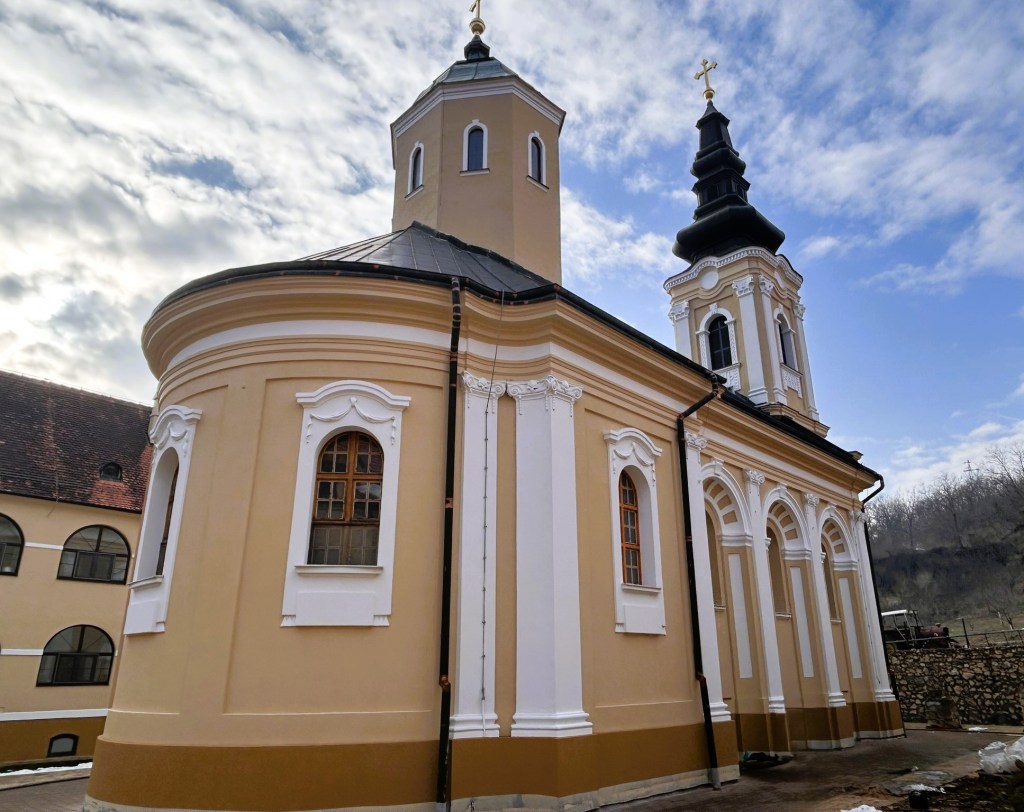
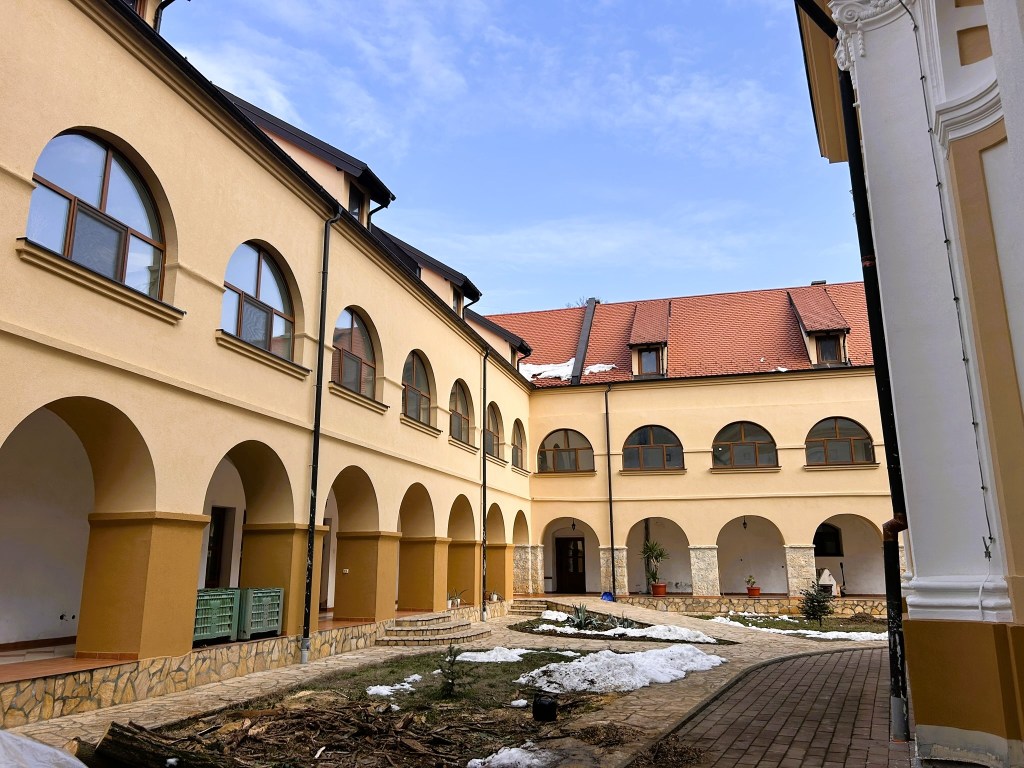
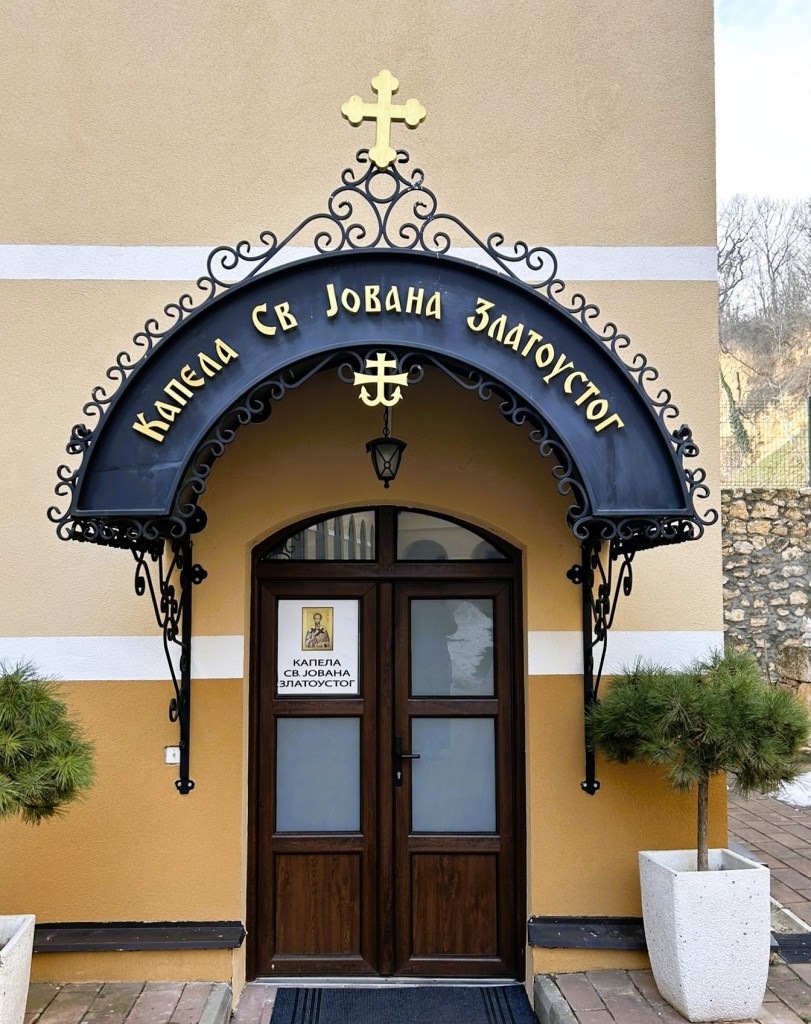
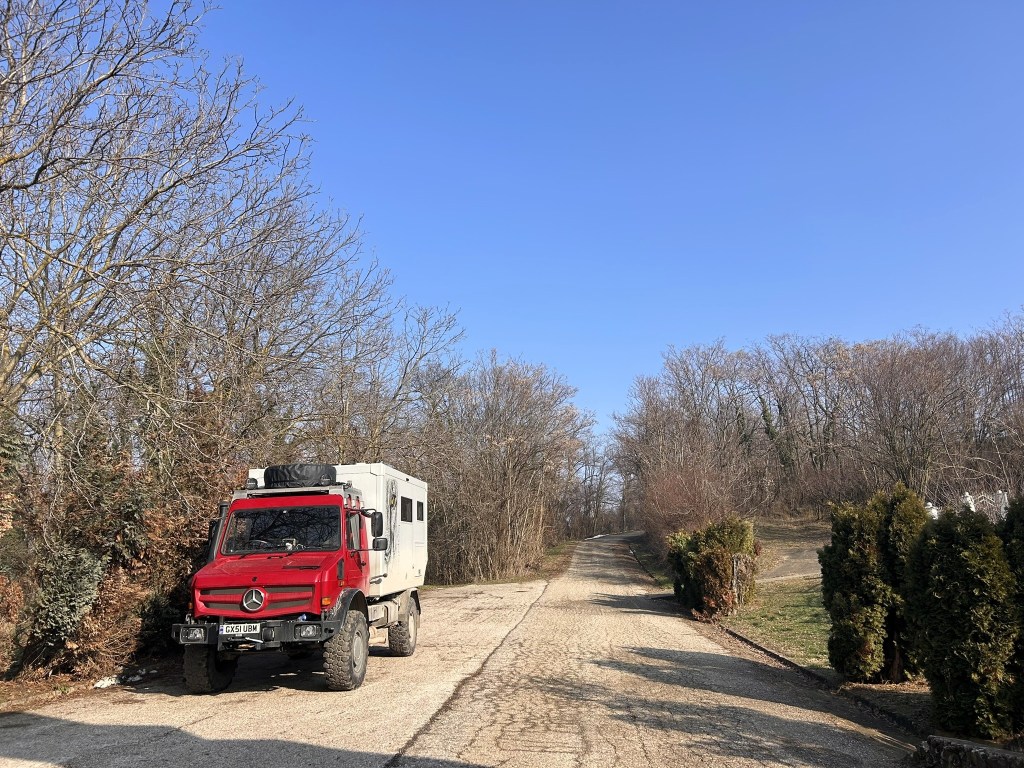
We stopped in a layby for lunch and one of the loggers working down the road came over to make sure we were ok and didn’t need any help. He looked very relieved to find we were just having a pit stop. How lovely.
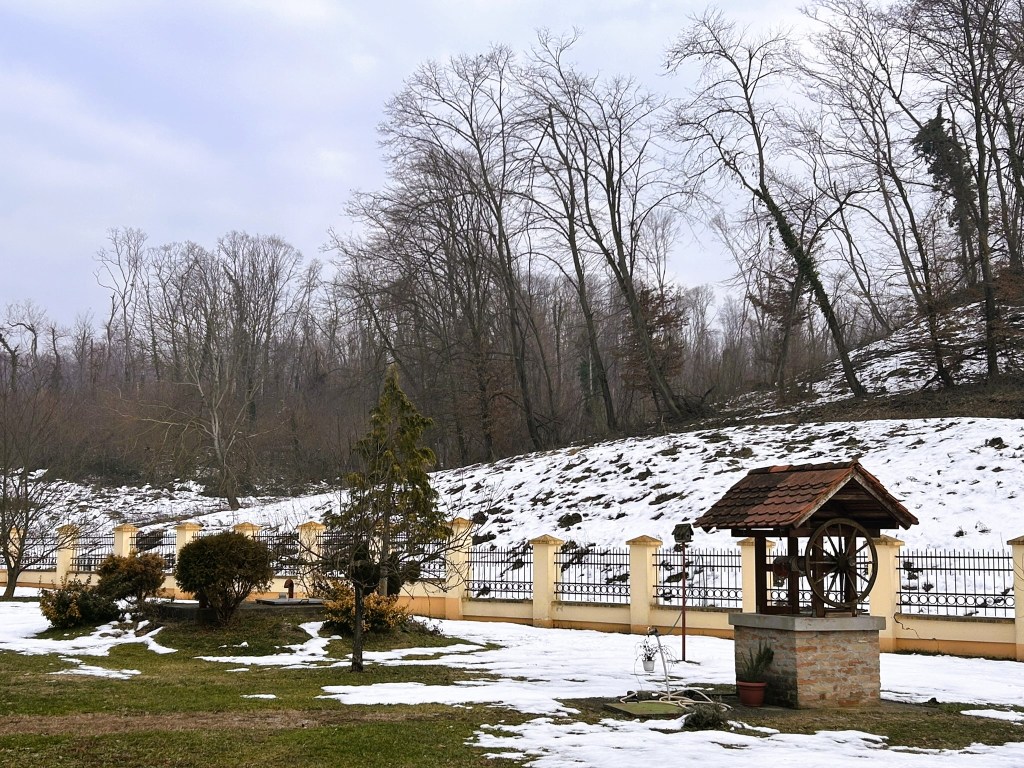
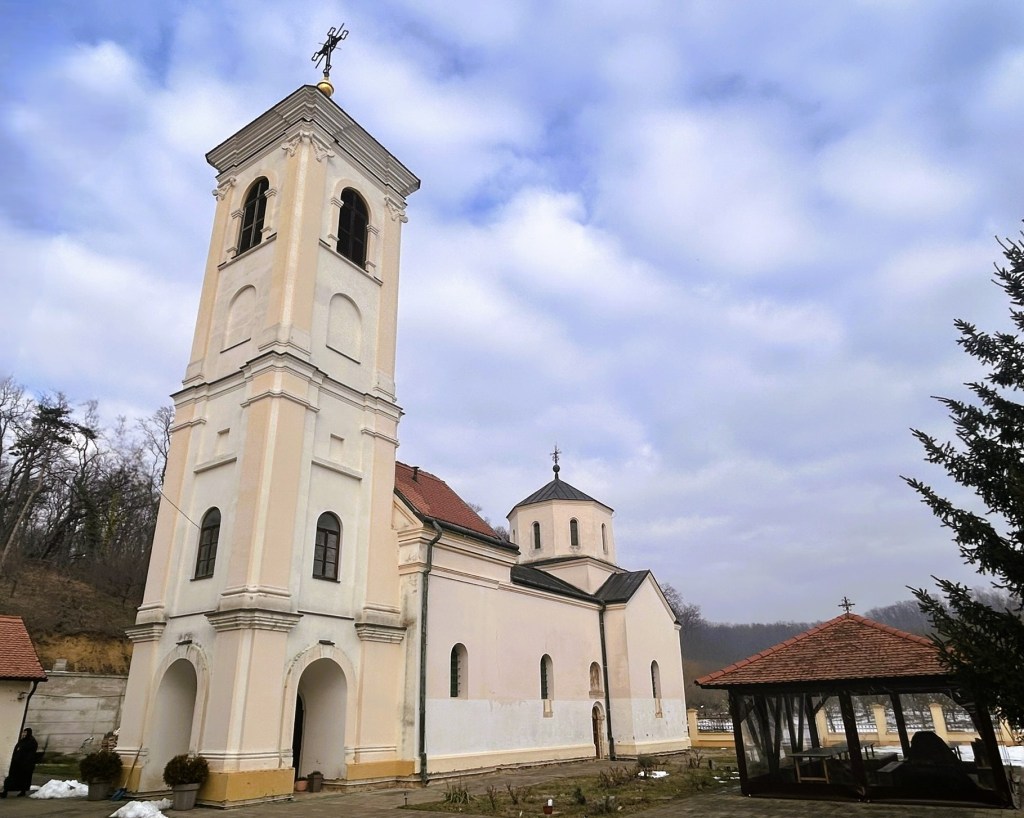
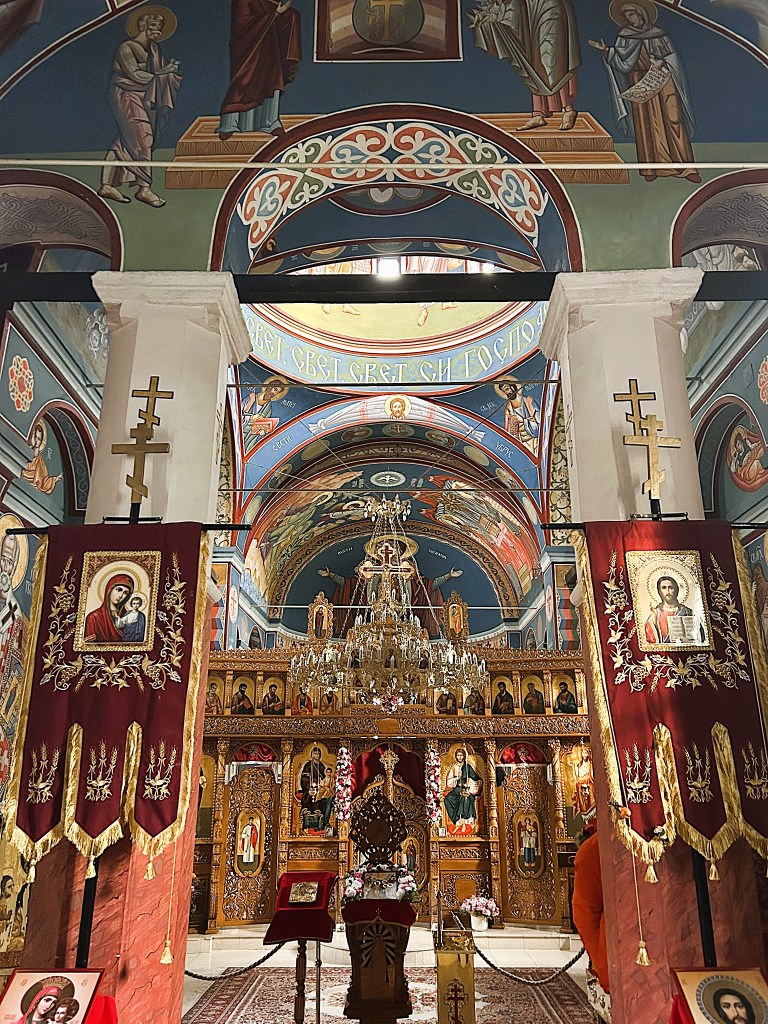
At Dipsa monastery an elderly nun came out to greet us at the gate and ushered us in. She opened up the church for us and smiled patiently as we peered around
Our final stop today was to be Privina Glava but before we got there we made a very important detour!
Privina Glava was one of the most beautiful yet
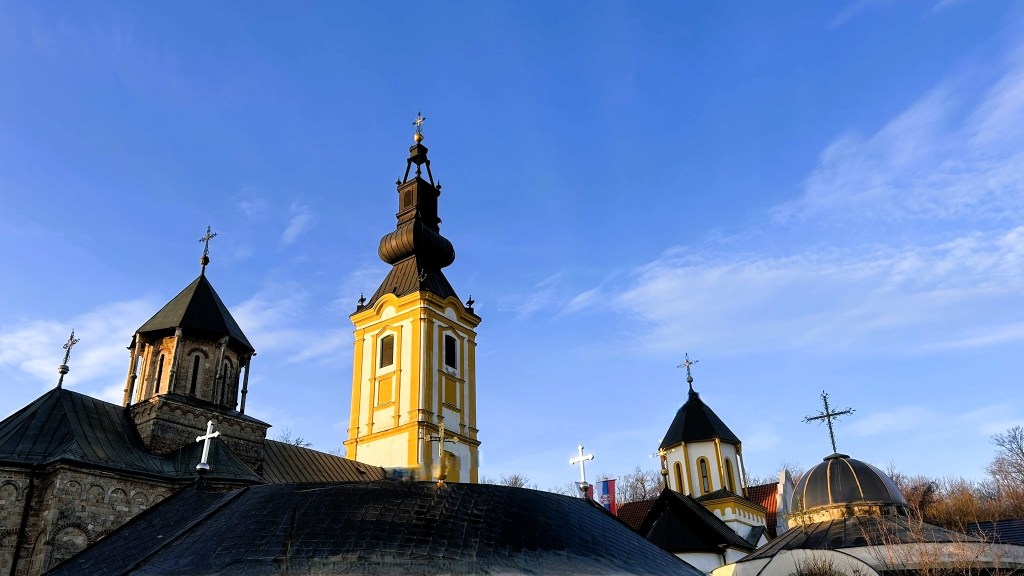
We arrived at 4:30pm and all the nuns were inside the church at prayer. We spent some time looking around outside whilst we waited
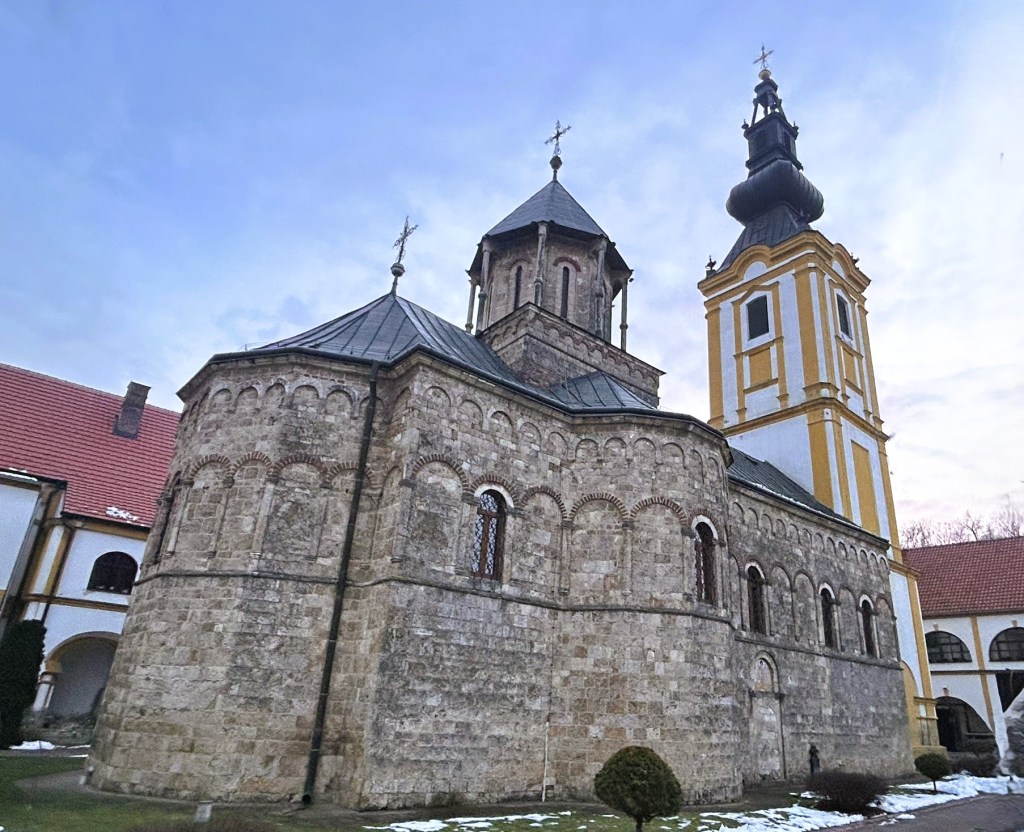
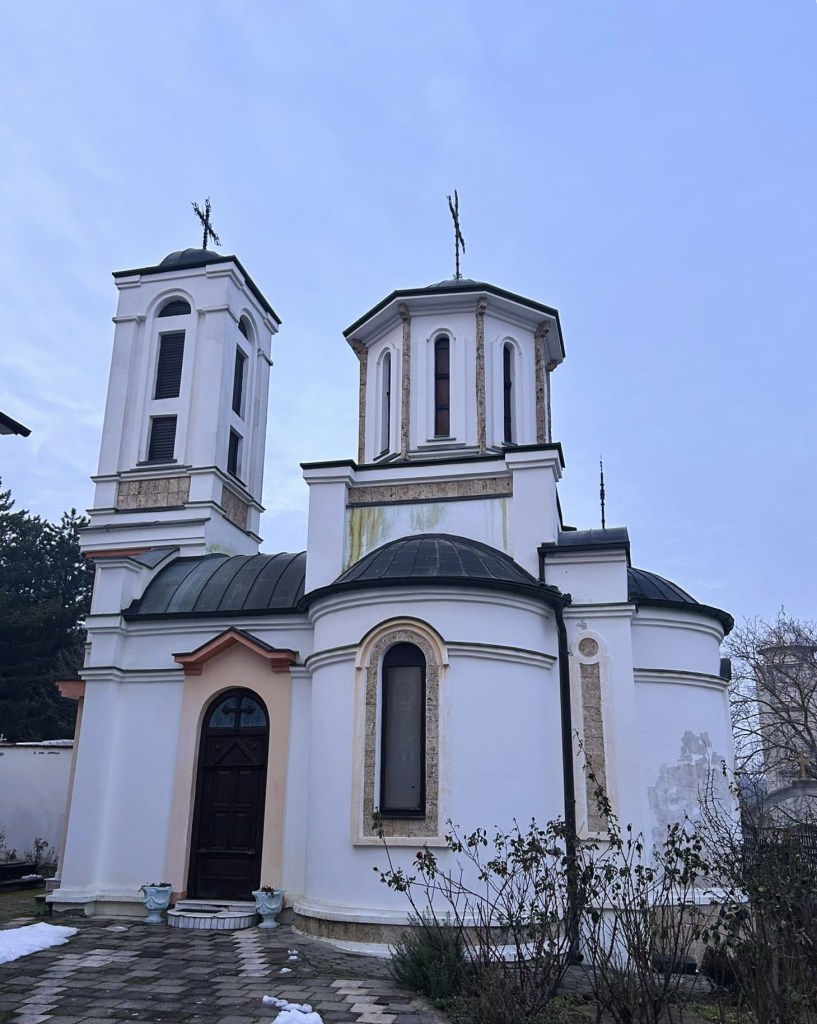
But there was no sign of it coming to an end. It was starting to get dark and we had been hoping to stay overnight here but we had to ask permission first as the parking area was inside the walls of the monastery itself
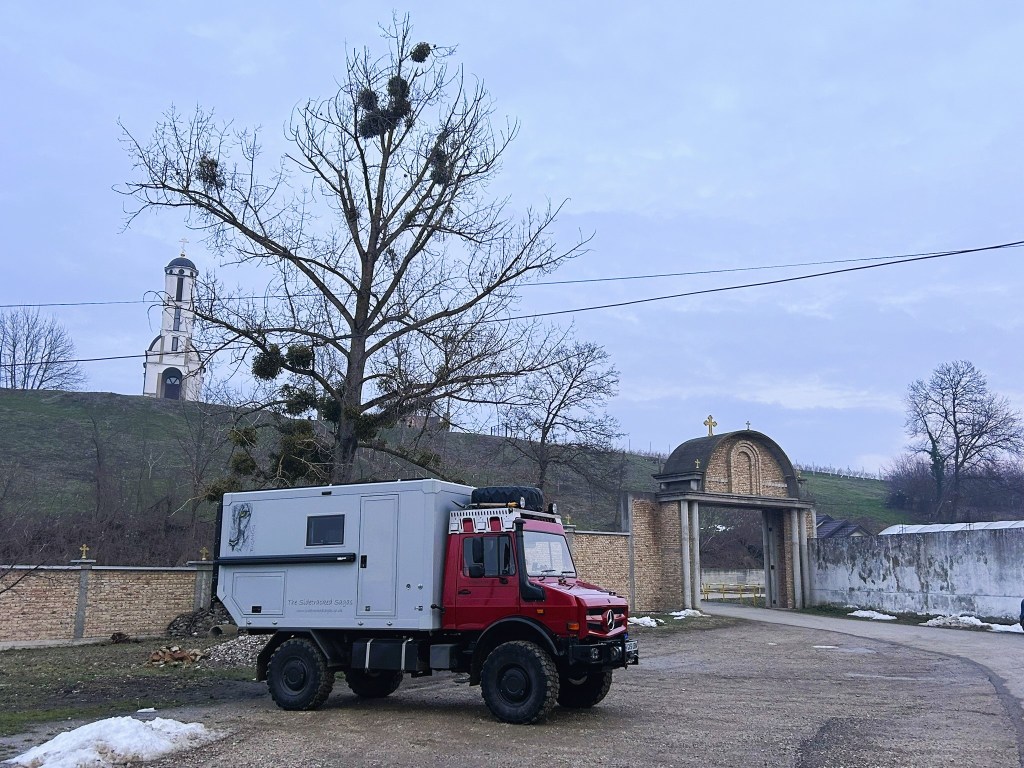
James went back to the truck to wait for the nuns to come out but I caught sight of someone hurrying across the courtyard and tried to catch her but she was too fast for me and disappeared into the church. This happened two or three times and I was beginning to despair. Through a window in one of the buildings I could see the dining room laid out for dinner and after some deliberation I finally got up the courage to go in.
I walked through the door and came face to face with a young nun looking mildly surprised to see me but with an open and friendly face. When I asked whether she spoke English she beamed and said she had been taking lessons. I explained that we were hoping to stay here overnight and she told me that the nun responsible for such decisions was at prayer. She offered to take me into the church and ask the mother superior for help.
She then told me she had been learning how to speak ‘real’ English and reeled off a number of phrases such as ‘calling the shots’, ‘I’m all ears’ and ‘cut to the chase’. She was so excited to be trying these out on a real Englishwoman and I couldn’t help but laugh along with her. It was very surreal to be standing in a Serbian Orthodox monastery, talking to a nun who wanted to ‘cut to the chase’!
She took me into the church, covered me up with a head scarf and stood me at the back whilst she went forward and whispered to the mother superior. She then disappeared and I waited for about 15 minutes. In that time I listened to them chanting and numerous nuns walked past, heads bowed, but looked up and smiled at me as they went. It was a very special experience that I will always remember.
Eventually the mother superior came to me and guided me to the outer room of the church. She asked me where I was from, how long I had been in Serbia and whether I was travelling alone. When I said I was with my husband she smiled but with a small frown. She said that we would be allowed to stay with them but we were to agree not to partake in any ‘husband, wife activities’. She looked me square in the eye and I put my hand on hers and assured her that would be perfectly fine. I thanked her, with a great deal of relief, for her kindness.
We had a very peaceful and atmospheric night in the midst of the beautifully serene monastery and I started to think that the monastic life might not be so bad – living in idyllic surroundings, never worrying about material things and with a community of people to support you
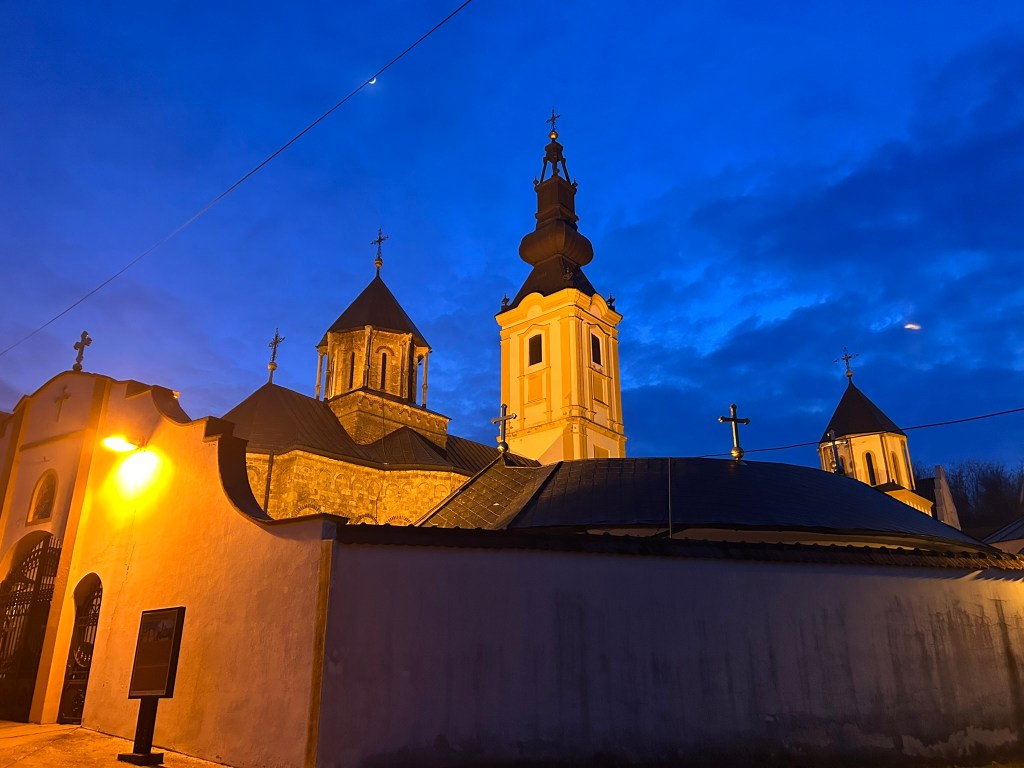
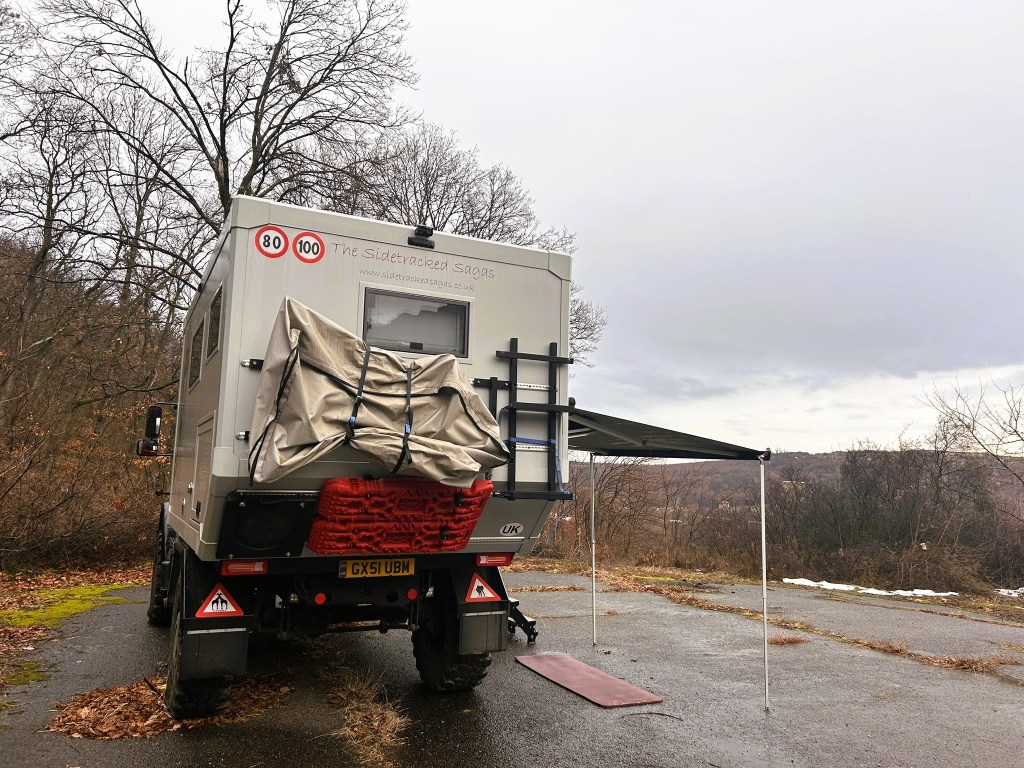
We decided to take a break from monasteries the next day and spend a day working on the Mog instead. We found the perfect spot by an abandoned building in the middle of a field and James tried to figure out what was wrong with the CTIS whilst I did some admin.
In the evening we drove to an abandoned hotel for the night. The track up to it was very overgrown and BigMog has a few new scratches, but when we got to the top it was perfect – even if the building itself looked a little ghostly in the fading light
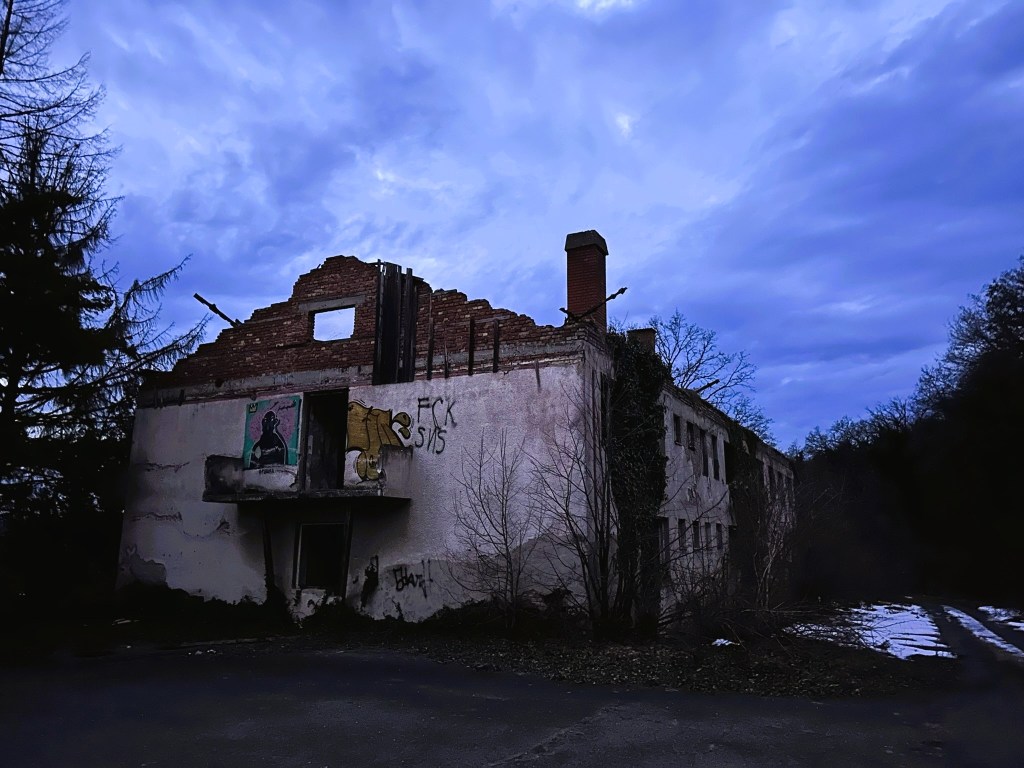
The next morning it didn’t look anywhere near so ominous
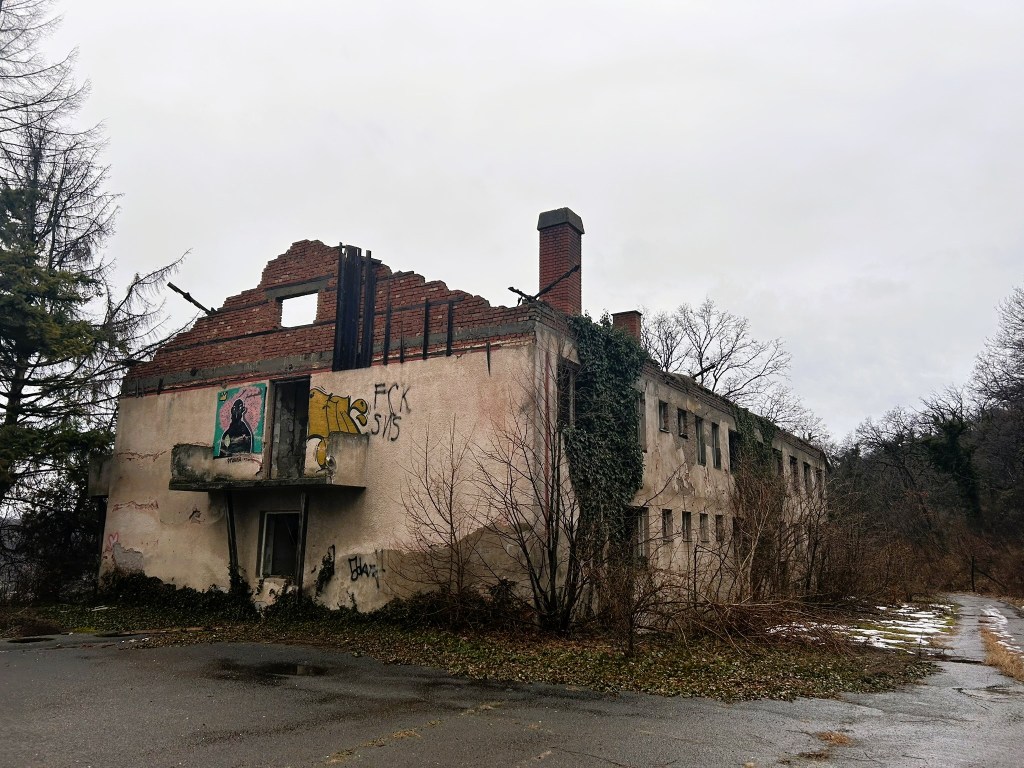
And the views over the forest were lovely, even in the rain
Before getting going on our monastery pilgrimage again, we went to see the magnificent, but hidden away, Spitzer Castle
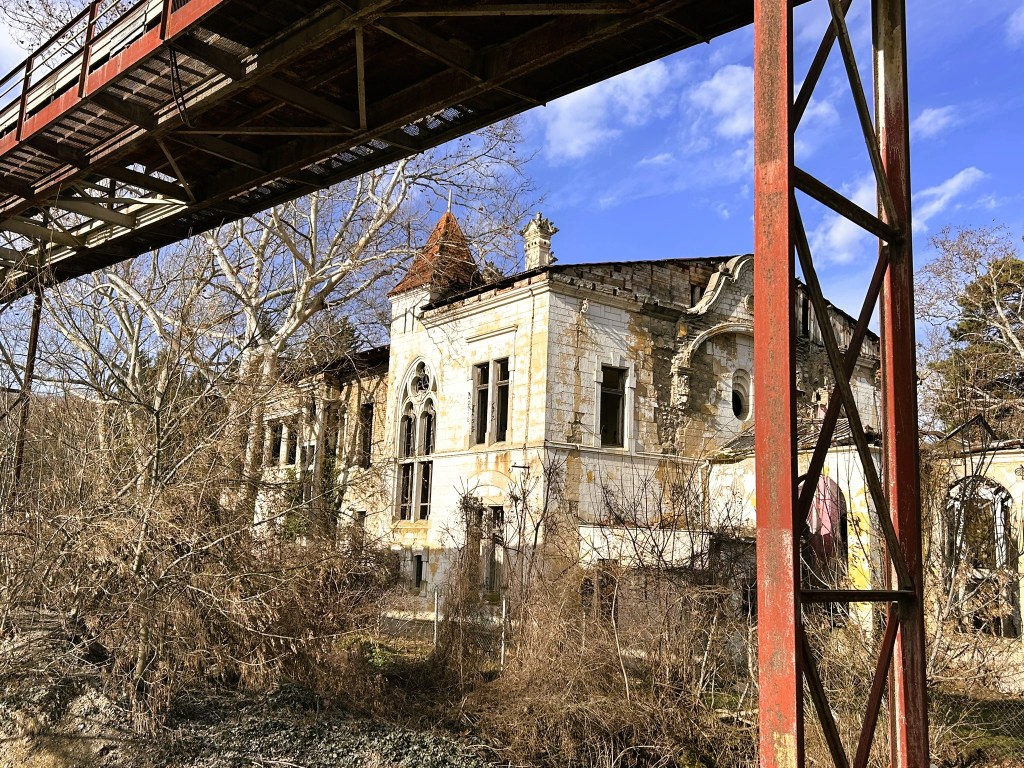
It was built in 1899 by the Spitzer family, wealthy Ashkenazi Jewish landowners. They fled during the second world war after which the building was nationalised and used as a school, library, cultural centre and, more recently, a restaurant. It was even used in the film ‘Kelly’s Heroes’.
It has been abandoned since the 1980s and is now in a state of ruin
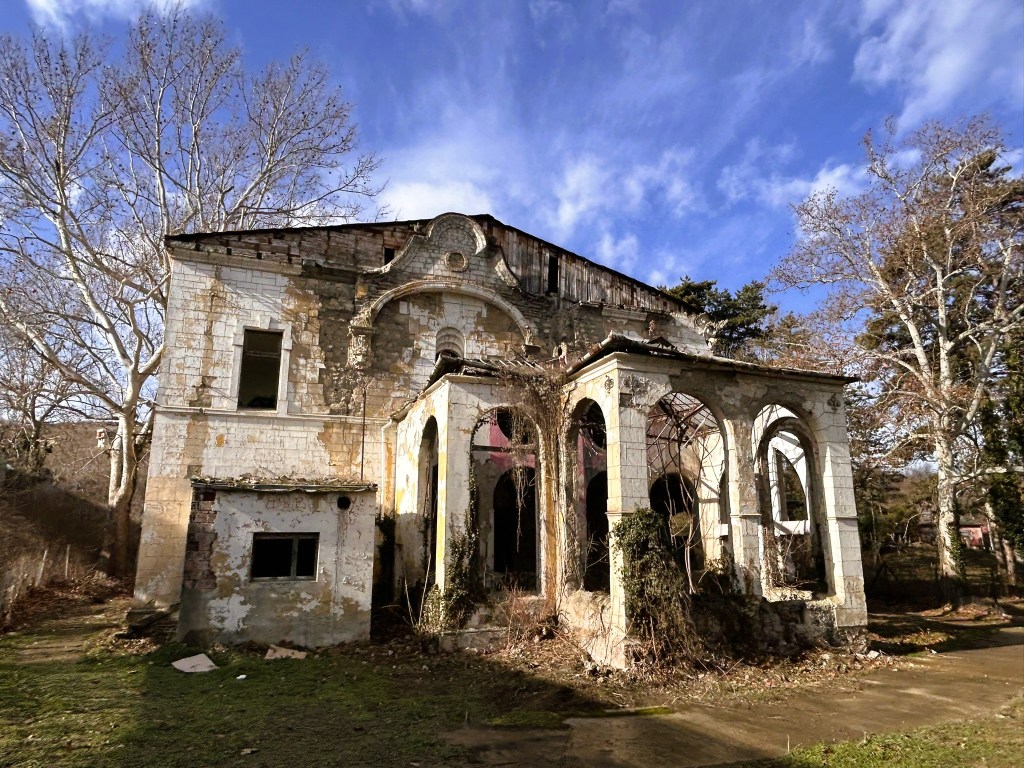
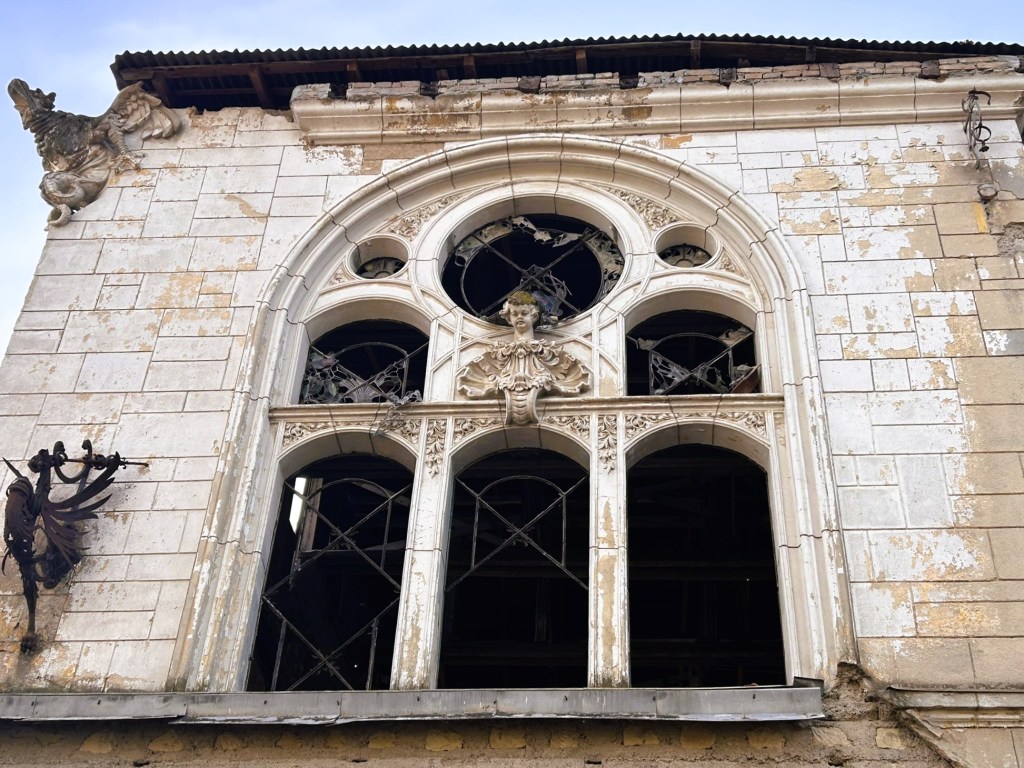
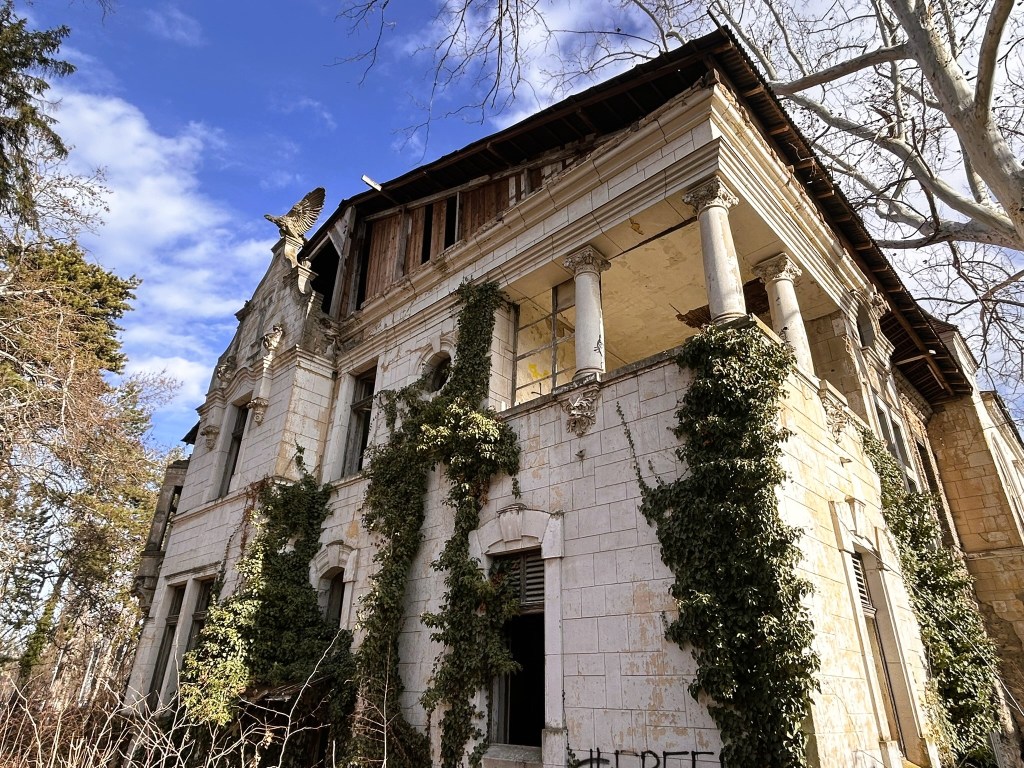
In fact it is at risk of collapsing altogether and technically you’re not allowed in but rules are rarely enforced in Serbia so we took our chances
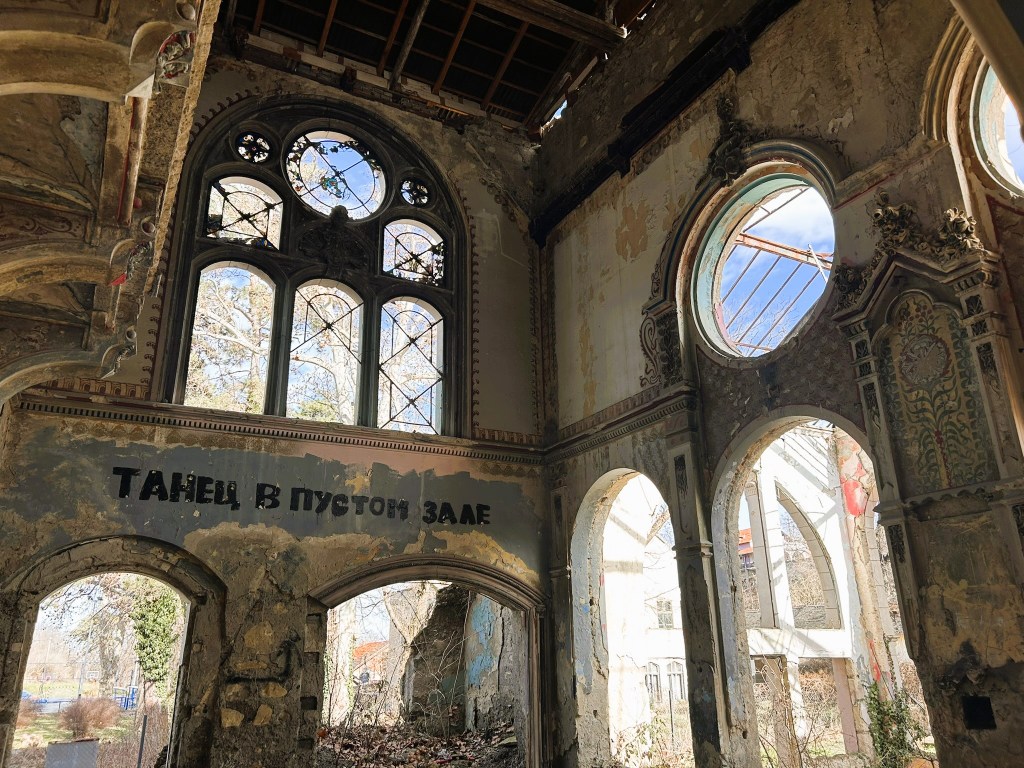
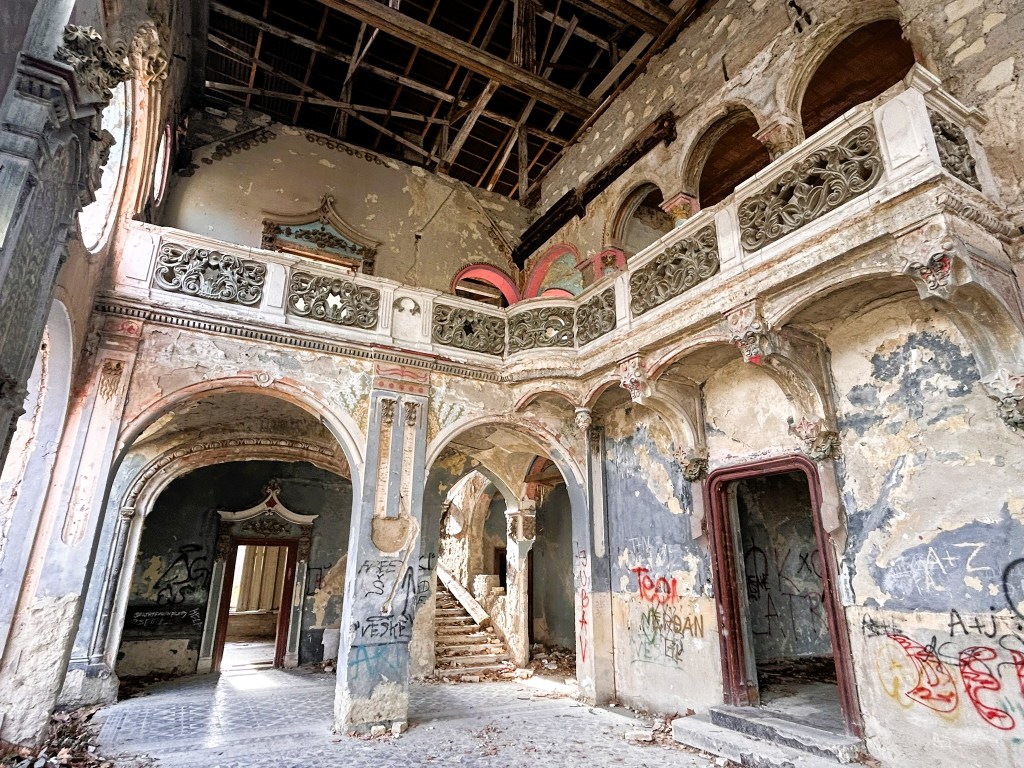
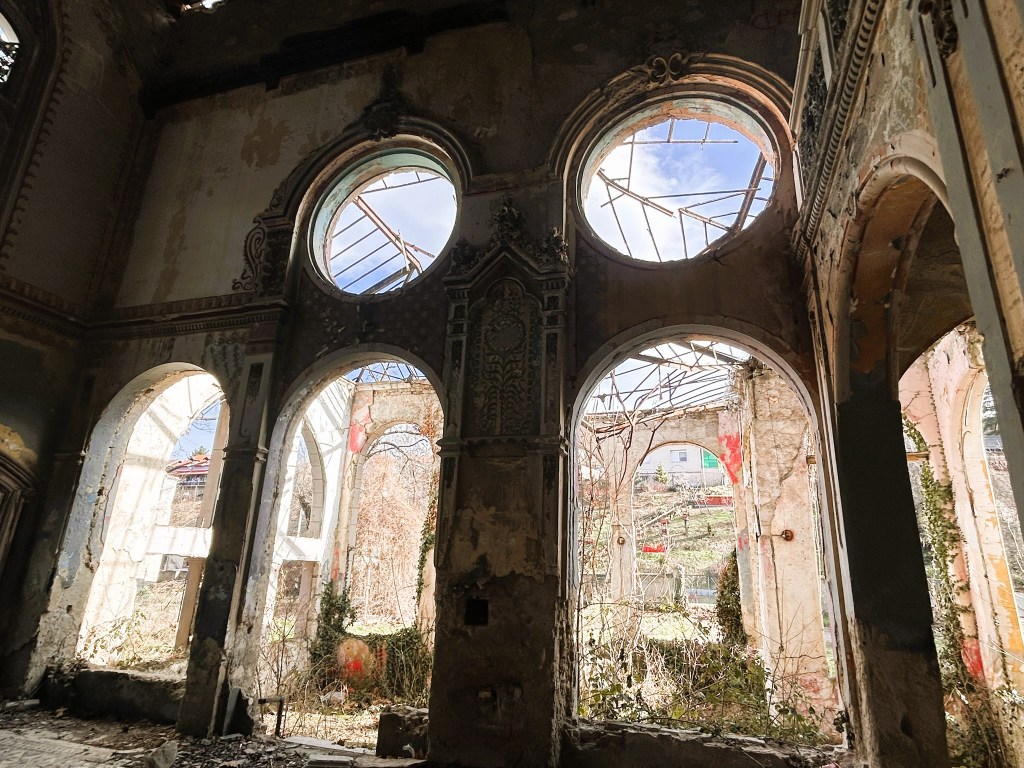
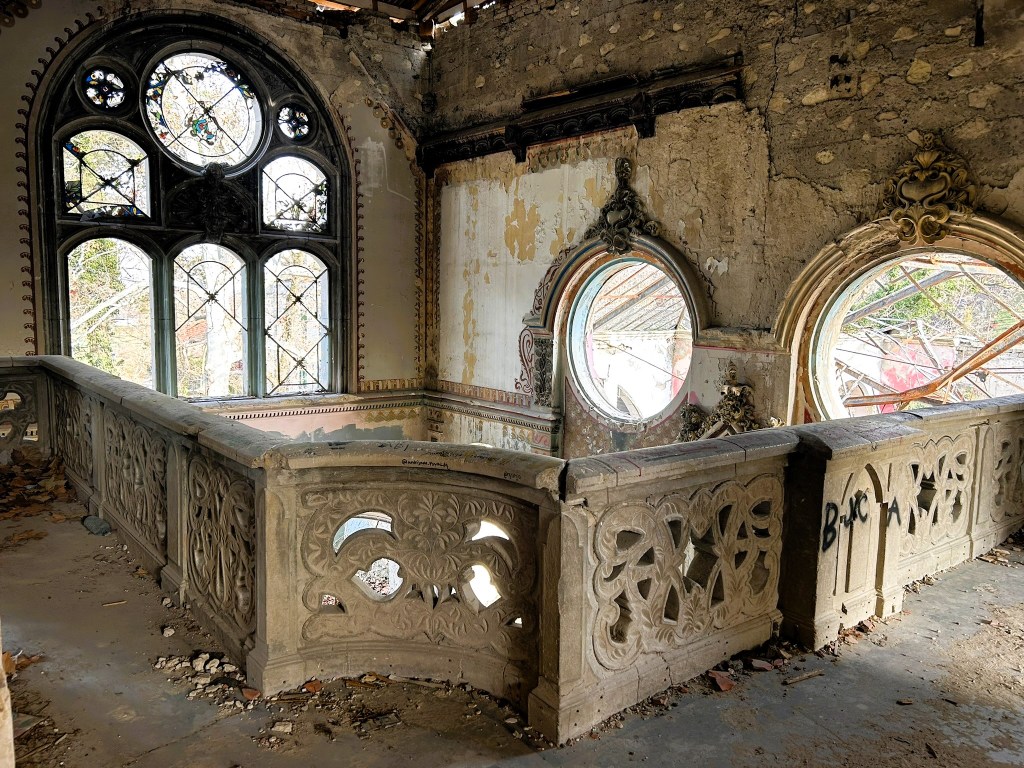
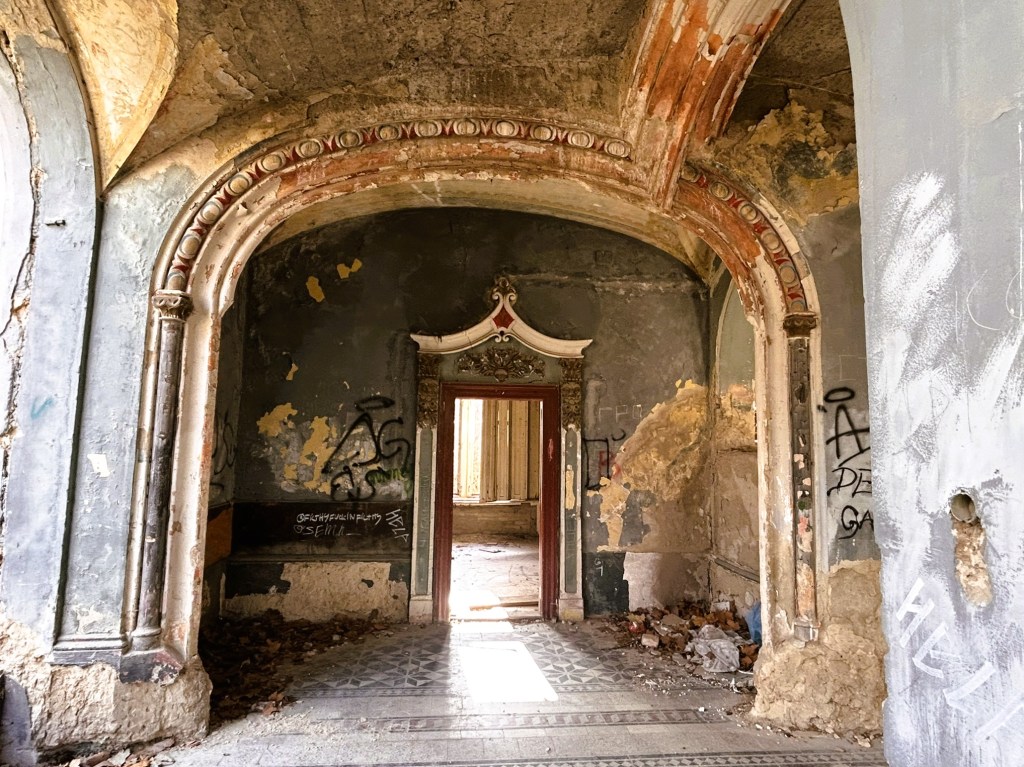
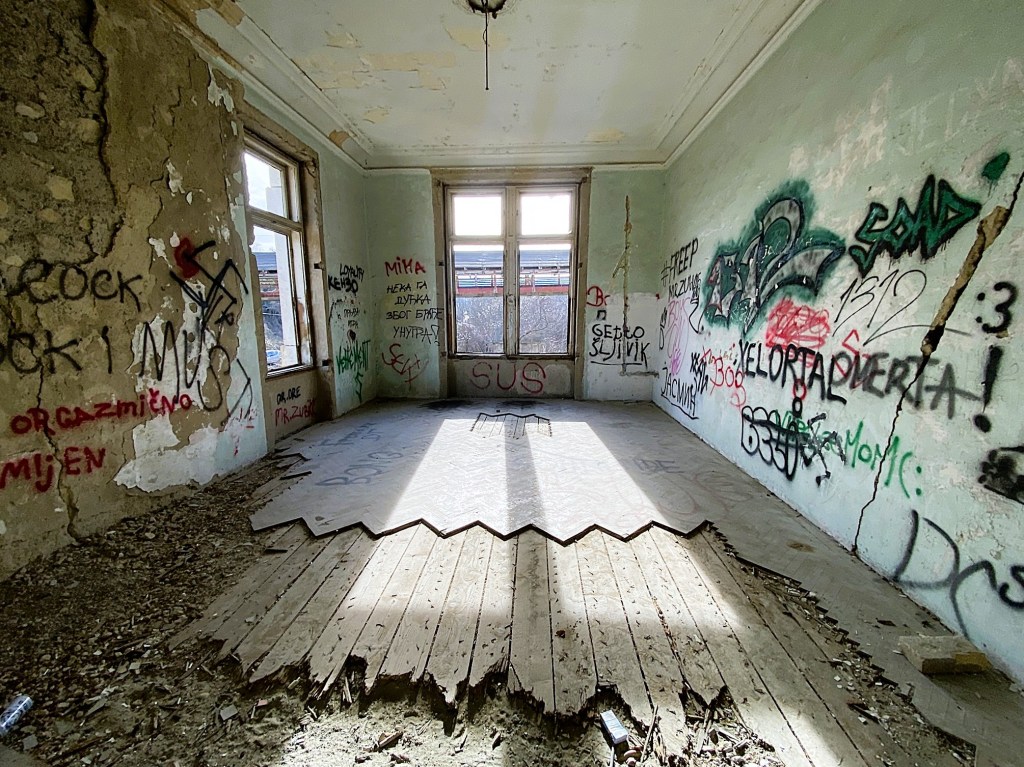
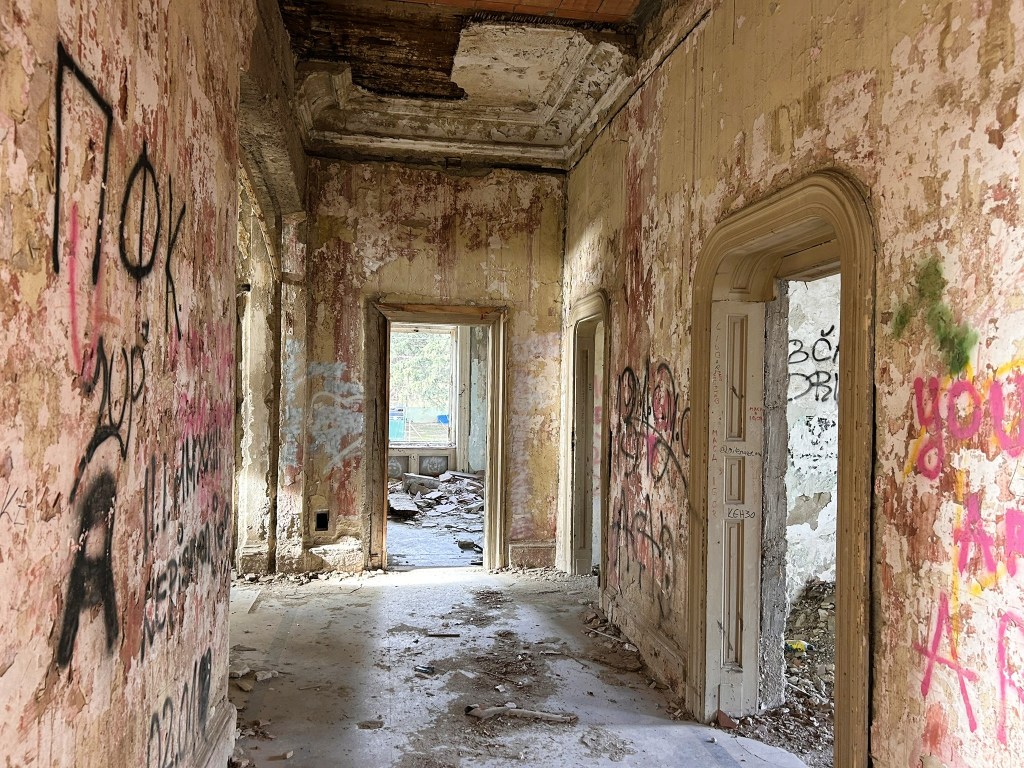
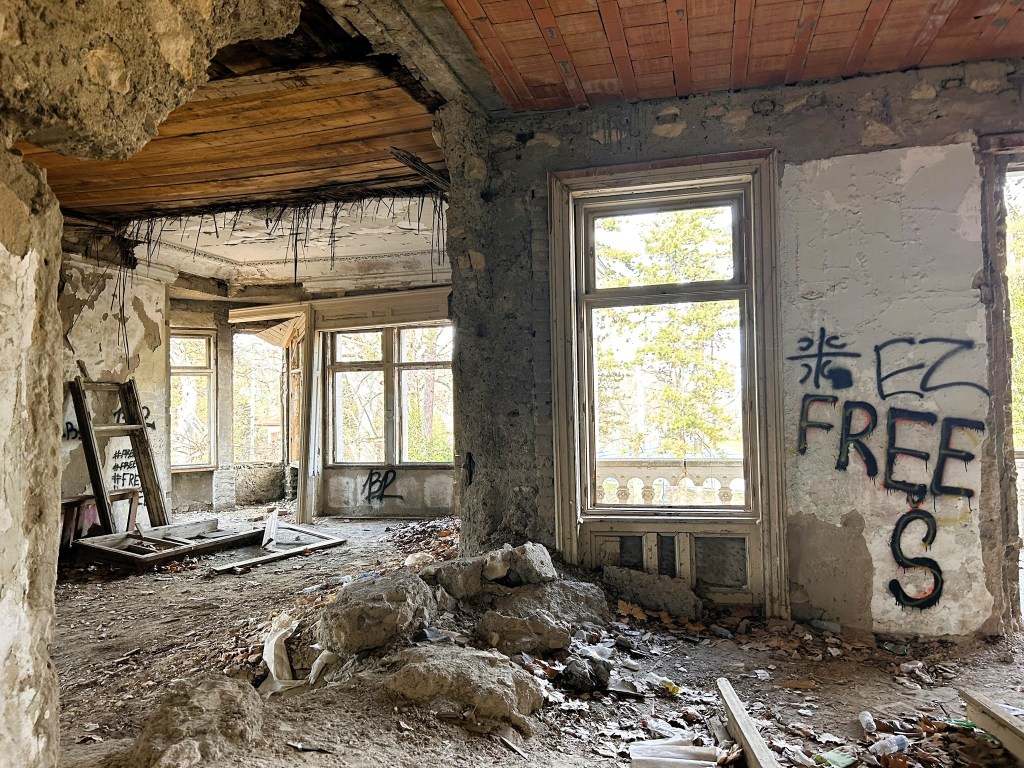
It seems such a shame that the government has not looked after it as it was one of the most impressive buildings we have visited.
Back on the monastery trail our next stop was Rakovac
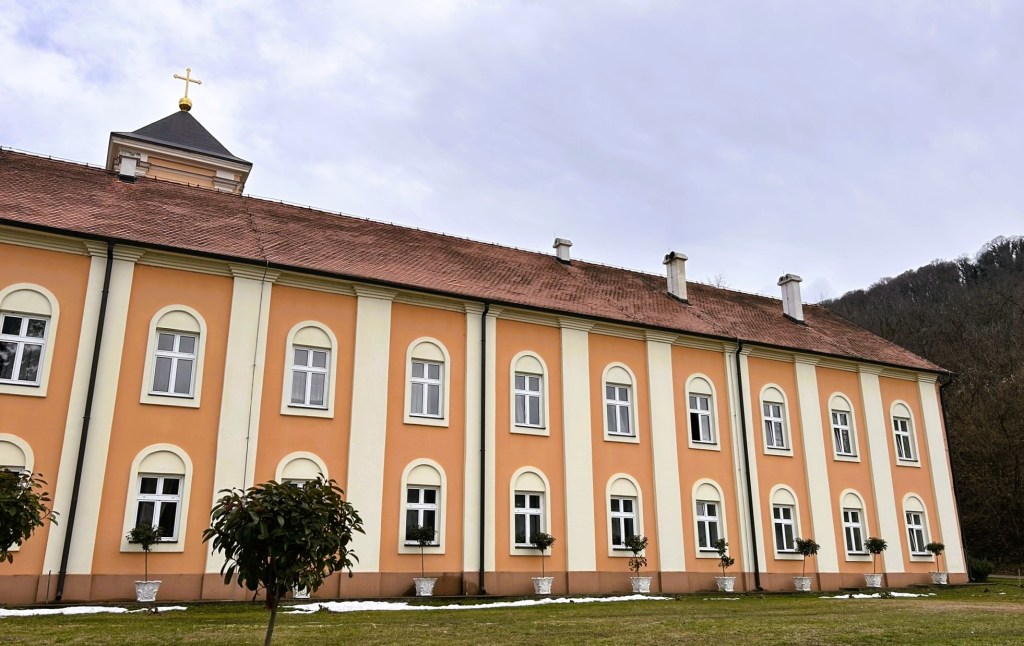
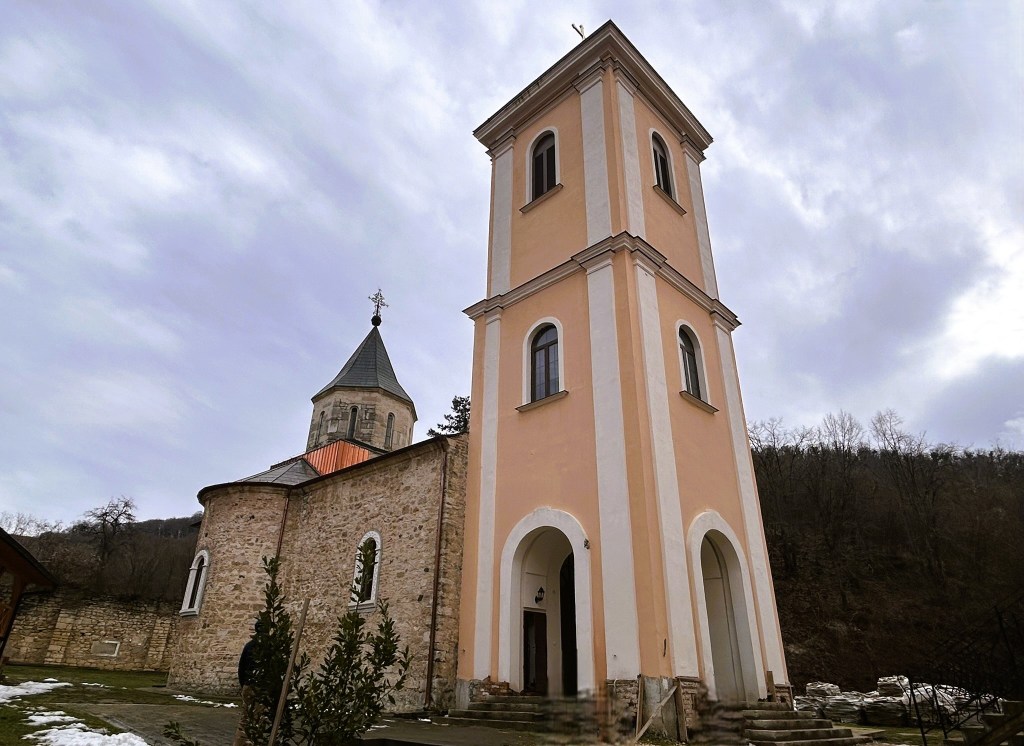
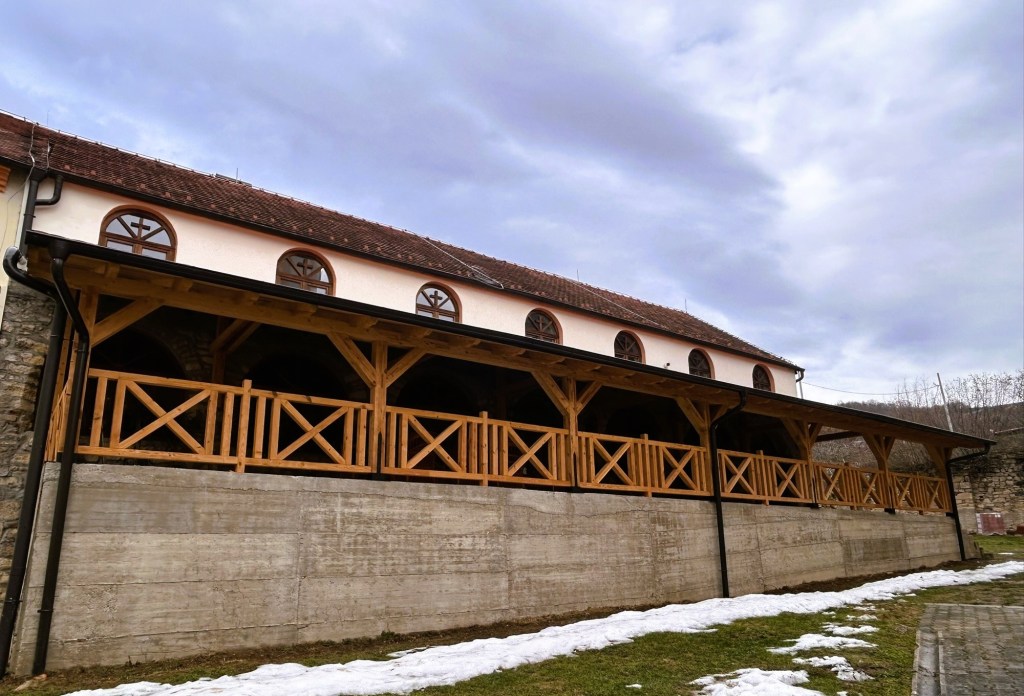
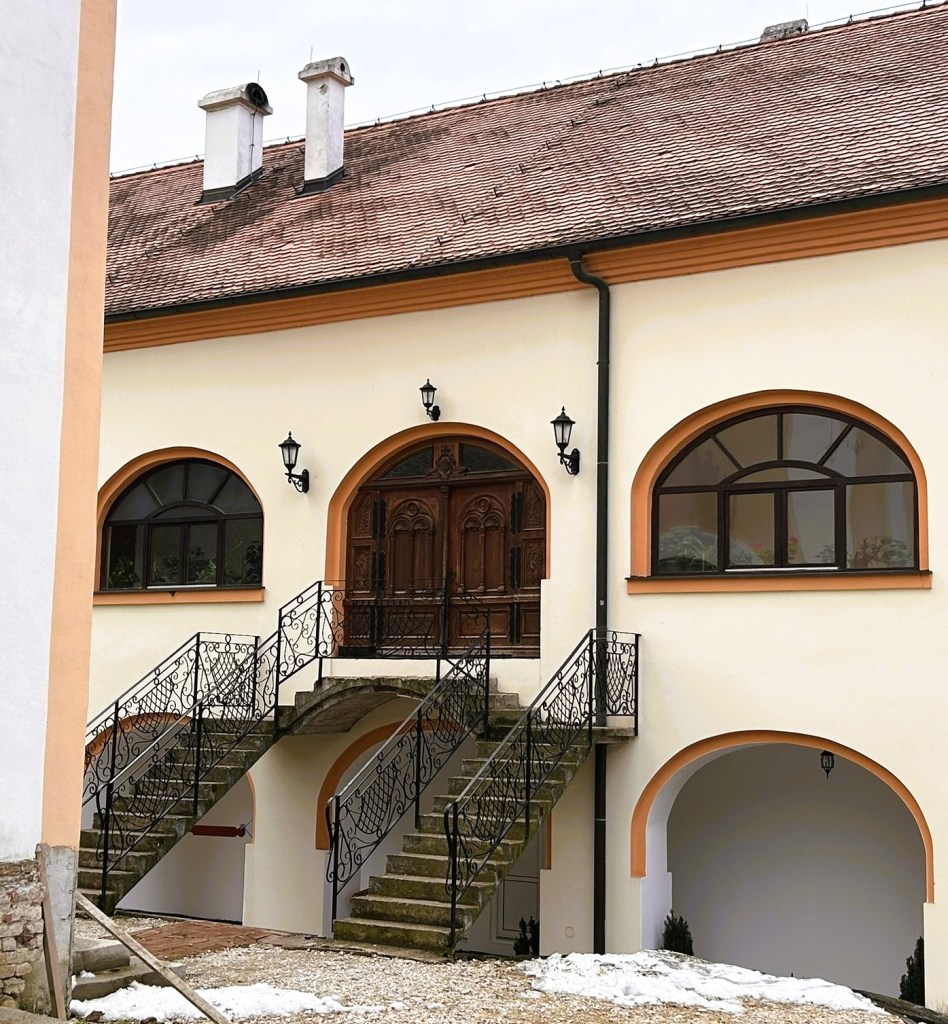
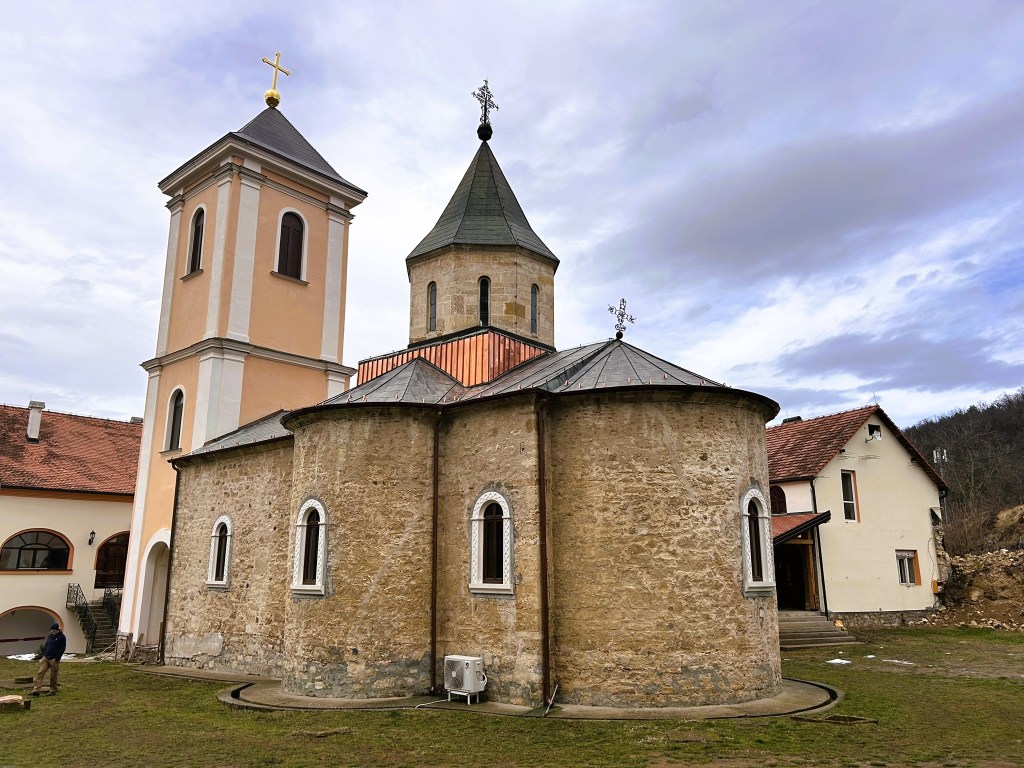
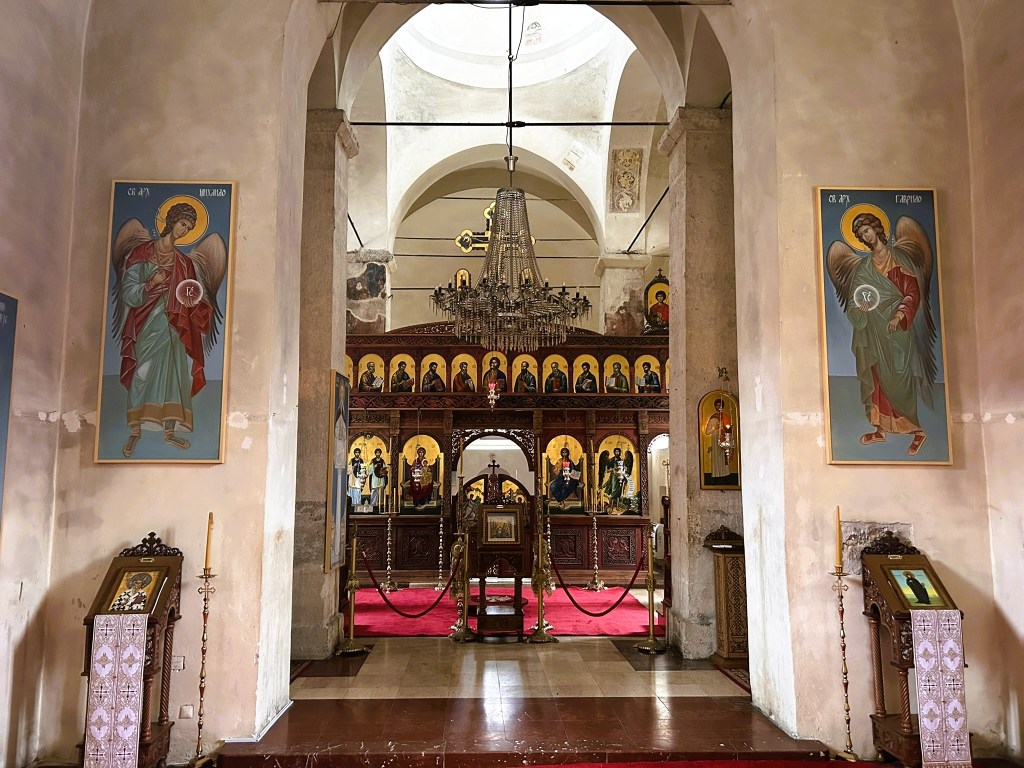
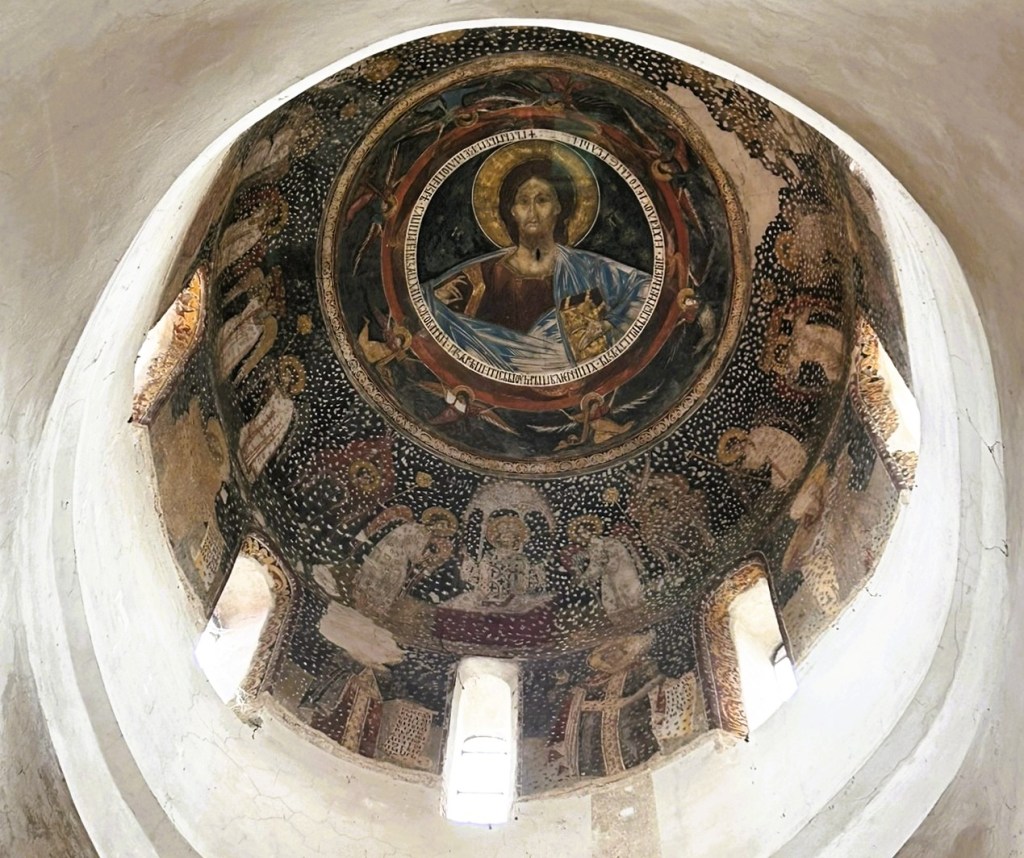
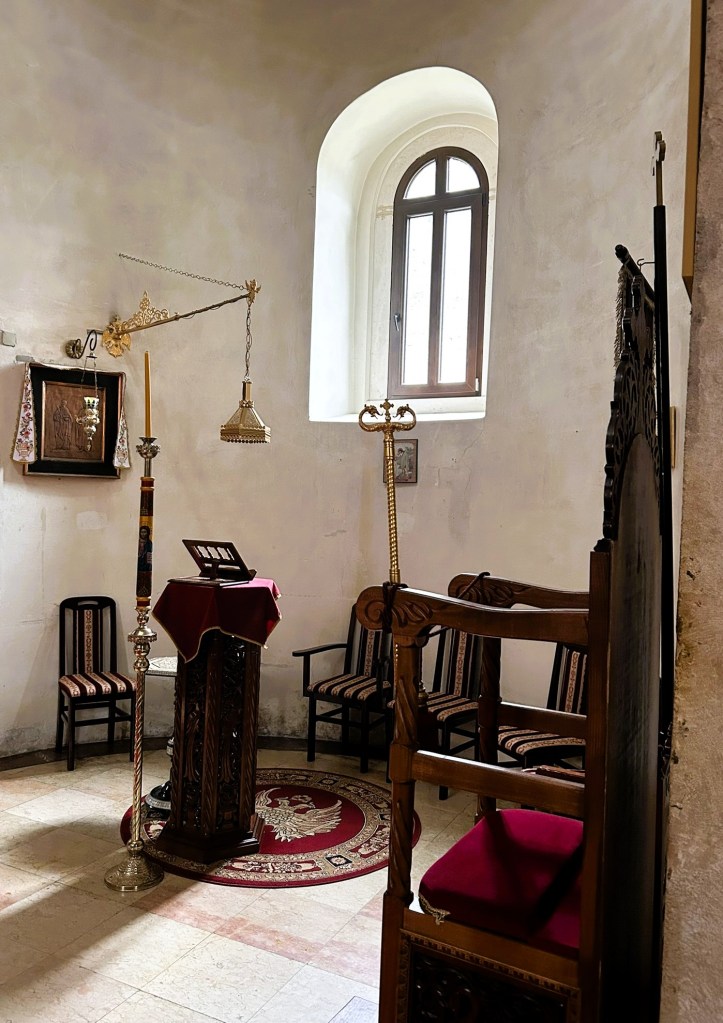
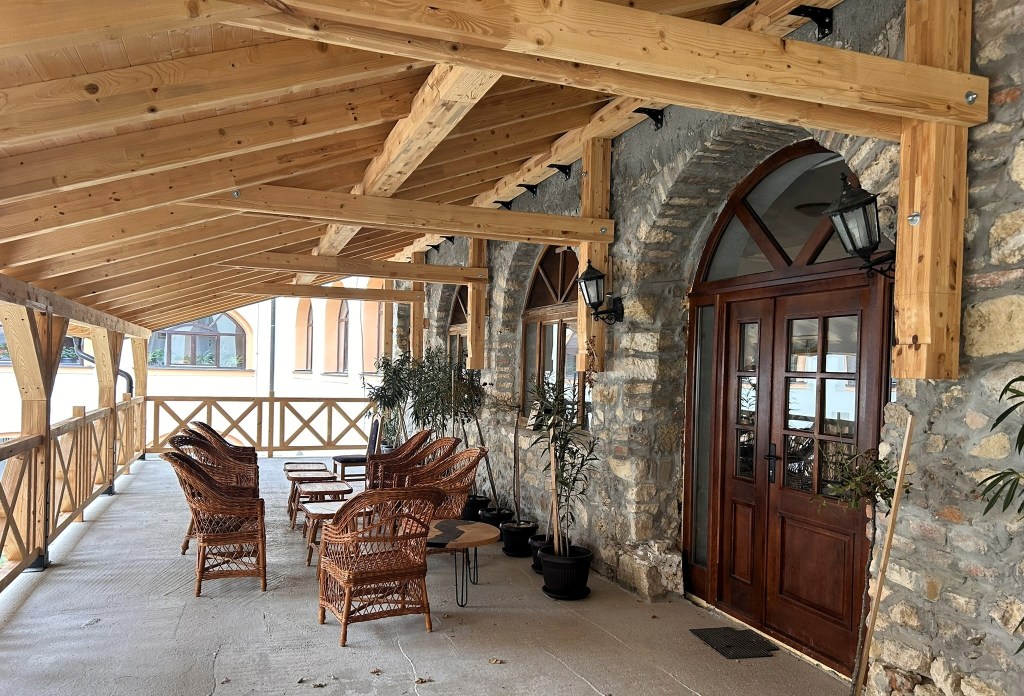
Then onto Beocin
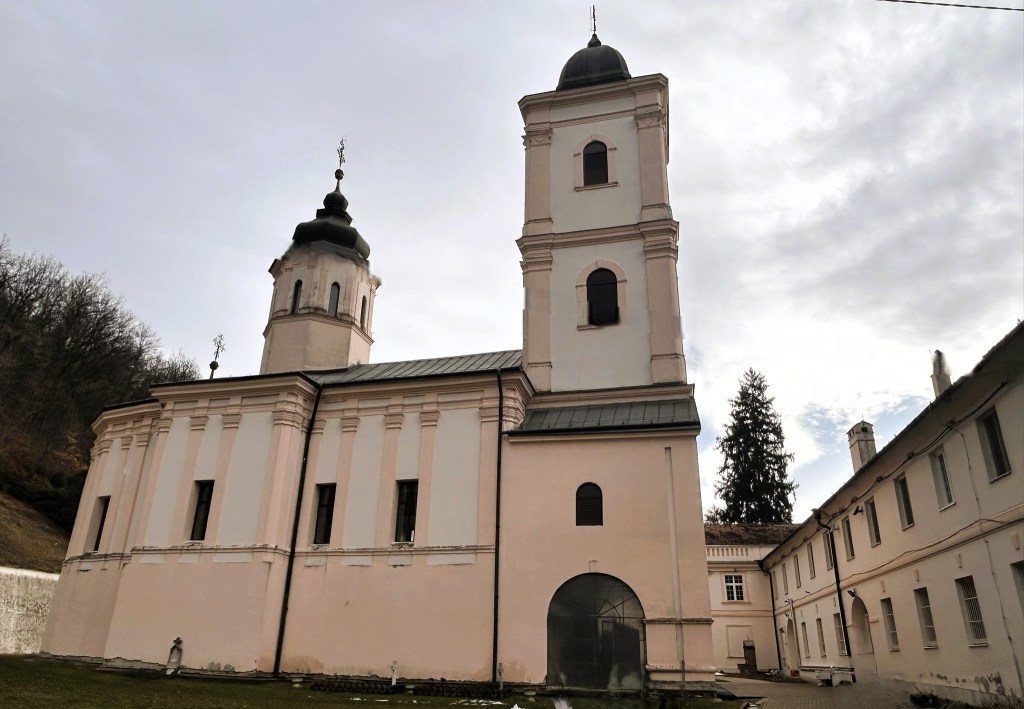
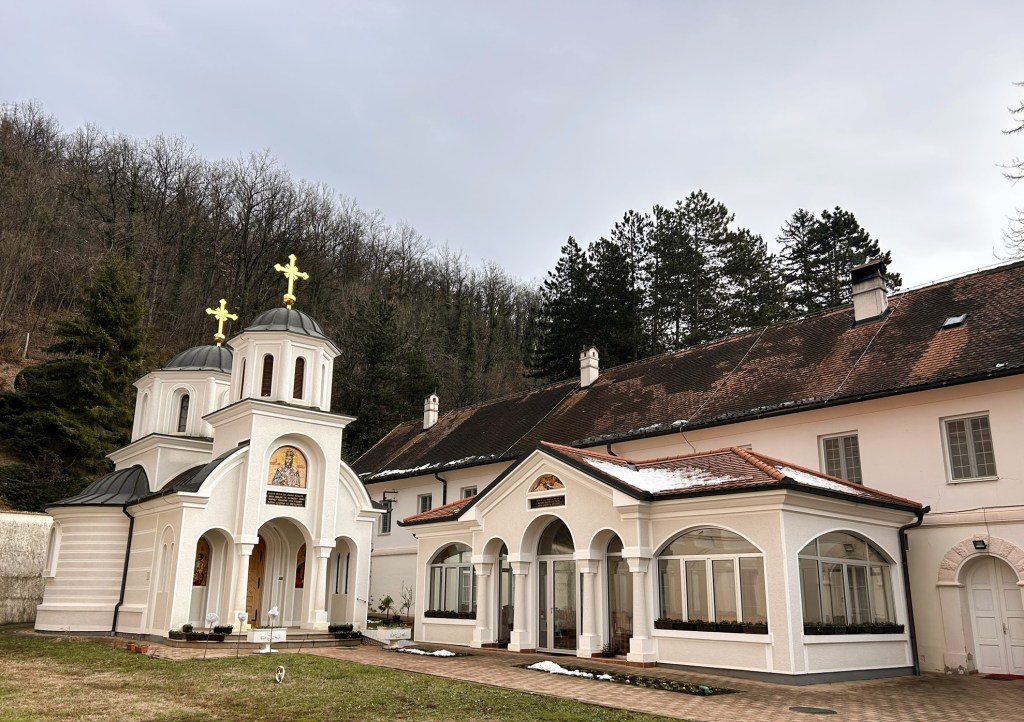
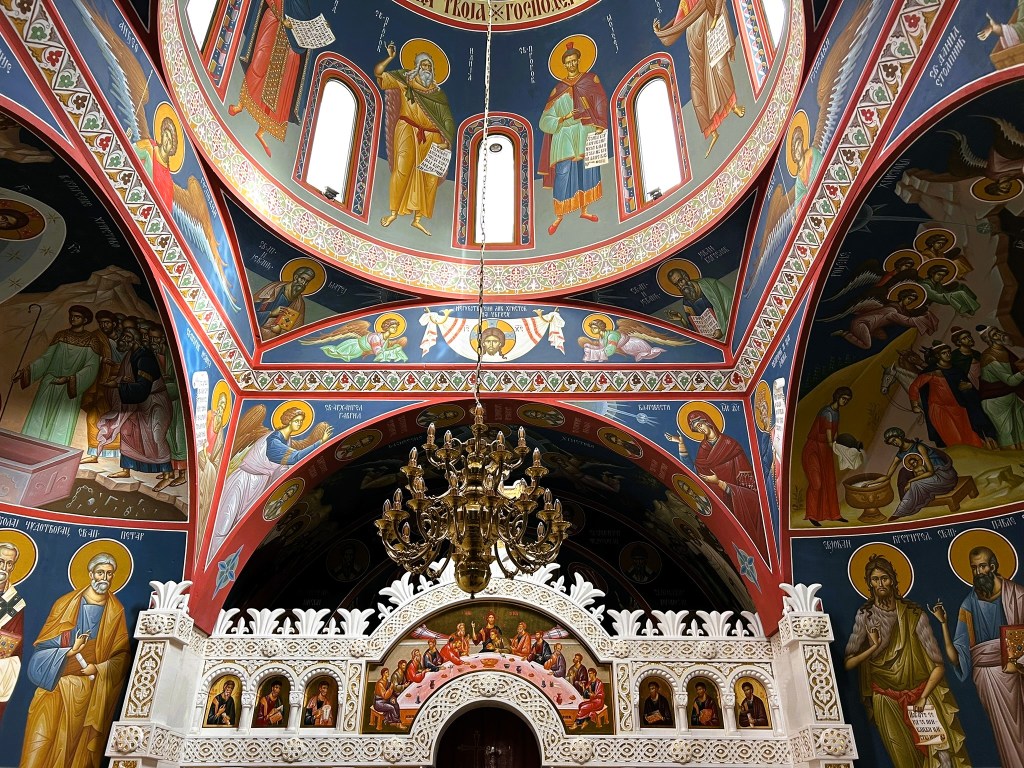
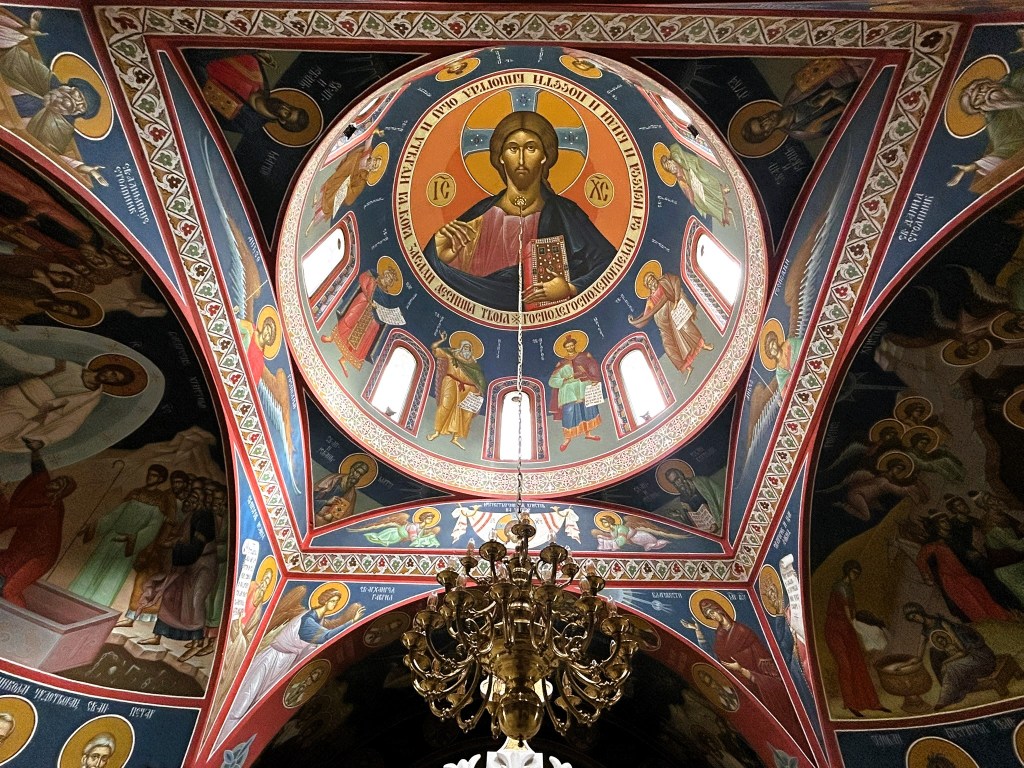
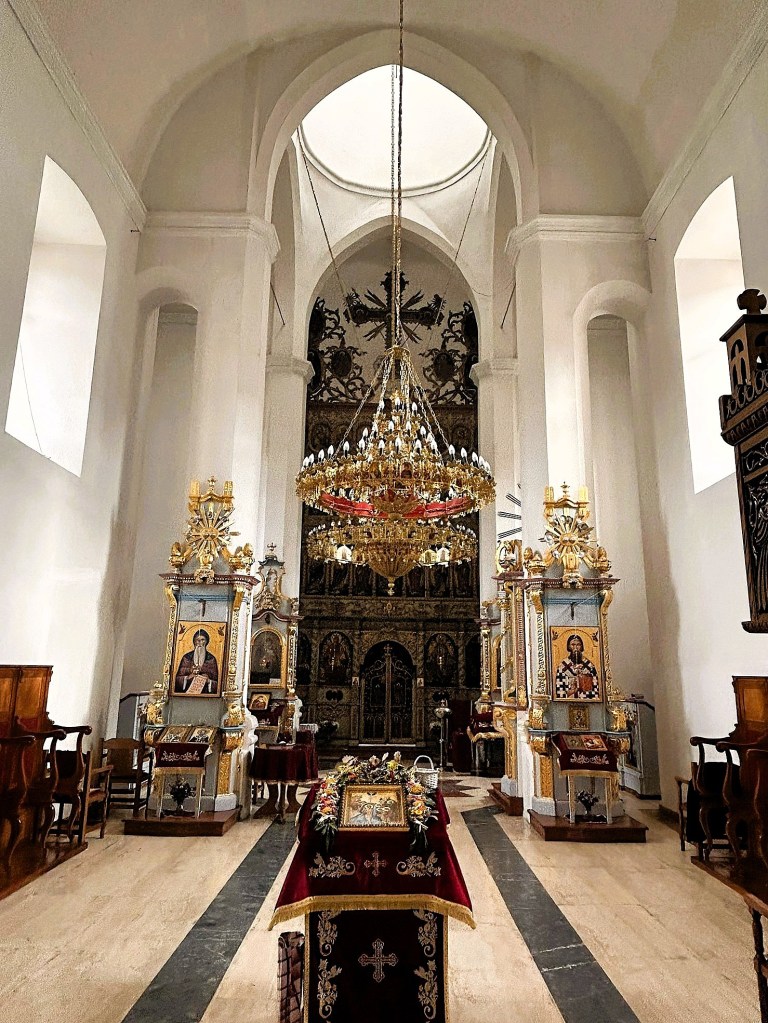
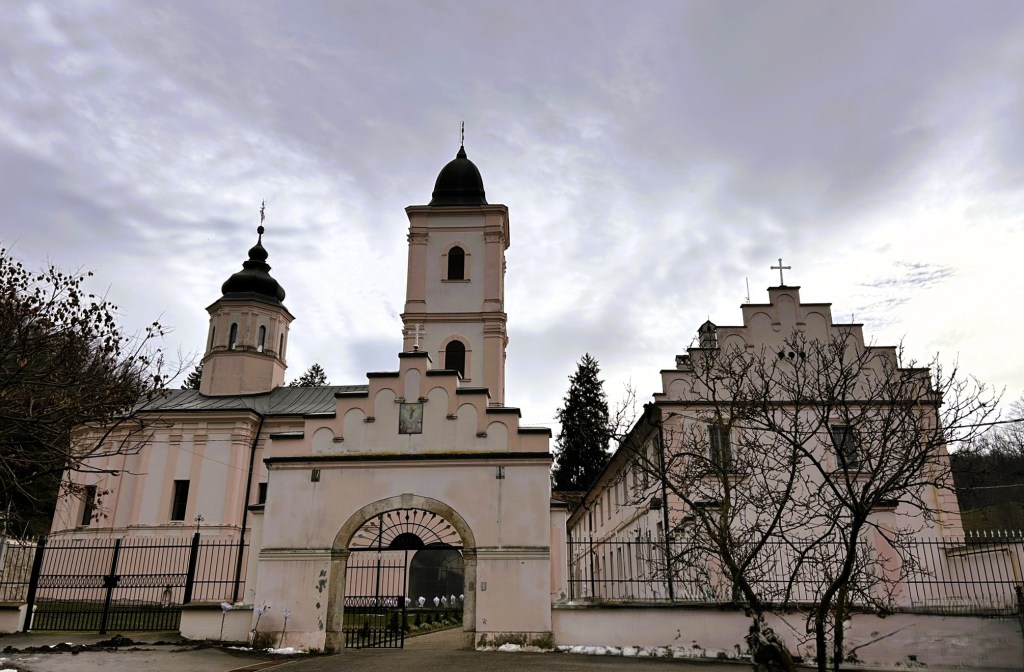
After that it was Velika Remeta
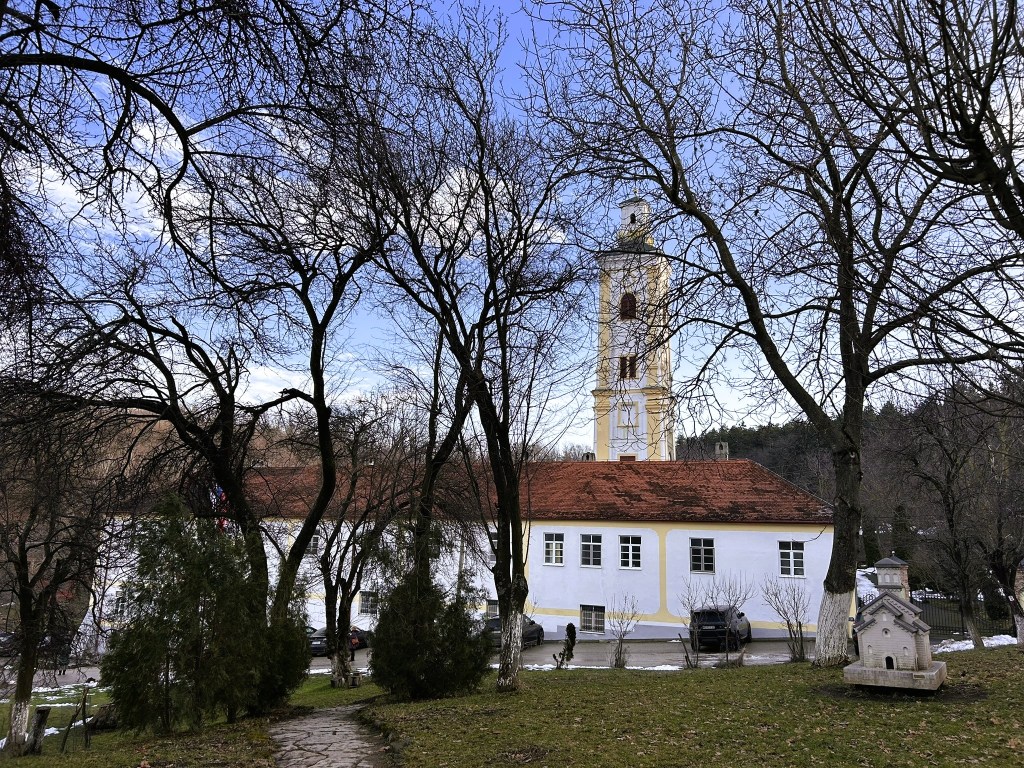
Which had beautiful grounds
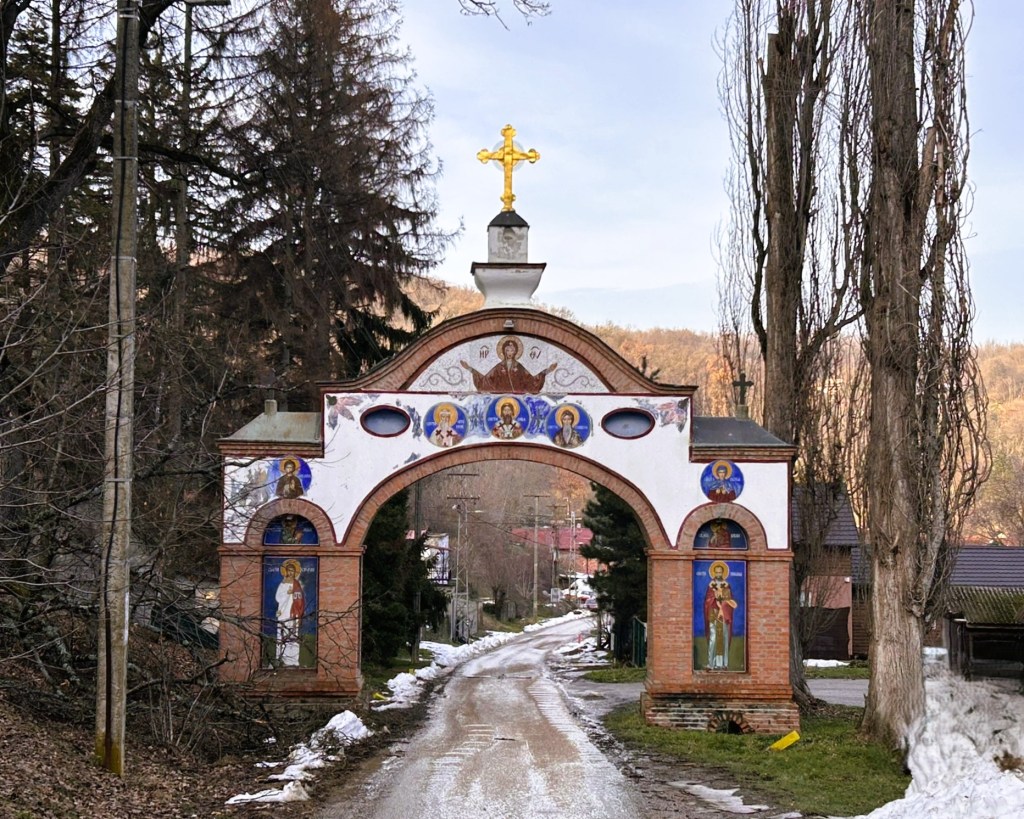
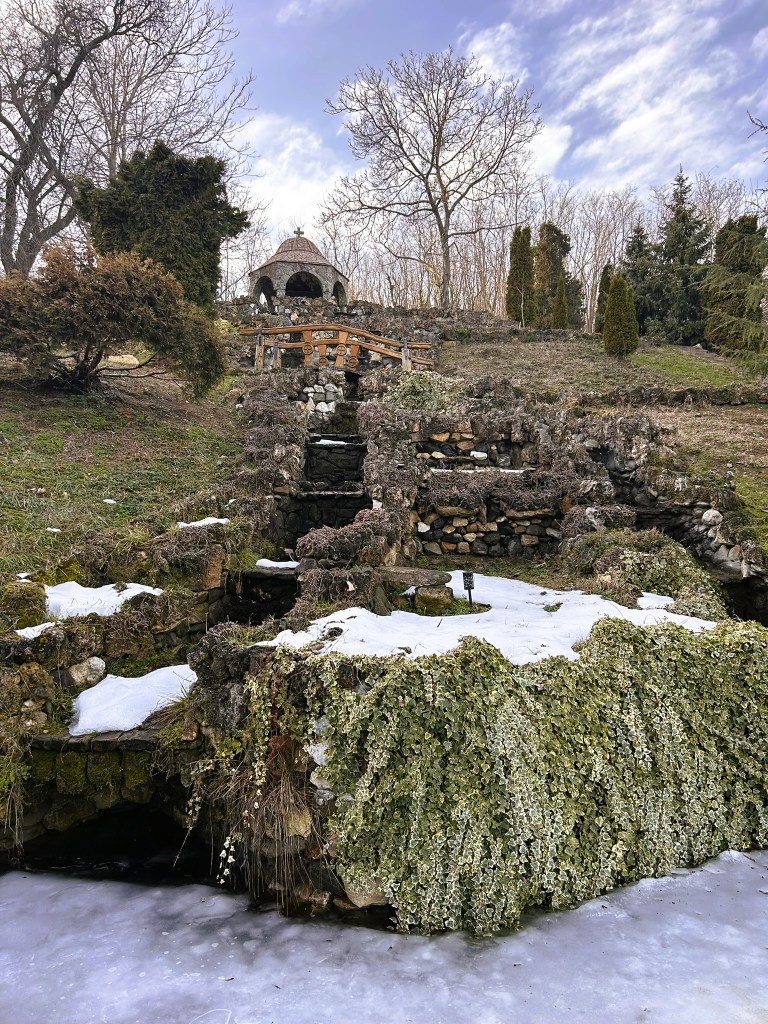
With a small bridge
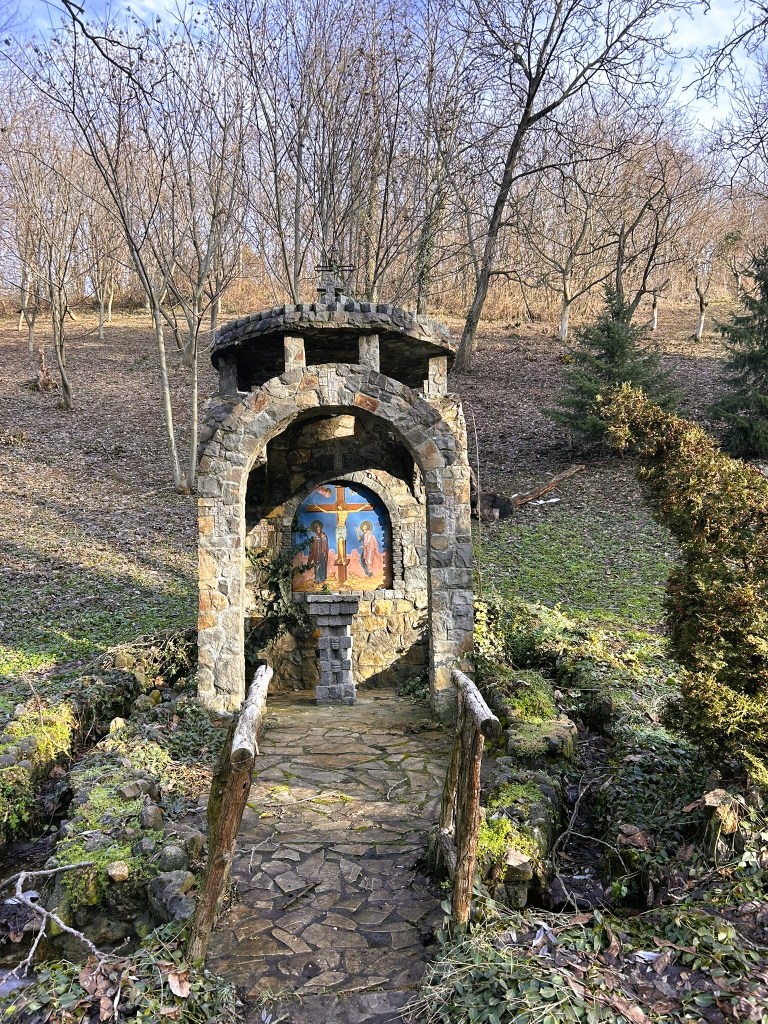
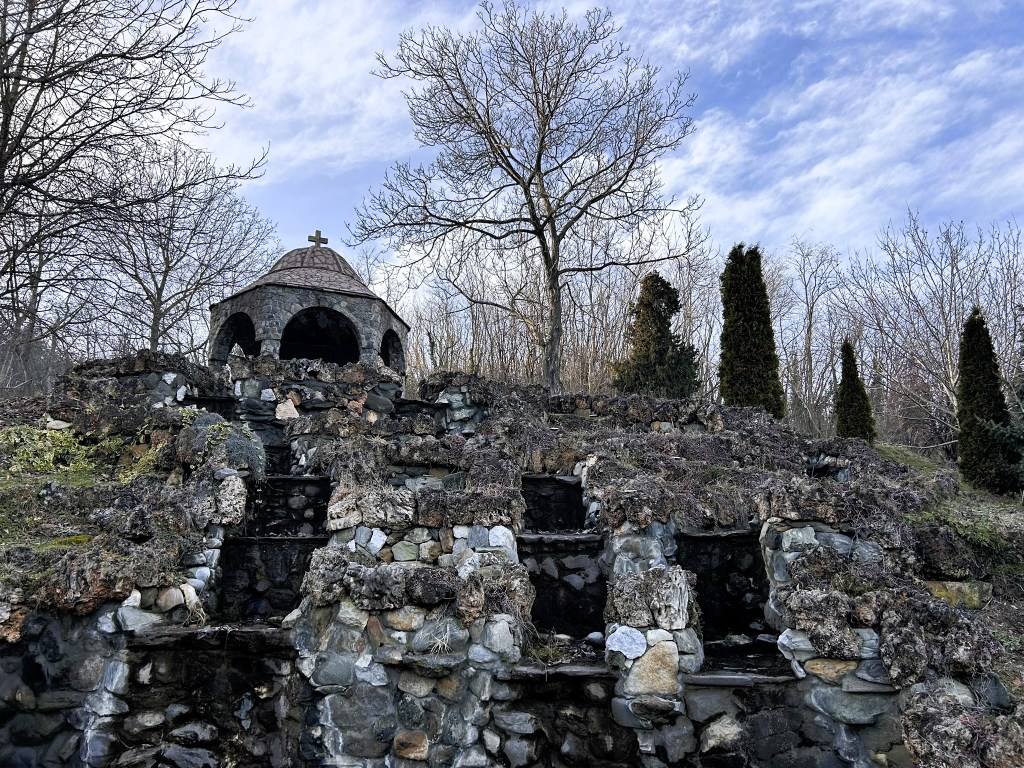
And follies all around
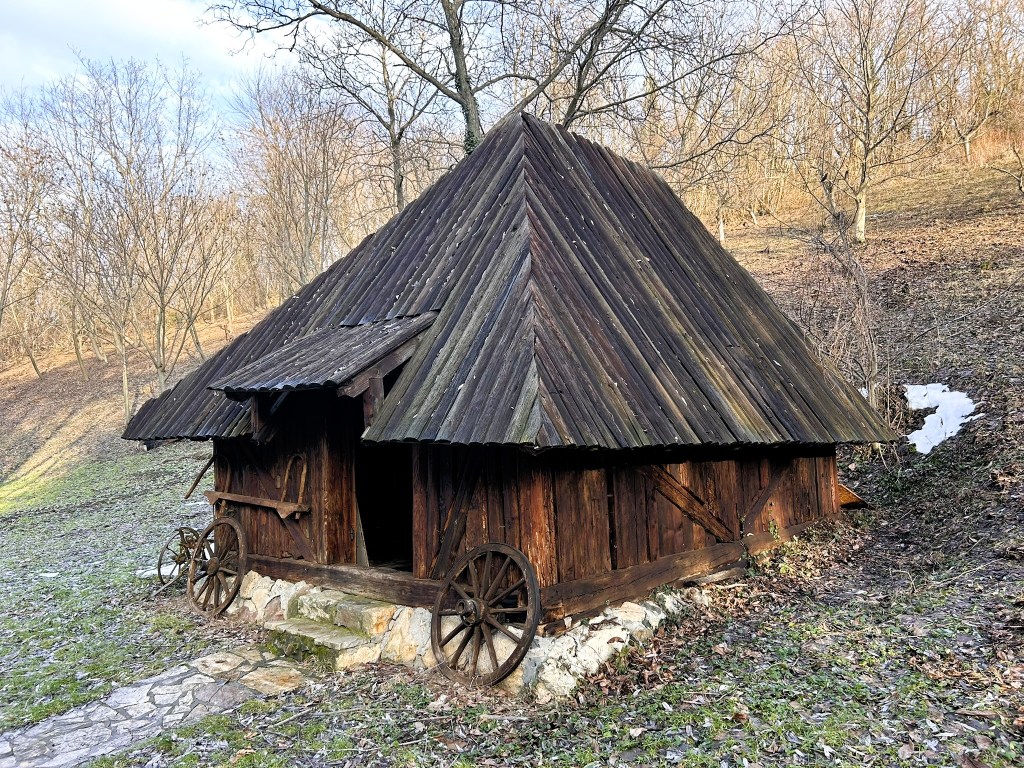
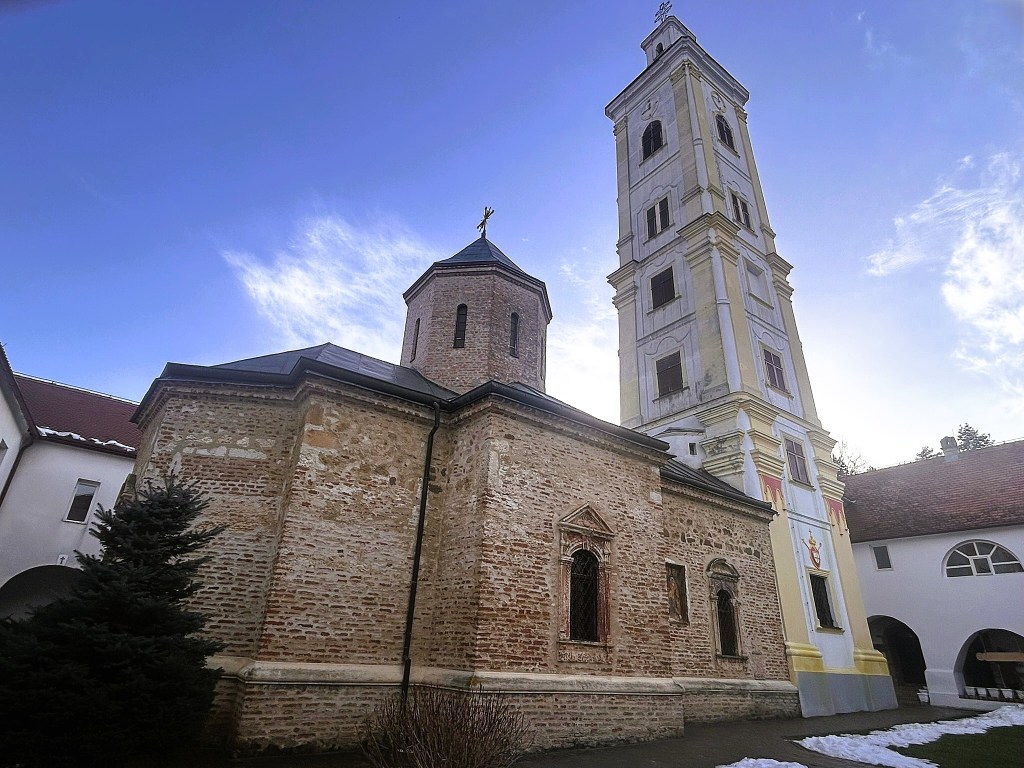
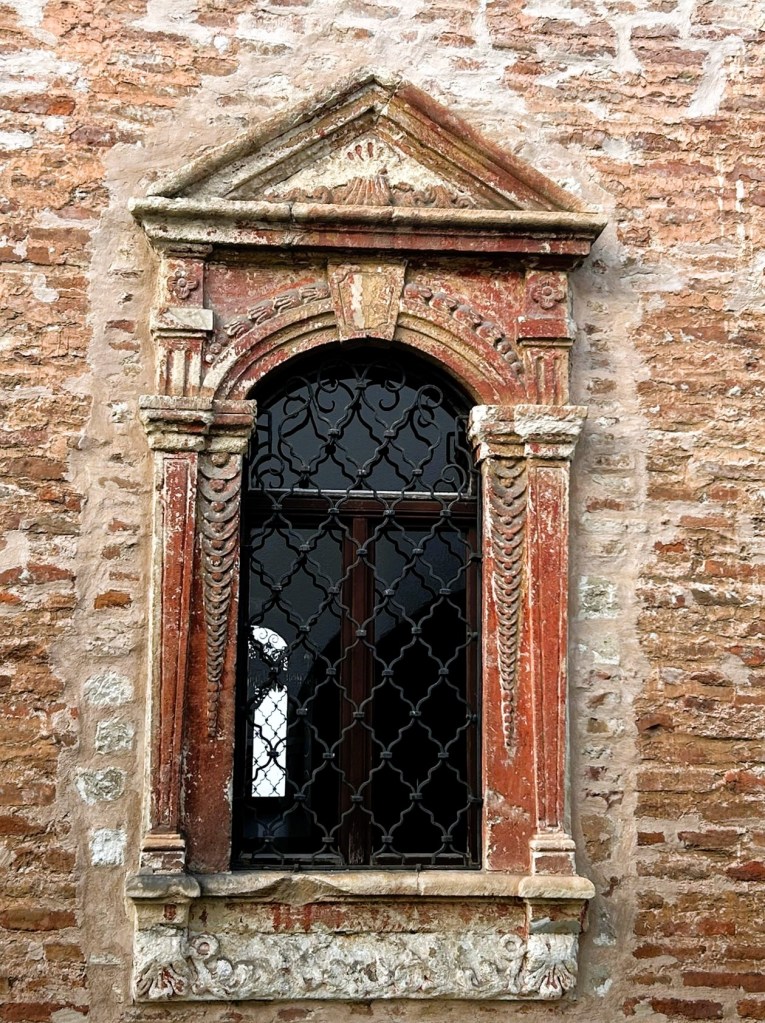
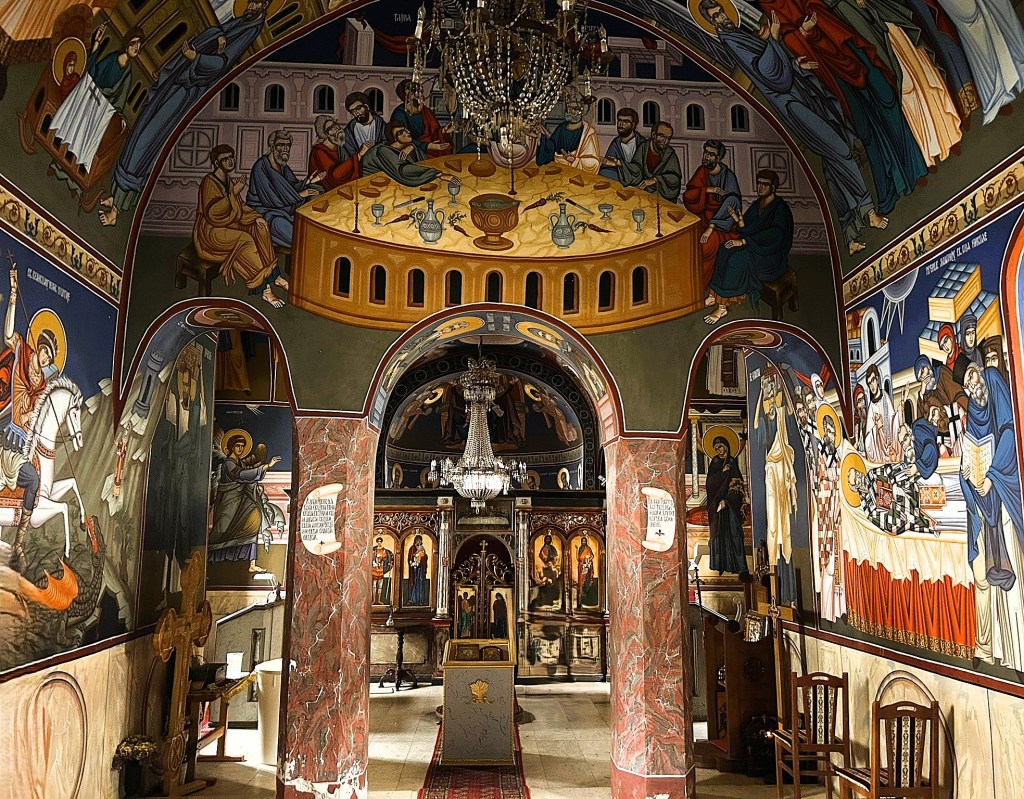
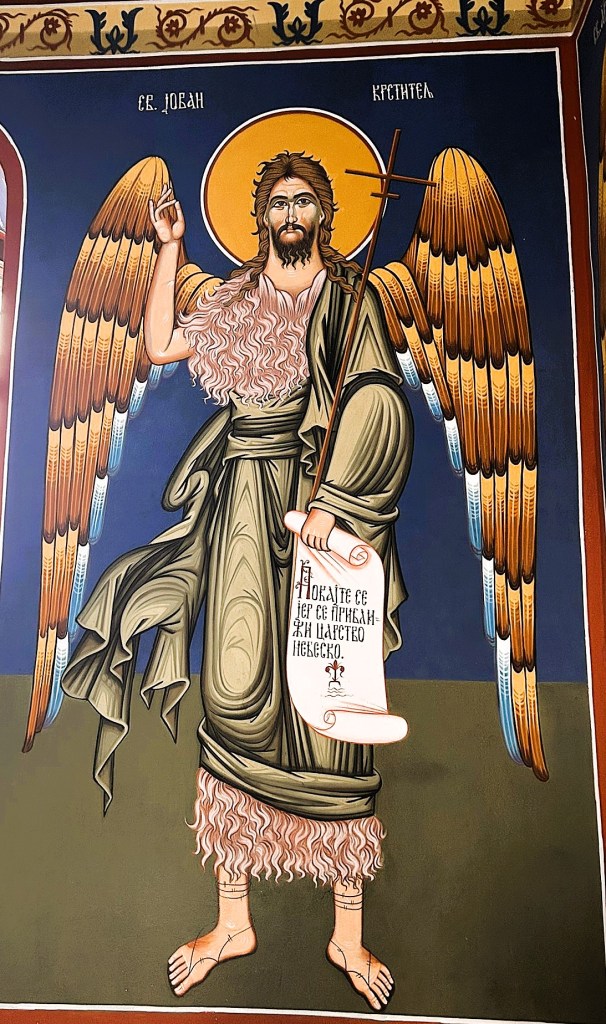
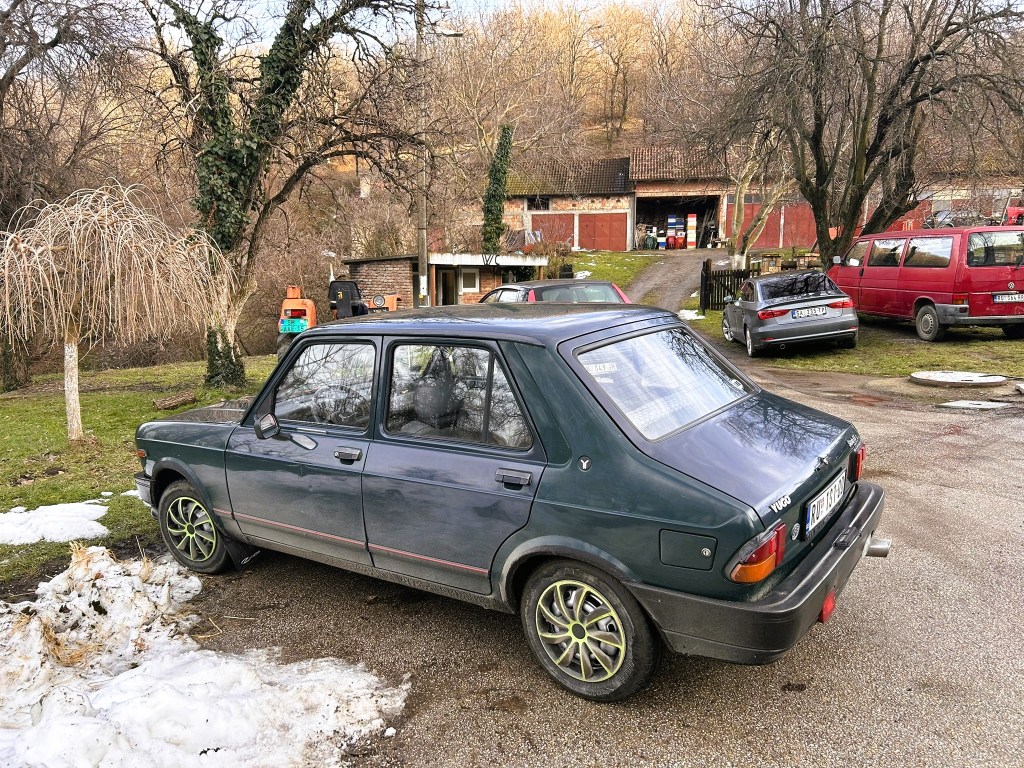
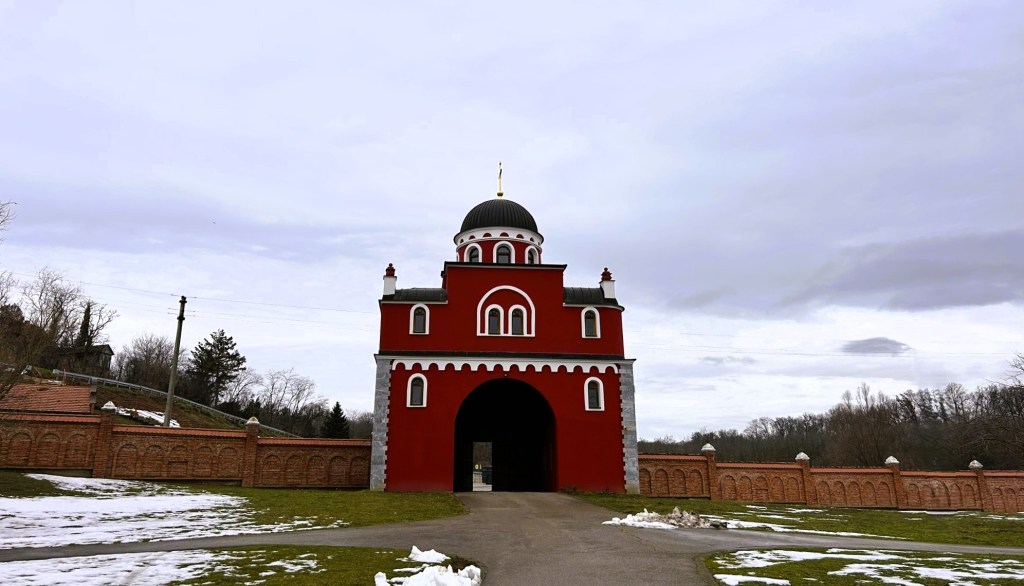
It was only a 10 minute drive to Krusedol monastery where we parked up in a huge car park just outside the gates, deciding to leave this one until the morning
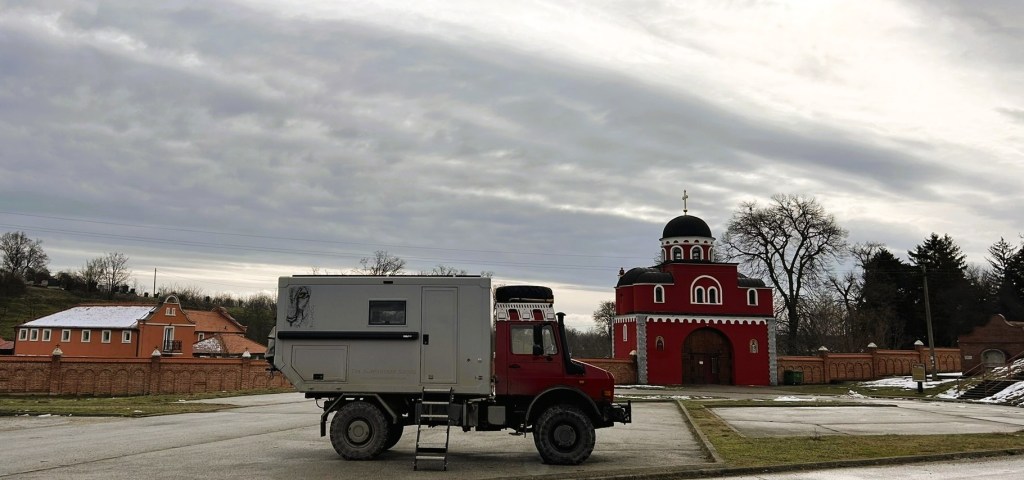
It was cold again the next day so we bundled up in our coats and hats to wander around
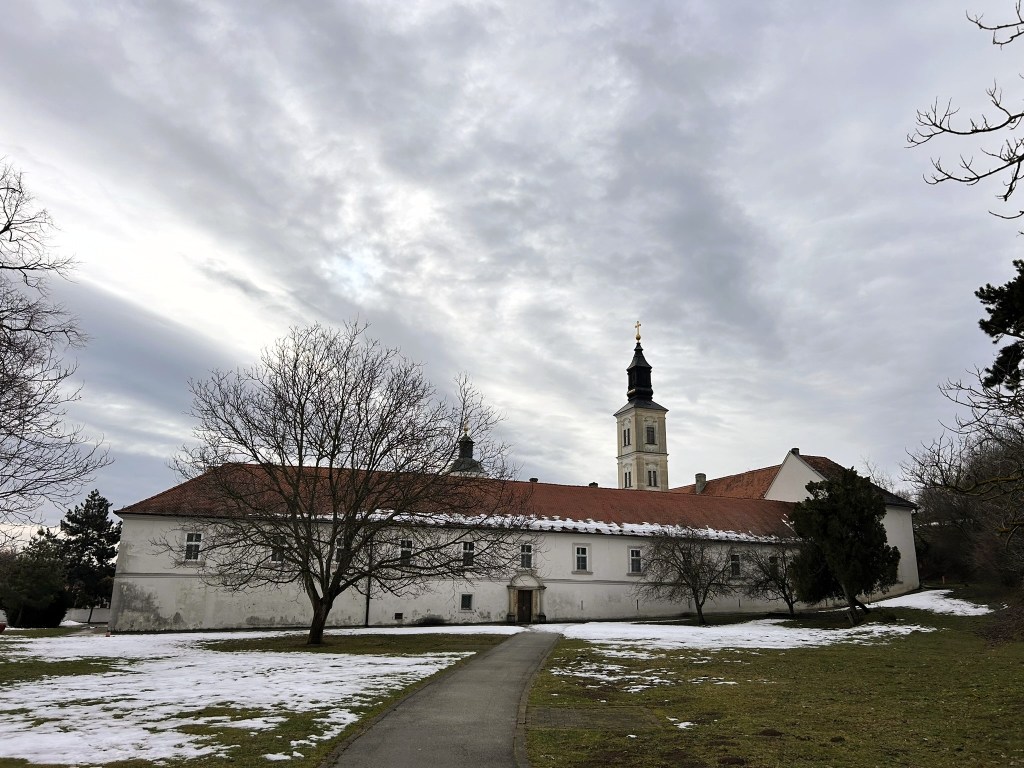
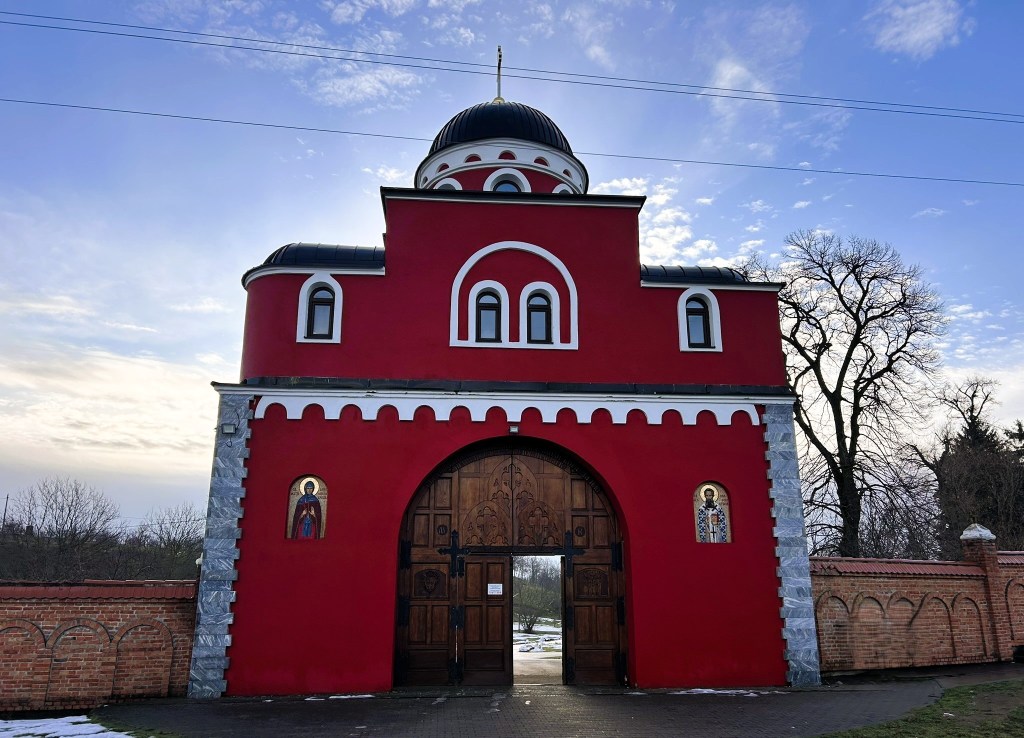
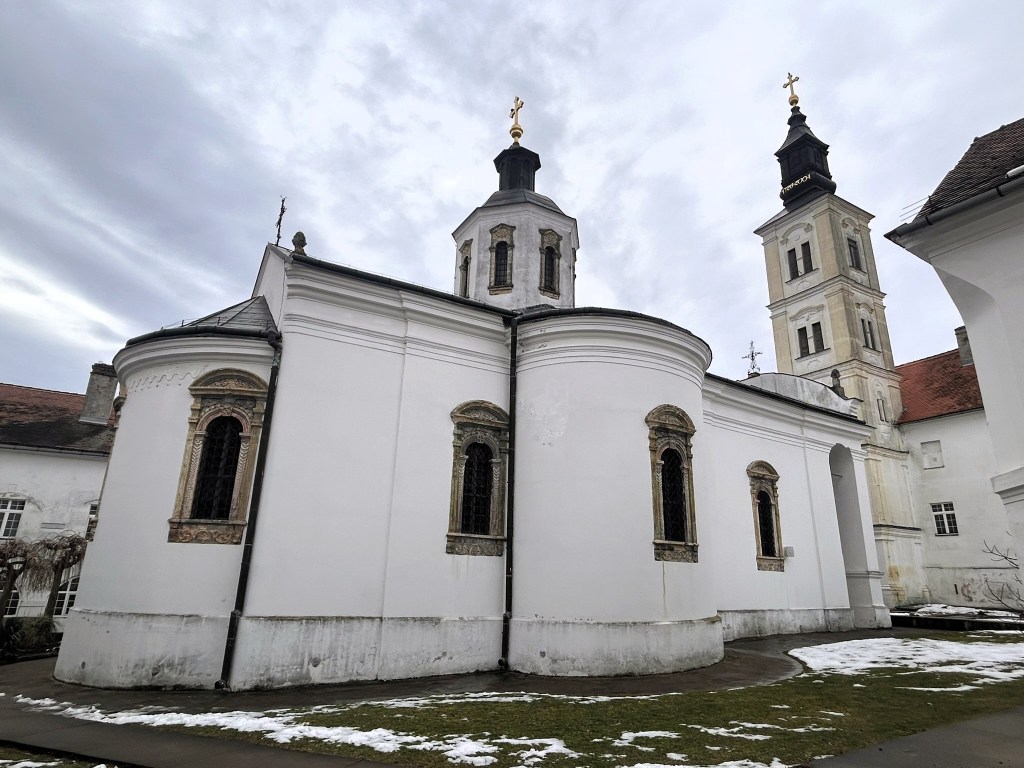
A couple of the monks tried to chat to us but gave up when they found we didn’t speak Serbian, Russian, German or Italian!
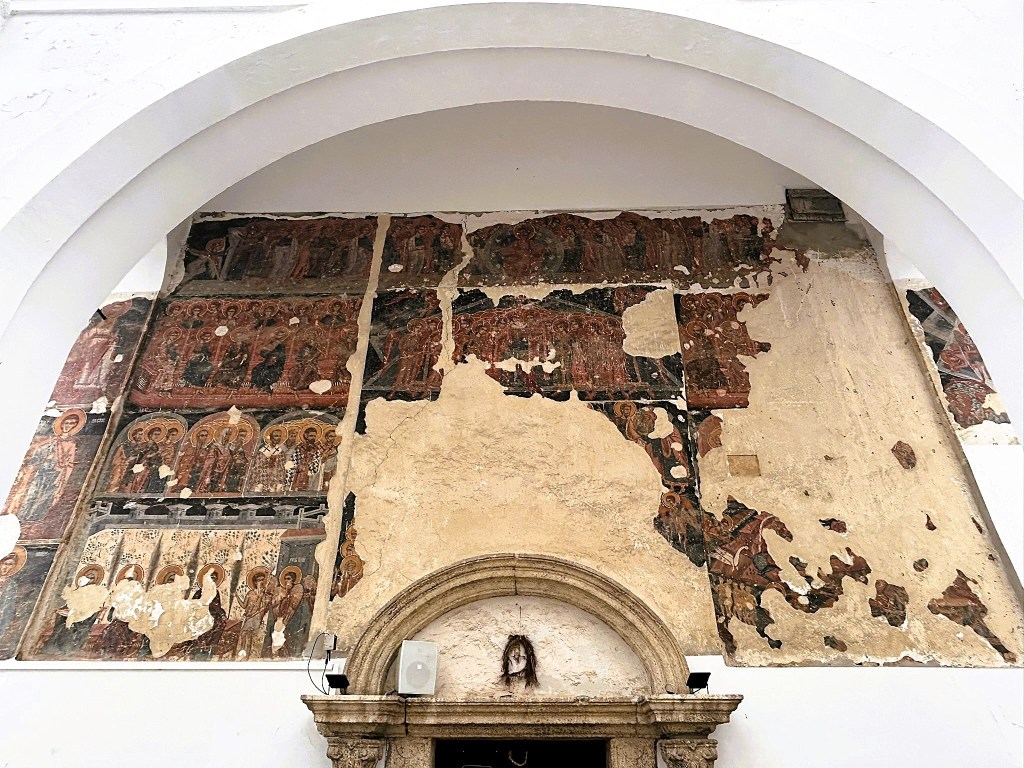
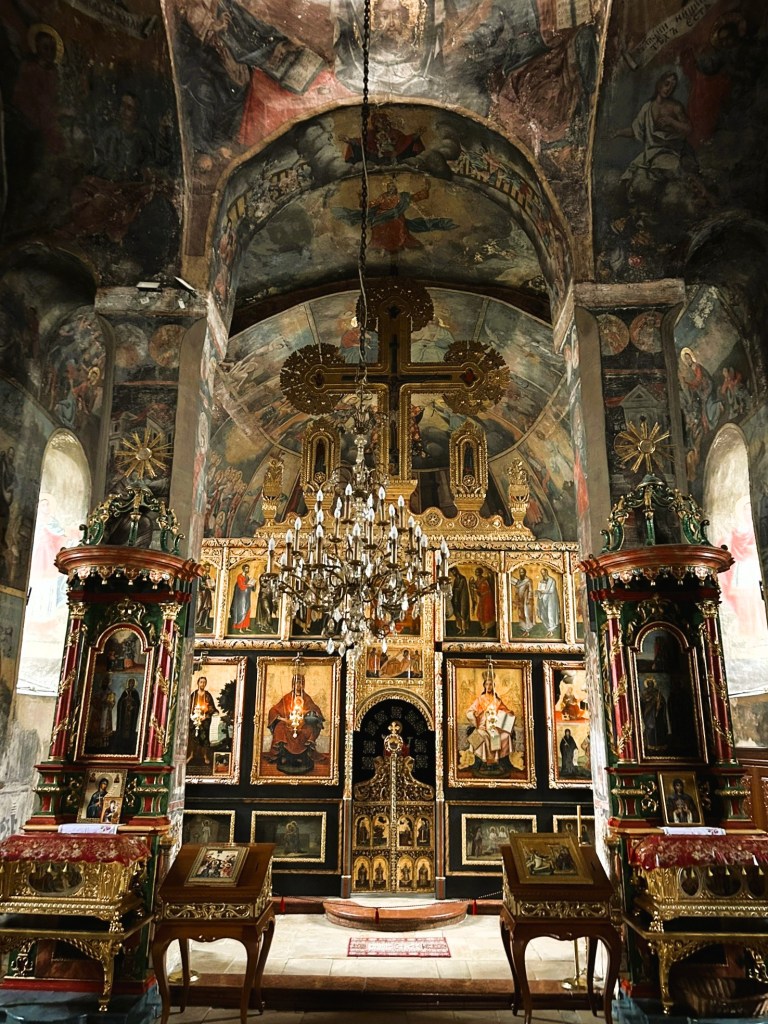
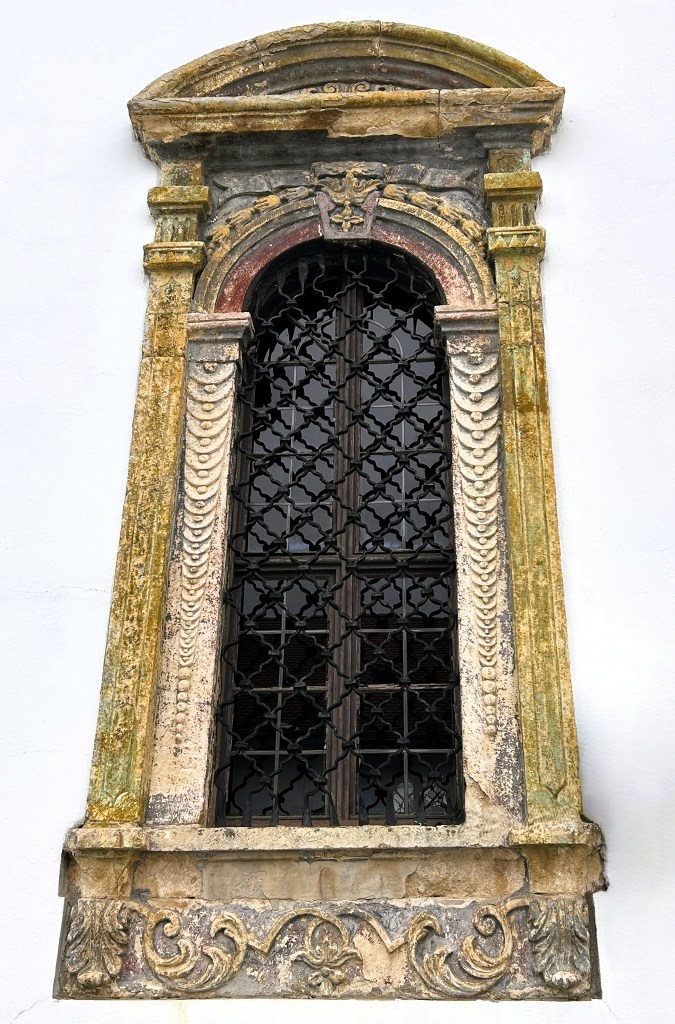
The church here was stunning. Most of it was original, having not suffered too much damage in the war, and the frescoes were lovely
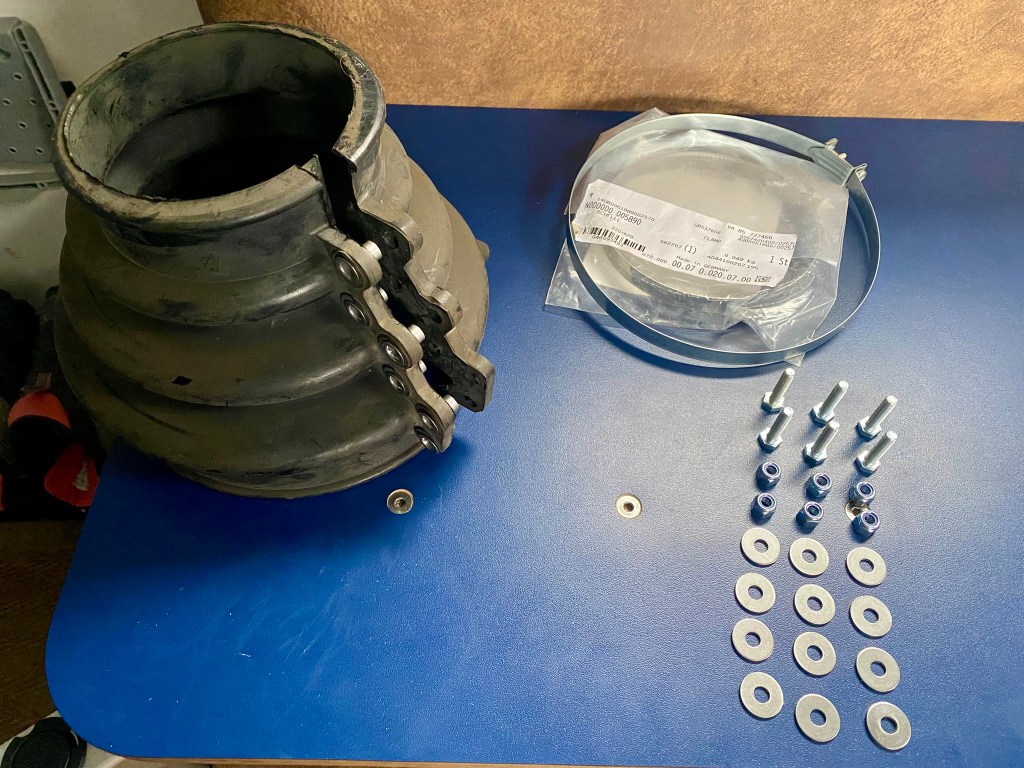
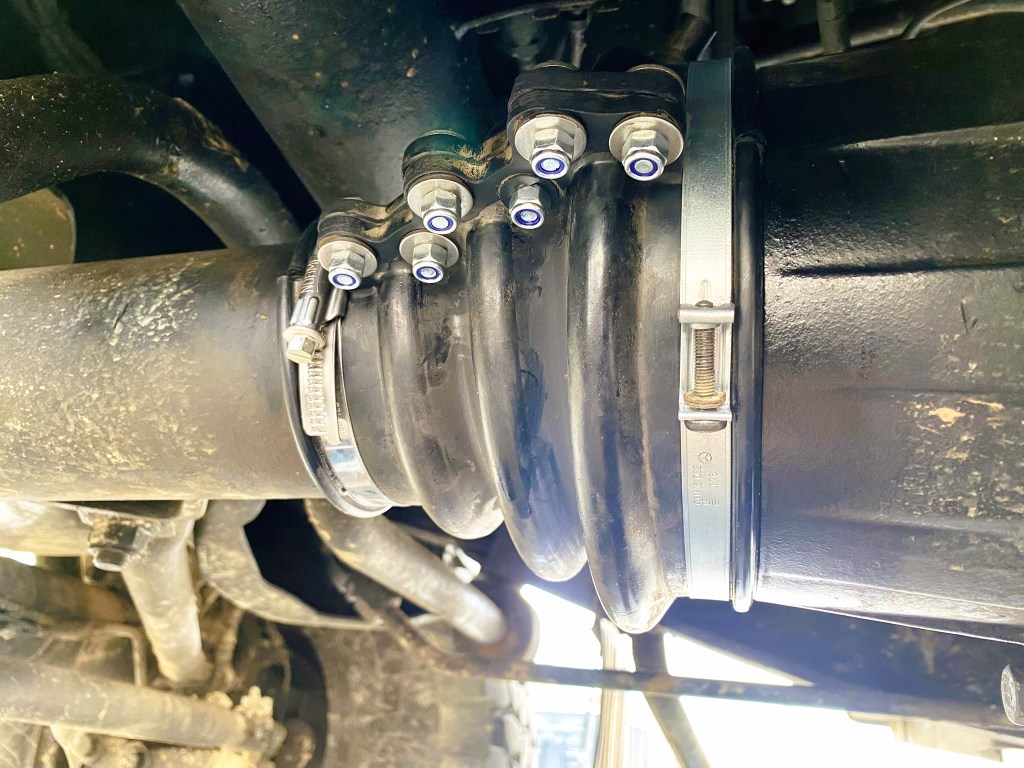
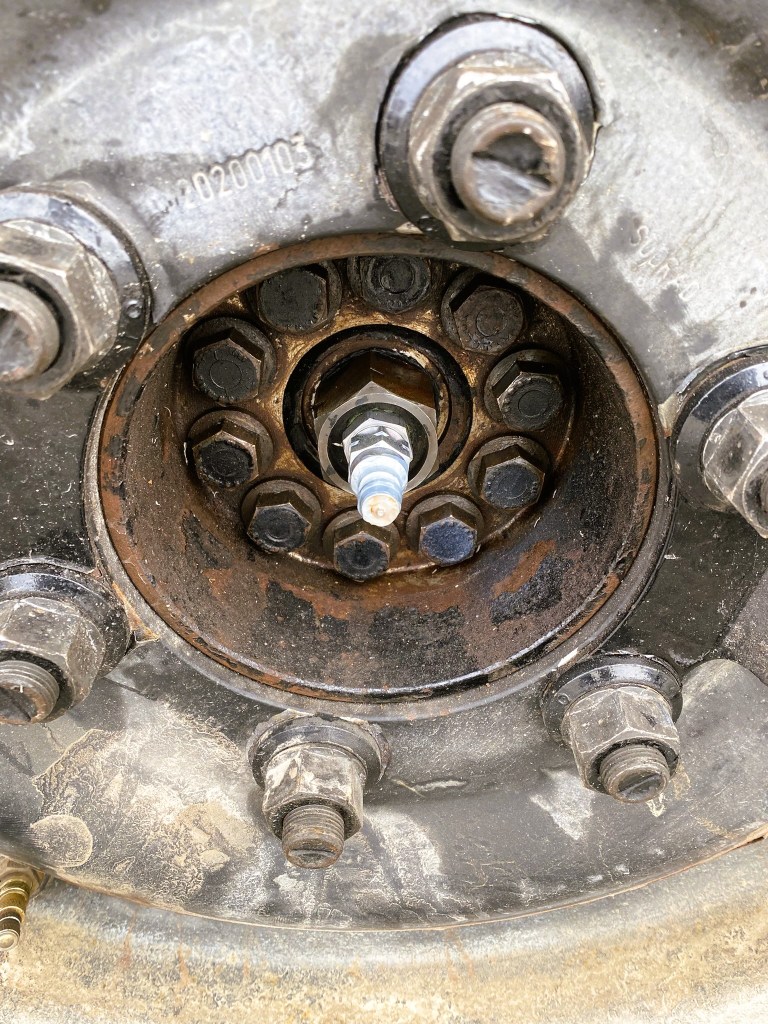
We spent the afternoon in the car park with James continuing to work through all the jobs on BigMog including replacing the torque tube gaiter
Disengaging the CTIS completely until we could sort out the pressurising problems
And replacing the air dryer
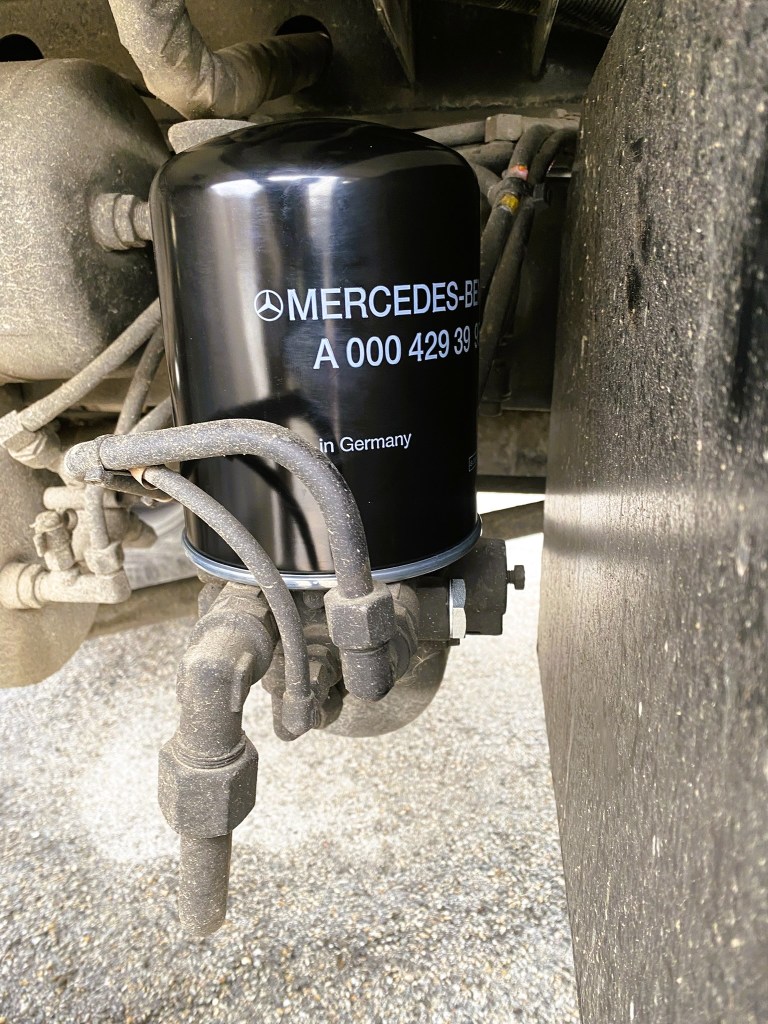
We were getting there, bit at a time.
We had one final monastery to visit, Grgeteg, which was only 5km down the road. But when I woke up the next morning I felt strangely sick. So much so that I couldn’t face doing my training and couldn’t eat any breakfast. I managed to get dressed and sat quietly in the passenger seat whilst James packed everything away but 2 minutes down the road we had to pull over for me to be sick.
James helped me back into the truck and drove us the remaining 5 minutes to the car park at Grgeteg where I went straight from the cab back to bed and stayed there until the next morning. I have rarely felt so ill, I couldn’t even roll over without feeling as though I was going to throw up and managed nothing more than half a glass of water all day.
Perhaps ‘monastery fatigue’ had claimed its latest victim just one monastery short of a full house, who knows. All I knew was that our travels were going no further for a while, the nuns would have to wait….
 The Sidetracked Sagas
4 responses to “From Mountain Trails to Monastery Tales”
Very useful information.
LikeLike
I’m glad you enjoyed the post, welcome to the blog.
LikeLike
Your stamina for monasteries is impressive particularly as they seem to be a carnal relations free zone! Here in Rhodes they are tiny and we were surprised to meet a novice from the Congo who was Greek Orthodox and of course only spoke French!!!
Off to Brazil next Saturday….
LikeLike
You can’t visit Serbia and not love monasteries!! I have to admit they did all start to look a little bit the same after a while, but don’t tell the Monks…
You’re actually quite close to us at the moment, hope you’re enjoying Rhodes and keep us posted on Brazil.
As for French-speaking, Congolese, Greek Orthodox novices, nothing surprises me anymore 🙃
LikeLike