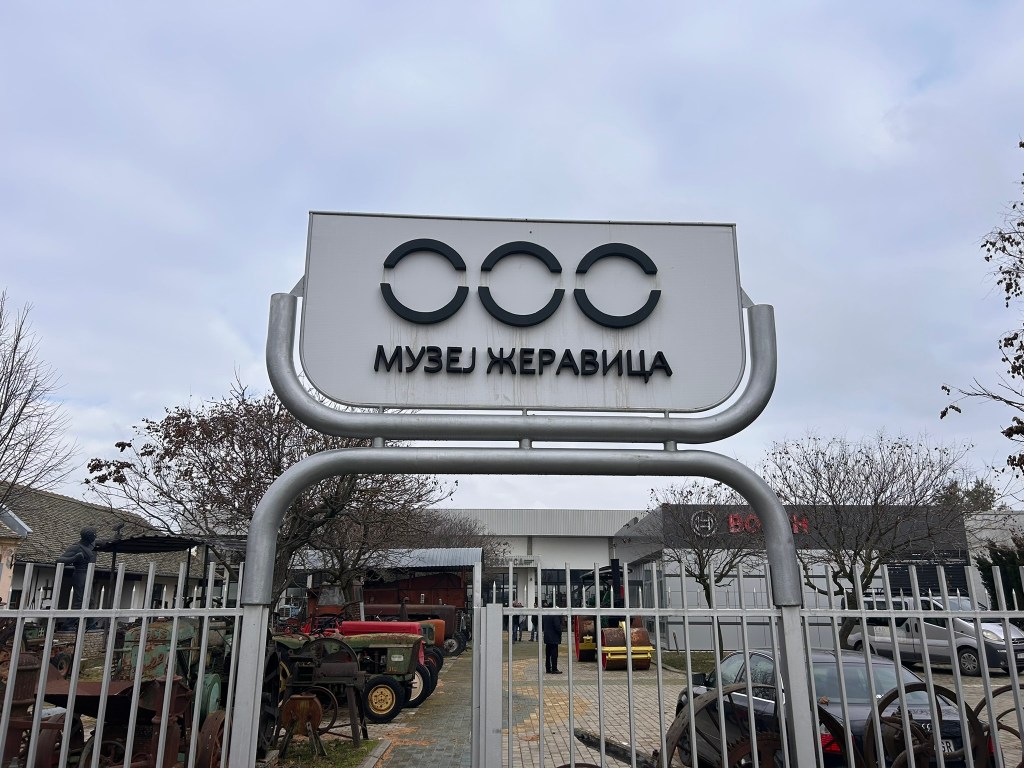
Subotica Lake was pretty enough but not exactly the wilderness and the weather was not on our side. So after a quick walk around we headed off to the village of Novo Milosevo where there was a tractor museum. It seemed unusual to have a museum dedicated to tractors so we had to go and investigate.
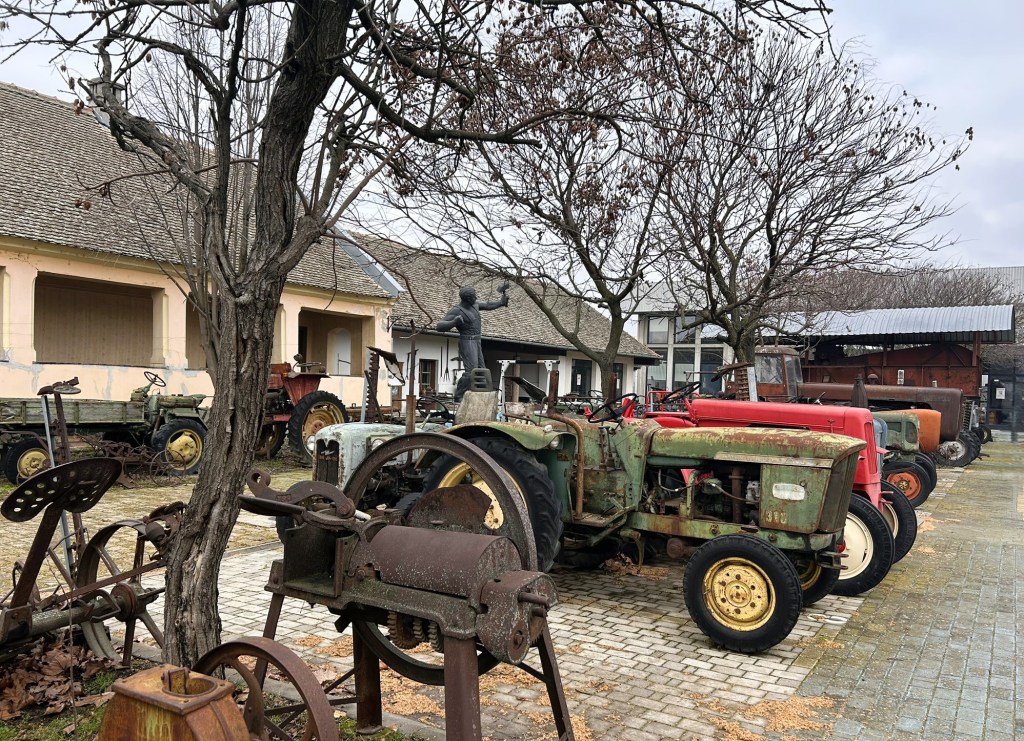
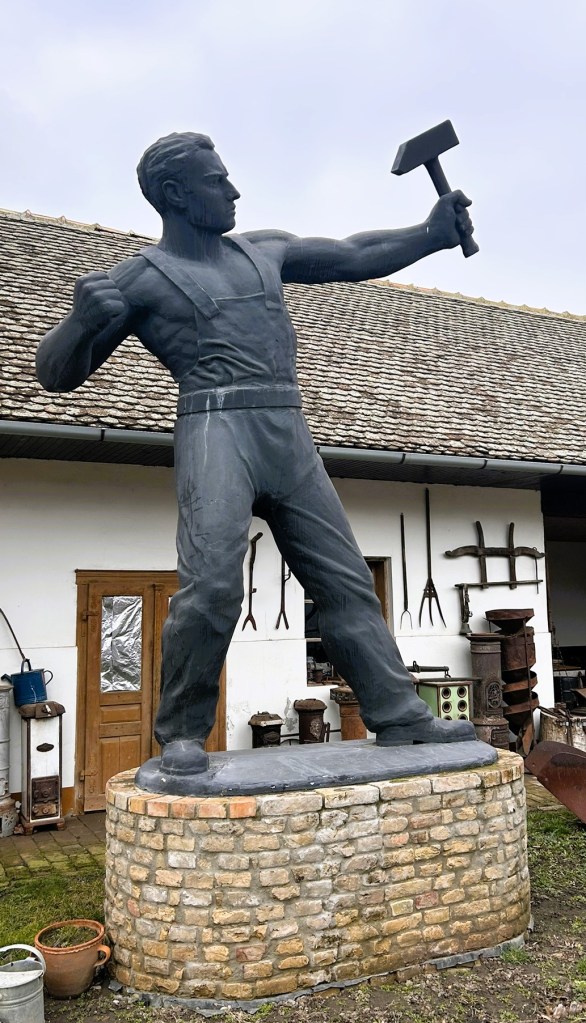
When we first arrived, it seemed to be exactly what you might expect – a load of old tractors in a yard
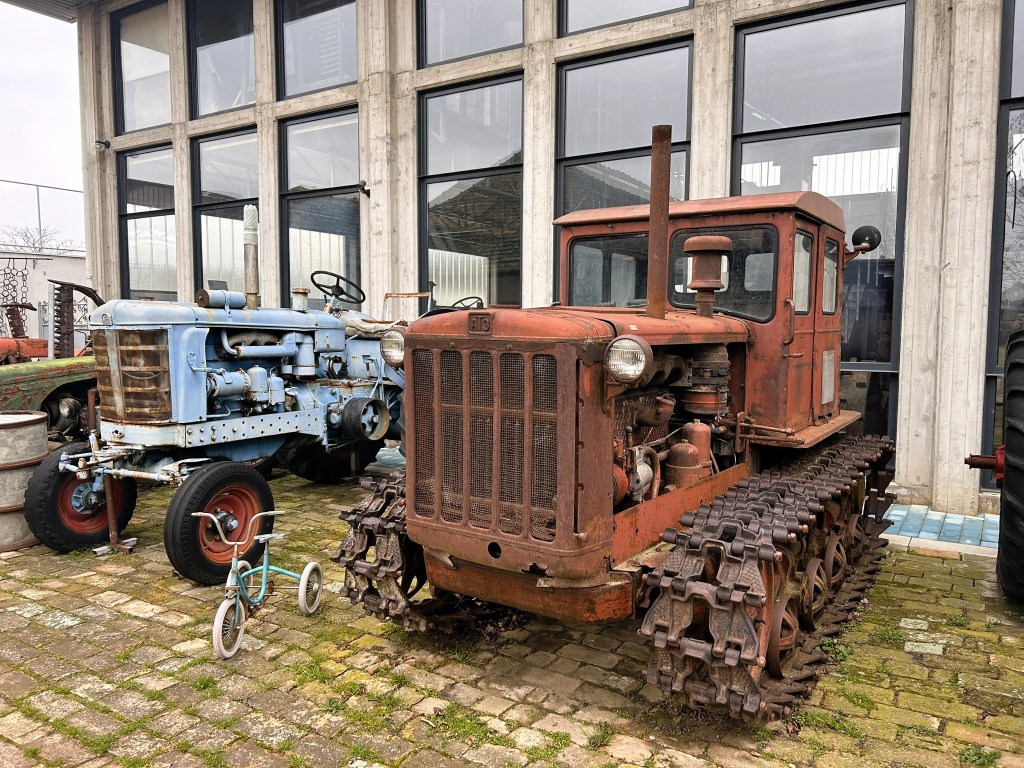
But we soon discovered that most of the exhibits were held inside a large building and it was very impressive
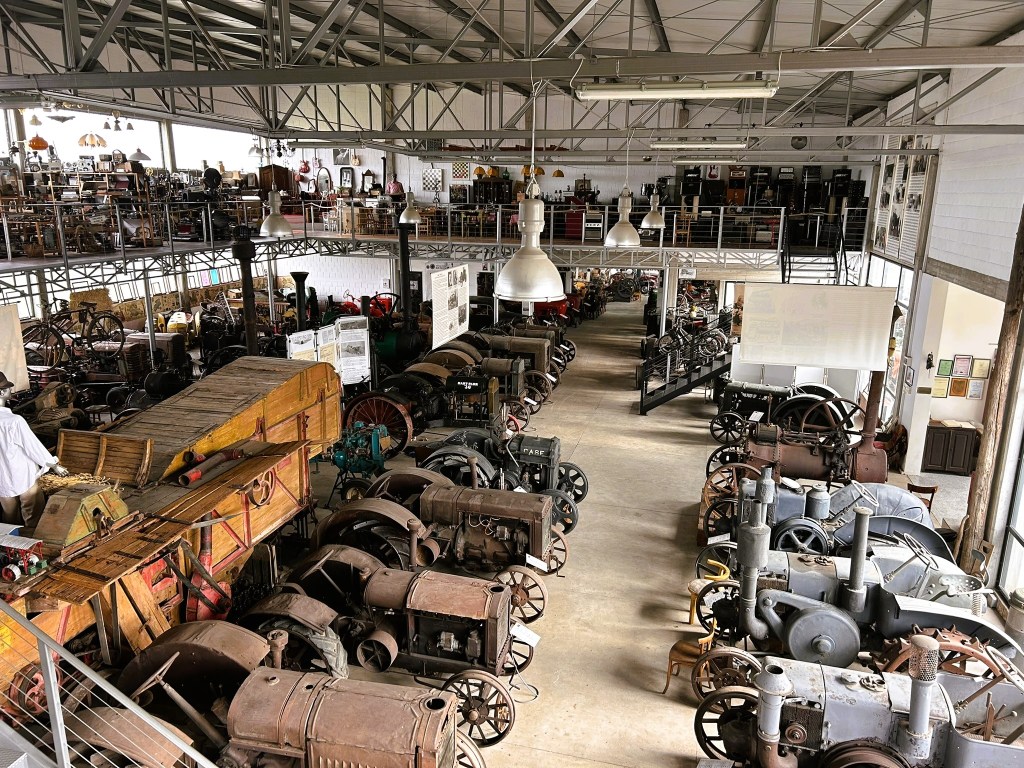
We wandered around for hours
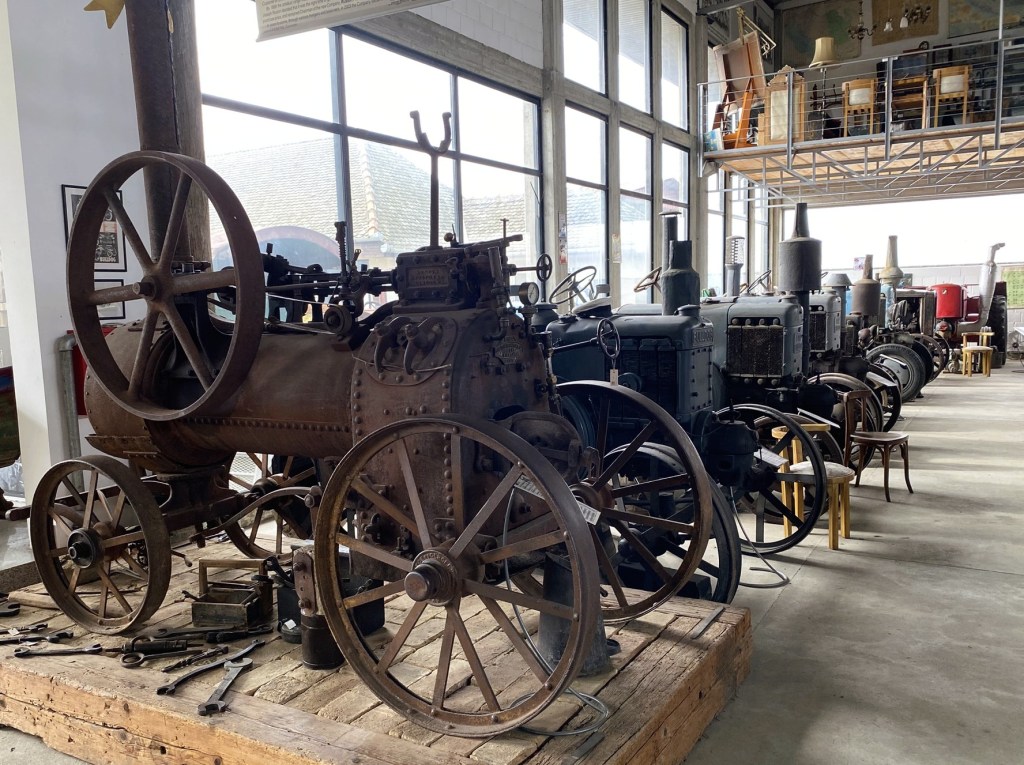
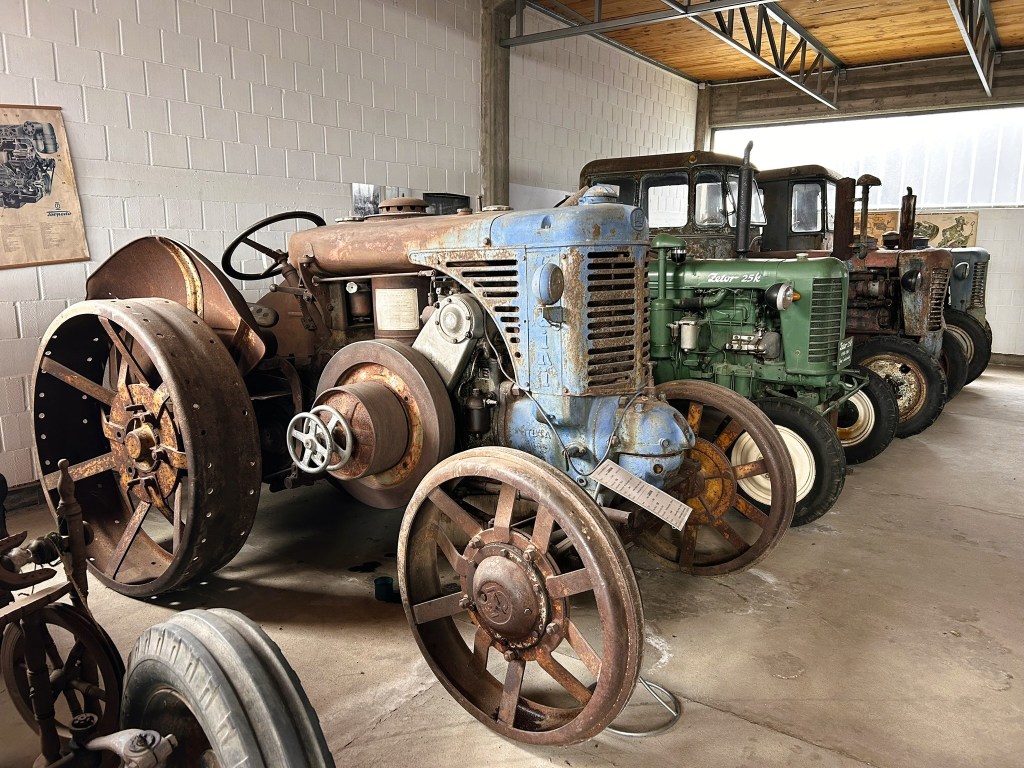
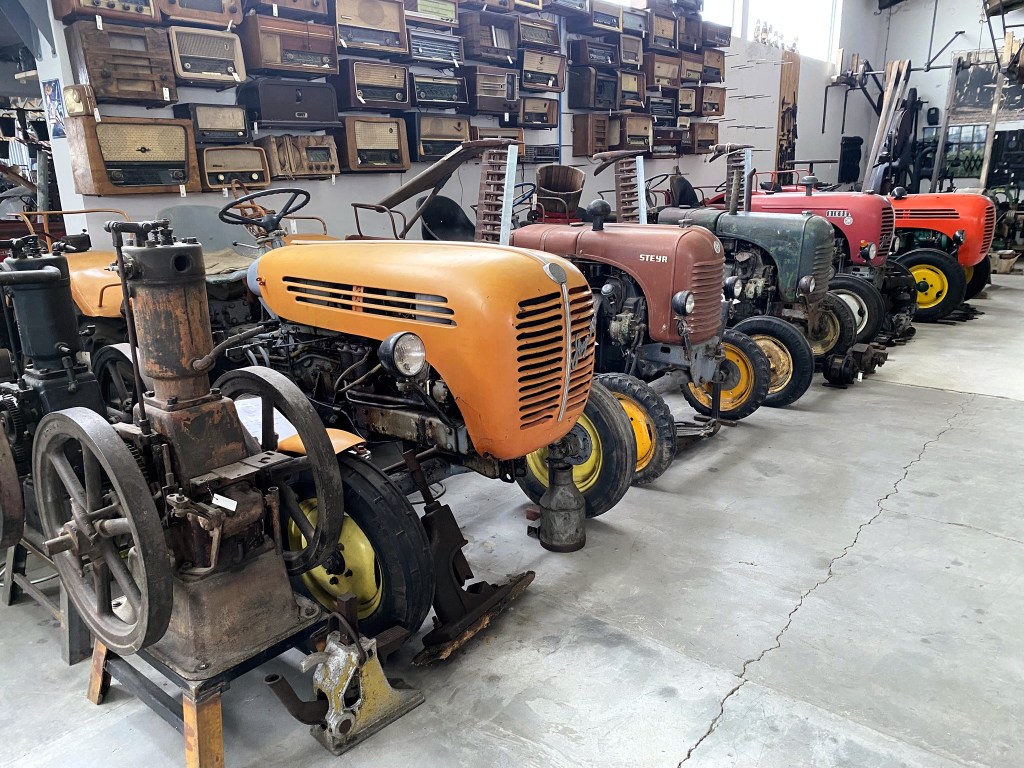
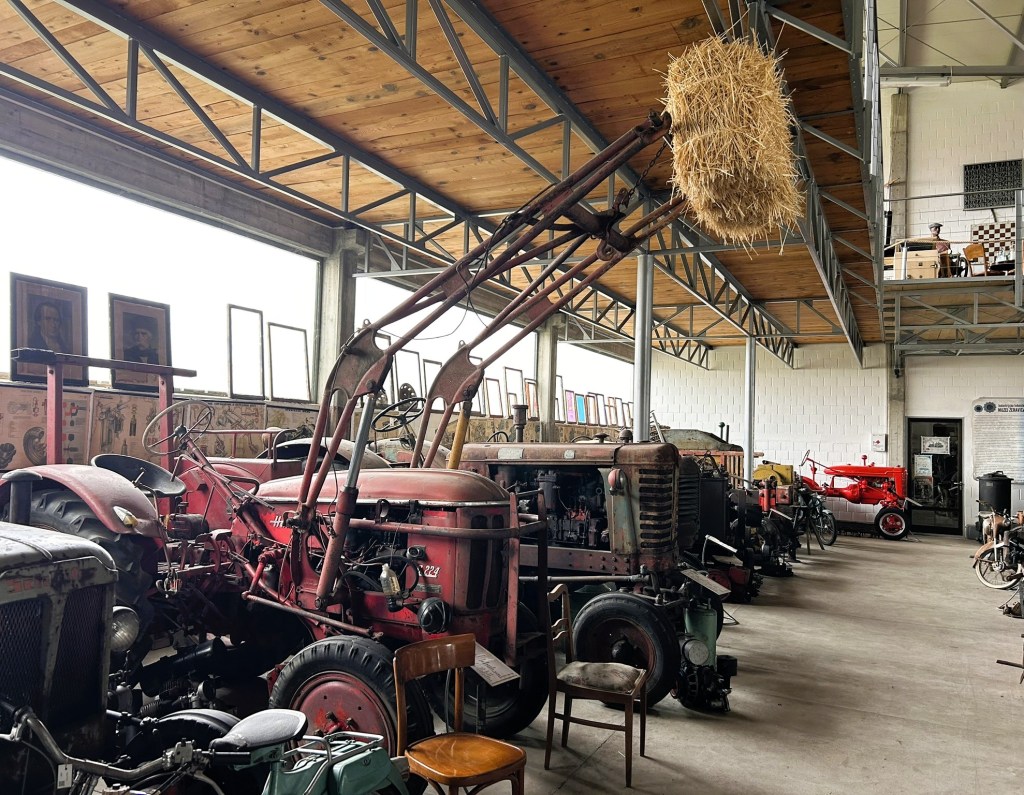
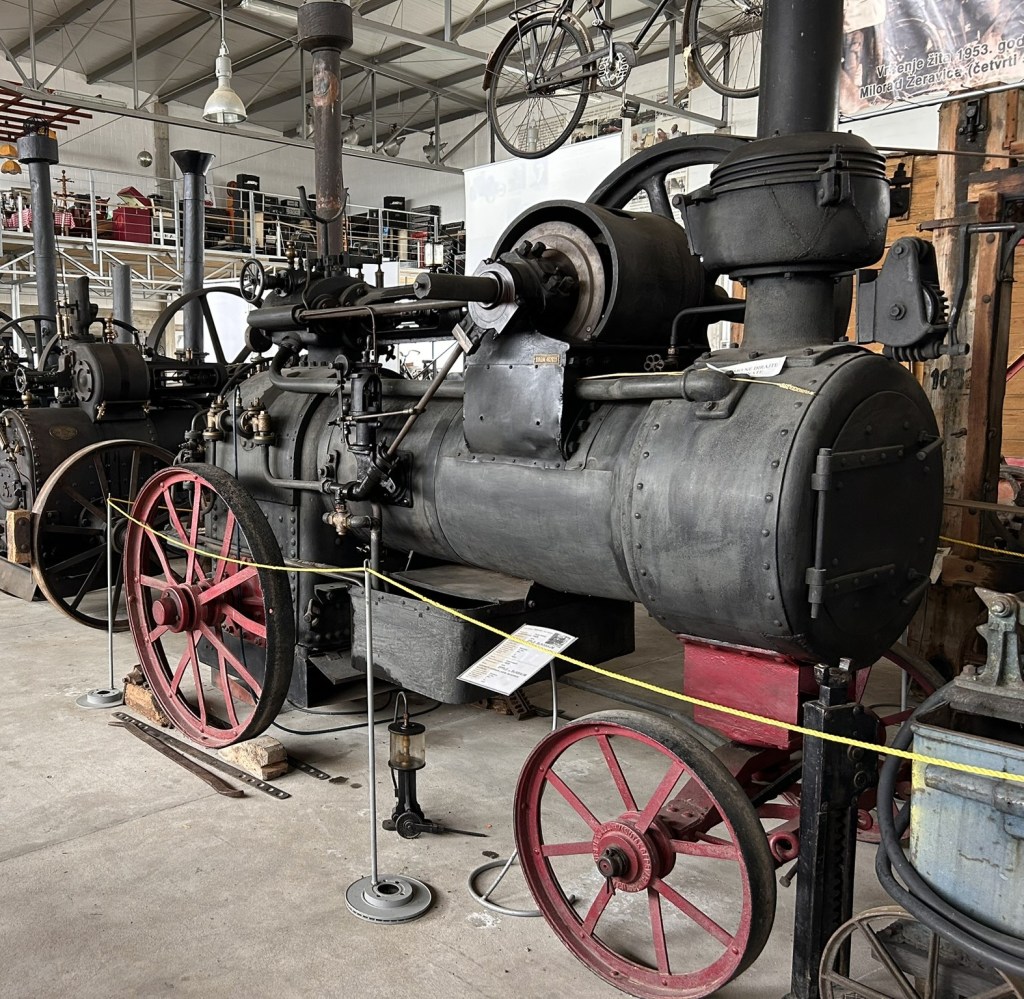
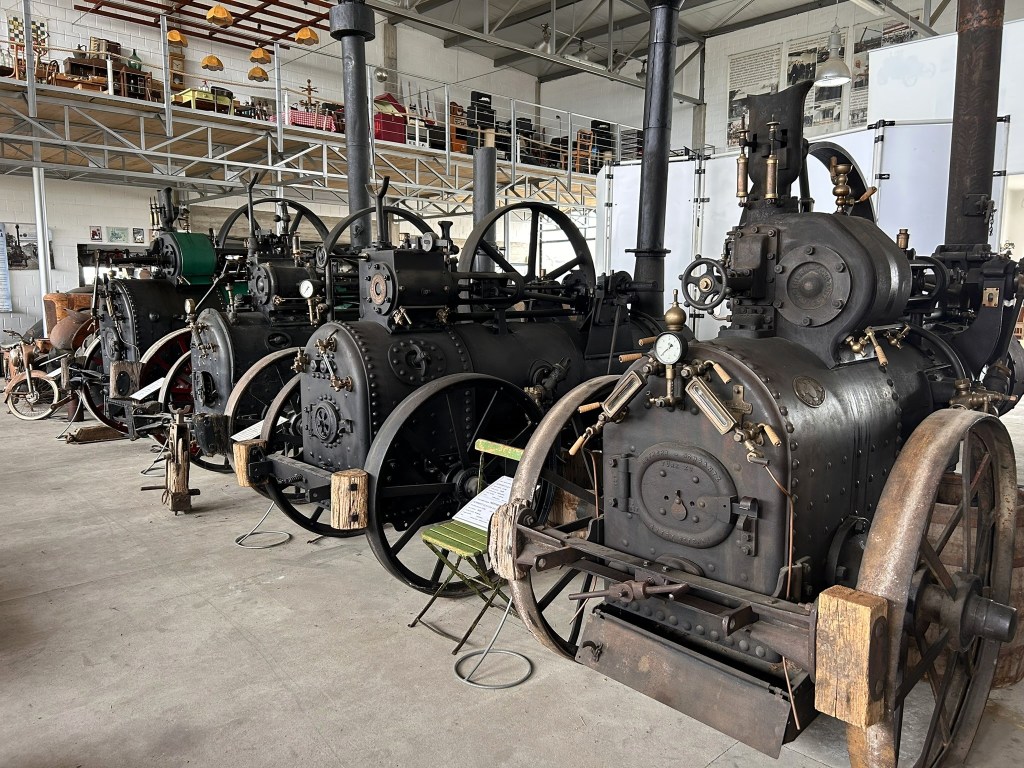
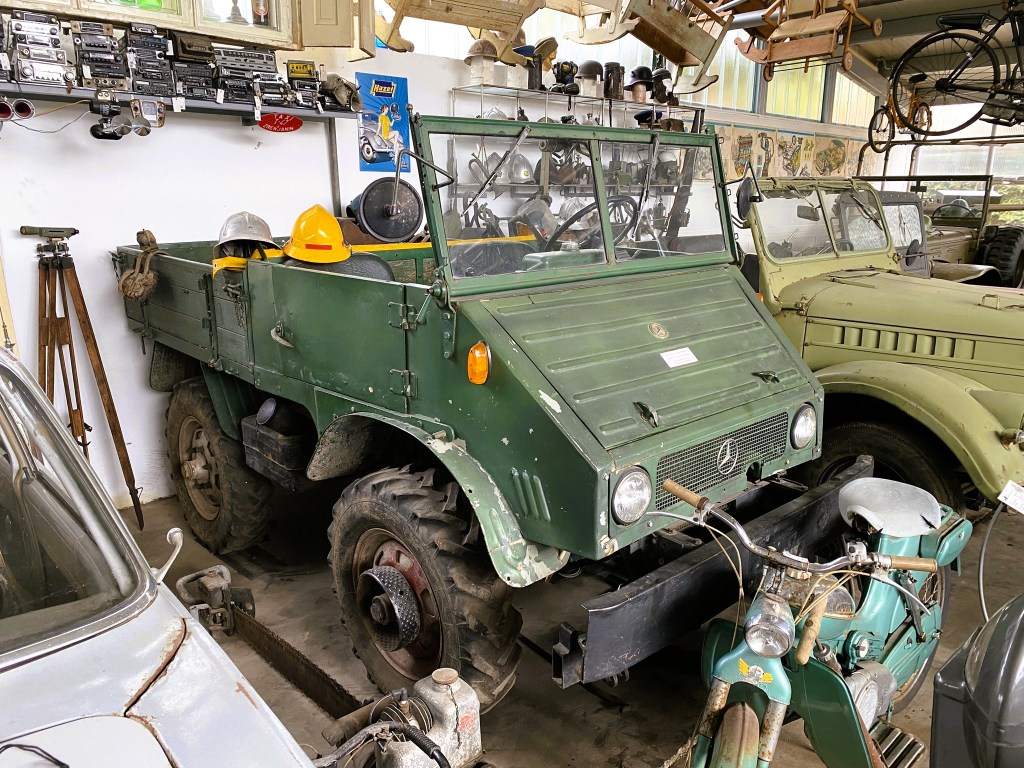
It wasn’t just tractors, the museum contained all sorts of vehicles
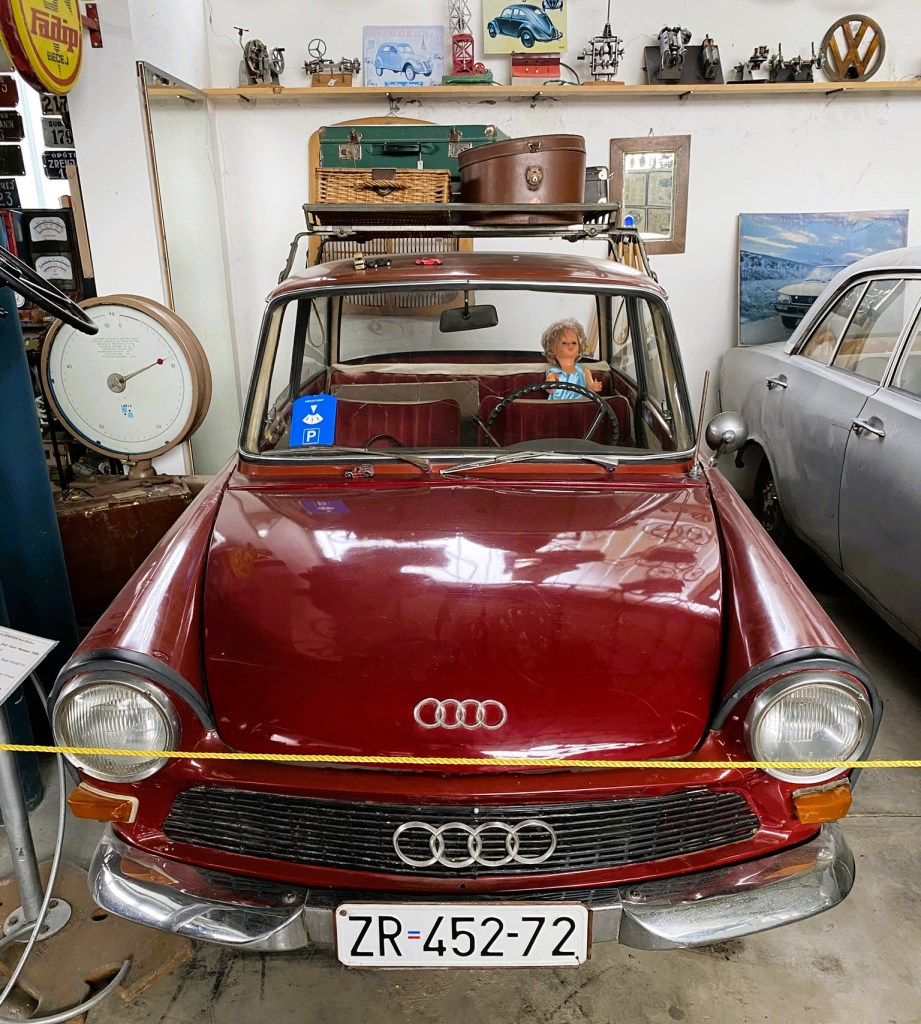
Including one of BigMog’s ancesters!
As well as thousands of other things like cameras, televisions, radios and pretty much any other machine you could think of
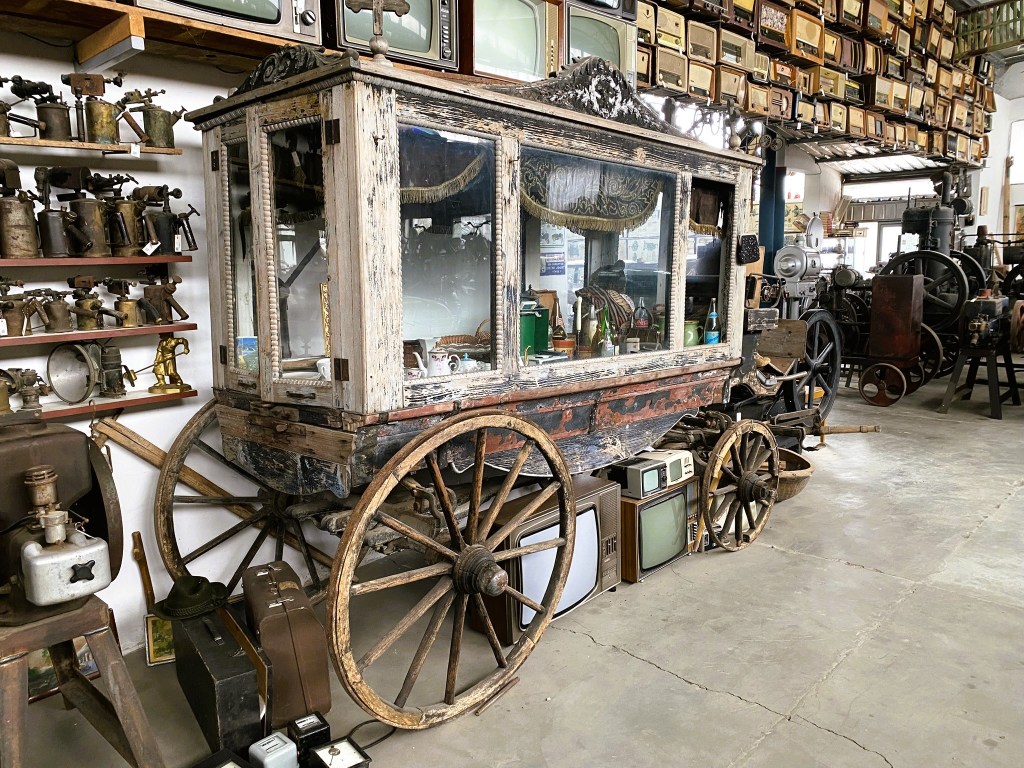

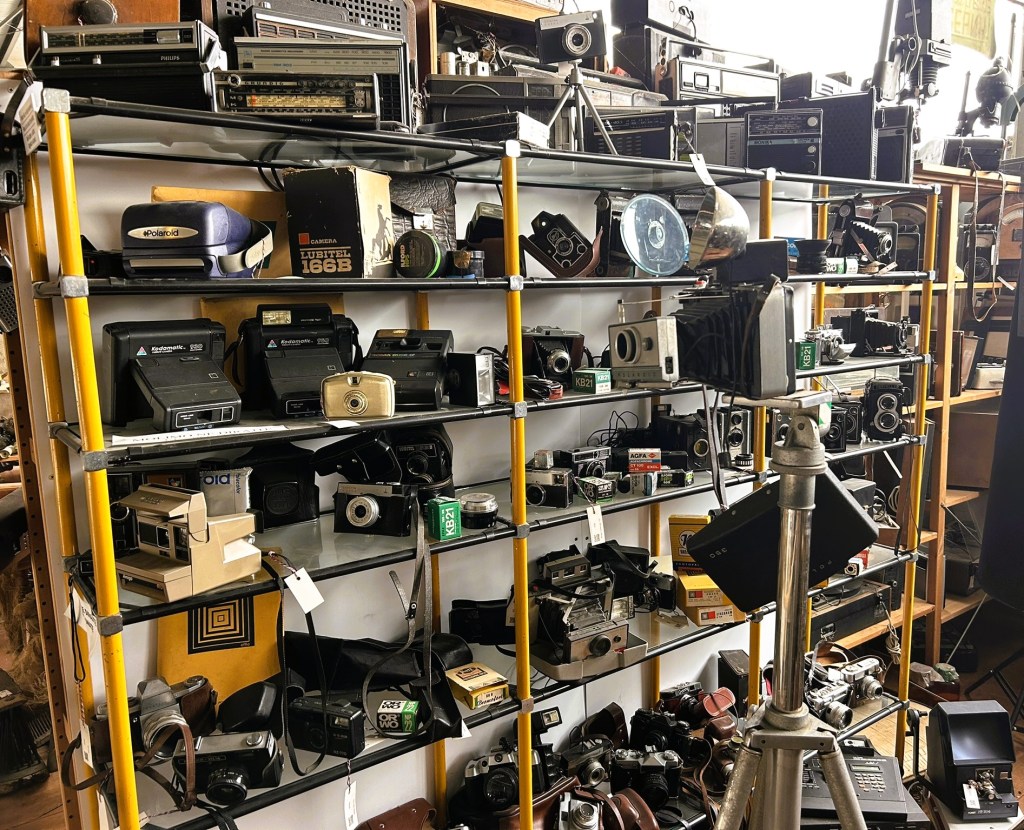
Typical of Serbia, there were no staff and no entrance fee. Just a small box at the doorway with a note saying that donations would be very welcome.
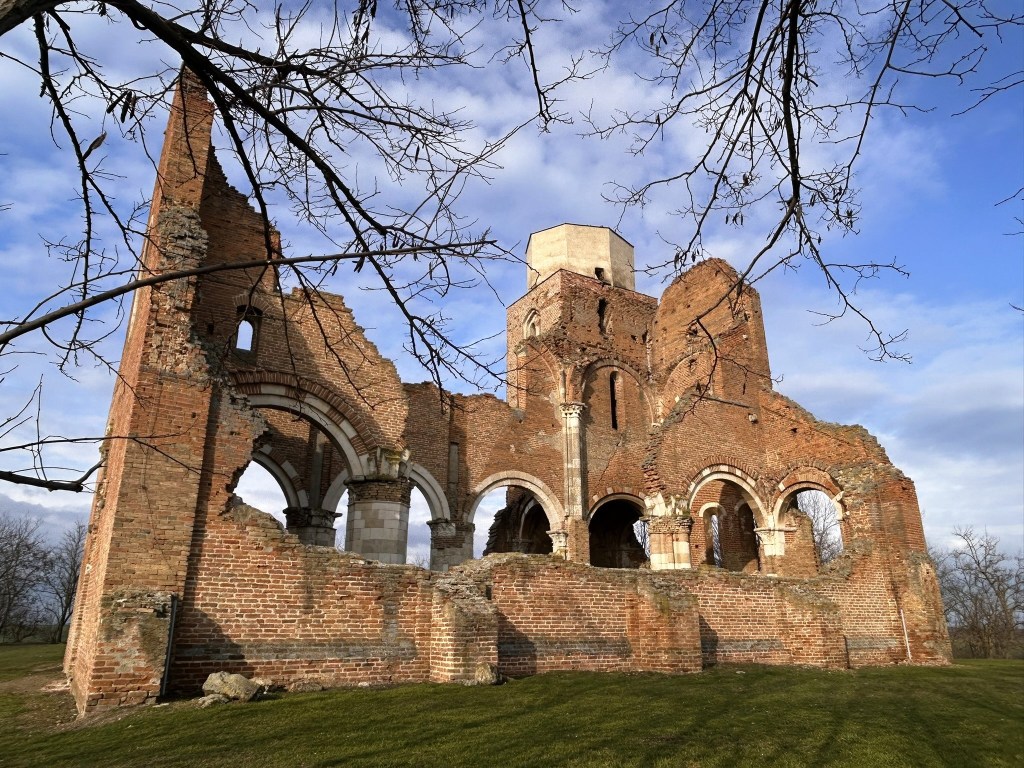
From there we headed south to the Medieval Church of Araca – an ancient ruin literally in the middle of nowhere
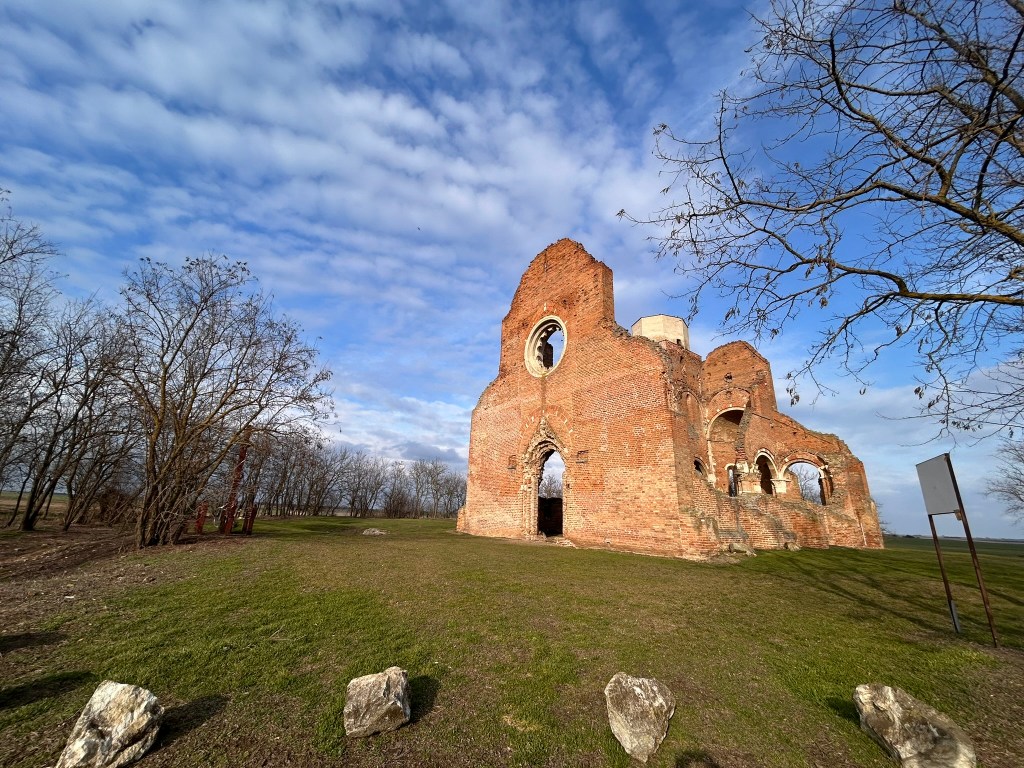
We had to drive 5km over farm tracks before we found it
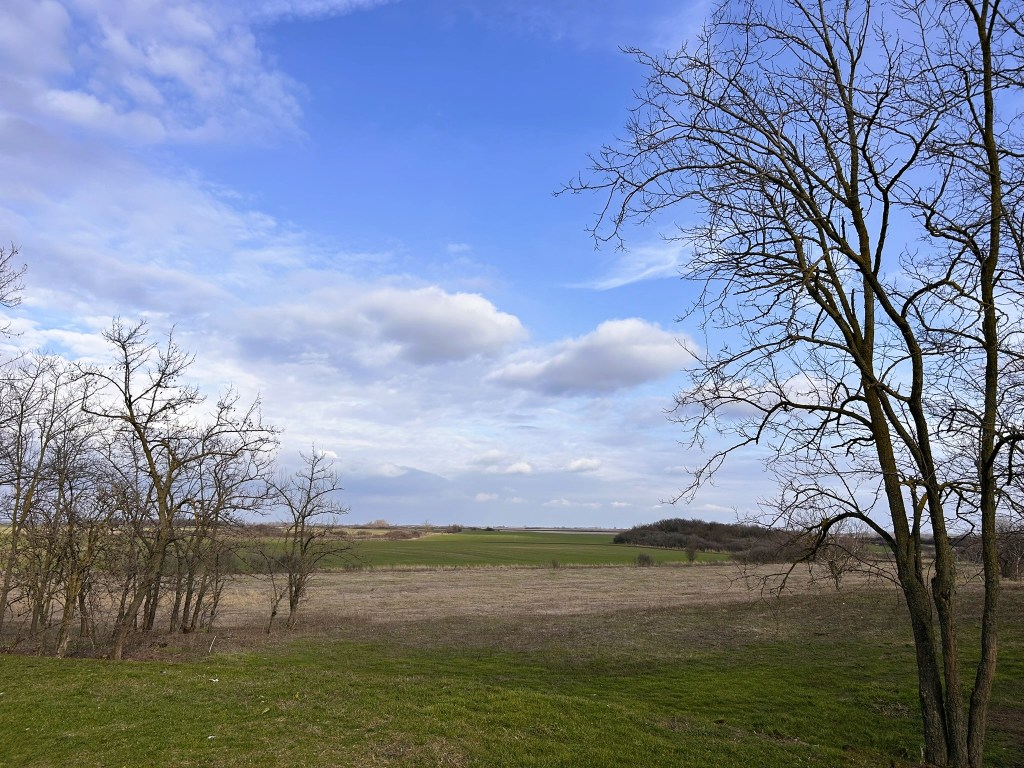
Farmers ploughed their fields around us but paid us no attention at all, apparently around here having a cathedral in the middle of your farm is business as usual
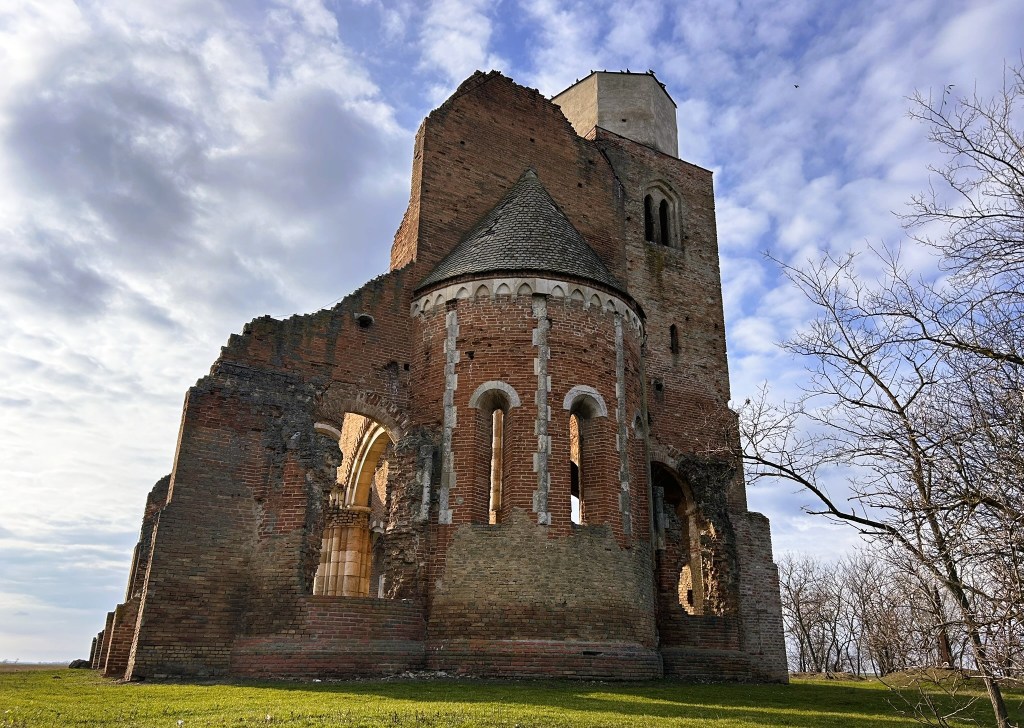
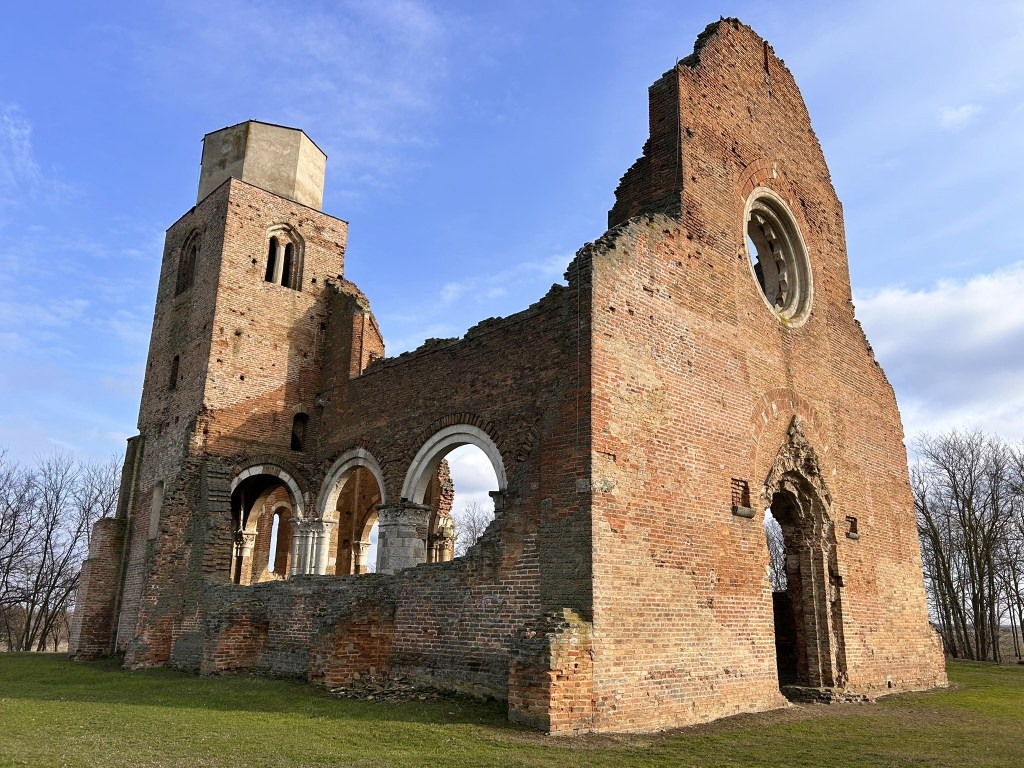
There was originally a village surrounding this church in the 13th century but even so, the scale of it was remarkable
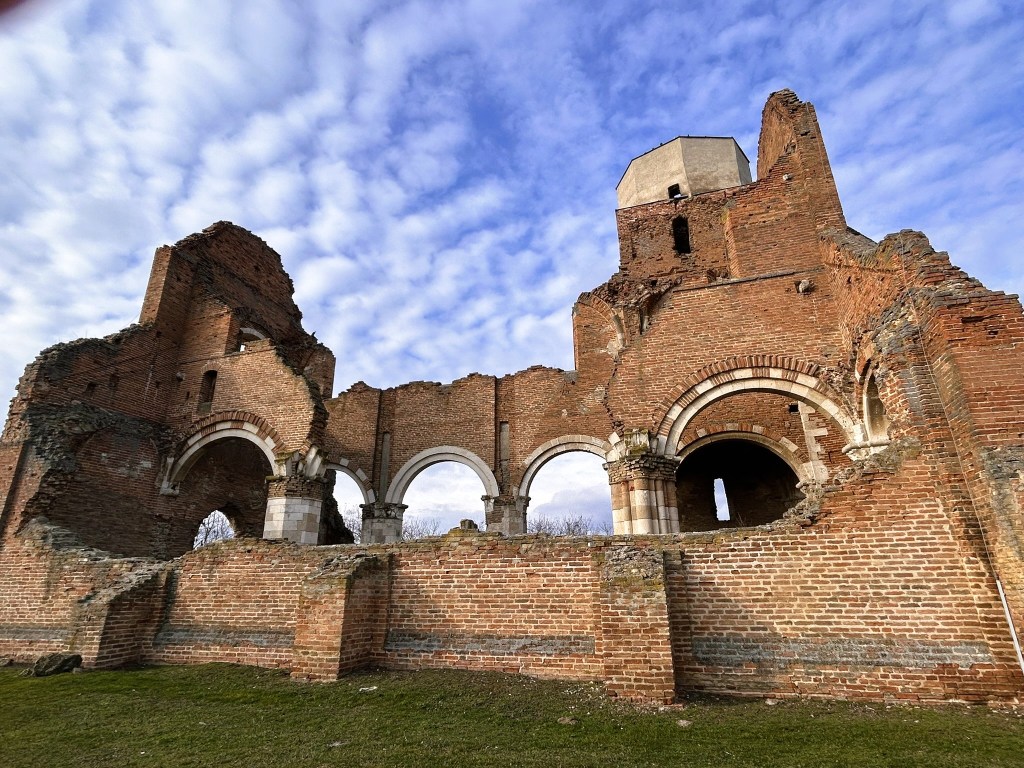
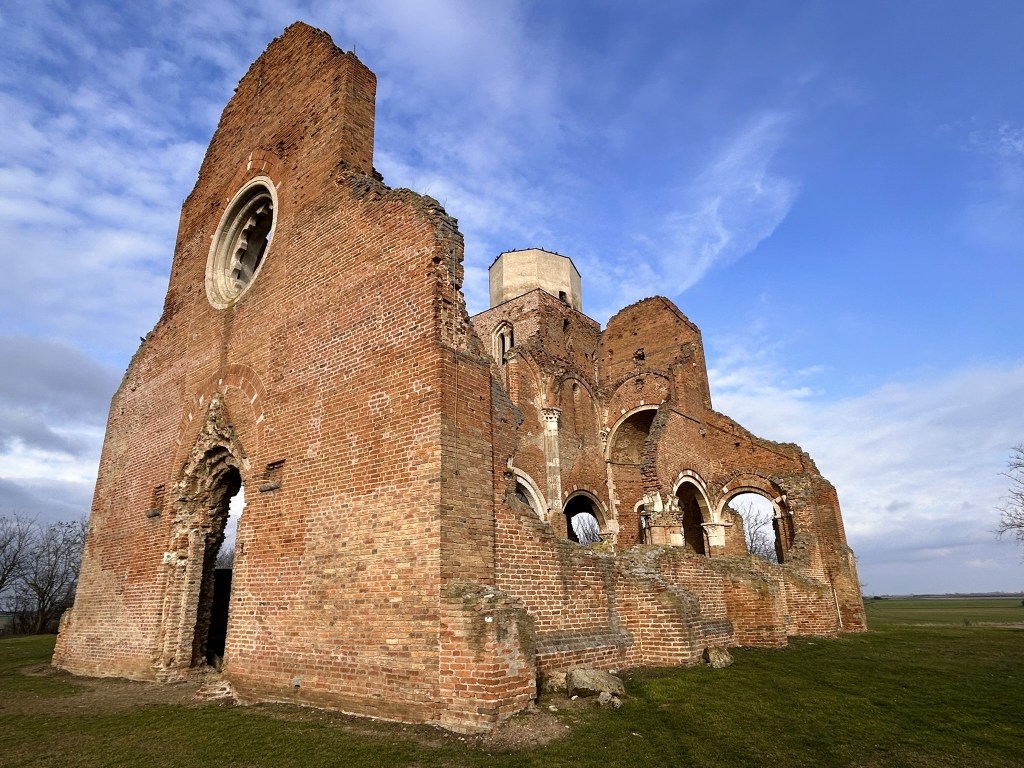
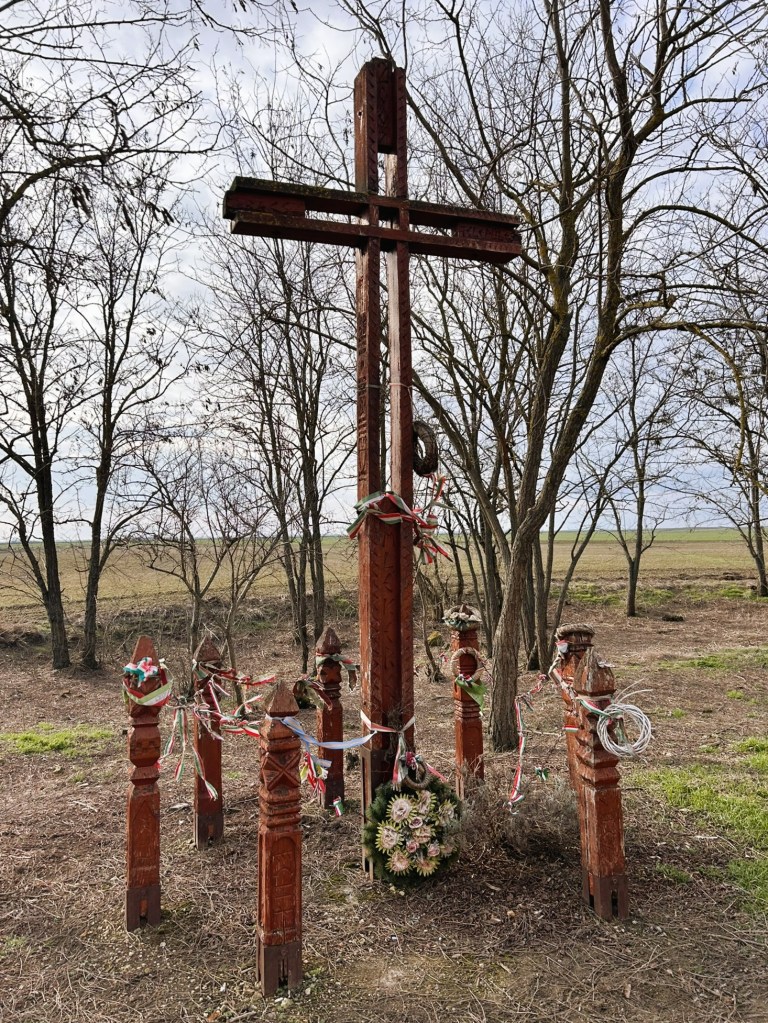
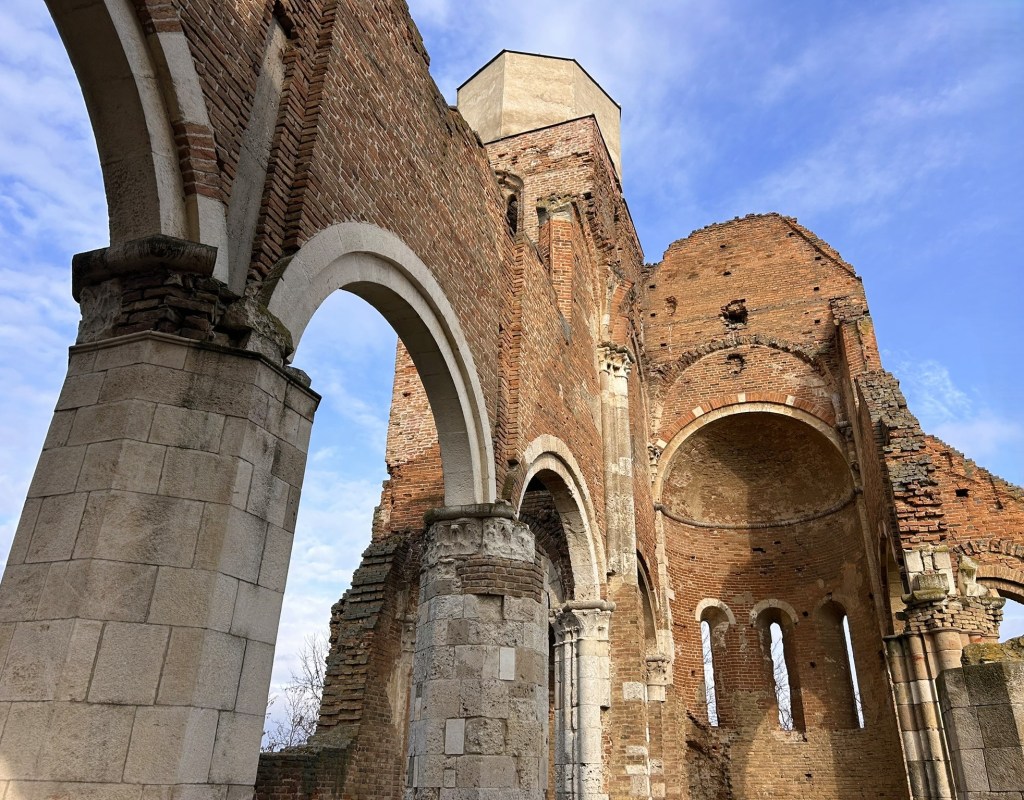
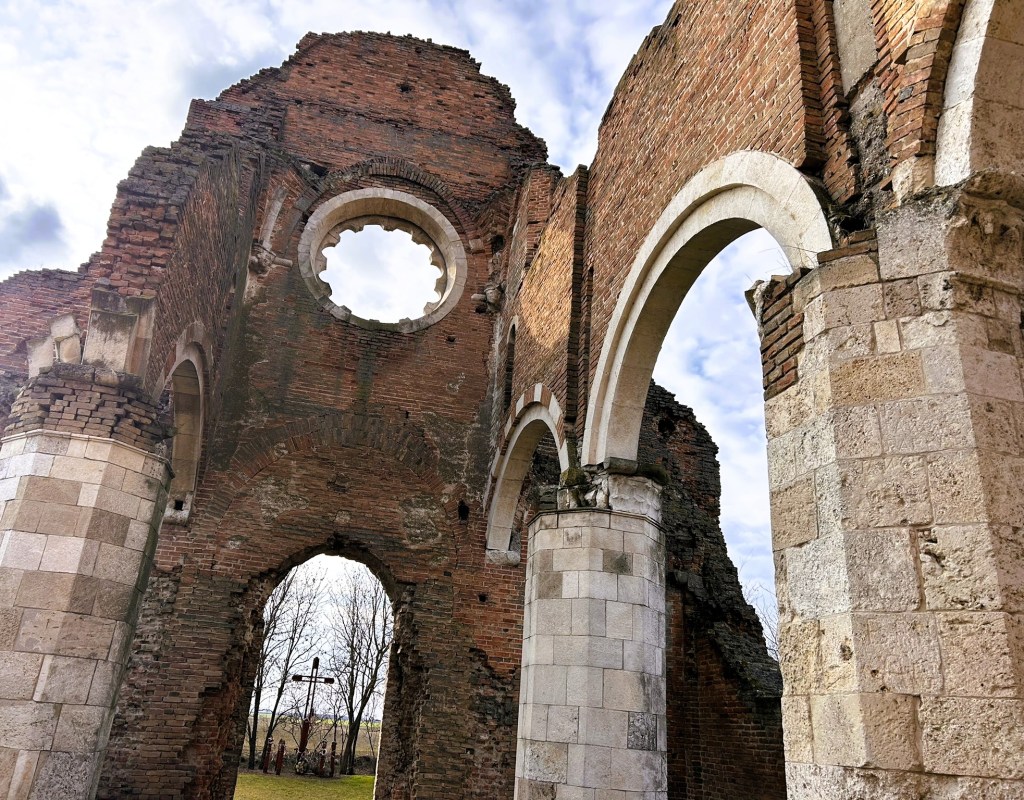
We were finally somewhere remote and peaceful, we breathed in the fresh air and could hear ourselves think in the peace and quiet with only birds to break the silence
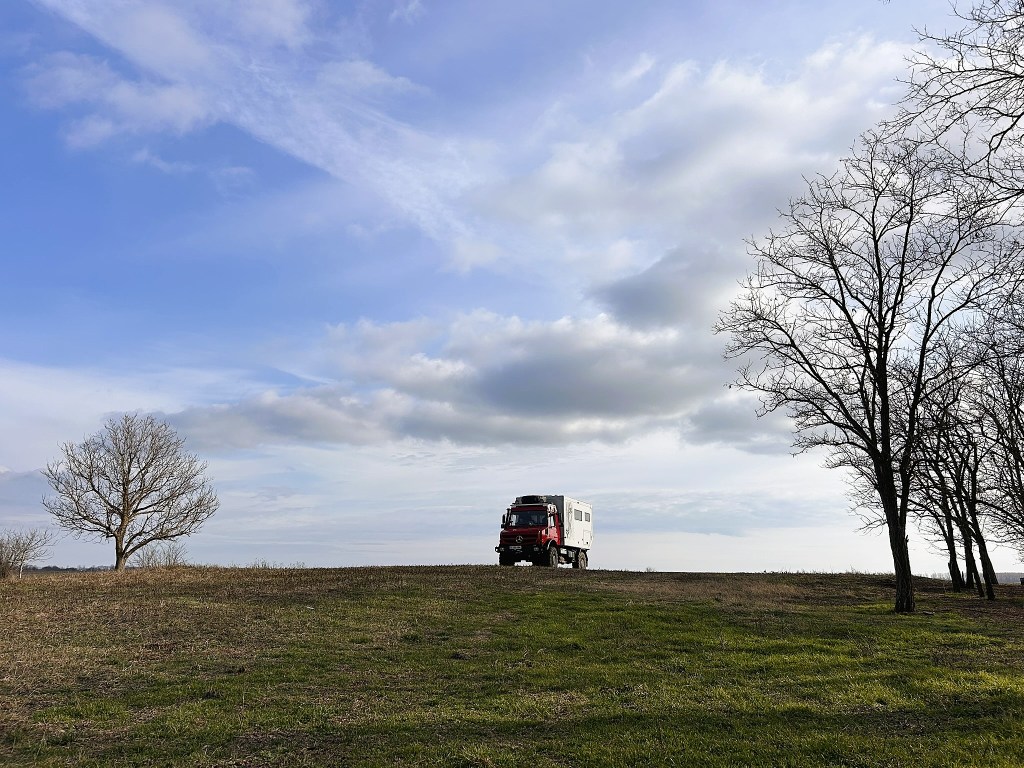
In fact, it was so lovely that we decided to stay the night.
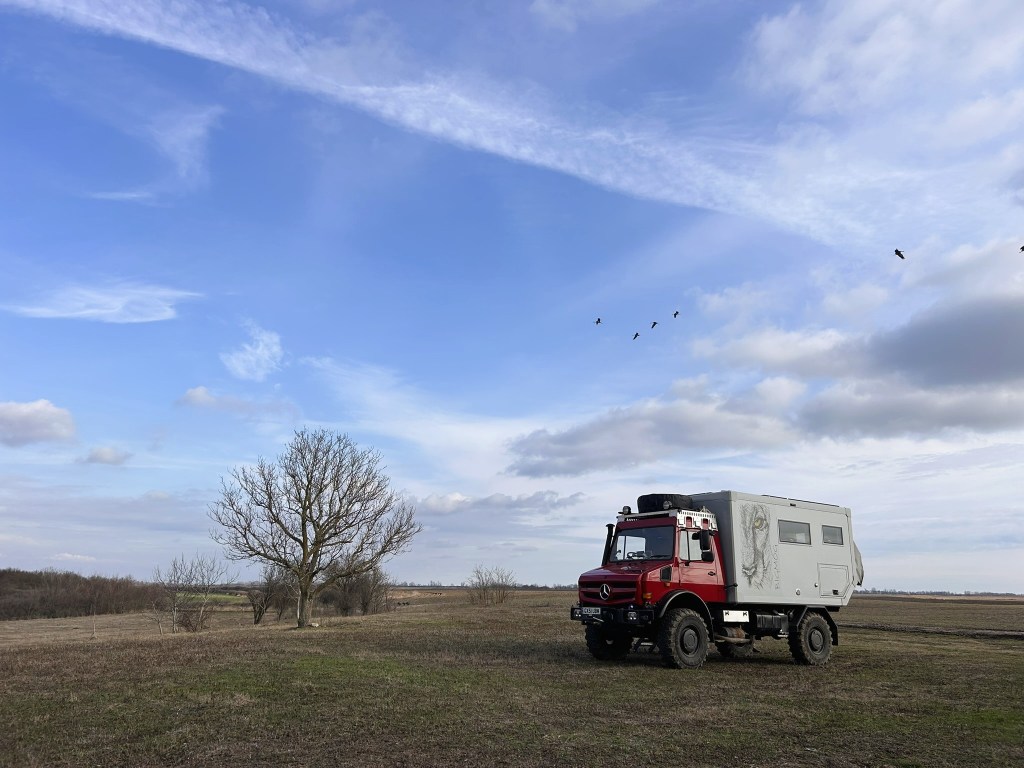
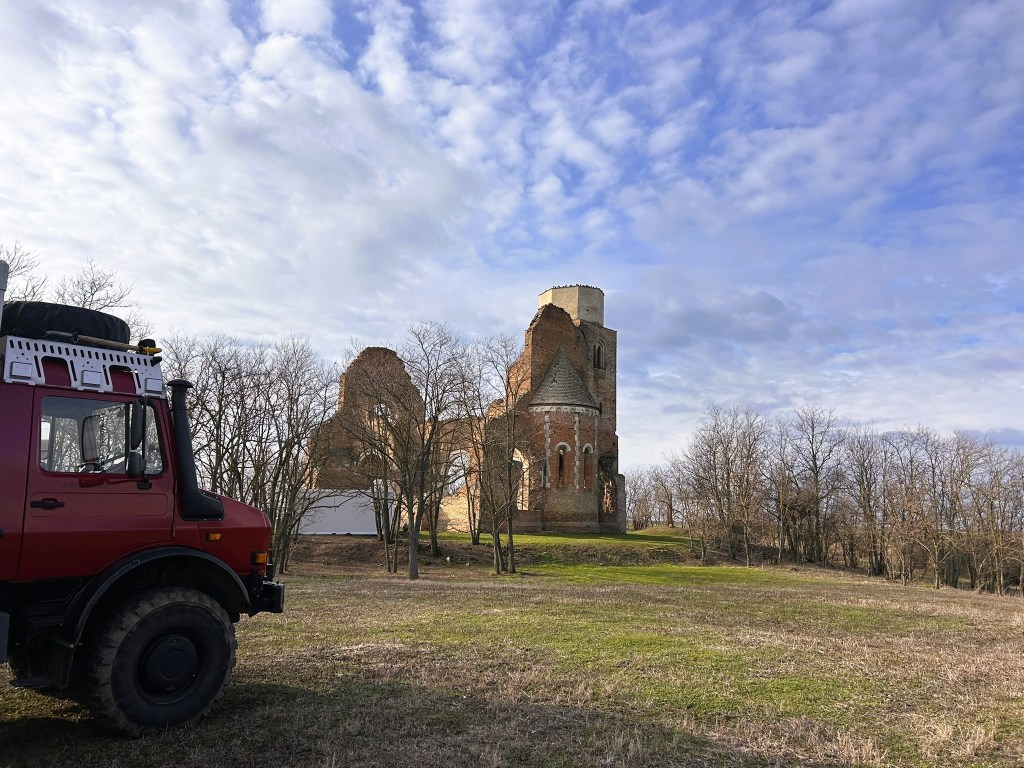
We had a wonderful afternoon and slept soundly, the only disappointment being the cold wind that prevented us from sitting outside
The winds got stronger overnight and by morning it was bitter. A farmer came by in his tractor, raised his hand in greeting and grinned at me as if I was a crazy woman doing my training out there.
Since heading north from Novi Sad the country had become far less industrialised but we were keen to get out even further. The eastern part of Serbia is the least developed, known as the ‘remote east’. This was where we wanted be – exploring wild and remote places well away from civilisation.
Our first stop enroute was the bizarre statue of Rocky Balboa in the small town of Zitiste
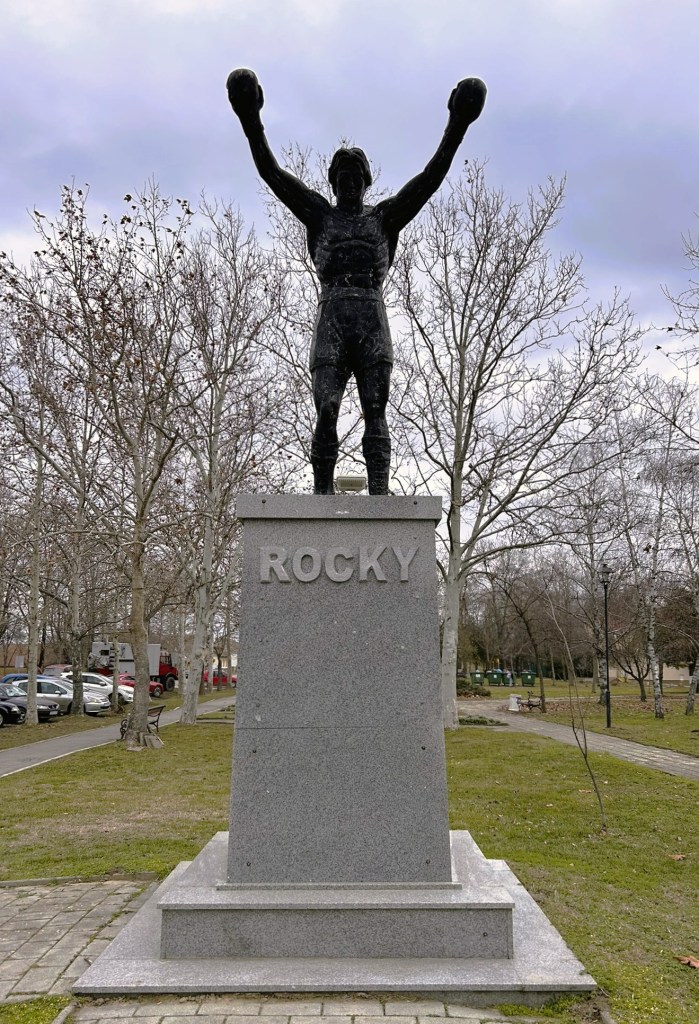
It seemed odd to have a Rocky statue here but apparently the message is that it doesn’t matter how many times you fall, the important thing is to get back up and keep fighting. Very relevant to Serbia’s history.
Sadly, the statue looked nothing like the character in the film!
We pressed on east to the town of Pancevo to seek out another museum that was close to James’ heart in particular – the ‘Old Timer Motors’ museum of motorbikes.
This museum was on a completely different scale to the Tractor Museum but no less interesting for that
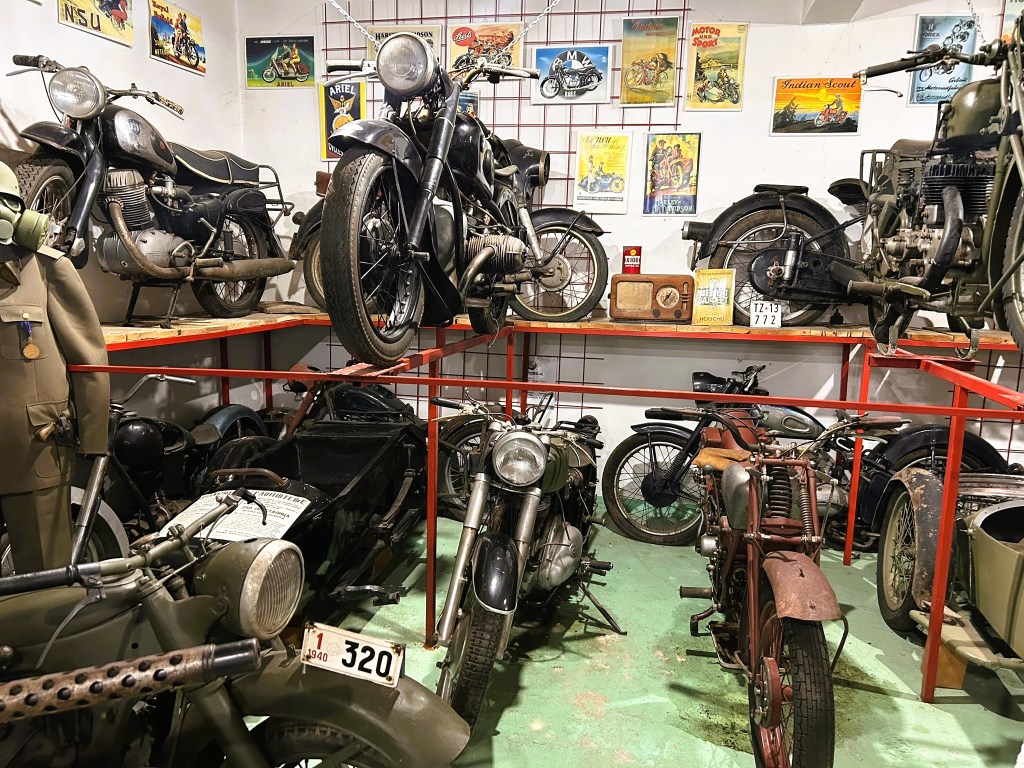
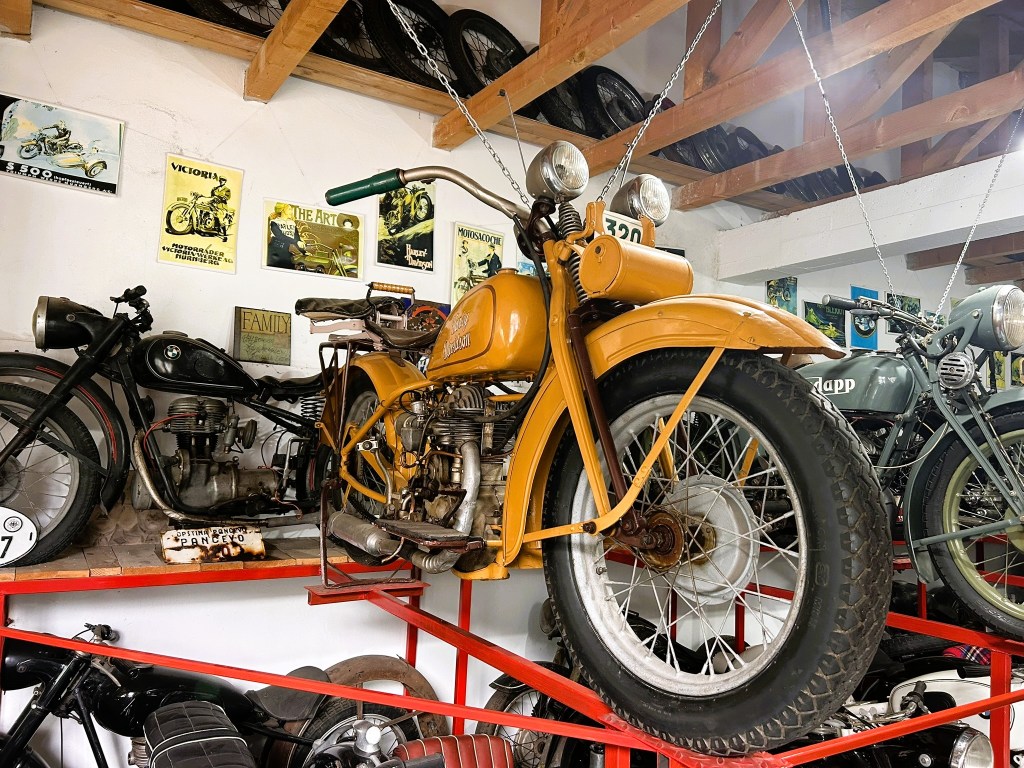
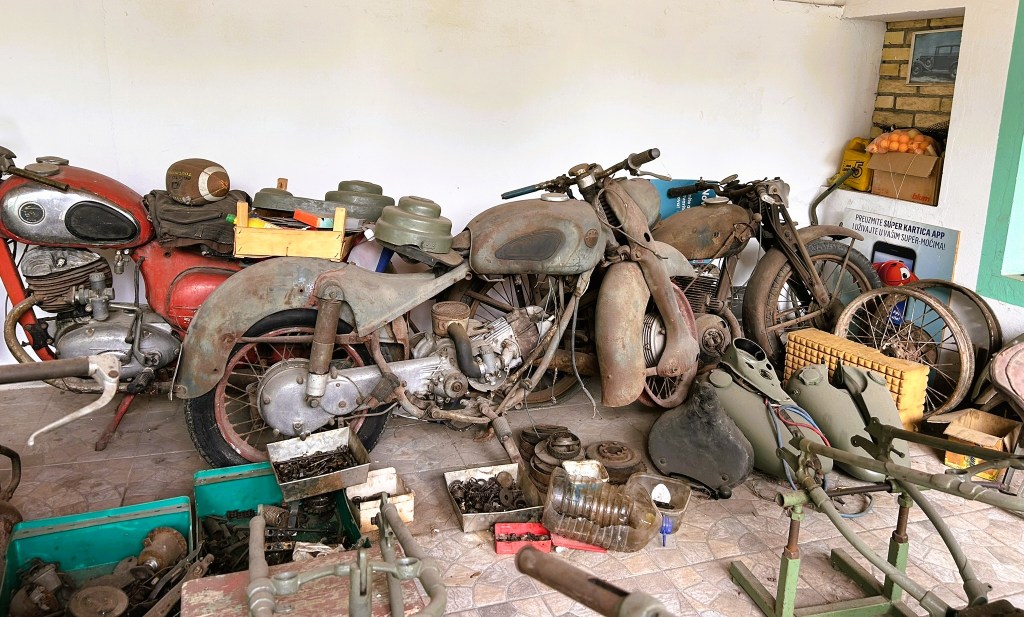
It turned out to be in the owner’s house and our lovely hostess did her best in her broken English to tell us about each motorbike as we went around
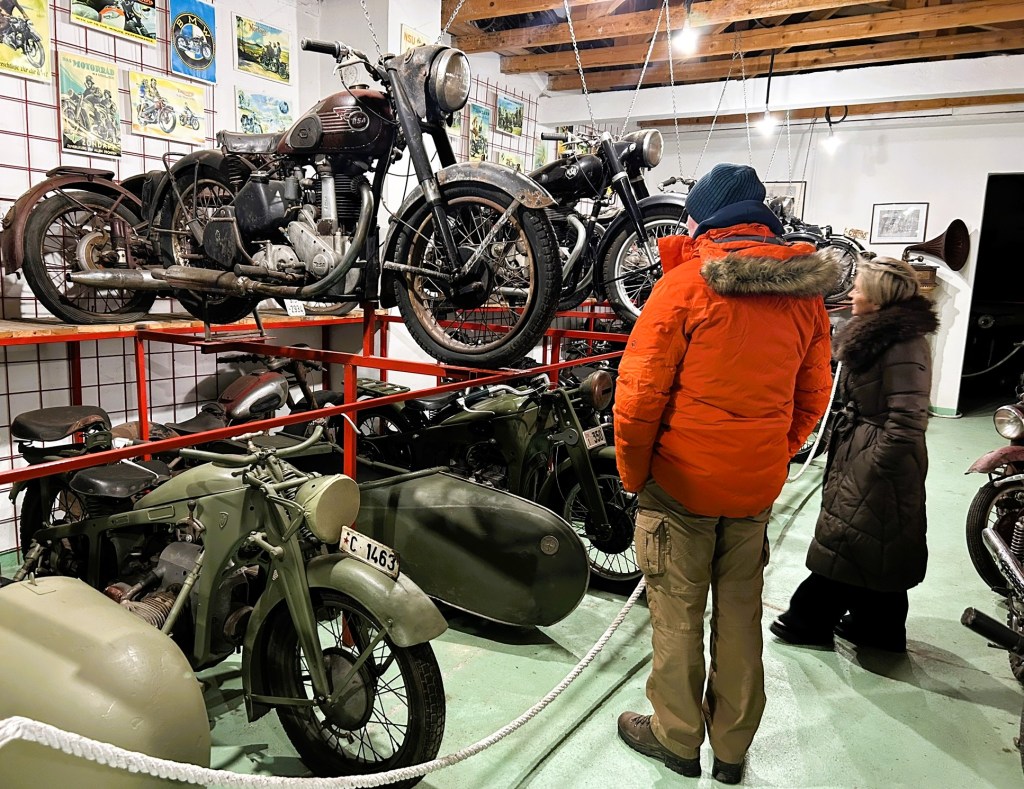
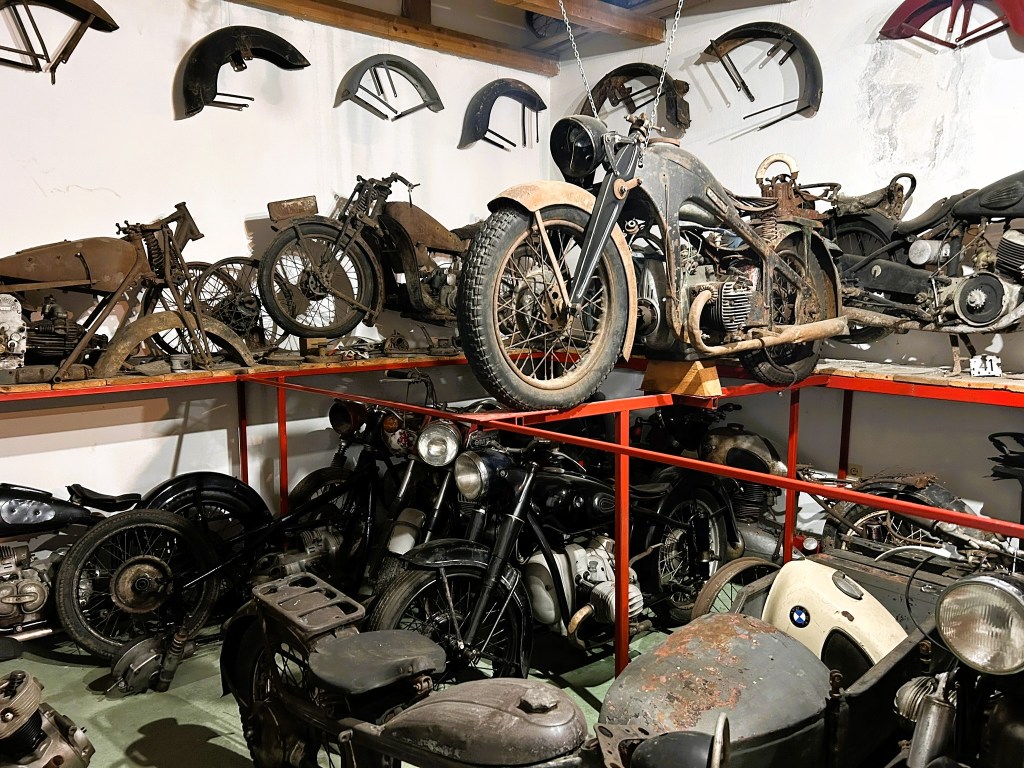
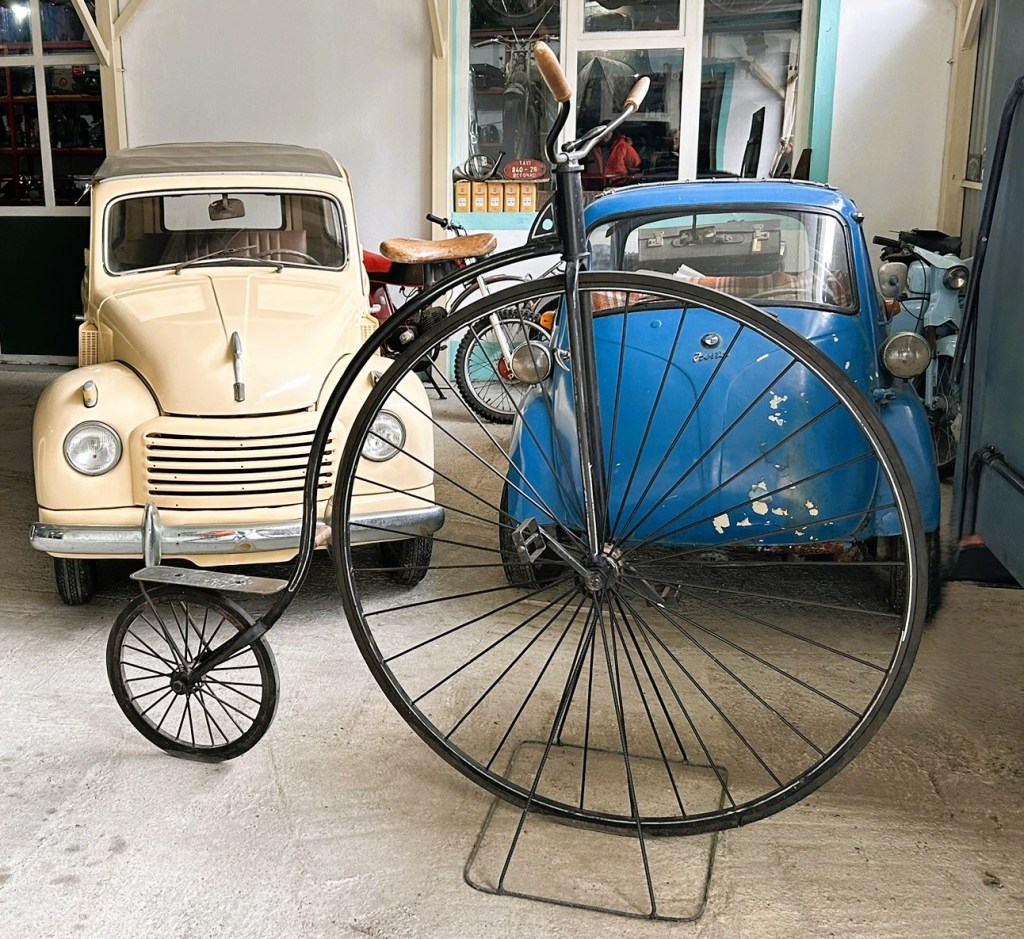
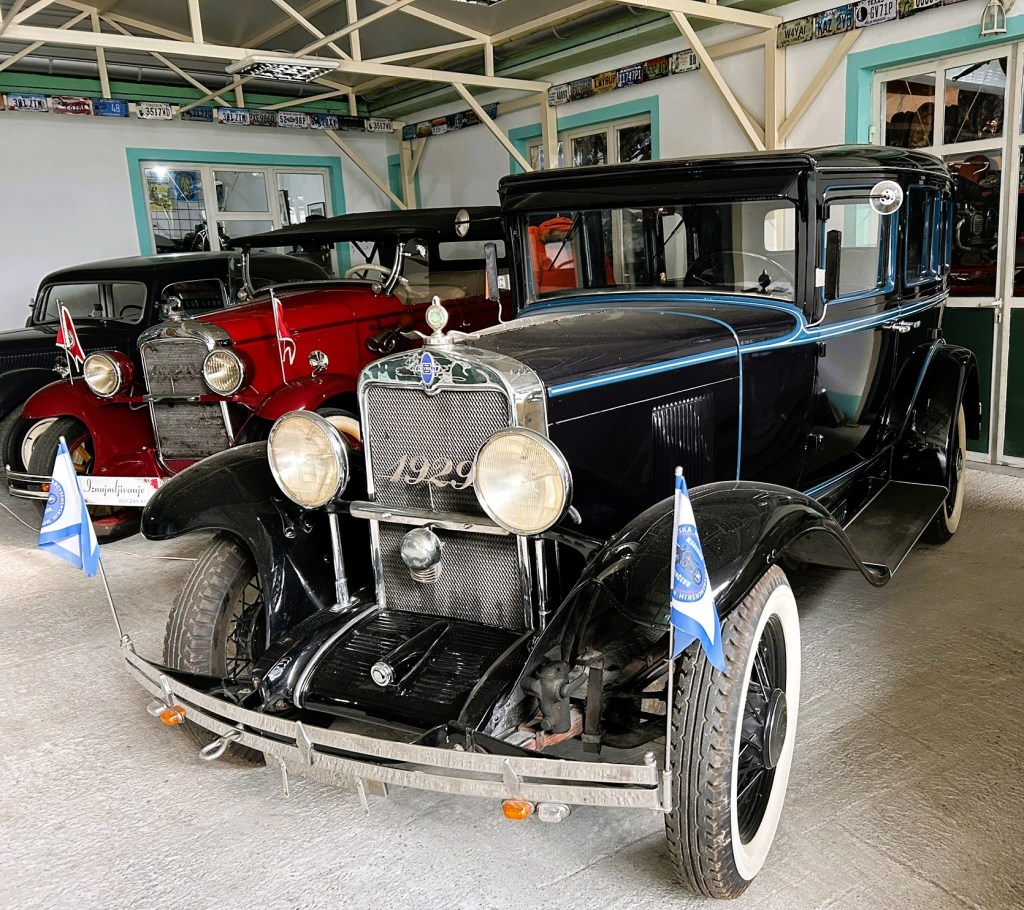
And at the end of the tour they even had a Penny Farthing and some rather impressive cars
It was the middle of the afternoon by now and the days were still short so we were keen to find somewhere to park up. We found a place by a marina half an hour away and hoped we could get BigMog through the trees surrounding it.
But when we arrived we realised that there was no way – the road was really just a footpath and the trees were too dense. We were lost for ideas for a moment until we spotted a large patch of dirt overlooking the water that seemed perfect for the night.
As we pulled in we were thrilled – it was lovely
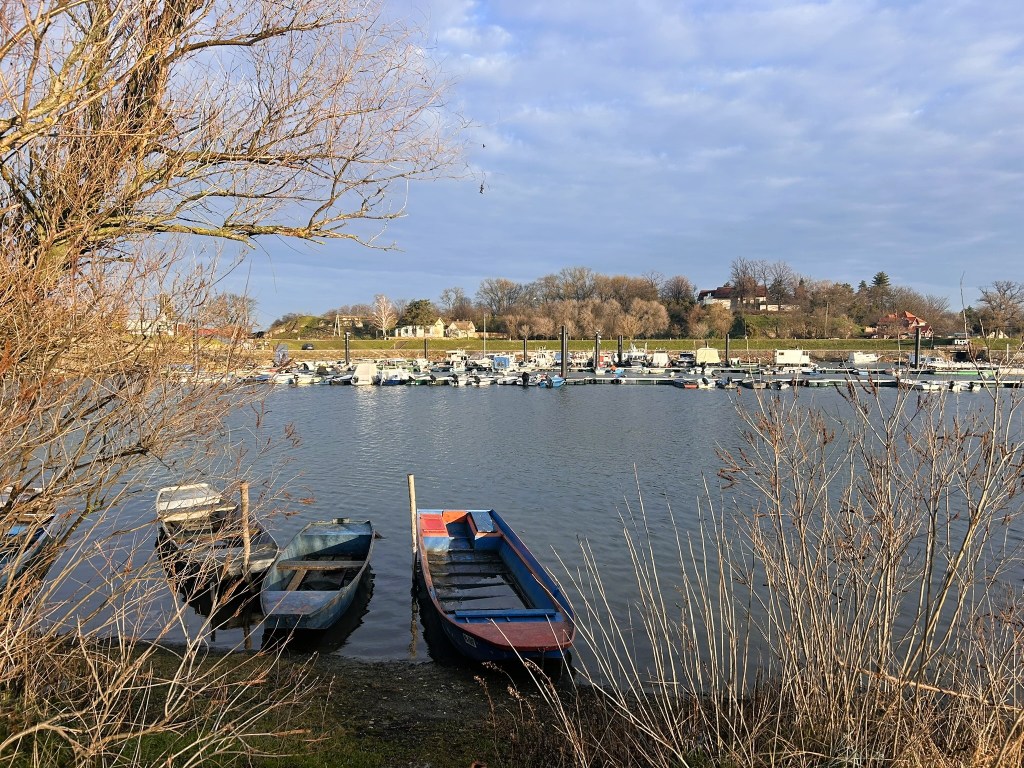
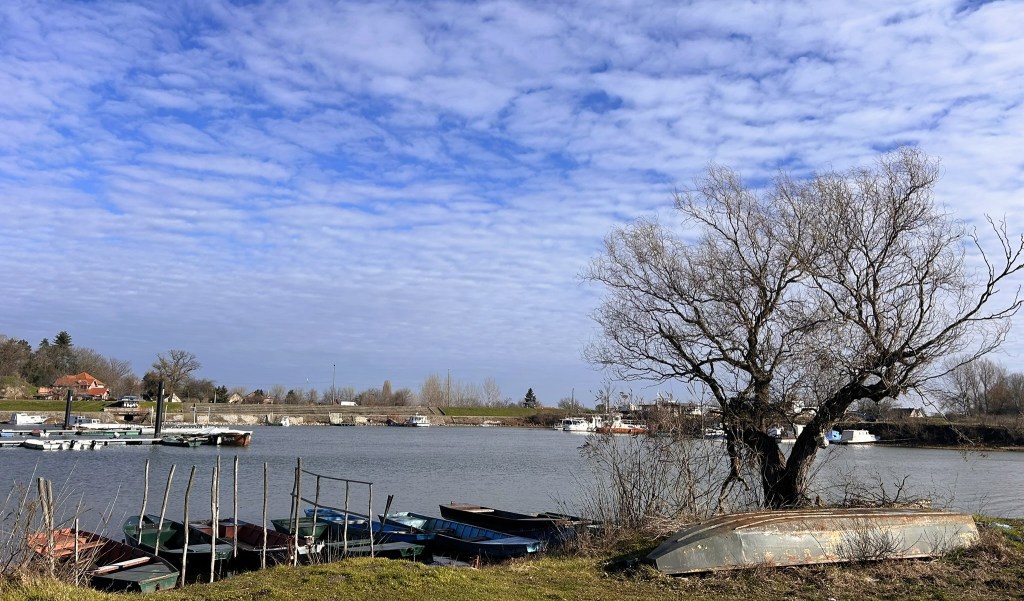
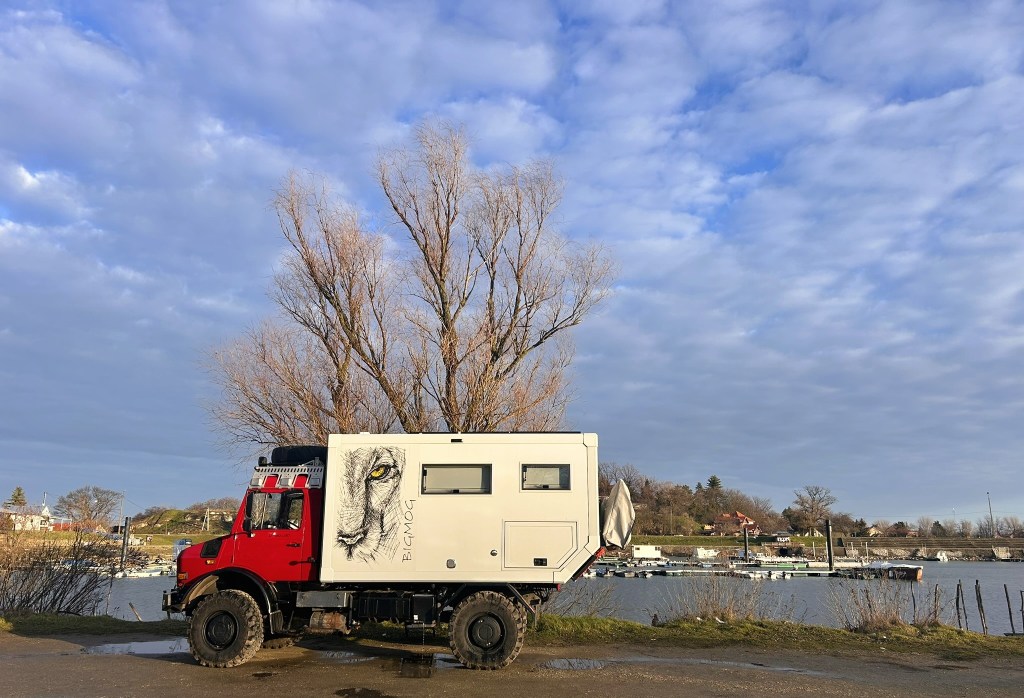
It was also getting increasingly cold and the next morning gave us beautiful blue skies but freezing temperatures so we didn’t hang around too long.
We were keen to be in the eastern region as soon as possible, craving the remoteness that we love.
We were heading for the Viminacium Roman ruins, on the eastern border of Serbia with Romania. From the maps, it had appeared to be surrounded by empty countryside but we were to be sorely disappointed.
As we drove further east, the landscape became more industrialised not less. We were driving through quarries with industrial plants everywhere and we were only 5km from the ruins when we found ourselves driving through a huge thermal power plant with smoke billowing out of its chimneys.
We pulled up in the car park of the archaeological site and looked back at it
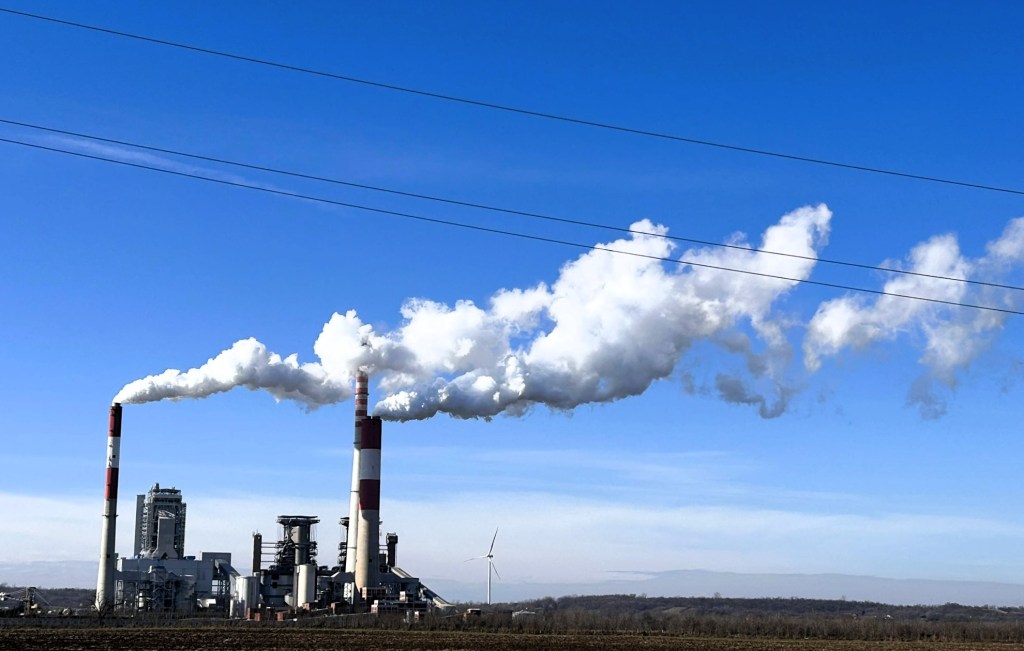
‘Remote east?’ James exclaimed a little despondently.
Nevertheless, the ruins themselves were very far from disappointing.
The Danube once formed the border between the Roman Empire and the Dacians and as such the Romans built the ‘Danubian Limes’, a frontier of heavy fortifications from Germany all the way to Romania. Viminacium was a major Roman city along this frontier and the excavated site so far covers over 1,000 acres.
We had been surprised to find that Serbia is actually crammed full of Roman ruins. This has added to my realisation that our knowledge and understanding of the world has always been limited to a very western-centric perspective. As we travel, it feels as though a veil is being lifted and a whole new world is coming into focus before my eyes.
These ruins, however, were clearly not open – the ticket office was boarded up and there was no-one around. But we were starting to get the gist of Serbia by now – in this accommodating country, if a site isn’t open that doesn’t mean you can’t go in, it just means you can’t pay the entrance fee.
Serbia seems to have a very different view of the world than we are used to. They appear to assume that everywhere is public property so they just leave the door open for you. Everywhere is available to everyone.
And so it was here. There were a number of different sites scattered around the huge complex, each one covered by a large tent and each tent had the doorway tied open so visitors could just go in and look around.
We started in the main area where we saw the ruins of the mausoleum
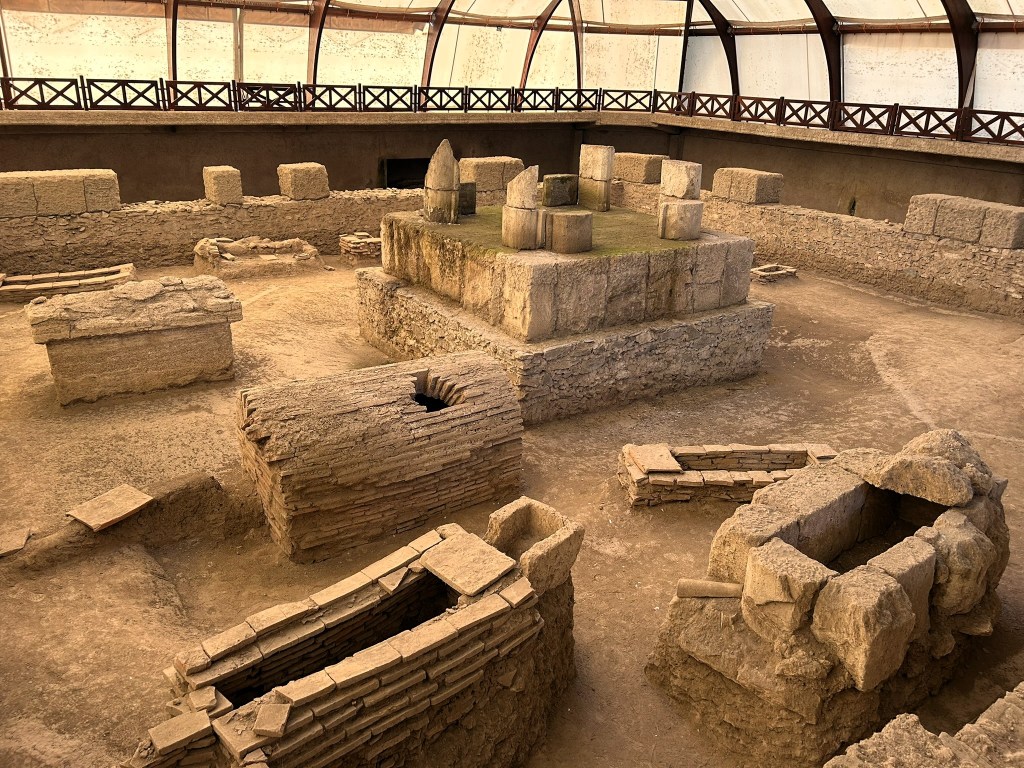
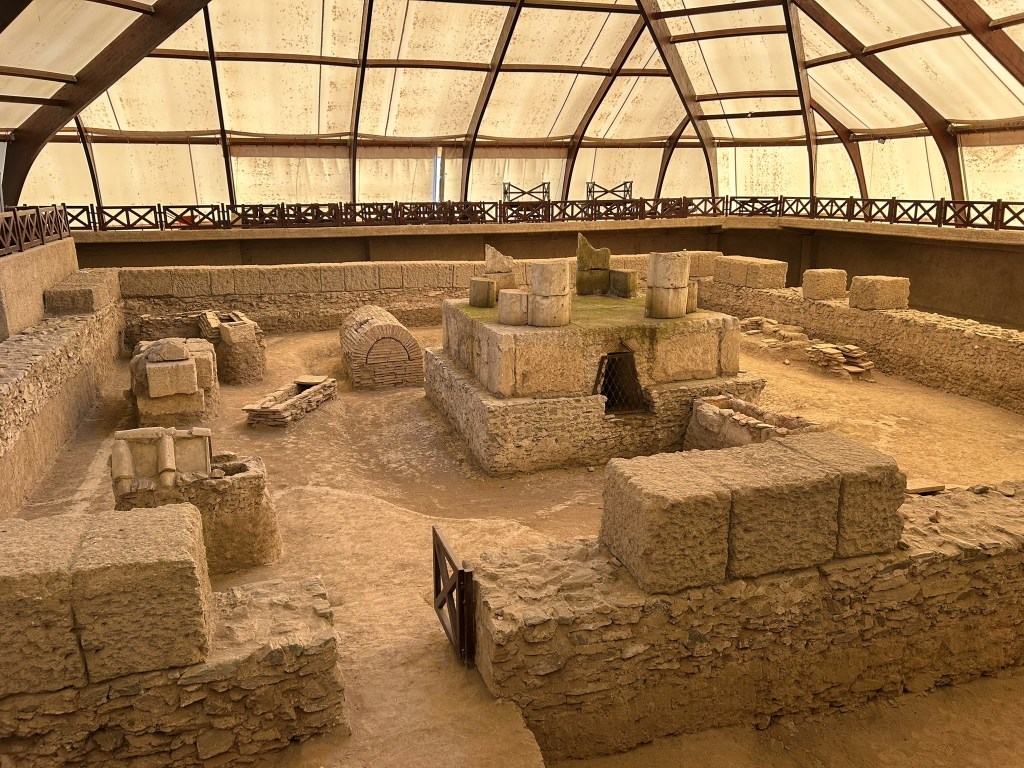
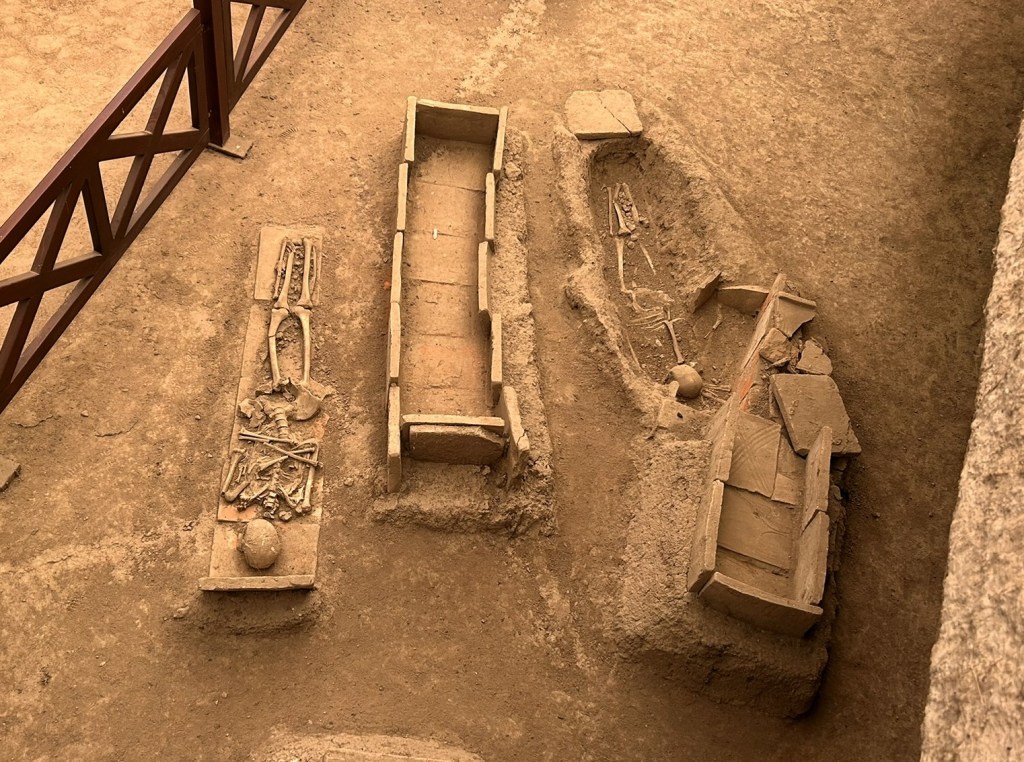
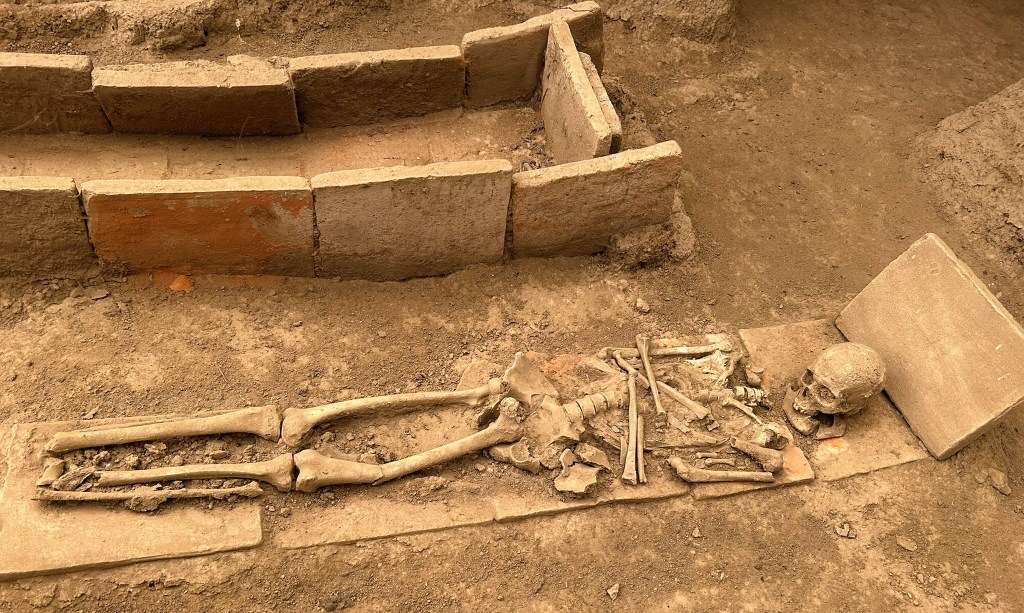
Complete with skeletons
I found some underground tunnels and, once I had collected James to hold my hand and stop the walls closing in on me, we went inside.
Deep underneath the mausoleum we found a crypt with two remarkable frescoes – one known as the ‘Mona Lisa of Viminacium’ dating back to the 4th-century and renowned for its high-quality
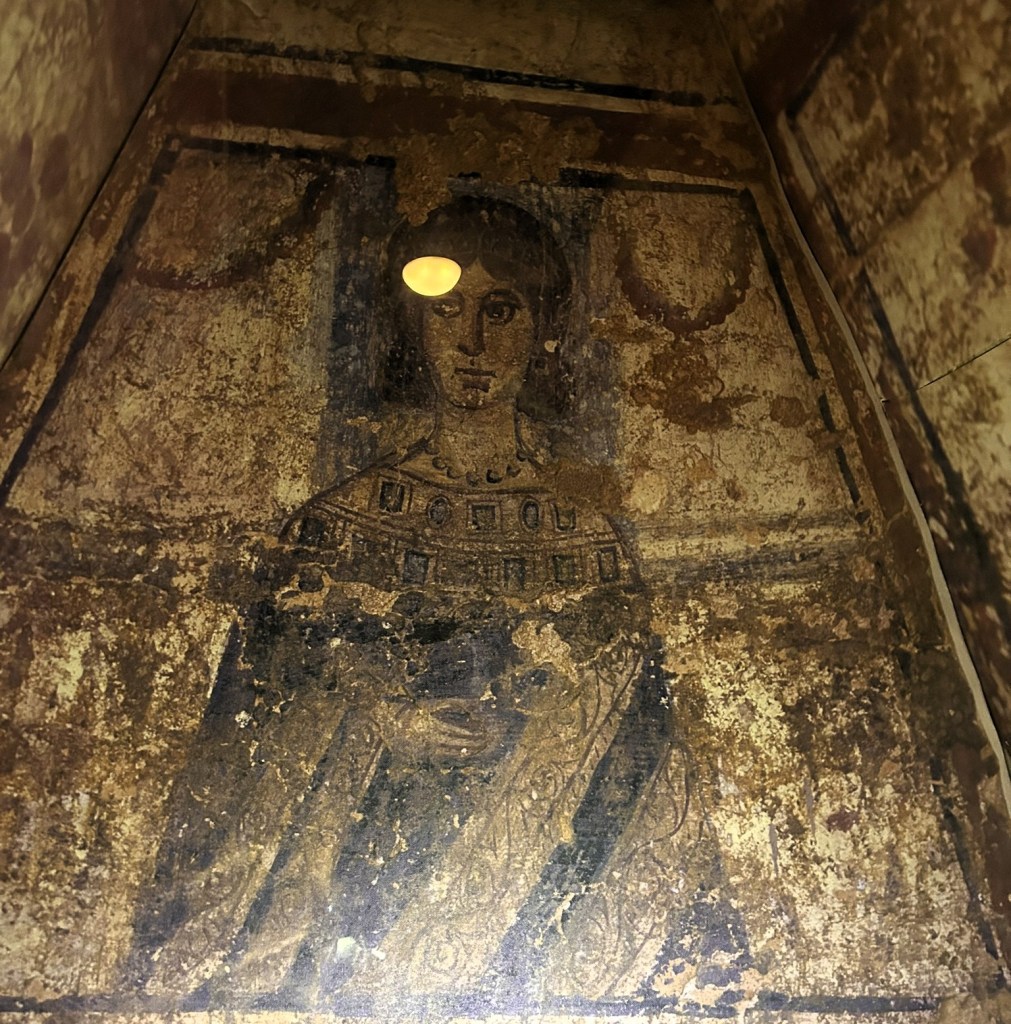
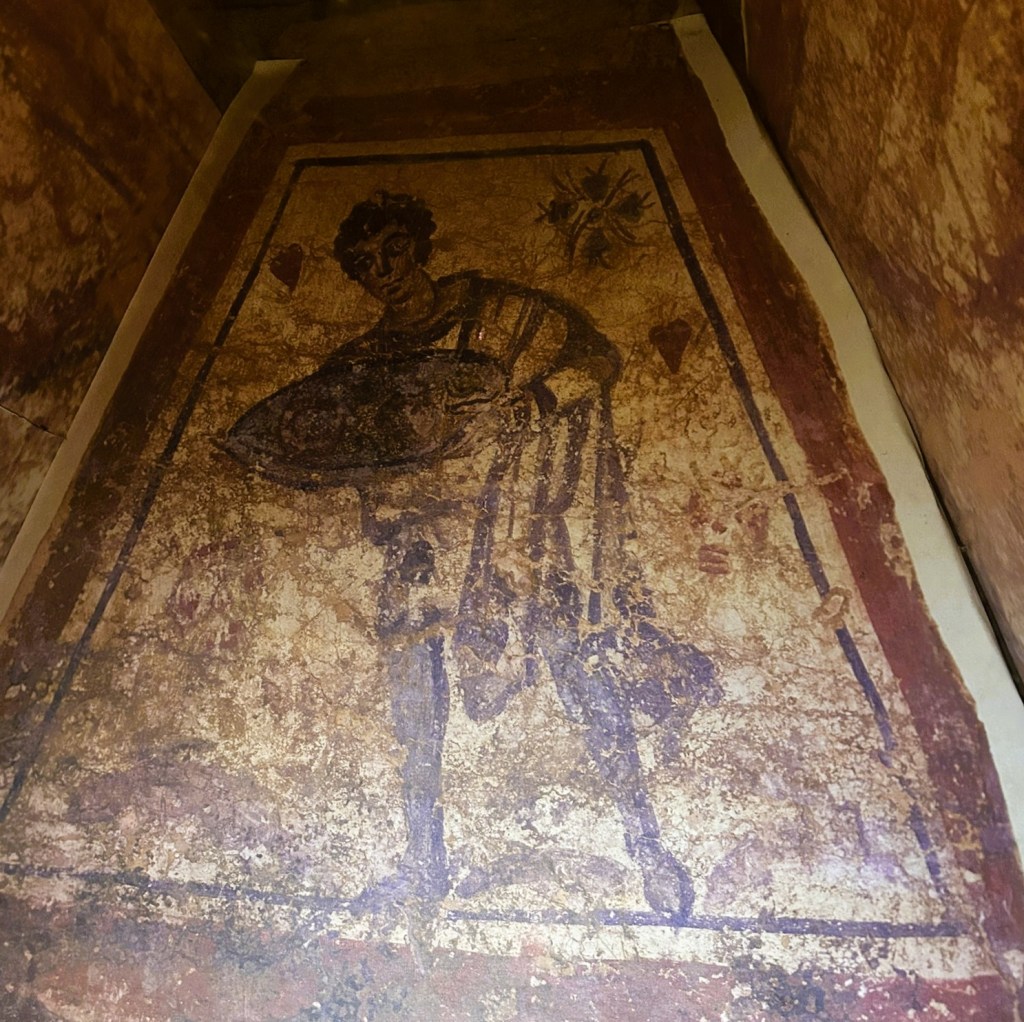
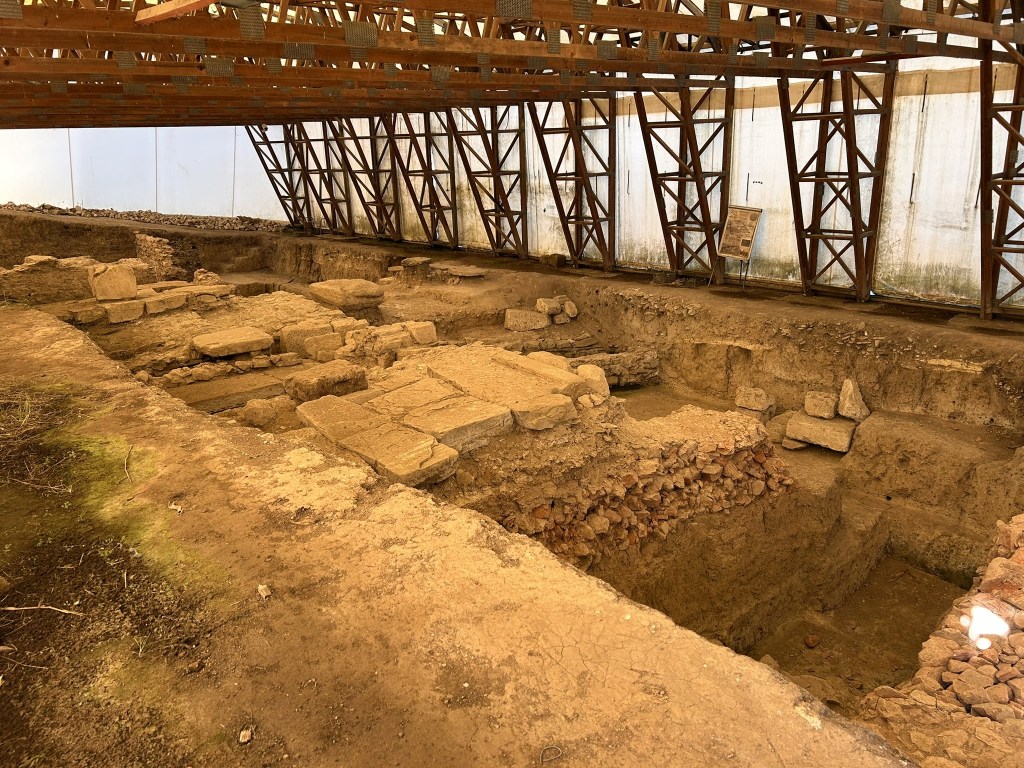
We found a couple of other tents with less complete excavations inside
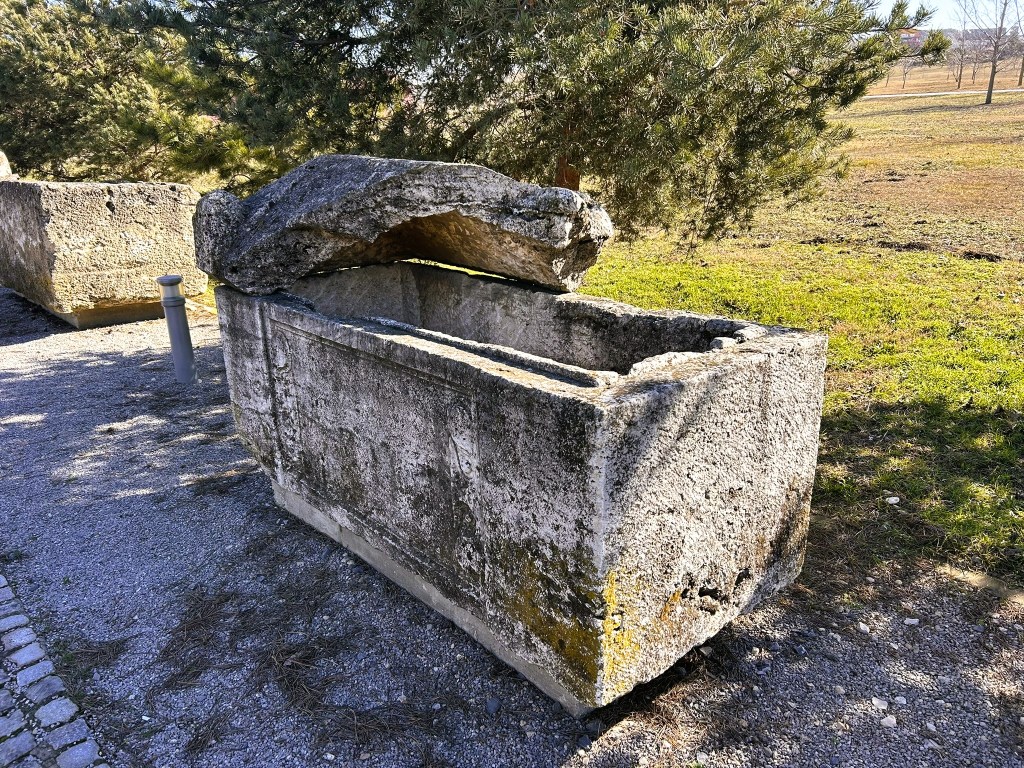
Along with some sarcophagi
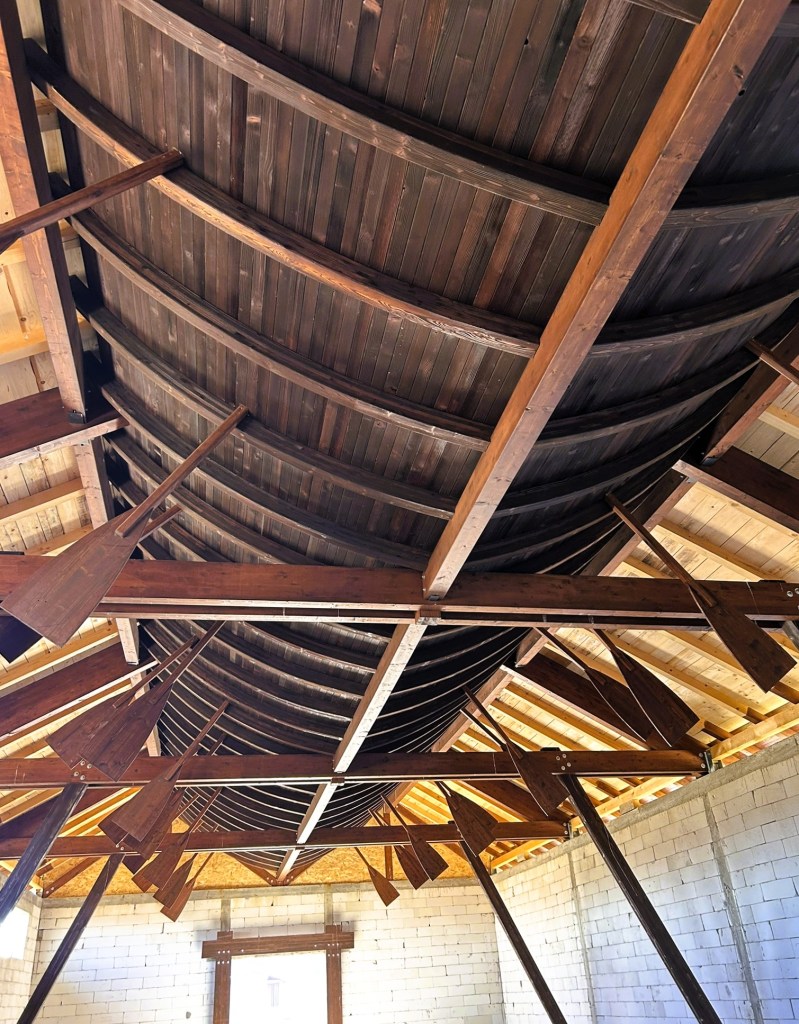
And a strange, empty building with a roof made from a boat…
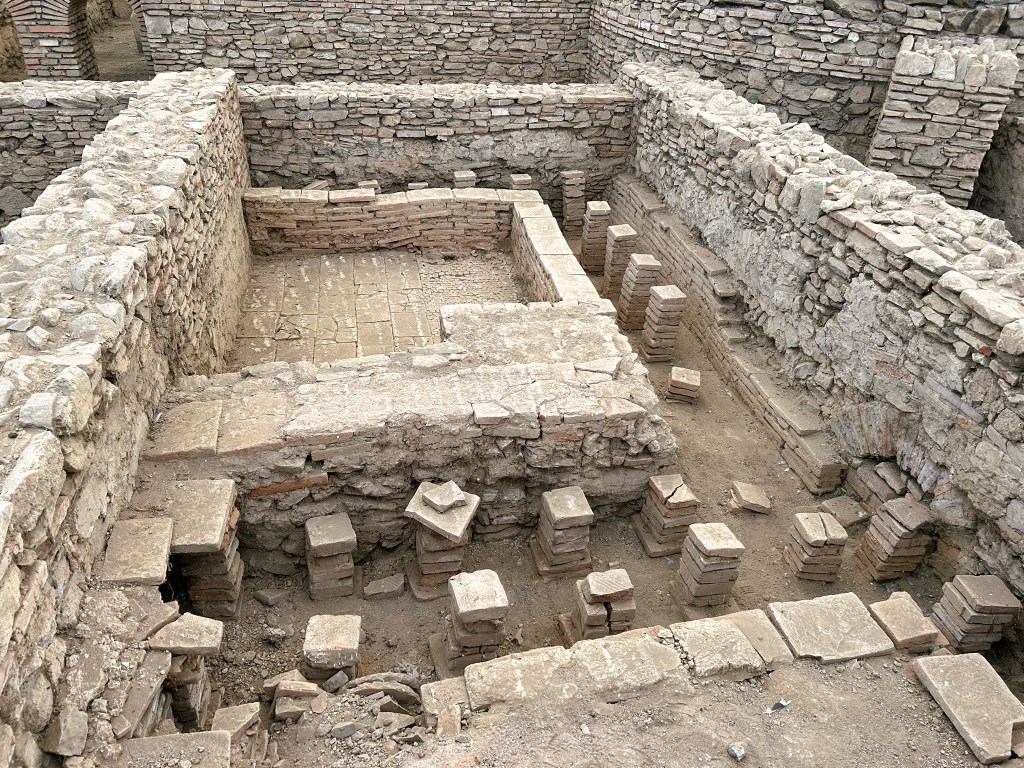
But the next major find were the Roman baths
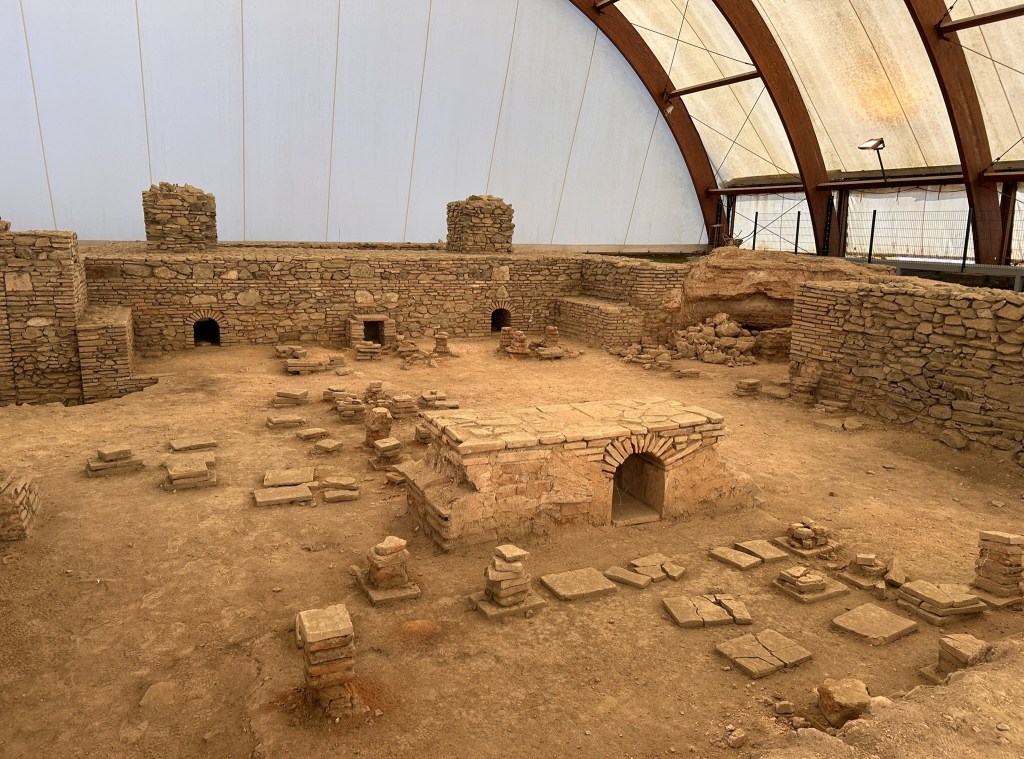
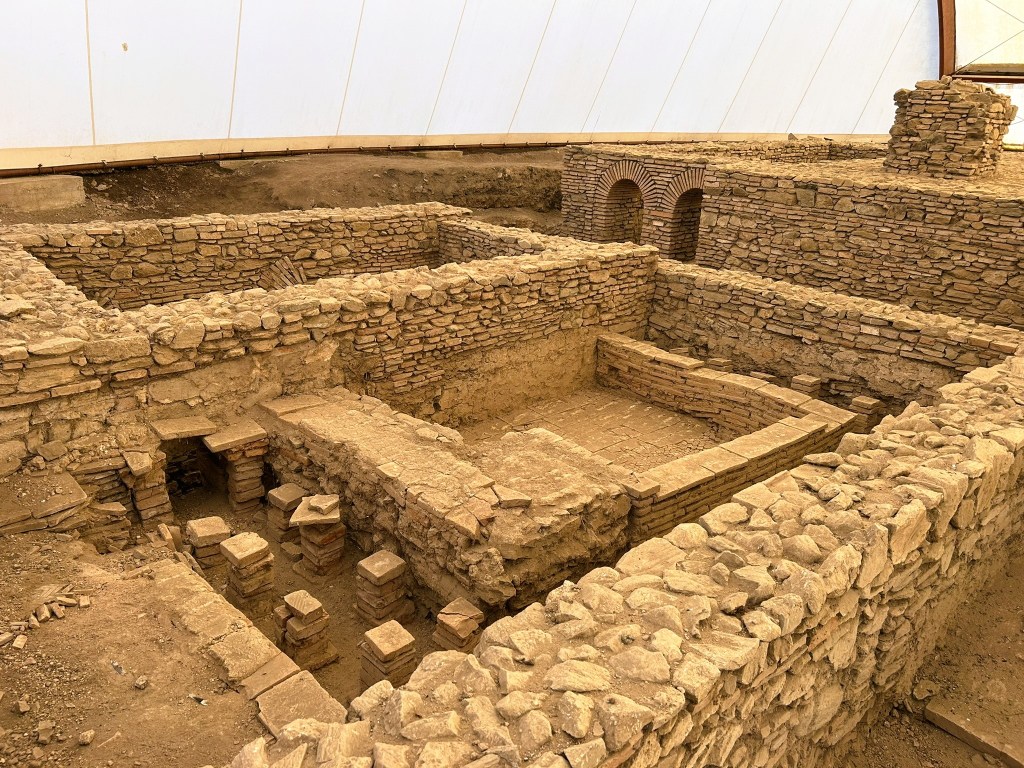
For some reason I find the ruins of Roman baths fascinating
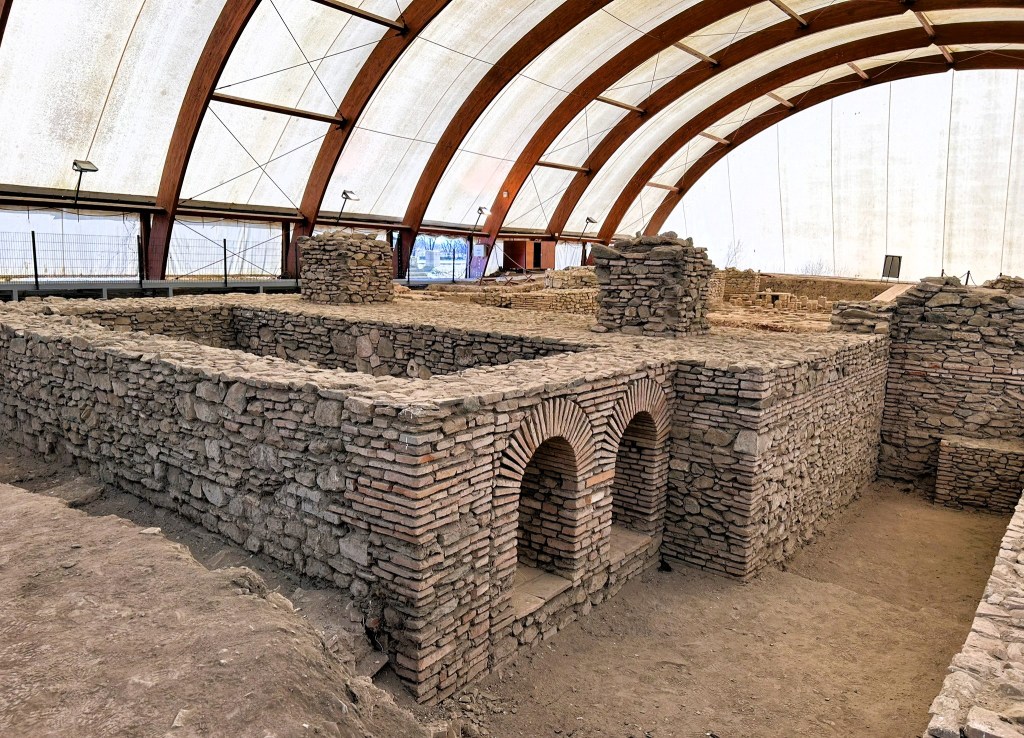
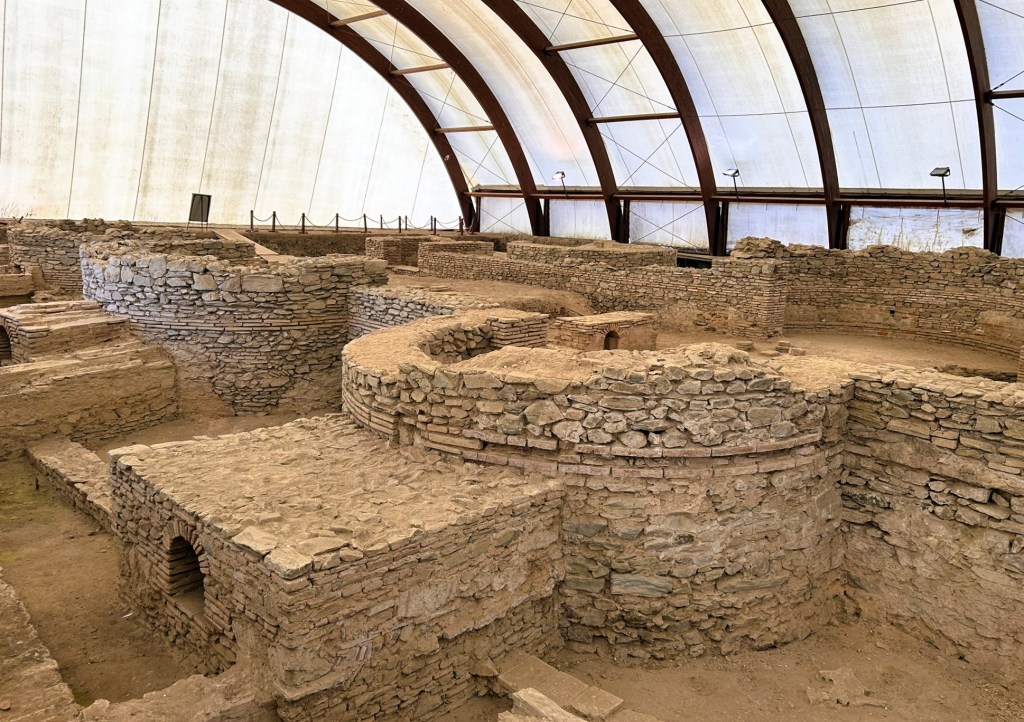
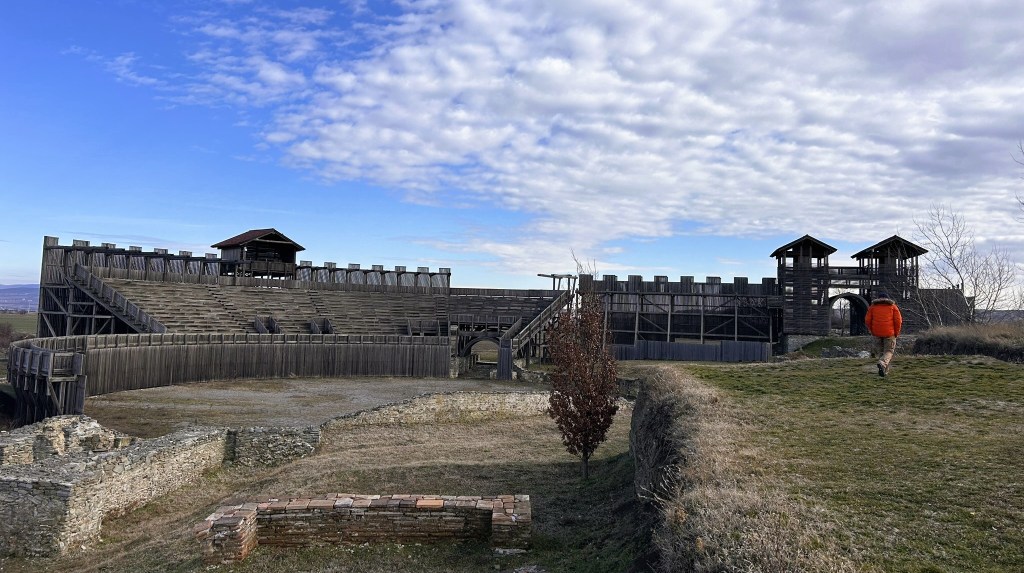
At the far end of the site was a reconstruction of an amphitheatre
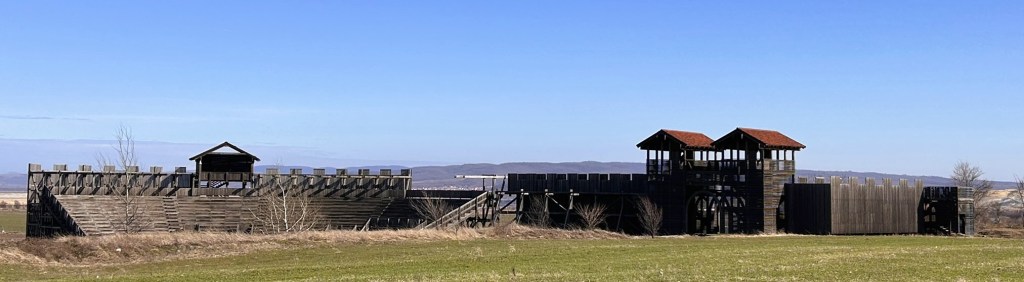
We went for a look but it was getting too cold to want to climb up it, it wasn’t old after all
From there we headed for a completely different type of historical exploration – the cemetery at Kisiljevo. This is where Peter Blagojevic was buried in 1725. Who is Peter Blagojevic you may well ask and it is curious that no-one knows his name as he was officially the world’s first reported vampire!
A few days after Peter Blagojevic’s death, people in the village started dying in mysterious circumstances. Before they died, the victims all claimed that Peter Blagojevic had visited them and drunk their blood. The villagers exhumed his body to find it looking as fresh as the day he died and with blood in its mouth. They were terrified by the sight, staked him through the heart and burnt his body.
It was the earliest, most sensational and well documented case of vampire hysteria.
Unfortunately, no-one is sure exactly where his grave is but that didn’t matter. We wiled away an or hour or so wandering around the oldest part of the graveyard looking at the crumbling gravestones and trying to decide which one we thought was his
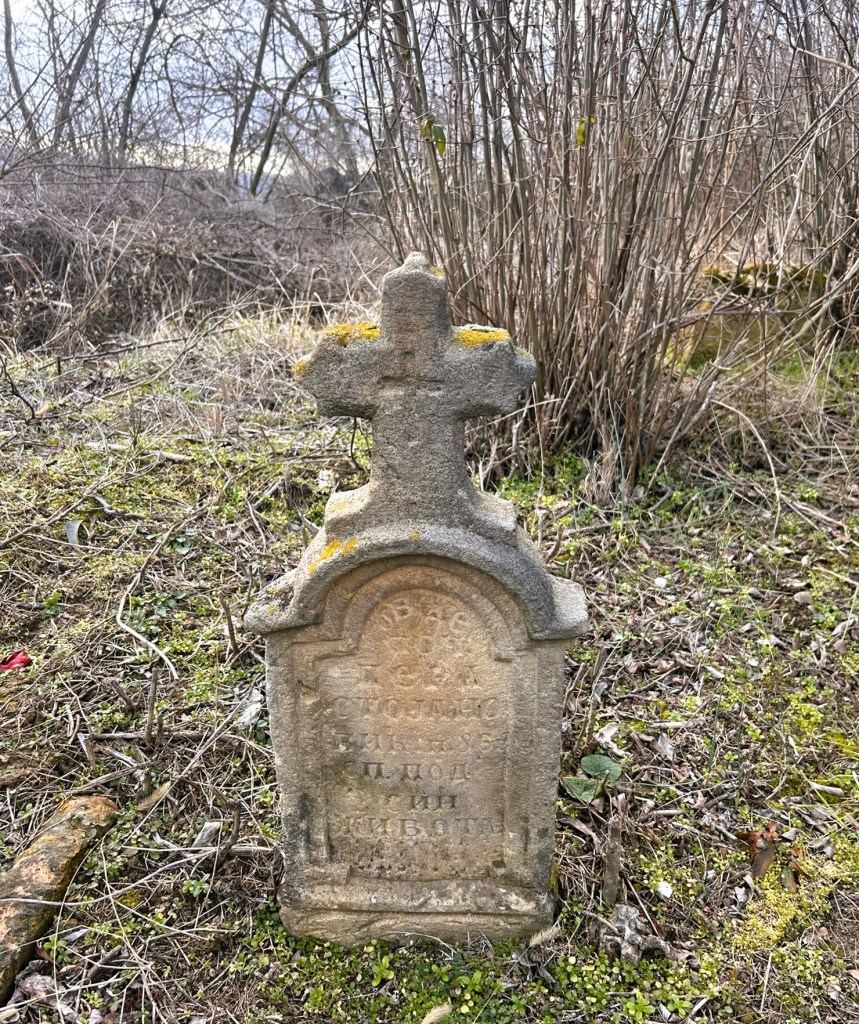
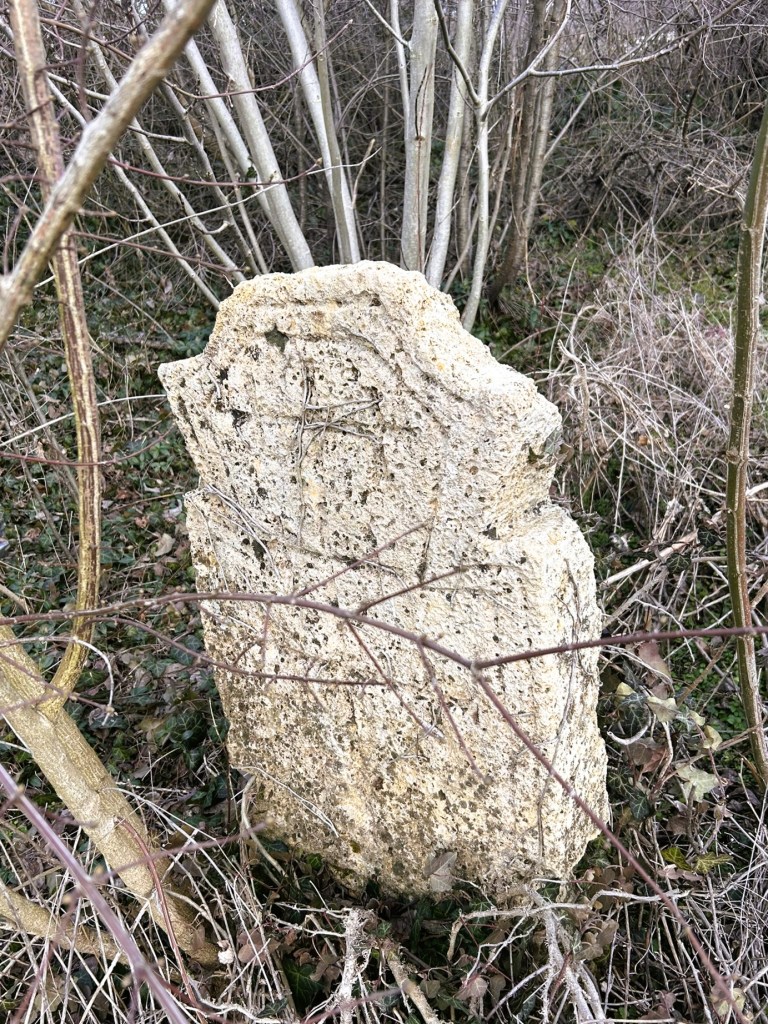
Who knows, not us, that’s for sure!
Graveyards can be a great source of the history and culture so we tend to visit quite a lot of them as we travel.
It is clear how important graveyards are to people in Serbia. They are often huge and always well taken care of – the amount of money and effort the families spend on the headstones is remarkable
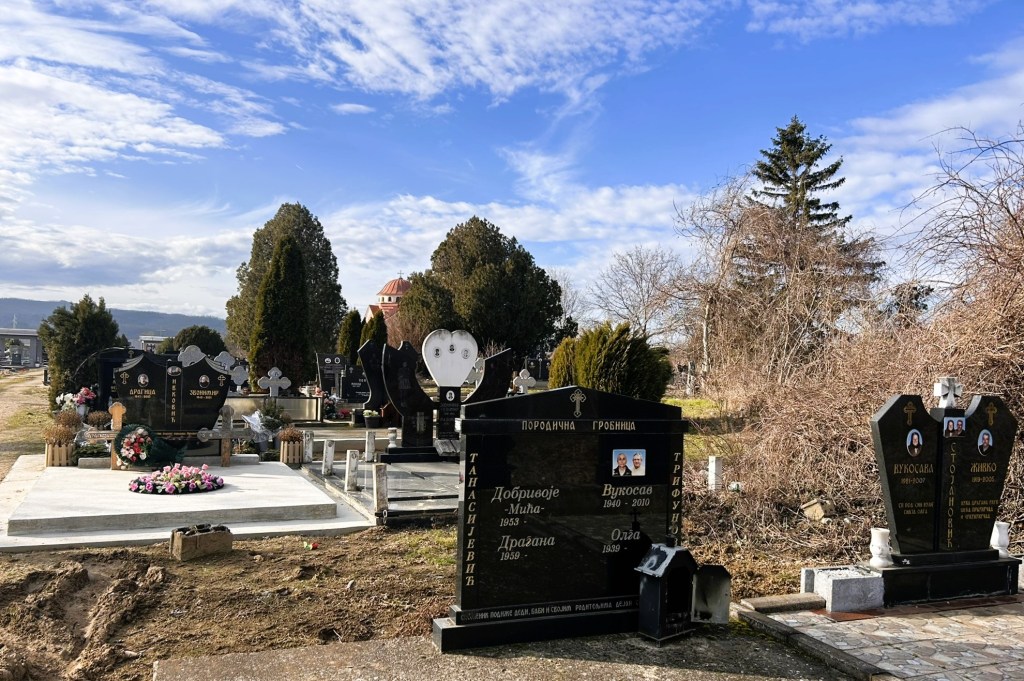
These newer graves are typical of what we saw everywhere. Unusually, most are shared – with a single headstone for husband, wife and often children as well
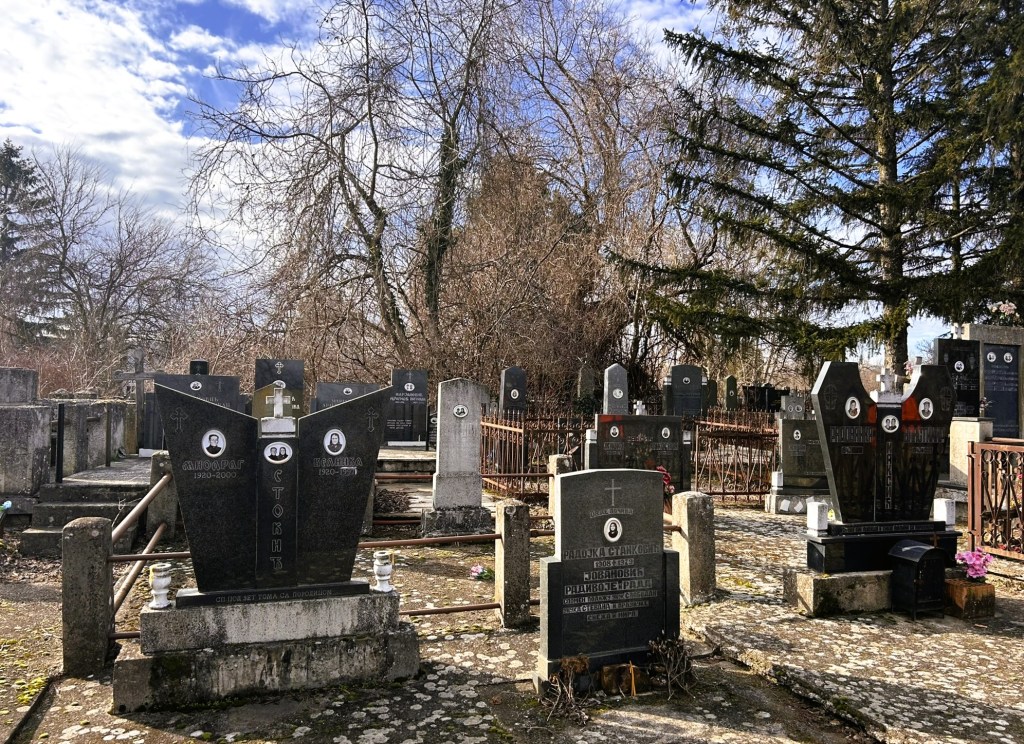
Photographs of the deceased are beautifully etched into the tombstone but little else is said other than their dates.
And very often the portrait of a family member is already on the tombstone when they are still alive, their grave waiting for them. It sends a shiver up my spine whenever I see that.
We left the graveyard, still none the wiser as to where the vampire’s grave was, and drove to the Ram fortress
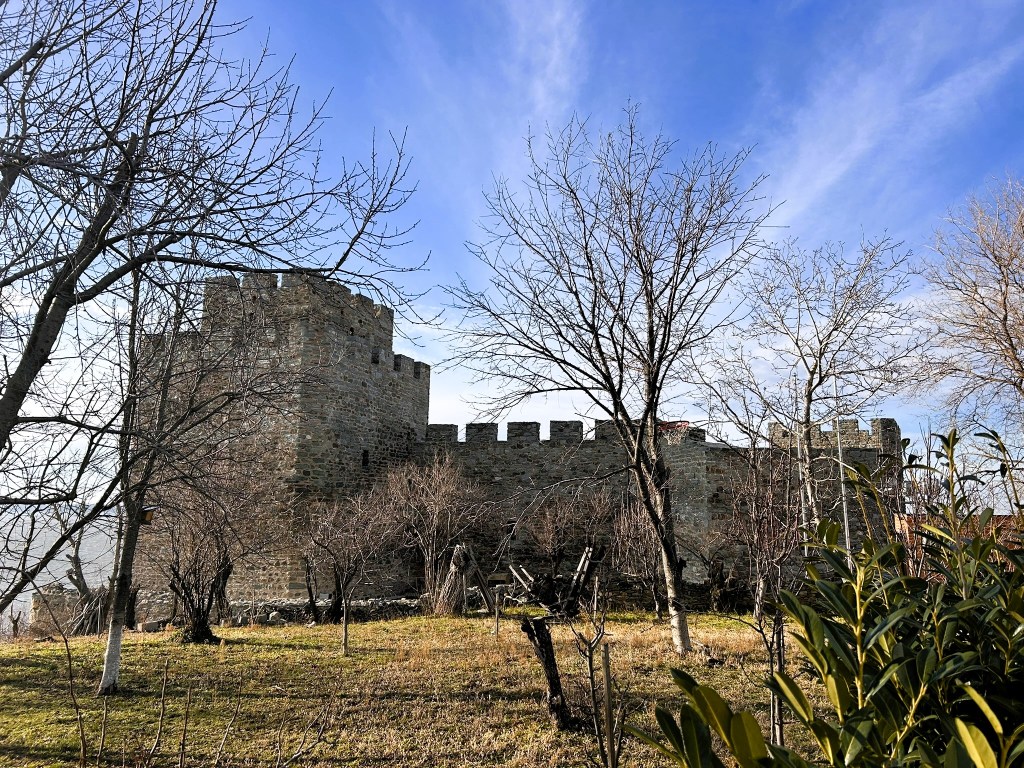
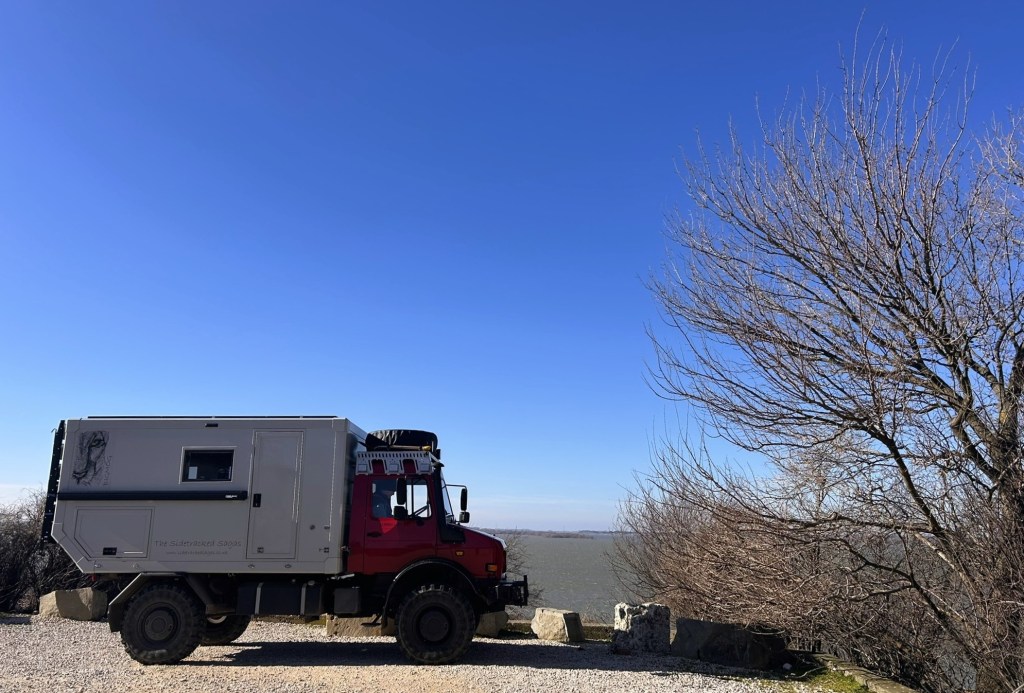
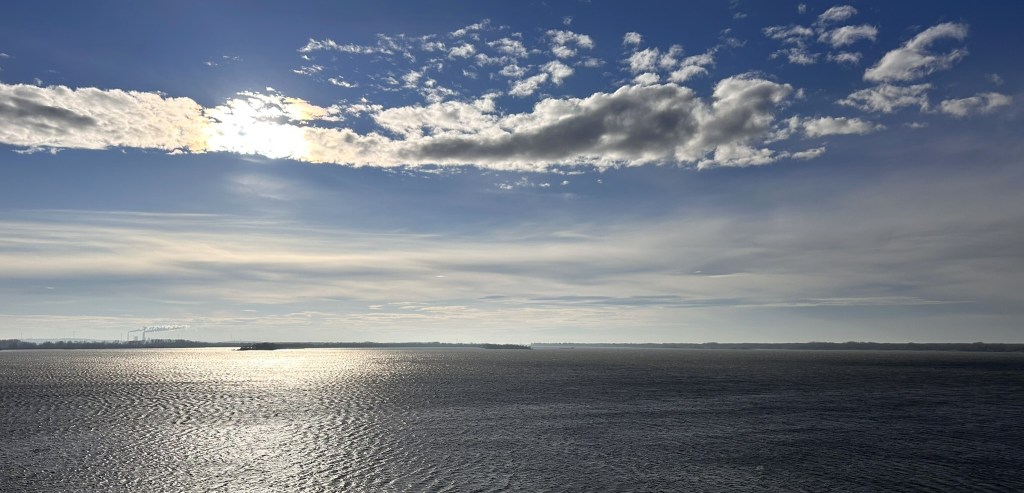
We parked up in the fortress car park with a beautiful view over the Danube
And went to explore
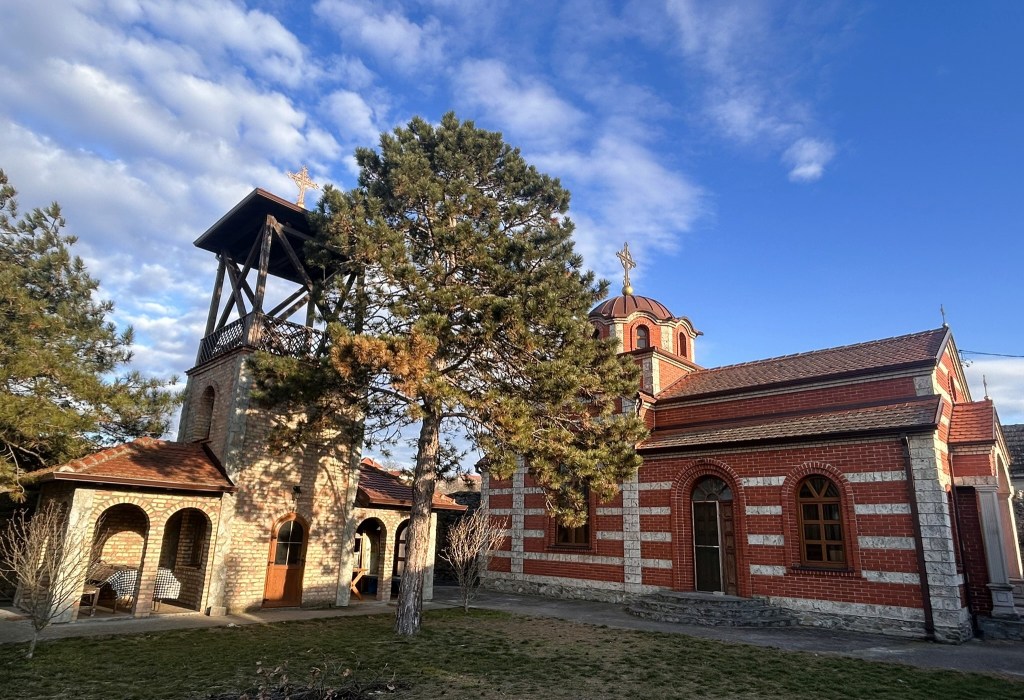
This was a very unusual site for Serbia – there was a ticket office, with a woman inside it, and an entrance fee to pay. It was about £2 each.
Also unusually, the fortress itself was incredibly well preserved and maintained
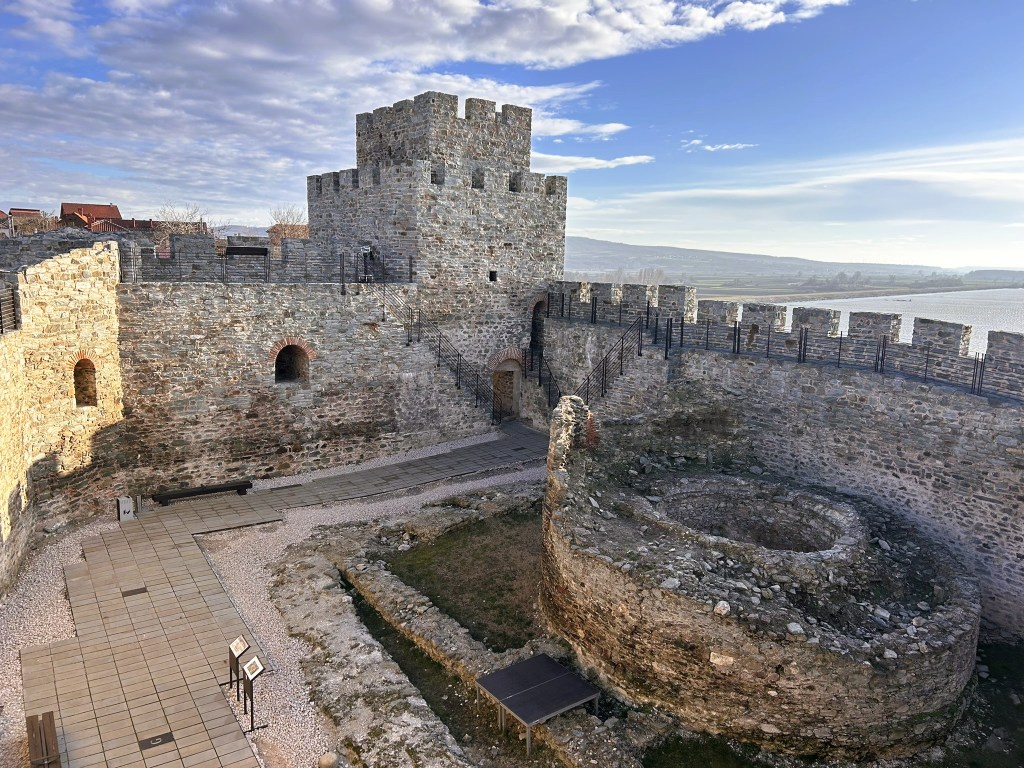
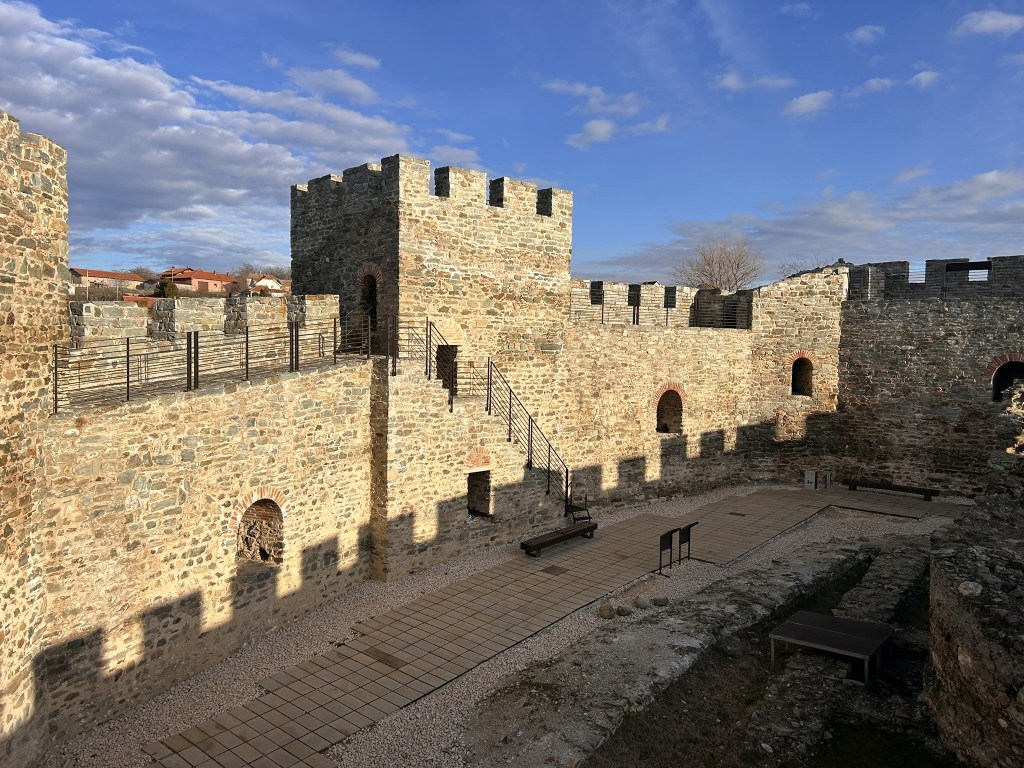
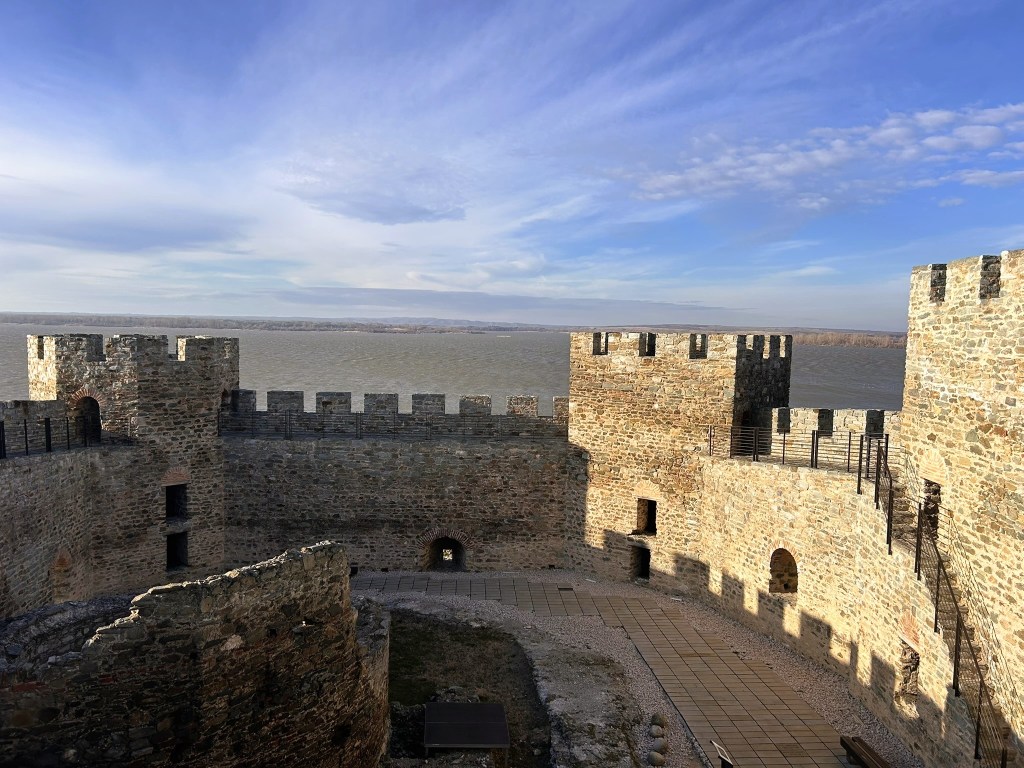
We climbed up to the ramparts for a spectacular view over the walls and the river beyond
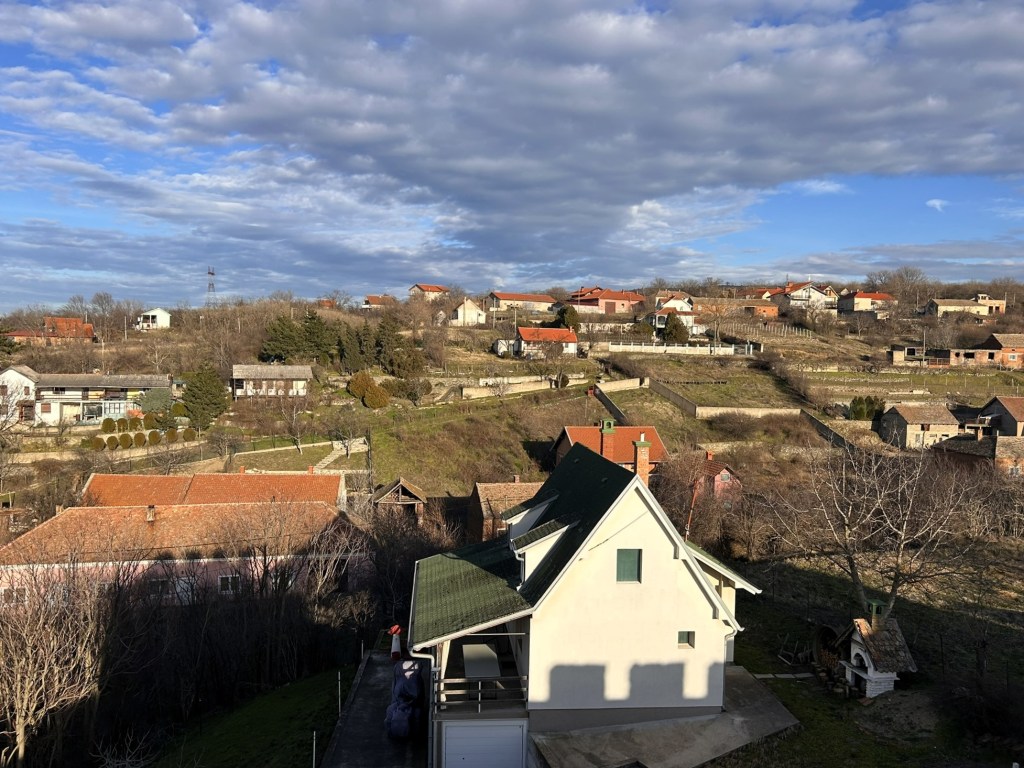
As well as over the small town
The fortress was built in around 1480 and was repeatedly damaged and rebuilt, abandoned and reoccupied, until it was finally destroyed in the first world war. It has been open as a tourist attraction since 2019
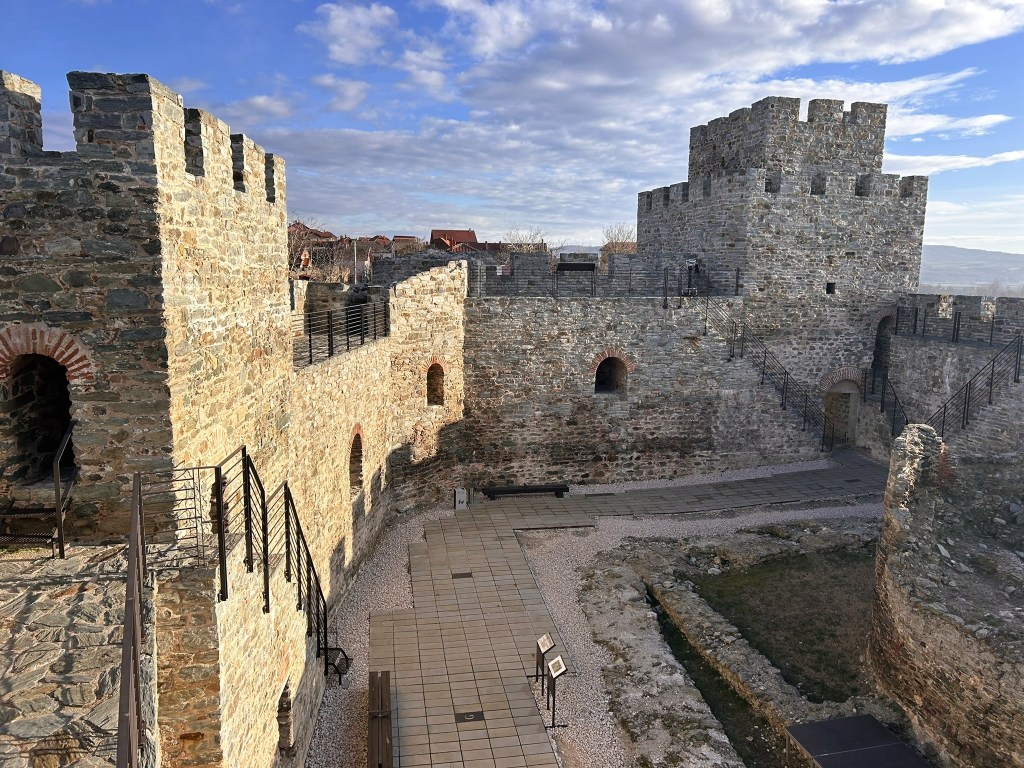
We loved it.
As we walked back to the truck we saw these two little cuties sitting just inside the gates
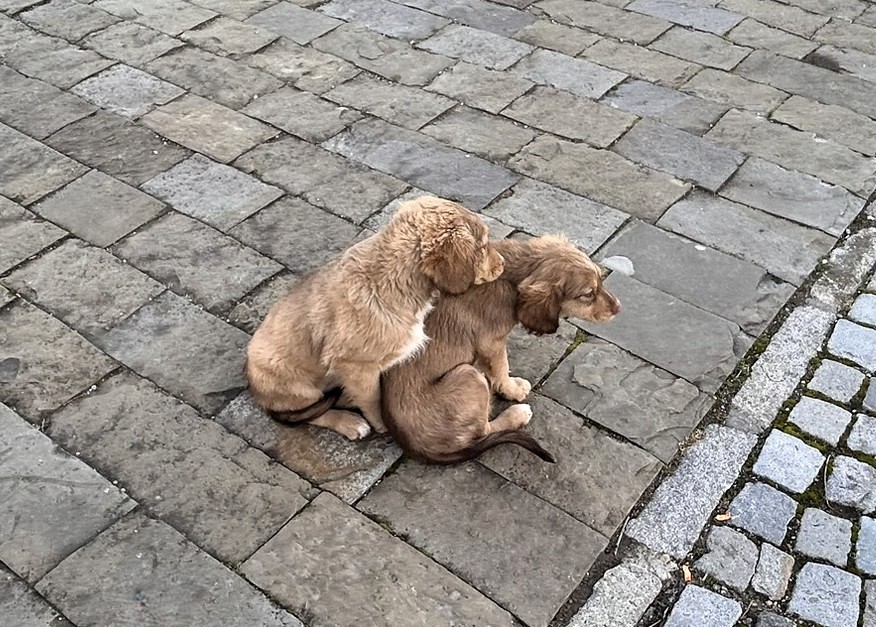
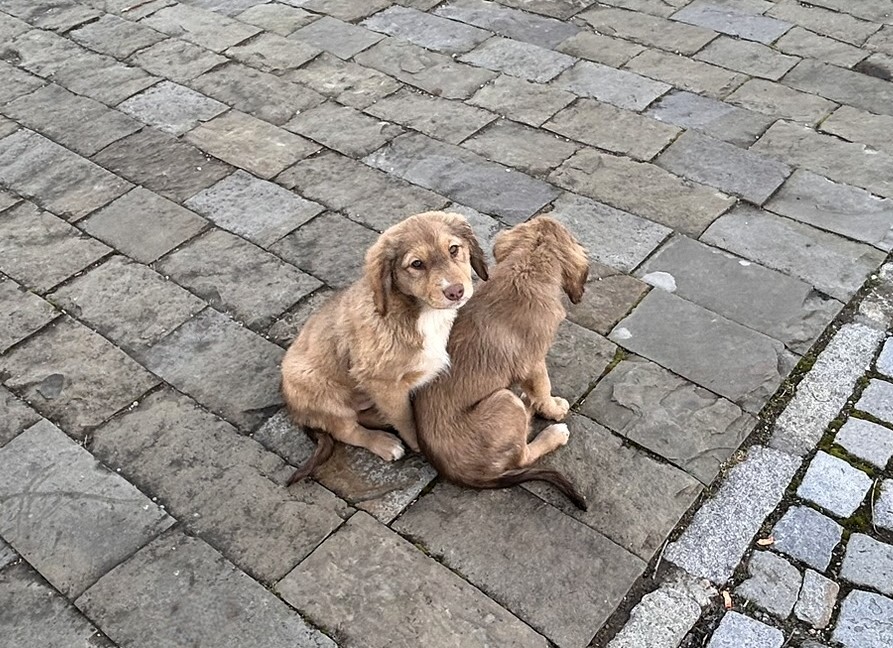
They must have been about 6 months old, soft and fluffy and clearly devoted to each other.
We gave them some cuddles before heading home – it seemed harmless at the time, but I regretted it the next day.
Well, maybe regret is a little harsh, but I was clearly not going to get any exercises done that morning. They had no idea what all the fuss was about…
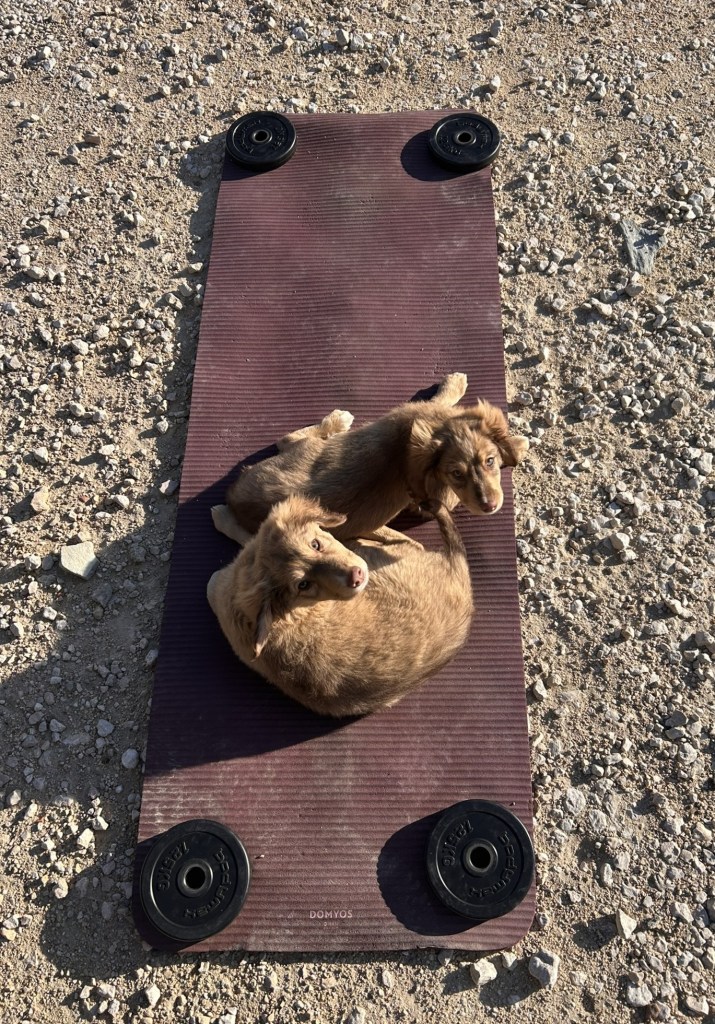
So in the end they gave up worrying about it went to sleep!
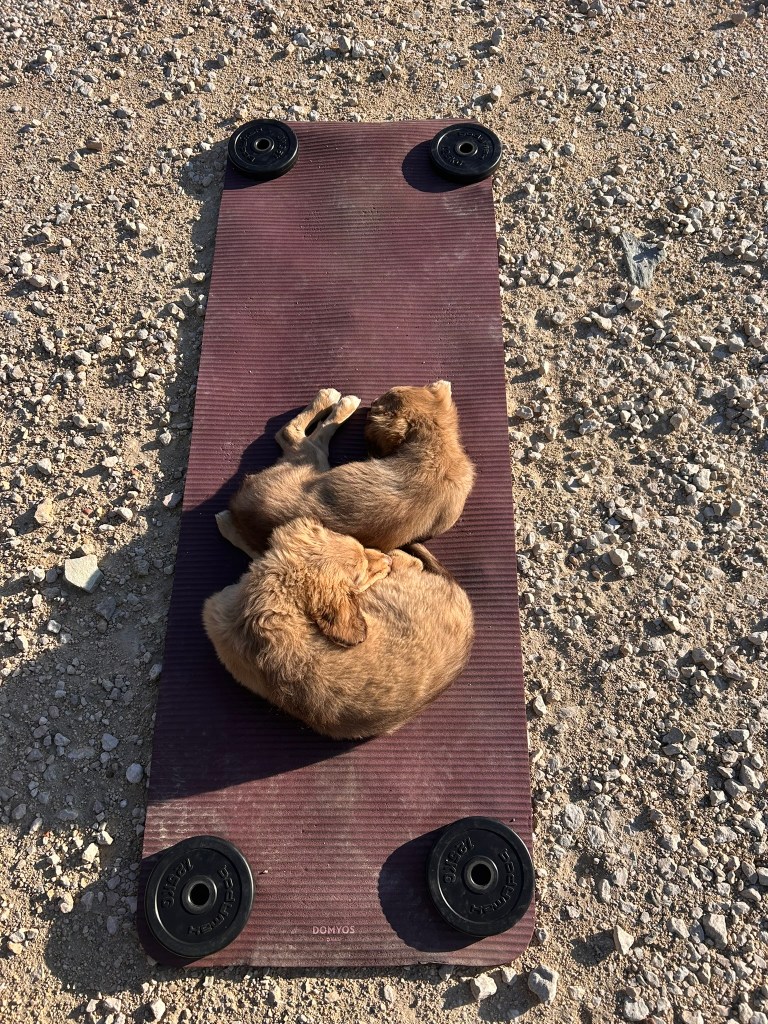
I didn’t have the heart to move them out of the way.
So instead of training, we gave them all our bacon and got an early start for another fortress, this one on a much larger scale
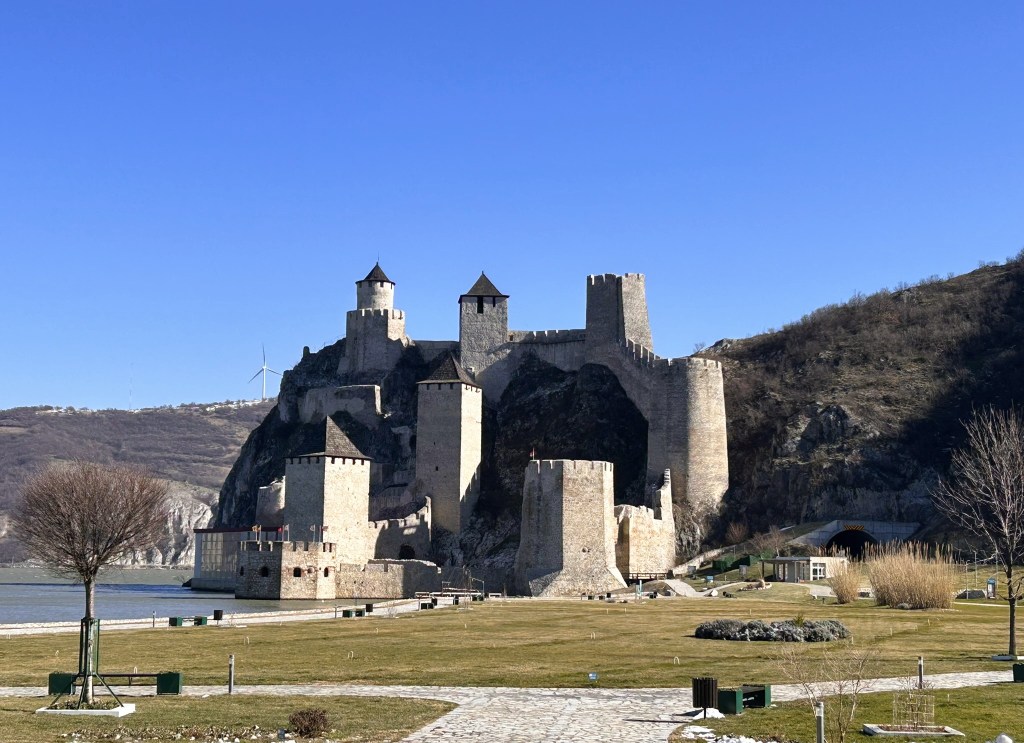
Golubac fortress sits on the Danube and is about a century older than Ram
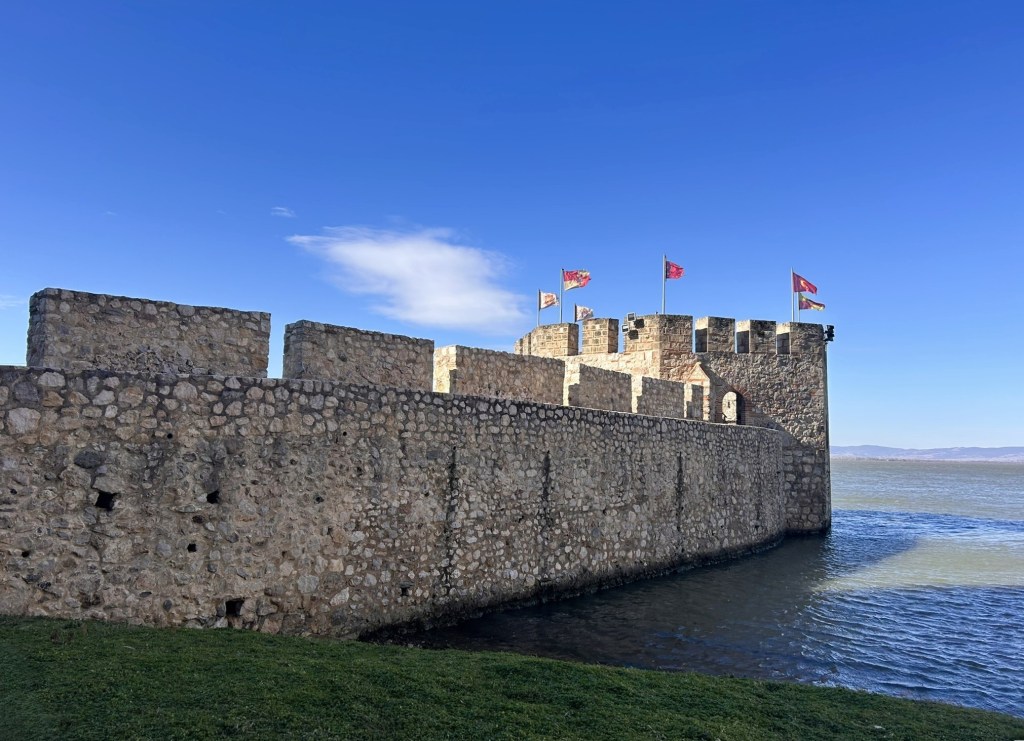
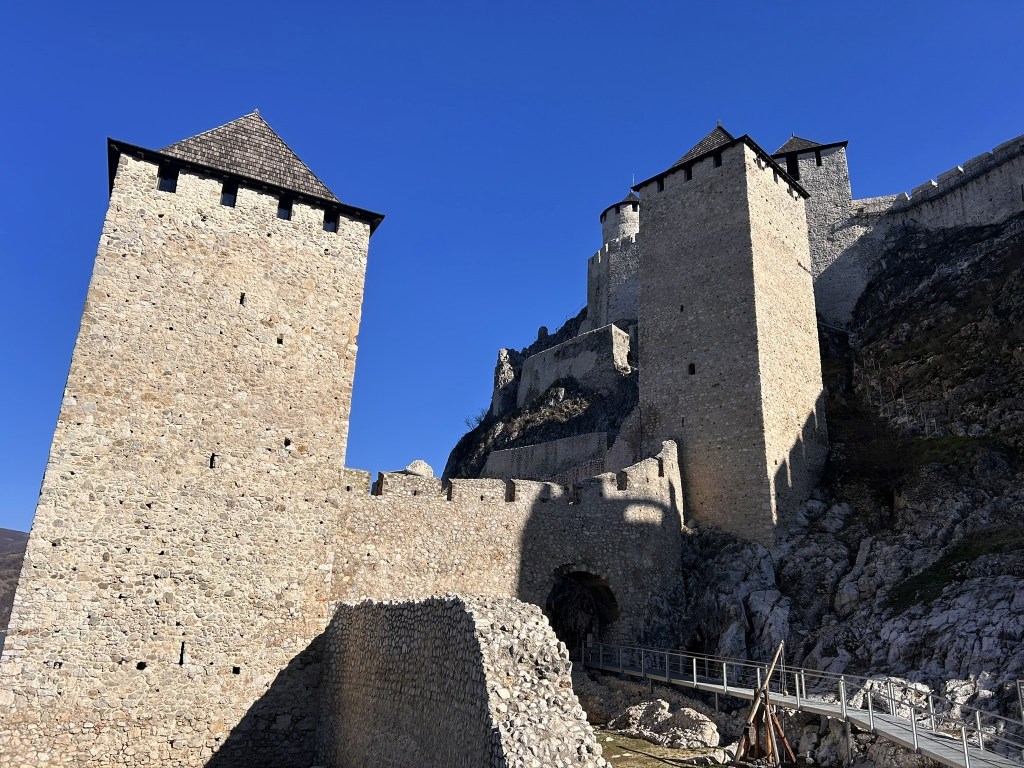
It was stunning
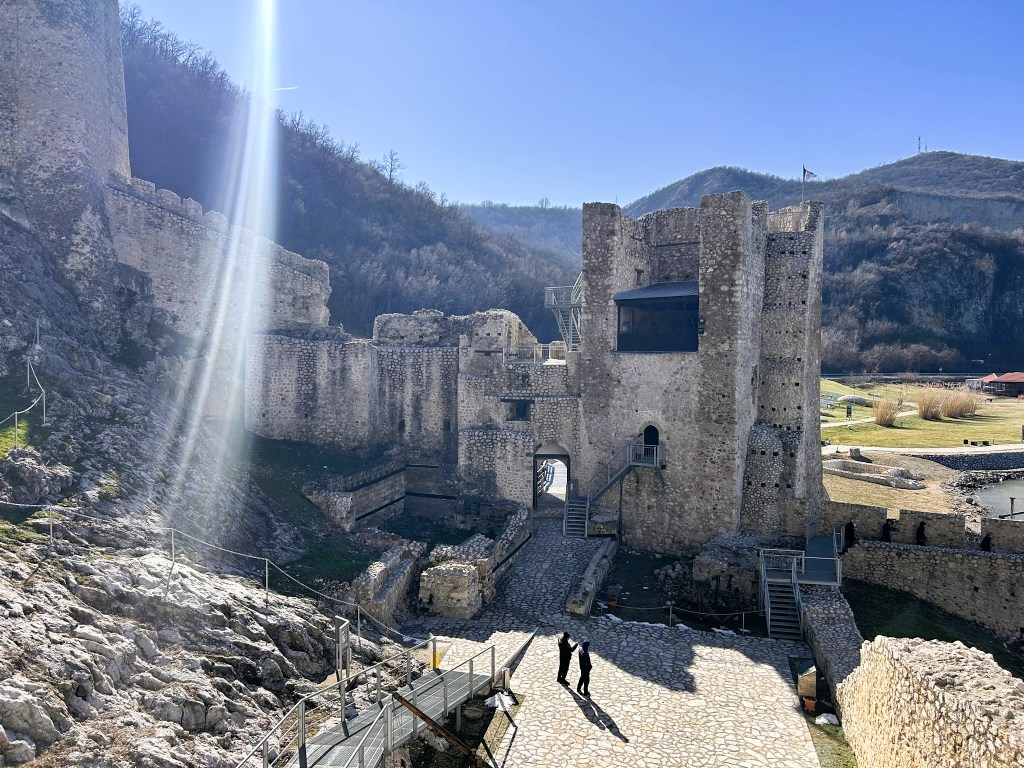
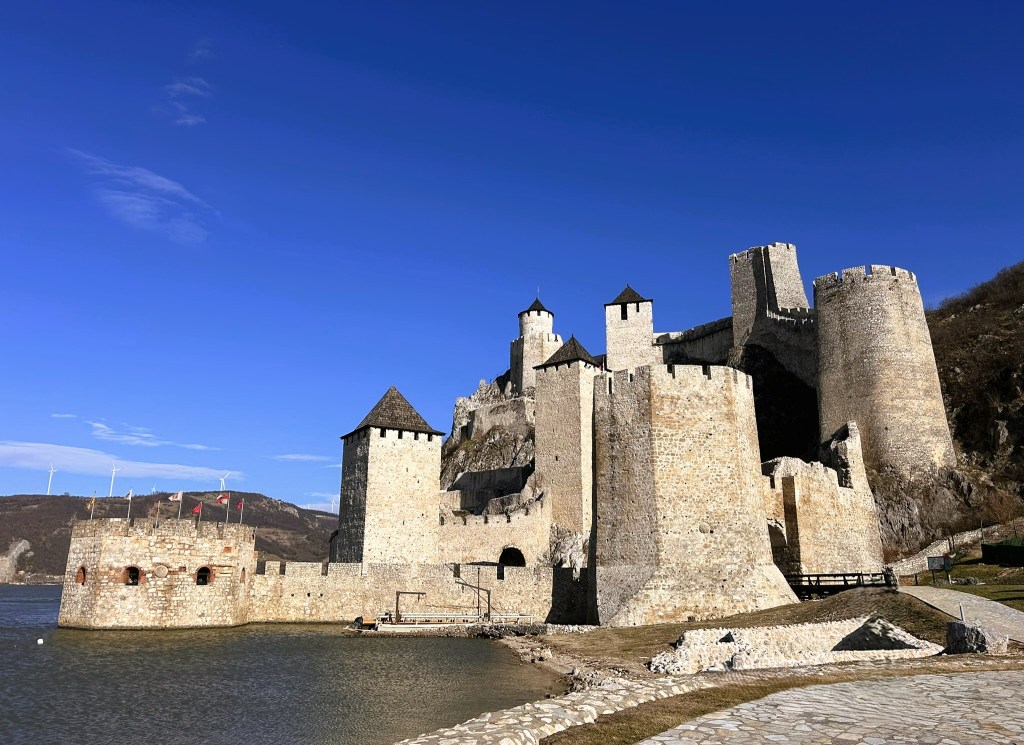
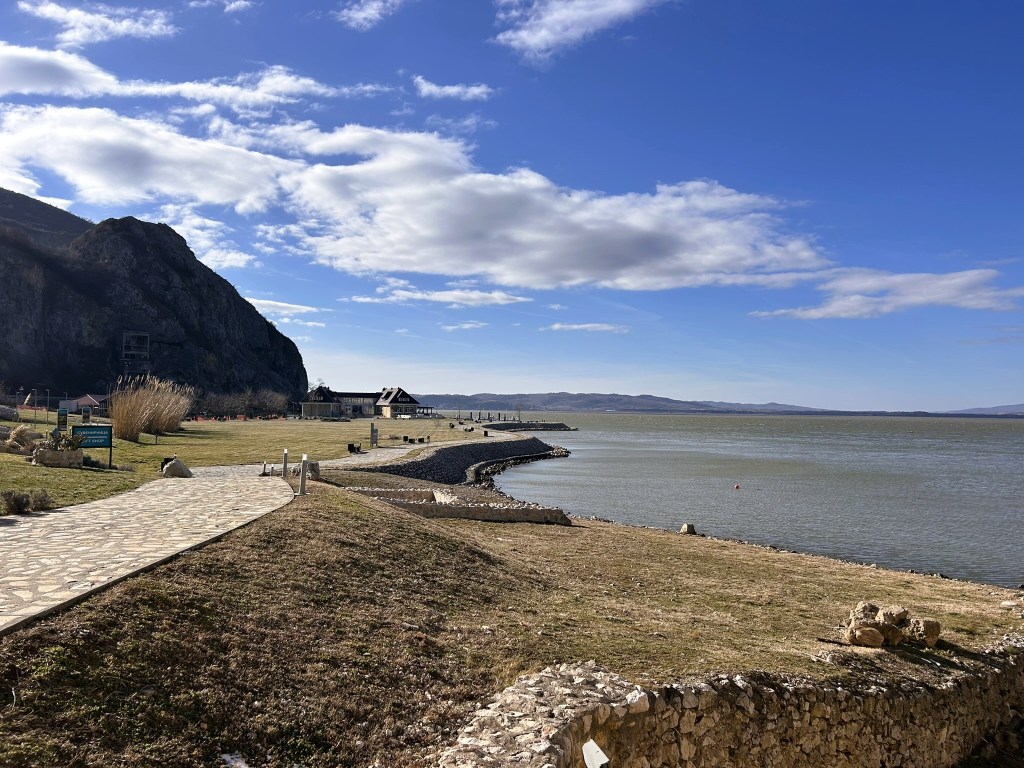
And the whole site was impeccably maintained, a real rarity for Serbia
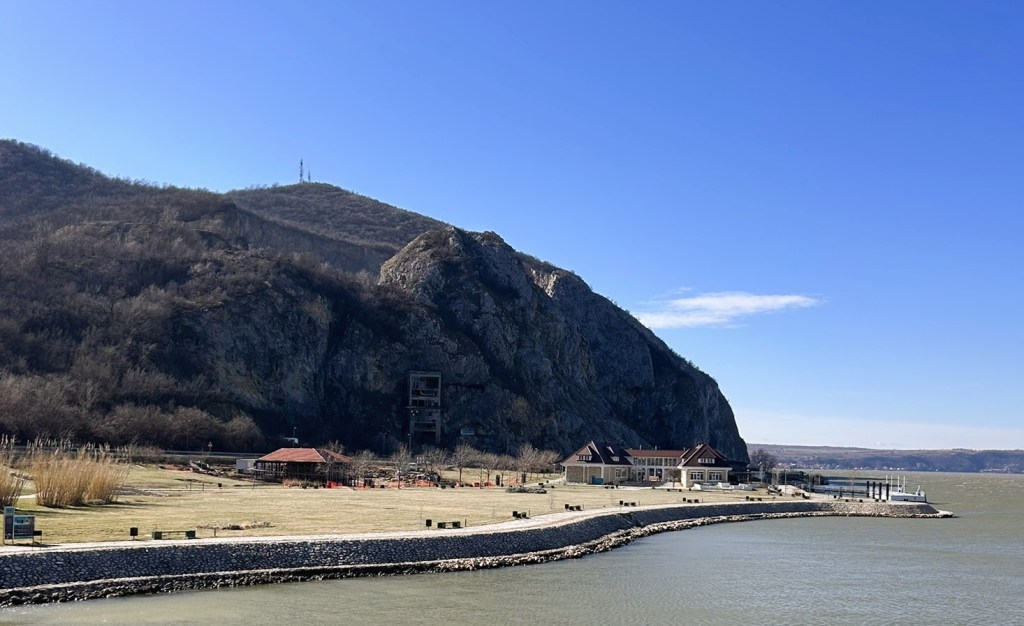
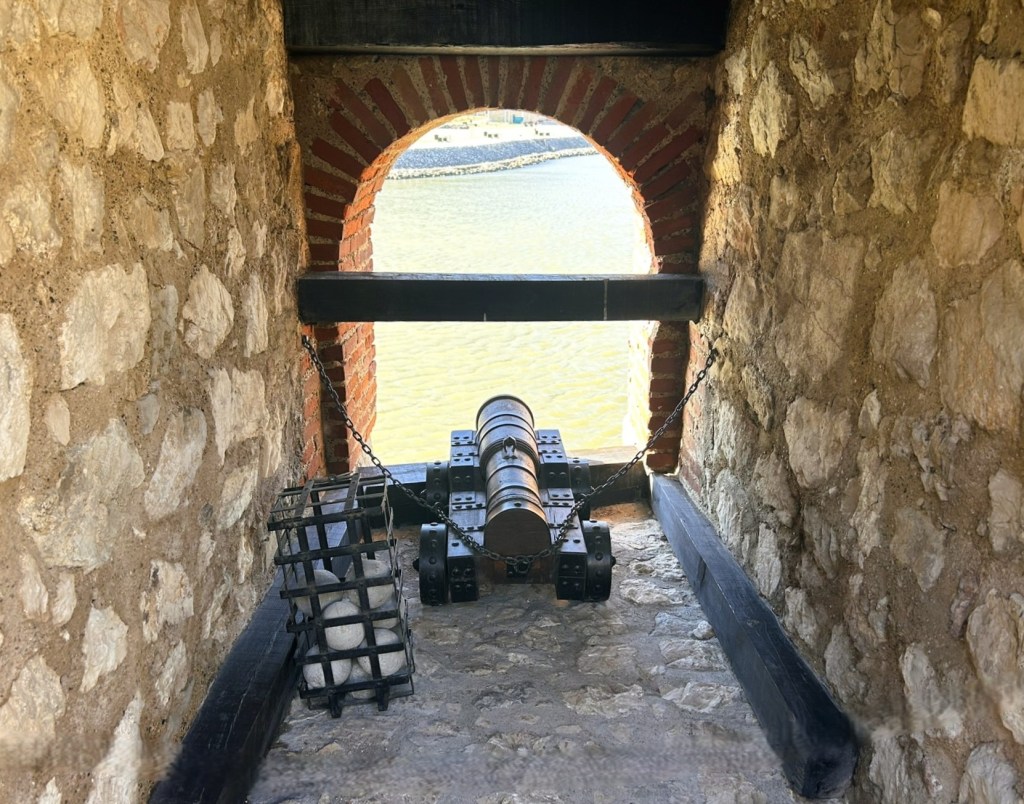
With that came another entrance fee, this time it was the huge sum of £6.50 each – but it was well worth it.
We spent over five hours exploring
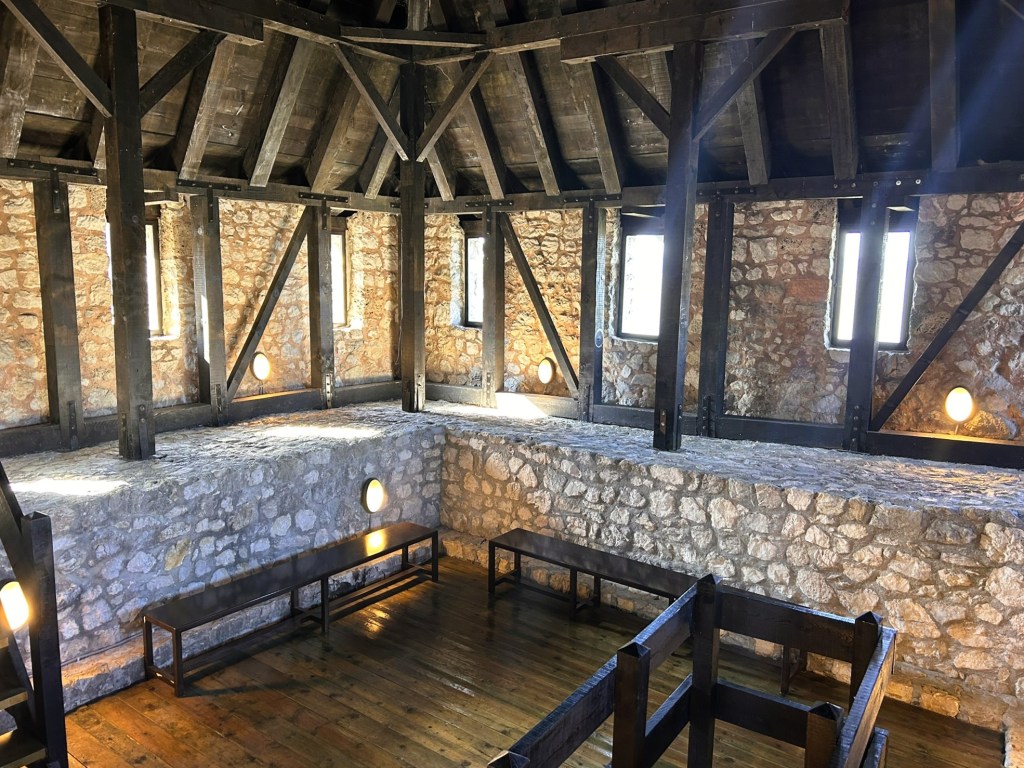
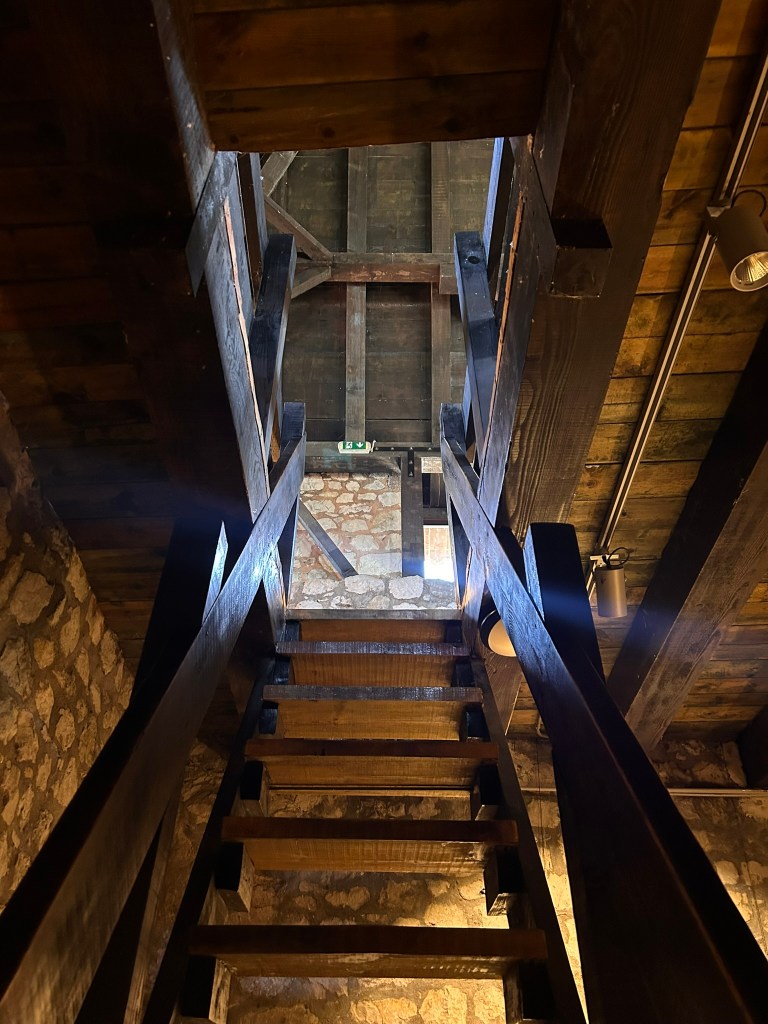
Including climbing up five stories of one of the towers on very wobbly ladders
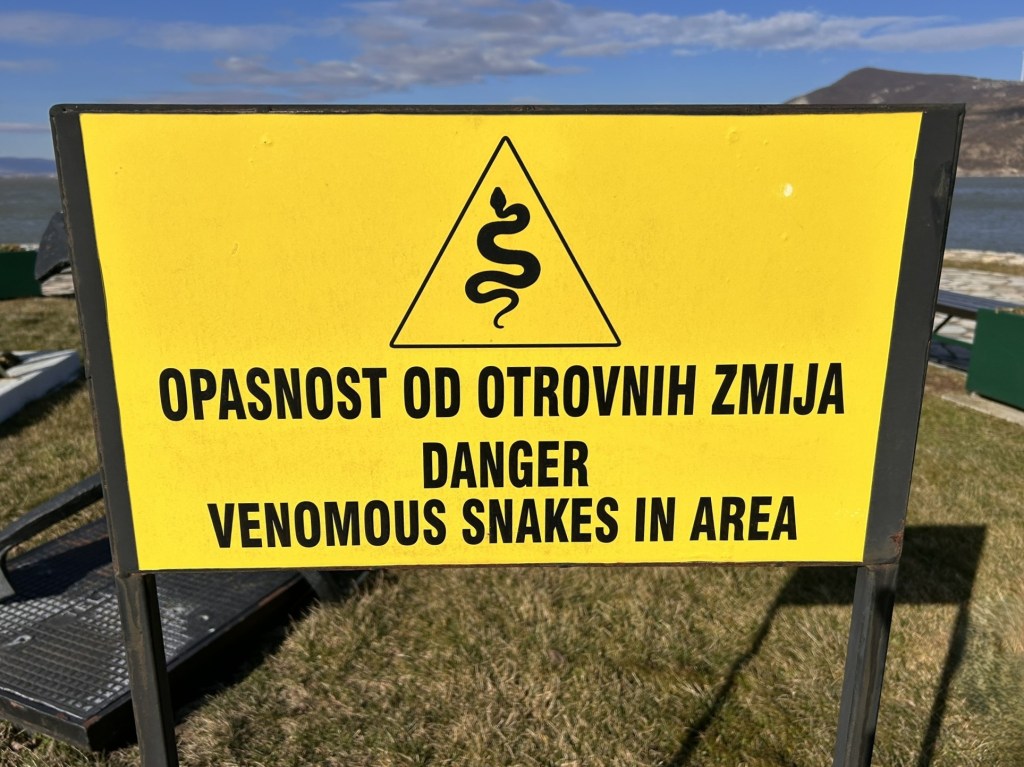
And finding reasons to be careful out here!
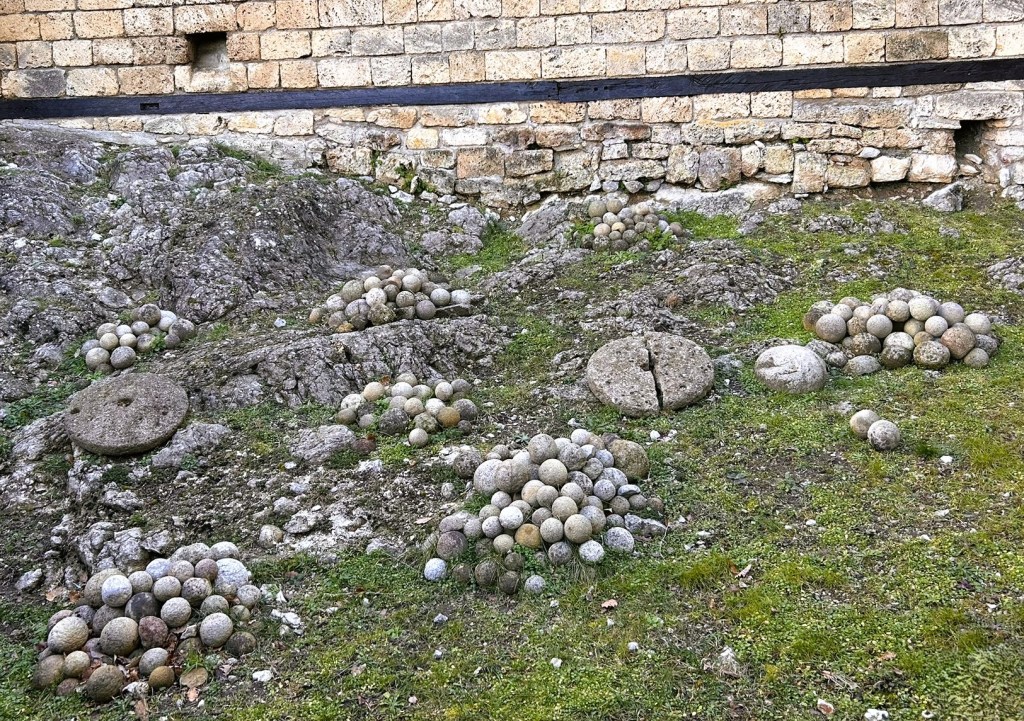
A large stash of cannon balls and shots had been unearthed as part of the renovations
We were well out of the industrialised areas by now and were enjoying a much calmer and more peaceful pace. It was a very beautiful and fascinating part of the country and we were enjoying ourselves immensely
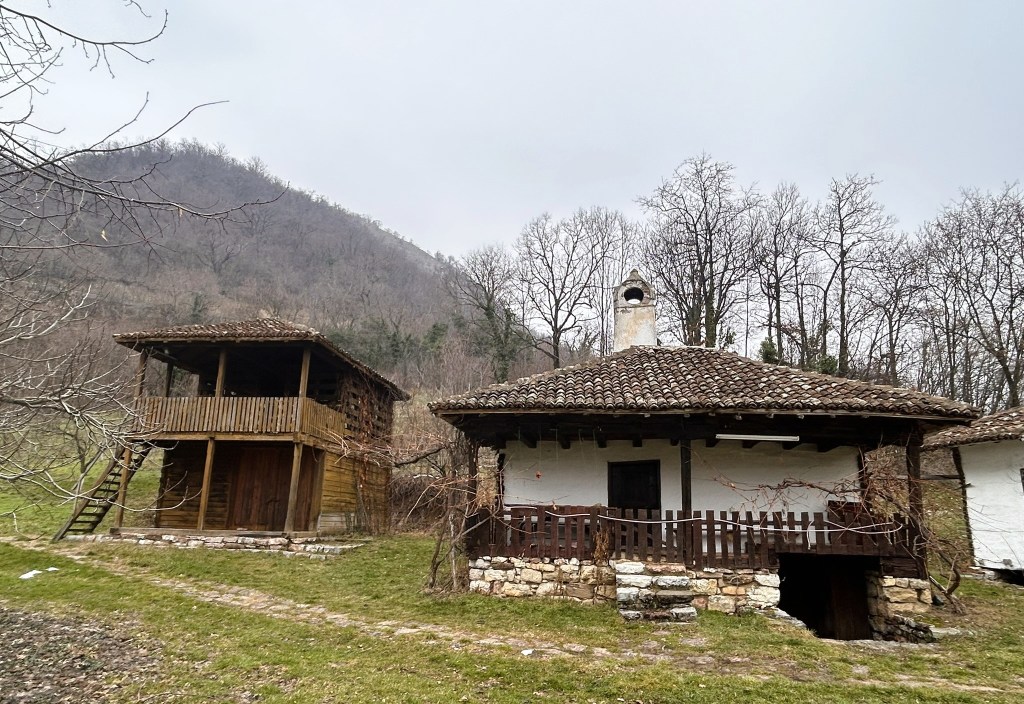
We were also on a roll with our history lessons and our next stop was to take us even further back in time. We drove to the astonishing archaeological site of Lepenski Vir.
We had hoped this would be a real highlight of our trip as it is over 10,000 years old, dating back to the early Mesolithic period. Discovered by accident in the 1960s during excavations for the nearby Iron Gorge Dam, it completely changed the assumptions around human history and migration in Europe. Before its discovery no-one had any idea that humans had settled here so early.
The story gets even more interesting as the dam was still going to be built and the site would be underwater within 5 years. The archaeologists therefore excavated the whole settlement, dug up all the dwellings and moved them 26 metres higher up the bank where they would be safe from the flood waters – and that is where they remain today.
But when we arrived it was closed. And this time it was really closed with a rope across the gate and a sign saying it had been shut since November. Our hearts sank until I fully translated the sign only to discover that after three months it was due to open – the next day!
So we settled into the car park for the night with high hopes
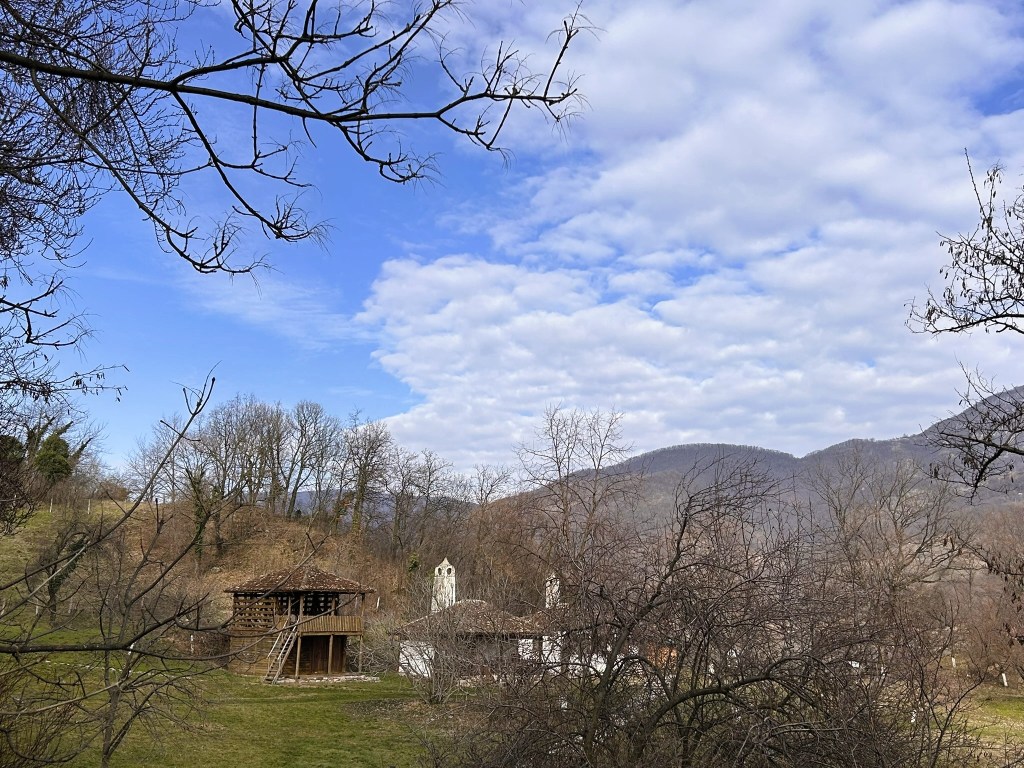
And those hopes were realised when staff started turning up at 8am, the rope was untied and the sign removed.
It was another fascinating visit
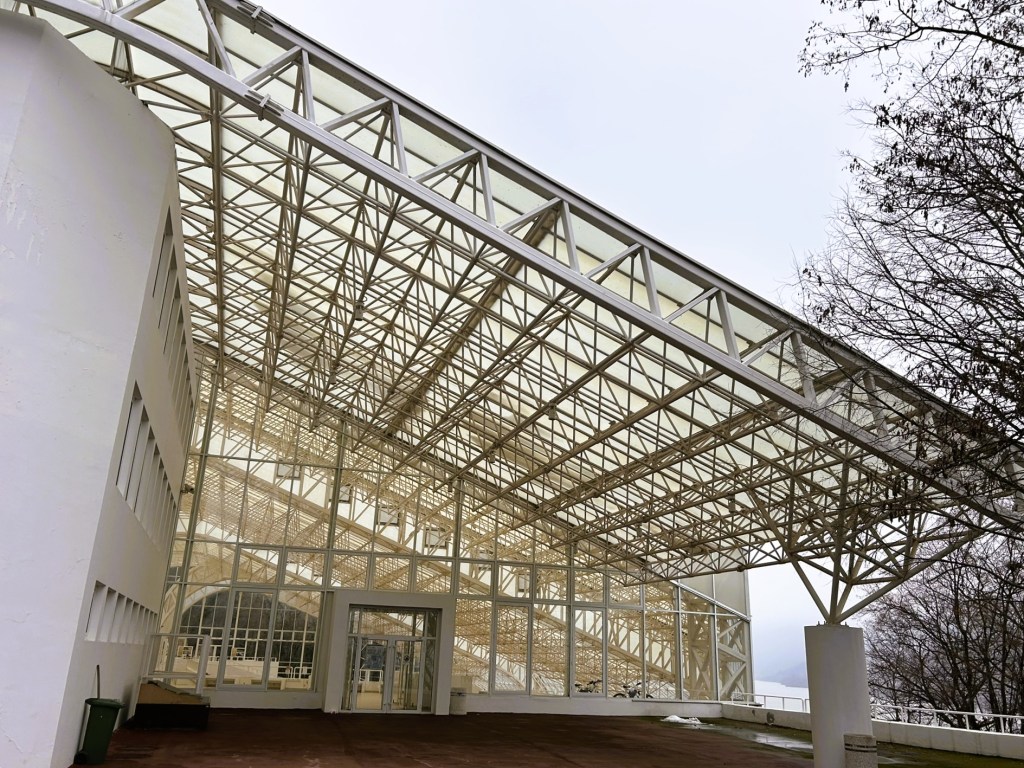
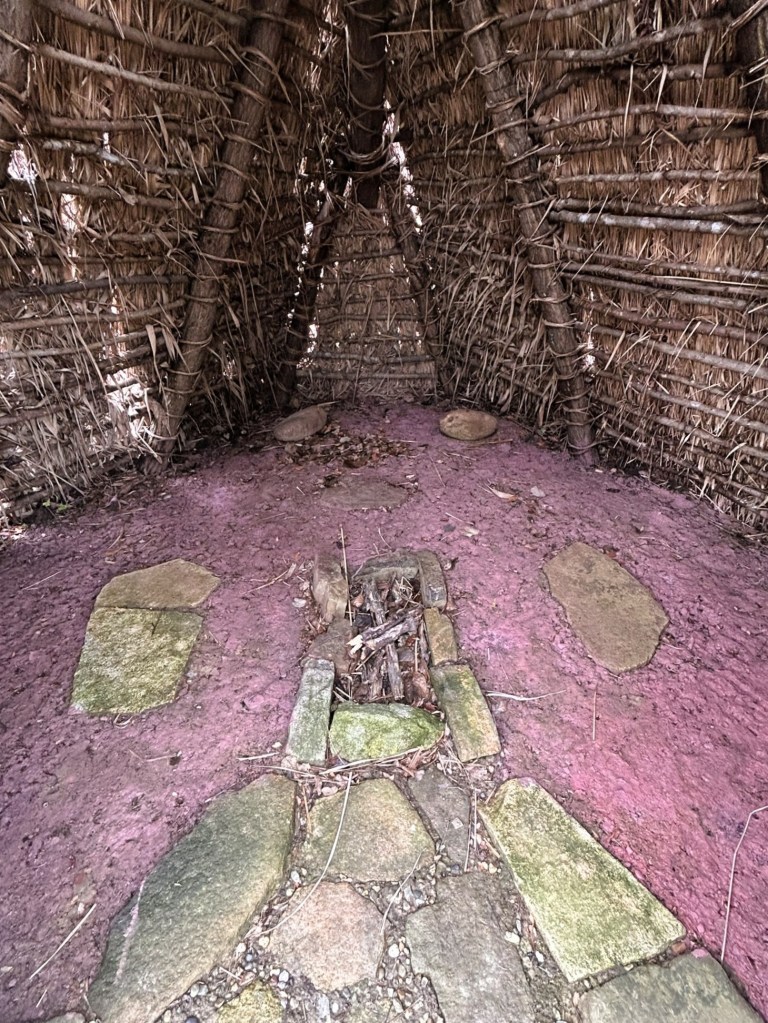
The only parts remaining of the dwellings were the foundations but the shape of them, never mind the fact that they had foundations at all, were a completely new phenomenon
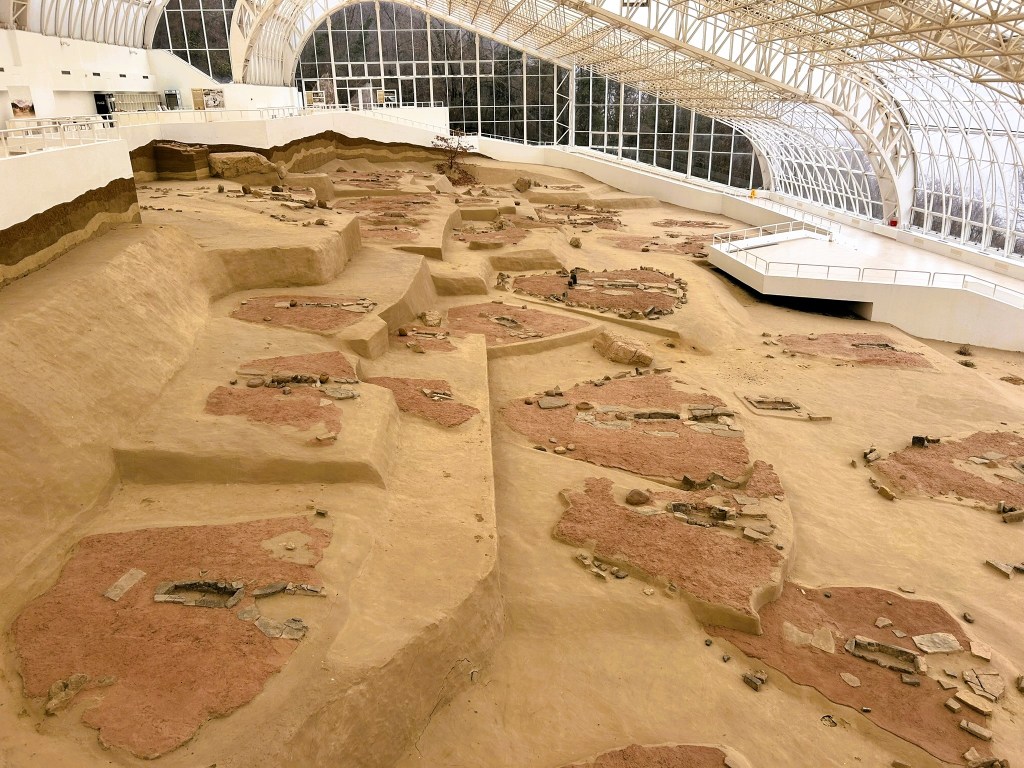
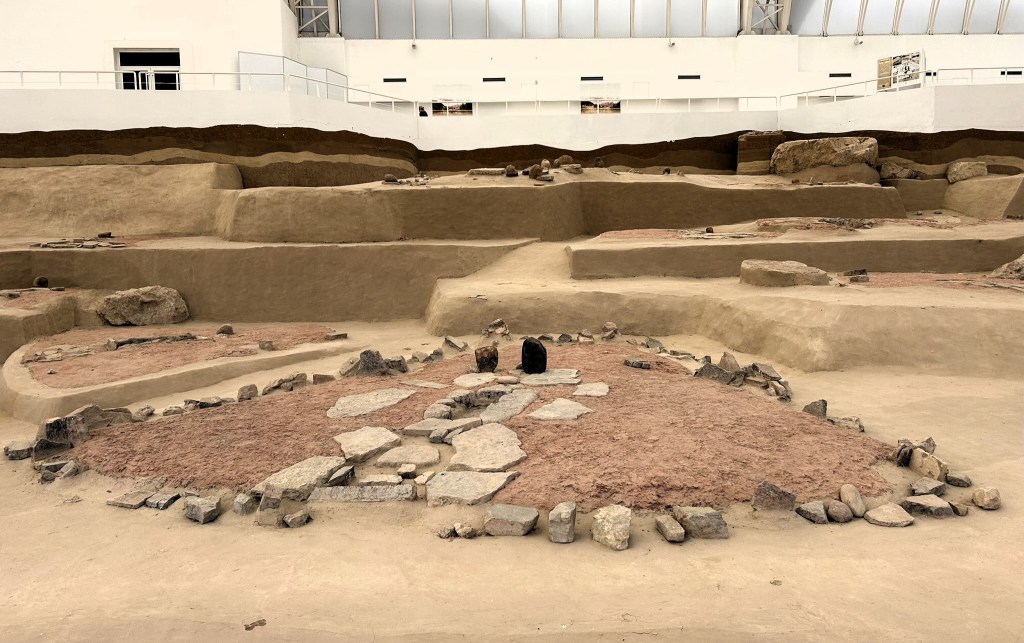
We chatted to the guide for ages. She was not an archaeologist but had a wealth of knowledge and clearly loved her subject.
We watched a fabulous video from the original excavations which was old and cranky but all the better for it.
We then went outside to see reconstructions of what the dwellings would have looked like in their day
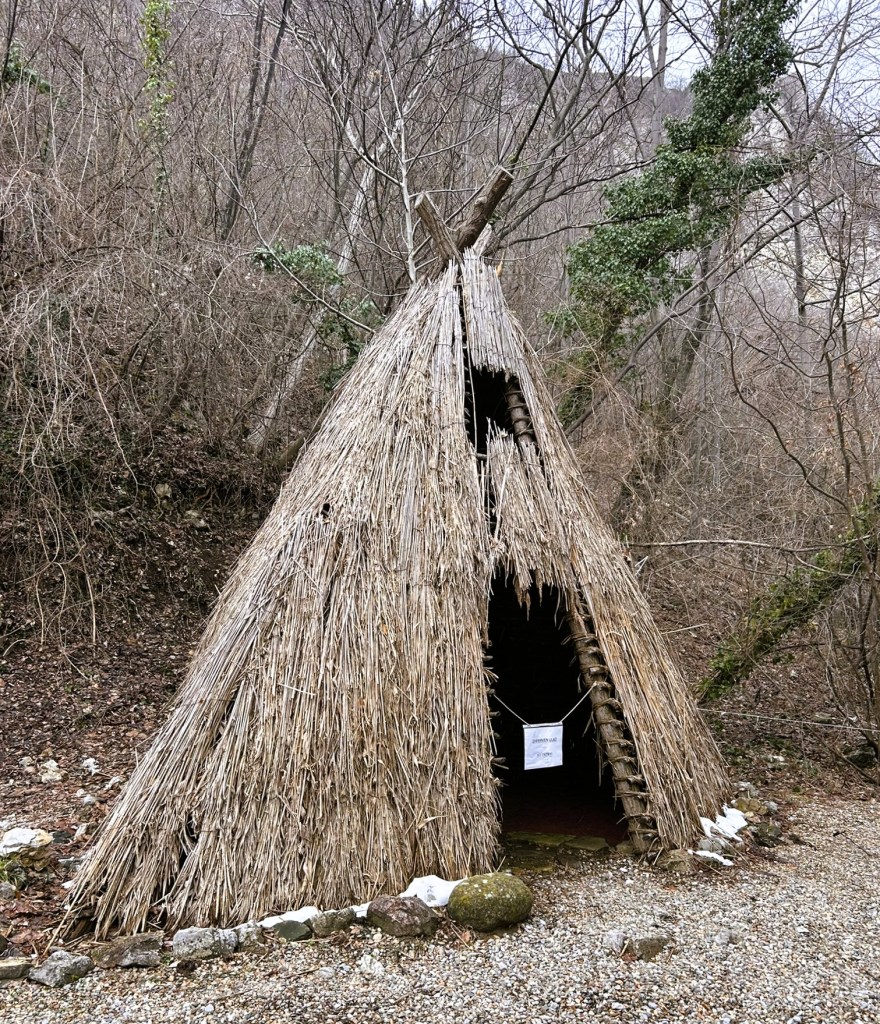
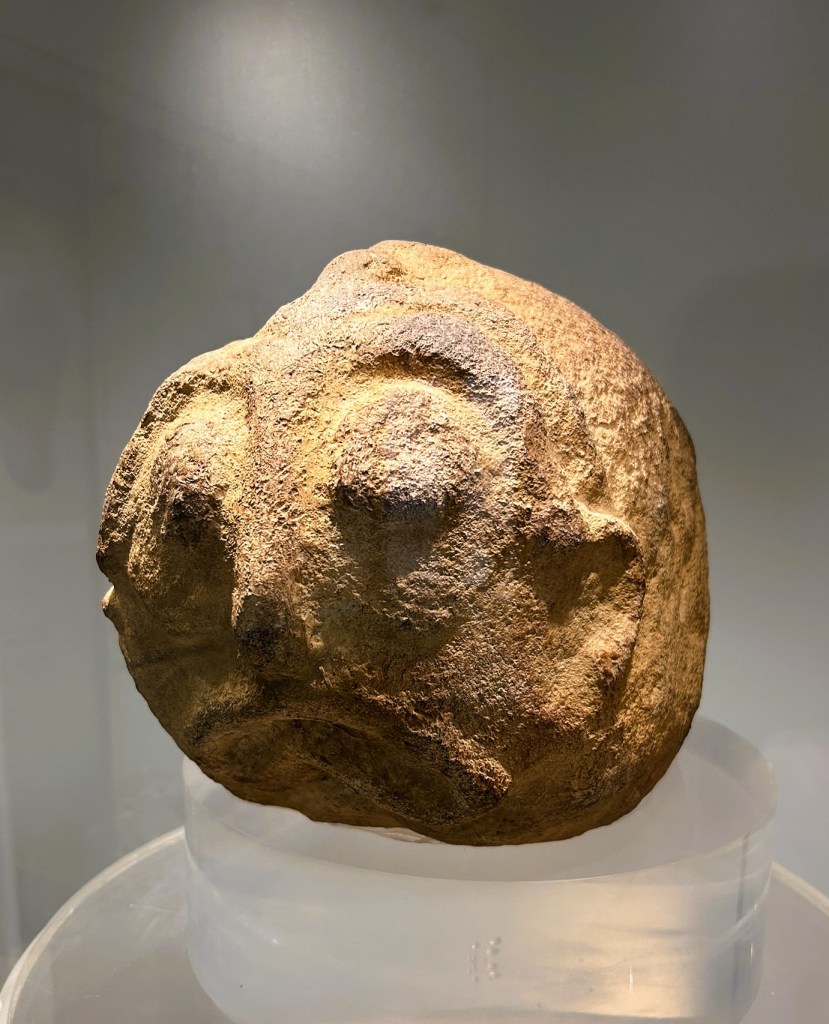
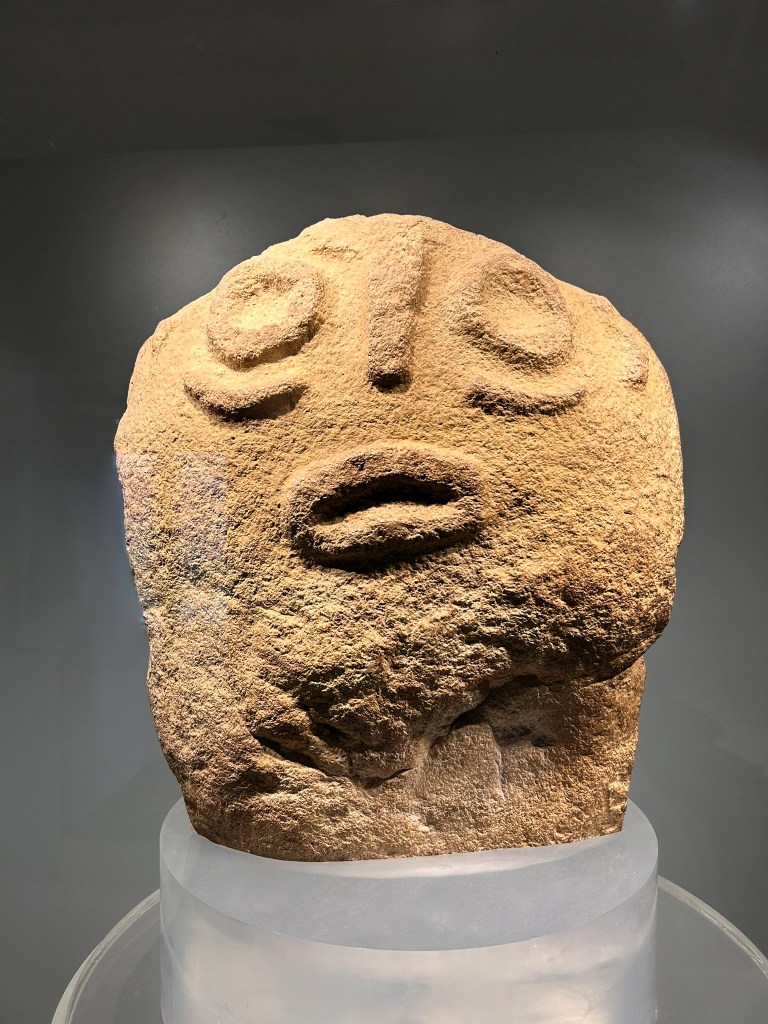
Alongside the dwellings, archaeologists found sculptures which show incredibly detailed carvings for such ancient art
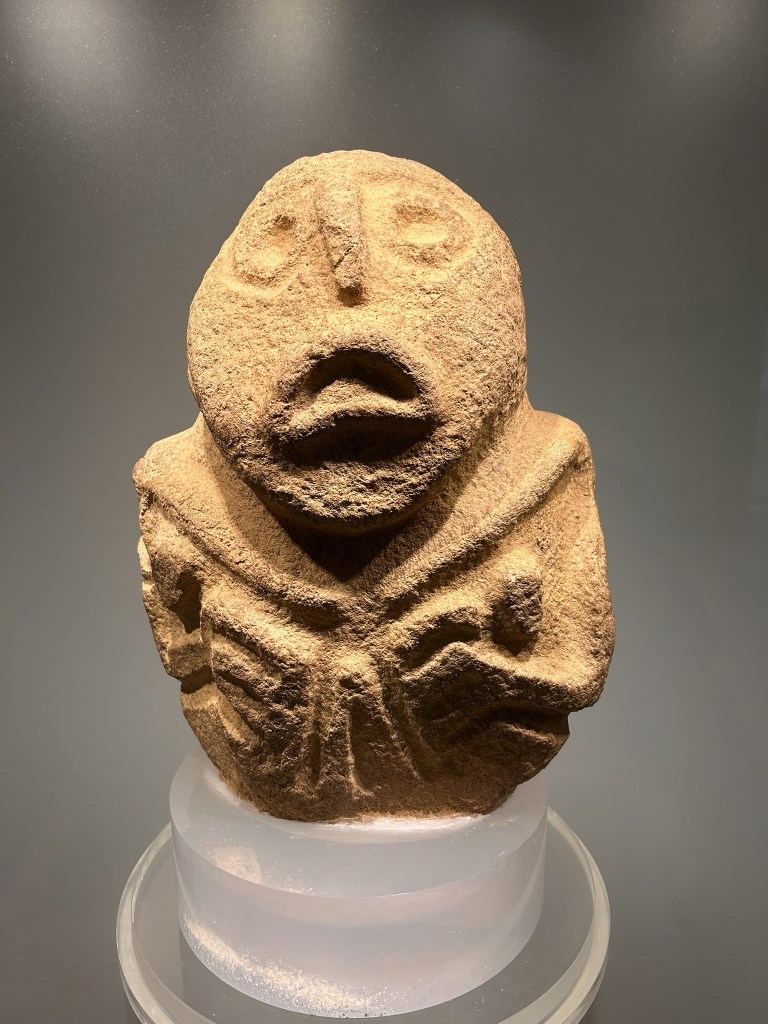
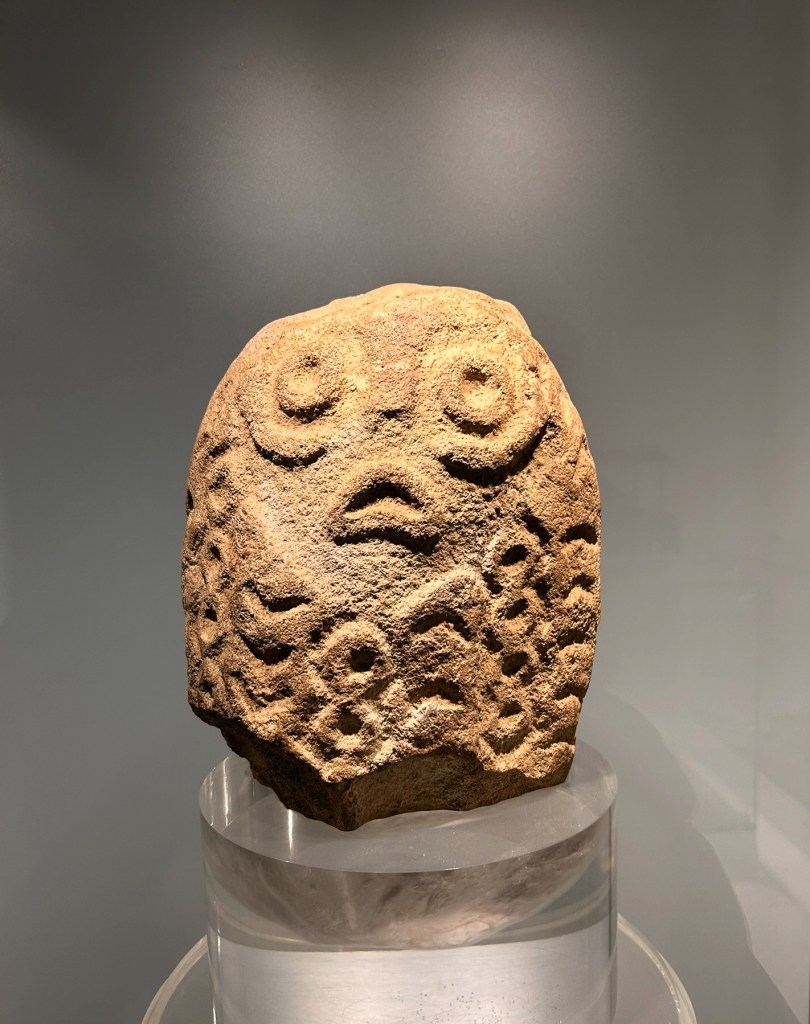
Fishy features seemed to figure highly
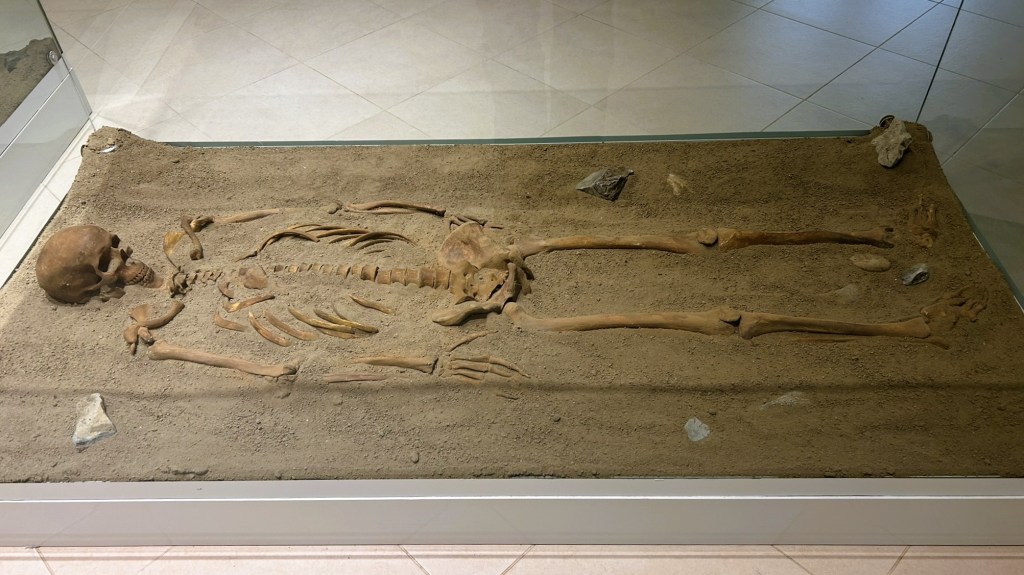
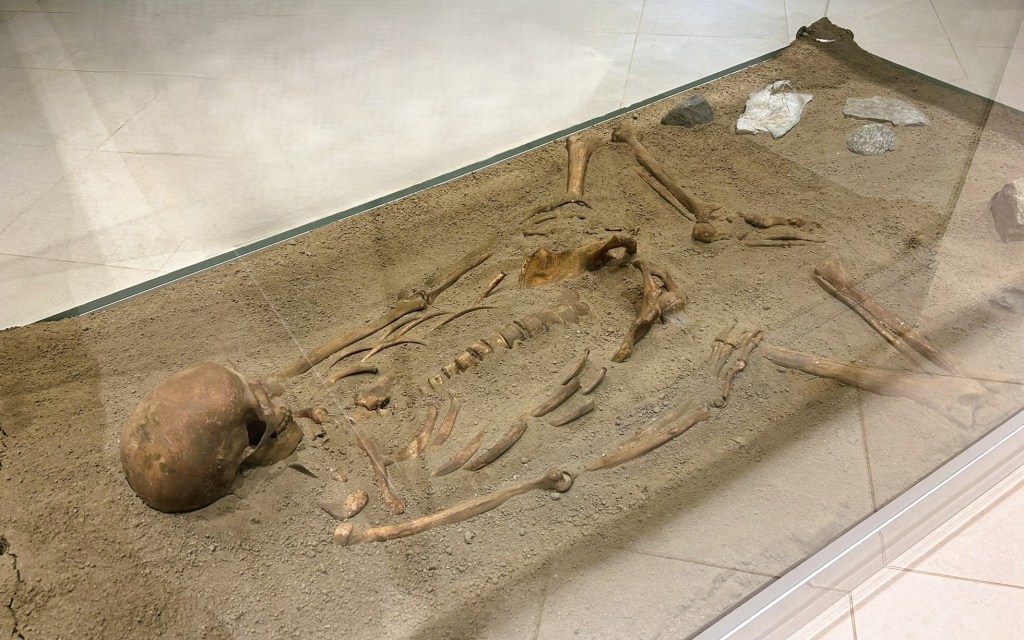
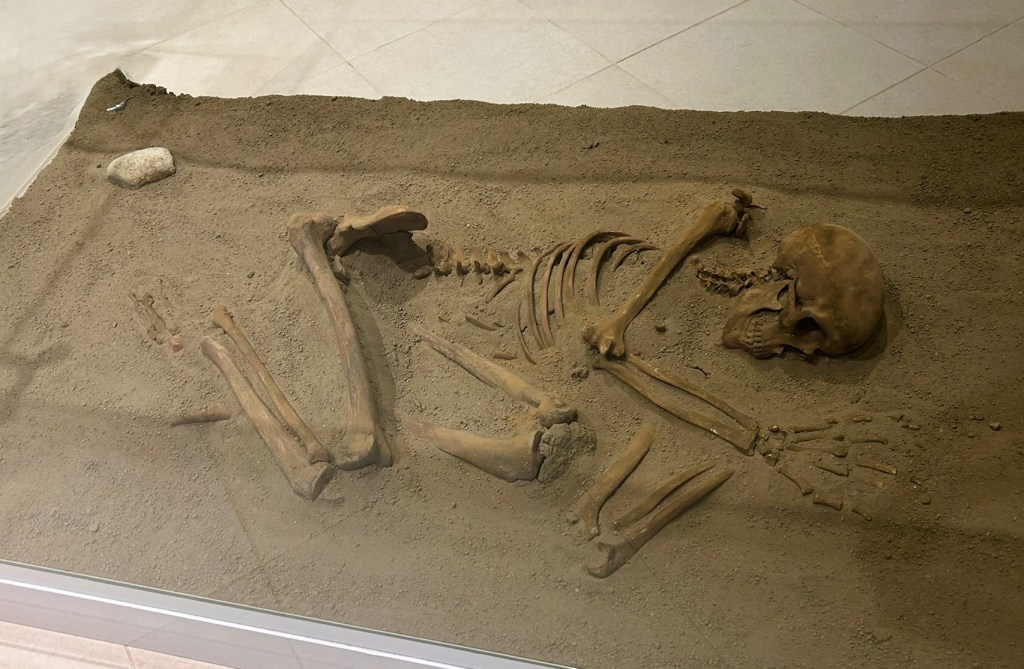
And there were three skeletons on display each showing the different poses bodies were buried in, changing over time
I have mentioned before that both Bosnia and Serbia are full of litter and rubbish everywhere you go. It seems a shame that such beautiful countries are spoilt by it.
Despite the care taken to preserve this site, it was no different
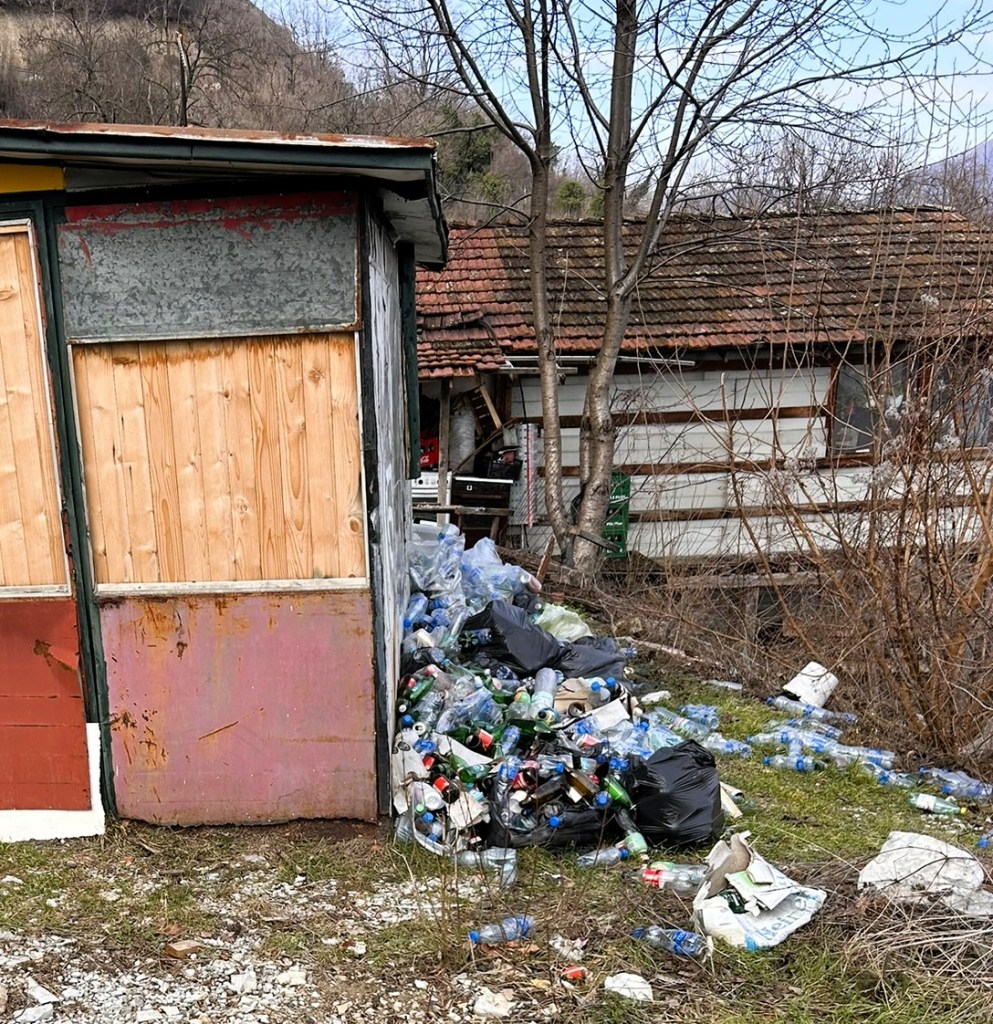
It is something we still haven’t got used to and, as we travel through the region, locals tell us that they are sick of it too. There seems a real anger towards those who discard their litter so freely but also at the authorities for doing nothing about it.
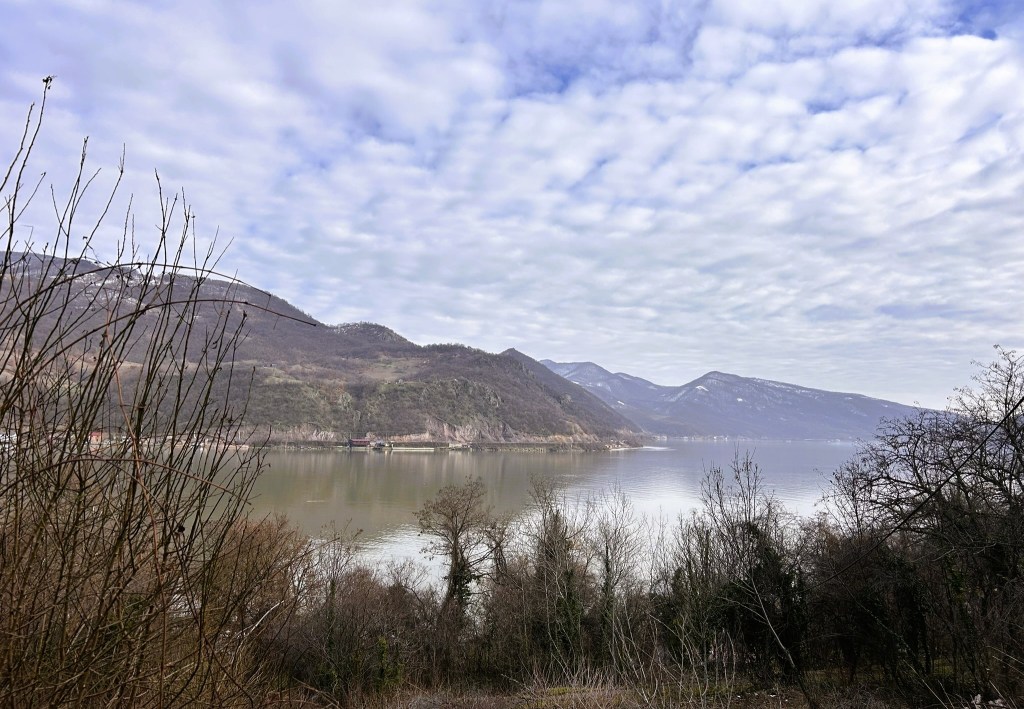
We pressed on our journey along the Danube, the rest of the day spent simply enjoying the scenery and watching the world go by
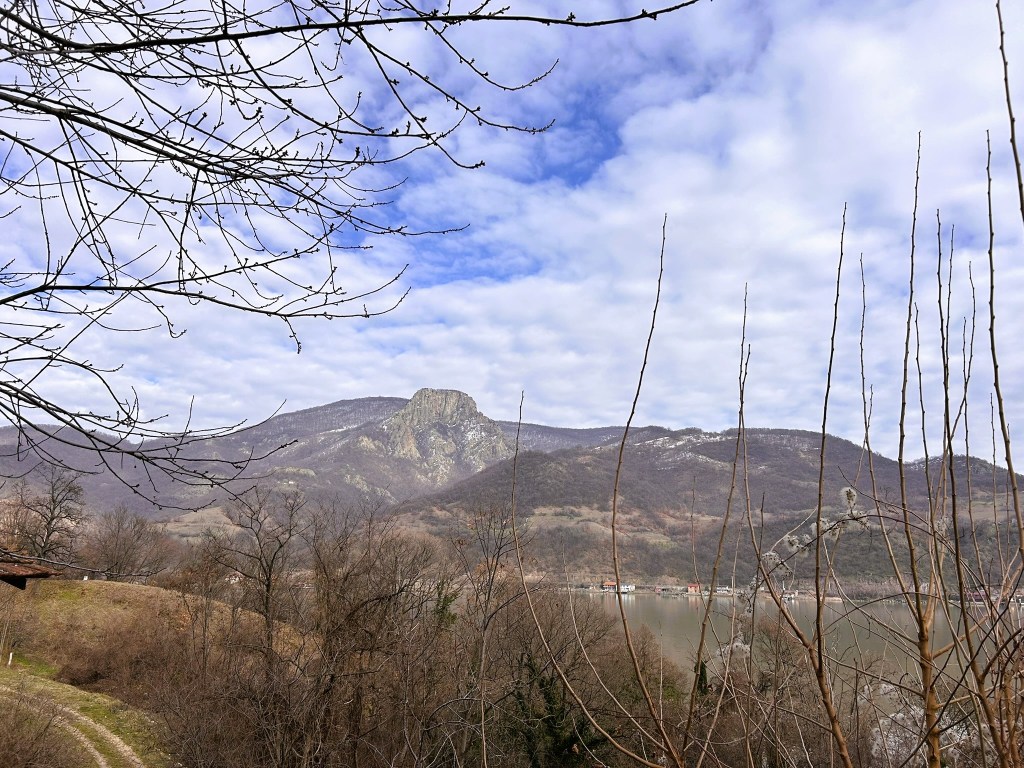
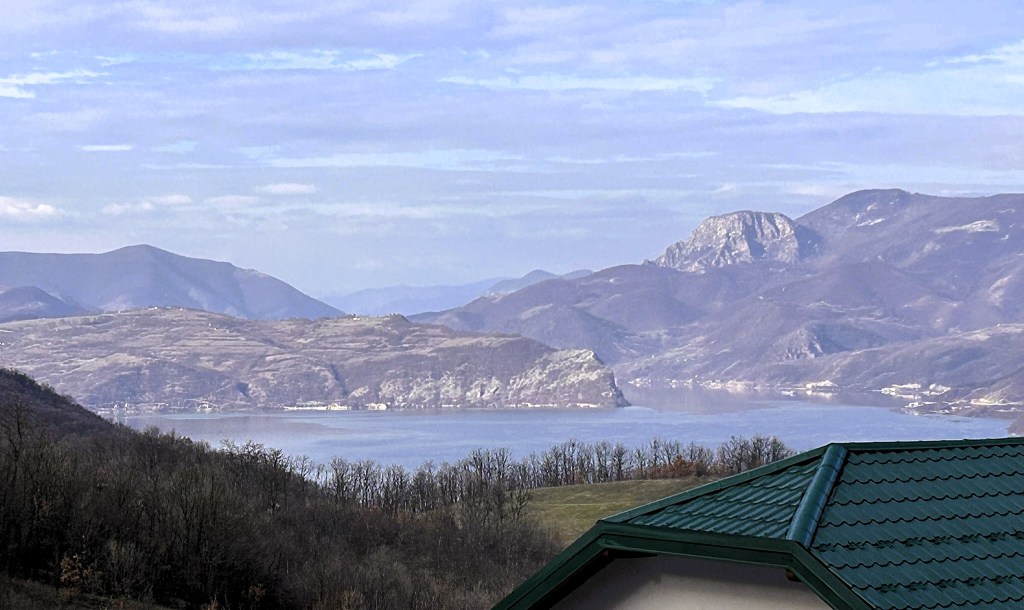
It was gorgeous
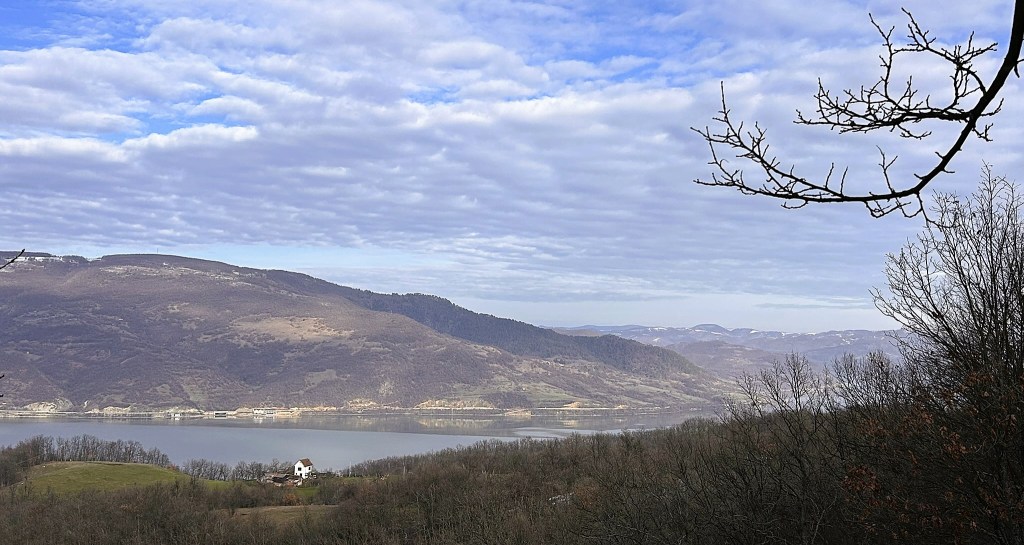
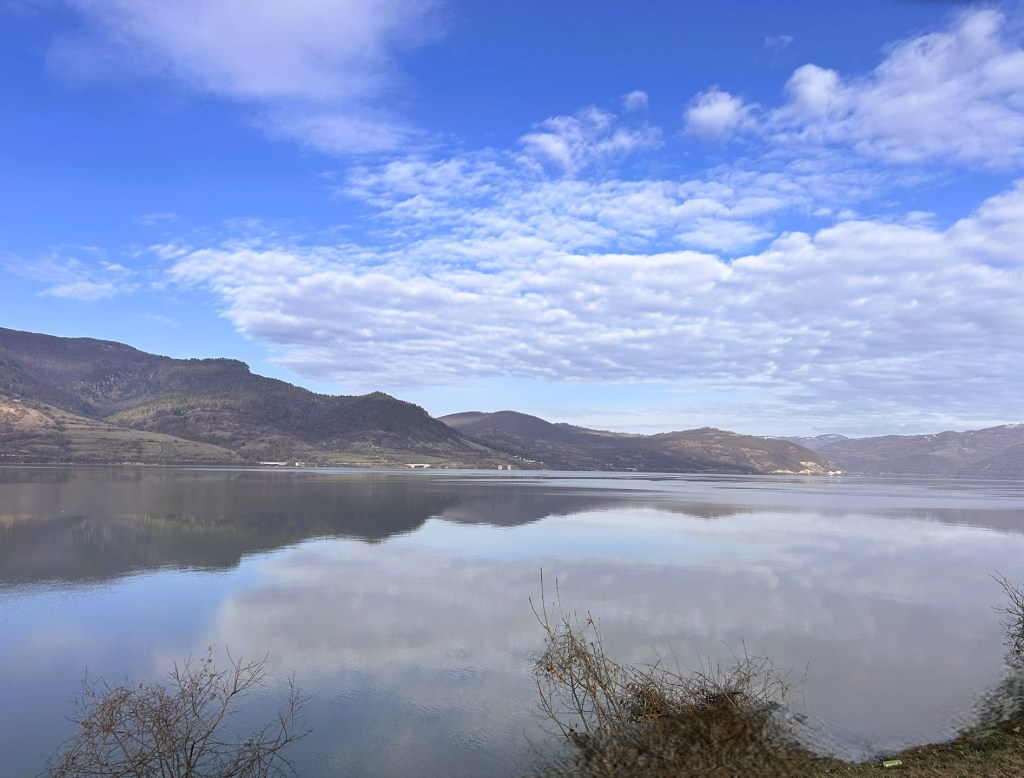
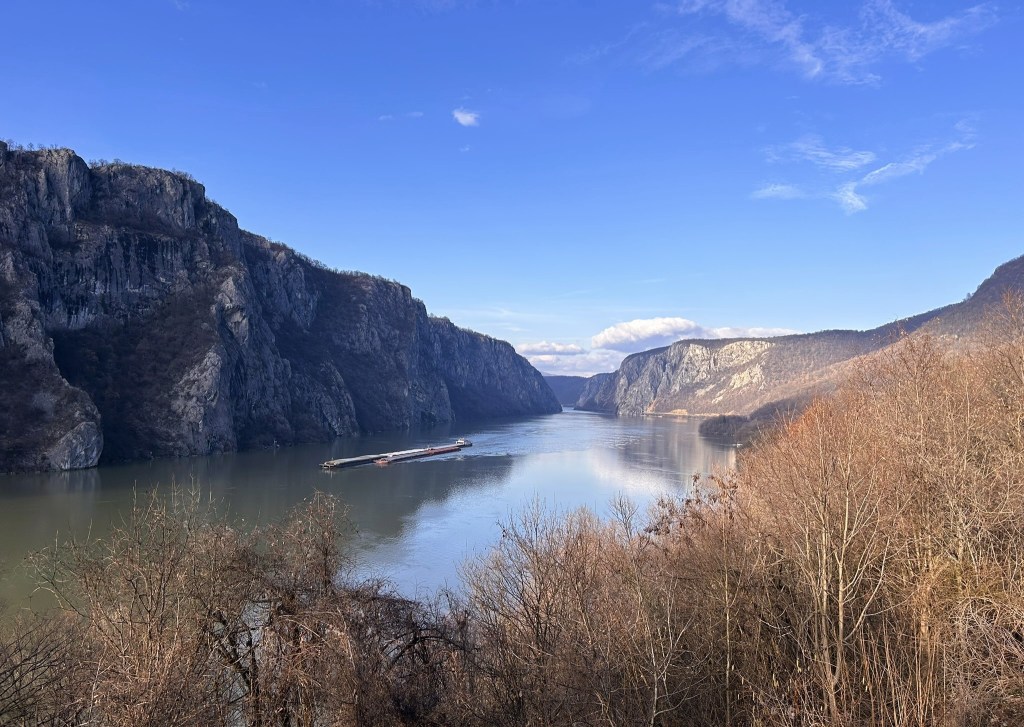
We saw the rock sculpture of Decebalus on the Romanian bank – a massive sculpture of the last king of Dacia, carved in the 1990s
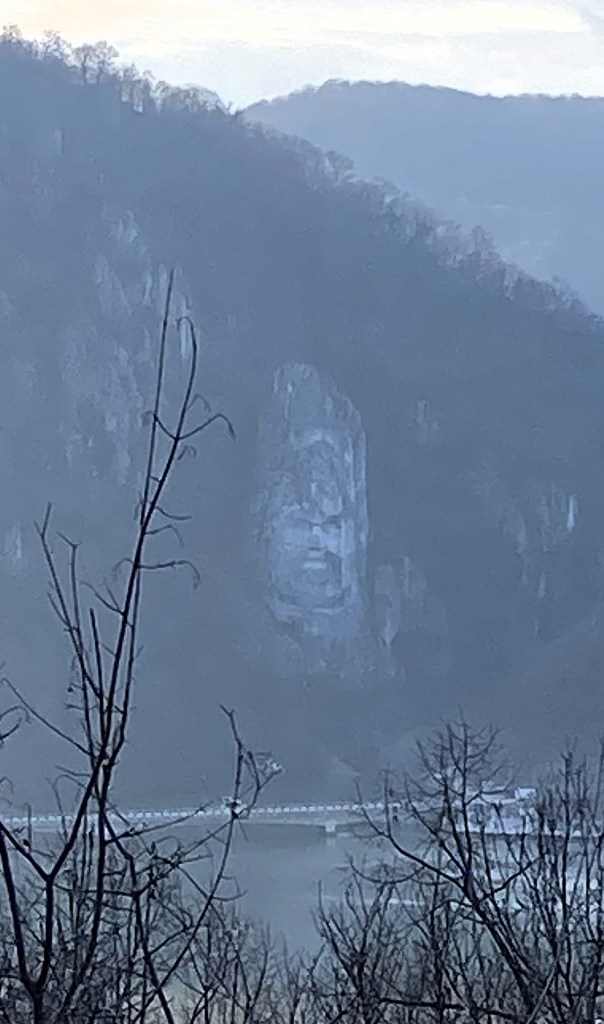
It was too far away to get a good look – or even a good photo – but even so we didn’t think Egypt had much to worry about!
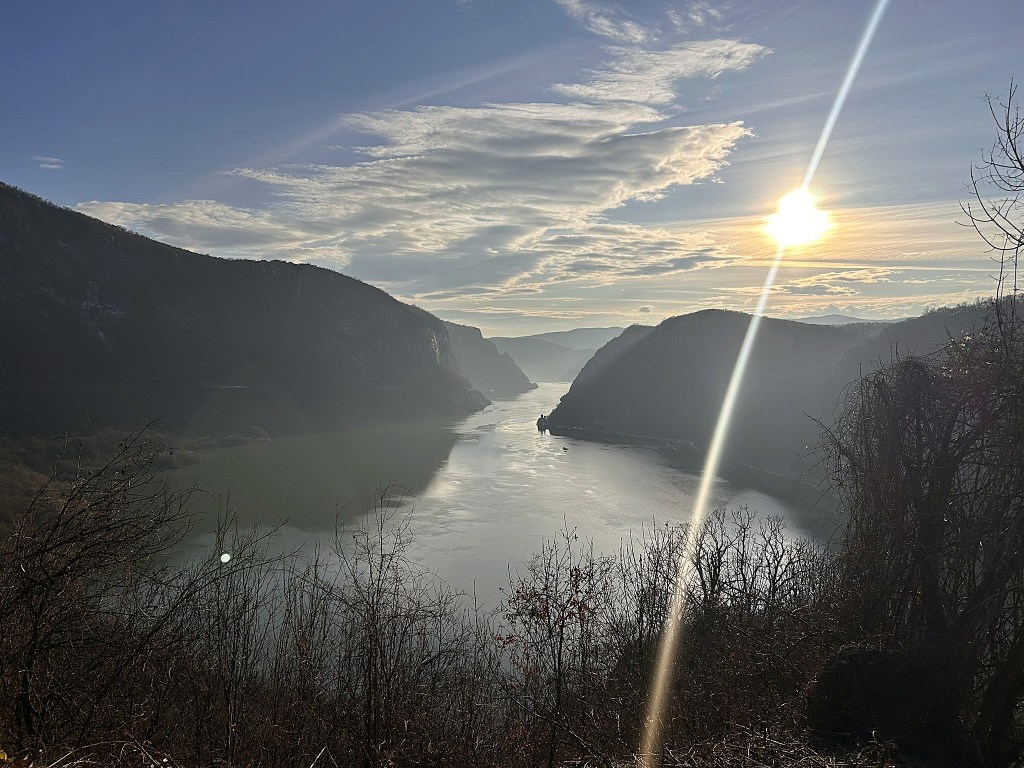
We spent the night peacefully parked up on the banks of the river overlooking the Iron Gorge hydroelectric plant with just a few fisherman to smile and greet us
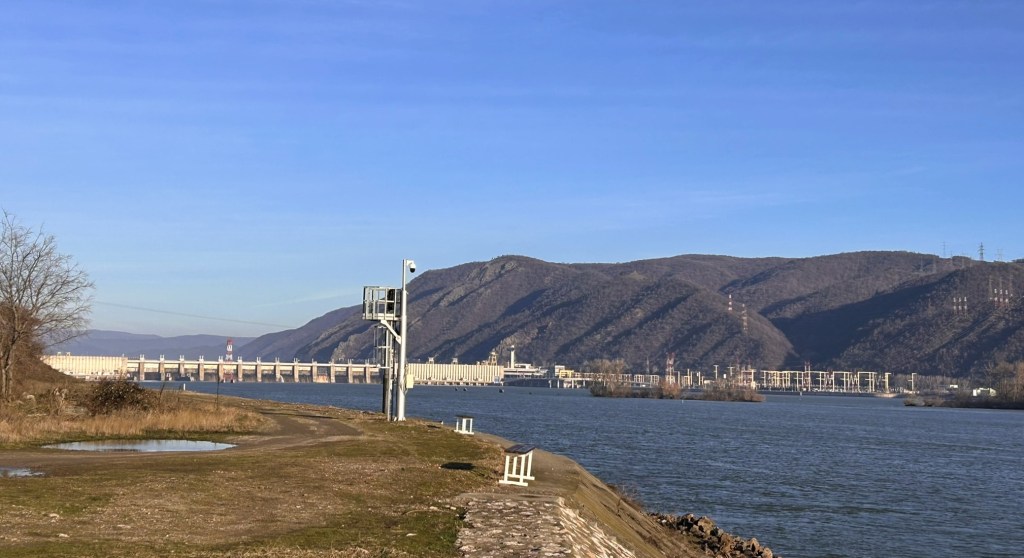
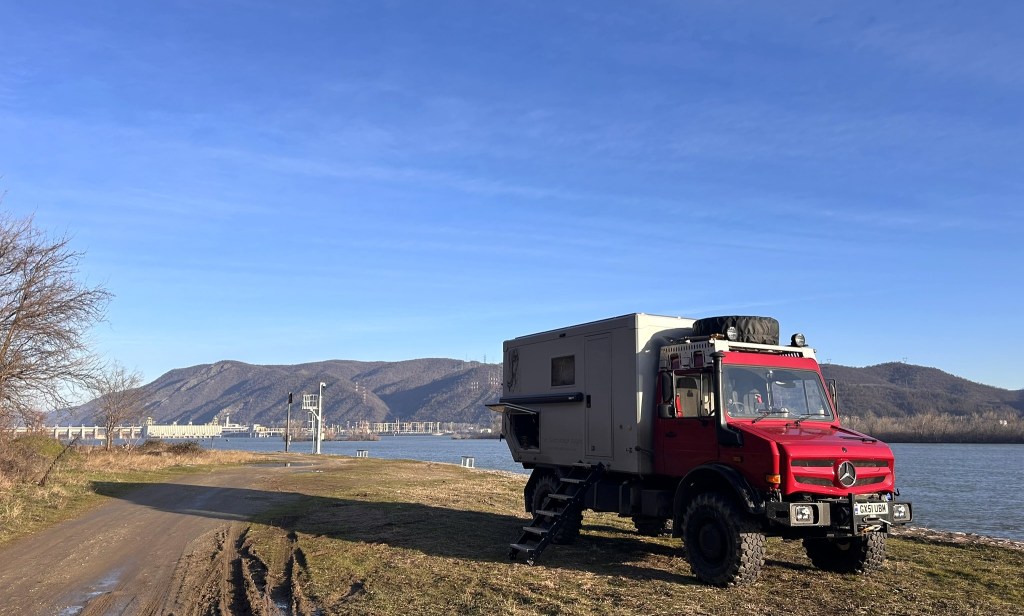
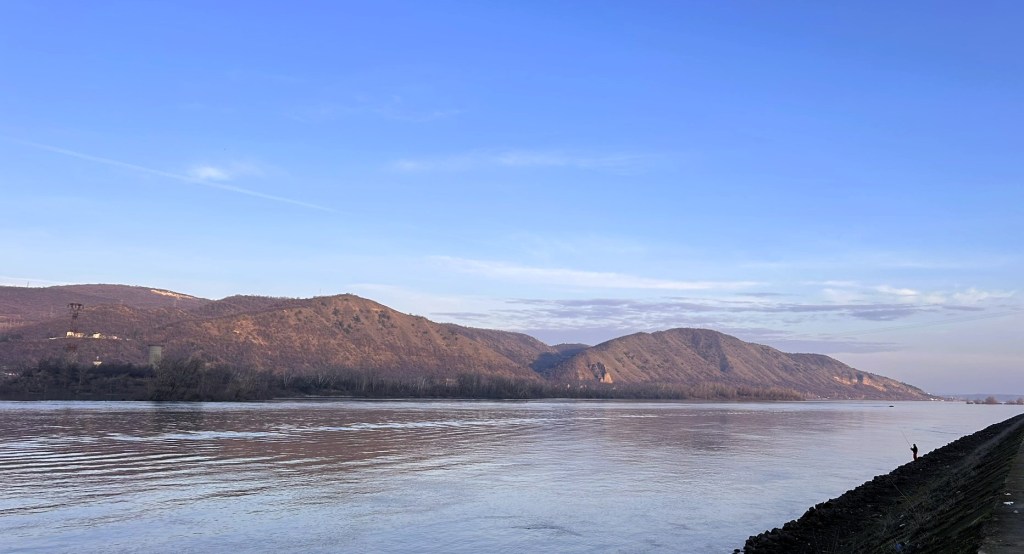
The next morning we walked up to another Roman fortress – the fortress of Diana
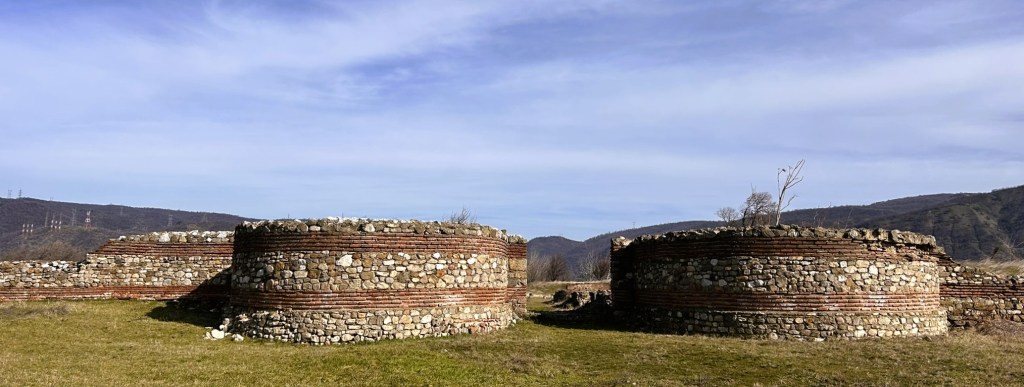
We were back to Serbian business as usual with a remarkably intact, historic ruin being abandoned in the middle of nowhere with no information and no entrance fee
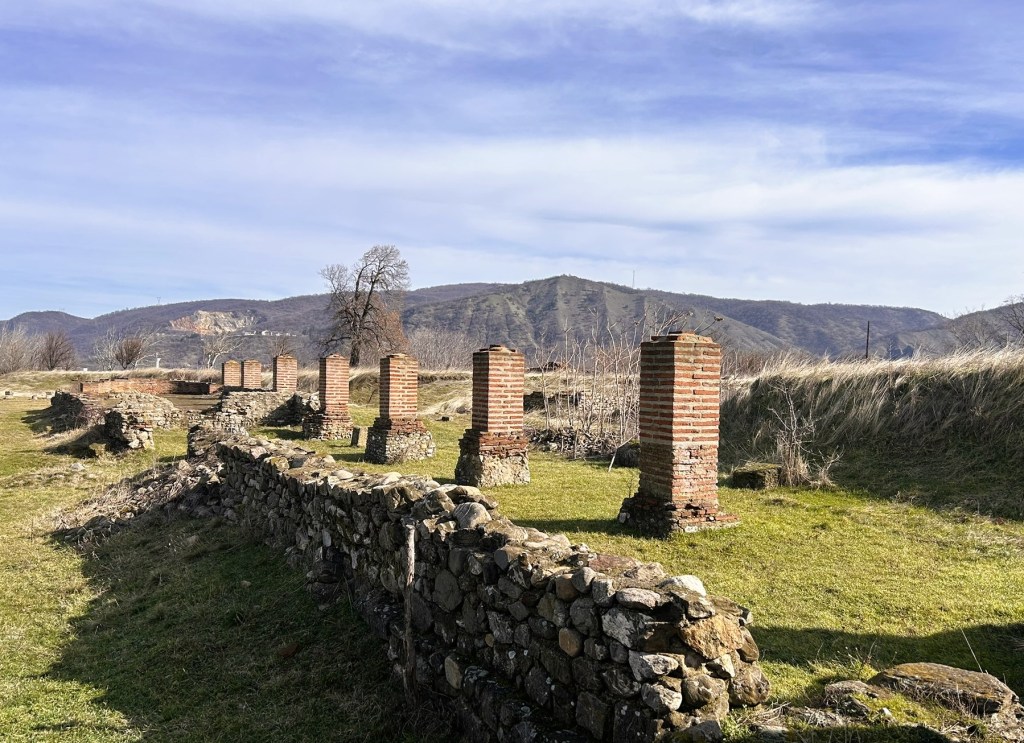
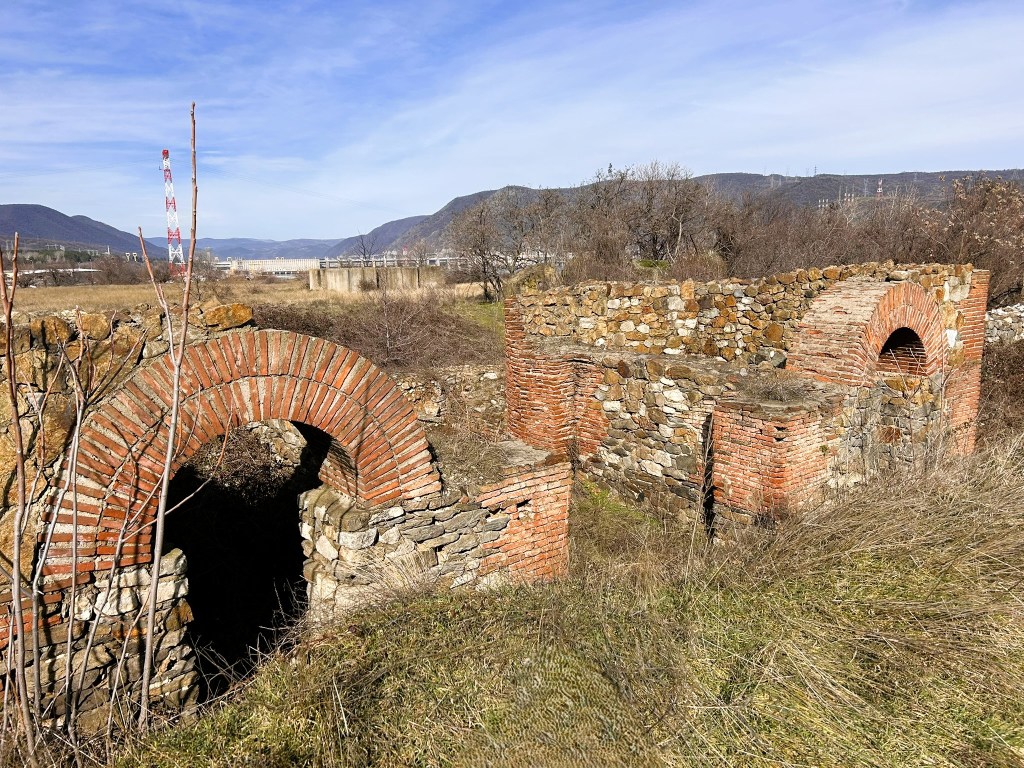
Someone was clearly looking after it though
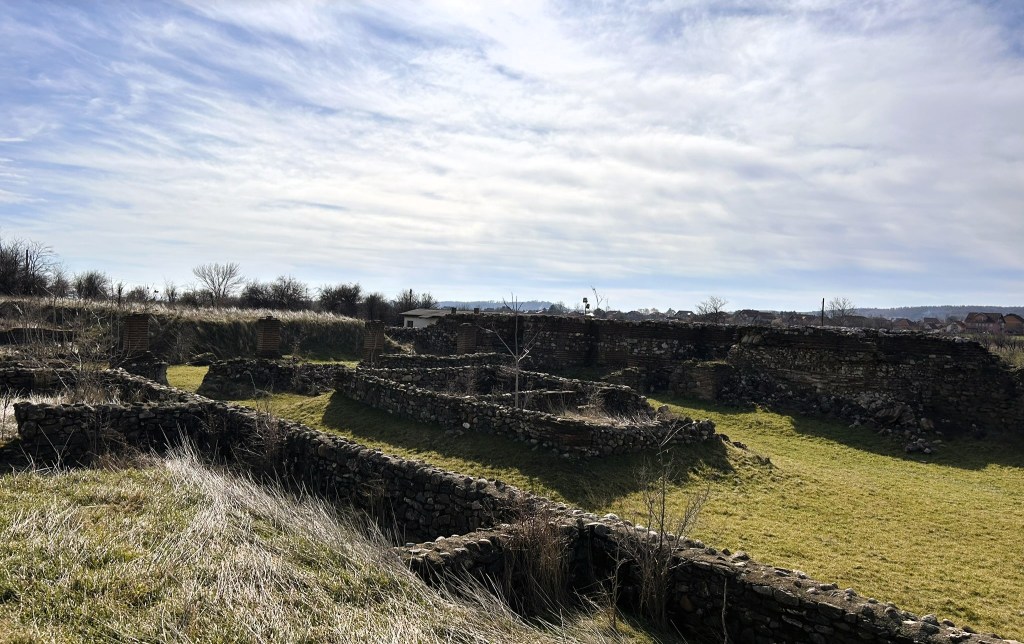
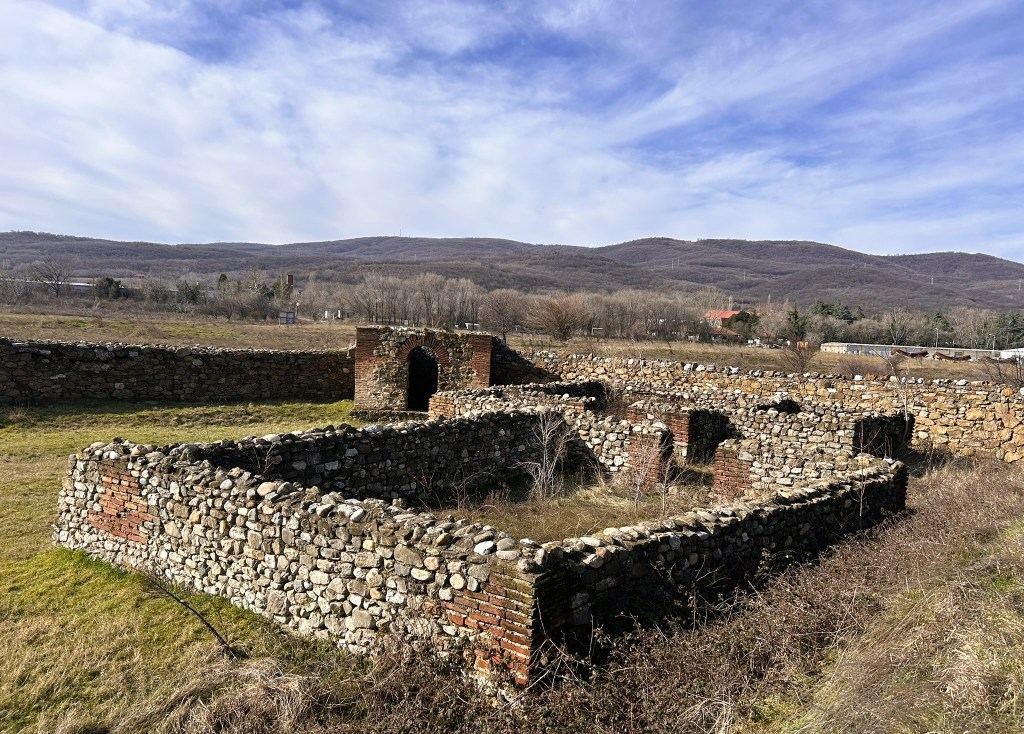
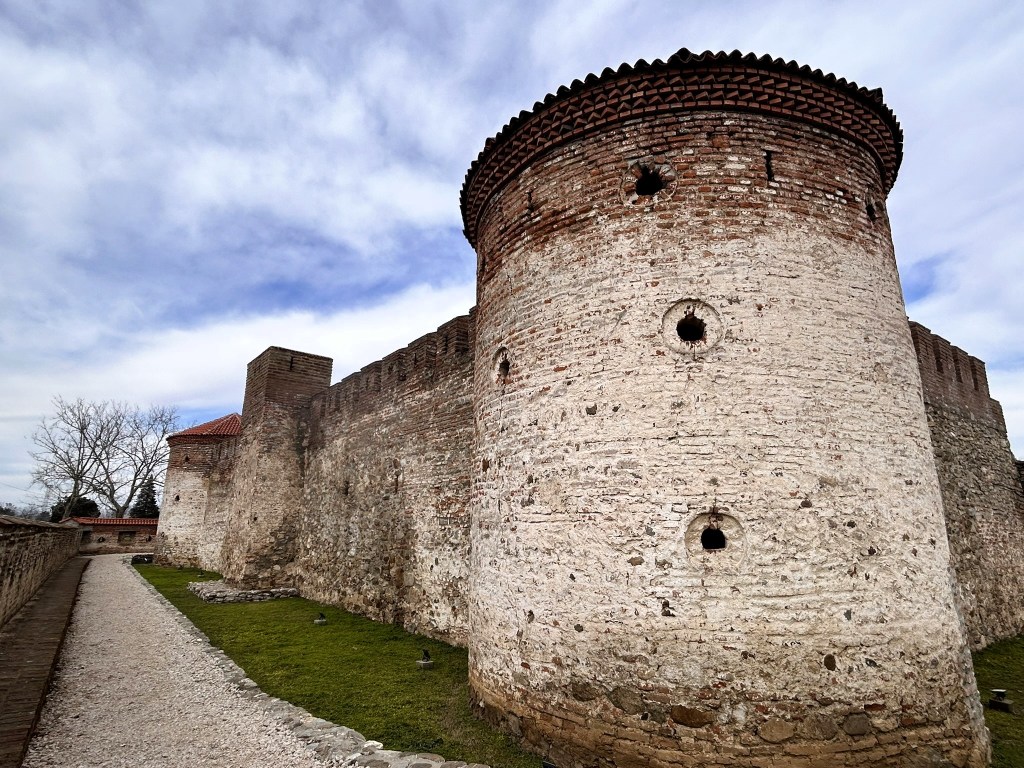
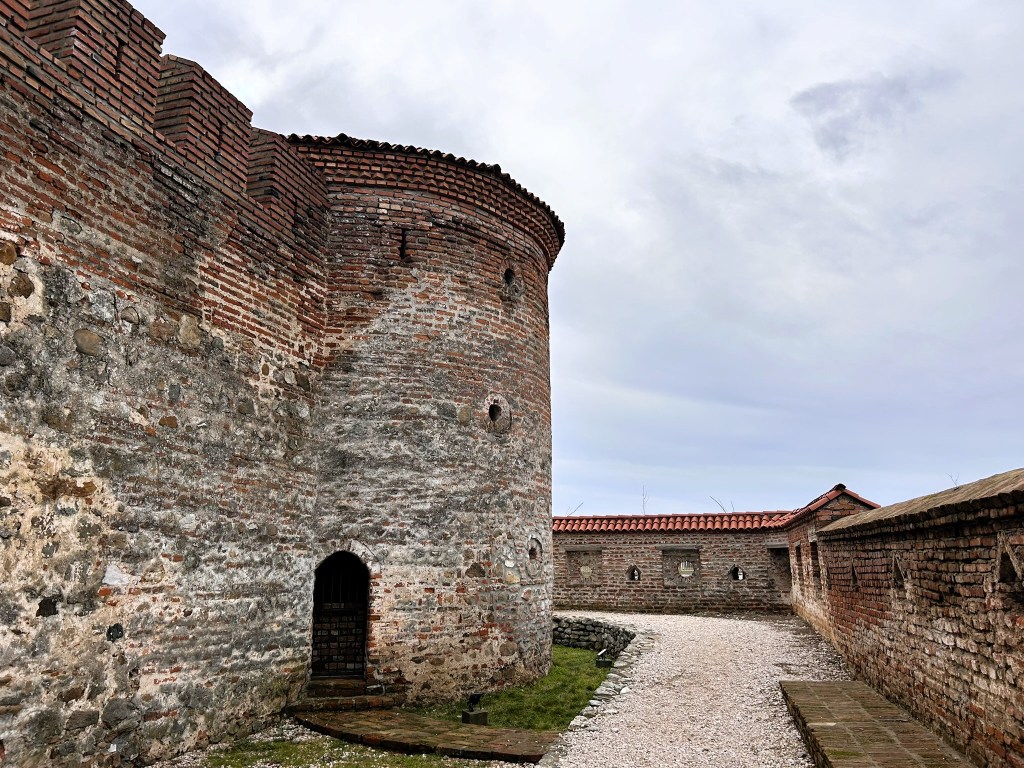
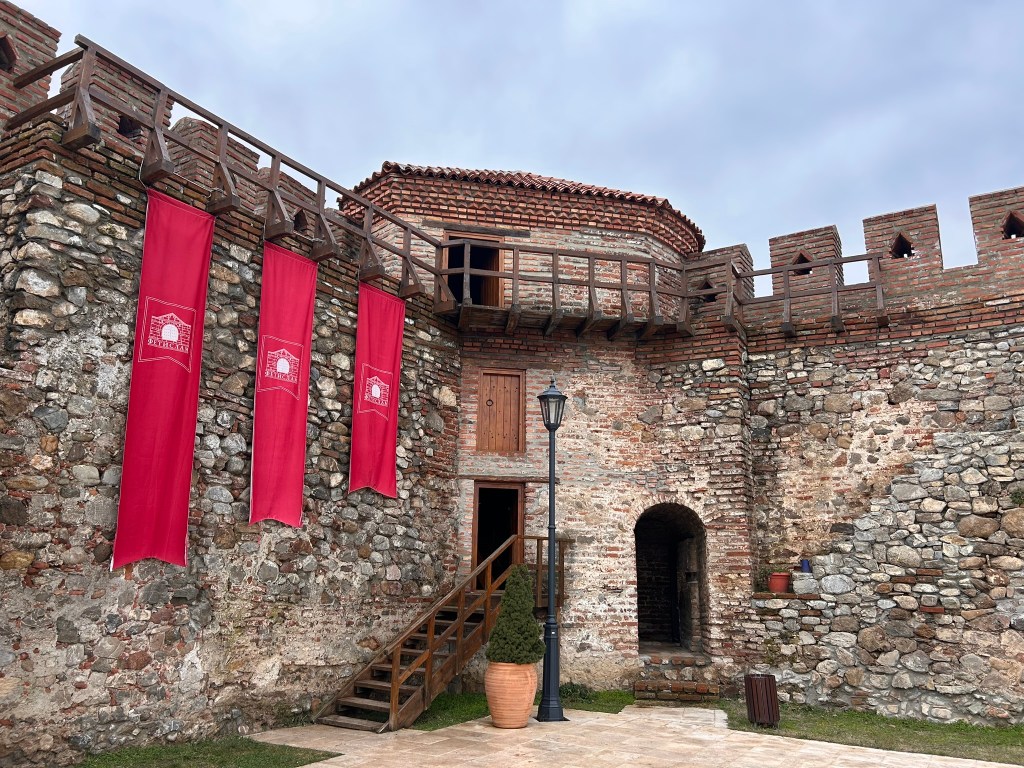
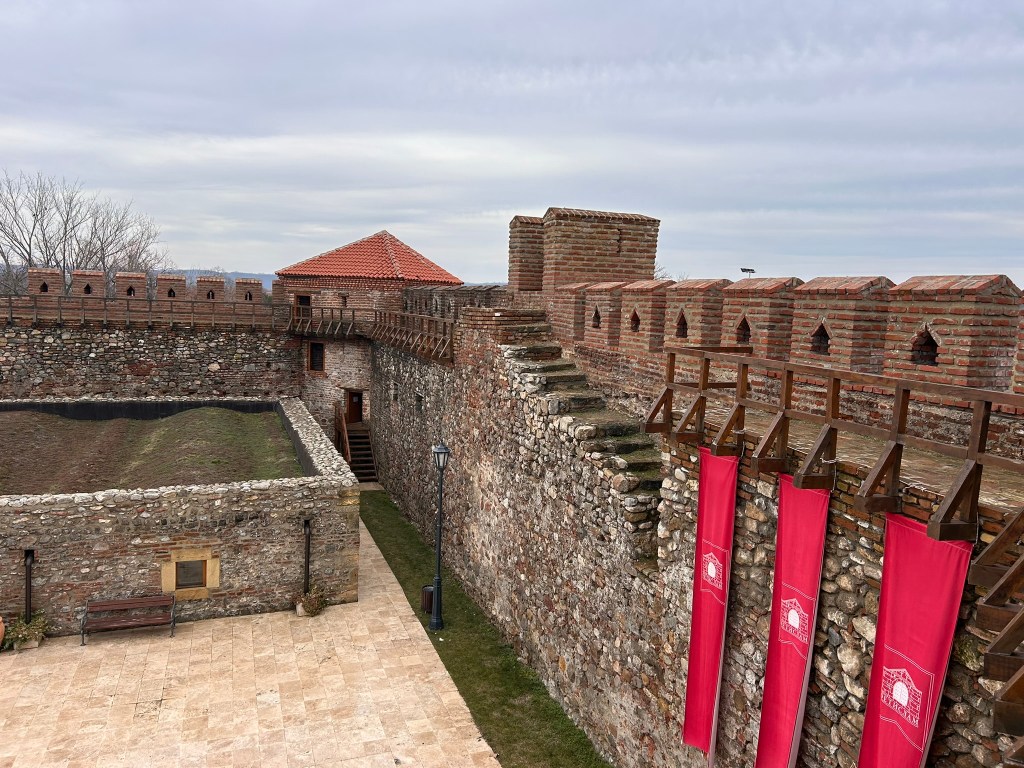
Our next stop was Fetislam fortress
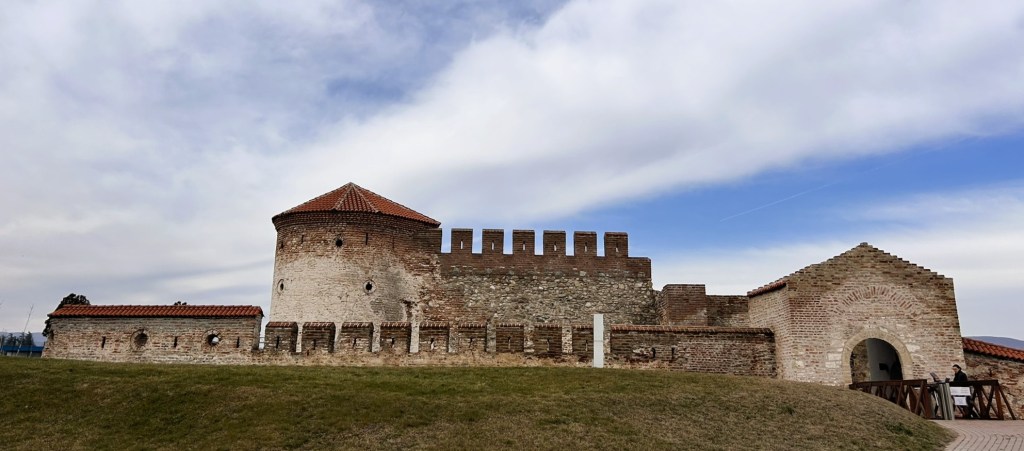
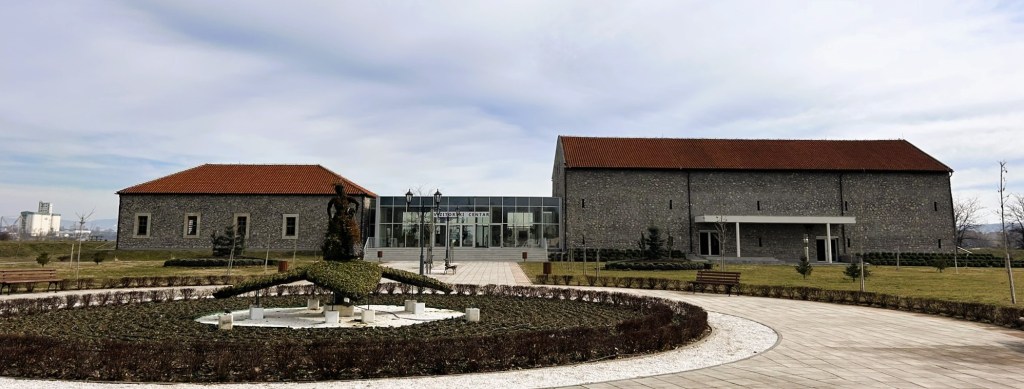
The outer fortress walls contained a park and a visitor centre
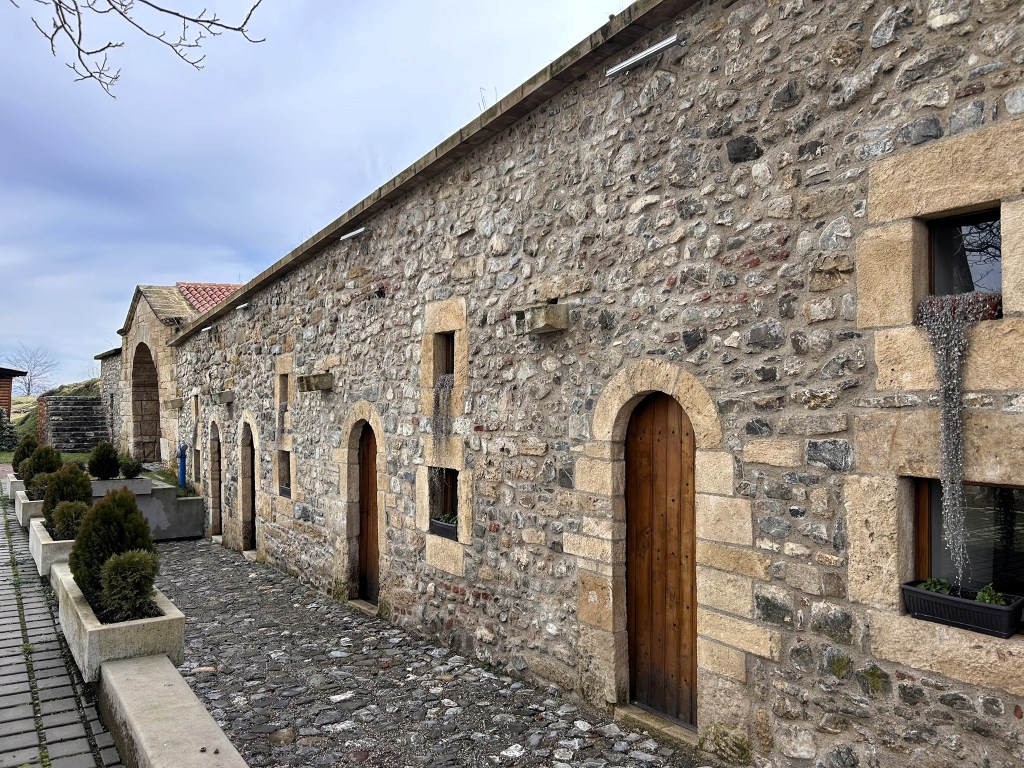
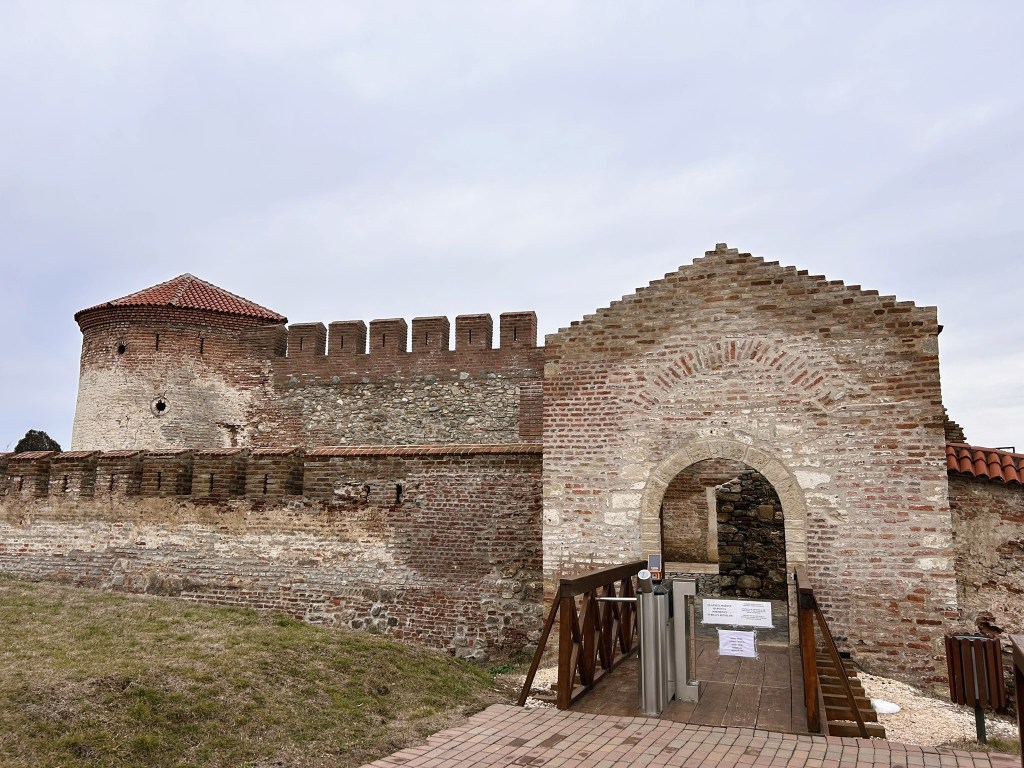
Whilst the inner walls contained the more intact castle itself which was lovely
We walked into the town of Kladovo for some lunch
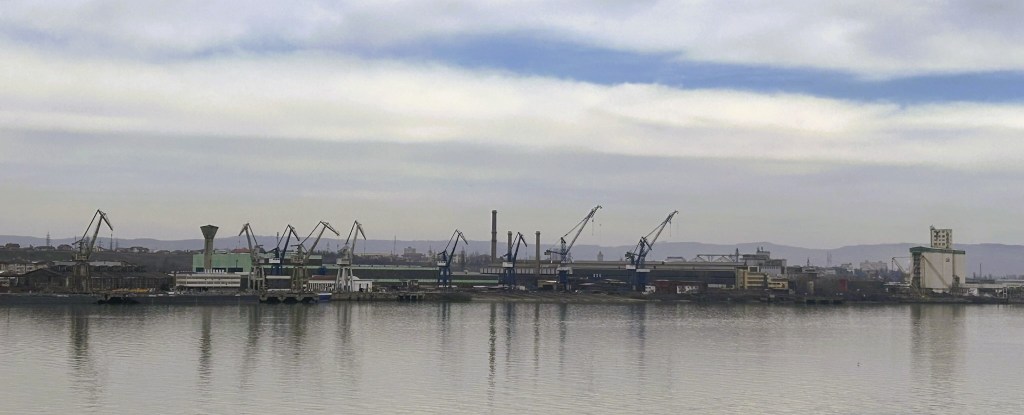
Before heading further along the river to see the ruins of Trajan’s bridge
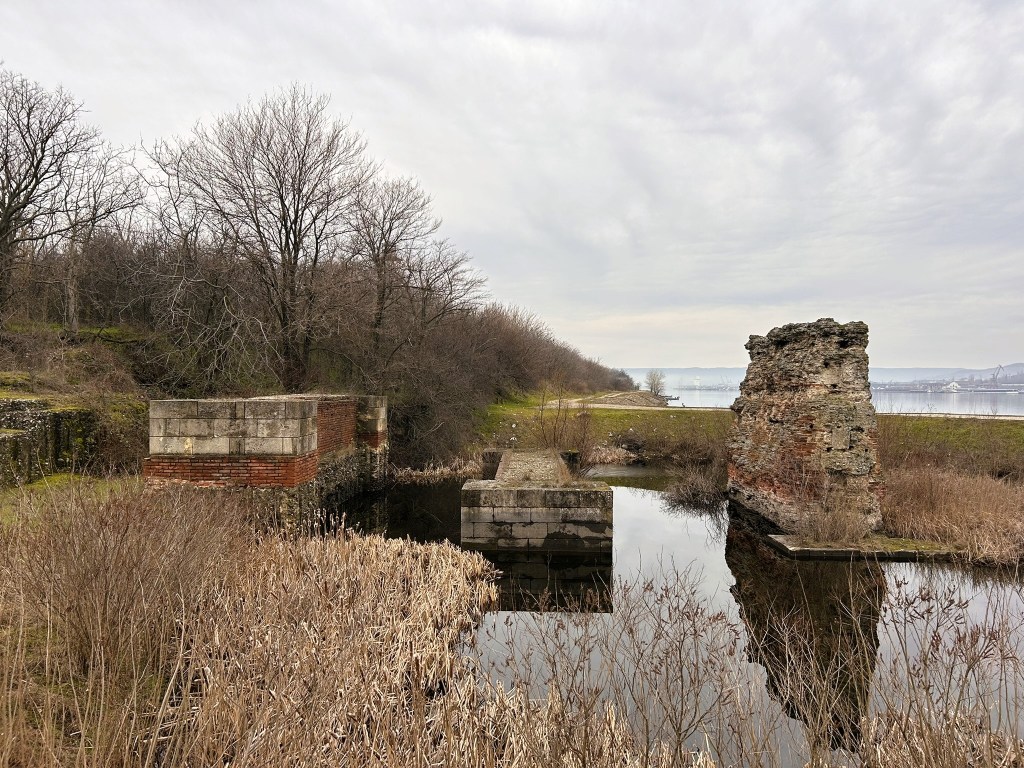
Built across the Danube by Emperor Trajan, it was the longest bridge in the world. After the fall of the Roman Empire, no-one had the technology to build anything like it again for over 1,000 years
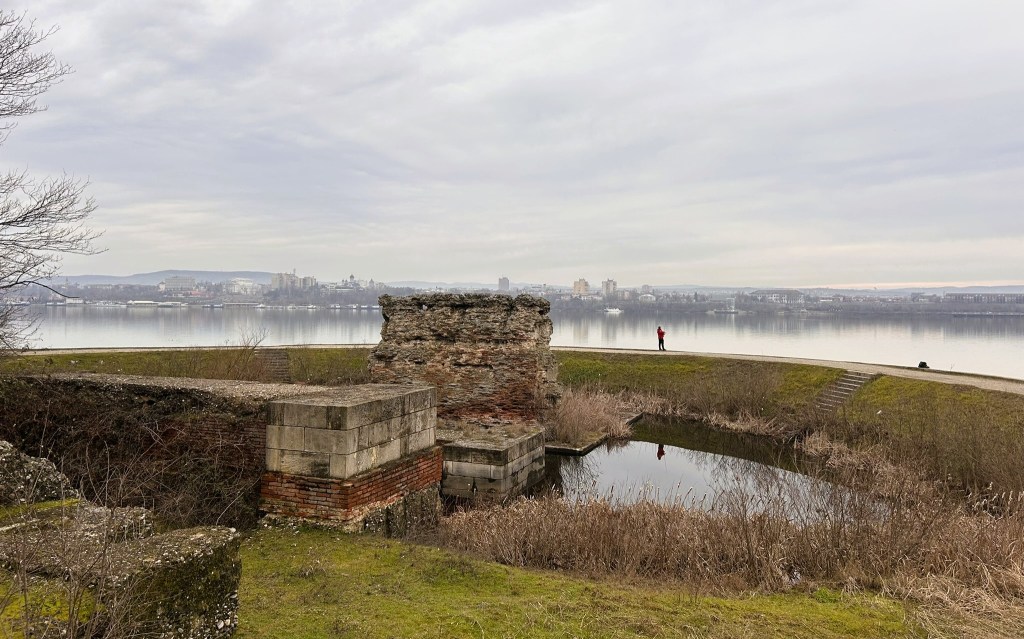
It seems incredible that the Romans were capable of building a bridge all that way.
We were heading for the town of Vratna but it was too far to go in one day so we decided to take the road following the Danube for a little longer and find somewhere to park-up along the way.
The road quickly became a very bumpy dirt road but it was a lovely drive through some very rural villages.
We had found a potential park-up place by the banks of the river but when we turned down the path towards it we found it was too narrow and overgrown. Not wanting to get BigMog scratched any more that we had to, we decided to turn back.
It was 4:30pm and the light was beginning to fade. We needed to get parked up soon before it was too dark to see where we were going but disaster struck!
The track was too narrow to turn around so we reversed until we got to an open part with a field on one side and James started to do a three point turn. But as he reversed into the field we discovered too late that the ground was very soft and BigMog’s wheels sank into the soil. His rear wheels were buried and his front wheels were now also off the path. He had nothing to hold onto and down we went
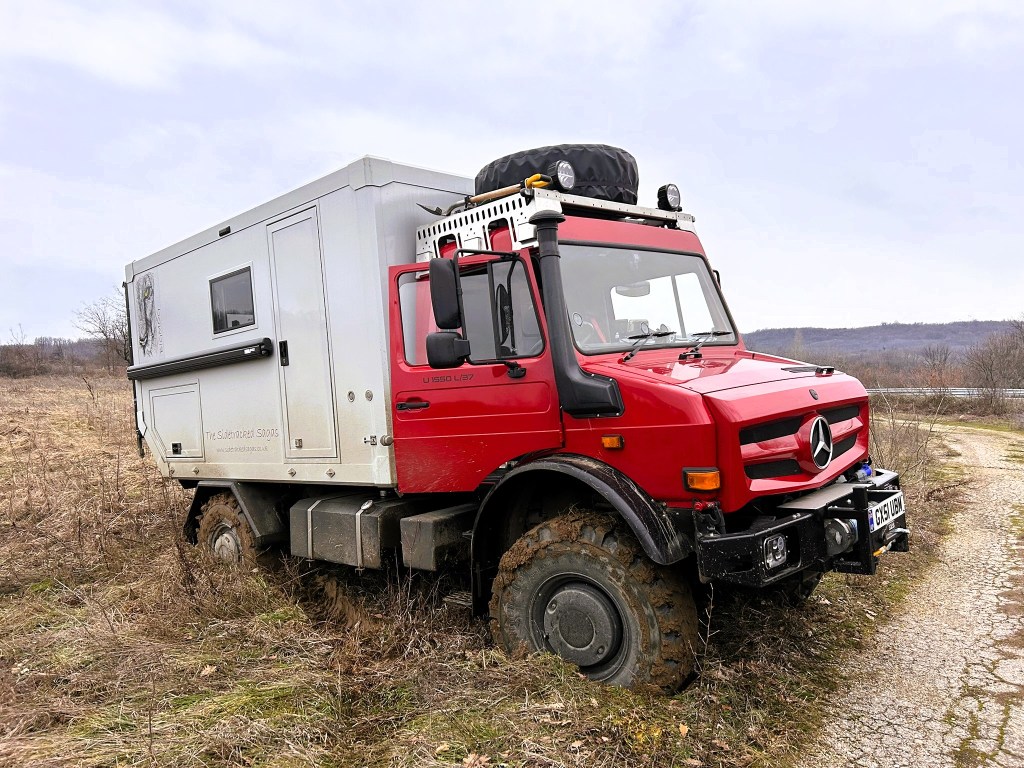
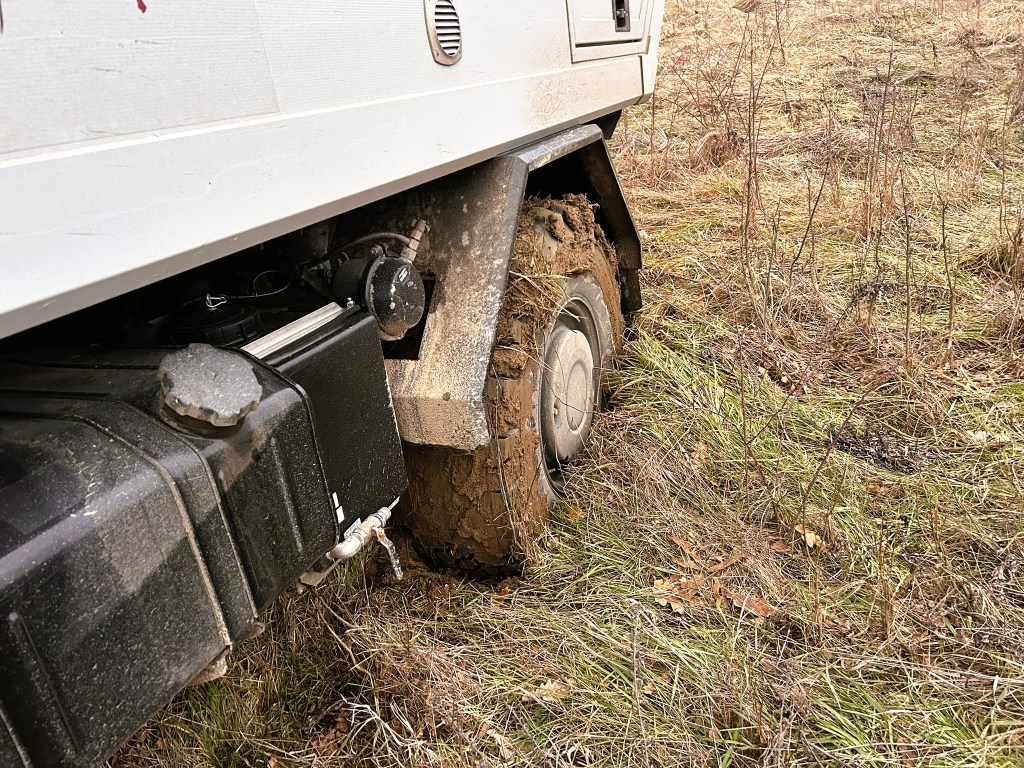
We were stuck.
We jumped out and James started digging but the ground was so soft he was getting nowhere
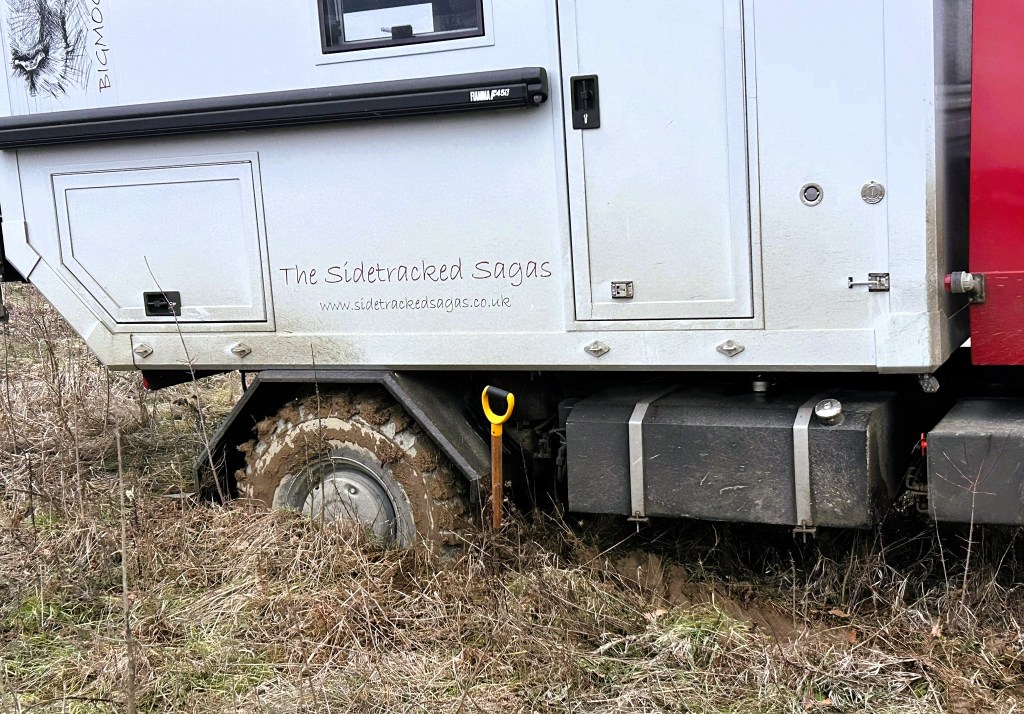
We looked around and decided to try our first ever self-rescue using our winch.
As dusk fell around us, we got out our recovery gear and tied the winch rope around the nearest large tree. During BigMog’s build, we had almost decided not to bother repairing our old winch but at the last minute we bit the bullet and replaced the broken solenoid and rope. We were counting our blessings now
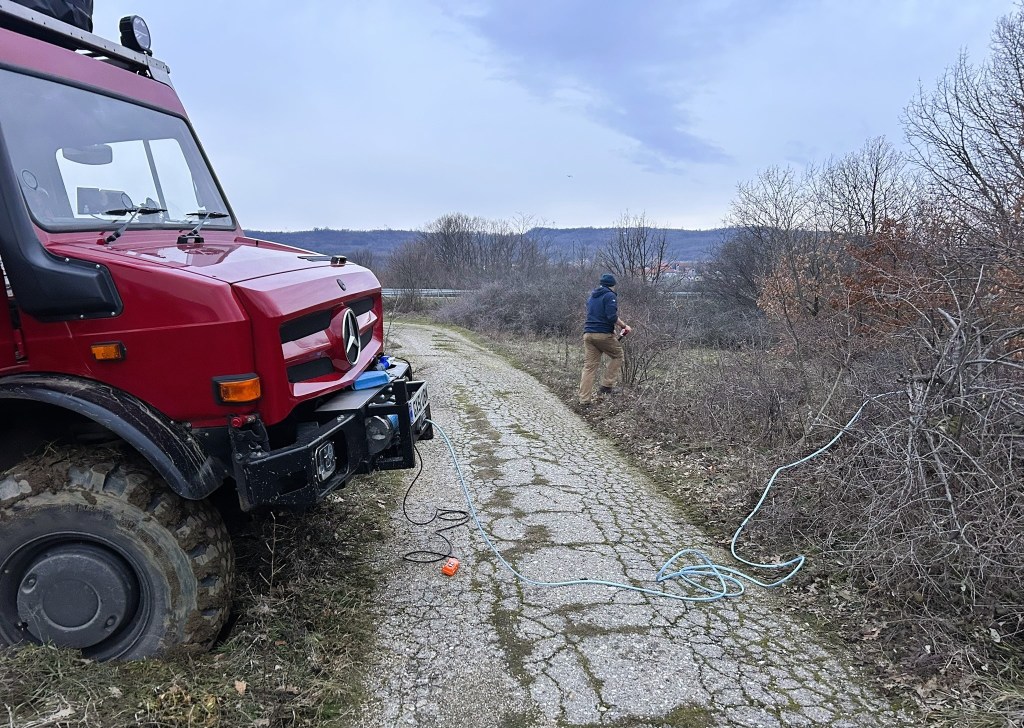
With everything firmly attached at both ends, James jumped back into the drivers seat and started the winch
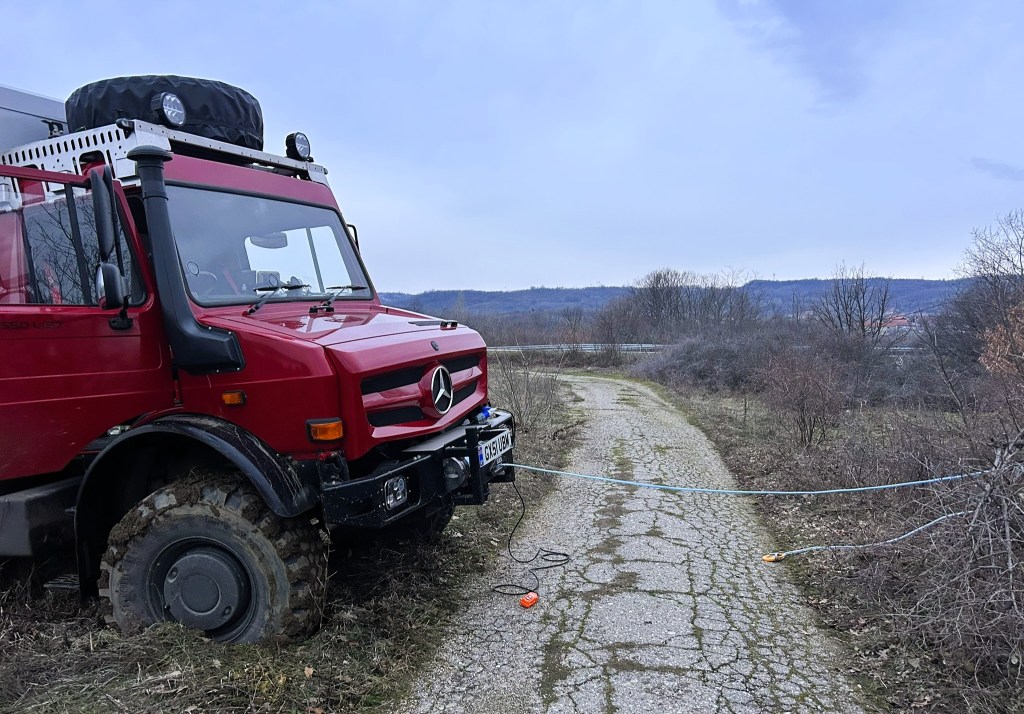
To my dismay, I had to hold the winch rope clear of the wheels so there was no way for me to record our inaugural self-rescue. But safe to say, after a brief moment of concern when BigMog’s wheels seemed to sink deeper into the soft soil, he slowly but surely pulled himself out and got his front wheels back onto the track
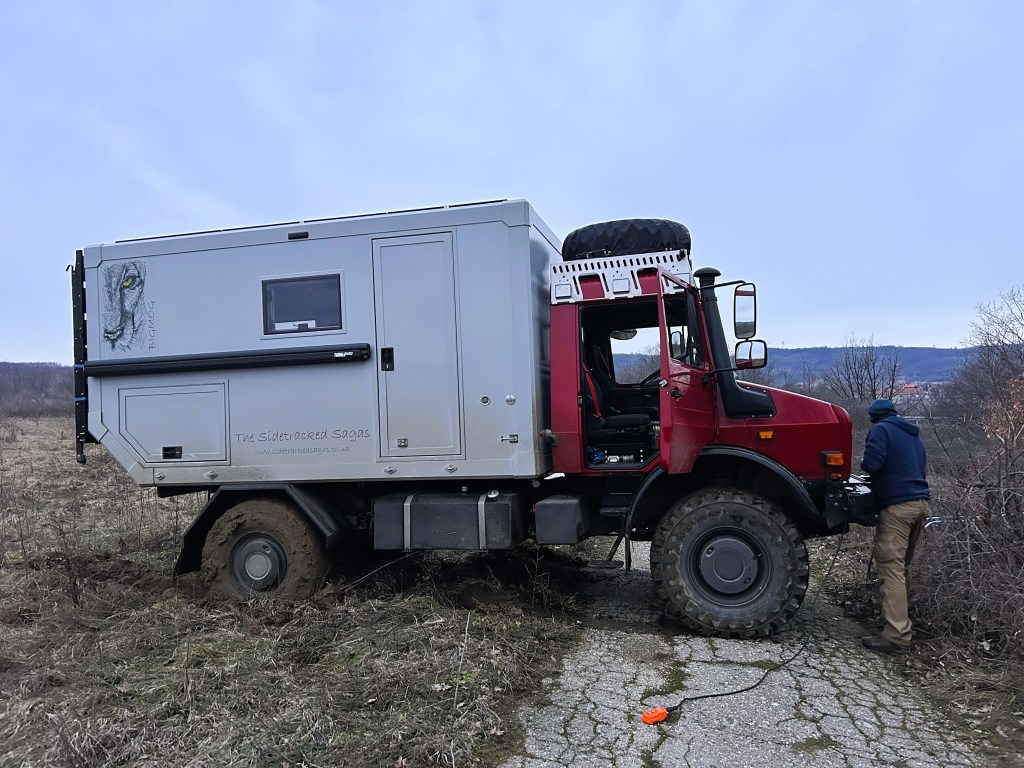
He is powerful enough to only need two wheels on firm ground so as soon as his front wheels were clear we dismantled the winch ropes and James carefully drove him out of the thick mud
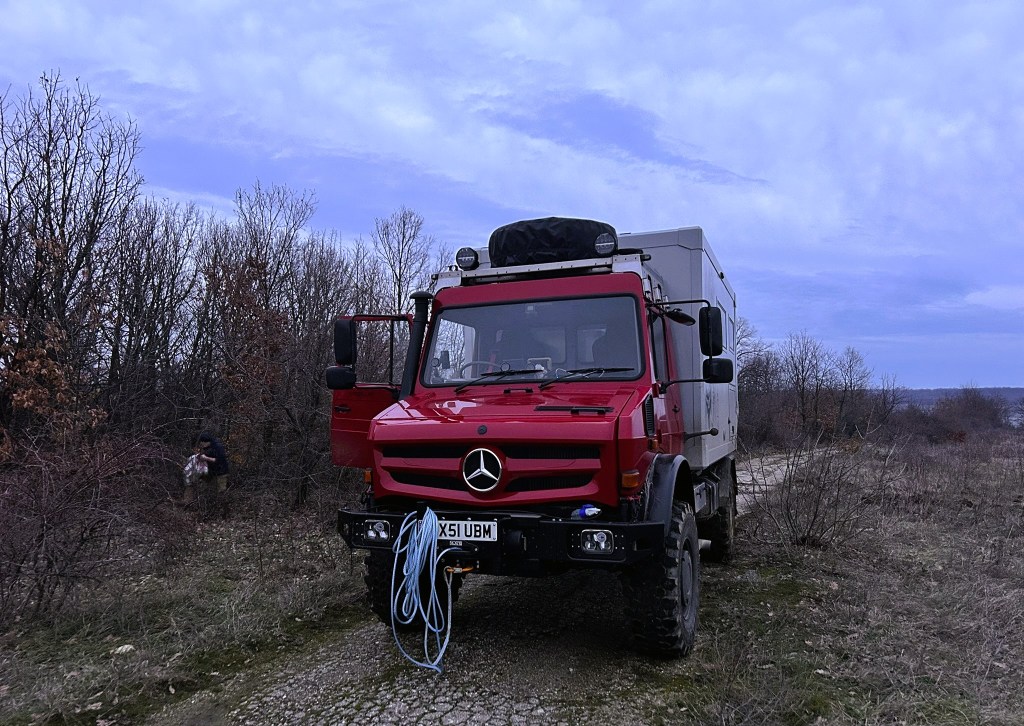
His wheels and chassis were caked in gloopy mud and the ruts left in the field were incredibly deep
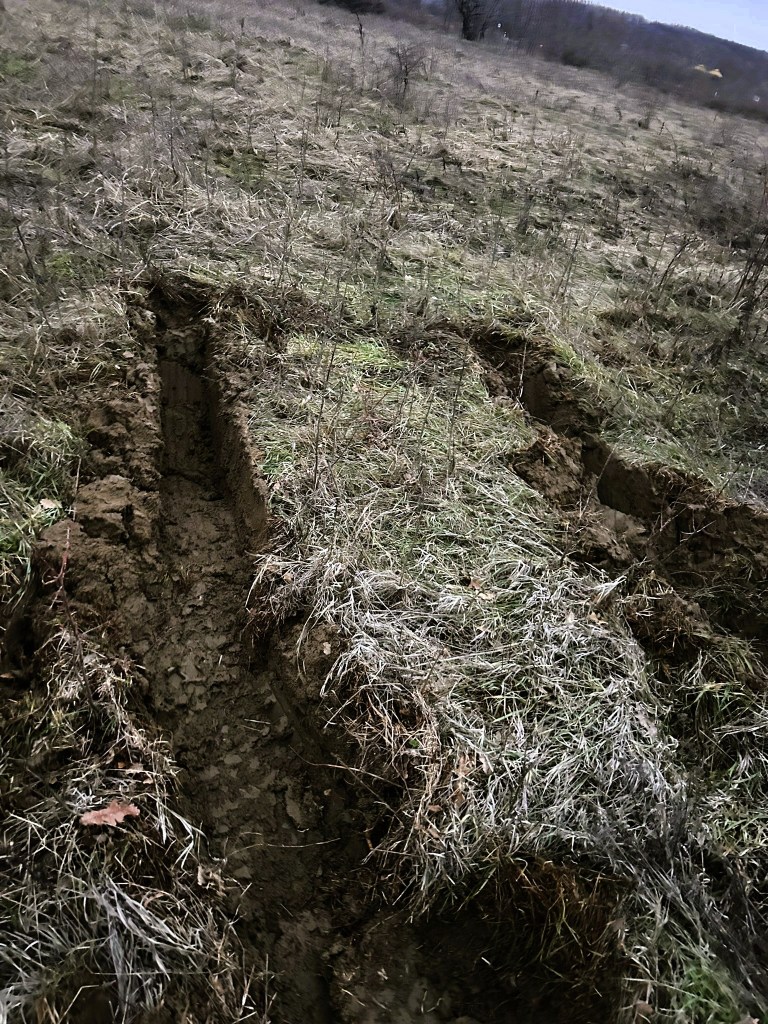
But we were free.
We drove a few minutes down the road, throwing mud everywhere as we went, discarded another park-up place for being similarly hard to reach, and eventually gave up and pulled into a layby on the side of the road.
It was hardly ideal but it was enough – it was dark by now and we needed a glass of wine!
Fully rested and recovered from our adventure, we carried on to Vratna the next morning. We stopped just outside the gates of the Vratna monastery and tried to walk to Vratna Gates – three natural stone arches along the river gorge.
The walk started off well but as we approached the river it got very narrow and slippery with a steep drop down one side. We tried our best but it was no fun so we turned back. This was the closest we got to seeing anything at all of the gorge
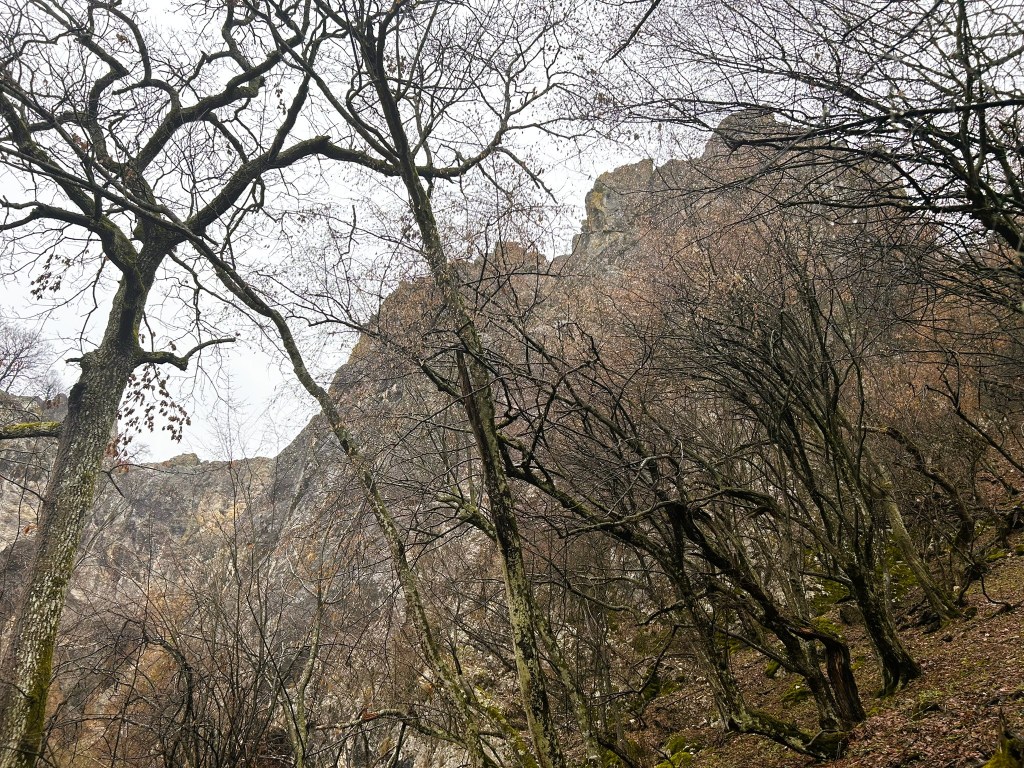
I had a quick wander around the pretty monastery
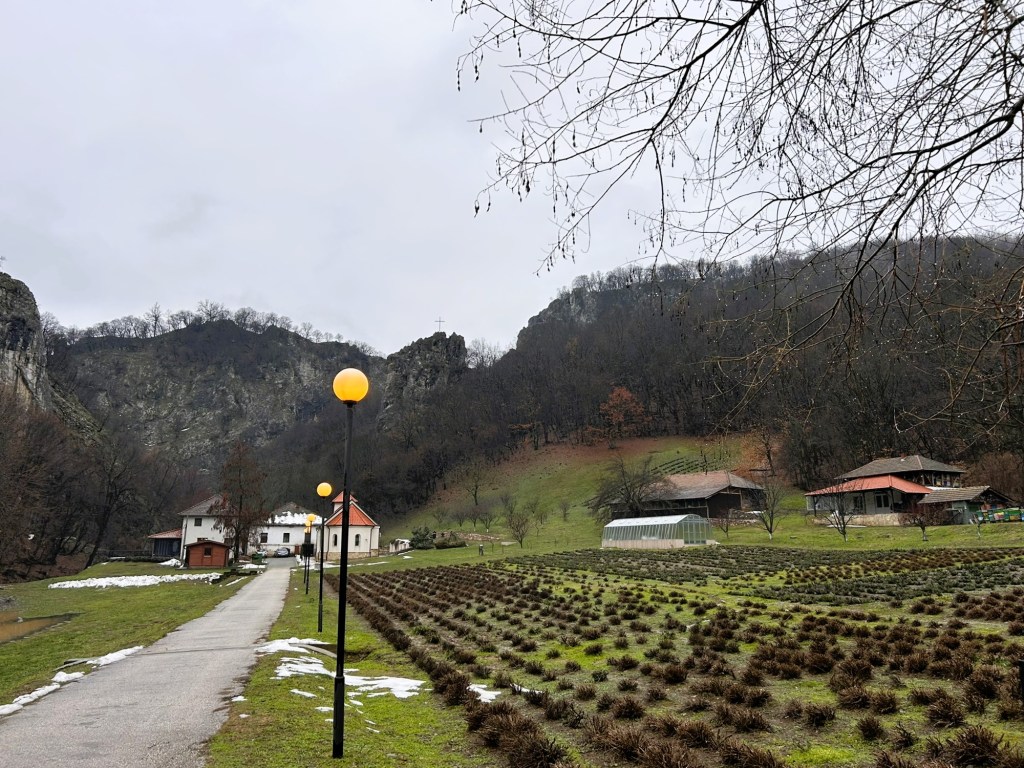
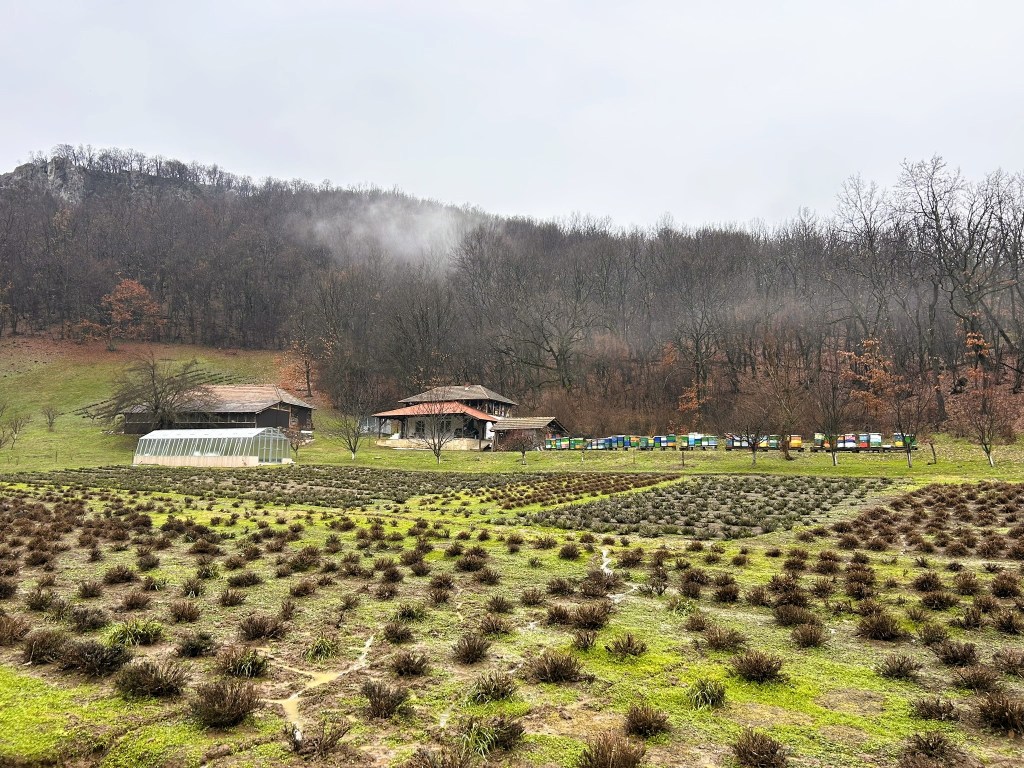
But we had to admit that this had not been a great success.
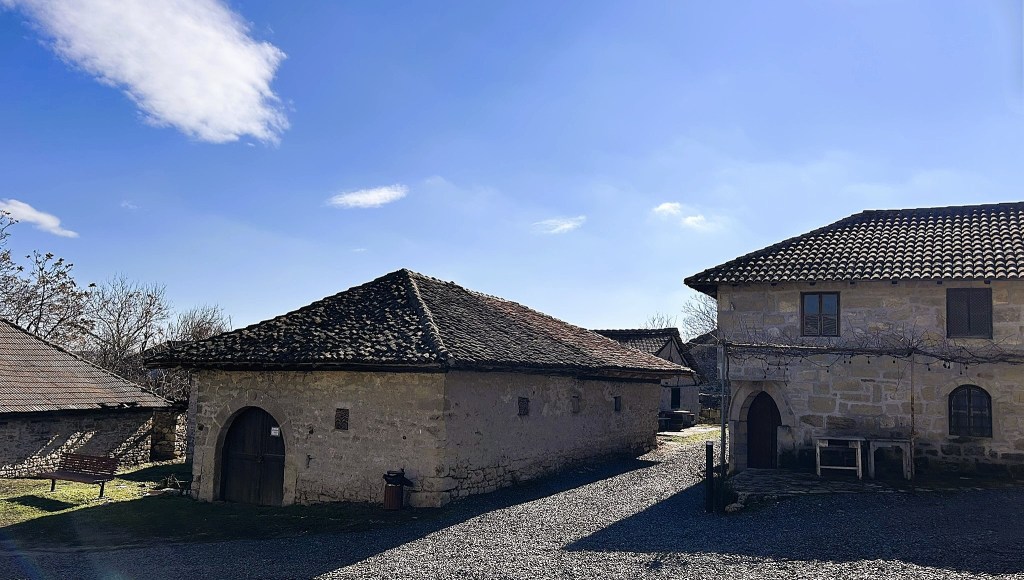
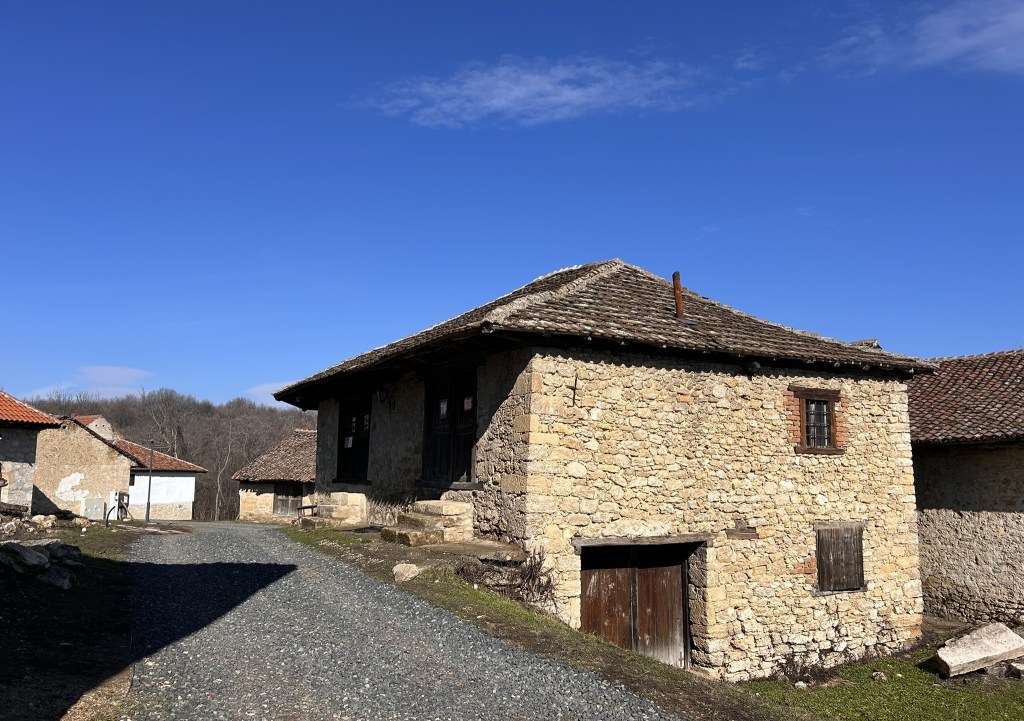
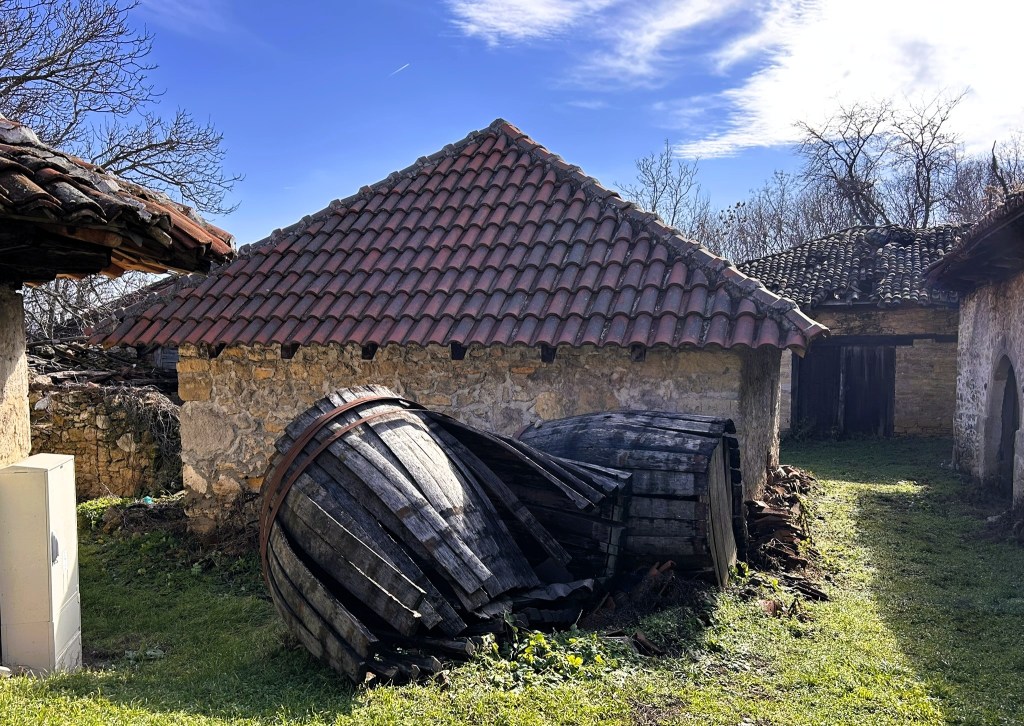
So we left Vratna and tried our luck at the town of Rajac where there is an area high up above the main town called Rajac Pivnice which houses old winery cellars. They look like little houses but no-one lives there, instead they are full of the region’s best wine.
We parked up on the edge of the town by a modern winery
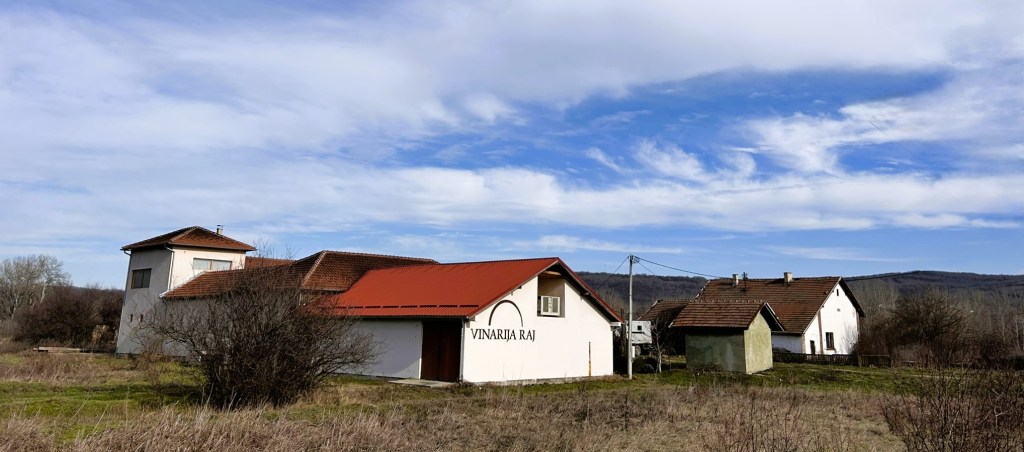
It was a steep 2km walk uphill to reach the cellars but the sky was blue and the town was pretty
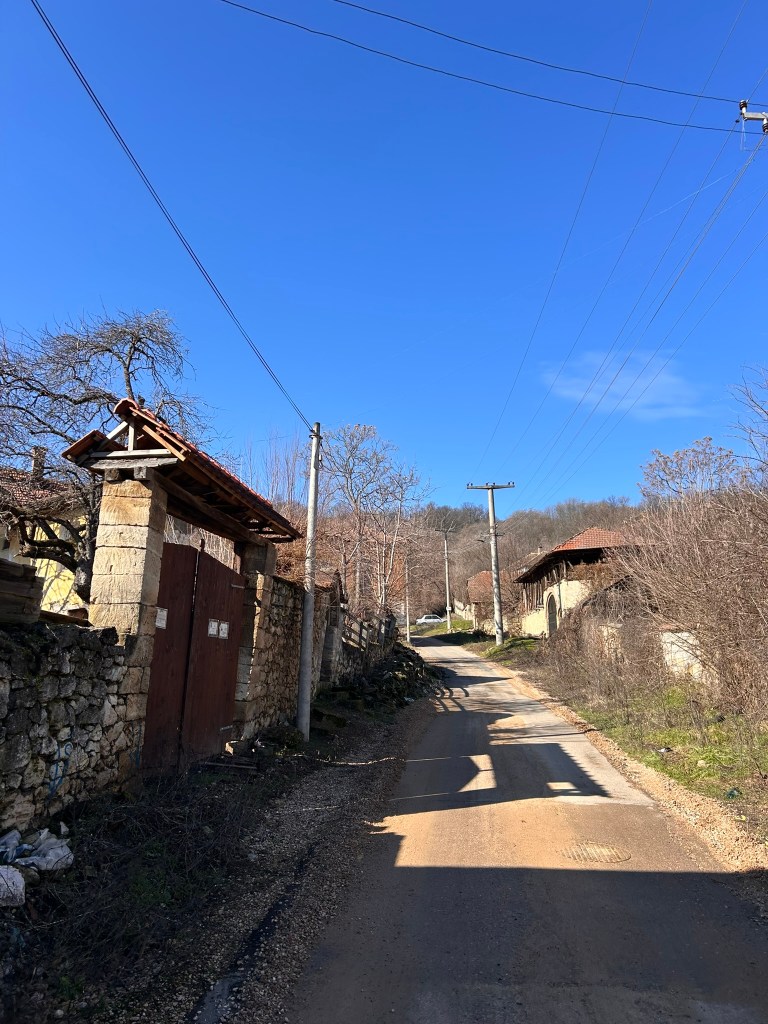
When we arrived everything seemed closed. We had anticipated this and set our expectations accordingly low, expecting just to enjoy the unusual buildings
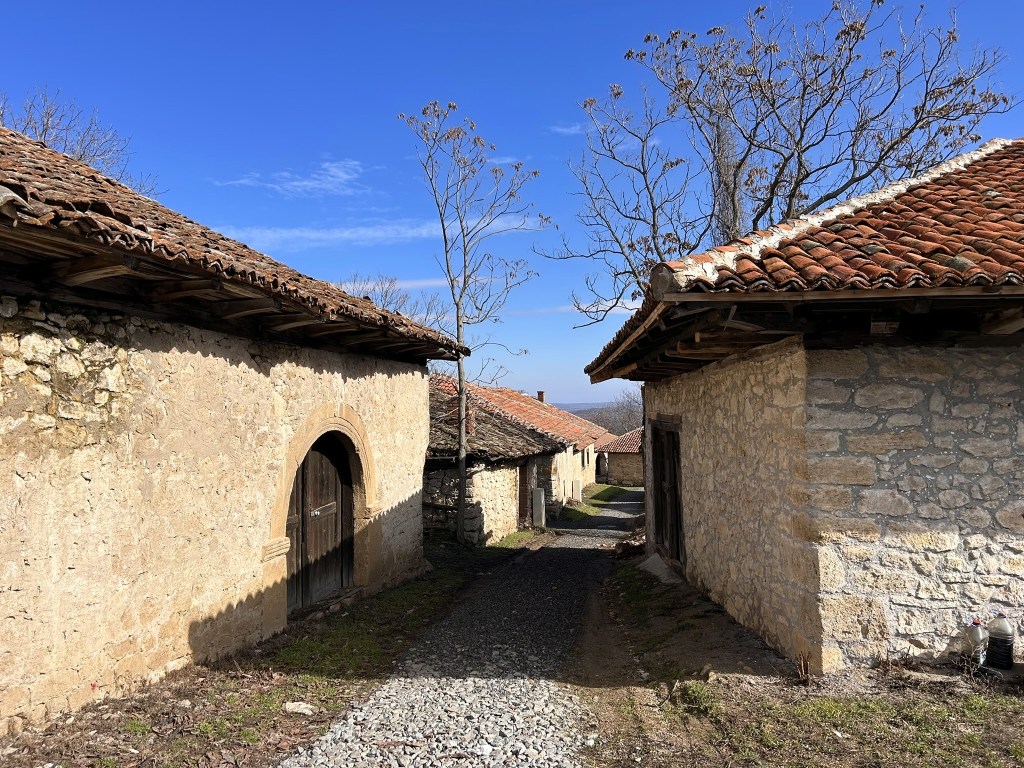
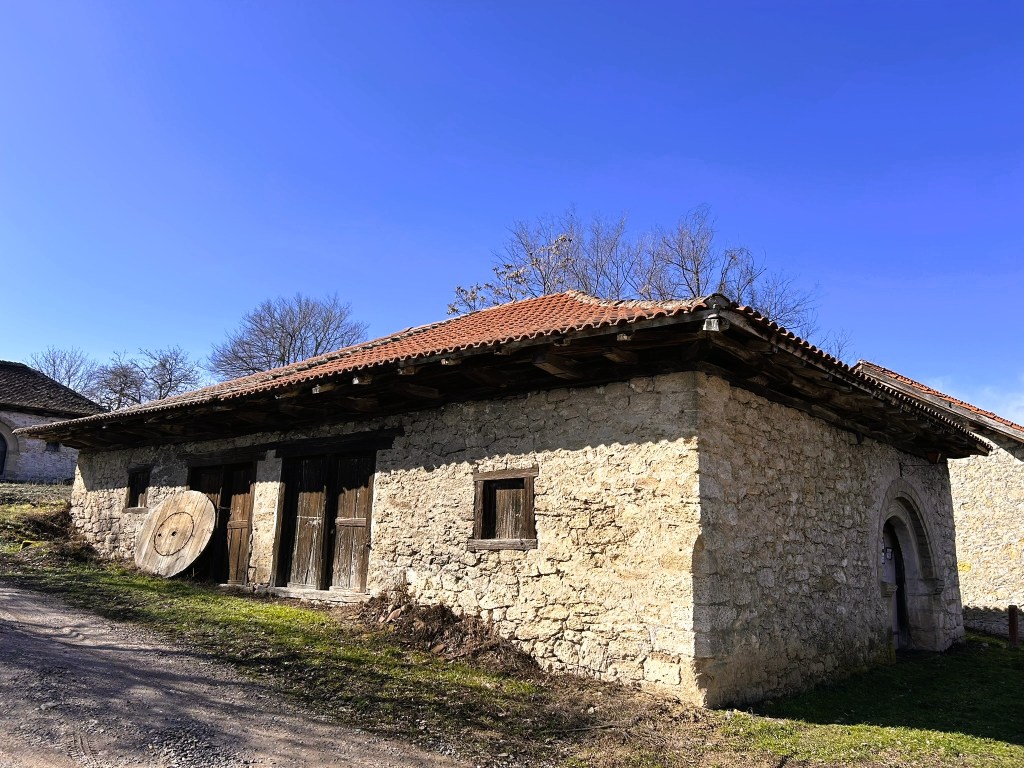
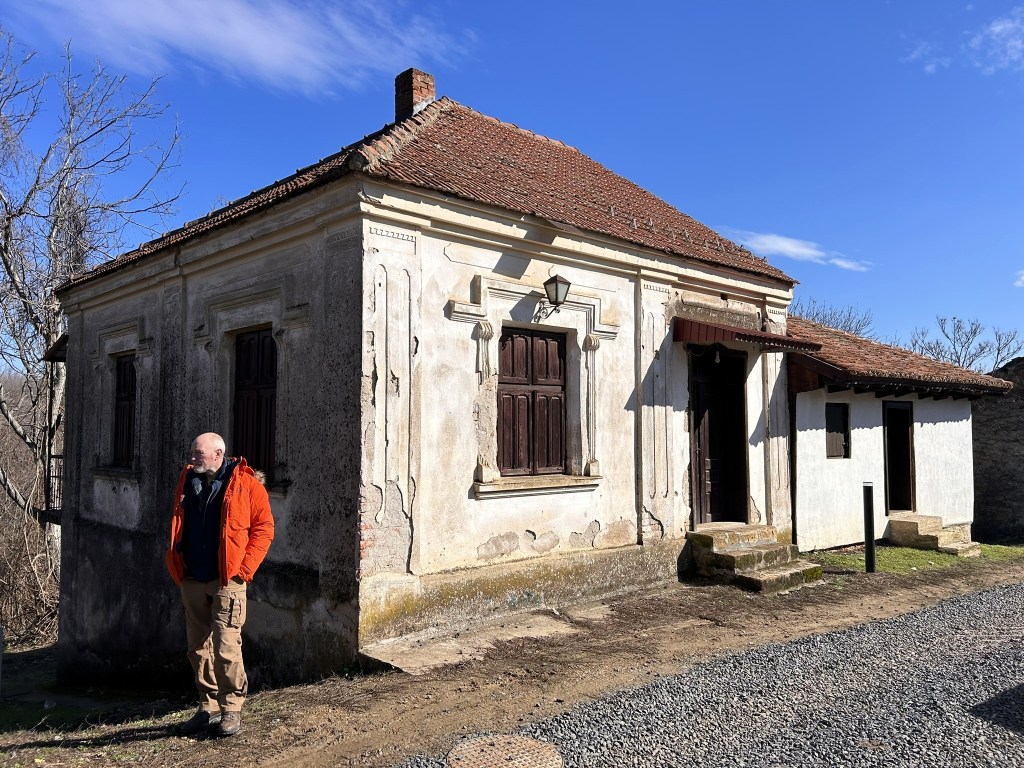
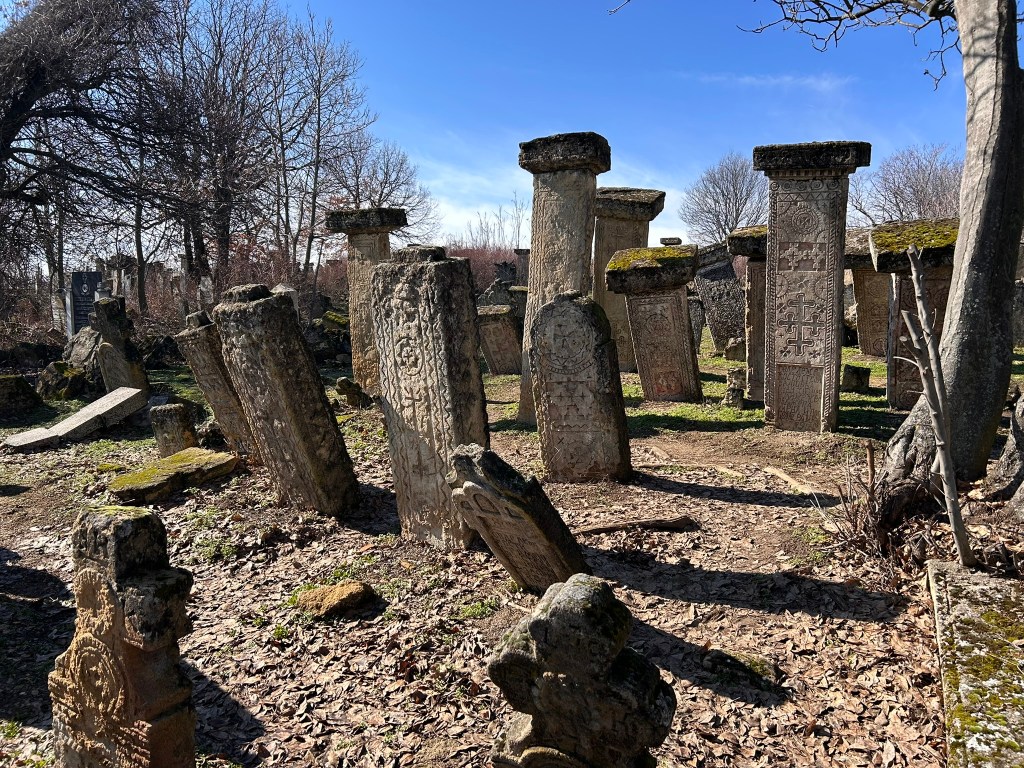
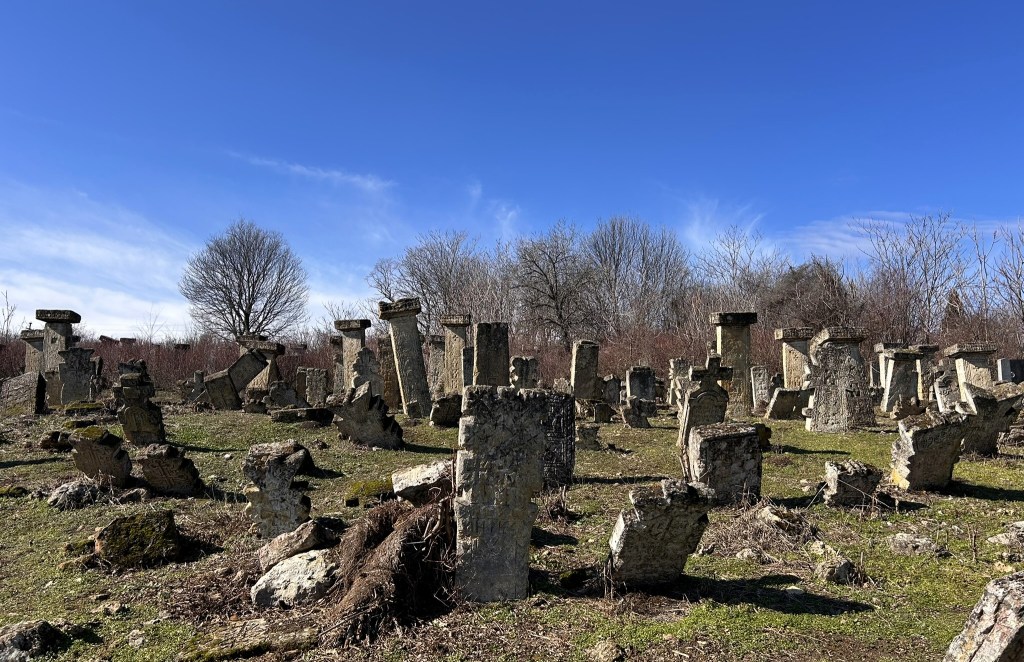
We started off in the centuries old cemetery, known for its beautifully carved, monolithic tombstones dating back to the 14th century. They were possibly made by the Vlachs and are covered in both pagan and Christian symbols
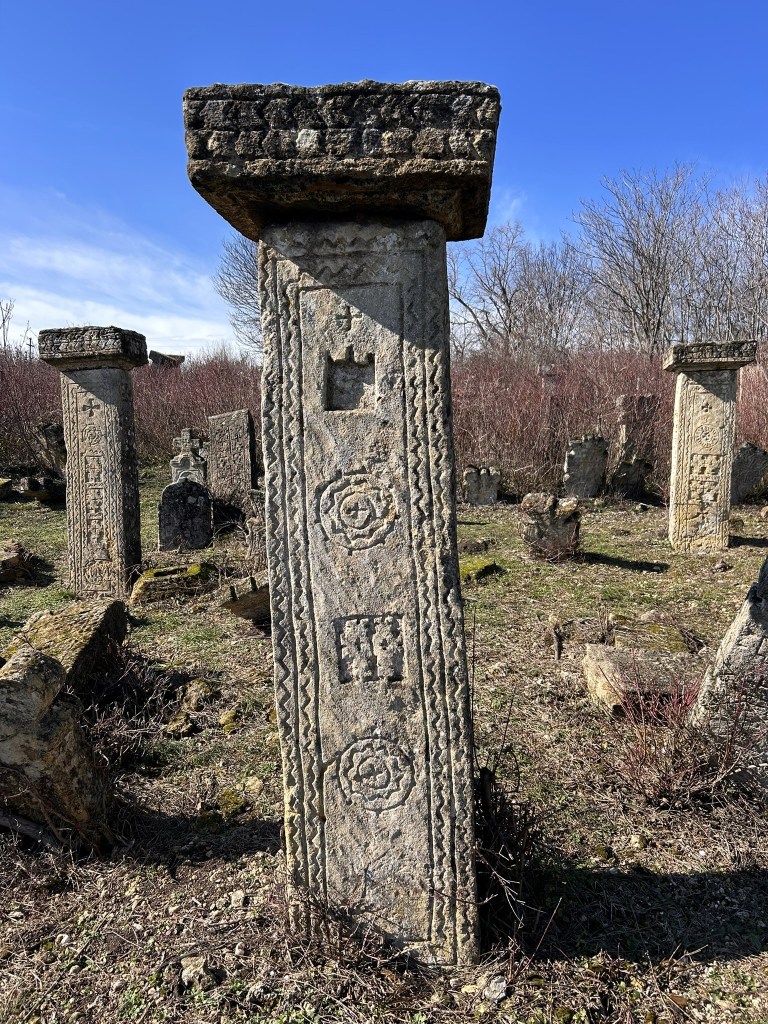
They were remarkable
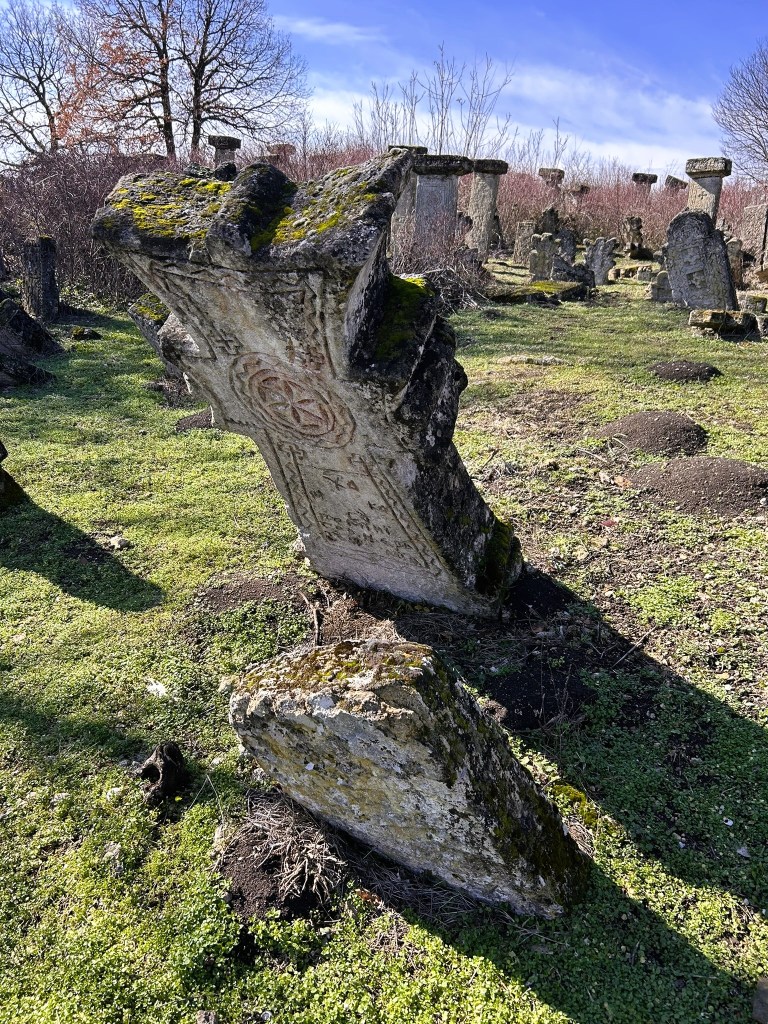
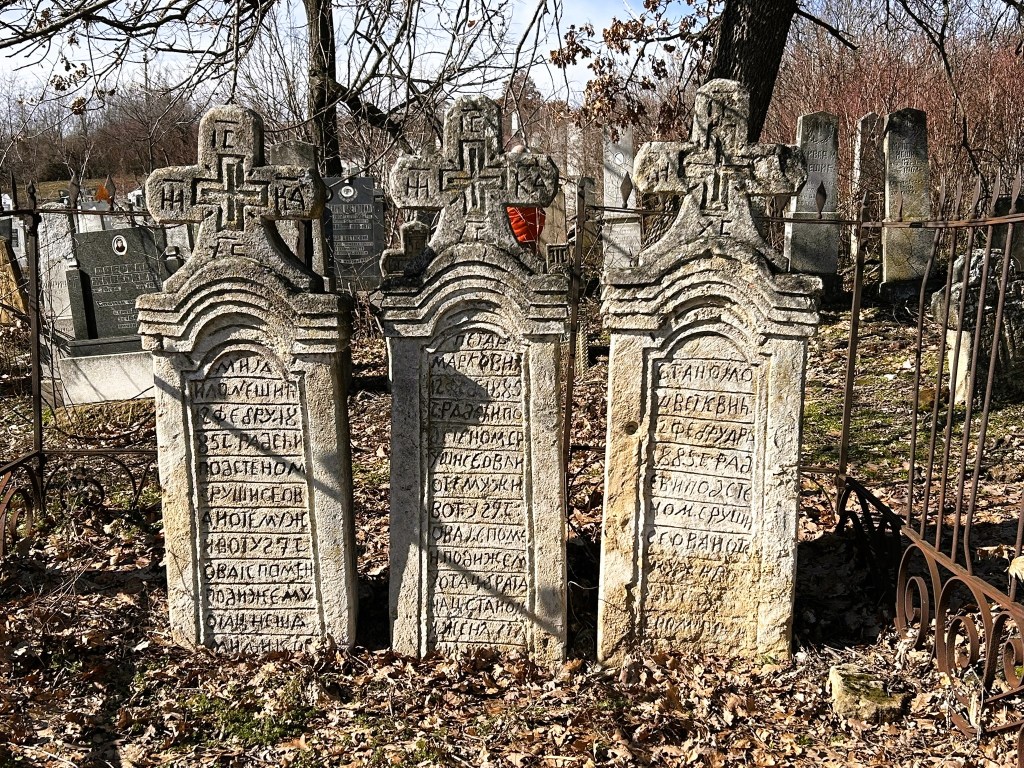
And there were so many of them
Part of the graveyard was much newer but it seemed that the families were keen to keep the traditional designs going
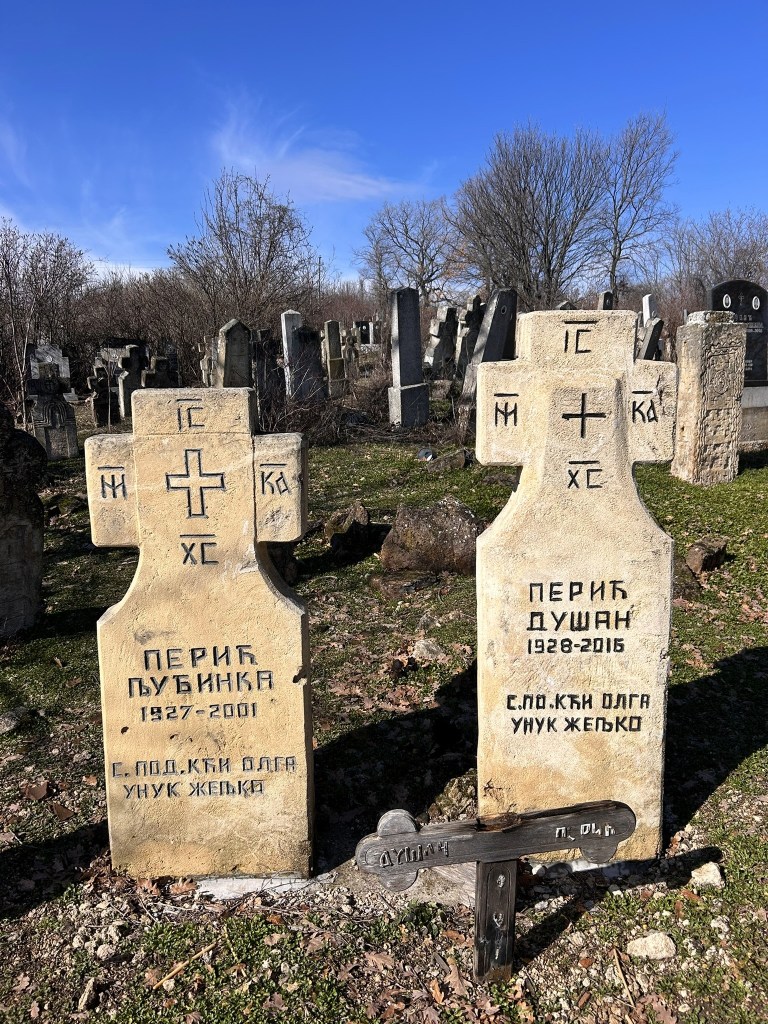
Even though the skies were blue, it was still very cold and we wondered whether we would ever see the end of winter. But, in the middle of the cemetery, I suddenly stopped short and gasped. There on the ground was something we had not seen for months
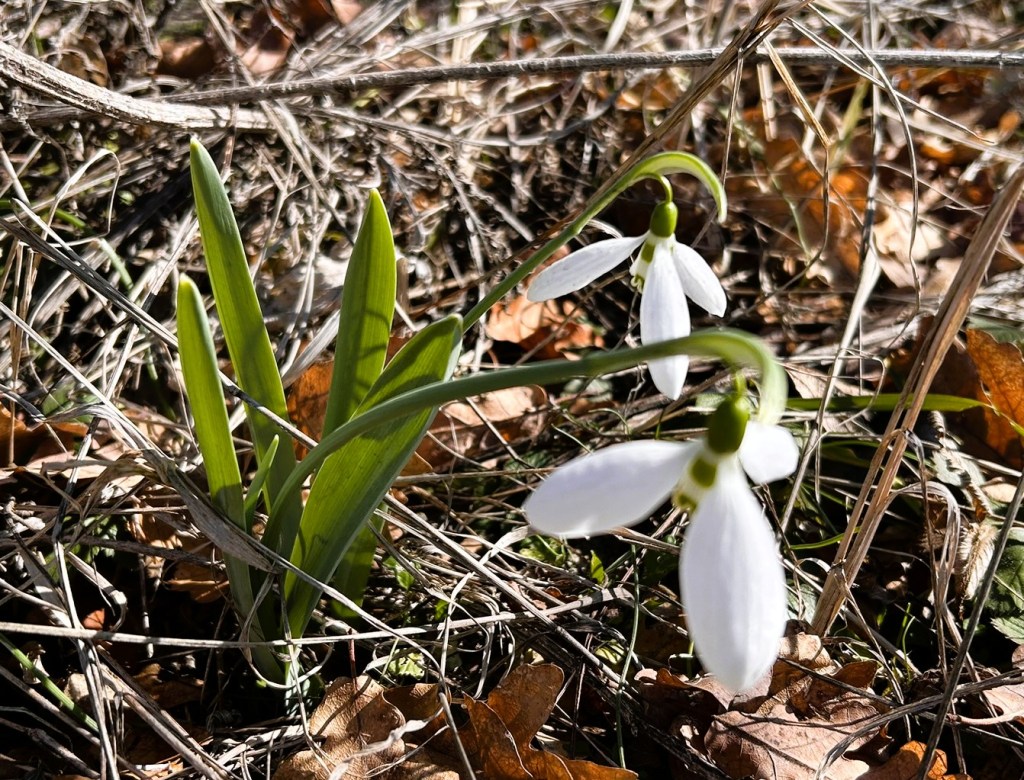
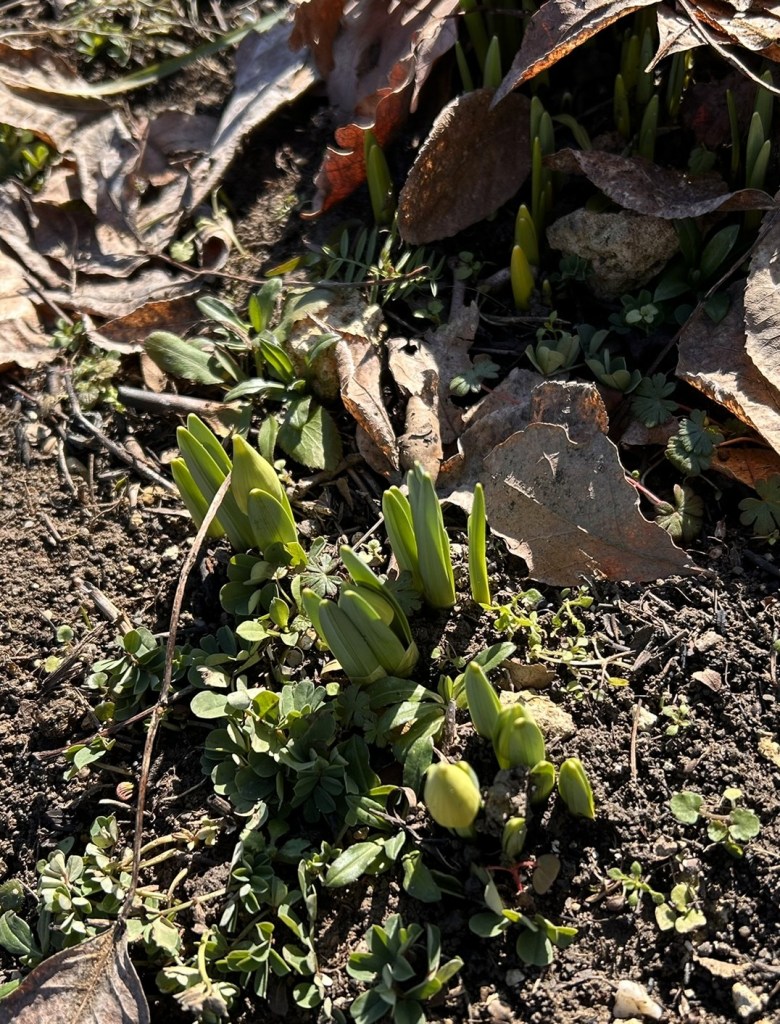
The first buds of spring, was this the sign we had been waiting for?
High on hope, we went back to the wine cellars looking for anywhere that might be open
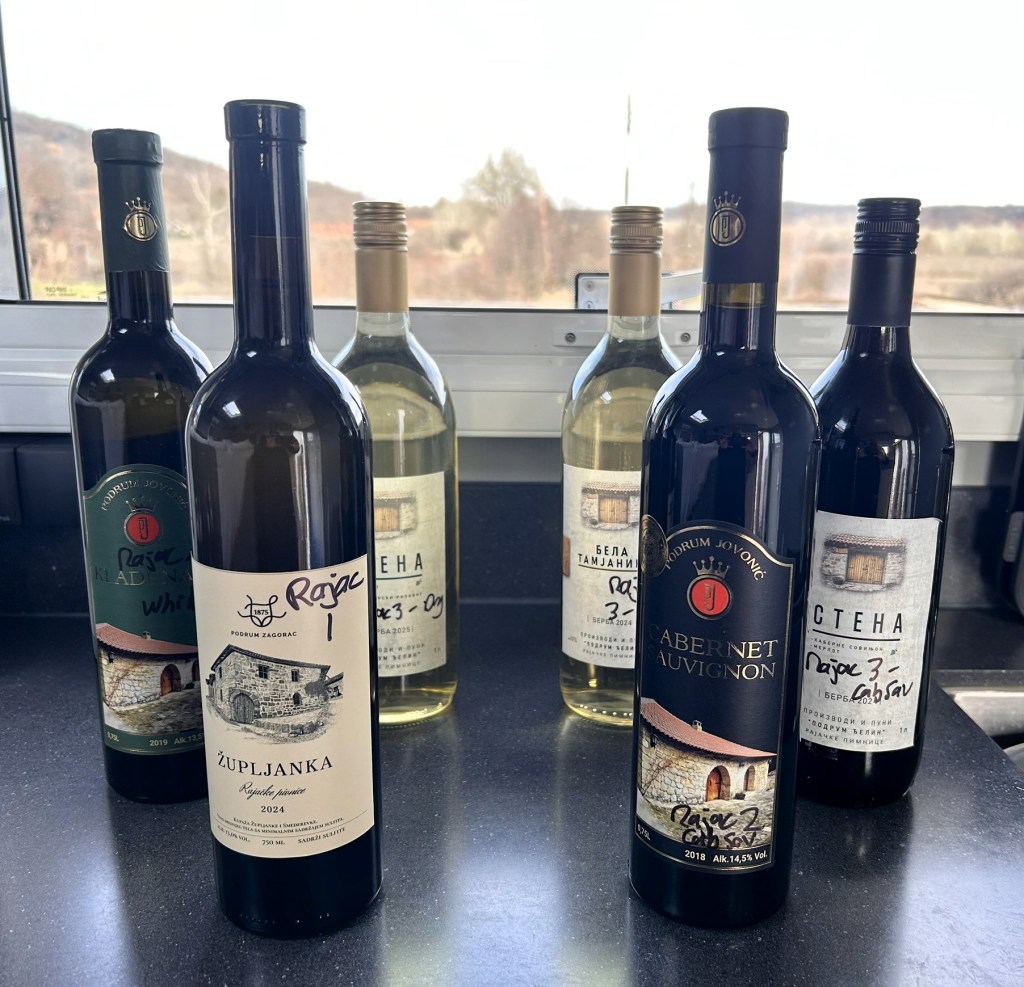
Suddenly we saw people – and they were carrying wine! I stopped them and asked where it was from. It turned out they were wine makers and they took us to their cellar to try some. We bought a bottle to keep us going
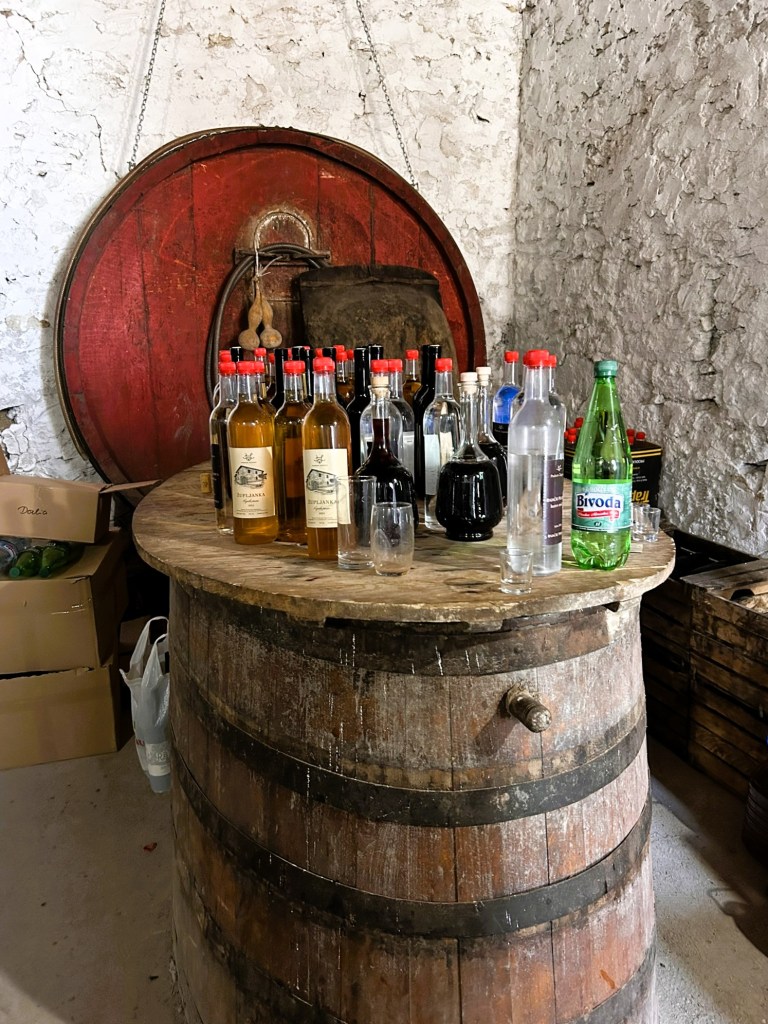
With renewed confidence we started searching in earnest and I saw an open door. We headed for it and found a lovely gentleman in his wine cellar all laid out with bottles, tables and chairs
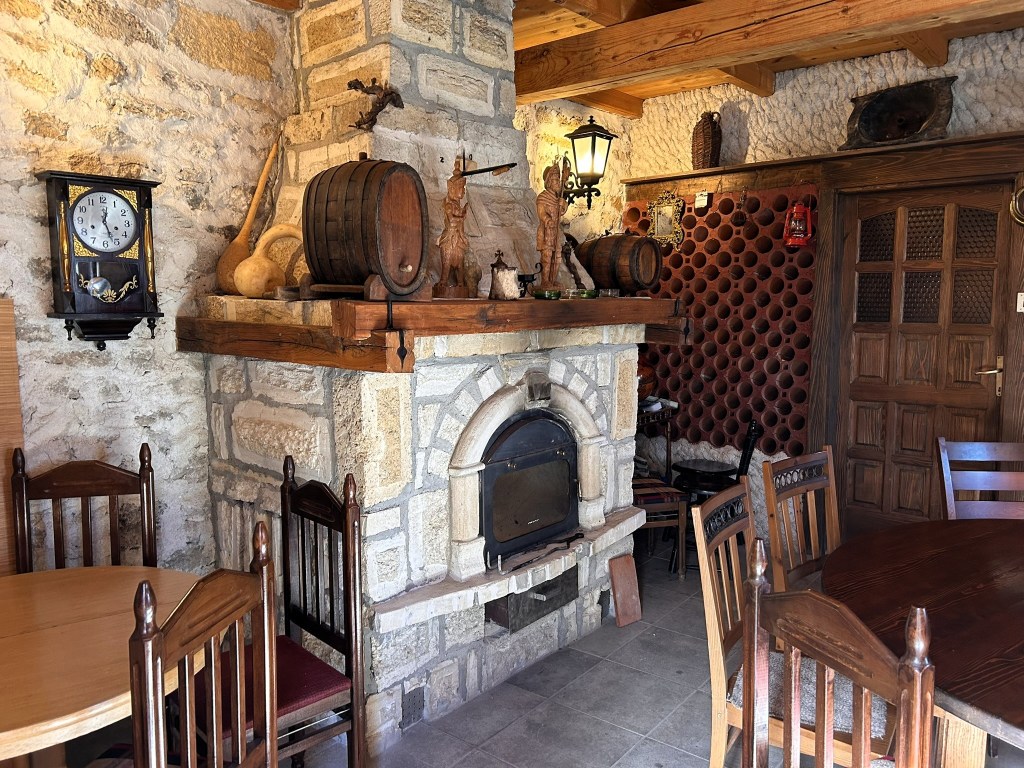
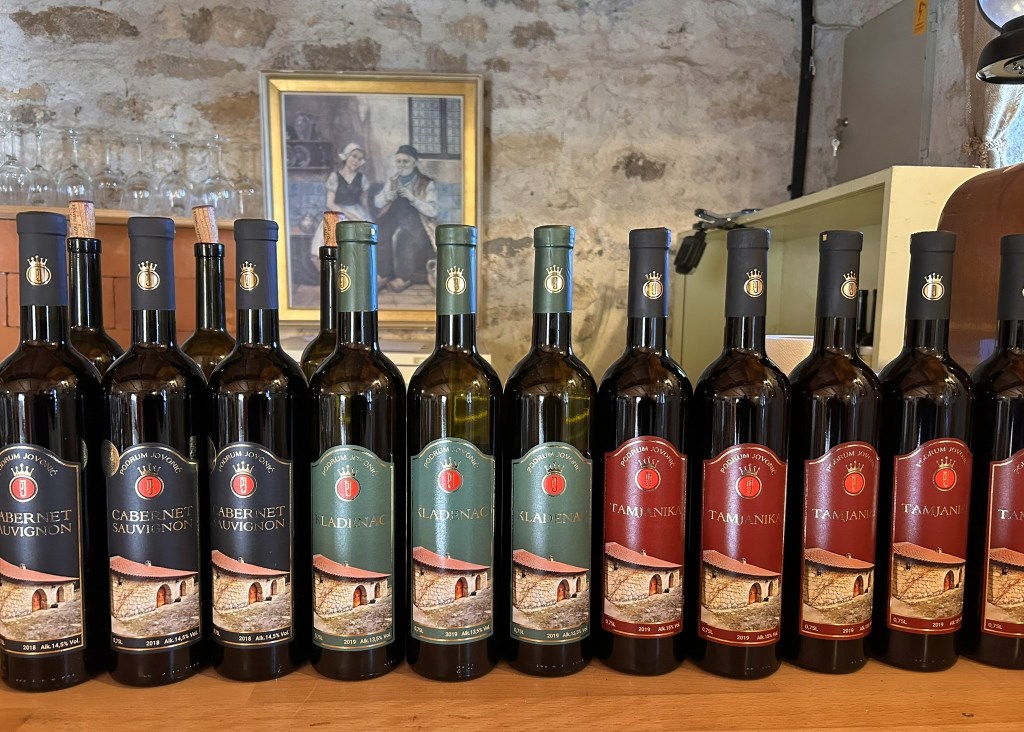
We tasted four more wines, were given cheese, meats and even cake, and bought two more bottles
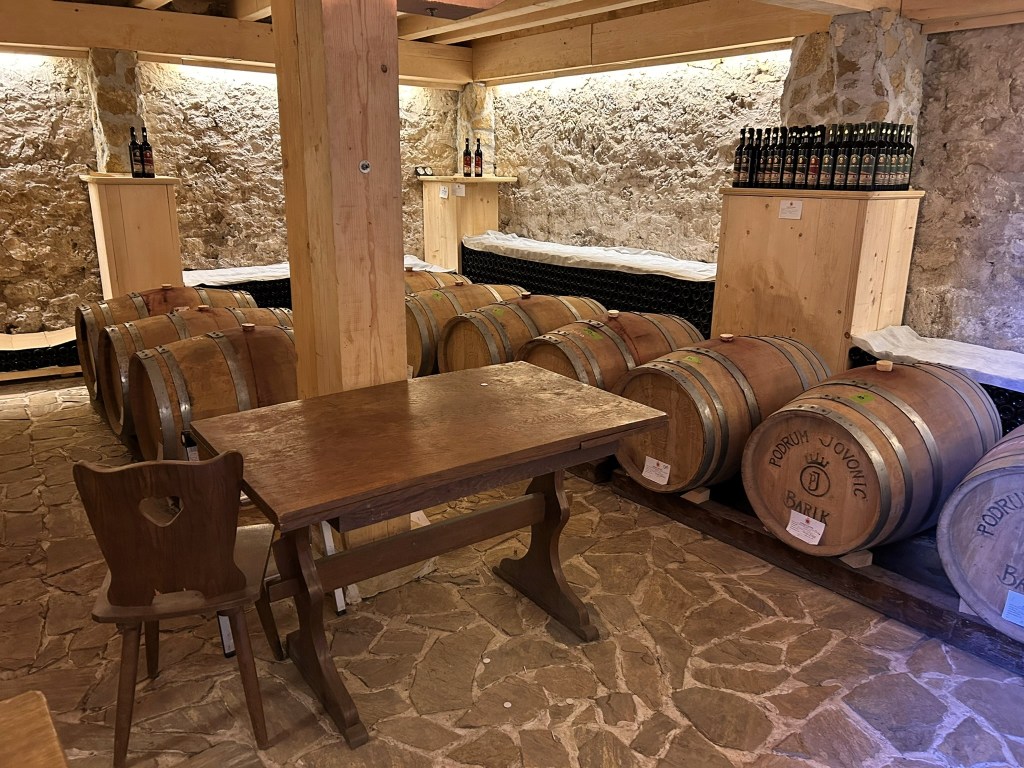
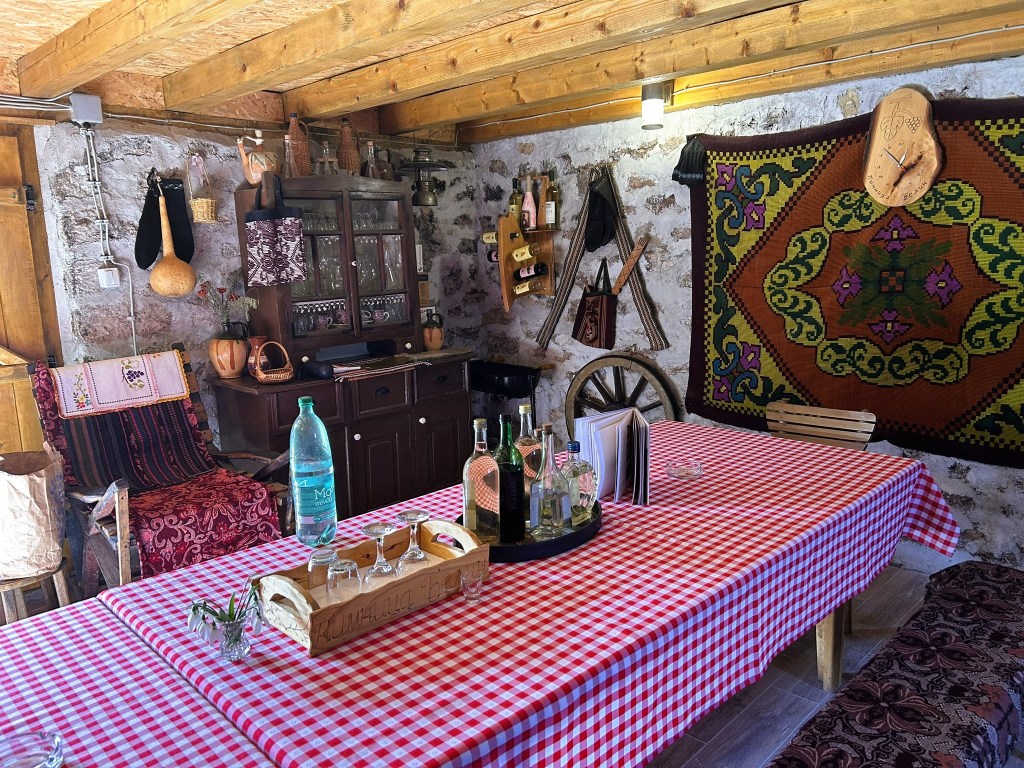
Just as we were at the end of the ‘village’ we found another open door and this time we were invited to sit at a table and try another five wines
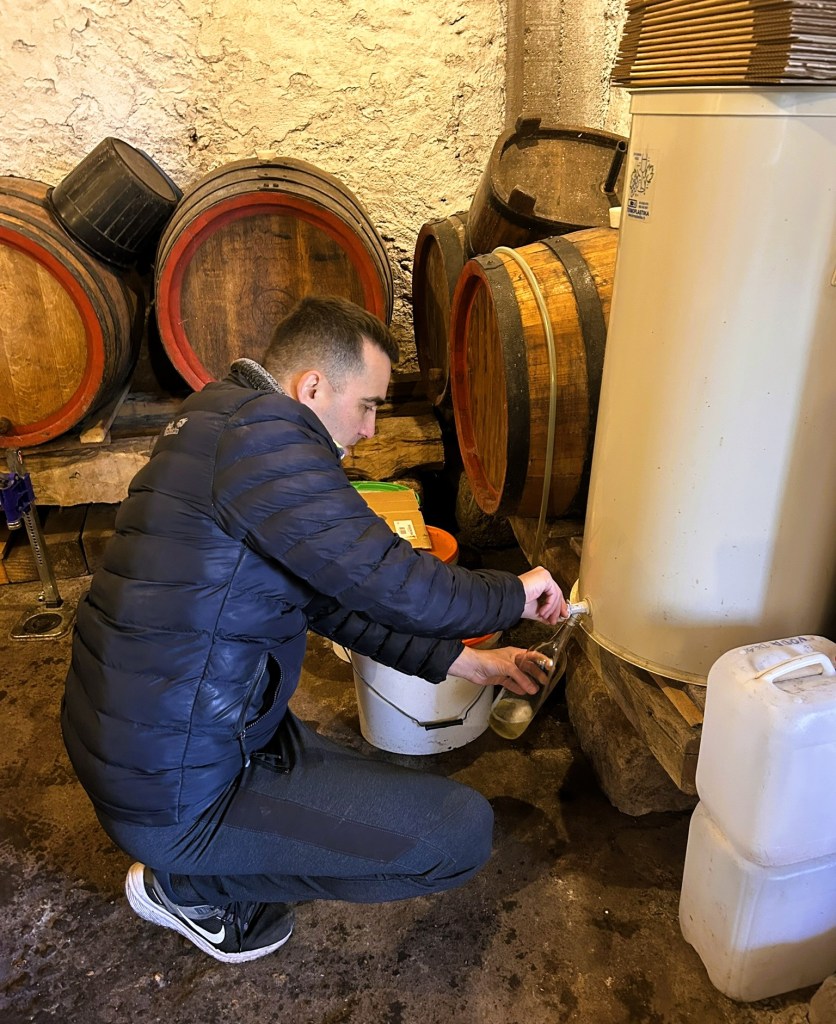
They were all delicious and we bought three bottles – these ones being poured directly from the barrels just for us
Thrilled to have met some of the winemakers and try the wines, we started the long walk back to the truck – fortunately this time it was all downhill as I was weaving a little by now.
Fit for nothing else, we spent the rest of the day dozing and reading inside
As I opened the blinds up the next morning to greet the new day, my heart sank
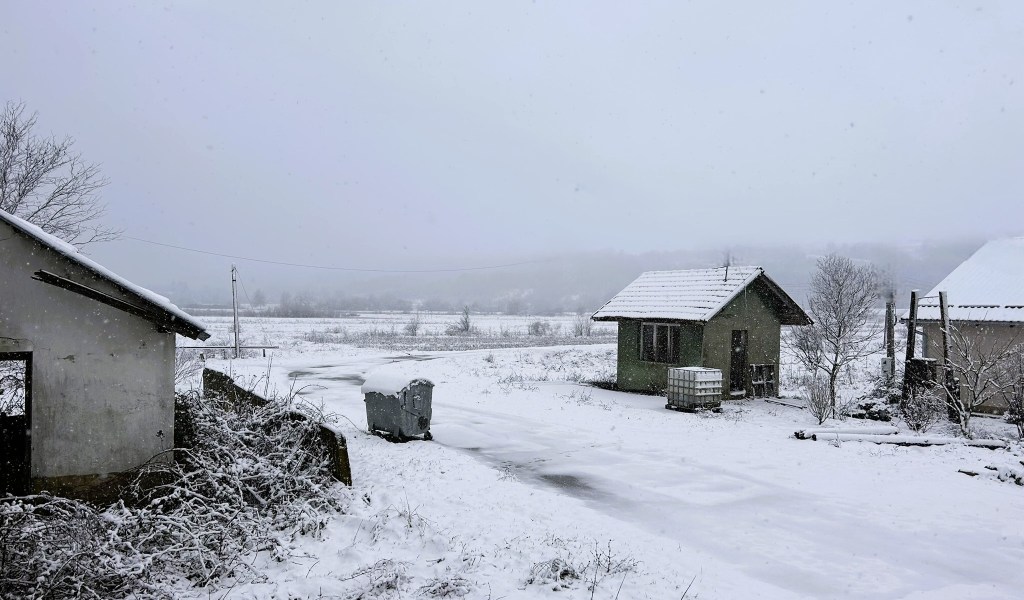
So much for the first signs of spring
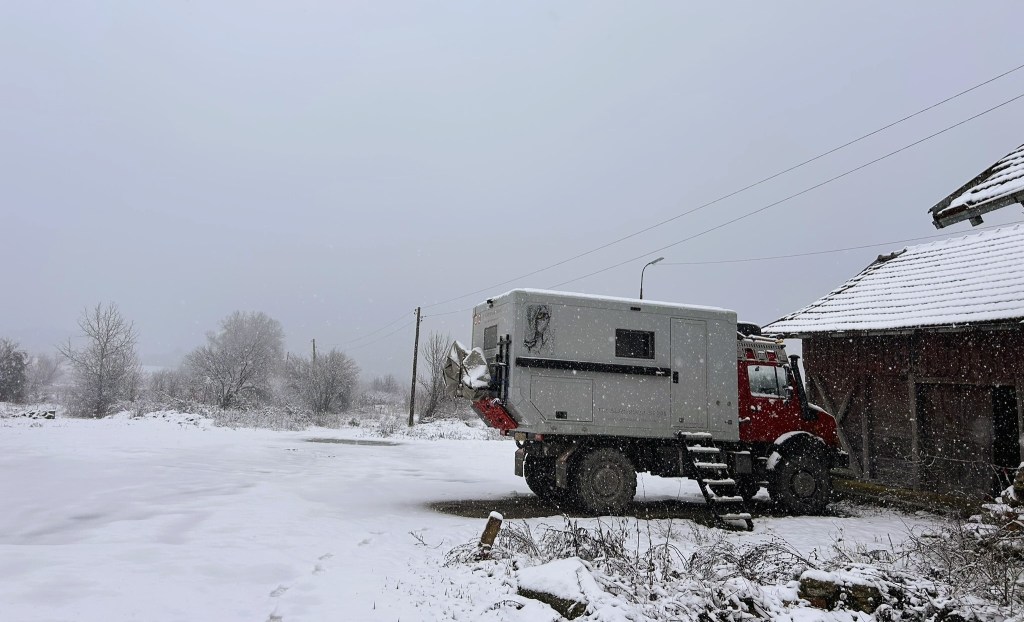
We were so over snow! No more, please, just let it be summer. It was too much.
We had planned to visit Felix Romuliana today, an ancient Roman complex of palaces and temples which is supposed to be incredible.
As I stared out at the white world I had a moment of doubt and wondered whether to just stay inside. But it didn’t last long. A little bit of snow was not going to stop us
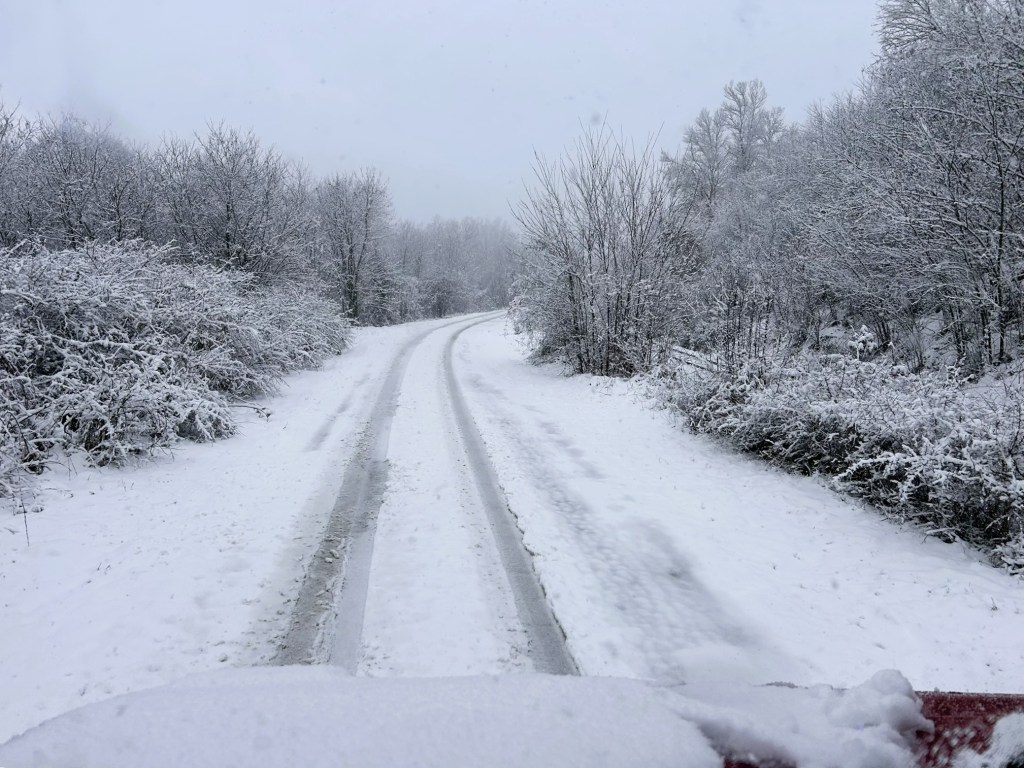
We thought we would start at the burial mounds just outside the main complex but this turned out to be another one of our big mistakes. We turned up the road towards the mounds only to find it got increasingly narrow and overgrown. BigMog was getting scratched all over and we had no idea how much worse it would get.
Eventually we decided it was foolish to carry on but there was nowhere to turn around. So we had no choice but to reverse almost a kilometer back down the narrow, muddy and slippery track. It was half an hour of our lives that I never want to repeat – we inched down the path, James having to use all his skill and concentration to keep us safe.
A little shaken yet again but still all in one piece thanks to James, we made straight for the car park at the main complex. We got as far as the entrance road but it was clear no-one had been down it since the snow started.
It was also highly unlikely that the site would be open, so we stopped for a few minutes unsure whether to carry on.
But we had come this far and BigMog is a UniMog after all, so eventually we ploughed on through.
It was a breeze, he didn’t skip a beat.
We made our way to the edge of the car park and parked in the fresh snow
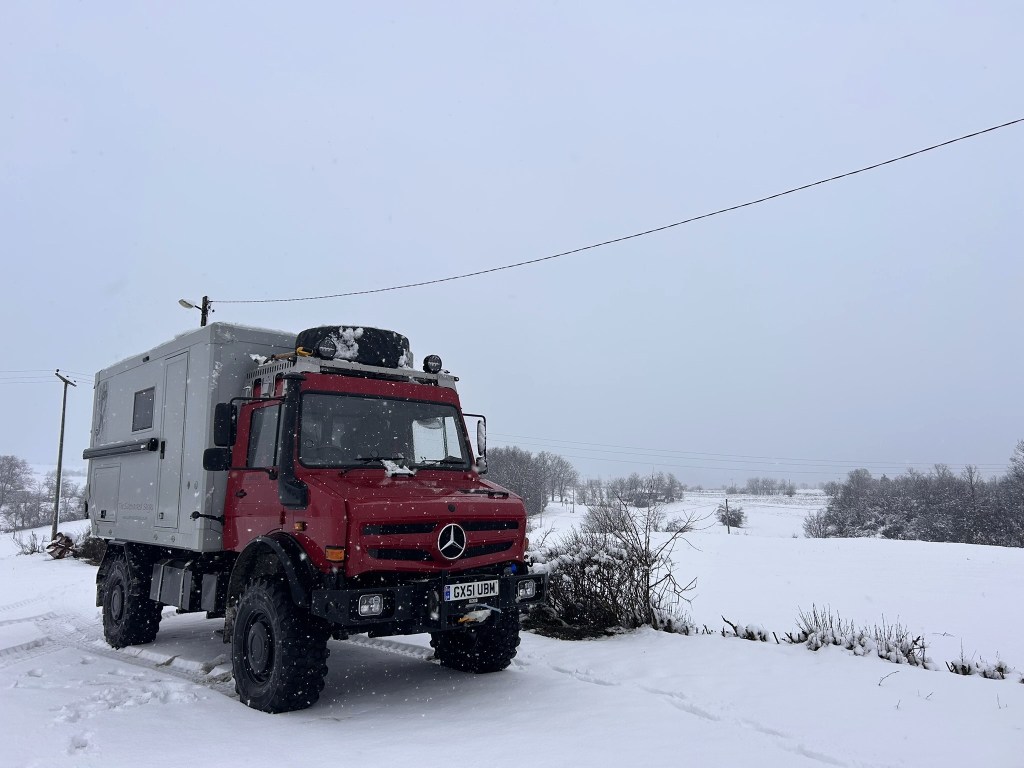
Getting to the car park was not our only win. When we wandered through the main entrance of what seemed like a deserted site, we found that the ticket office was actually open and there were two people there who were amazed to see visitors
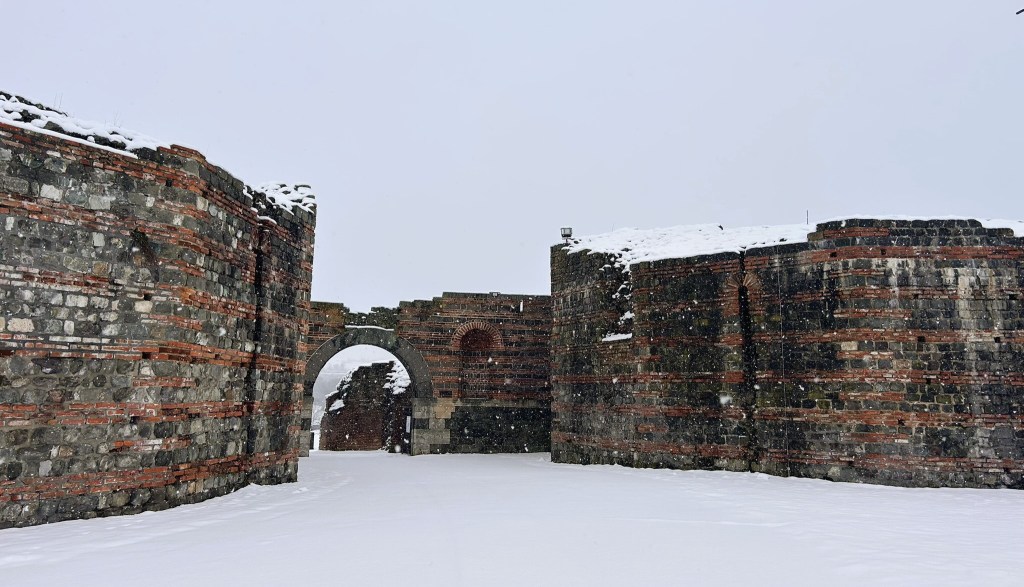
It was very bad timing to arrive here on such a cold and snowy day
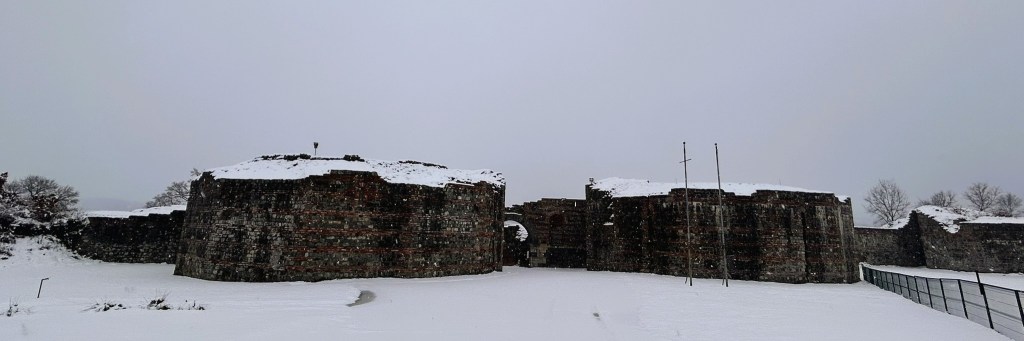
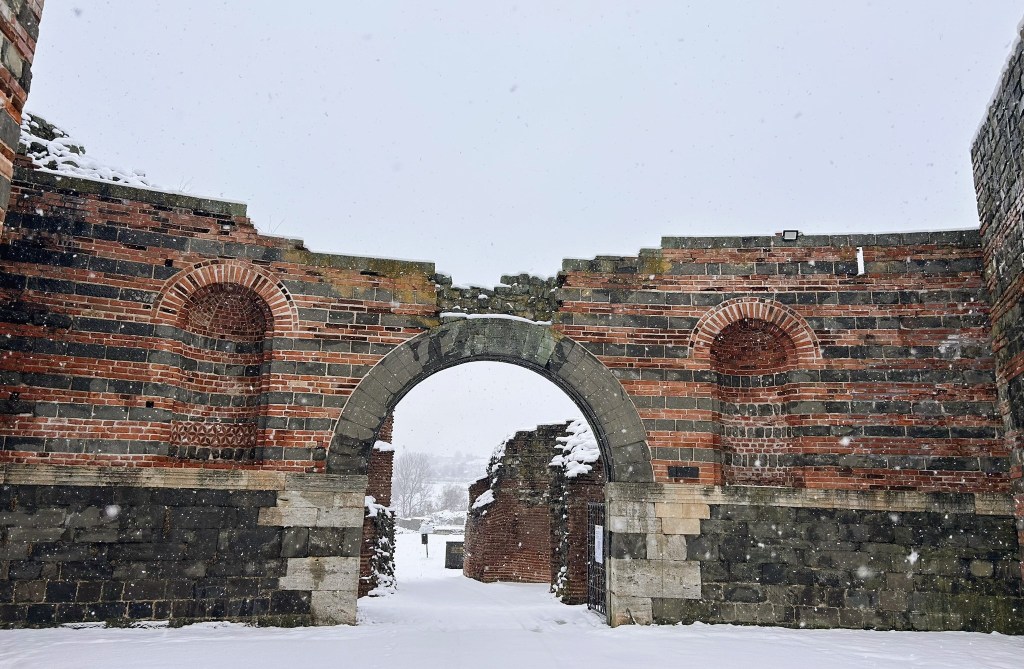
The palace complex is huge and fascinating but there were no guides to tell us anything about it
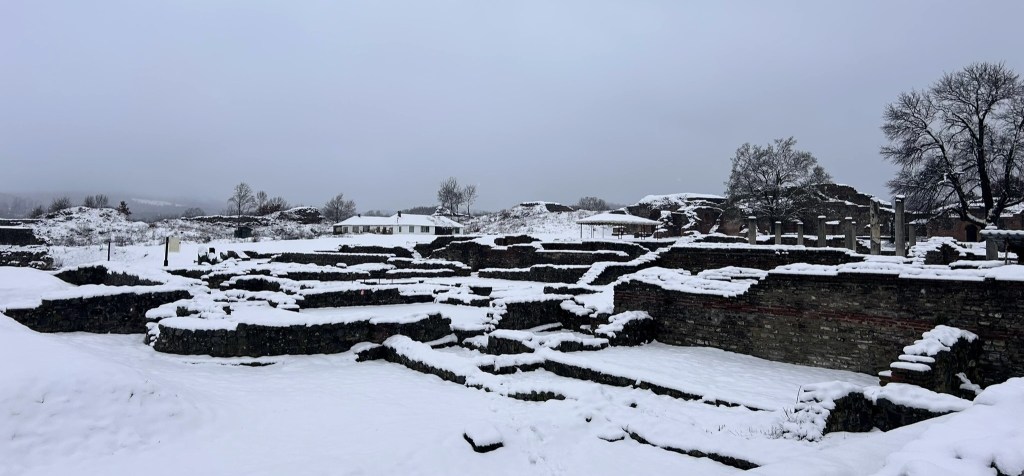
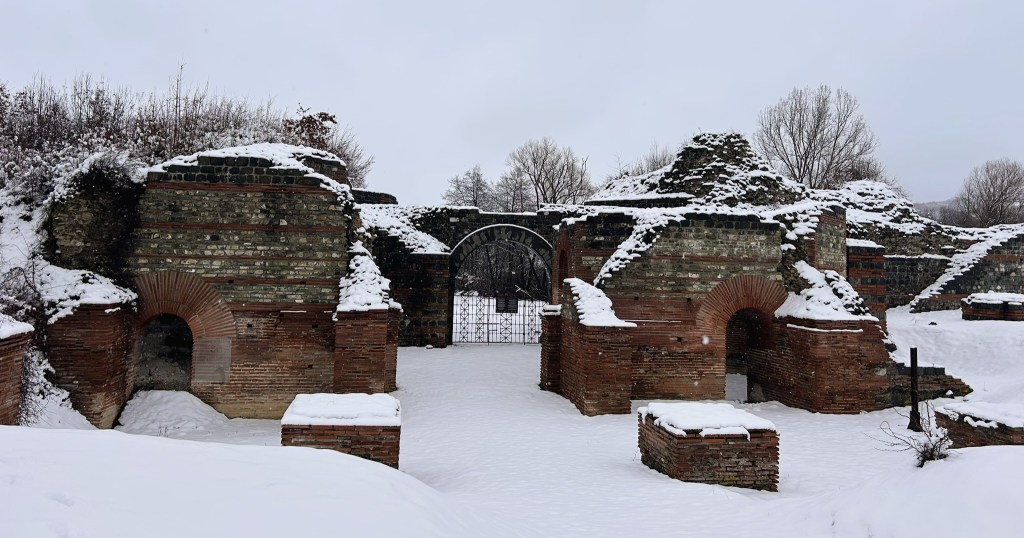
And we couldn’t even find the paths through
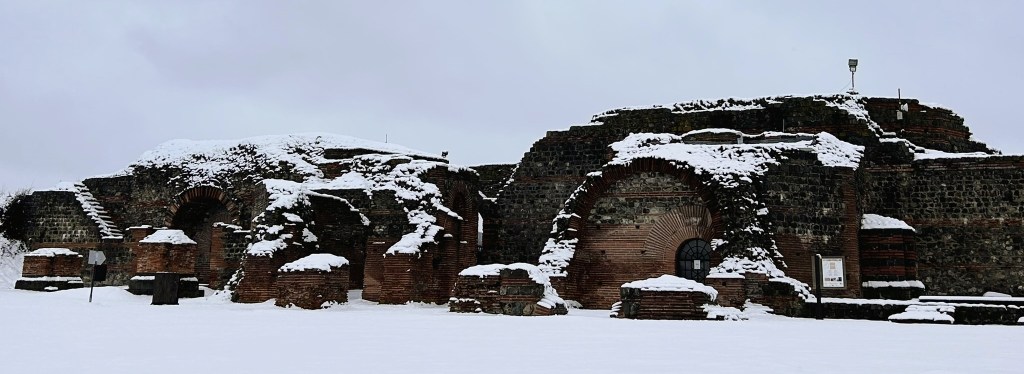
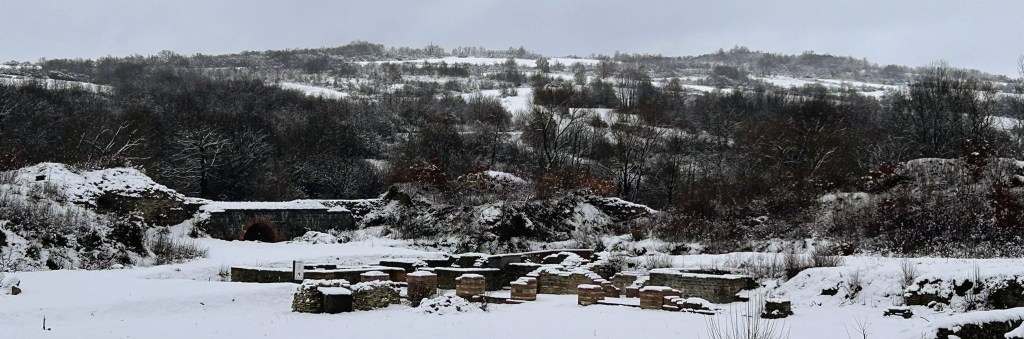
We stomped through the deep snow, shivering in our big, winter coats whilst more snow pummelled down on us
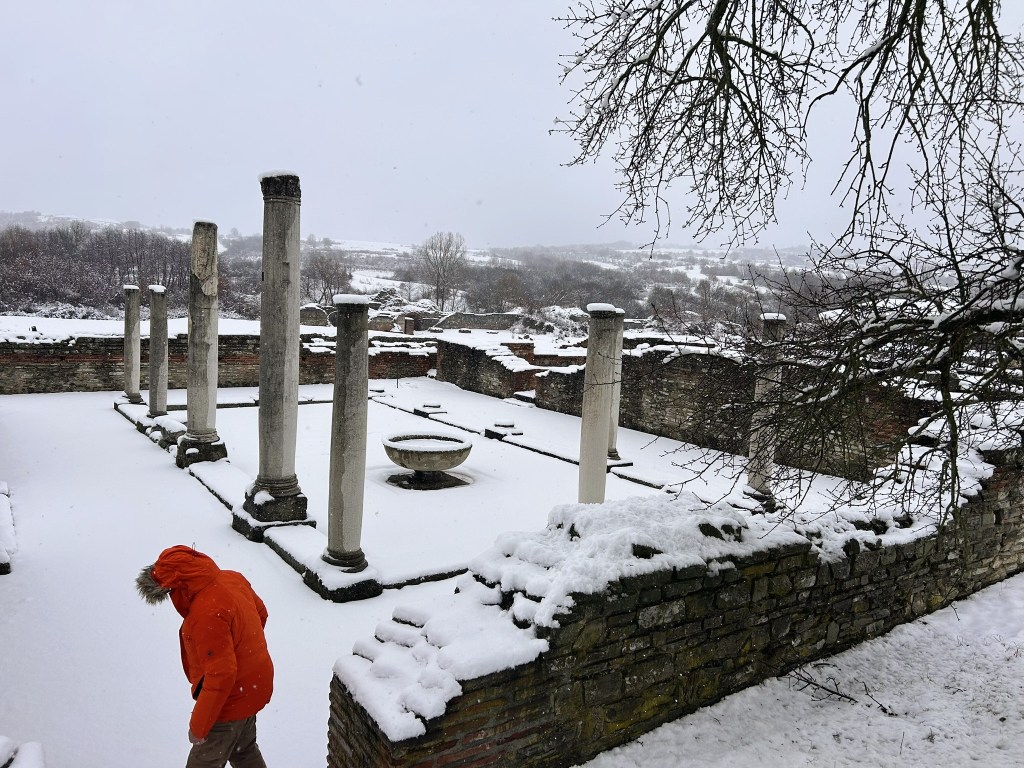
We managed to get round the whole site
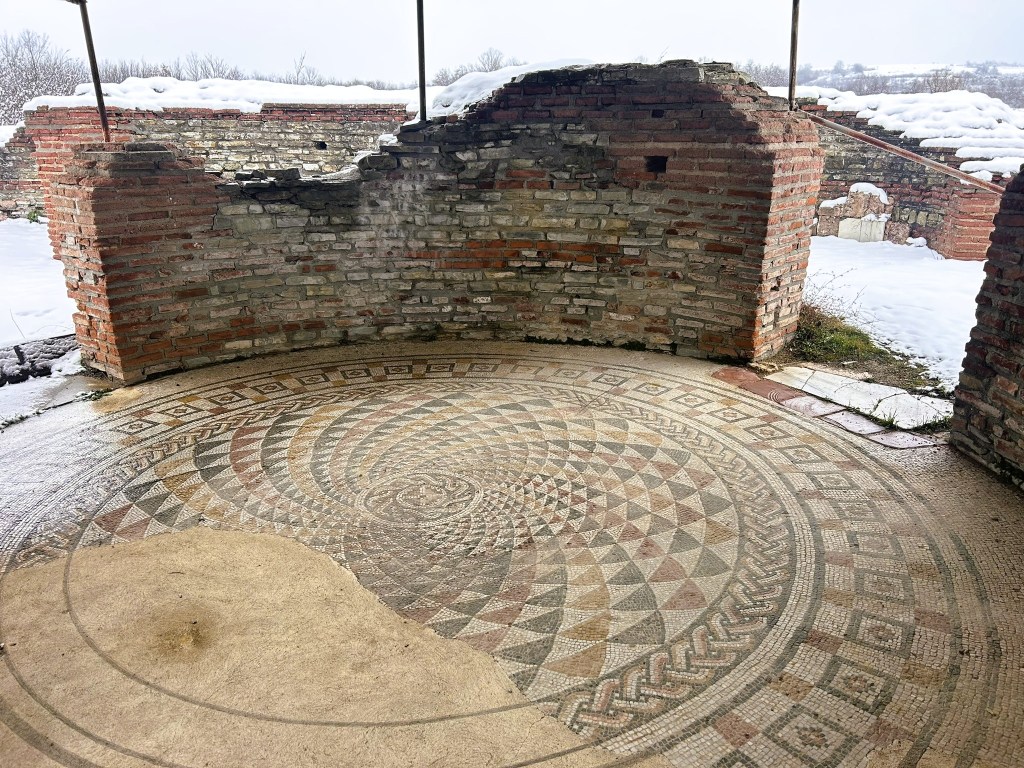
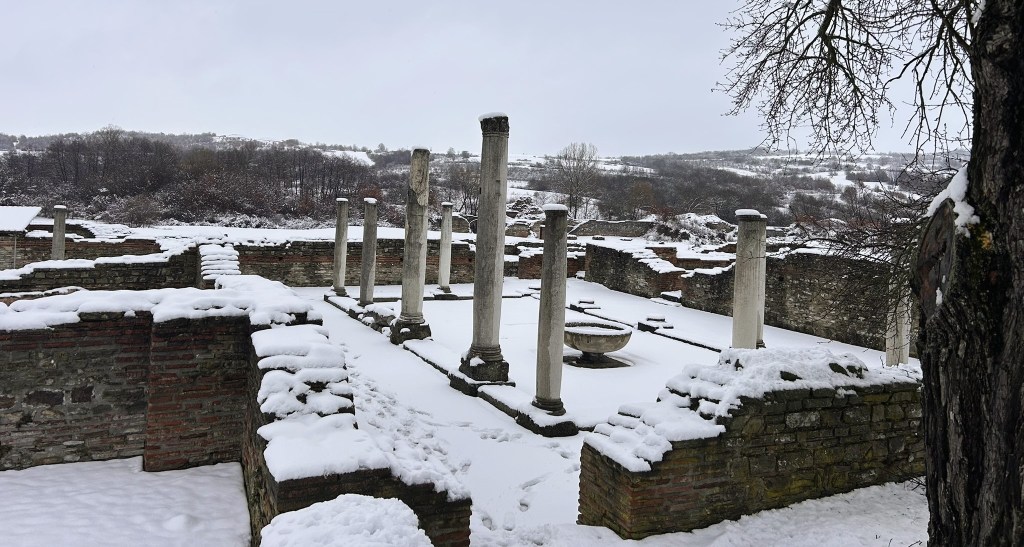
There were even some information boards scattered around so we got the gist of it.
There was some brief respite from the cold and wet inside one of the buildings
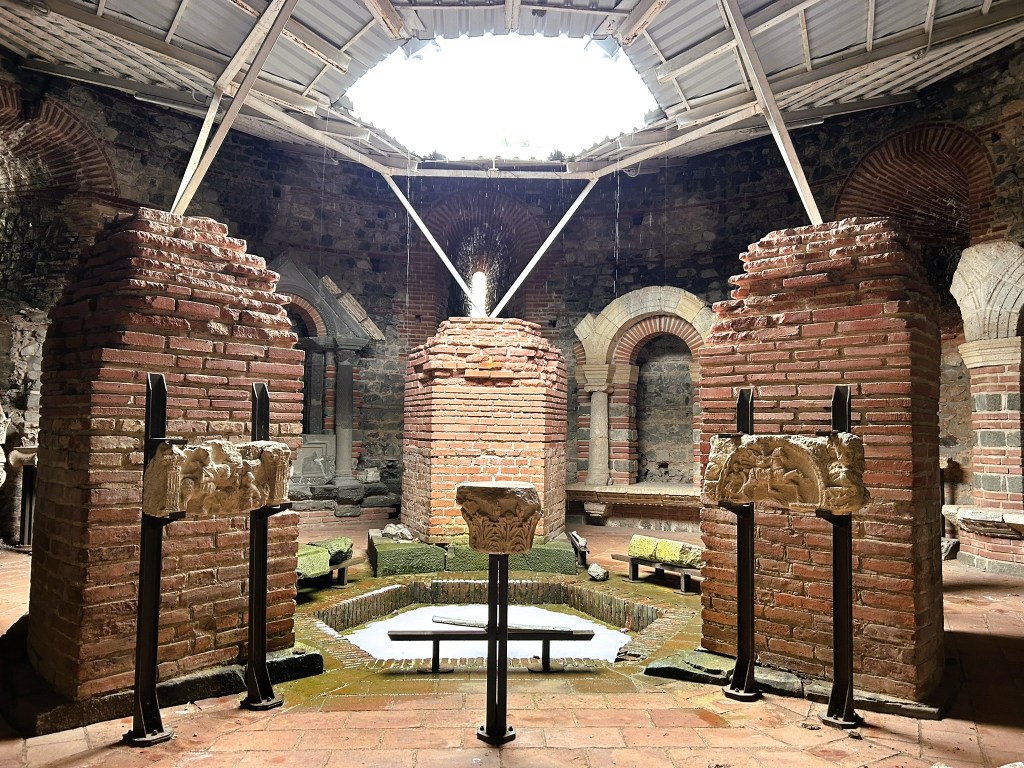
But eventually we had had enough and went back to warm up inside the truck.
It was so peaceful and beautiful that we decided to stay the night and by morning the sun was out and the snow had started melting. We were counting our blessings – spring had to come soon surely
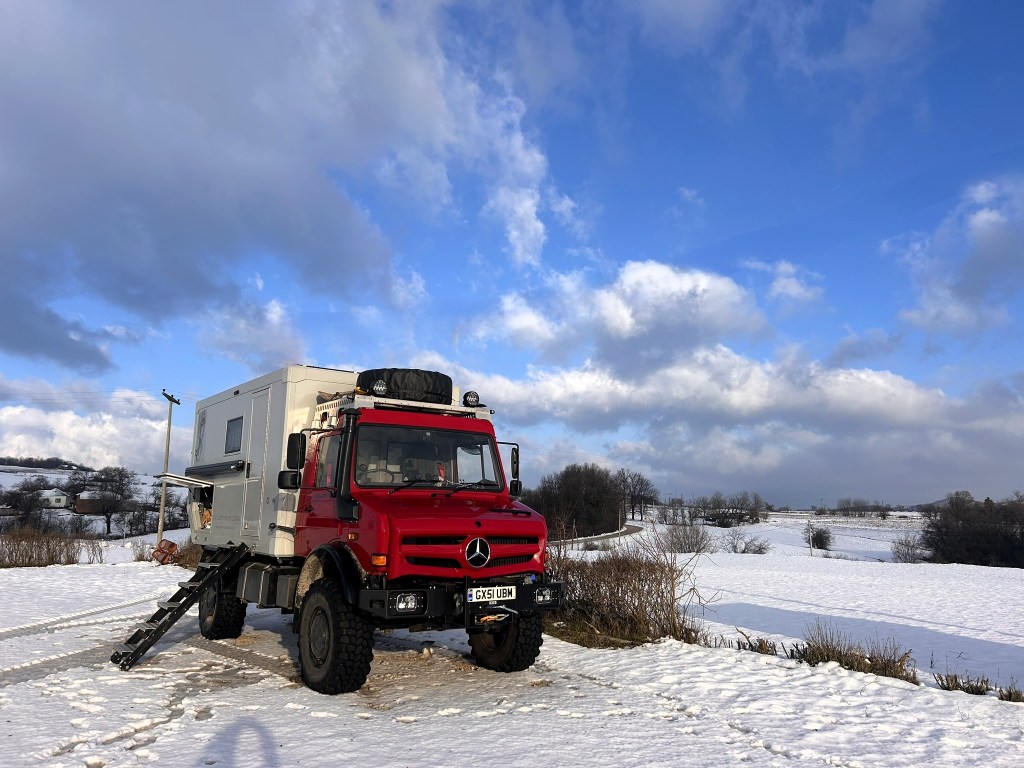
We had other reasons to stay hopeful – you might notice something that has been singularly missing from this post…BigMog mechanical issues.
We hadn’t fixed everything yet and the gearbox/clutch issue we were worried about in the UK was still there. But there was nothing urgent, nothing that would stop us and – most importantly – nothing new.
Life was good, BigMog was happy and Serbia was fantastic, onwards and upwards….
 The Sidetracked Sagas