Our last blog was a rollercoaster ride of excitement at finding a potential home in Namibia combined with being completely floored by what I thought was going to be a minor operation but is listed on the NHS website as a major operation and one which is renowned for being one of the most painful things you can have done.
We left you visiting our friends Kobus and Marissa on their farm the day before our flights to the UK. We woke up the next morning to emails and texts from Lufthansa informing us that our flights had been cancelled. We were gutted. They had booked us on flights the next evening but we were so excited about going to see our family and friends that even a day´s delay seemed like the end of the world.
We headed back to Windhoek anyway as I had a follow-up appointment with my surgeon that afternoon. He was pleased with my progress and told me to keep using the creams and potions and keep my spirits up – it would all be back to normal soon.
Urban Camp were only too pleased to have us back for the night and took good care of us as always. We settled in and made ourselves at home
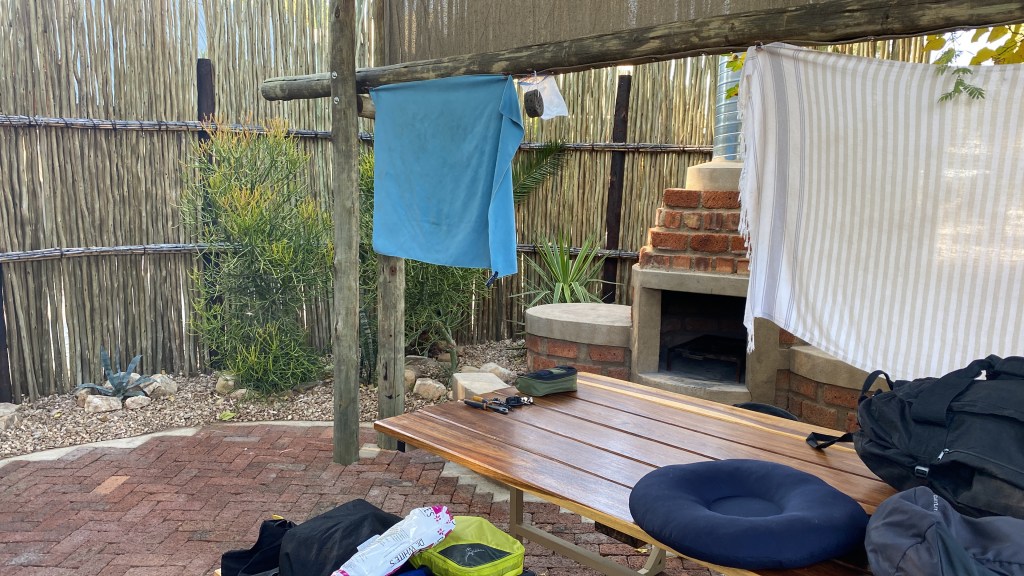
The next day we dropped Henry off at the house of Willem, one of Kobus´ friends, who had kindly offered to look after him whilst we were away. He was safely tucked in a corner of their yard behind security gates and we were confident that he would be well looked after. But as Willem drove us and our luggage to the airport I still felt a small pang as I looked back at him standing there all on his own

It is always a very strange feeling when we travel to the UK. On the way out I can never quite believe that in 24 hours time we will be back with much missed family and friends. On the way back I can never believe we will soon be home with Henry travelling in the land of sun and laughter.
It was no different now and as we sat in the souless, empty halls of Windhoek airport waiting for our flight all our other trips back came to mind
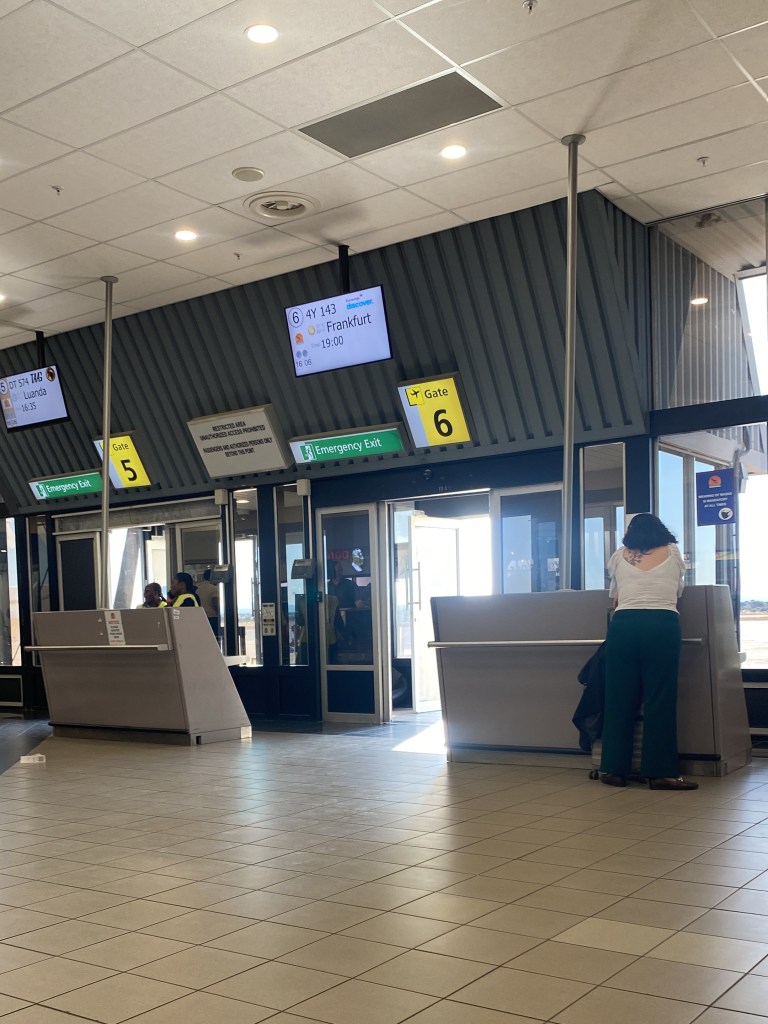
Last time we went to the UK everything seemed to go wrong – lightening hit the airport and we were stuck on the runway for over two hours, Lufthansa lost our luggage for three days, we both came down with the most awful flu and Henry was abused and things stolen from him whilst we were away.
This time went much more smoothly. We had both had the flu already in Angola and were feeling much better except for running noses and coughs that were stubbornly hanging around. Henry was in safe hands and we had even booked seats with extra leg room so the flight was surprisingly comfortable. If it wasn´t for the fact that I was still recovering from my surgery it would all have been perfect

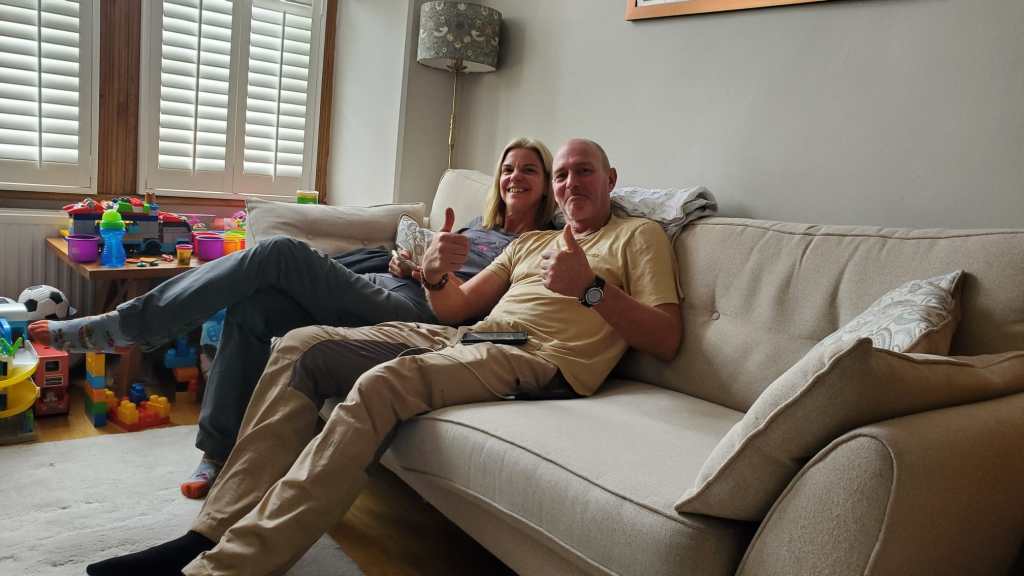
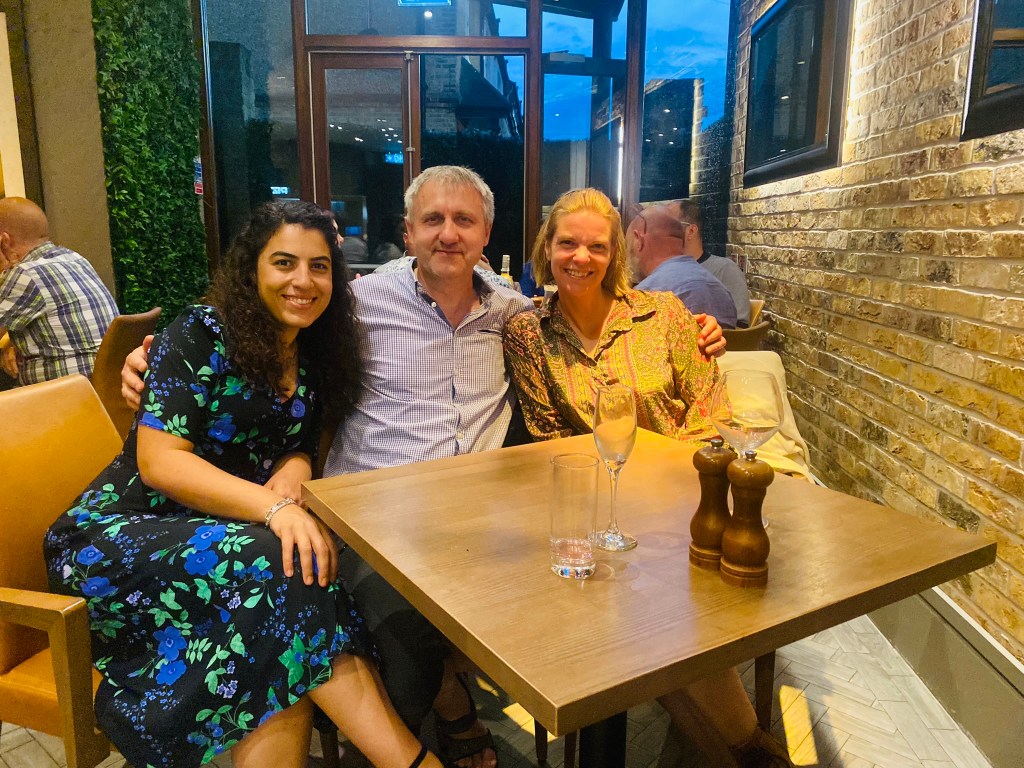
Back in the UK we had the pleasure of looking after Alex, my 4 year old nephew, for four days whilst my sister and her husband had a long week-end away. He is the light of my life and spending that time with him was wonderful
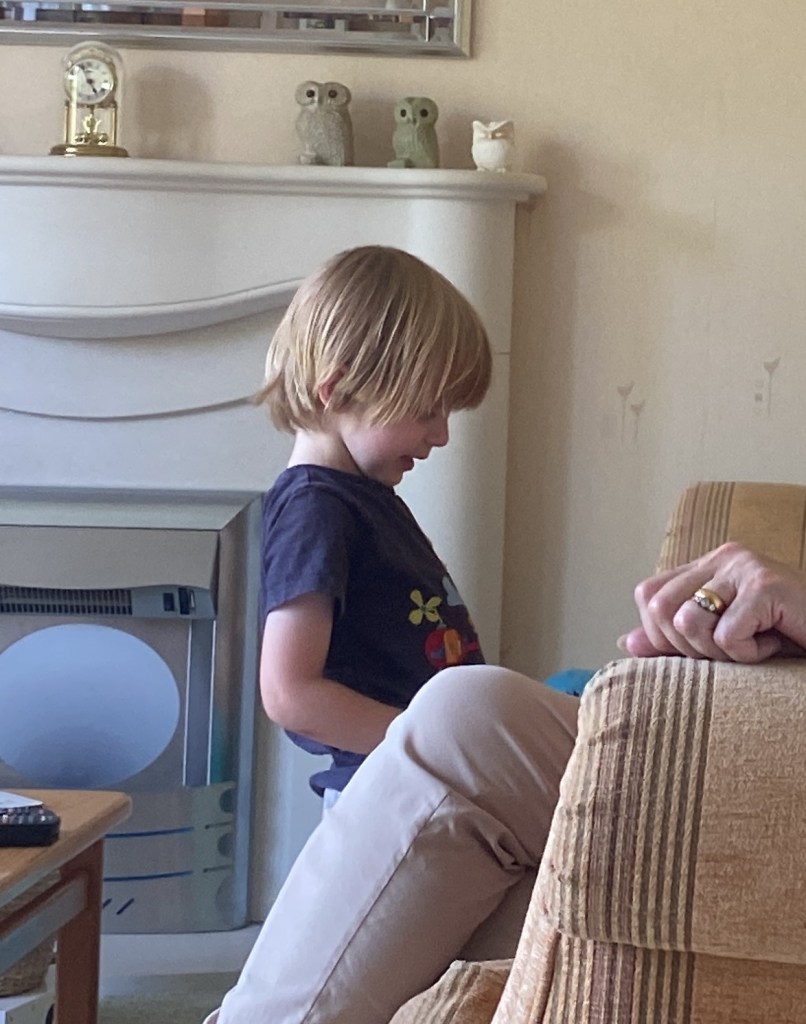
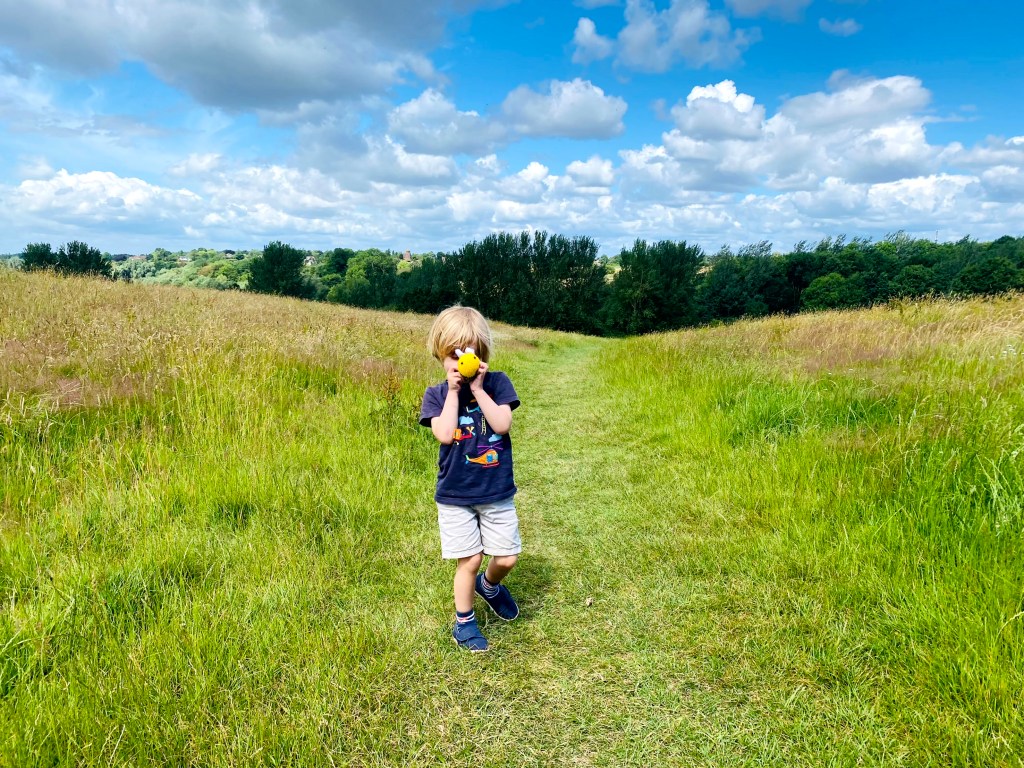
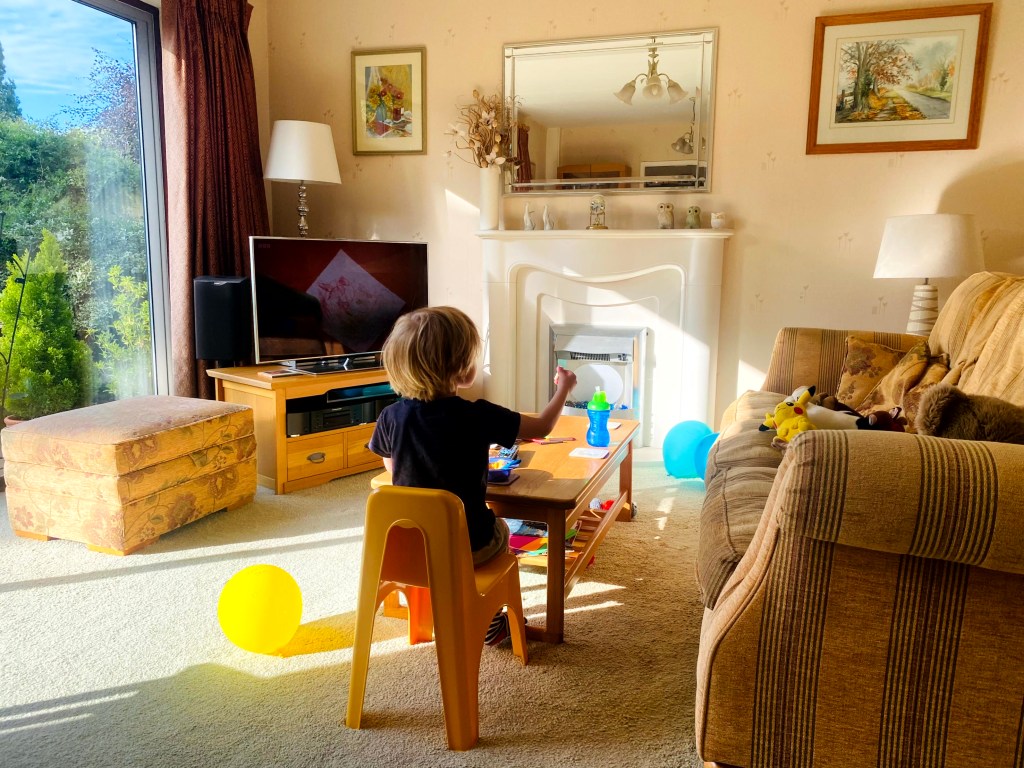
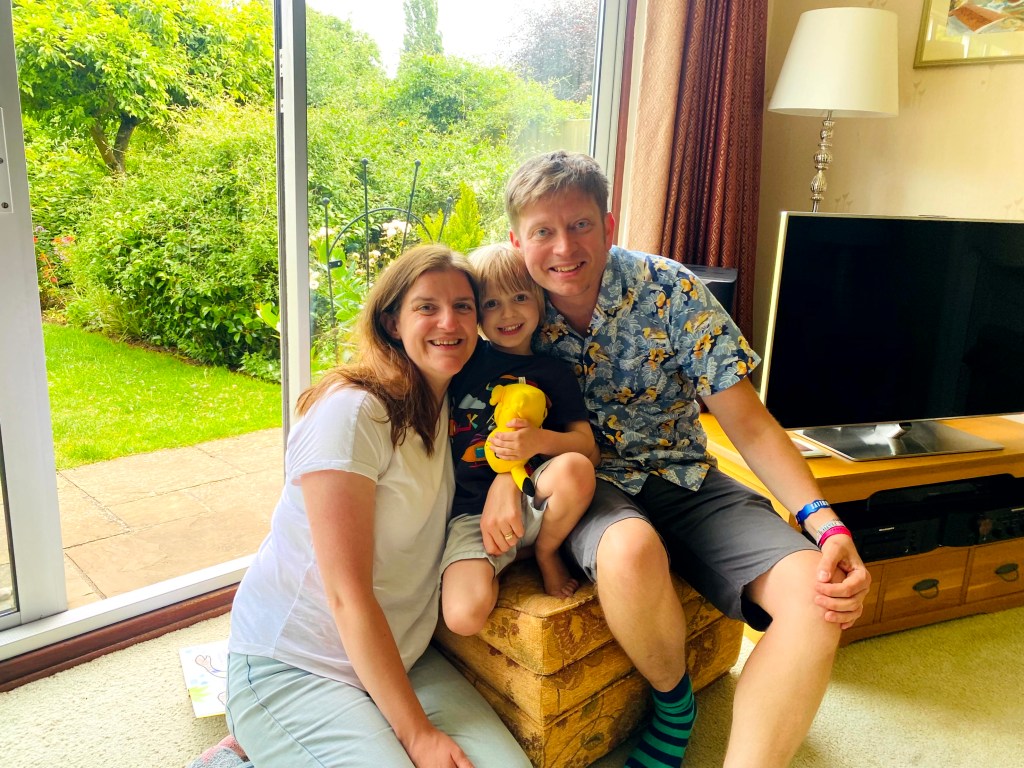
The rest of the time I spent with my Mum
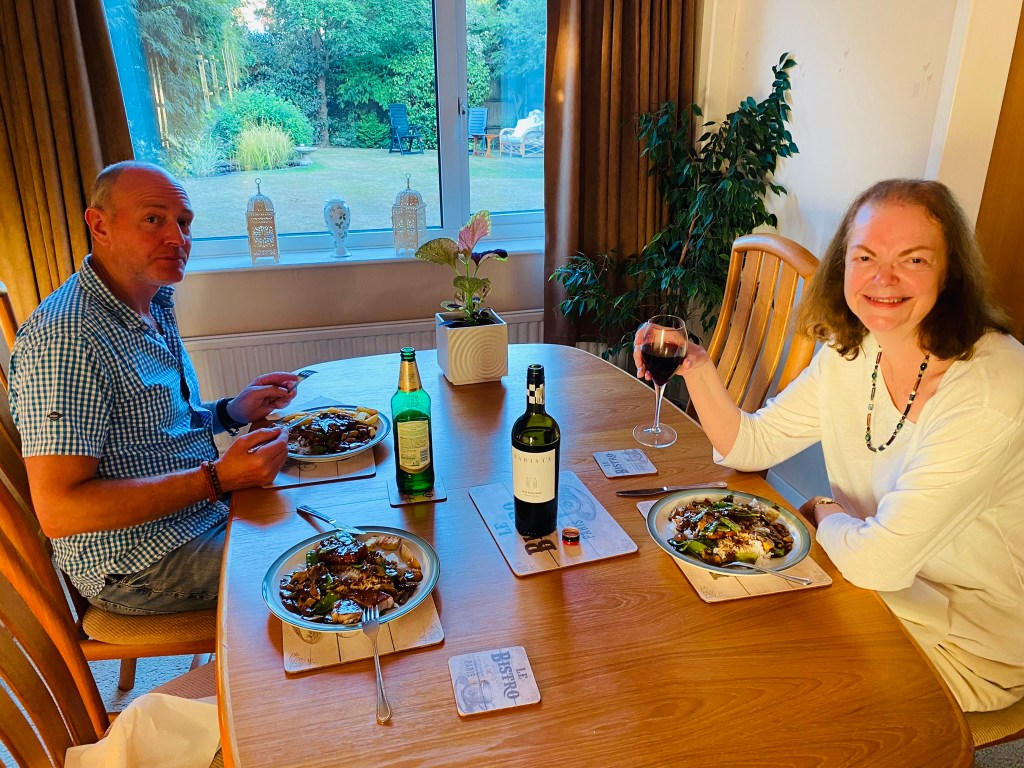
And drove around the country visiting my sisters and friends
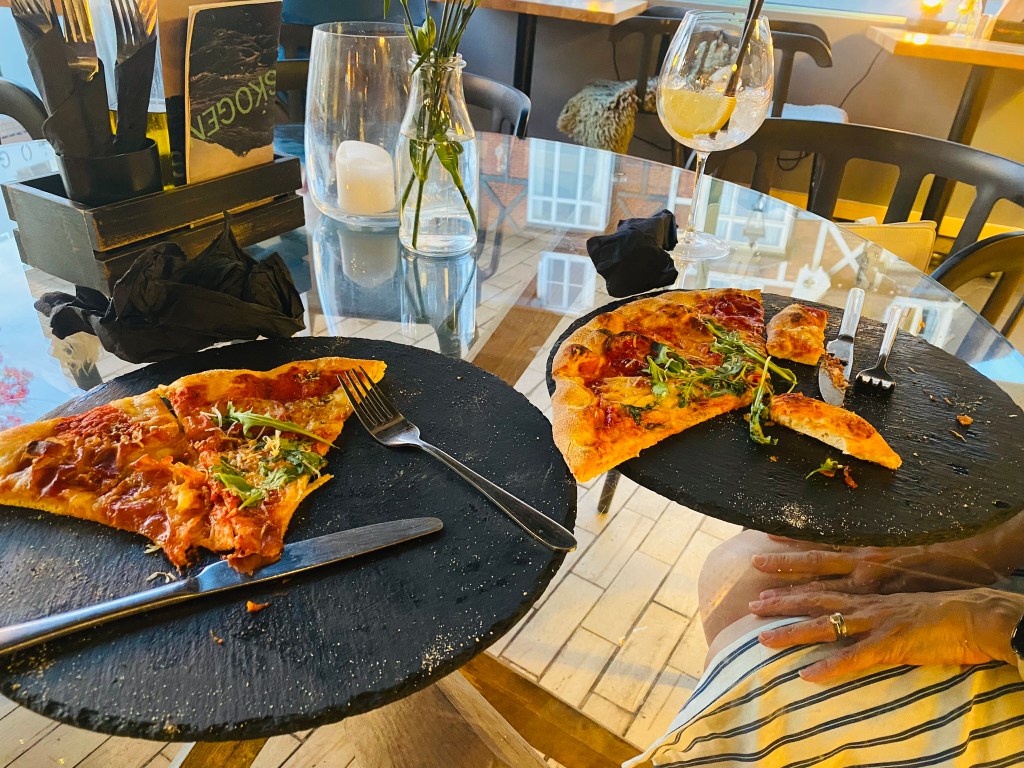
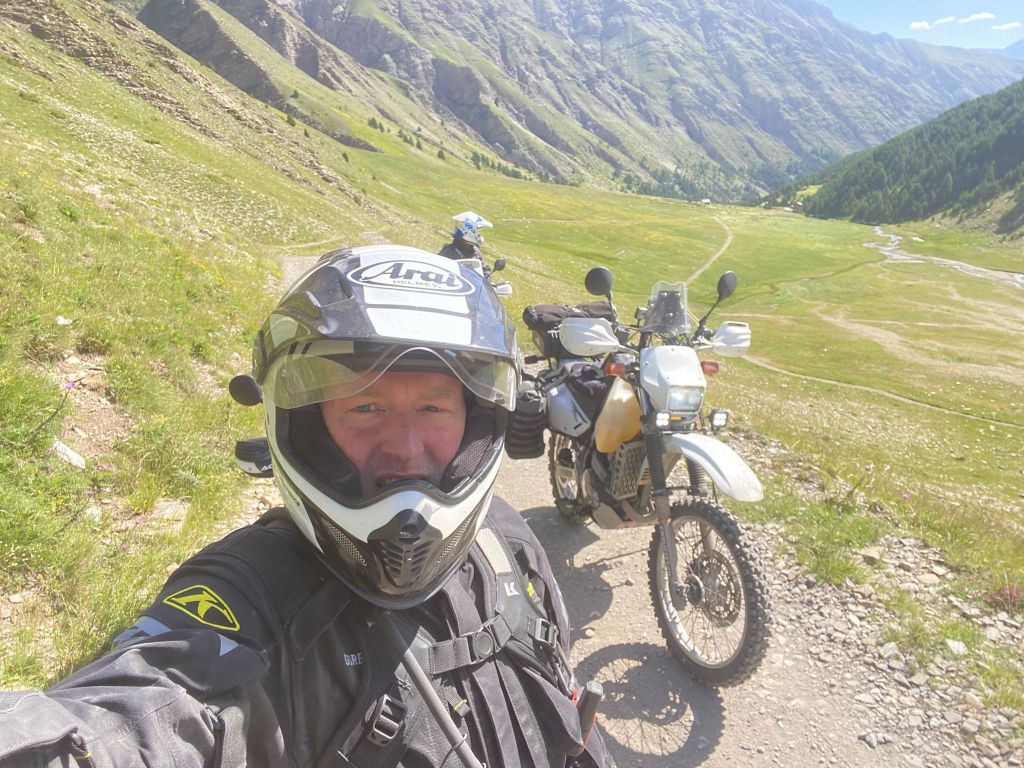
James, on the other hand, finally got some proper time on two wheels. He had booked 10 days on a motorbike trip across France to the Stella Alpina bike meet in northern Italy and had the time of his life
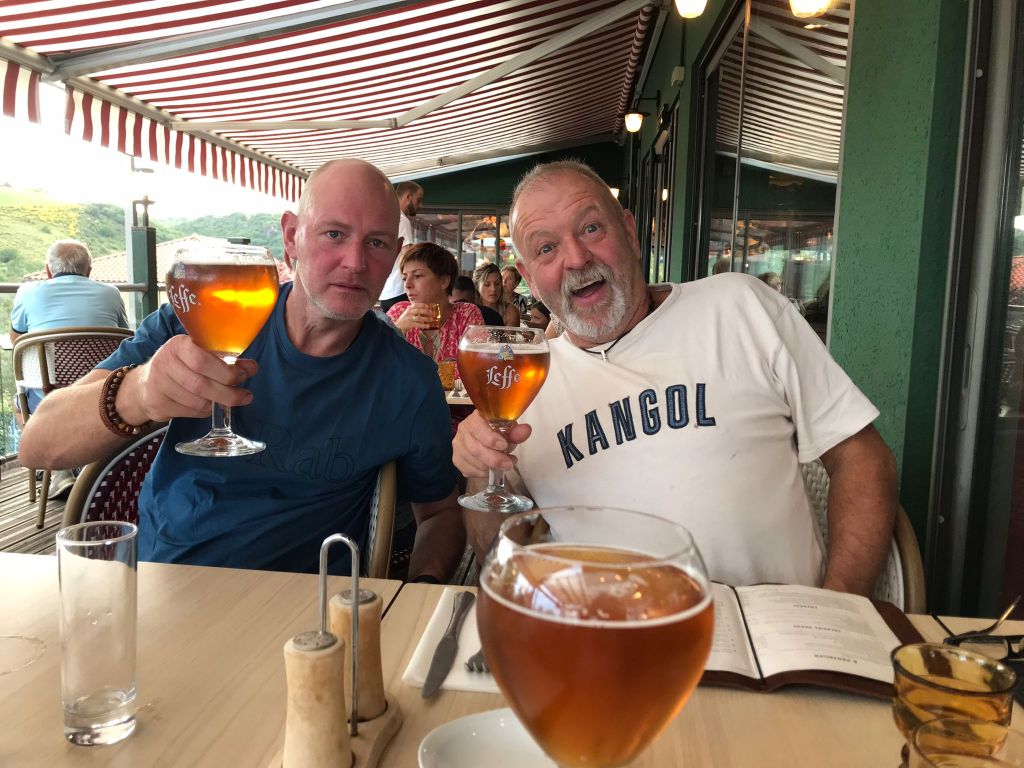

It felt a bit strange being apart when we normally spend 24 hours a day together but it was good for both of us and it made it all the more special when we were reunited and remembered why we like each other so much!
After 4 lovely weeks catching up with everyone we care about, it was time to make our way back to Heathrow, Windhoek and Henry. As the wheels left the tarmac our hearts were fluttering and when they landed again on Namibian soil we had big smiles on our faces. Home at last!
Willem´s daughter came to pick us up and drove us back to Henry who was in perfect shape waiting patiently where we had left him. We thanked the family for their kindness with chocolates, wine and whiskey.
As ever, our luggage back to Namibia had consisted of around 7kg of personal stuff and 63kg of Landrover parts. Our total luggage allowance had been 64kg even including hand luggage but we were given a pass by the Lufthansa staff and not charged any excess. However customs at Windhoek airport caught us and decided that the Landrover parts were being imported, despite us showing them the Carnet, so we were charged N$1,200 import duty. We weren´t complaining, we had done well getting it all here.
The next week was spent at Urban Camp attaching all the new bits and pieces onto Henry :
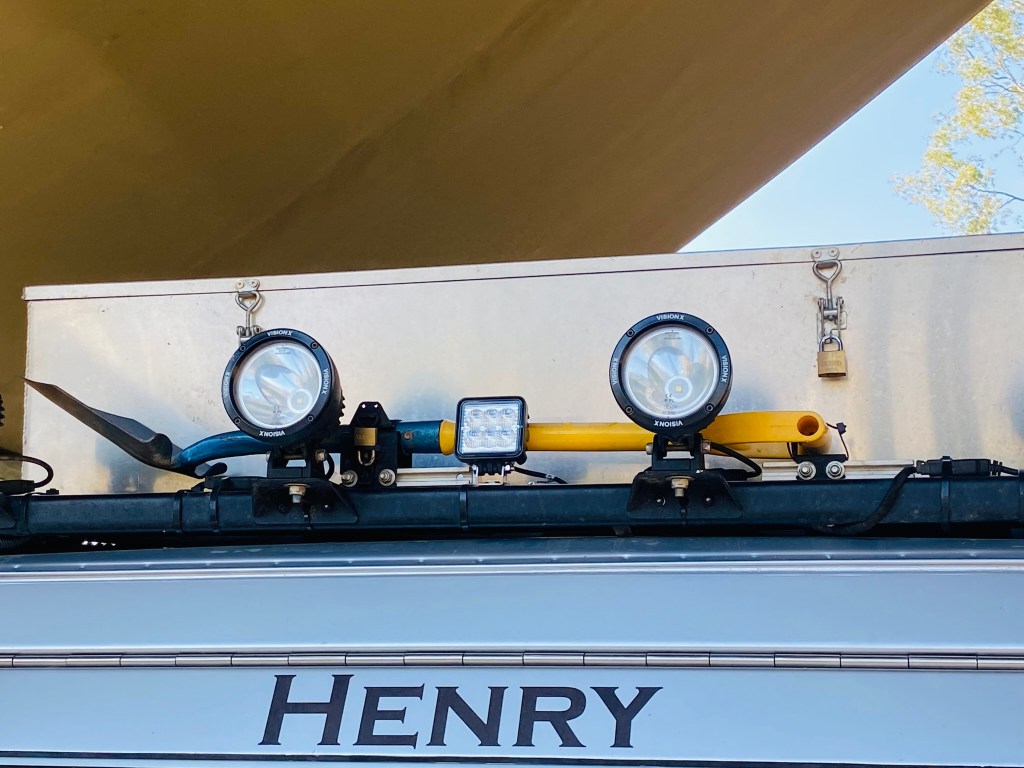
- 360 degree lights for security and animal viewing at night
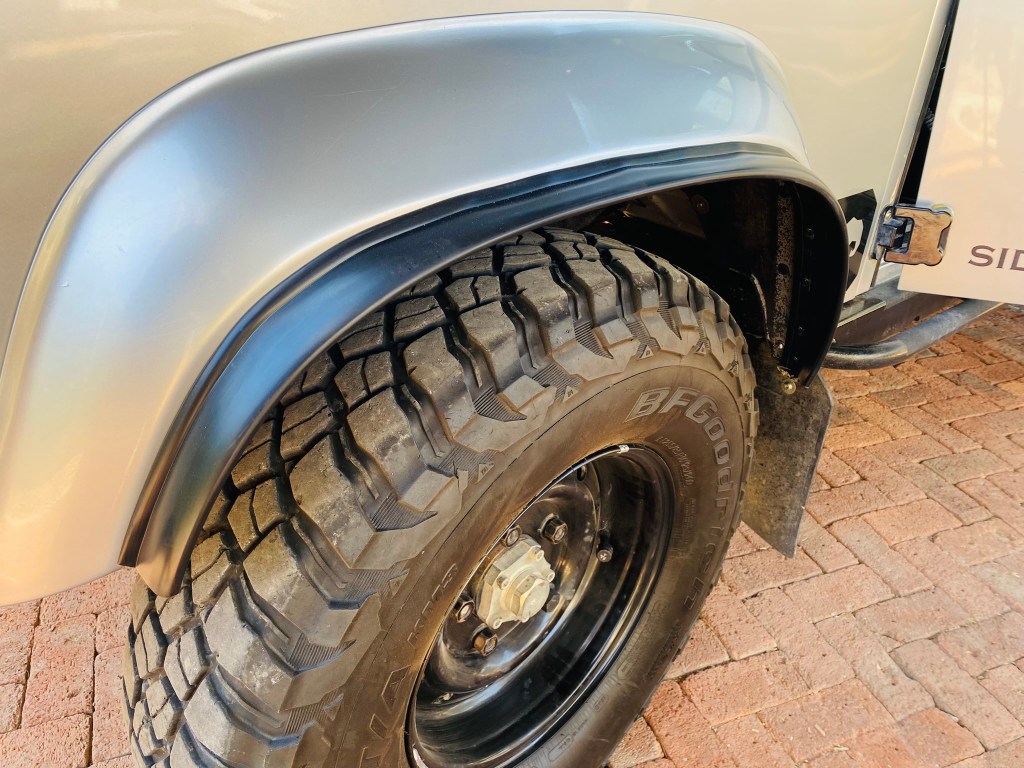
- Extended mud flaps and wheel arches to stop so much muck flying up his side panels on the dirt roads
- New anti roll bar hanger to replace the one we bent in Angola
- Additional water bags so we can be off grid for longer
- Seam sealing the awning
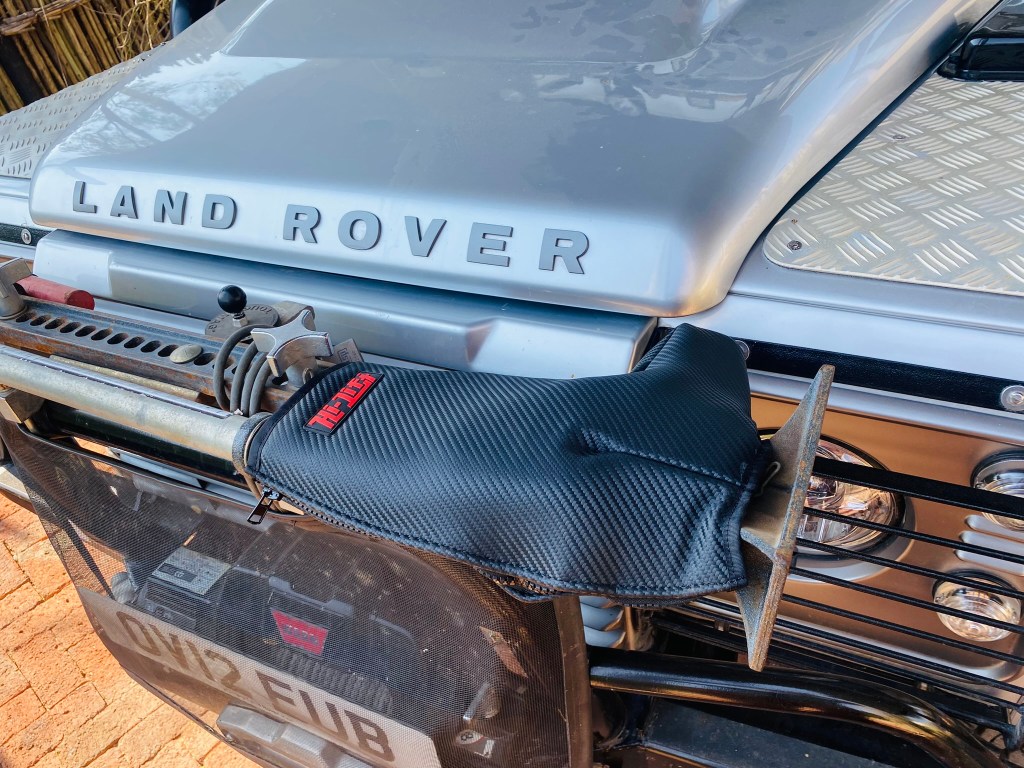
- New high lift jack cover to replace the one that had literally distegrated in the sun
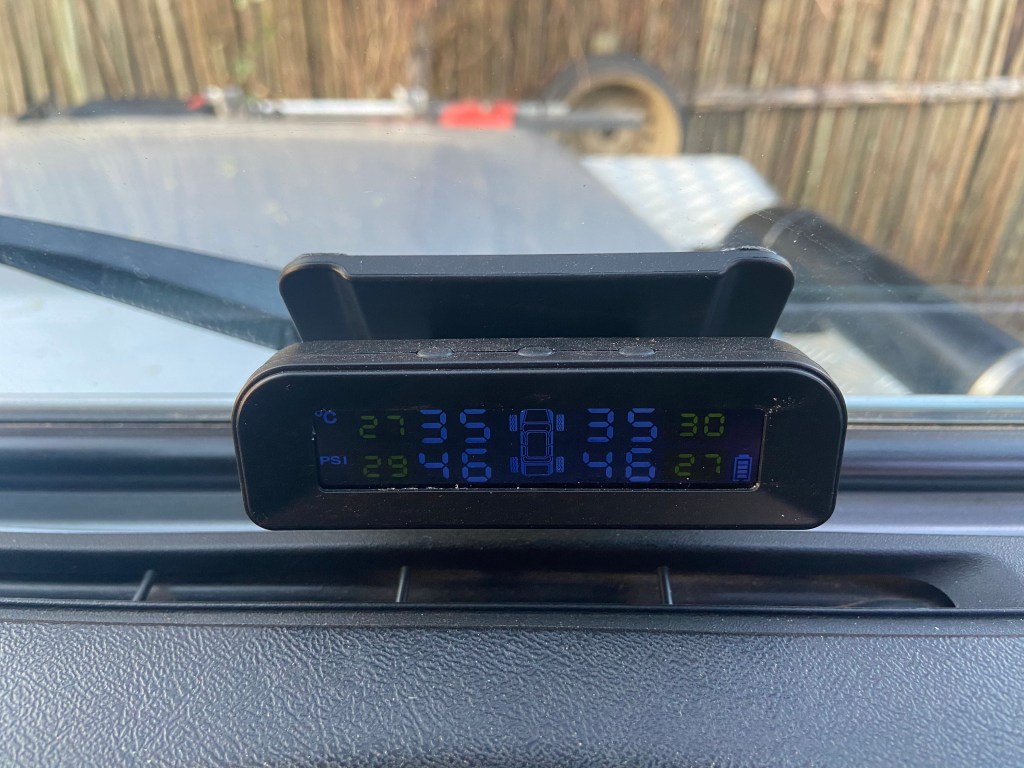
- Tyre pressure monitors to help when we deflate for sand and inflate again on tar
- New water hose and fittings on the pump
- New mirror arm that no longer wobbles
- Anti squeal brakes fitted
The list was extensive and our campsite was a hive of activity with bits everywhere!

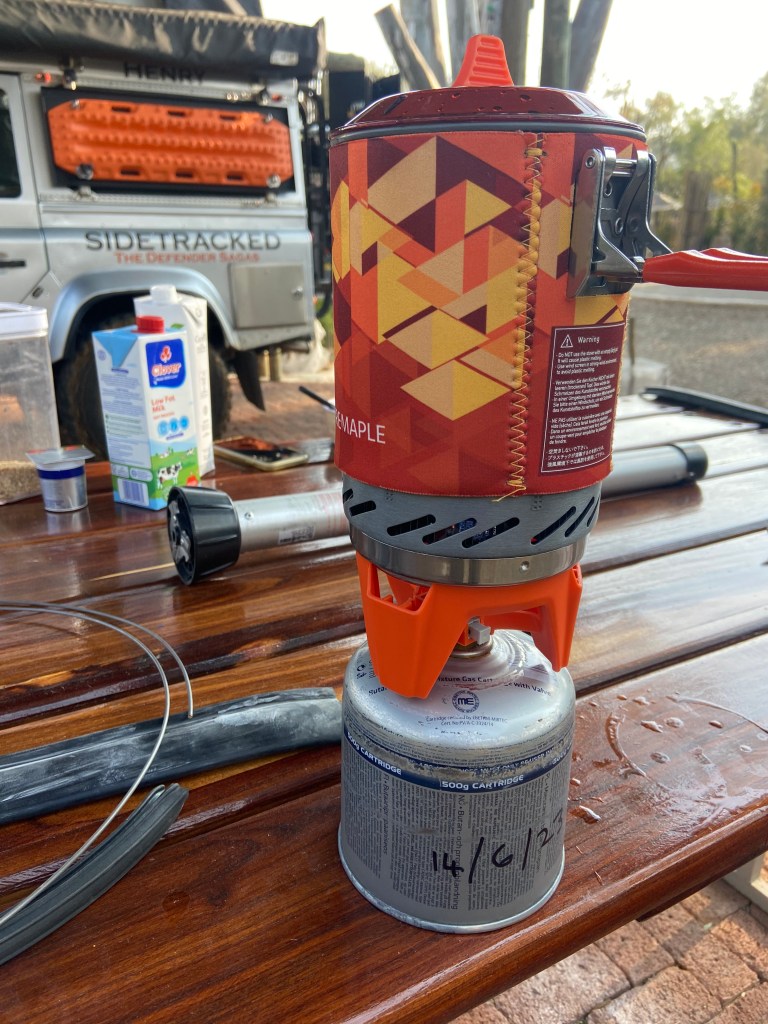
We had even bought a new camp stove for our cups of tea. We needed sunglasses on to look at it but it turned out to be brilliant
Meanwhile I spent my time trying to complete on the new funding for our business in the UK which had become a complete nightmare amidst ever increasing interest rates that threatened to break us if we didn´t get this deal over the line quickly.
Once most of the bits and pieces were done we took Henry to have his wheels aligned

But by far the biggest job was to replace the new crown wheel and pinion in our rear differential which some of you may recall we damaged in Angola and had a temporary fix done by the amazing Alexander in Luanda. This job could not be done ourselves, it needed precise engineering skills and equipment.
Our usual mechanic in Windhoek very apologetically told us he had at least a four week wait-time as he said everyone in Europe had decided to come to Namibia and break their 4x4s!
We got in touch with IB who we met at Urban Camp many months ago. IB had mentioned a great Landrover specialist he had used for years out near the airport. IB happily provided his contact details and we got in touch.
Ollie was happy to do the work but was also very busy. He warned it would be a while before he could fit us in but kindly agreed for us to pop over and chat to him about it the following day.
When we arrived we found a lovely, chatty person willing to help as much as he could – and who turned out to be from Wiltshire. Ollie has been in Namibia for 26 years and has permanent residency so it was fascinating talking to him about his experiences.
We chatted to him for three hours about anything and everything and in the end he agreed that we could go back on the following Saturday when he would do the work required – as long as James helped out. Of course James was more than happy to do so.
Meanwhile other plans were afoot. Henry may have needed lots of care and attention, and the business may have been sucking the life out of me. But there was one other task that we were not about to forget and that was the task of finding ourselves a home here in Namibia.
I had made contact with Heike, the agent for the farm in Maltahohe, and arranged to go and see it for a second time. Our friend Kobus was coming with us to give his expert opinion.
But there was more excitement to come. Firstly, on the way to Maltahohe we were going to stop off at the Arnhem Caves Lodge. The owners had bought and renovated it only six months ago but were now looking for investors. They were keen to sell part or all of the place and we agreed to take a look.
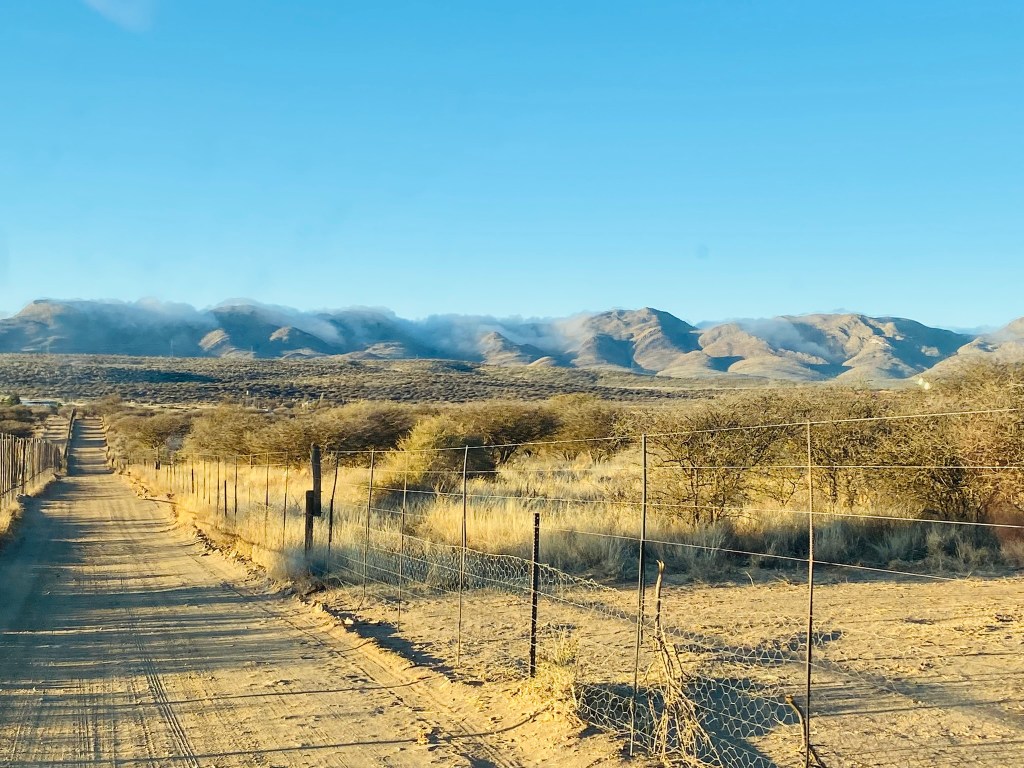
And even more exciting, I had been talking to a number of other agents to find other farms to see. After viewing the farm down in Maltahohe we were to drive north to see two more farms in an area which is famed for its beautiful, yellow grass plains and mountains that set my heart alight so much.
We were realising that there may be better options than the farm in Maltahohe but the sheer size of that one was still very appealing – we felt that we could do so much with it in conservation terms. However, a few days later I managed to get contact details for a very experienced ecologist and had a long and interesting chat with him about the farm and its potential. He warned us off – his view was that there is little the flat, monotonous land in that area could offer in terms of conservation and diversity. But when I told him about the water and the clay soil he softened a bit and said it could have potential – more for vegetation than animals.
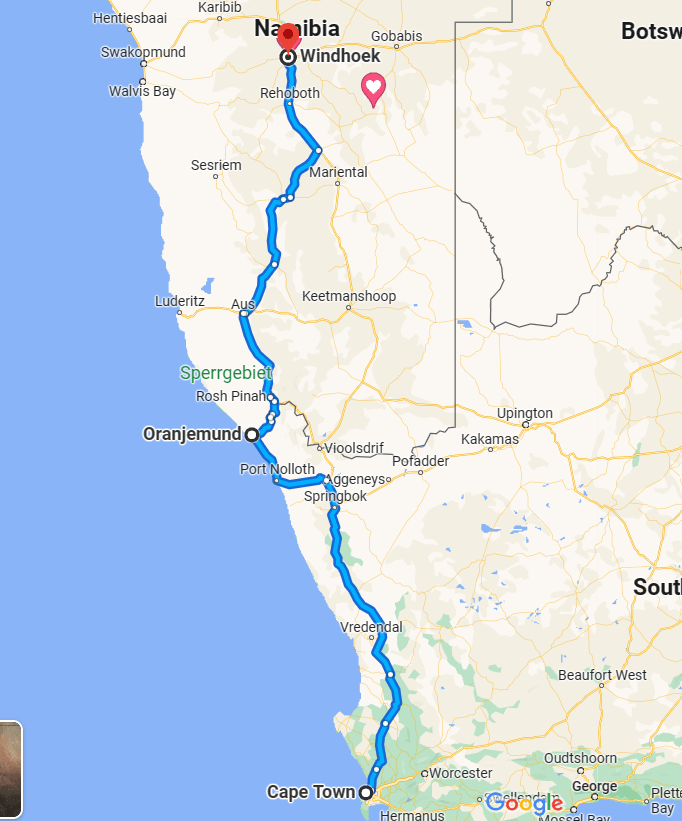
He suggested we looked further south near the Orange River and tempted us with talk of being close to Cape Town rather than Windhoek. Initially I was keen but when I checked Google Maps, Windhoek was 8.5 hours away and Cape Town 7.5 hours away. Not really a practical option, especially when we need to go back to the UK twice a year – the drive to the airport would be longer than the flight!
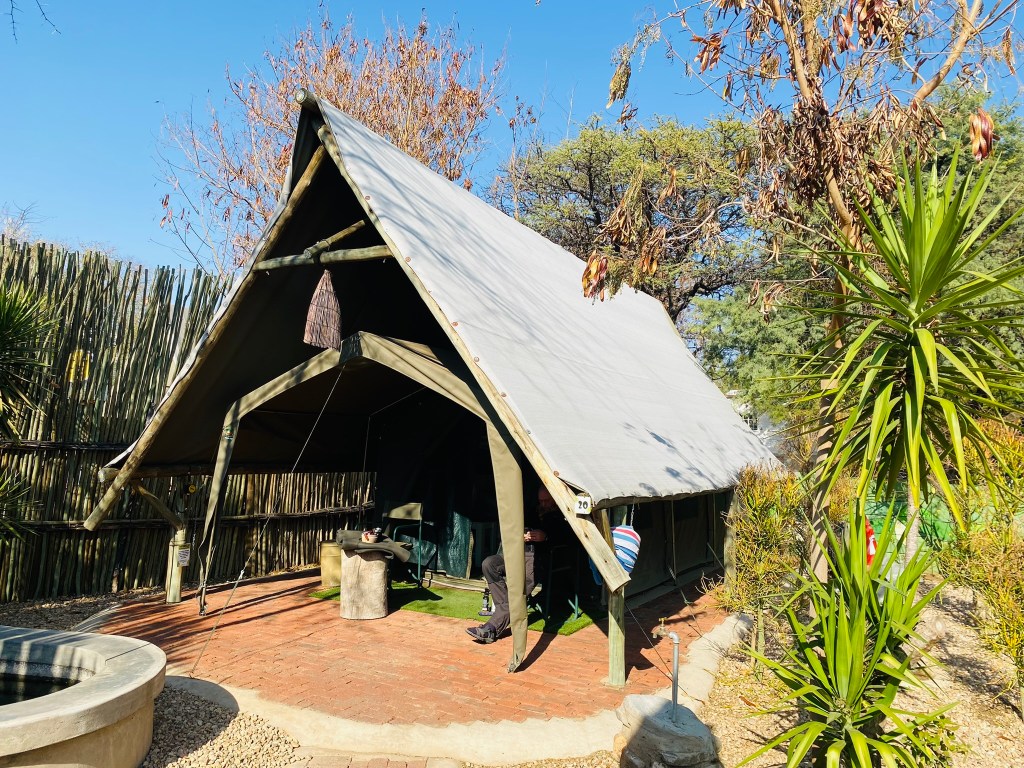
That night we were given the upsetting news that Urban Camp was full the next day! They had a block booking for an overland expedition. It was our own fault for not having firm plans and leaving our extensions to the very last minute. We felt as though our parents had told us to leave home and suddenly realised we had nowhere to go. But the lovely manager, Kristi, said there was one luxury tent left and suggested we could use the opportunity to have a relaxing, romantic evening together. We were sold! We moved all our overnight stuff into the lovely tent, booked a private table and a nice bottle of wine for dinner and put everything else out of our minds for one evening
Namibia´s winter is June to August and during those months it can get quite cold. Typically 24-25 degrees at the hottest part of the day but no more than 6-7 degrees first thing in the morning. My training sessions had been a bit chilly since arriving back from the UK and we were both wearing our thick fleeces most of the time. But every so often, maybe three or four times during the winter months, even Namibia gets a really cold spell. And the day we went to see Ollie to get the rear differential fixed had marked the start of one of those spells. Daytime temperatures never got above 14-15 degrees and overnight it plummeted to below zero. We were absolutely freezing and the mornings were the worst – even the morning we woke up in our posh tent!

Nevertheless our farm-viewing plan started very well. After spending the night camped up in Ollie´s workshop over night we arrived at Arnhem Cave Lodge late morning on Sunday. The owners were very pleased to see us and gave us the grand tour. The renovations had been done beautifully, the whole place was immaculate. There were four owners each with equal shares – a woman called Jeanne, her husband and her parents. Her father was a fascinating person, with many years experience in both wildlife and tourism. He had a wealth of knowledge and was someone we could learn a great deal from. In addition, as the lodge was already up and running and the parents were managing it day to day, it would give us a soft landing in Namibia and keep open our ability to travel as much or as little as we chose.
But the land that came with the lodge was only 1,200 hectares, nowhere near enough to do anything meaningful in conservation terms. It would be a completely different proposition but one which had its appeal. The owners offered to send us financial information on the business and we drove away with a lot to think about.
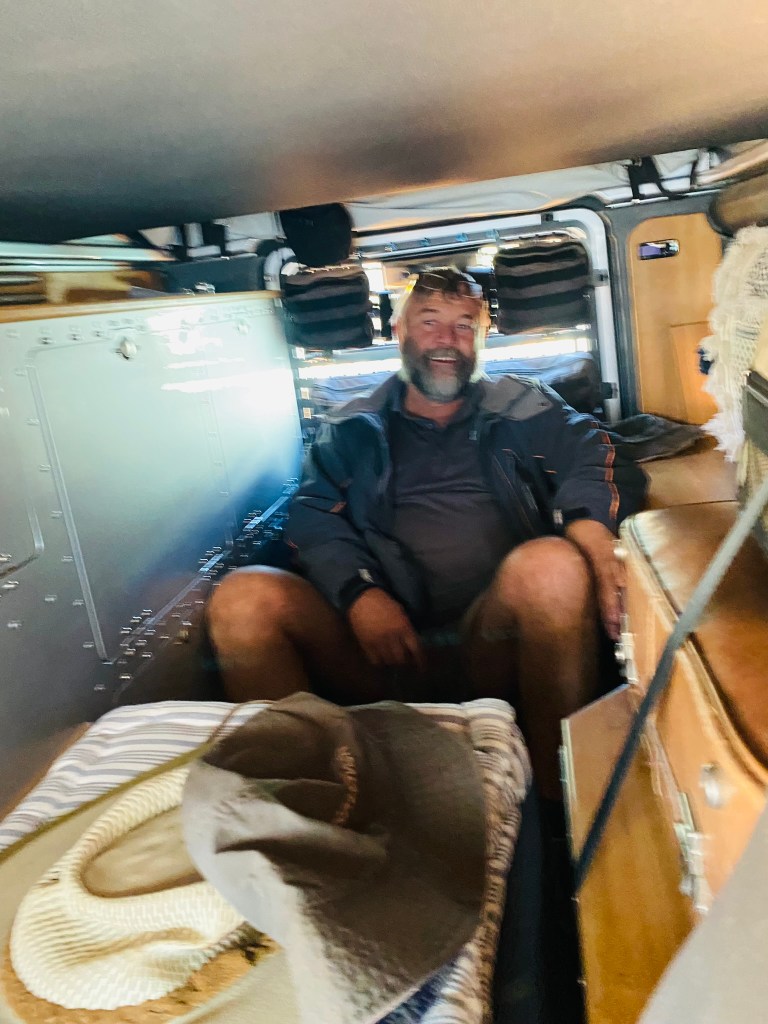
We arrived at Kobus´ farm in the evening and the next morning loaded him into the back of Henry along with an old Landrover seat that we balanced on a wooden board in the back – he was very comfortable!
We spent the night with Johnny, the neighbour who wanted to buy part of the farm. His place was lovely, it really showed what could be achieved around here
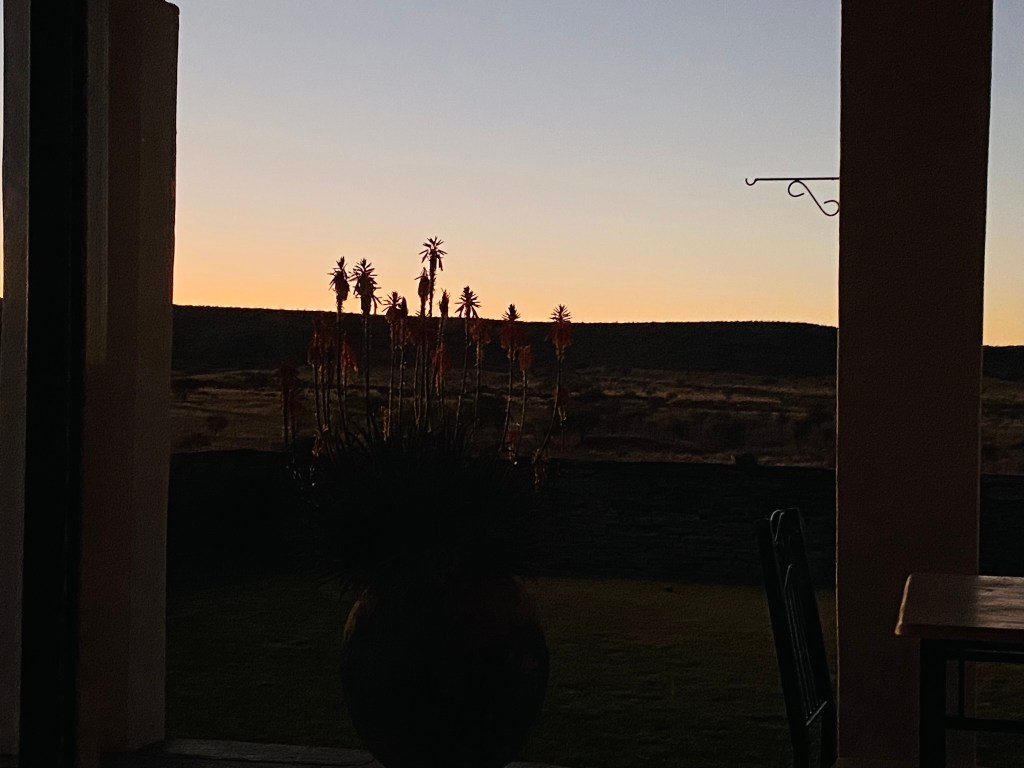
Even if someone decided to do some scrumping!
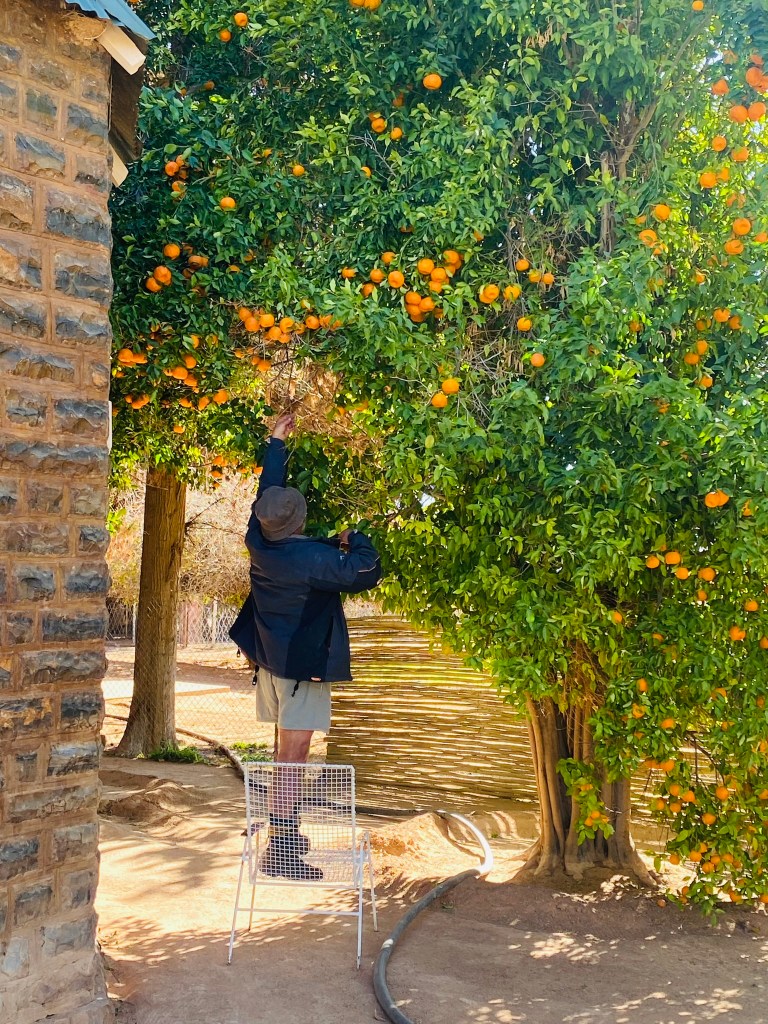
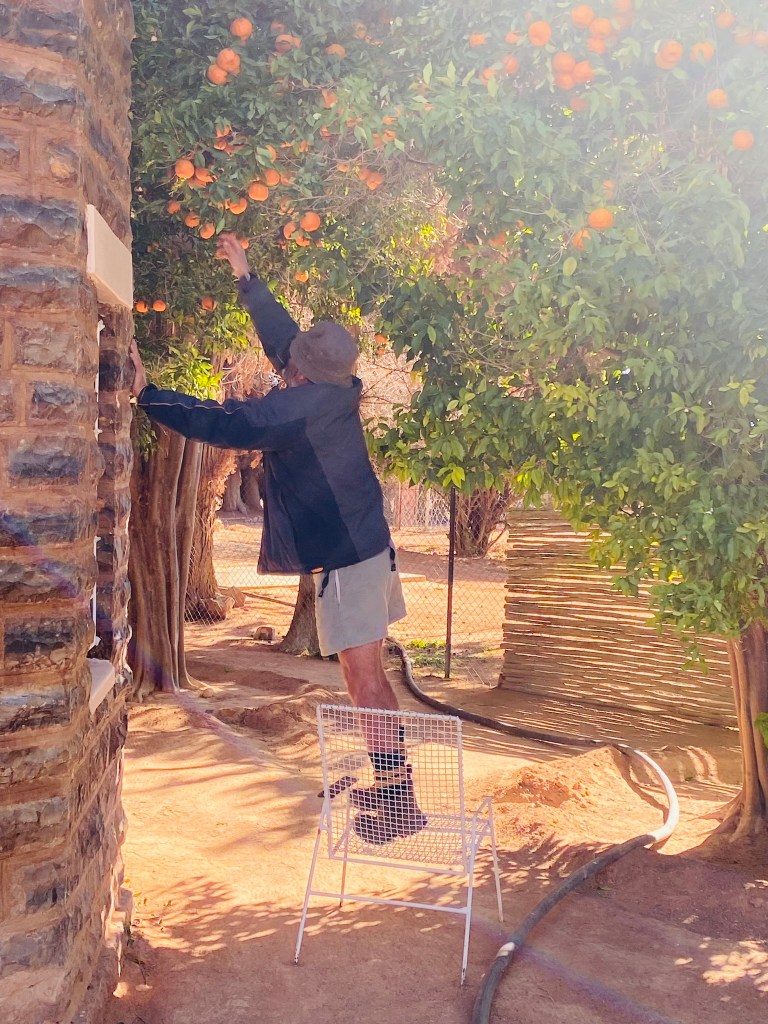
But the cold spell was persisting and everyone was freezing cold all the time. We sat huddled up each morning and evening, fleeces on under big coats, woolly hats and warm drinks. It was bitter.
On Tuesday we all went to visit ´our farm´. We spent most of the day looking over the buildings and the land, examining the boreholes and water dams. Everything was broken, run down, neglected. The vegetable garden was dead, the prickly pear bushes were brown and drooping from lack of irrigation, the dams were broken and spilling water all over the land. The boreholes no longer worked. The roof of the house was in disrepair and the walls crumbling.
But it was wonderful! The potential was huge, with so much water we could do anything.
The area was still not beautiful, the ground was still bare and dark. But we could do great things here and, more importantly, we both really wanted to.
That evening we spent hours talking with Kobus and Johnny about land values and the costs of repairing and rebuilding. Figures starting coming together – not the figures the owner wanted but figures we all agreed were fair and achievable.
The next day we loaded Kobus and his chair back into Henry and set off to his farm. We made it to the large town of Mariental a couple of hours away and stopped to pick up some bits and pieces. But then all our plans, yet again, got turned upside down.
We were on the long dirt roads between Mariental and Kobus´ farm when a loud and persistent clattering started coming from underneath Henry. We all looked at each other. We tried changing the gears up and down. Every time we went into 6th gear the clattering sound started again.
We pulled over and James and Kobus disappeared under Henry. When they reappeared they both agreed it was the gearbox.
We were in the middle of nowhere so had little choice but to carry on. Into 6th gear again, clatter, clatter, clatter. So we drove the rest of the 2.5 hours in fifth gear, nerves on edge wondering what was about to happen.
We arrived by late afternoon and Kobus and I cooked dinner whilst James did more investigations and research. It was not looking good. The gearbox could last another 5,000 miles or it could implode in the next 5 minutes, there was no way of knowing.
Kobus called a friend in Windhoek who owns a recovery truck. He explained the situation and got a quote. The plan was for us to get up very early the next morning and nurse Henry slowly over the dirt roads between here and Windhoek, aiming to get back to Ollie´s garage where he agreed to wait for us and see what he could do. If we didn´t make it we would contact Kobus on our satellite tracker, give him our GPS location and Kobus would send the recovery truck to rescue us.
As far as plans went, it was about as good as we could hope for. But Henry was not flavour of the month at this point. James mentioned something about a gallon of petrol and a match, I just kept my mouth tightly clenched hoping against hope that all these problems would one day, eventually, stop.
It took us twice as long as usual to get back to Windhoek. Even 5th gear by now was starting to make worrying noises and 1st to 4th were clunky and uncomfortable. But we made it. We left Kobus at 6am and rolled into Ollie´s garage by 11am.
Ollie went underneath whilst we turned the engine on, put the transfer box into neutral and tried all the gears. Even in neutral the clattering sounds persisted. There was no doubt, the gearbox had failed. There is really only one thing on a Landrover that is a bigger and more expensive job than replacing a gearbox and that´s replacing the entire engine. We were having no luck at all
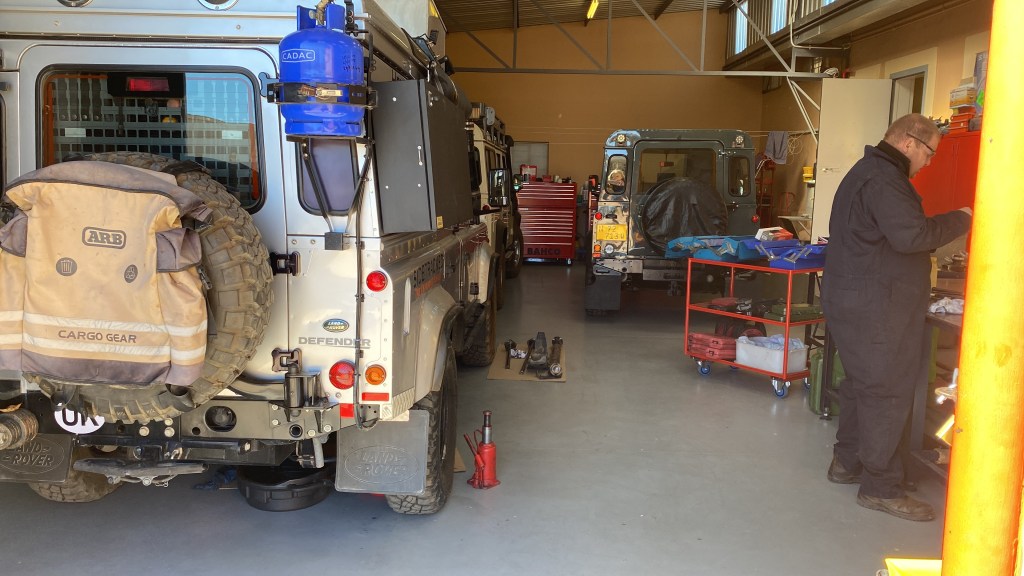
Ollie spent the next two hours calling round everyone he knew in Windhoek who might be able to help – and that list was extensive. Most people had gearboxes for the older TD5 Landrovers but the best we could find for our Puma engine was a second hand gearbox with no guarantee and no known previous history. The seller was reputable but could offer no information on it. He wanted N$25,000, that´s around £1,100, but for all we knew it was no better than ours. Landrover could source us a new one for £6,000 and a three week wait time, or a reconditioned one for £3,000 and the same wait time.
Time was ticking away whilst we were supposed to be heading towards our farm viewings the next day. But even more worrying, we were supposed to be leaving the country in 5 days time as our 90 days were up and Henry had to leave the country within two weeks as his Carnet had run out. Stress levels and worry were high.
I contacted Walter from British 4×4 in Pretoria who had helped us when we rolled down the mountain. They had no gearboxes for a Puma but he sent contact details for a gearbox company in Johannesburg.
They had one! It was reconditioned, Walter vouched for their quality and they only wanted R18,500 for it, that’s around £800. We immediately said yes. Leon at the gearbox place said he would get a quote for a courier to bring it to Windhoek and when that came through it was around £300.
We were jubilant. We raced off to hire a car to get us to our farms.
There were no hire cars. We cancelled the viewings. We were gutted.
The next day Leon called back to say that they had never shipped across the international border into Namibia before and it all looked a bit hard. They had no export license, courier costs started escalating along with duty, VAT and everything else.
We had also asked them to supply a new clutch as, apparently, you would never replace a gearbox without also replacing the clutch. But when we got the draft invoice we realised they were charging more than double the cost in the UK. Plus VAT at the border.
We called and cancelled the order for the clutch – just the gearbox please.
James made a few calls to people in the UK. He got in touch with LOF who supply their own high quality, robust clutches designed exactly for heavy, hard-working Landrovers like Henry. They were able to provide the mid-range clutch we wanted, a special clutch spring and a master cylinder including air frieght to Namibia for a surprisingly good price. We placed the order.
Meanwhile Leon had found a courier company who delivered items cross border for consumers rather than businesses and would deal with all the border issues. He was charging £160 and we had to pay 16.5% VAT on the value of the gearbox at the border on top.
And finally, the price Leon was charging for the gearbox included the assumption that he would get our broken gearbox back in exchange, so we had to pay the courier again to take ours back and – guess what – pay VAT on the value going back into South Africa!
Total cost of Henry´s latest hiccup? Just under £3,000.
We had had to cancel our farm viewings and were desperately trying to extend our visas and Henry´s carnet so we wouldn´t get arrested. By now we had been in Windhoek for 3 weeks and Zimbabwe was feeling like a dim and distant dream.
But what could we do? It was get through this or scrap Henry and between those two options there was no choice. So we drove glumly back to Urban Camp, settled in for the long haul and started making plans for how we were going to live and sleep without Henry for a week or more without putting our perilous finances in even more peril…..life on the road, how quickly the dream can become an absolute nightmare!
 The Sidetracked Sagas
2 responses to “The Highs and Lows of Life on the Road”
This blog is turning into a veritable thriller!!!!
LikeLike
Love reading your blogs.
Hope you get Henry sorted out.
Good luck with your search for a farm.
Can’t wait for the next instalment x
LikeLike